




Let’s be honest — tiny dogs have main-character energy. They fit in your lap and your tote bag (ethically, please) and somehow still manage to run the entire household. For families wanting a gentle, affectionate companion without the chaos of a large breed, toy-sized dogs can be an incredible fit.
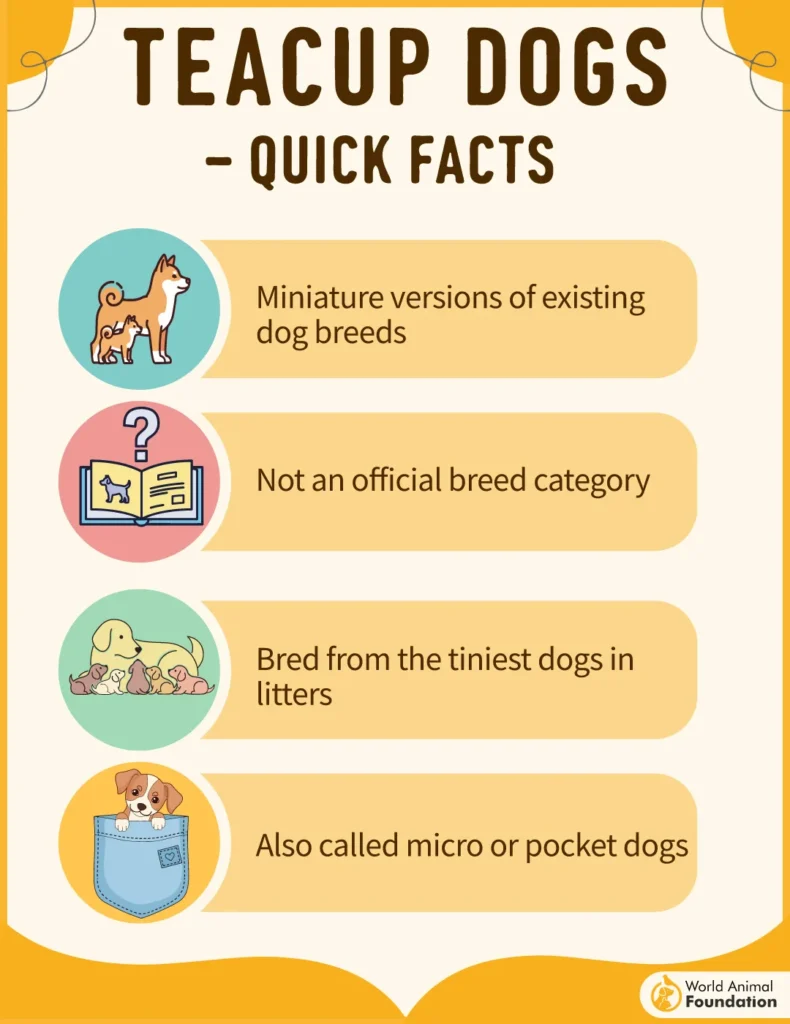
But here’s the thing: “teacup” isn’t an official breed classification recognized by major kennel clubs. It’s usually a marketing term for very small individuals within already tiny breeds, and going extremely small can come with health trade-offs. So when we talk about gentle “teacup-style” dogs, we’re focusing on naturally small toy breeds with balanced temperaments — not ultra-miniature extremes.
Small dog breeds tend to live longer than large breeds, according to studies. That’s a bonus for families who want a long-term companion. But longevity isn’t everything — temperament and compatibility matter just as much.
If you’re looking for a sweet, people-focused, manageable-sized dog who thrives in family settings, the top gentle teacup dog breeds are perfect family pets.
Top Gentle Teacup Dog Breeds: Perfect Family Pets
1. Biewer Terrier
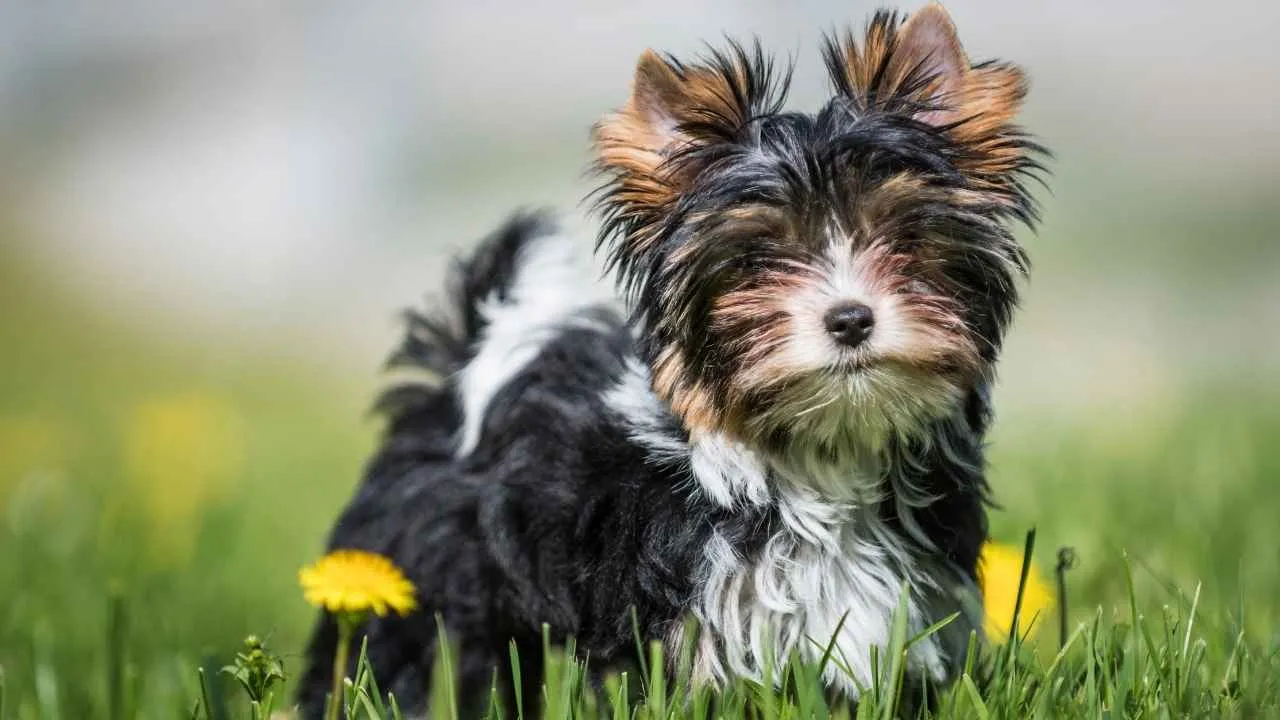
The Biewer Terrier may be small, but it absolutely refuses to have a small personality. Developed in Germany in the 1980s from Yorkshire Terriers, this teacup breed is now recognized by the AKC as a distinct breed (officially recognized in 2021). That recent recognition makes it one of the newer additions to the toy group.
They are lively, affectionate, and people-oriented. They bond intensely with their families and often follow their humans from room to room — classic “Velcro dog” behavior. That closeness makes them deeply loving companions, but also means they don’t love being left alone for long stretches.
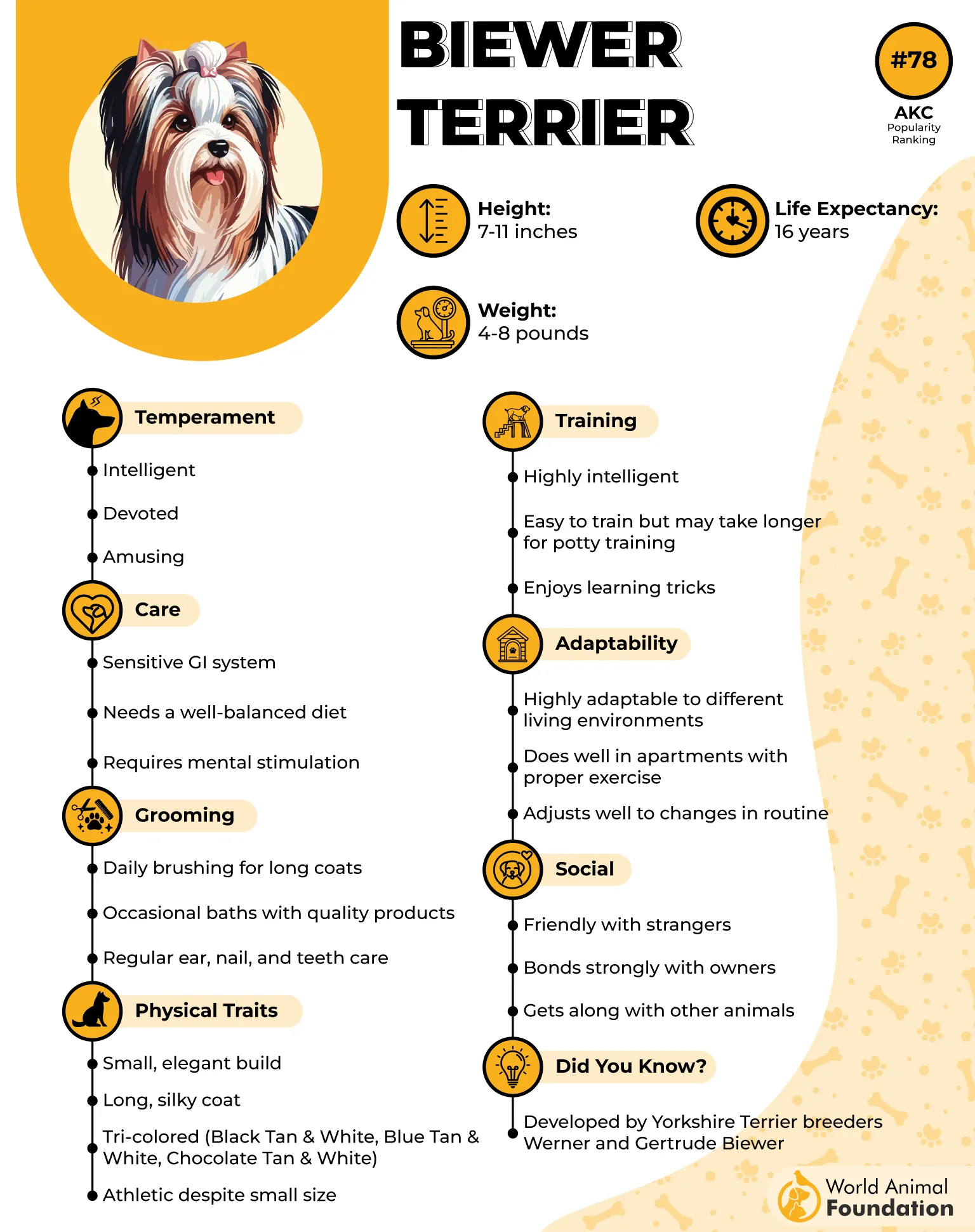
For families, older children who understand how to handle small dogs gently tend to do well. Because they typically weigh only 4–8 pounds, supervision around toddlers is non-negotiable. Their small frame means accidental injury is more of a risk than temperament issues.
They’re intelligent and trainable, though potty training may require patience, which is common in toy breeds due to their bladder size. Positive reinforcement works beautifully with them, especially when sessions are short and upbeat.
Though they are among the best small dog breeds for a family home, their long, silky coat requires regular brushing to prevent tangles, and many owners opt for a practical puppy trim.
2. Brussels Griffon
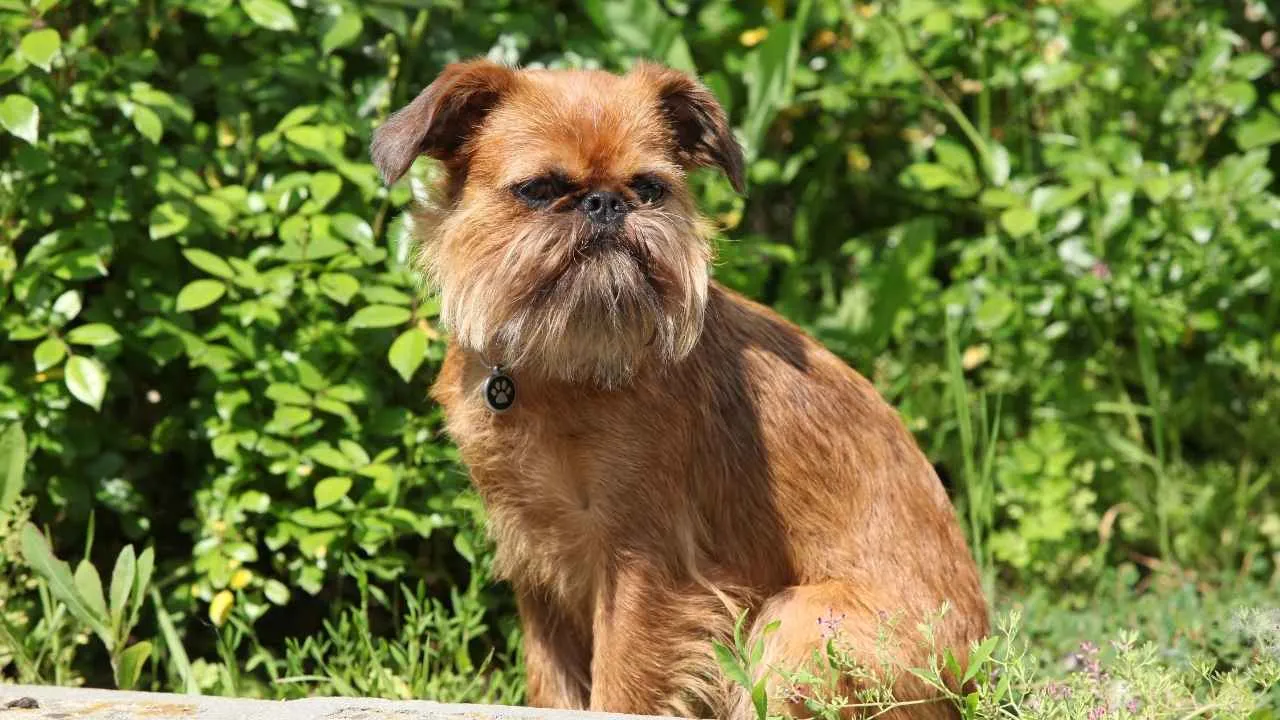
The Brussels Griffon looks like a tiny philosopher who has seen things. Originating in Belgium in the late 19th century, the breed was developed from Affenpinschers and small street dogs to control rodents in stables. Over time, they transitioned from working rats to elite lap companions.
Although they have low energy, they are emotionally intelligent and deeply attached to their humans. They often form very strong bonds with one person but still adore family life. Their sensitivity makes them gentle companions in calm households.
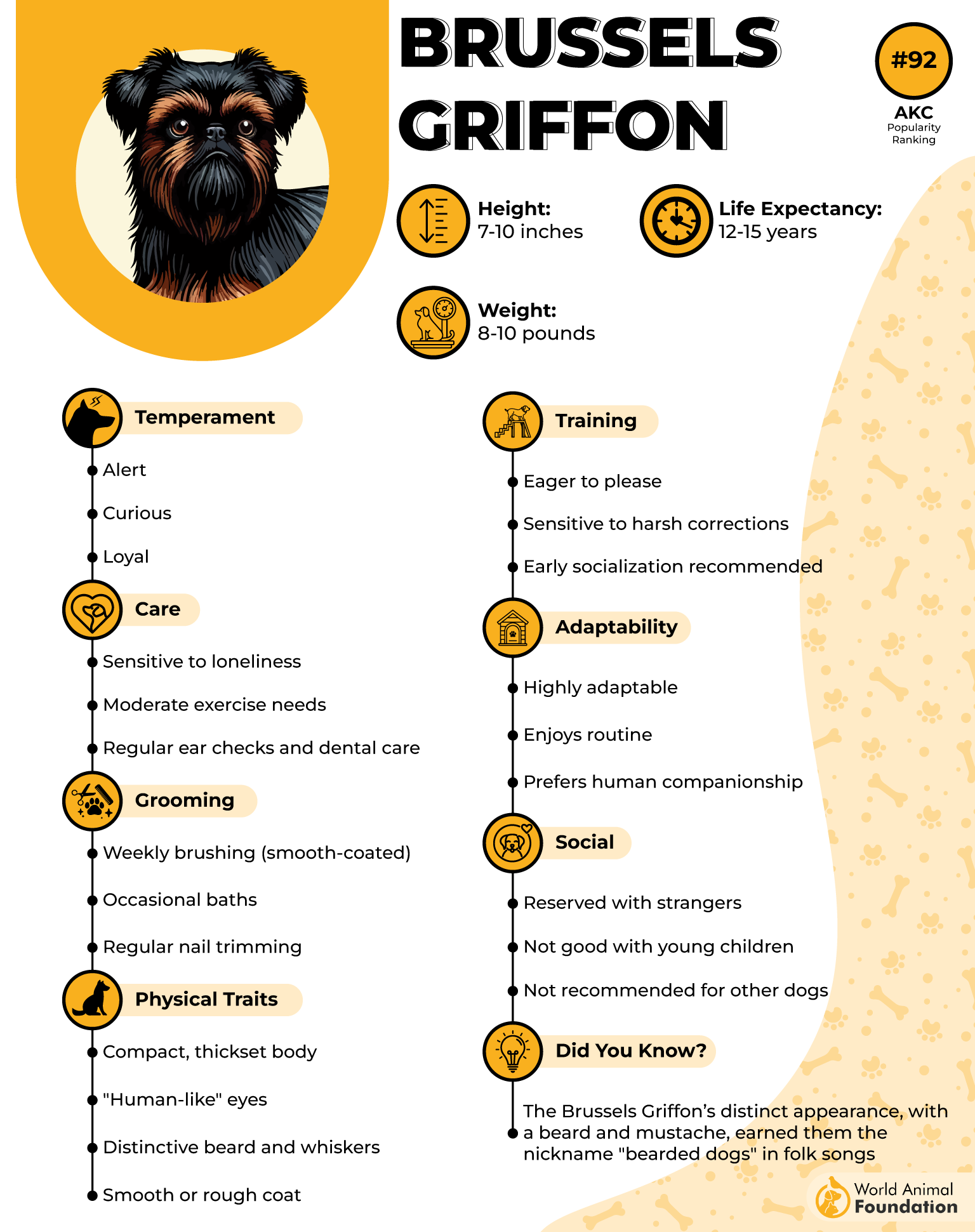
These lap dogs aren’t typical, PetMD claims, but they are expressive. Griffons thrive on interaction and mental engagement — puzzle toys and short training sessions go a long way. They do not respond well to harsh corrections, so calm, positive training is key.
They can be slightly reserved with strangers, which makes early socialization important. This isn’t about aggression — it’s about confidence-building. A well-socialized Griffon becomes charming rather than cautious.
For quiet households that value companionship over chaos, these teacup puppies deliver. They don’t want to dominate the room. They just want to be part of your world.
3. Papillon
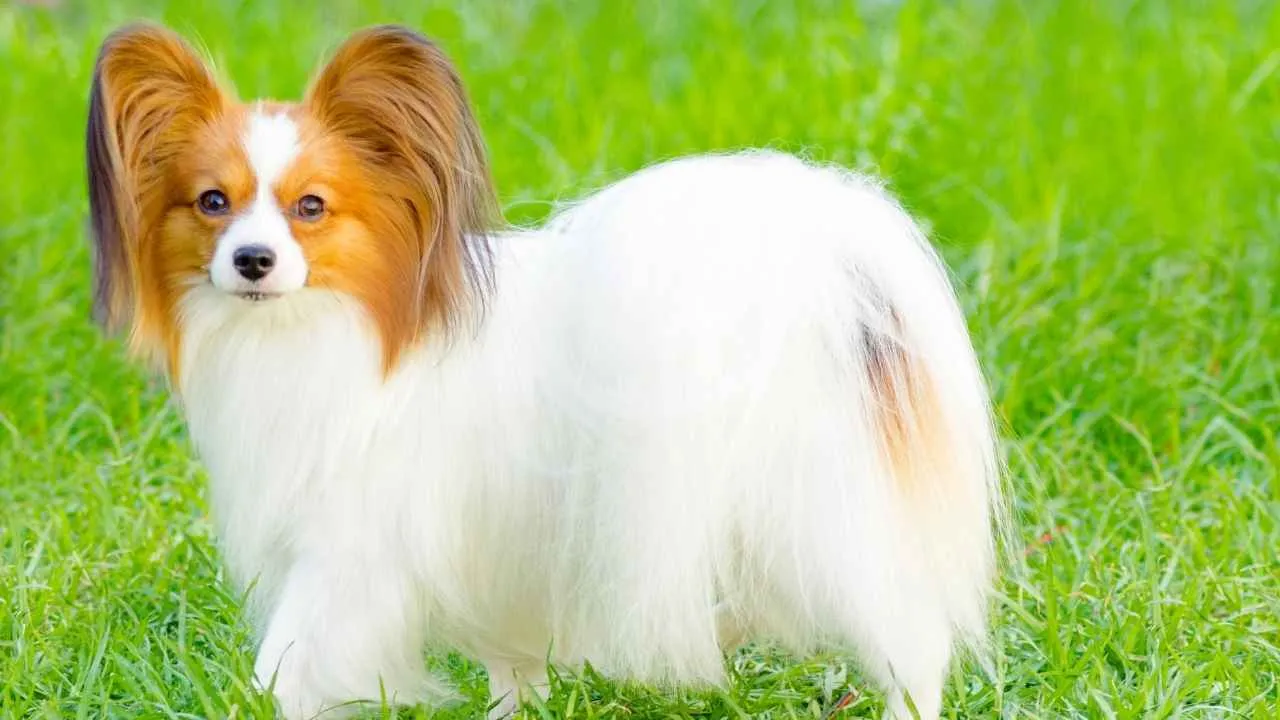
Papillons are proof that elegance and energy can coexist. Recognized by their butterfly-like ears, this breed consistently ranks among the most intelligent toy breeds.
According to canine intelligence rankings by psychologist Stanley Coren, Papillons place within the top 10 for obedience intelligence. That means they learn quickly and retain commands well. Training them feels collaborative rather than exhausting.
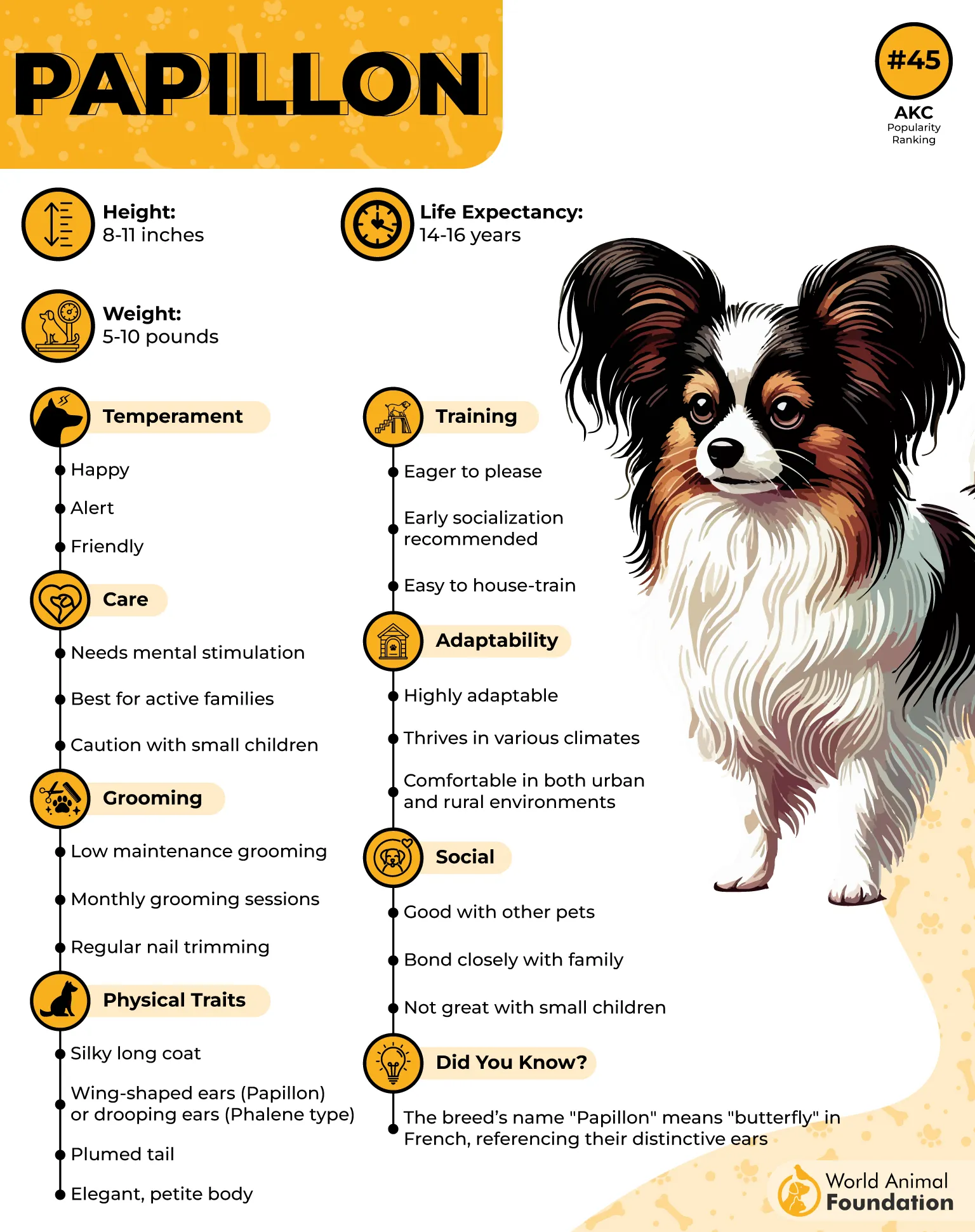
Purina describes them as affectionate, friendly, and generally not shy or aggressive. These great lap dogs typically do well in families, but because they’re delicate (usually 5–10 pounds), interactions with very young children must be supervised. Their temperament is gentle, but their size demands care.
Despite their glamorous coat, these small-breed dogs don’t have an undercoat, which makes grooming more manageable than expected. A few brushings per week usually prevent matting. That’s surprisingly low maintenance for such a fancy-looking dog.
They’re lively without being chaotic and adjust well to the family’s lifestyle. Think playful best friend energy, not high-strung drama. Also, it can easily adjust to various living environments without yapping.
4. Havanese
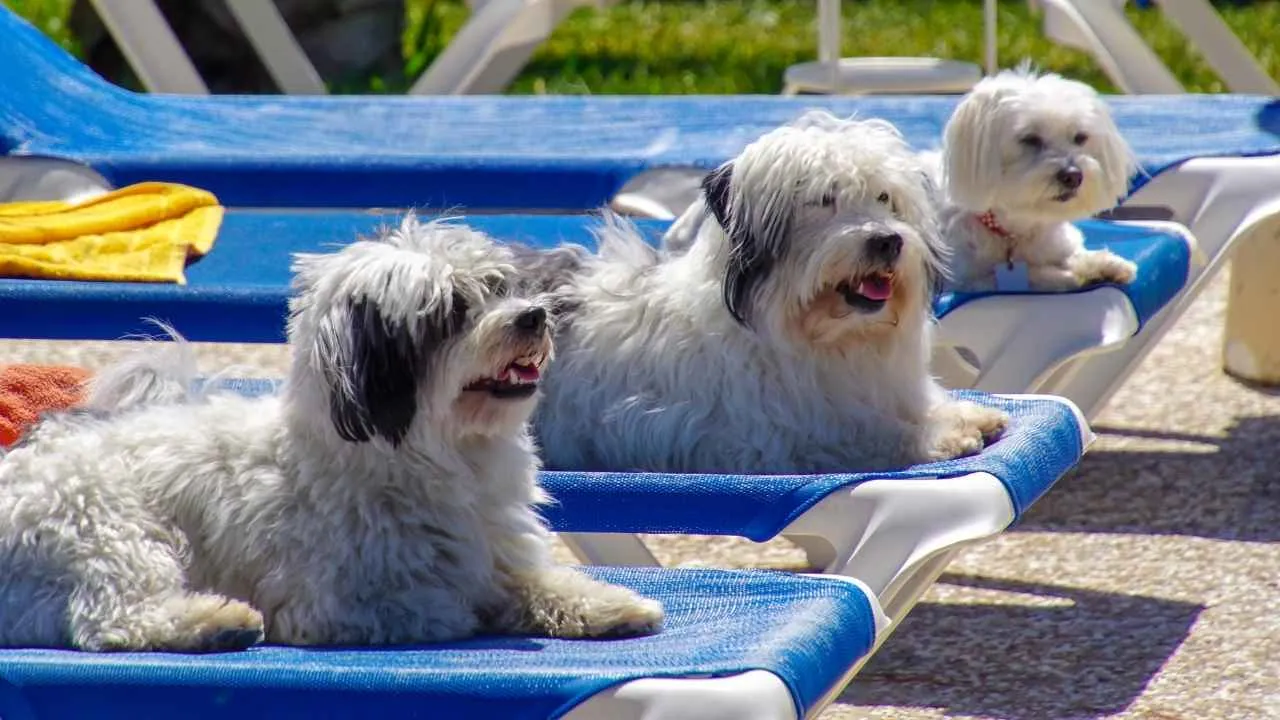
The Havanese is the national dog of Cuba and one of the most adaptable toy breeds. These dogs typically weigh 7–13 pounds and are known for their affectionate, people-first temperament.
They bond quickly and tend to shadow their favorite humans throughout the day. That attachment makes them incredible companions but also prone to separation anxiety if left alone excessively. Homes where someone is around most of the day suit them best.
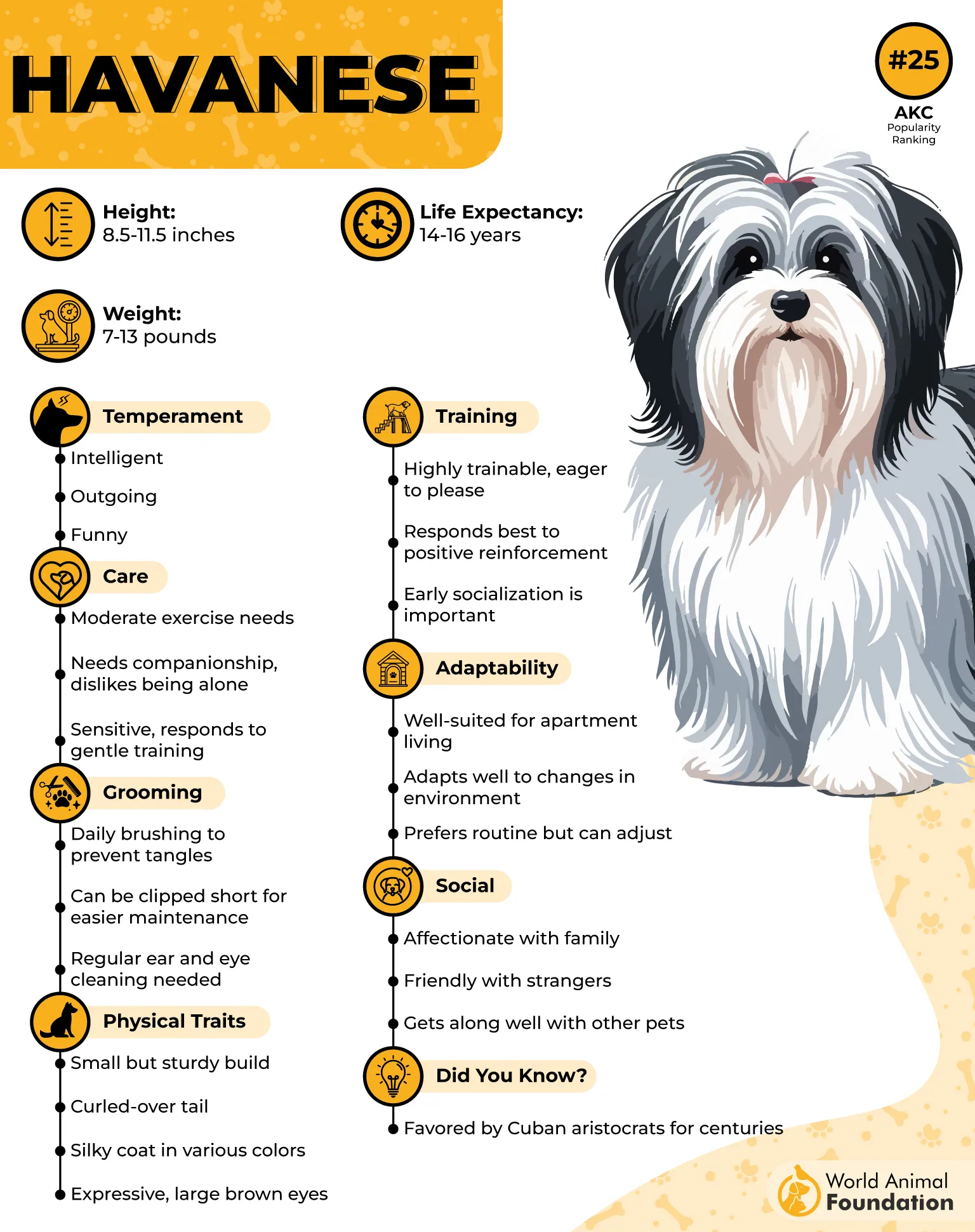
They are intelligent and excel at positive reinforcement training, according to Orvis. They often participate successfully in agility, obedience, and even therapy work. That balance of trainability and affection makes them especially appealing to families.
They’re low-shedding, and many allergy-sensitive households find them manageable as they wear a hypoallergenic coat. However, low shedding doesn’t mean that regular brushing is still essential to avoid tangles.
In apartment settings, they shine. These energetic dogs are small, adaptable, and generally gentle with kids when properly socialized. If you want a playful yet emotionally stable breed that bonds closely with all family members, the Havanese is a strong choice.
5. Shih Tzu
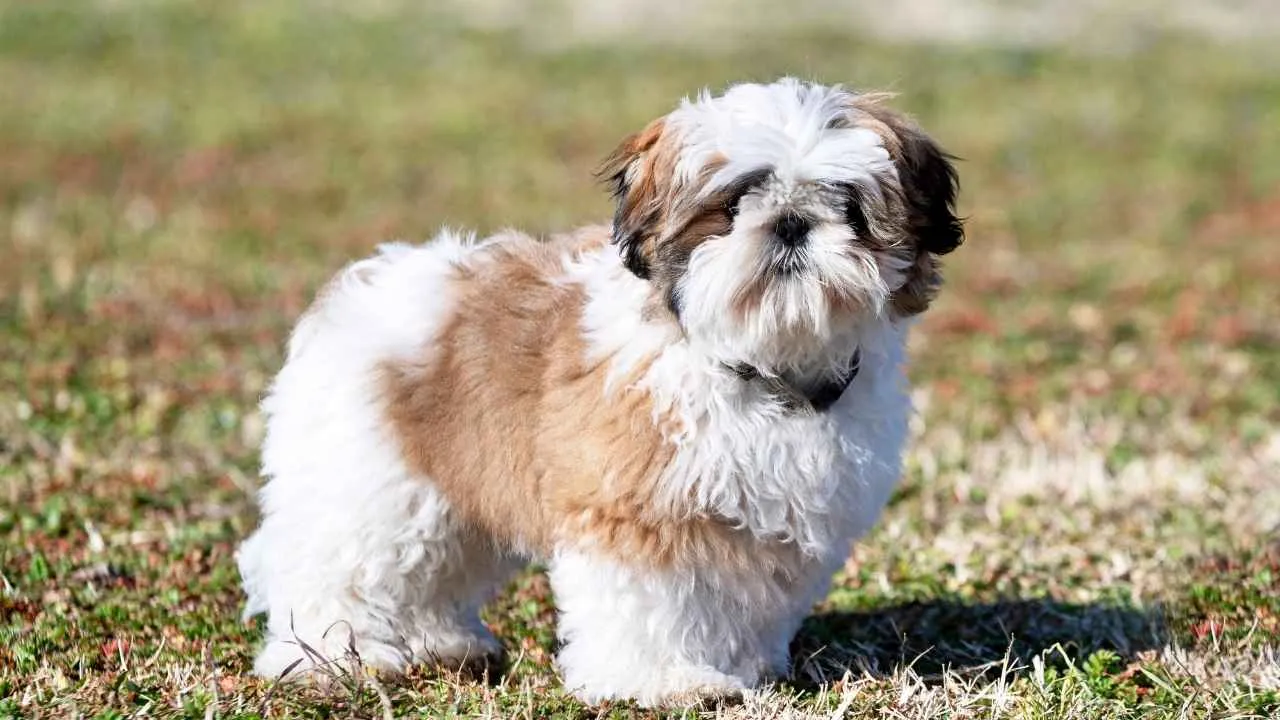
Bred for Chinese royalty, the Shih Tzu was designed to be a companion, not a worker. That heritage shows in their affectionate, calm demeanor and preference for lap time over long-distance hiking.
They typically weigh 9–16 pounds and adapt well to apartment living. While not hyper, they still need daily mental stimulation and light exercise to stay balanced. A short walk and some interactive play usually do the trick.
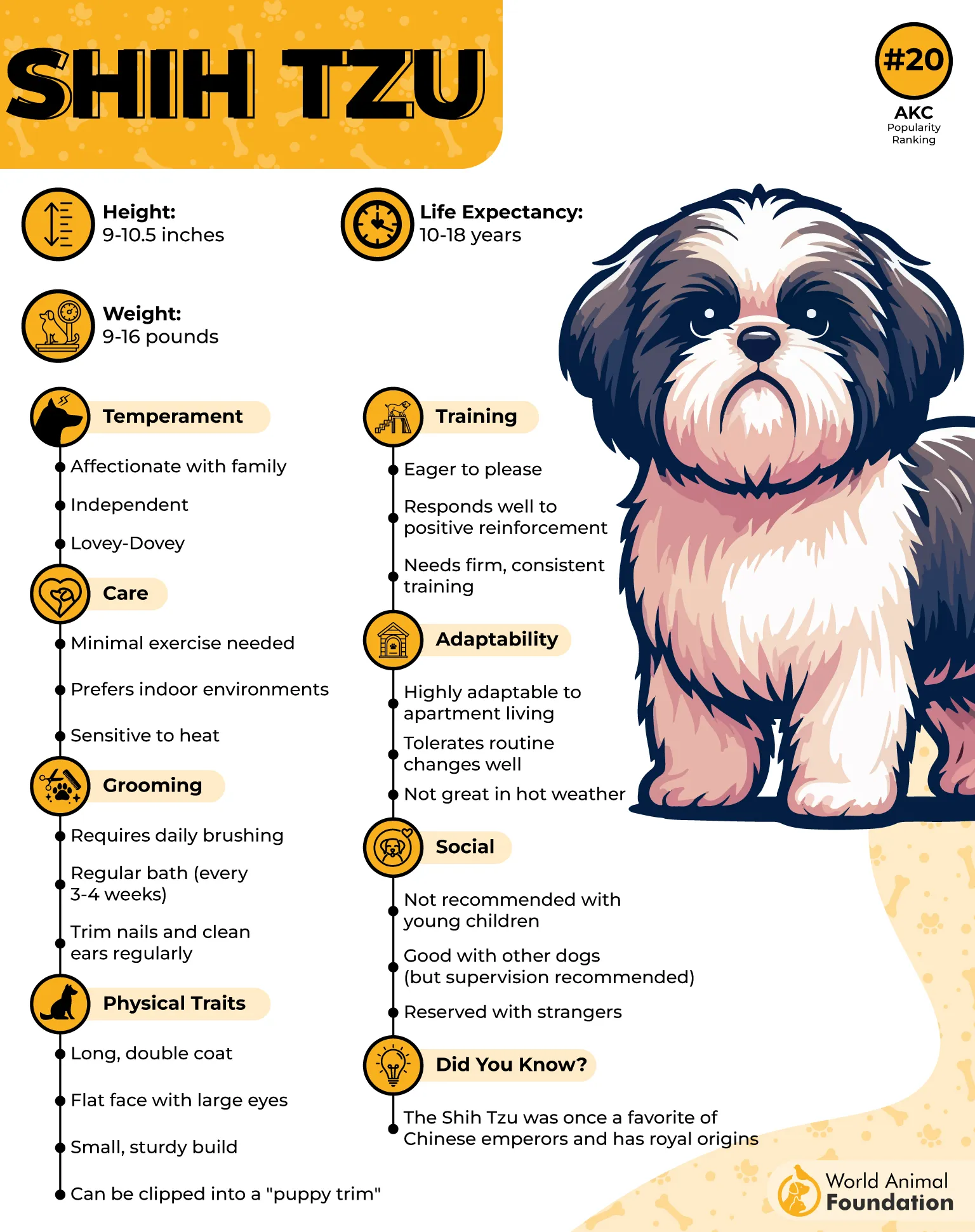
Shih Tzus are friendly and social, often greeting strangers warmly. They generally do well in families, though gentle handling is important. Rough play isn’t the issue.
Grooming is a serious commitment. Their long coat requires daily brushing unless kept short. For many families, professional grooming every 4–6 weeks becomes part of the routine.
If you want a tiny, affectionate dog who thrives in close companionship and calm households, the Shih Tzu absolutely delivers.
6. Yorkshire Terrier
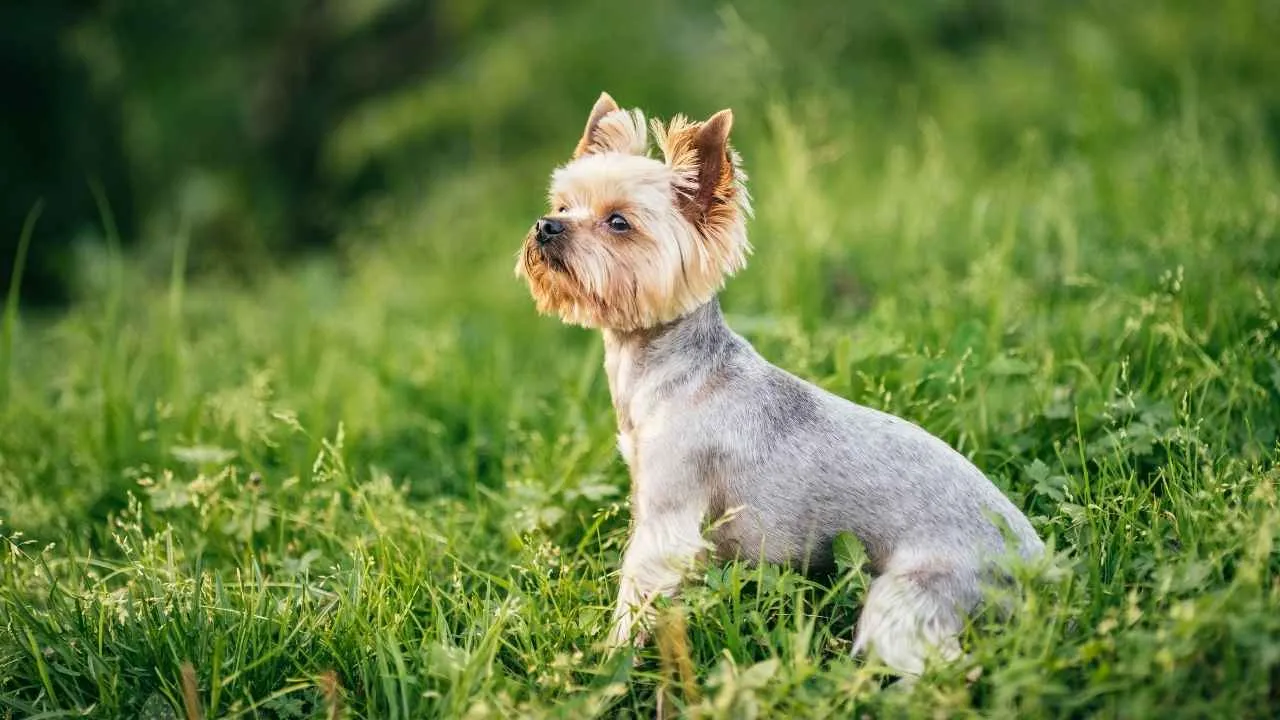
Yorkies may weigh under 7 pounds, but they do not know that. Originally bred in 19th-century England to catch rats in textile mills, they still carry bold, confident energy.
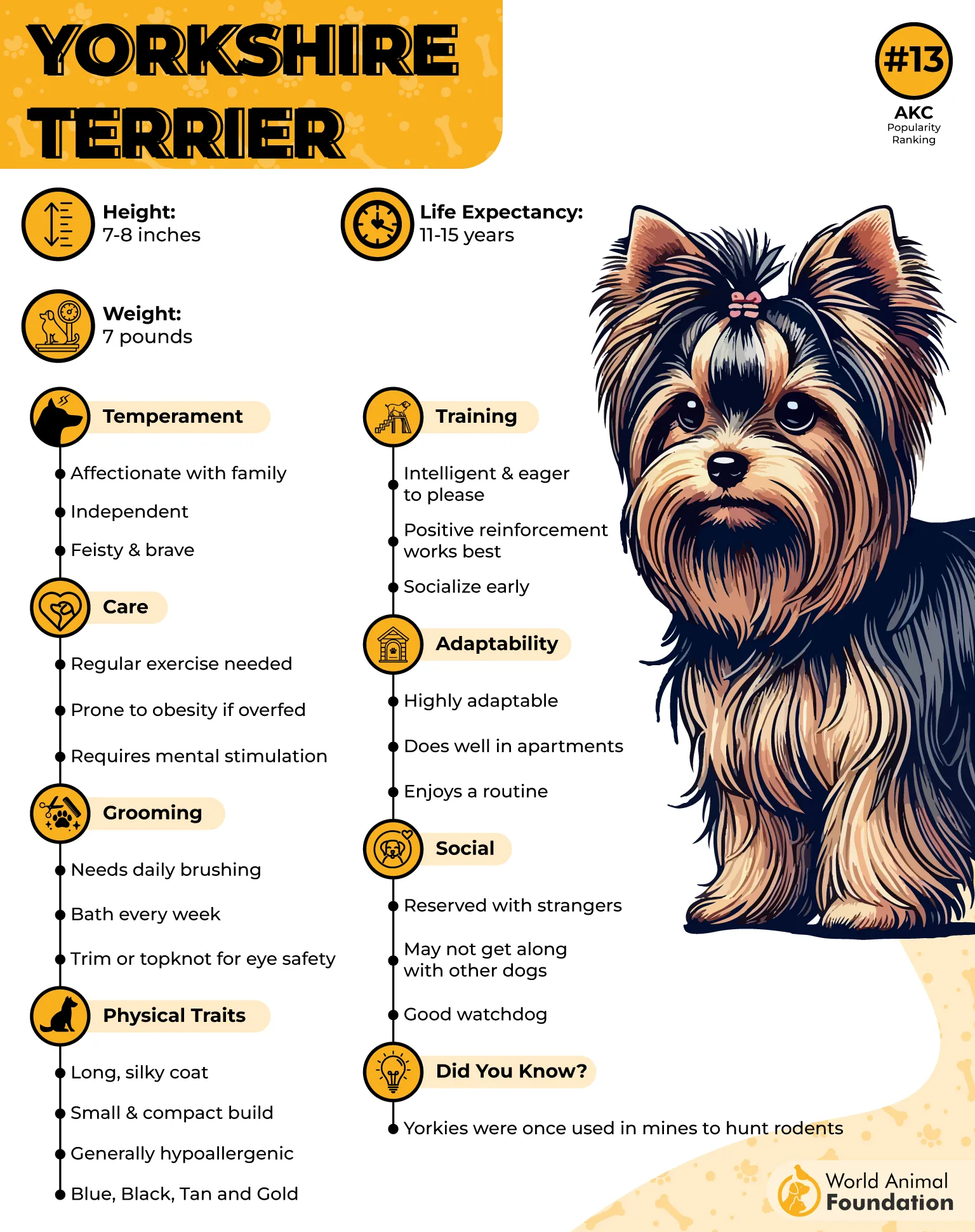
They are affectionate with their families but can be vocal watchdogs. That protective streak means they may bark at unfamiliar sounds, which apartment dwellers should consider. Early training can manage this.
Teacup Yorkies bond deeply and love attention. They are often described as spirited and feisty, but with proper socialization, they are loving companions.
They need homes with older children because of their small size. Accidental injury is a greater risk than temperament problems. Younger kids won’t really be able to handle the small size of these adorable dogs.
If you want personality, loyalty, and sass in a miniature package, the Yorkie fits the bill. Just be ready for big opinions from a very small body.
7. Maltese
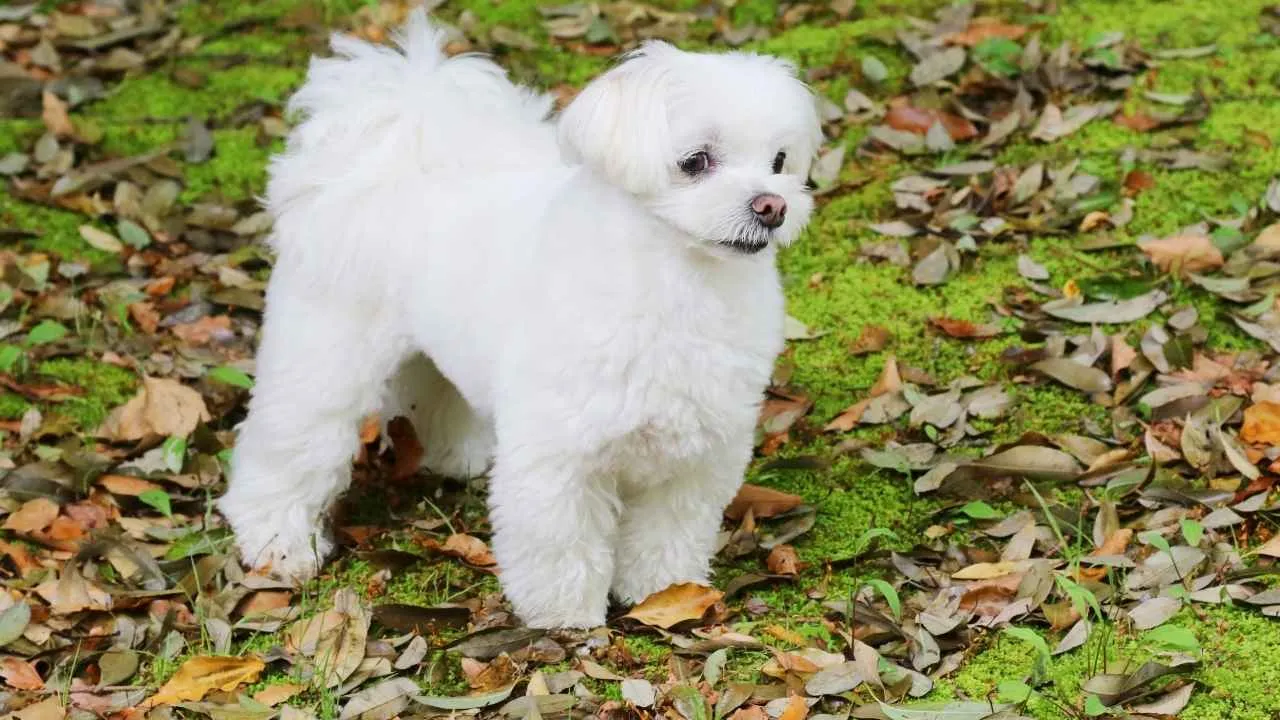
The Maltese is one of the oldest toy breeds, with roots tracing back over 2,000 years in the Mediterranean. They were bred exclusively for companionship — and they take that job seriously.
They’re affectionate, gentle, and thrive on human connection. Many Maltese sleep 12–14 hours a day, making them naturally calm indoor companions. That makes them ideal for quieter homes.
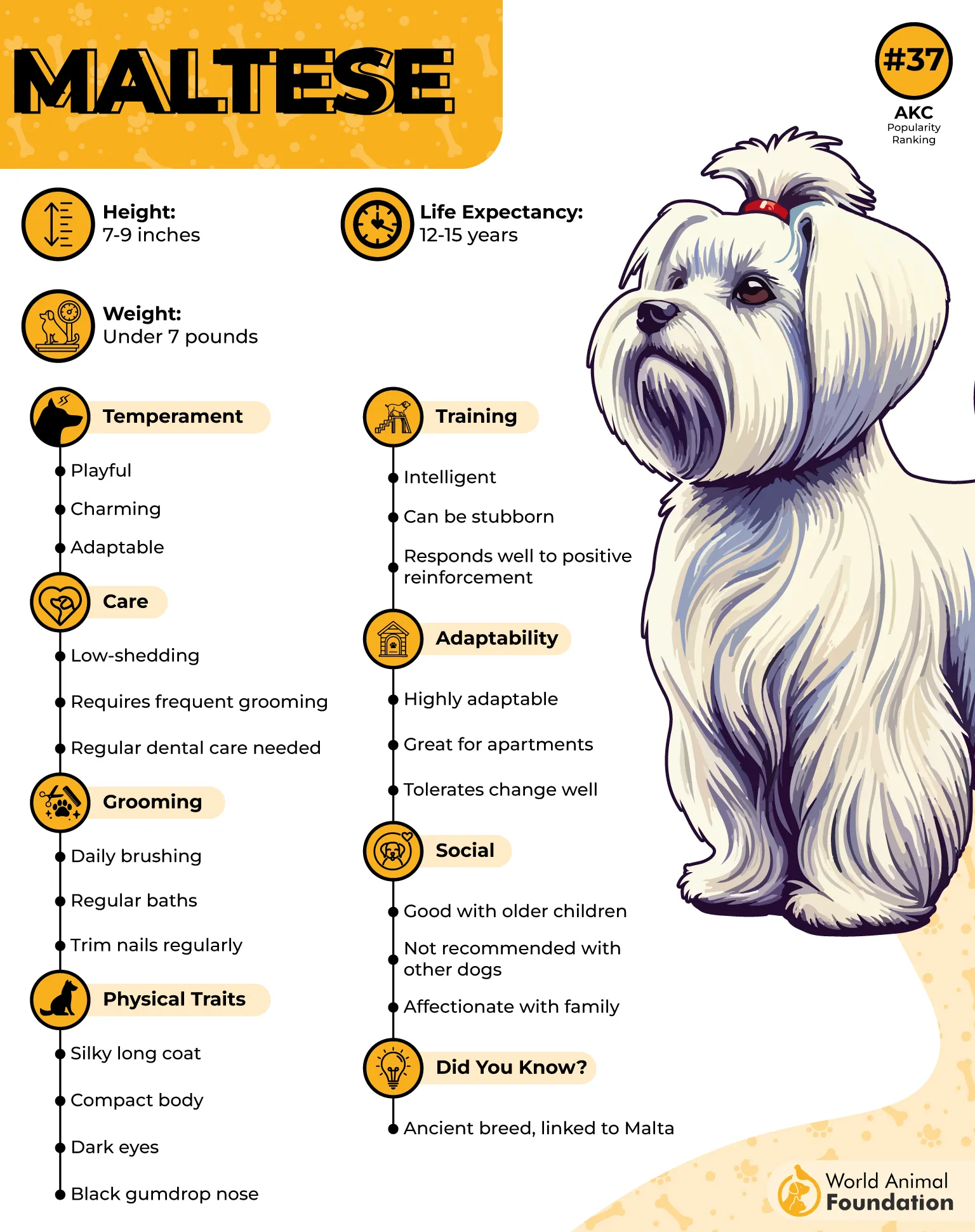
These dogs are companion breeds at heart, so their energy level is more about interaction than intensity. They enjoy short daily walks, indoor play sessions with active family members, and learning little tricks, but they don’t need long hikes or hours of running to feel satisfied.
For most adults, 20–30 minutes of light exercise per day is enough to keep them healthy and happy. They don’t require intense exercise, but daily walks and interactive play keep them mentally healthy. Boredom can lead to barking, so stimulation still matters.
Their white coat is iconic but high-maintenance. Regular brushing prevents mats, and many owners opt for manageable trims.
For families wanting a sweet, devoted, long-lived small companion, the teacup Maltese remains a classic for good reason when compared to other pets.
Conclusion
Tiny doesn’t mean fragile personality.
These great family dogs prove that small pups can be affectionate, adaptable, intelligent, and deeply loving companions.
But here’s the real takeaway: the word “teacup” should never mean compromising health for size. Ethical breeding, realistic expectations, and thoughtful training matter more than chasing the smallest possible dog.
And when that match happens? Your “little” dog will take up a huge place in your heart.
