




Let’s talk about something no dog lover ever wants to think about. Lifespan. Because while every pup feels like they’ll be by your side forever, the truth is some breeds simply don’t get as many birthdays as others.
Some dogs are known for sticking around well into their golden years. Others, despite being adored and well cared for, tend to have shorter chapters. It is not about love or effort. It is just the way certain breeds are built.
So why do these differences exist, and what should every future dog parent know before bringing one home? Let’s break it down.
Did you know?
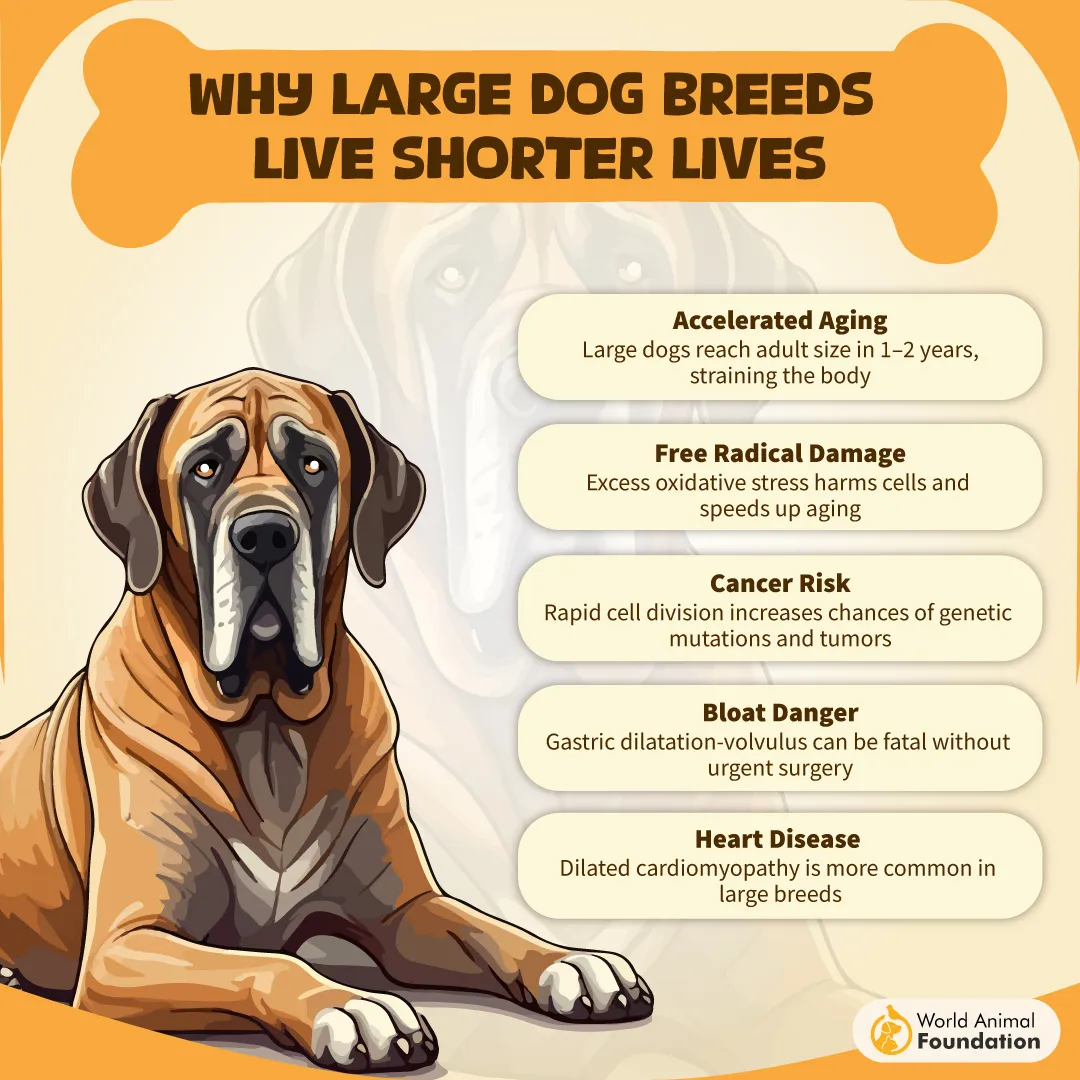
Large dogs tend to have shorter lifespans than smaller dogs. Bigger bodies age faster, which helps explain why giant breeds often have fewer years than their smaller counterparts.
Dog Breeds and The Reality of Their Shorter Span
1. Great Dane
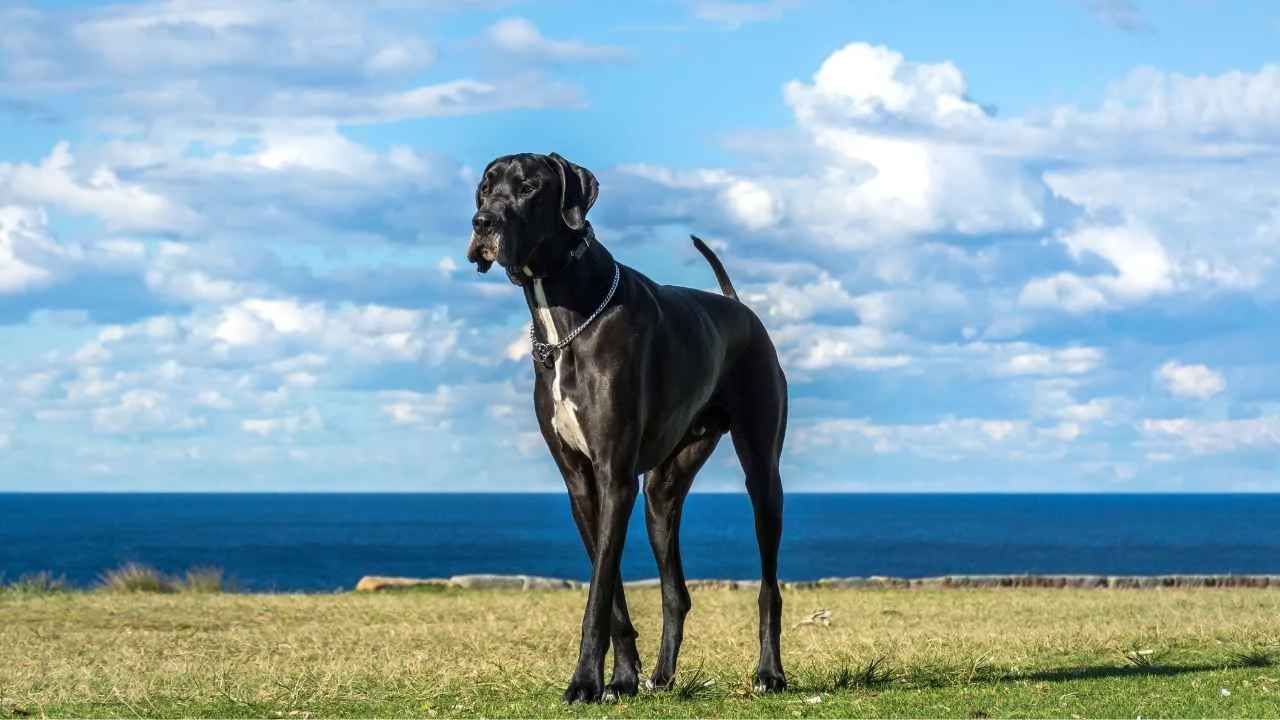
Germany gave the world the Great Dane, and somehow, this former boar hunter turned into a world-class couch companion. Often called the “Apollo of Dogs,” this breed lives around 7 to 10 years, which feels surprisingly short for such a grand presence.
Around the house, they are famously patient and people-focused. Kids usually find a steady, tolerant buddy in them, and visitors are often greeted with calm curiosity. Their size draws attention, yet their personality leans toward gentle and dependable.
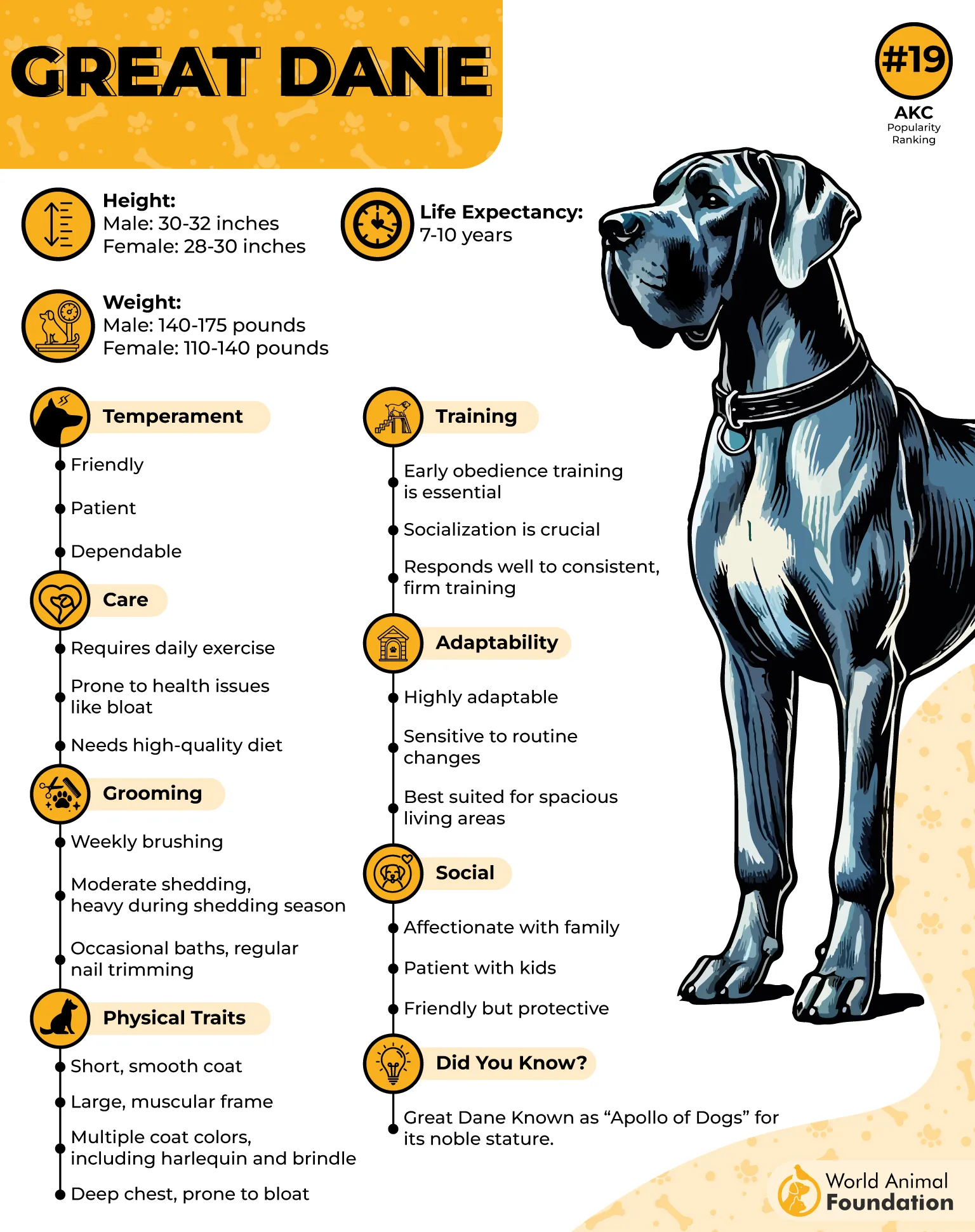
Those years can pass quickly, so health awareness matters. Bloat is the leading cause of death in the breed, and it can escalate fast. Cardiac conditions, thyroid disease, hip dysplasia, and certain eye disorders are also concerns owners should monitor.
Special Considerations For this Breed
Learn the early signs of gastric dilatation volvulus and have an emergency plan in place.
Keep them leashed or in securely fenced areas since they may follow an interesting scent.
2. Leonberger
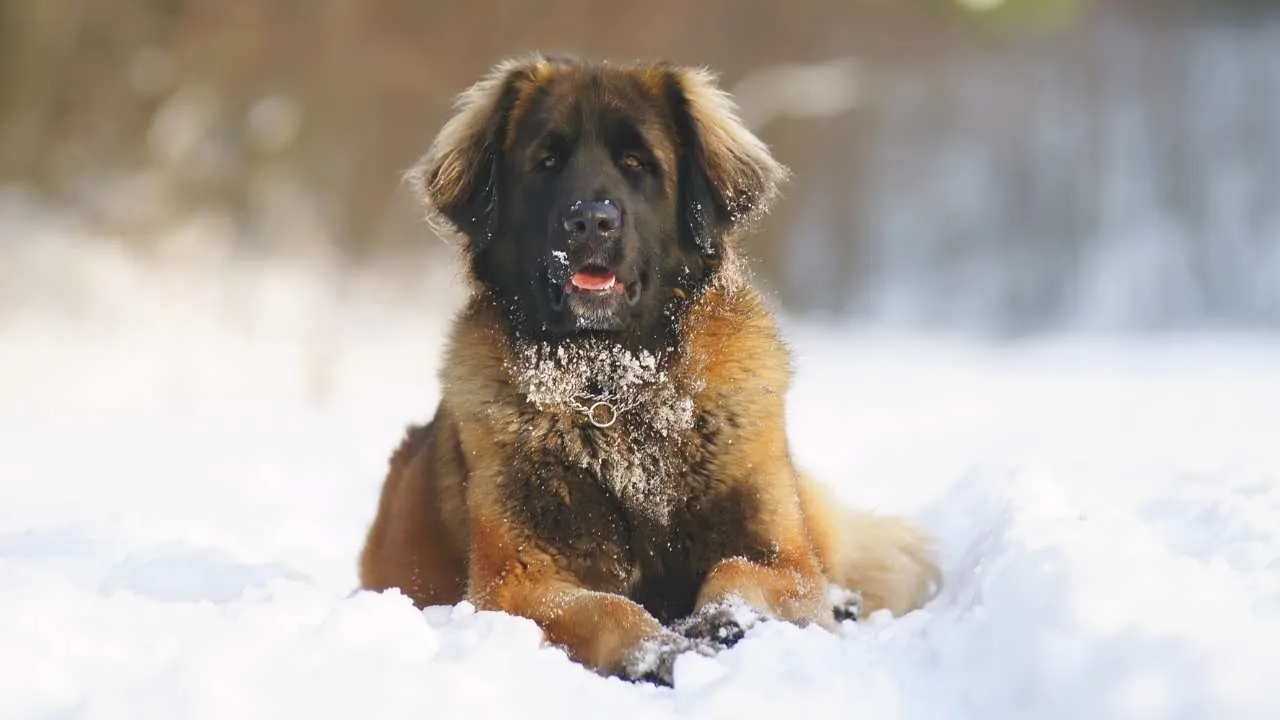
Some dogs enter a room. A Leonberger makes it feel like royalty just arrived. With that lionlike look and deeply devoted nature, they bring bold, big-hearted energy into any household. Being around one feels a little bit epic.
An average of roughly 7 years means thoughtful planning is important from day one. Choosing a breeder who screens for inherited conditions like joint concerns can influence long term wellbeing. Starting with strong foundations matters for a giant breed.
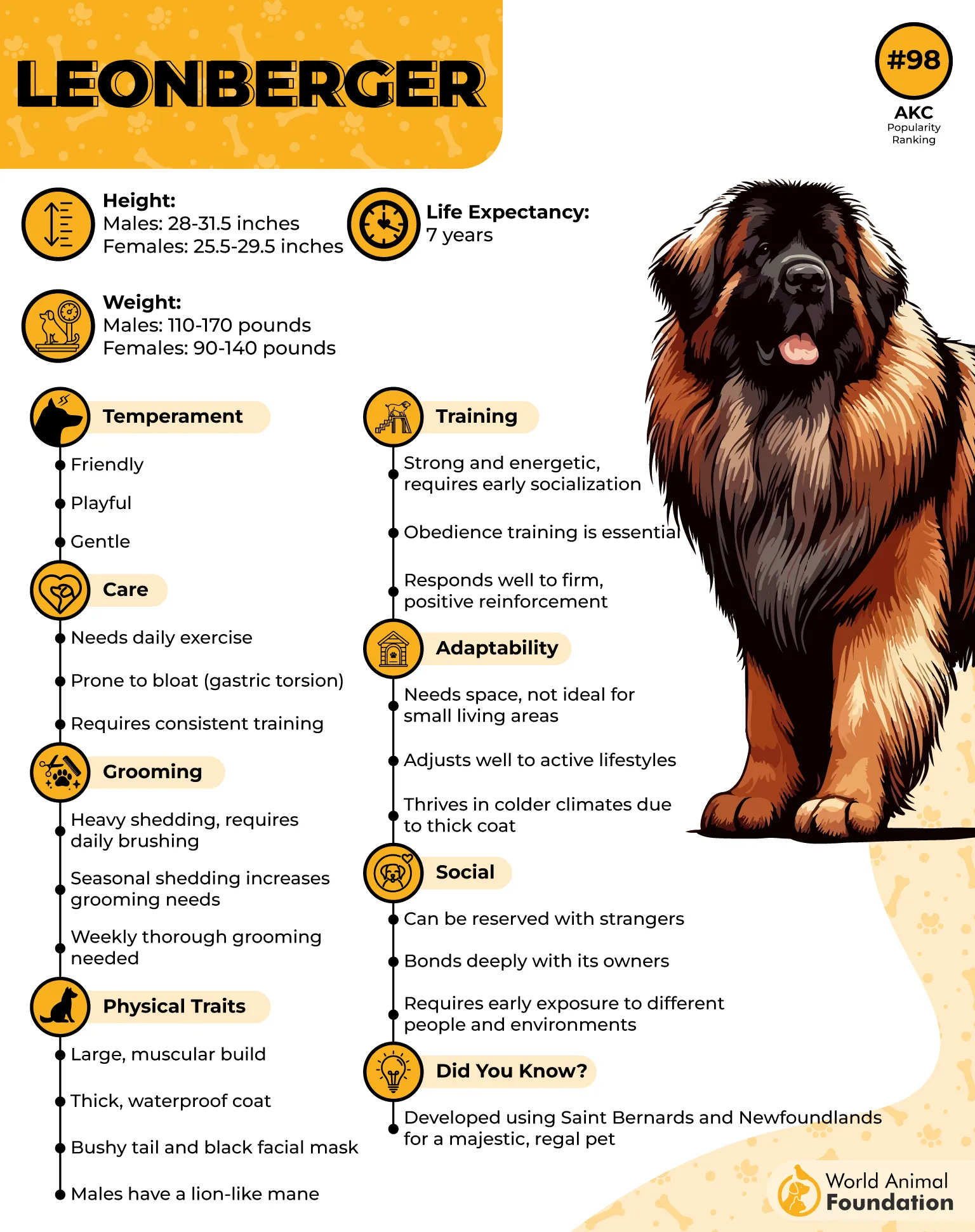
As noted by PetMD, Leonbergers benefit from brisk daily exercise such as long walks or hikes. They enjoy purposeful activities like pulling, swimming, or agility. Regular movement keeps their minds engaged and supports overall health.
Special Considerations For this Breed
Feed measured portions and avoid giving the entire daily amount at once.
They do not cope well with long periods alone and need consistent companionship.
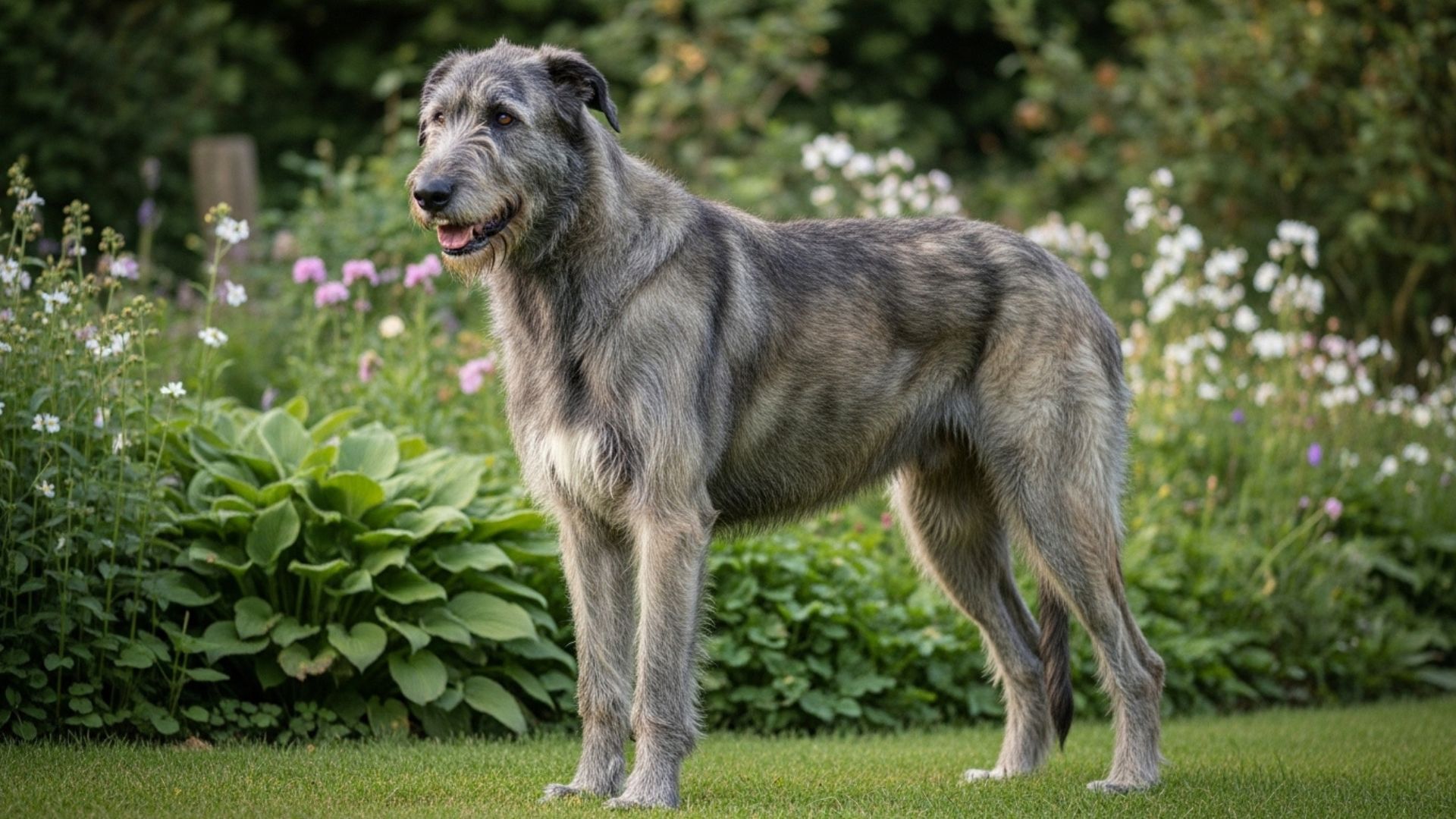
3. Irish Wolfhound
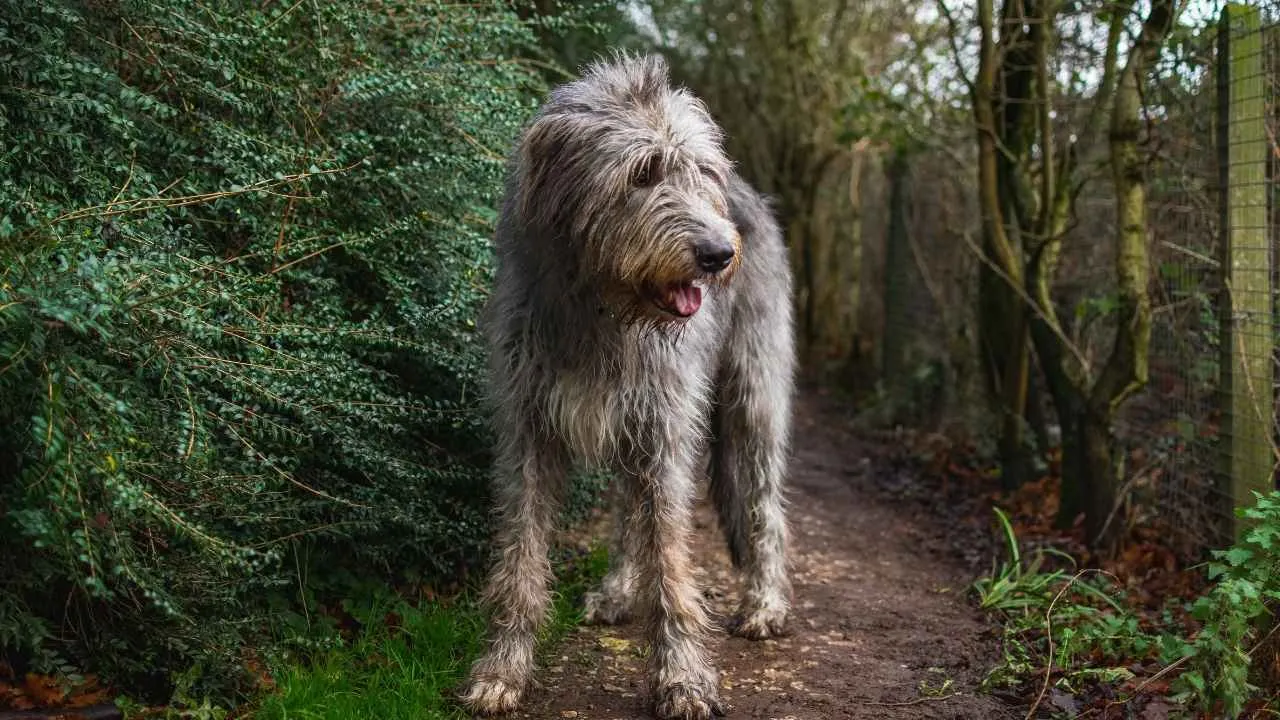
The Irish Wolfhound carries centuries of legend in that calm, watchful gaze. Once renowned hunters in Ireland and admired as early as Roman times, they now live as serene companions. Every season with them feels meaningful and quietly unforgettable.
Recognized as the tallest of all AKC breeds, they combine immense scale with remarkable gentleness. Historically used to hunt large game, they were so effective that they nearly vanished when wolves disappeared. Today, their dignity is matched by surprising sweetness.
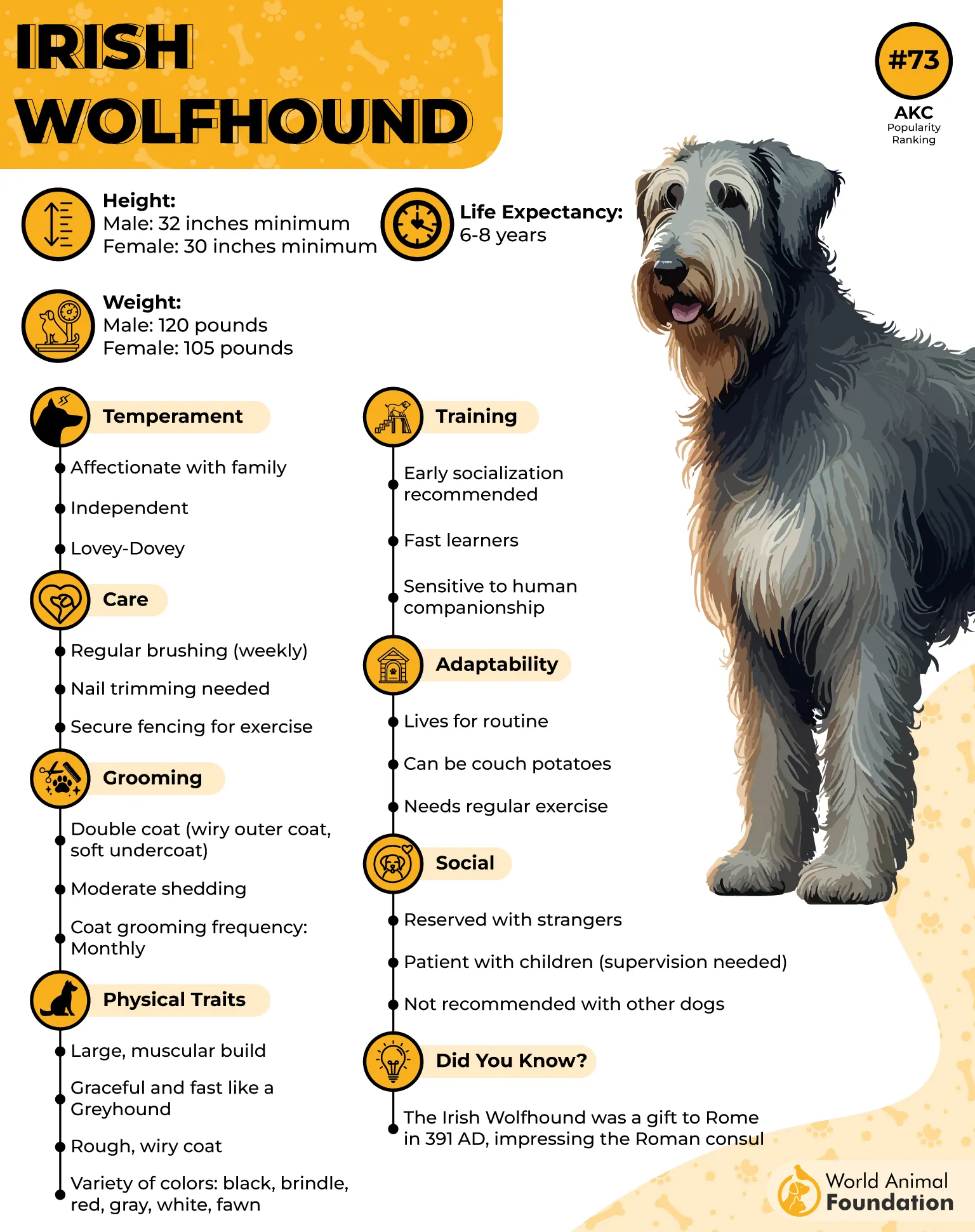
Fast growth and a giant structure can bring medical challenges. Bloat remains a serious risk, along with heart disease, certain cancers, pneumonia, and liver shunt. With an average lifespan of 6 to 8 years, regular veterinary evaluations are especially important.
Special Considerations For this Breed
Schedule annual exams that include cardiac assessment.
Limit forced exercise during puppyhood to protect developing bodies.
4. Bernese Mountain Dog
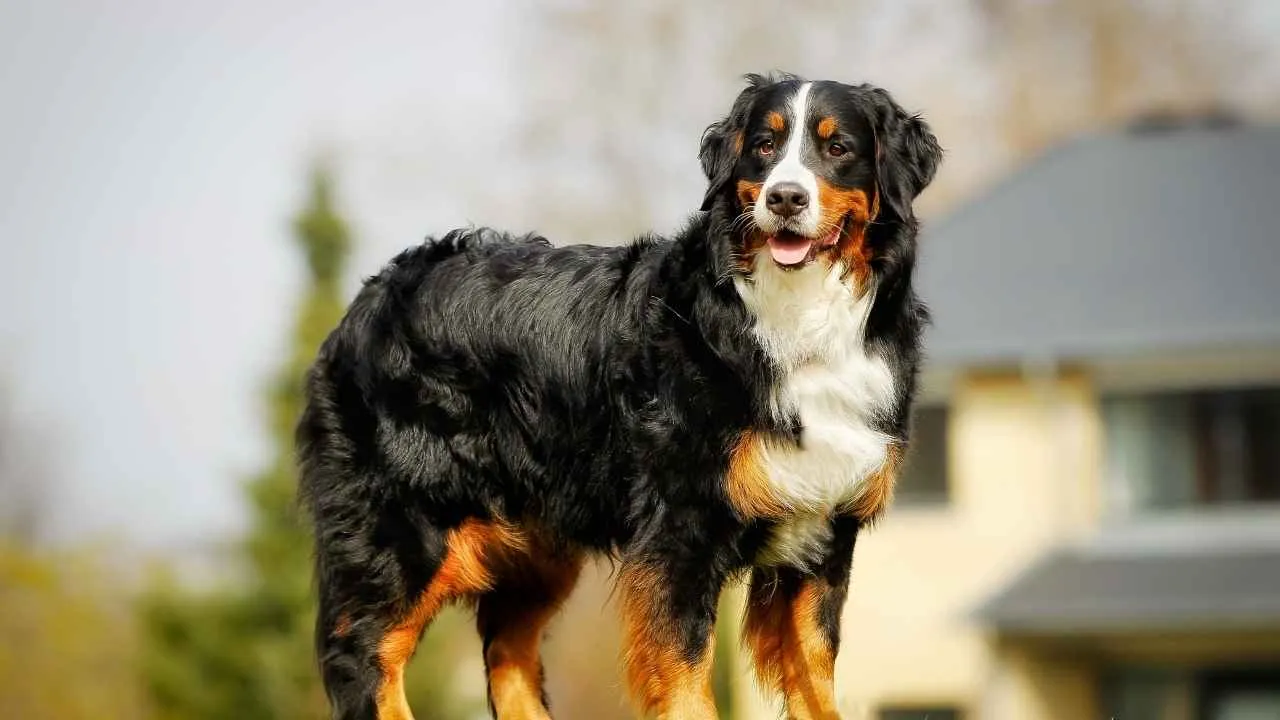
The Bernese Mountain Dog has that classic storybook farm look, complete with a striking tricolor coat. Originally brought to the United States in the 1920s for farm work, they now charm families everywhere.
Their history as Swiss farm helpers shaped a steady, willing attitude. Living about 7 to 10 years on average, they are considered typical for a large breed, yet owners often wish for more time with these affectionate, calm partners.
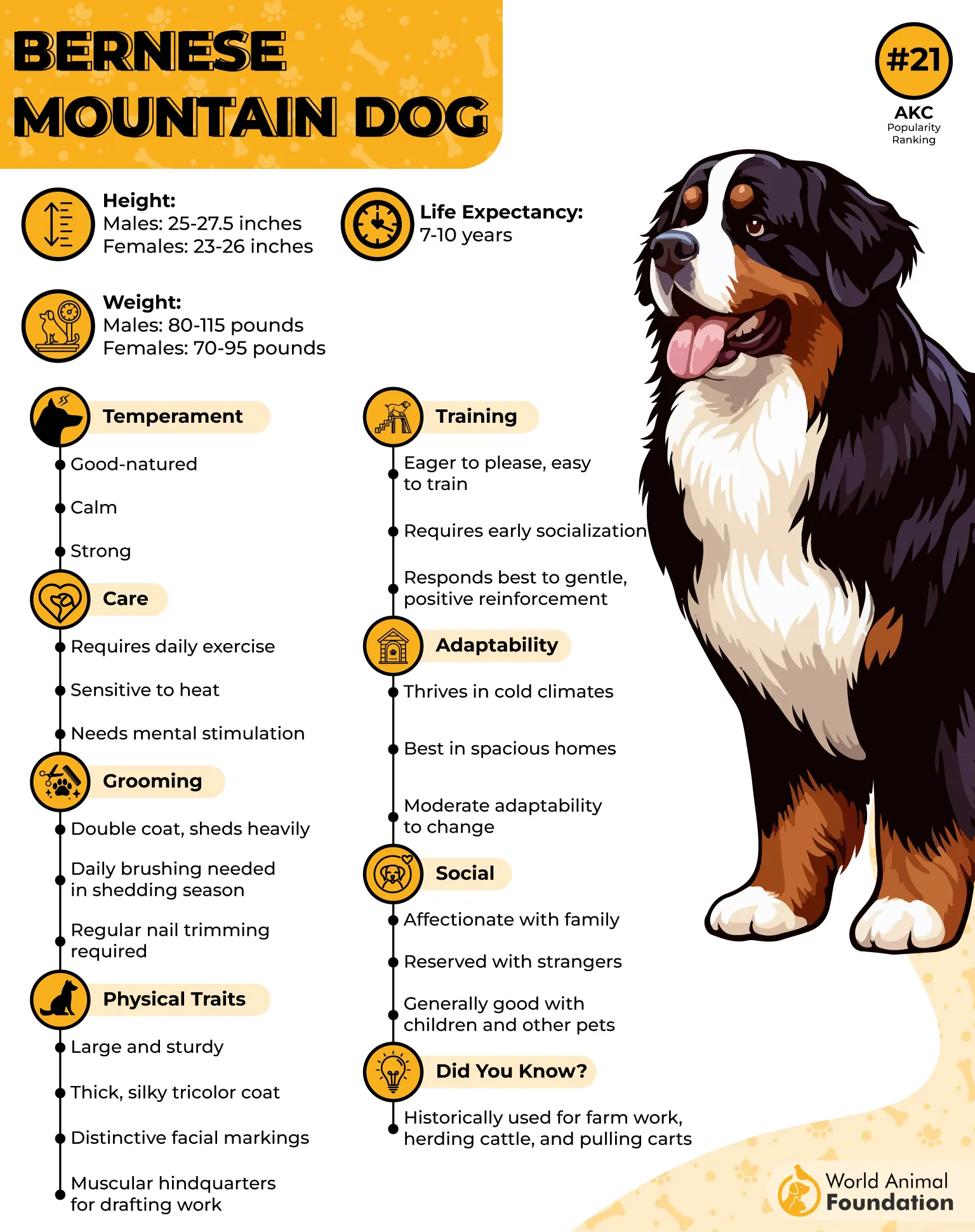
All that beautiful fur comes with commitment. The thick double coat sheds year-round heavily and intensifies during seasonal changes. Brushing several times a week, sometimes daily, helps reduce matting and keeps loose hair from taking over your home.
Special Considerations For this Breed
Monitor for subtle weight loss or lethargy, which can signal serious health issues.
Clean floppy ears regularly, especially after water exposure, to reduce infection risk.
5. Dogue de Bordeaux
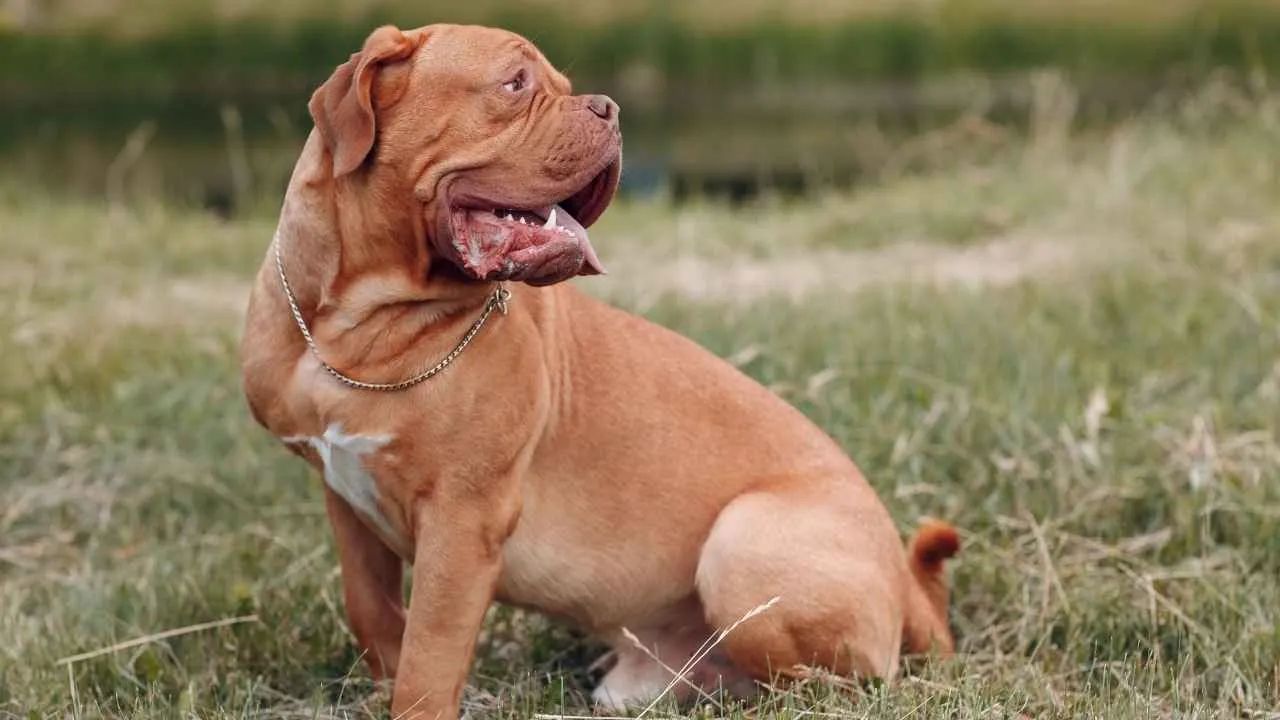
France has many bold, unforgettable icons, and the Dogue de Bordeaux might be one of the drooliest. This powerful dog commands attention the second they step into view. Time with this deeply devoted companion feels intense and wonderfully larger than life.
Around other dogs, they can do well when properly socialized, yet they are naturally protective and strong-willed. Their loyalty runs deep, and they form close bonds with their people. Clear, steady guidance in puppyhood helps prevent pushy behavior later on.
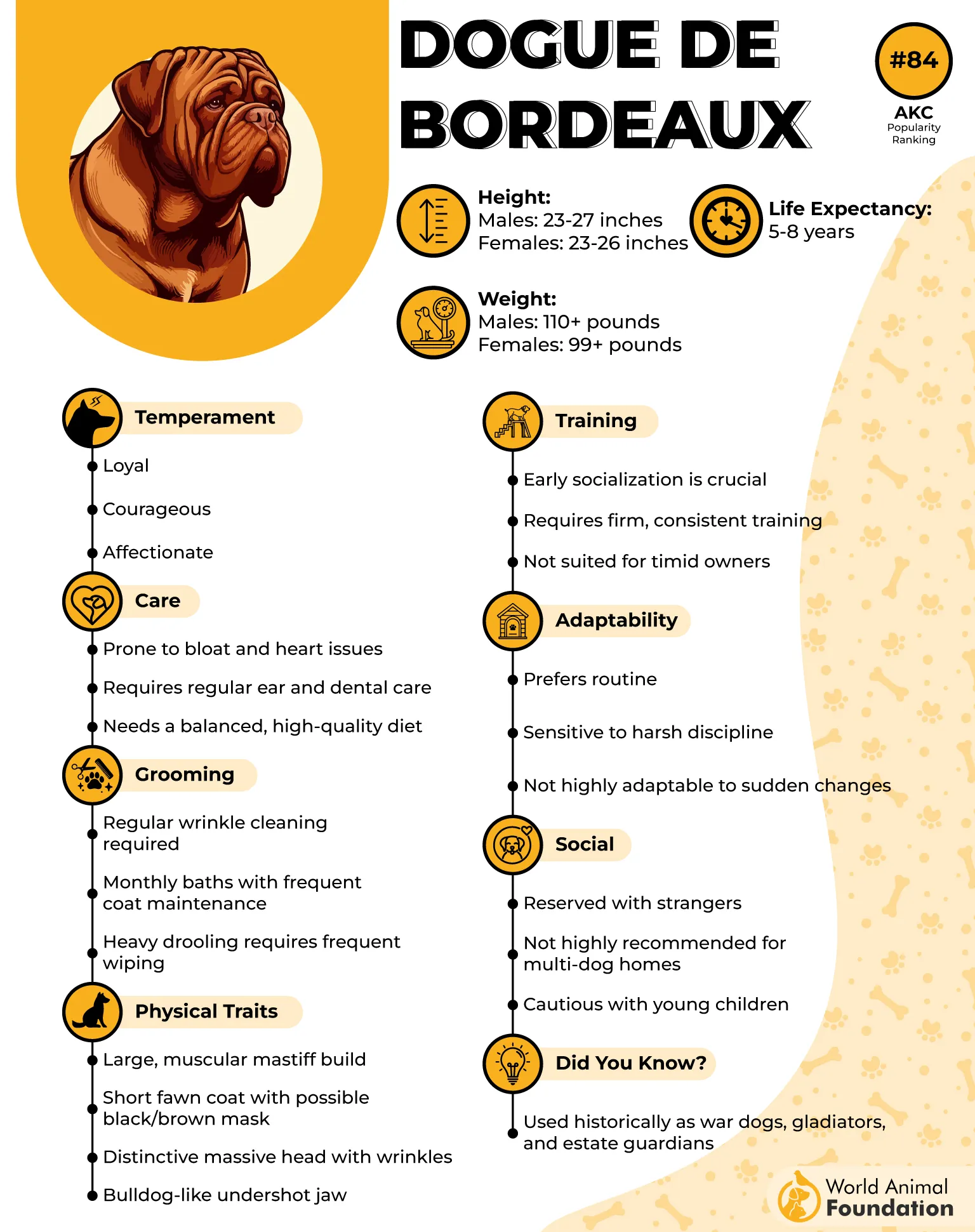
They are very affectionate to loved ones of all ages, making them attentive household guardians. Their average life expectancy of 5 to 8 years means families should be prepared for a shorter chapter. That devotion comes wrapped in serious responsibility.
Special Considerations For this Breed
Clean and dry facial wrinkles frequently to prevent irritation or infection.
Limit high-impact activity during growth to protect developing joints.
6. Newfoundland
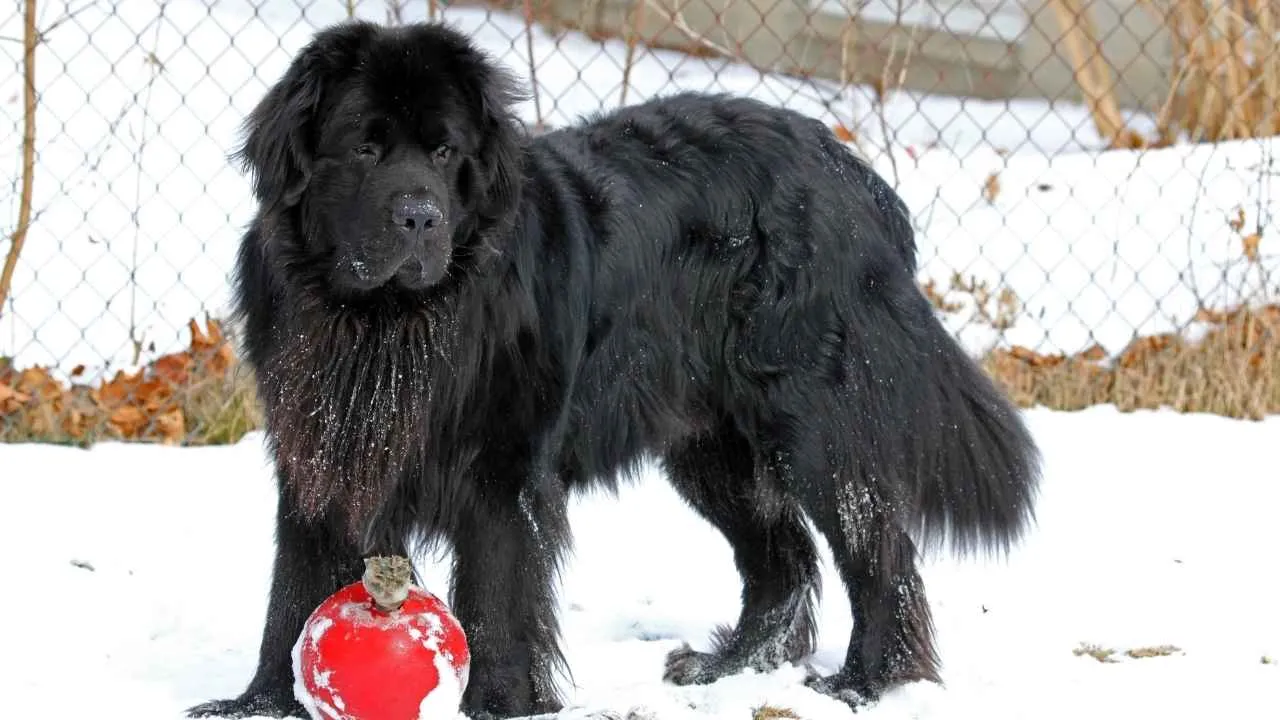
Cold water, fishing boats, and snowy docks shaped the Newfoundland into the swimmer we know today. Originally bred in Canada to haul nets and carts, this gentle giant typically lives 8 to 10 years. Those years are filled with steady loyalty and a serious heart.
They thrive when given meaningful activity, whether that is swimming, steady walks, or helping with simple tasks. Mental stimulation matters just as much as movement. With a moderate energy level, they enjoy engagement followed by a good evening cuddle.
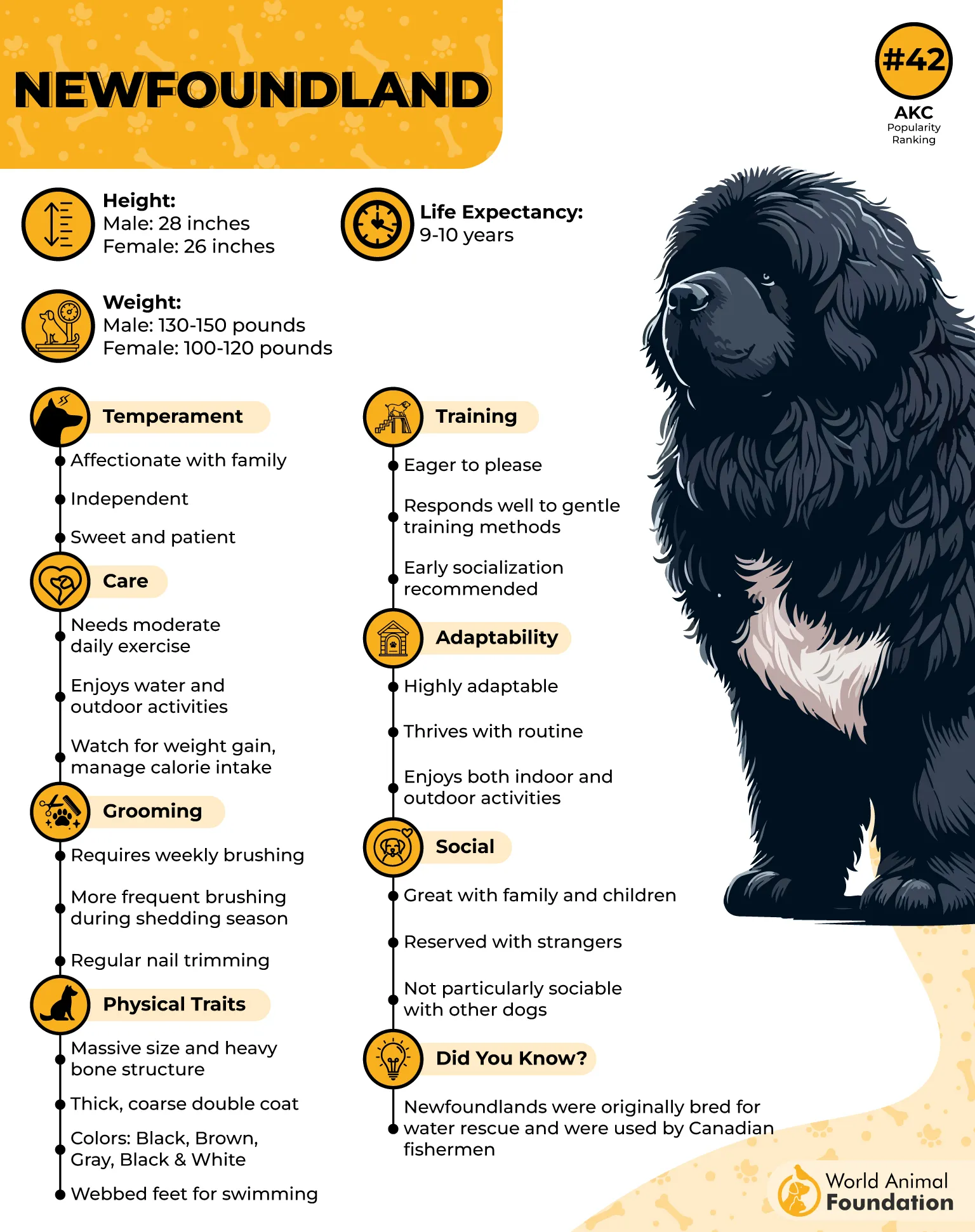
As mentioned by WebMD, Newfoundlands can run into issues like hip or elbow dysplasia, cystinuria, and subvalvular aortic stenosis. Keeping an eye out for things like urinary discomfort, unusual weakness, or breathing trouble becomes especially important as they grow older.
Special Considerations For this Breed
Never shave the double coat, as it regulates temperature in both cold and warm weather.
Follow a structured vaccination and preventive care schedule, including heartworm protection.
7. Mastiff
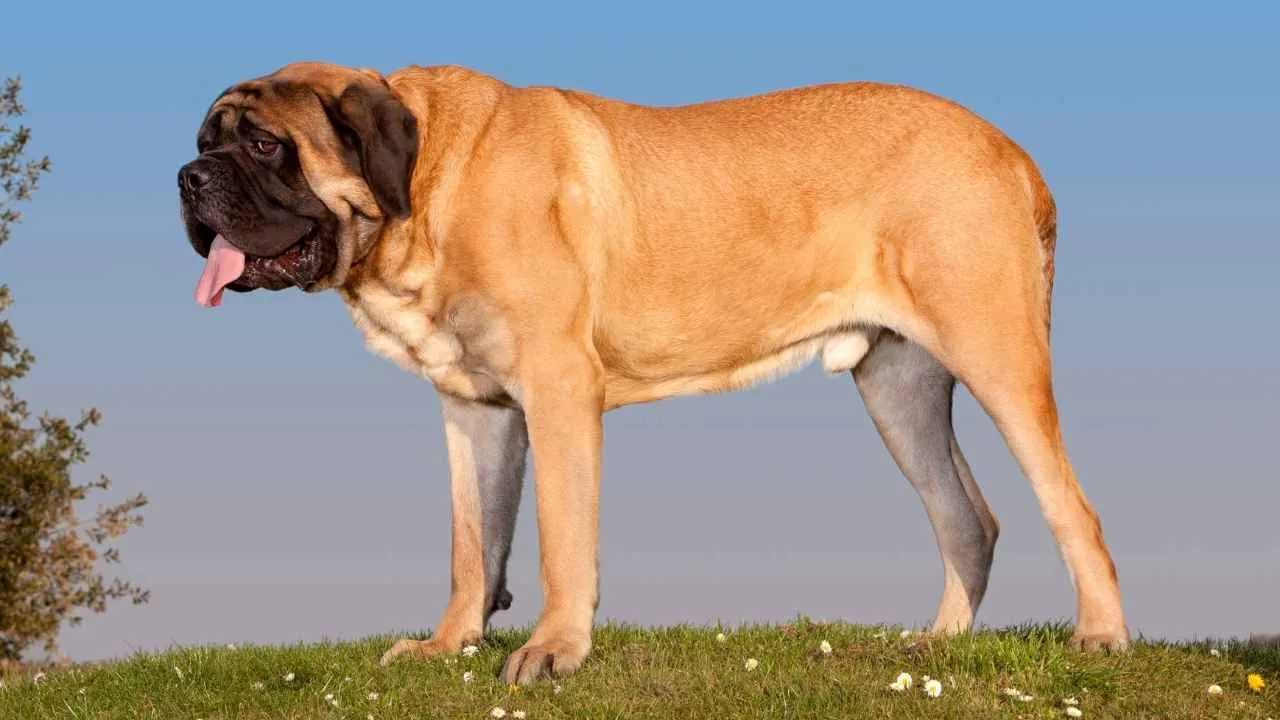
The Mastiff carries the kind of presence that makes a room go quiet. This dignified giant has a calm, steady confidence that is impossible to ignore. Sharing life with one means understanding that greatness often comes wrapped in enormous responsibility.
Finding a responsible breeder is essential with such a powerful giant. Screening for conditions like heart disease, eye anomalies, joint issues, and inherited disorders helps protect future generations. Careful selection at the start can influence long term wellbeing.
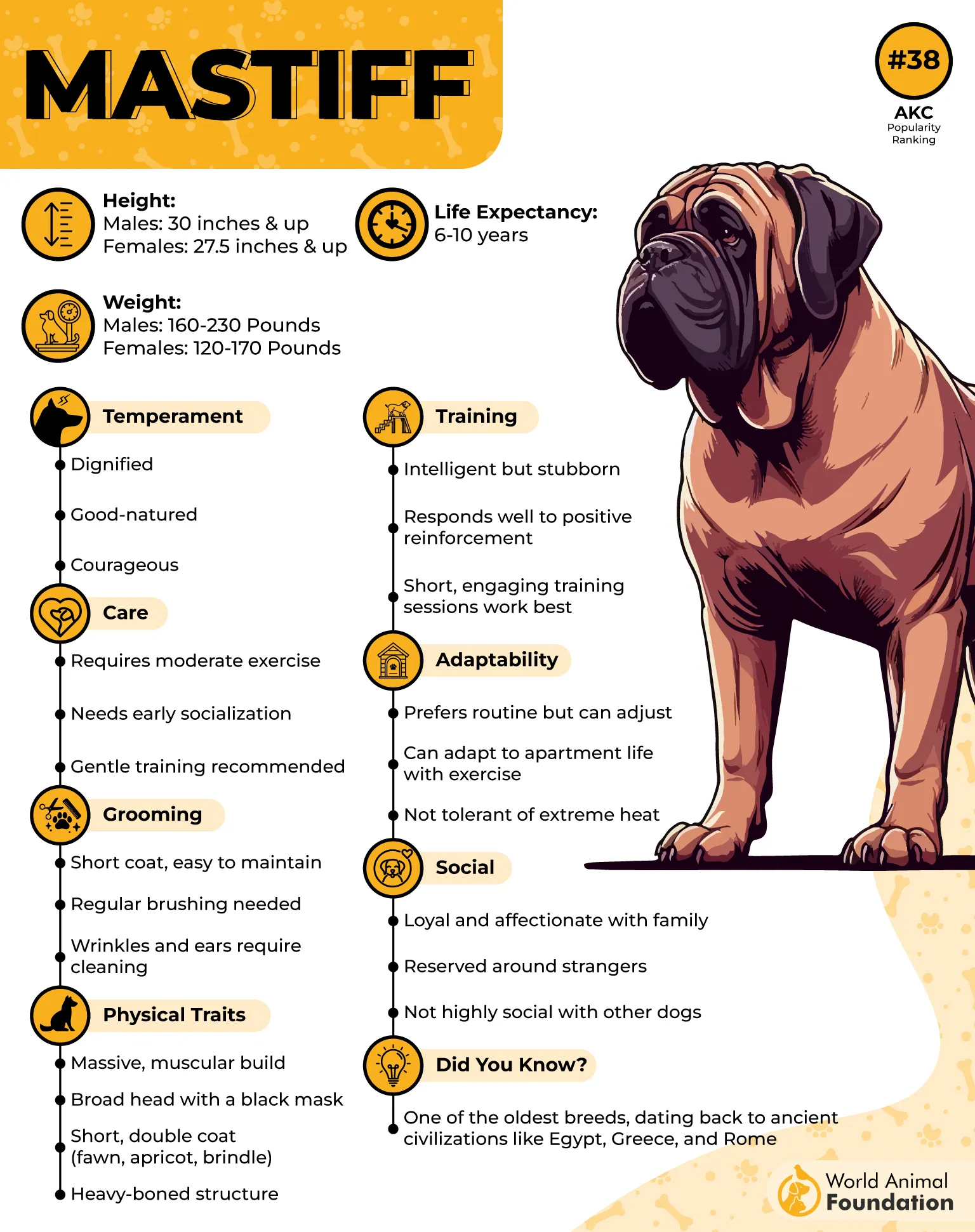
Proper nutrition plays a major role, especially during growth. Slow, steady development is encouraged, with attention to balanced calcium and phosphorus levels. With an average lifespan of 6 to 10 years, maintaining a healthy weight supports comfort over time.
Special Considerations For this Breed
Keep cloths handy for frequent drool management around guests and furniture.
Avoid overexertion in young dogs and limit stair climbing during growth stages.
Conclusion
Living with a giant breed means welcoming big love and knowing the time together may feel shorter than you would like. Even some of the shortest-lived dog breeds are loyal, affectionate, protective, and wonderfully devoted. One moment, they are on watch, the next, they are leaning into you for a quiet cuddle that melts your whole day.
Being aware of their needs and possible health concerns is not about fear; it is about showing up for them fully. When you step in prepared, you give them the very best life. So if your heart is pulling you toward one of these gentle giants, take the leap and love them boldly.
