




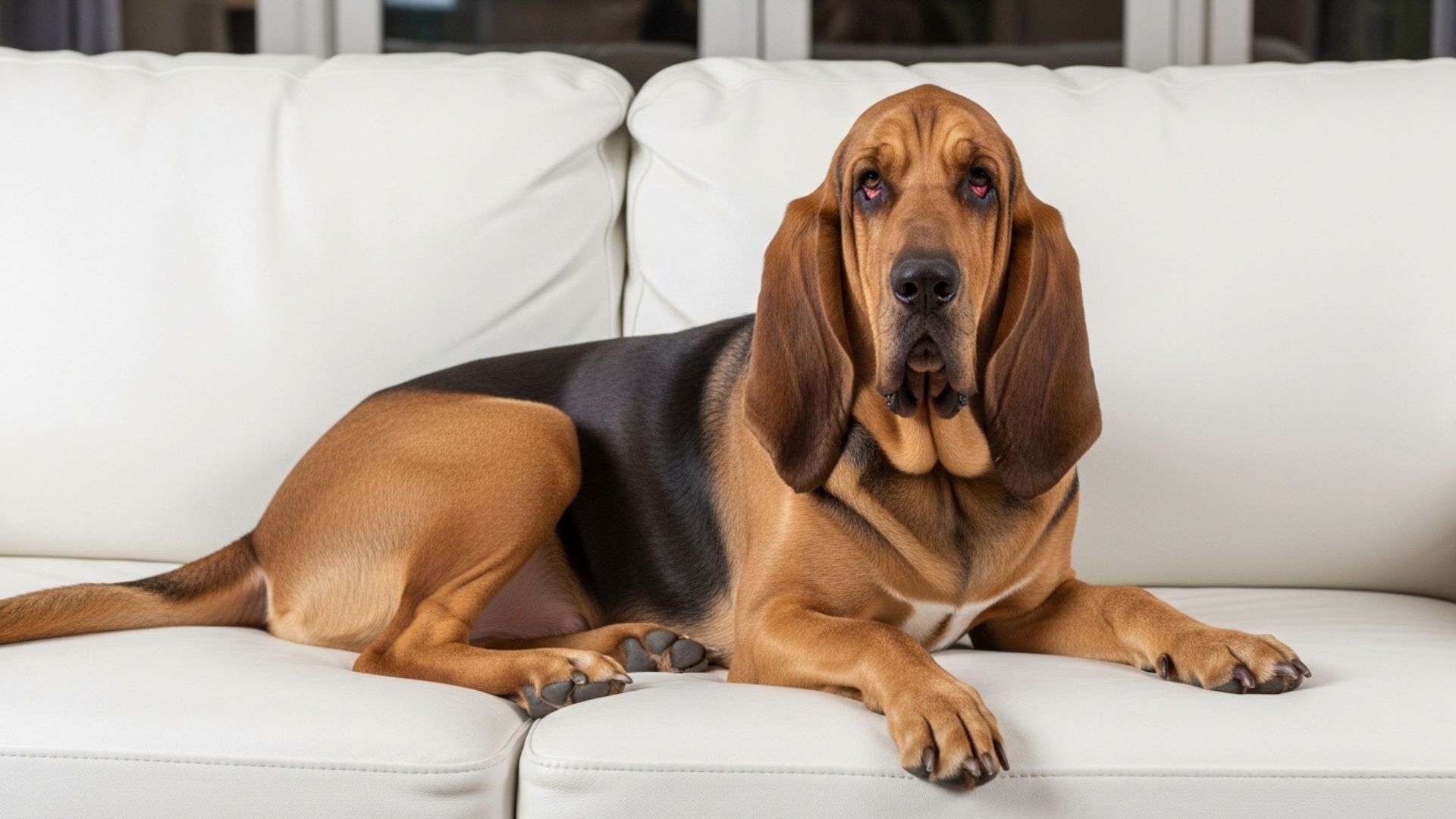
Ever noticed how a dog’s nose seems to have a personality of its own?
From twitching at the scent of freshly baked cookies to sniffing out adventures at every turn, a dog’s snout is far more than just a nose—it’s an explorer, detective, and mood sensor all rolled into one.
Whether they have short legs, curly tails, or even a quirky blue tongue, each dog’s features reflect their incredible diversity—especially their unique noses!
From long, elegant snouts built for detecting scents to short, squished faces designed for endless snuggles, every dog breed’s muzzle tells a story of intelligence, personality, and natural ability.
Every nose and snout is distinct, proving that function and personality truly go paw in paw. Let’s take a closer look at these fascinating features!
Top Dog Breeds Featuring Unique Nose and Snout Profiles
1. Pug
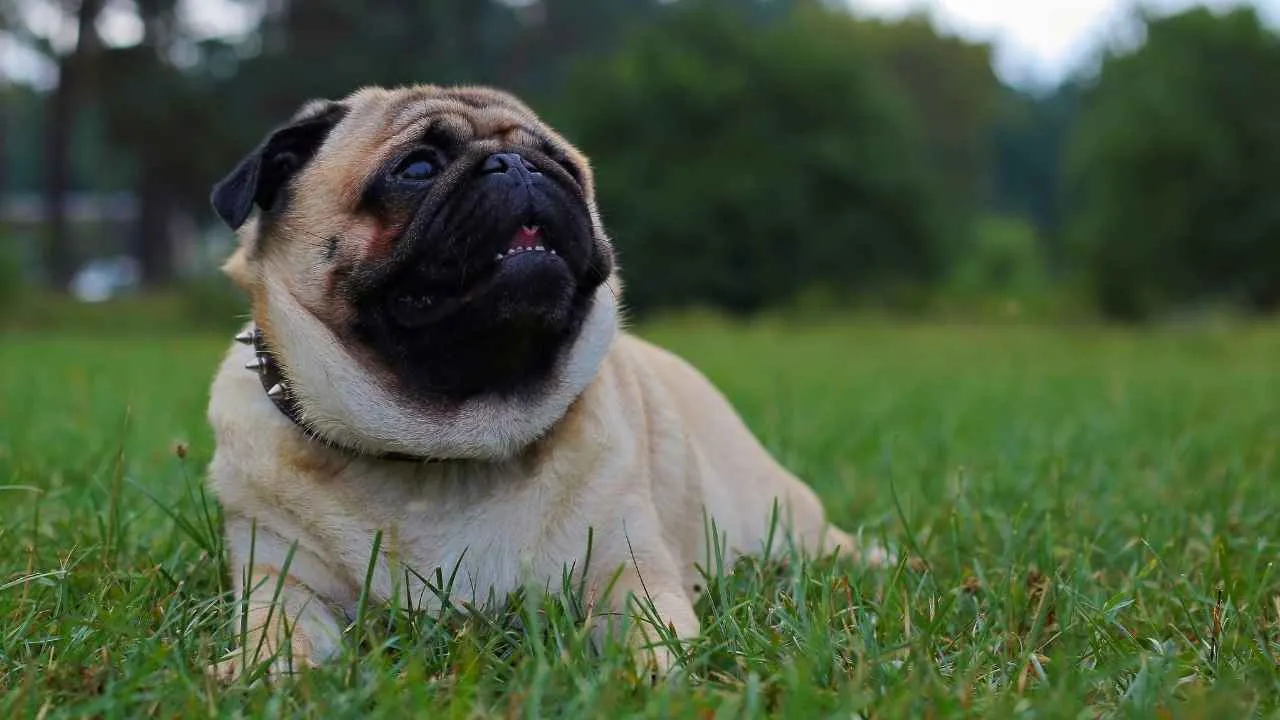
Pugs are a classic example of a brachycephalic breed, known for their short muzzles, flat faces, and unmistakable wrinkles. Their unique snout shape gives them a signature look and personality—but it also affects how they breathe and function, as PetMD noted.
Because they often have narrow nostrils, tight airways, and an elongated soft palate, airflow can be partially blocked. This anatomy causes the typical loud snoring, wheezing, and snorting they’re famous for. The extra effort needed to breathe can also make them swallow more air, which often leads to gassiness.
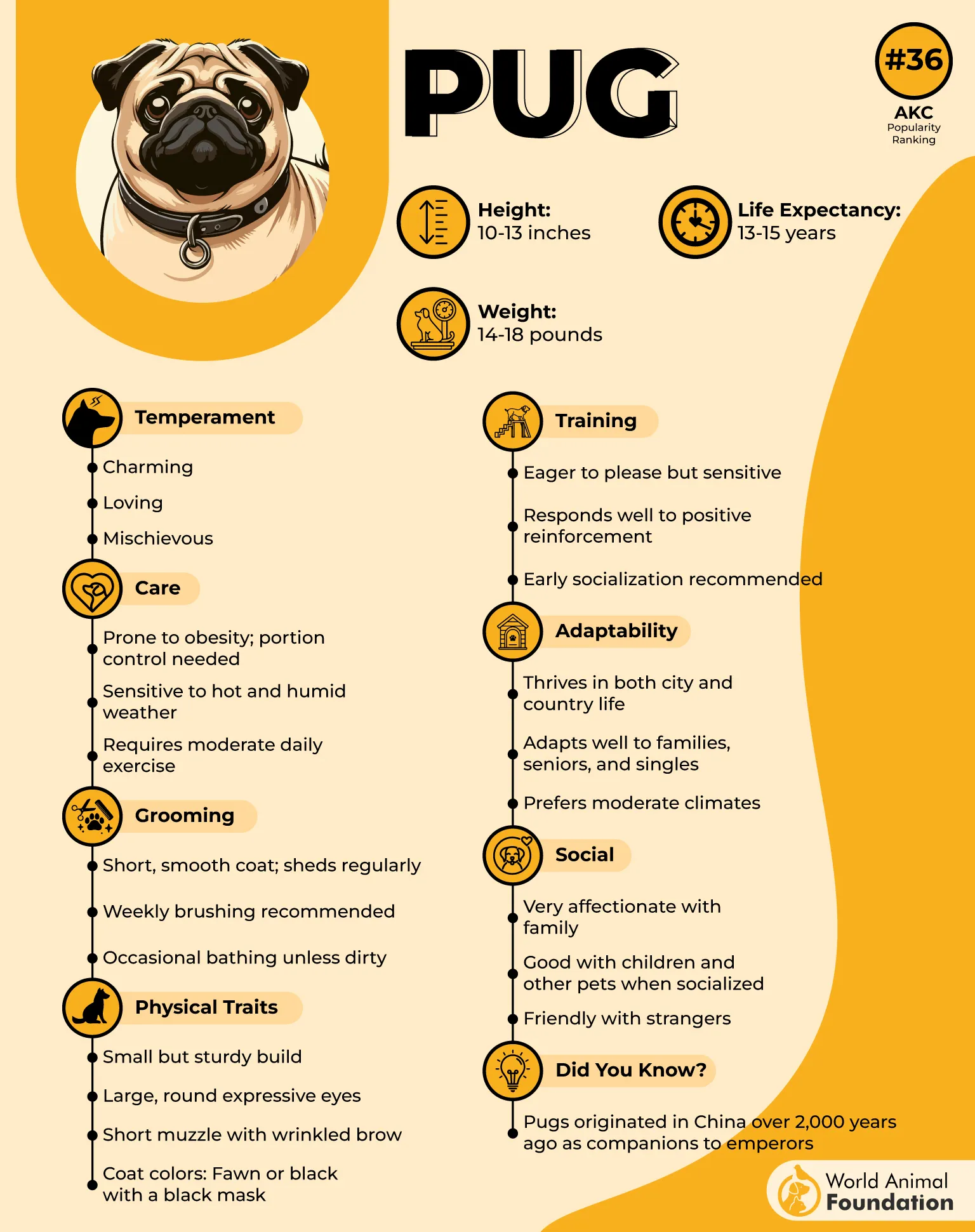
These physical traits mean Pugs don’t tolerate heat well and can struggle with strenuous exercise. Owners need to monitor their activity, especially in warm weather, to keep them comfortable, even during gentle play with other dogs.
Key features of Pugs’ snout profile:
Short muzzle and flat face
Narrow nostrils and airways
Elongated soft palate
Loud snoring and wheezing
Increased swallowed air → more gassiness
Sensitive to heat and intense activity
Pugs’ unique long noses show that charm and quirks often come hand-in-hand with special care.
2. Whippet
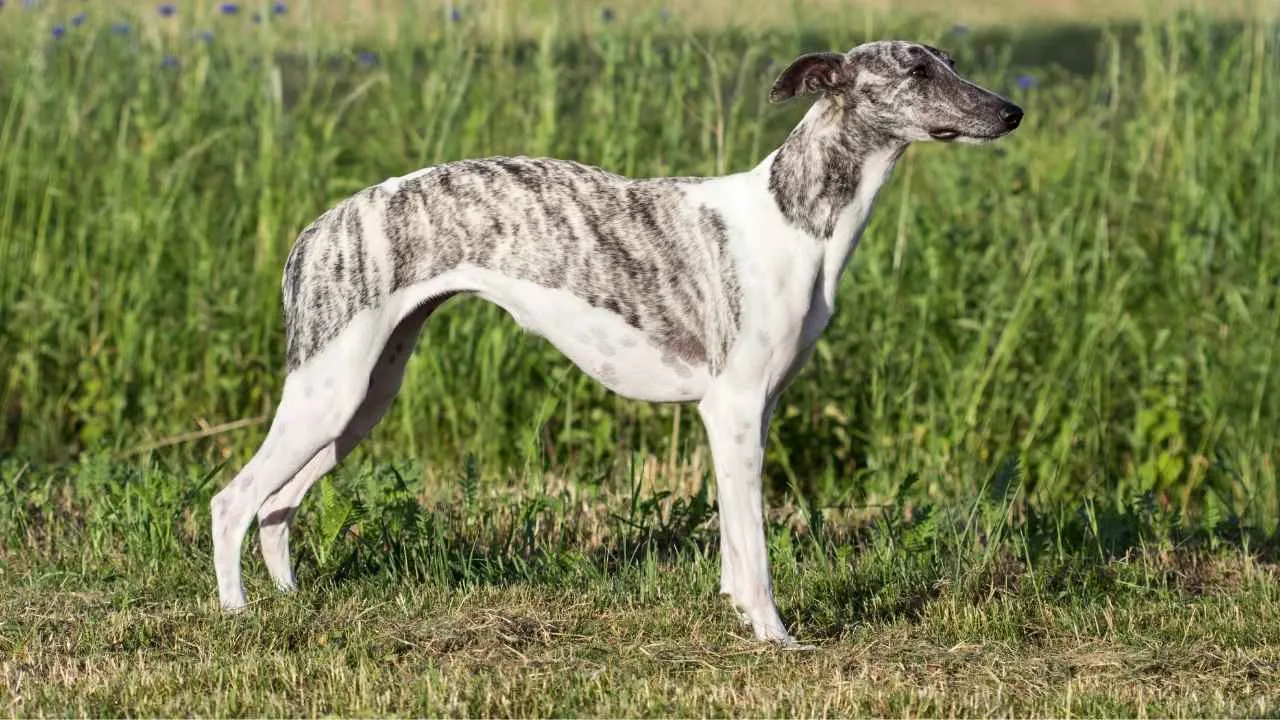
At first glance, the Whippet’s elegant, long nose can easily be mistaken for a Greyhound’s. Both popular breeds feature rose-shaped ears, lean builds, and streamlined muzzles, perfect for speed and scent tracking. But Whippets are smaller, originating from England, while Greyhounds trace their roots to Egypt.
Their elongated snouts aren’t just for show—they reflect the breed’s natural athleticism and hunting instincts. Whippets’ noses are finely tuned for tracking small game, and their slim muzzle allows for efficient breathing during sprints, much like elite racing dogs.
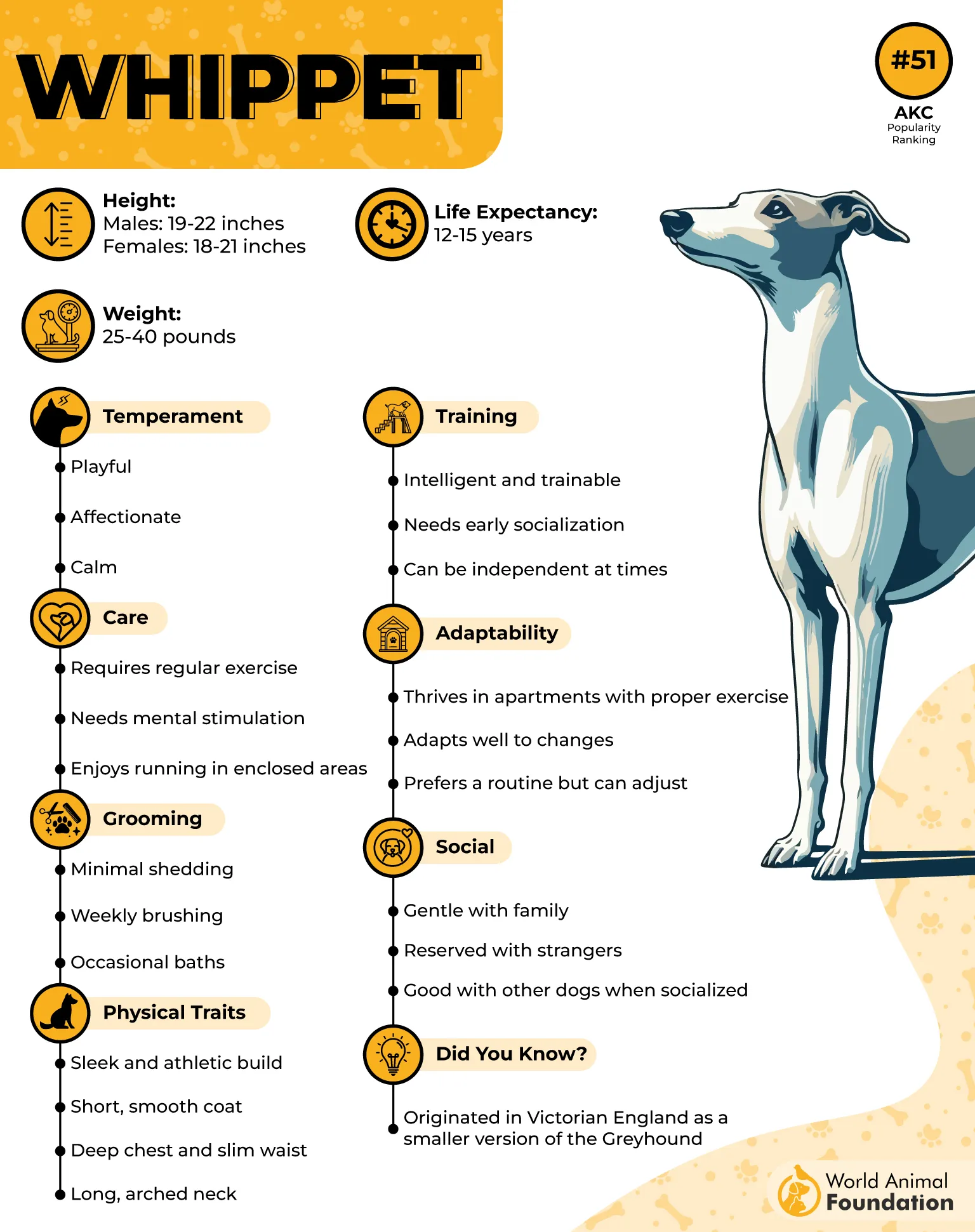
Beyond their physical abilities, these long-nosed breeds are affectionate and social, thriving on attention and human companionship. Their unique snout profile pairs beauty with function, giving them both an elegant appearance and superior athletic performance.
Key features of Whippets’ snout profile:
Long, slender muzzle
Narrow nostrils to detect scents
Streamlined shape for speed and endurance
Elegant dogs with rose-shaped ears complement the face
Ideal for running and hunting
Every Whippet’s snout is a perfect blend of function, elegance, and charm, showing that a dog’s nose is more than just a nose—it’s a signature of who they are.
3. Pekingese
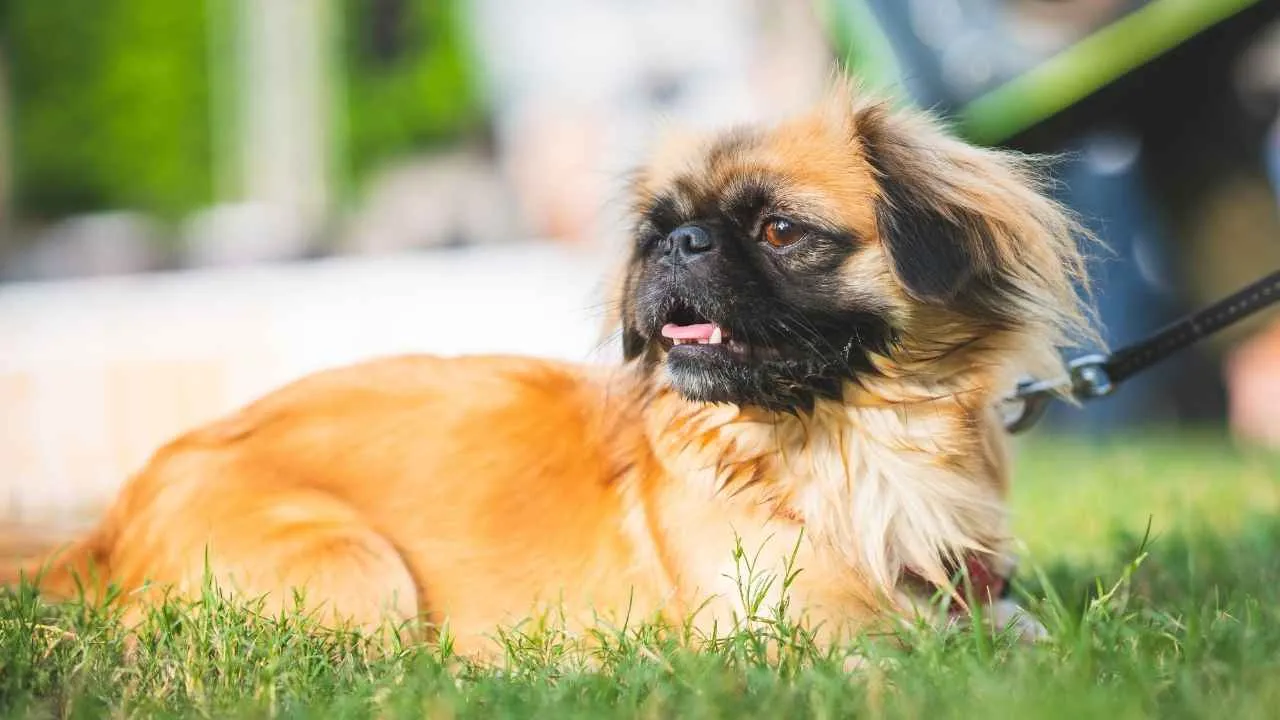
The Pekingese is a striking example of a brachycephalic breed, known for its compact, flat face and distinctive round skull, as stated by Purina. Their short, broad muzzle gives them a regal expression, while the skin above the nose forms characteristic wrinkles that add to their charm. These features aren’t just cosmetic—they’re the result of selective breeding over centuries.
The breed’s unique snout can lead to dental quirks, including rotated teeth and missing teeth, because the small jaw provides limited space. A small fold often runs from the cheeks to the nose in an inverted “V,” emphasizing the face’s flat yet expressive profile.
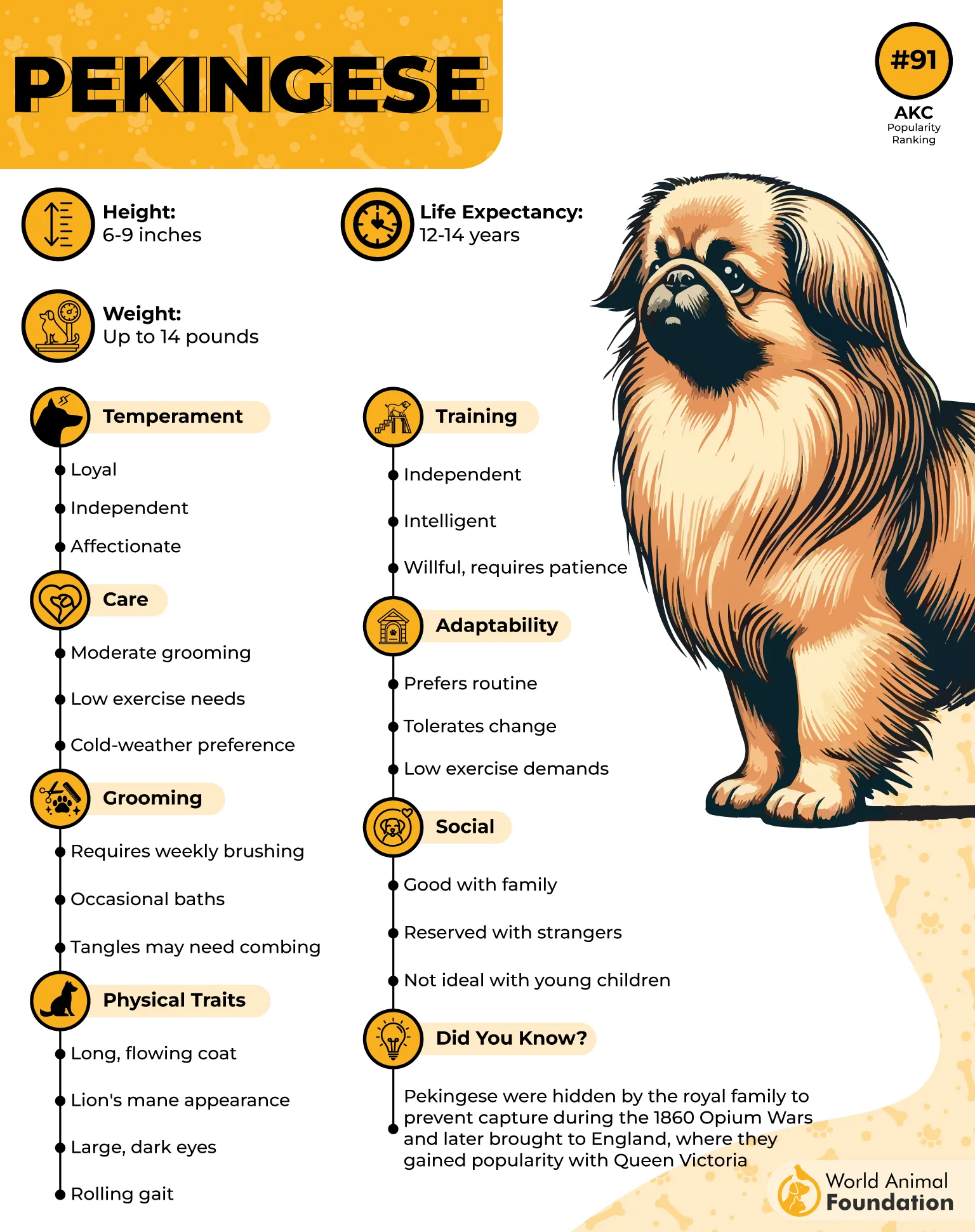
Breed standards have evolved to prioritize health over aesthetics, especially for companion households rather than highly active families.
Key features of the Pekingese snout:
Short, broad muzzle
Flat face with wrinkles above the nose
Inverted “V” fold from cheeks to nose
Dental challenges like oligodontia and malocclusions
Muzzle visibility emphasized for healthier breathing
The Pekingese’s snout perfectly illustrates how unique nose and muzzle shapes combine beauty, personality, and function in dog breeds.
4. Afghan Hound
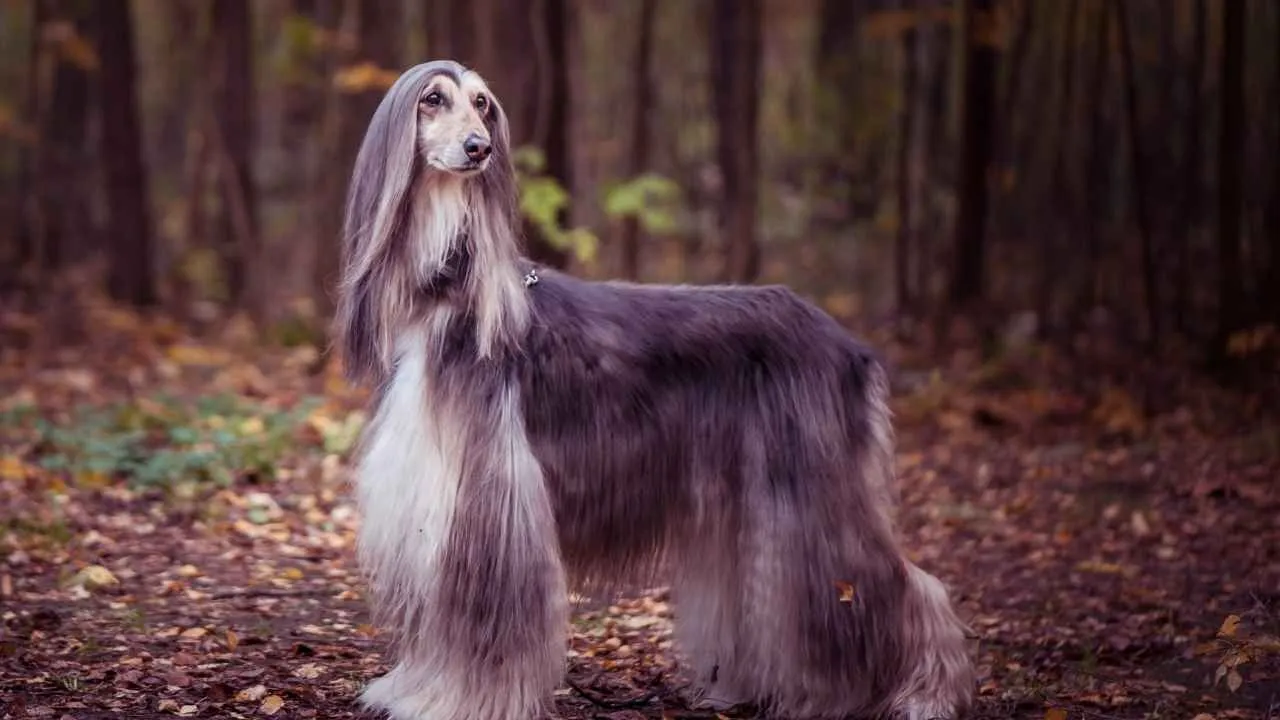
The Afghan Hound is one of the oldest recorded breeds, a visually distinctive dog, instantly recognized by its flowing coat, elongated face, and refined snout.
Its long, narrow muzzle gives the breed a sculpted, aristocratic profile that perfectly complements its graceful build. This signature long nose-and-snout shape creates an air of elegance that few breeds can match.
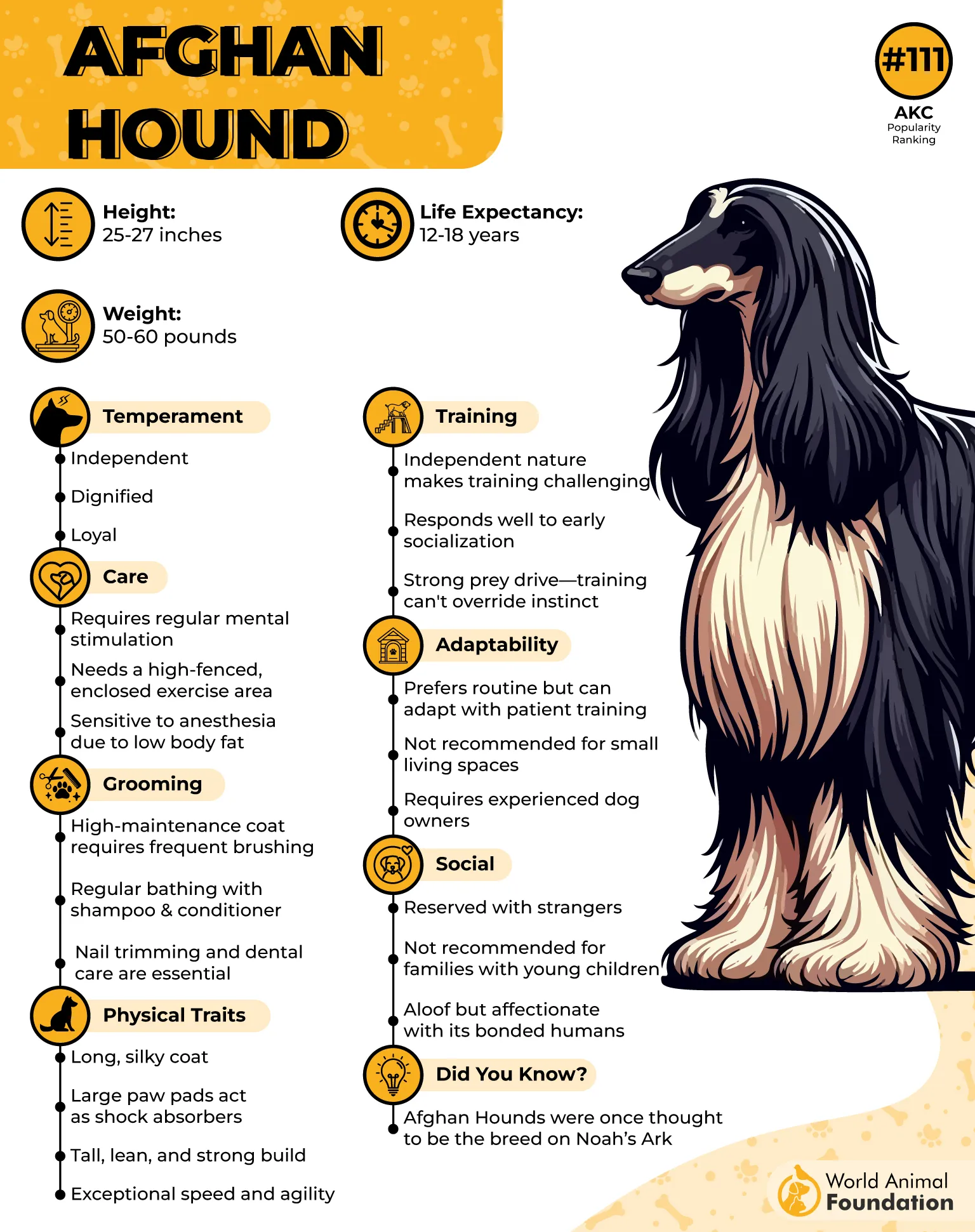
Bred for centuries as a hunting dog in rugged terrain, the dog’s extended muzzle supports keen vision, scenting ability, and efficient breathing while running at high speeds across vast landscapes—traits rarely seen in traditional herding dogs.
Despite their glamorous appearance, these old dog breeds are powerful sighthounds built for endurance and pursuit. Their snout profile reflects both form and function shaped by history.
Key features of the Afghan Hound’s snout profile:
Long, narrow, refined muzzle
Smooth, elongated facial structure
Large nose for effective scent detection
Streamlined shape aiding speed
Regal, sculpted side profile
Together, these traits make the Afghan Hound a breathtaking blend of elegance, heritage, and aerodynamic design.
5. Bloodhound
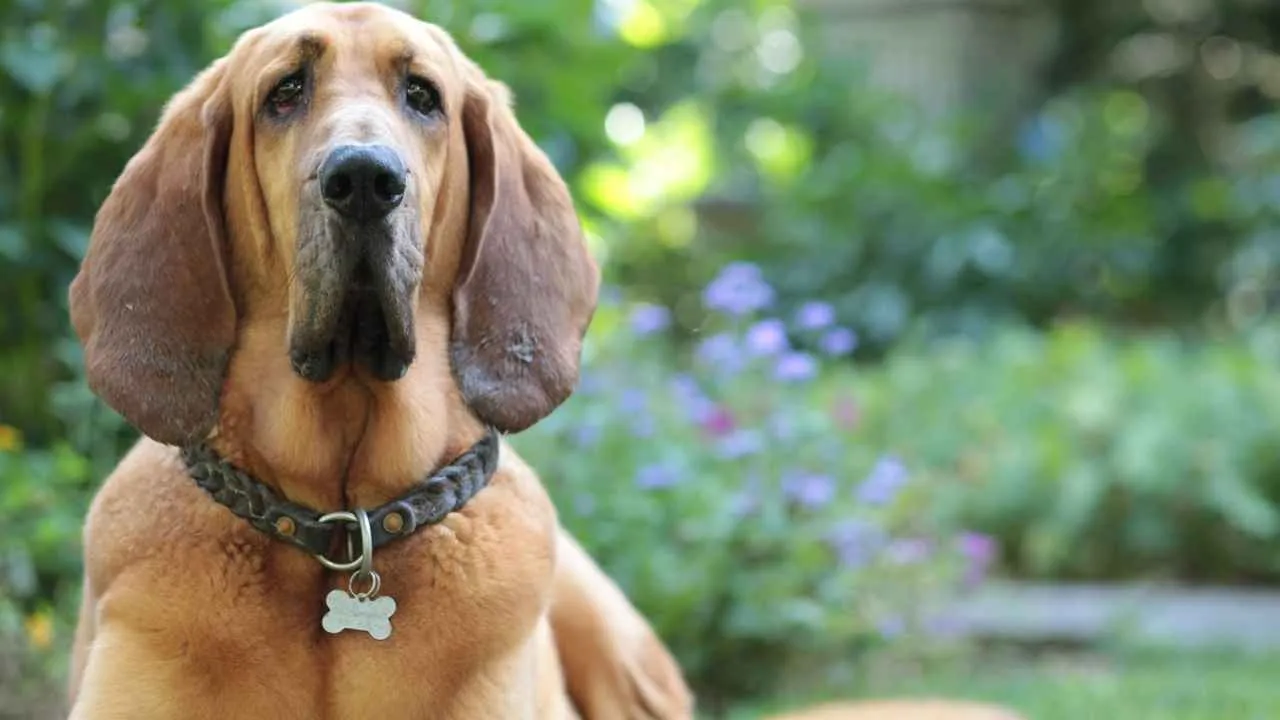
Few dogs showcase the power of long snouted dogs like the Bloodhound. Its long nose, loose skin, and deep facial folds are not just distinctive—they’re purpose-built for scent work.
The wrinkles help trap odor particles near the nostrils, allowing the dog to analyze smells with extraordinary precision. This makes the Bloodhound’s muzzle one of the most advanced “tracking tools” in the canine world.
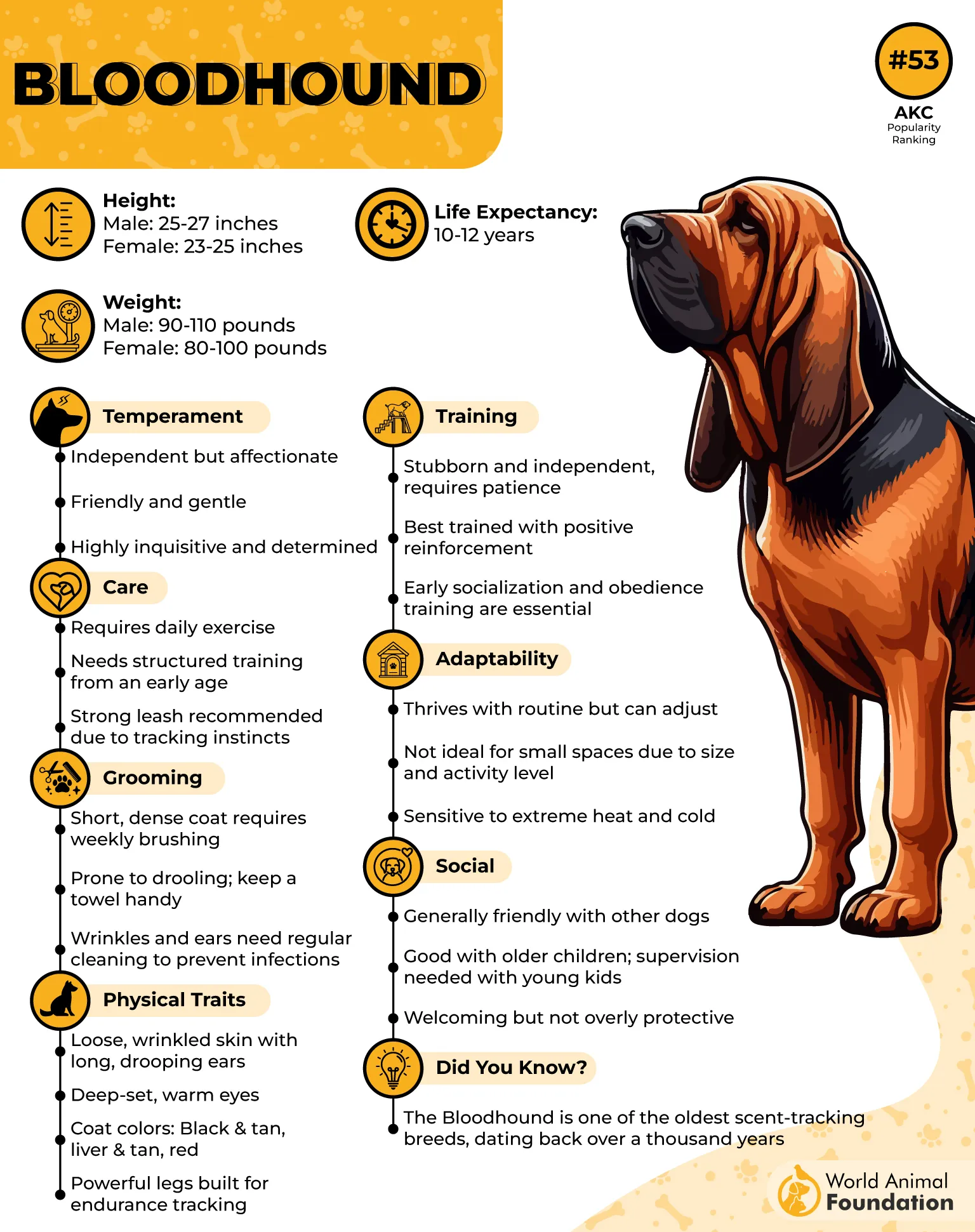
Once a trail is found, the dog’s focus becomes almost single-minded. Long, pointy ears sweep the ground, stirring scent upward and funneling it toward the nose. Together, these features create a scent-collecting system that is both efficient and relentless.
Key features of the Bloodhound’s long snout profile:
Long, powerful scenting muzzle
Loose skin and deep facial folds
Long feathered ears that aid scent flow
Strong ground-level tracking ability
Exceptional scent retention
Behind that formidable nose lies a gentle dog, an affectionate canine companion who thrives on exploration, sniffing games, and meaningful interaction.
6. Borzoi
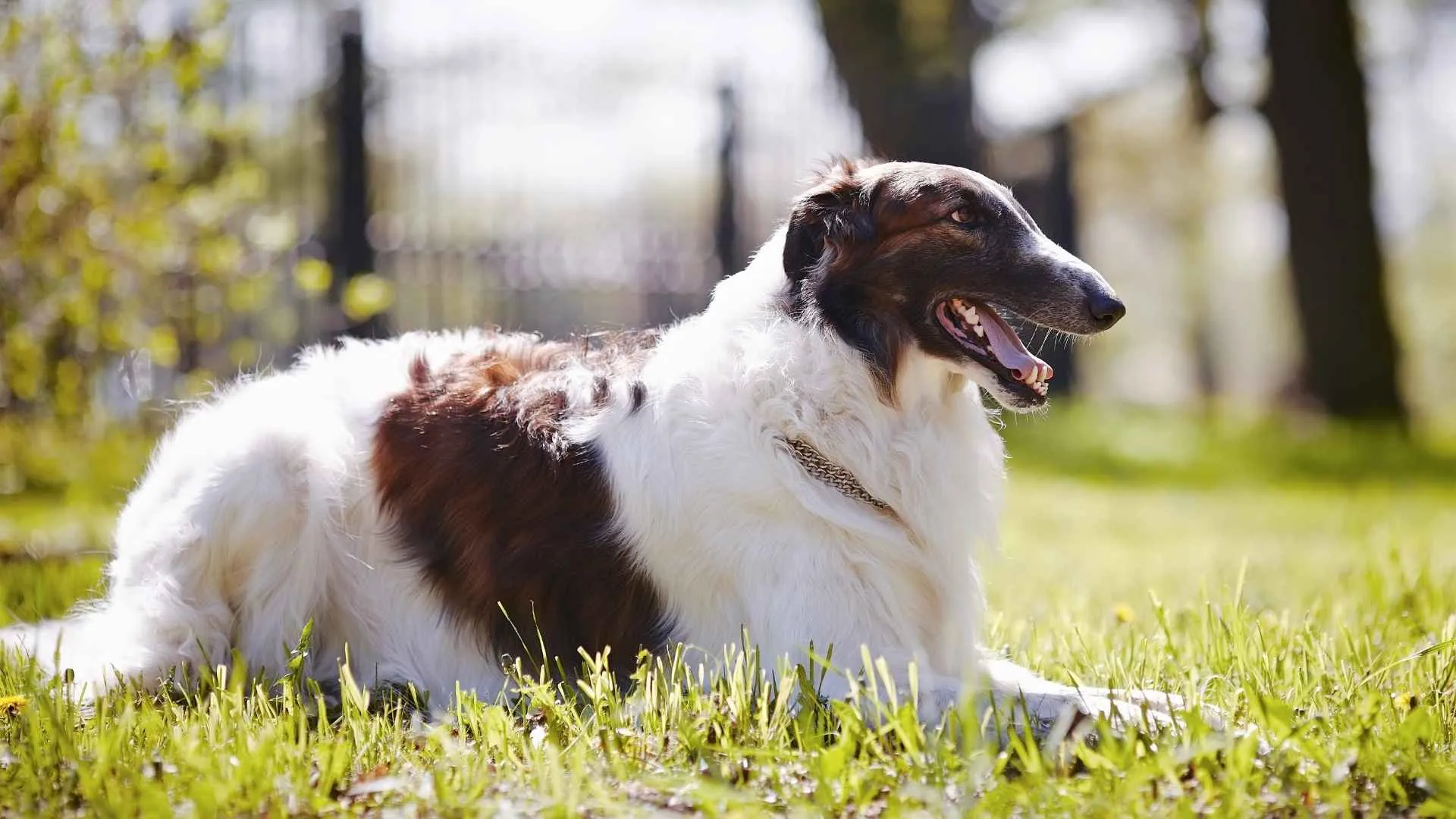
Viewed from the side, this breed’s snout profile is strikingly refined, as The Kennel Club noted. The forehead flows smoothly into the upper line of the muzzle, forming an almost straight—yet slightly convex—contour that creates a subtle Roman-nose appearance.
This elegant curve gives the face a noble, sculpted look that stands out among long-muzzled dogs. Such a snout profile isn’t just about beauty—it reflects function, strength, and heritage. The flexible nasal cartilage allows resilience while maintaining the breed’s distinctive outline.
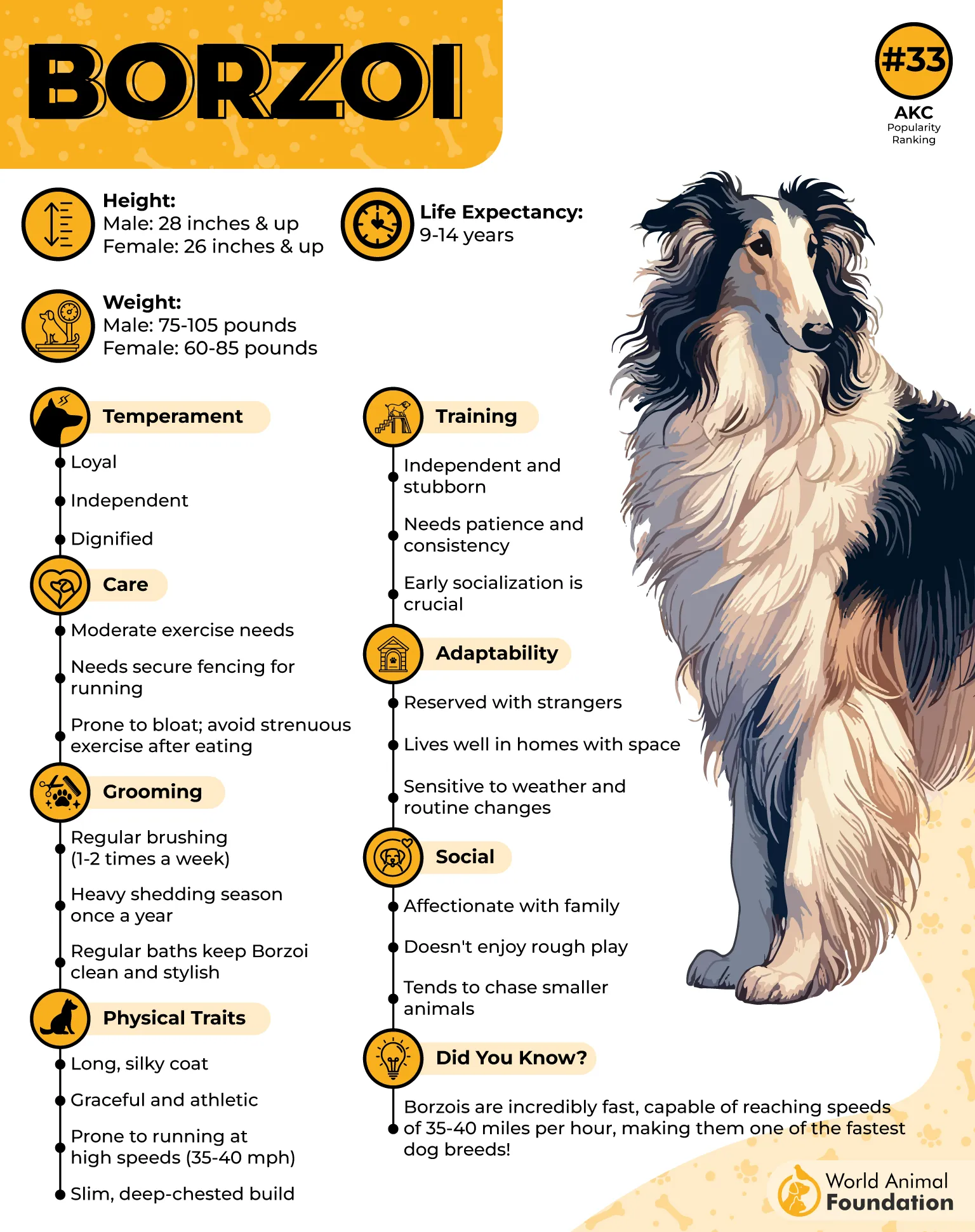
The muzzle itself is long, deep, and powerful, supported by strong jaws designed for both endurance and grip. A large, black nose sits prominently at the tip, rounded rather than sharp, enhancing both scenting ability and facial balance.
Their graceful build pairs well with regular activity and structured daily exercise to maintain health and muscle tone.
Key features of his long snout profile:
Long, deep, powerful muzzle
Slightly convex “Roman nose” curve
Smooth forehead-to-muzzle transition
Large, rounded black nose
Flexible nasal cartilage
Together, these traits create a commanding profile that blends power, elegance, and exceptional scenting capability.
7. Doberman Pinscher
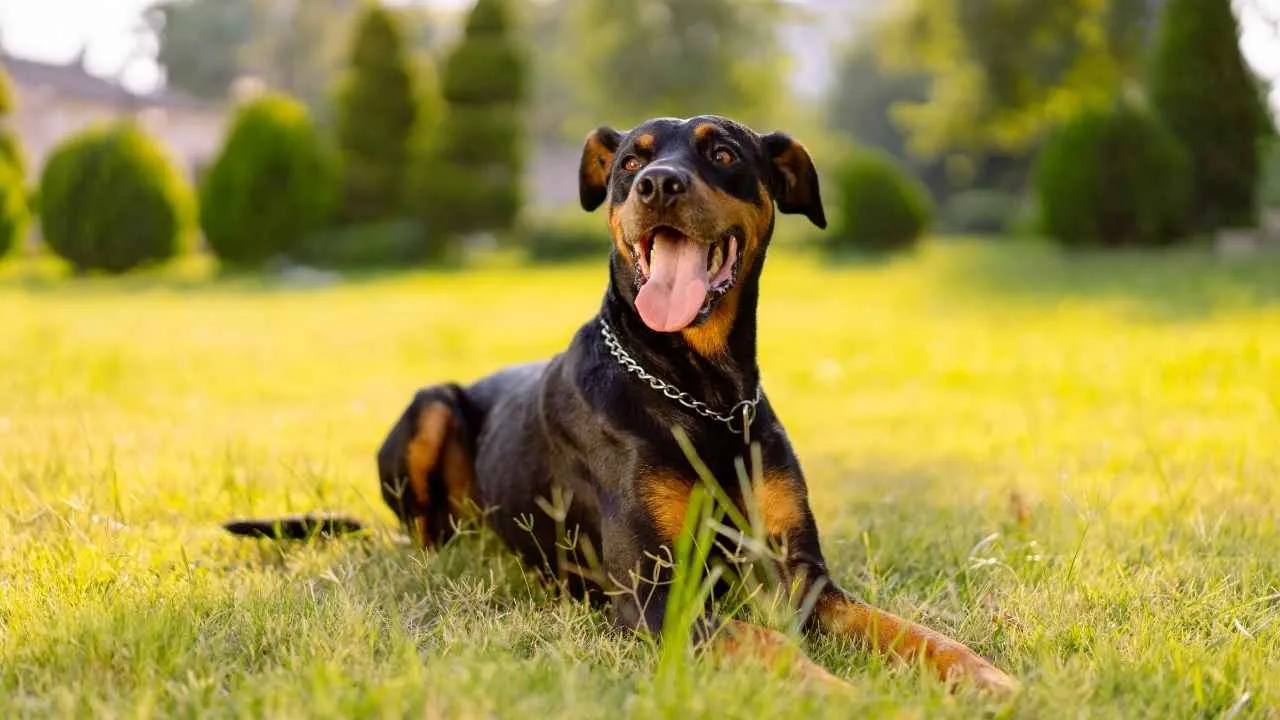
The Doberman Pinscher’s sleek, elongated snout is a defining feature that perfectly matches its alert and noble expression. This wedge-shaped muzzle gives the rare breed a streamlined profile, reflecting both elegance and power. Its sharply defined nose and jawline create a look of constant readiness—calm yet commanding.
Originally bred as both a hiking buddy and guard dog, the Doberman combines physical grace with fearlessness. The long, strong muzzle supports keen scent awareness and efficient breathing during high activity, aligning with the breed’s athletic nature.
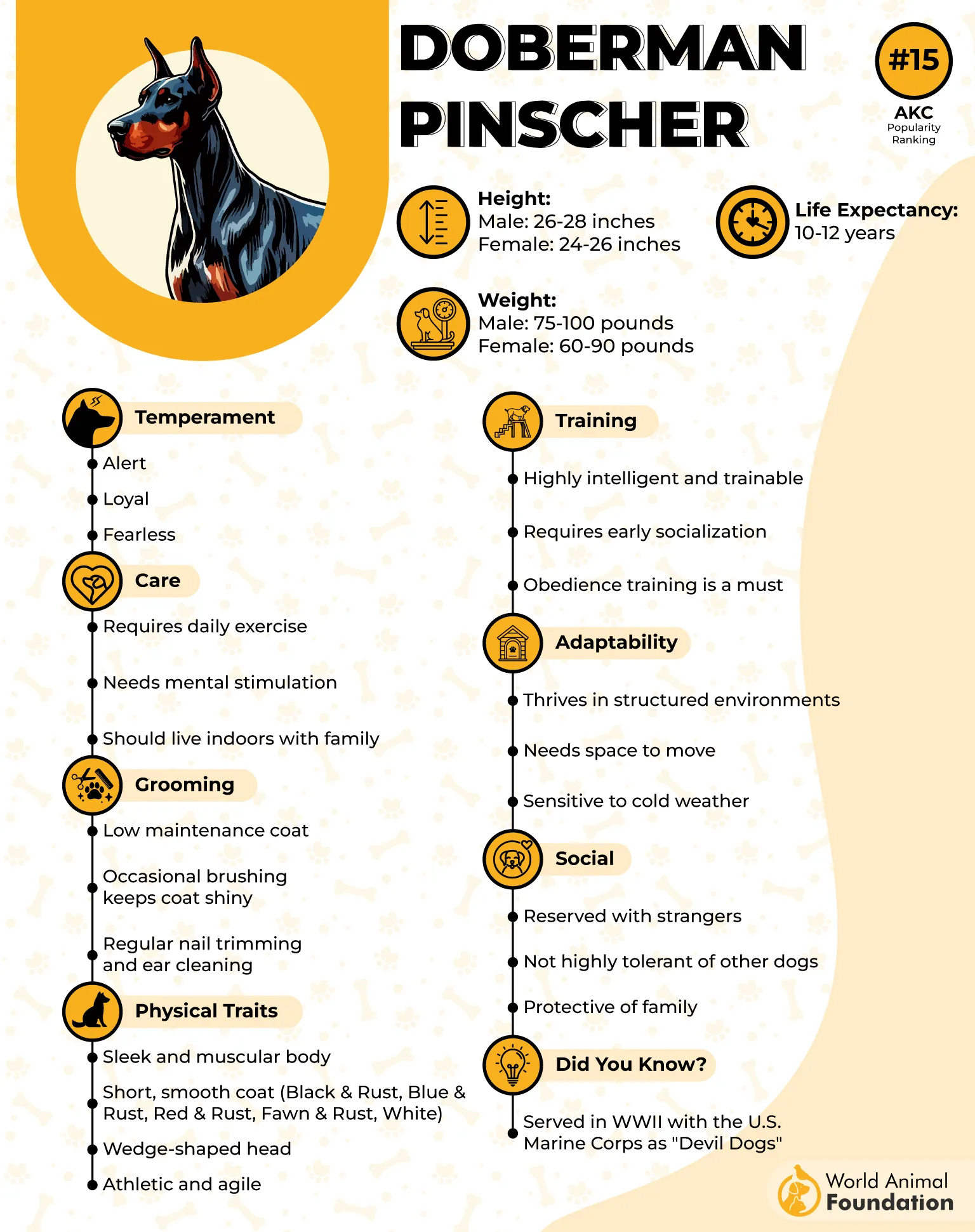
Despite their imposing appearance, these long-nosed dogs are deeply devoted and affectionate with their families. Behind that long snout is a sensitive, people-oriented dog that thrives on connection and purpose.
Key features of the Doberman’s long snout profile:
Long, wedge-shaped muzzle
Strong, clean jawline
Large, well-defined nose
Streamlined profile for speed
Alert, highly intelligent expression
This distinctive nose and snout design perfectly captures the Doberman’s blend of strength, elegance, and unwavering loyalty.
Conclusion
From adorably squished faces to long, aristocratic muzzles, dogs showcase an incredible variety of nose and snout profiles—each shaped by history, purpose, and big personality.
Some snouts are engineered for elite scent tracking, others for lightning-fast sprints, while a few are simply designed to melt hearts at first glance. What they all share is a remarkable ability to help dogs experience the world in ways humans never could.
Understanding these differences isn’t just fascinating—it also helps owners meet each breed’s unique needs, whether that means protecting flat-faced dogs from heat or giving long-nosed athletes plenty of space to run and explore.
Ultimately, a dog’s nose is far more than a facial feature—it’s a window into their instincts, heritage, and daily joys. No matter the shape, each breed with a long nose carries its own blend of function and charm, proving that when it comes to dogs, beauty truly is more than skin deep… It’s nose deep.
