




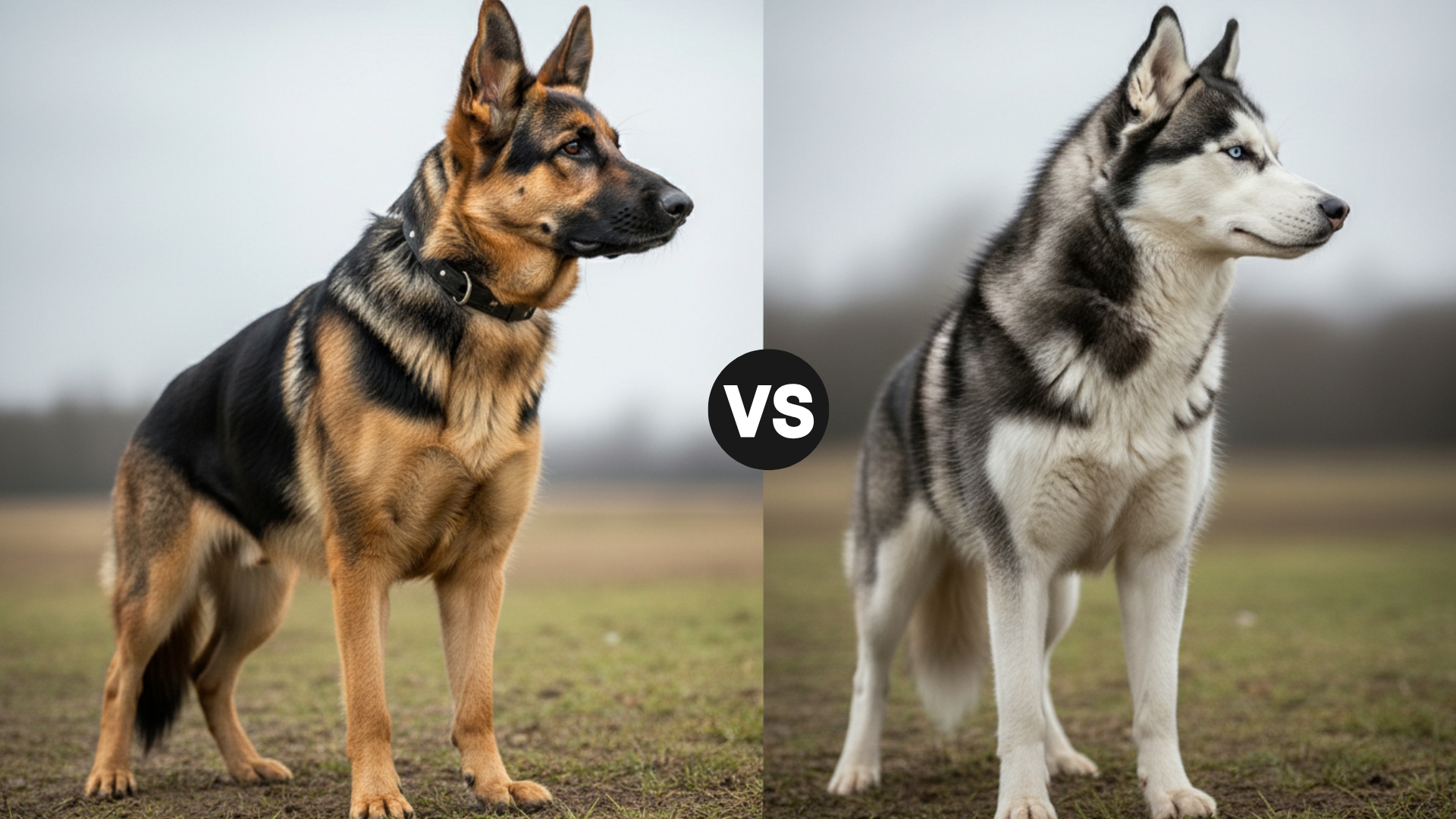
German Shepherds and Huskies are two of the most recognizable dog breeds in the world, and both can be amazing companions. At first glance, they may seem similar because they are athletic, intelligent, and full of energy.
But once you look closer, their personalities, care needs, and day-to-day behavior are very different. If you are choosing between these breeds, it is important to understand how each one fits your lifestyle, schedule, and experience level as a dog owner.
This guide breaks down the essential differences in a simple way, so you can decide which dog is the better match for your home.
Essential Differences: German Shepherd Dog Breeds vs. Huskies
Both breeds are strong working dogs, but they were developed for very different purposes. These original roles still shape how they behave in modern homes today.
From trainability and loyalty to independence and stamina, each breed brings unique strengths and challenges. Understanding these traits can help prevent surprises after bringing one home.
Before comparing specific traits, it helps to look at how their history, temperament, and natural instincts influence their daily needs and behavior.
Origins and Purpose
The German Shepherd comes from Germany and was originally developed for herding work. Over time, the breed became known as one of the most versatile working dogs, especially in police work and service roles.
That history helps explain why many German Shepherd Dogs love structure, tasks, and consistent care.
The Siberian Husky has a very different background. Huskies were raised by the Chukchi people and used as sled dogs, with stamina for pulling and movement across cold climates.
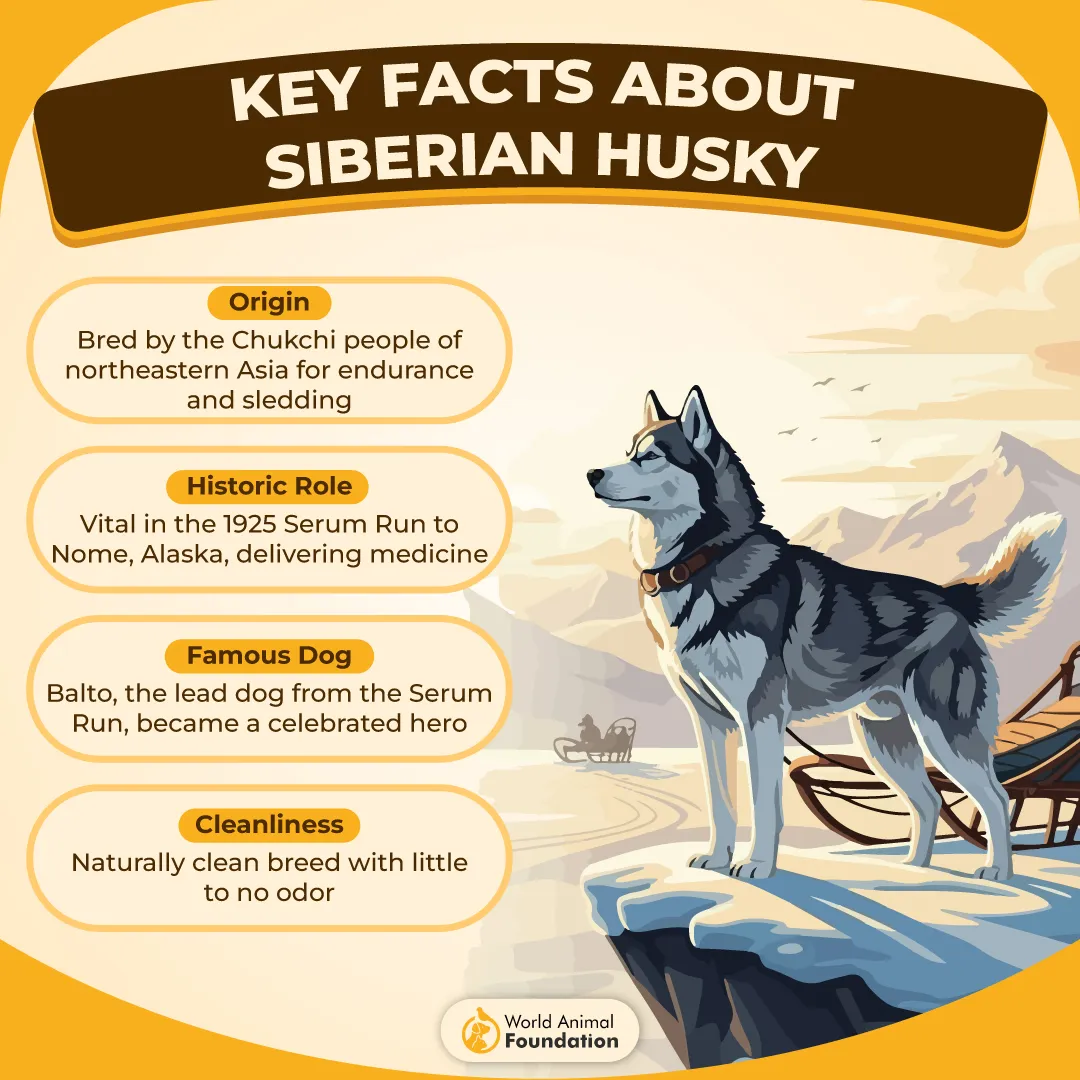
According to Britannica, Husky was introduced to Alaska in 1909 for sled dog racing and quickly earned a reputation as reliable winners.
Their past as pack-oriented dogs also explains why many huskies enjoy company, activity, and motion more than sitting still for long periods.
These origins shape the key differences in daily life. A German Shepherd often thrives when given a job and clear direction, while huskies usually shine in active settings with room to move.
When comparing two breeds with such strong working roots, understanding purpose is just as important as appearance.
Size and Physical Build
In a german shepherd vs husky body comparison, height can look close at first. German shepherds are often a little taller, with males and females both tending to stand about an inch taller on average than huskies, depending on sex.
Huskies are medium-sized and usually appear lighter on their feet, with a graceful gait and erect ears that give them a sharp expression.
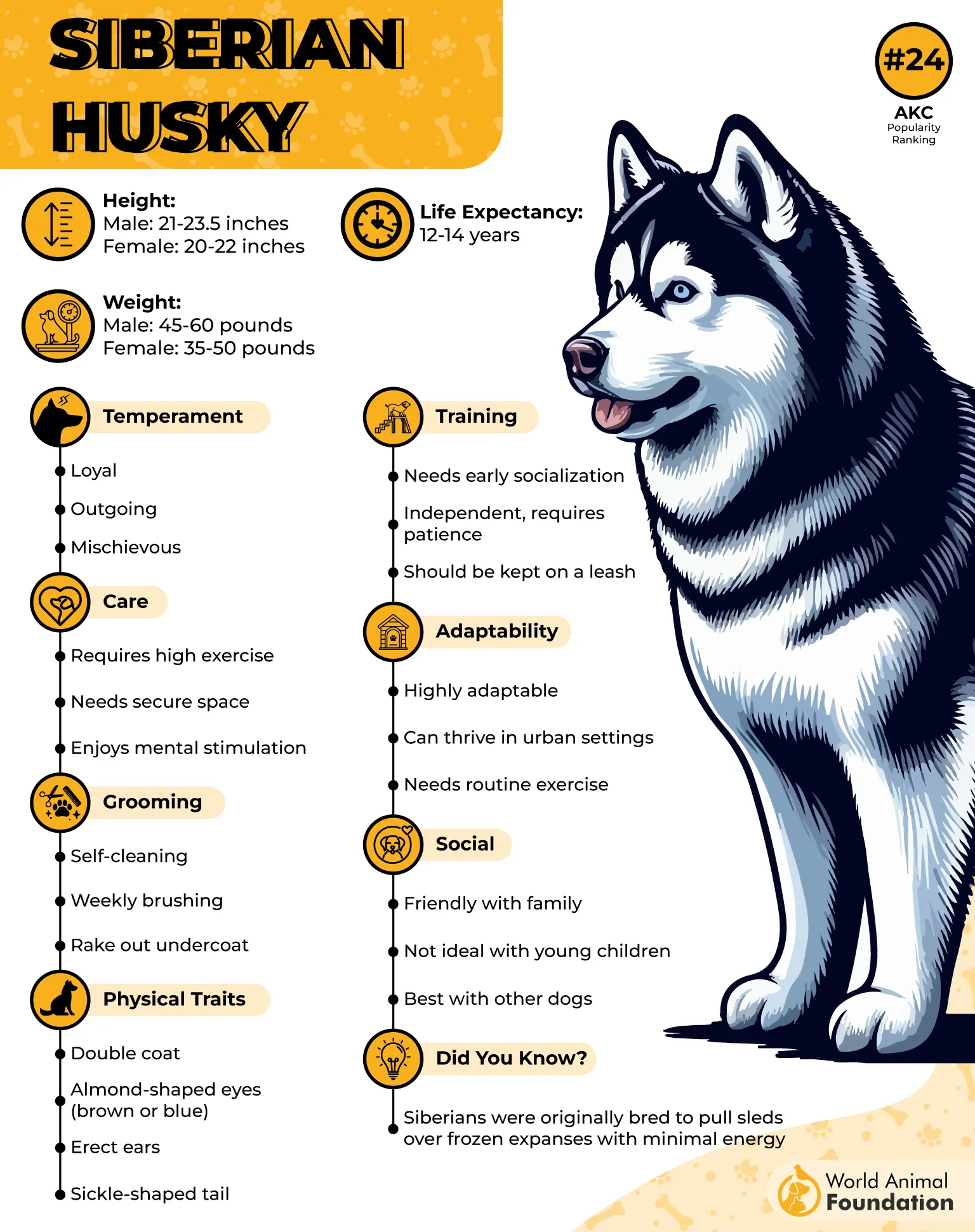
Weight is one of the clearest key differences between these two dogs. A German Shepherd generally carries more muscle and mass, while Huskies are built leaner for endurance and movement.
Coat and color also matter in the German Shepherd vs. section of physical traits. Both breeds have a double coat, and both shed, so regular grooming and regular brushing are important year-round.
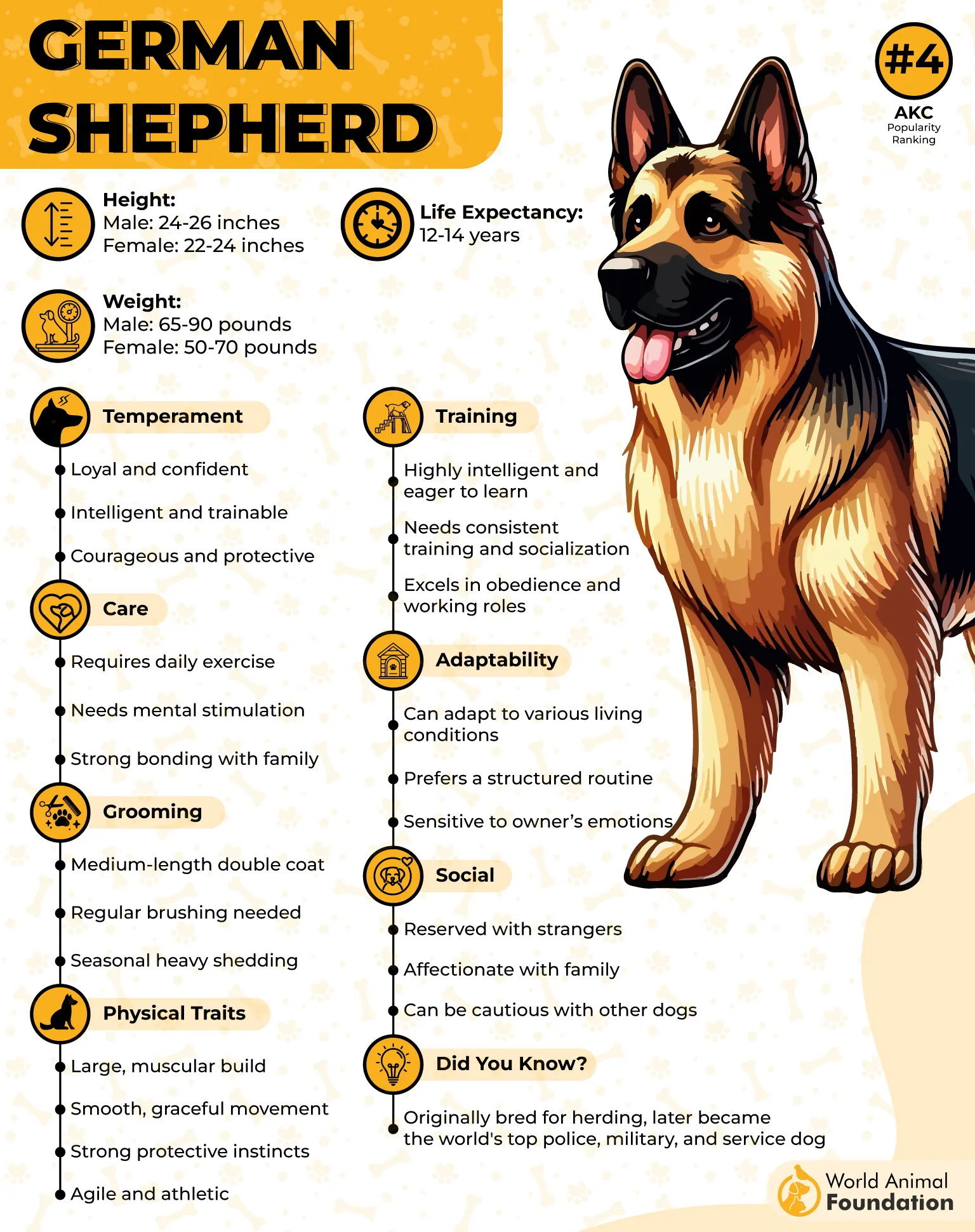
Huskies and German shepherds can share some color patterns, but huskies often show more white, while the german shepherd more commonly show darker markings.
Temperament and Personality
Temperament is often the deciding factor in a german shepherd vs husky choice. German Shepherd Dogs are intelligent, loyal, and often protective of their family, while Huskies are friendly, playful, and usually more open with strangers.
These personality traits create very different day-to-day experiences for owners, children, and visitors. A German Shepherd may seem aloof at first and can take time to warm up, which is one reason many people view the breed as one of the best guard dogs for home settings.
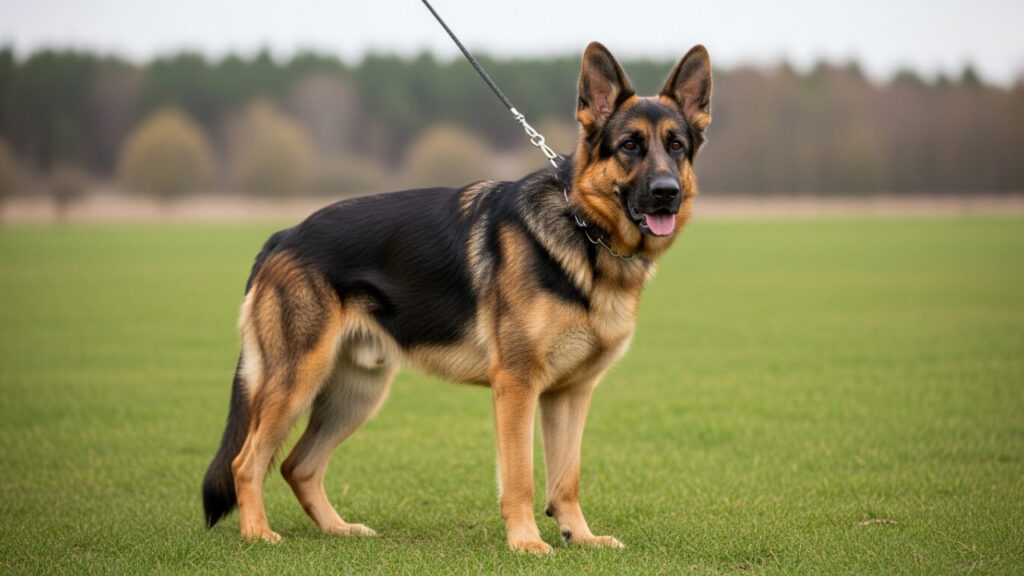
Huskies, by contrast, are usually not classic guard dogs because they tend to be social, vocal, and welcoming. They may howl, yelp, or whine more than other dogs, which some families love, and others do not.
Both German shepherds and huskies are intelligent, but they express that high intelligence differently. German shepherds often focus on people and tasks, while huskies can be strong-willed, mischievous, and independent.
Around cats, other animals, and other pets, early socialization and training matter a lot for both breeds, especially if you want a well-adjusted home.
Exercise and Energy Levels
Both breeds are high-energy, but they use that energy in different ways. A German Shepherd usually needs a balanced routine of physical exercise and mental stimulation, while Huskies often need even more exercise and freedom to move. If either breed gets bored, behavior problems can show up fast.
For a German Shepherd, long walks, games, and structured activity help a lot. They also benefit from physical and mental stimulation together, especially when the dog enjoys learning and staying engaged with the family. When left alone for long periods, some dogs may chew, bark, or act out from frustration.
Huskies are famous for boundless energy and stamina, which fits their history as sled dogs. They need regular exercise, space, and physical activity to stay healthy, and they can become escape artists if confined or under-stimulated.
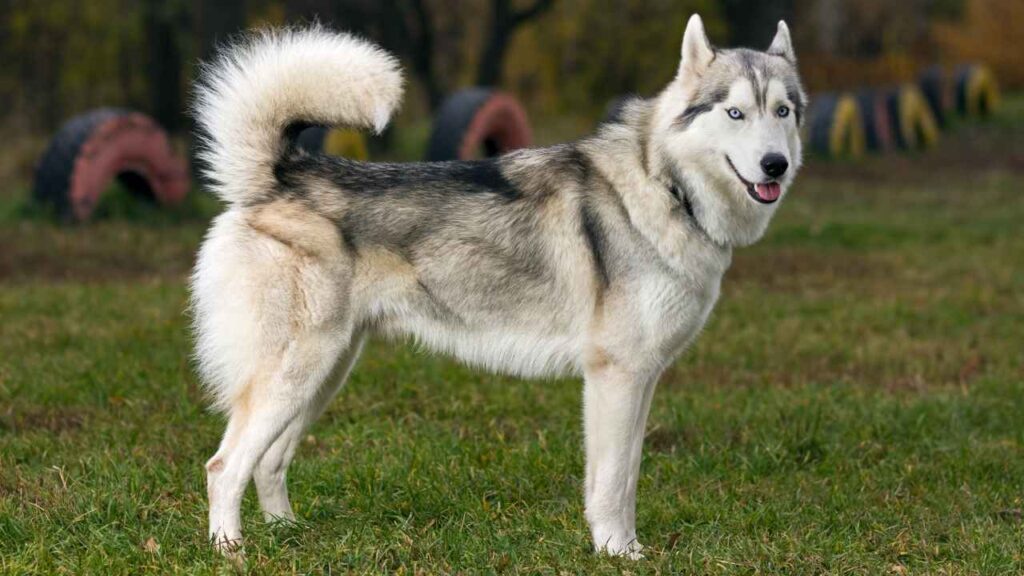
In a german shepherd vs husky lifestyle match, your schedule and space matter more than many first-time owners expect.
Training and Intelligence
Training is one of the biggest key differences in the german shepherd vs husky discussion. A German Shepherd is often easier to train because the breed tends to enjoy direction, structure, and working closely with people.
From basic commands to advanced roles, many German Shepherd Dogs respond well when training is consistent and clear.
As per Hill’s Pet, poorly bred German Shepherd dogs may be overly tense or anxious. When that is combined with weak socialization and insufficient training, it can increase the risk of excessive guarding and aggression.
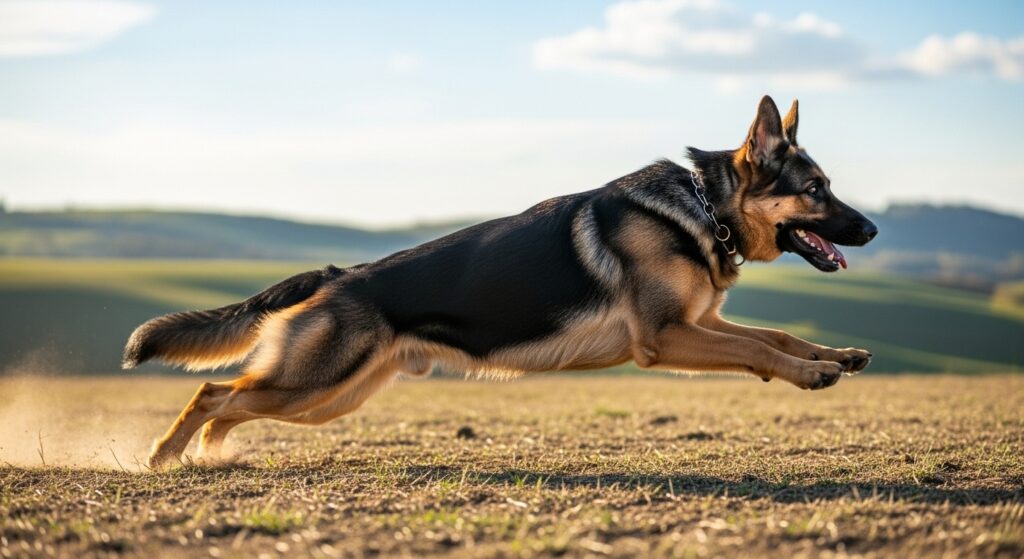
Huskies are also intelligent, but they are often more independent in the way they think. Many experienced dog owners say huskies can challenge limits, and that makes them harder to train than a German Shepherd for some households.
Positive methods, patience, and short, engaging sessions usually work better than repetitive drills. For families comparing the two dogs, the training style should match the owner’s personality.
German shepherds often do well with obedience training sessions and purposeful routines, while huskies need variety and motivation to stay interested. If the goal is easy handling for first-time owners, the german shepherd vs husky choice usually leans one way.
Coat Maintenance
In the german shepherd vs husky grooming conversation, there is one simple truth. Both breeds have a double coat, both shed, and both need regular grooming to keep the coat and skin in good shape. If you do not like fur on floors, clothes, and furniture, neither breed will feel low-maintenance.
A German Shepherd usually needs regular brushing and coat care throughout the year, and some owners do daily brushing during heavier shedding periods.
Huskies shed heavily, too, so many families plan cleaning routines around the seasons. For management becomes part of normal life, not a once-in-a-while chore.
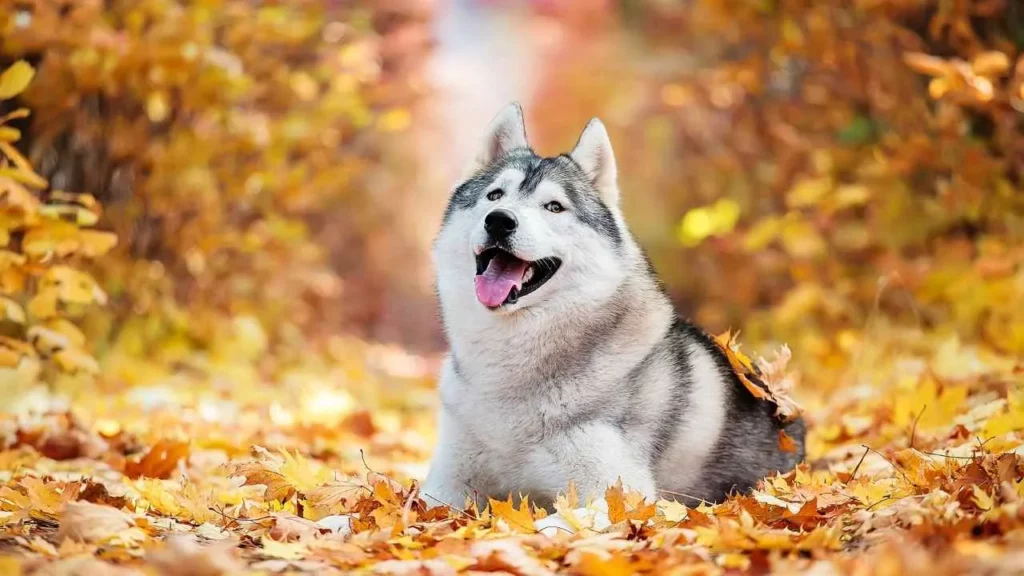
The good news is that grooming can also be bonding time with your puppy or adult dog. A consistent routine helps pets stay comfortable and lets owners check for skin changes or health issues early.
In a german shepherd vs husky care plan, grooming is less about beauty and more about comfort, cleanliness, and routine.
Health and Lifespan
Health and lifespan are the major key differences when comparing huskies and German Shepherds. German shepherd’s life expectancy is generally shorter, and the breed can be prone to issues such as hip dysplasia and elbow dysplasia.
Because of that, long-term planning and consistent veterinary care are important for any family considering a German Shepherd.

Huskies often have a longer life expectancy, but they can still face health problems. Eye conditions are a known concern in the breed, including progressive retinal atrophy and corneal dystrophy, and some lines may also be prone to other eye-related health issues.
Regular checkups help these dogs stay healthy and active for years. In a german shepherd vs husky decision, health planning should be part of the conversation from the start.
These are not small pets with minimal needs, and both breeds benefit from thoughtful care, movement, and monitoring over time. Good breeding, regular care, and attention to changes can make a big difference for both breeds and family peace of mind.
German Shepherd vs. Huskies: Suitability as Family Pets Vs Guard Dogs
When comparing german shepherd vs husky for home life, the biggest question is often what role you want your dog to play. German shepherds are widely known as protective companions and are often chosen as guard dogs because they are alert, loyal, and naturally watchful around strangers.
With children, they can be loving and steady, but they need training and supervision so they grow into well-adjusted family pets.
Huskies are usually friendlier with strangers and are less likely to act like a good guard dog. They are social, playful, and often better described as fun companions than serious watchdogs.
In many homes, huskies become the entertainers of the family, especially when children enjoy active play and noisy personalities.
Both breeds can be good family dogs, but they fit different households. A German Shepherd often suits families wanting protective behavior and structure, while Huskies are well-suited to homes that want sociable, high-energy pets.
In the german shepherd vs husky choice, the better match depends on whether you want a watchdog or a playful teammate.
Conclusion
German Shepherds and Huskies are both beautiful, intelligent dogs, but they are built for different kinds of homes and owners. A German Shepherd usually offers loyalty, structure, and protective behavior, while a Husky brings social energy, stamina, and a playful spirit. Both need training, exercise, grooming, and steady care, so neither breed is a casual choice.
The best decision comes from matching the dog to your routine, space, and experience level. If you want a focused companion with a working mindset, the German Shepherd may suit you better.
If you want a lively, friendly partner for an active life, the Husky may be the better fit. Choose wisely, and both can become amazing family companions.
