




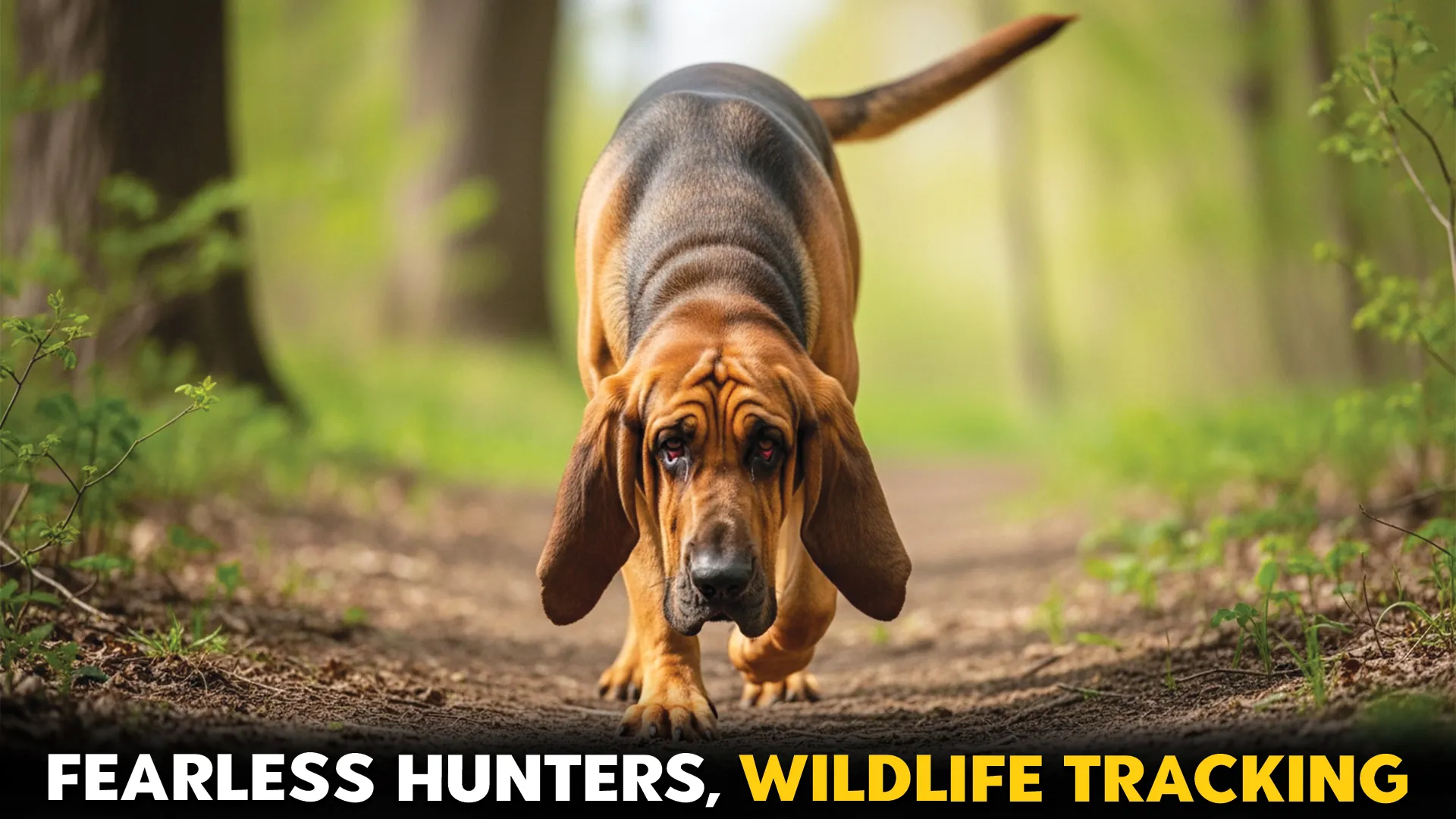
When the wilderness calls and the trail grows cold, few partners are as reliable as a skilled hunting dog. Bred for generations to track, flush, and retrieve, these canine athletes combine sharp instincts with tireless endurance, making them indispensable in the field.
Certain breeds are especially renowned for their ability to follow faint scents across miles of rugged terrain, work closely with hunters, and remain focused even in challenging conditions. Legendary trackers, along with versatile gun dogs, showcase just how powerful a dog’s nose, stamina, and intelligence can be.
What makes these hunting companions truly exceptional?
Unmatched scent detection that can follow hours-old trails
Physical endurance for long days outdoors
Trainability and teamwork with human handlers
Courage and determination when pursuing game
In this guide, we’ll explore remarkable breeds that transform instinct, training, and loyalty into extraordinary tracking and hunting performance.
Amazing Dog Breeds for Hunting and Wildlife Tracking
1. Bluetick Coonhound
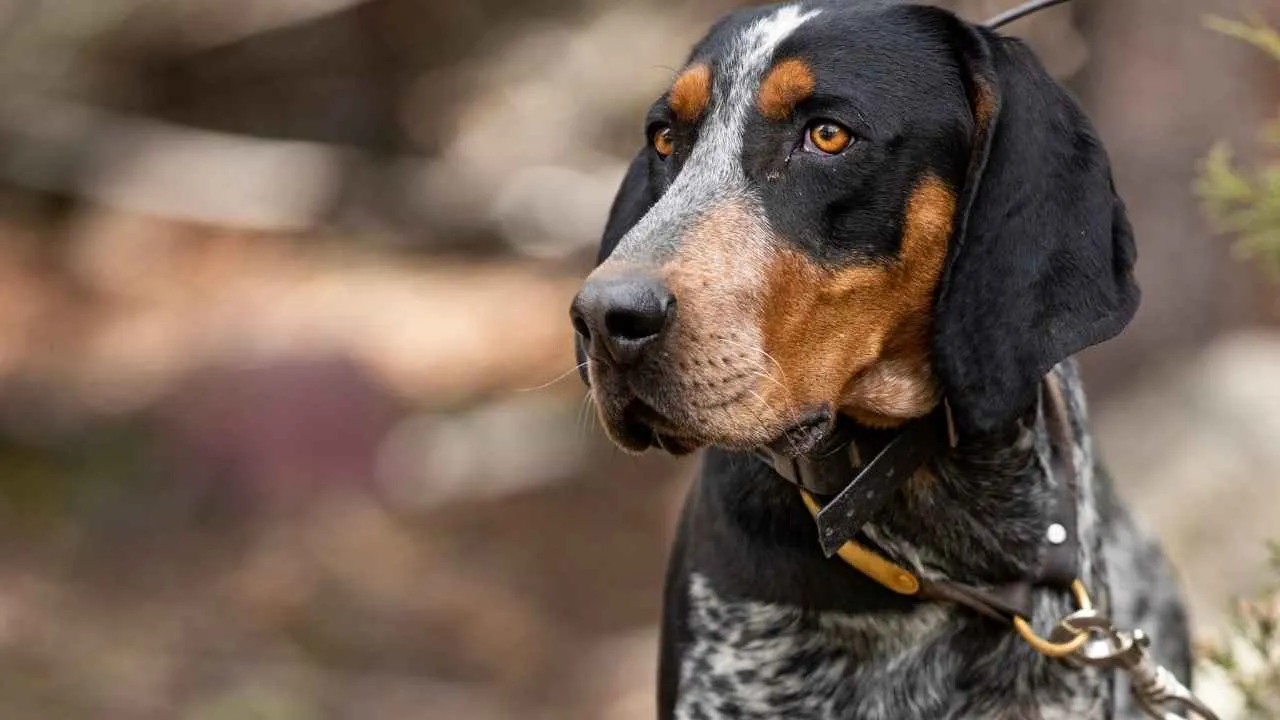
The Bluetick Coonhound is a classic American hunting dog celebrated for its exceptional nose, stamina, and unwavering determination in the field.
Developed specifically for tracking and treeing game across dense forests and rugged terrain, this breed became a trusted partner of early hunters who needed a reliable dog capable of working long hours under tough conditions.
Hunting Style
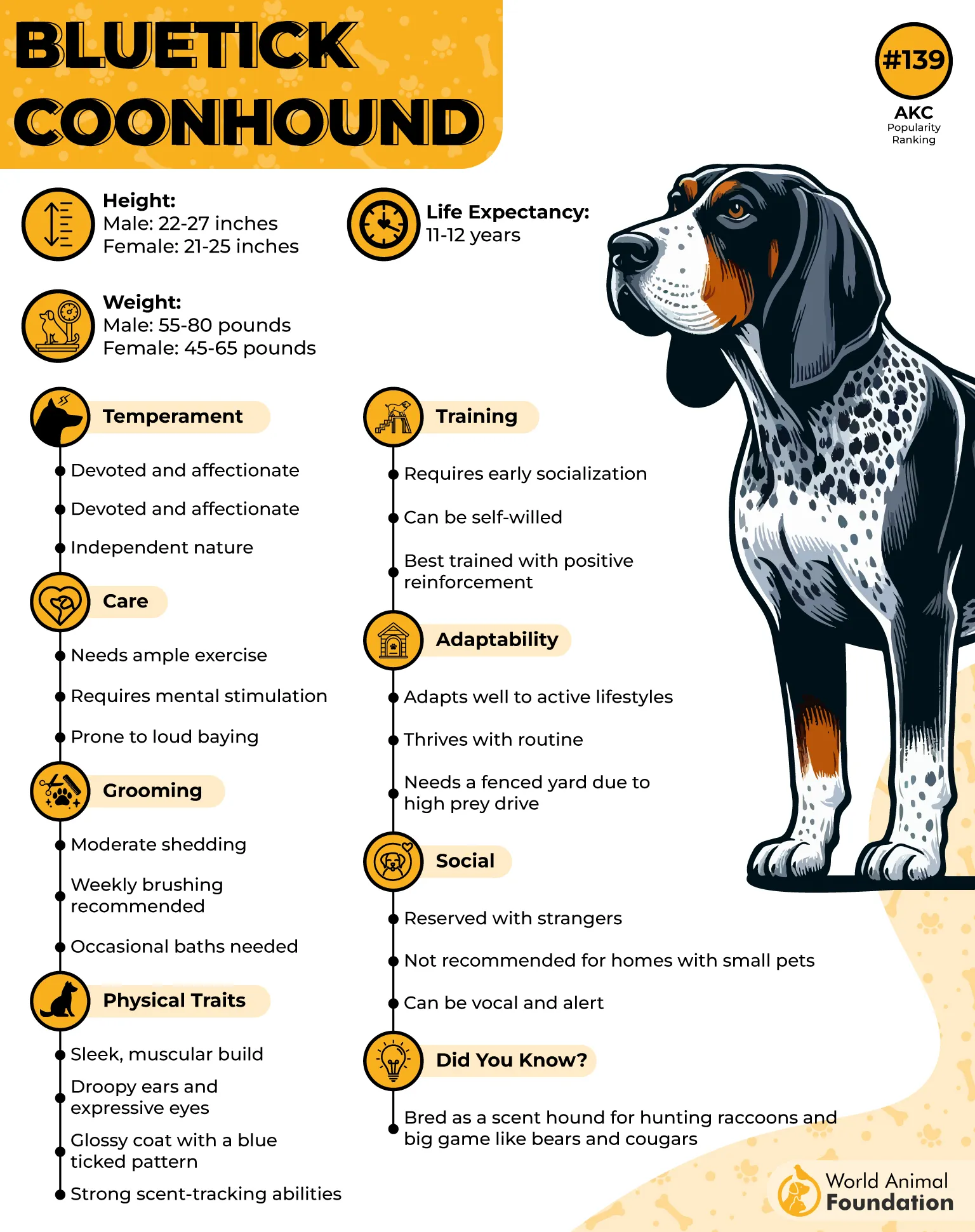
VCA mentions that despite this sweet nature, the breed becomes intensely focused when following a scent, demonstrating extraordinary tracking ability and determination. Historically, American frontiersmen relied on Blueticks to hunt raccoons as well as formidable game such as wild boar, cougar, and even bears.
Playful Nature
These dogs are playful, friendly, and highly energetic, thriving in active households, though their stubborn streak and loud bay reflect strong hunting instincts. Unlike sight hounds that rely on vision, Blueticks are scent hounds bred to trail warm-blooded animals using their powerful noses.
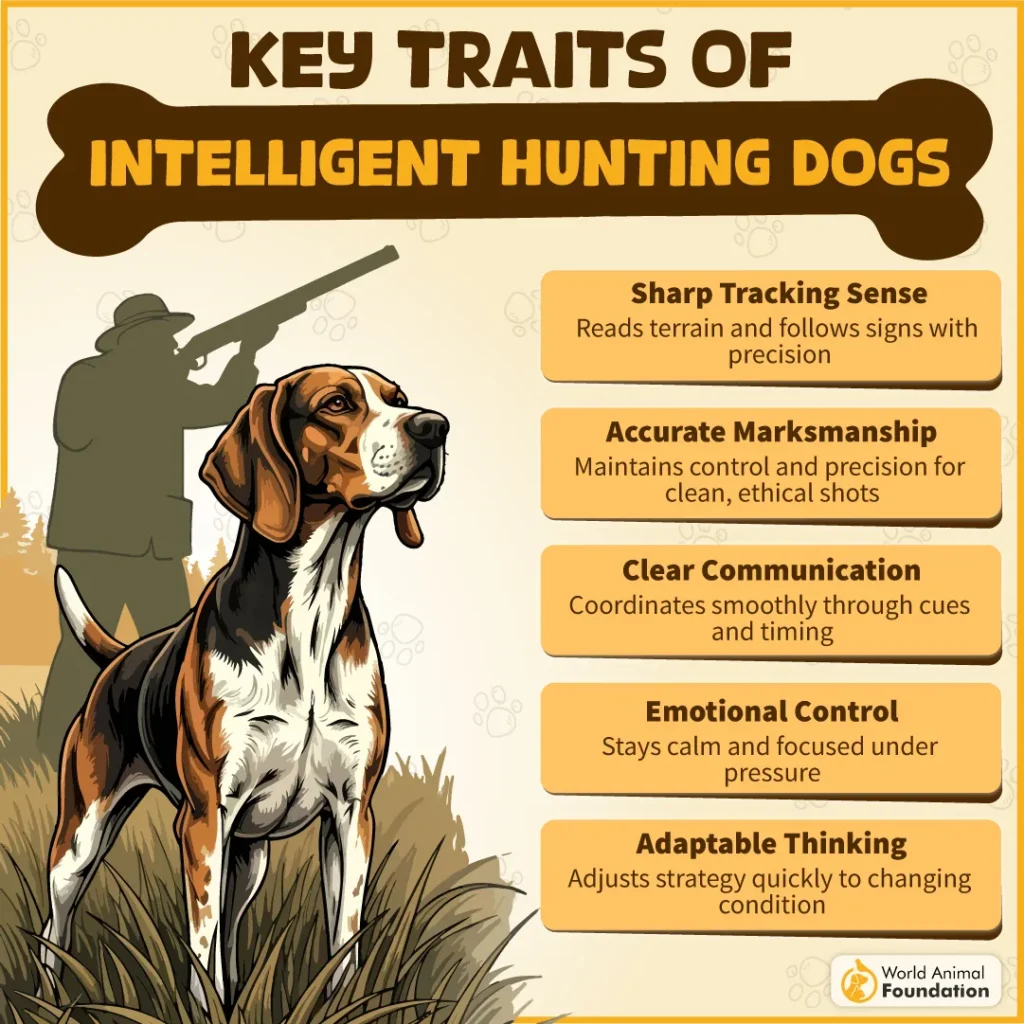
The breed traces back to early America and is believed to descend from French staghounds given to George Washington, later crossed with English foxhounds to refine its hunting skill.
Renowned for endurance, Blueticks can follow old trails for hours and confront challenging prey with remarkable courage.
2. Black And Tan Coonhound
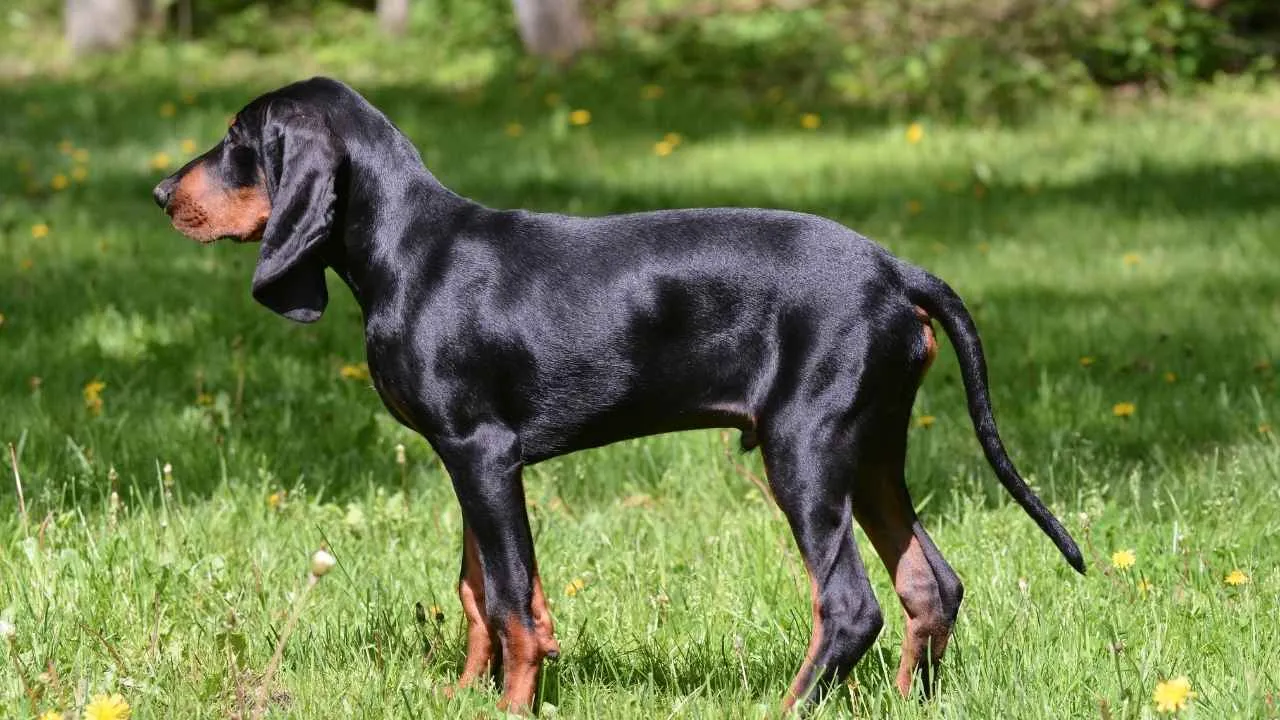
The Black and Tan Coonhound is a true American original, prized for its toughness, stamina, and unmatched scent-tracking skills.
Developed specifically for tracking and treeing game across dense forests and rugged terrain, this breed became a trusted partner of early hunters who needed a reliable dog capable of working long hours under tough conditions.
Hunting tasks
Originally bred to trail raccoons and other quarry through dense forests and rugged terrain, these hounds also earned a reputation as reliable partners for big game hunters pursuing animals such as boar and bear.
During hunting season, their powerful nose, persistence, and loud, ringing bay make them invaluable in the field, capable of following a trail long after it has gone cold.
Family Pets
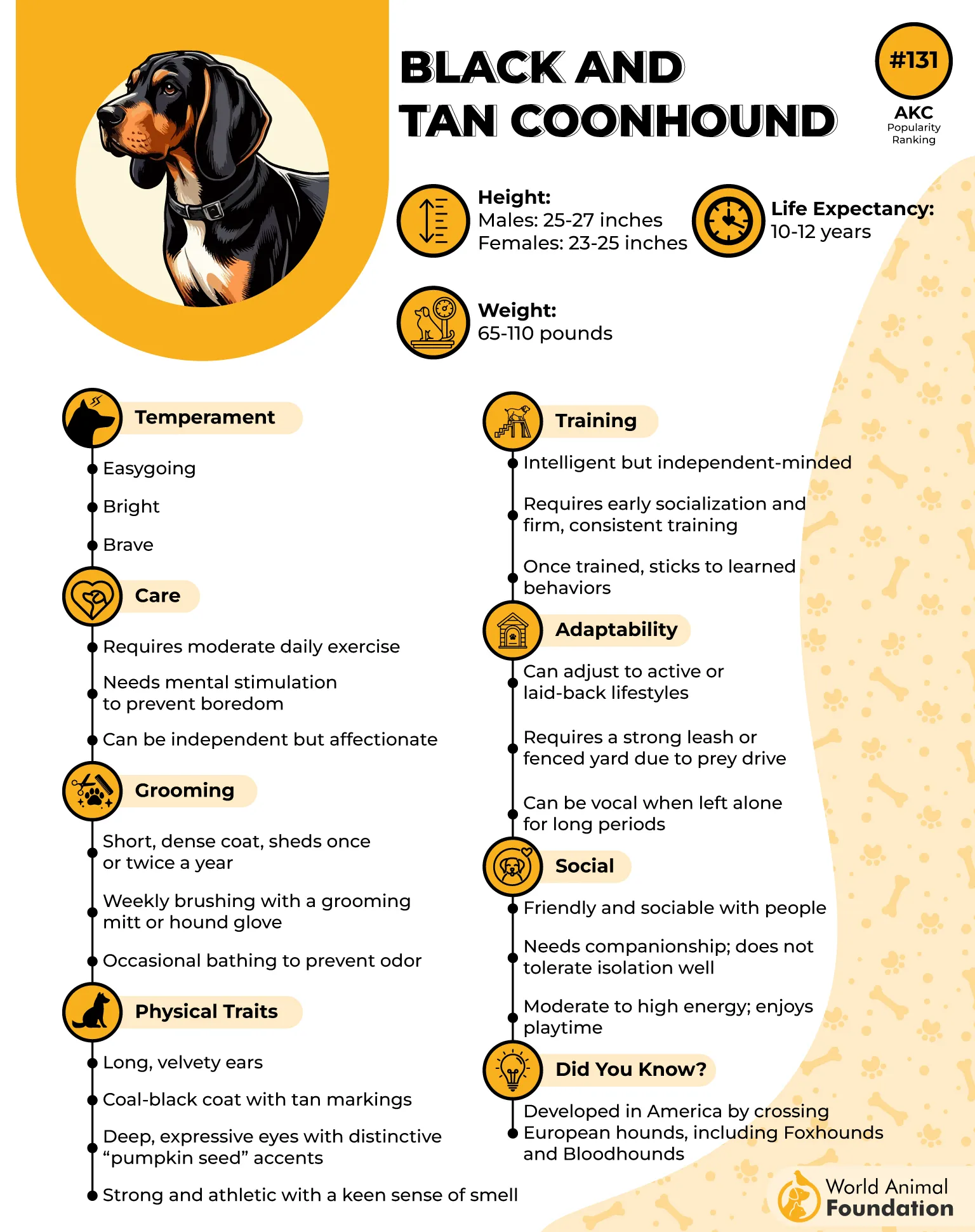
Despite their rugged working background, Black and Tans transition surprisingly well into life as family pets, known for their gentle nature, patience with children, and deep loyalty to their people.
They are intelligent and independent, which reflects their history of working at a distance from handlers, but with consistent guidance, they become devoted, steady companions. Their striking black-and-tan coat, long floppy ears, and soulful eyes only add to their charm.
3. Pharaoh Hound
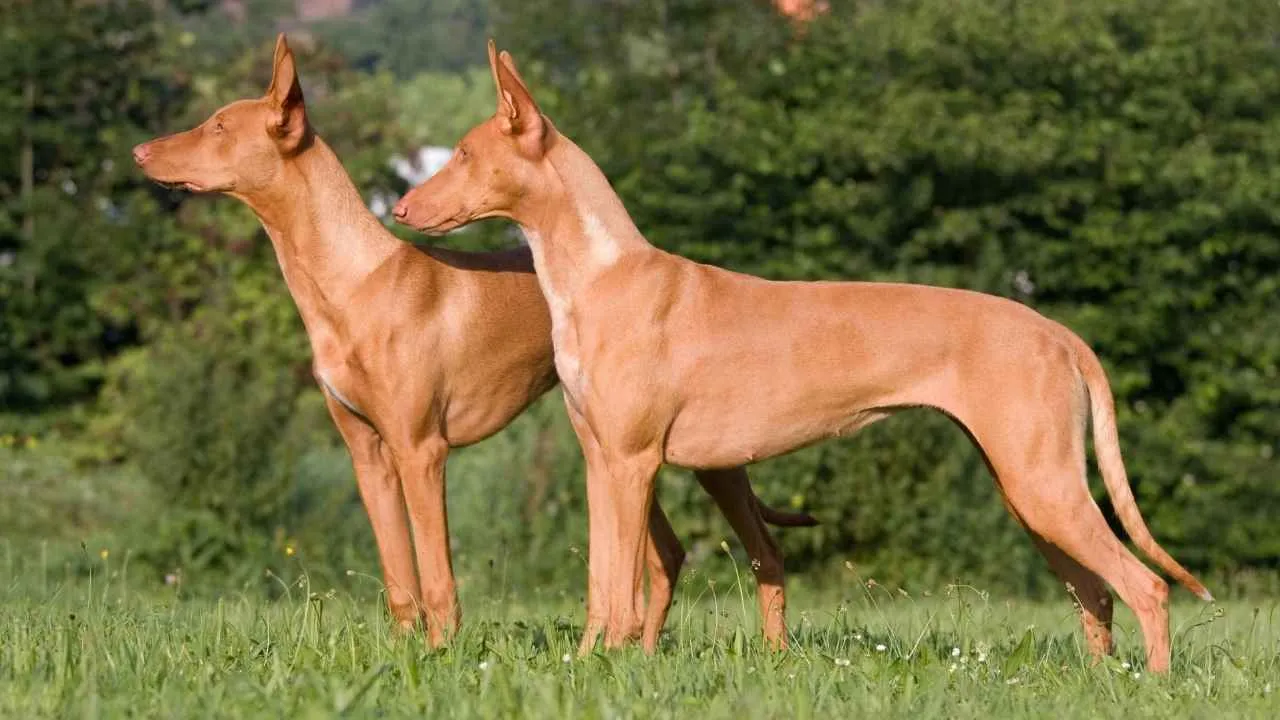
Pharaoh Hounds are highly intelligent, affectionate, and energetic dogs, but beneath their gentle nature lies a powerful hunting instinct.
Bred to pursue fast game, they are triggered by movement and will instinctively chase anything that runs, making reliable off-leash control extremely difficult.
Hunting Companions
Their speed, sharp eyesight, and relentless drive reflect their origins as skilled hunters rather than purely companion animals.
In Malta, where the breed originated, they are called “Kelb tal-Fenek,” meaning “rabbit dog,” a name that highlights their traditional role in coursing wild rabbits across rocky terrain.
Hunting style
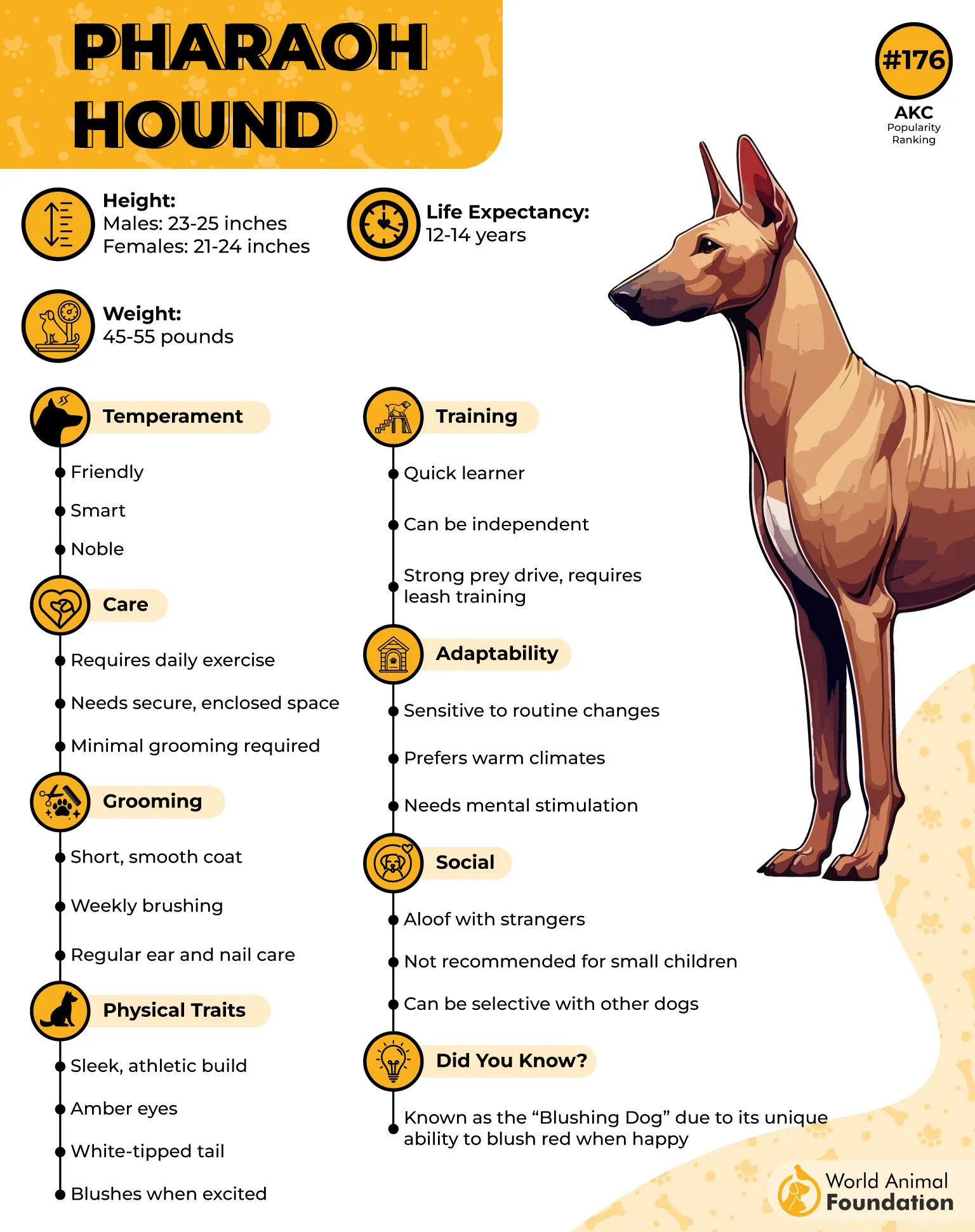
Recognized as the national dog of Malta, Pharaoh Hounds were prized for their stamina, agility, and ability to hunt independently at night.
Even today, this ancient breed retains a raw, almost primitive edge — alert, quick to react, and always ready to pursue prey — making structured exercise and secure spaces essential for channeling their natural wildness.
4. Treeing Walker Coonhound
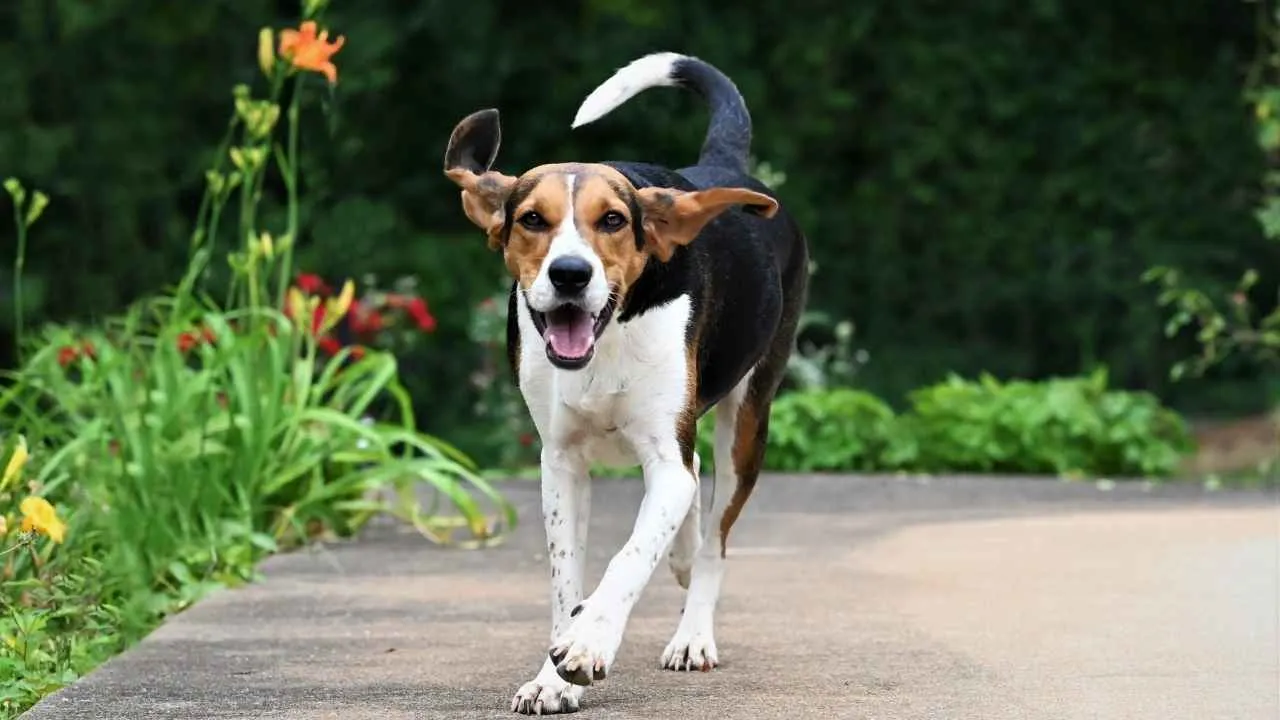
The Treeing Walker Coonhound is highly valued for its powerful tracking drive and is widely used as a hunter, especially for medium-sized tree-dwelling game like raccoons and opossums, as Wikipedia mentions.
Hunting dog breeds
Whether working alone or in small packs, these hounds can also trail formidable quarry such as bobcats, cougars, and even bears, while some individuals excel at catching smaller prey like squirrels and rodents. Thanks to their exceptional speed and endurance, they are sometimes employed in deer hunting as well.
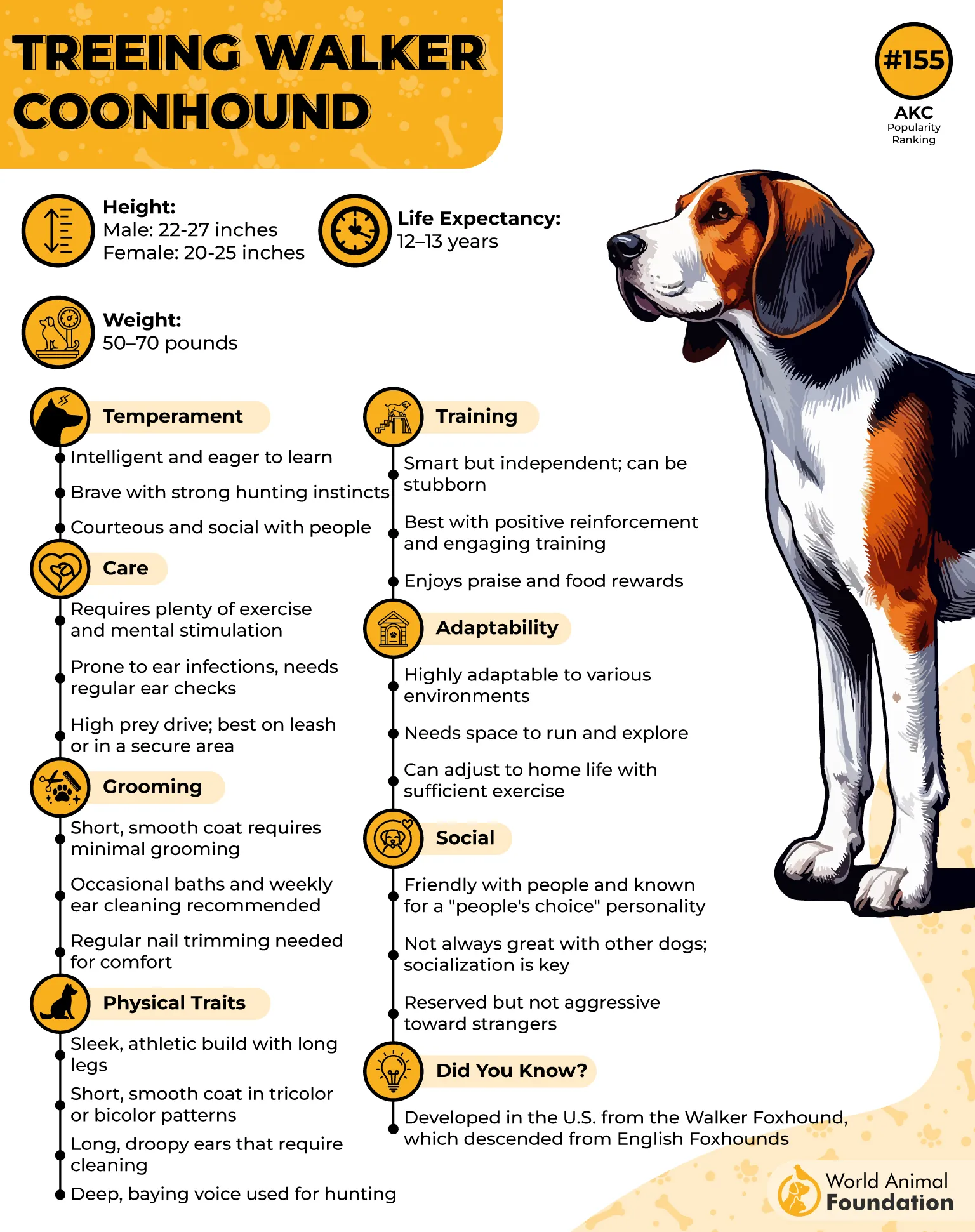
Renowned as the most popular breed in competitive coon hunts, Treeing Walkers stand out for their intelligence, stamina, and distinctive “mouth” — the loud, ringing bay that signals a treed animal.
Affectionate but hunters at heart
Although they can be affectionate family companions and generally do well with children, they remain hunters at heart.
Their intense energy, independence, and prey drive demand consistent training, ample exercise, and purposeful activity to keep them balanced and well-behaved in a home environment.
5. Redbone Coonhound
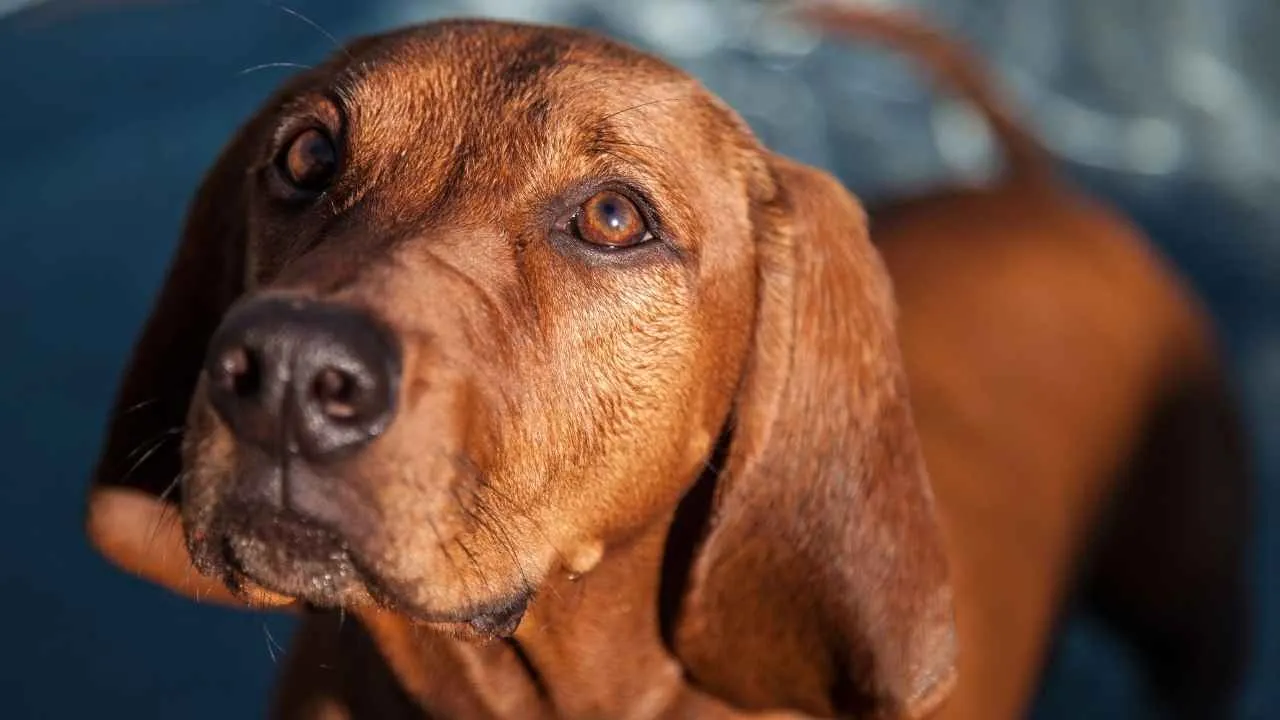
The Redbone Coonhound is a powerful American scent hound developed specifically for tracking and treeing game across the challenging landscapes of the southern United States.
Its combination of speed, endurance, and a highly sensitive nose has made it a favorite among hunters pursuing raccoons and larger game alike.
Calm and intense at the same time
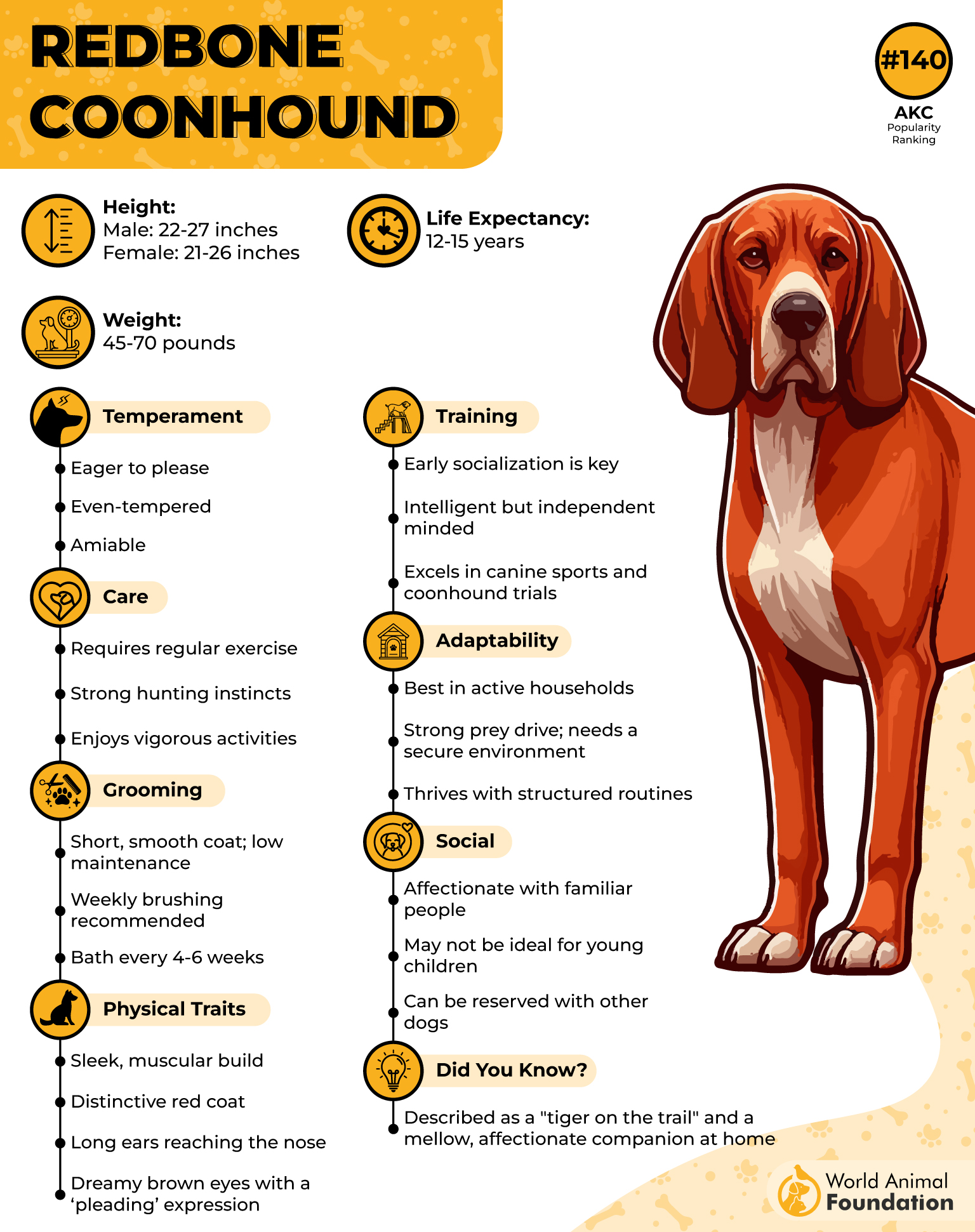
Recognizable by its sleek, solid red coat and athletic build, this breed was refined for hunters who needed a fast, agile dog capable of pursuing quarry through dense forests, swamps, and rugged hills.
They excel in raccoon hunting but are also used for big game, relying on endurance, courage, and a powerful nose to follow trails through forests, swamps, and rough landscapes, as AKC mentioned.
Best hunting dog breeds
True to the coonhound lifestyle, Redbones alternate bursts of vigorous activity — tracking, chasing, and swimming after quarry — with long periods of rest.
Their surefooted movement, stamina, and unwavering focus make them formidable hunting partners, especially during demanding pursuits where persistence and scenting ability are critical.
6. Beagle
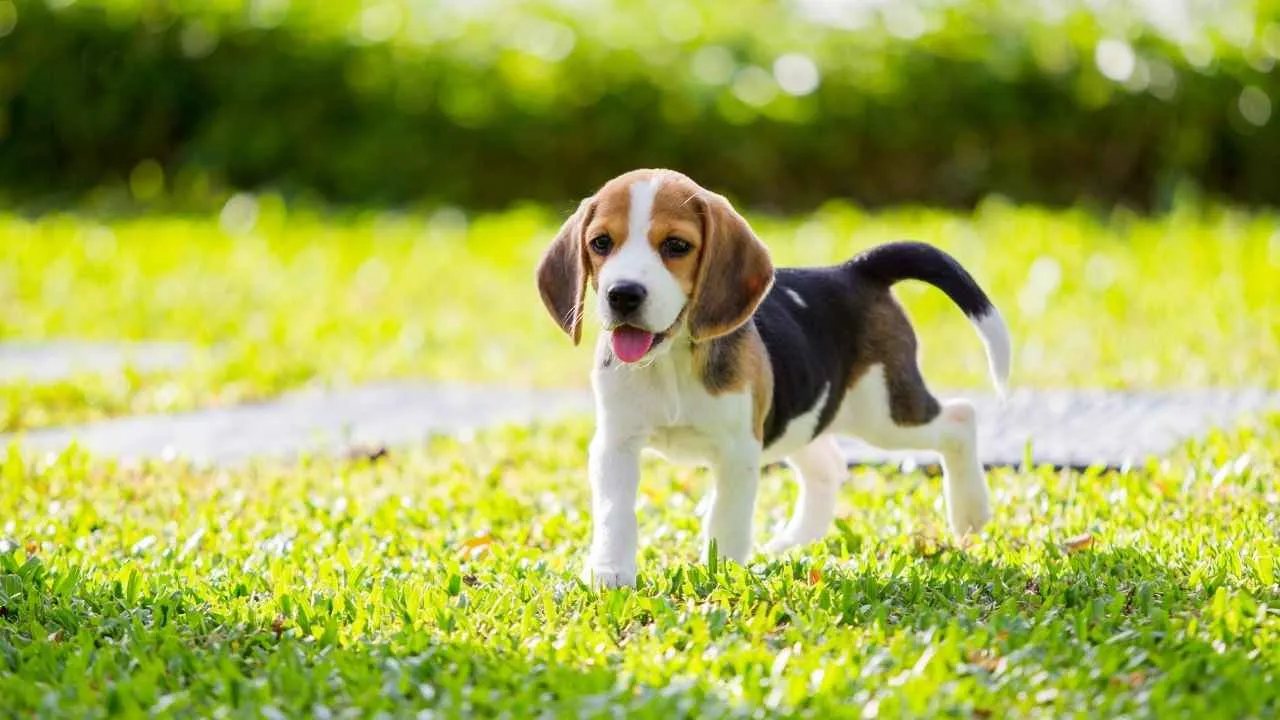
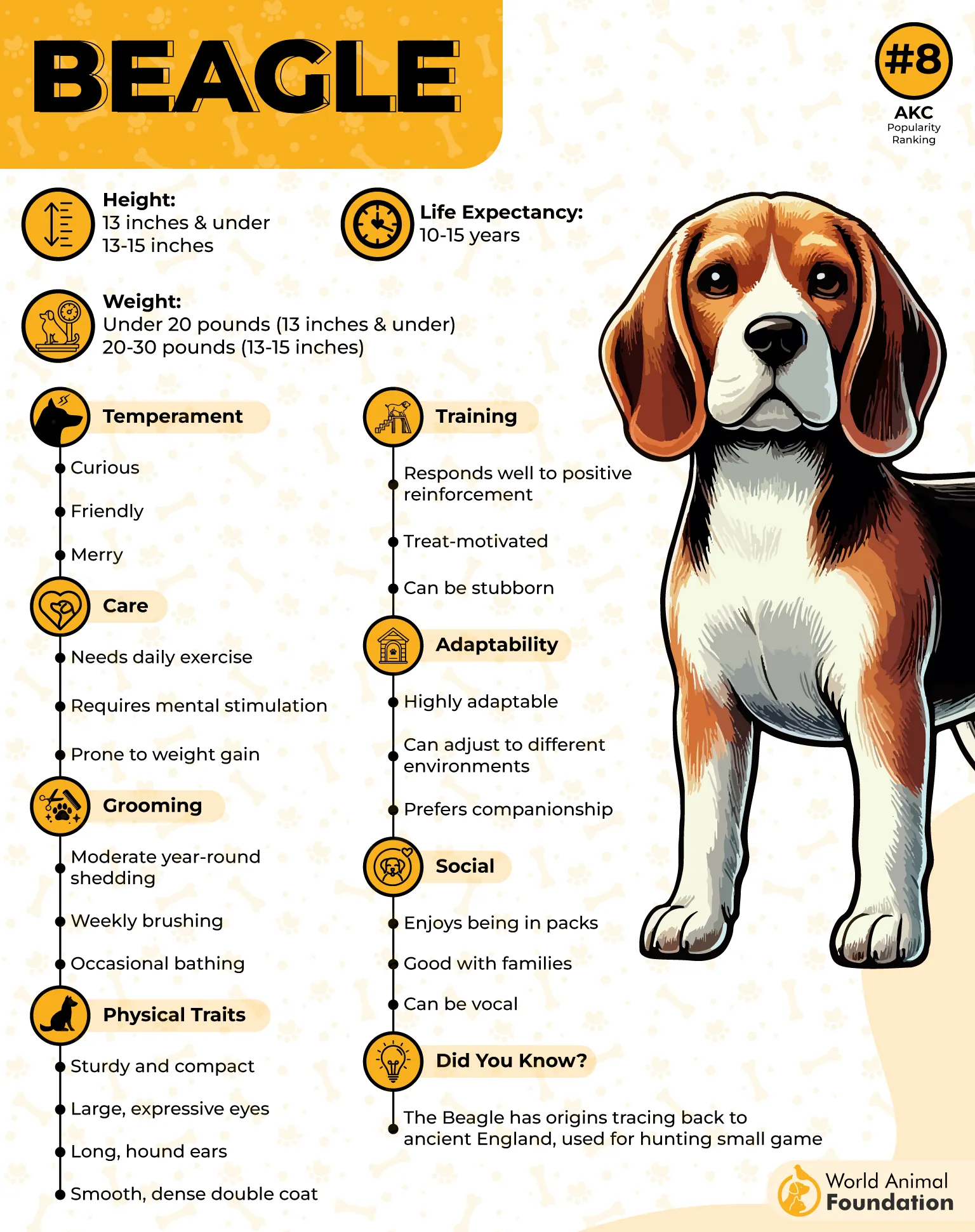
Beagles are classic scent hounds that track prey by following ground scent rather than relying on sight, and their powerful noses rival those of bloodhounds and basset hounds.
Persistent tracking
Unlike many other dogs that may lose interest, Beagles are persistent trackers, capable of following a trail for miles with remarkable accuracy.
Traditionally bred for pack hunting, they work well alongside other dogs, making them especially effective for flushing small game and even hunting birds in dense cover.
Strong Prey Drive
Their strong prey drive, stamina, and loud baying voice help hunters locate them from a distance.
Today, while some are still used as new hunting dogs in the field, many live as family companions, though dog owners should be aware that their instinct to follow scents can lead them to wander if not properly trained or secured.
Their combination of determination, intelligence, and sociable nature makes them both capable hunters and great family dogs.
7. Irish Setter
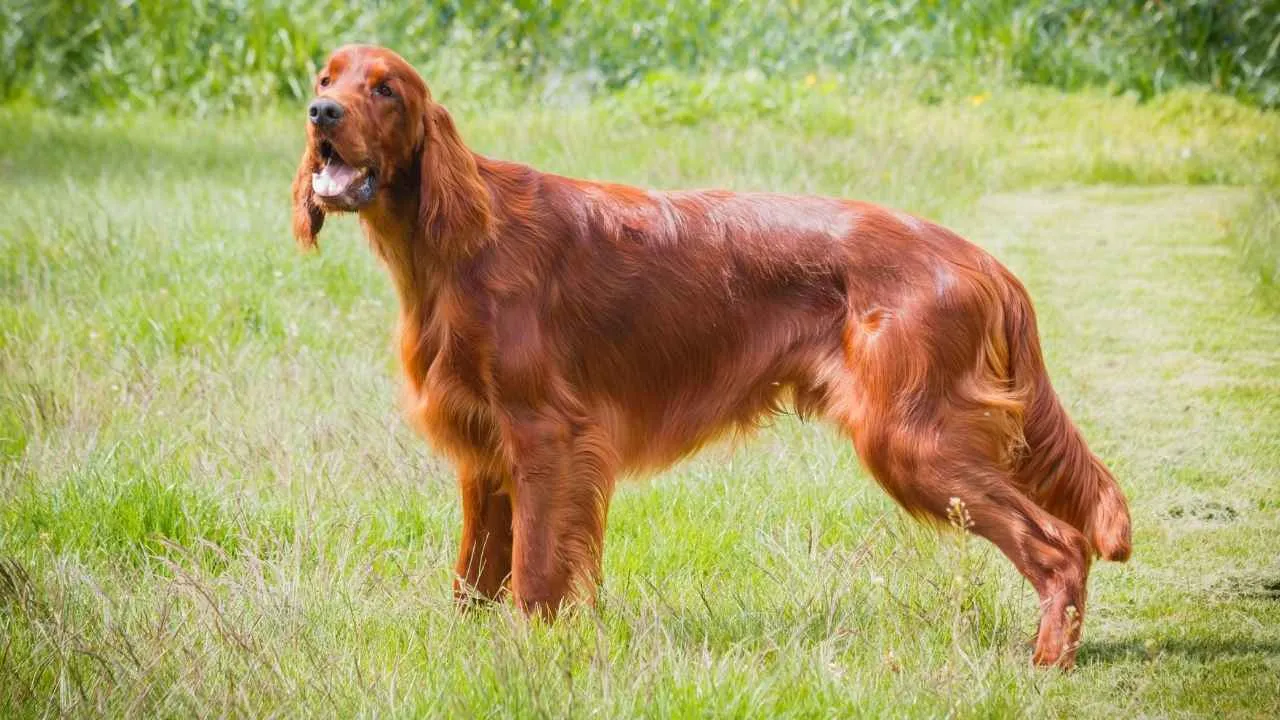
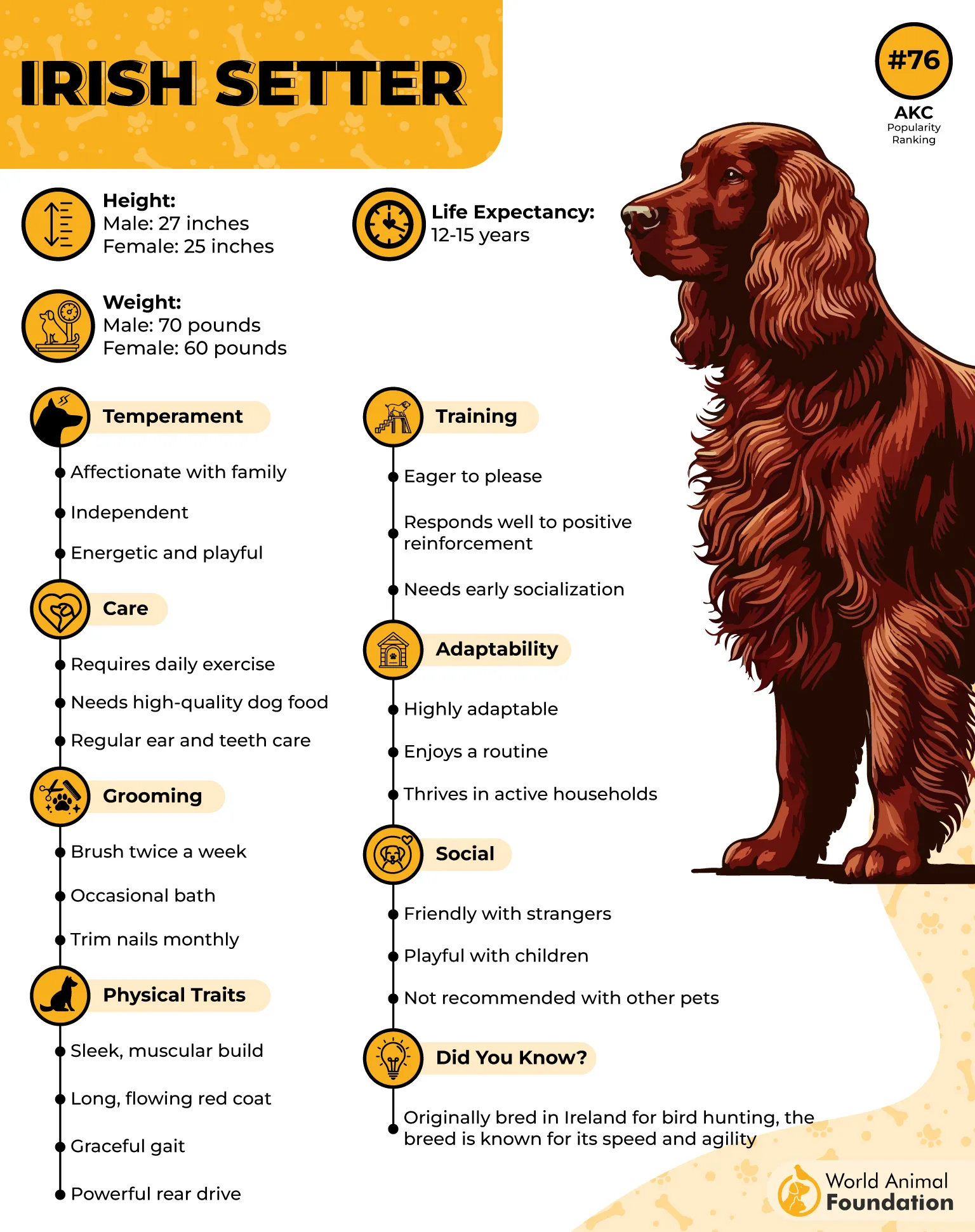
The Irish Setter is highly intelligent and generally easy to train, though it can sometimes show a willful streak. Compared to other hunting breeds, its training for hunting can be more challenging, which is why it is less commonly used by hunters.
Waterfowl hunting dog
While mostly known for upland bird hunting, their retrieving skills and tireless energy allow them to work around waterfowl in shallow areas.
Irish Setter is an excellent hunter, possessing a keen sense of smell and the endurance to cover wide-ranging terrain, whether wet or dry. They naturally retrieve upland game and can adapt to waterfowl in shallow areas; strong hunting instincts and stamina aid retrieval.
Affectionate Nature
Tireless and determined, it excels in tracking and retrieving game in the field. Among dog owners, the breed is also admired for its playful, friendly, and affectionate nature, making it a wonderful companion both in the field and at home.
We can say the Irish Setter can function as both a bird dog and a duck dog, but with some nuance. The Irish Setter’s combination of hunting skill and friendly temperament makes it a versatile dog, equally at home in the field during hunting season or enjoying family life.
8. American Foxhound
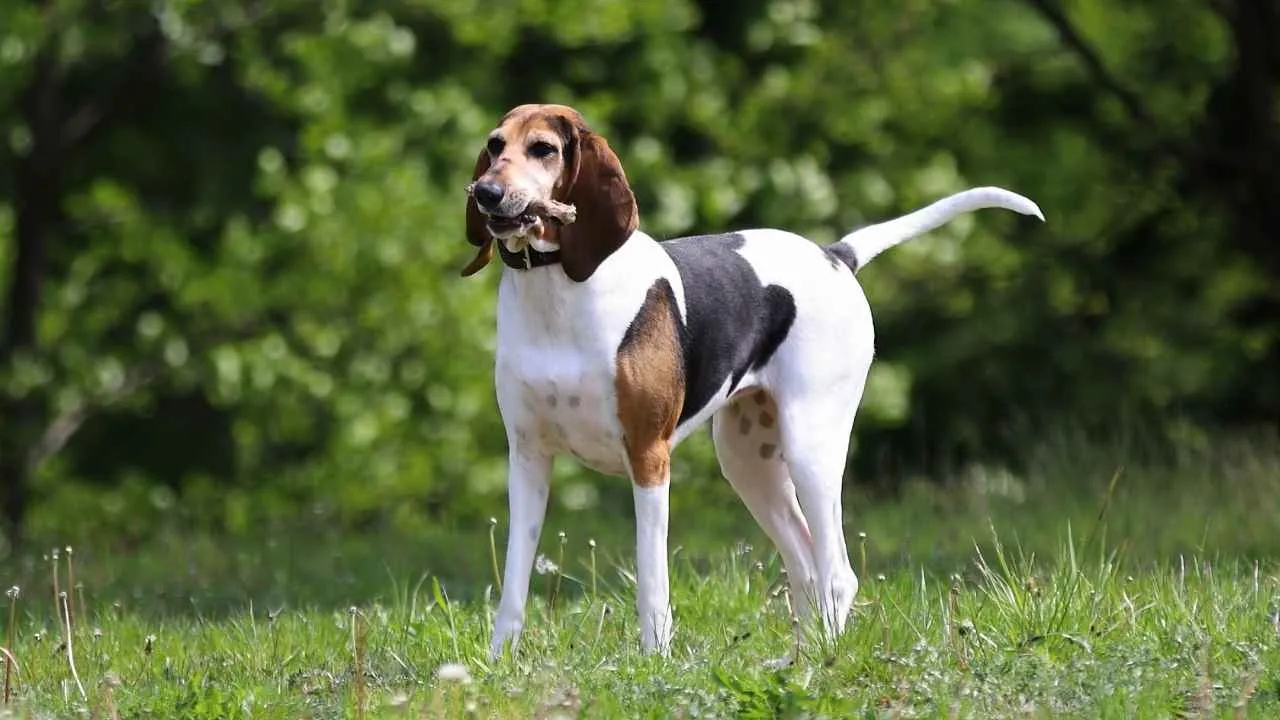
Bred in early America for mounted fox hunting, the American Foxhound developed into one of the most efficient long-distance scent trackers in the canine world.
Their lean build, long legs, and powerful lungs allow them to maintain speed over miles, while their keen nose keeps them locked onto even faint scent trails. Renowned for their incredible stamina and tracking skills, American Foxhounds are true hunting specialists.
Popular dog breeds for hunting
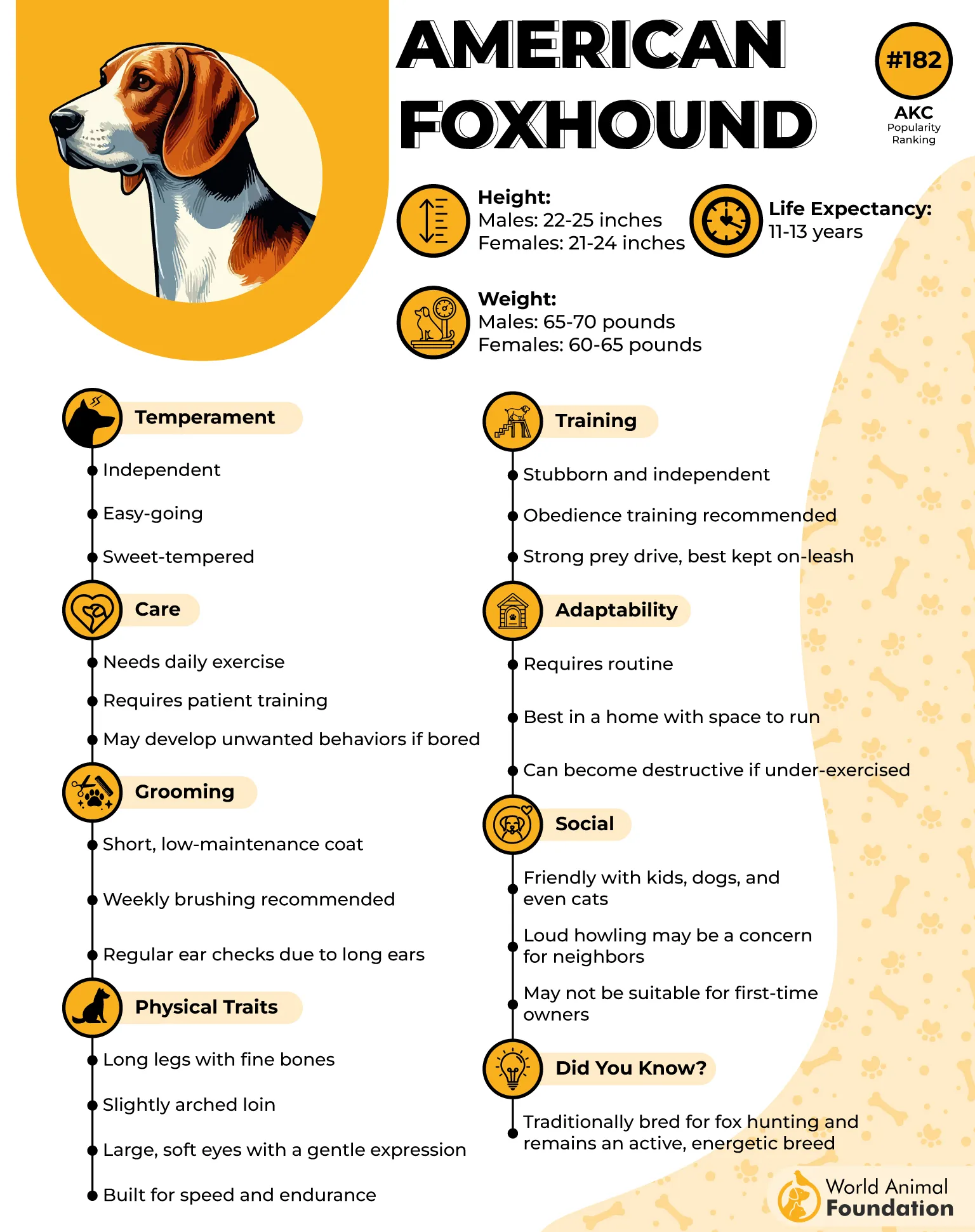
American Foxhounds are one of the most popular dogs for hunting, specifically bred for stamina, speed, and scenting ability.
Their exceptional dog’s nose allows them to track game across long distances, making them ideal companions for hunters. With boundless energy, these dogs require one to two hours of vigorous exercise daily to channel their hunting instincts effectively.
Strong Prey drive
While American Foxhounds can get along with other animals, their strong prey drive means small pets like cats should be approached with caution.
Historically, their distinctive booming bay served as a communication tool for human hunters, signaling when they were on the trail. Proper training and structured activity help manage this vocal trait, allowing them to remain focused and efficient on the hunt while still enjoying family life off the field.
9. Bloodhound
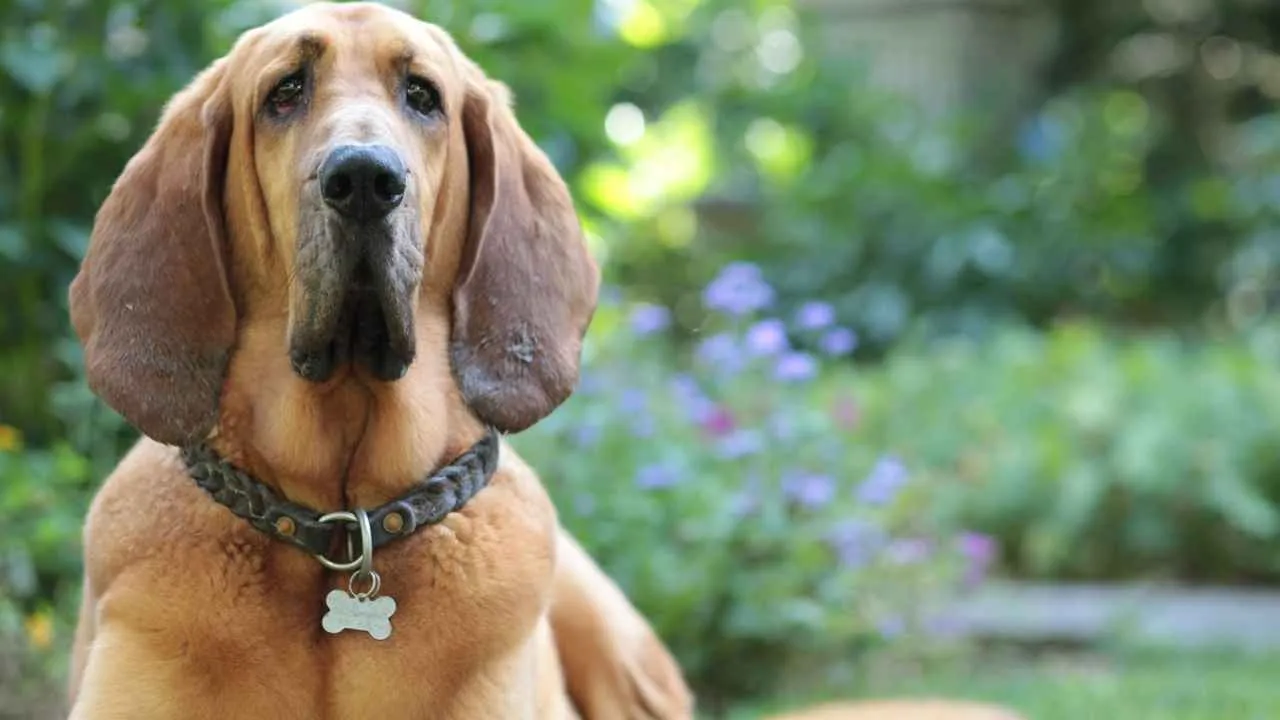
Bloodhounds have the most powerful sense of smell of any breed, capable of following scent trails that are several days old.
Renowned as one of the most formidable tracking dogs ever developed, the Bloodhound possesses a scenting ability so powerful that it has long been prized not only by hunters but also by police and search-and-rescue teams.
Dense wilderness behind gentle nature
Beneath its gentle appearance lies a relentless, almost primal drive to pursue a trail; once it locks onto a scent, the dog will push through dense wilderness, rough terrain, and extreme fatigue without hesitation.
Historical accounts describe Bloodhounds pursuing quarry for over 100 miles, guided solely by scent particles invisible to any other creature.
Hunting breeds
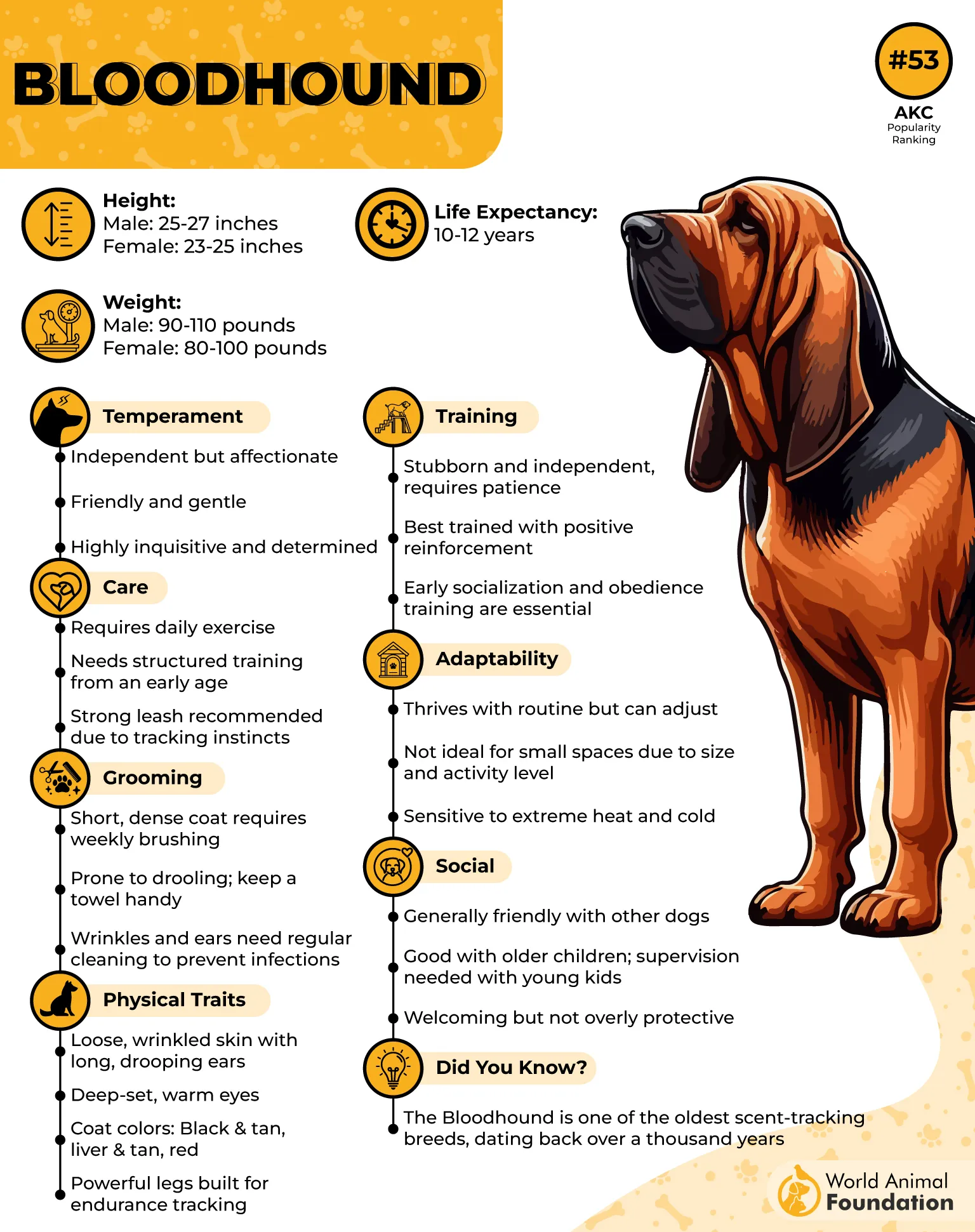
Originally bred for hunting large game such as deer and boar, their loose skin and sweeping ears help trap scent, enhancing their already unmatched olfactory power.
This unwavering determination, stamina, and instinctive prey-tracking focus make the Bloodhound less a casual companion in the field and more a tireless, single-minded hunter built to follow a trail to its very end.
Conclusion
In conclusion, bird hunters showcase remarkable skill in locating and flushing game, demonstrating stamina, intelligence, and dedication in the field.
While they excel at upland hunting, other retriever breeds are specifically trained to retrieve downed birds, complementing the efforts of traditional bird dogs.
Hunting requires tough dogs with both physical endurance and mental focus, able to handle long hours, variable terrain, and unpredictable conditions.
By understanding each breed’s natural instincts and strengths, hunters can pair the right dog with the right task, ensuring both a productive hunt and a safe, rewarding experience for the dog and its handler.
