




If you love hunting, having a skilled canine companion can transform the experience. Humans and dogs have hunted side by side for thousands of years, long before agriculture, forming a bond built on trust, teamwork, and instinct.
A great hunting dog combines athleticism, endurance, a strong prey drive, and the willingness to follow training.
Different breeds excel at different tasks, so choosing the right dog depends on the type of game and terrain. Scent hounds track prey with remarkable noses, following trails over long distances. Bird dogs locate game, flush it into the open, and retrieve it for the hunter.
Versatile curs excel at treeing prey, helping hunters corner animals more easily. Determined terriers chase small animals into tight spaces, such as burrows, to catch them. Each hunting breed brings unique skills to the field.
With the right companion, every hunt becomes more efficient, exciting, and rewarding.
Rooted in centuries of specialized breeding, these dogs bring intensity, focus, and explosive energy to everything they do. But that same drive that makes them exceptional working companions can also pose challenges at home if it’s not understood and channeled effectively.
Dog Breeds with High Prey Drive: A Complete Guide
1. Greyhound
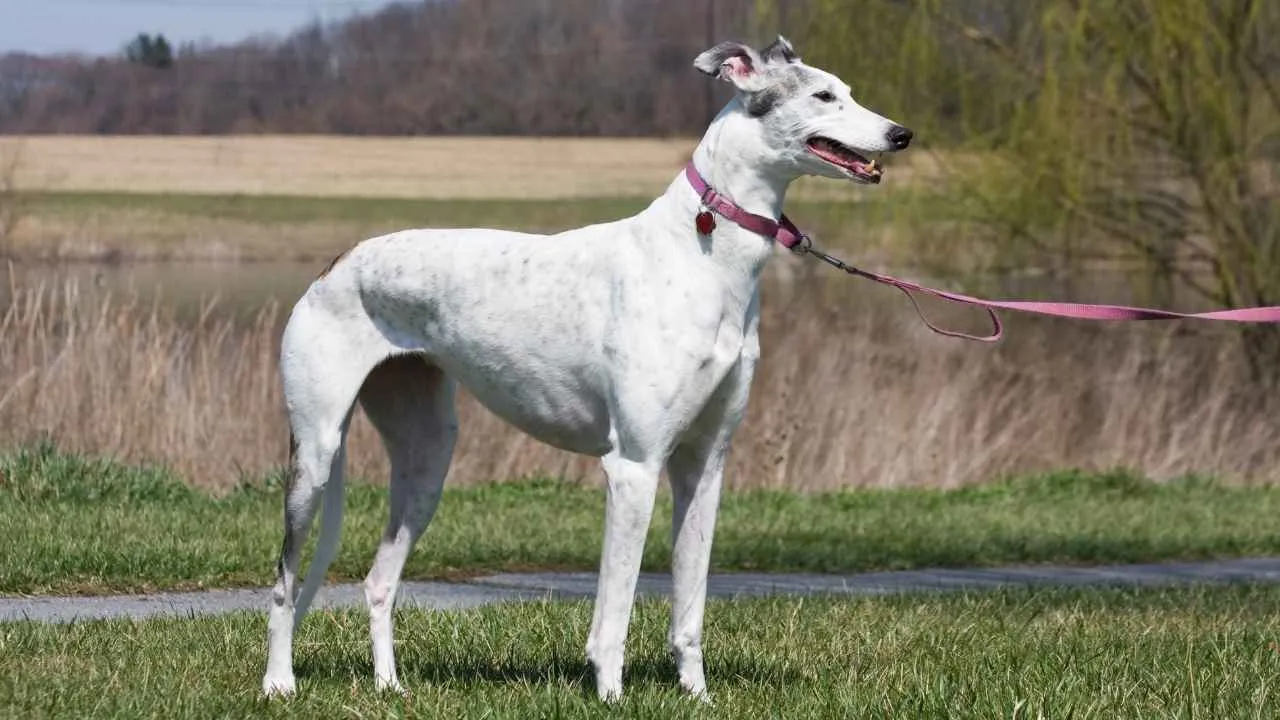
The Greyhound, also known as the English Greyhound, is an ancient sighthound renowned for its exceptionally high prey drive, originally bred to hunt fast-moving small prey using keen eyesight and explosive speed.
Unlike scent hounds, Greyhounds rely on visual tracking, instantly locking onto movement and pursuing it with intense focus. This instinct to chase made them highly effective in hunting and later in organized coursing and racing, as noted by Wikipedia.
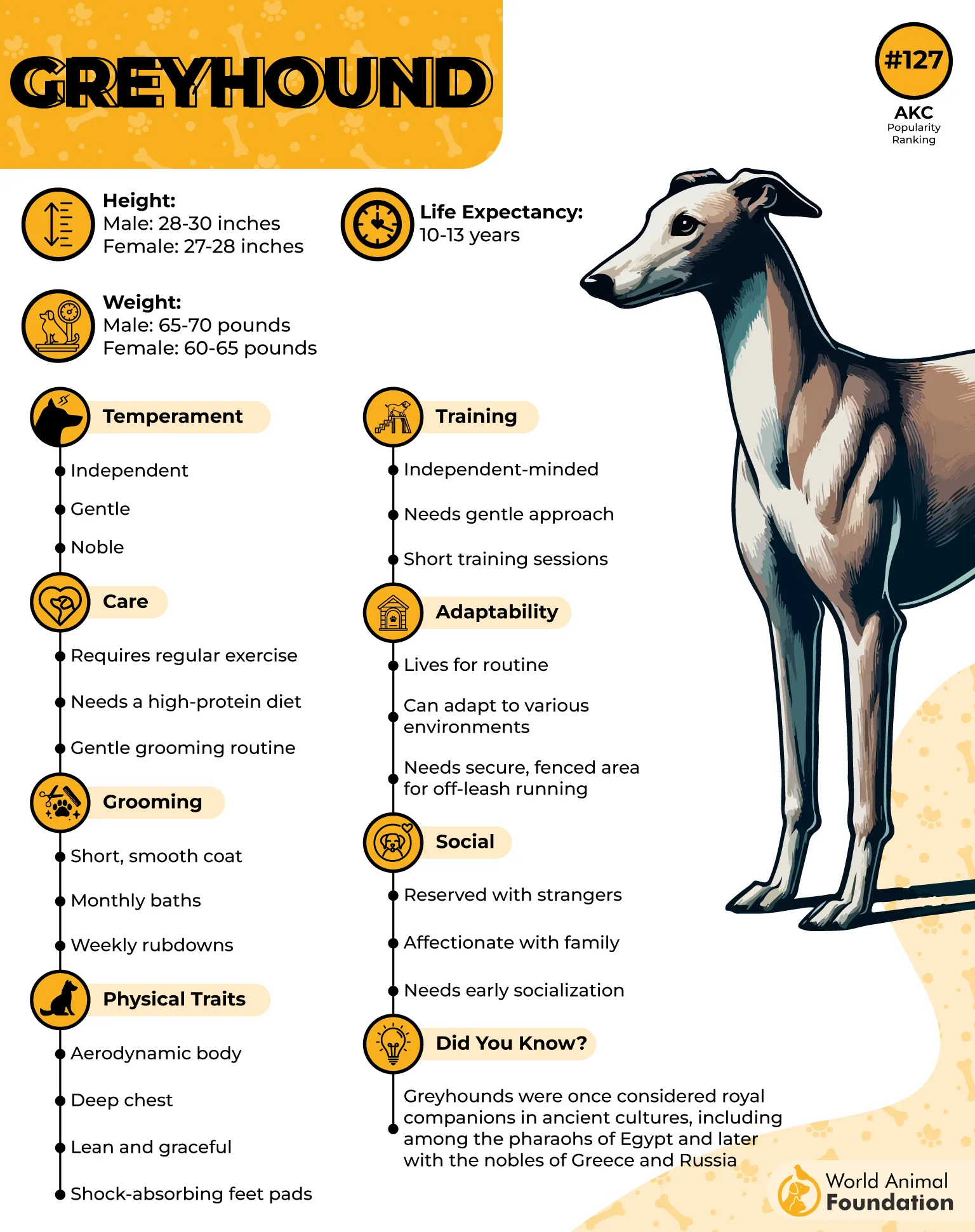
They are easily recognized by their tall, muscular bodies, smooth coats, long tails, and graceful S-shaped silhouette typical of sighthounds. Distinct from smaller relatives like the Italian Greyhound, their long legs, deep chest, flexible spine, and streamlined build allow them to sprint at speeds of up to 43 mph.
Because of this powerful chase instinct, they may instinctively pursue small animals, making secure spaces and proper training especially important.
2. Jack Russell Terrier

The Jack Russell Terrier was specifically developed for fox hunting and is one of the most determined working dogs from small hunting breeds. Compact, balanced, and highly flexible, this terrier can squeeze into narrow underground tunnels to pursue quarry that larger dogs cannot reach.
Its small, spannable chest and straight, sturdy legs allow it to maneuver through tight spaces while maintaining speed and agility.
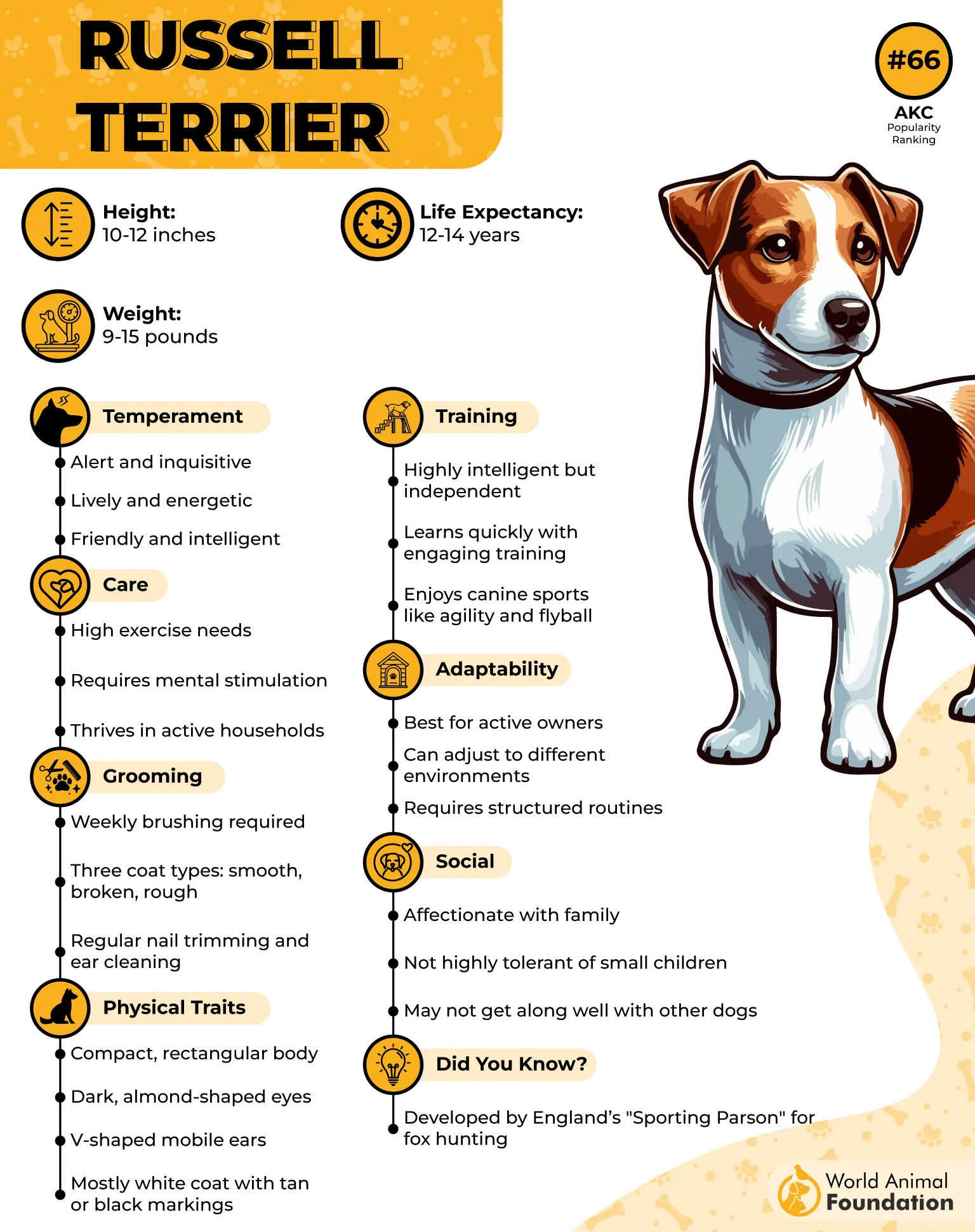
Originally bred to follow foxes into their dens, the Jack Russell is also capable of hunting other small game such as raccoons and woodchucks.
Fearless and intensely driven, this breed will pursue prey underground and bark to alert hunters rather than attack directly. Its strong prey drive, courage, and relentless persistence make the Jack Russell an exceptional working terrier, but these same traits require experienced handling and early training.
3. Australian Cattle Dog
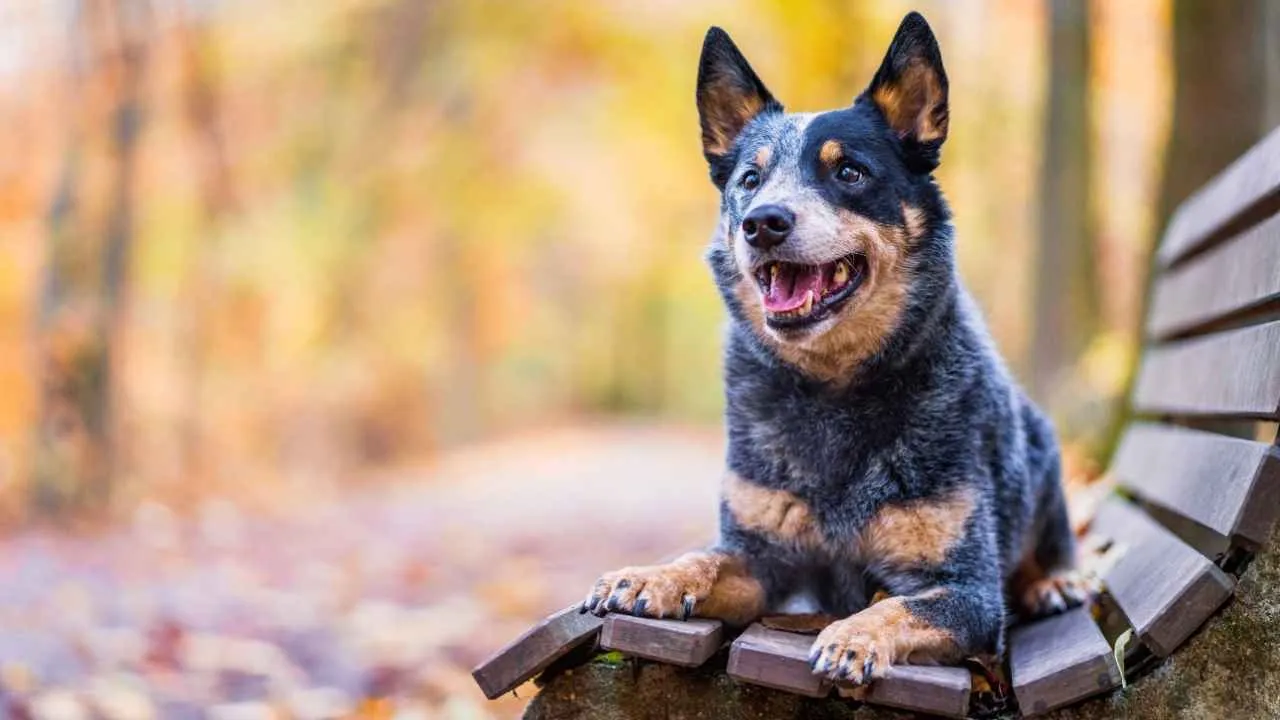
The Australian Cattle Dog, also known as the Blue or Red Heeler or Queensland Heeler, is a tough, intelligent working breed with strong instincts that can translate well to hunting roles, as noted by Britannica.
Related to Australia’s wild Dingo, this compact yet muscular dog possesses remarkable stamina, agility, and problem-solving ability—traits valuable for tracking, flushing, and controlling game.
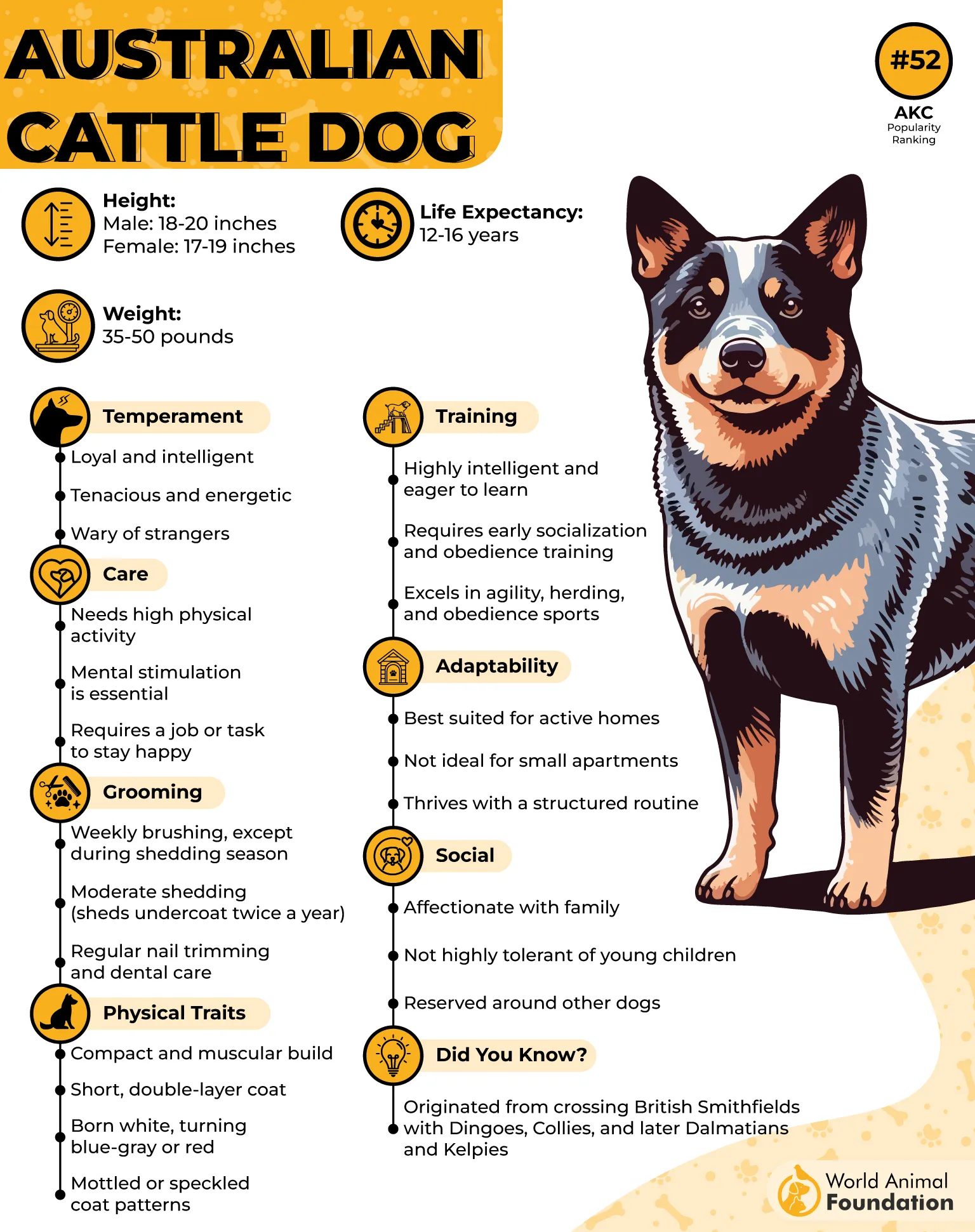
Standing about 17 to 20 inches tall, the dog breed is built for endurance, with a hard-muscled body and a smooth, efficient gait that allows it to cover ground quickly.
ACDs have immense work drive and excel at hunting, chasing, and, of course, moving livestock, as the AKC mentioned.
Highly alert and tenacious, Australian Cattle Dogs are known for their intense focus and willingness to work independently, making them useful for pursuing fast or evasive quarry. Their boundless energy and sharp intelligence require consistent training and plenty of physical activity, as an under-stimulated dog may become restless or destructive.
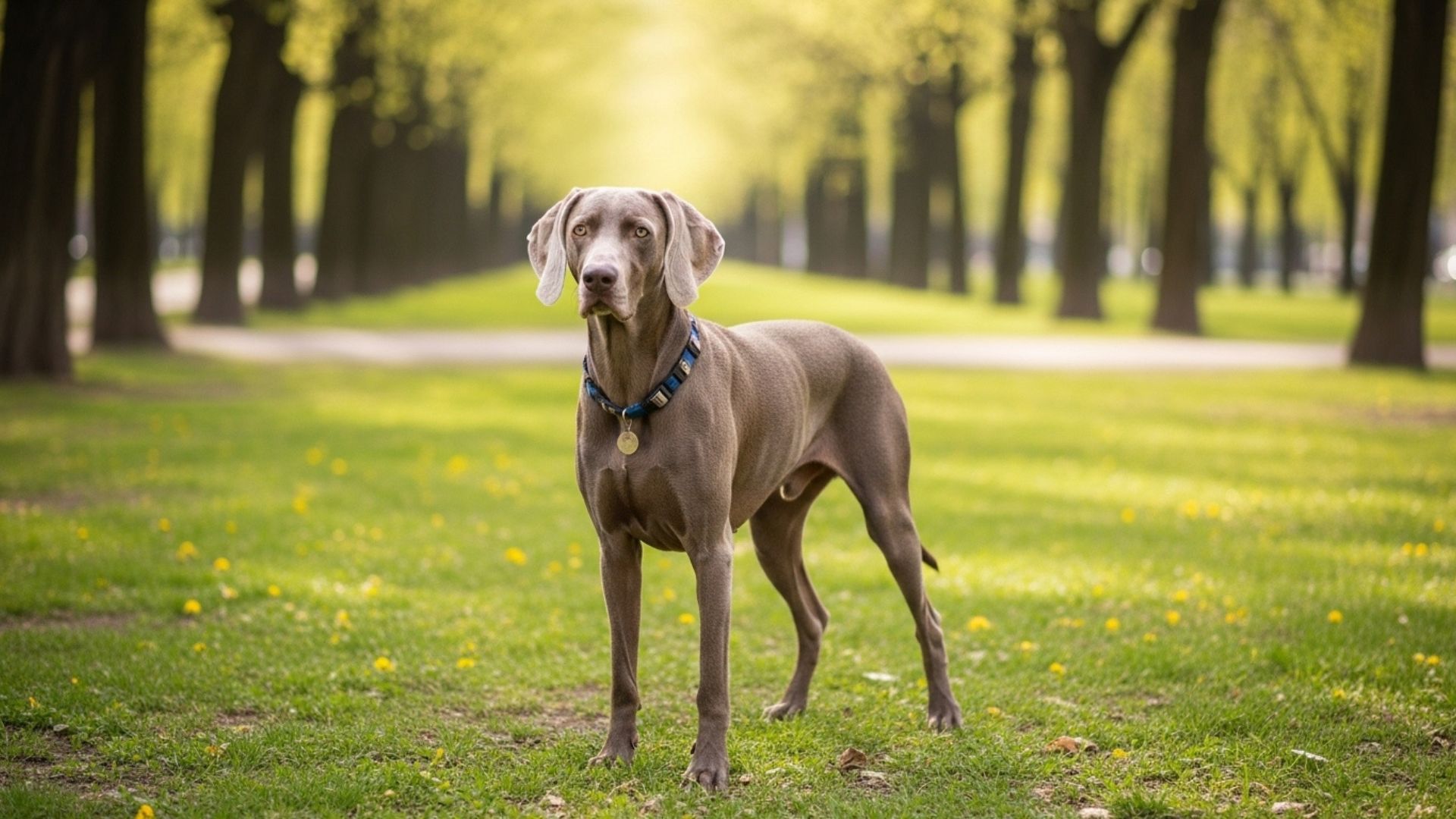
4. Weimaraner
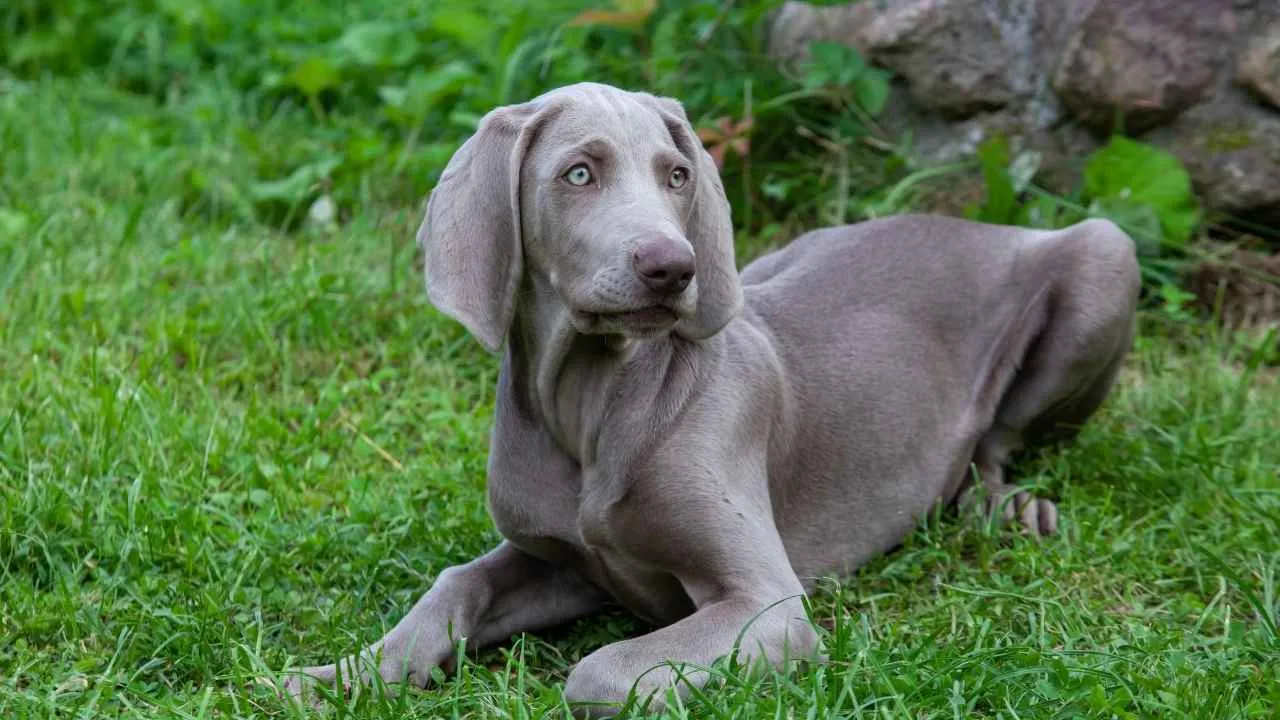
The Weimaraner is a sleek, powerful hunting dog originally developed in Germany to pursue large game and later adapted for bird hunting.
Its short, smooth coat—typically blue-gray or silver-gray—requires minimal grooming, while its long legs and deep chest provide the speed and stamina needed to cover large areas in the field. Known for its keen nose and strong prey drive, the Weimaraner excels at tracking, pointing, and retrieving game.
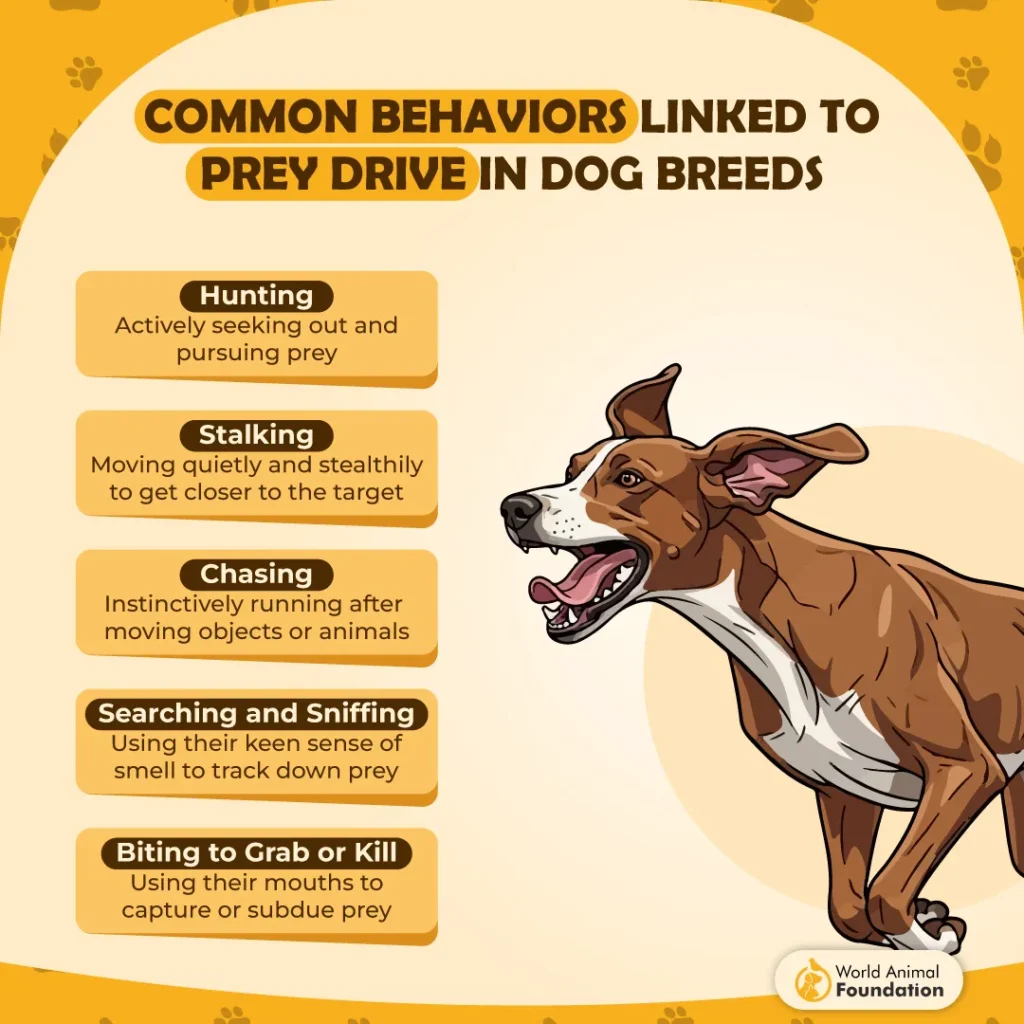
Highly intelligent and eager to work, this breed forms strong bonds with its handler and responds well to consistent training. However, its hunting instincts remain strong, and smaller animals such as cats or rodents may be viewed as prey.
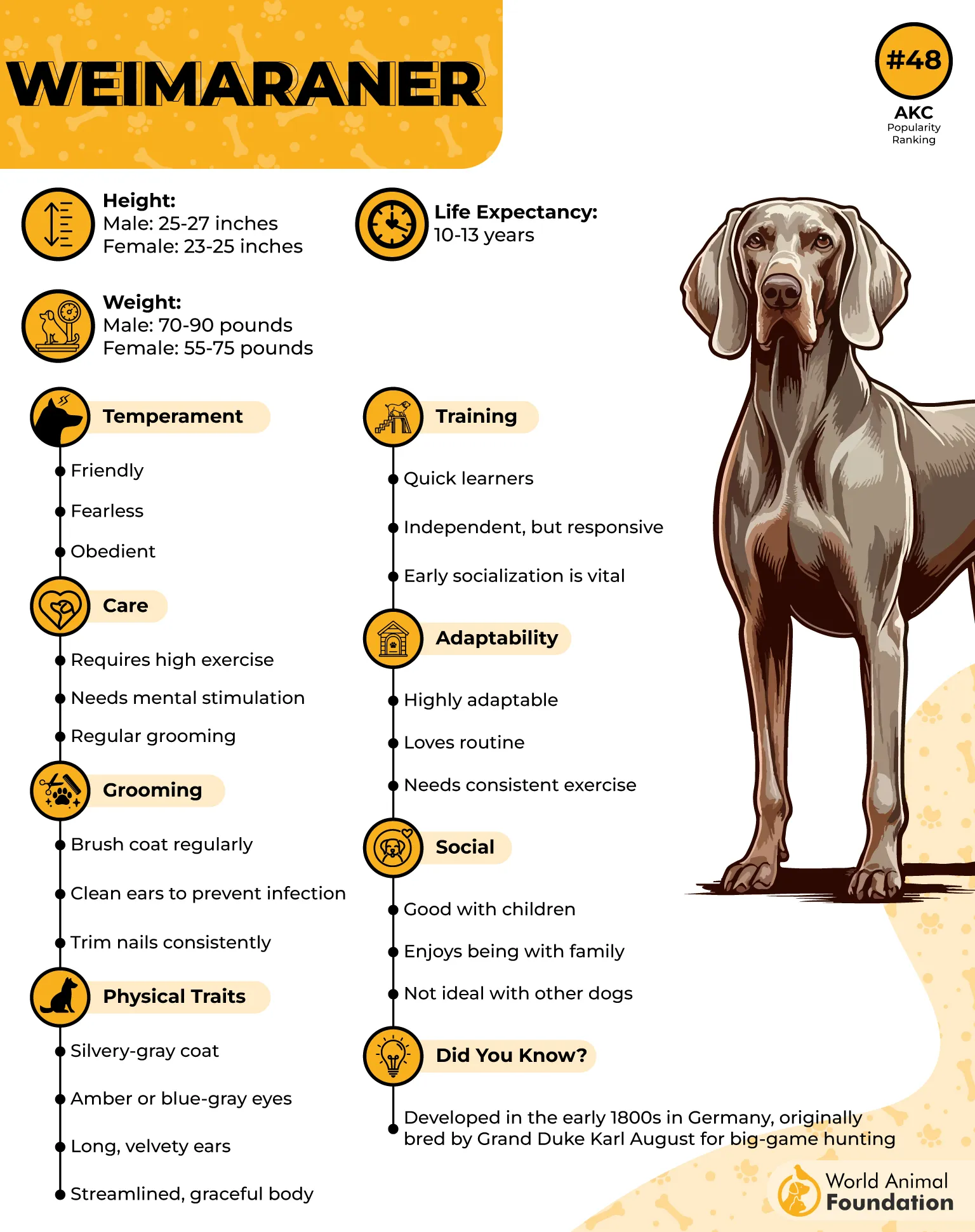
With abundant energy and endurance, the Weimaraner thrives in active environments where it can channel its natural drive through hunting, field work, or vigorous outdoor activity. Weimaraner’s behavior reflects both intelligence and focus, making it highly effective in the field.
5. Rhodesian Ridgeback
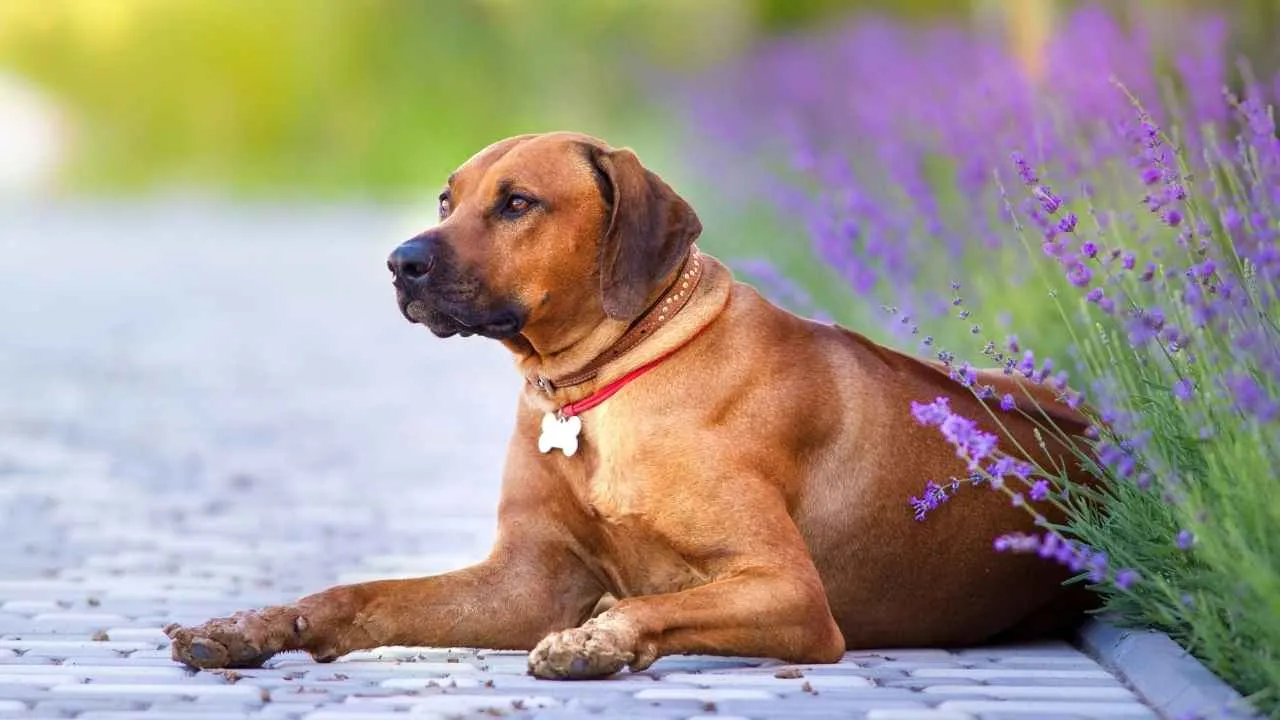
The Rhodesian Ridgeback is a powerful hunting dog breed developed in Southern Africa to track and hold large, dangerous game, including lions.
Descended from the ridged hunting and guardian dogs of the Khoikhoi people and later crossed with European breeds, these dogs were prized by early colonists for their courage, stamina, and ability to work in harsh conditions.
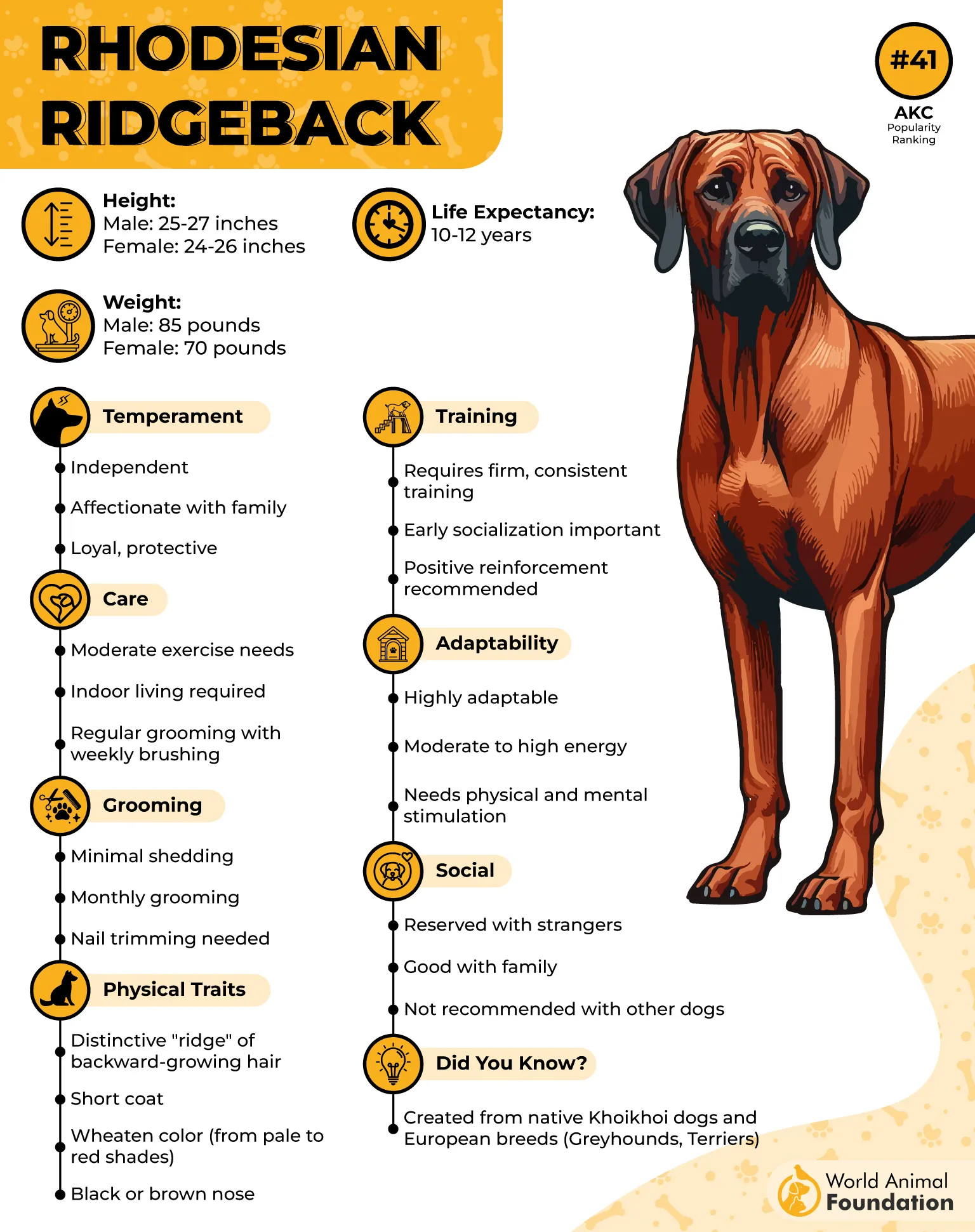
Rather than attacking outright, Ridgebacks were trained to pursue, corner, and keep big game at bay until hunters arrived. Strong, athletic, and highly independent, the breed combines keen tracking ability with remarkable endurance over long distances.
While known for their protective and loyal nature at home, their history as lion hunters gives them a bold prey drive and fearless temperament in the field. This is one of the certain breeds whose hunting instincts are naturally strong and enduring.
6. Saluki
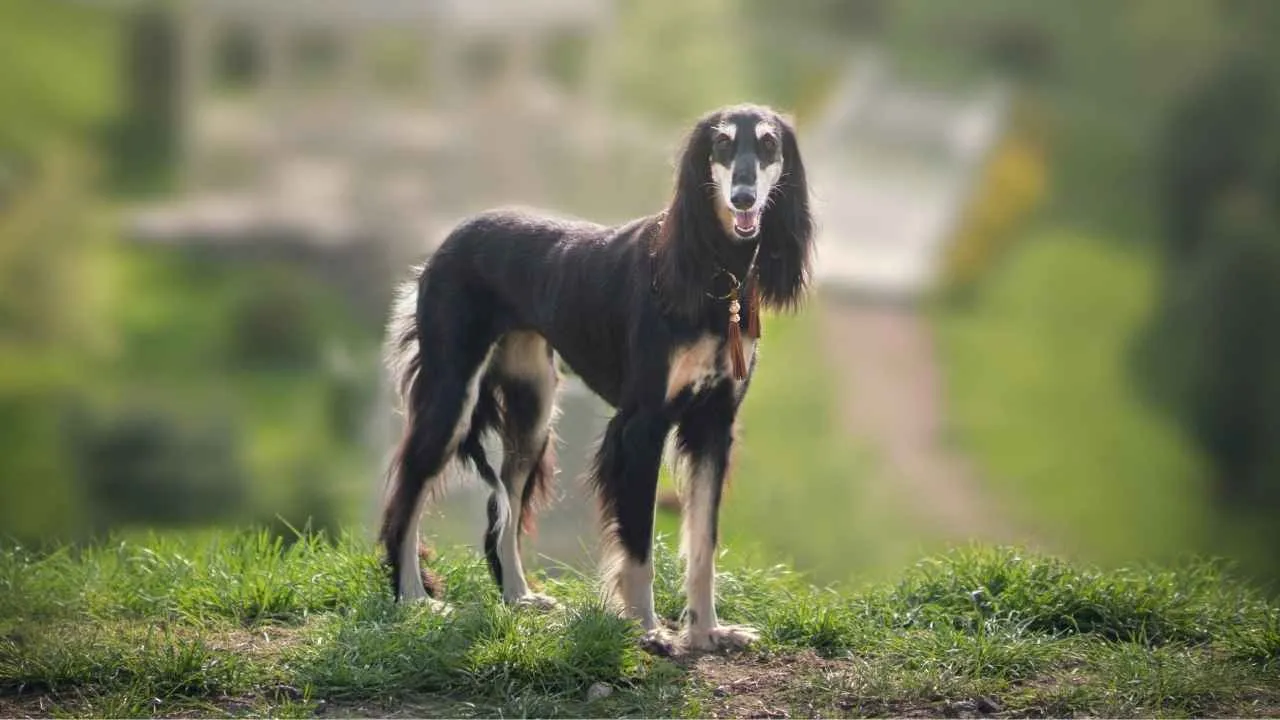
The Saluki is one of the world’s oldest hunting breeds, prized for thousands of years as a royal hound used to chase swift game across open deserts.
Built for speed, endurance, and sharp eyesight, these dog breeds are agile sprinters that excel at pursuing prey over long distances.
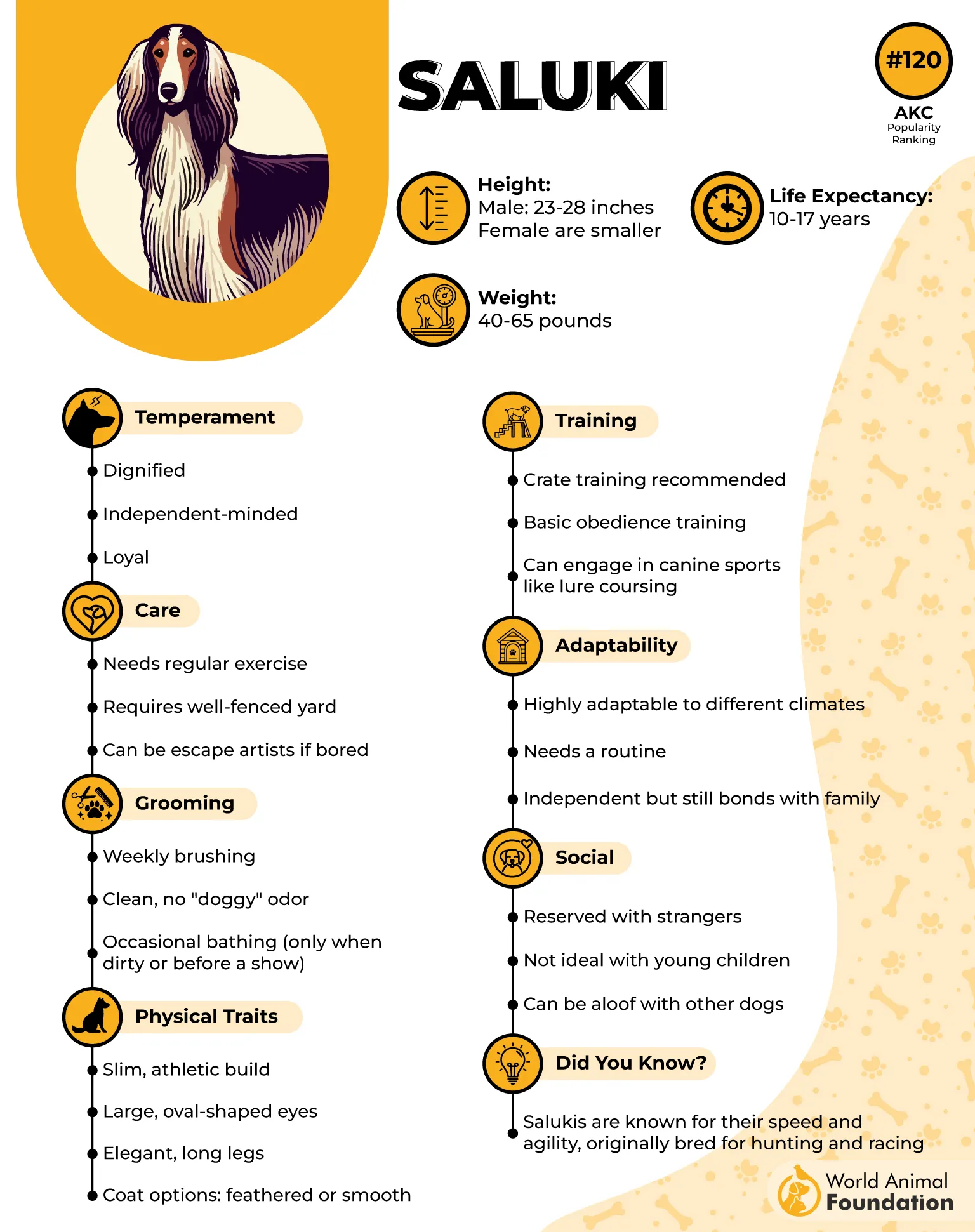
Their lean yet powerful bodies, long legs, and balanced frame make them perfectly suited for high-speed hunts in harsh climates
Known for their keen instincts and determination, they can track, chase, and capture fast-moving animals with remarkable efficiency. Despite their gentle nature at home, Salukis remain highly driven hunters that require space, exercise, and experienced handling.
This is a selectively bred trait that has been refined over centuries.
7. Whippet
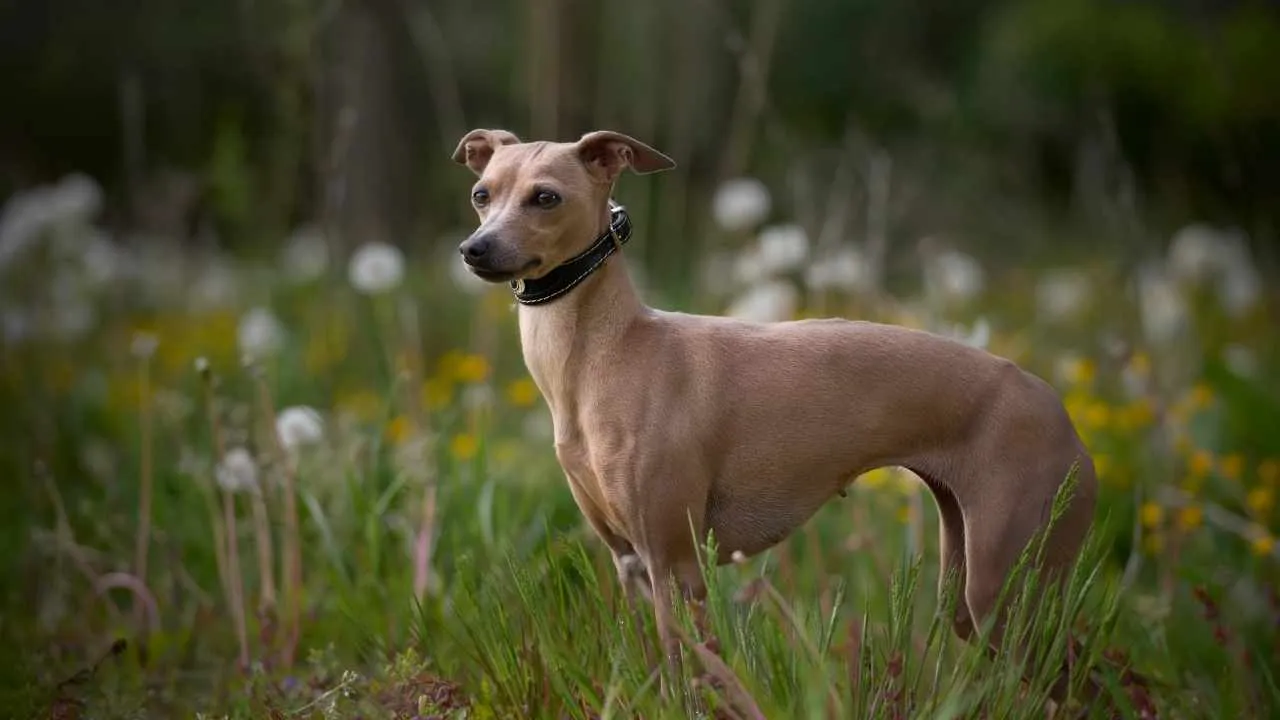
Whippets were originally bred as skilled hunting dogs, especially valued for their speed and sharp eyesight when chasing small, fast prey.
As sighthounds, these dog breeds rely on keen vision and explosive acceleration to pursue game across open ground, making them exceptionally effective hunters. The dog’s prey drive also explains its alert nature, as the same instincts used for the chase make it quick to notice movement.
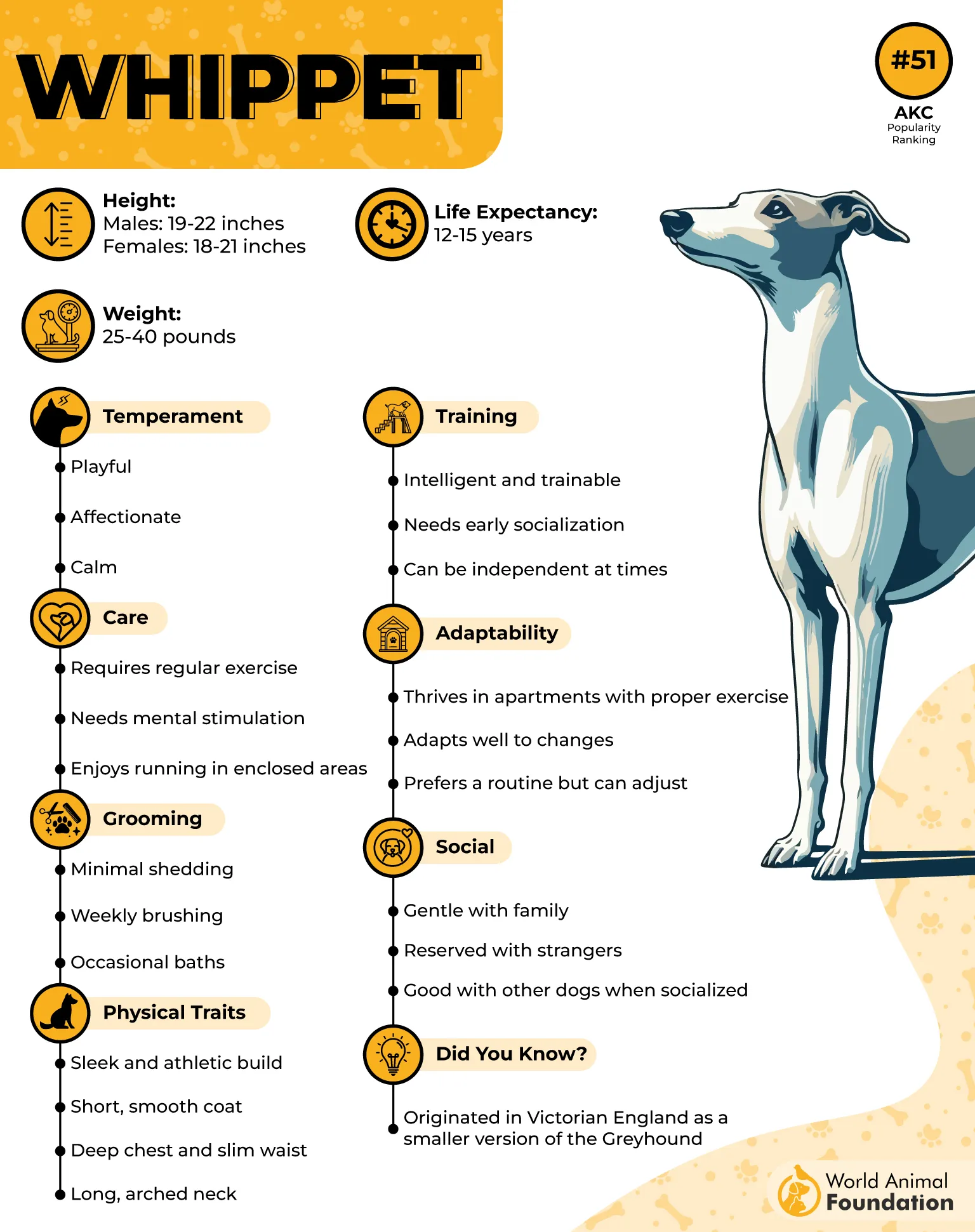
They continue to showcase these natural abilities in activities like lure coursing, which simulates real hunting scenarios. Even today, a Whippet’s powerful sprinting ability and focus reveal a hunting heritage that runs deep in the breed.
Because Whippets are intelligent and highly active, they require regular mental stimulation as well as physical exercise. Puzzle toys, scent games, and supervised play help keep their minds sharp and prevent boredom, ensuring they remain focused and happy both in the field and at home. Their high energy makes them ideal family companions as well as field partners.
Conclusion
Hunting dogs have long been valued for their speed, intelligence, and remarkable instincts. These instincts, carefully refined over generations, make them highly effective in tracking, chasing, and assisting human hunters.
However, their natural drive can sometimes lead to destructive behavior if they are not given enough physical activity and mental stimulation, highlighting the importance of proper training and engagement.
While many hunting breeds adapt well to family life, they may not get along with other pets due to their strong prey drive, so careful supervision and early socialization are crucial. Some breeds can even serve as guard dogs, protecting property while remaining alert and intelligent.
Understanding each breed’s needs, energy levels, and instincts ensures a harmonious balance between their working heritage and their role as beloved companions. Selective breeding has shaped these dogs into highly skilled and devoted partners, capable of thriving both in the field and at home.
