




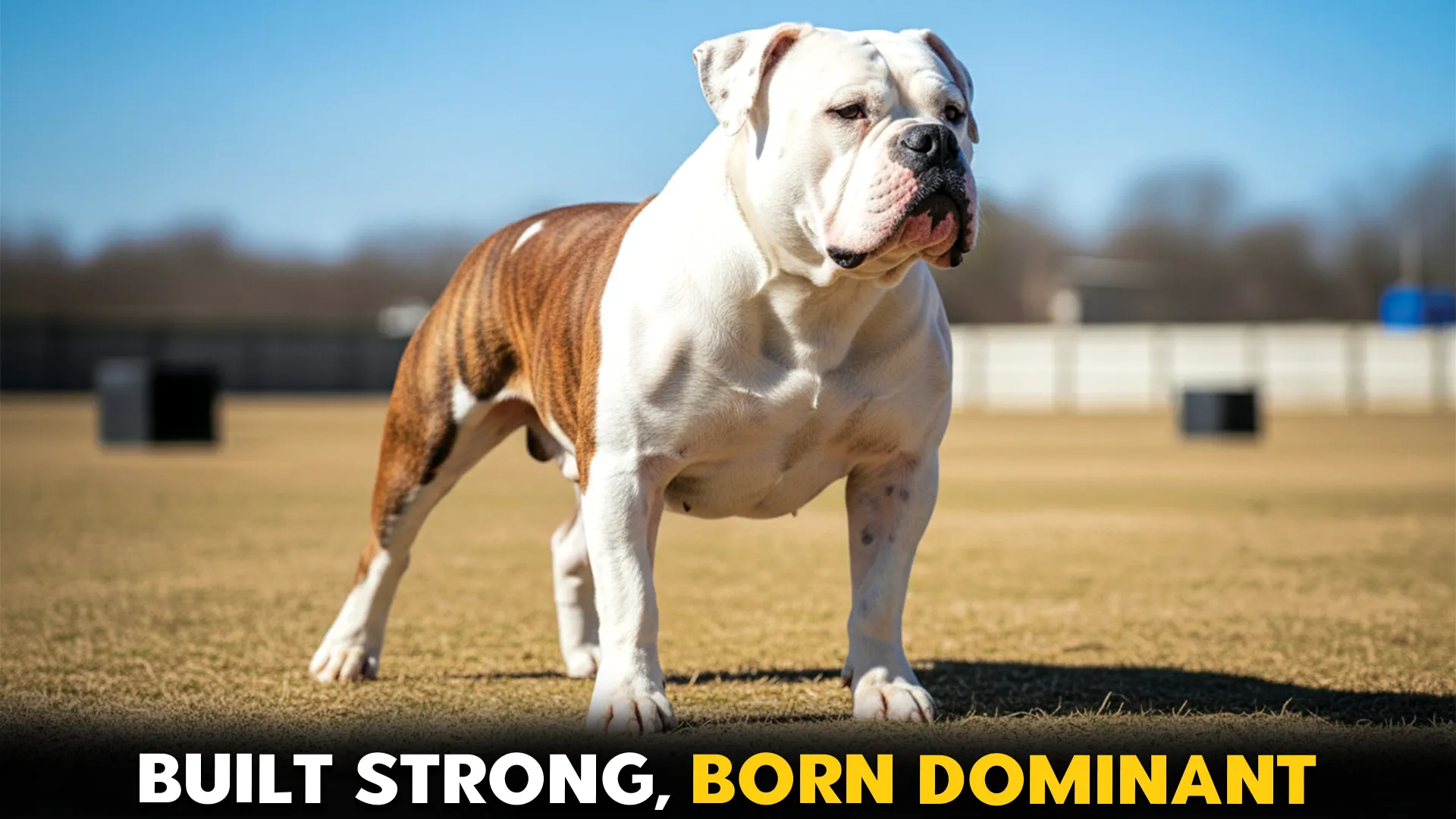
You spot a powerful dog at work, and your steps slow, your breath holds, and your eyes follow every calm and steady move with surprise, because strength mixed with grace feels rare and almost magical to watch in real life.
Powerful dogs amaze people because they help people in real jobs, such as guiding lost hikers, guarding homes, herding sheep on farms, and supporting police teams during long and risky days.
Power is more than muscle, because dogs also rely on sharp thinking, steady focus, and loyal hearts that help them stay calm when humans feel fear or stress.
Research shows that dogs have a highly developed muscular system, and they possess a complex muscular system made of over 600 individual muscles that work together to support walking, running, jumping, turning, and fast direction changes.
Yet brains and heart matter too, because training shapes ability, builds trust, and turns natural strength into safe and useful skills for real work.
Working dogs feel special because history shaped these dogs for tasks that guard families, serve communities, and help people choose companions that match their daily life and energy.
Let’s explore exceptional dog breeds exhibiting incredible power and see how each one shows strength through skill, heart, and purpose in everyday life.
Exceptional Dog Breeds Exhibiting Incredible Power
1. Doberman Pinscher
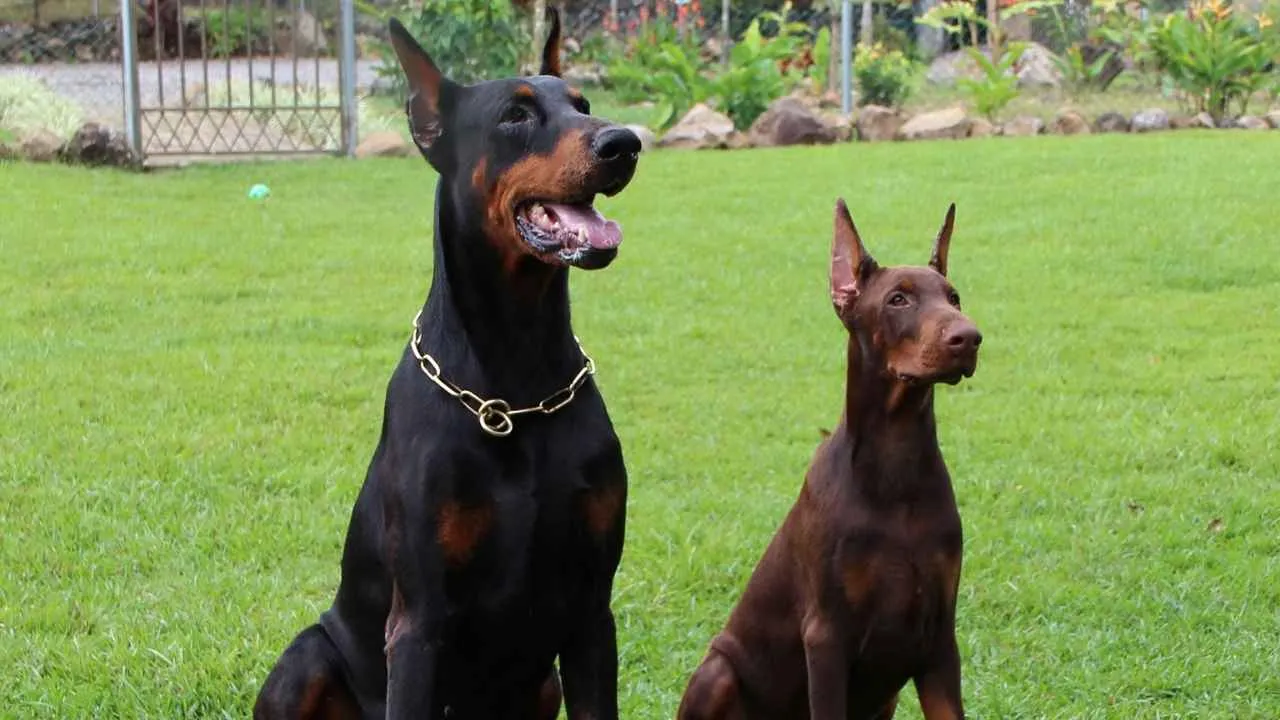
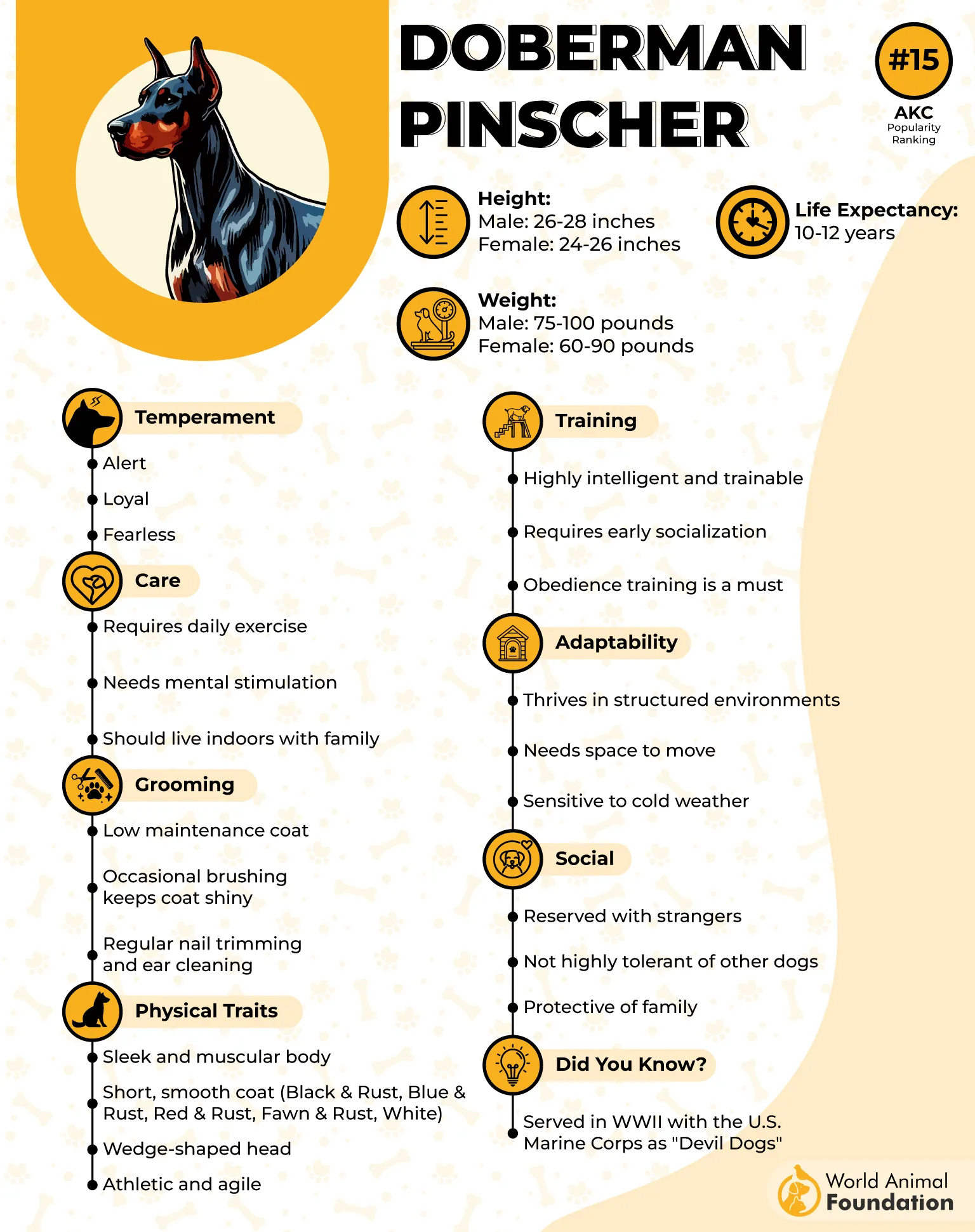
The Doberman Pinscher, originally bred in Germany during the late 1800s, was developed by Louis Dobermann to guard himself while performing his taxing daily duties as a tax collector, combining courage, intelligence, and loyalty into one breed.
According to Wikipedia, known for exceptional intelligence and alertness, Dobermans are both capable working dogs and devoted companions who bond deeply with their families.
This guard dog was designed to respond immediately to any sign of danger, using their agile body and swift reflexes to move across yards, homes, or streets while assessing every situation with keen awareness and precision.
Dobermans form profound emotional connections with their owners, remaining close and attentive at all times, following routines carefully, and showing a protective loyalty that grows stronger with consistent affection and guidance.
They remain constantly aware of unusual movements and sounds, demonstrating patience and vigilance that allows them to guard property effectively without acting recklessly or becoming unnecessarily aggressive.
Dobermans maintain sharp attention during tasks, which helps them succeed in security work and safety scenarios where calm, precise reactions are required to prevent potential risks.
The breed’s combination of courage, discipline, and responsiveness enables them to perform protection work reliably, ensuring the safety of both people and property under the guidance of skilled handlers.
Dobermans thrive on structured schedules that include walks, training, and rest periods, which provide mental stimulation, reinforce behavior, and maintain their physical and emotional balance.
Introducing Dobermans to different people and environments at a young age promotes well-rounded behavior, reducing fear or aggression in adulthood and allowing them to interact safely in diverse settings.
2. German Shepherd
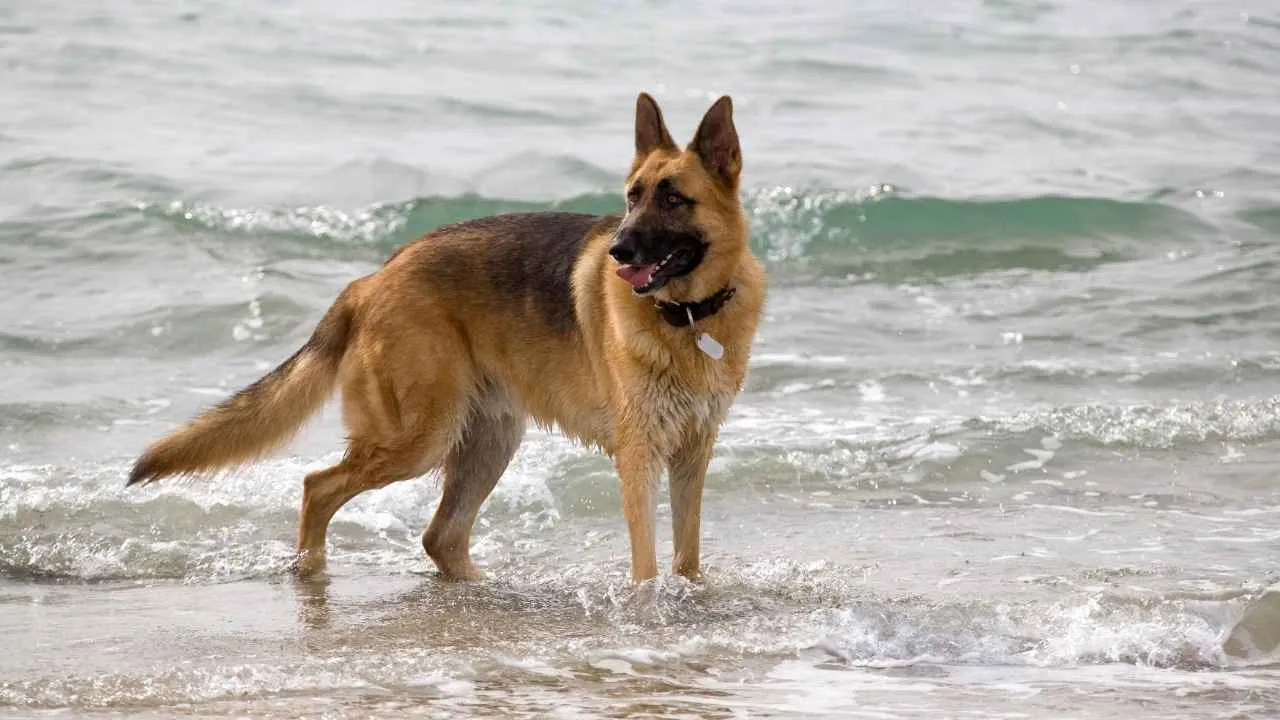
The German Shepherd originated in Germany as a herding dog breed, primarily used to guide and protect sheep, but over time became a versatile working breed recognized worldwide for intelligence, courage, and loyalty.
According to the American Kennel Club, known for their intelligence, confidence, and strong sense of duty, these dogs have become indispensable in police and military, earning fame through media appearances like Rin Tin Tin and other notable canine figures.
German Shepherds excel in search and rescue operations because they combine speed, stamina, and a keen sense of direction, which allows them to locate lost or injured individuals in challenging environments while remaining calm under pressure.
Law enforcement and security teams rely on German Shepherds due to their exceptional ability to follow commands, make precise decisions in tense situations, and maintain focus even amid chaos, ensuring officers and civilians stay protected.
Their extraordinary sense of smell helps them track scents across large areas, enabling them to follow trails of missing persons or suspects with remarkable accuracy over long distances, often surpassing human capabilities.
Consistent obedience training instills self-control and focus, allowing German Shepherds to handle high-stress situations without hesitation, perform complicated tasks reliably, and respond correctly to multiple handlers.
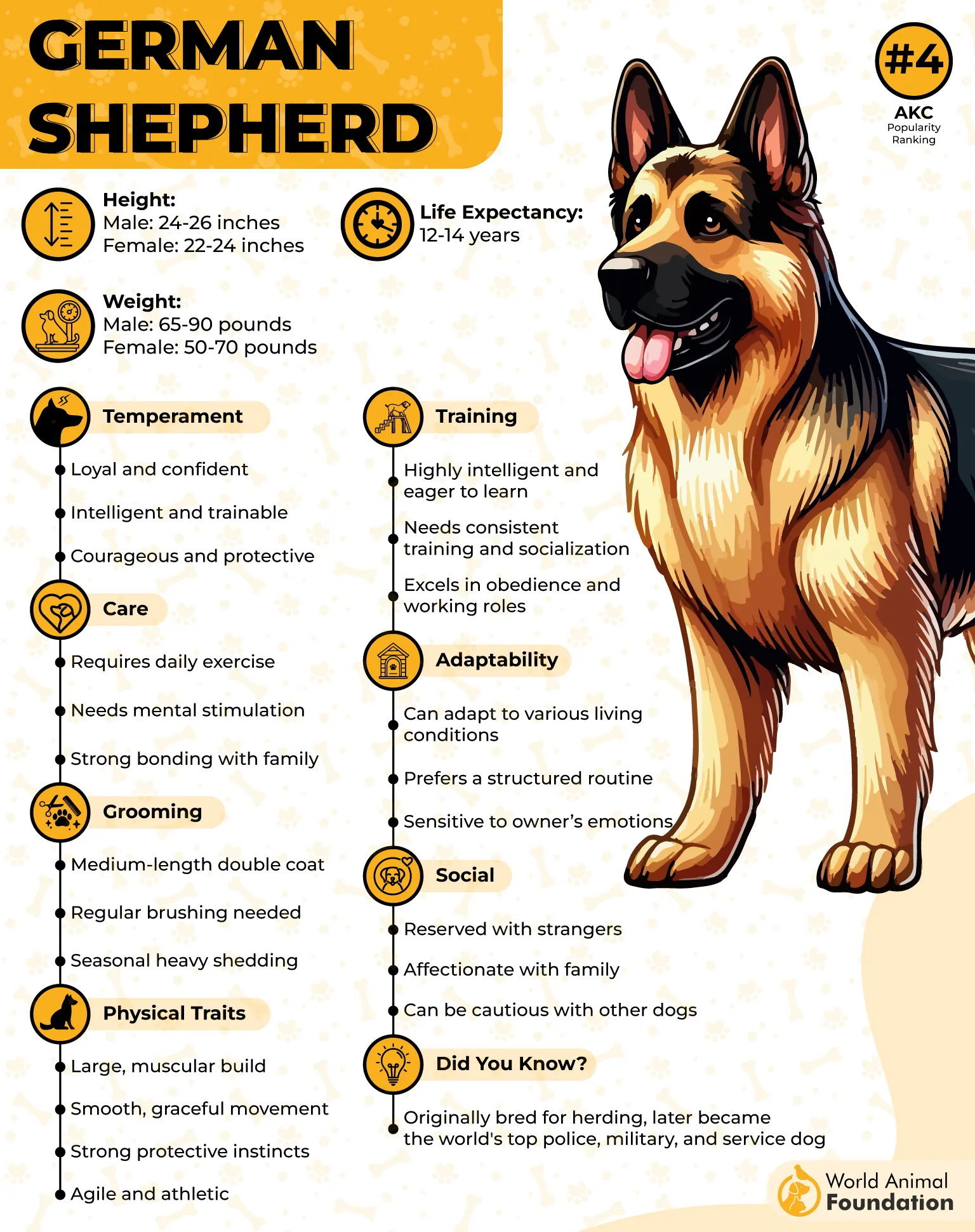
These military dogs thrive when working closely with owners and other dogs, coordinating movements, signals, and strategies to complete challenging operations efficiently, which maximizes safety and effectiveness during missions.
Mental and physical challenges engage their intelligence, preventing boredom while sharpening skills necessary for protection, herding, search, or service work, keeping them motivated and satisfied in daily life.
Regular drills, structured exercise, and task-oriented play reinforce obedience, enhance stamina, and maintain mental alertness, ensuring German Shepherds remain highly capable and ready for any job or mission at all times.
3. Rhodesian Ridgeback
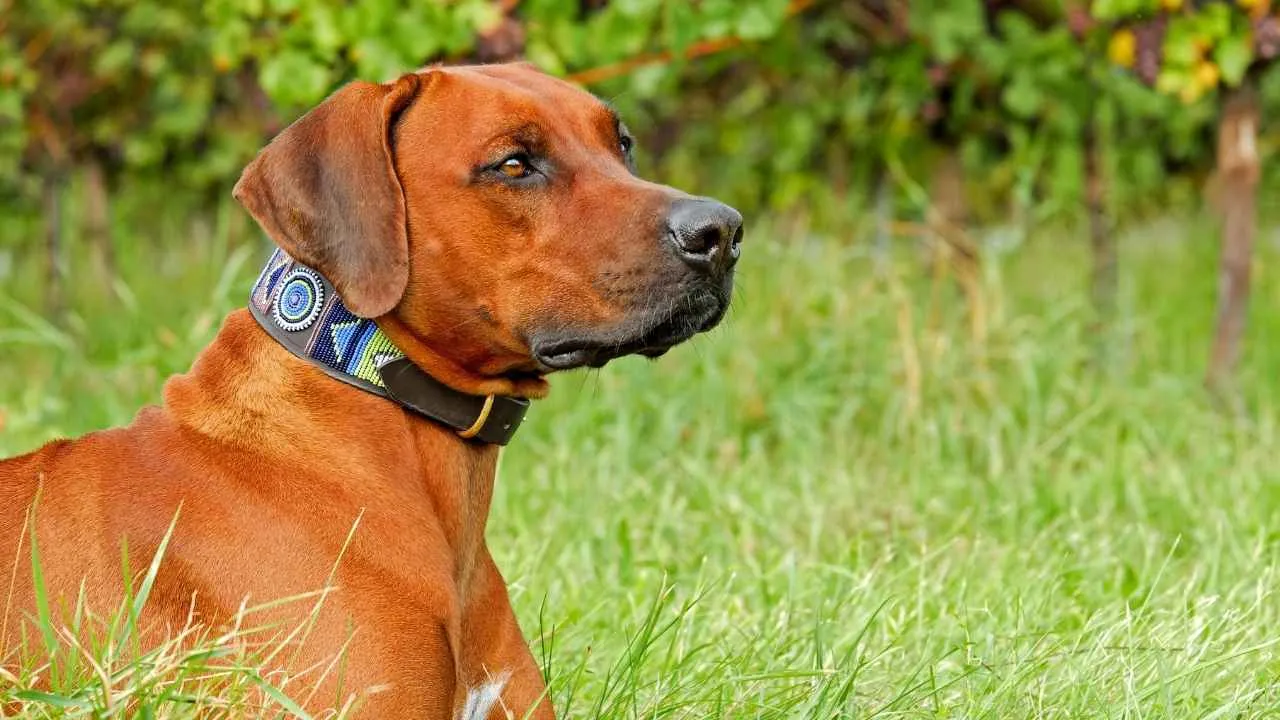
The Rhodesian Ridgeback is a large dog breed originally bred in southern Africa to help hunters track lions and other large game, combining endurance, courage, and independence into one remarkable package.
Known for their dignified and affectionate nature, these dogs form deep bonds with trusted owners, yet maintain a strong sense of self, which allows them to work and think independently in challenging situations.
According to PetMD, this breed’s muscular body and long legs allow it to cover long distances without tiring, making Ridgebacks perfect partners for agility, hiking, jogging, and tracking over rough terrain while remaining steady and focused.
Rhodesian Ridgebacks can maintain high levels of physical activity for hours, which helps them perform hunting or adventure tasks that would exhaust other dogs much faster.
Early hunters relied on Ridgebacks to track and corner game with patience, endurance, and smartness, often navigating vast savannahs and unpredictable conditions to support companions.
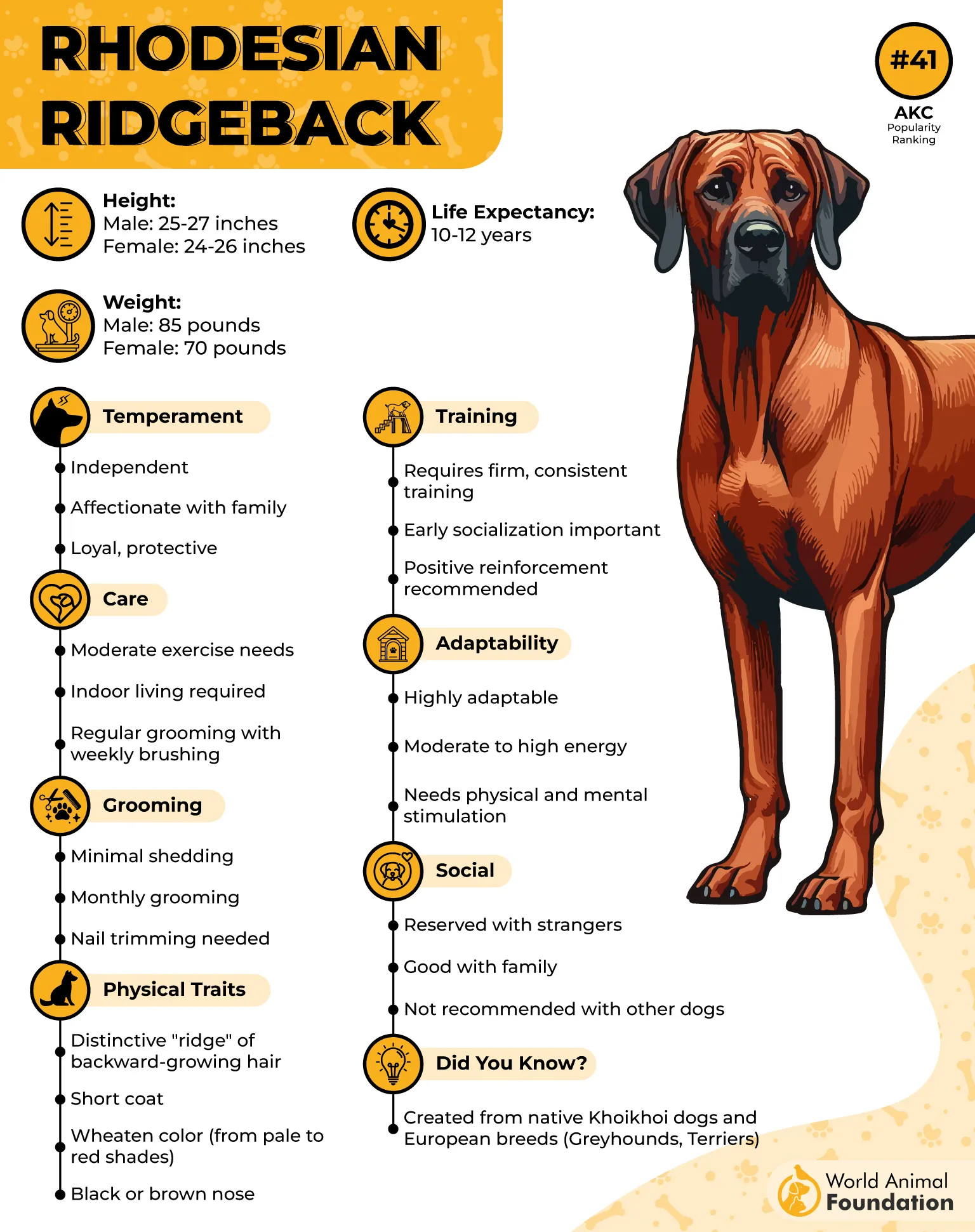
These guard dogs display courage without recklessness, facing challenges head-on while carefully assessing risks, which makes them valuable in hunting dangerous animals and protecting their handlers.
Despite high energy, Ridgebacks remain composed under pressure, using measured movements and calm decision-making that reflect both natural temperament and early socialization.
They respond best to consistent, patient training methods, which reinforce trust, respect, and focus, allowing them to learn complex tasks without frustration or fear.
Homes that offer regular mental stimulation and opportunities for adventure suit Ridgebacks best, while families that respect their independent nature can enjoy loyal, affectionate, and highly capable companions.
4. Cane Corso
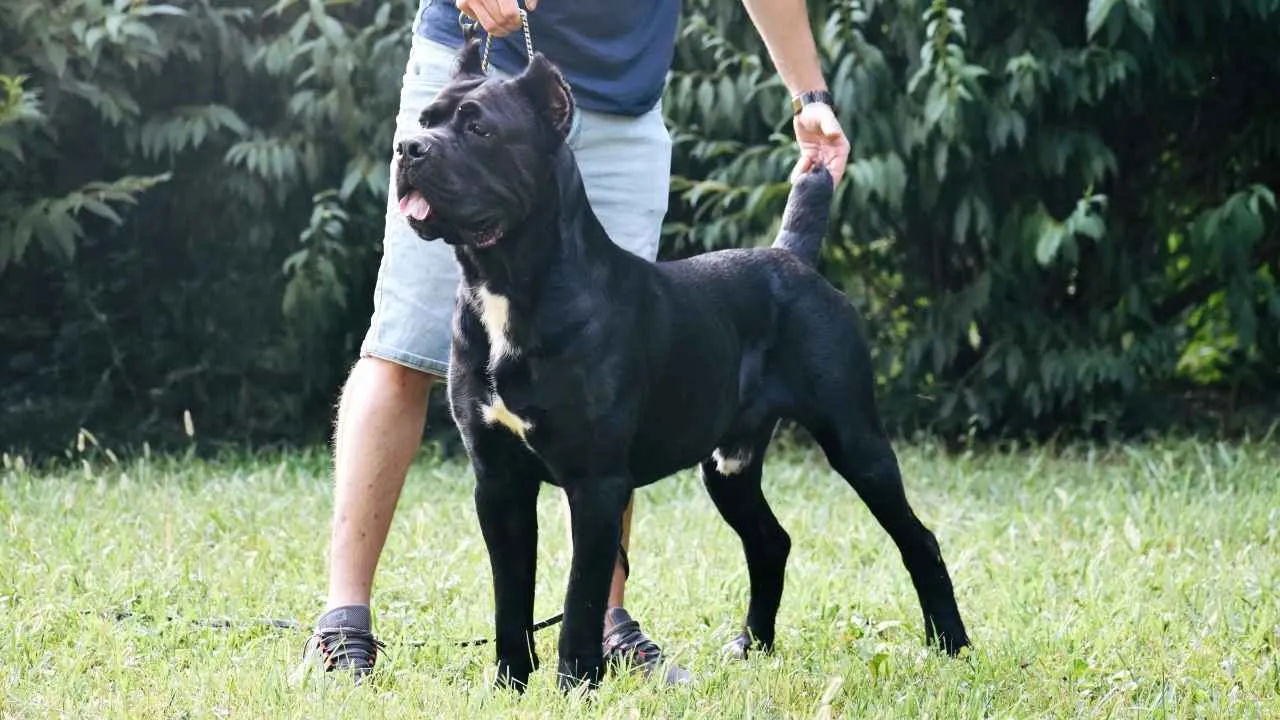
The Cane Corso is an Italian breed of mastiff originally developed to guard property, herd cattle, and assist hunters in controlling large game, combining strength, smartness, and fearless loyalty in a single impressive dog.
Known for being both loving with family members and naturally protective of their home, this intelligent dog breed thrives when given purpose, structure, and consistent guidance.
Cane Corsos are naturally alert, noticing subtle movements or sounds that might escape the owner’s attention, which allows them to react appropriately without unnecessary aggression while keeping their environment safe.
Their imposing size, paired with careful observation and strong instincts, enables them to secure homes and lands while remaining calm and controlled when interacting with trusted people or other pets.
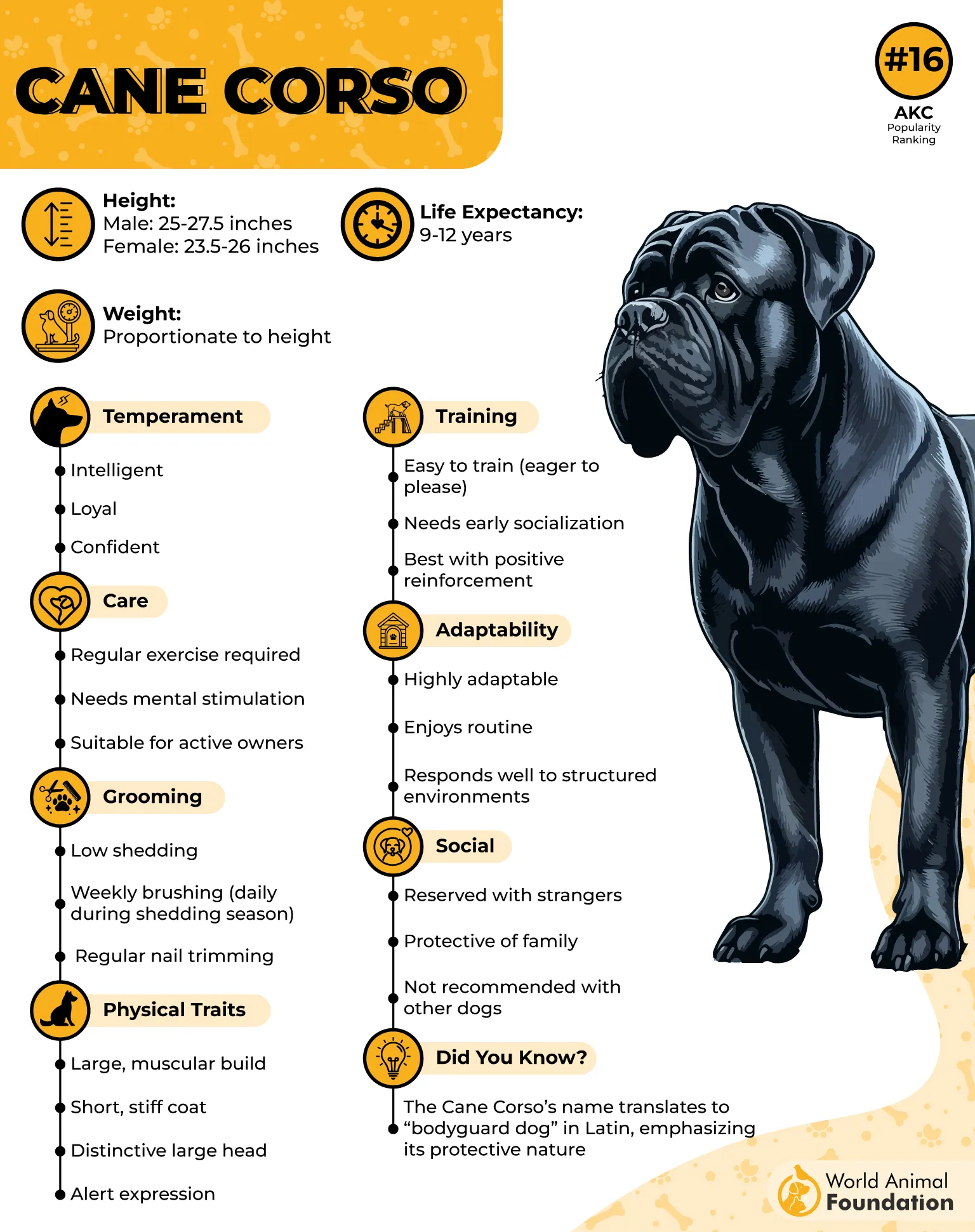
These dogs respond best to confident and consistent handlers because steady leadership creates trust, encourages respect, and prevents the development of anxious or aggressive behavior in daily life.
By maintaining calm energy, a Cane Corso reassures family members and establishes reliability in stressful situations, demonstrating that protection can coexist with sweet and gentle behavior.
Providing clear rules and predictable routines reduces anxiety in this intelligent dog breed, allowing them to focus on guarding duties and enjoying family interaction simultaneously.
Agility and consistent training, canine sports, and active play encourage obedience, strengthen bonds, and ensure that this breed remains alert, balanced, and mentally stimulated every day.
Prospective owners should prepare for active engagement, mental challenges, and proper socialization to ensure their Cane Corso remains fiercely loyal, eager to please, and well-adjusted within the family.
5. Dogo Argentino
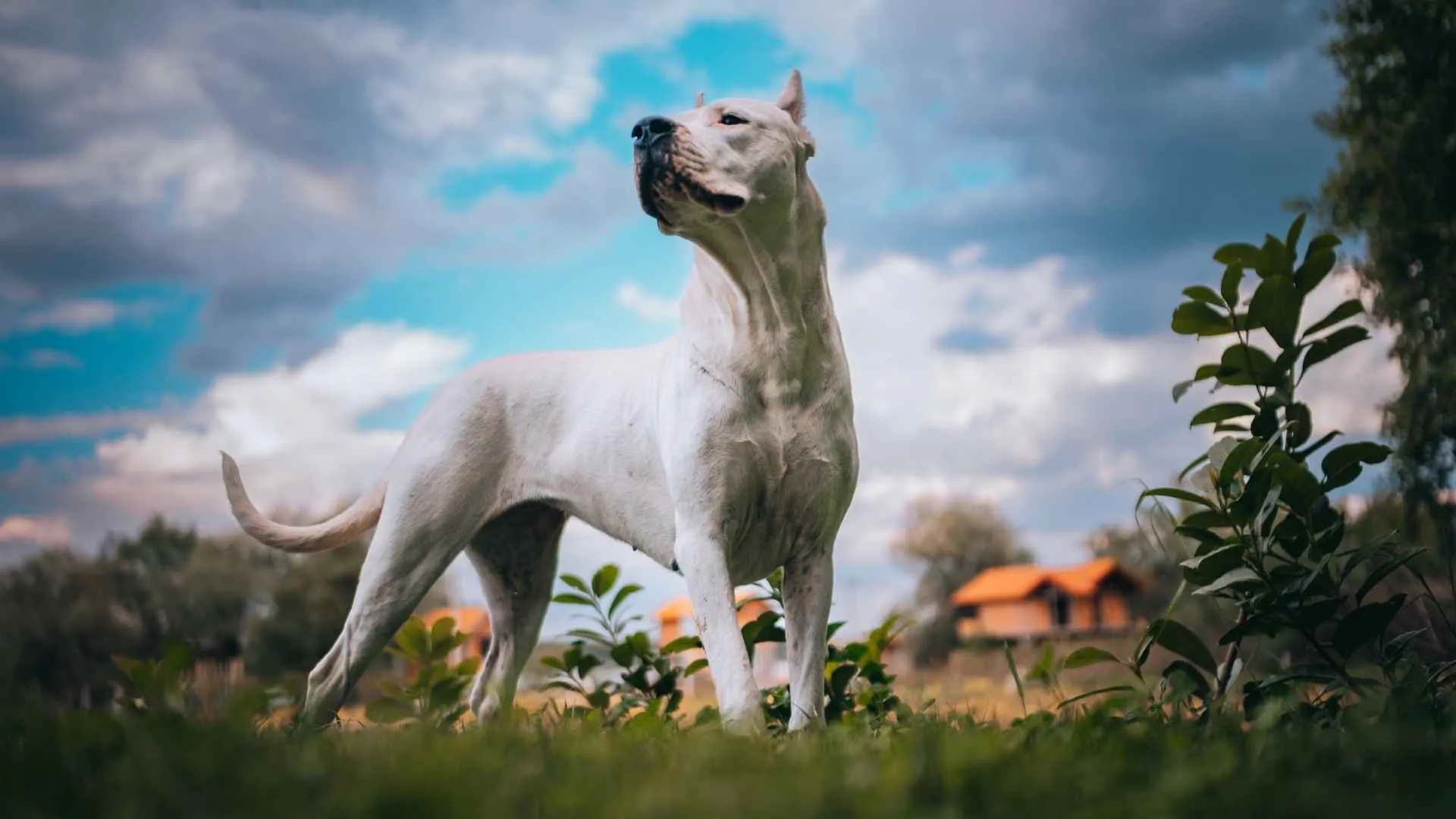
The Dogo Argentino was bred in the early 20th century in Córdoba, Argentina, to hunt large and dangerous game such as wild boar and pumas, combining courage, strength, and smartness in one athletic, versatile breed.
Known for its extraordinary abilities, powerful muscular build, and keen nose, this breed thrives in challenging tasks that require both physical skill and mental sharpness, making it an ideal working dog for active families or professional hunters.
This breed was developed to endure harsh conditions while tracking, chasing, and cornering dangerous animals, requiring stamina, strength, and focus over long hours in rugged terrain, which shaped its exceptional resilience and agility.
Dogos are naturally cooperative, often hunting in pairs or packs, which teaches them to coordinate movements, share tasks, and rely on each other, enhancing their problem-solving skills and overall effectiveness in the field.
Facing dangerous game demanded bravery and quick thinking, and over generations, these qualities became a hallmark of the breed, enabling them to act decisively and guard their handlers when confronted with threats.
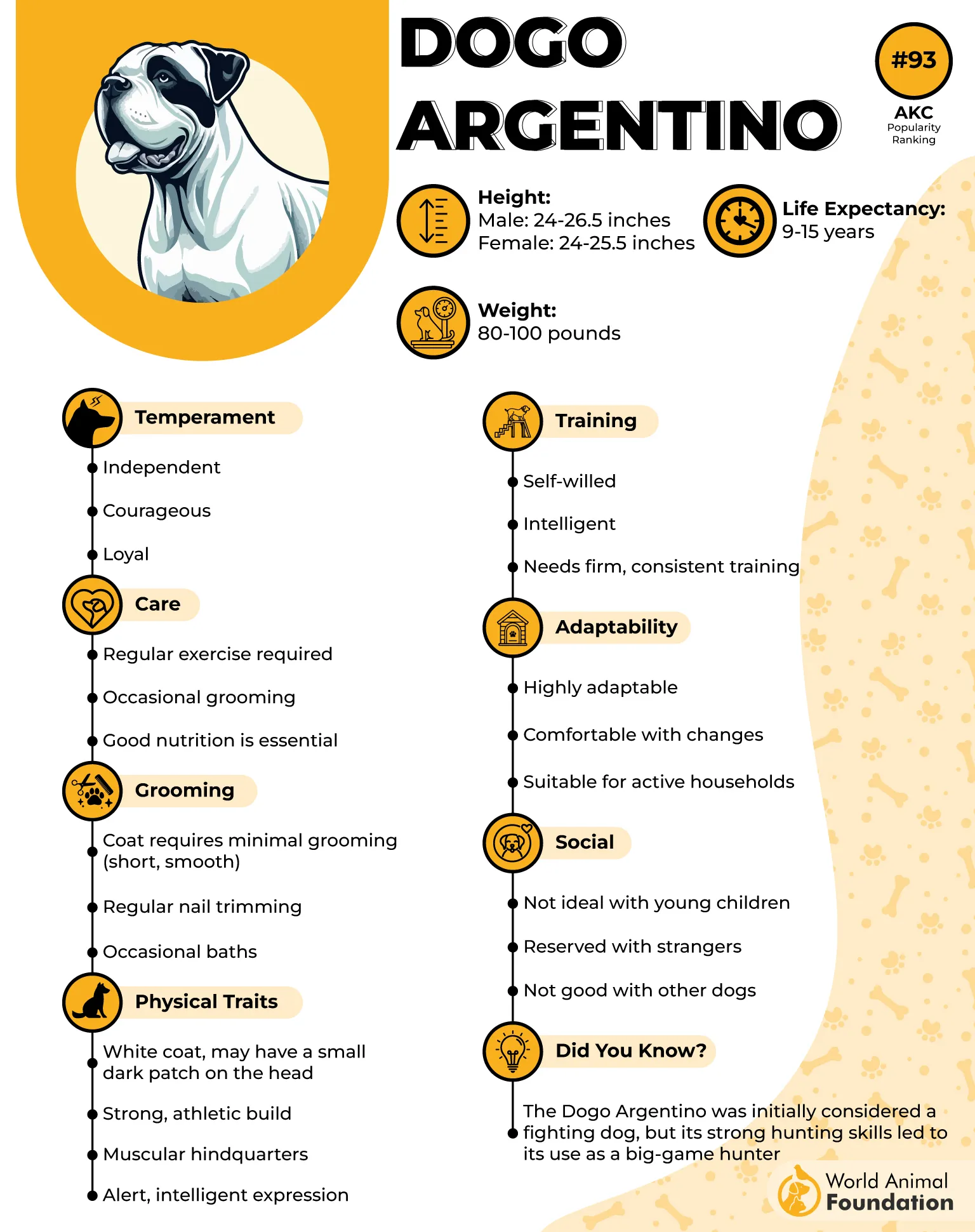
Participating in coordinated hunts or exercises improves attention, strategy, and responsiveness, allowing the Dogo to master complex commands and perform reliably even under pressure in unpredictable situations.
This intelligent and powerful breed responds best to consistent, confident leadership, which reinforces discipline, shapes behavior, and ensures that their energy is directed toward constructive and safe activities.
According to Britannica, Dogos require ample space for exercise, play, and mental stimulation, ideally in environments where they can safely run, explore, and engage in active games that match their strength and endurance.
Structured safety training, including recall and controlled interaction, reduces risk during hunting or high-energy activities, ensuring the breed’s power is guided responsibly while guarding both owner and animals.
6. Rottweiler
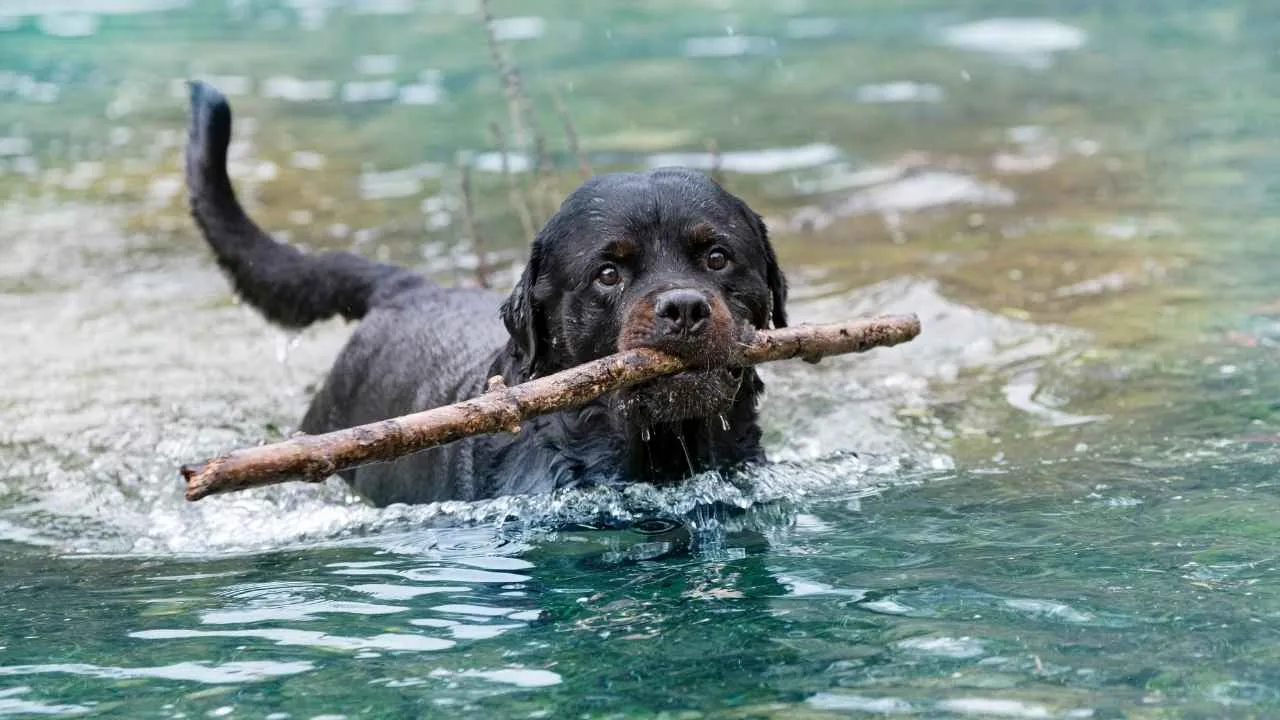
The Rottweiler is a muscular and courageous breed with a long history, originally descended from Roman herding dogs used to move and guide army livestock, combining strength, smartness, and devotion into one impressive companion.
Known for forming deep bonds with families, Rottweilers are highly trainable and thrive in homes where clear rules, consistent routines, and careful guidance help channel their instincts safely and positively.
Rottweilers develop profound loyalty to family members, forming emotional connections that guide their protective behavior and make them attentive, loving, and aware of their loved ones’ safety at all times.
Their combination of strength, alertness, and keen instincts allows them to recognize threats quickly and respond effectively, keeping homes secure while maintaining composure and control even under stress.
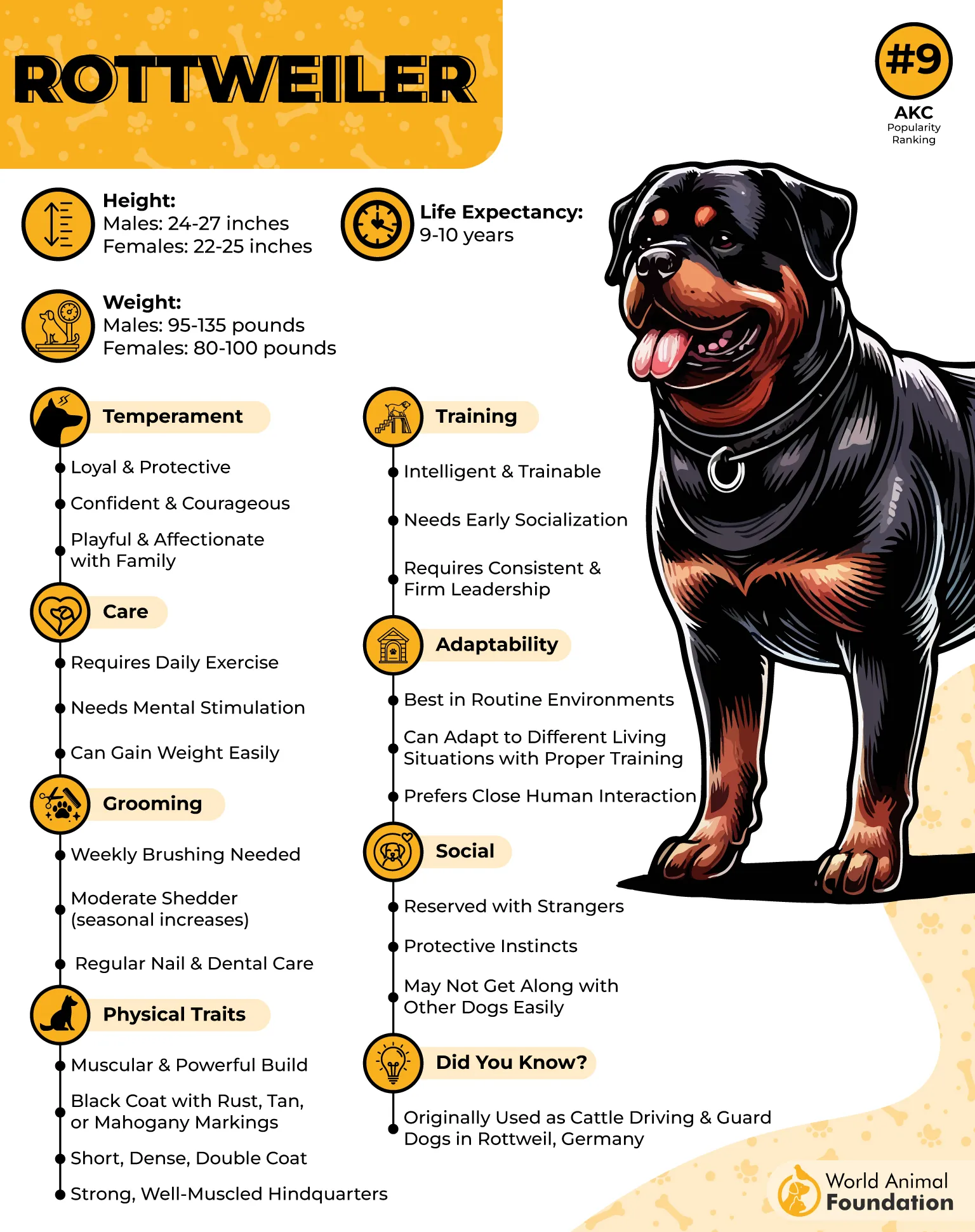
Despite their power, Rottweilers remain calm and composed within the household when given proper mental stimulation and consistent attention from responsible owners who respect their smartness.
This breed responds best to firm, structured guidance, which helps reinforce obedience, reduce confusion or fear, and ensures that territorial instincts are expressed in constructive, safe ways.
Using patient, positive reinforcement strengthens bonds and encourages cooperation, allowing the dog to execute commands reliably while staying confident, balanced, and calm in all situations.
Introducing Rottweilers to people and diverse environments at a young age prevents fear or aggression, shaping a grown, well-adjusted dog capable of handling social and active family life.
According to Purina, prospective owners should plan for daily activities, mental challenges, and health monitoring because they are prone to some issues, such as hip and elbow dysplasia, heart and eye issues, to ensure a long, fulfilling partnership.
7. Australian Kelpie
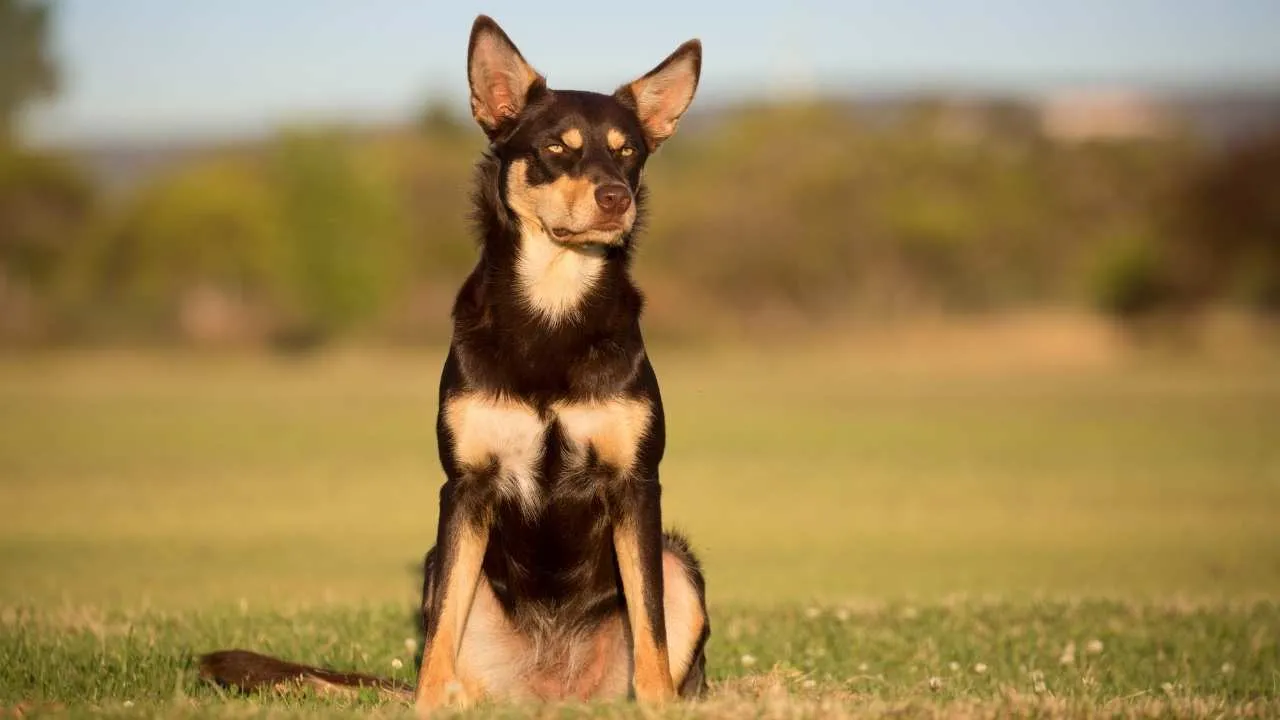
The Australian Kelpie, commonly called Kelpie, is an energetic and highly intelligent breed developed in Australia to herd sheep, cattle, and goats, combining a tireless work ethic, sharp focus, and gentle temperament into one remarkable dog.
Known for their loyalty and love of movement, Kelpies thrive when given challenges that engage both mind and body, making them excellent companions for active families or working farms.
Kelpies expertly guide livestock using precise movements, strategic positioning, and subtle cues, demonstrating both strength and smartness that allow herds to be managed safely and efficiently across large open spaces.
Their keen attention allows them to anticipate livestock movement, respond instantly to changes, and keep animals together, ensuring control and safety while reducing stress for both dog and herd.
Kelpies use rapid problem-solving skills to navigate complex situations, making split-second decisions that prevent escape or confusion, and allowing farmers to complete demanding herding tasks with impressive efficiency.
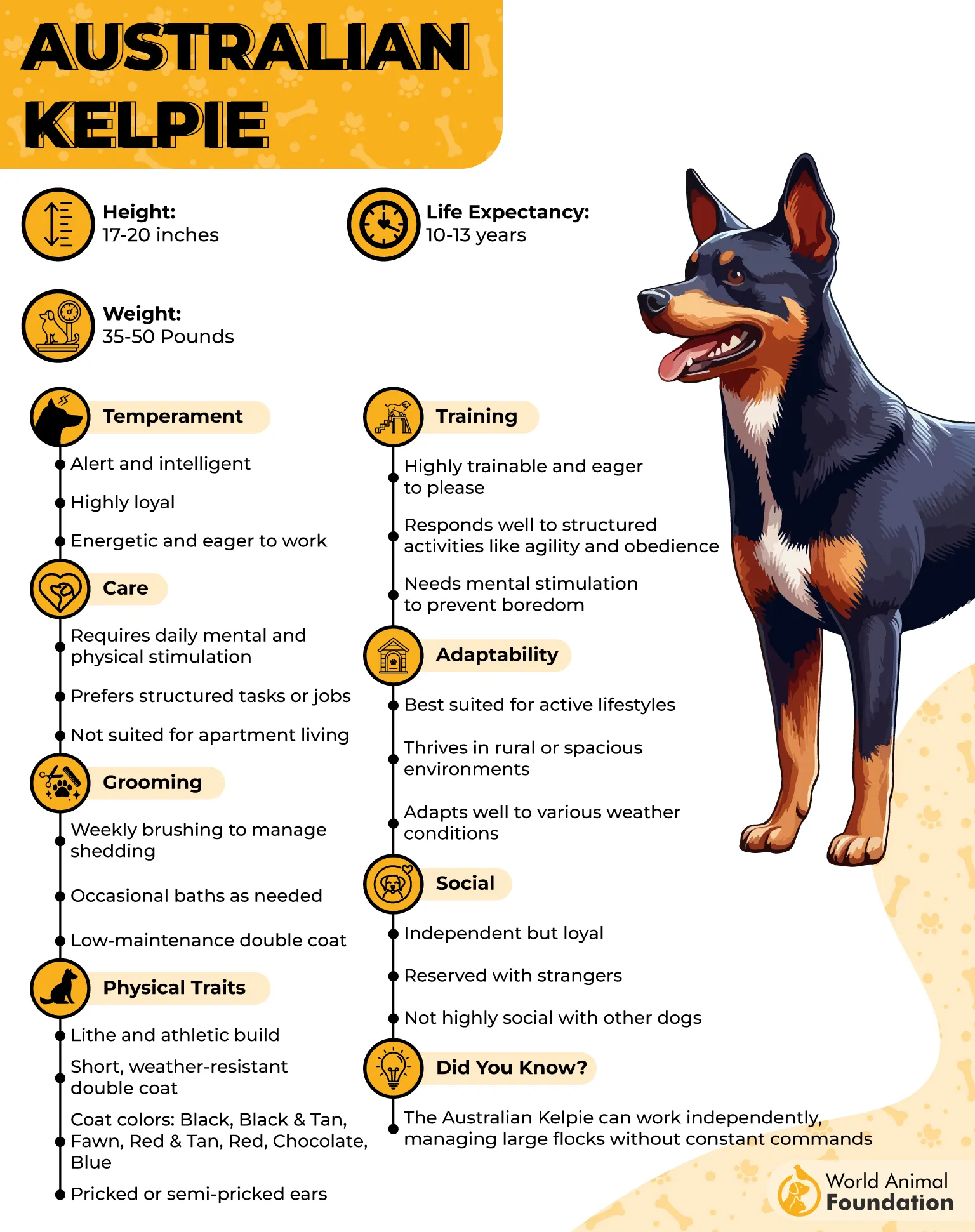
Work gives Kelpies purpose, keeping them mentally stimulated and emotionally satisfied, as they instinctively enjoy challenges that combine movement, strategy, and interaction.
Continuous activity energizes the breed, keeping their muscles strong, reflexes sharp, and focus heightened, which allows them to handle long hours in fields or participate successfully in canine sports.

Without sufficient physical and mental exercise, Kelpies may develop undesirable behaviors, including chewing, barking, or restless pacing, highlighting the importance of an engaging daily routine.
Ideal homes provide space for running, structured tasks, and interactive play, along with consistent attention from active owners who can channel their smartness and energy into constructive outlets.
Conclusion
Power comes in many forms, and in dogs, it is expressed not only through speed and strength but also through smartness, courage, and loyalty. Strength works best when paired with brains, as breeds that combine physical ability with sharp thinking can excel in sports, herding cattle, or service work, proving their versatility in every task.
Great dogs need active homes that provide daily exercise, mental stimulation, and opportunities to engage in purposeful tasks, whether running, herding, or playing.
Choosing the right match brings joy because a dog that fits your lifestyle thrives, while respect builds trust between human and canine.
Care leads to success, reinforcing health and happiness, and ensures that powerful, intelligent dogs become lifelong companions. Always choose with your lifestyle in mind to create a rewarding and safe partnership for both dog and family.
