




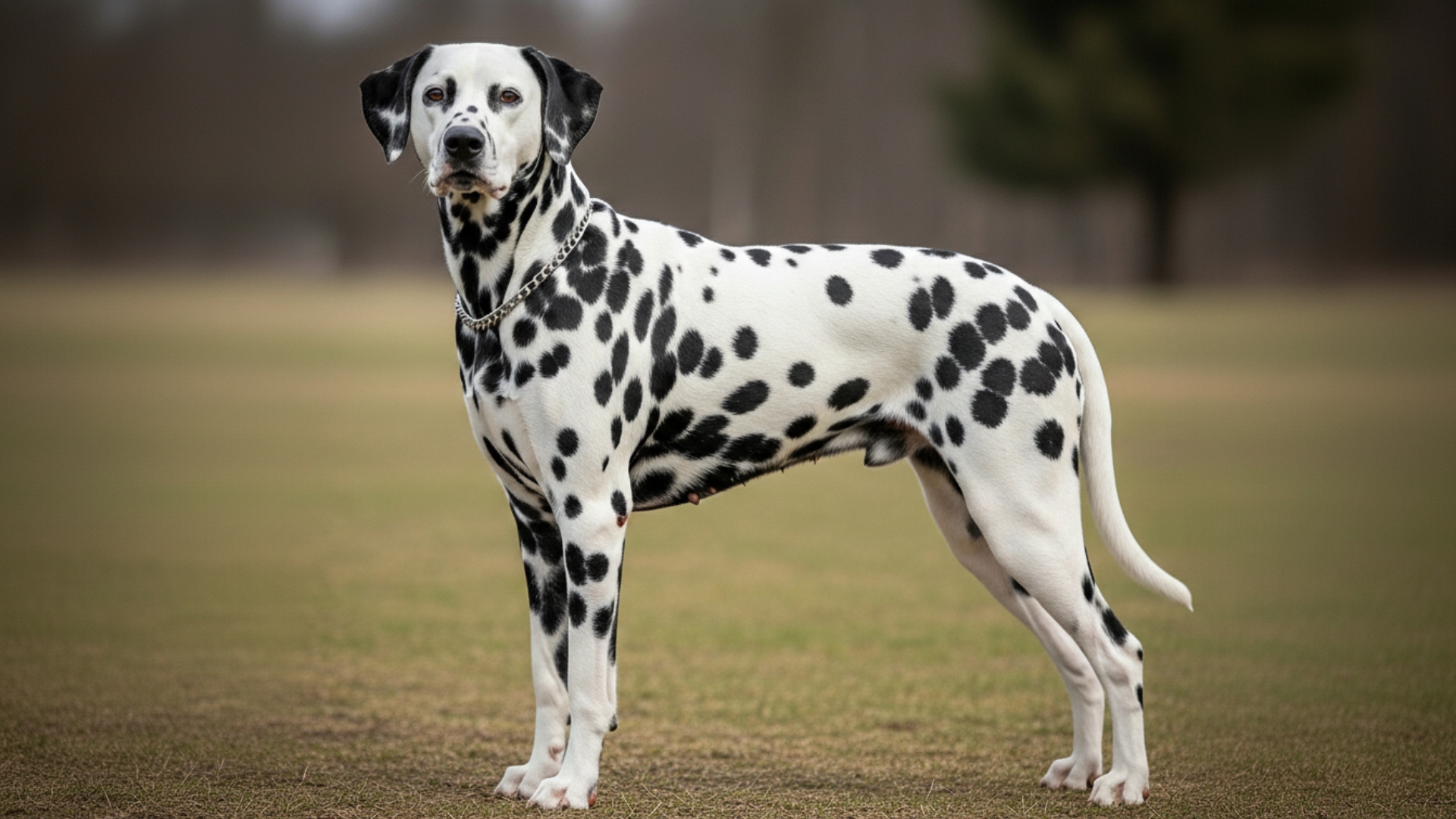
Dogs come in an amazing array of colors and patterns, and some breeds are especially known for their eye-catching coats. From bold tricolors to shimmering solids, these distinctive patterns don’t just look beautiful—they often reflect a breed’s unique personality and history.
Tricolor dogs are impossible to miss, with their bold black, white, and tan patches catching every eye. You can easily spot a tricolor pup from across the park. With striking patches of black, white, and tan, these tricolored dog breeds stand out not only for their coats but also for their personalities.
Tricolor patterns appear in a wide range of dogs—from herding breeds and scent hounds to even the lazier, couch-loving types.
In this article, we’ll explore seven dog breeds celebrated for their remarkable coat colors, highlighting what makes each coat pattern truly stand out.
Top Dog Breeds With Distinctive Coat Colors
1. Australian Shepherd
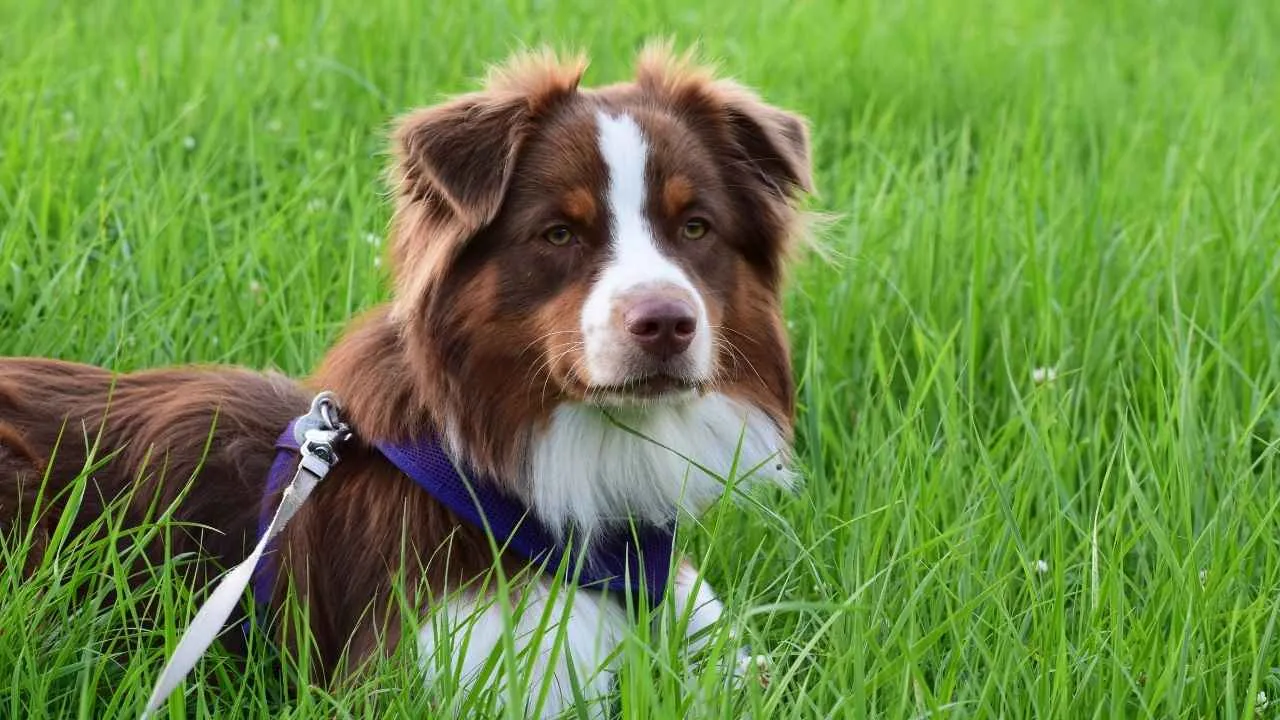
The Australian Shepherd is a high-energy herding breed known for its striking tricolor coats. Naturally intelligent and playful, these dogs thrive on mental stimulation and excel in dog sports, making them both hardworking and entertaining companions.
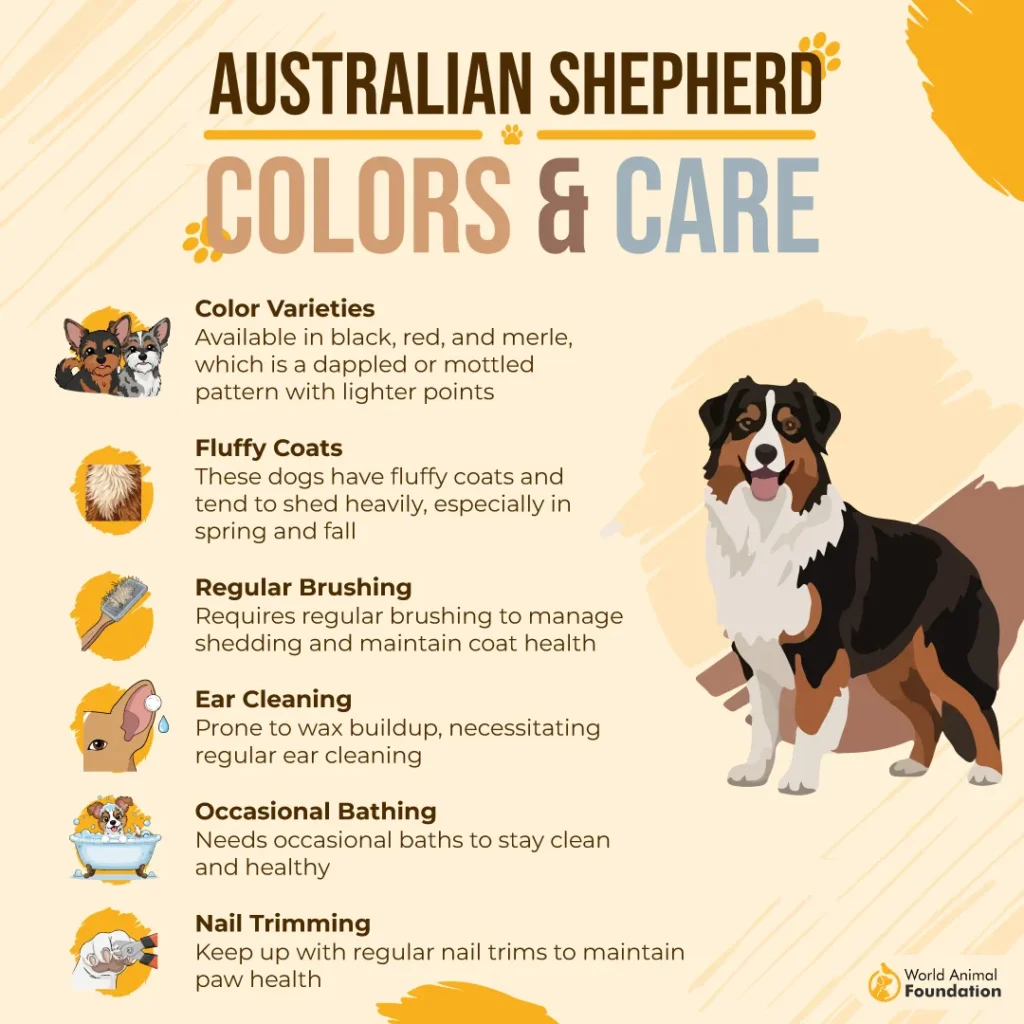
Despite the name, the breed was developed in the United States, though it shares genetic roots with European herding breeds like the Collie and Shetland Sheepdog, as noted by Britannica. Historians still debate how it came to be called “Australian,” but its talent, agility, and lively personality remain unmistakable.
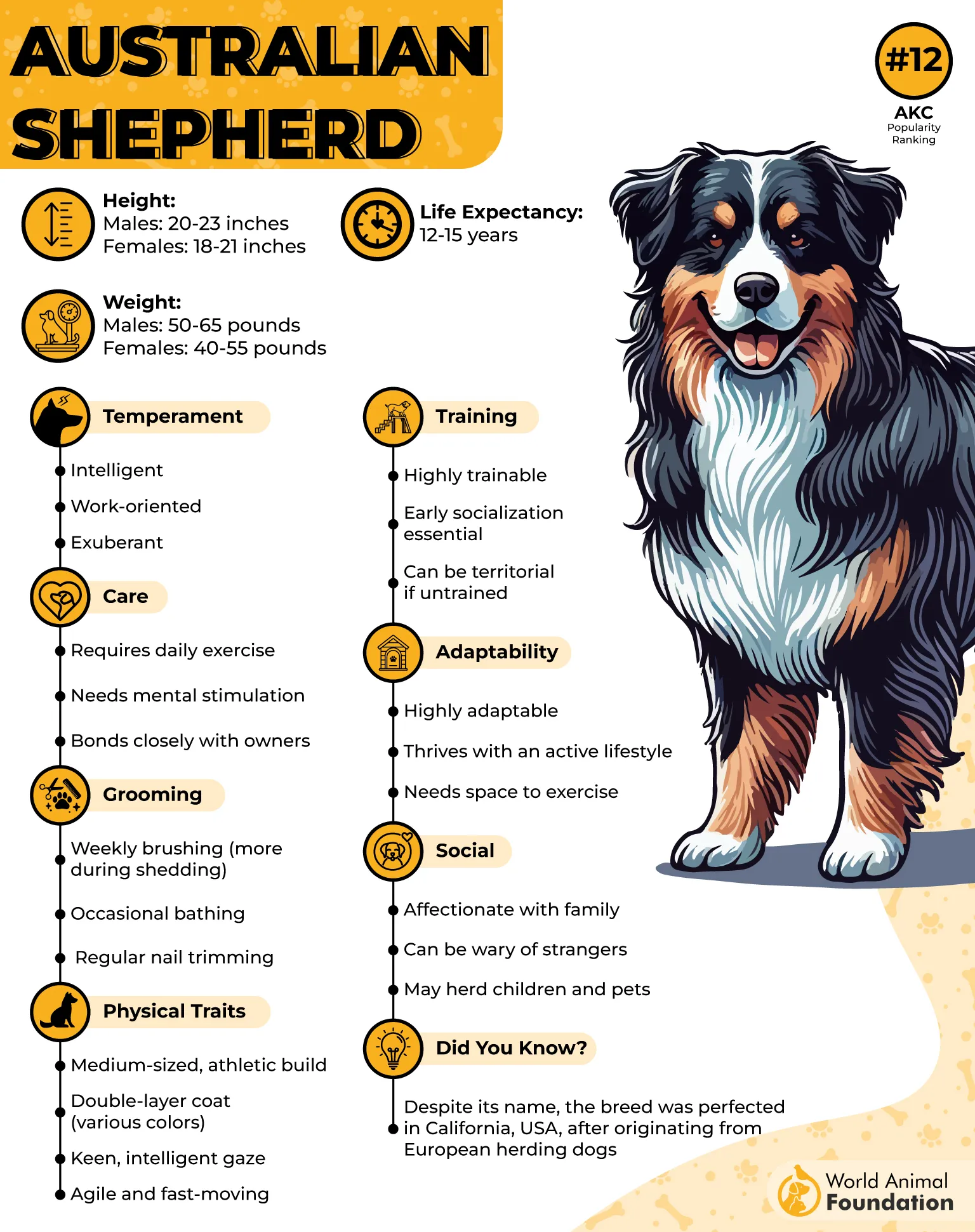
The Australian Shepherd, also known as the Blue Heeler, can be a tricolor breed with black, brown, and gray markings. The Australian Shepherd is one of the few breeds that commonly showcases tri-colored coats, so it could be called a tricolor breed.
The two recognized tri-color combinations are black-white-copper and red-white-copper. Solid-colored Aussies are rare, with a solid red coat being the most uncommon of all. The Australian Shepherd is most associated with blue and red merle patterns.
2. Dalmatian
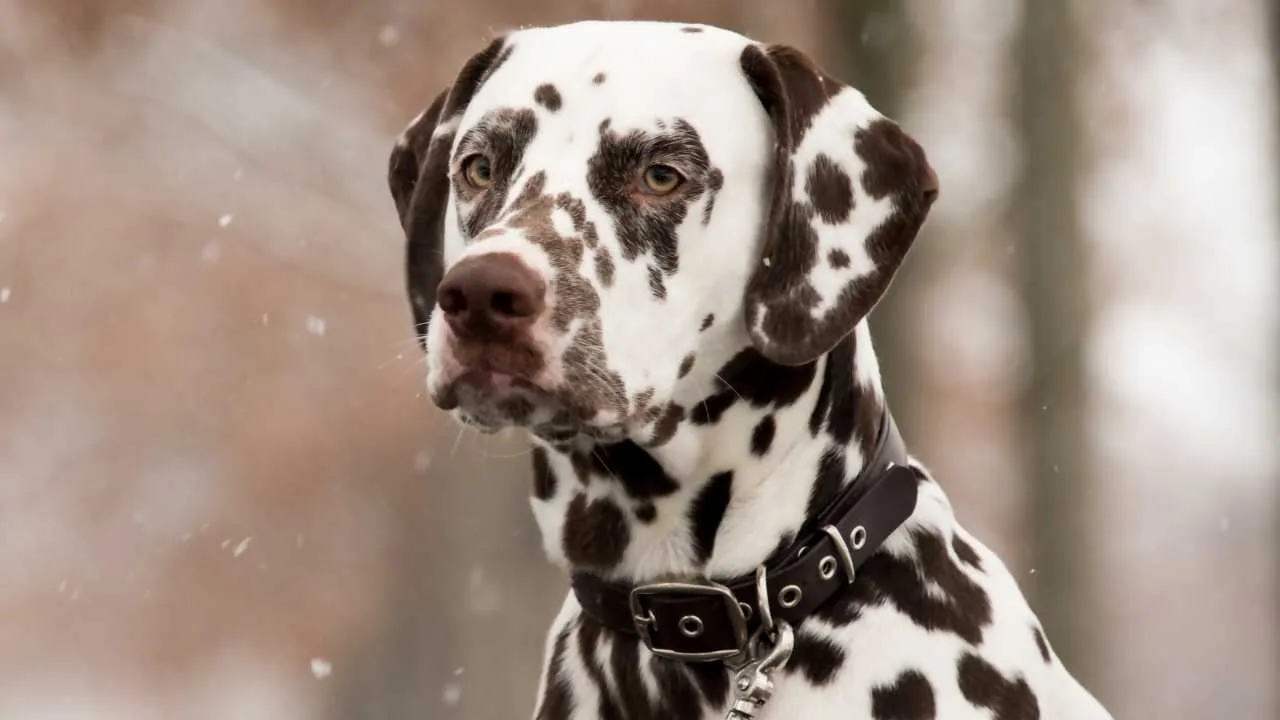
The Dalmatian’s distinctive has short, dense, and sleek coat, lying close to the body with a natural shine. Dalmatians are distinguished by the brown or black spots on their white coats. The base color is always pure white, while the spots can be black or liver (brown).
Ideally, the spots are round, range in size from a dime to a half-dollar, and are evenly distributed across the body. Dals are born without their spots, which begin to appear on their fur at about two weeks of age, as Orvis noted.
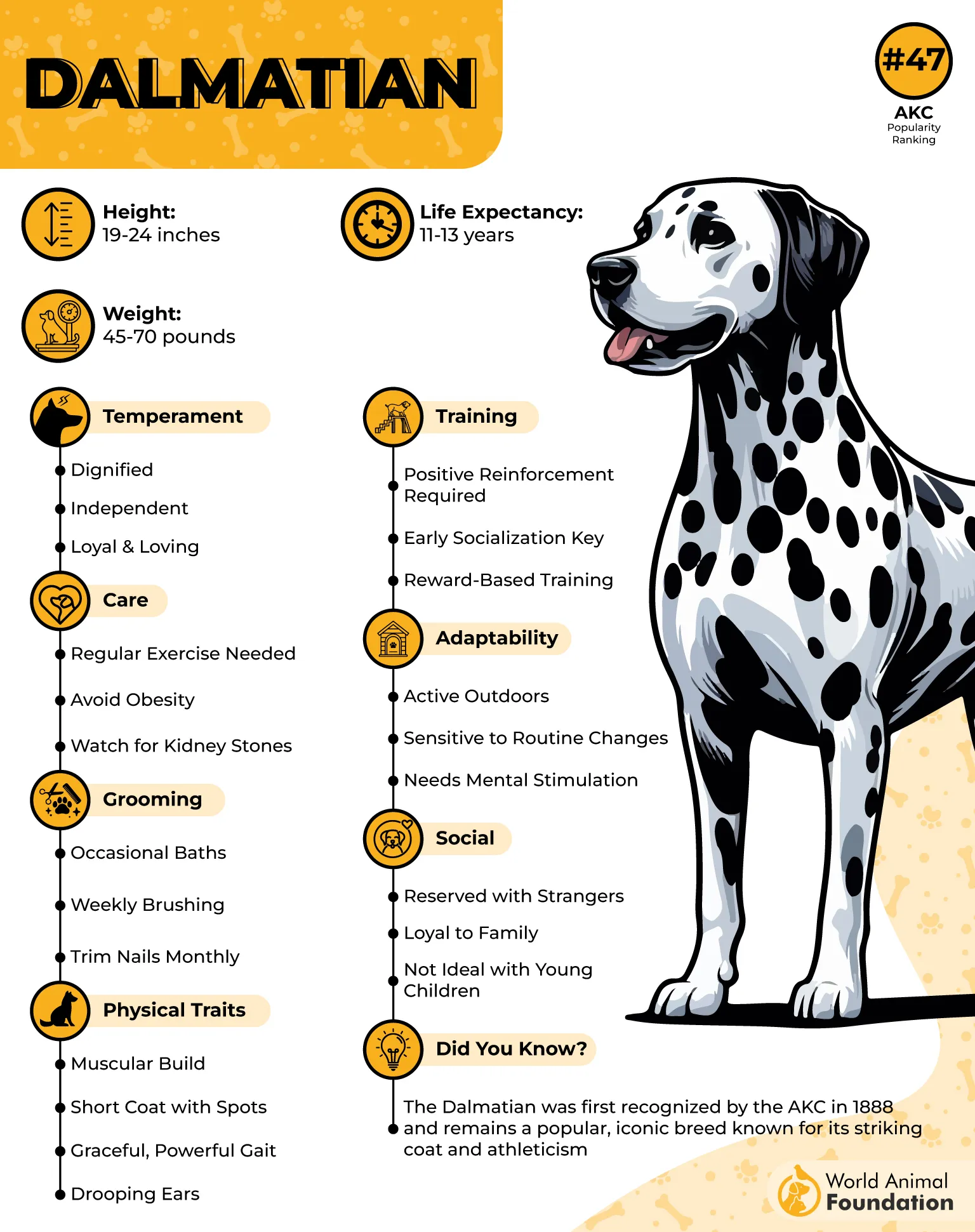
Dalmatians are spirited, alert, and full of energy. They are friendly and affectionate with family and friends, and with time, they warm up to strangers. While they are focused and hardworking when on duty, at home, they are playful and entertaining, often acting like lovable clowns.
These dogs thrive on attention and enjoy being part of every household activity, eager to engage with their humans at all times. The gentle nature of this affectionate breed makes them wonderful companions.
3. Afghan Hound
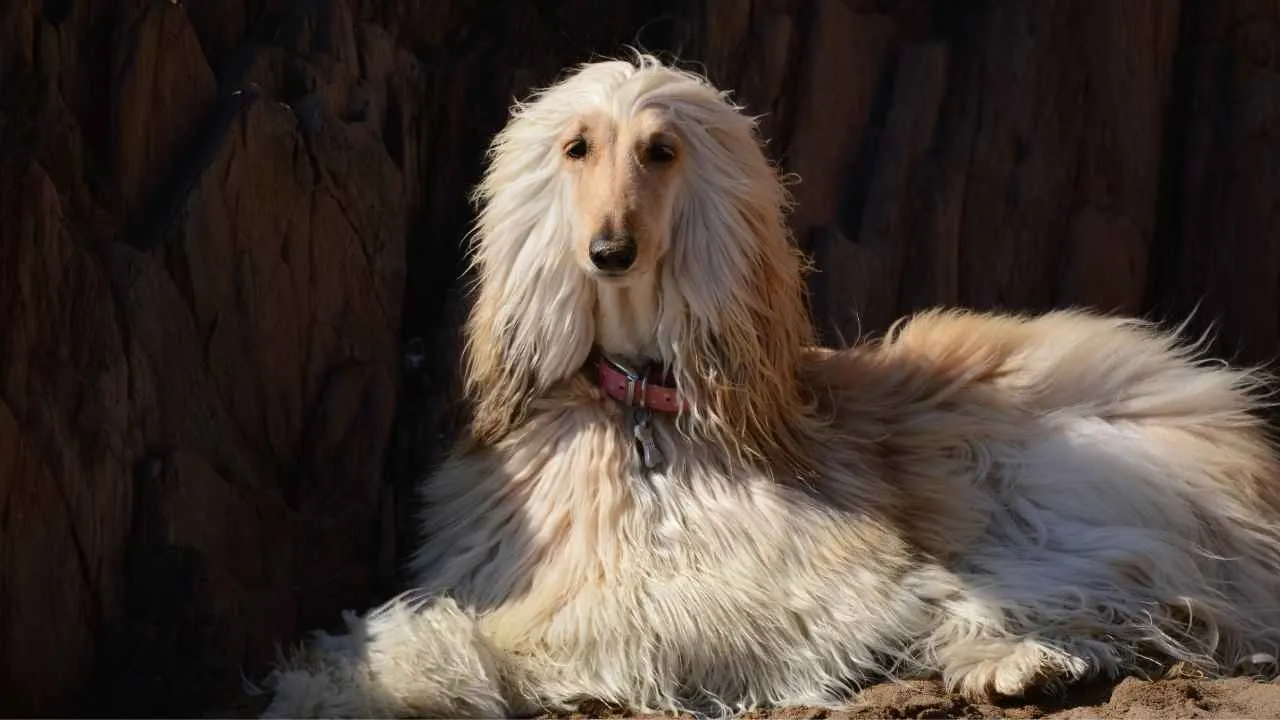
The Afghan Hound is a graceful sight hound known for its keen eyesight and swift speed, making it an exceptional hunter of small game and a natural fit for dog sports like lure coursing. They come from Afghanistan and were originally bred as independent hunters, which explains their strong-willed nature.
The Afghan Hound has a thick, silky, and flowing coat that consists of fine fur, as well as feathered ears and feet. Although the Afghan can come in any color, any white markings—especially around the head—are not desirable for show.
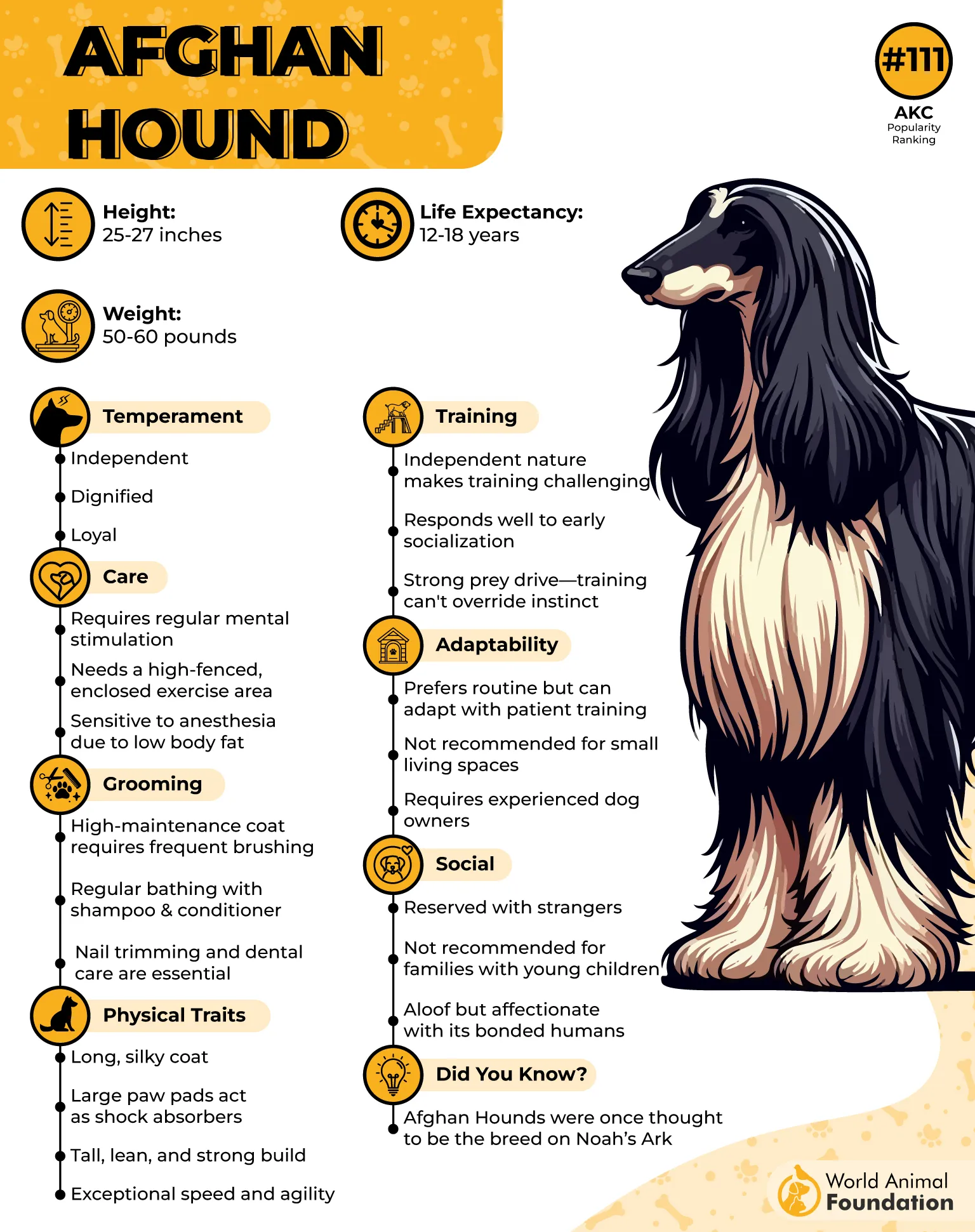
Adult Afghan Hounds have the most striking coat that appears in a variety of colors, including black, cream, blue, tan, red, and brindle. Afghan Hounds don’t shed very much at all. However, their grooming needs are extensive thanks to their long, silky coat.
Despite their elegant and sometimes aloof appearance, Afghan Hounds can form deep bonds with their families. They thrive in homes that provide regular exercise, mental stimulation, and patient training to match their independent spirit.
4. Catahoula Leopard Dog
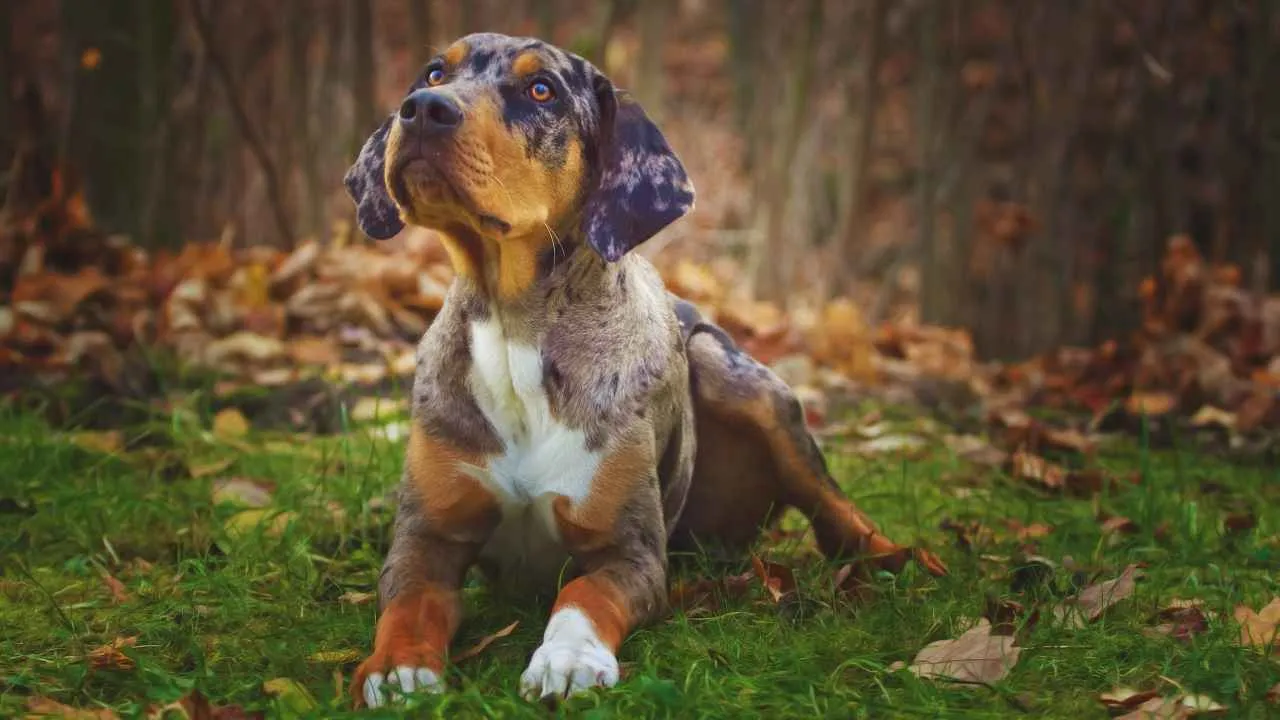
Designated as Louisiana’s State Dog in 1979, the Catahoula Leopard Dog boasts a strikingly diverse coat. The Catahoula Leopard Dog is known for a leopard-like merle coat with various patches in colors like blue, red, or liver. They are quite domineering and can be a handful, so they are better for seasoned dog owners.
It’s an American-bred breed that has an interesting coat. As its name suggests, this breed has a random display of spots. The large freckles come in all shapes and sizes, and make this hardworking breed extra handsome.
Their fur can appear in solid colors, brindle, leopard spots, or patchwork patterns, making this breed’s coat one of its most distinctive and memorable features.
These breeds shed moderately year-round, with heavier shedding during spring and fall. Dogs with distinctive coat colors may require more frequent grooming during shedding seasons to manage loose hair.
5. English Setter
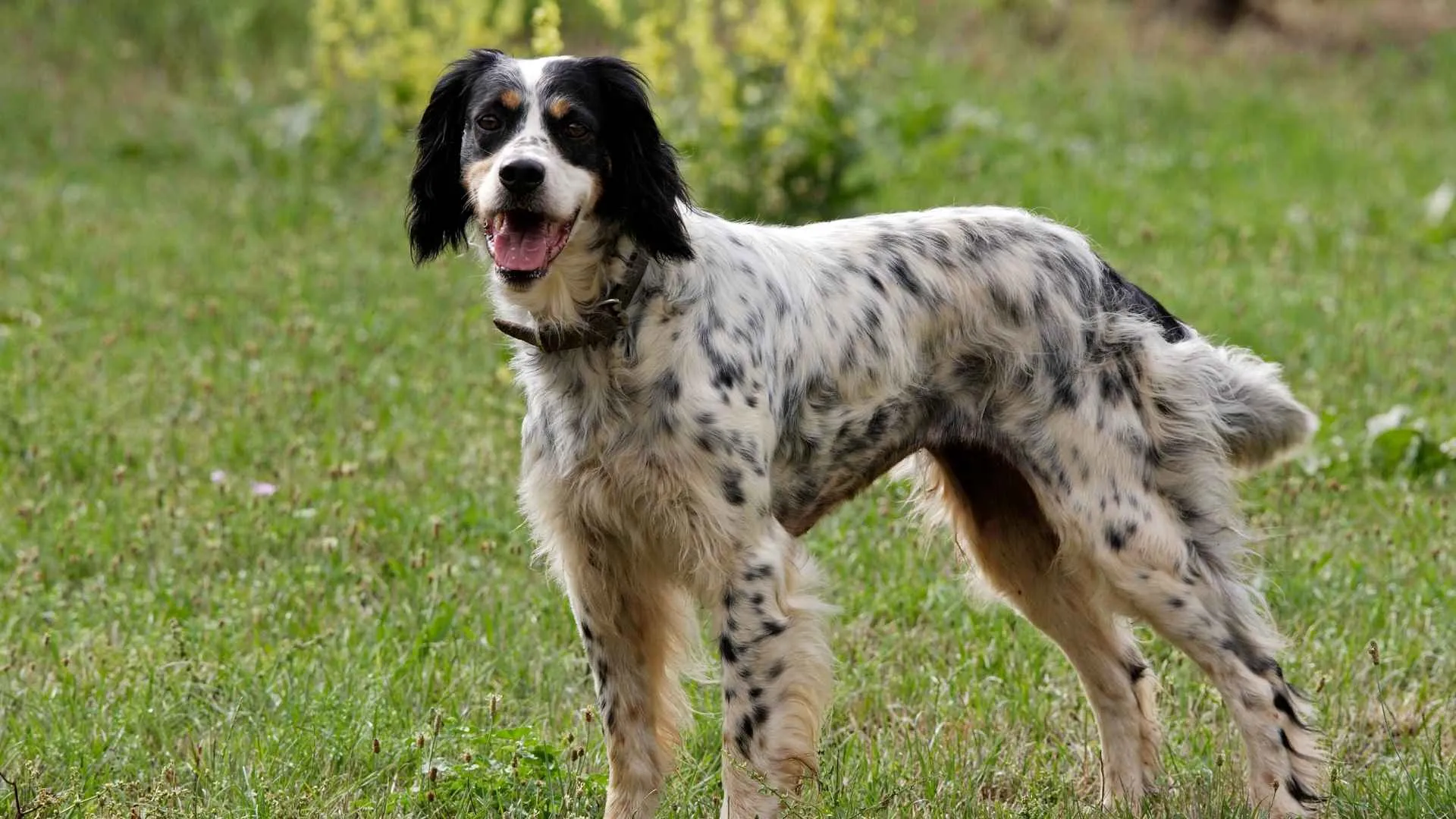
The English Setter is known for its elegant appearance and can often be found in tricolor patterns. The English Setter is a gentle, kind-natured breed best known for its marbled “Belton” coat pattern, which features a predominantly white base with speckles or dark patches of another color, giving the dog its signature elegant, marbled look.
English Setters come in five main Belton coat colors, each with unique shades and characteristics.
Chestnut Belton, the rarest coat color, has a white base with warm brown spots that sometimes appear reddish in sunlight, ranging from light brown to deep chestnut. Lemon Belton features a white base with light tan markings or copper spots and often has a pink-toned nose and lighter eye pigment.
Liver Belton displays a white base with dark brown or liver spots, with heavier liver speckling, a matching liver-colored nose, and warm brown eyes. Orange Belton, one of the most common colors, has a white base with light tan to brown spots that may blend with the white coat, along with dark brown nose and eyes.
Blue Belton, most frequently seen, features a white base with black spots (not actually blue), sometimes mixed with light brown ticking, and dark brown nose and eyes
6. Bernese Mountain Dog
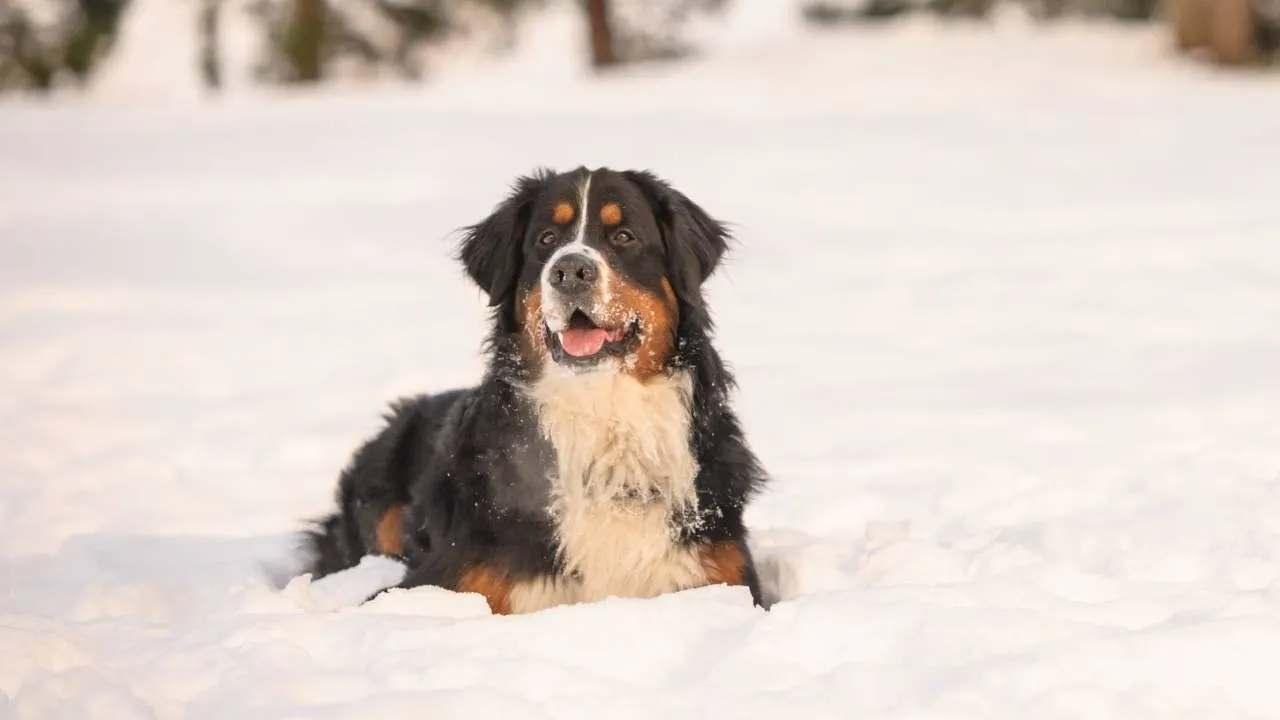
Gentle and affectionate, Bernese Mountain Dogs make wonderful companions for children. While they enjoy moderate exercise, their calm, friendly nature and impressive coat make them a great family pet among families seeking a loving, cold-weather-ready dog.
The Bernese Mountain Dog has a double coat, with a longer outer coat and a woolly undercoat, the AKC noted. Bernese Mountain Dogs are a striking example of a large tricolor breed, with a beautiful mix of black, brown, and white in their coats.
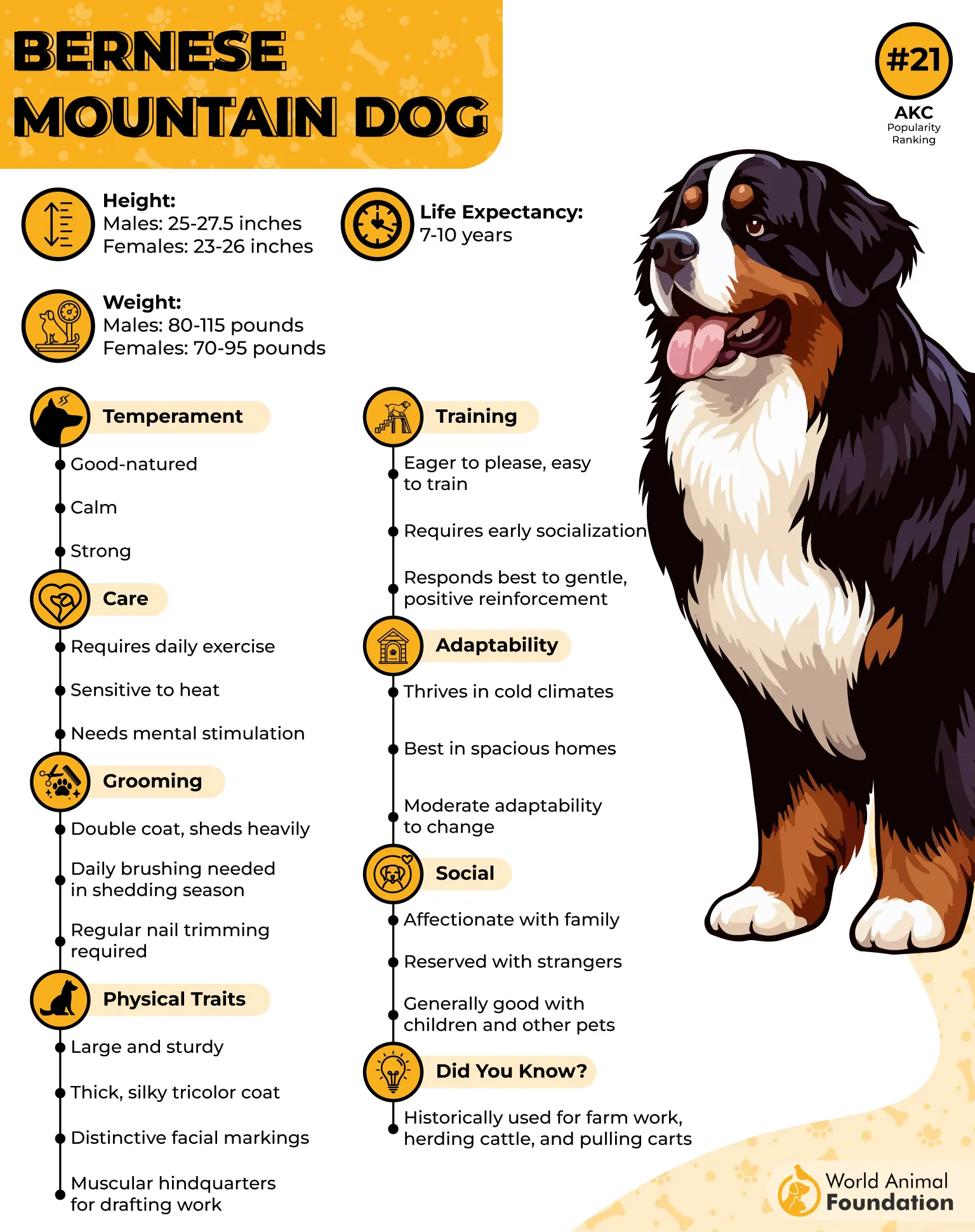
Their dense, fluffy fur makes them well-suited for colder climates, and frequent grooming is essential to keep their coat healthy. Typically, their bodies are mostly black, accented with brown and white markings on the chest, legs, and face.
Despite their large size, they are known for being patient and devoted to their families. With proper training, socialization, and regular outdoor activity, they grow into loyal, steady companions that thrive in active households.
7. Collie
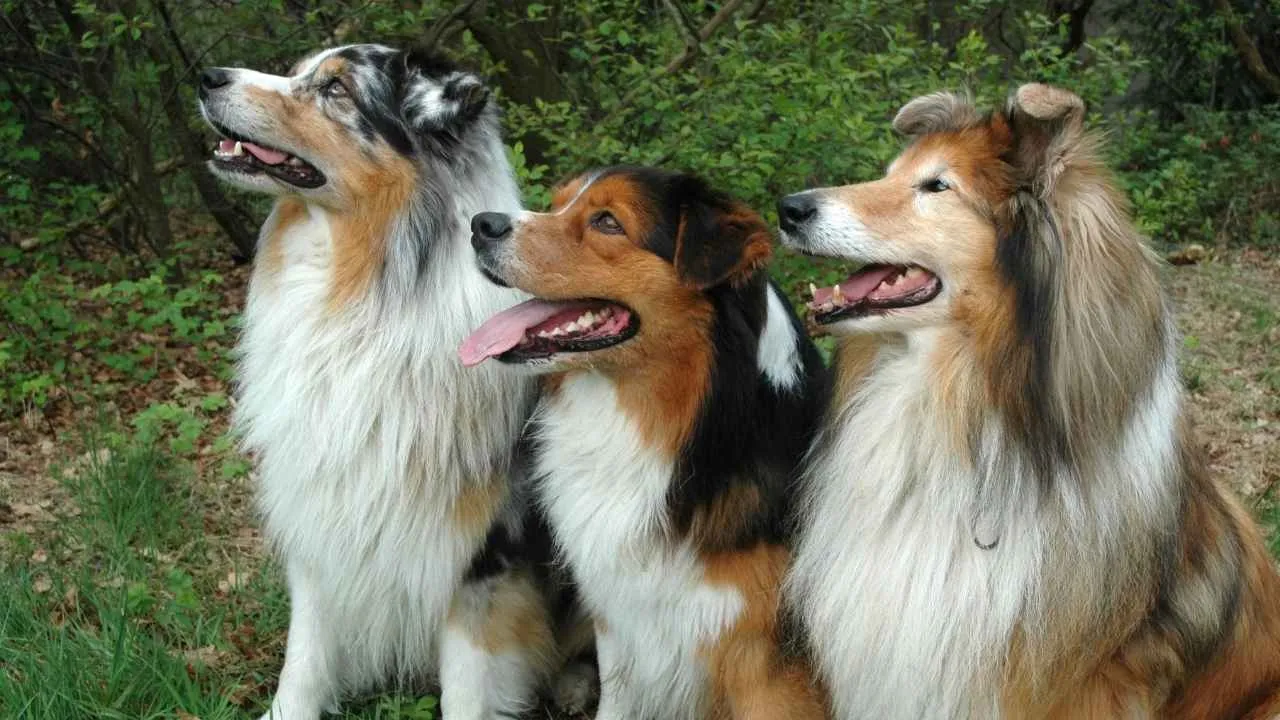
Collies are known for their stunning coat patterns, which enhance the breed’s overall beauty. Both Rough and Smooth Collies share the same color variations, and while it can be tricky to tell them apart as puppies, their markings usually remain consistent throughout their lives.
The official Collie standard recognizes four main colors, each with numerous variations. The American Kennel Club values rich, deep colors rather than a specific pattern, and although some markings may resemble those of other breeds, they remain distinctly Collie.
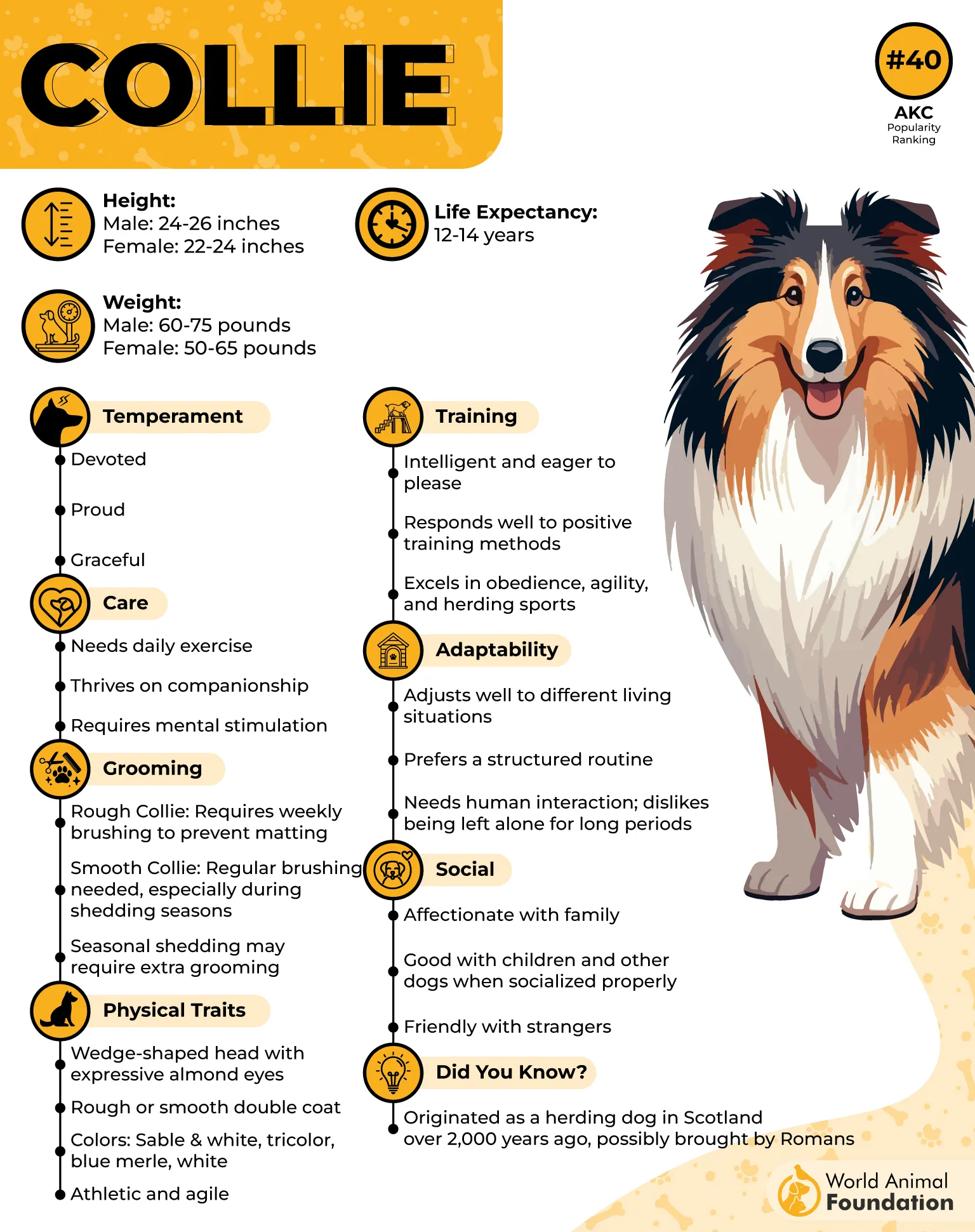
The classic sable, often associated with the famous “Lassie” look, ranges in shade from red and brown to buff. Sable Merle is a lighter version of sable with marbled patterning and may feature striking blue eyes.
The Tri-Color displays a bold black coat with brown markings on the face and legs, accented by white. Blue Merle, influenced by the merle gene, creates a unique blue-grey marbled pattern. White Collies are rarer and are mostly white, with possible sable, merle, tri-color, or blue merle markings on the head or body.
Conclusion
Dog breeds with distinctive coat colors are as diverse and captivating as their personalities. From the striking tricolor patterns of the Australian Shepherd and Bernese Mountain Dog to the elegant marbled belton coats of the English Setter, each breed showcases a unique blend of beauty and character.
Coats like the Dalmatian’s iconic spots, the Afghan Hound’s flowing silk, the Catahoula’s leopard-like patterns, and the Collie’s rich color variations not only turn heads but also reflect a breed’s heritage and purpose.
These remarkable coats make each dog truly one-of-a-kind, reminding us that in the world of dogs, style and function often go paw in paw.
