





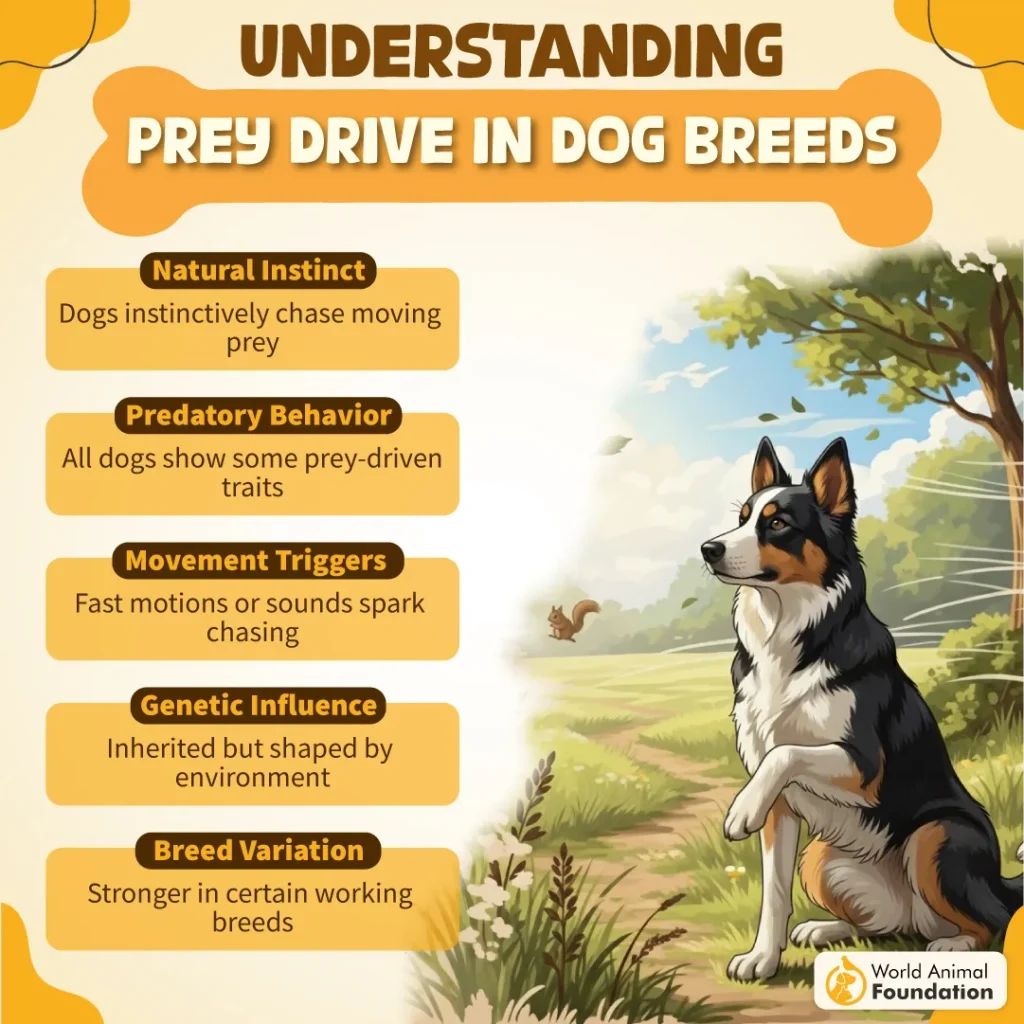
A high prey drive in dogs is more than just a quirk—it’s a deep-seated instinct to chase, capture, and sometimes even herd moving targets. While this behavior is most noticeable when dogs spot wildlife, it can also lead them to chase smaller pets, cats, or even other dogs.
If your pup frequently goes into a stalking crouch, darts after squirrels, or can’t resist chasing a ball at full speed, chances are they have a strong prey drive.
Owning a dog with this trait can be both rewarding and challenging. These pups thrive on activity, mental stimulation, and tasks that let them channel their natural instincts in a safe way. Without enough exercise or engagement, boredom can lead to destructive behaviors around the house.
Many high-prey-drive breeds were originally bred for hunting, herding, or guarding—jobs that required focus, agility, and determination.
Here, we’ll explore different breeds known for their remarkable prey drive, making them energetic, intelligent, and highly motivated companions for the right owner.
Best Dog Breeds With a Remarkable Prey Drive
1. Irish Setter

If dogs had supermodels, the Irish Setter would be on every magazine cover. That silky, mahogany coat flowing in the wind? Pure drama. But don’t let the glamorous good looks fool you — beneath that runway-ready exterior beats the heart of a dedicated hunter.
As a proud member of the sporting group, the Irish Setter comes with a remarkable prey drive. Translation? If it moves, they’re interested.
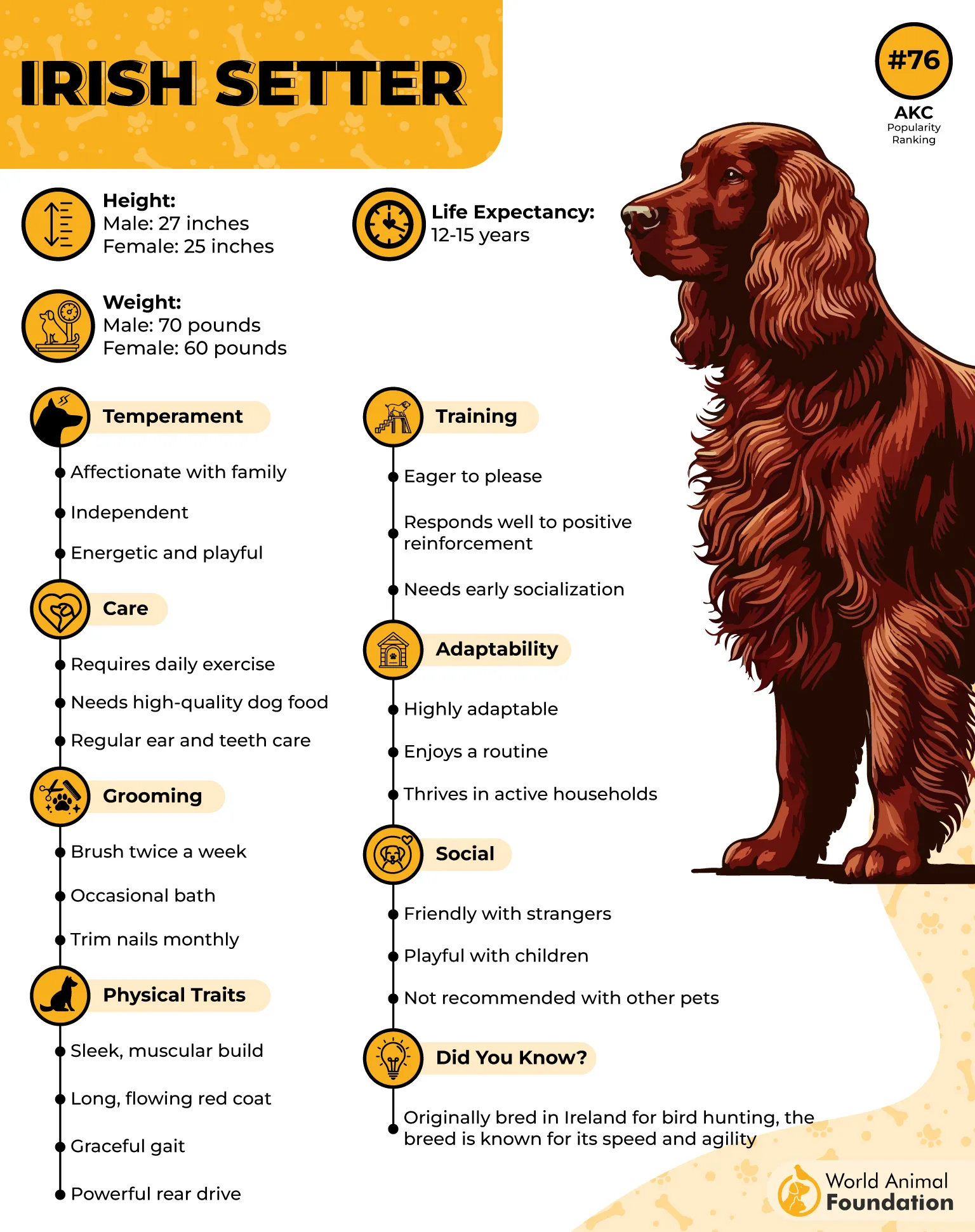
Birds, squirrels, that suspicious-looking leaf blowing across the yard — all fair game. Their powerful noses are constantly on duty, tracking scents like furry detectives. And yes, this can occasionally get them into mischief.
Leave them unattended in the yard, and they may decide to follow a fascinating smell straight into “Where did my dog go?” territory. Spoiler alert: they’re usually just on a self-appointed wildlife investigation.
WebMD noted this breed doesn’t just enjoy exercise — it requires it. We’re talking two hours or more a day of running, playing, hiking, or any activity that burns off that boundless enthusiasm. Apartment life? Not ideal.
Despite their hunting instincts, Irish Setters are famously friendly and affectionate. They adore their families and often act like oversized, red-coated lap dogs (whether they fit or not is beside the point).
Choose this breed if:
You love outdoor adventures.
You have time for daily exercise.
You appreciate a dog with personality (and dramatic hair).
For active families who love the outdoors, this breed is a dream. Weekend hikes? Yes. Beach runs? Absolutely. Marathon Netflix sessions? Only after a proper two-hour run.
2. Greyhound
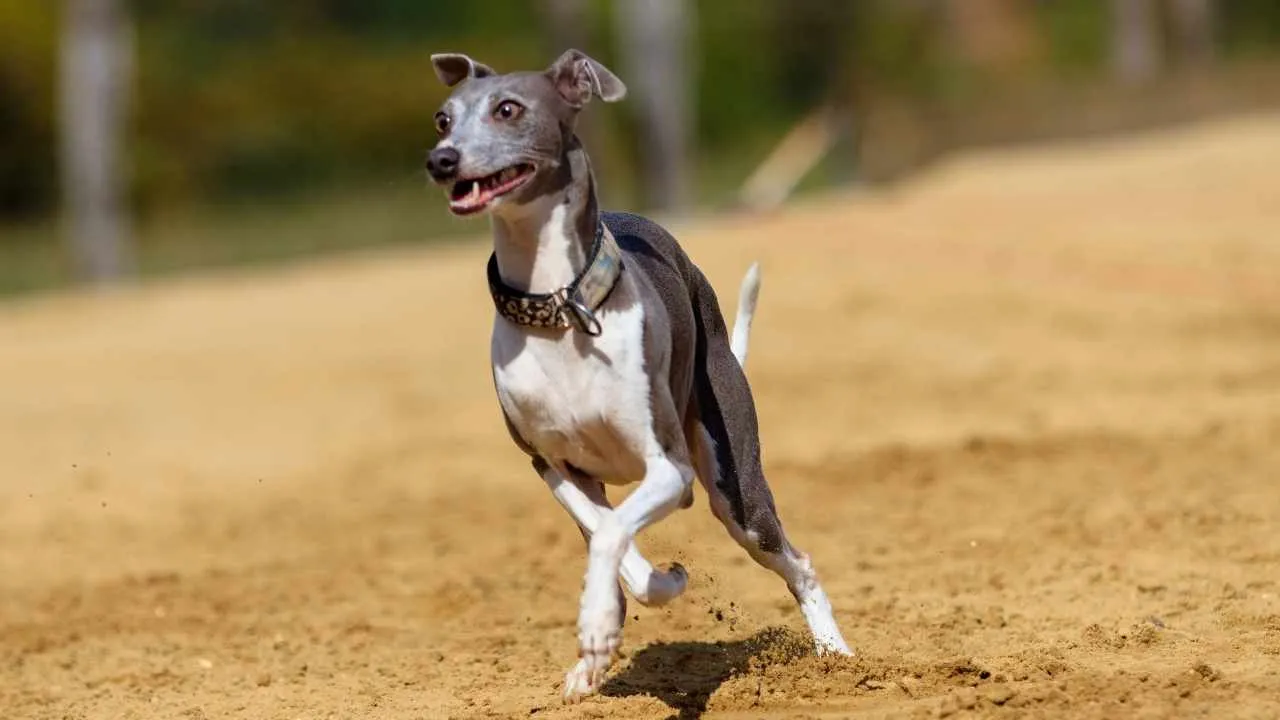
At first glance, the Greyhound looks like a canine supermodel built entirely for speed — long legs, aerodynamic body, and that intense “I see something” stare. And that’s because they were literally designed to see something.
Unlike scent-driven hunters, Greyhounds are sighthounds, meaning their prey drive kicks in the second their sharp eyes spot movement. A squirrel darts across the yard. A rabbit blinks in the distance? Your Greyhound has already calculated wind resistance and is halfway to takeoff.
Greyhounds can hit speeds of 35+ miles per hour. To put that into perspective, by the time you shout “COME BACK!” they’re already reconsidering their life choices three blocks away.
This powerful prey drive means:
They may bolt without warning.
Off-leash freedom in unfenced areas is risky.
A leash isn’t optional — it’s essential.
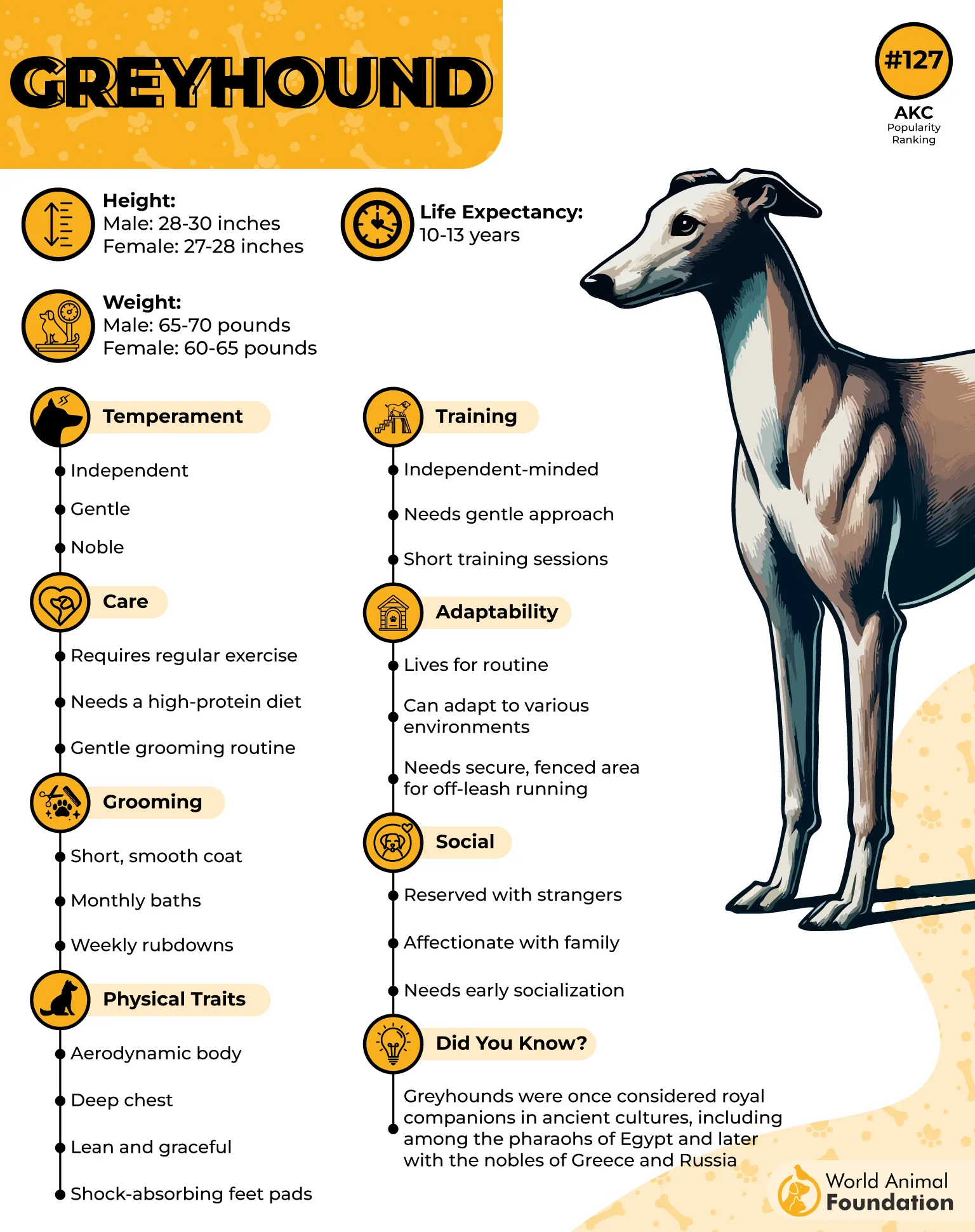
Think of them as furry sports cars: thrilling, elegant, and not something you leave unattended on an open road. Here’s where things get hilarious. Despite being built like Olympic sprinters, Greyhounds are famously lazy indoors.
If their exercise needs are met — a good run, brisk walk, or safe enclosed sprint — they’re more than happy to transform into elegant couch ornaments. They’ll drape themselves dramatically across your sofa like they pay rent.
Greyhounds do wonderfully in calm homes where:
Daily walks or safe runs are part of the routine.
Leash rules are respected.
Small pets are managed carefully (that prey drive is still very real).
They can actually adapt well to apartment living — as long as they get their outdoor time. Who knew a speed machine could double as a minimalist roommate?
3. Bluetick Coonhound
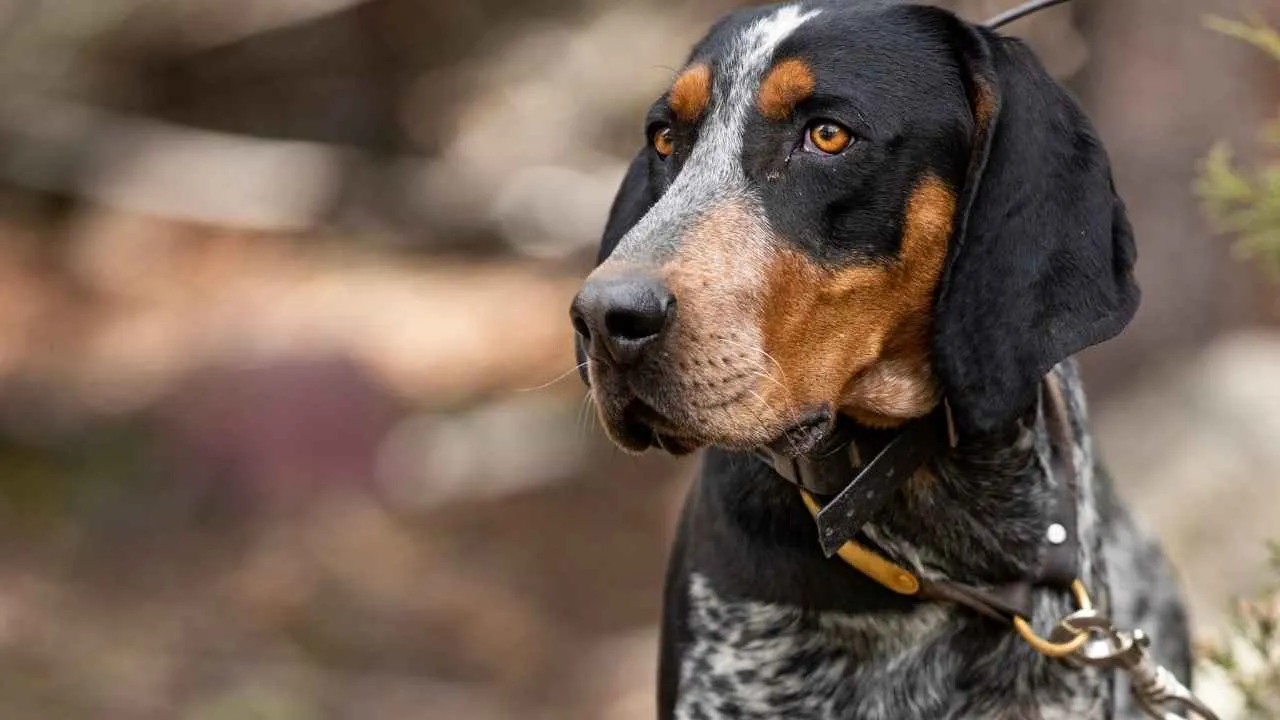
Born and bred in the United States, the Bluetick Coonhound is tall, lean, muscular — and powered almost entirely by its nose. This breed was developed to track raccoons and other game through forests and swamps, often at night. In other words, they weren’t designed for a quiet life of knitting and tea.
While a Bluetick is perfectly happy to sprawl dramatically across your couch for a long afternoon nap, don’t be fooled. Under that relaxed exterior lives an extremely high prey drive just waiting for an assignment.
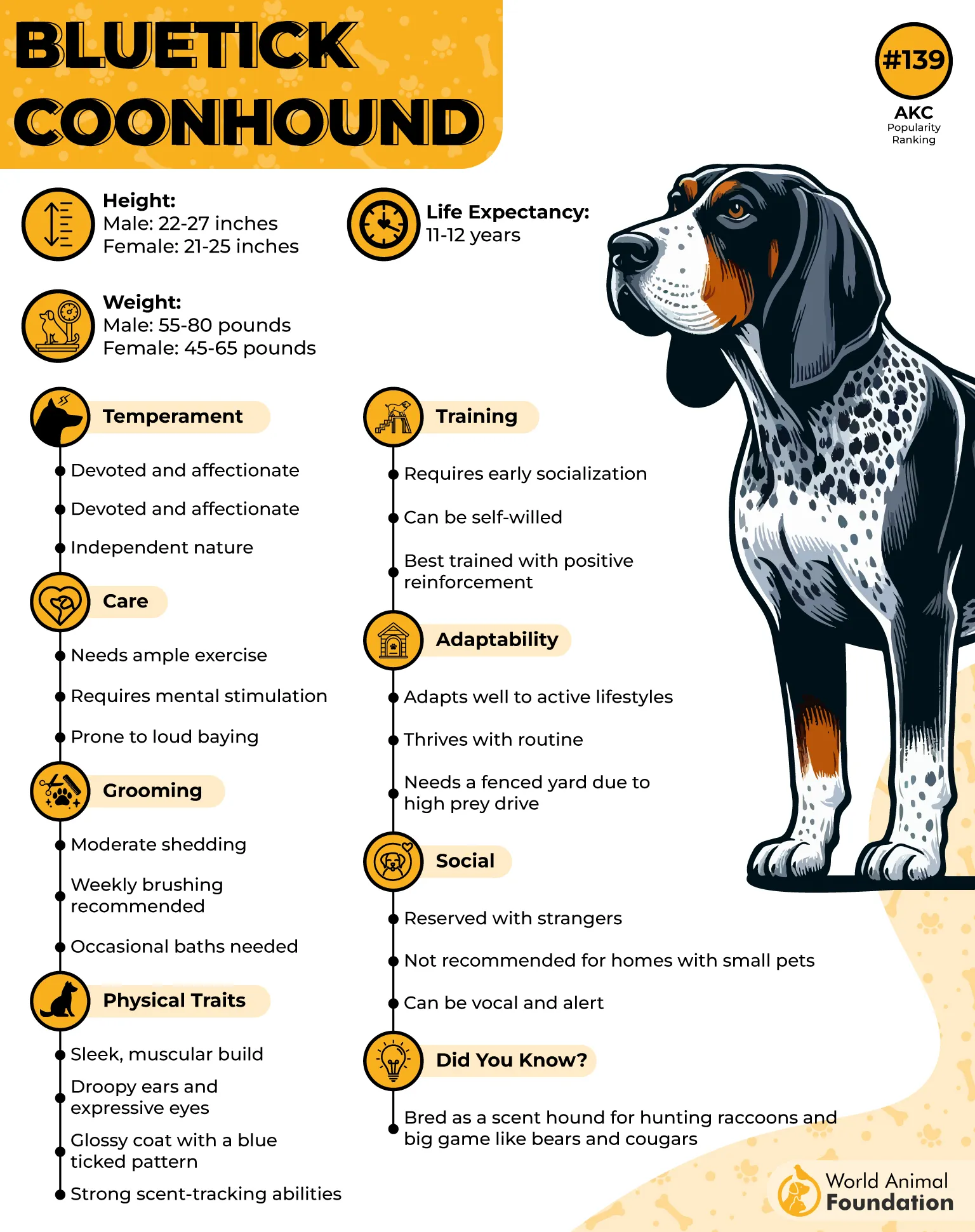
Blueticks are scent hounds, meaning once they pick up an interesting trail, it’s game on. Their tracking ability is impressive — and persistent. If they catch a scent in the backyard, they’ll follow it like it’s the season finale of their favorite show.
According to the American Kennel Club (AKC), Blueticks have tremendous prey drive, and when those instincts go unused, things can get… vocal.
Coonhounds are famous (or infamous, depending on your sleep schedule) for their distinctive baying. It’s loud. It’s dramatic. It echoes. When under-stimulated, a Bluetick may decide to share their “mournful music” with the entire neighborhood at 2 a.m.
Because of their intense prey drive, Blueticks often aren’t the best fit for homes with small animals like cats, rabbits, or toy-breed dogs. Their instincts can override good manners in a split second.
Great match if:
You love active, outdoorsy dogs.
You don’t mind a little (okay, a lot of) vocal personality.
You’re committed to providing mental and physical stimulation.
The Bluetick Coonhound is loyal, affectionate, and incredibly driven. With the right outlet for their hunting instincts, they’re loving companions and impressive working dogs.
4. Rhodesian Ridgeback

If you’re looking for a dog with both athletic power and built-in flair, the Rhodesian Ridgeback delivers. That distinctive ridge of hair running against the rest of their coat? It’s not a fashion accident — it’s their signature look.
Originally bred in southern Africa to help hunt lions, this breed developed an impressively high prey drive. While your Ridgeback probably won’t be tracking safari game anytime soon, those instincts are still very much alive and well.
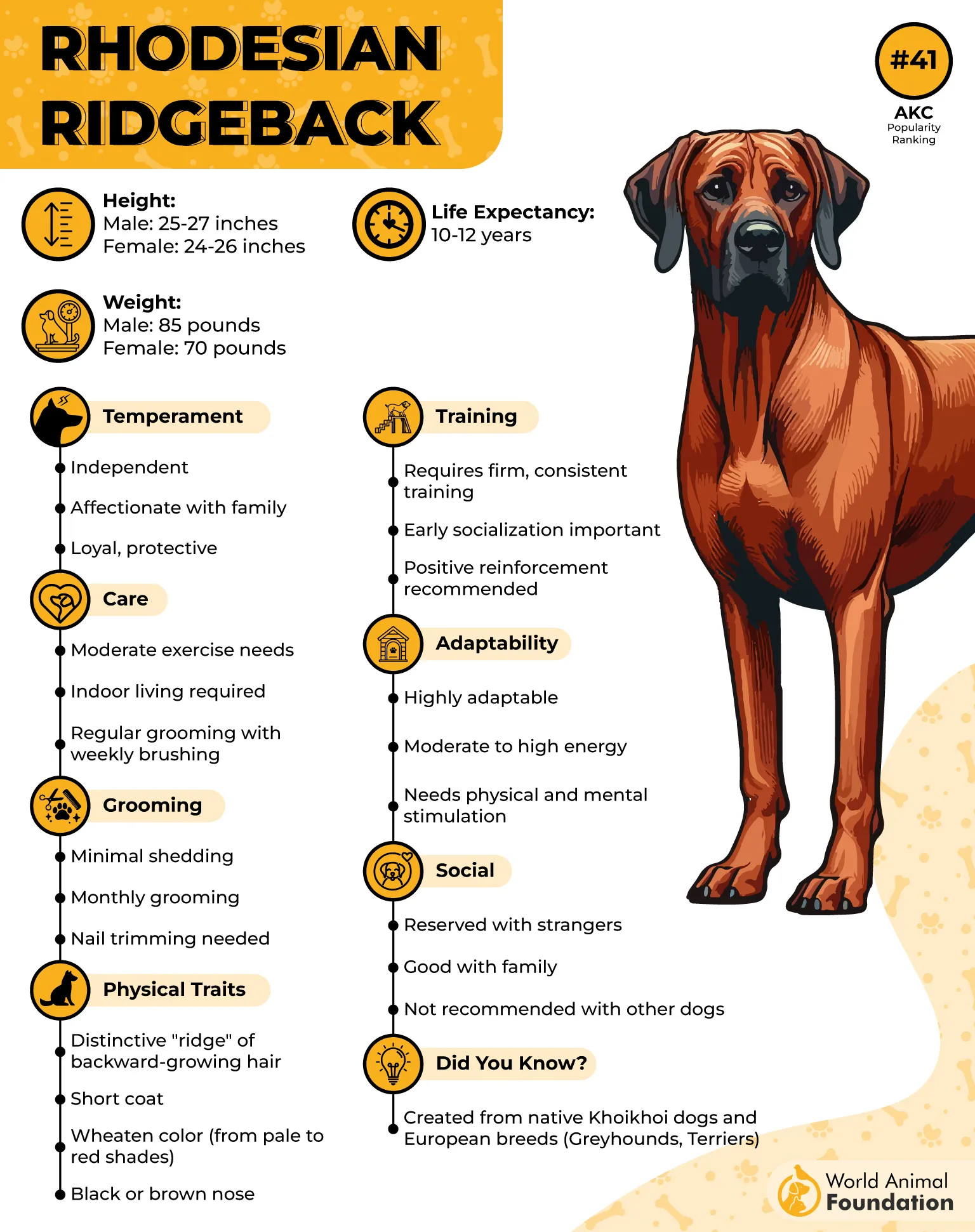
Ridgebacks are strong, agile, and incredibly alert. If something small and fast darts across their field of vision, their brain goes: “Ah, yes, my moment has arrived.”
Because of this:
They may chase wildlife without hesitation.
Off-leash time should happen only in secure areas.
Early training and strong recall are essential.
With a prey drive this strong, proper training and socialization are critical. Ridgebacks respond best to confident, consistent owners who establish clear boundaries early on. Regular exercise is equally important.
Despite their hunting history, Ridgebacks are deeply loyal and affectionate with their families. They’re known to be calm and dignified indoors once their energy needs are met. They can coexist with other pets if raised properly, but due to their prey instincts, caution is advised — especially with smaller animals.
The Rhodesian Ridgeback is powerful, poised, and undeniably impressive. With the right guidance and plenty of exercise, they’re devoted family members wrapped in a sleek, athletic package.
5. Weimaraner
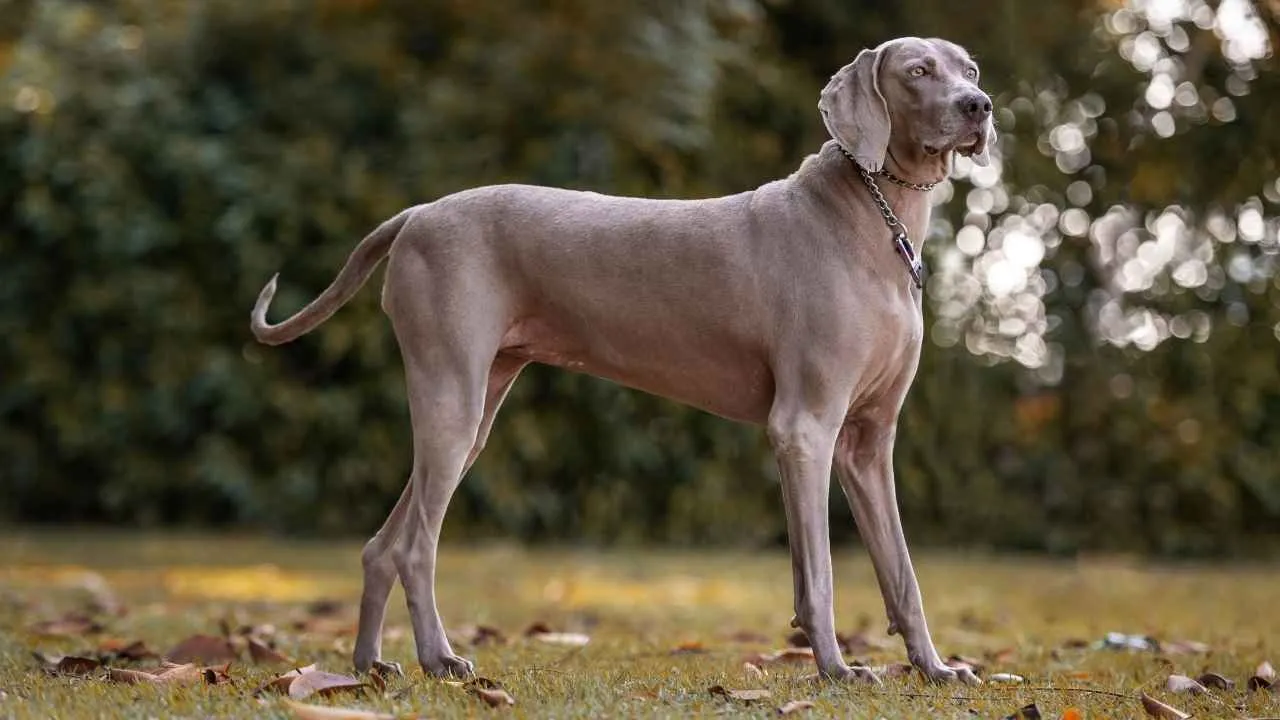
A well-conditioned Weimaraner “on point” — frozen in place, body tense, nose forward — is nothing short of breathtaking. It’s like watching a living statue made of silver muscle and pure focus.
But don’t let that intense hunting pose fool you. At home, Weimaraners are affectionate, goofy, and determined to be involved in absolutely everything you’re doing. Cooking dinner? They’re supervising. Folding laundry? Quality control. Bathroom break? Emotional support
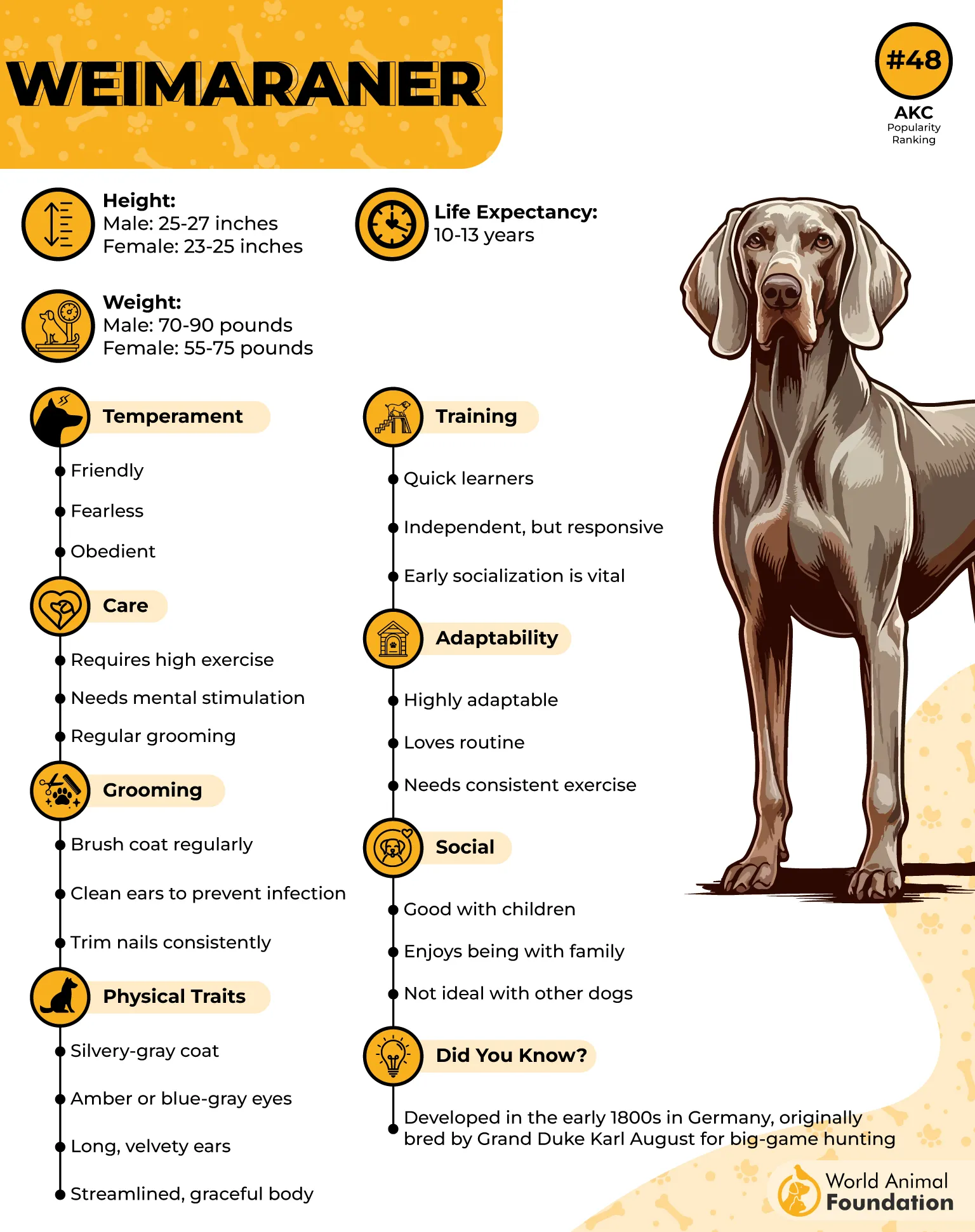
Originally bred in Germany to hunt large animals like bears, boars, and deer, the Weimaraner has serious working-dog credentials. While they’re more likely to hunt birds, rabbits, or foxes today, their high prey drive is still firmly wired into their DNA.
In other words:
Fast-moving animals trigger instant interest.
Off-leash reliability takes consistent training.
Small pets can be risky housemates.
Weimaraners aren’t just active — they’re enthusiastically active. Without enough engagement, they may invent their own hobbies. These hobbies might include redecorating your couch cushions or testing the tensile strength of your socks.
One of the breed’s most endearing traits is how deeply they bond with their people. Weimaraners are famously good with children and thrive when treated as full-fledged family members. But they don’t do well being left alone for long stretches. This is not a “low-interaction” dog — it’s a “we’re in this together” dog.
They’re fantastic companions for runners, hikers, and families who enjoy outdoor adventures. For couch-only households? Probably not the best match. The Weimaraner is elegance in motion, a devoted family member, and a born hunter all rolled into one sleek silver package.
6. Basenji
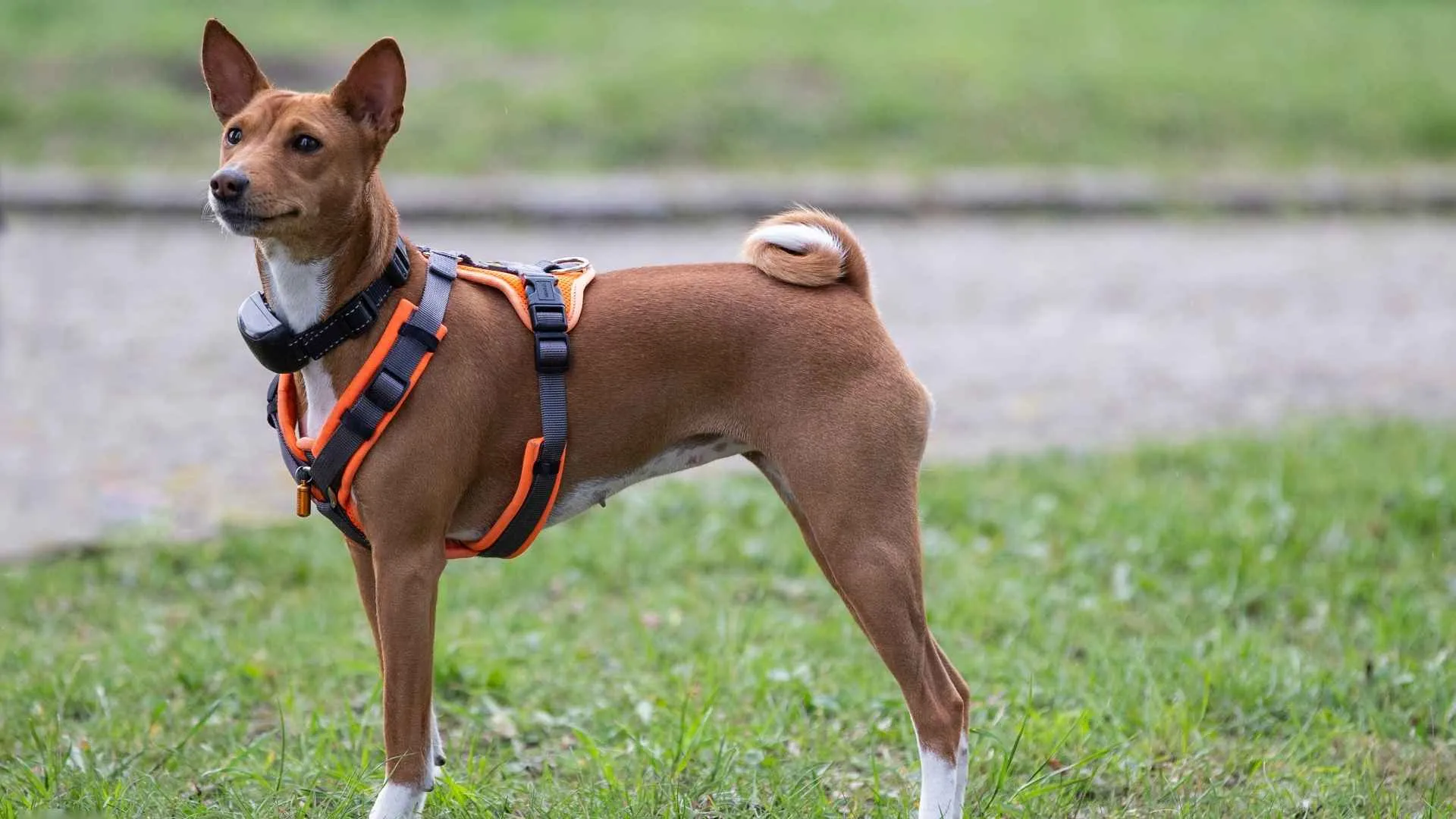
Meet the Basenji — the sleek, elegant African hunting dog famous for not barking. That’s right. Instead of barking, they make a unique yodel-like sound called a “baroo.” It’s adorable. It’s unusual. And it often happens right when you’re trying to explain to guests that your dog “hardly makes any noise.”
Historically bred as hunting dogs in Africa, Basenjis have a strong prey drive. Movement is their trigger. Spot a squirrel? Game on. See a bird take flight? Must investigate.
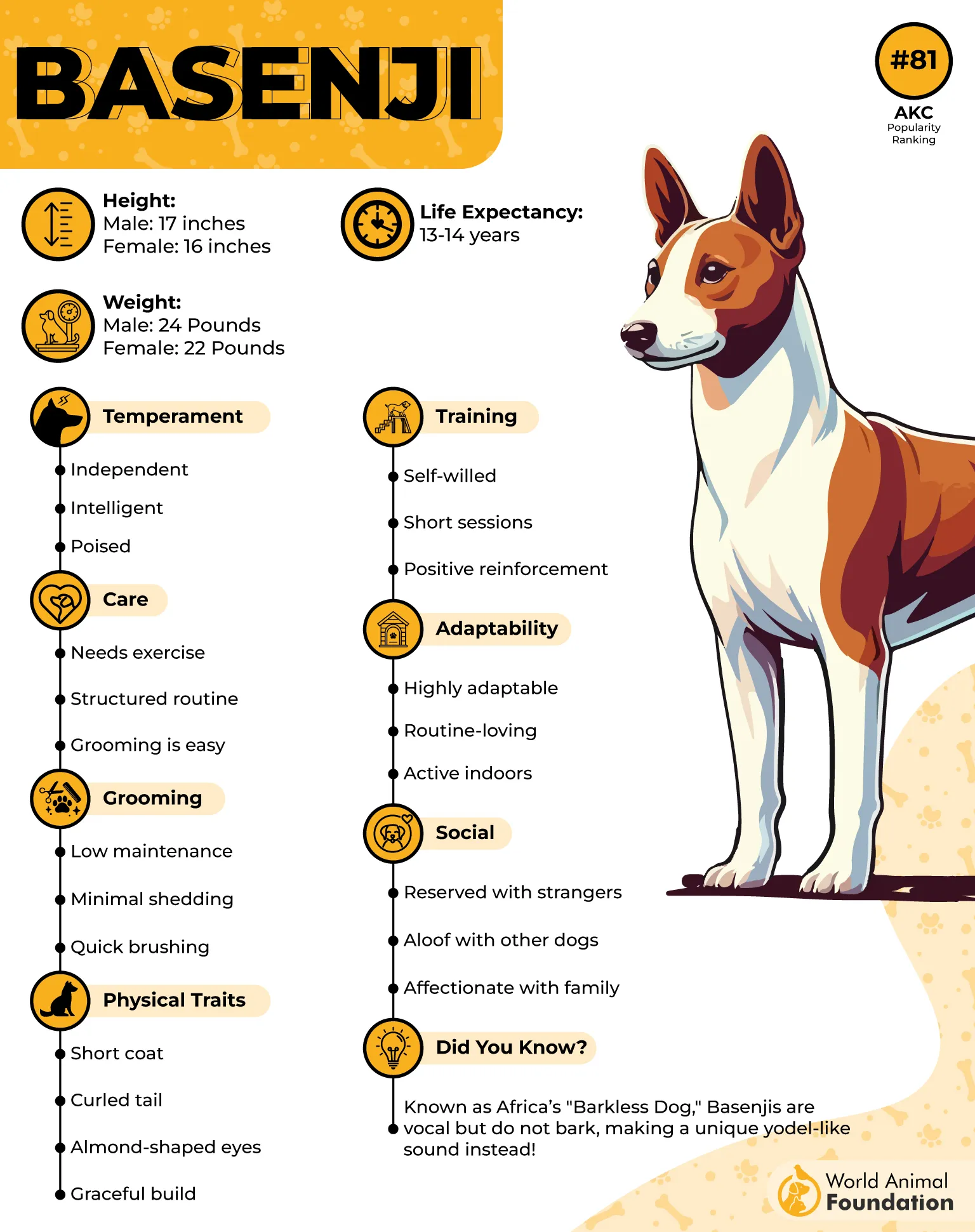
According to PetMD, Basenjis are incredibly intelligent, high-energy, and easily bored. That combination can either make them brilliant companions — or tiny masterminds of chaos.
Without proper training and exercise, a Basenji may:
Redecorate your trash can.
Conduct countertop investigations.
Rehearse Olympic-level escape attempts.
They don’t get into trouble because they’re “bad.” They get into trouble because they’re clever… and underemployed.
Mental stimulation is just as important as physical exercise. Think of them as tiny athletes with a PhD in problem-solving. Basenjis are affectionate with their families but tend to be more independent than some other breeds.
They can live in apartments if exercised properly — but don’t mistake “small dog” for “low maintenance.” The Basenji is clever, energetic, and just mischievous enough to keep you humble. With the right structure and plenty of activity, they’re endlessly entertaining companions.
7. Siberian Husky
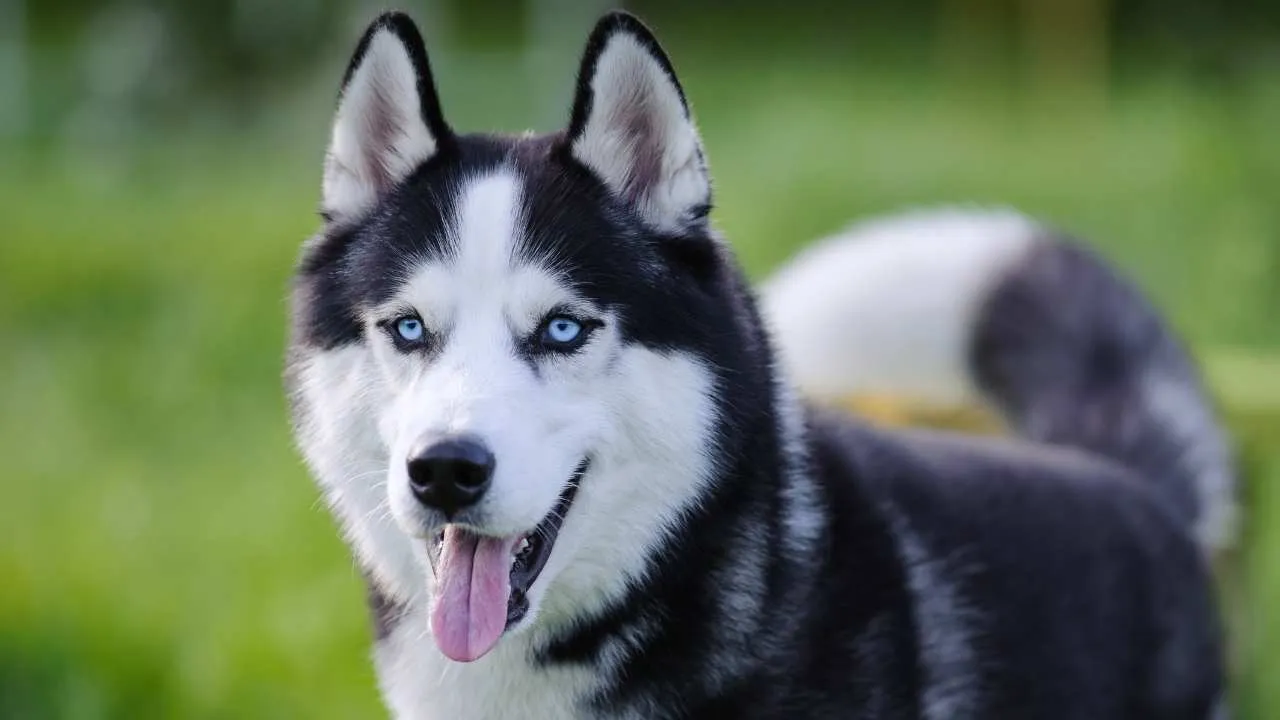
With piercing blue eyes, a wolf-like appearance, and enough drama to star in their own reality show, the Siberian Husky is unforgettable. Most people know them as legendary sled dogs — powerful, enduring, and built for Arctic adventures.
But here’s something many don’t realize: beneath that fluffy exterior lies a strong prey drive.
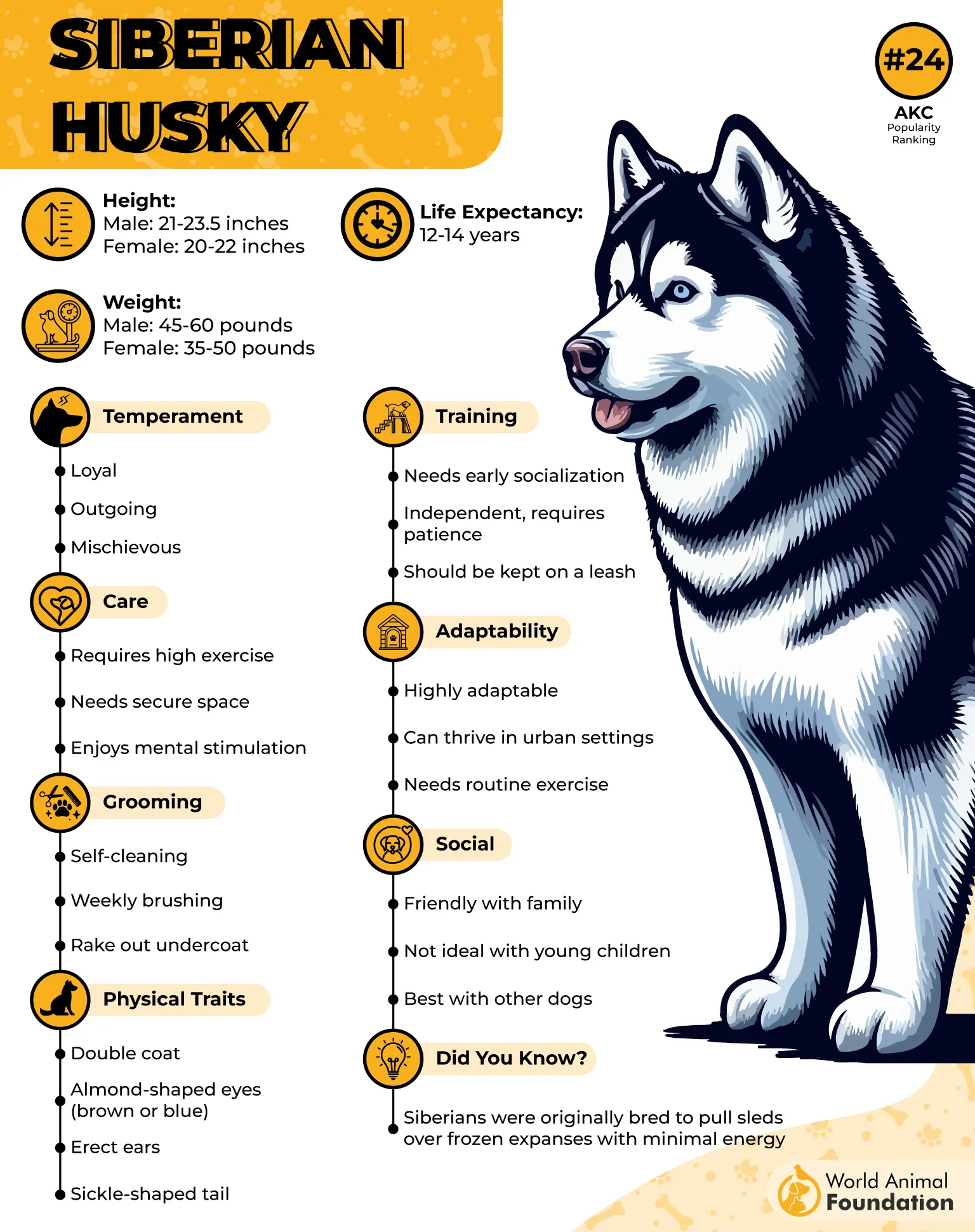
Historically, when Huskies weren’t pulling sleds, they often roamed freely in cold climates, hunting small animals to supplement their diet. That survival instinct didn’t disappear just because they moved into suburban neighborhoods.
Today, that means:
Fast-moving animals can trigger chase mode.
Squirrels, rabbits, and even cats may spark intense interest.
Off-leash reliability can be… optimistic at best.
Some Huskies may ignore small animals if they’re well-fed and well-trained. Others? Let’s just say their inner wolf occasionally clocks in for work. Add to that their reputation as escape artists, and secure fencing becomes less of a suggestion and more of a necessity.
Huskies need:
Daily vigorous exercise
Mental stimulation
Structured activities (running, hiking, pulling sports)
A bored Husky doesn’t just get mischievous — they get innovative. Expect landscaping projects, dramatic vocal protests, and potentially redecorated furniture.
The Siberian Husky is breathtaking, athletic, and full of character. They’re loyal and affectionate with their families — but they never quite forget their wild roots.
Conclusion
Dogs with a high prey drive can be intelligent, energetic, and highly trainable companions. However, their natural instinct to chase small prey like rats, rabbits, or even other pets means they require early socialization, consistent training, and a modified prey drive approach to prevent unwanted behaviors.
Understanding a breed’s prey tendencies, food motivation, and high drive is essential for safe coexistence with other animals and for maintaining control in everyday life. With patience, guidance, and proper outlets for their instincts, these intelligent breeds with big personalities can channel their energy productively, making them loyal, alert, and rewarding companions for experienced pet parents.
