




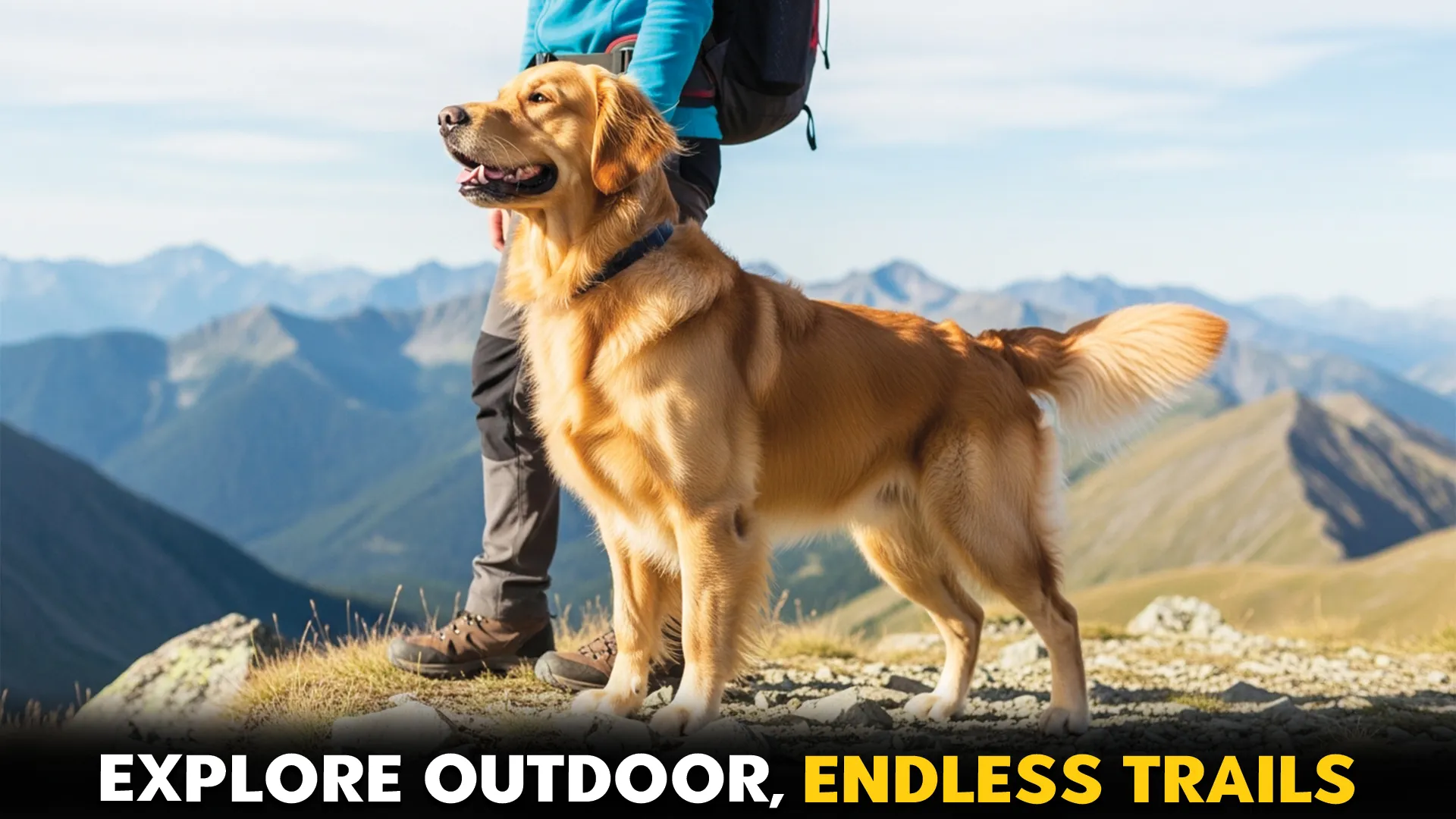
Some dogs are perfectly content with a short walk around the block.
Others?
They were born for wind in their fur, dirt on their paws, and miles of open trail ahead.
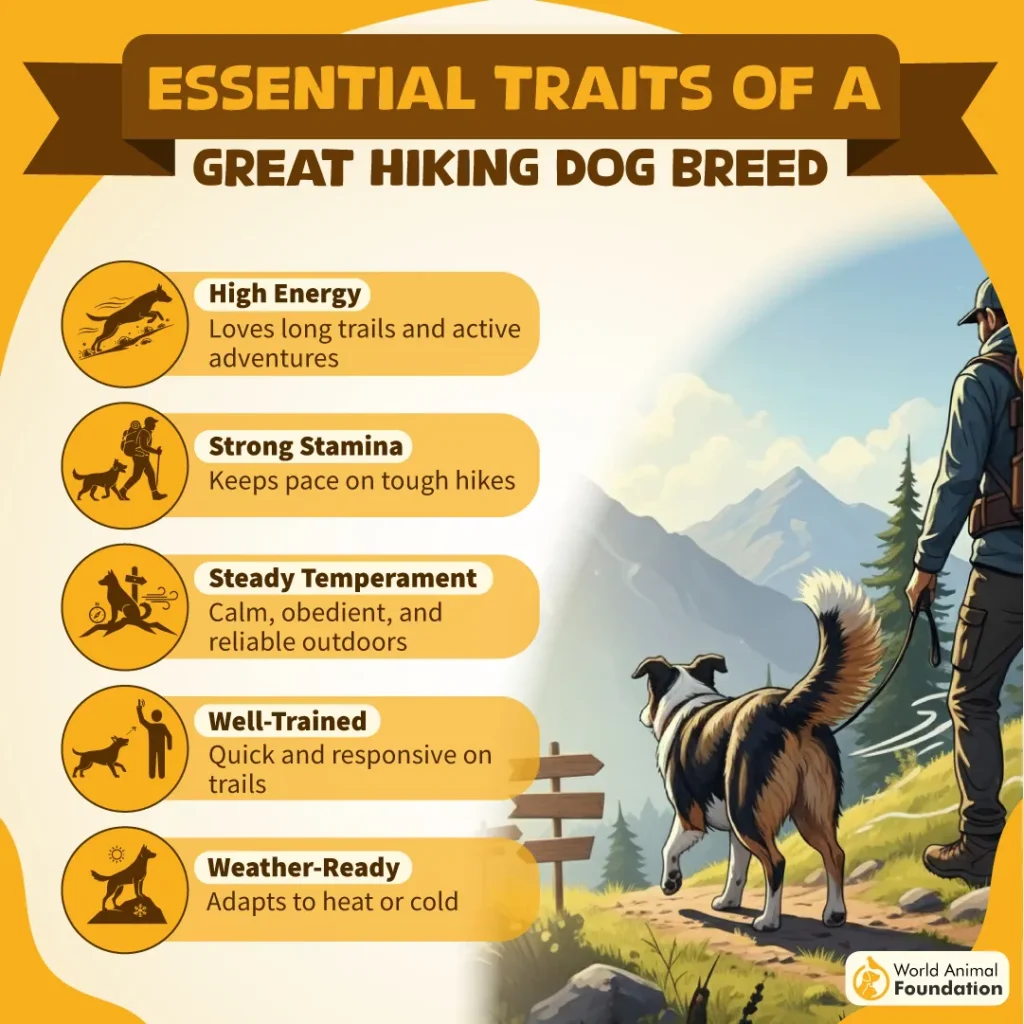
If your idea of a good weekend involves hiking boots, mountain air, or lakeside sunsets, the right dog can turn every outdoor trip into an unforgettable adventure.
Outdoor-friendly breeds aren’t just energetic—they’re resilient, intelligent, and built for endurance. Many were originally developed for hunting, herding, drafting, or sledding in challenging environments. That history matters.
It means they have the stamina, mental toughness, and enthusiasm to keep going long after most breeds are ready for the couch.
Of course, adventure dogs still need training, conditioning, and proper care. But when matched correctly to your lifestyle, they won’t just tag along—they’ll thrive.
Below are seven breeds that consistently rank among the best companions for hikers, campers, runners, and nature lovers.
Grab your leash. Let’s hit the trail.
Ideal Dog Breeds for Exploring the Great Outdoors
1. Bernese Mountain Dog
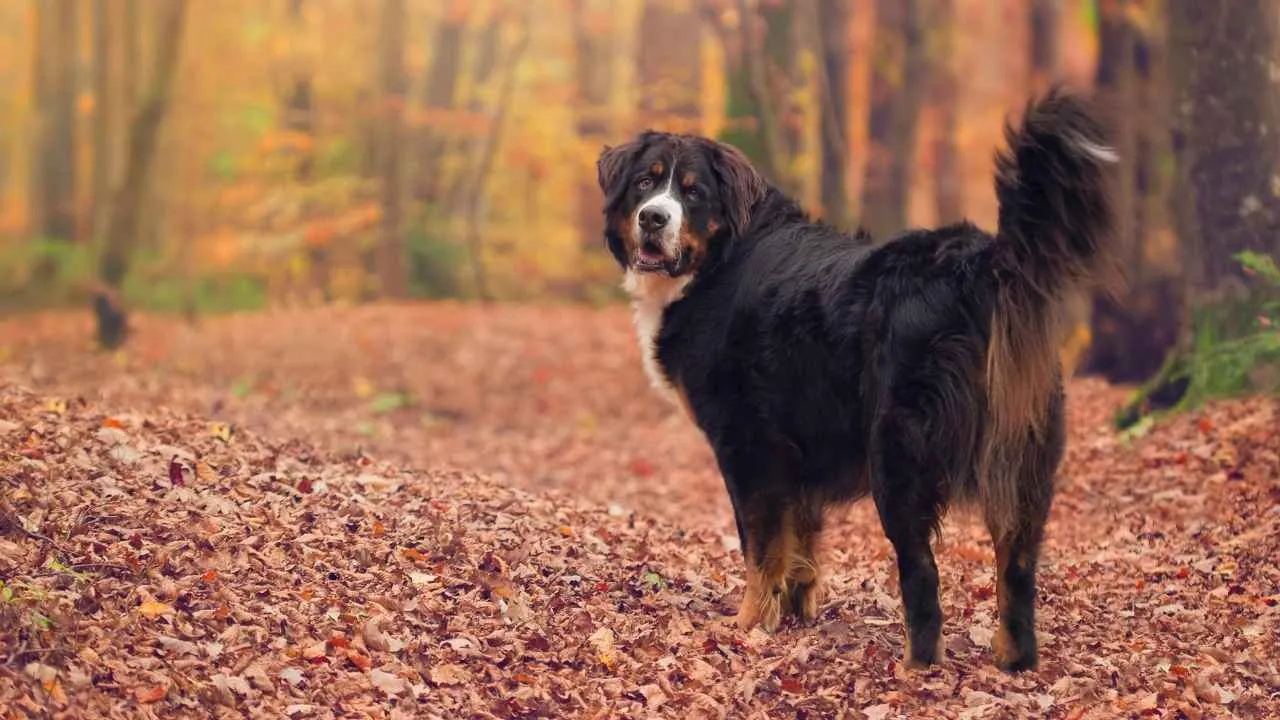
The Bernese Mountain Dog may look like a fluffy cuddle expert—and yes, they are—but beneath that luxurious tri-colored coat lies a powerful working dog bred in the Swiss Alps.
According to the American Kennel Club, Berners were historically used as draft dogs and farm workers, pulling carts and driving cattle through mountainous terrain. That heritage makes them surprisingly capable in cooler outdoor environments.
These energetic dogs are strong and steady rather than hyperactive. They enjoy moderate hikes and long walks, especially in cooler climates. Their thick double coat provides insulation against cold weather, making them ideal companions for fall hikes, snowy trails, and mountain camping trips.
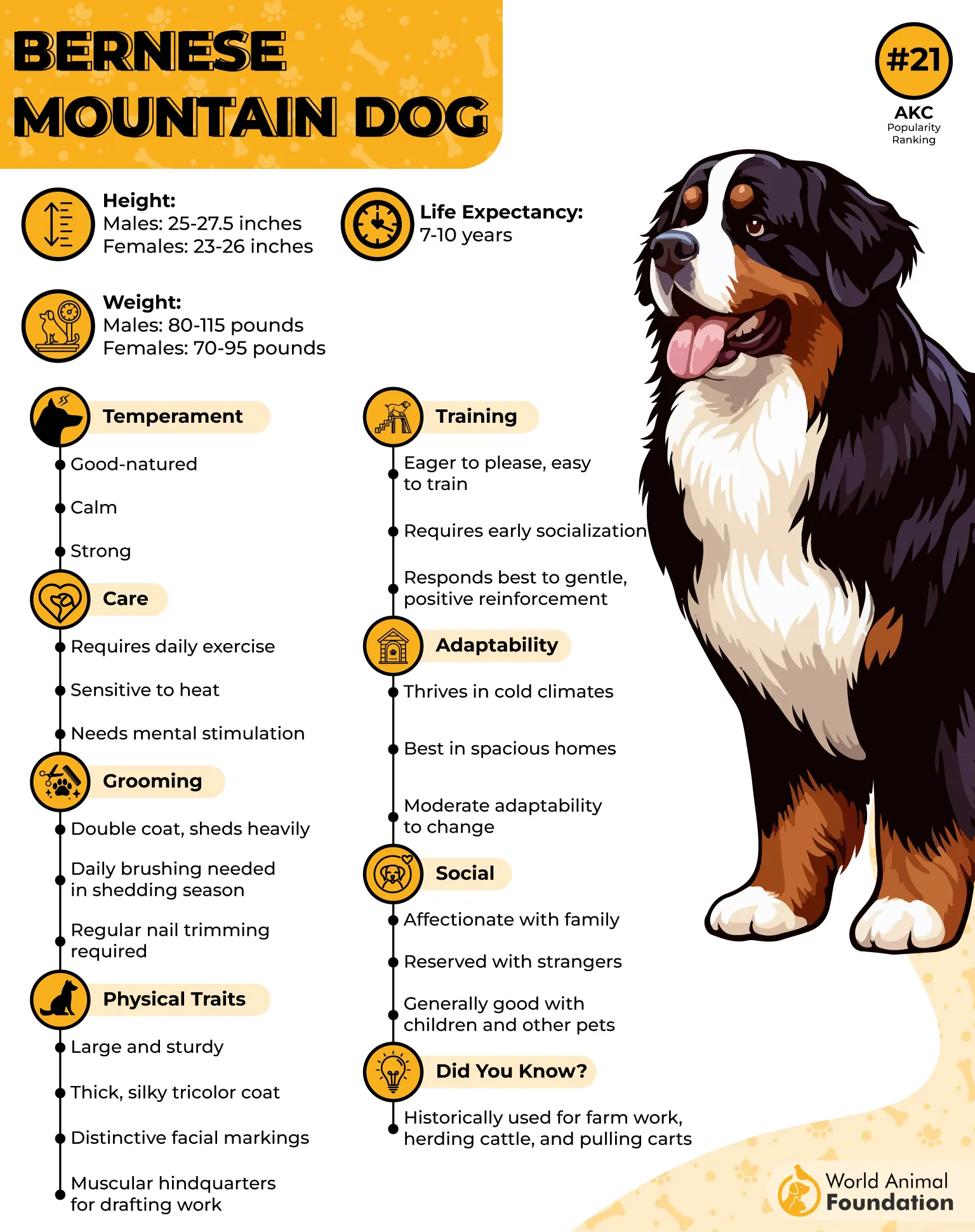
Temperament-wise, they are gentle, affectionate, and eager to please. These mountain dogs form strong bonds with their families and tend to be friendly toward strangers and other dogs. That social nature makes them pleasant companions on busy trails or at campsites.
However, they are a giant breed, and that comes with considerations. Bernese Mountain Dogs are prone to joint issues and have a shorter average lifespan (typically 7–10 years). Conditioning and avoiding overexertion in puppies is essential for long-term health.
If you love crisp alpine mornings, scenic overlooks, and a dog who looks majestic against a mountain backdrop, the Bernese Mountain Dog is a loyal and steady outdoor partner.
2. Siberian Husky
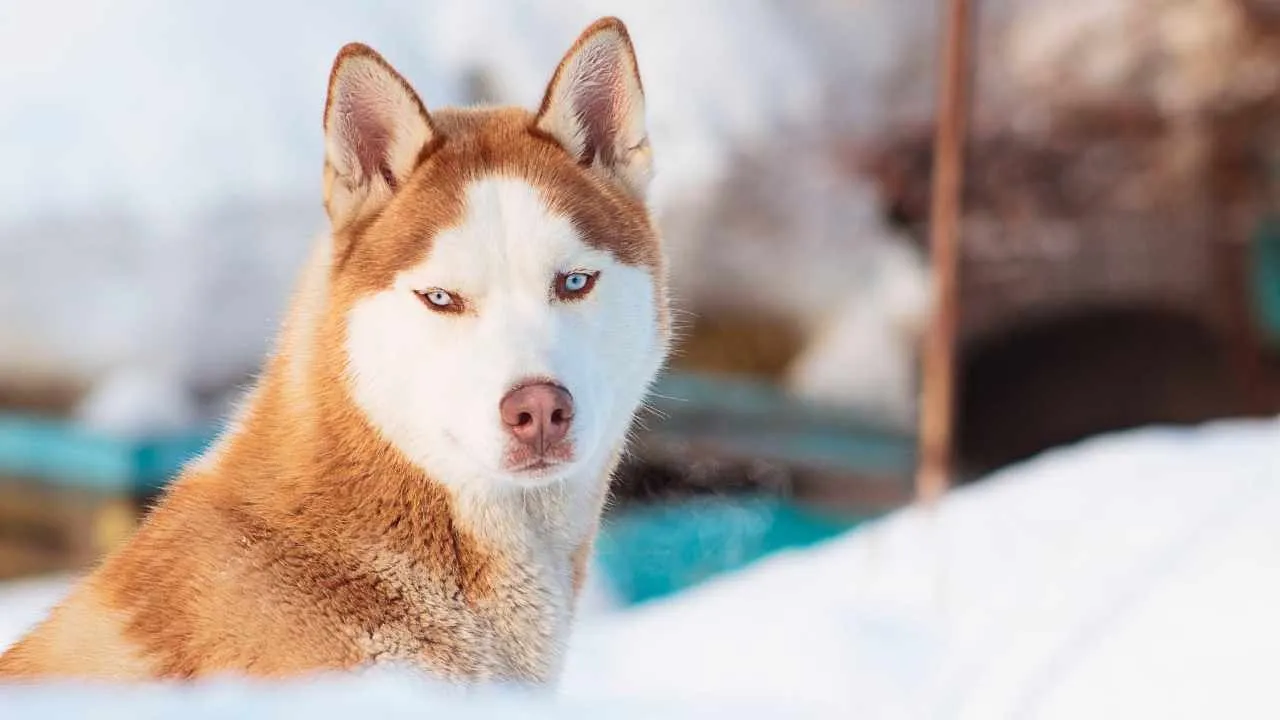
If adventure had a mascot, it might be the Siberian Husky. Originally bred by the Chukchi people of Siberia for long-distance sled pulling, Huskies are endurance athletes in fur coats. Their history alone tells you everything: these dogs were designed to run.
Huskies have incredible stamina. Long hikes, trail runs, snowshoeing trips—this breed thrives when in motion. Their thick double coat protects them from harsh winter conditions, making them exceptional companions for cold-weather adventurers.
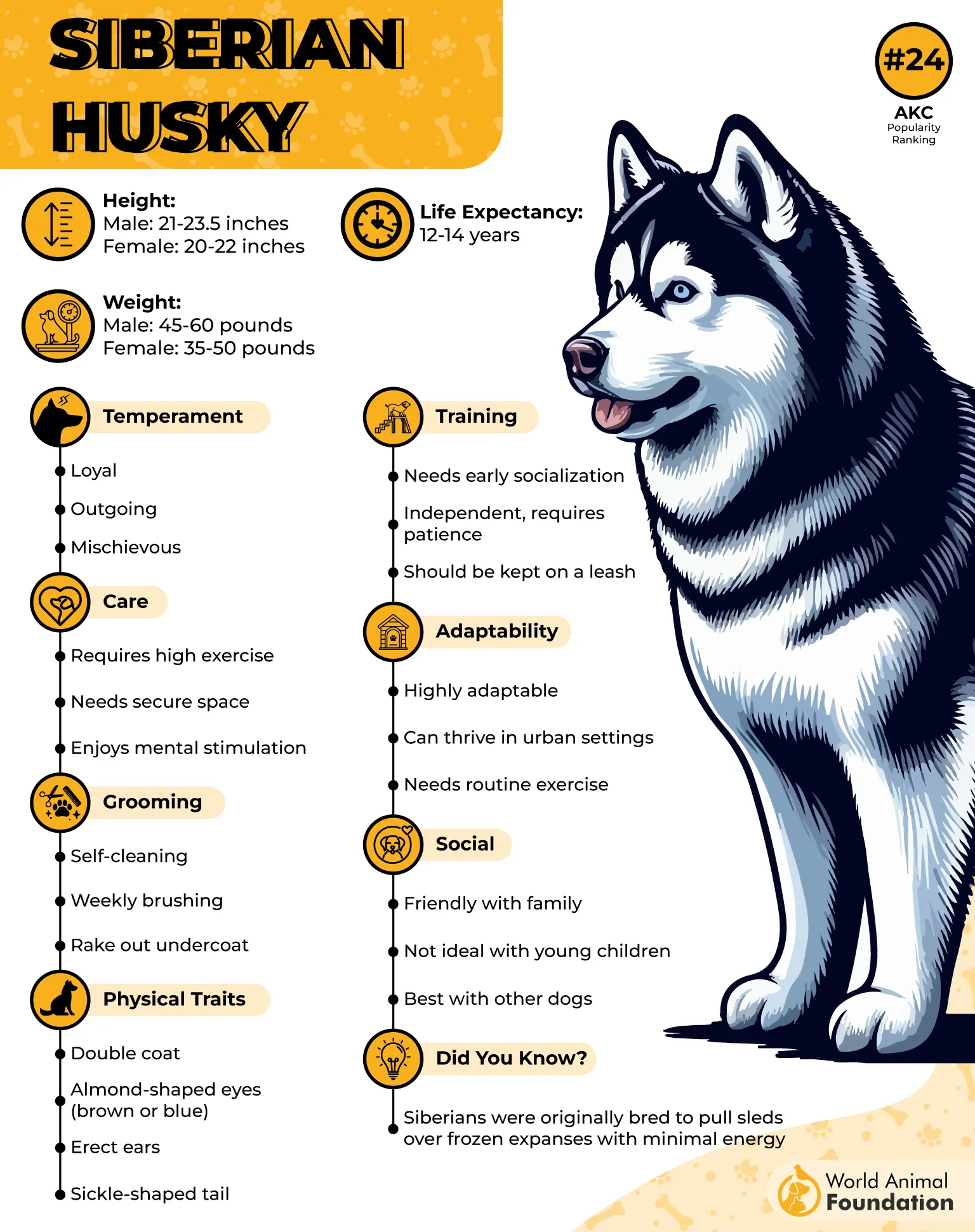
They are intelligent but famously independent, as per Britannica. Huskies were bred to think independently while working in teams, which means recall training must be rock-solid before considering off-leash exploration. Their prey drive is strong, so secure environments are essential.
Social and playful, these energetic dogs typically enjoy the company of other dogs and active humans. However, they are not ideal for hot climates, as their coat makes them prone to overheating.
For snow-loving explorers and endurance hikers, few breeds match the Siberian Husky’s drive and enthusiasm.
3. Australian Shepherd
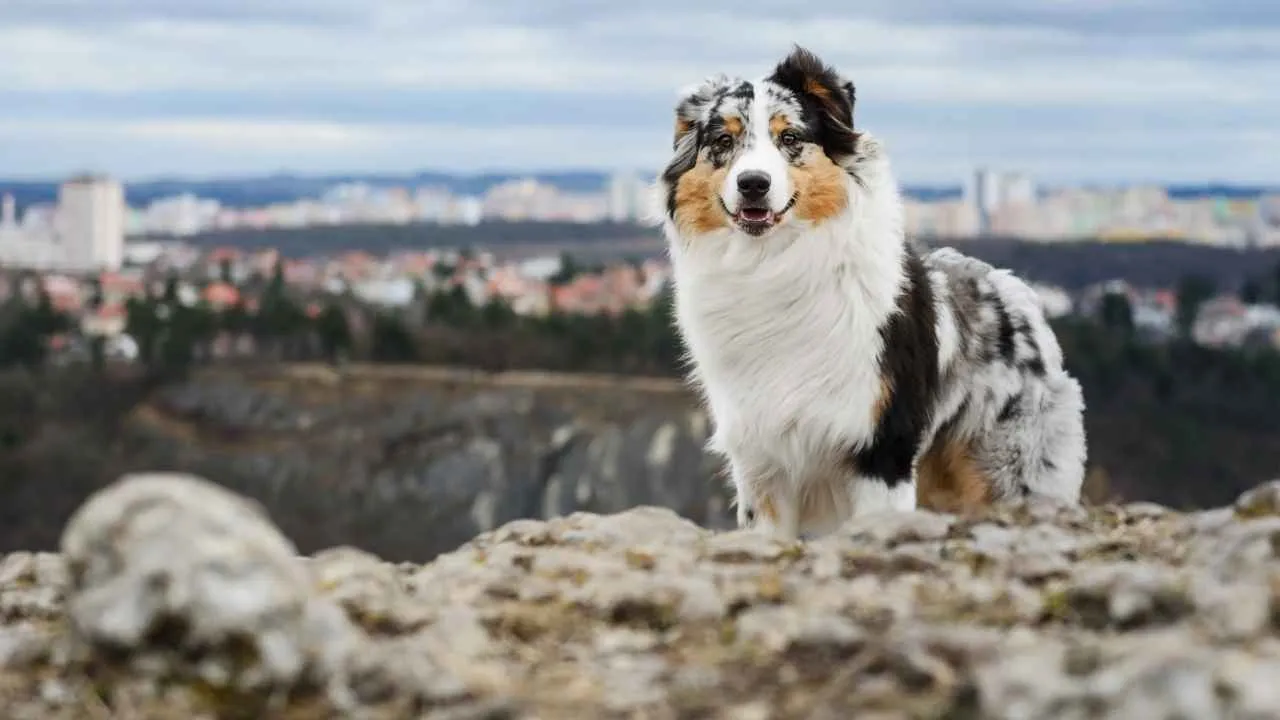
The Australian Shepherd is a powerhouse of energy and intelligence. Despite the name, the breed was developed in the United States as a ranch dog. Bred to herd livestock across vast terrain, Aussies possess agility, stamina, and a deep desire to work alongside their handler.
Outdoor adventures are practically their love language. Whether it’s trail running, hiking rugged paths, or exploring new environments, Australian Shepherds thrive on physical and mental challenges.
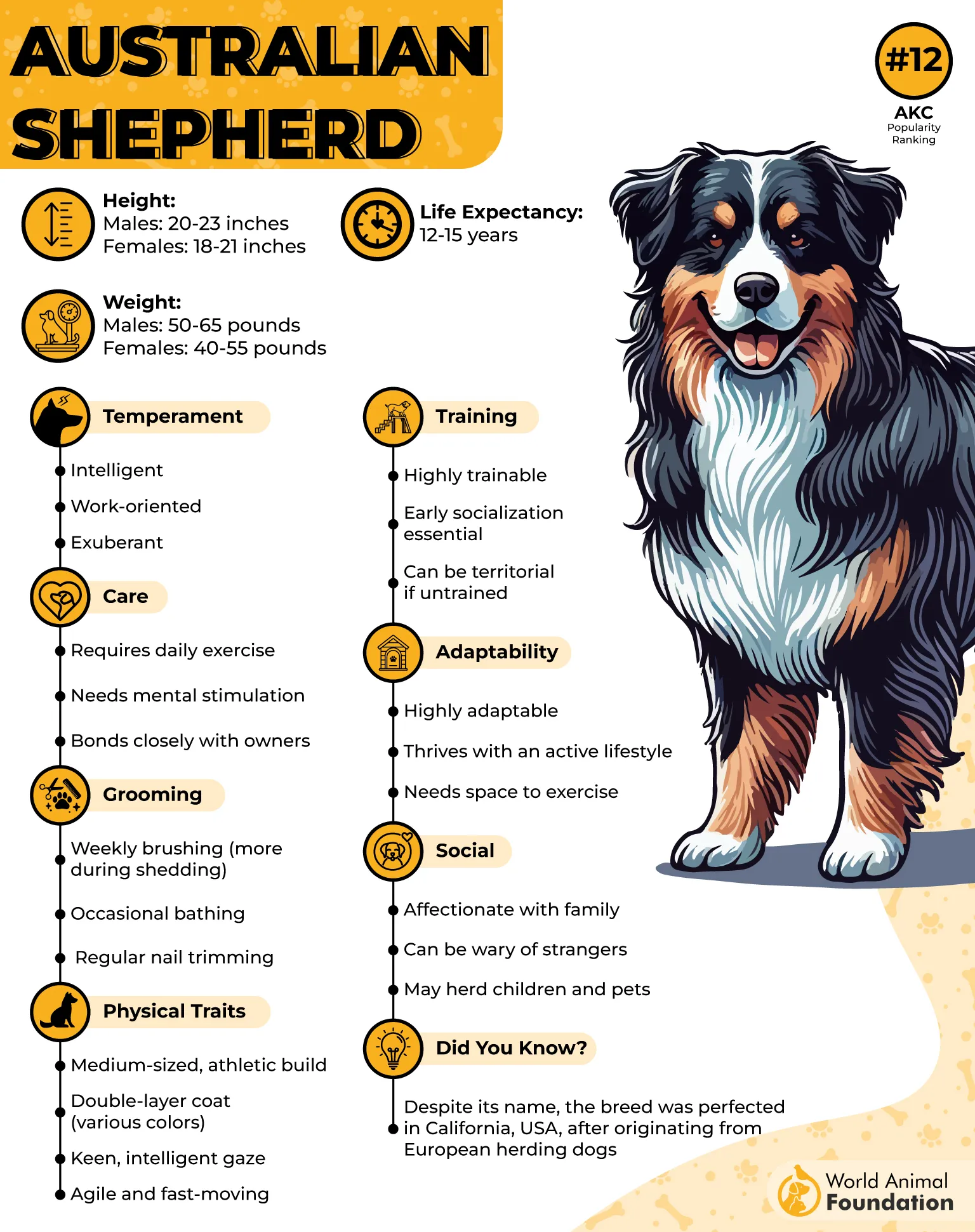
PetMD mentions that they are highly intelligent and respond well to training, making them reliable hiking companions. However, their energy levels are high—this is not a breed for casual strolls. Without sufficient exercise, they may redirect that energy into herding behaviors at home.
Their medium-length double coat offers moderate weather protection, though regular brushing is required. Aussies handle varied climates reasonably well, but should be monitored in extreme heat.
For active owners who want a dog that keeps pace and anticipates every move, the Australian Shepherd is an enthusiastic outdoor teammate.
4. Vizsla
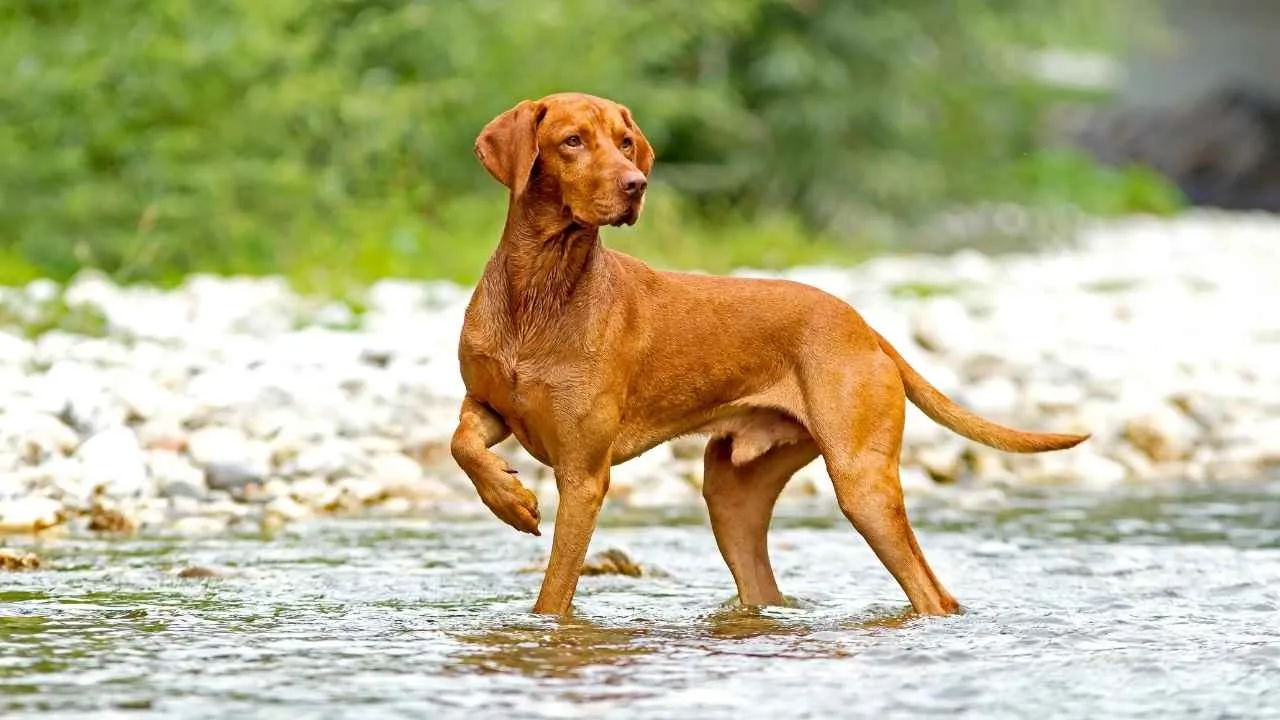
Often called the “Velcro dog” for their intense attachment to their owners, the Vizsla is a sleek, athletic hunting dog breed developed in Hungary. Vizslas were bred for stamina and endurance in the field, traits that make them exceptional adventure partners.
Vizslas excel at running and hiking. They have boundless energy and thrive when given daily vigorous exercise. Their lean build and long stride make them natural distance runners.
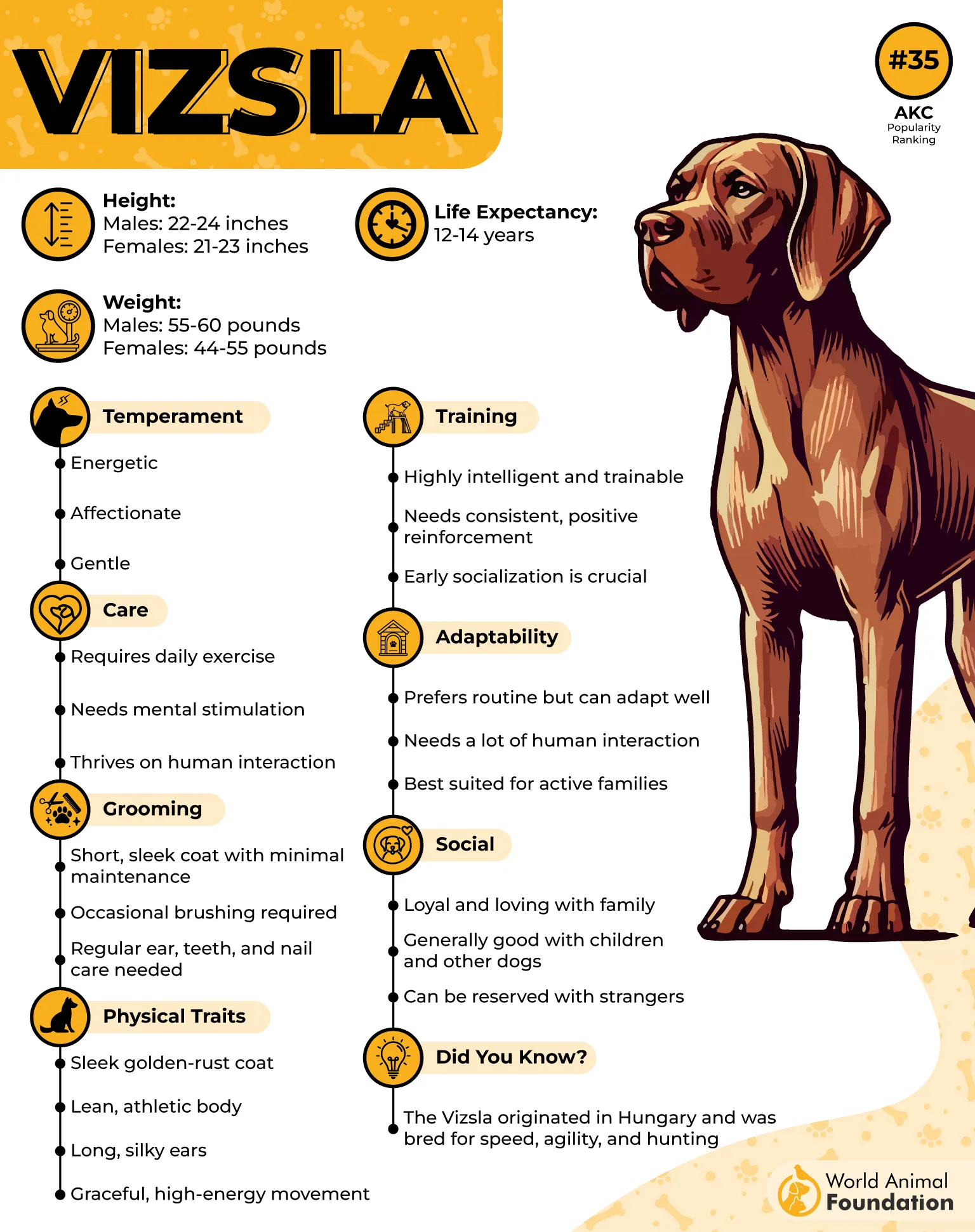
They are highly trainable and responsive, often maintaining strong recall with proper training. However, their short coat provides minimal protection against cold, so they are better suited to mild or warm climates.
Emotionally sensitive and deeply bonded to their humans, Hillspet claims that they prefer being part of every outing. They are not independent wanderers—they want to explore with you.
For runners and hikers who want a fast, elegant, and affectionate companion, the Vizsla delivers both athleticism and loyalty.
5. Beagle
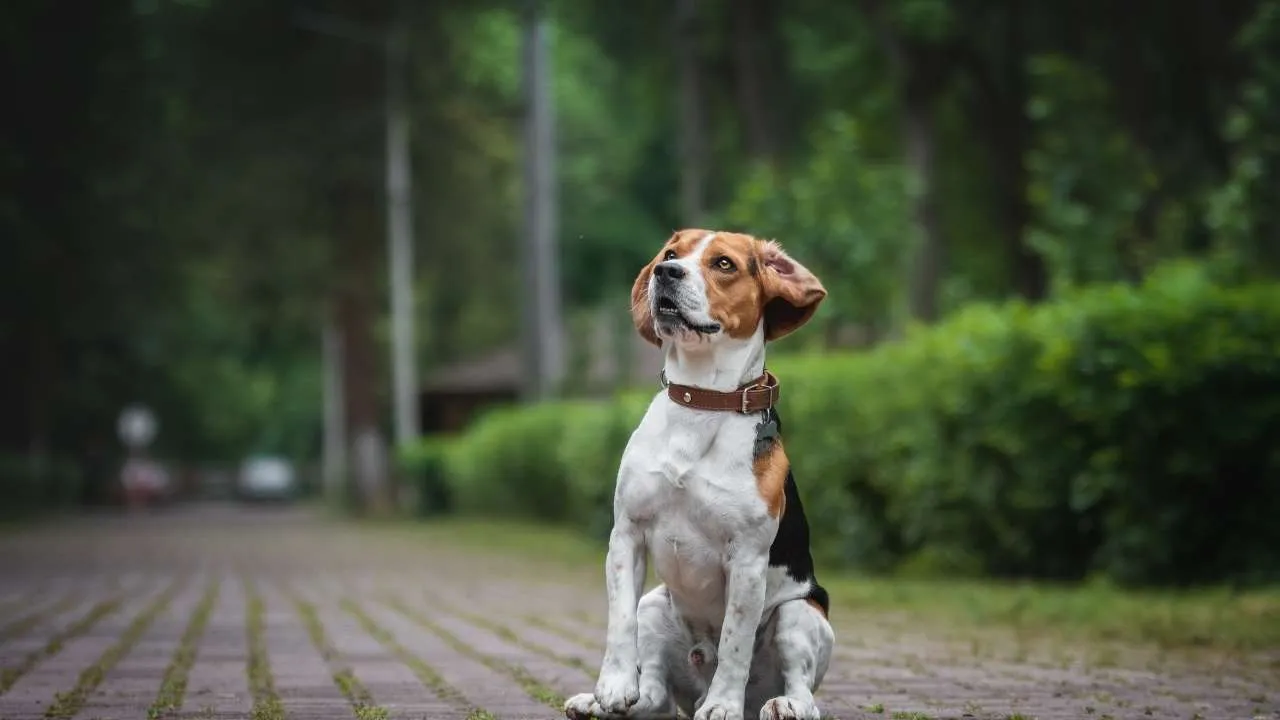
Beagles may be smaller than some outdoor breeds, but their stamina and curiosity make them fantastic trail companions. Originally bred as scent hounds for rabbit hunting, Beagles have incredible noses and a strong desire to explore.
They are happiest when following scents and investigating new environments. Moderate hikes, woodland trails, and camping trips suit them perfectly.
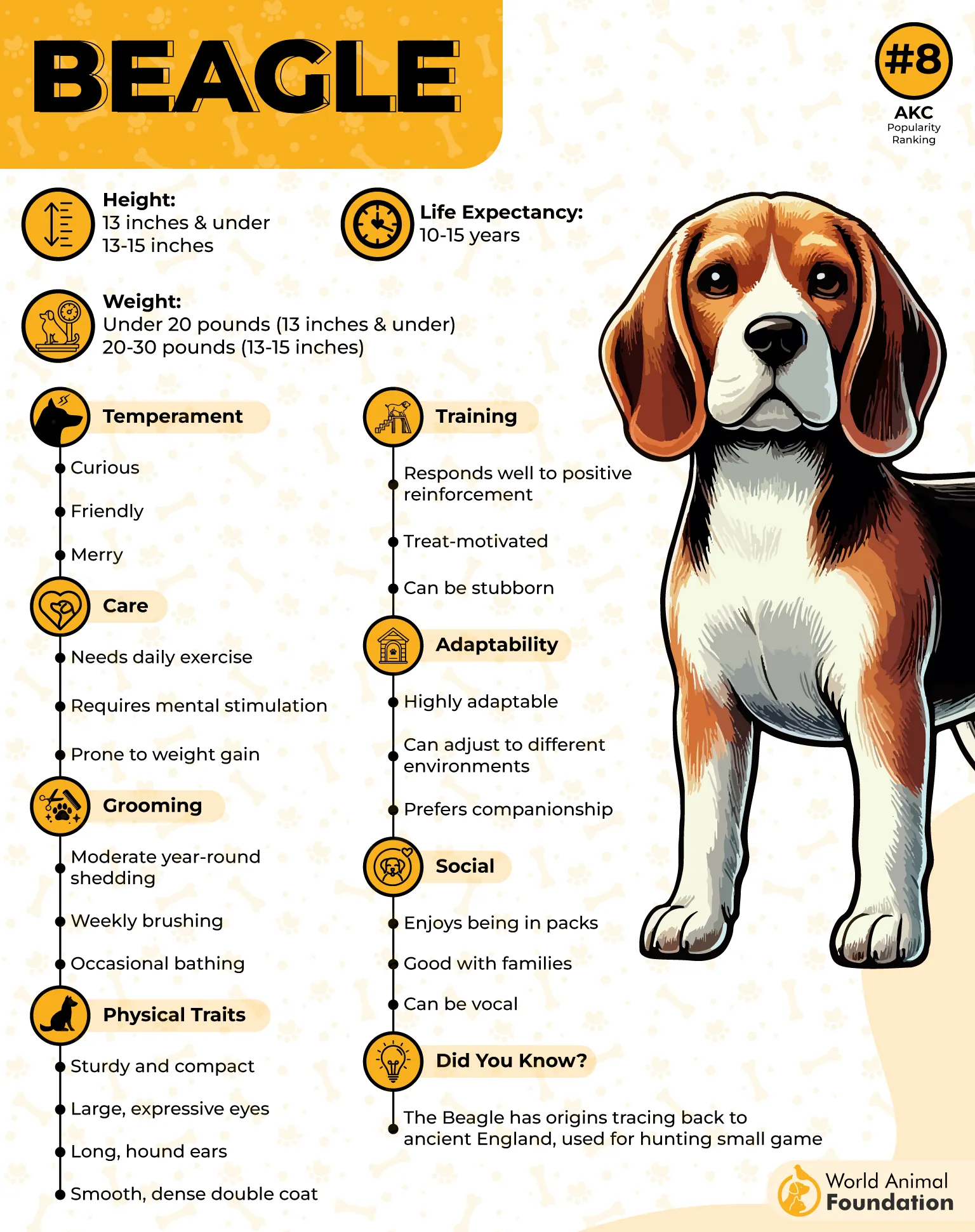
However, their scent-driven recall can be unreliable without extensive training. Beagles tend to follow their noses wherever they lead, so leashes or fenced areas are recommended. Greencrossvets describes them as calm and cheerful dogs.
They are social, cheerful, and adaptable, making them excellent companions for family adventures. Their short coat requires minimal grooming and handles moderate climates well.
For explorers who prefer moderate distances and lots of sniff breaks, the Beagle brings curiosity and charm to every outing.
6. German Shorthaired Pointer
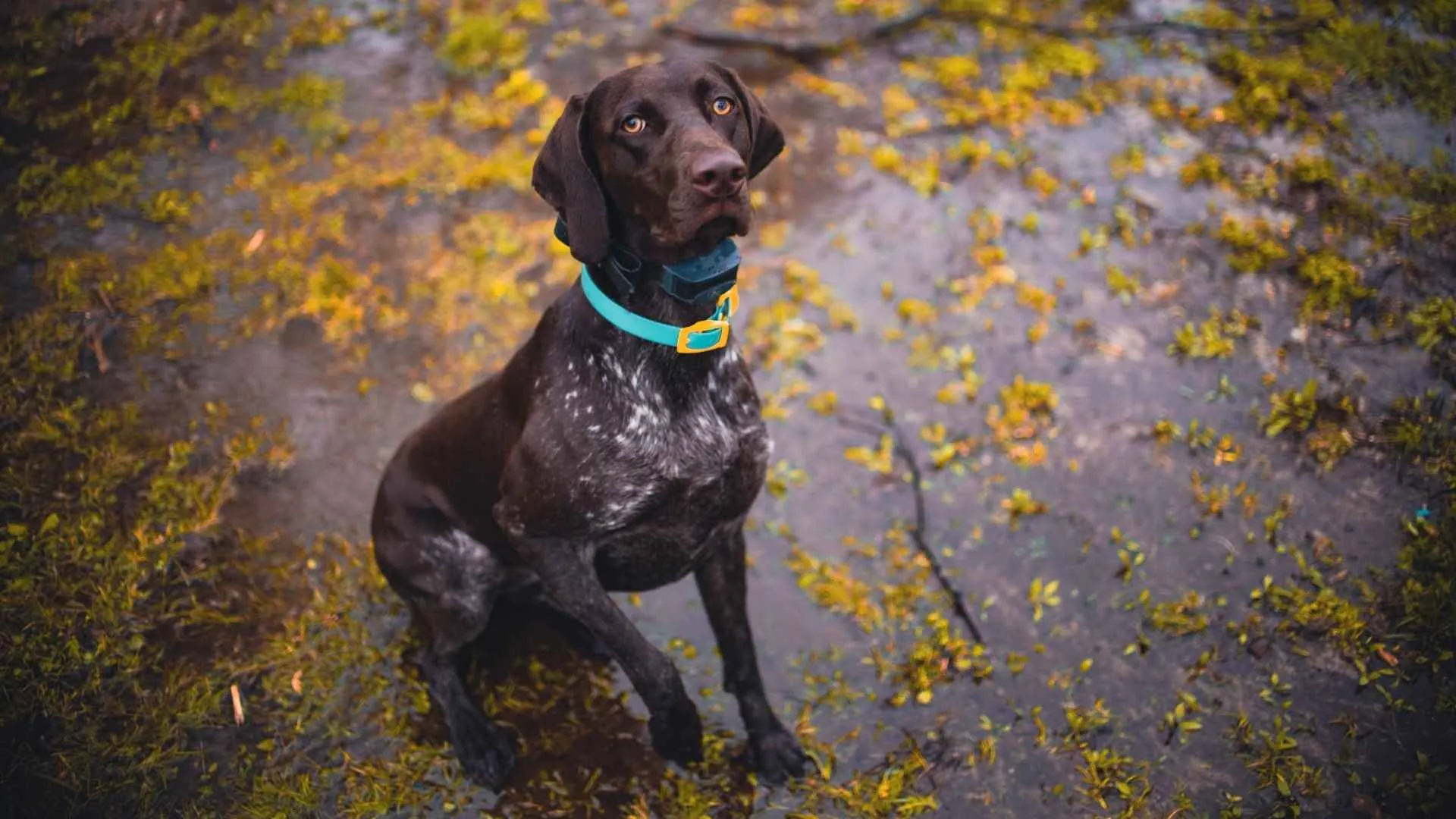
The German Shorthaired Pointer (GSP) is one of the most versatile hunting breeds in the world. Developed for tracking, pointing, and retrieving, the GSP combines endurance with intelligence.
These dogs are built for activity. Long-distance hikes, trail running, swimming, and even backpacking trips are well within their capabilities. They thrive when challenged physically and mentally.
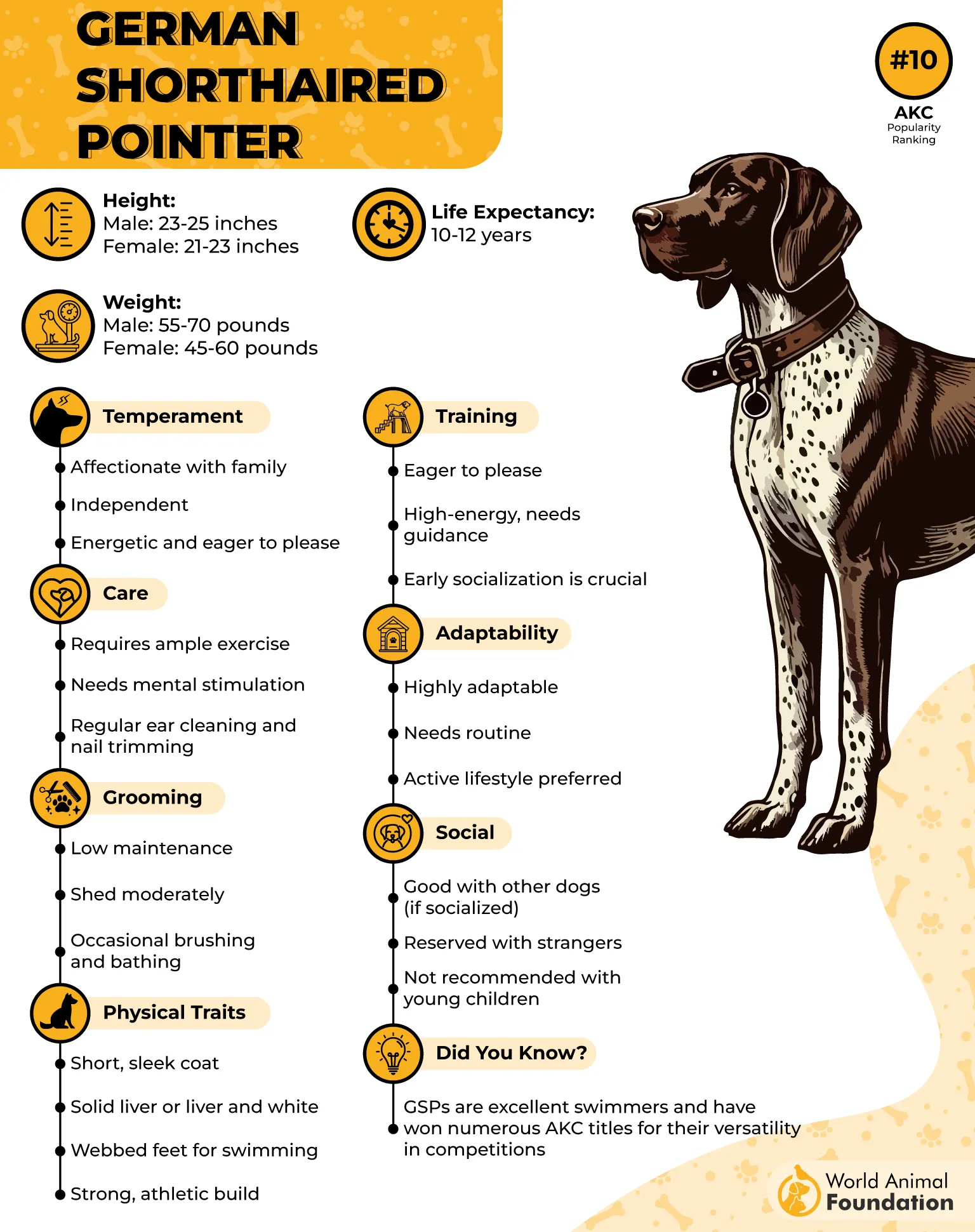
GSPs are highly trainable but require structured exercise. Without it, their energy can become overwhelming. Purina claims that they are not casual walkers—they are athletes.
Their short coat is easy to maintain but offers limited insulation in cold weather. In hot climates, they perform well, provided hydration and shade are available.
If you want a dog that matches your intensity stride for stride, the German Shorthaired Pointer is a top-tier outdoor partner.
7. Labrador Retriever
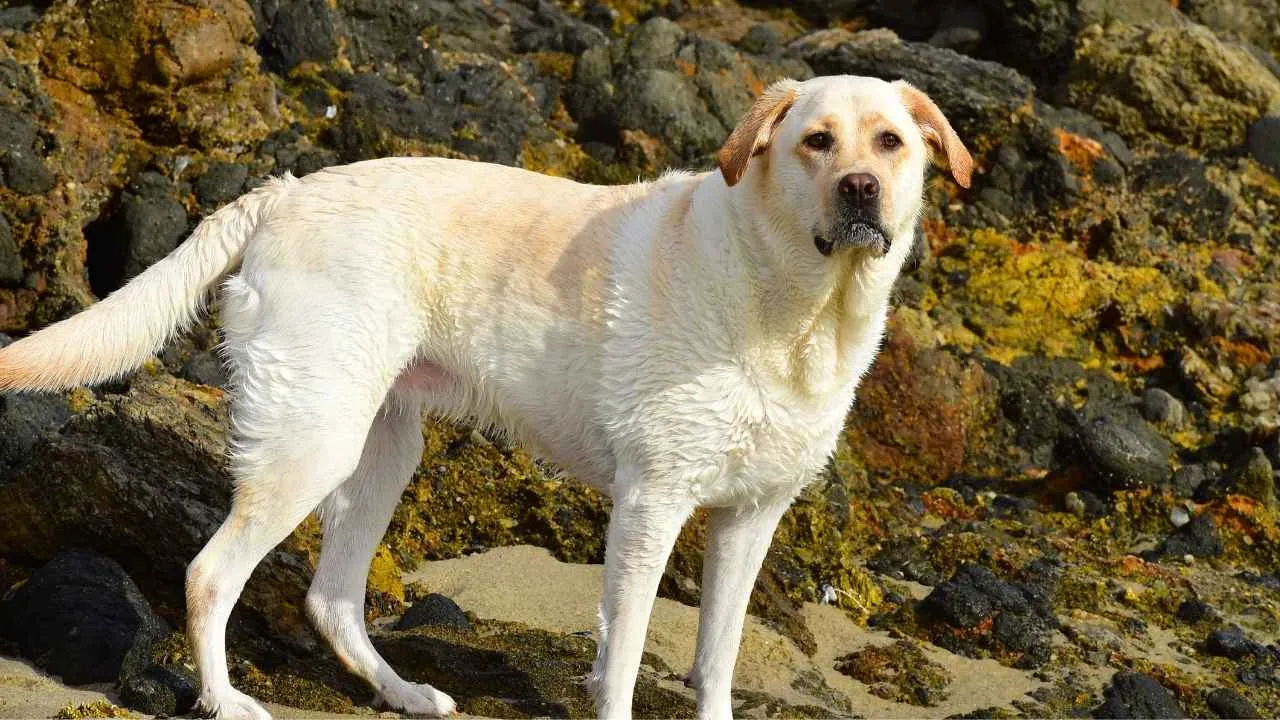
The Labrador Retriever consistently ranks as one of the most popular breeds—and for good reason. Originally bred as water retrievers in Newfoundland, Labs love outdoor activity, especially swimming.
They are adaptable, trainable, and eager to please. Hiking, camping, kayaking, and beach days are all within their comfort zone. These hunting dogs belong to the Sporting Group and were originally bred as retrievers, meaning their job was to retrieve game — especially waterfowl — for hunters.
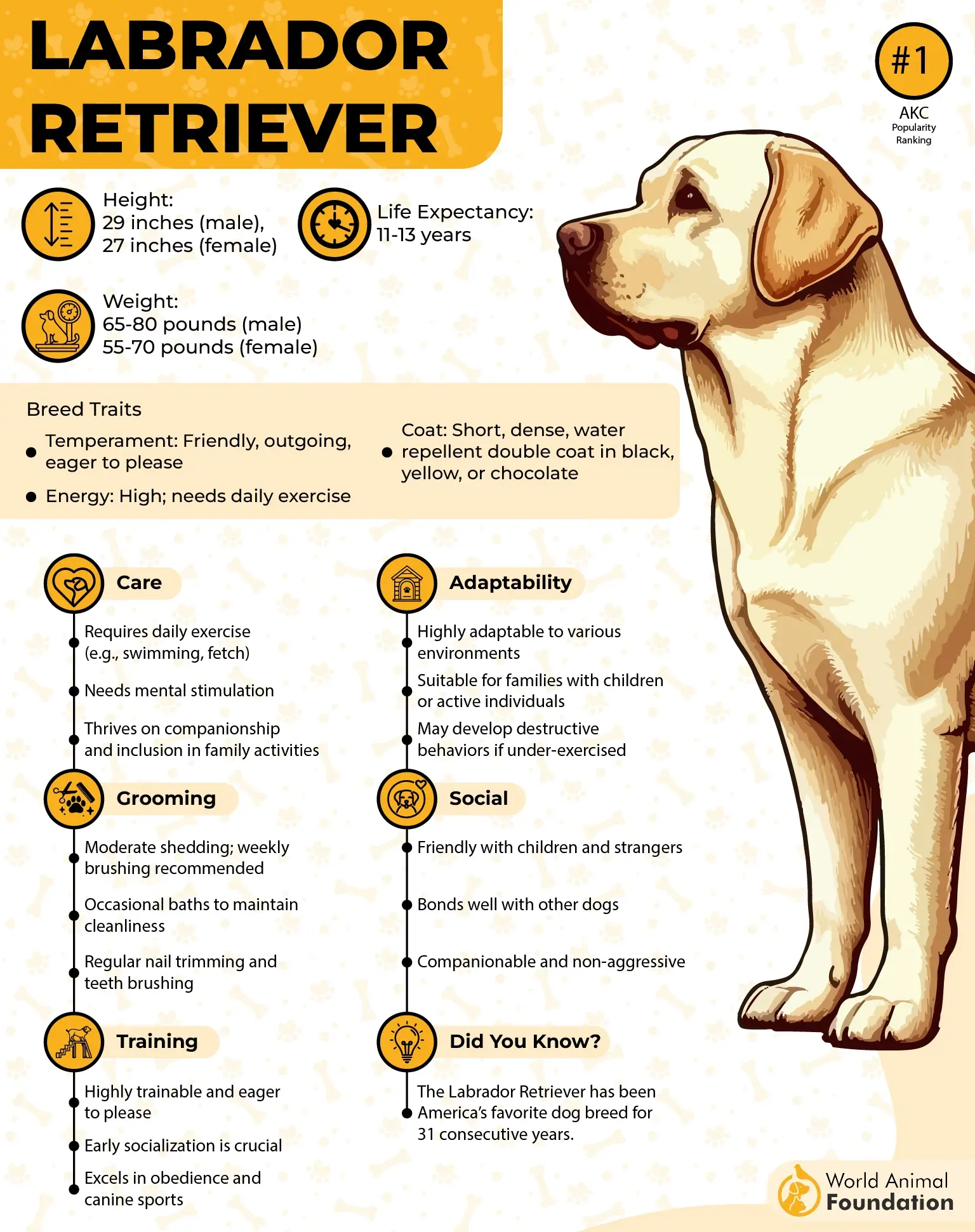
Labs have strong endurance and a friendly temperament, making them great companions in social outdoor settings. Their thick, water-resistant coat protects them in wet conditions.
However, they are prone to obesity, so regular exercise is essential for maintaining joint health. Their enthusiasm must be balanced with portion control and conditioning.
For families and adventurers alike, the Labrador Retriever remains one of the most reliable and versatile breeds for outdoor use.
Conclusion
The great outdoors offers endless adventure—but the right dog makes it unforgettable. Whether you crave alpine trails, snowy forests, desert hikes, or lakeside retreats, there’s a breed built to share the journey.
Choosing the right outdoor companion means considering climate, terrain, energy level, and training commitment. These breeds thrive when given purpose, movement, and partnership.
Australian Cattle Dog, Jack Russell Terrier, Border Collie, Golden Retriever, German Shepherd, and Rhodesian Ridgeback are also adventurous dog breeds known for strong performance in various canine sports.
With preparation, conditioning, and care, your adventure dog won’t just keep up—they’ll lead the way, tail high and spirit soaring.
So lace up your boots. The trail is calling. And now, you know which dogs are ready to answer.
