




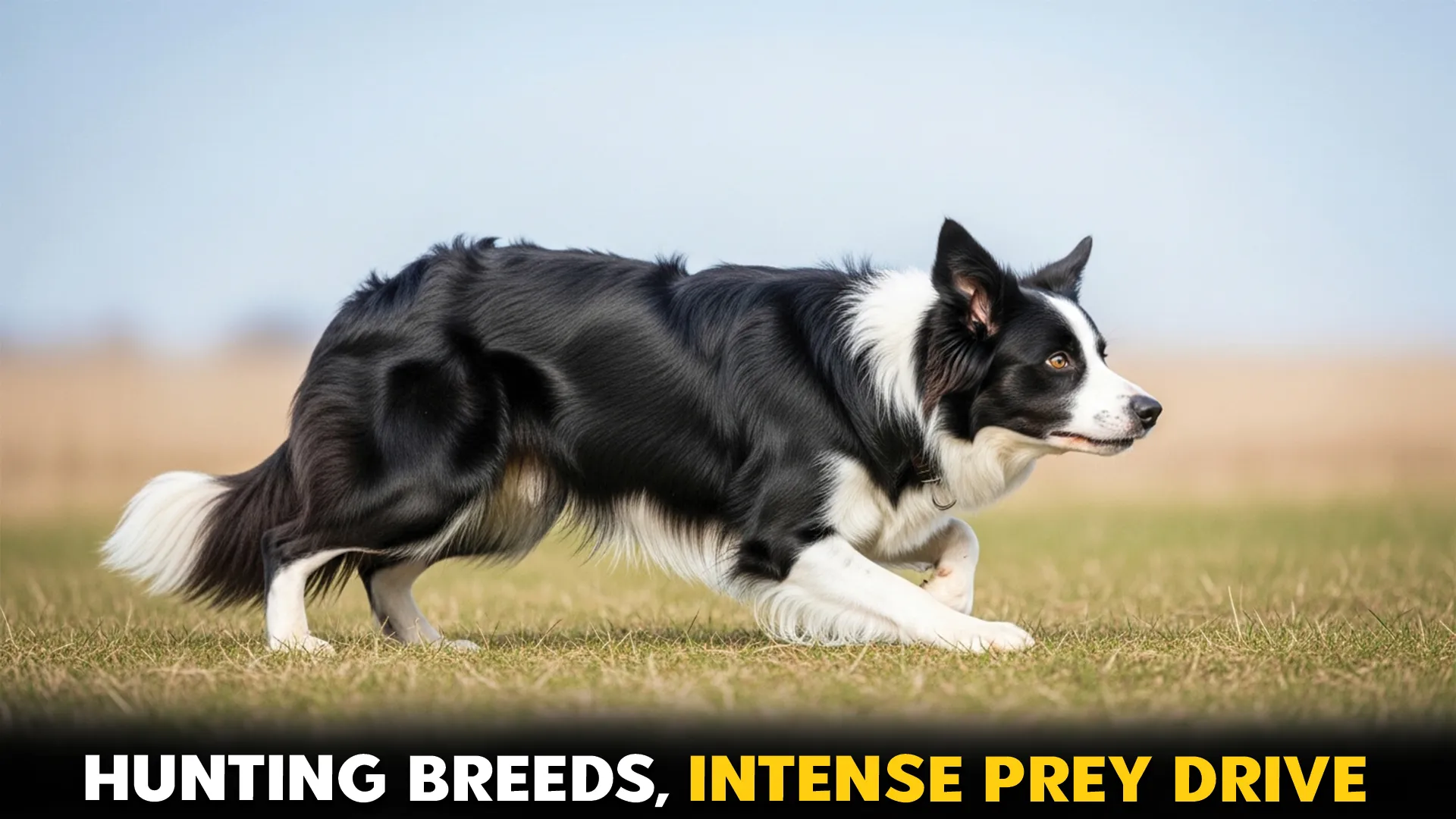
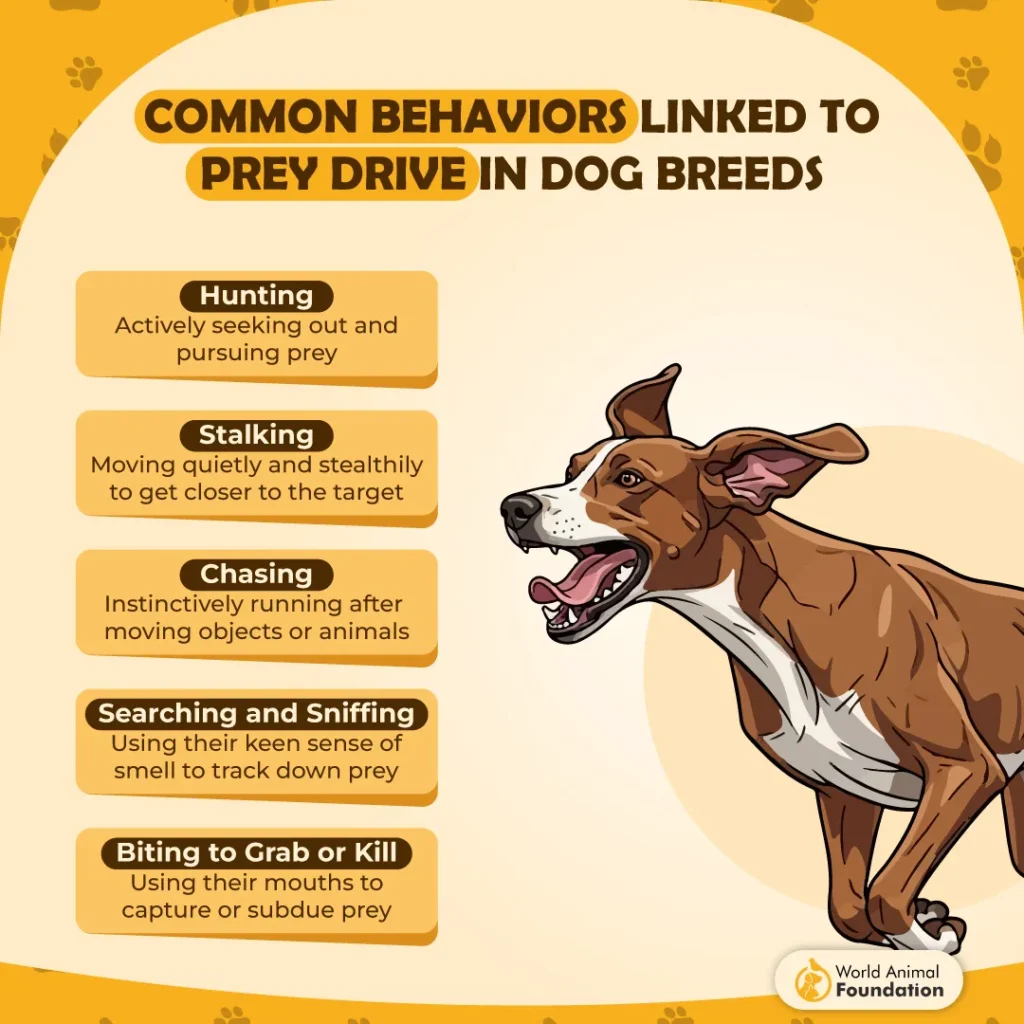
Many people say their dog has a “high prey drive,” but few fully understand what that means. The prey drive is an instinct in dogs to chase, capture, or attack moving objects, and it often manifests in everyday behaviors.
Dogs with strong prey drive may chase wildlife such as squirrels or rabbits, pursue moving objects like cars, bikes, or skateboards, intensely track scents, or even fixate on birds, according to PetMD.
Hunting breeds take this instinct even further. According to Wikipedia, a hunting dog is a dog that hunts with or for hunters. Over centuries, humans developed several categories of hunting dogs for specific tasks, including hounds, terriers, cur-type dogs, and gun dogs—each with unique hunting abilities and specializations.
Understanding these instincts is especially important for families with children, small animals, or other pets. A dog with high prey drive can be a lively, fun, and engaging companion—but it also requires careful supervision, early socialization, and a safe environment.
Choosing the right breed ensures that you can enjoy outdoor adventures and playtime without worry while keeping your furry friend and your family safe.
With that in mind, let’s explore seven dog breeds designed for hunting with high prey drive.
Dog Breeds Designed for Hunting – High Prey Drive
1. Siberian Husky
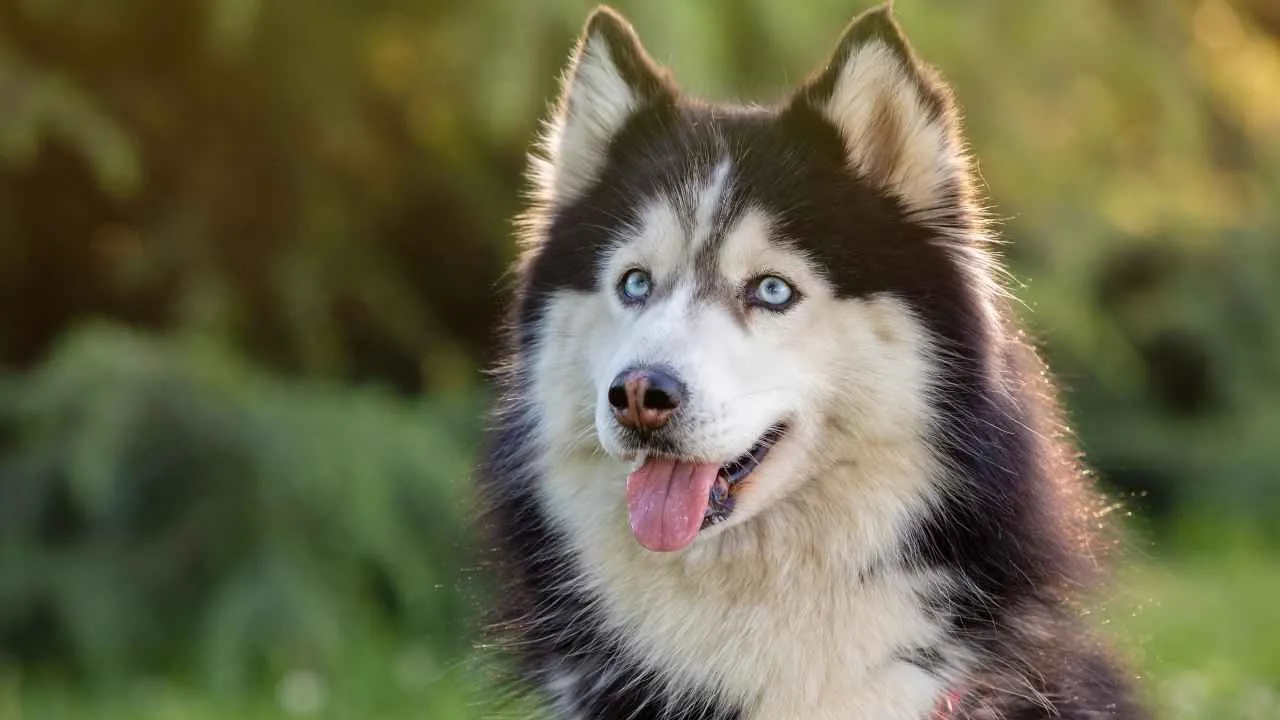
The Siberian Husky is a medium-sized working sled dog with a rich history and incredible endurance. Originally bred by the Chukchi people of Siberia, these dogs were used to pull sleds over long distances in harsh Arctic conditions.
Their remarkable stamina made them essential companions for transporting goods and people across frozen landscapes. Along the way, their instinct to chase small animals often came into play, showcasing an early form of high prey drive that’s still visible today.
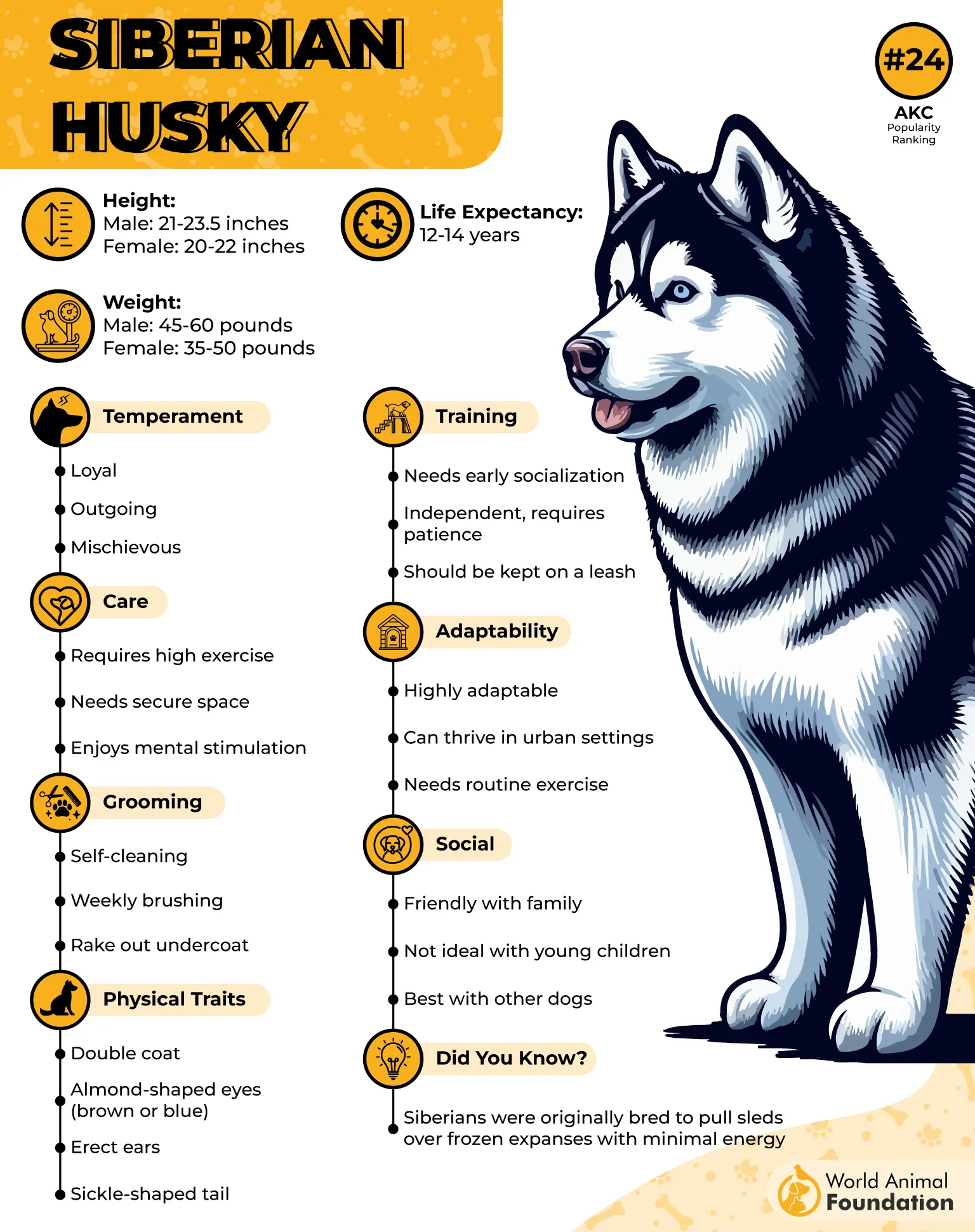
Huskies are instantly recognizable thanks to their thick, leaf-like double coat, erect triangular ears, and distinctive facial markings. Although they may resemble the Alaskan Malamute, they are smaller and lighter, which enhances their agility and speed on the trail.
Over the years, Siberian Huskies have gained recognition for their success in sled racing and other working-dog roles, demonstrating their intelligence, endurance, and teamwork. These dogs thrive on mental stimulation and walks, making yards essential to keep them safe.
Their energetic nature and high drive mean they are happiest when given a purpose or activity to channel their instincts. Despite their working roots, Siberian Huskies are extremely popular as family companions, admired for their spirited personality and friendly, outgoing demeanor.
2. Border Collie
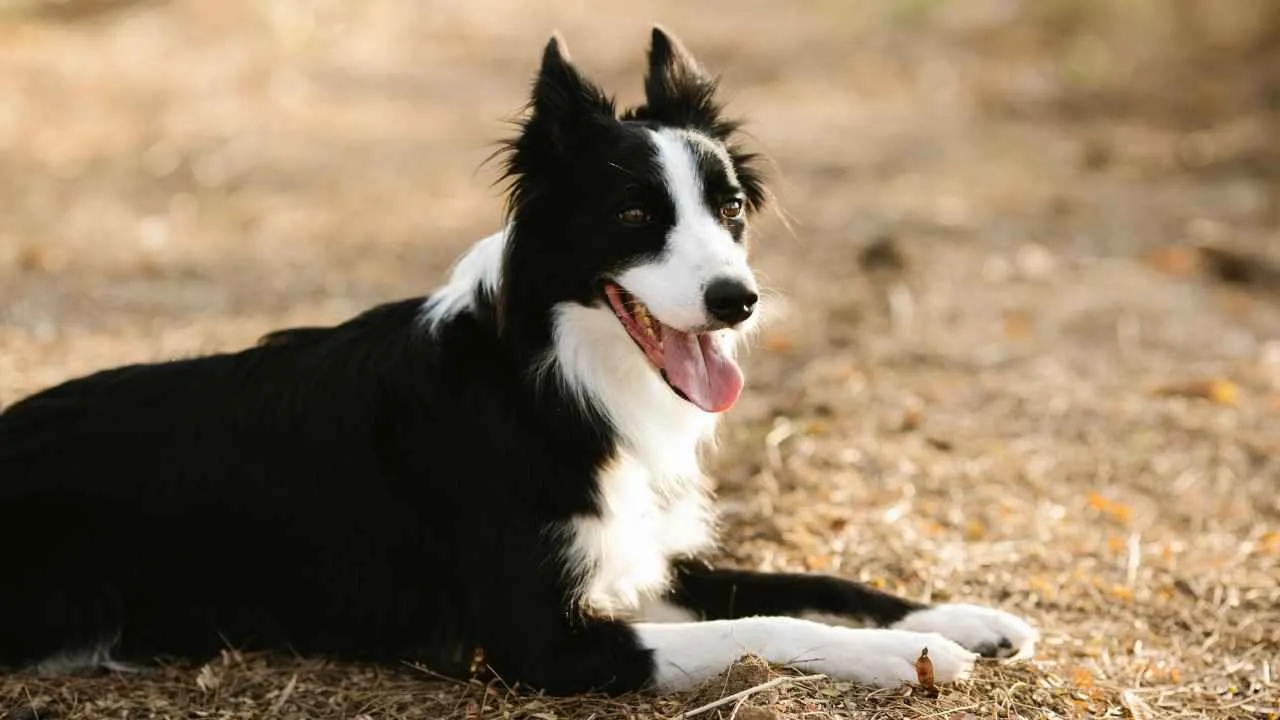
The Border Collie is widely regarded as one of the most intelligent and highly trainable breeds. Developed for herding livestock, they have an extraordinary ability to spot prey, making them natural workhorses on farms and ranches.
Their intense focus and high prey drive allow them to manage flocks of sheep with precision, often using their eyes and body movements to direct small animals without physical contact.
This wonderful dog thrives when given a job to do. According to the American Kennel Club, Border Collies love to work and excel in canine activities such as herding trials, obedience competitions, and agility courses.
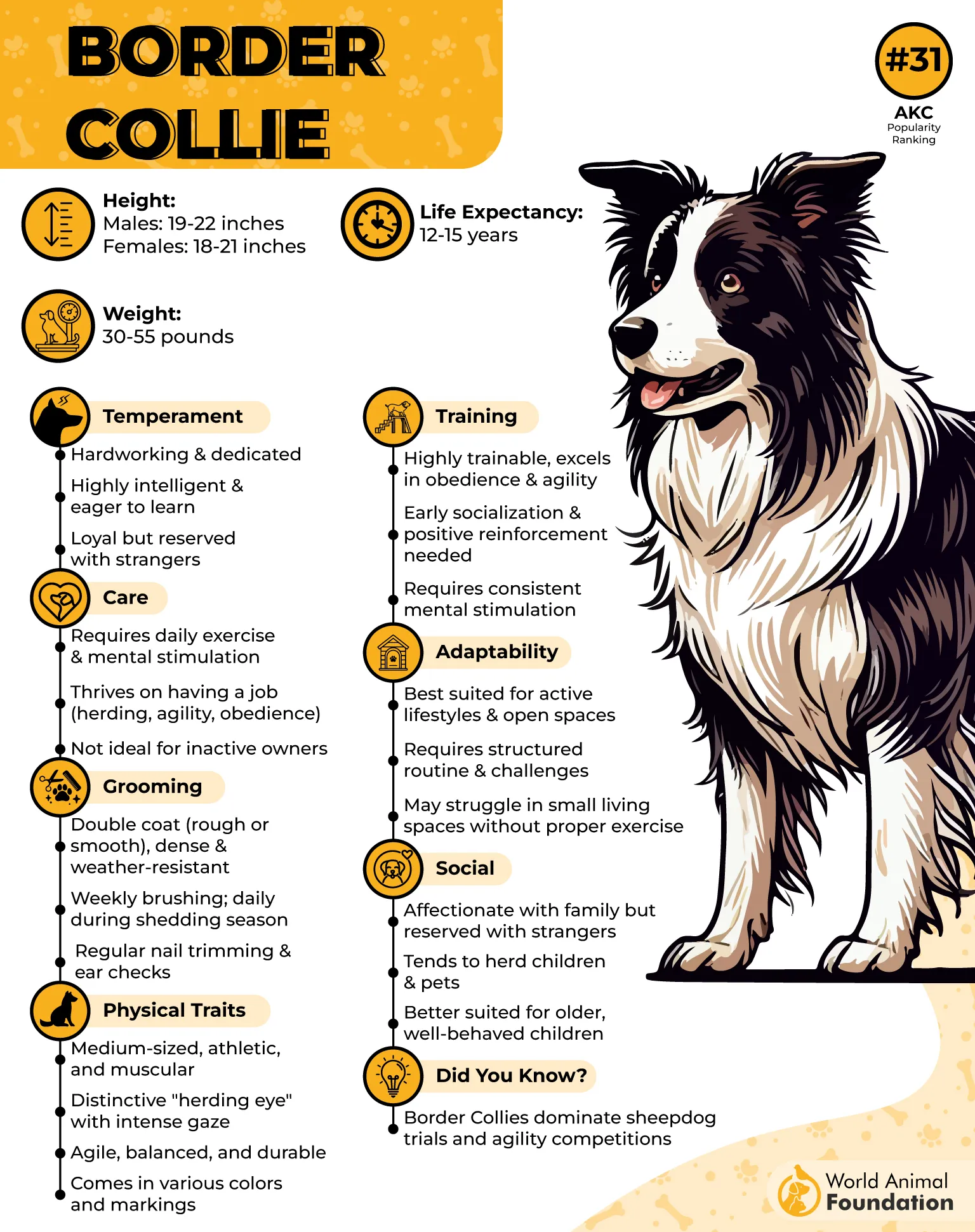
Their energy and athleticism require ample mental and physical stimulation, which can be provided through puzzle toys, flirt poles, balls, and long-lead walks. Without an outlet, they may become bored or restless.
Because of their strong herding instincts, Border Collies may try to herd children or small animals at home, so early socialization is essential for a harmonious household. They flourish in environments where they have the freedom to run, explore, and engage in purposeful activities.
On a farm or an active family property, these high-drive dogs become not only exceptional working partners but also loving and devoted companions.
3. Greyhound
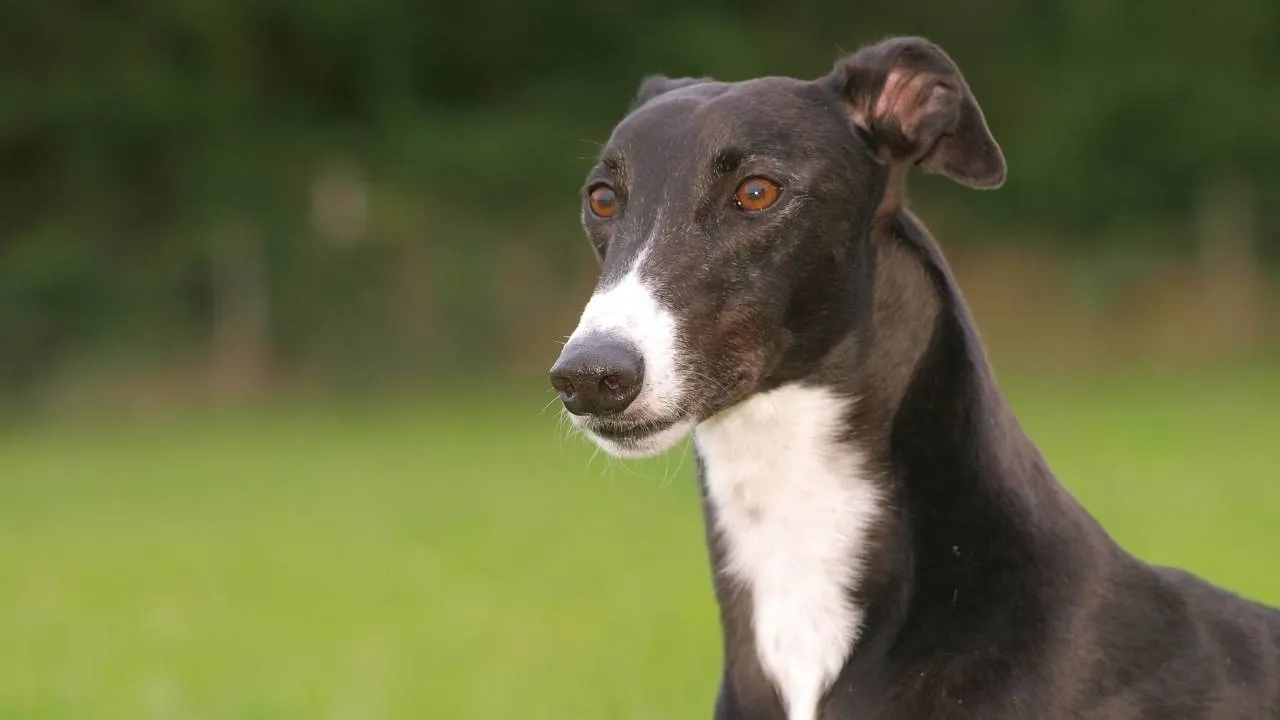
The Greyhound is one of the fastest dog breeds in the world, built for speed and precision. Originally used to chase small game such as rabbits, this hound relies on incredible acceleration and sharp eyesight rather than scent.
Its lean, streamlined body, deep chest, long legs, and floppy ears are all designed for swift pursuit across open ground. Greyhounds have fascinated humans for thousands of years.
They appear in ancient art and writings and were admired by artists, poets, and kings long before modern civilizations formed. Often considered one of the oldest dog breeds, Greyhounds have remained closely tied to hunting and coursing traditions throughout history.
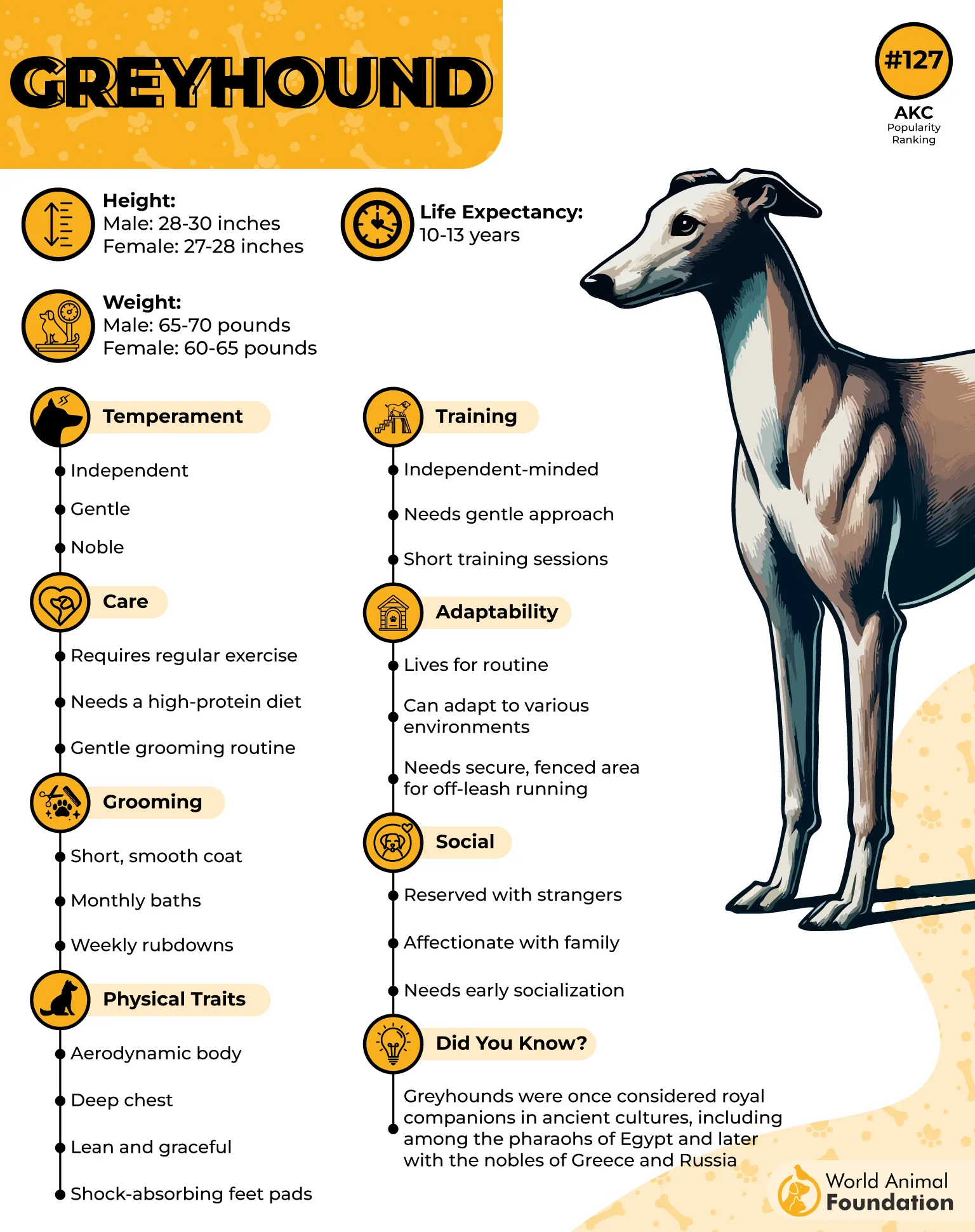
Hill’s Pet says that, despite their calm, gentle nature indoors, Greyhounds possess an intense prey drive. Sudden movement can trigger a chase response, which makes fencing areas and controlled walks essential for security.
Homes with small pets may face challenges, as instinct can override training in fast-moving situations. Still, when properly managed, Greyhounds are adaptable, affectionate companions who balance athletic power with surprising grace and quiet charm.
4. Irish Setter
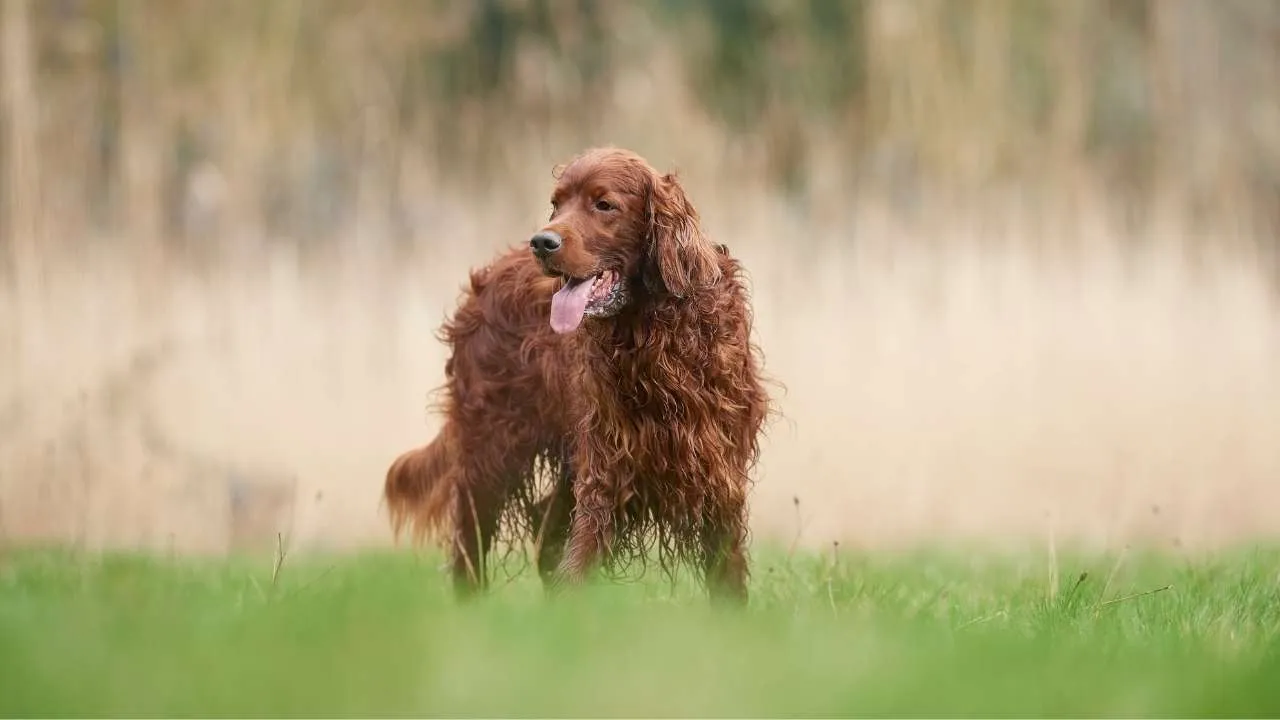
The Irish Setter is one of the most popular sporting dogs and a favorite among active pet owners. Originally bred in Europe as gun dogs, this breed combines strong hunting instincts with a cheerful, people-loving nature. Its flowing red coat and playful personality make it easy to spot and hard to forget.
Irish Setters are naturally friendly and tend to do very well with children and other dogs. As noted by Purina, when raised alongside smaller dogs or cats, usually learn to treat them as family rather than prey.
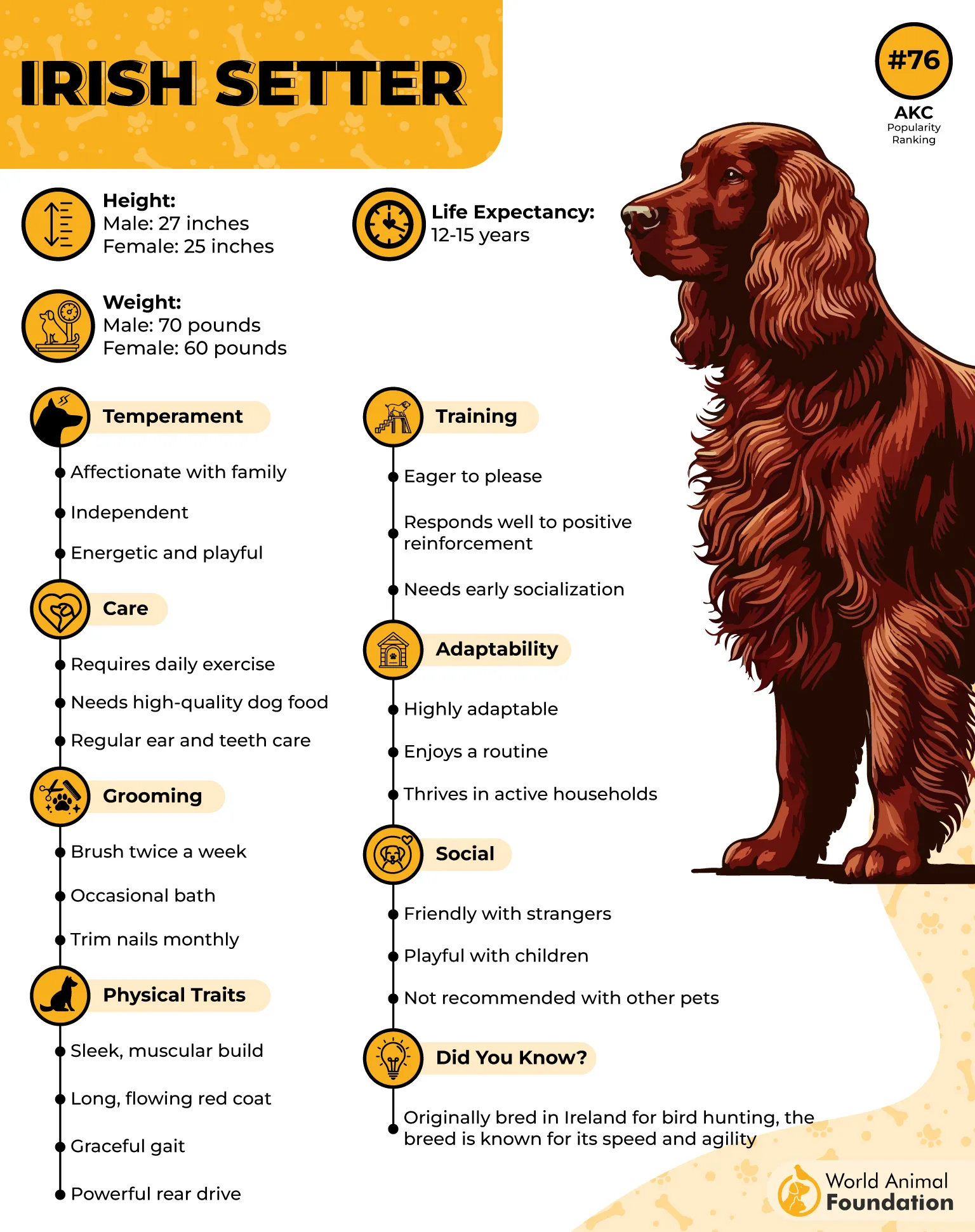
That said, they do have a strong instinct to chase, so early training and supervision are important. This dog’s prey drive is very high, and it is eager to please and responds best to patient, positive reinforcement training methods. These dogs need space to move and burn energy.
Outdoor play and mental games help keep them calm and happy. Because of their size and energy level, they don’t do well in apartments or small homes.
Regular coat maintenance is also part of their care, along with an active lifestyle that matches their enthusiasm. When given the right environment, Irish Setters grow into loyal, loving, and truly great family dogs.
5. Bluetick Coonhound
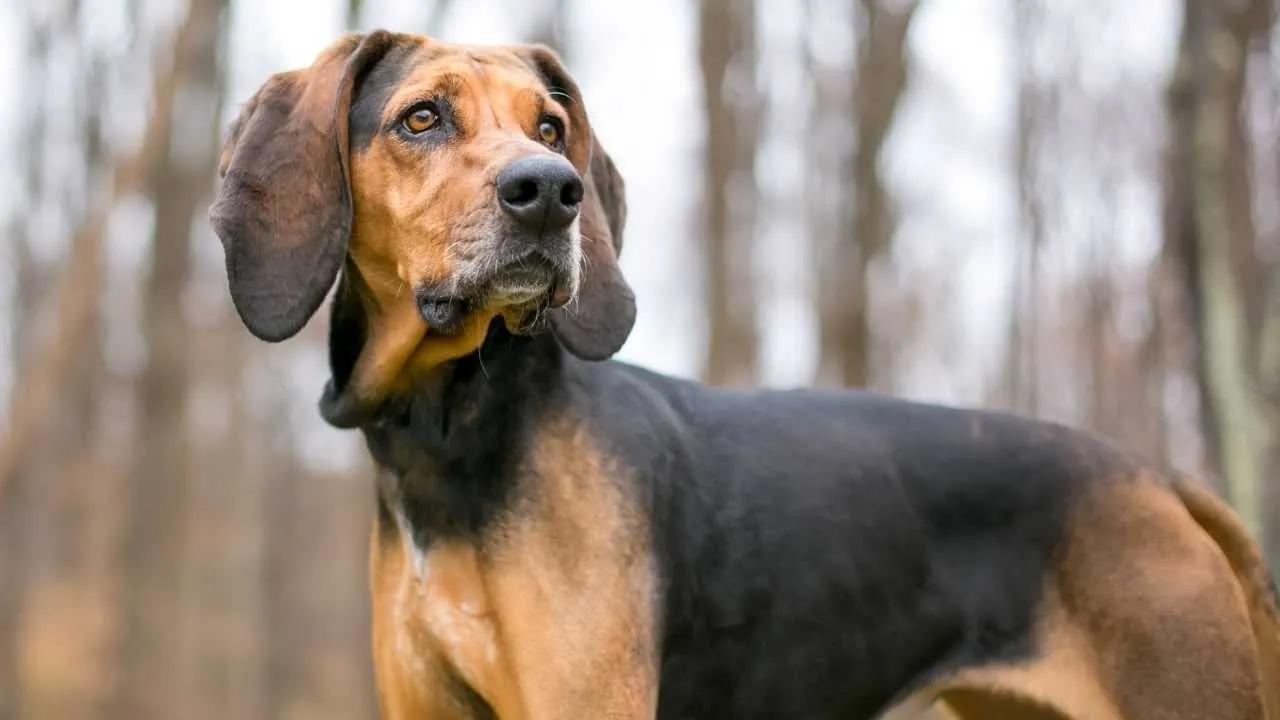
The Bluetick Coonhound is a highly versatile dog developed in the United States. It was bred to track raccoons and larger game across rough terrain, often working long hours with hunters. What sets this breed apart is its exceptional scenting ability.
Once a trail is found, a Bluetick will follow it with determination and focus until the job is done. This breed is easy to recognize by its striking blue-ticked coat pattern and strong, athletic build. Bluetick Coonhounds are vocal hunters, known for alert barking that signals when prey is spotted or tracked.
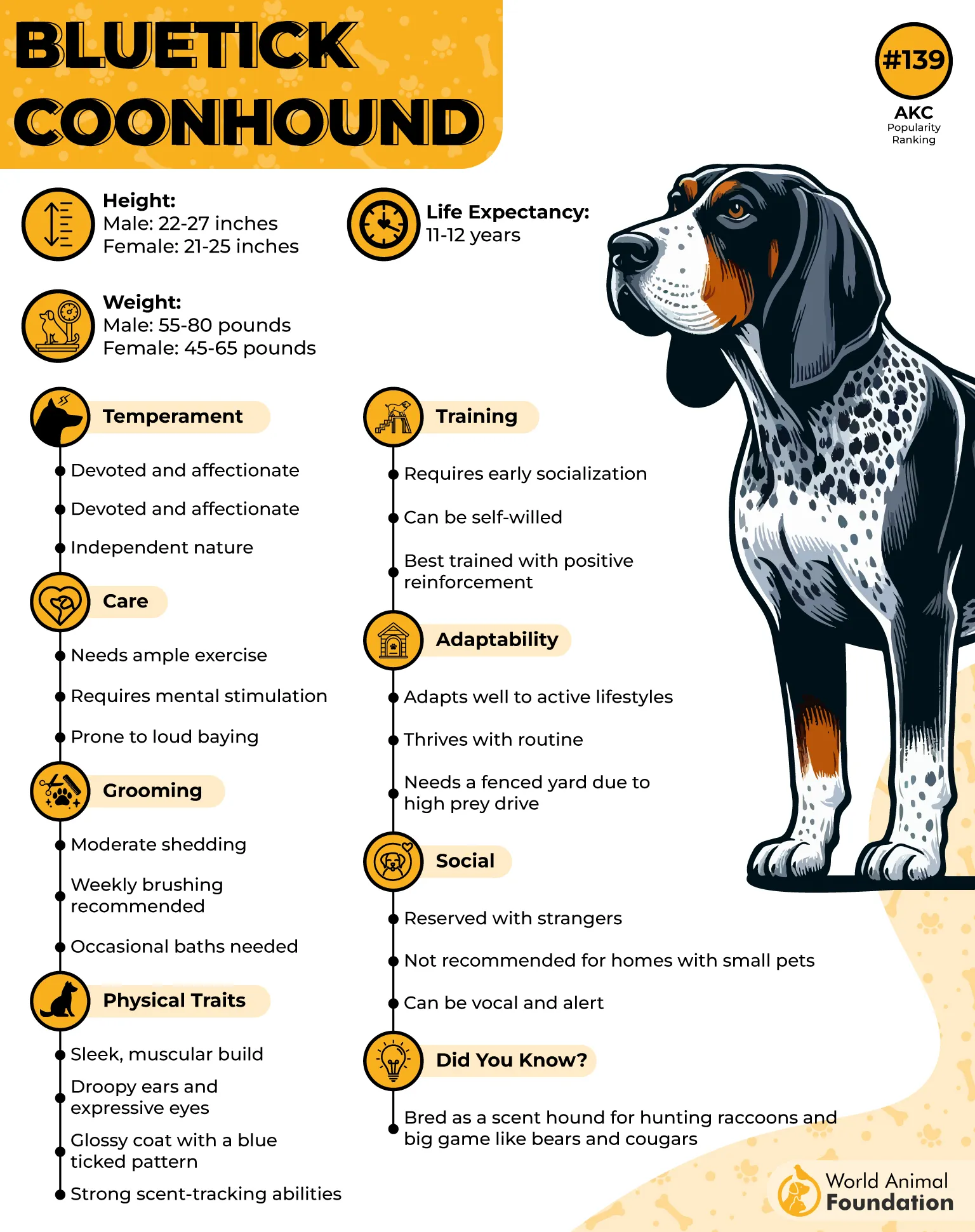
Their instincts include pointing, chasing, and relentless pursuit, which means securely fenced yards are very important at home. Bluetick Coonhounds have a very high prey drive and love pursuing big game.
Because of this, proper socialization and consistent training are essential, especially in family settings. While they are not herding breeds, they share the same strong work ethic seen in many working dogs. With proper guidance, structure, and space to move, they become loyal companions with impressive hunting skills.
6. Rhodesian Ridgeback
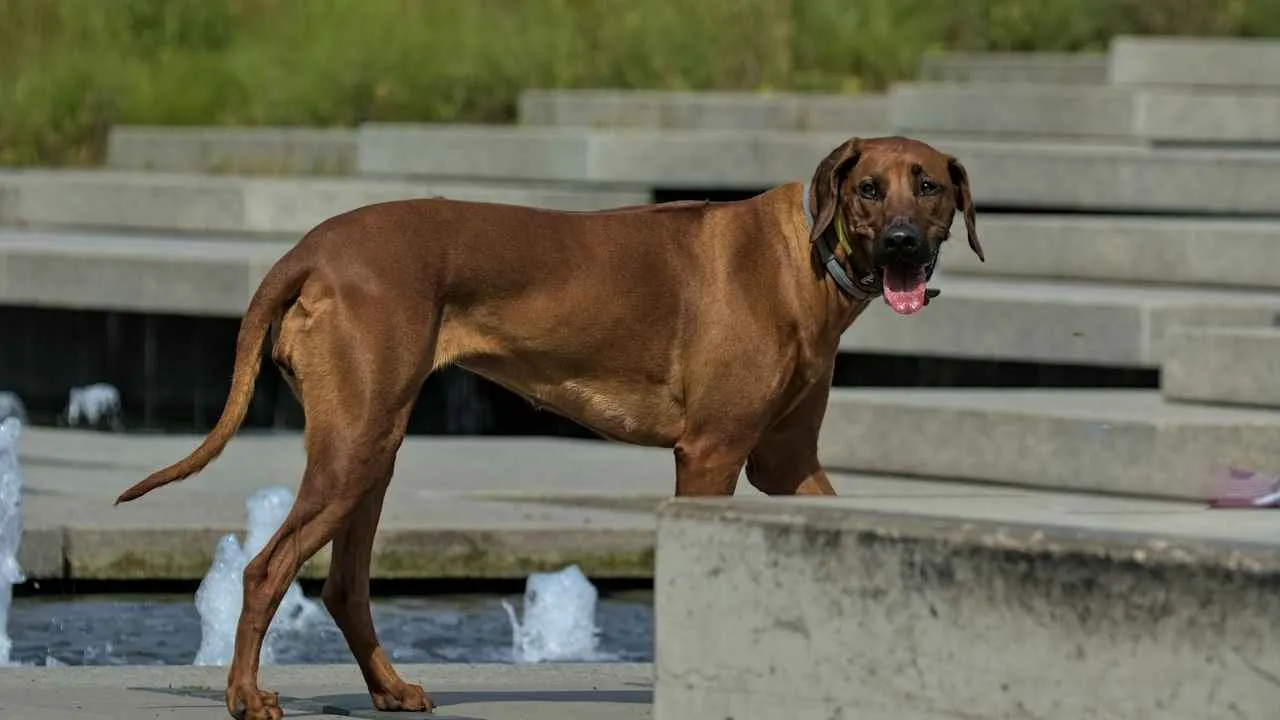
The Rhodesian Ridgeback is one of the best dogs with a high prey drive, known for courage, strength, and versatility. This powerful breed originated in Africa, where it was famously used to hunt lions alongside human hunters.
It can handle both large and small prey, making it a truly adaptable companion. Ridgebacks were also valued by tribes in present-day Zimbabwe for their loyalty and protective nature.
This all-purpose Renaissance hound is instantly recognizable by the red stripe of backward-growing hair along its back, known as the ridge. They come in shades ranging from light brown to deep red.
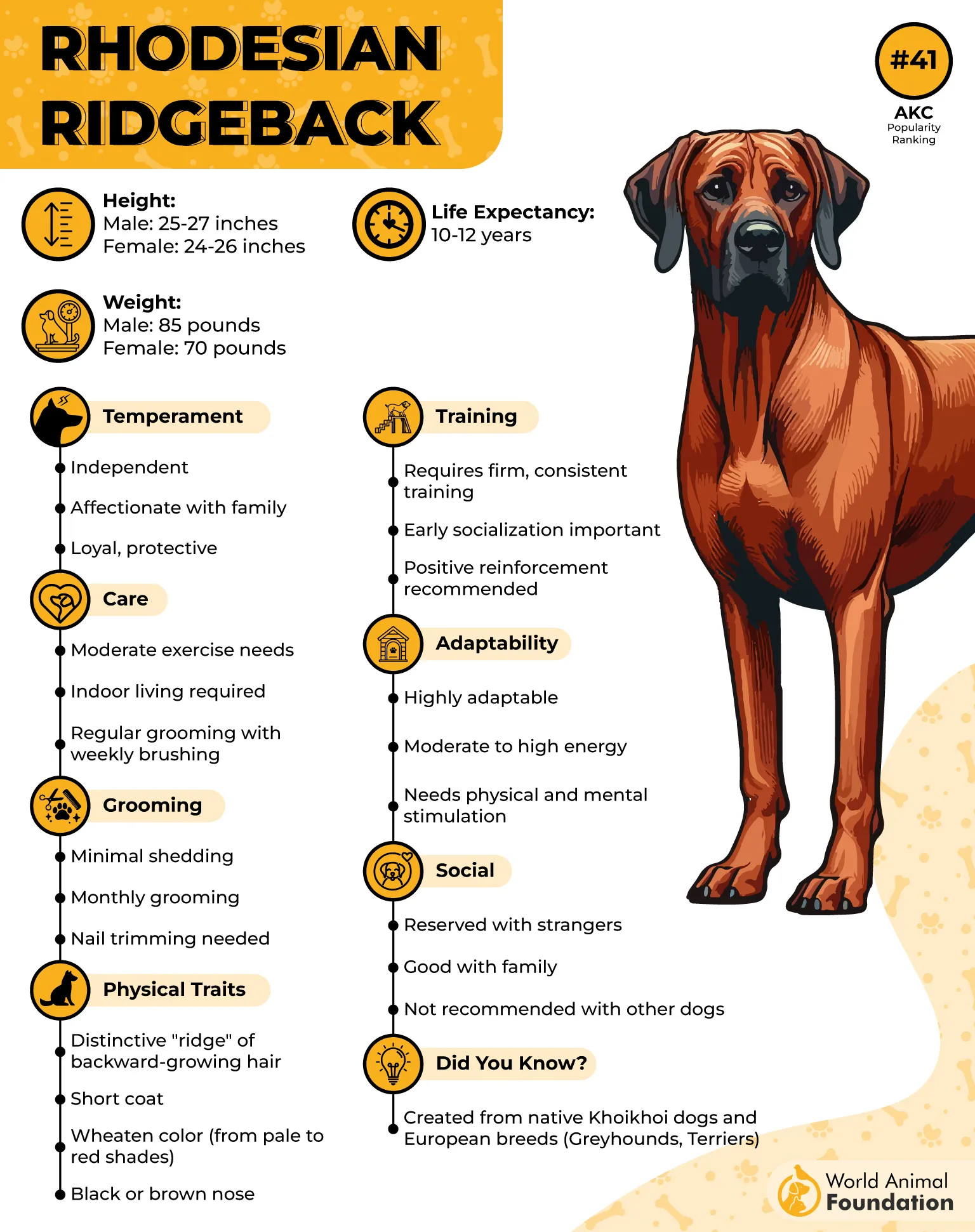
Their muscular, athletic build supports endurance and speed, while their intelligence helps them quickly assess situations. Rhodesian Ridgebacks need regular exercise, safe lead training, and mental challenges to stay balanced.
Their strong nature may lead them to chase squirrels or other animals, so structure and training matter. With proper socialization, they can serve as reliable guard dogs and loving family companions. These dogs love purpose, food rewards, and spending time working beside humans.
7. Weimaraner
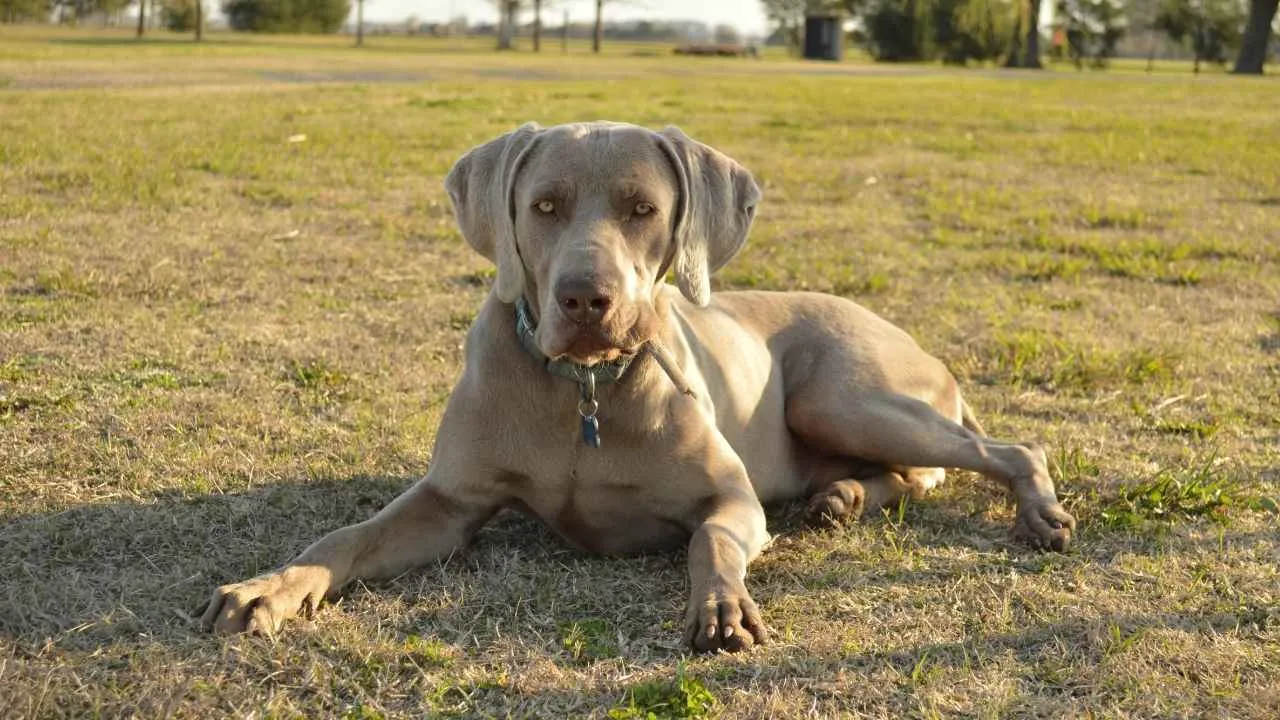
The Weimaraner is a powerful and energetic dog bred in Europe as a pointer, especially for bird catching. Often called the “Grey Ghost,” this breed is known for its sleek silver-gray coat and graceful movement in the field.
Weimaraners excel at hunting small game such as rabbits and birds, using speed, focus, and a fearless nature to track and flush prey.
This is a highly active breed that needs daily long walks, mental stimulation, and consistent training. Without enough activity, boredom can lead to unwanted behavior.
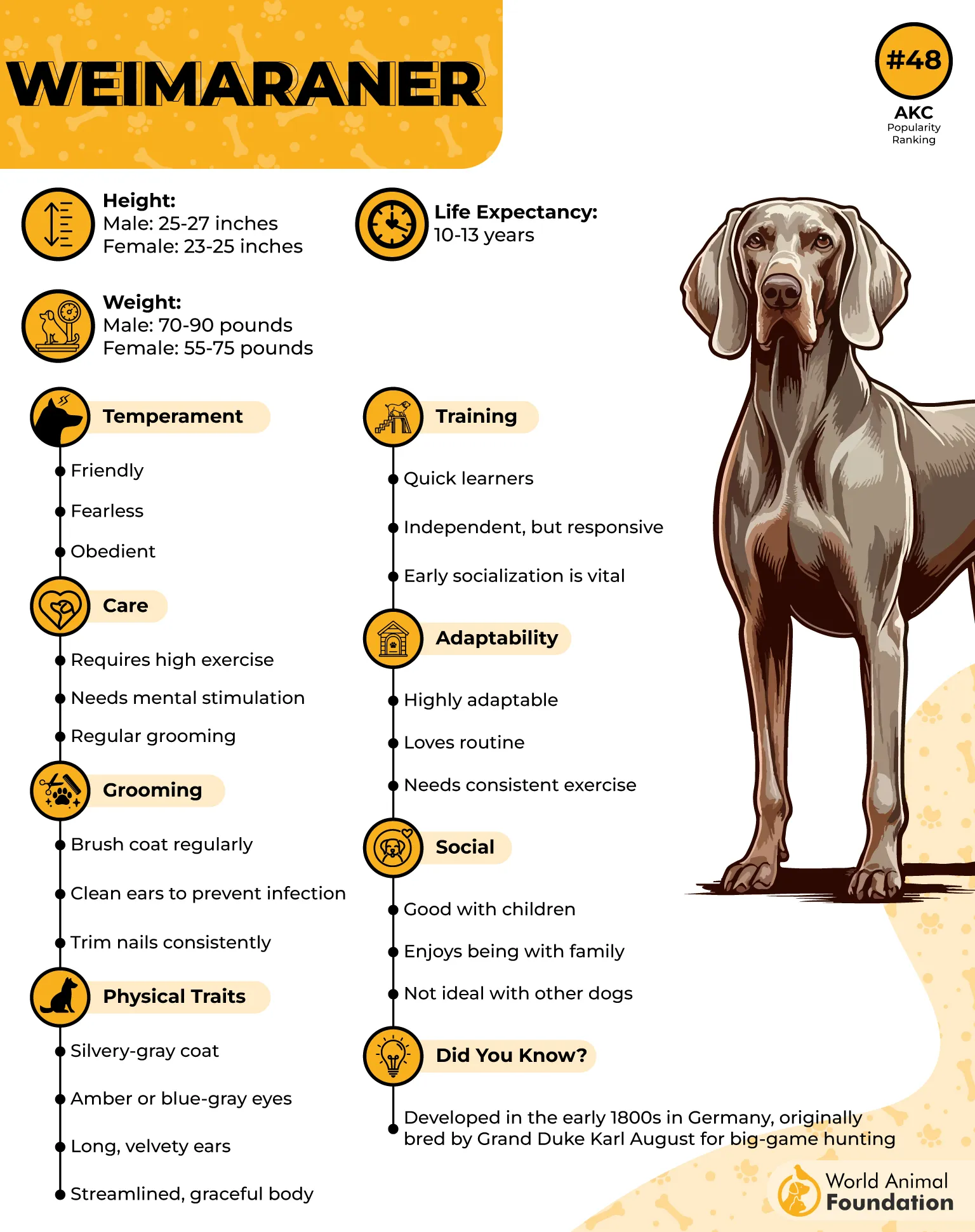
Their blue-gray eyes, framed by long, velvety ears, give them a striking and alert expression that matches their sharp nature. Weimaraners are loyal, friendly, and obedient, making them a strong fit for active households.
They enjoy being close to people and thrive when included in daily routines. Even history reflects their charm—President Dwight D. Eisenhower owned a Weimaraner named Hedy, who lived in the White House with the first family.
Conclusion
Dogs with strong hunting instincts and high prey drive bring energy, focus, and purpose into the lives of active people. From sled-pulling endurance to sharp scent tracking and lightning-fast pursuit, each breed in this list offers something unique.
These pups thrive when their instincts are understood, respected, and guided through training, exercise, and structure.
For families, hunters, and outdoor lovers, choosing the right breed means thinking about space, activity level, and daily commitment. Walks, mental challenges, and proper socialization help turn powerful instincts into positive behavior.
When matched with the right home, these puppies become loyal companions who love to work, explore, and share life’s adventures with their humans.
