




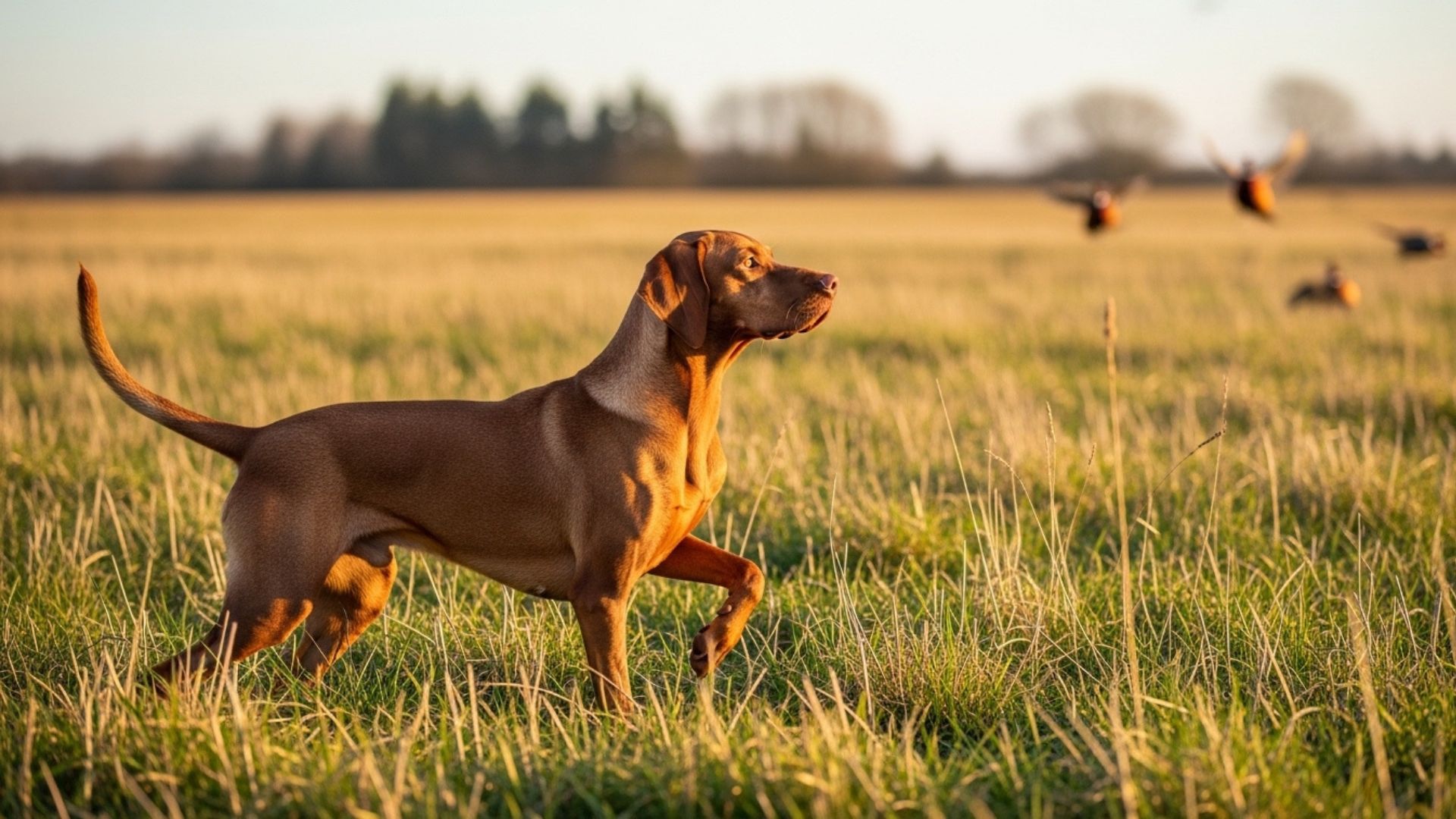
Imagine walking through golden fields, your loyal dog at your side, nose to the ground, eyes scanning the horizon for a flash of winged game.
Upland bird hunting isn’t just a sport; it’s a way to connect with nature, sharpen your skills, and share unforgettable moments with a canine companion who thrives on every step of the journey.
From flushing pheasants in thick cover to tracking quail across rolling prairie, these hunts challenge both dog and handler, demanding stamina, intelligence, and seamless teamwork.
For dog lovers, there’s nothing quite like the bond formed with a bird dog, part family member, part hunting partner, whose energy, loyalty, and instinct make every outing magical.
In this article, we explore the top 10 dog breeds built for upland bird hunting, celebrating their unique talents, histories, and the unmatched joy they bring to hunters who venture into the wild.
Key Takeaways
Upland bird hunting requires dogs with stamina, intelligence, and sharp instincts.
Coat types vary, but all these breeds are built to handle rough terrain, water, and dense cover.
Proper training and positive reinforcement enhance natural hunting abilities and obedience.
Dog Breeds Built for Upland Bird Hunting
1. Vizsla
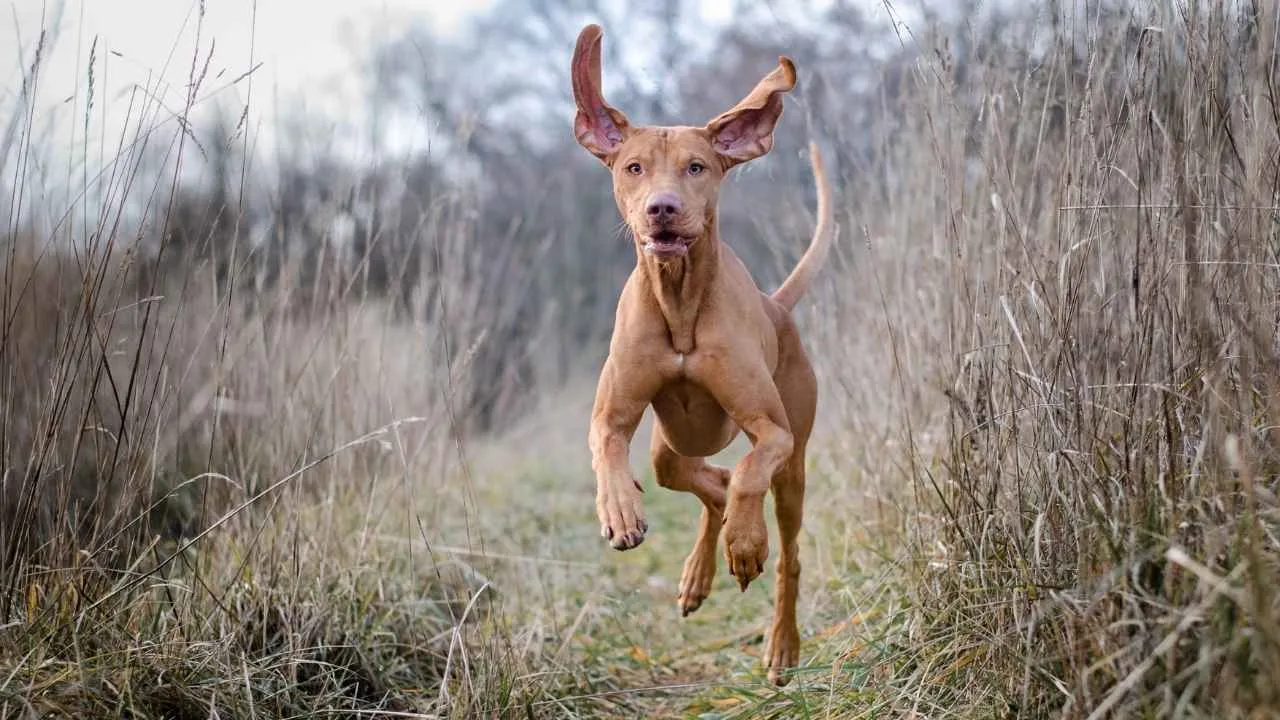
The Hungarian Vizsla is a versatile, high-energy hunting companion with a history as both a field worker and loyal family dog.
Affectionate and intelligent, Vizslas form strong bonds with their owners, but they can develop separation anxiety if left alone for long periods, as stated by PetMD.
Early obedience training, socialization, and mental stimulation are essential to keep them confident and well-behaved.
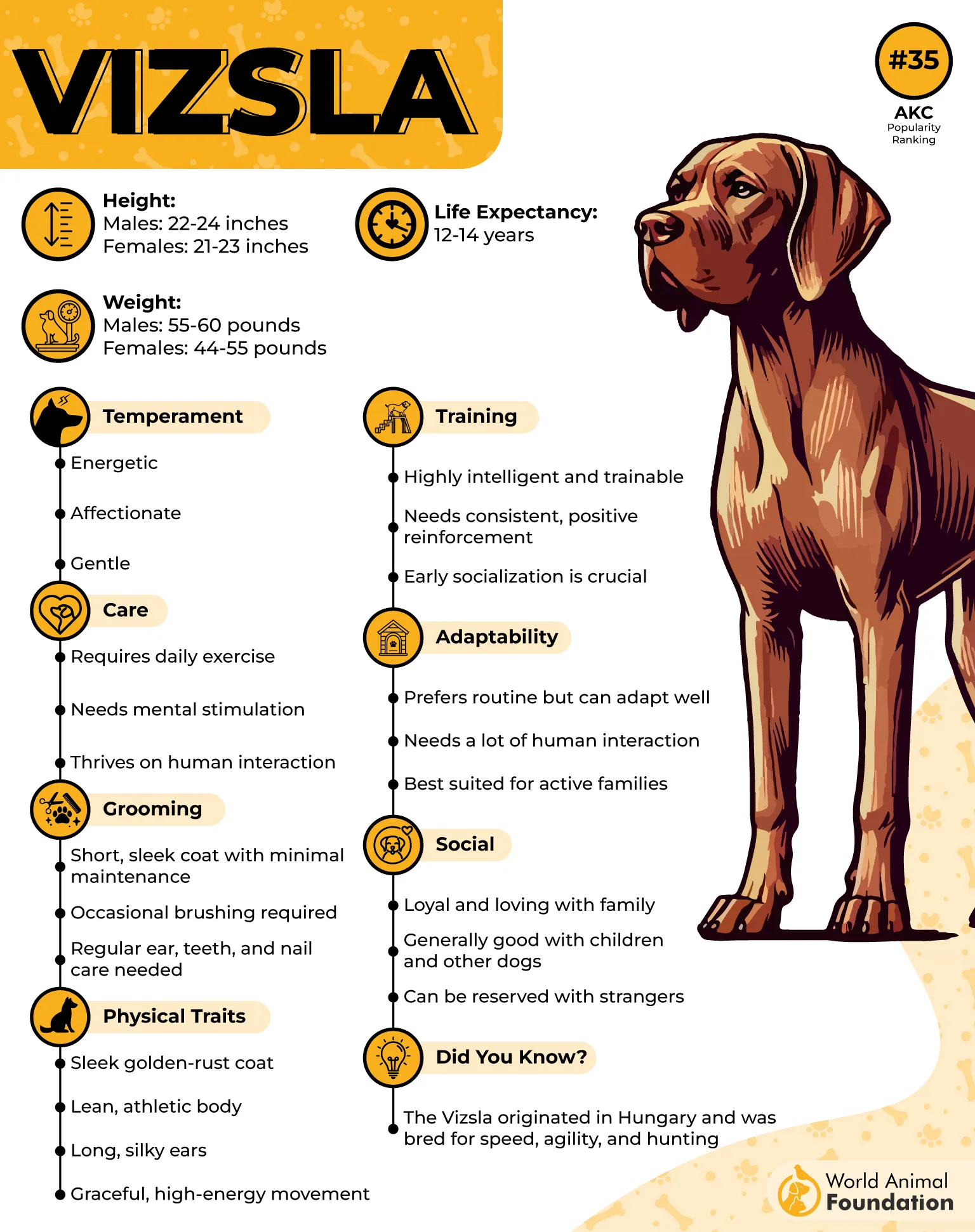
In the field, Vizslas excel as pointing dogs, hunting upland birds such as pheasant, partridge, and grouse. They work closely with their handlers, using a keen nose and gentle mouth, and can be trained for retrieving, agility, or even falconry.
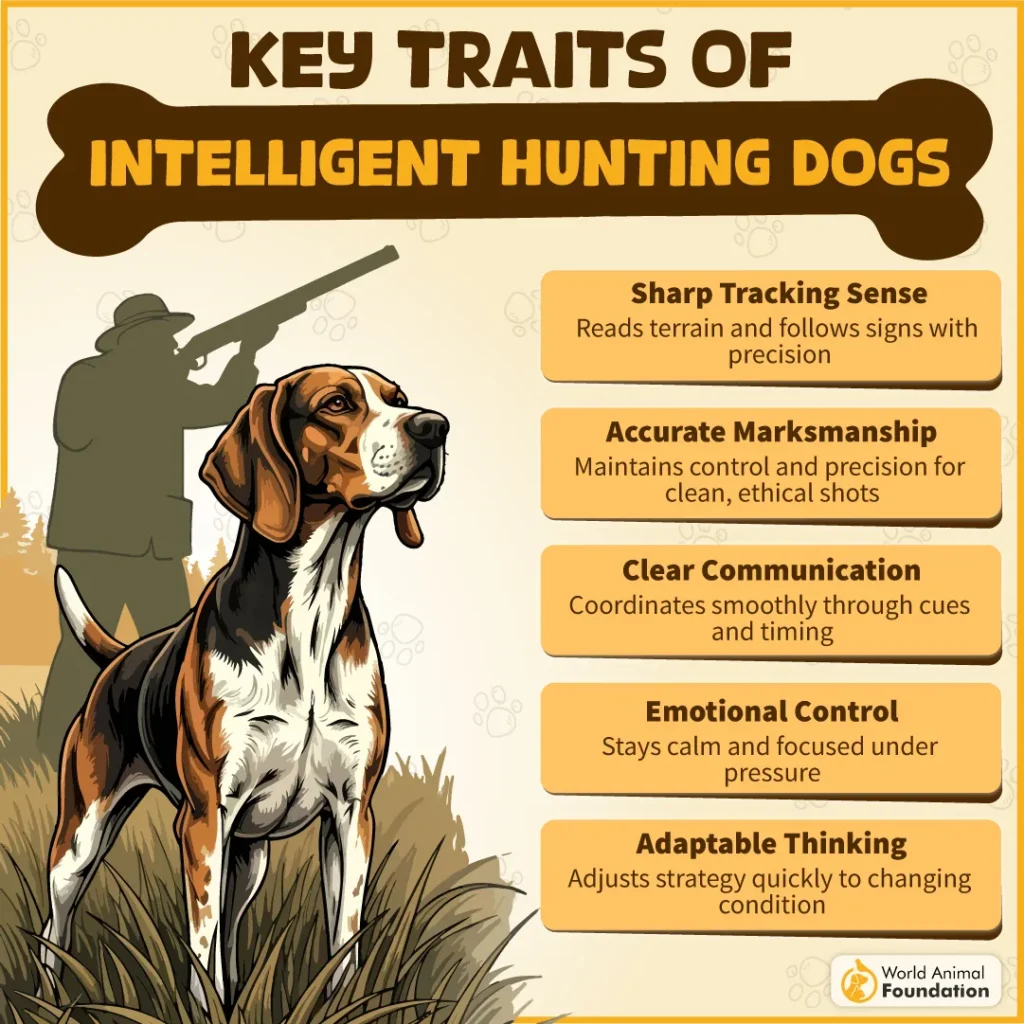
Though not built for extreme endurance, their stamina and focus make them excellent all-around gundogs.
Generally healthy with a lifespan of over 12 years, Vizslas may face issues like hip dysplasia or epilepsy, so responsible breeding is vital. Active, intelligent, and loyal, this breed thrives in homes with plenty of exercise and loving attention.
2. English Springer Spaniel
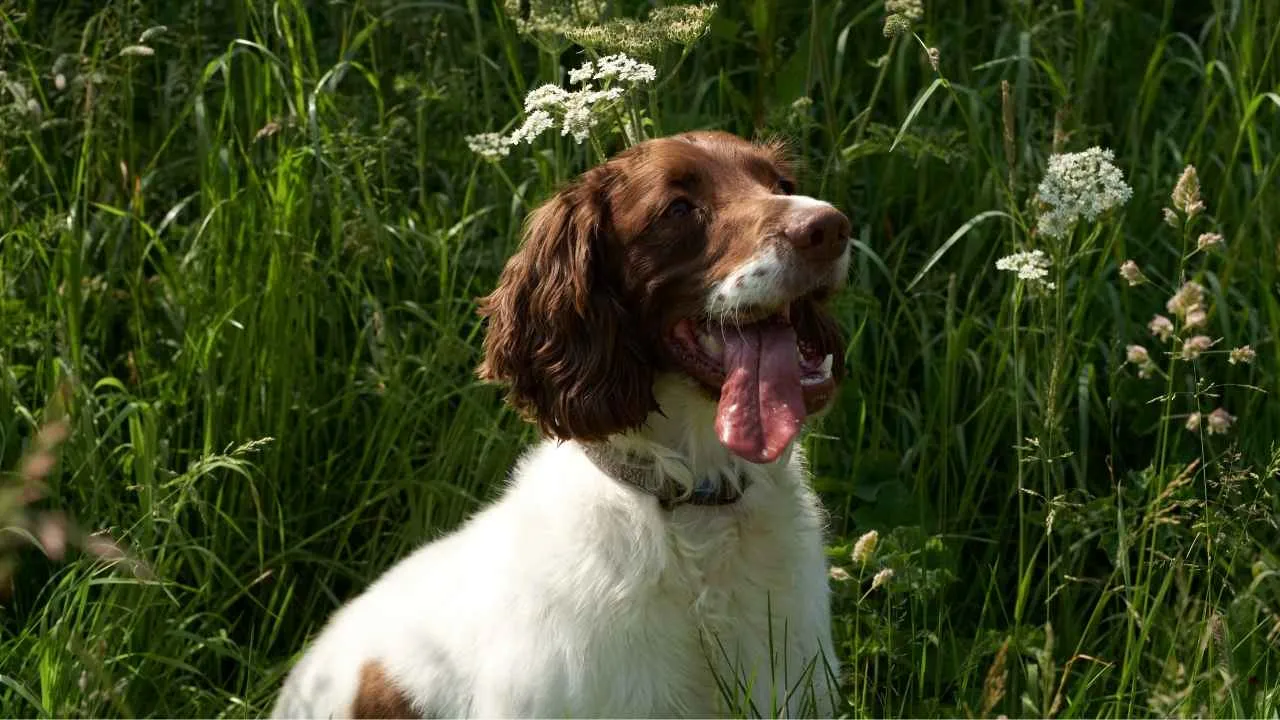
The English Springer Spaniel is a lively, friendly, and highly skilled hunting companion, equally at home in the fields or with a family at play. Originally bred to “spring” or flush game birds, Springers have keen noses, quick reflexes, and the endurance to work alongside hunters for hours.
Their intelligence and eagerness to please make them highly trainable, whether for fieldwork, agility, or obedience.
Springers come in two types: field and bench. Field Springers are lighter and built for hunting, while bench Springers are show dogs with fuller coats.
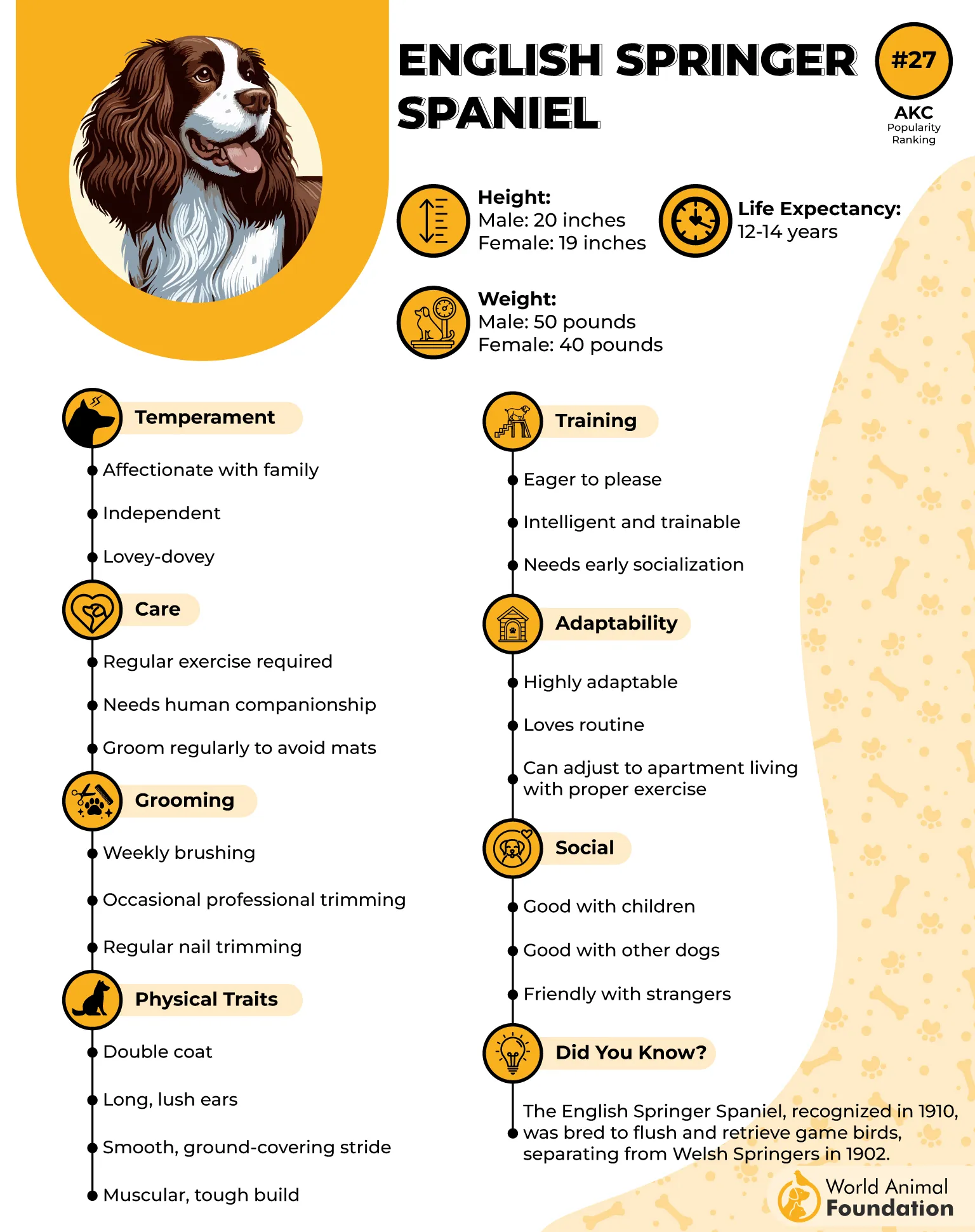
Loyal and affectionate, they thrive on family interaction and enjoy children and other pets when properly socialized.
Health-wise, Springers are generally robust but may face hip or elbow dysplasia, progressive retinal atrophy, or ear infections due to their long ears.
With daily exercise, mental stimulation, and responsible care, these energetic gundogs excel both in the field and at home, making them a top choice for upland bird hunting enthusiasts.
3. Nova Scotia Duck Tolling Retriever
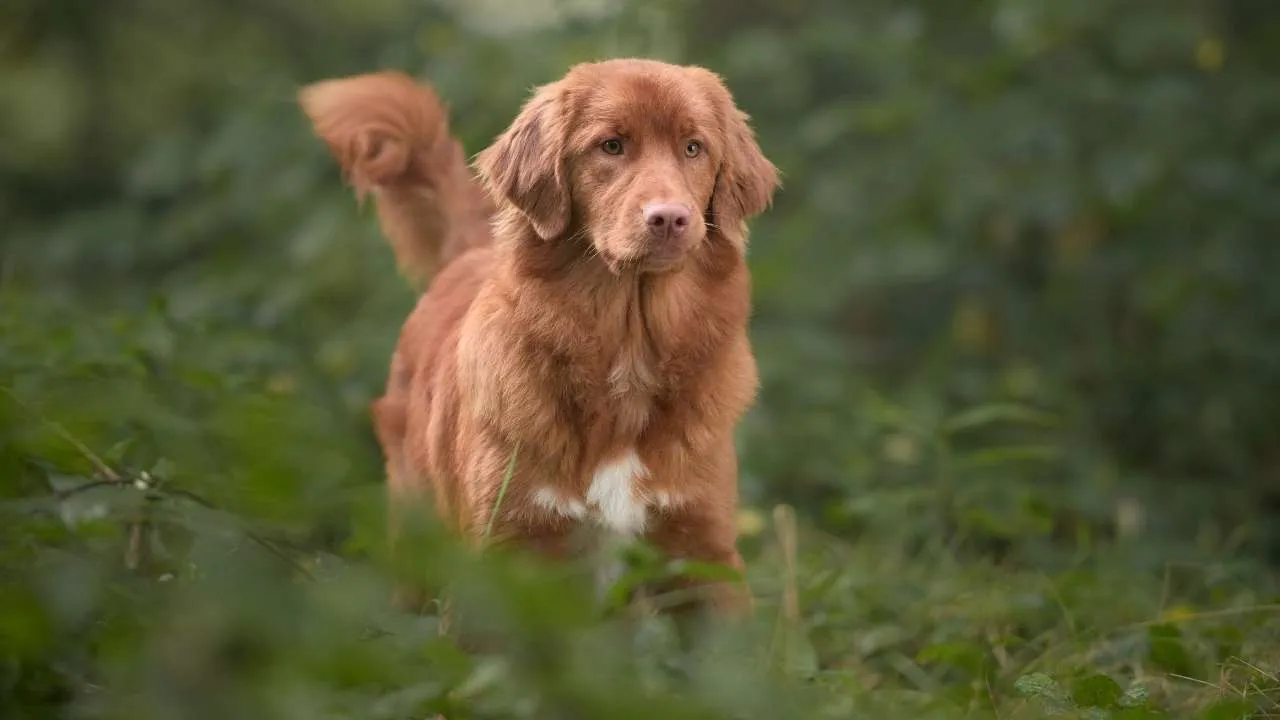
The Nova Scotia Duck Tolling Retriever, or “Toller,” is a spirited, intelligent, and affectionate dog with a compact but athletic build. Tollers are the smallest of the AKC retrievers, yet their energy and stamina are immense.
Their striking crimson coat, often accented with white markings, and expressive almond-shaped eyes make this gundog both handsome and alert in the field.
Tollers thrive on activity, fetch, swimming, hiking, agility, or hunting, anything that channels their high energy.
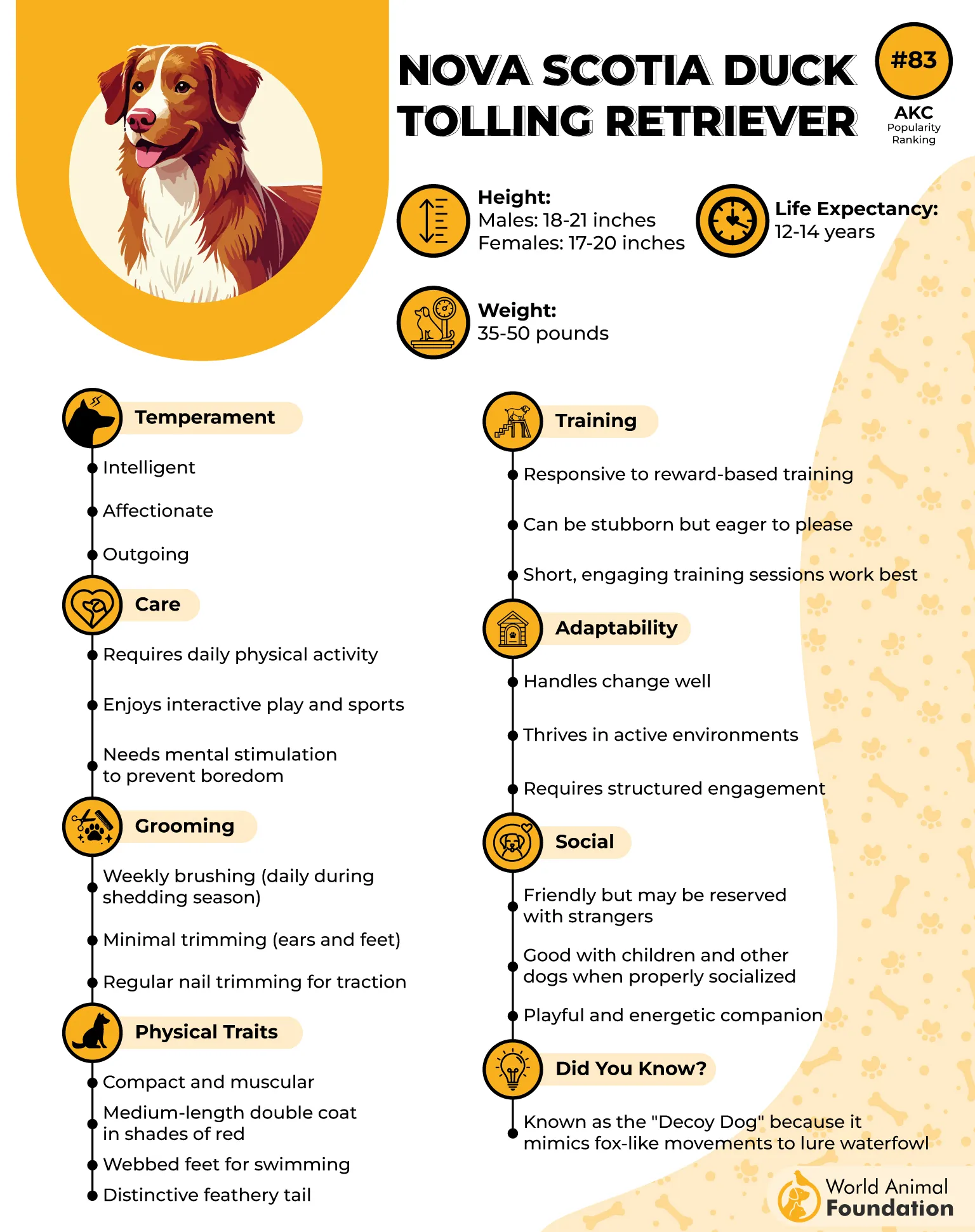
They are intelligent and eager to please, but can be a mix of stubborn and soft, so reward-based, short training sessions work best. Their loyalty and playfulness make them exceptional companions for active owners, according to the American Kennel Club.
With proper exercise, grooming, and care, Tollers are generally healthy, living 12–14 years. Potential health concerns include Addison’s disease and autoimmune issues.
A well-balanced diet, regular brushing, and consistent training ensure your Toller stays happy, fit, and ready for both the field and family life.
4. Irish Water Spaniel
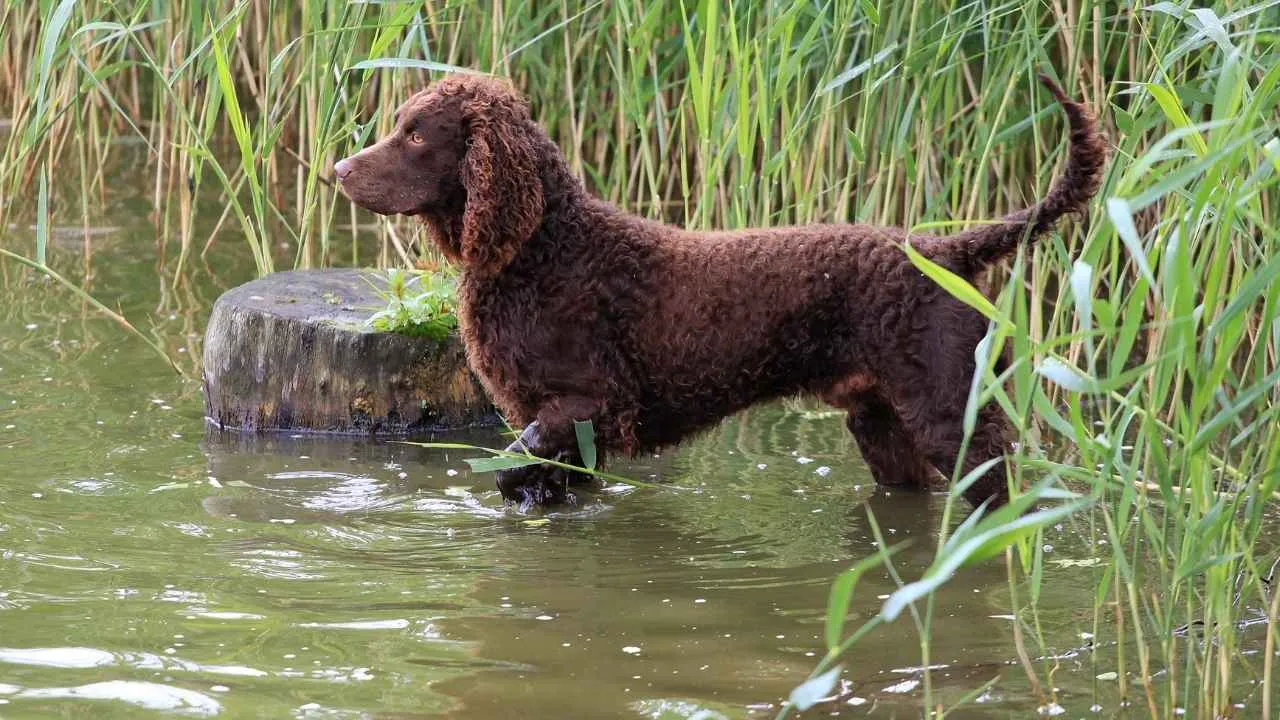
The Irish Water Spaniel is a striking, versatile gundog with a history dating back to 1830s Ireland. Originally bred to retrieve waterfowl, this breed evolved into an exceptional all-around hunter, adept at both water and upland bird hunting.
Its curly, waterproof coat and webbed feet make it a powerhouse swimmer, while its muscular build allows swift, efficient movement on land.
Intelligent, loyal, and affectionate, Irish Water Spaniels respond best to positive reinforcement training.
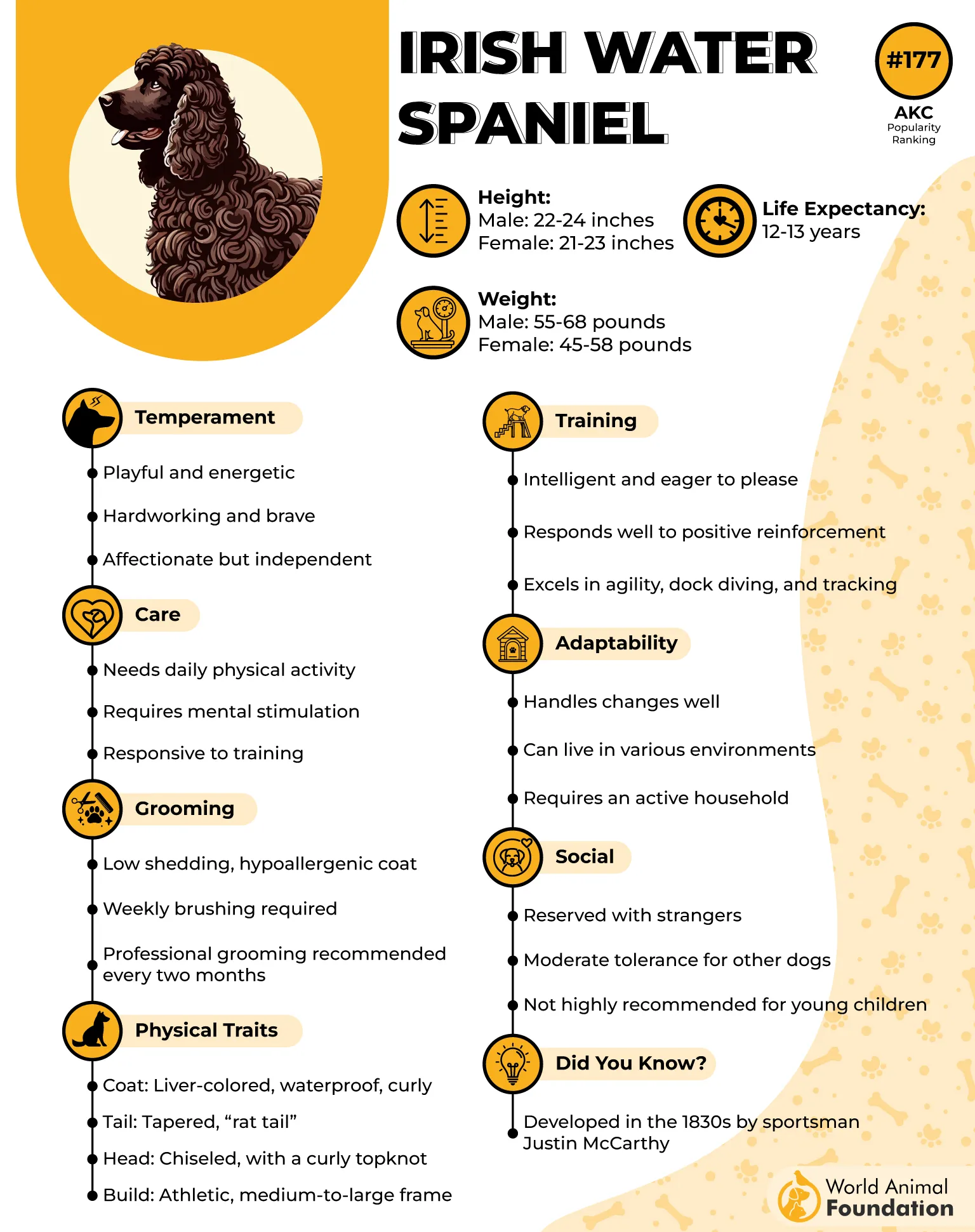
They are alert and independent, often showing playful, clown-like behavior while remaining devoted to their families. Though sometimes aloof with strangers, they are never aggressive.
A medium-to-large breed, with a distinctive barrel-shaped chest and a signature topknot.
Irish Water Spaniels are generally healthy, requiring regular grooming to prevent mats and routine ear care. Energetic and eager to engage, they thrive in active households, making them both a skilled hunting partner and a loving family companion.
5. Boykin Spaniel
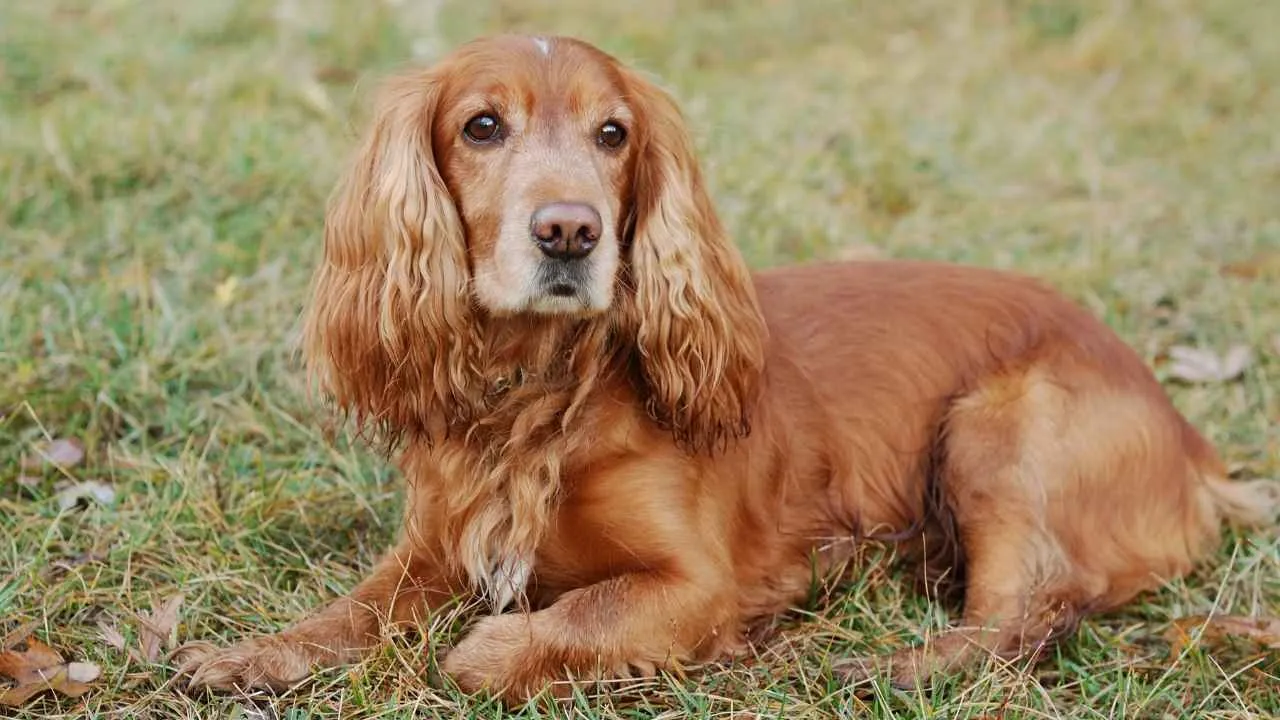
The Boykin Spaniel is a spirited American hunting dog, born in South Carolina to flush and retrieve turkeys and ducks in swampy terrain.
Compact, agile, and full of energy, Boykins excel in the field but are just as happy joining their owners on hikes, canoe trips, or dog sports.
Their medium-sized, wavy brown coat, ranging from rich liver to dark chocolate, requires minimal grooming, and their webbed toes make them natural swimmers.
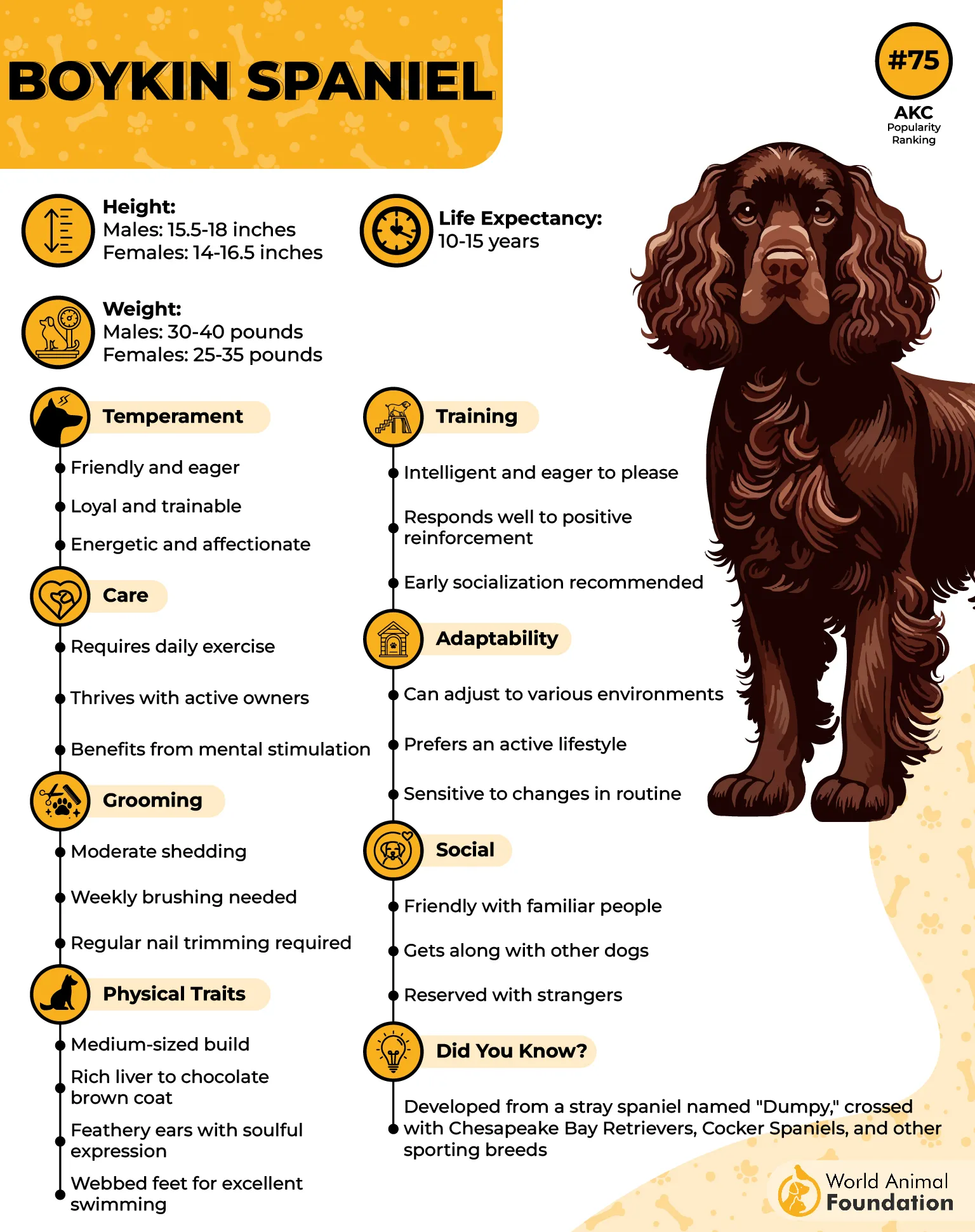
Boykins are intelligent, eager learners with a playful, affectionate personality. They thrive on mental stimulation and exercise, making them best suited for active families or experienced owners who can channel their energy productively.
While they are friendly and social, proper training and socialization are essential to prevent wandering or nuisance behaviors.
With a keen nose, quick reflexes, and remarkable endurance, Boykin Spaniels are versatile upland hunters, perfectly blending skill, loyalty, and charm. This little brown dog is as much a devoted companion as it is a capable sporting partner.
6. Golden Retriever
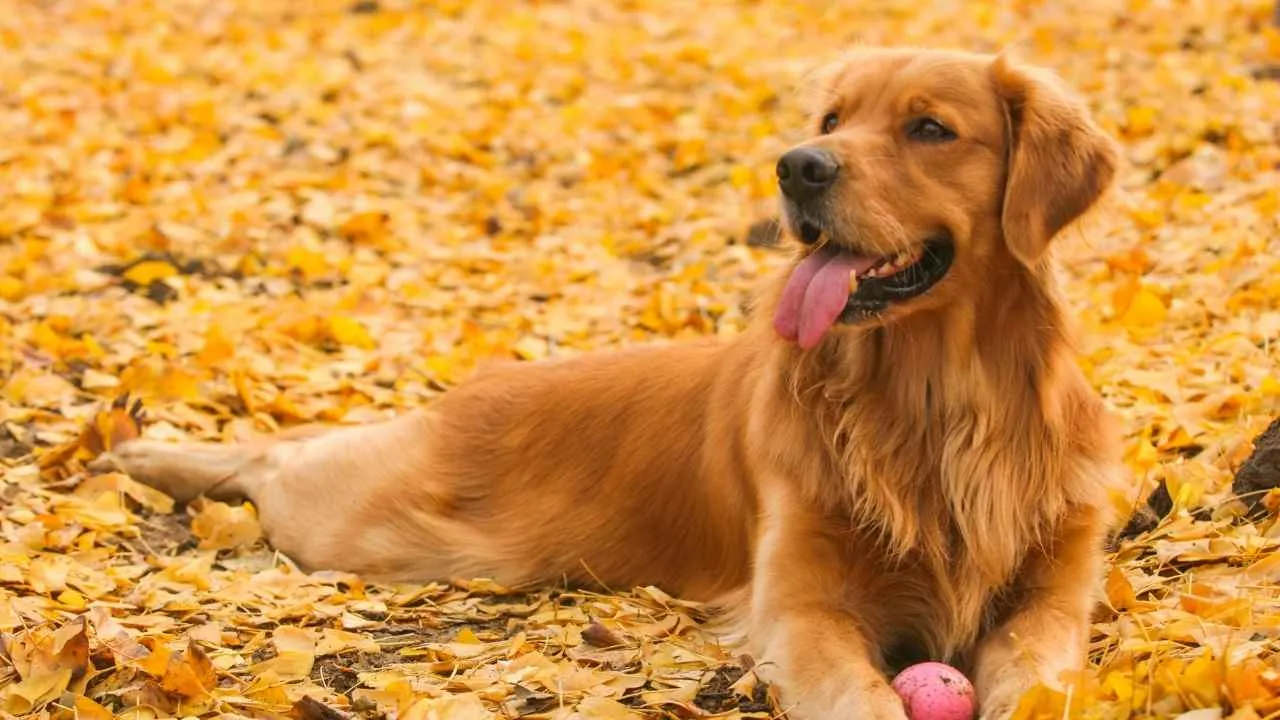
Golden Retrievers are more than family companions; they are versatile hunting partners with a remarkable talent for retrieving.
Field-bred goldens are athletic and intelligent, built like little canine athletes with shorter, water-resistant coats and superb endurance.
Whether hunting migratory waterfowl or upland birds like pheasants, these dogs bring patience, focus, and stamina to every outing. They work closely with hunters, keeping a steady pace in the 20-25 yard range, ideal for flush-and-retrieve scenarios, as stated by Pheasants Forever.
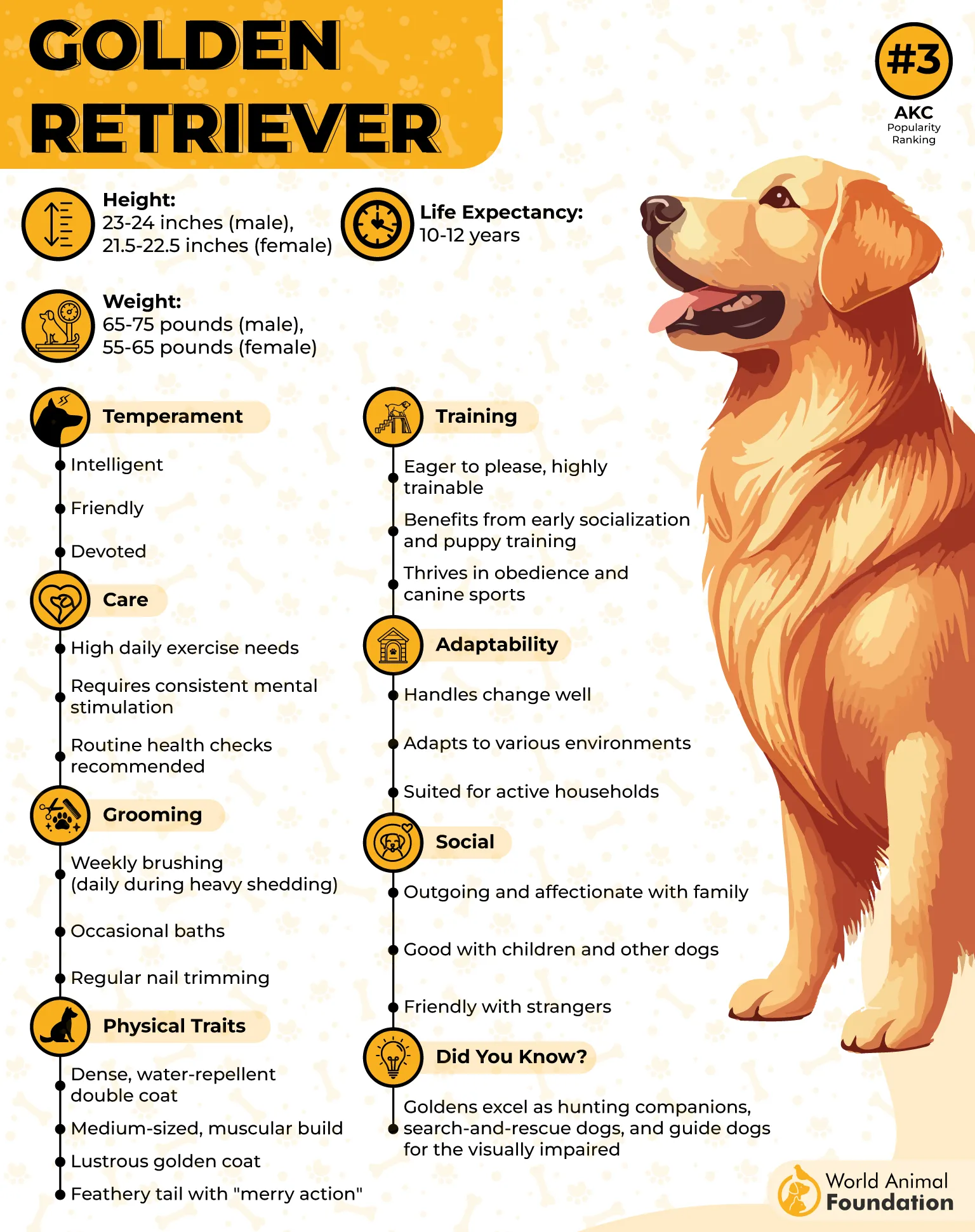
Golden Retrievers’ keen noses and persistence make them exceptional at locating birds in dense cover or water, and their love of activity ensures they thrive during long hunting days.
Highly trainable and eager to please, they respond best to positive reinforcement and careful introduction to gunfire. Beyond the field, goldens are affectionate, intelligent, and patient family pets, especially with children.
Their combination of loyalty, athleticism, and gentle temperament makes them an enduring favorite for hunters who want a dependable and loving canine partner.
7. Chesapeake Bay Retriever
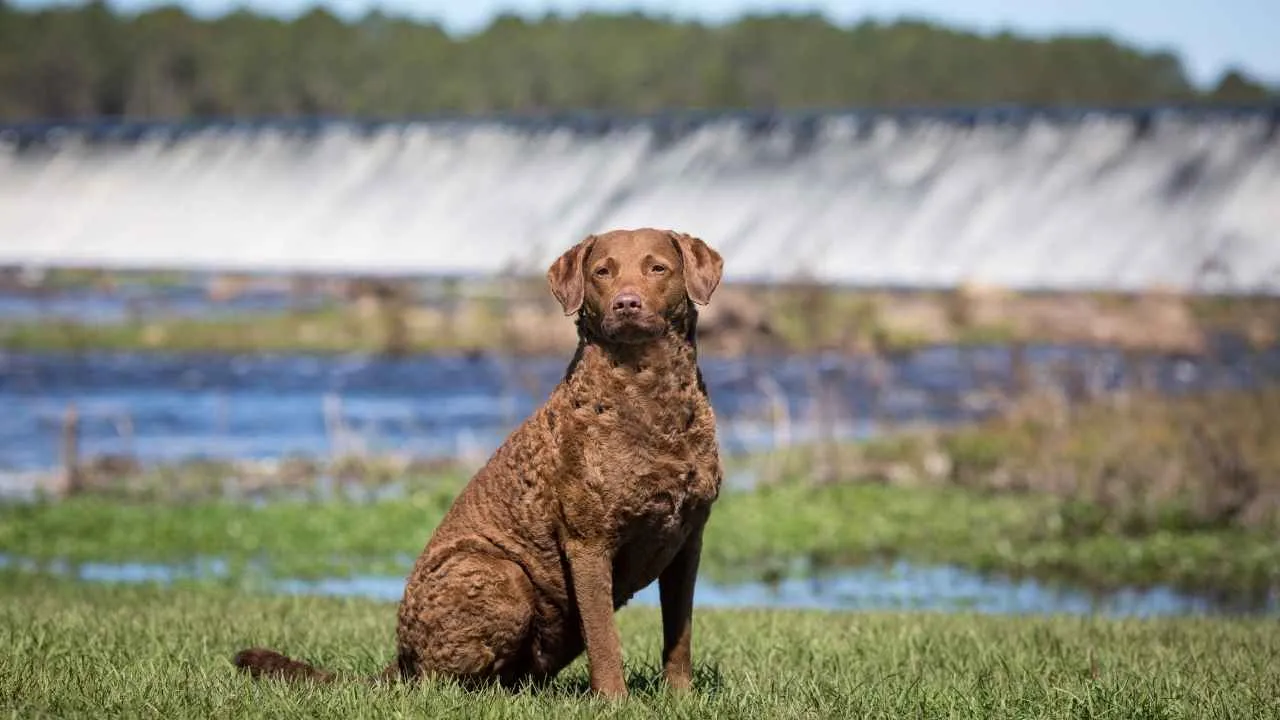
The Chesapeake Bay Retriever, affectionately known as the “Chessie,” was born from a tale of gratitude: in 1807, an English ship rescued off Maryland, gifted two Newfoundland puppies to their rescuers.
These versatile dogs’ exceptional water-retrieving skills laid the foundation for a hardy, versatile retriever capable of marking multiple downed birds and braving icy, rough waters.
By the late 1800s, Chessies had earned a reputation for stamina, intelligence, and courage, officially recognized by the AKC in 1878, and later named Maryland’s state dog in 1964.
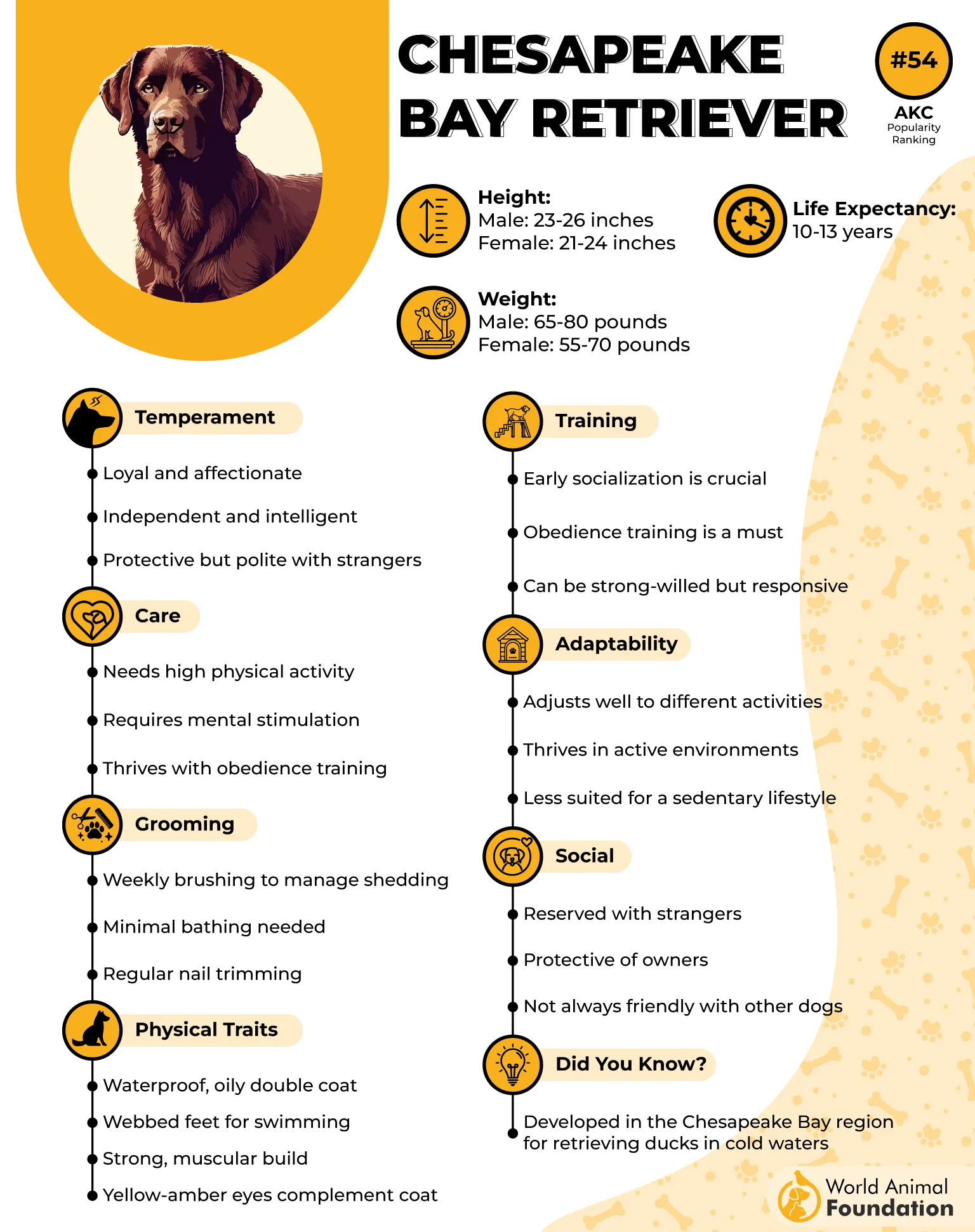
Chessies are loyal, playful, and protective, making them excellent family companions who thrive with structured, reward-based training. They require regular exercise, walking, jogging, swimming, and retrieving, to channel their energy and keen hunting instincts.
Their dense, oily coat is waterproof, perfect for cold water and harsh conditions, while their strong build, powerful jaws, and athleticism make them natural upland and waterfowl hunters.
Chessies combine intelligence, endurance, and devotion, earning their place as one of America’s most capable sporting dogs.
8. Brittany
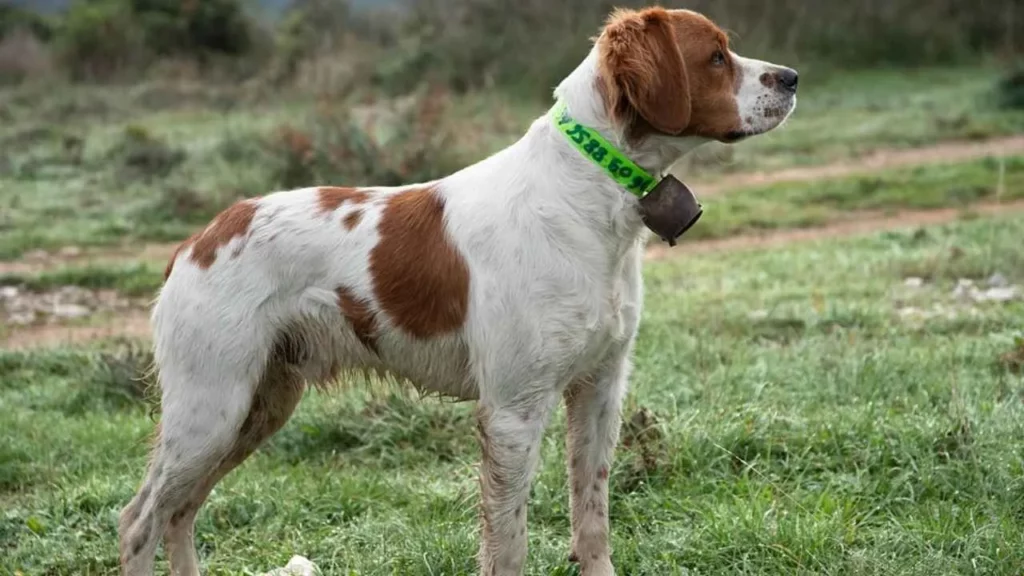
The Brittany is a true bird dog, blending the best traits of spaniels, pointers, and setters into a compact, athletic package. Once known as the Brittany Spaniel, the breed’s pointer instincts are now so pronounced that the AKC dropped “spaniel” from its name.
With a thick, medium-length coat in striking white and orange or liver patterns, Brittanys are as eye-catching as they are agile. Energetic and alert, they excel in the field, tirelessly marking and flushing upland birds across challenging terrain.
Brittanys are not only hardworking hunting partners but also affectionate family companions, as stated by Orvis.
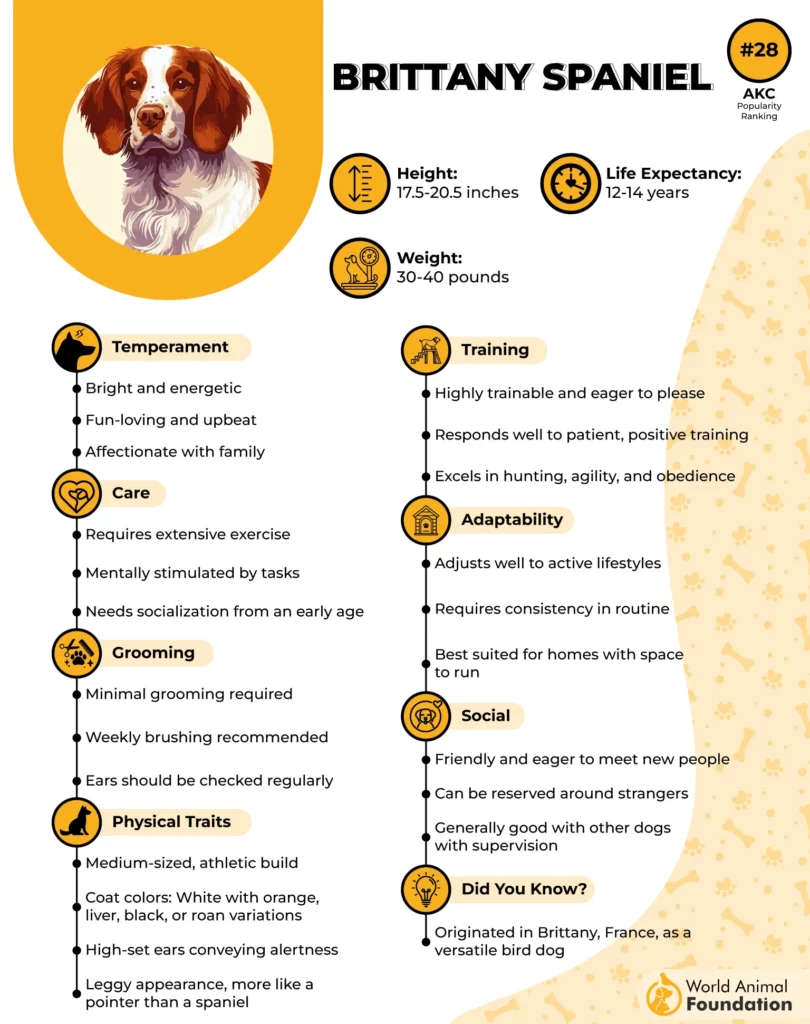
They thrive on activity, mental stimulation, and interaction, making them ideal for active households.
Their intelligence and eagerness to please respond best to positive reinforcement, while their high energy levels demand daily exercise, long hikes, brisk runs, or bird-chasing sessions.
Rugged yet playful, Brittanys combine stamina, agility, and loyalty, making them one of the most versatile and enduring sporting dogs in upland hunting.
9. Curly-Coated Retriever
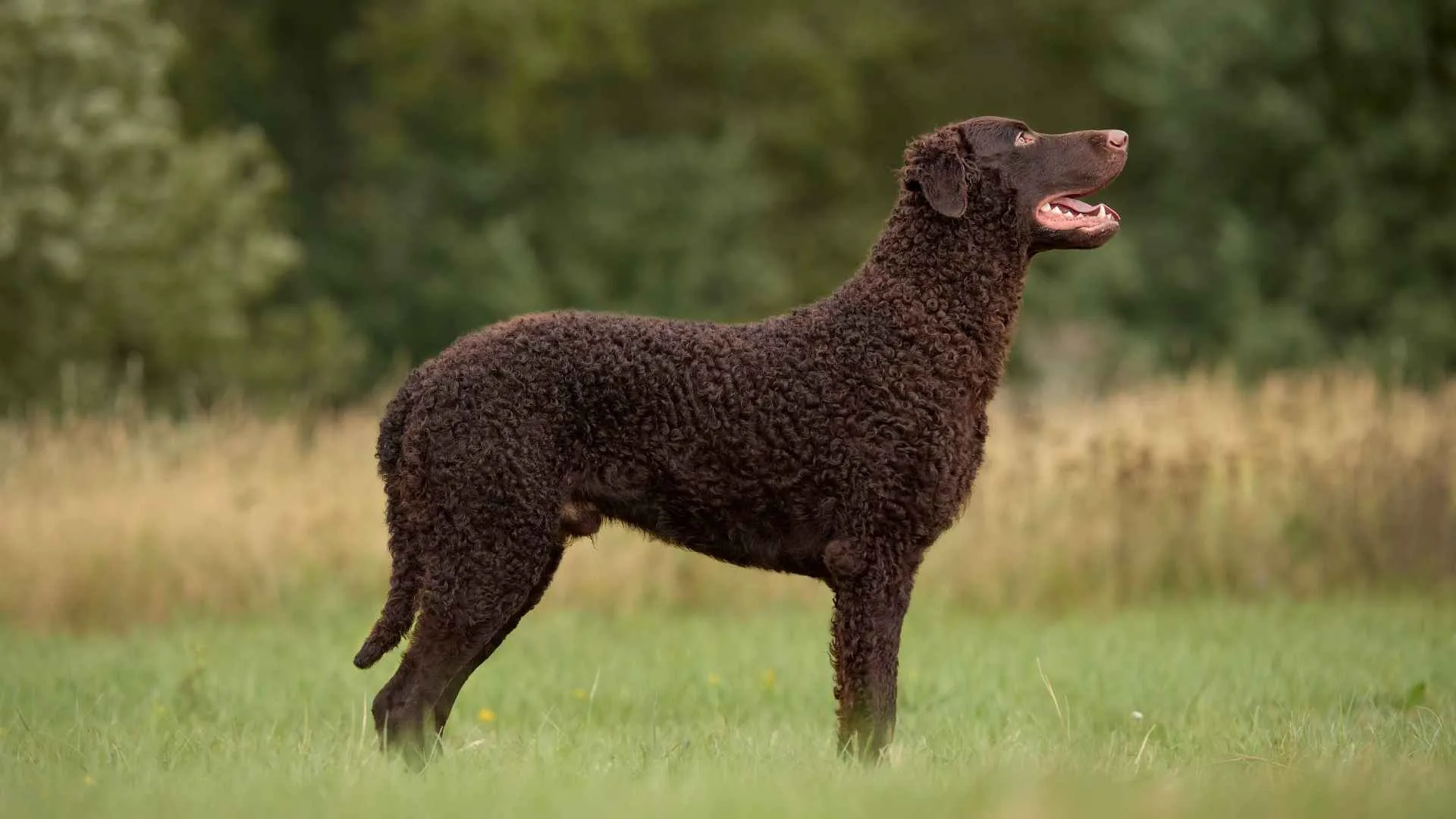
The Curly-Coated Retriever is one of the oldest retriever breeds, developed in England in the early 1800s to hunt and retrieve game with minimal direction.
Known for its distinctive tight, crisp curls covering most of the body, this large, elegant dog is built for endurance, strength, and versatility in both upland and waterfowl hunting.
Curlies are bold, independent, and highly intelligent, with an instinctive drive to track, flush, and retrieve birds even in the heaviest cover or icy water.
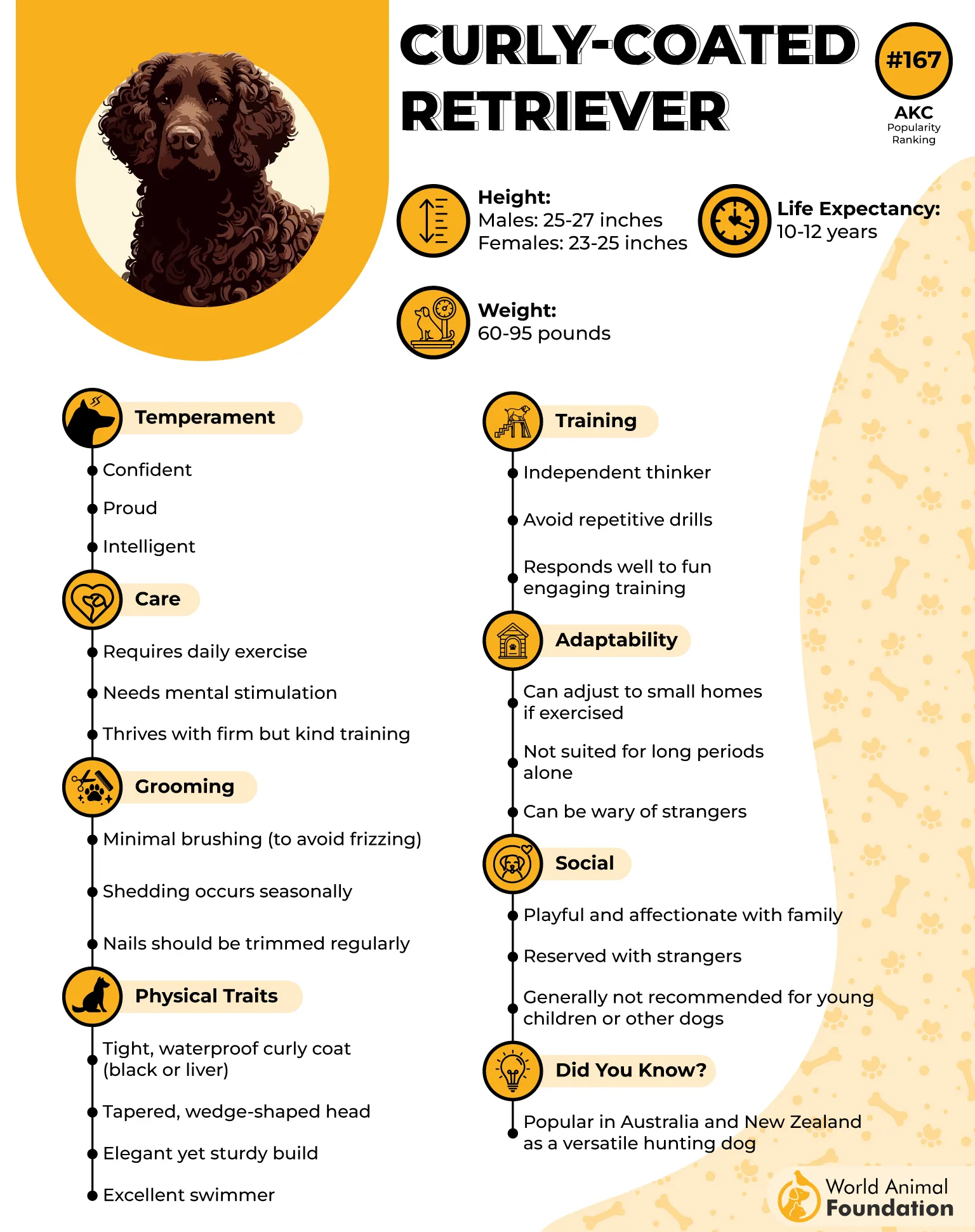
Unlike many retrievers, they think for themselves, choosing efficient routes to game and conserving energy during long hunts.
While fiercely loyal to their families, Curlies can be reserved with strangers, making them attentive watchdogs rather than guard dogs. They thrive on exercise, mental stimulation, and outdoor activity, including swimming, retrieving, and exploring.
With proper early training, positive reinforcement, and plenty of engagement, the Curly-Coated Retriever is a tireless, methodical hunting partner and affectionate companion for active, outdoorsy homes.
10. Flat-Coated Retriever
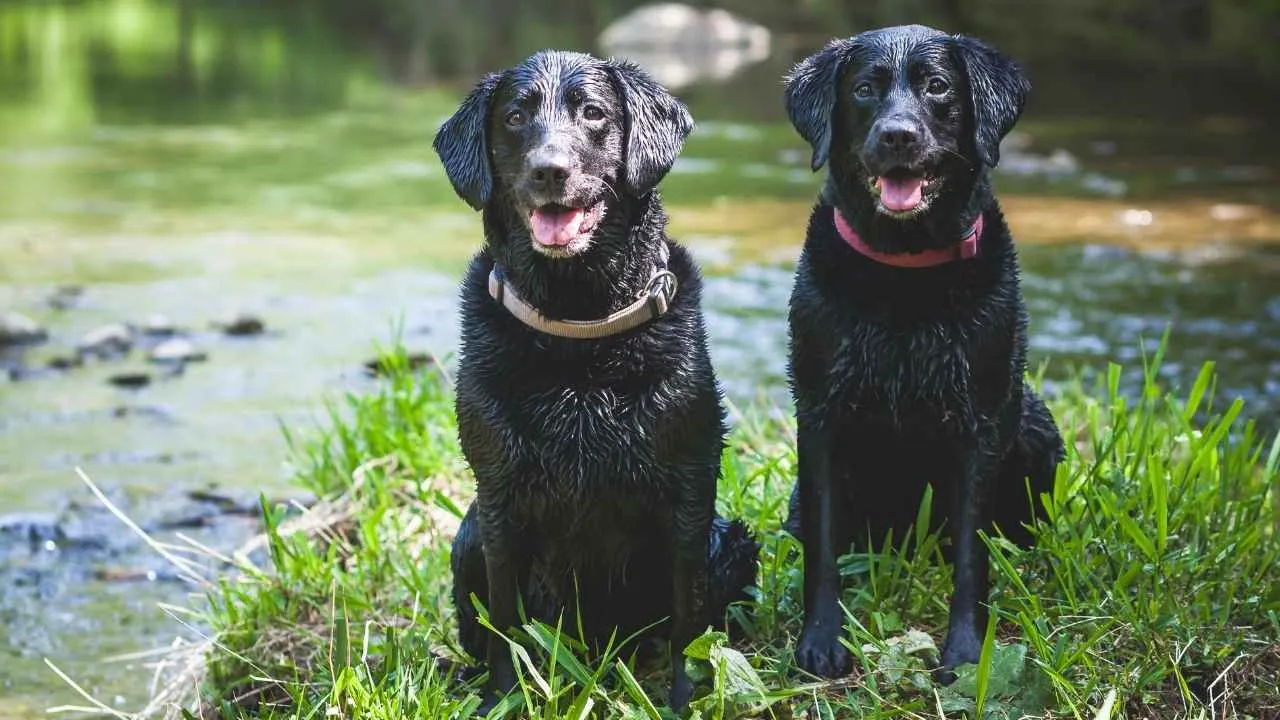
The Flat-Coated Retriever is a large, energetic hunting dog built for flushing and retrieving game, from upland birds like quail and pheasant to waterfowl.
Originating in 19th-century England, this versatile retriever likely descends from a mix of Newfoundlands, spaniels, setters, and pointers, developed to excel in both land and water.
Early on, known as the Wavy-Coated Retriever, it gained popularity among gamekeepers for its intelligence, stamina, and natural retrieving instincts.
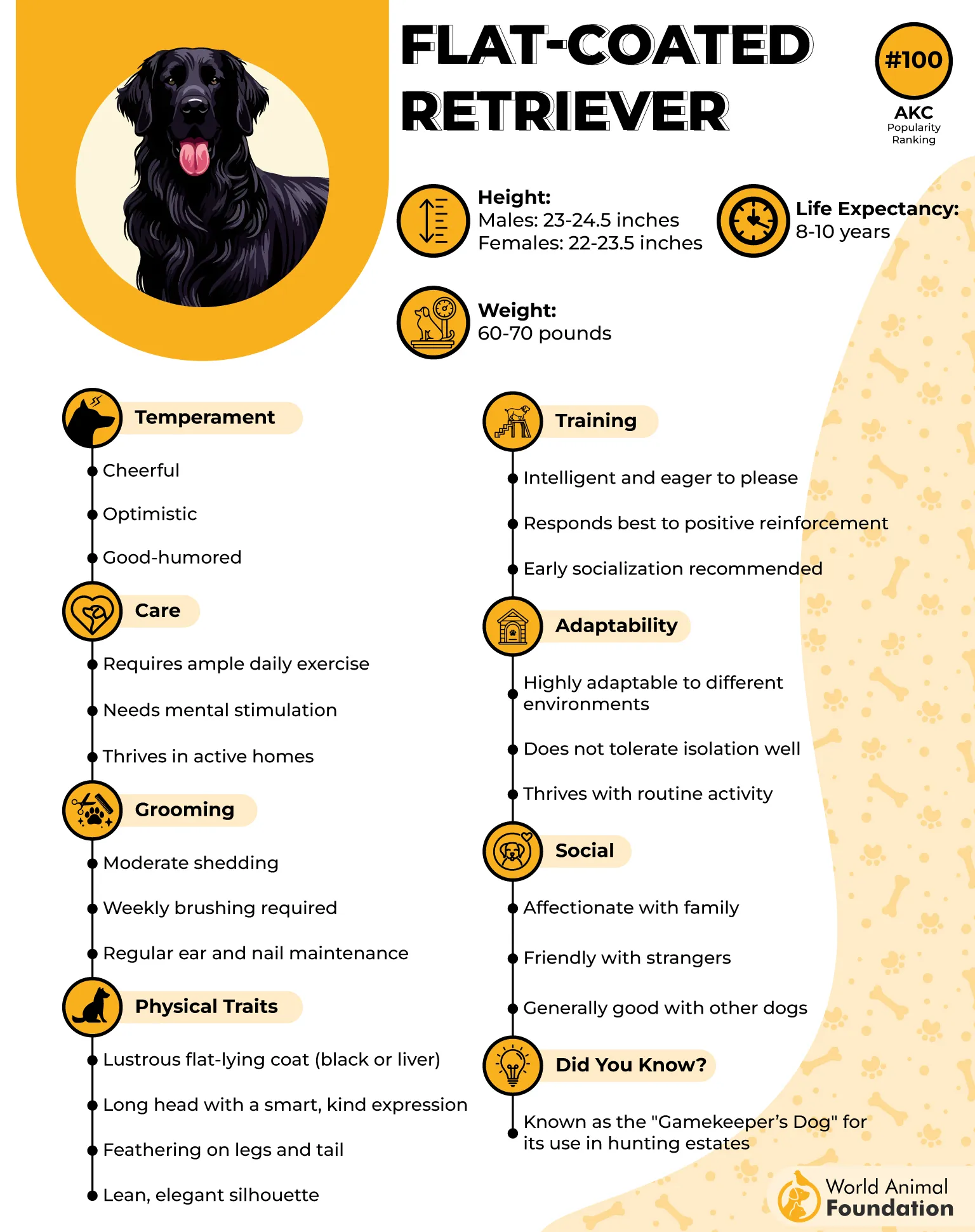
Flat-Coats are cheerful, loyal, and highly social, thriving on close interaction with their families. They remain playful well into adulthood and are slow to mature, maintaining a puppy-like zest for life.
Their dense, flat coat protects them from weather, water, and heavy cover, requiring weekly brushing, according to Omlet.
Smart and trainable, Flat-Coats need regular exercise, mental stimulation, and engaging activities like retrieving, agility, or hunt tests. With the right training, they are tireless hunting partners and affectionate companions for active homes.
Conclusion
Upland bird hunting demands dogs that are intelligent, agile, and tireless, and the bird dog breeds featured in this article embody these qualities in unique ways.
From the eager and versatile Brittany to the independent and methodical Curly-Coated Retriever, and the joyful, people-loving Flat-Coated Retriever, each popular dog breed brings a combination of stamina, instinct, and loyalty that makes them exceptional hunting companions.
These trained bird dogs thrive on activity, mental stimulation, and the bond they share with their handlers, whether working in thick cover, chasing scents across open fields, or retrieving from land and water.
While some breeds may be more independent or reserved, all share a strong work ethic, sharp noses, and a love for outdoor adventure.
For dog lovers, understanding the traits, exercise needs, and personalities of these upland hunting breeds ensures a fulfilling partnership, whether in the field or at home, creating a bond built on trust, respect, and shared adventure.
