




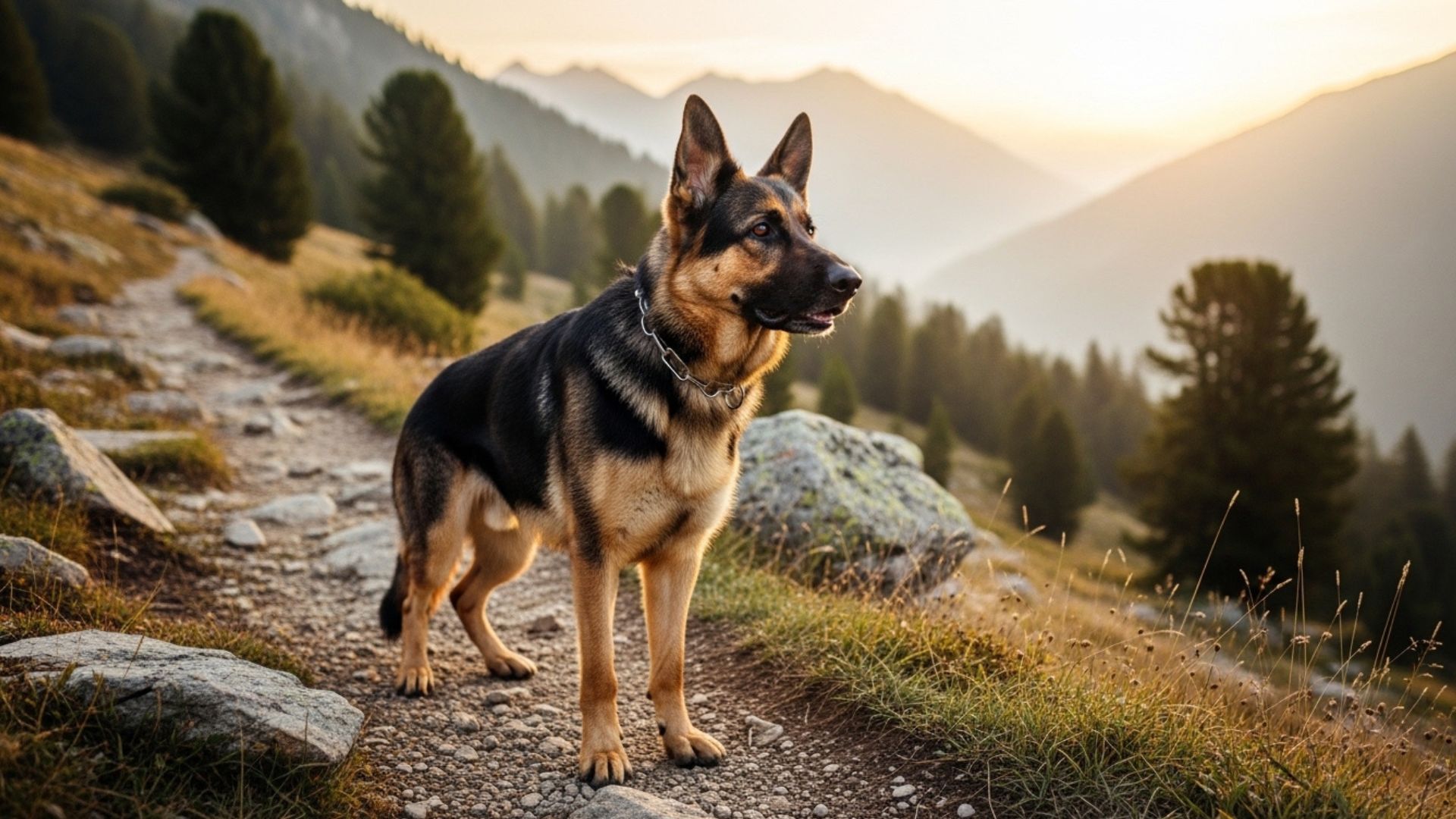
Cold air, wet soil, and wild trails can hide a scent fast.
That is why the canine world loves a great nose. In forests, hills, and rough fields, scent detection becomes a real superpower. Some dogs are originally bred for tough tracking and steady hunting, so they keep going when the path gets messy.
Sounds crazy, right?.
This blog is about legendary dog breeds that stay locked in on a trail. They can search with calm focus, even when the wind shifts.
Many are used in search and rescue because they can pick up tiny clues on the ground. Some help in rescue operations where time matters and people feel scared.
And here’s the best part! You will learn what makes each breed special and how training can bring out that natural ability.
Legendary Dog Breeds that Excel in Wilderness Scent Work
1. German Shepherd
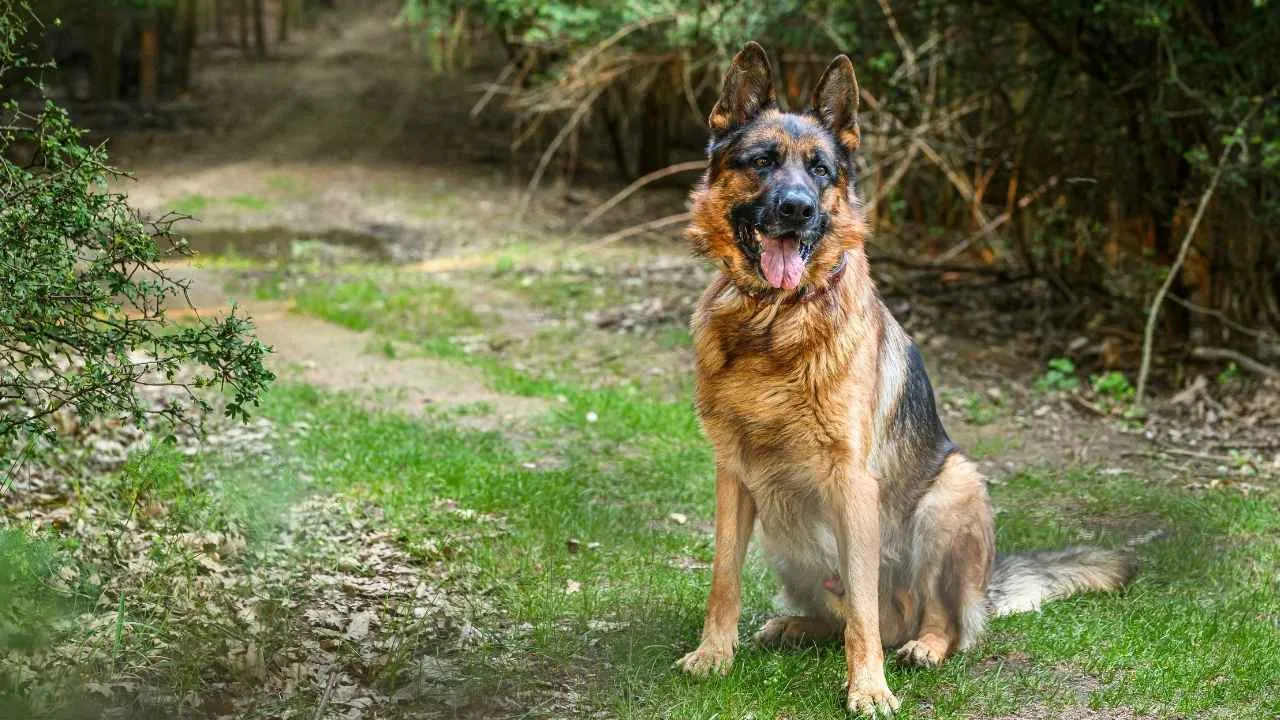
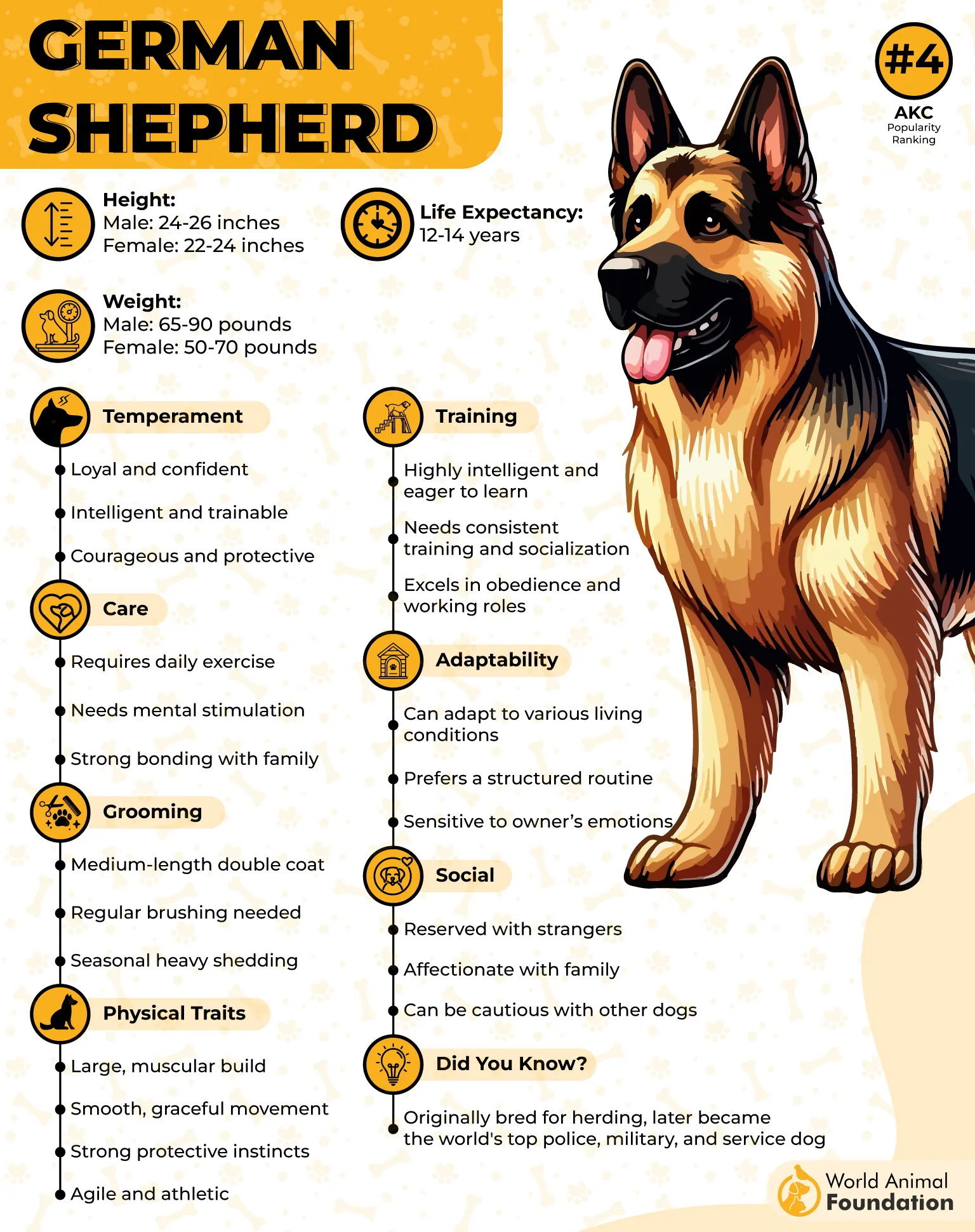
This breed is known for loyalty, courage, and strong protective instincts. In wild places, that mindset matters. A German Shepherd can protect a handler, stay alert, and still keep the nose working.
Many are used in search and rescue operations because they can think fast, follow directions, and stay steady under pressure. That same steadiness helps when the trail is long and the ground changes.
In wilderness scent work, the keen sense of smell blends with sharp focus. The dog can move through brush, step over logs, and keep going across long distances without losing the trail.
The work ethic is not a slogan here. It shows up in every step, every pause, every careful sniff of the ground. Here’s the good part. With patient training, this breed learns to ignore distractions like deer, strange animals, and sudden noises.
But why bother with that? Because a calm mind helps scent detection stay clean. Use simple routines, clear rewards, and short practice sessions. Keep the leash relaxed and steady.
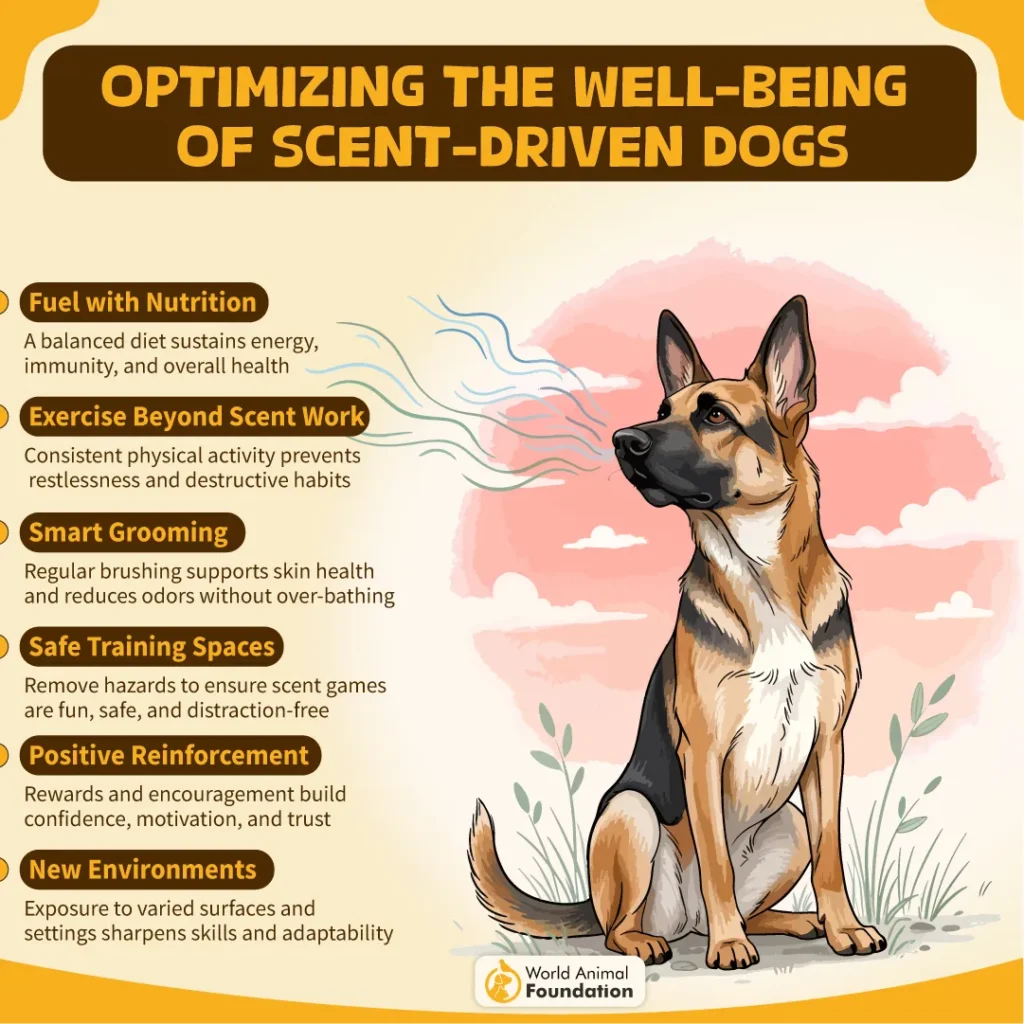
Do not rush the dog. Let the nose lead, then guide with quiet cues.
A Working Mind That Never Quits
Builds endurance with safe hikes and rest days
Learns scent games using cloth items and soil
Works best with a steady handler and clear rules
2. Beagle
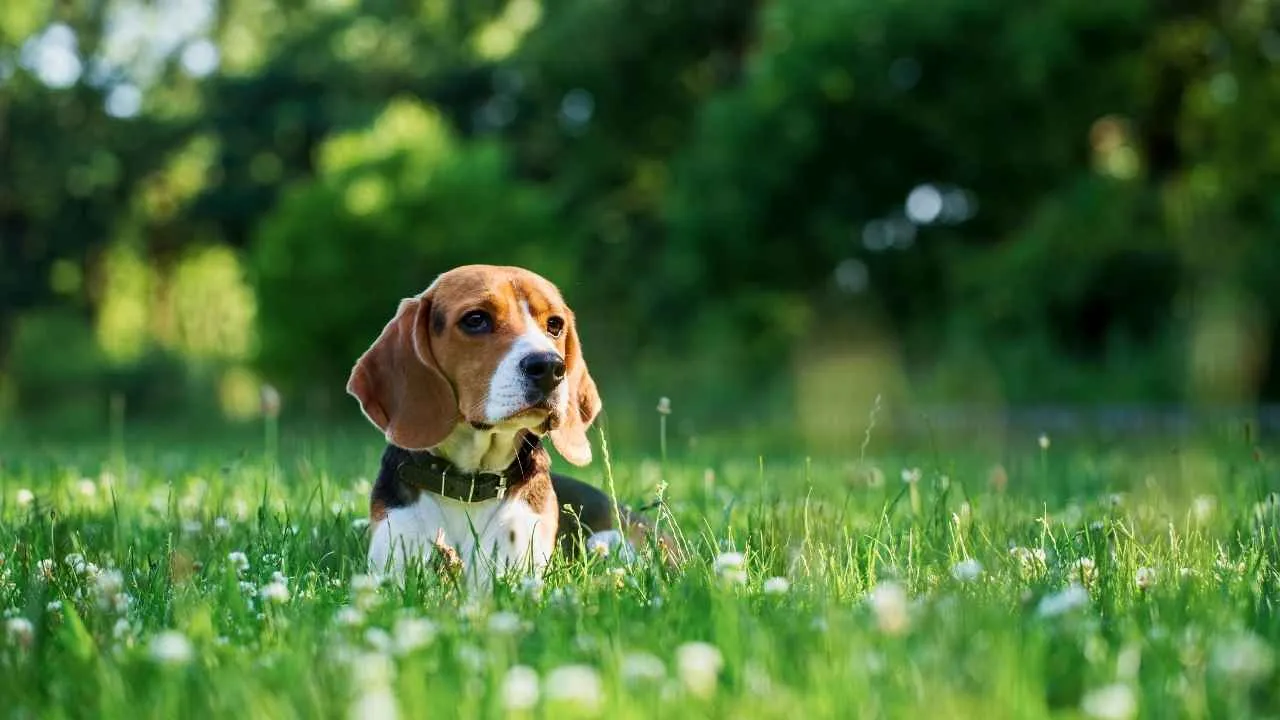
Beagles were built for hunting with their nose close to the ground. This breed has excellent noses, and they love to use them. In the woods, they sniff every leaf edge as if it matters.
And honestly, sometimes it does. Their small size also helps them slide through thick cover where bigger bodies get slowed down.
A Beagle’s instinct is simple. Find the scent. Follow it. Keep going. That drive can make them great at search games in rough terrain.
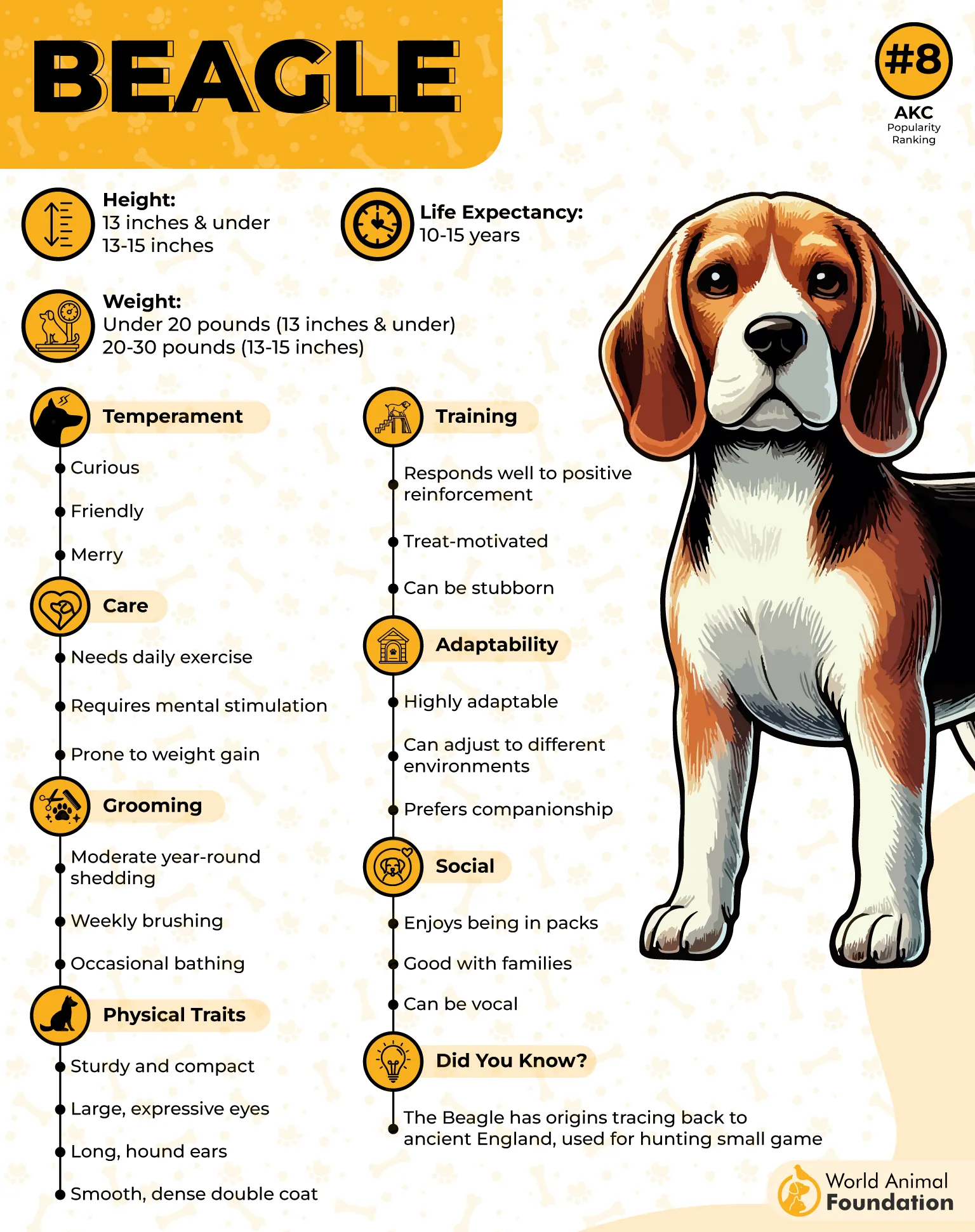
They may get excited, though, and high energy can show up as pulling or loud baying. It gets even worse, though, if early training is skipped. They can become stubborn on a trail because the scent feels more important than the person holding the leash.
The fix is a friendly structure. Keep training fun and short. Use food rewards and praise. Practice “check-in” moments so the dog learns that humans matter too.
Once that bond is strong, a Beagle becomes a reliable partner for scent work that feels like play, not pressure.
A Natural Tracker with Endless Drive
Uses low-to-ground sniffing for clean scent detection
Enjoys short trail drills with clear reward timing
Needs calm leash skills before longer outings
3. Bloodhound
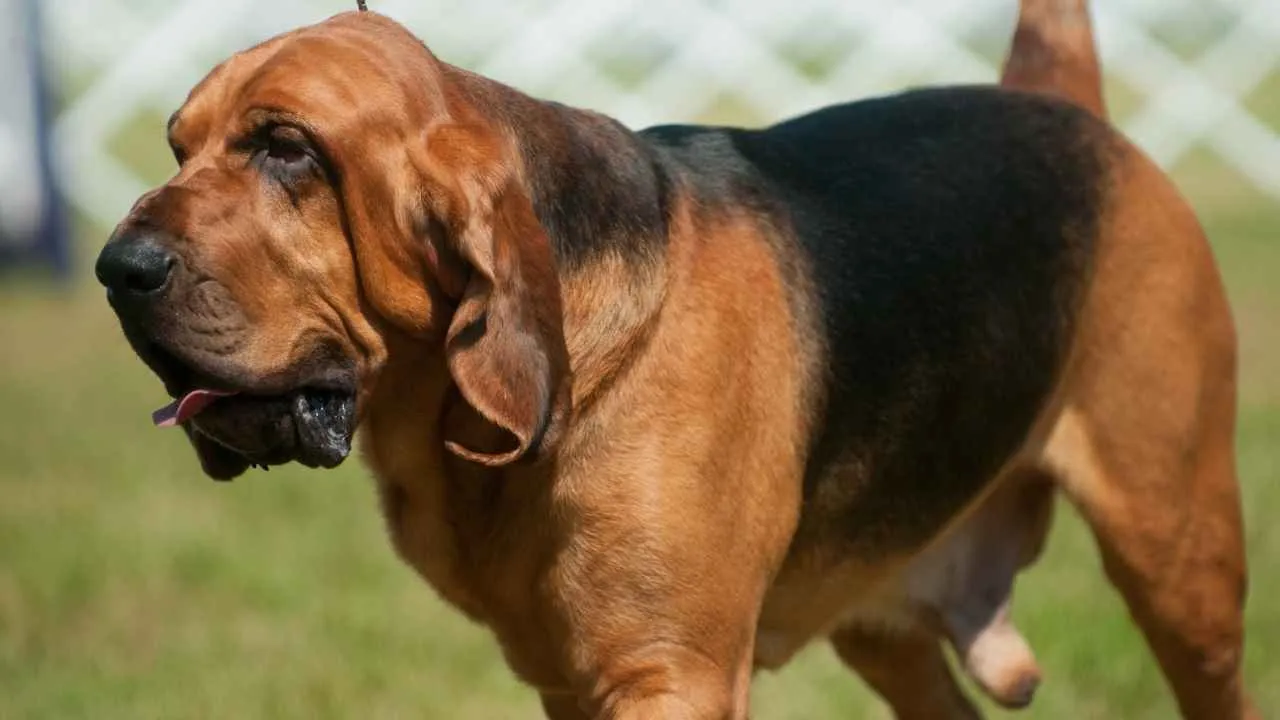
If you want an extraordinary sense of smell, this breed is famous for it. A Bloodhound’s nose is not just good. It is serious business.
AKC notes that their loose skin and long ears help trap scent close to the face, which supports steady tracking. In police work, they can follow a trail that feels invisible to humans.
This breed often excels at finding missing persons because it can stay on one scent line for a long time. They do best when the track is treated like a job. Slow is fine. Careful is better.
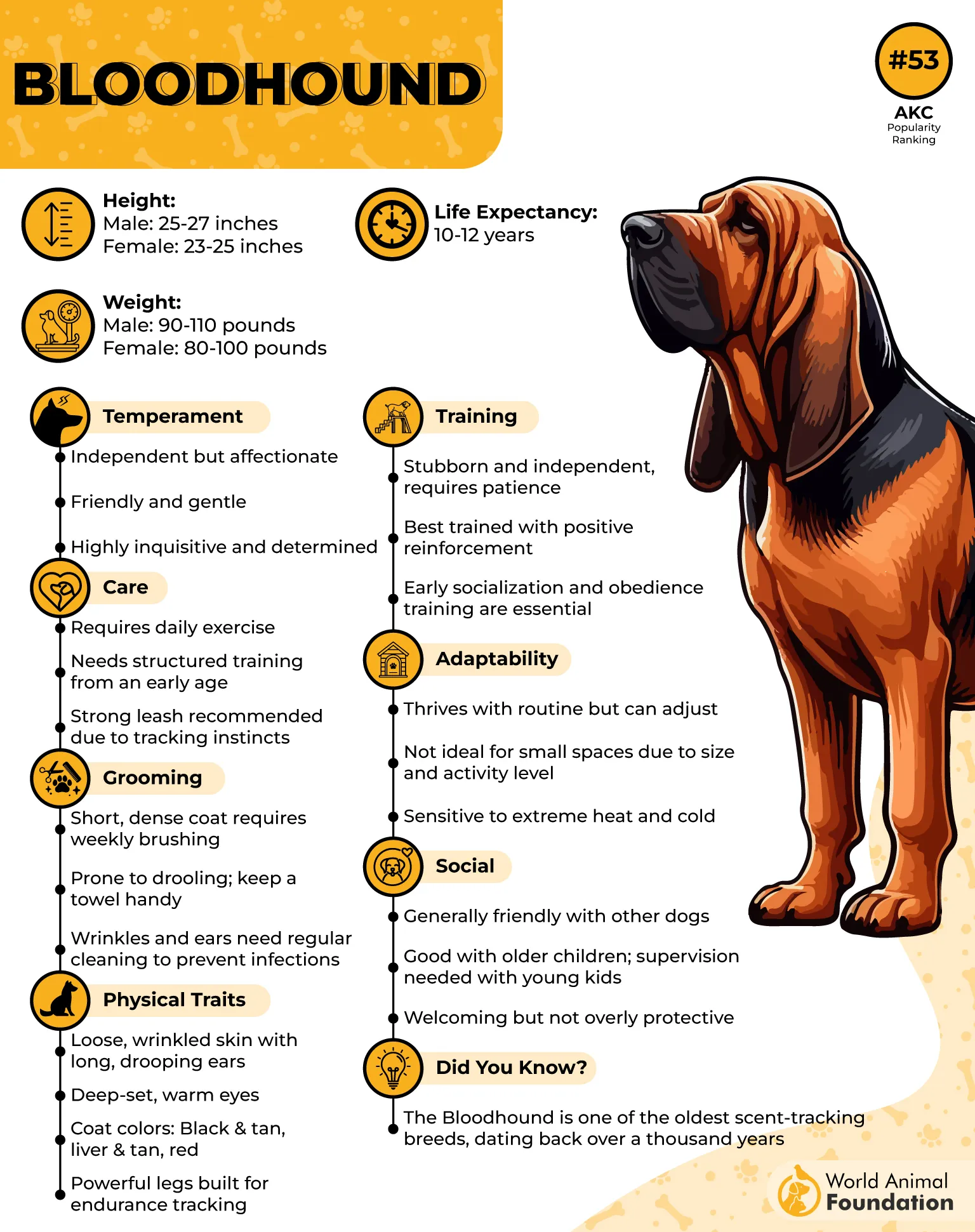
Their pace can look lazy, but it is actually deep processing. Think of it like reading a book line by line instead of skimming.
Training should be gentle and consistent. This is a big dog with a gentle nature, but they still need rules. Use a strong harness, keep sessions upbeat, and end before the dog gets bored. With smart training, the Bloodhound can do search and rescue work that feels almost magical.
A Nose That Redefines What’s Possible
Tracks with steady nose work and patient pacing
Needs simple cues and calm repetition
Stays confident on long trails with clear rest breaks
4. Black and Tan Coonhound
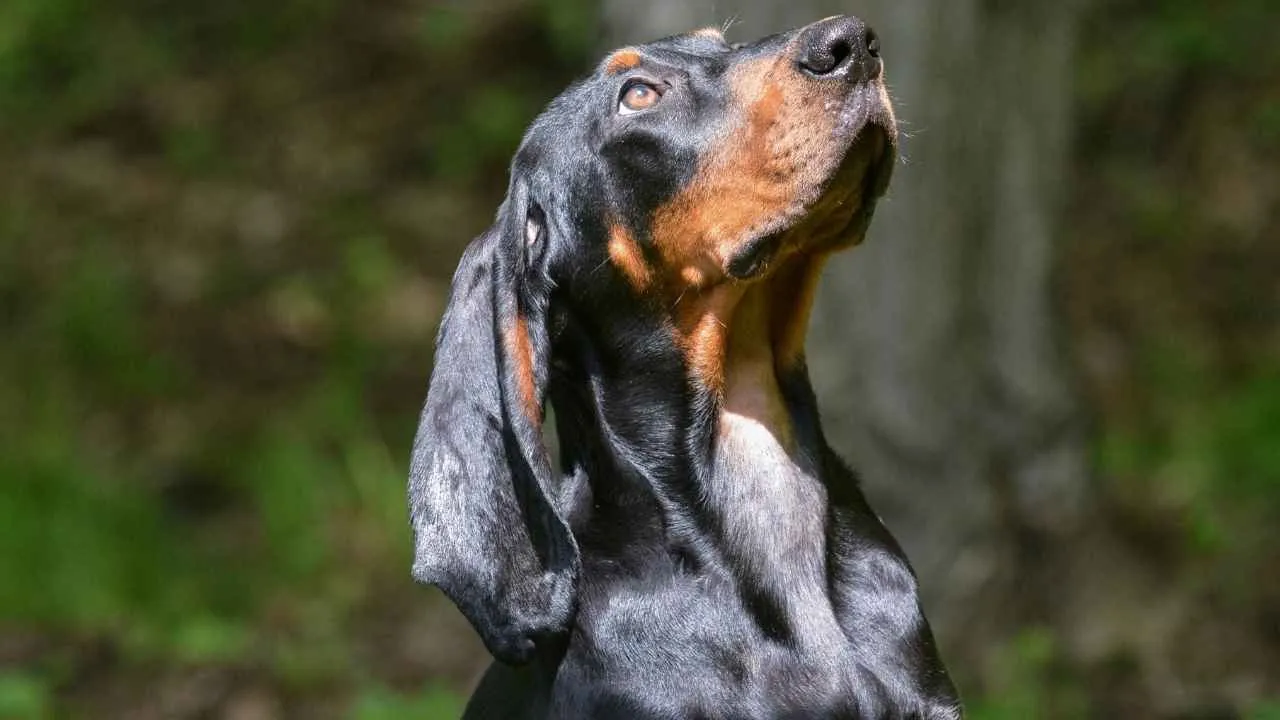
According to WebMD, this breed was originally bred for night hunting, often following scent across rough ground. Their deep voice is famous, but the real star is the scent skill.
In wilderness scent work, they can hold a trail even when the air is damp or the ground is rocky. They are hunters who love a clear purpose. Their agility and intelligence make them valuable in evidence searches and patrols
A Black and Tan Coonhound can be independent, so training must feel worth it. If the dog thinks the trail is more fun than the person, you will see that stubborn streak.
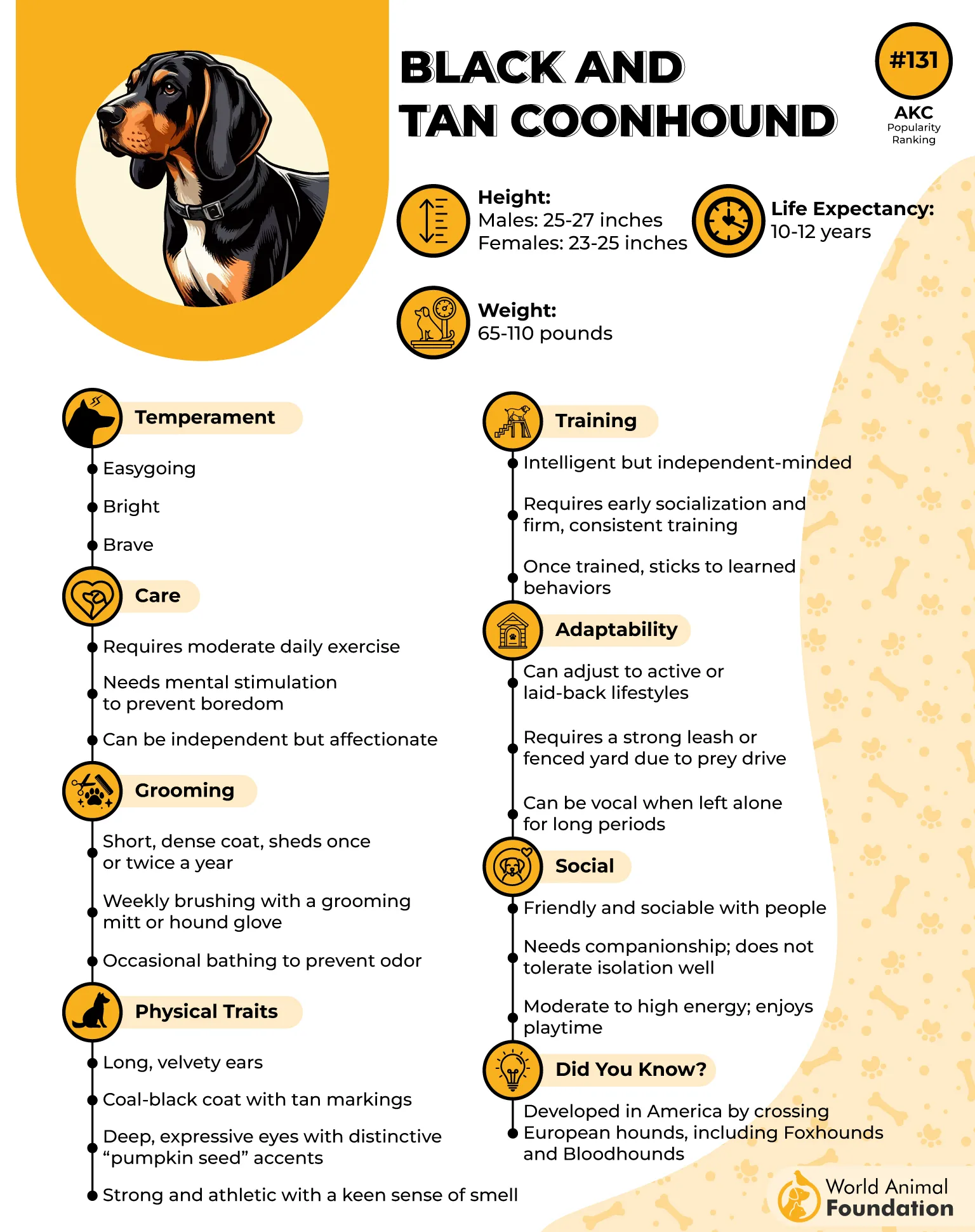
But wait, there’s more! When the bond is built right, the dog becomes steady and capable, with an exceptional sense for staying on track. They can also stay calm around strange animals if early practice is done with care.
Keep sessions playful. Use track lines in safe areas. Reward calm behavior before you reward speed. This breed does well with a long line instead of a tight leash. That little bit of freedom helps the nose do its best work.
A Voice That Signals a Locked Trail
Strong scent detection drive in damp woods
Works best with fun rewards and clear limits
Needs steady training to reduce wandering
5. Basset Hound
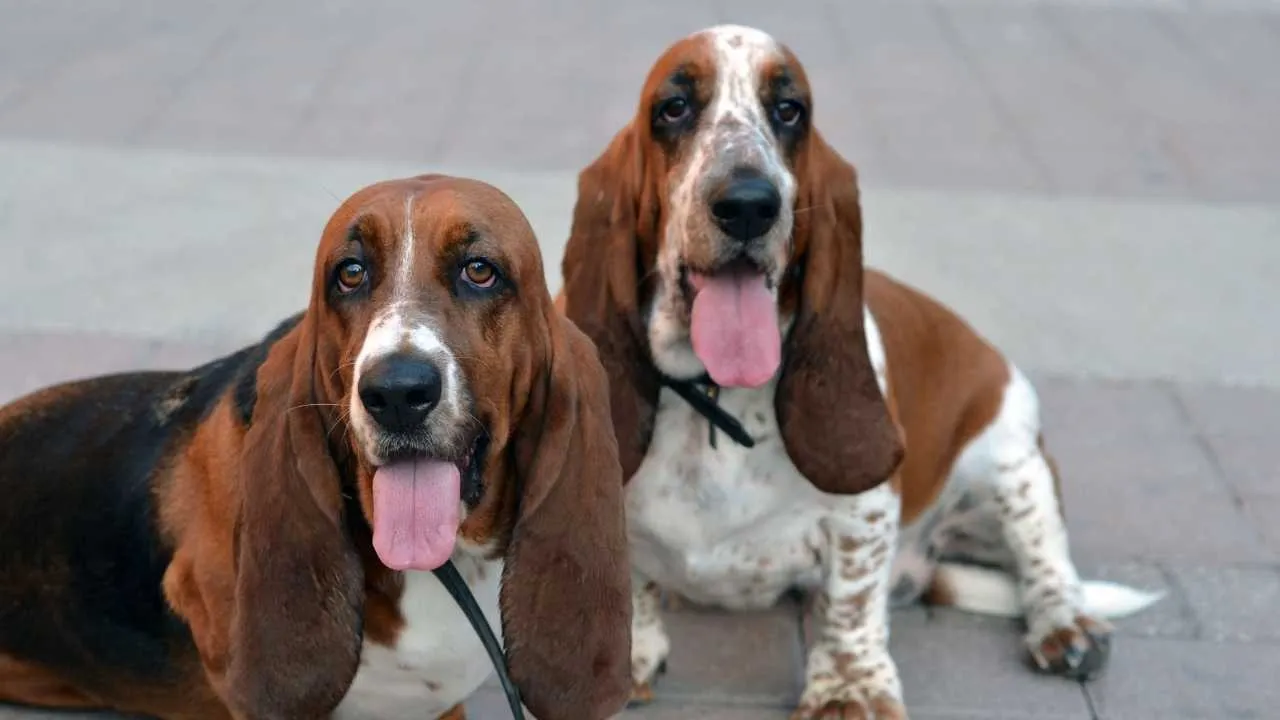
This breed looks like a couch comedian, but the nose is the real story. A Basset Hound has a low body, strong paws, and a scent style that sticks close to the ground.
Their ears help hold scent near the face, and they move like they are glued to a trail. In wilderness tracking, that can be a huge advantage.
Do not expect fast sprints. Expect steady progress. Their endurance can surprise you, even if their legs are short. They love hunting trails and will work them with calm determination.
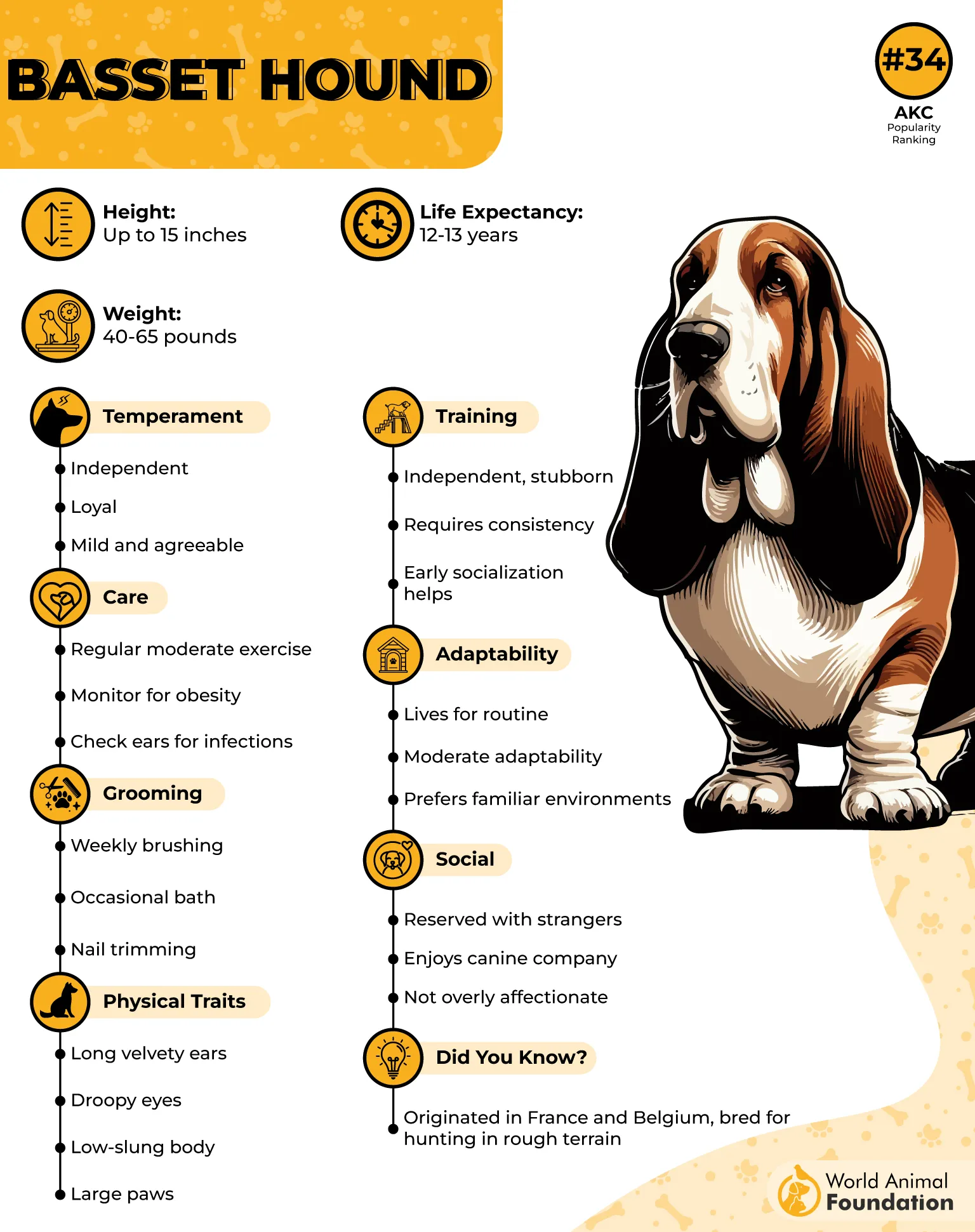
The big challenge is motivation. If training feels boring, a Basset Hound may decide the nearest shady spot is the better plan. Fair.
Keep training light and fun. Use short trail puzzles. Add little breaks. Praise often. When the dog learns that staying with the handler brings rewards, the nose work becomes smoother. And here’s the best part! Their sweet personality can make practice days feel easy, even for beginners.
Proof That Speed Isn’t Everything
Tracks slowly and steadily with a strong scent focus
Enjoys short, reward-based training sessions
Benefits from gentle leash practice on trails
6. Treeing Walker Coonhound
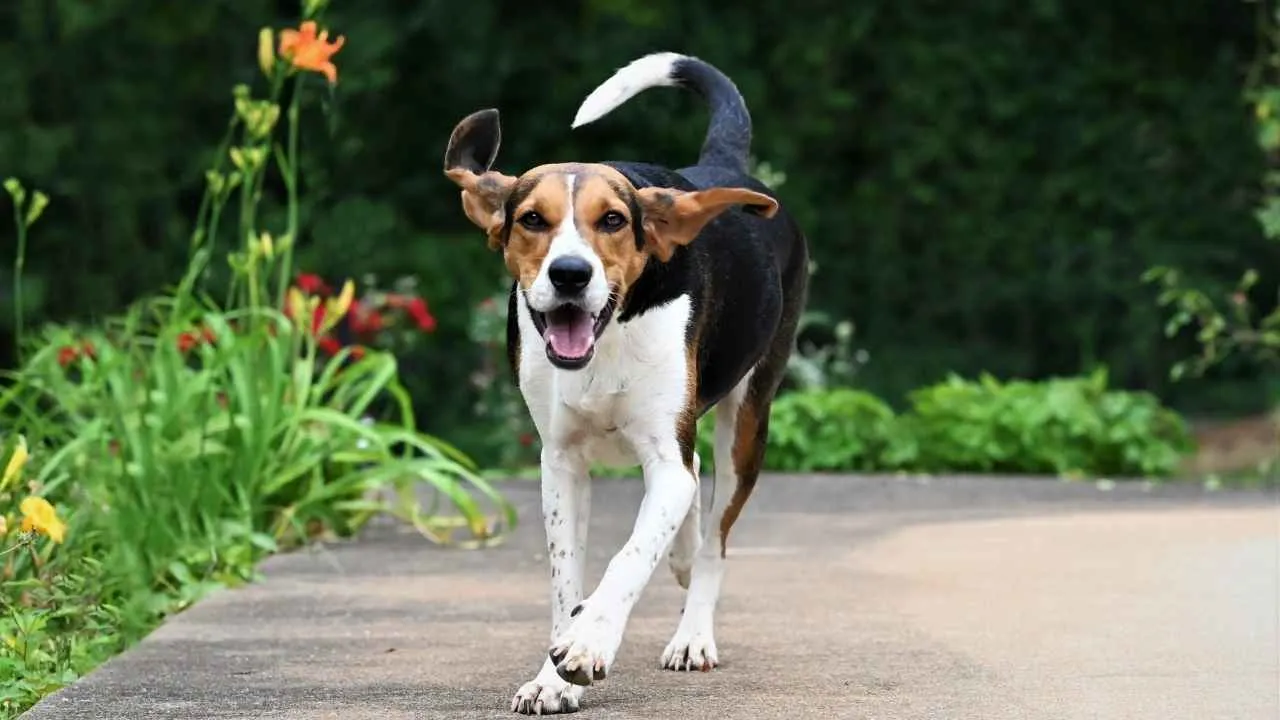
This breed was shaped for fast hunting in the woods, and it shows. They move with agility and stay alert to scent changes. As per PetMD, their high energy levels can be a gift in rugged terrain, where the trail twists and the ground climbs. They are agile, driven, and quick to lock onto scent.
In wilderness scent work, this breed can cover ground fast without losing the scent line. That speed needs control, though.
Without training, excitement can turn into wild pulling, bouncing, and ignoring cues. Here’s the good part. When training is clear and consistent, the dog learns to channel that energy into clean tracking.
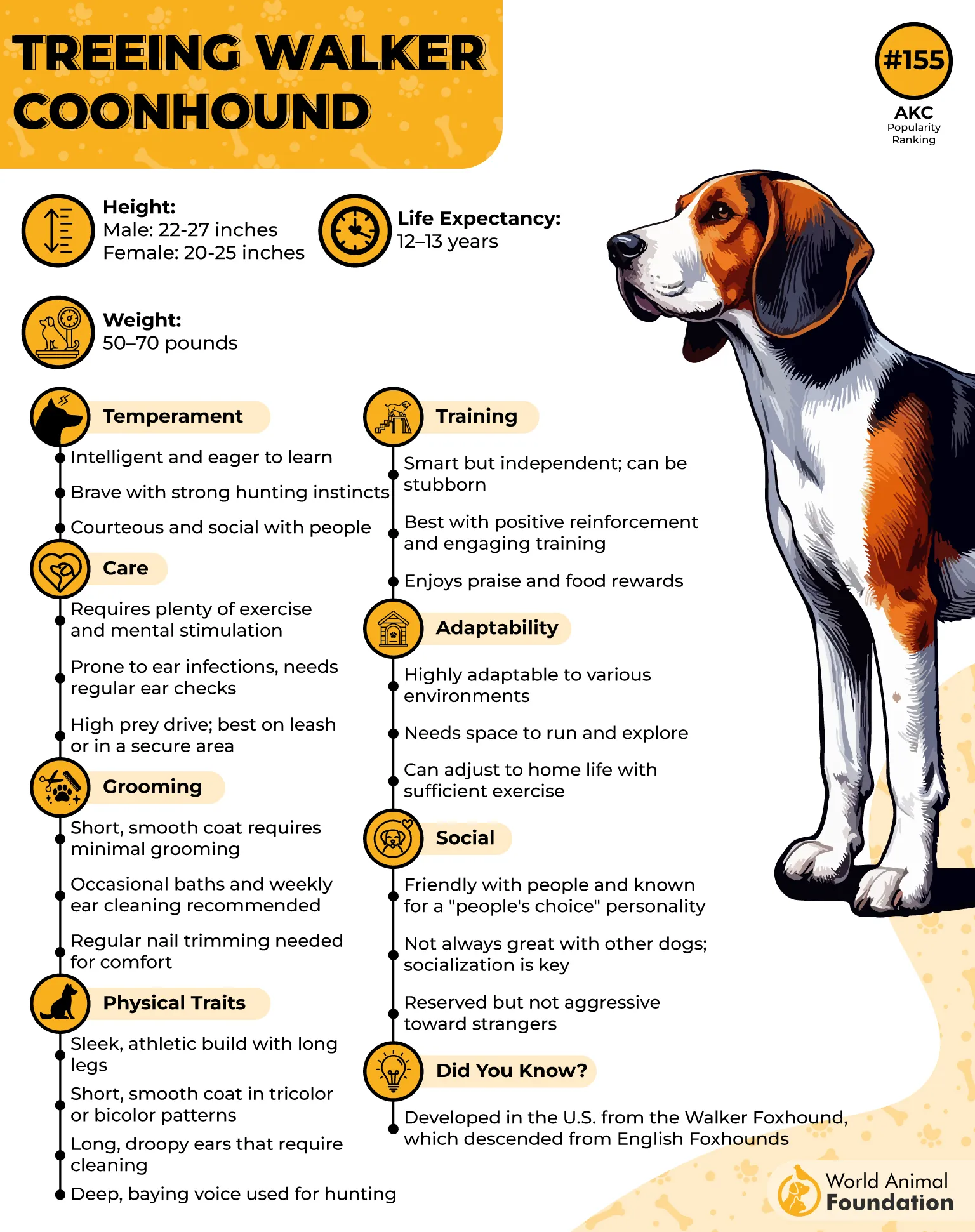
Use structured games that build focus. Practice stops, turns, and calm starts. Give the dog a job at the trailhead, like a short “wait” before the search begins. It keeps the brain engaged.
Also, watch their body language. When the nose drops and the tail shifts, the dog is telling you the scent is strong.
Fast Feet with a Sharp Nose
Great endurance for long, rough trails
Needs training to keep speed under control
Enjoys scent games that build focus and skills
7. Belgian Malinois
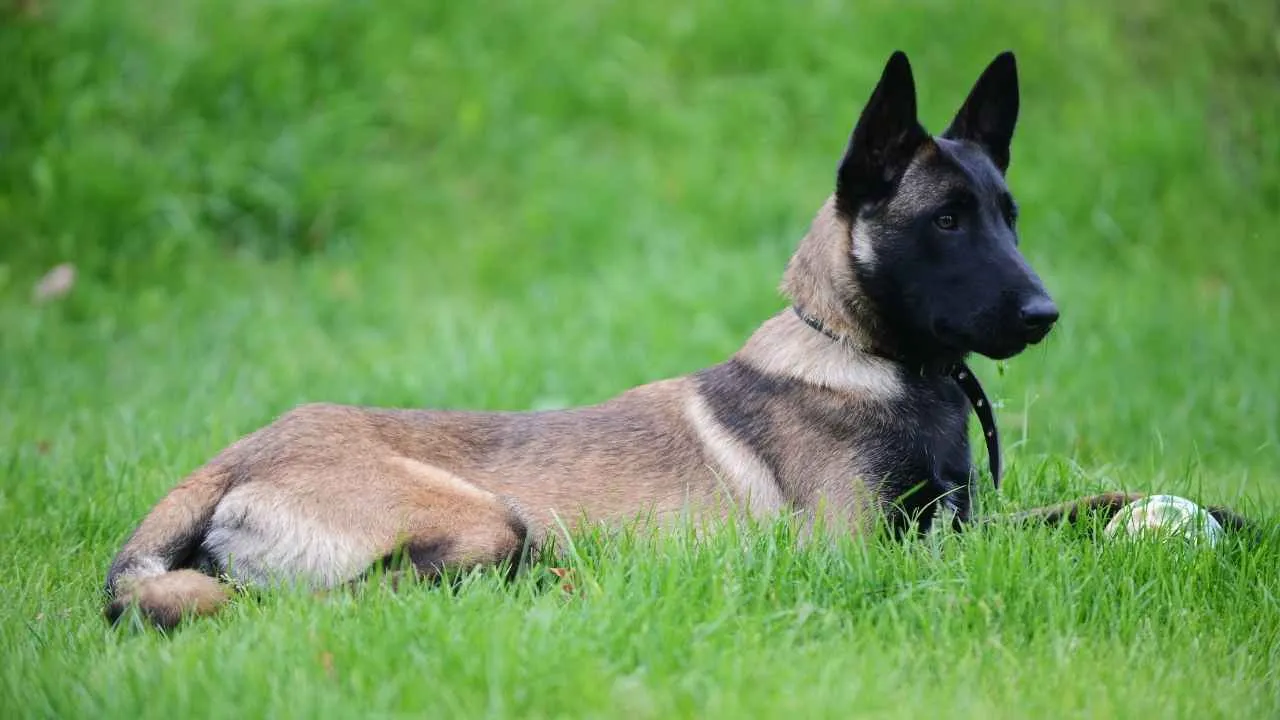
This breed is famous among working dogs for its drive and sharp thinking. They are often used by police because they are loyal, intelligent, quick, and intense.
In wilderness scent work, that intensity can be a superpower, but only if training is done with care. They can excel when given clear tasks and steady support.
A Belgian Malinois has a keen sense for patterns and a strong desire to work with humans. They love structure. They love action. They also need it. Without enough work, they can get restless.
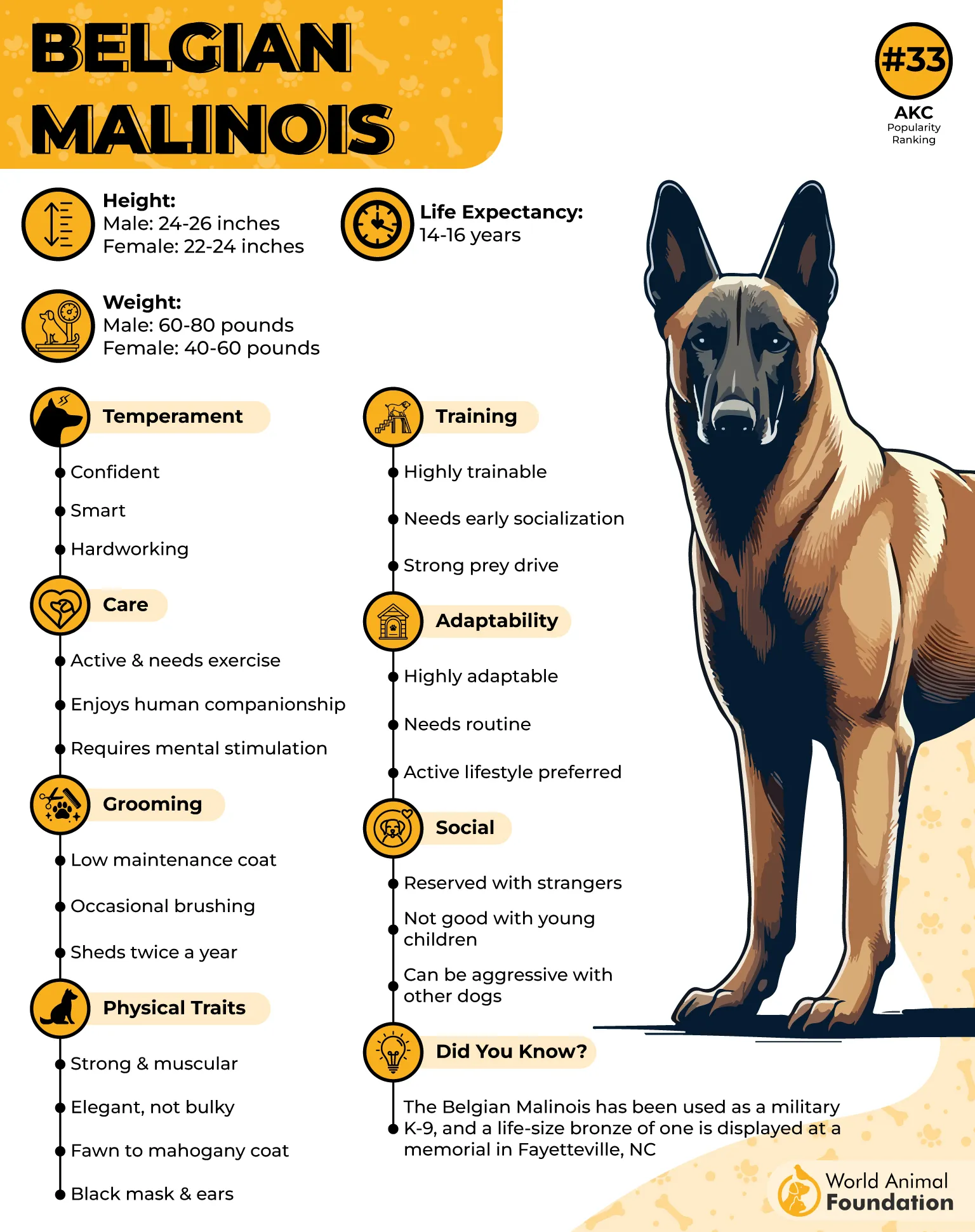
High energy can spill into nipping, barking, and nonstop motion. So the goal is simple. Build training that meets the dog’s needs, not just yours.
Make sessions short, clear, and active. Add scent detection drills with hidden items. Use reward play, but keep it controlled.
This breed can protect when needed, yet they also need calm downtime with family. When balanced well, they become guide dogs in certain roles, and they can be reliable partners in tough conditions.
A Focused Mind Built for Work
Strong work ethic and fast learning ability
Thrives on structured training and daily tasks
Needs steady support to stay calm off duty
Conclusion
Wilderness scent work is not just a cool trick. It can save lives, protect handlers, and help lost people feel hope again.
Some dogs are gentle giants, some are compact trackers, and some are pure drive in motion. The key is matching the breed traits to your real life. Then comes training that stays kind, clear, and fun.
If you want to start, keep it simple. Try short search games, build leash manners, and reward calm focus. Then grow from there.
With patience, you and your best friend can enjoy trails in a whole new way. And yeah, your boots may get muddy. But the joy on that nose-led face is worth it.
