




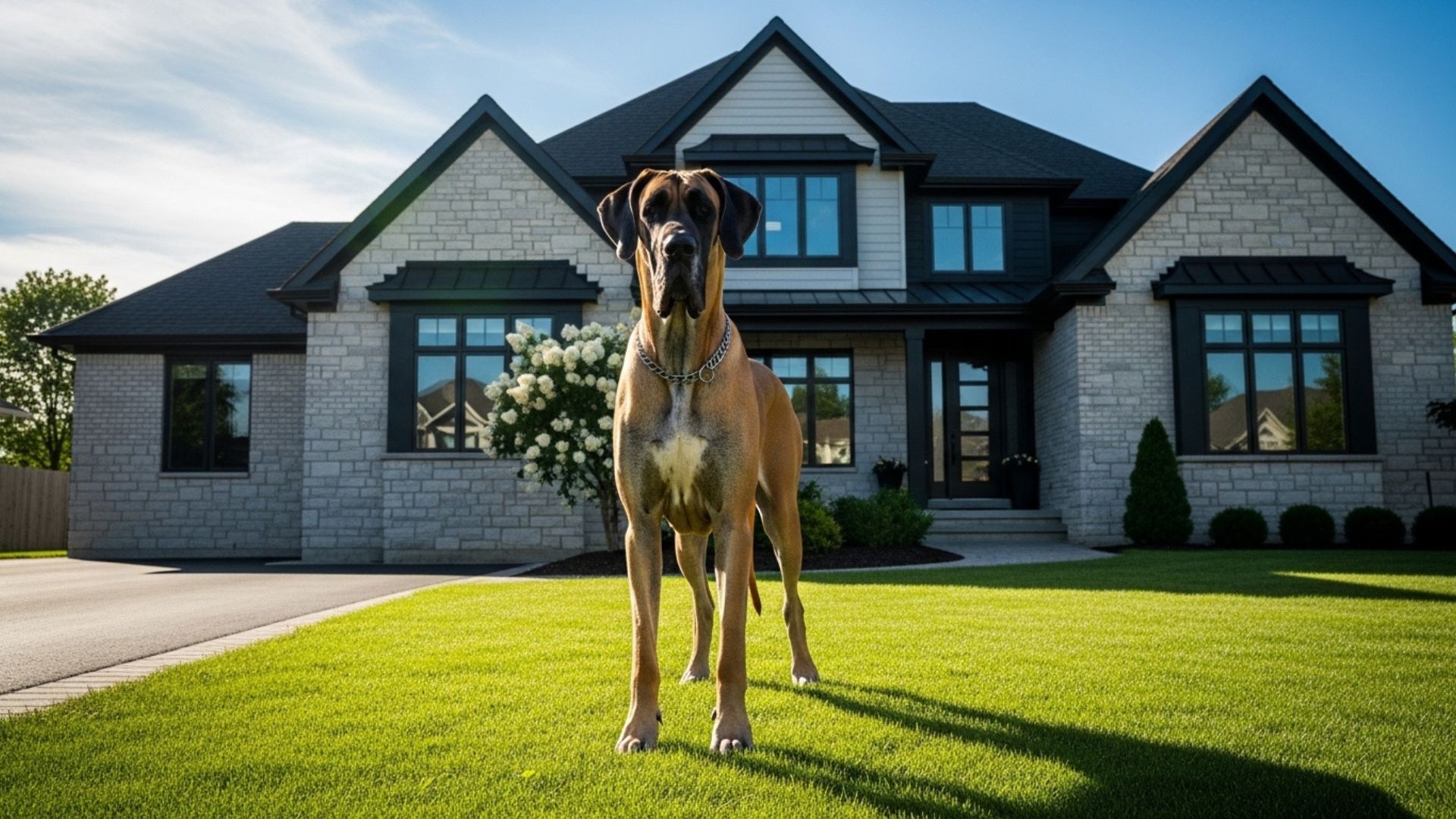
A protective dog offers more than security—it brings reassurance that your family is never truly alone. For centuries, dogs have stood beside humans as incredibly loyal guardians, blending instinct, intelligence, and devotion.
What truly sets excellent guard dogs apart is their ability to bond deeply with their people. They’re fearless when it matters, yet gentle and intuitive at home. Many thrive as lifelong family members, growing alongside children and settling into a calm confidence with age.
Choosing the right guard dog breed means choosing commitment. With love, guidance, and respect, these natural guard dogs become devoted protectors—and family—through every stage of life.
Today’s protective breeds come from diverse working and herding backgrounds, shaped to watch, alert, and defend while still fitting into family life.
Protective Dog Breeds That Grow Old With Your Family
1. Rottweiler
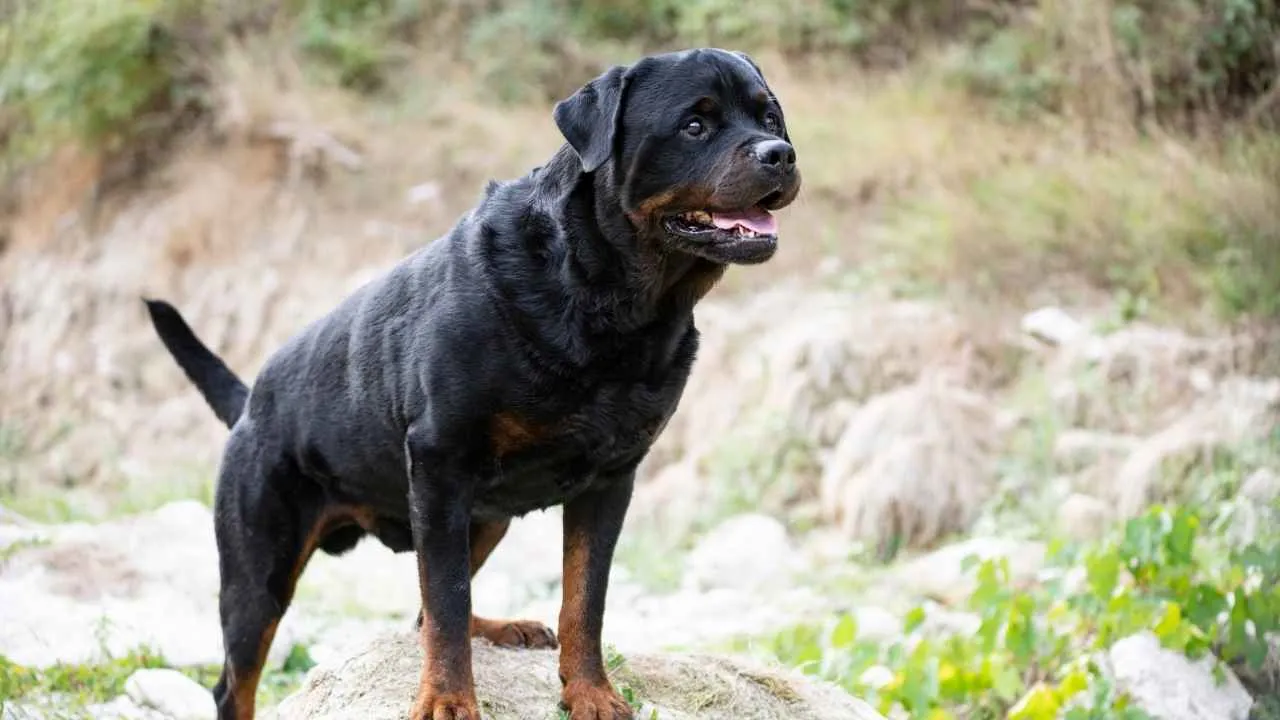
The Rottweiler’s story begins with the Roman legions, who relied on powerful mastiff-type dogs to drive and guard cattle across Europe. These dogs later settled in the German town of Rottweil, where they earned the name “Butcher’s Dog” for protecting livestock and livelihoods.
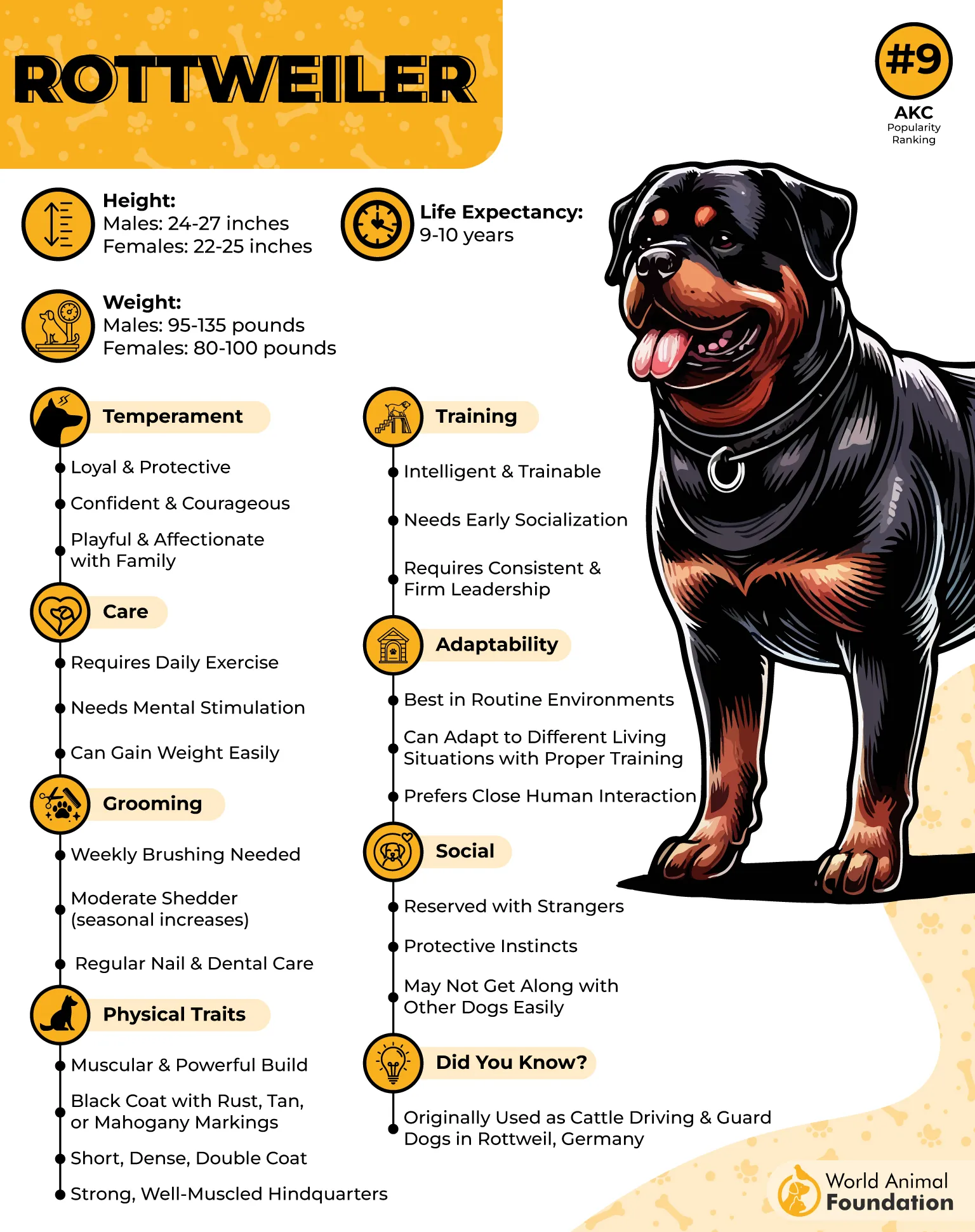
A Serious Guardian with a Silly Side
They bond intensely with their families and are often playful, goofy, and surprisingly cuddly with those they trust. While aloof with strangers, a well-raised Rottie is steady, self-assured, and never needlessly aggressive, making them both a protector and a loving companion.
Guidance, Structure, and Purpose
Early training and consistent socialization are essential to shaping a balanced Rottweiler. Positive reinforcement helps channel their guarding instincts appropriately, allowing them to mature into reliable, well-mannered adults who take their role in the family seriously.
How Rottweilers Grow Old Alongside Their Families
Deepen their loyalty as they form lifelong bonds
Become calmer, more intuitive household guardians with age
Adjust energy levels while staying emotionally engaged
Remain protective without being reactive
Offer steady companionship through every life stage
2. Cane Corso
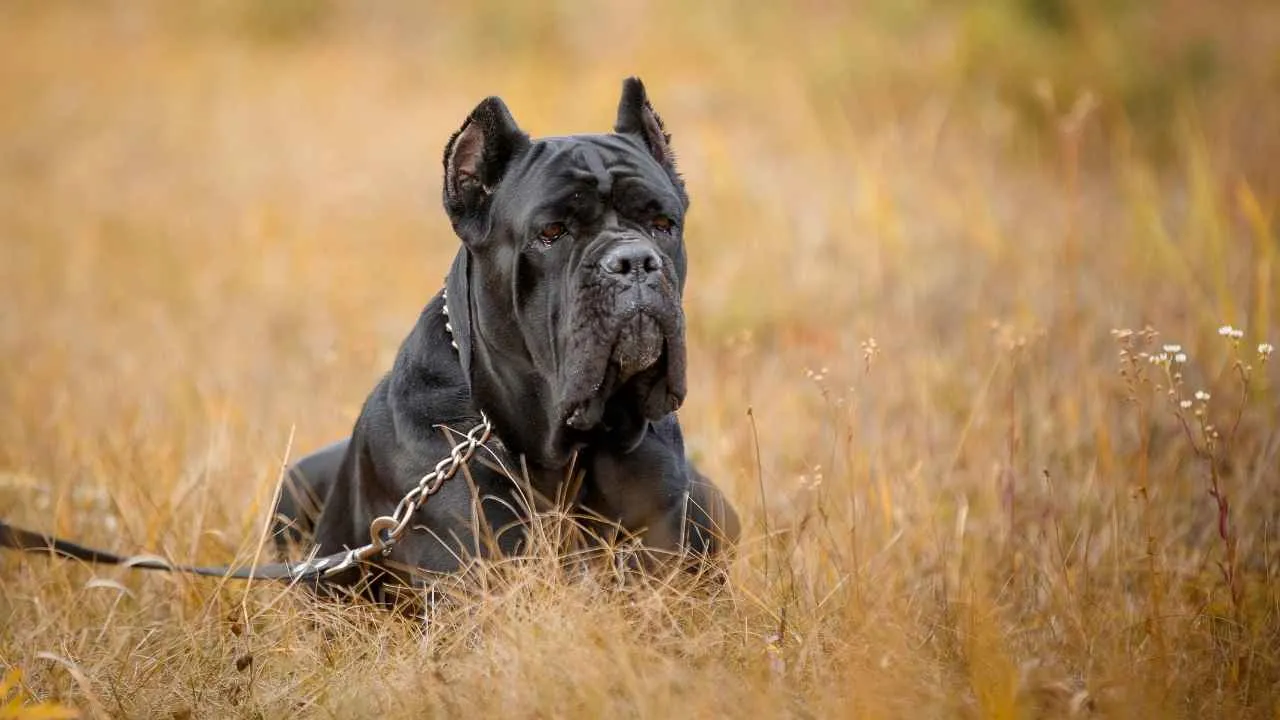
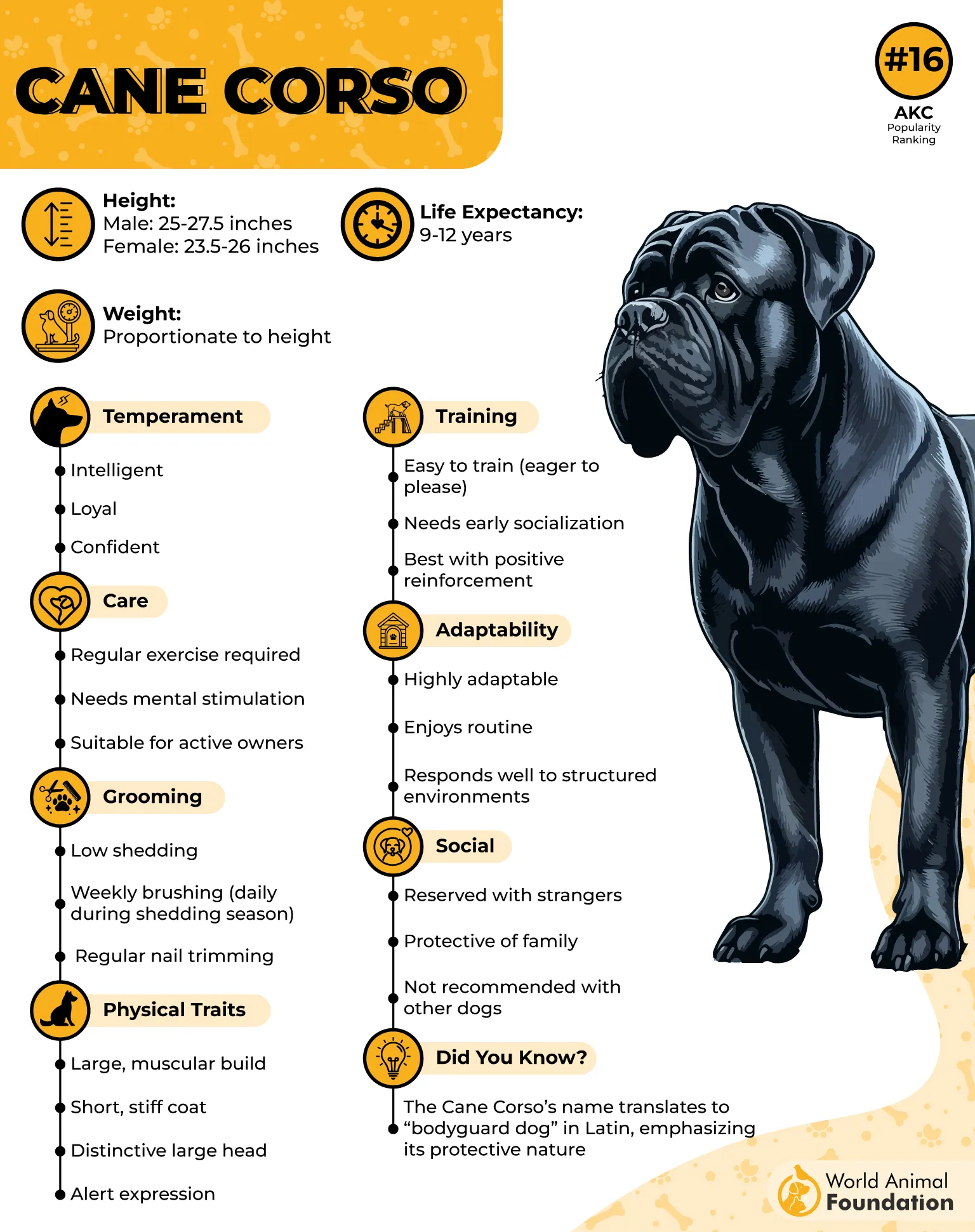
The Cane Corso traces its roots back to ancient Rome, descending from powerful molosser dogs used in war and large-game hunting. Over centuries in Italy, the breed evolved into a versatile farm guardian, livestock protector, and hunter, as per Purina.
Strength Wrapped in Devotion
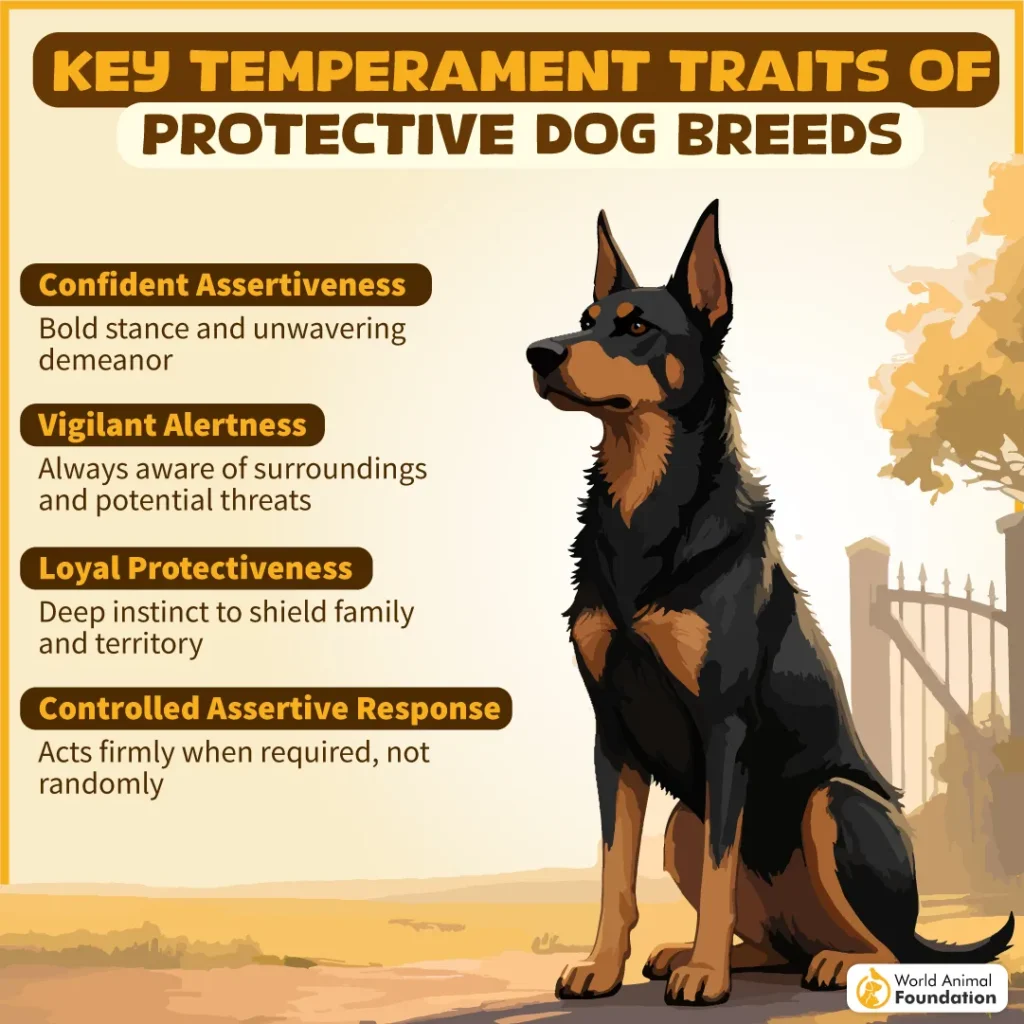
Despite their imposing size and intense stare, Cane Corsi are deeply affectionate dogs with their families. Naturally wary of strangers, they are protective without being reckless, relying on instinct and intelligence rather than constant aggression.
Purpose, Training, and Balance
Cane Corsi thrive with structure, early socialization, and positive training methods. They need more than casual walks—daily exercise, mental stimulation, and a sense of purpose keep them fulfilled. When guided with patience and consistency, they mature into steady, natural guardians who take their role in the family seriously.
How Cane Corsi Grow Old as Family Protectors
Develop deeper emotional bonds as they mature
Become calmer and more discerning with age
Stay watchful while adapting to slower routines
Protect quietly through presence rather than force
Remain loyal companions from puppyhood to senior years
3. German Shepherd
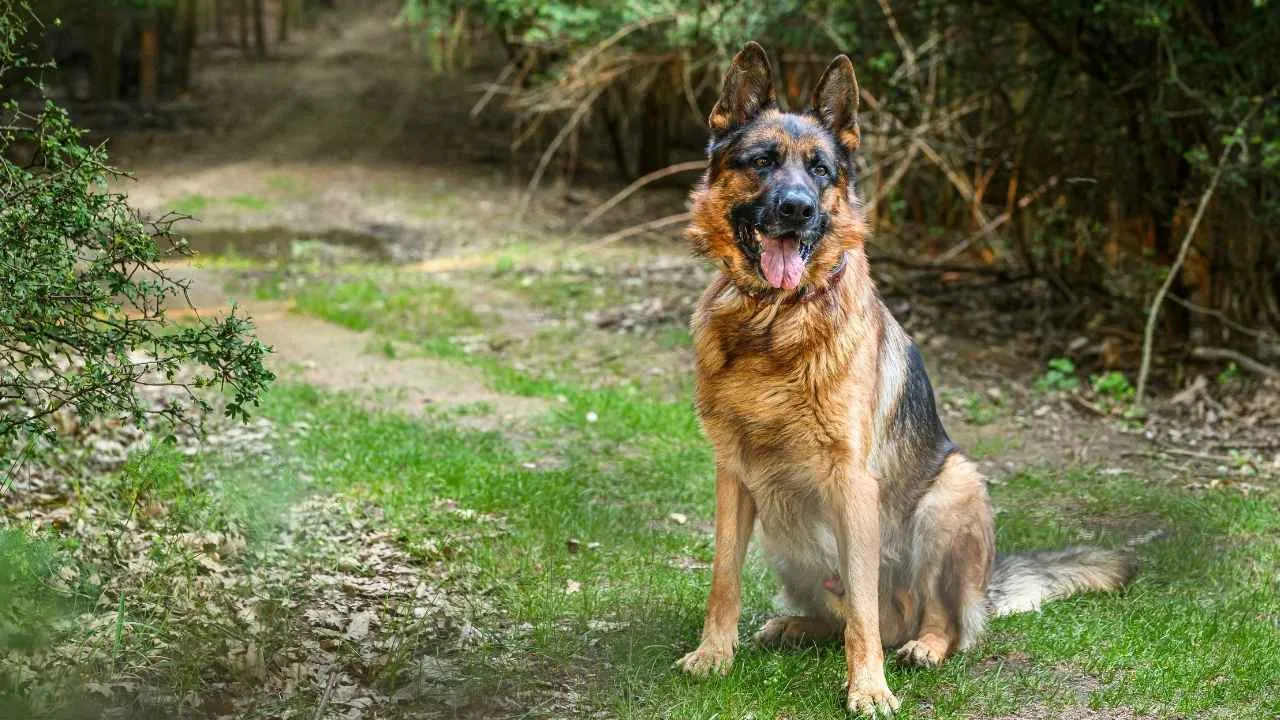
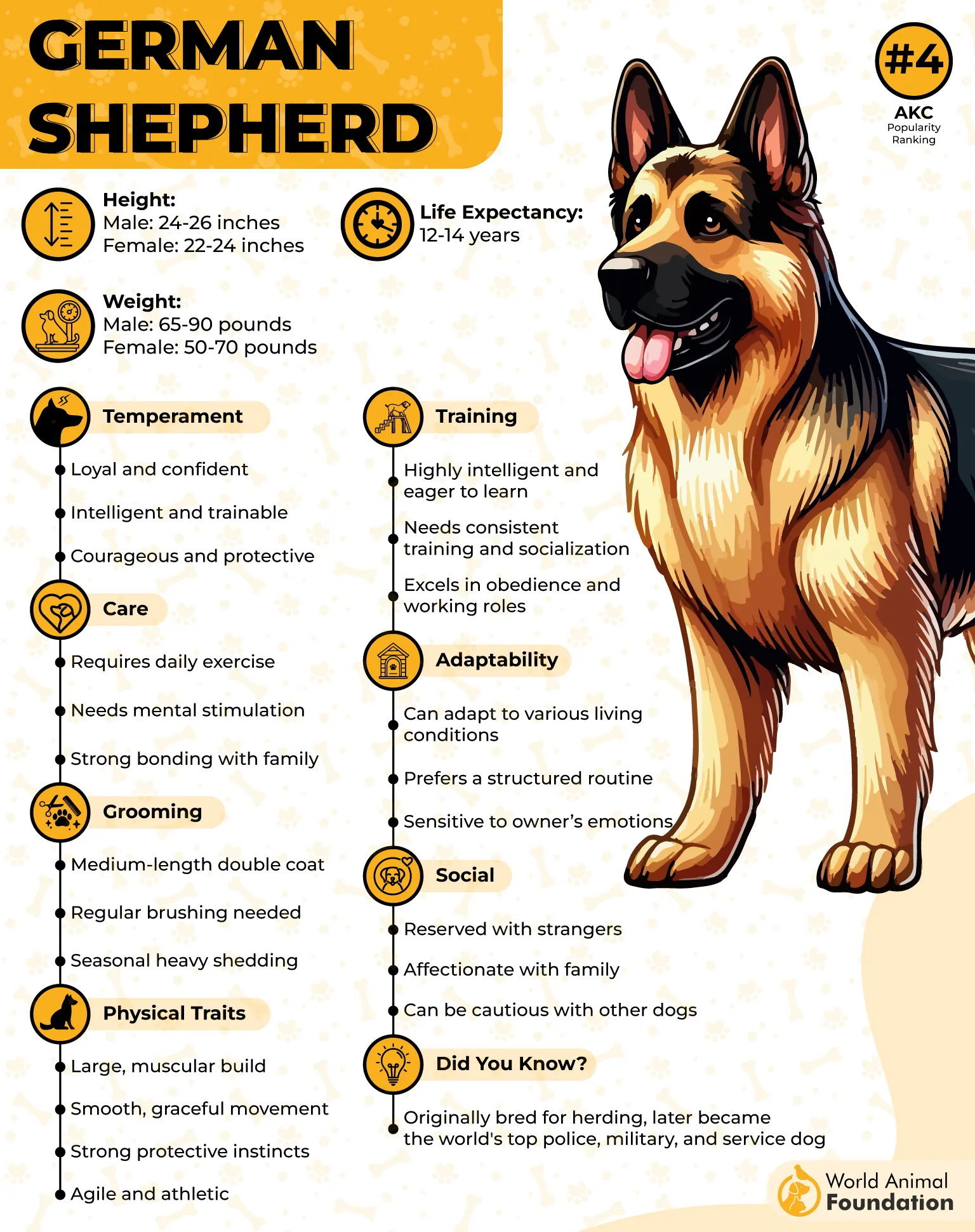
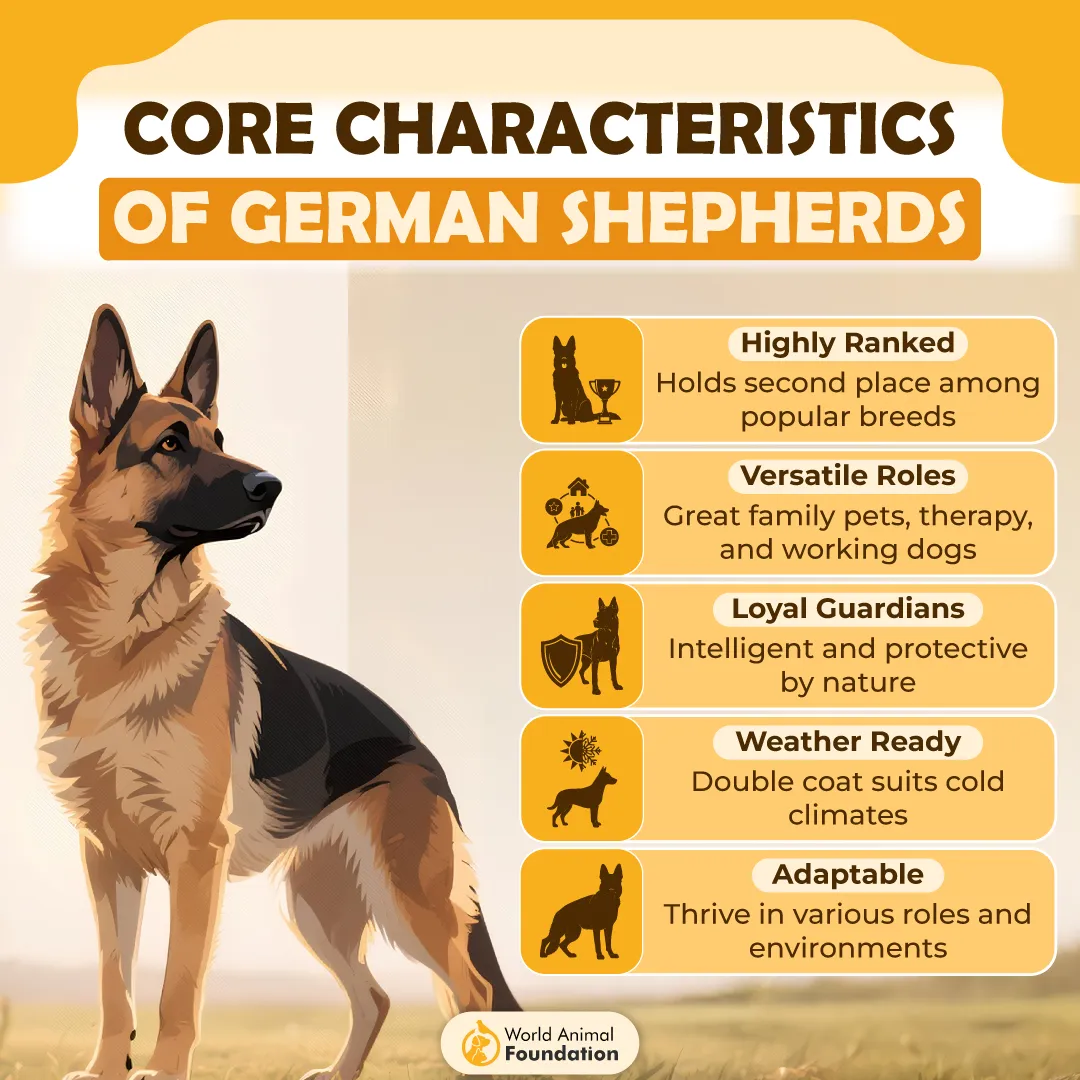
The German Shepherd was developed in Germany from traditional farm and herding dogs, refined under the vision of Captain Max von Stephanitz in the late 1800s. His goal was simple: create the ultimate working dog.
A Devoted Mind with a Watchful Heart
German Shepherds are extremely loyal, highly alert, and deeply bonded to their families. Known for their emotional sensitivity, they thrive on companionship and form especially strong connections with children and active households.
Structure, Stimulation, and Consistency
This breed excels with training but needs clear boundaries and daily mental and physical challenges. Early socialization and consistent leadership help guide their protective instincts into calm, dependable behavior as they mature.
How German Shepherds Grow Old as Family Guardians
Strengthen loyalty through lifelong family bonds
Become more composed and intuitive with age
Adjust energy while maintaining alertness
Remain emotionally connected to their people
Offer steady protection through experience, not force
4. Doberman Pinscher
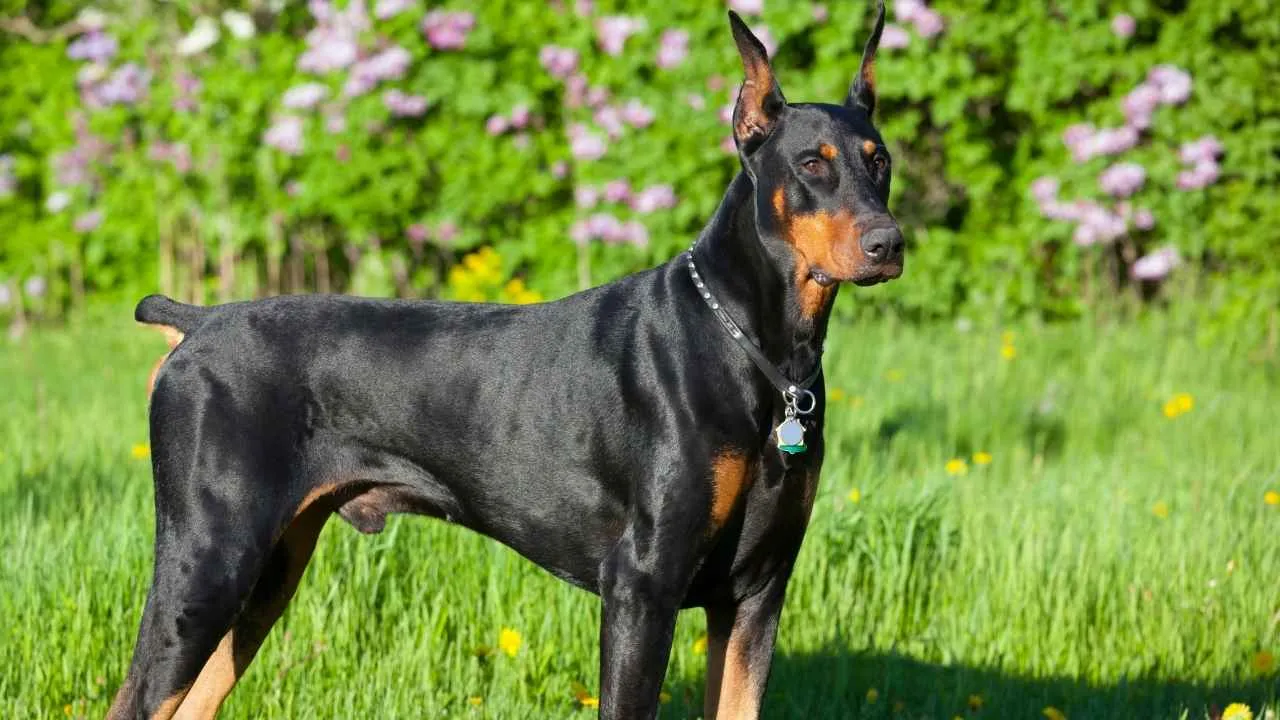
The Doberman Pinscher was created in late-19th-century Germany by tax collector Louis Dobermann, who needed a fearless yet reliable protector, as per Britannica. From police and military service to wartime heroics, the Doberman quickly earned global respect as an elite guardian.
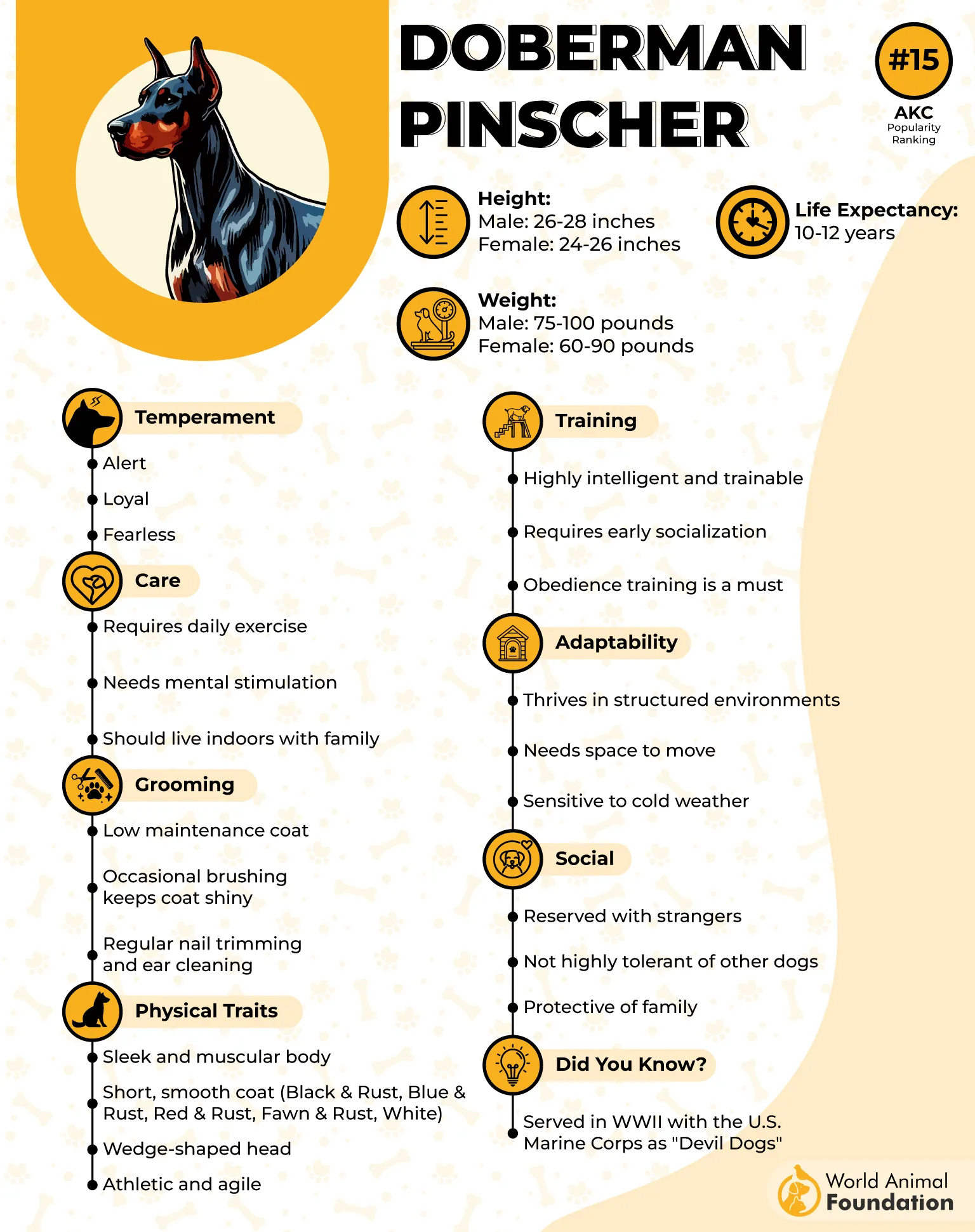
Regal Presence, Deep Devotion
Elegant yet intense, the Doberman is fiercely loyal to its family and thrives on close companionship. While naturally alert and protective, this breed is affectionate, people-focused, and happiest when included in daily life.
Training the Mind and the Muscle
Dobermans are highly intelligent and respond best to early, positive training and consistent structure. Daily exercise, mental challenges, and proper socialization help shape their protective instincts into calm reliability. When raised thoughtfully, they mature into balanced companions who remain attentive well into their senior years.
How Doberman Pinschers Grow Old with Their Families
Maintain intense loyalty throughout their lifespan
Shift from high-energy patrols to quiet watchfulness
Stay emotionally bonded to their people
Protect through awareness rather than force
Age gracefully as steady, intuitive guardians
5. Belgian Malinois
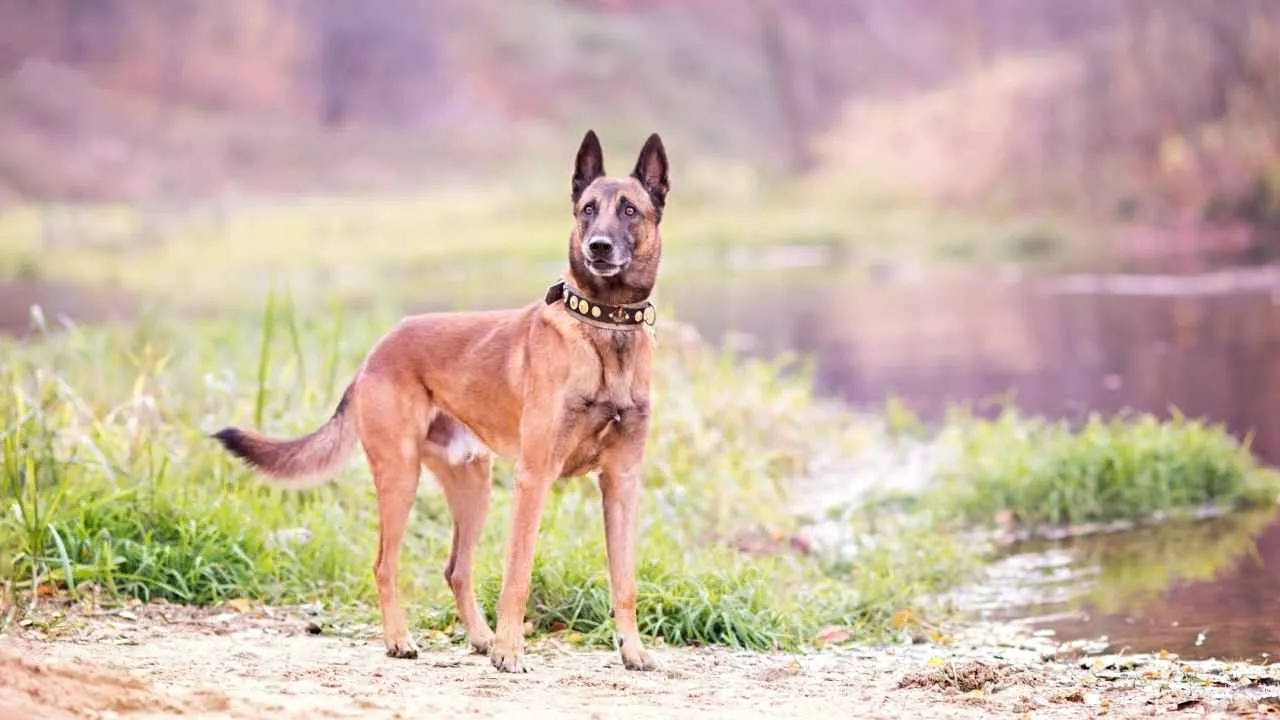
The Belgian Malinois originated in Belgium in the late 1800s as one of four Belgian shepherd varieties, bred for herding and hard labor. Over time, their athleticism and nerve made them indispensable in wartime, law enforcement, and military operations.
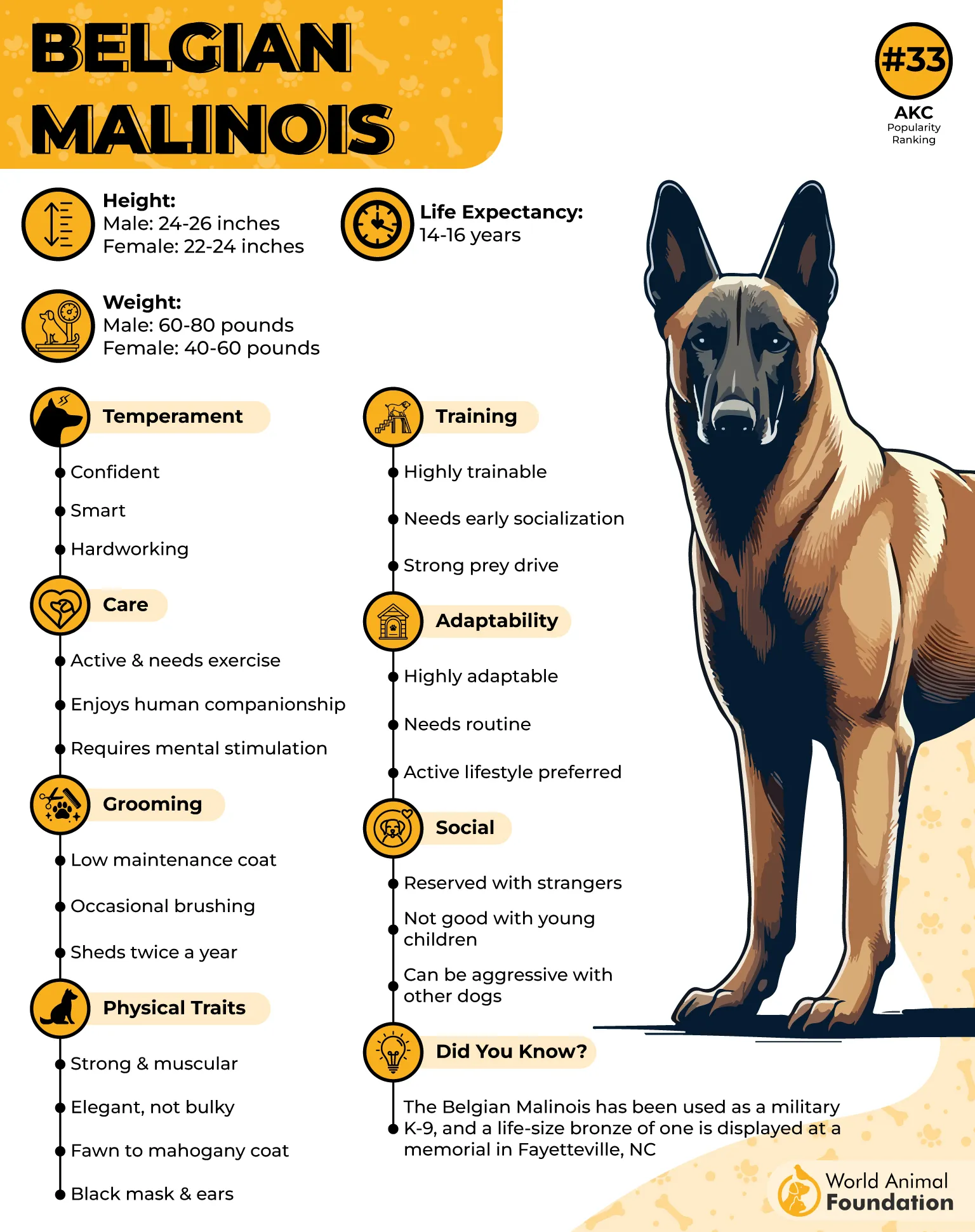
Intensity with a Deep Family Bond
Lean, sharp, and endlessly driven, the Malinois is not a casual companion—but with the right owner, they are profoundly devoted, as per WebMD. Naturally protective and alert, they watch everything, missing nothing, and bond deeply with those they trust.
Training as a Lifestyle, Not a Task
This breed requires early socialization, firm structure, and constant mental engagement. Exercise alone isn’t enough—Malinois need jobs, challenges, and purpose. With positive, consistent training, their intense guarding instincts mature into controlled, reliable protection that deepens as they age.
How Belgian Malinois Grow Old as Family Protectors
Form unshakable bonds through constant companionship
Shift from explosive energy to focused vigilance
Remain mentally sharp well into senior years
Protect instinctively without needing reinforcement
Stay emotionally connected and purpose-driven throughout life
6. Great Dane
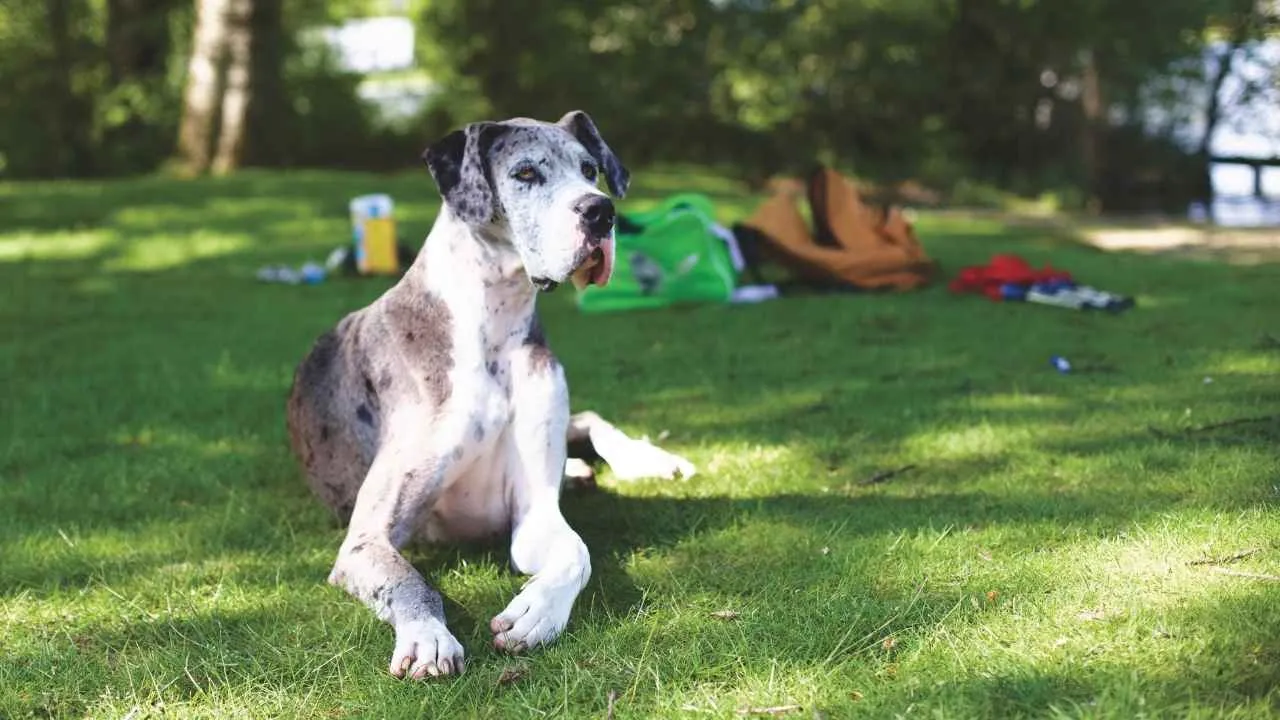
The Great Dane was developed in Germany over 400 years ago, originally bred to hunt wild boar with courage and speed. Known in its homeland as the Deutsche Dogge, this tall breed later transitioned from hunter to guardian and companion.
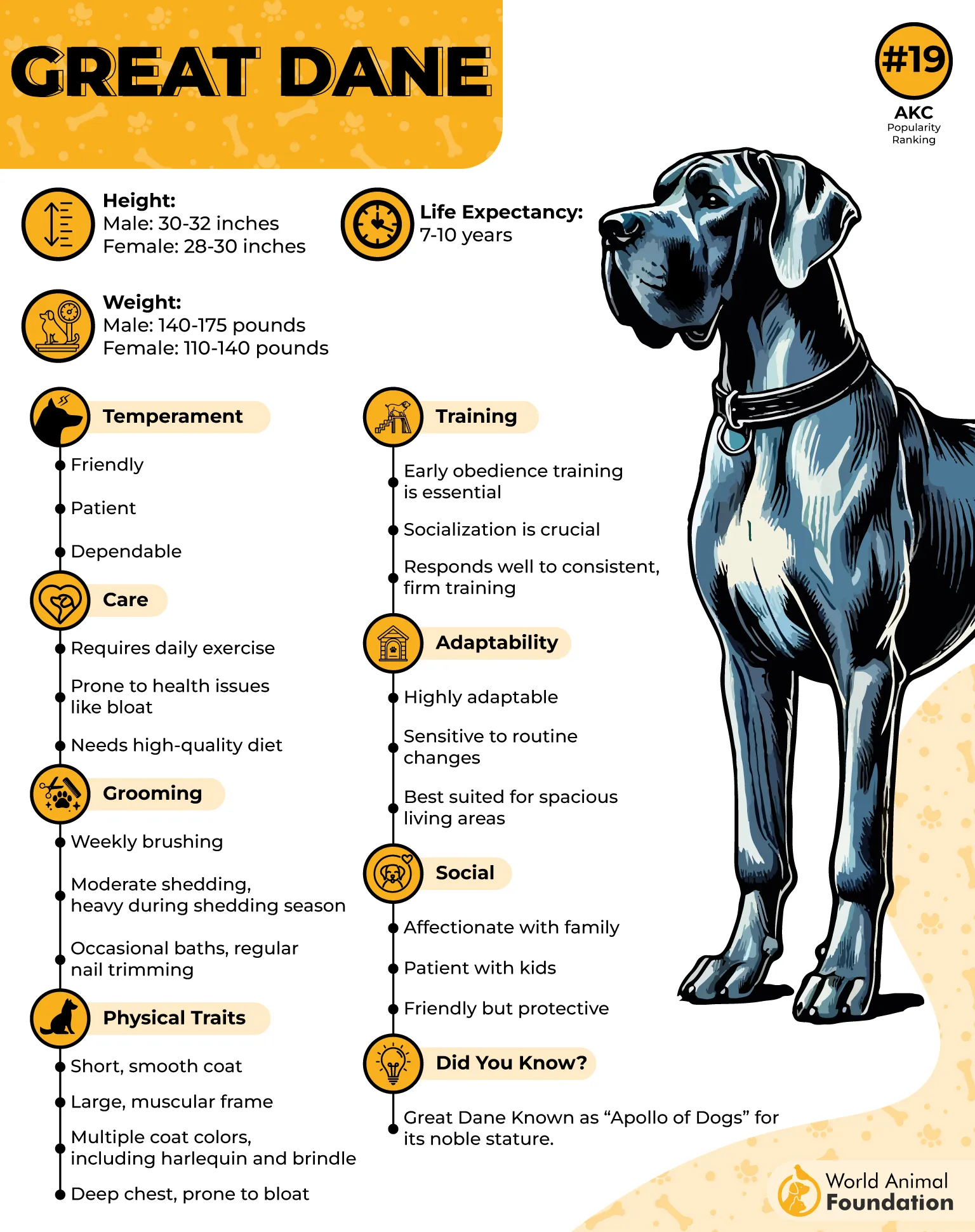
The Gentle Giant of the Household
Famous for their affectionate temperament, Great Danes are deeply bonded to their families and thrive on human closeness. While not overly energetic, they are playful and loving, often believing they’re lap dogs despite their massive stature.
Growing Big, Growing Balanced
Training a Great Dane requires patience, consistency, and early socialization to help them adapt confidently to the world. Their intelligence makes them receptive to positive, reward-based training, though their size demands structure and clear boundaries.
How Great Danes Grow Old as Family Protectors
Become calmer and more emotionally attuned with age
Protect through presence rather than aggression
Maintain strong bonds and dislike being left alone
Adapt activity levels while staying engaged
Offer quiet loyalty and reassurance throughout life
7. Boxer
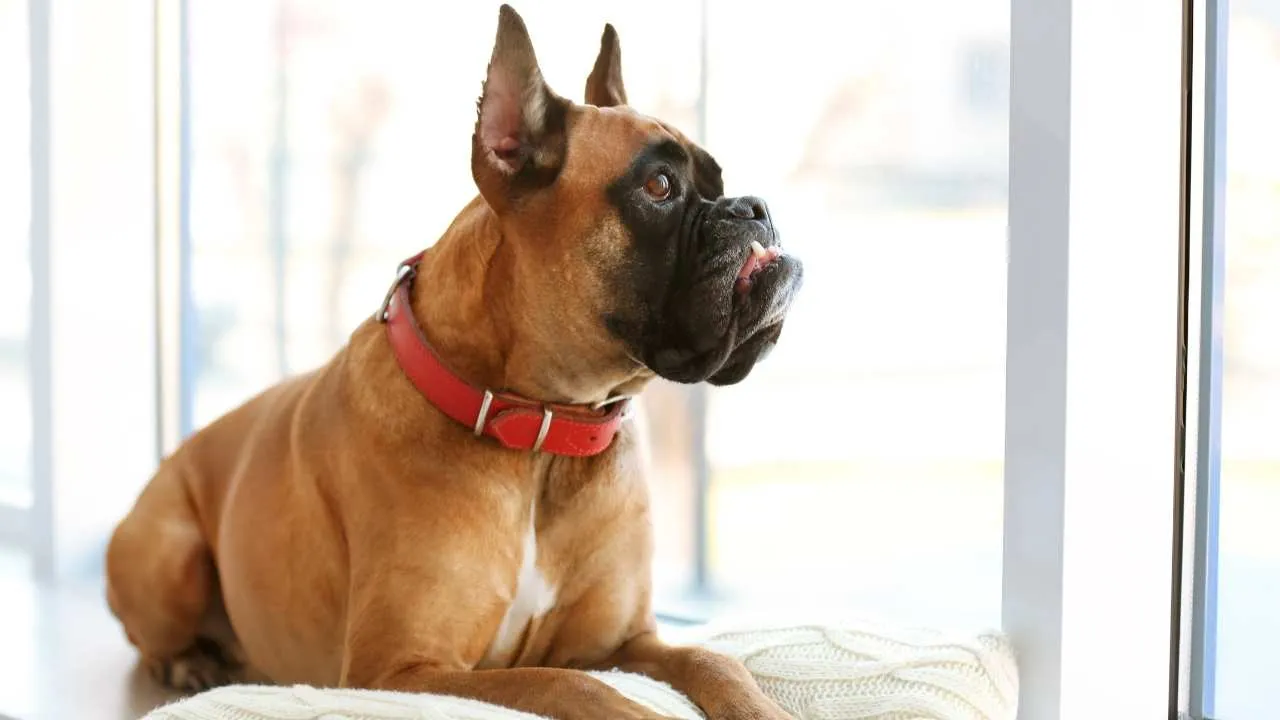
Originating in 19th-century Germany, this breed descends from the now-extinct Bullenbeisser, crossed with bulldogs and other working dogs, as per the AKC. Initially used for hunting large game and later as butchers’ helpers, they quickly became a versatile working companion.
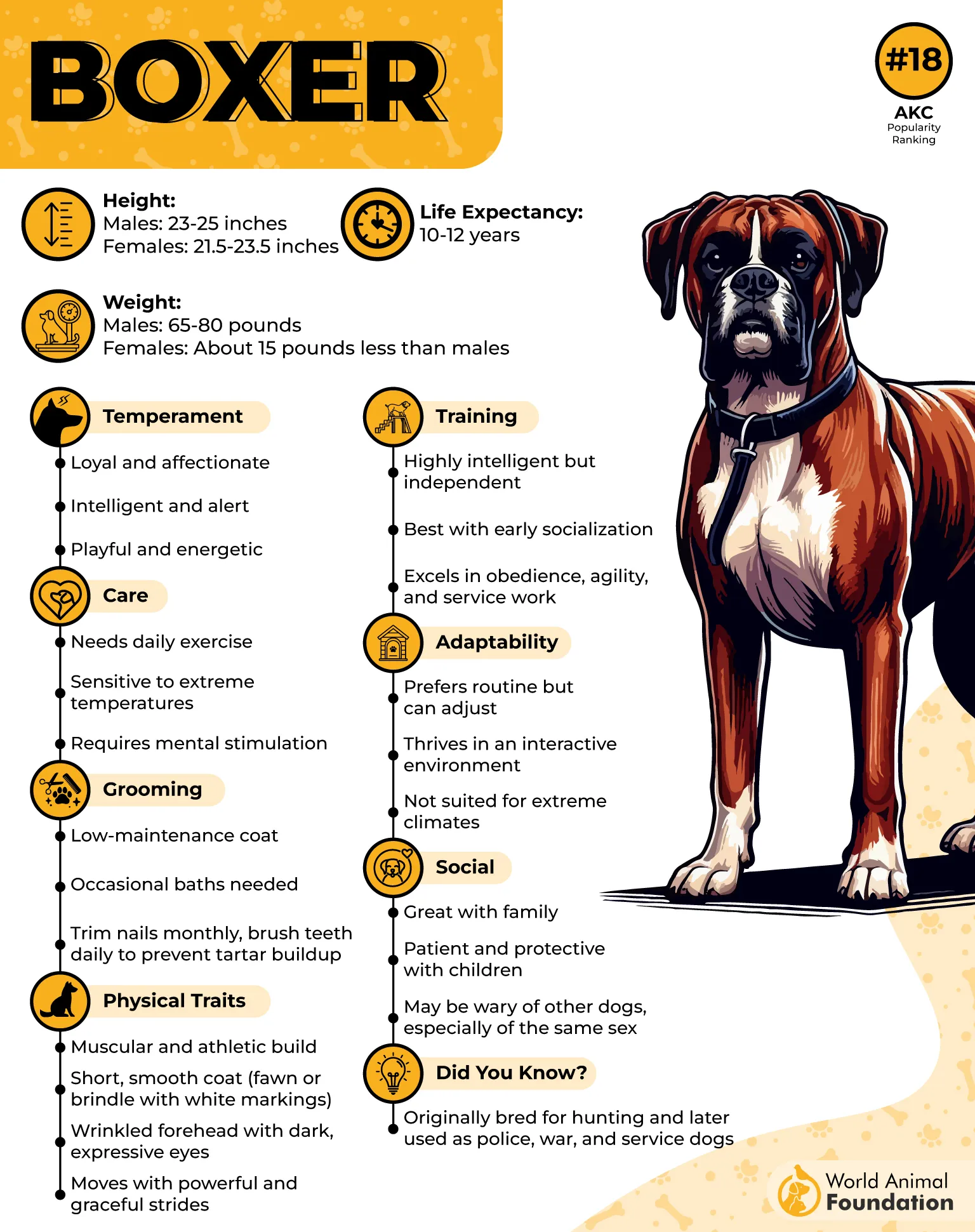
Spirited Personality with a Heart for Family
These dogs are energetic, playful, and deeply affectionate, thriving on human companionship. Their muscular build and expressive faces often give a strong impression, but they are gentle, goofy, and exceptionally loving with children.
Training for Mind and Body Harmony
High intelligence and enthusiasm make early socialization and training essential. They respond well to positive reinforcement, enjoy canine sports, and need daily exercise to stay happy and well-behaved. With guidance, they grow into disciplined companions who can handle family life, playful mischief, and protective duties alike.
How They Grow Old With Your Family
Remain deeply bonded to family members through all life stages.
Maintain playful energy well into adulthood, encouraging interaction.
Adapt to family routines, providing comfort and companionship.
Offer natural protective instincts while staying gentle with children.
Respond positively to consistent training, remaining loyal and trustworthy.
Conclusion
The best guard dog breeds are more than just guardians—they become true family members. With the right training and socialization from an early age, they can channel their instincts into loyalty, love, and safe companionship.
Choosing a protective breed means inviting a companion who watches over your loved ones with devotion and courage.
These protection dogs offer peace of mind while still providing affection and fun. Their intelligence and keen instincts make them highly trainable, allowing you to guide their protective tendencies responsibly. When given love, attention, and structure, they can seamlessly balance their roles as both playful pets and vigilant guardians.
Bringing a guard dog into your home is a commitment worth considering. By investing time in proper training, socialization, and care, you’ll enjoy a lifelong bond with a dog who grows alongside your family. If you’re ready for loyalty, protection, and endless companionship, these breeds can be a truly rewarding addition to your household.
