





Adding a dog to your family is a joyful commitment, and if you’re hoping for years of companionship, it’s natural to wonder which breeds live the longest. Not all pups enjoy the same lifespan—factors like size, genetics, lifestyle, and overall care all play a role.
Generally, smaller breeds tend to outlive their larger counterparts, but proper nutrition, routine veterinary care, and responsible breeding practices can make a huge difference for any dog.
Choosing the longest living dog breed means you can look forward to more years of tail wags, cuddles, and adventures. Whether you’re seeking a playful lapdog or a loyal family companion, some breeds are renowned for their robust health and longevity, making them ideal candidates for families wanting a lasting bond.
If you’re ready to welcome a fur baby who can stick around for the long haul, here are the best healthy dog breeds boasting the longest, most loving years—dogs known for their health, heart, and endless devotion.
Fun Fact: The record for the oldest dog ever goes to Bobi, a Portuguese Rafeiro do Alentejo, who is 30 years old and still going strong.
Dog Breeds Boasting the Longest, Most Loving Years
1. Chihuahua

Average Lifespan: 7+ years (but some tiny dynamos live up to 20!)
Don’t let their pint-sized stature fool you—Chihuahuas are big on personality, love, and loyalty. These pocket-sized pups are the ultimate companions for those who enjoy a dog with a side of sass.
They bond deeply with their owners and often act like miniature bodyguards, ensuring that anyone who dares approach their human is properly “welcomed.”
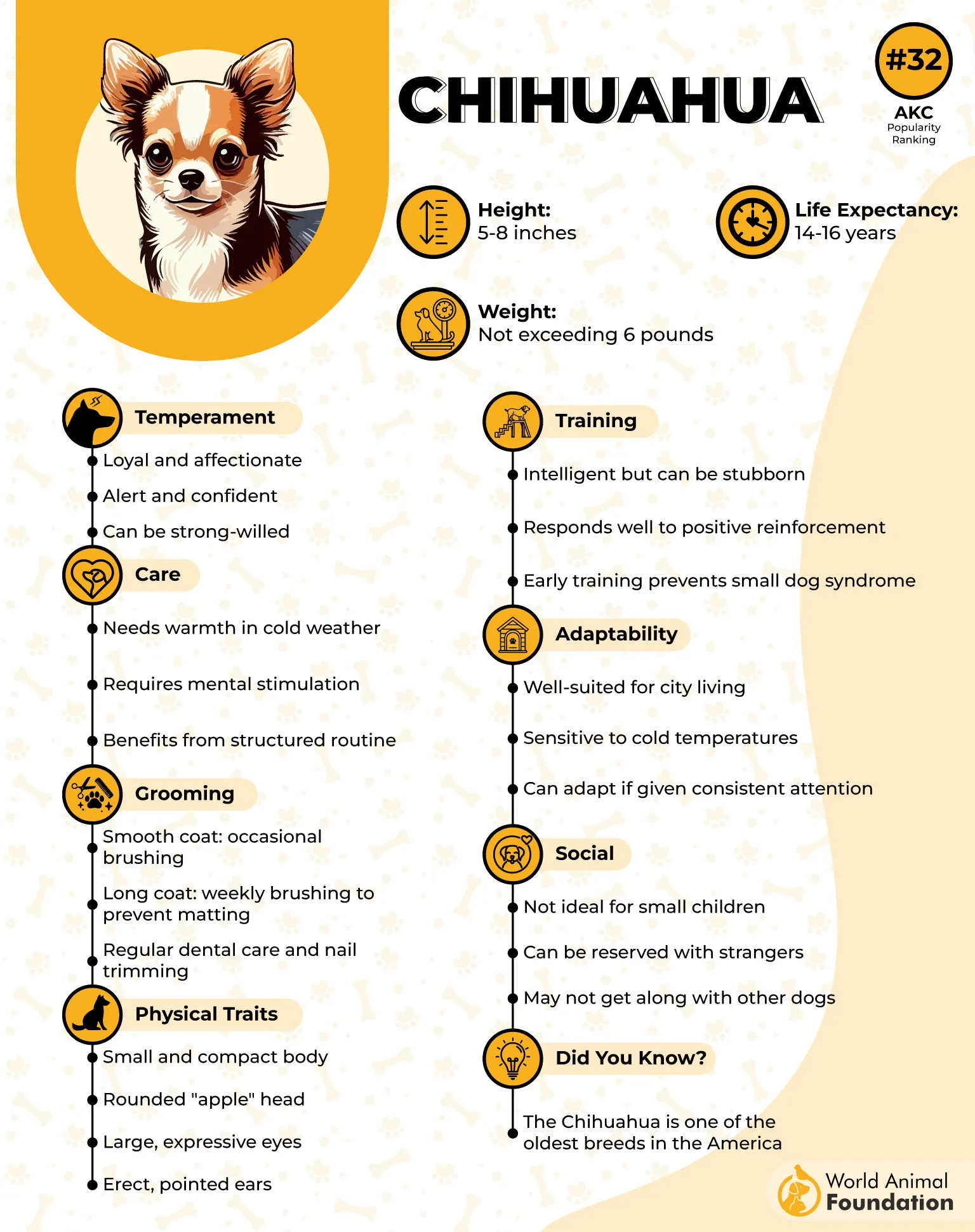
Quick-witted and surprisingly trainable (as long as you start young), Chihuahuas are always up for a game, a cuddle, or a dramatic stare-down if they feel ignored. They may be small, but their hearts—and egos—are enormous.
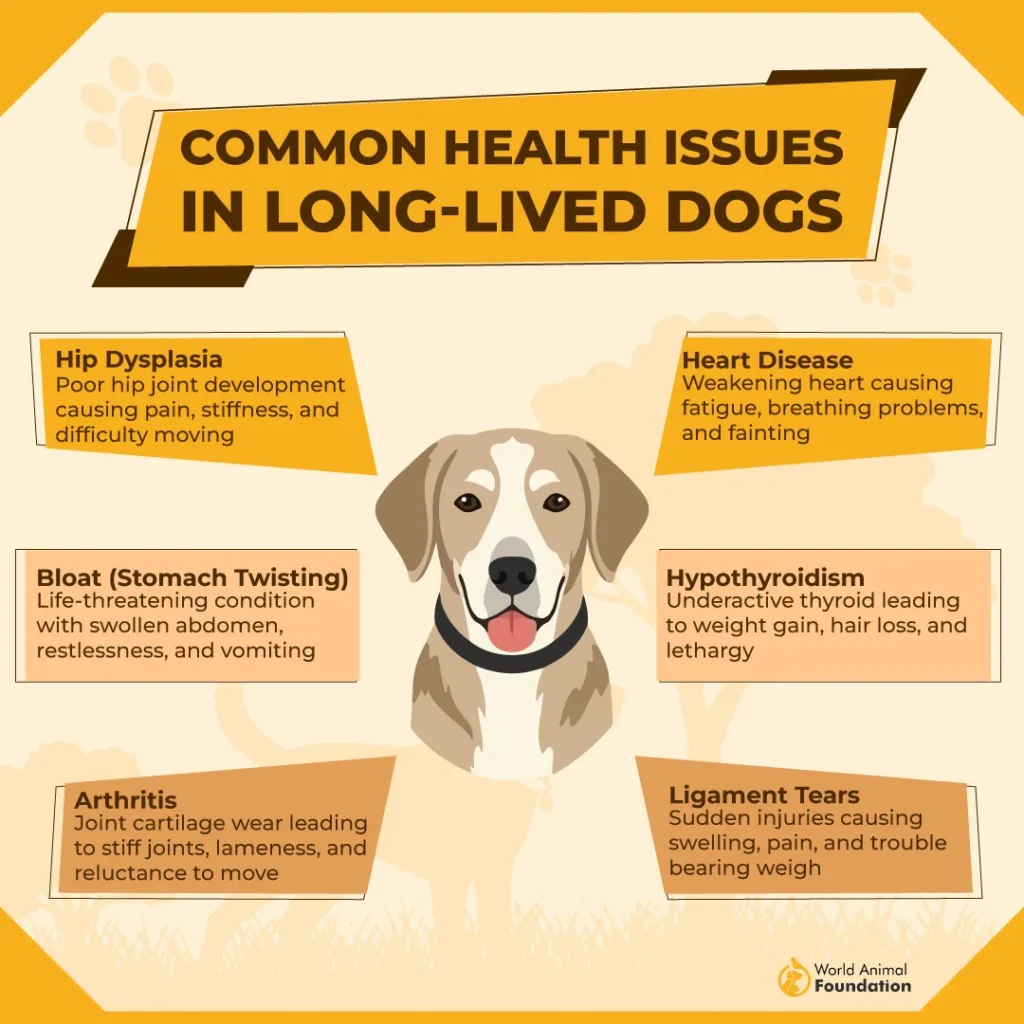
However, living long lives does come with a few quirks. Petplan reports that while some Chihuahuas reach the impressive milestone of 20 years, they’re more prone to certain health issues than their larger counterparts:
Patella Luxation – Basically, their tiny knees can be a little rebellious.
Heart Disease – Their small hearts need some TLC, literally.
Dental Disease – Tiny teeth, big attitude, frequent brushing recommended!
If you’re ready for a devoted little friend who can outgrow your lap space while staying in your heart forever, a Chihuahua might just be your perfect match.
Bonus: They come with plenty of attitude and an uncanny ability to make you laugh at their dramatic little antics.
2. Beagle

Average Lifespan: 10–15 years
Beagles are the ultimate adventurers of the dog world. Curious, friendly, and endlessly energetic, they’re happiest sniffing out new trails, exploring parks, or investigating every nook and cranny of your backyard.
But here’s the catch: Beagles were bred to track scents—so if a squirrel, rabbit, or mysterious smell crosses their path, your “leash” suddenly becomes a very important lifeline. These hound dogs are social butterflies with hearts as big as their floppy ears.
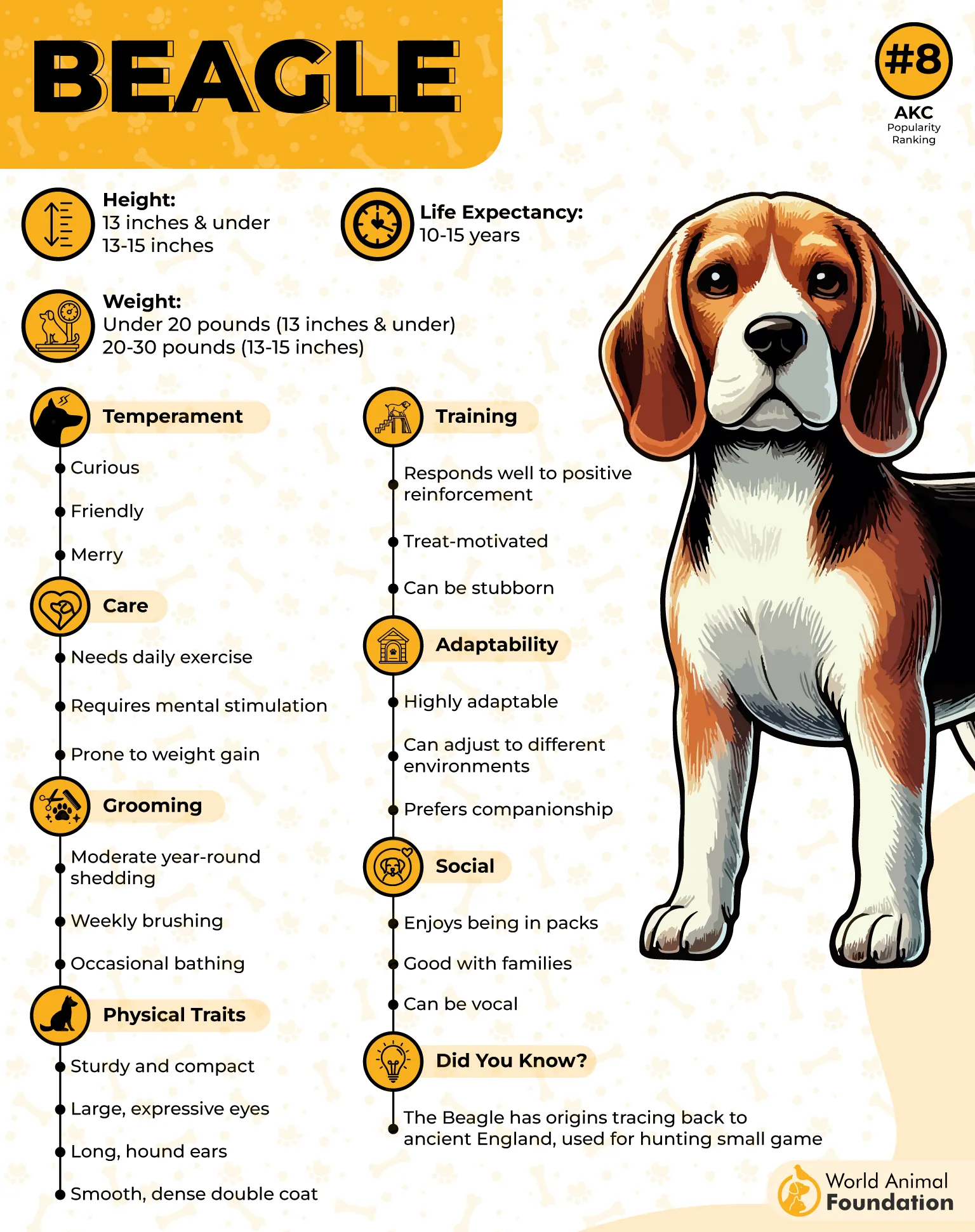
They adore people, get along with other dogs, and have a playful streak that can make even the grumpiest pet parent crack a smile. But those lovable ears? They’re a magnet for ear infections, so keeping them clean and dry is a must if you want to avoid a not-so-pleasant trip to the vet.
Beagles also have a few other health quirks to be aware of:
Hip Dysplasia – Their long legs and active lifestyle need support.
Epilepsy – Some Beagles are prone to seizures, so regular check-ups help.
Obesity – They love treats almost as much as they love sniffing, so portion control is key!
In short, a Beagle is a bundle of joy, curiosity, and stubborn charm. You’ll get years of tail wags, sloppy kisses, and “just one more sniff” adventures—sometimes at the speed of a rocket chasing a squirrel!
3. Australian Cattle Dog
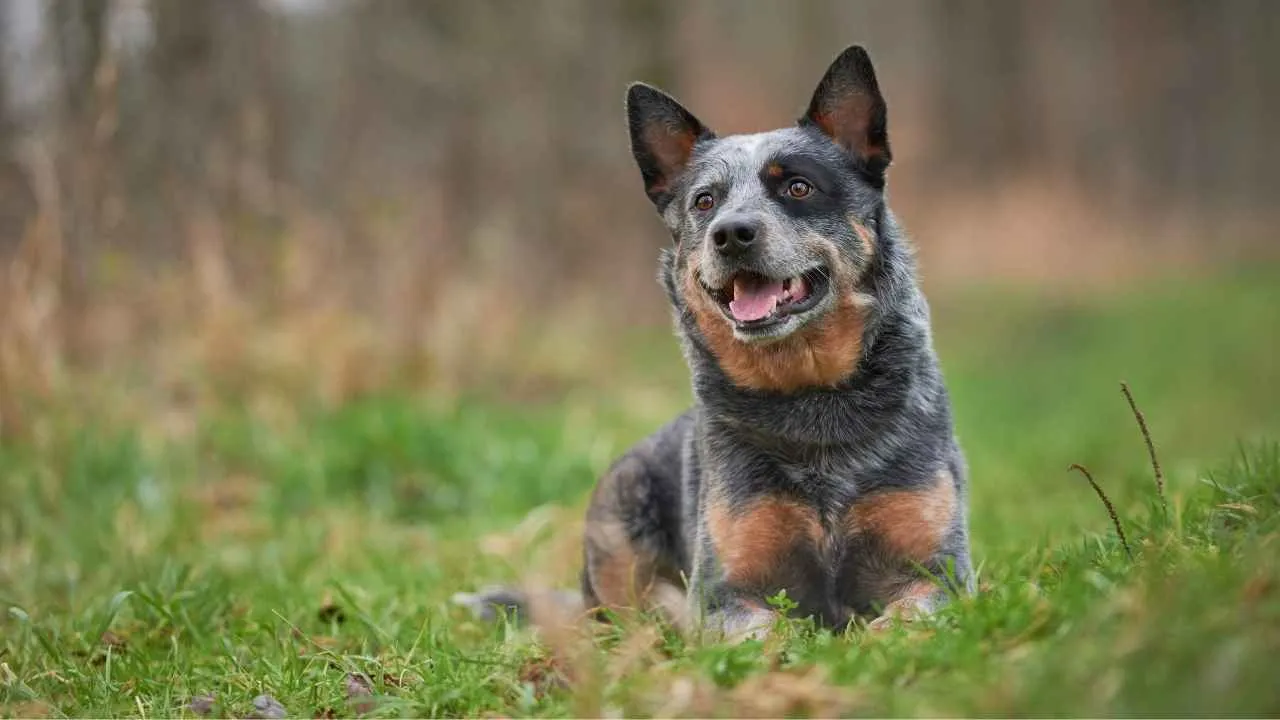
Average Lifespan: 12–16 years
Don’t let their rugged good looks fool you—Australian Cattle Dogs are brains, brawn, and boundless energy rolled into one sleek, speckled package.
These medium-sized breeds were born to work, whether that means herding cattle, excelling in agility courses, or just keeping your backyard in line. Boredom is their kryptonite, so make sure they have plenty to do, or you might come home to a scene that looks like a tiny tornado passed through your living room.
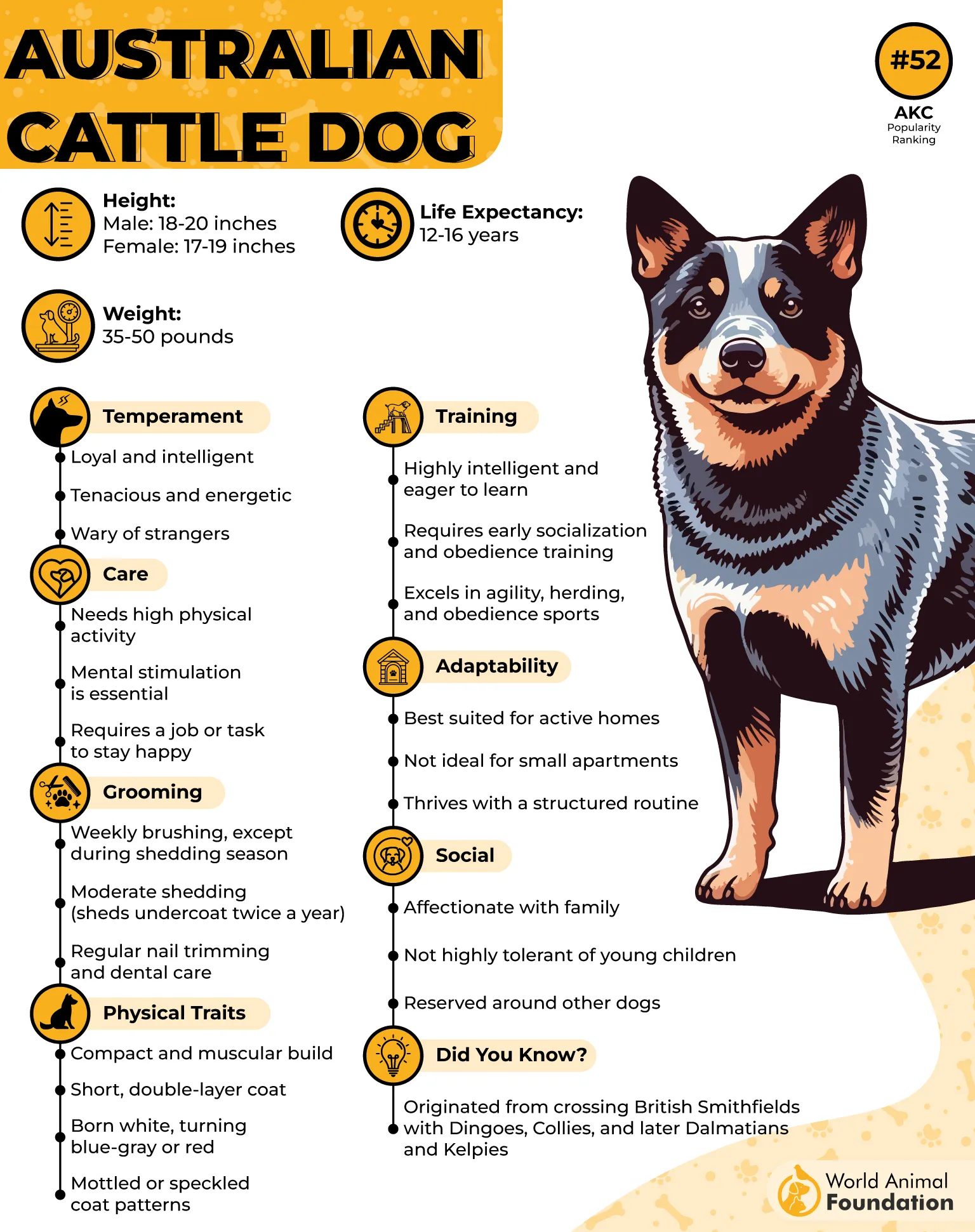
Smart, loyal, and fiercely devoted to their families, Australian Cattle Dogs make fantastic companions for active households. They love being outdoors, are quick learners, and have a quirky sense of humor—often expressed through mischievous antics or a playful zoom across the yard.
As hardy as they are, these dogs do have a few health considerations to keep in mind:
Progressive Retinal Atrophy (PRA) – Their sharp eyesight can dim with age, so regular check-ups help keep them seeing clearly.
Hip Dysplasia – High-energy dogs with powerful legs need joint care as they grow older.
If you’re ready for a dog that’s equal parts workaholic and devoted sidekick, the Australian Cattle Dog delivers years of loyalty, fun, and sometimes downright hilarious energy. Just remember: a bored Cattle Dog is a mischievous Cattle Dog!
4. Basenji
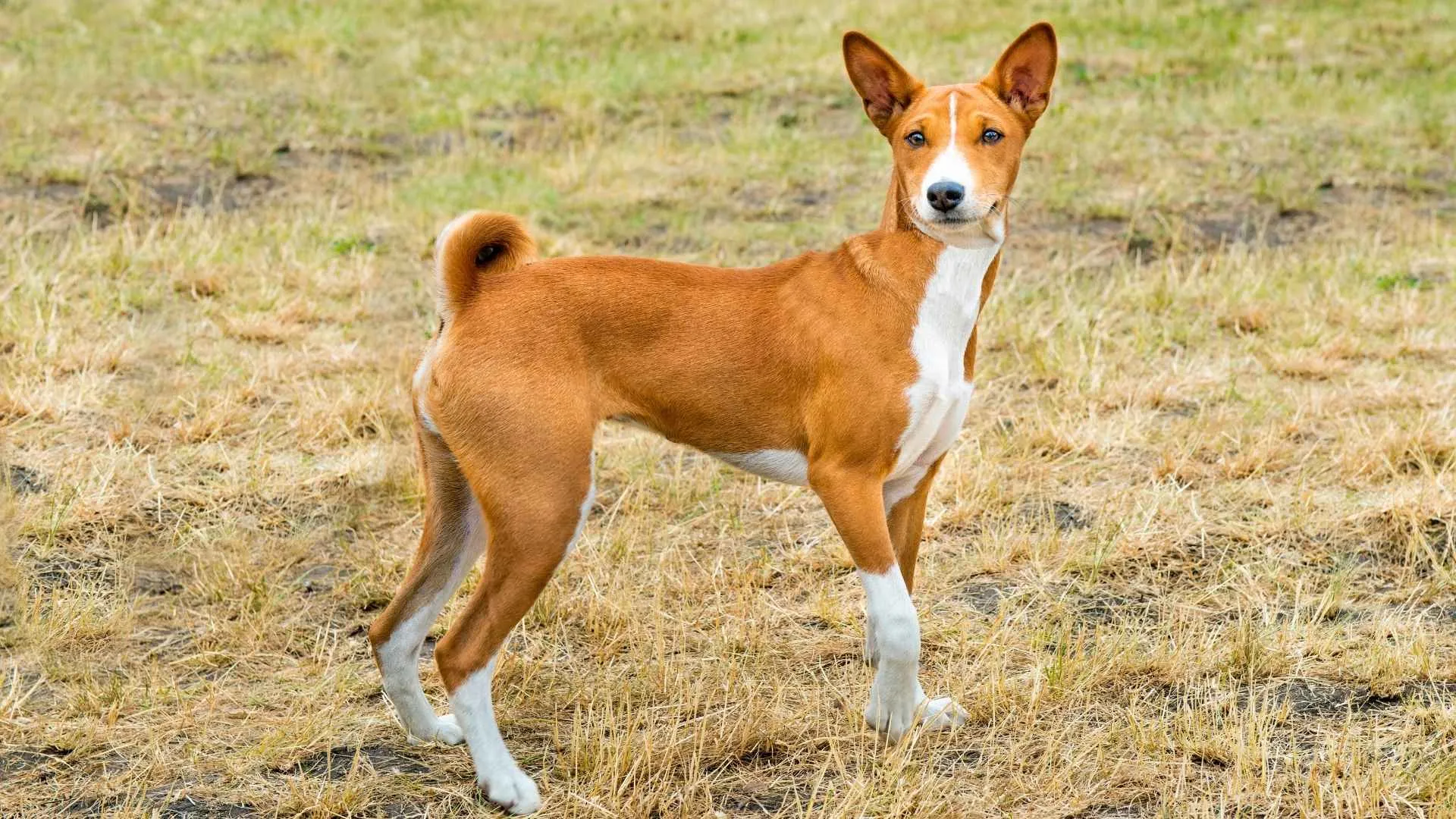
Average Life expectancy: 13–14 years
If you’re after a dog that’s active, curious, and mysteriously quiet, the Basenji might just be your perfect match.
Often called the “barkless dog,” these sleek, elegant pups communicate in a mix of yodels, chirps, and expressive facial gestures—so while they may not bark at your doorbell, you’ll never miss their personality.
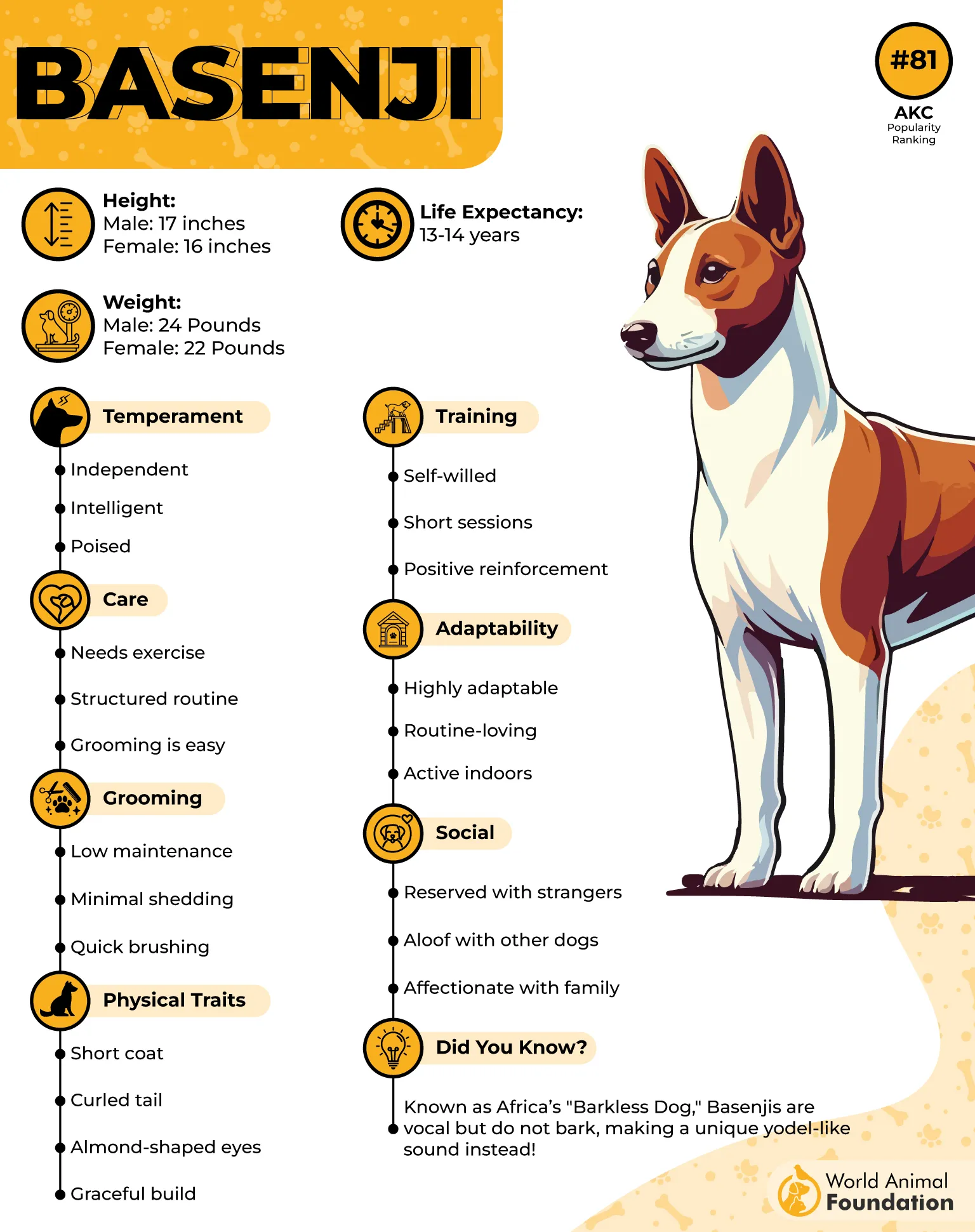
According to A-Z Animals, Basenjis are relatively long-lived for a smaller breed, giving you plenty of time to enjoy their playful antics, graceful zoomies, and charming quirks. But like all dogs, they’re not immune to health issues, so it’s good to know what to watch for:
Persistent Pupillary Membrane (PPM) – A minor eye condition that can affect vision.
Progressive Retinal Atrophy (PRA) – Gradual loss of sight over time.
Fanconi Syndrome – A rare kidney disorder that requires careful monitoring.
Hemolytic Anemia – A condition affecting red blood cells.
Hypothyroidism – A slower metabolism and low energy if left untreated.
The great news? Basenjis are generally healthy, and with the right care, they can live long, happy lives. Keep them fit with plenty of regular exercise, feed a balanced diet, and schedule regular vet check ups.
Before you know it, your barkless companion will be filling your home with joy (and the occasional yodel) for many years to come.
5. Shih Tzu
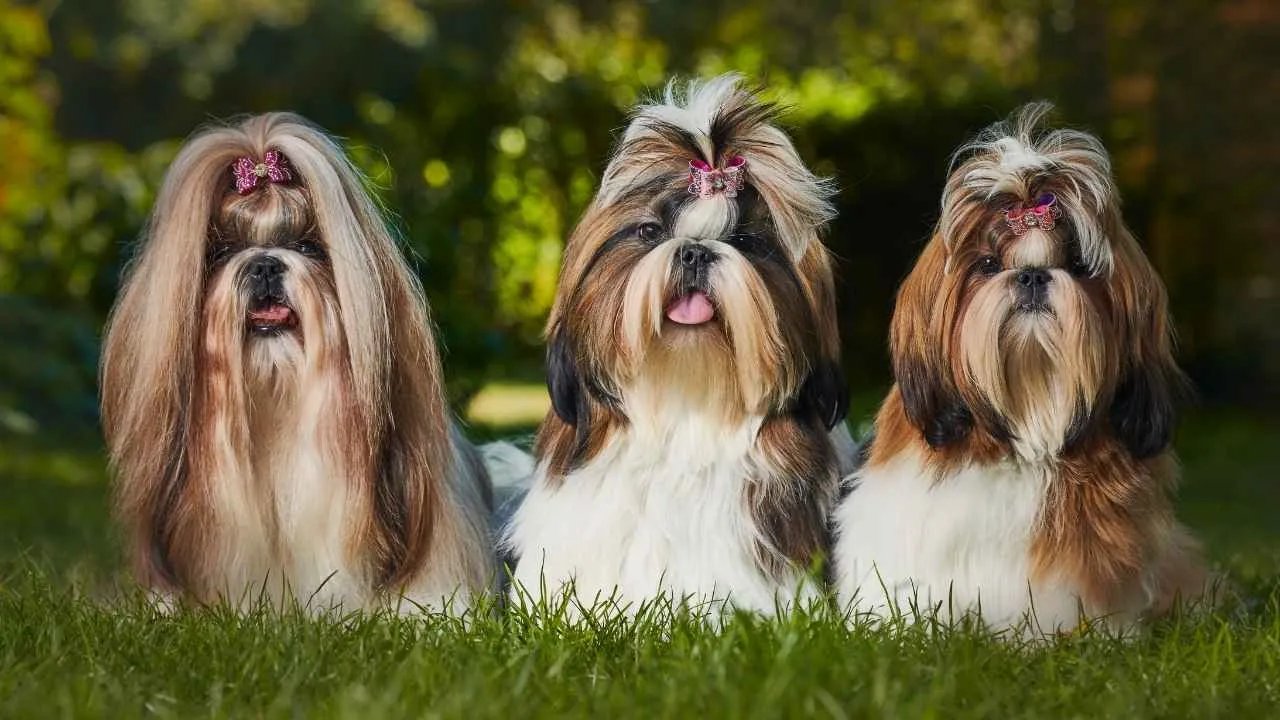
Average Lifespan: 10–18 years
Meet the Shih Tzu: a tiny, regal companion with the heart of a lion (literally—“Shih Tzu” translates to “lion dog”).
These Tibetan toy dogs were bred to be loyal companions and little wonders of cuteness, complete with flowing fur, squished muzzles, and eyes that can melt even the coldest heart. Their history is as rich as their coats: associated with Buddhism, they’ve been cherished for centuries—and officially recognized by the AKC in 1969.
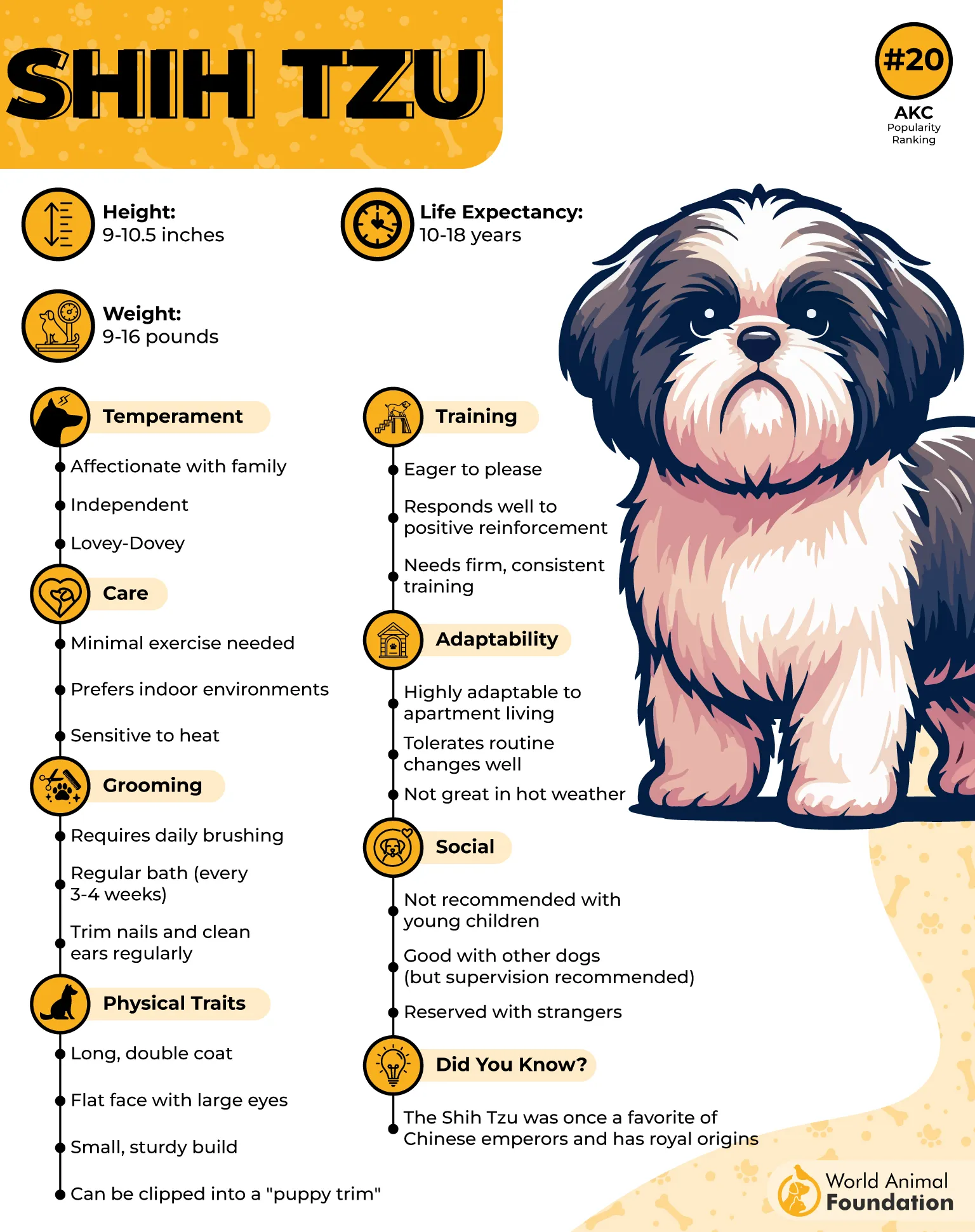
Shih Tzus may be small, but their personalities are larger than life. They’re playful, smart, and always eager to please, making them great family pets. But don’t be fooled by their adorable appearance—this breed comes with a few health conditions:
Obesity – Tiny dogs can pack on pounds fast, so portion control is key.
Eye Issues – Those big, expressive eyes need a little extra TLC.
Hip Dysplasia – Even small legs need support as they grow older.
Caring for a Shih Tzu means plenty of love, brushing their luxurious coat, and keeping an eye on their health—but the reward is a loyal, affectionate little companion who will happily follow you everywhere… and probably sit on your lap the entire time.
6. Chinese Crested
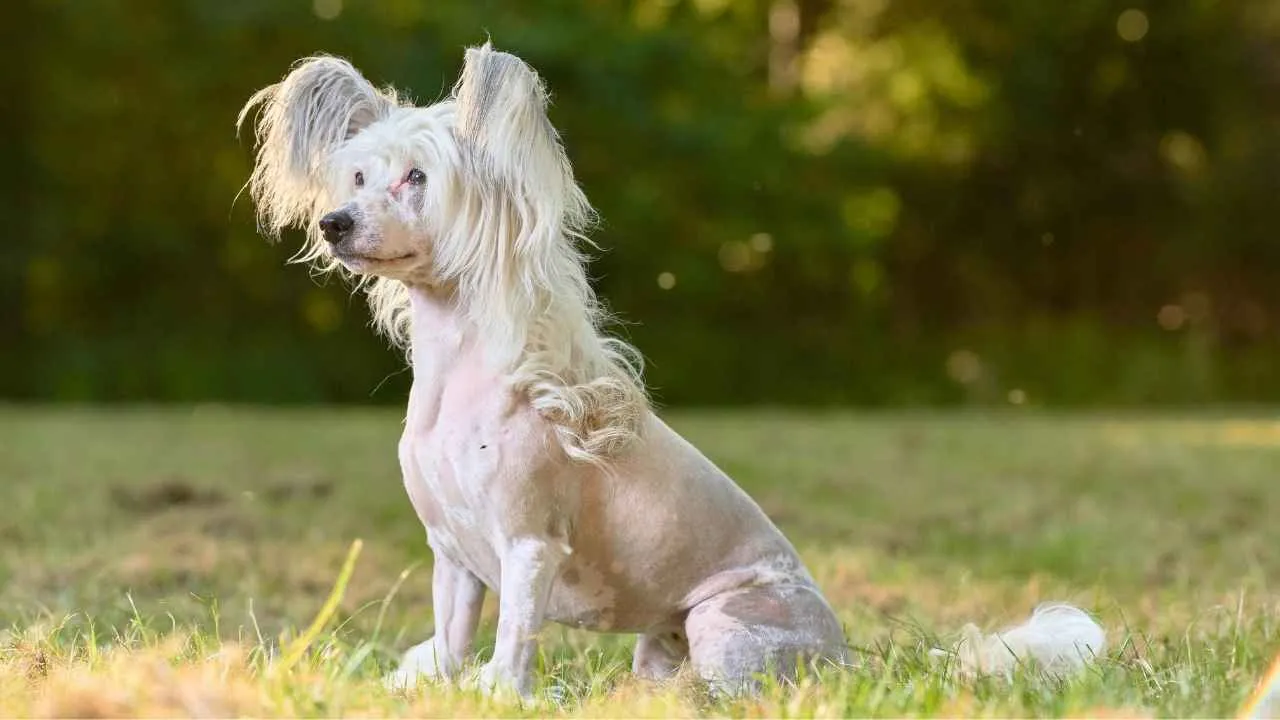
Average Lifespan: 13–18 years
If you’re looking for a dog that turns heads (and starts conversations everywhere you go), meet the Chinese Crested dog.
These tiny, elegant pups are among the most unique-looking—and longest-living—breeds around, PetMD noted. Most are hairless except for silky “crests” on their heads, paws, and tails, though the adorable “powderpuff” variety comes fully coated from nose to tail. Either way, they’re impossible to ignore.
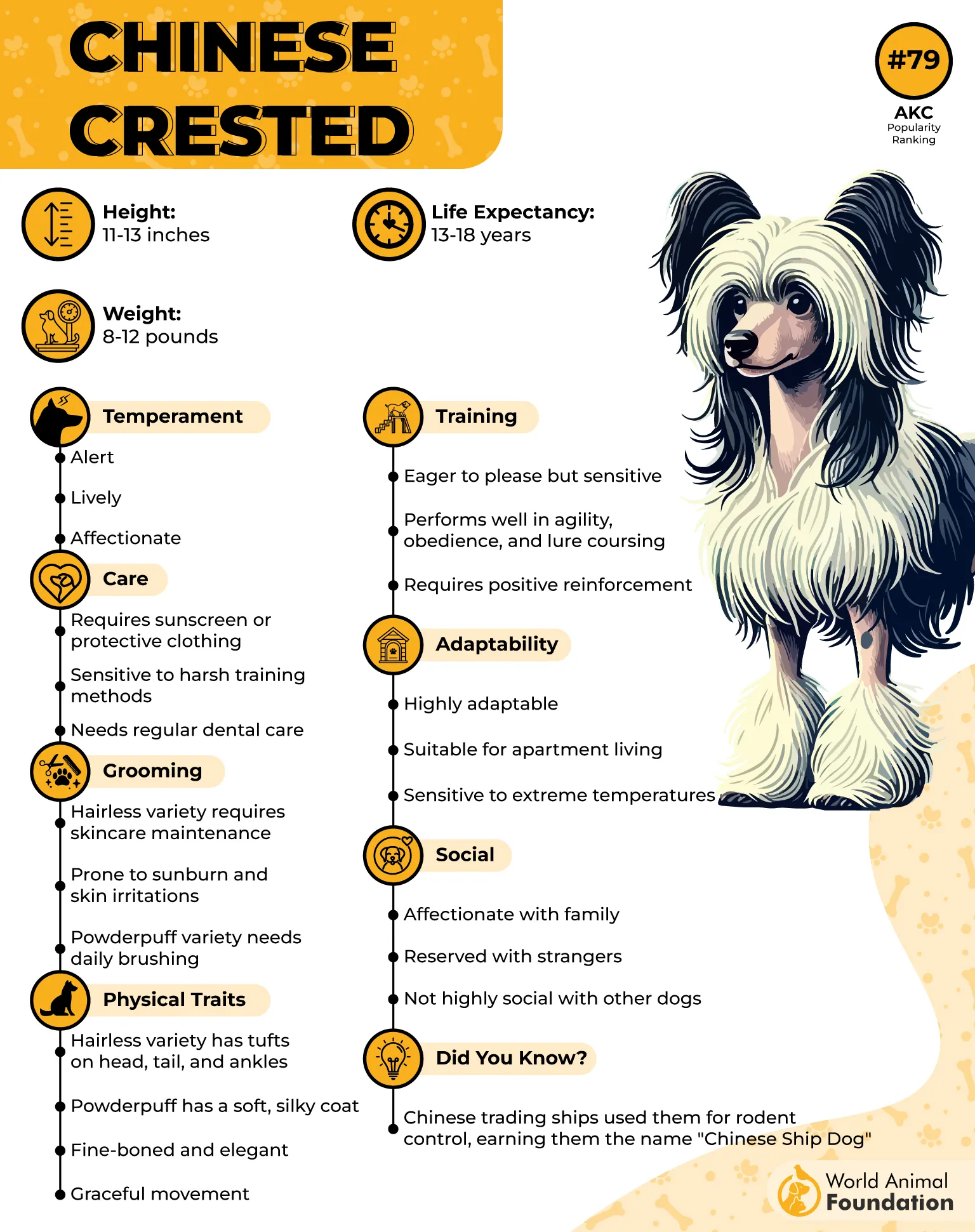
Chinese Cresteds are more than just a pretty face (or head-tuft—they do have personality to match!). They’re affectionate, alert, and love being close to their humans. And while some have been known to live into their 20s, they do come with fewer inherited health problems:
Eye Problems – Keep an eye on their vision as they age.
Dental Disease – Hairless or not, teeth need care!
Legg-Calvé-Perthes Disease – A joint condition that may require extra vet attention.
With the right care—regular vet visits, dental hygiene, and a cozy spot to snuggle—your Chinese Crested can be a loyal, lively companion for well over a decade. Plus, they come with the bonus of making everyone around them smile (and sometimes stare in awe).
7. Dachshund

Average Lifespan: 12–16 years
Say hello to the Dachshund—aka the “wiener dog”—a long-bodied, short-legged marvel of determination and personality.
Don’t let those stubby legs fool you: these little dogs are muscular, energetic, and were originally bred to hunt badgers, meaning they’re brave, curious, and surprisingly tenacious for their size.
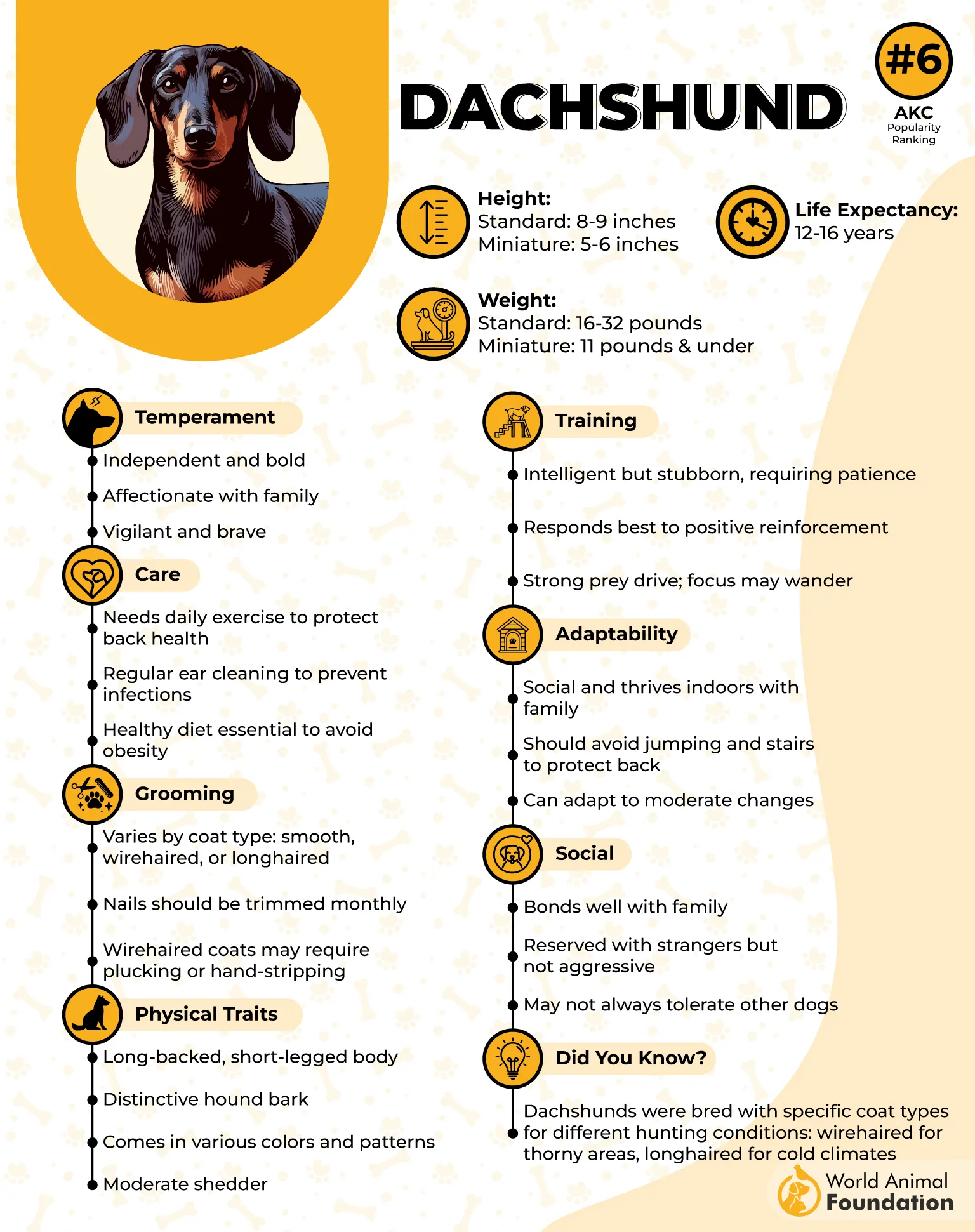
Dachshunds are loyal, playful, and full of spunk. They love to dig, explore, and make their humans laugh with their dramatic expressions and stubborn streaks. But their signature elongated spines do require a bit of extra care:
Intervertebral Disc Disease (IVDD) – Their backs are delicate, so watch out for jumps from furniture or rough play.
Obesity – Extra pounds can put unnecessary strain on their spine.
Dental Issues – Like many small breeds, Dachshunds benefit from regular dental care.
With the right care, a Dachshund can bring 12–16 years of loyalty, adventure, and endless belly laughs. Just remember: a happy Dachshund is a curious Dachshund, and a curious Dachshund may be plotting their next “badger-style” backyard dig!
8. Bichon Frise

Average Lifespan: 14–15 years
Fluffy, cheerful, and endlessly charming, the Bichon Frise is like a little cloud of joy with a wagging tail. Often touted as “hypoallergenic” (though no dog is completely allergen-free), these white furballs can be a great fit for people with mild allergies—while still delivering heaps of personality and love.
Bichons are curious, peppy, and social. These small dog breeds thrive on playtime with toys, cozy couch snuggles, and showing off clever tricks that will have everyone in the room clapping.
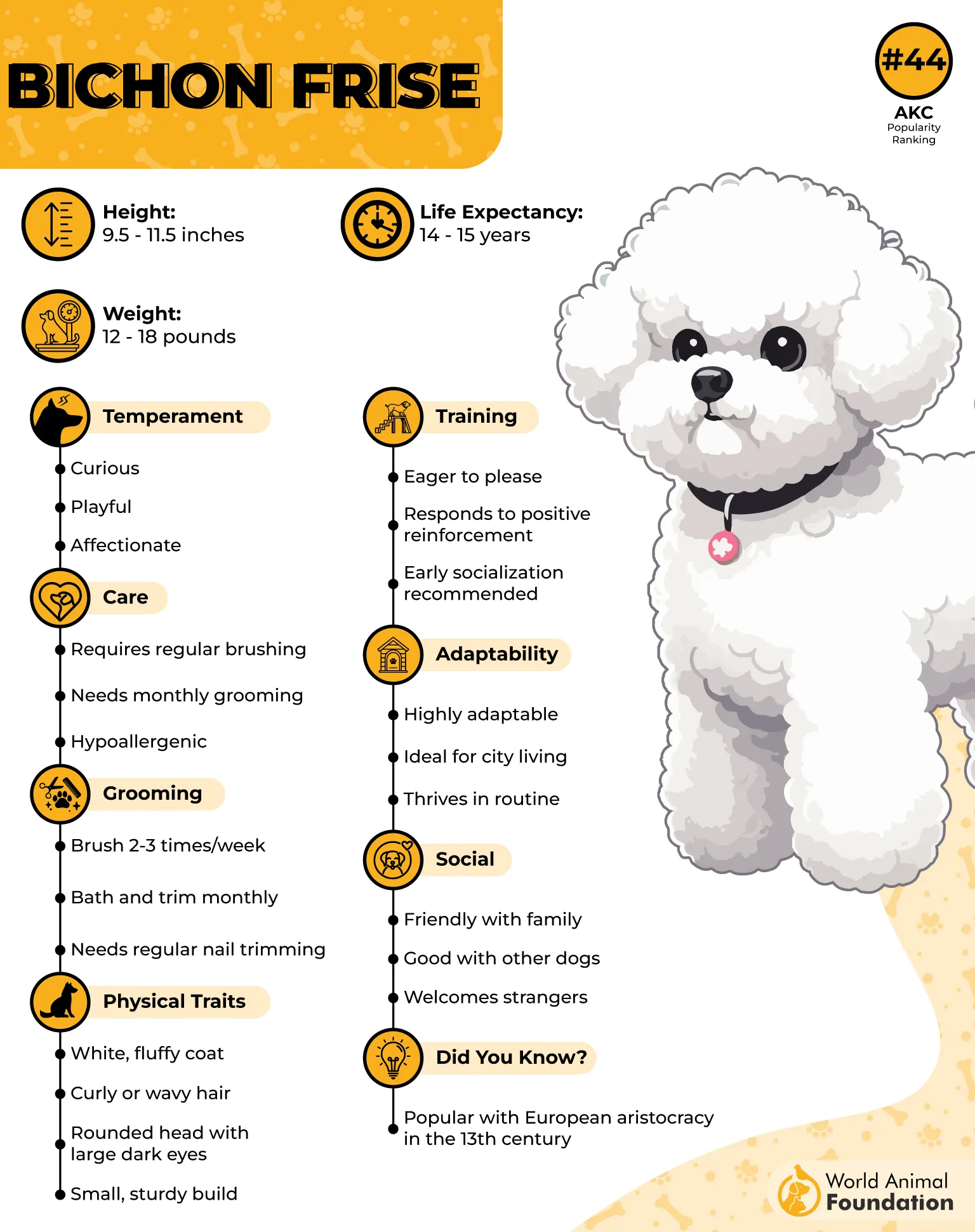
Their sunny disposition makes them wonderful companions for families, singles, or anyone who wants a pocket-sized bundle of happiness. Like all long-living breeds, Bichons do have a few health quirks to keep in mind:
Diabetes Mellitus – Keep an eye on diet and weight to prevent issues.
Dental Disease – Tiny teeth need consistent care.
Cataracts – Watch their eyes as they age for signs of vision changes.
With proper care, plenty of love, and regular vet visits, a Bichon Frise can brighten your life for well into their teens. Bonus: their fluffy antics and adorable personality make every day feel a little lighter.
9. Shiba Inu
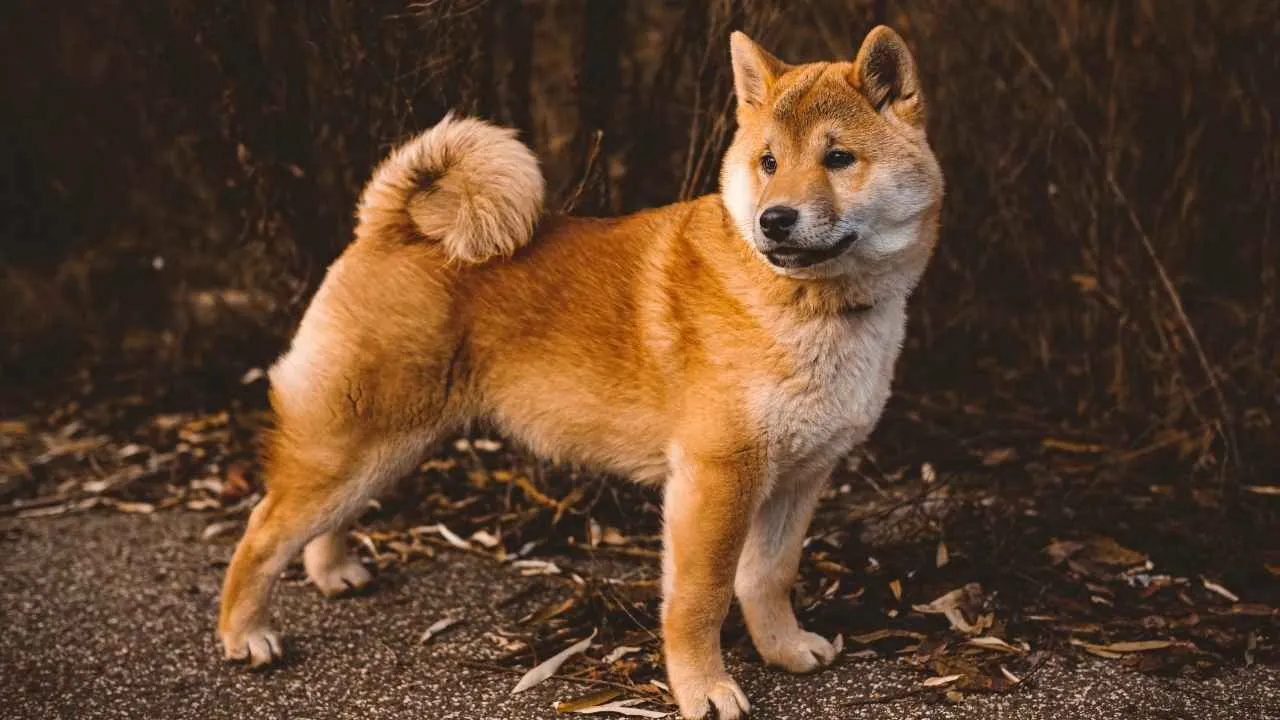
Average Dog’s Lifespan: 13–16 years
Meet the Shiba Inu: the foxy-faced internet sensation behind the legendary Doge meme. But don’t be fooled—these small dogs are much more than viral fame.
Alert, active, and intelligent, Shibas are clever companions who are always ready for adventure… as long as it aligns with their very strong opinions.
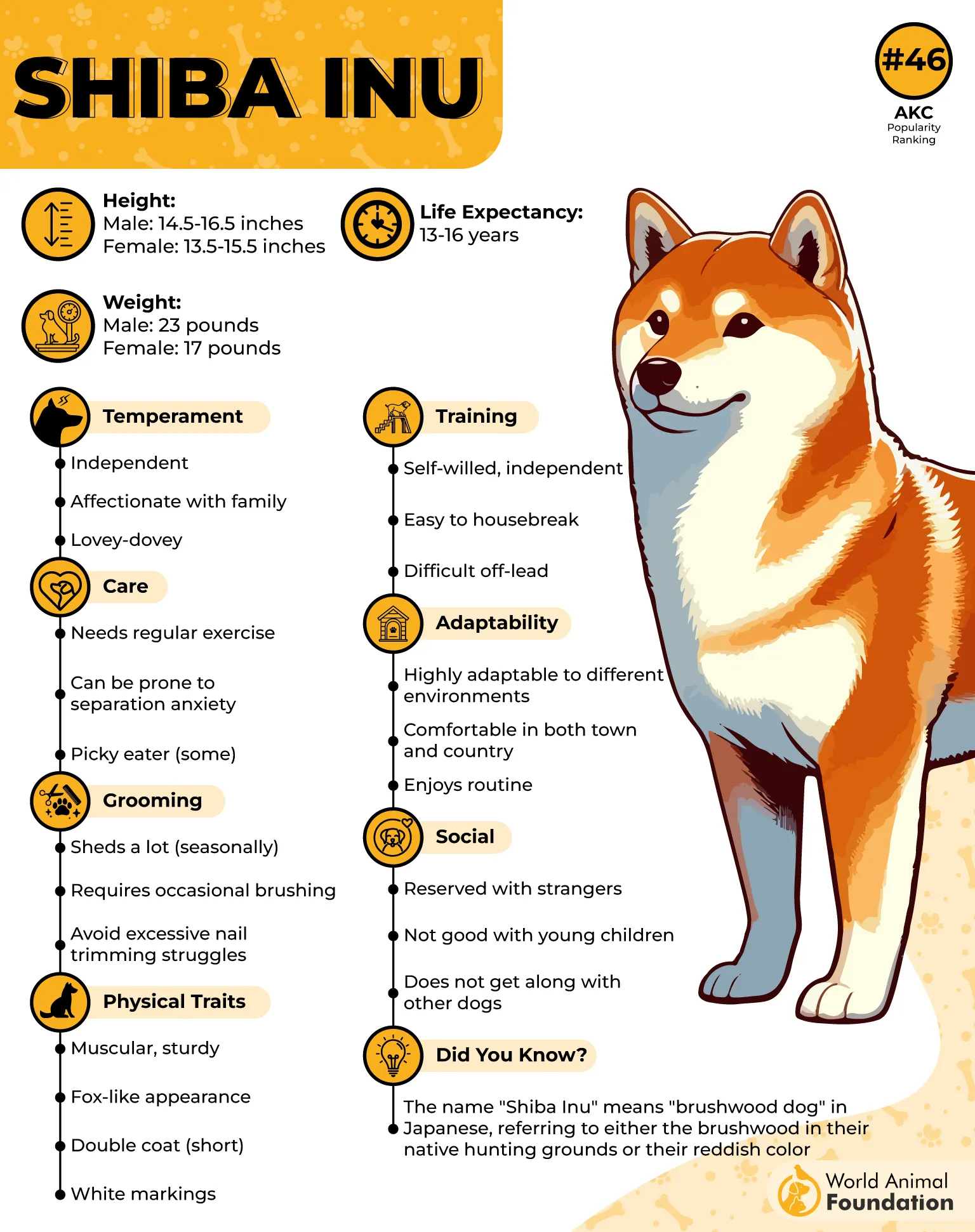
Shiba Inus are famously independent and can be a little dramatic—especially when expressing themselves with the iconic “Shiba scream,” a high-pitched squeal somewhere between a whine, a yelp, and pure protest.
Despite their diva tendencies, they’re loyal, affectionate with their humans, and endlessly entertaining. While Shibas are generally healthy, a few issues can pop up:
Skin Allergies – Keep an eye on scratching or redness.
Ear Allergies – Regular cleaning helps prevent discomfort.
Dental Disease – Small mouths need proper dental care.
With preventive care, exercise, and plenty of mental stimulation, a Shiba Inu can live a long, happy life full of zoomies, playful antics, and just enough sass to keep you on your toes. Bonus: they might also make your social media feed a lot cuter.
Conclusion
Generally speaking, the larger the dog, the shorter the lifespan, and giant breeds tend to live shorter lives than smaller breeds. Factors like maintaining a healthy weight, supporting cardiovascular health, and providing a nutritious diet can help your dog enjoy a longer, healthier life. While some breeds naturally live longer than others, individual dogs may also face breed-specific health concerns that impact longevity.
When deciding which breed is right for your family, veterinarians are an invaluable resource. They can advise on common health issues, proper diet, vaccines, parasite prevention, and wellness screenings, including regular exams, lab work, and preventative dental care. Preventative care remains one of the most important ways to improve your dog’s lifespan and quality of life, helping them remain a happy, healthy, and devoted companion for years to come.
