




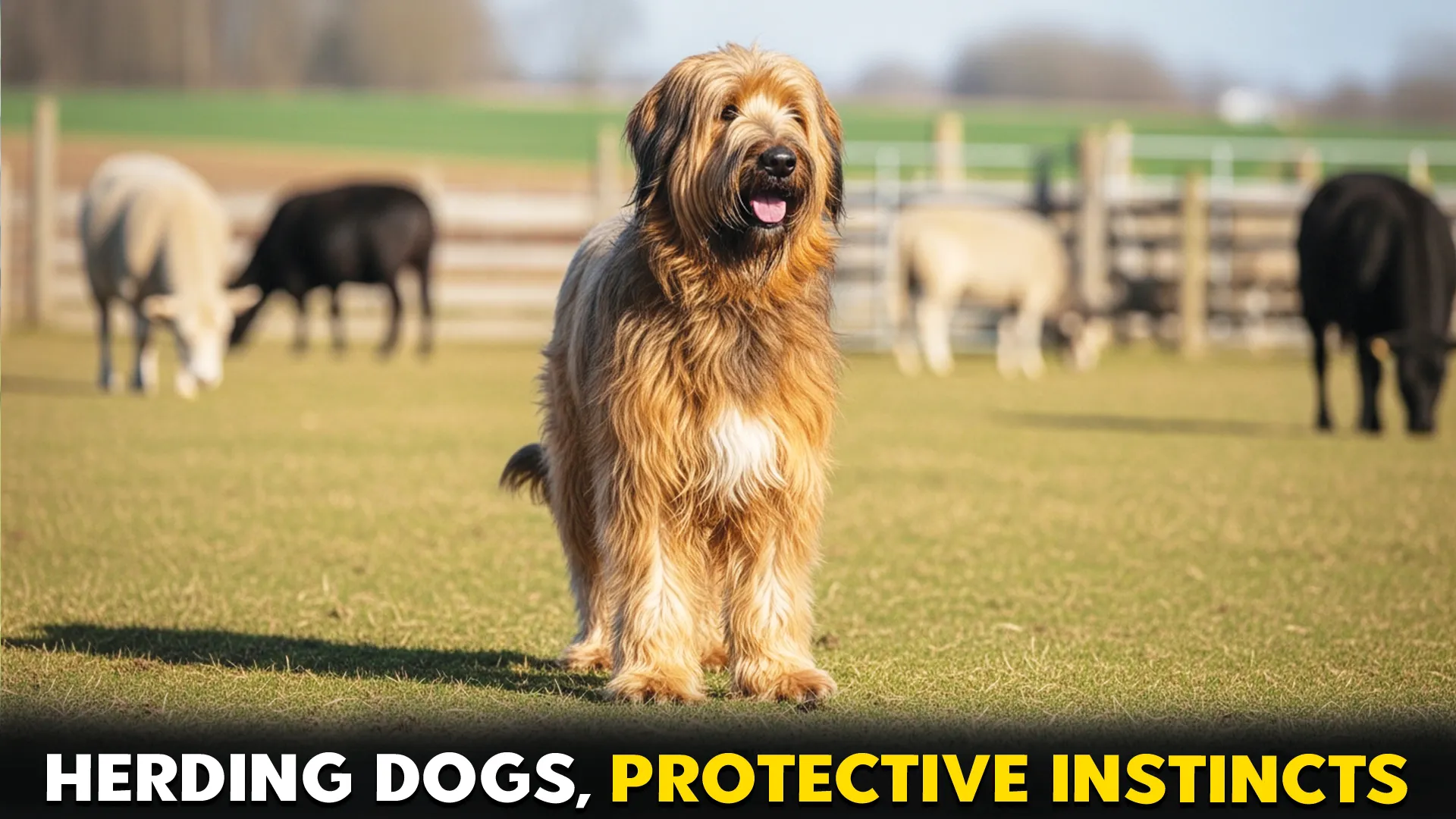
Herding and herd protection dogs exist because failure was never an option. Livestock needed control, land needed boundaries, and threats needed to be stopped without constant human presence.
These dogs were shaped by long days, harsh weather, and decisions that carried weight. They move with intent because hesitation creates disorder. They stay alert because losing focus has consequences. Their value shows not in excitement but in consistency.
Day after day, they repeat the same work with the same discipline, maintaining balance across wide spaces and unpredictable conditions. This kind of reliability does not come from training alone. It comes from instinct reinforced by purpose.
In this article, you will see what defines dogs suited for herding and herd protection work, how these roles differ, and what truly supports long-term performance in real working conditions.
Key Takeaways
In working fields, hesitation is costly, and herding breeds have evolved to act with precision and focus every day.
Briards move with nimble confidence, while Rottweilers balance strength and loyalty, showing how different breeds bring unique skills to the field.
Pulis and Bergamascos add agility and patience, handling flocks with precision while reading every subtle movement.
By the end, you’ll see which breeds combine instinct, intelligence, and endurance to master the art of herding and protection.
Top Dog Breeds Perfect for Herding and Protection
1. Briard
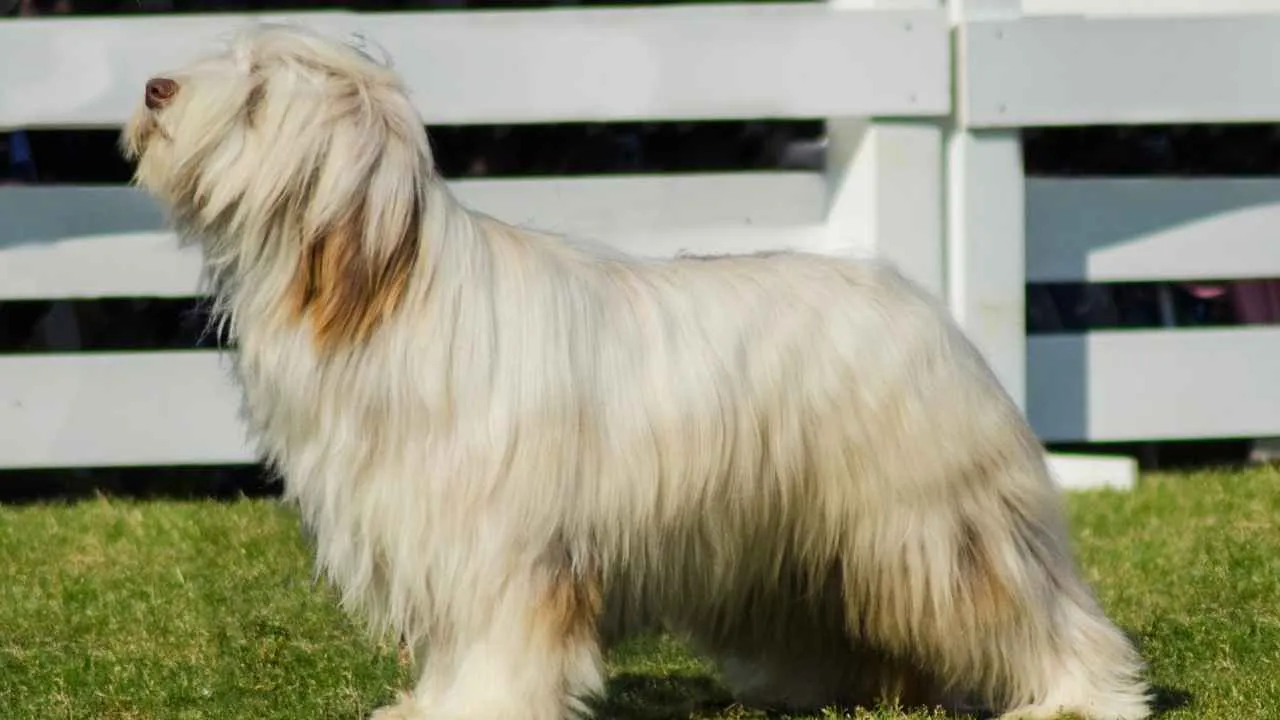
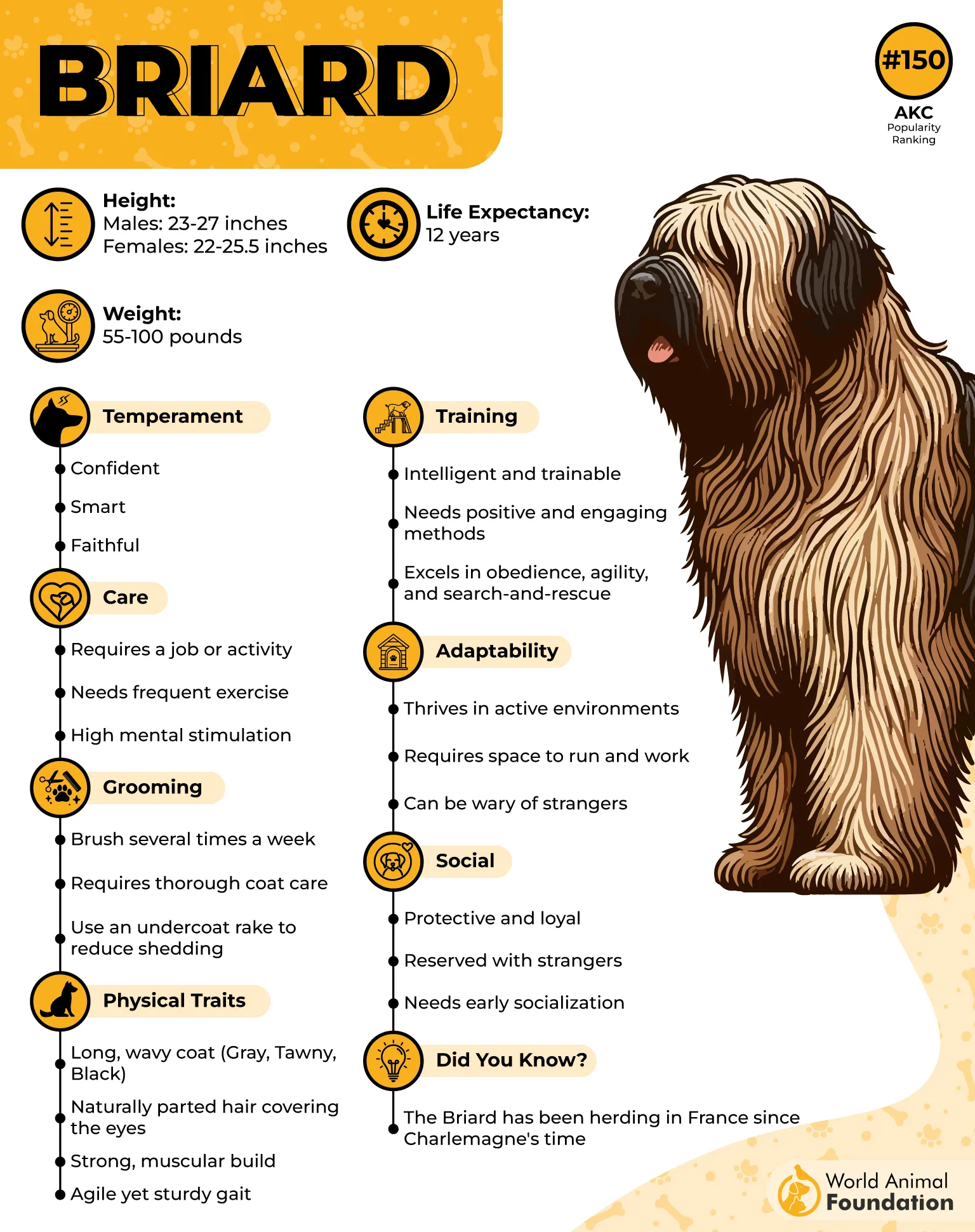
Briard is a French herding breed shaped by centuries of managing livestock across open countryside. Its rugged build and nimble gait allow it to move efficiently while staying alert to wide-ranging activity. That physical confidence supports steady work in herding and perimeter awareness.
Herd Control Instincts
This breed is known for sharp intelligence, fast learning, and a protective eye toward what it considers its flock. The AKC notes that two or three Briards historically managed large numbers of sheep with minimal human direction, relying on judgment and stamina.
That balance shows through several defining behaviors:
Sustained focus over long periods
Independent decision making
Natural awareness of movement patterns
Expression and Awareness
A distinctive head framed by eyebrows and a full beard gives the Briard an expression often described as frank and questioning. That alert look reflects how the breed constantly evaluates its surroundings rather than reacting blindly.
Note: Briards possess a strong drive and independent thinking style that can overwhelm first-time handlers without clear structure.
2. Rottweiler
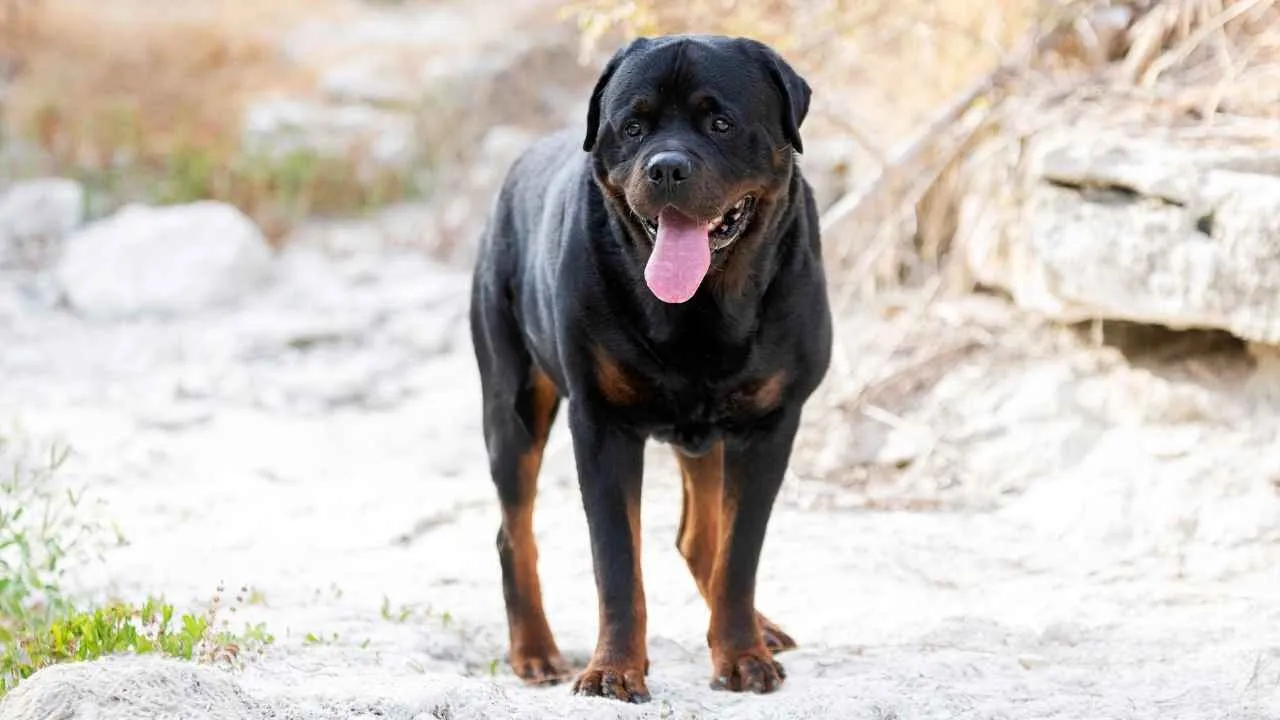
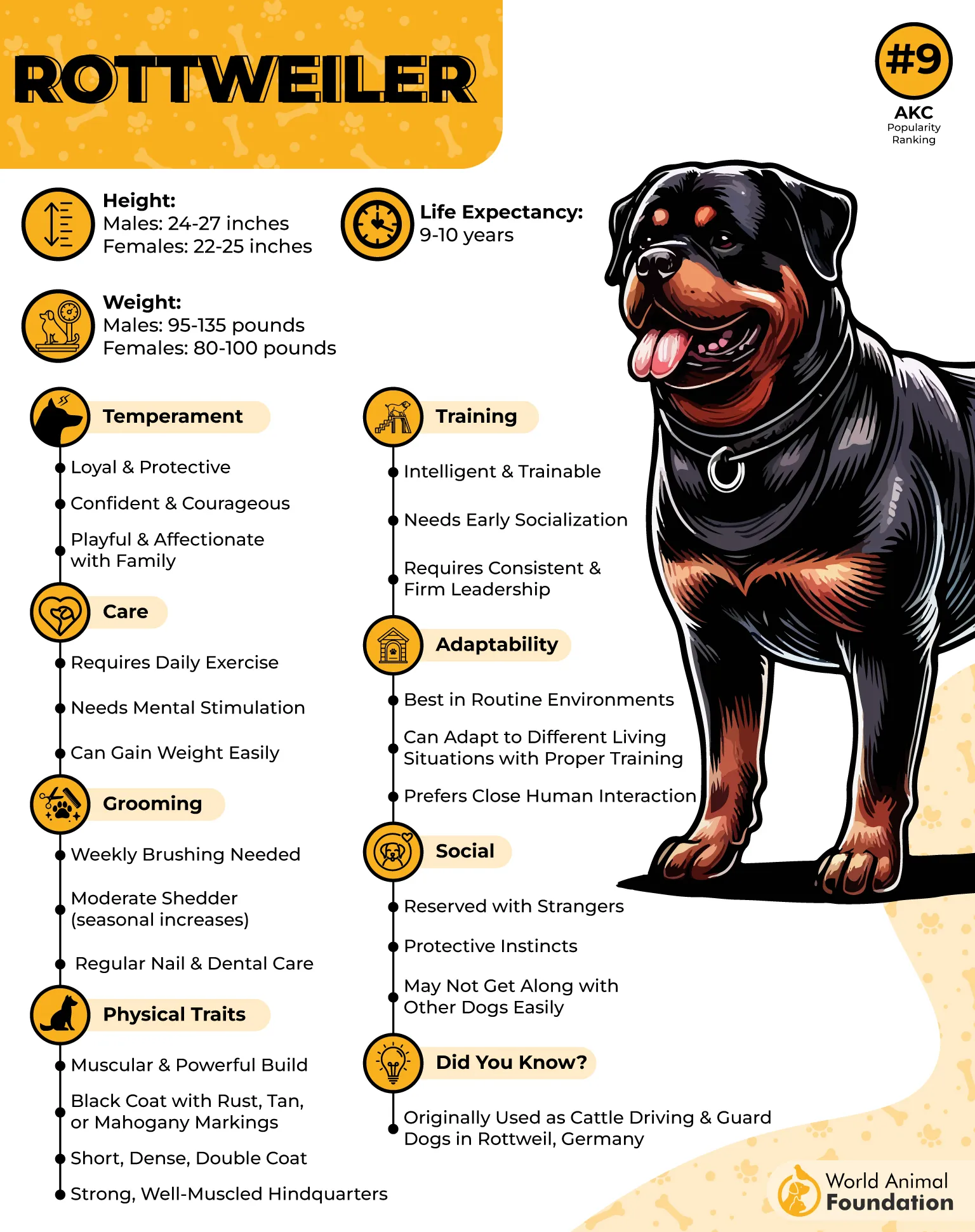
Rottweiler is one of the oldest working breeds, developed from mastiff-type dogs used by the Roman Army. These dogs were bred to herd cattle while soldiers traveled long distances with livestock, as per Purina. That early purpose shaped a dog comfortable working close to moving herds and people.
Task-Oriented Intelligence
Rottweilers are known for strong work focus and a willingness to operate alongside human partners. Their intelligence and trainability explain their long history in structured roles that require control and coordination.
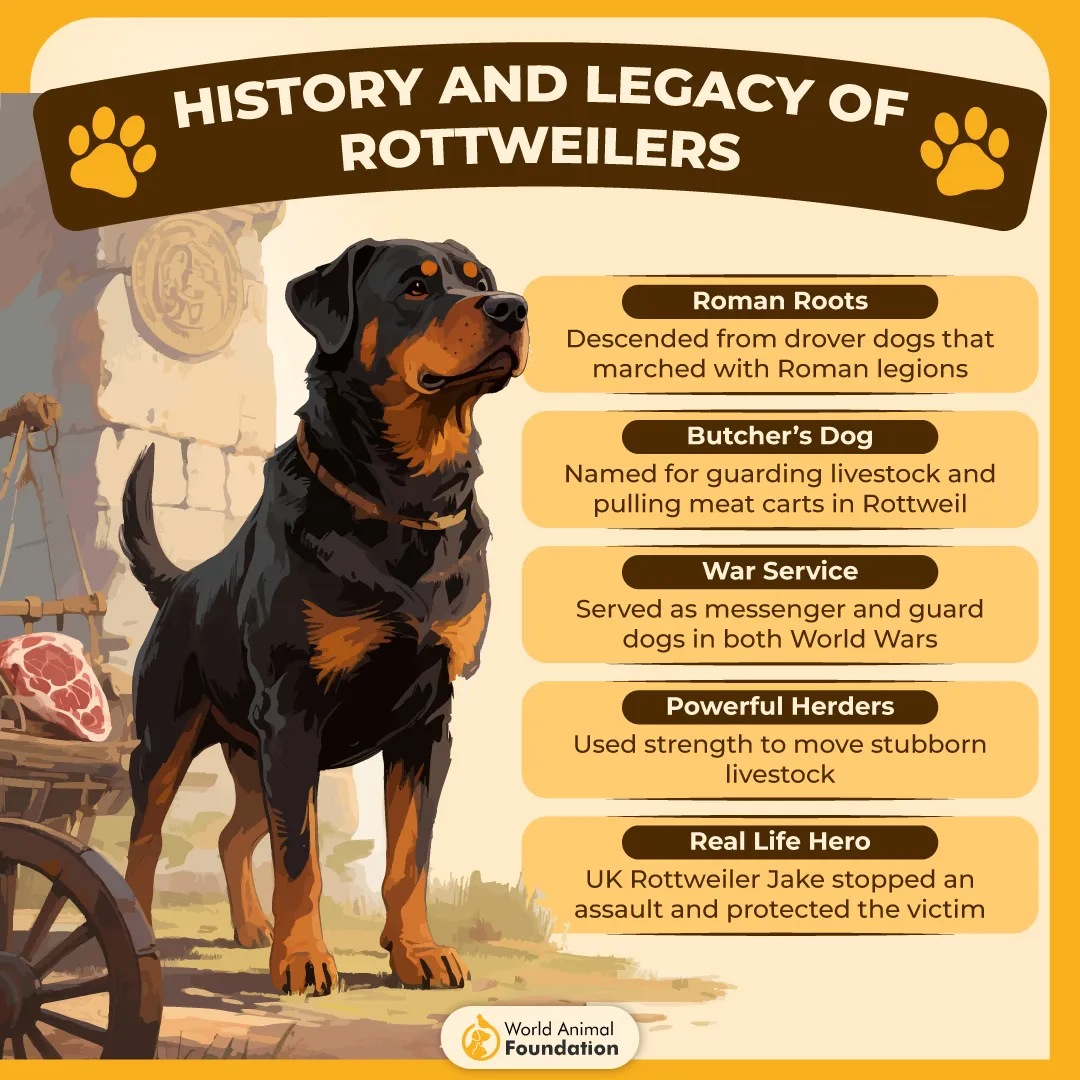
That working mindset shows up clearly during livestock handling tasks.
Strong response to direction
Natural control of movement
Consistent engagement during tasks
Temperament Around Familiar Stock
Within familiar settings, Rottweilers show an affectionate and playful side toward people they know well. Around livestock, this balance allows calm presence without unnecessary agitation. Territorial awareness remains measured rather than chaotic when boundaries are clearly established.
3. Polish Lowland Sheepdog
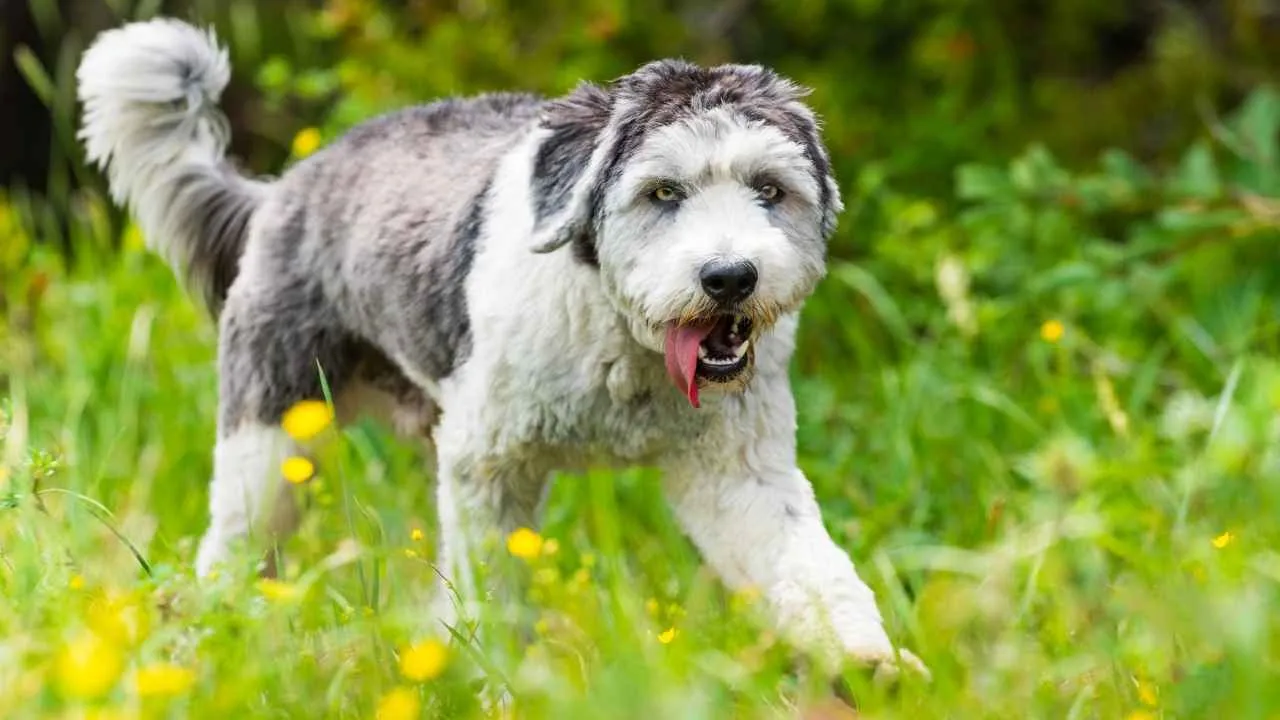
Polish Lowland Sheepdog is a compact, muscular herding dog developed for long days of controlled livestock work. Its rectangular frame and stocky structure support steady movement across open fields. That physical balance helps the dog stay engaged during repetitive herding tasks.
Visual Awareness and Herd Control
Polish Lowland Sheepdog has a dense double coat that falls over the eyes while still allowing a sharp, penetrating gaze. This visual focus plays a role in monitoring movement across flocks and enclosed grazing areas.
That working awareness shows up through specific behaviors.
Sustained eye contact during herd movement
Fast response to shifting group patterns
Natural positioning at outer edges
Independent Herd Decisions
Polish Lowland Sheepdog is known for confidence paired with a stubborn streak shaped by independent field work. Herding roles often required judgment without constant human direction. This mindset supports steady performance during prolonged tasks.
4. Bergamasco Sheepdog
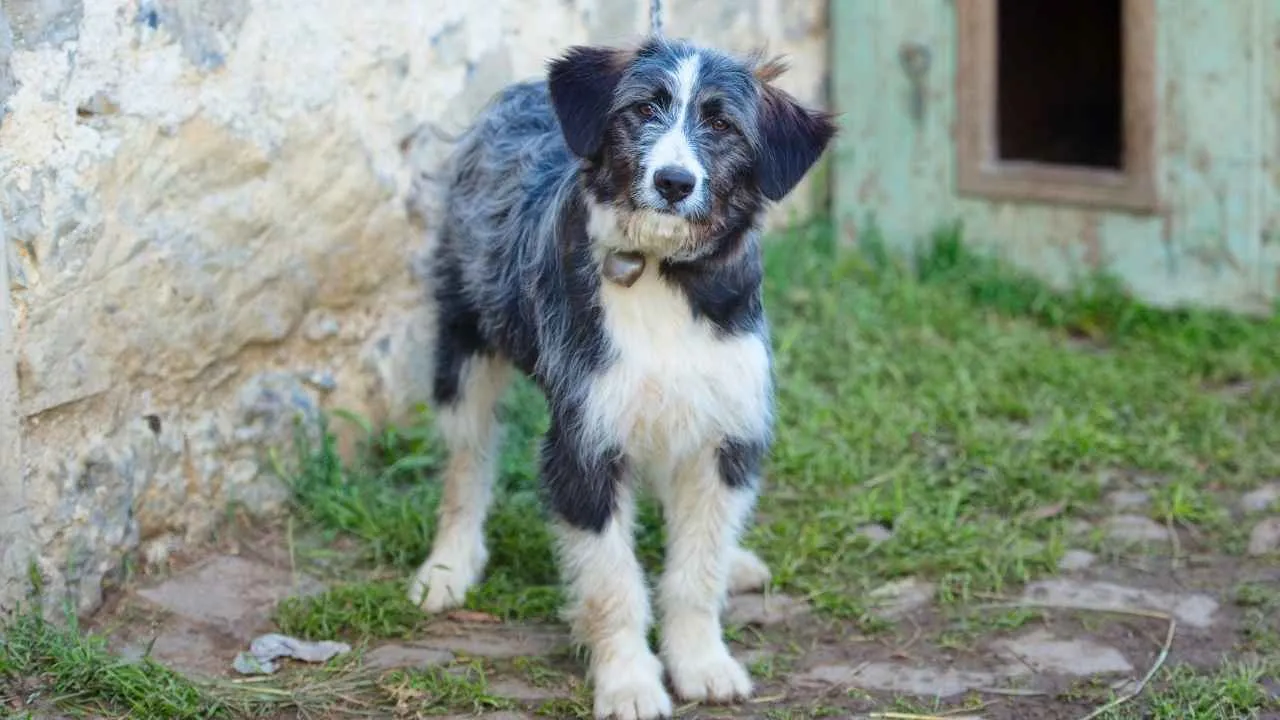
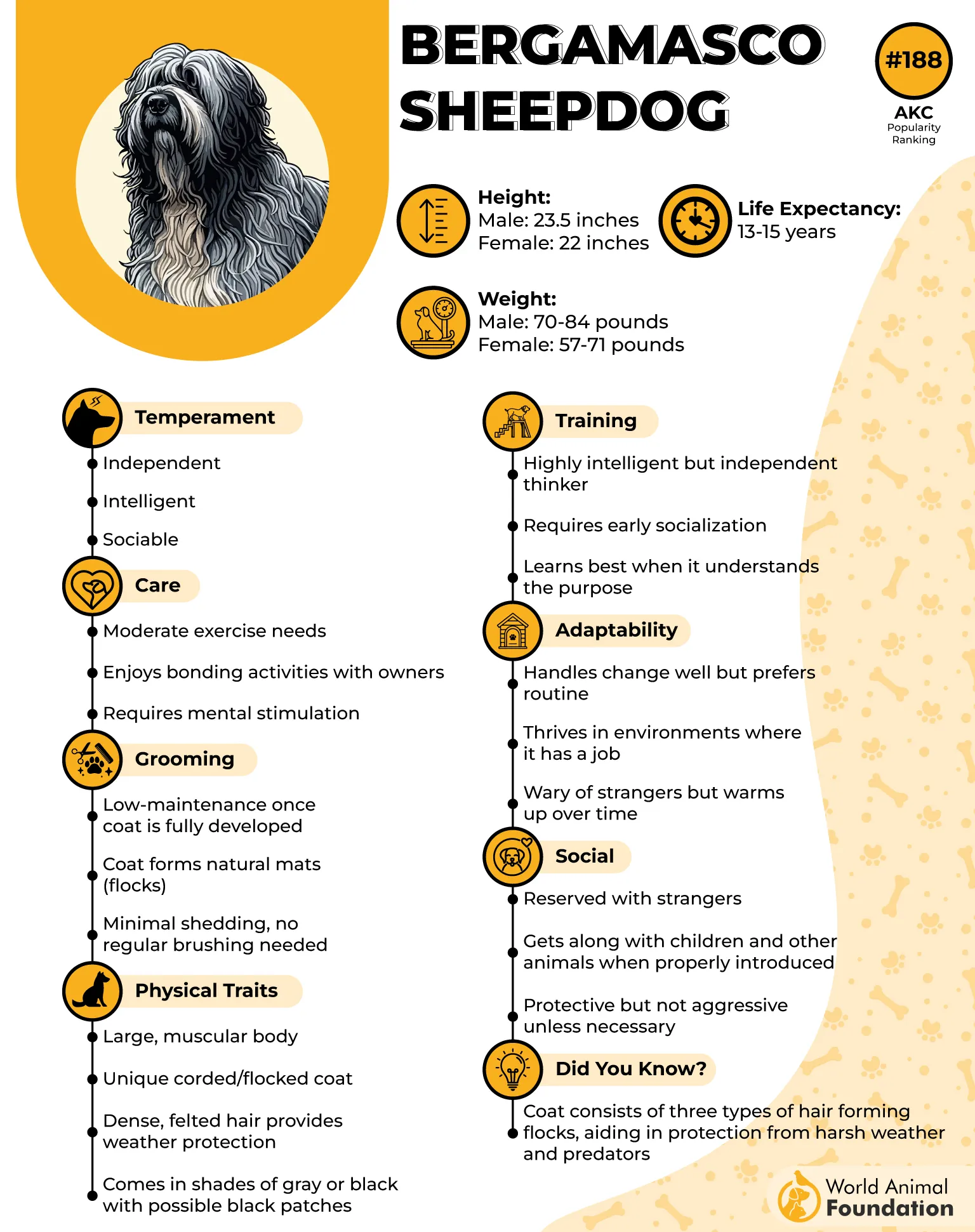
Bergamasco Sheepdog is a medium-large herding dog breed from Italy with a distinctive coat that naturally forms thick mats, or flocks, offering protection in the field. Their physicality is matched by patience and a focus that suits sustained herding work.
Fun Fact: The Bergamasco’s coat evolved specifically to protect them from harsh mountain weather and predators, giving them a natural advantage in open-field herding.
Alertness and Work Focus
These dogs enjoy structured tasks and feel most fulfilled when engaged in purposeful work. Their mental acuity and devotion show in how they respond to movement and livestock.
Their focused approach includes:
Observant of flock or group behavior
Quick problem-solving during herding
Calm yet deliberate response to commands
Bonding and Independence
Bergamascos form strong attachments to their humans while maintaining an independent streak that helps in decision-making on the field. Their loyalty supports consistency in following routines and maintaining awareness. This balance allows them to work efficiently without constant guidance.
5. Puli
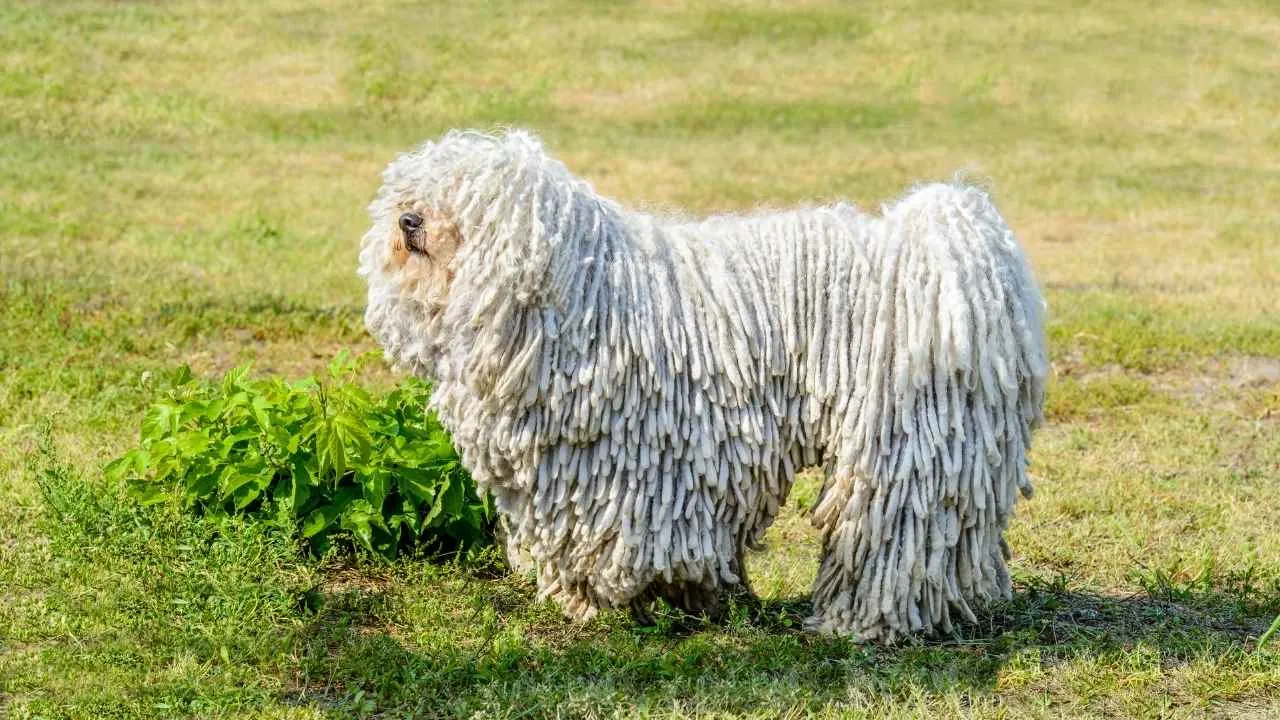
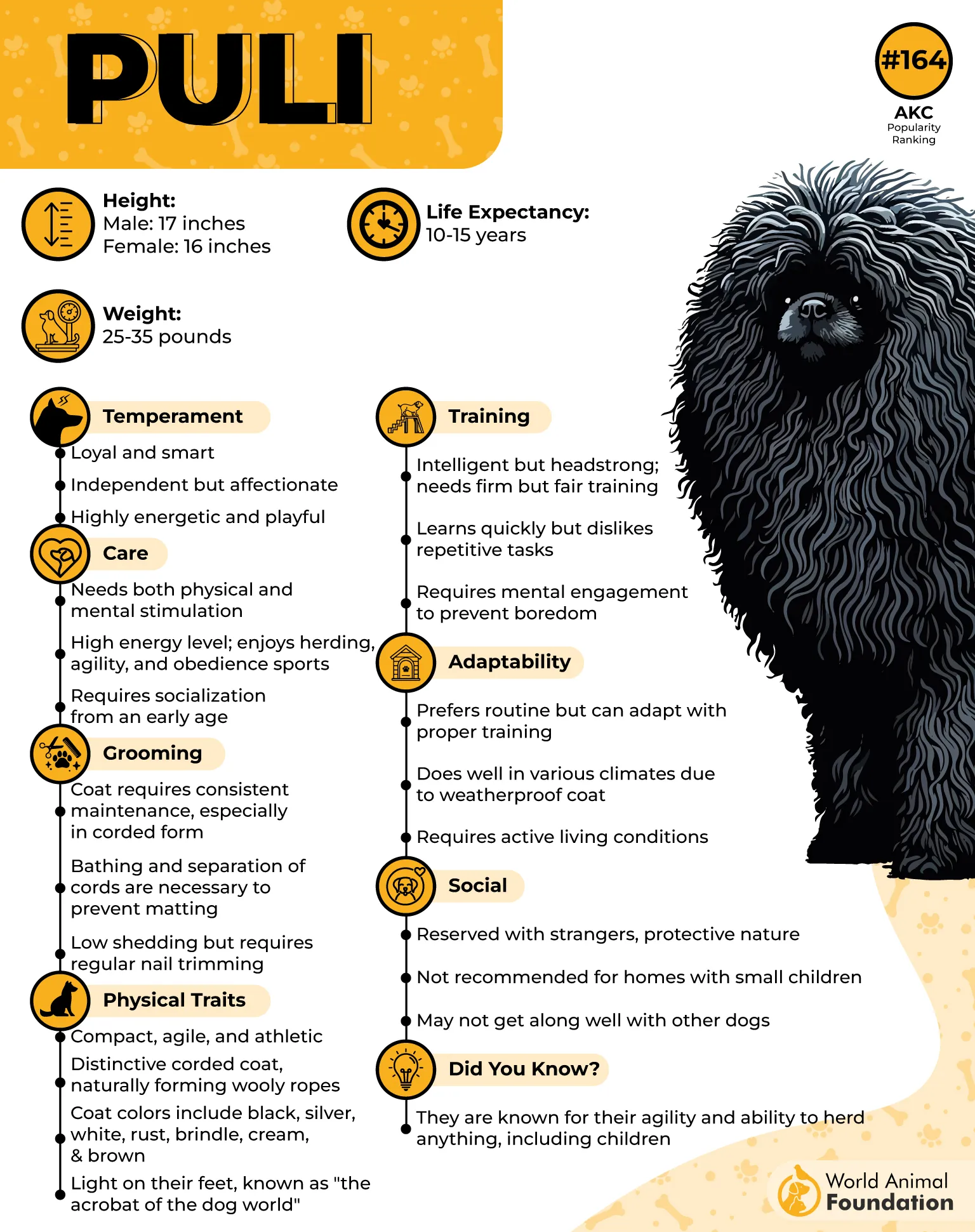
Puli are compact, energetic herders known for their remarkable agility and quick reflexes. Their movements are precise, allowing them to respond instantly to changes in flock direction. This combination of speed and focus makes them naturally attuned to tasks that require close human coordination.
Structured Skills
Beyond their agility, Pulik are highly trainable and attentive, thriving when given clear roles within a working team. Their versatility shows in both herding and obedience, allowing them to manage multiple tasks with ease.
Traits that make them effective in herding work:
Rapid learning and adaptability
Acute awareness of movement and sounds
Coordinated interaction with handlers
Corded Coat and Movement
The Puli’s dense, corded coat provides natural protection from weather and terrain challenges. Beneath the cords, the breed’s compact frame enables effortless leaping, turning, and obstacle navigation. This physical capability supports both stamina and precision during long hours of herding.
6. Belgian Malinois
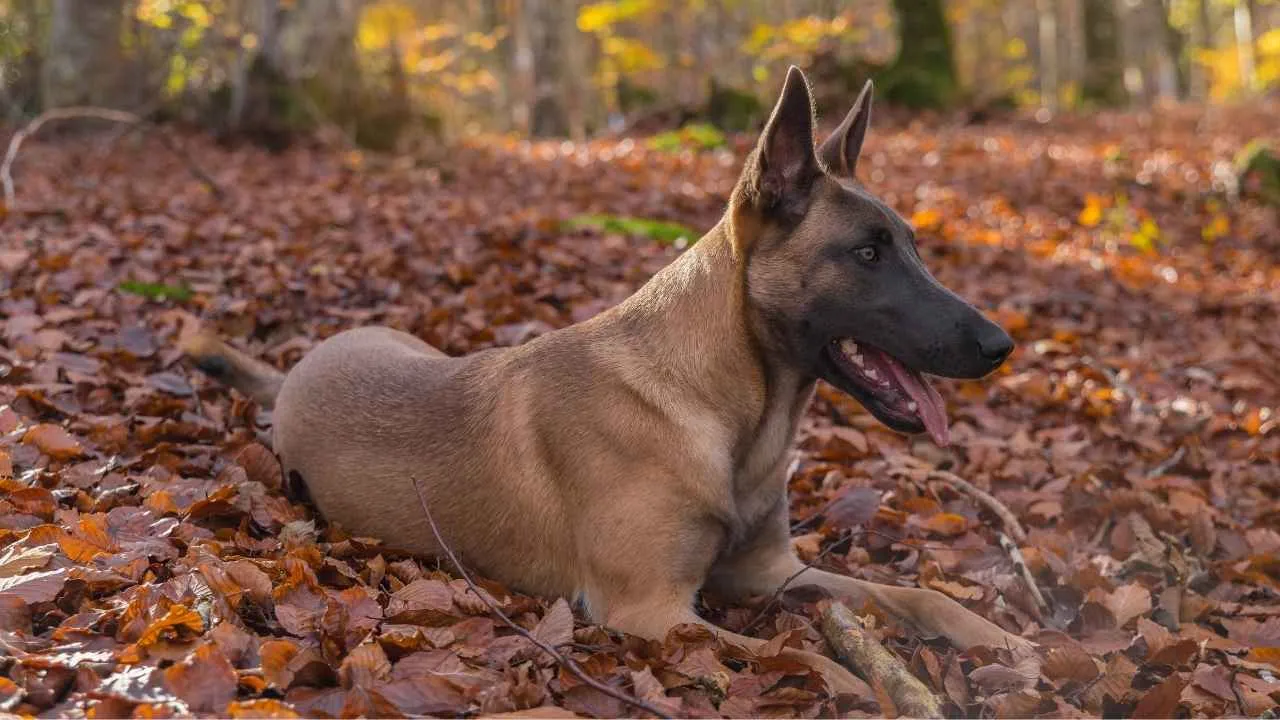
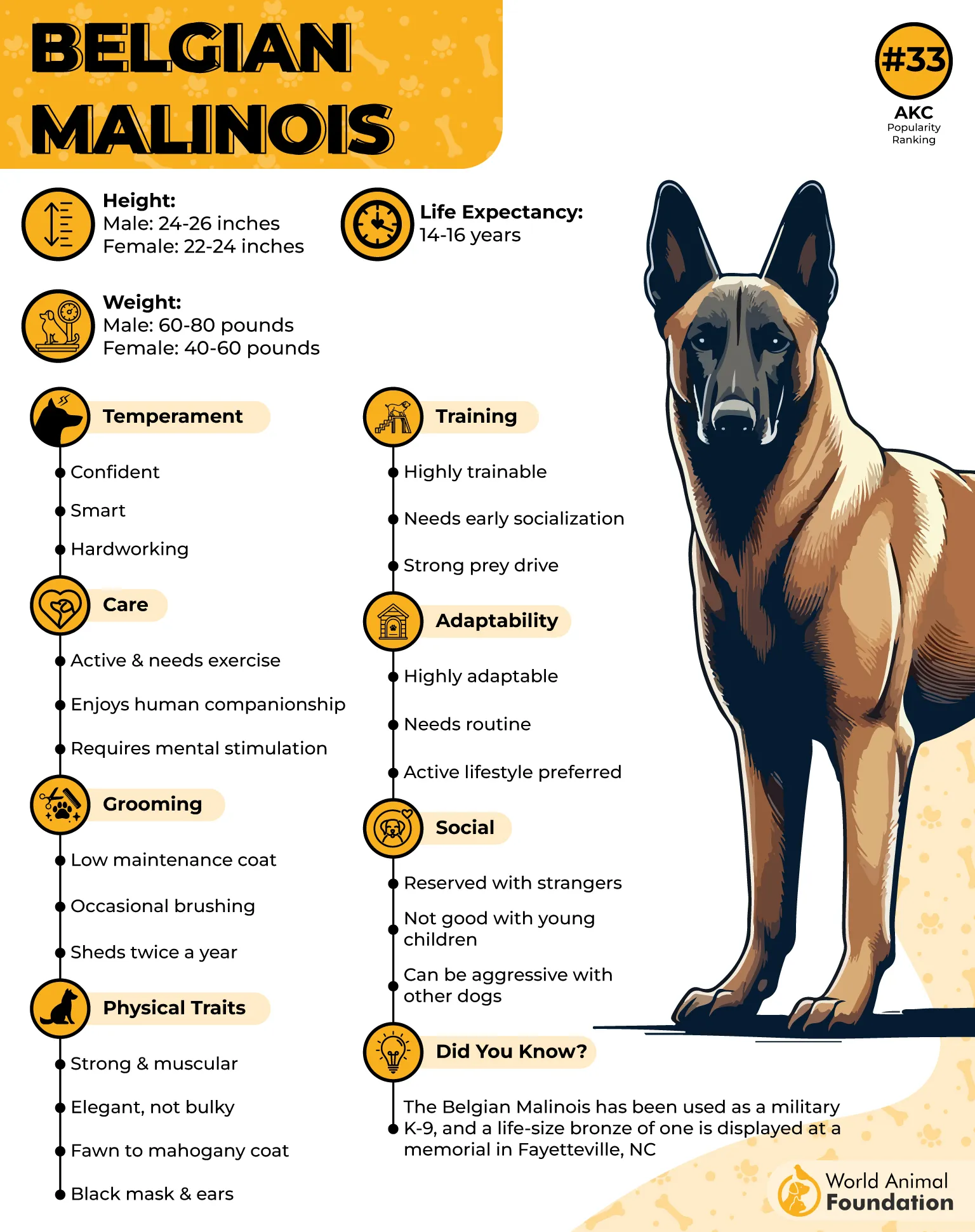
Belgian Malinois is a confident, agile herder built for demanding work and quick decision-making. Its square frame and proud posture reflect a dog bred for intelligence and precision. The breed’s alert expression and dark eyes constantly scan the environment, showing readiness for any task.
Focused Instincts
This breed thrives when engaged alongside its human partner, channeling energy into purposeful activity and attentive observation. That focus translates into reliability when guiding or managing flocks.
These traits highlight its working efficiency:
Sharp situational awareness in dynamic environments
Quick responsiveness to subtle cues
Strong drive to stay attentive during repetitive tasks
Close Partnership
Malinois form intense bonds with their handlers, seeking proximity and connection while remaining independent in thought. Their loyalty makes them sensitive to changes in routine, sounds, or movements. That bond ensures they remain consistently present in both work and home surroundings.
7. German Shepherd
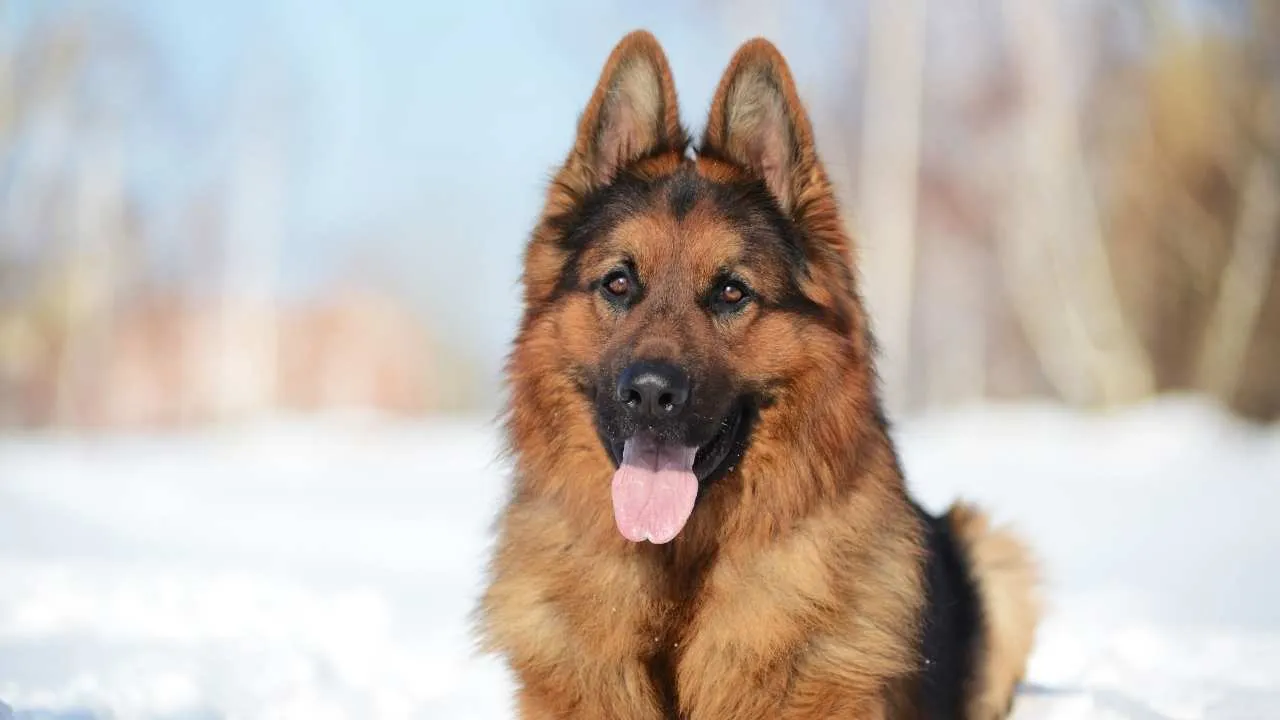
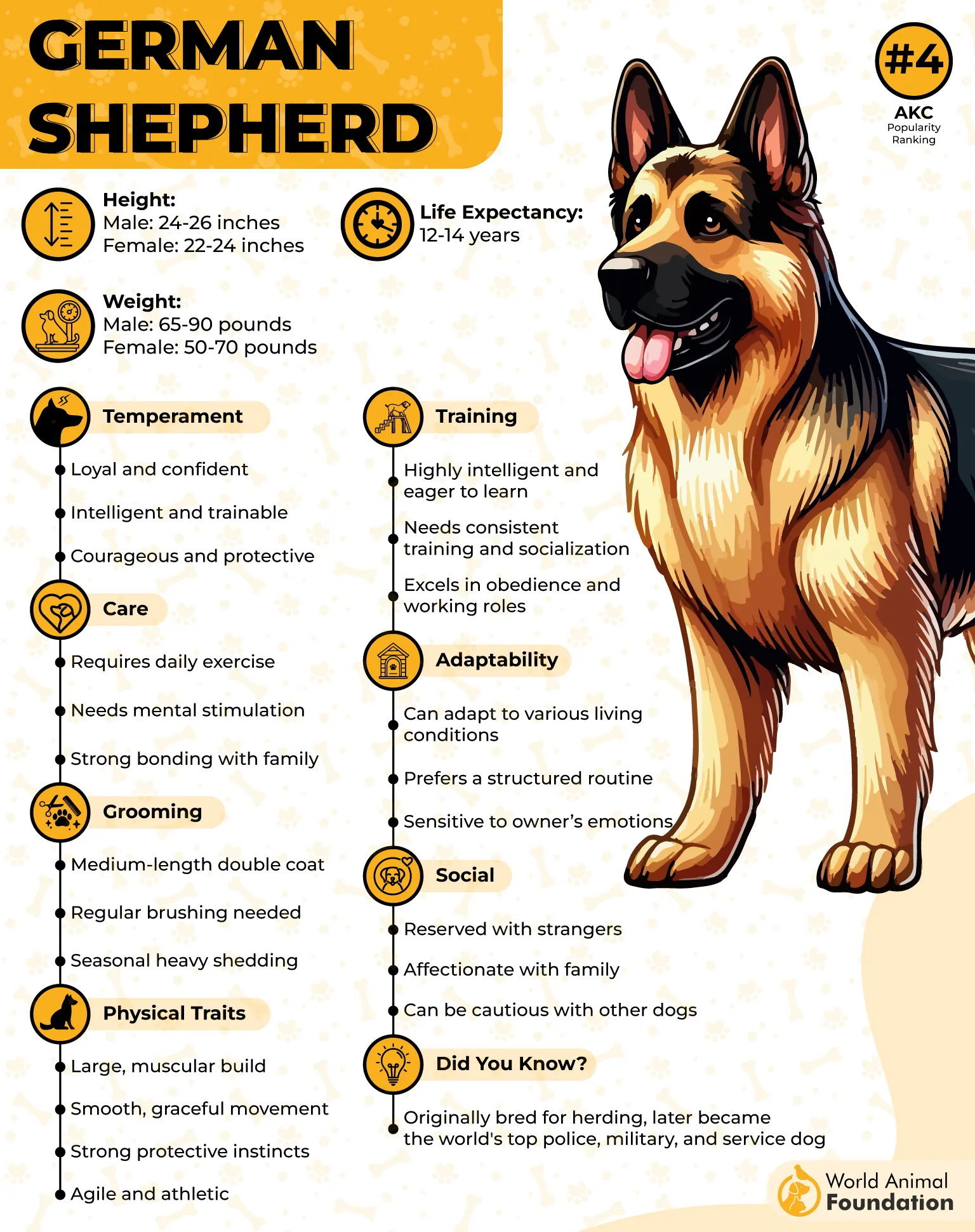
German Shepherds descend from German herding dogs refined in the late 19th century for intelligence and agility. Their muscular build supports confident movement and versatile work. Alertness and composure make them reliable in both daily life and challenging situations.
Adaptive Skills
This breed excels at learning commands and responding to changes without hesitation. Their ability to focus and stay steady improves performance in complex tasks.
Key traits that support this reliability include:
Sharp situational awareness
Fast command retention
Consistent focus during activity
Strength and Grace
The breed’s smooth trot reflects agility and readiness to adjust speed when necessary. Historical roles in herding and service reinforced structured behavior and sharp intelligence. This combination of strength and mental acuity keeps them capable and responsive.
8. Bearded Collie
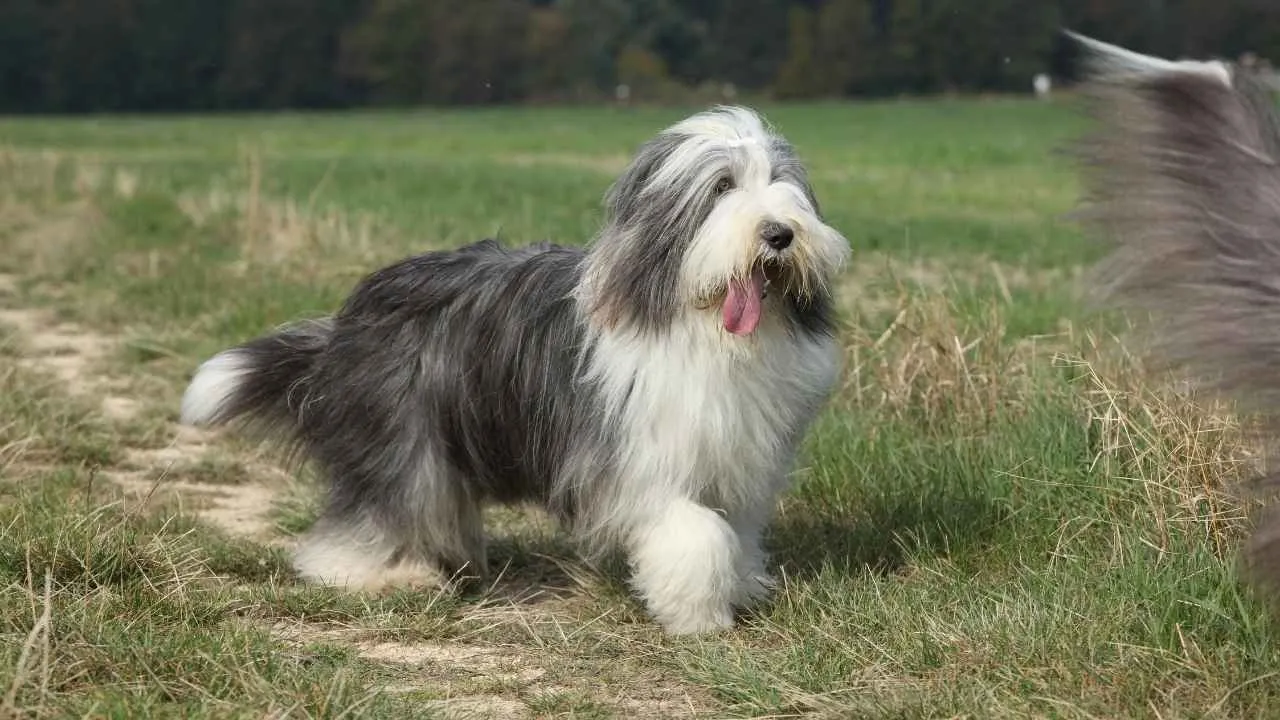
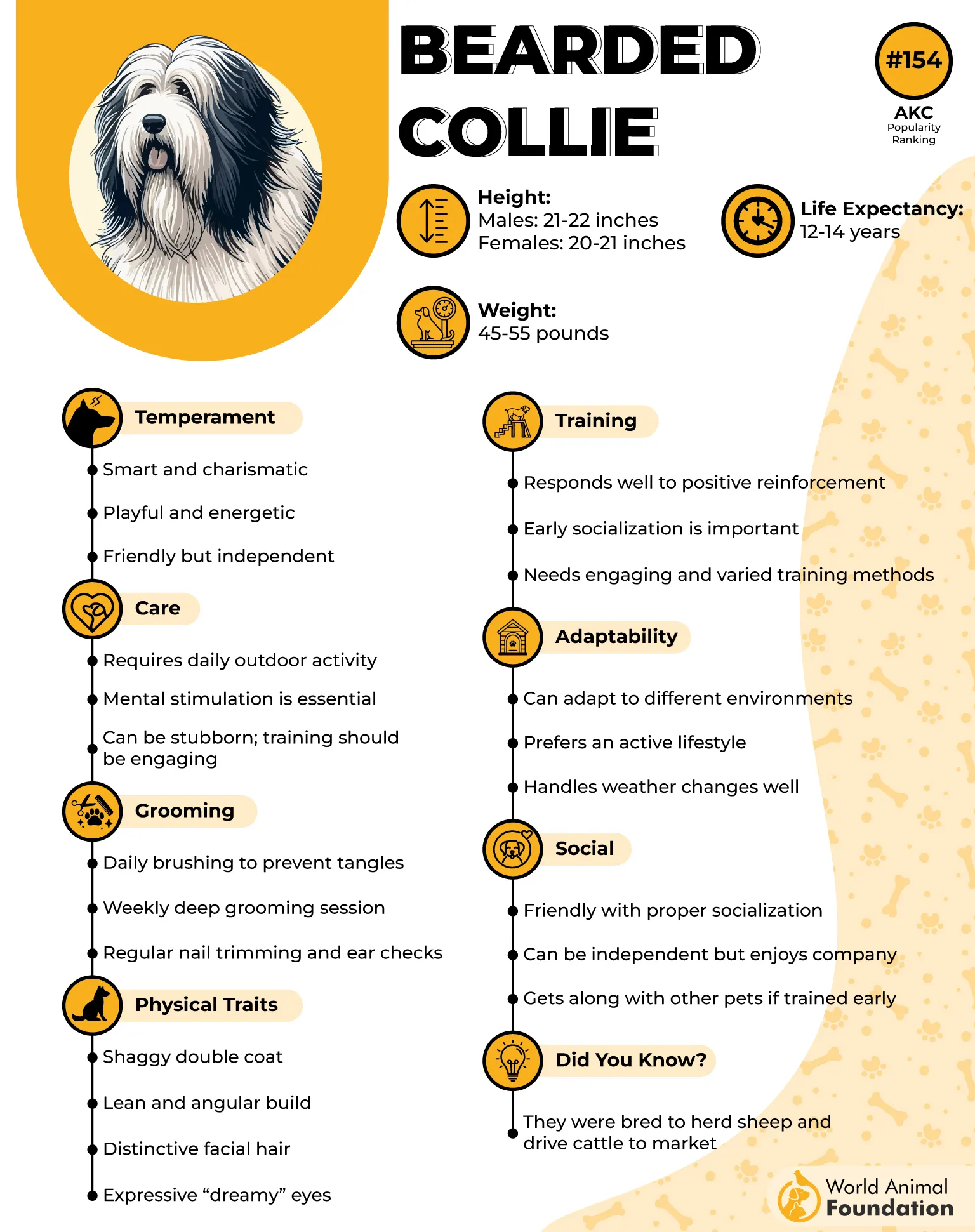
The Bearded Collie is a herding breed that originated in Scotland to manage sheep and livestock across rugged terrain. Their intelligence and independent thinking allowed them to make decisions while guiding herds without constant human direction.
Active Problem-Solvers
Beardies are energetic dogs that need both mental and physical stimulation to stay focused and balanced. Their herding instincts translate into quick, adaptable behavior during work or daily activity.
This breed demonstrates impressive capabilities:
Sharp attention to moving objects
Rapid learning from cues
Steady focus in dynamic environments
Social and Family-Oriented
Bearded Collies are friendly and generally get along with other pets at home, from small dogs to larger breeds, as PetMD claims. They show gentle, playful behavior with children while still respecting boundaries. Their curiosity and engagement create a bond that enhances both cooperation and reliability.
Note: Bearded Collies can instinctively herd moving objects, even toys or vehicles, showing the depth of their working heritage.
9. Komondor
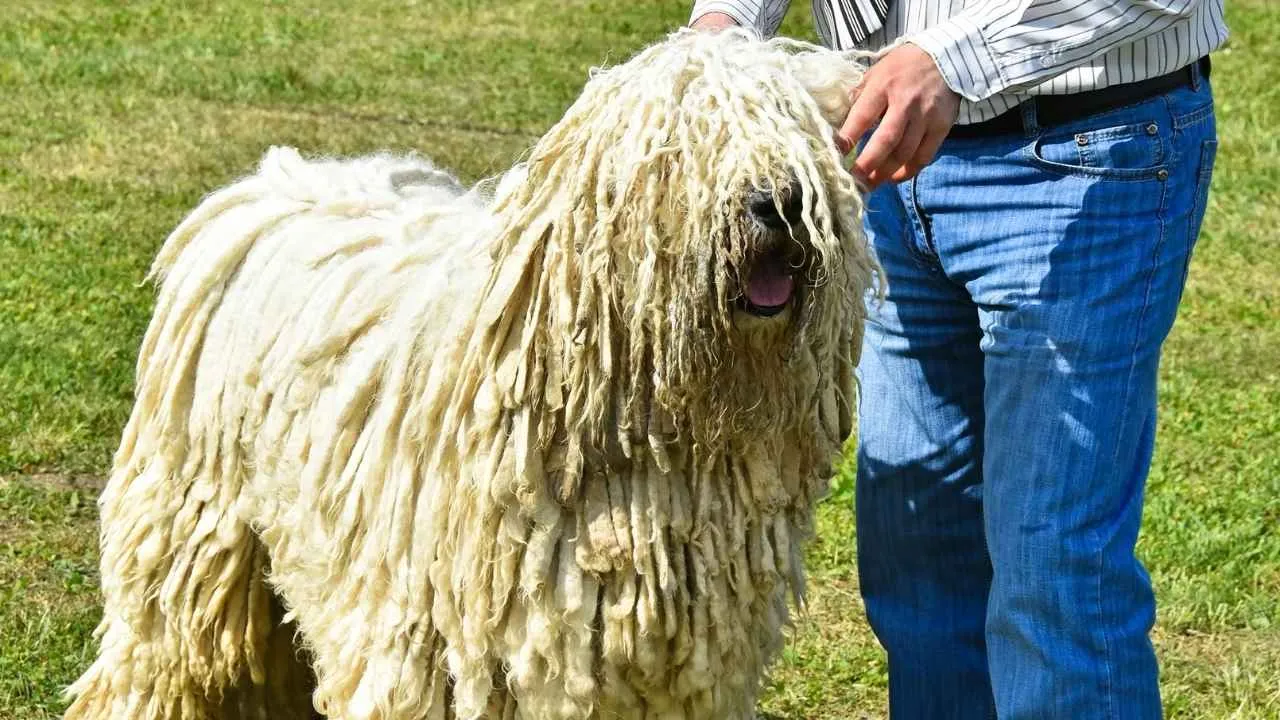
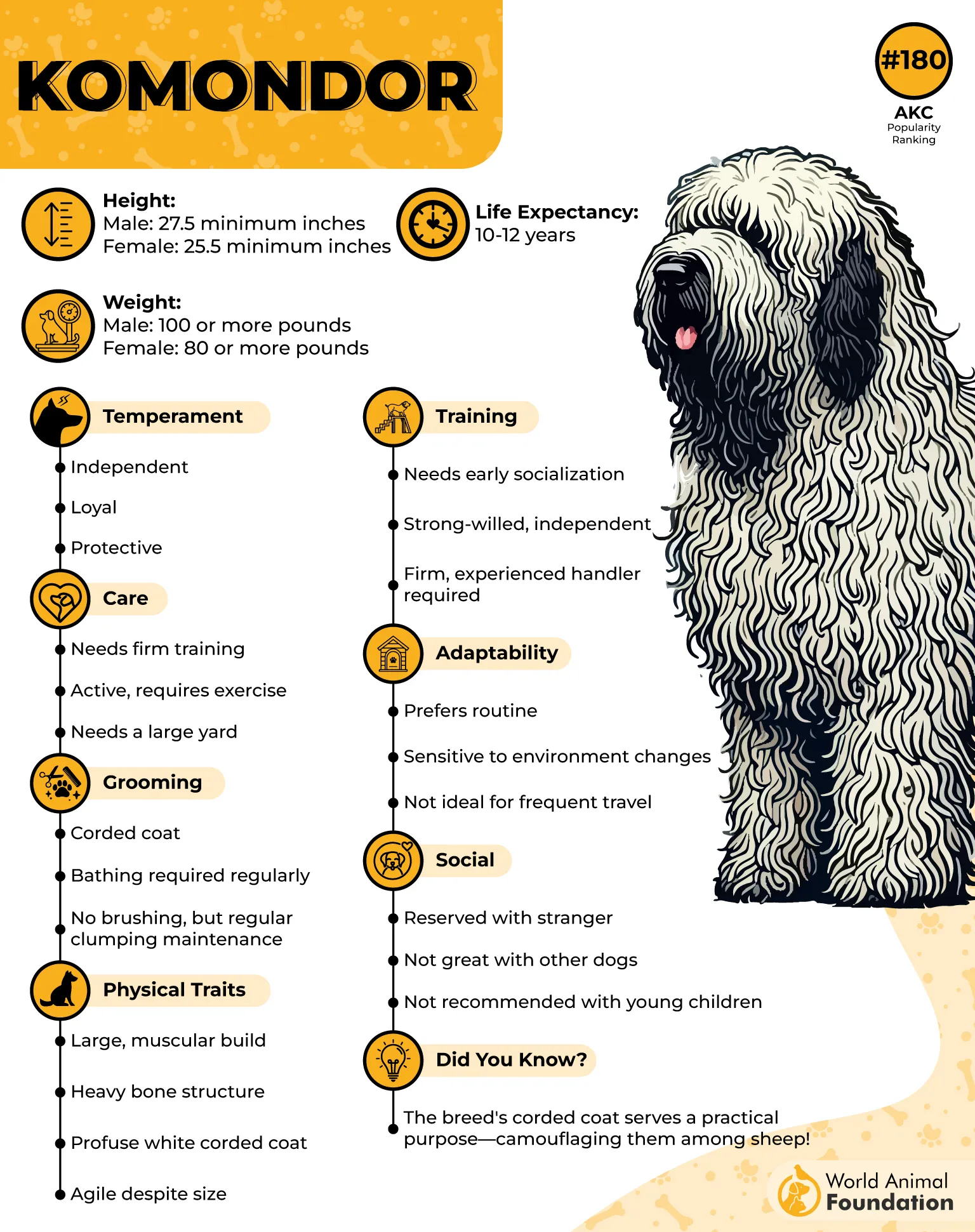
Komondor is a large Hungarian flock guardian with a striking coat of dense white cords covering its body from head to tail. This muscular, agile dog combines raw strength with surprising light-footedness for its size. Its presence alone signals authority, a trait that naturally supports monitoring flocks or home spaces.
Observant and Independent
This breed thrives on autonomy and relies on careful assessment before acting, reflecting intelligence and calm decisiveness. That measured independence is crucial for protecting livestock and maintaining boundaries.
Key characteristics of Komondorok include:
Sharp focus on unfamiliar movements
Controlled reactions to potential threats
Strong spatial awareness of surroundings
Close-Knit Bonding
Komondor forms a selective attachment to its primary person while remaining vigilant over its territory. This bond allows the dog to sense subtle changes in the environment and respond effectively. It often positions itself strategically to observe entrances or high-traffic areas without intrusion.
10. Shetland Sheepdog
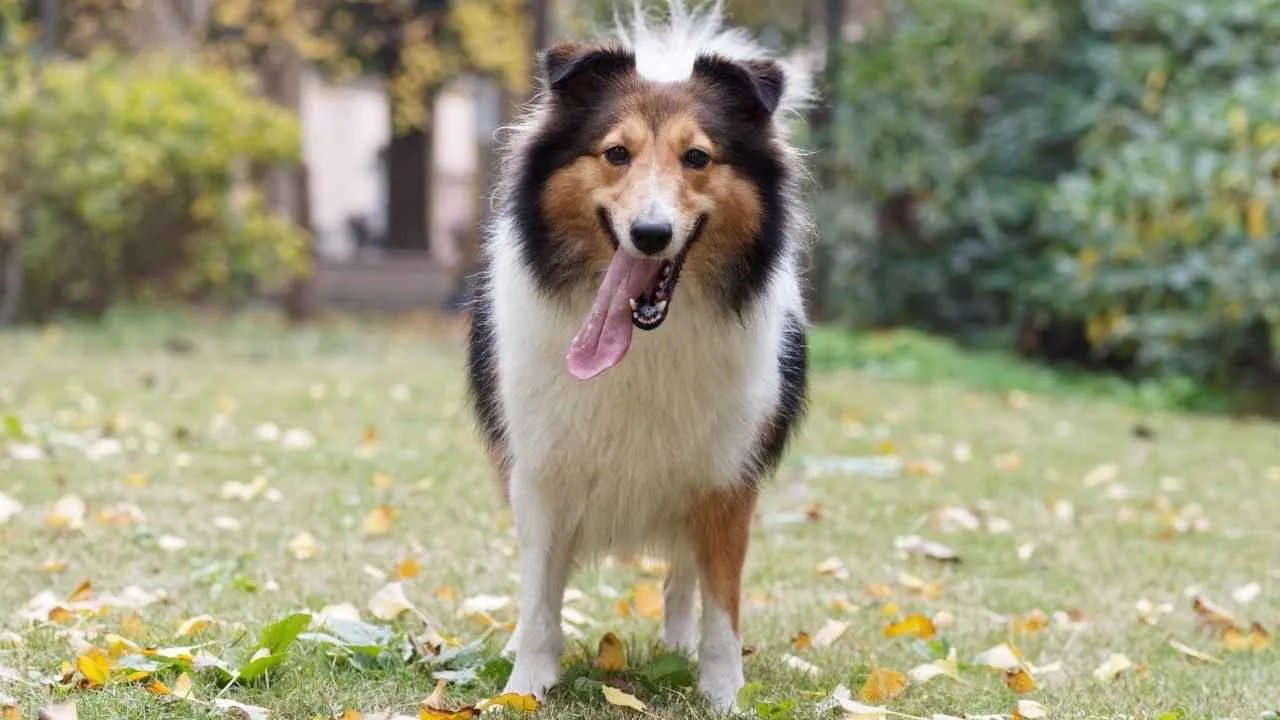
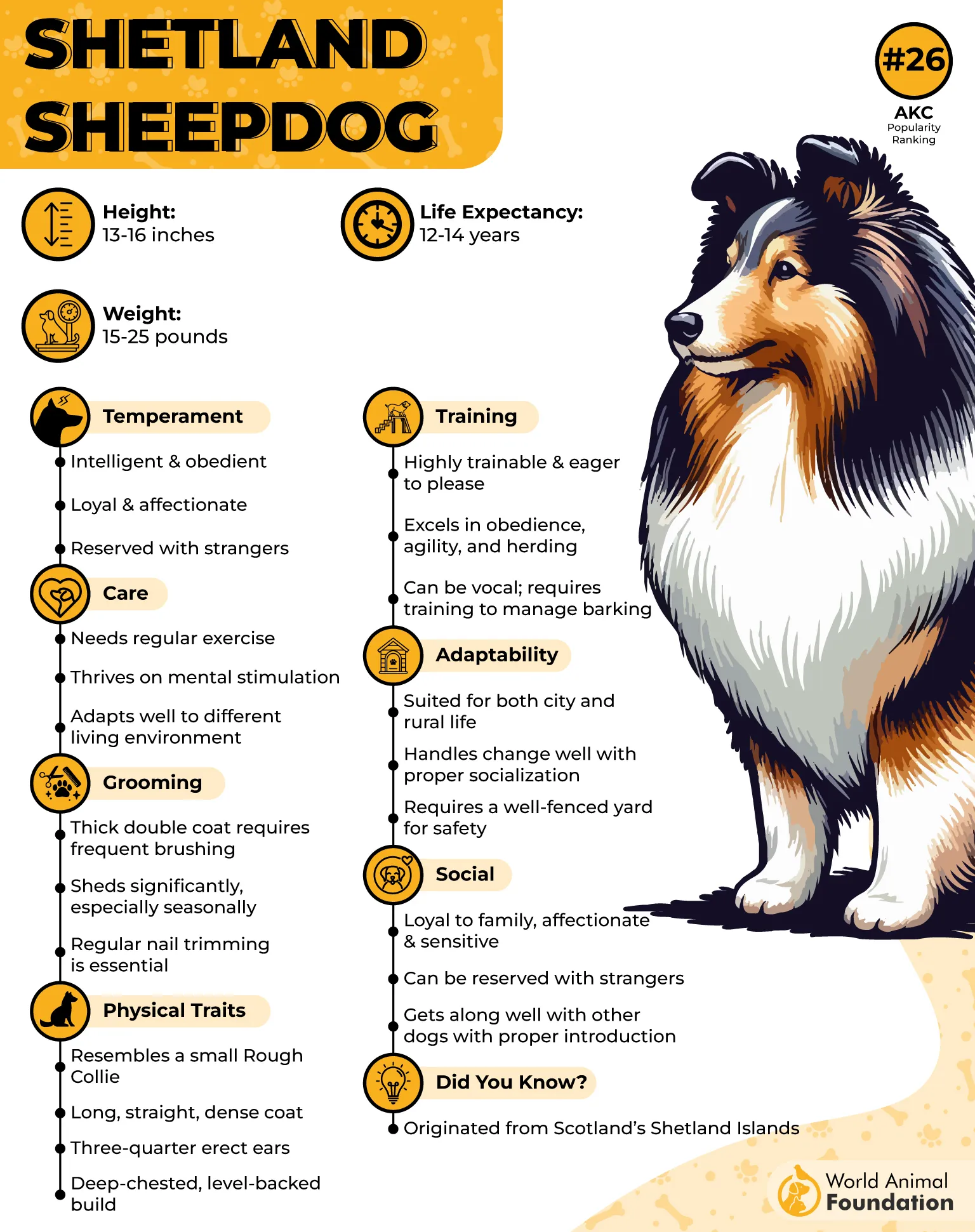
The Shetland Sheepdog is an agile and intelligent herder from Scotland’s rugged Shetland Islands. Its keen awareness and quick movements make it naturally skilled at herding sheep. This attentiveness translates into sharp observation and responsiveness in all daily tasks around the home.
Focused Training and Traits
These dogs excel in obedience and agility, showing rapid learning and adaptability under direction. Their attentiveness and alert nature bring consistency to herding and household routines.
Shelties demonstrate the following abilities:
High responsiveness to subtle commands
Strong instinct to monitor movement
Quick adjustment to changing situations
Compact Power and Endurance
Despite their small size, Shelties are sturdy and capable of sustained activity across rugged terrain or open spaces. Their long, dense coat and wedge-shaped head give them a miniature but efficient herder profile. Energetic and disciplined, they can perform structured tasks with consistency.
Conclusion
Across regions and histories, these breeds reflect the purpose behind true working dogs. Some were shaped as livestock guardian dogs, others refined to direct movement with precision.
Success depends on early training that builds judgment rather than rigid control. As intelligent dogs, they respond to structure while retaining independence.
Many excel as farm dogs, settling into routines that include people, equipment, and other animals. A gentle nature can coexist with firmness, allowing calm authority.
Within a herding group, roles differ, yet balance remains. When needed, certain individuals shift seamlessly into guard dogs without losing composure in demanding rural settings today.
