





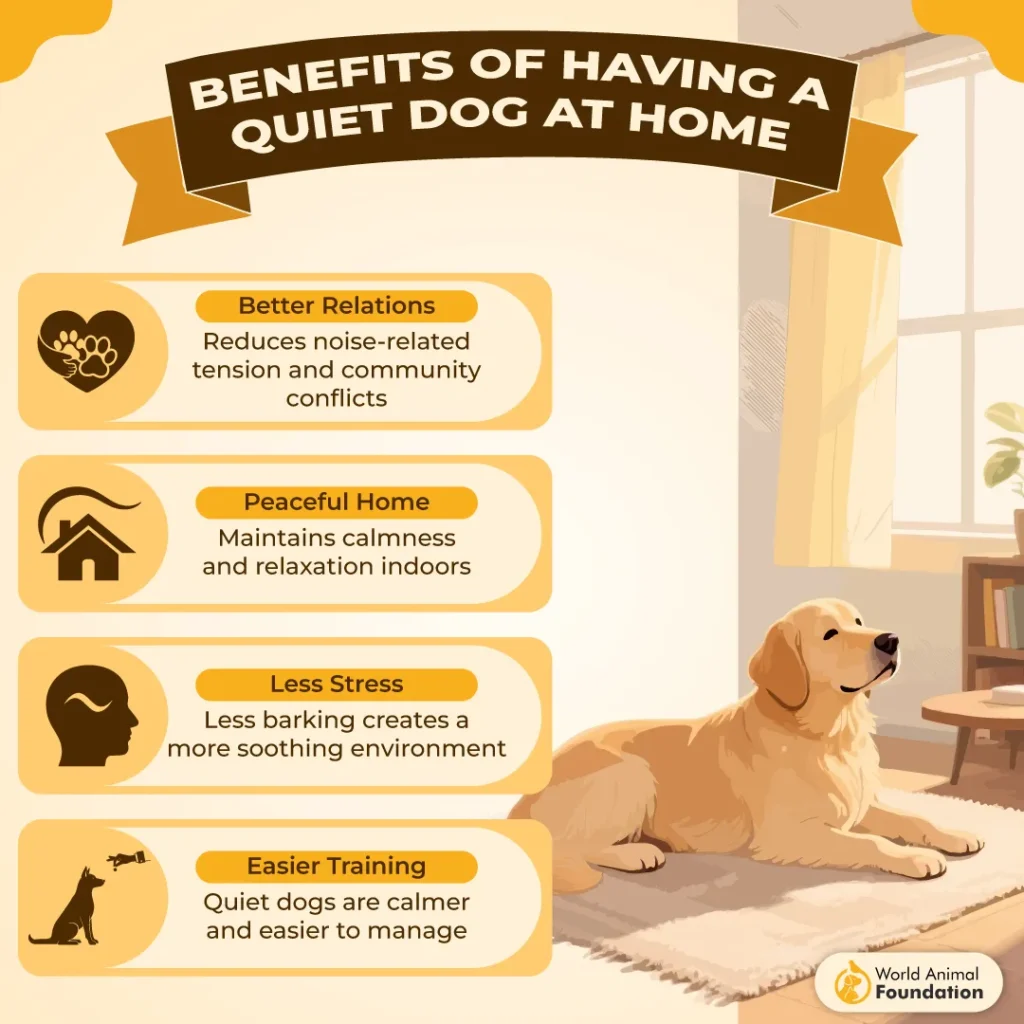
Silence feels better when paws pad softly, and barking stays rare.
A calm home feels like a deep breath after a long day. No sharp noises. No sudden chaos. Just soft steps, slow tail wags, and a dog who knows how to settle. Many lovable dogs love people without loving noise. That balance matters.
Especially for apartment life, shared spaces, or families who value peace. This blog will talk about quiet dogs that fit calm homes. Each calm dog breed here brings comfort, not clamor. These are not show-offs. They are steady souls with gentle hearts.
Some are small. Some are among the biggest dogs around. What connects them is a calm demeanor and a nature that keeps barking in check. And here’s the best part. Quiet does not mean boring.
These breeds carry warmth, humor, and real connection. They are excellent companions who respect space, people, and the home environment.
Sounds crazy, right? Let’s meet them.
Top Low-Noise Dog Breeds: A Peaceful Home Guide for Calm Households
1. Cavalier King Charles Spaniel

This breed feels like a warm cup of tea on a slow evening. The Cavalier King Charles Spaniel carries a sweet personality shaped by history and closeness with people. This small-sized pup prefers laps over laps around the yard.
Barking stays low because this breed does not feel the need to guard or alert. Quiet moments suit this dog just fine. Strangers often get gentle tail wags instead of noise. That calm nature makes daily life smoother.
Life with this breed feels easy. Energy levels stay balanced. Short walks and indoor play are enough. Exercise needs to stay simple, with short bursts instead of long runs. This affectionate puppy tends to relax once needs are met.
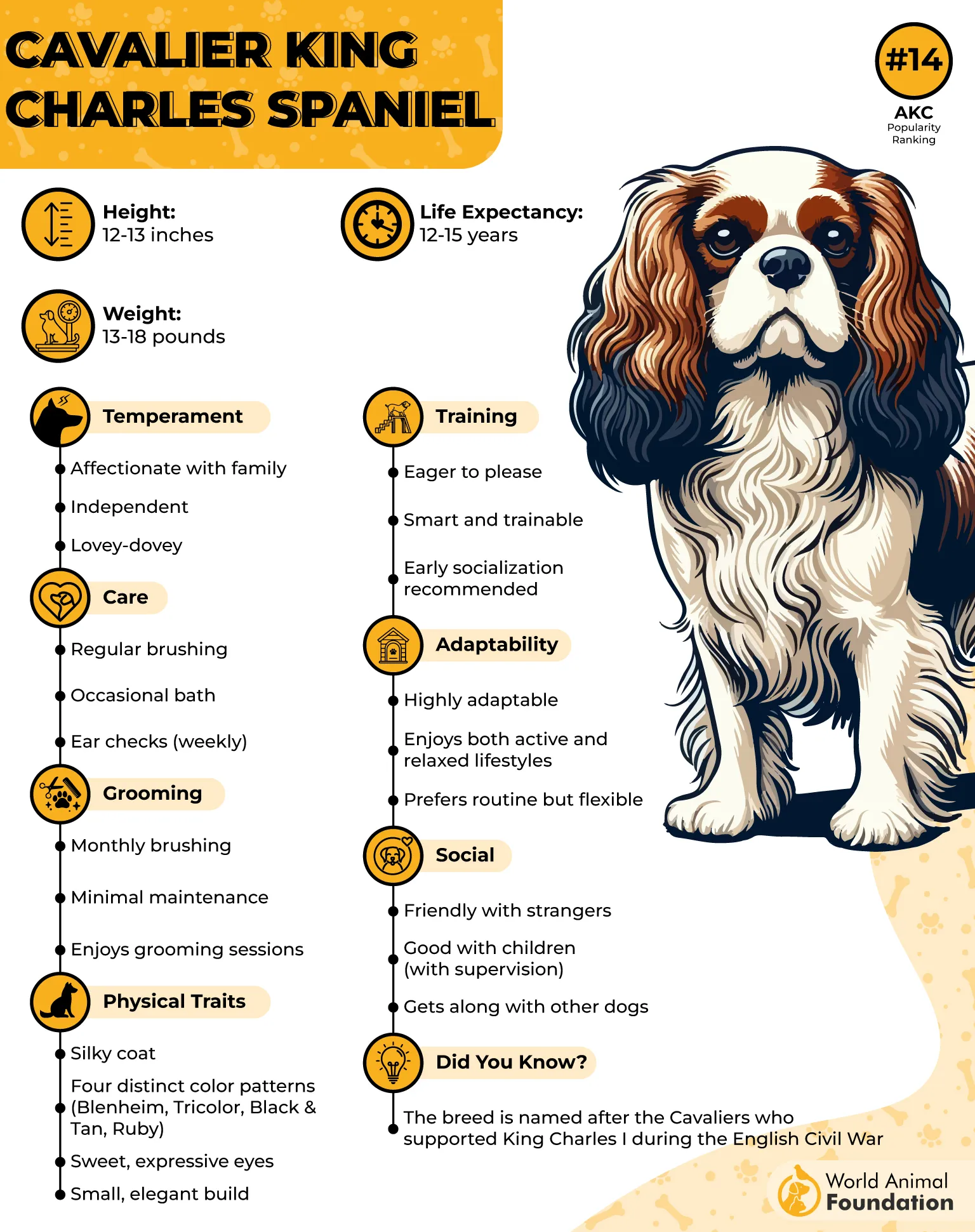
Training feels smooth because this breed likes to please. Loud reactions feel unnecessary to them. That is why many owners describe them as generally quiet and loving.
Getty images often show this breed curled on sofas or gazing softly at people. And yes, that image fits real life.
They blend well with children, cats, and other dogs when raised with care. Affection comes naturally. This breed suits apartment living and calm houses where peace matters.
Soft voice and low barking
Friendly with strangers
Easy training style
Loves close family time
2. Newfoundland
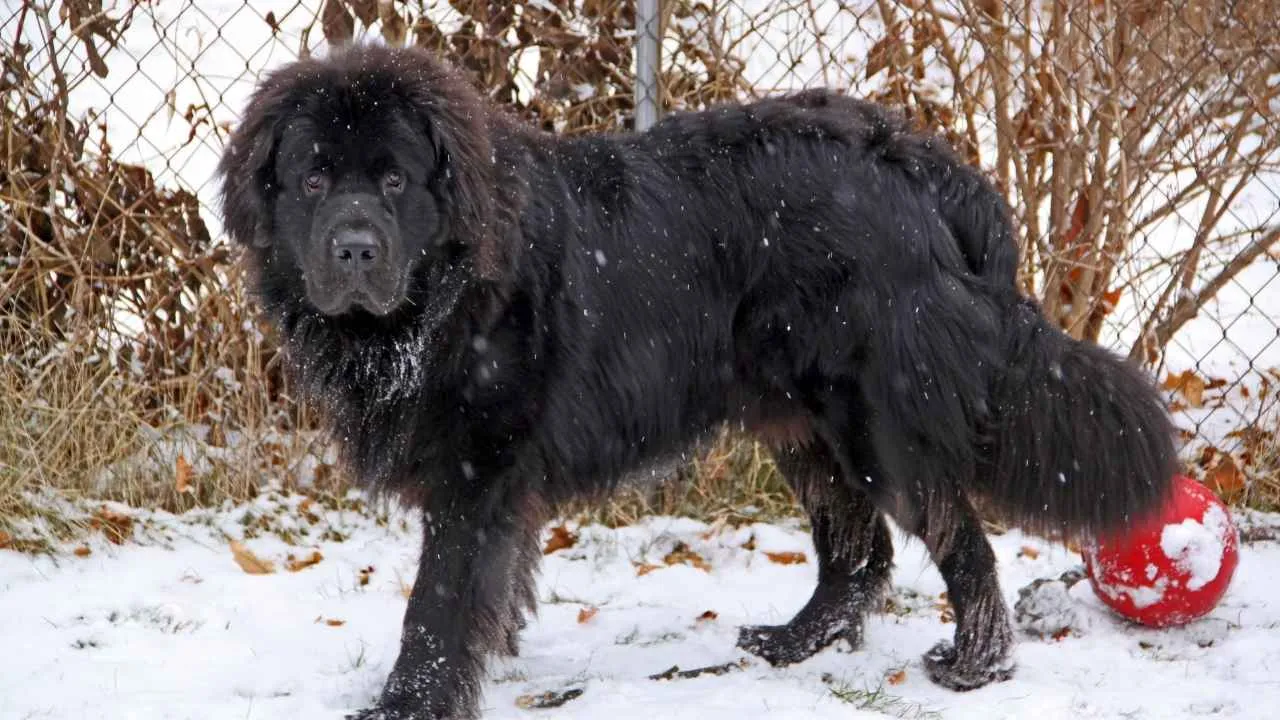
At first glance, this breed looks like thunder. But the sound never comes. Newfoundland dogs stay quiet because they feel secure.
Barking only shows up when something truly matters. That calm energy spreads across the house. Despite their size, they move with care. Loud reactions do not match their personality.
This dog breed carries a long working history. Water work shaped a steady temperament and patience. Inside the house, this breed stays relaxed and has low energy.
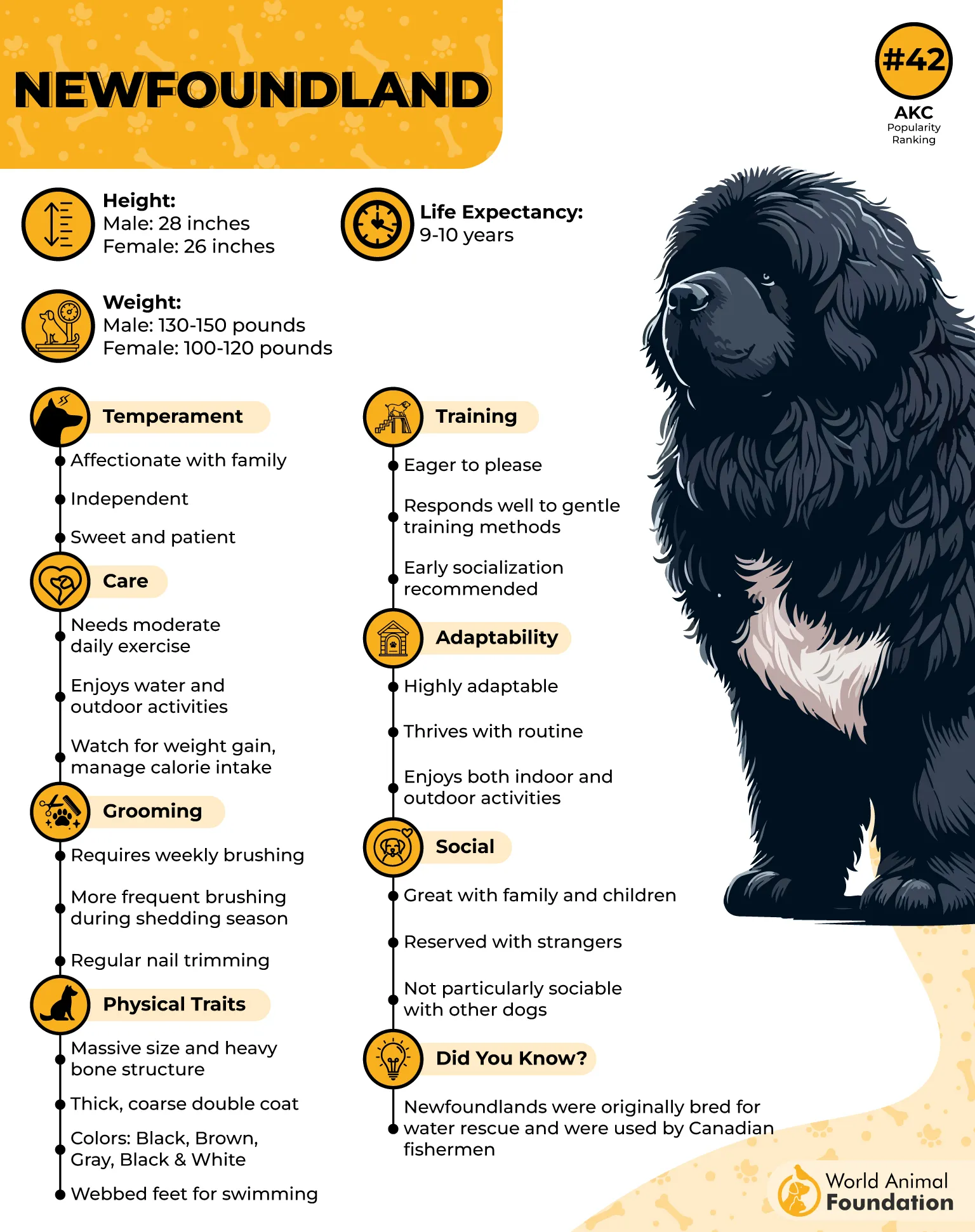
Exercise happens outdoors and often around water. Indoors, they prefer rest. Training works best with calm guidance and trust. Strong bonds reduce noisy behavior.
Many social media platforms love capturing their fluffy presence, but the real magic is in daily life. They stay gentle with kids and respectful with pets. Grooming takes effort, yet the reward is a peaceful presence. They are quiet dogs who choose stillness over sound.
Rare barking indoors
Gentle with children
Calm around the family
Needs space to rest
3. Great Pyrenees
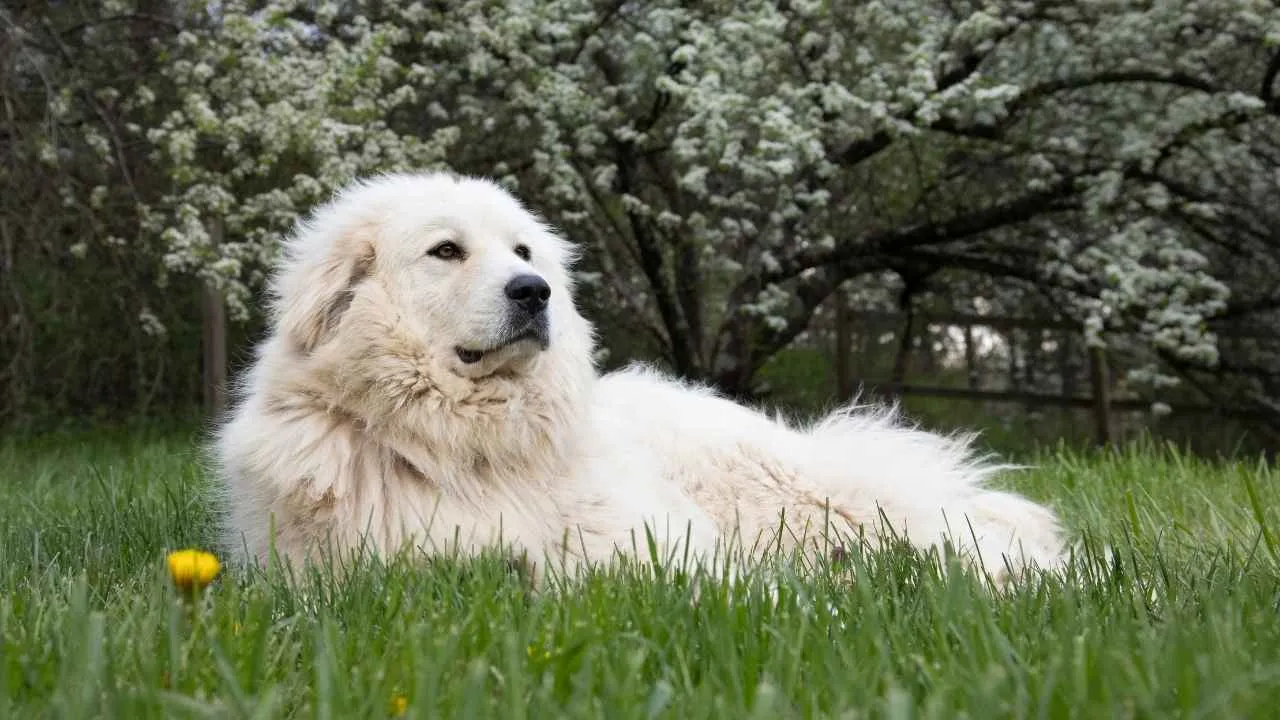
This breed carries silence like armor. The Great Pyrenees does not bark without reason. Inside the house, this dog stays laid-back and calm. Barking usually belongs outdoors, tied to purpose, not habit. Indoors feels safe. That safety lowers noise.
Temperament runs deep here. Independent thinking defines this breed. Training needs patience and consistency. The American Kennel Club describes the breed as smart, patient, and calm.
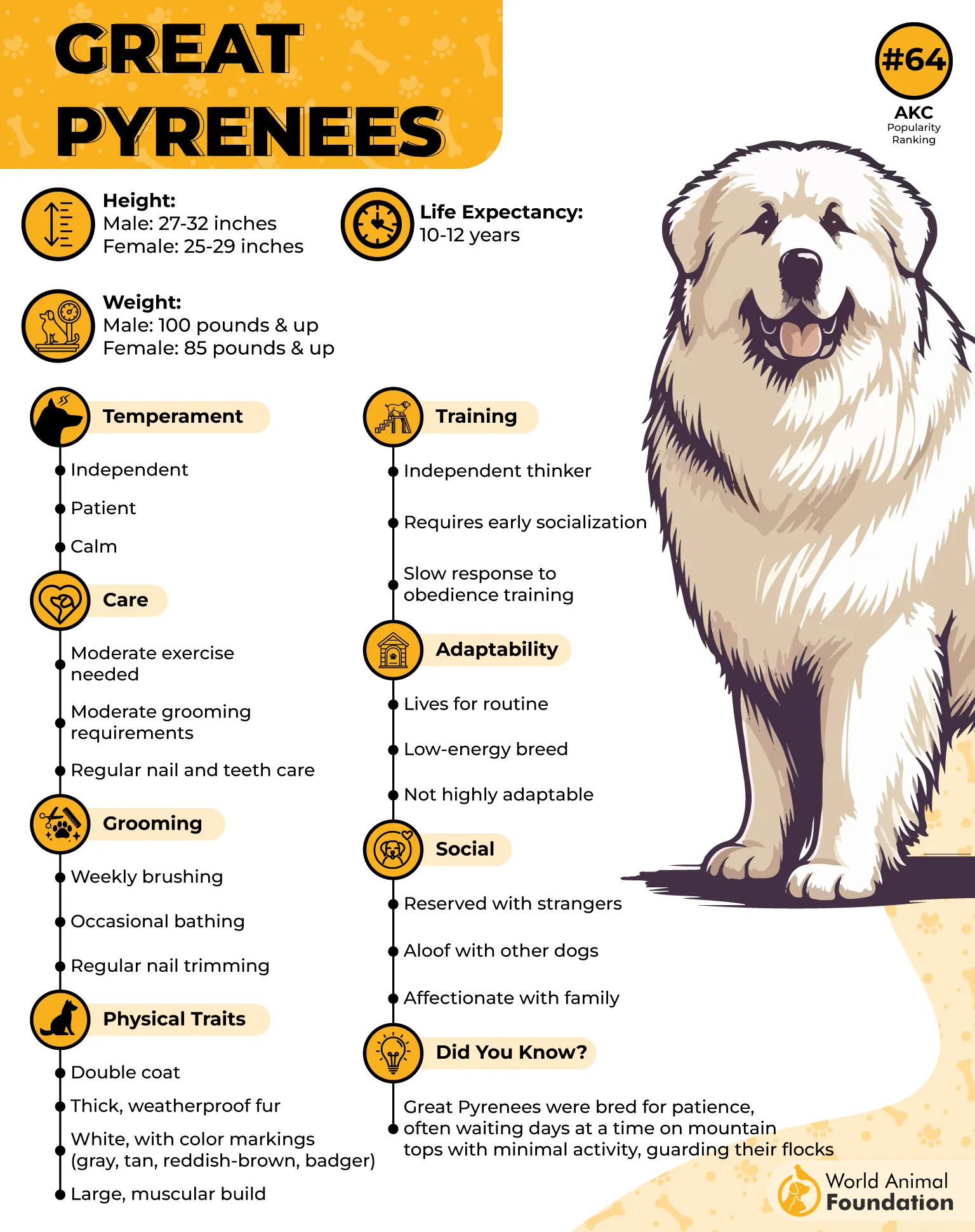
Strong-willed moments appear, yet they do not lead to chaos. This dog prefers quiet observation. Energy stays moderate. Exercise feels simple with walks and light play.
These dogs assume the role of a fluffy guardian that loves resting near the family. This breed feels loyal and protective. Kids feel safe near them, though size requires care. Calm dogs like this bring peace through presence, not sound.
Quiet inside the house
Independent but loyal
Gentle with family
Needs calm training
4. Pekingese

This breed fits quiet homes perfectly. The Pekingese prefers rest over rush. Barking stays low because movement stays low. Short legs and a flat face shape limit heavy activity. That naturally leads to a quieter life. Loud play does not appeal to this dog.
Exercise stays minimal. Short walks and indoor movement work best. Too much physical effort causes discomfort, so calm routines matter.
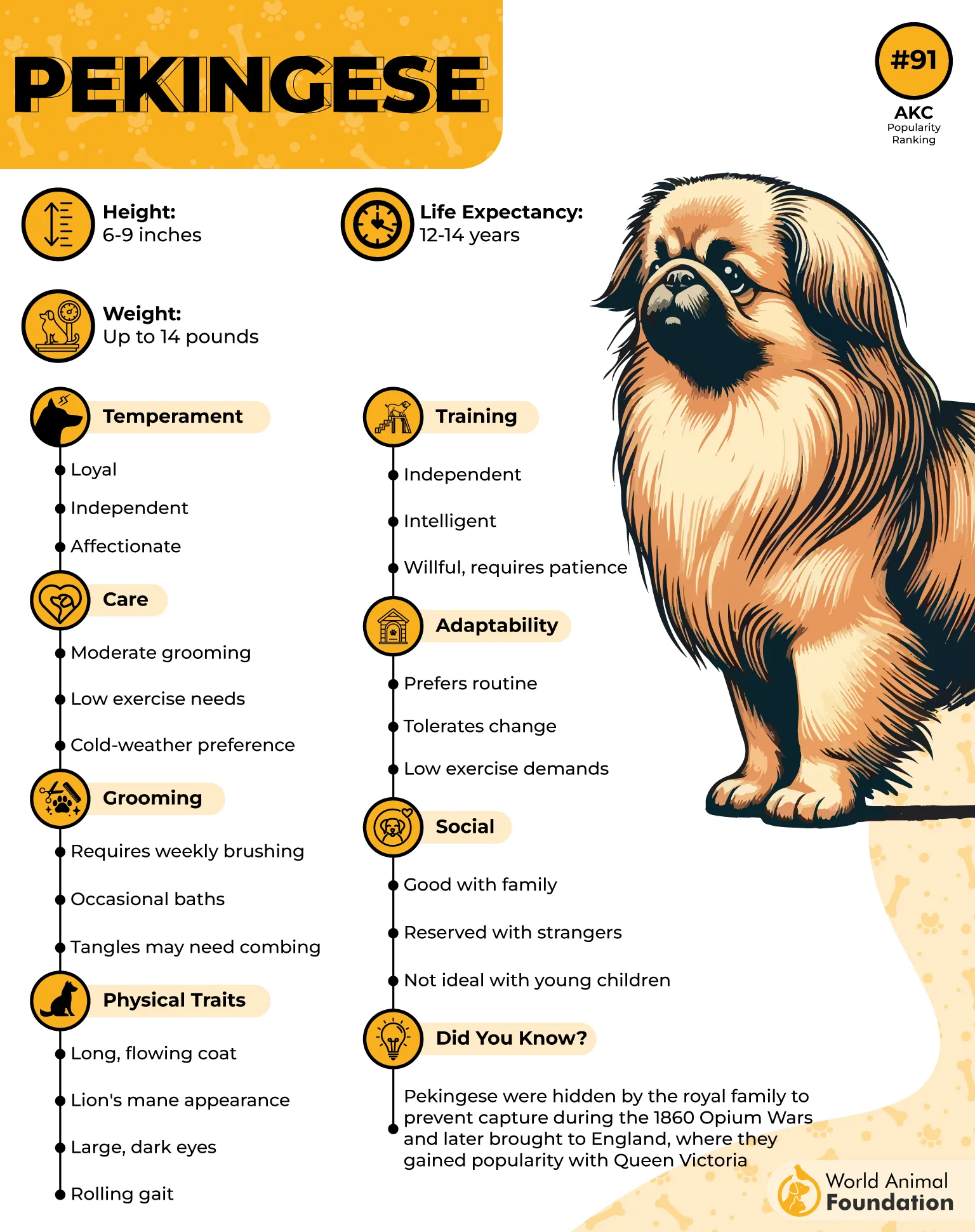
Training stays simple and gentle. This breed responds best to kindness. Noise does not motivate them. Comfort does.
Getty images show their fluffy coats and proud posture. Grooming looks intense, but trims make it manageable. This breed suits apartments and small spaces. They relax well and enjoy quiet company. Sweet and steady fits them best.
Very quiet indoors
Low energy needs
Ideal for apartments
Enjoys calm routines
5. Basset Hound
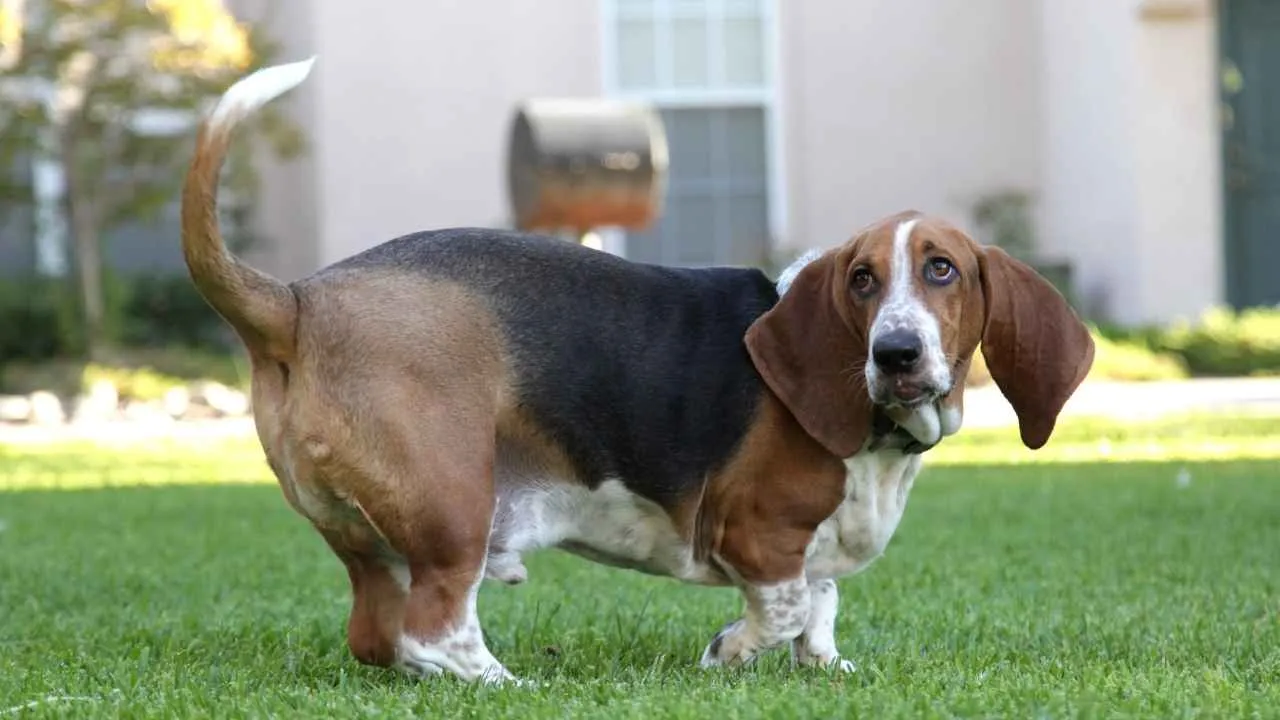
This dog follows scents, not sounds. Barking happens rarely and usually outdoors. Inside the home, this breed stays relaxed. Energy remains low. Patience defines their behavior. Noise does not excite them. Curiosity does.
Training takes time. Strong focus on scent can feel stubborn. But with steady methods, this breed learns well.
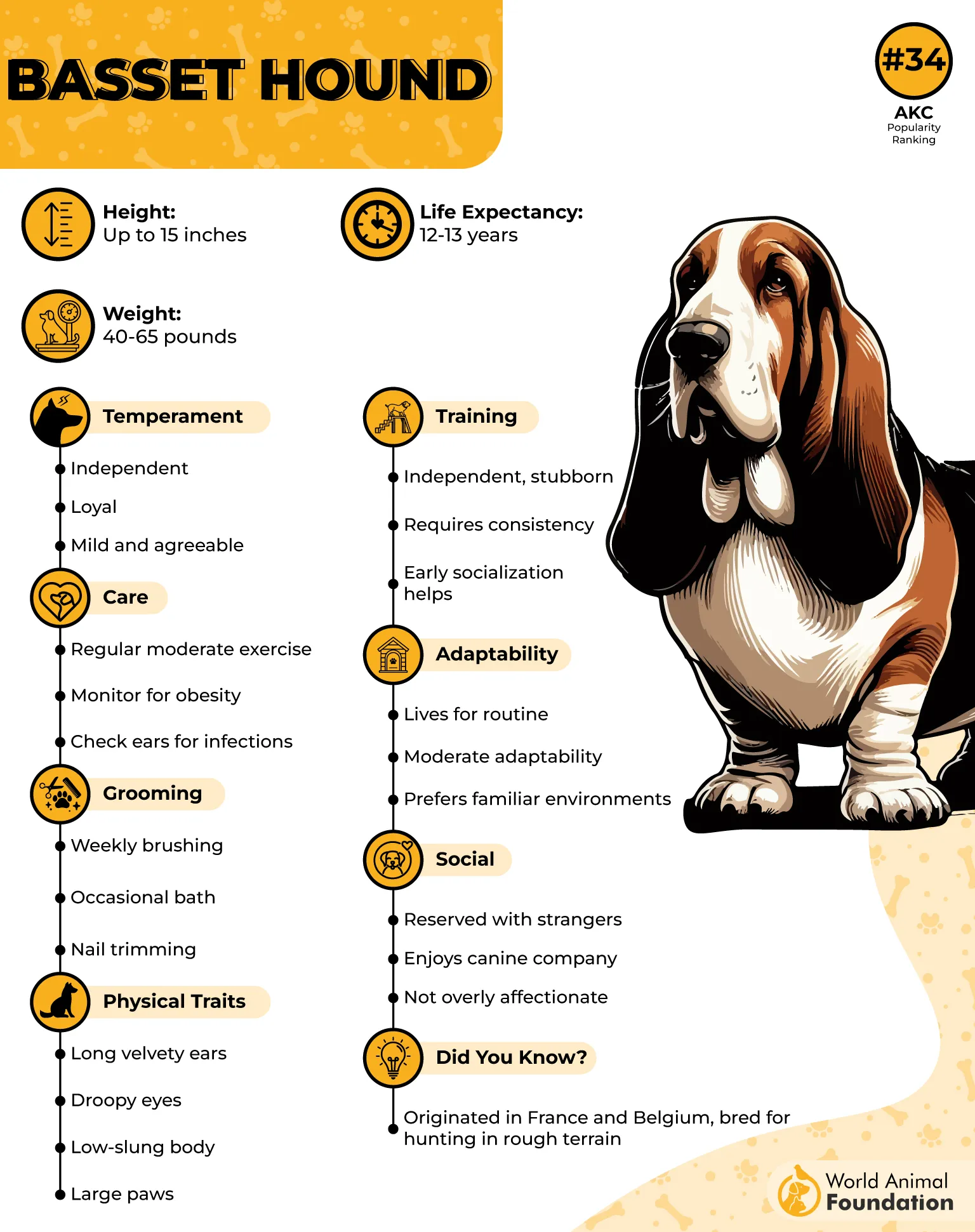
Exercise comes through walks filled with sniffing. Short bursts keep them happy. Calm environments help them thrive.
They possess droopy ears and soulful eyes. That look matches their gentle personality. They fit well with family life, kids, and other animals. Loud homes may stress them. Quiet suits them best.
Rare indoor barking
Patient and gentle
Loves scent walks
Calm family dog
6. Saint Bernard
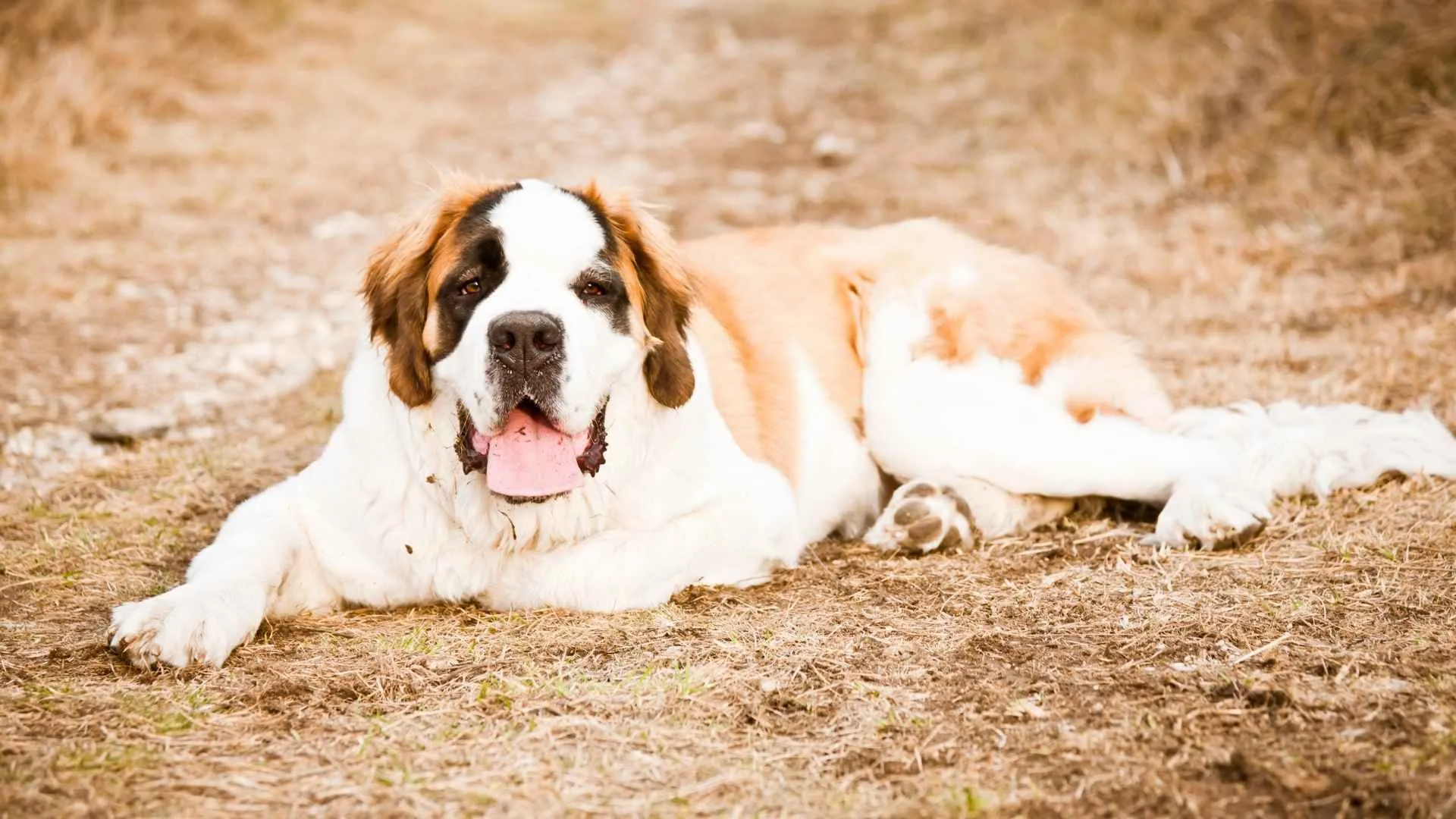
This regal breed carries peace when raised right. As per PetMD, Saint Bernard dogs stay quiet indoors when training and care align. Barking stays limited. Size alone speaks loudly enough. Inside the house, they prefer rest.
Training shapes this breed strongly. Early guidance builds calm behavior. Exercise needs to focus on walks and light work.
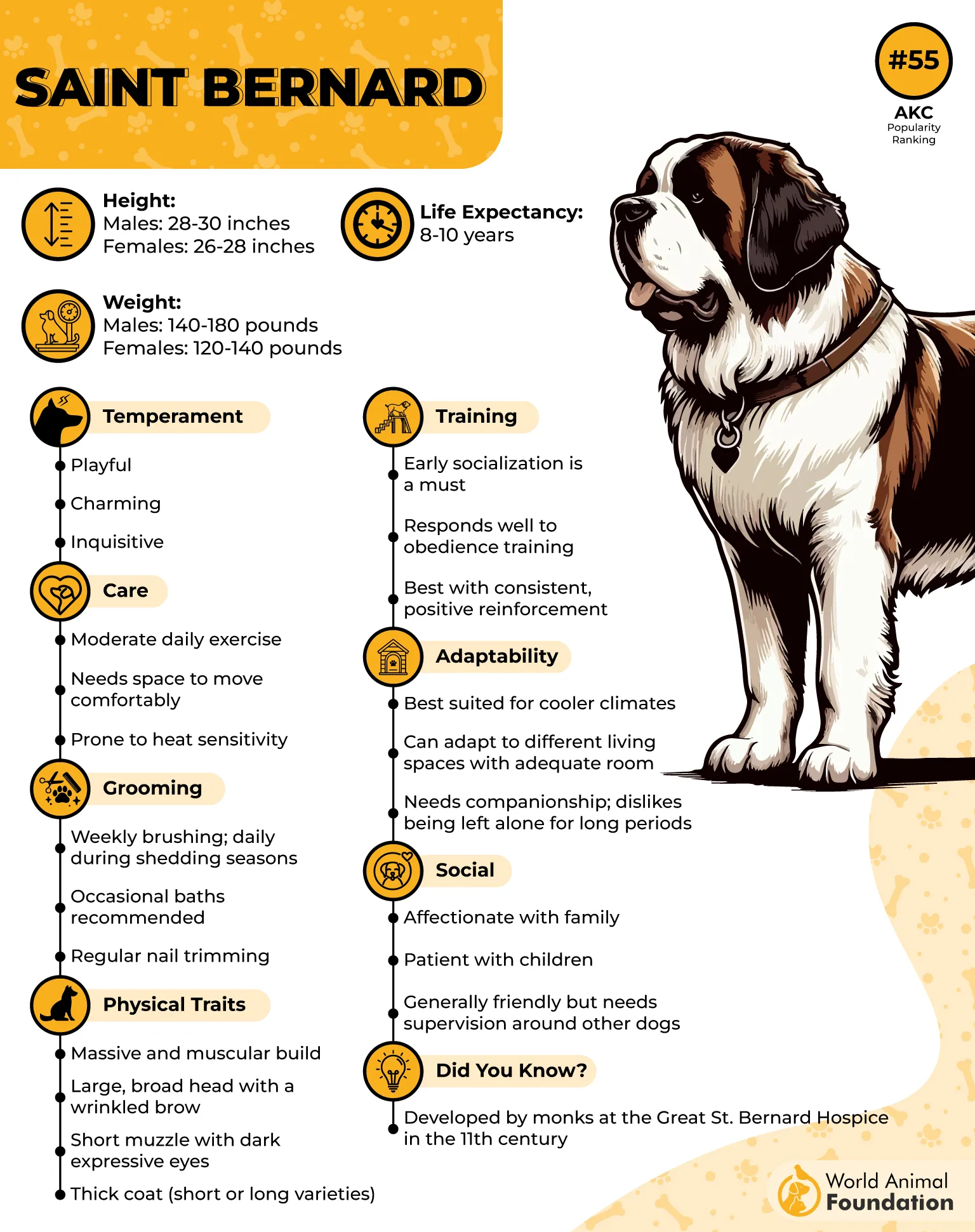
Pulling carts or backpacks gives purpose. Heat affects them, so indoor rest matters.
Getty images show snowy scenes and rescue stories. At home, they feel soft and patient. Gentle with children and respectful with family, they bring calm to large spaces. Noise does not suit them.
Quiet when trained well
Gentle giant nature
Needs cool spaces
Loyal family presence
7. Pug

This breed loves people more than noise. According to Royal Canin, Pugs stay calm and quiet most of the time. Barking appears during play, not habit. Their personality shines through expressions, not sound.
Energy stays moderate. Short walks and indoor play work well. Training feels easy because they enjoy attention.
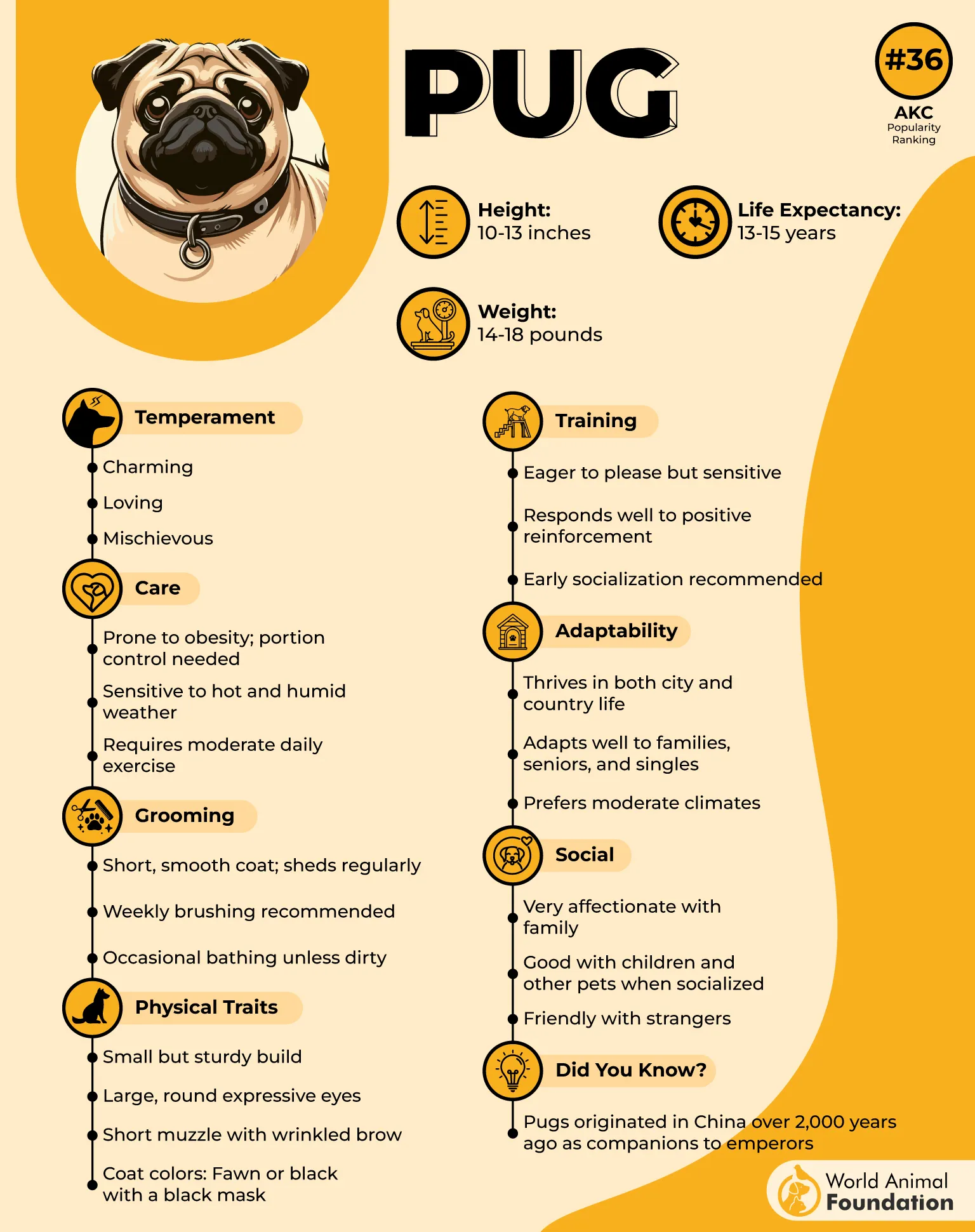
Loud environments can overwhelm them. Calm homes fit best.
They capture attention with their playful faces. Real life brings affection, humor, and warmth. They suit apartments and families alike. Quiet dogs like this prove that fun does not need noise.
Low barking habits
Playful but calm
Loves family time
Easy daily care
Conclusion
Peaceful homes deserve dogs who respect silence. From small lap lovers to gentle giants, each breed offers calm behavior and steady companionship. Barking stays low when needs match the environment.
Training, patience, and understanding shape quiet lives together. Families, apartment dwellers, and anyone craving calm can find the right match here.
But why bother with that? Because life feels better when shared with a dog who knows how to relax. Bring home a loyal companion who adds warmth without noise.
A peaceful home starts with the right paws.
