




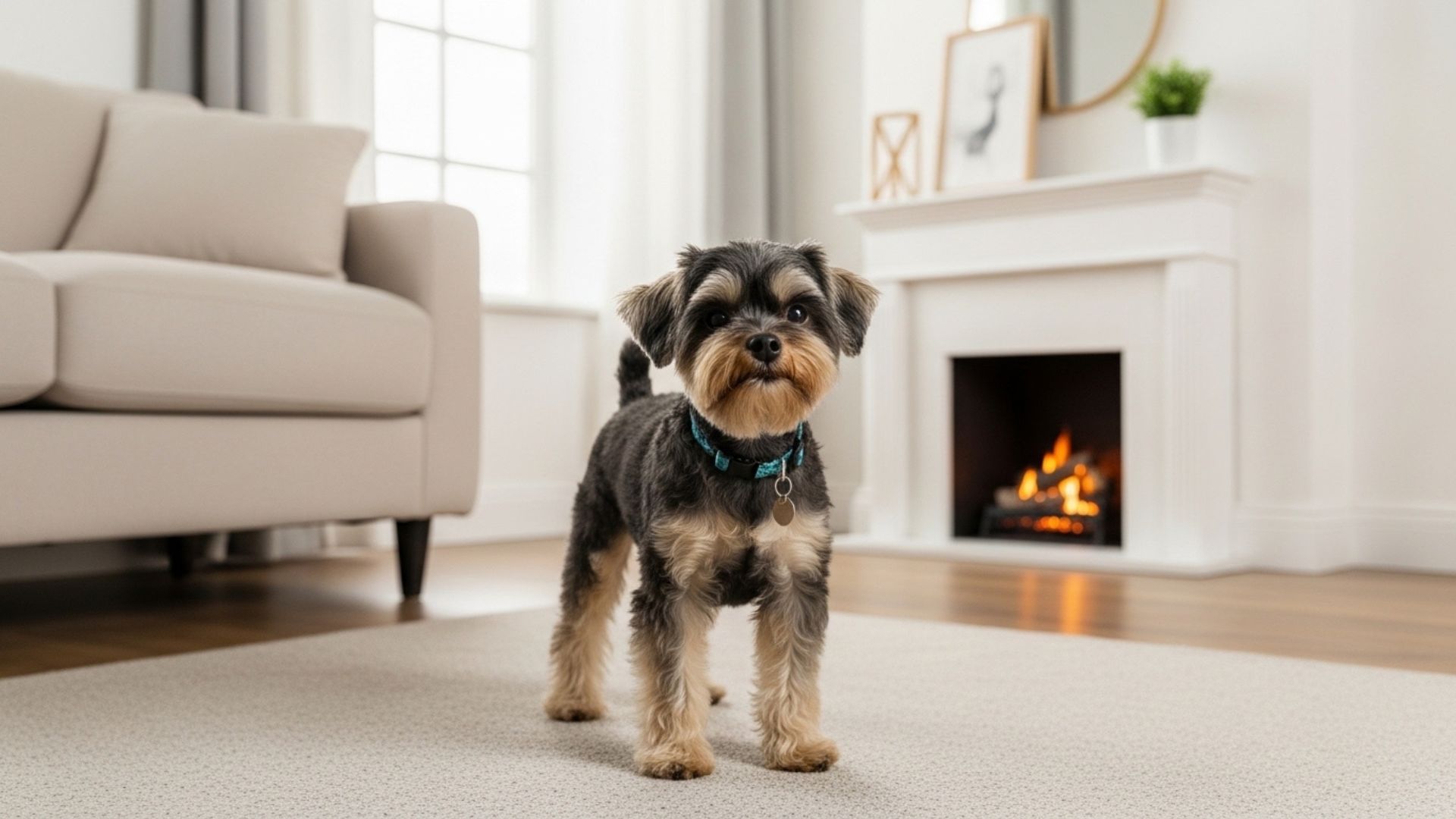
Choosing a dog is an exciting decision, and for many people, size plays a major role. Whether you live in an apartment, have pet weight restrictions, or prefer a pup that’s easy to carry and travel with, little dogs offer big advantages. Their compact size makes them great family dogs for modern lifestyles.
If you’re dreaming of a dog that keeps its puppy-like charm forever, you’re not alone. Many dog lovers search for breeds that stay tiny for life—adorable, manageable, and full of personality. These gentle and affectionate companion dogs don’t just look cute; they bring warmth, loyalty, and endless affection into your home.
In this guide, we explore the world’s small dog breeds that truly stay small. From their physical traits to unique, curious temperaments, these lap dogs are proof that great things come in tiny, tail-wagging packages.
Wonderful Small Dog Breeds With A Forever Tiny Size
Tiny in size but huge in heart, these forever-small dog breeds are impossible not to love.
1. Chihuahua
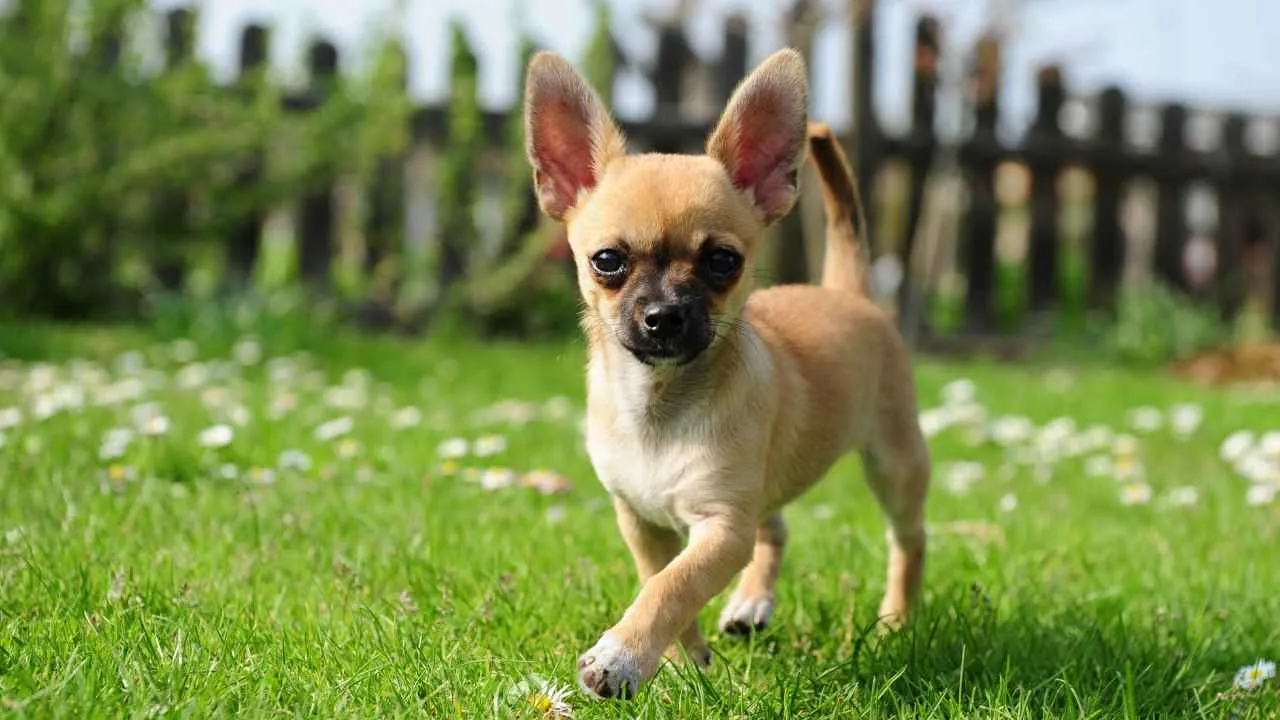
The Chihuahua traces its roots to ancient Mexico, where small Techichi dogs were prized by the Toltecs and later refined by the Aztecs. Their rediscovery led to worldwide recognition and AKC registration in the early 20th century.
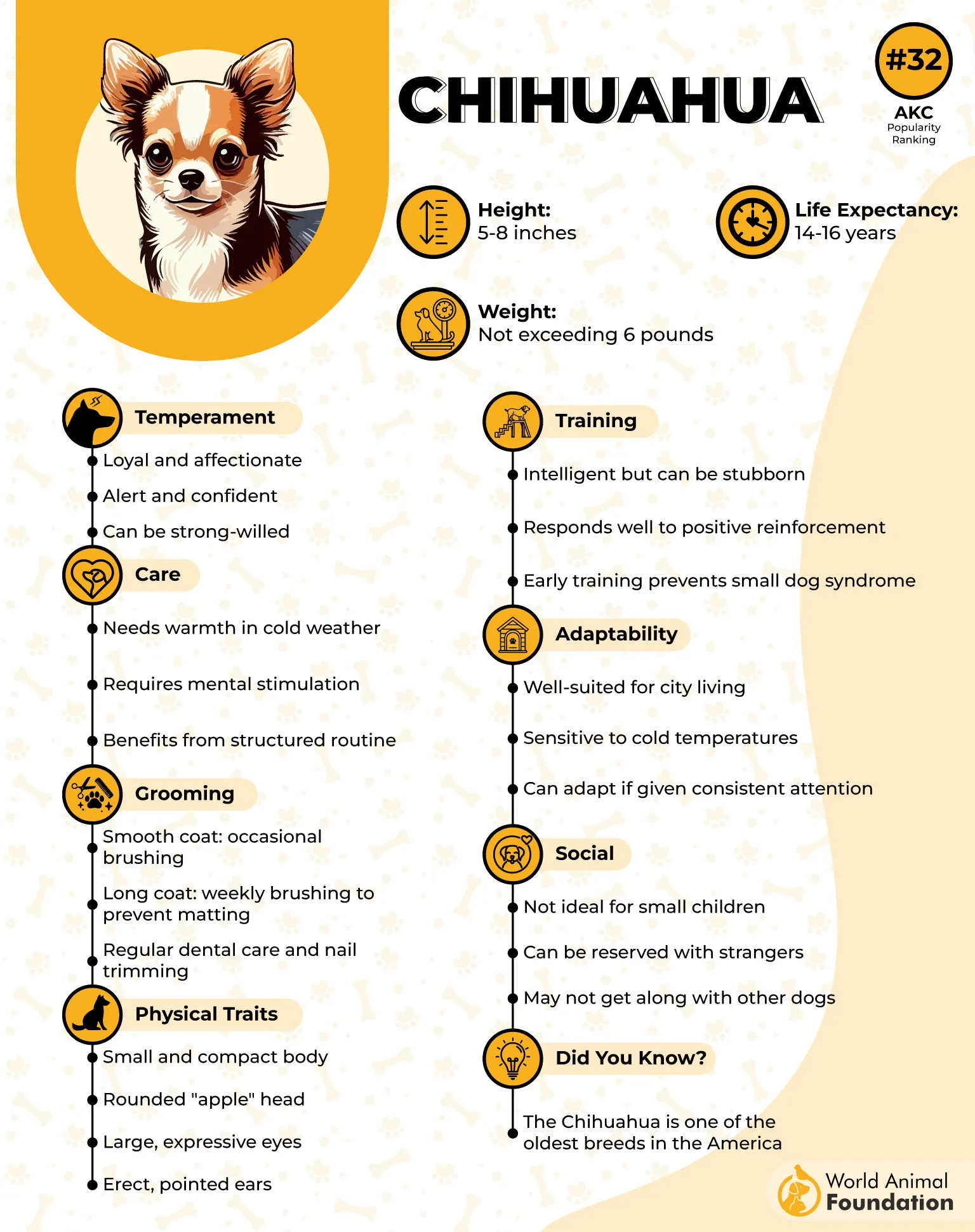
A Tiny Dog With a Fearless Spirit
Chihuahuas may be small, but their personalities are anything but. Exceptionally loyal, affectionate, and endlessly confident, they form strong bonds with their families and love being close. Often bold or sassy, these dogs carry a big-dog attitude packed into a pint-sized body.
Small Size, Smart Mind, Big Opinions
Highly intelligent, Chihuahuas are quick learners who respond best to positive reinforcement. Their strong will means training requires patience and consistency, especially with house rules. Early socialization helps them grow into confident, cuddly companions.
Why Chihuahuas Stay Tiny Forever
Bred for generations to remain under six pounds
Naturally compact skeletal structure
Slow, controlled growth from puppyhood
Small-breed metabolism limits size gain
Selective breeding favors miniature proportions
2. Affenpinscher
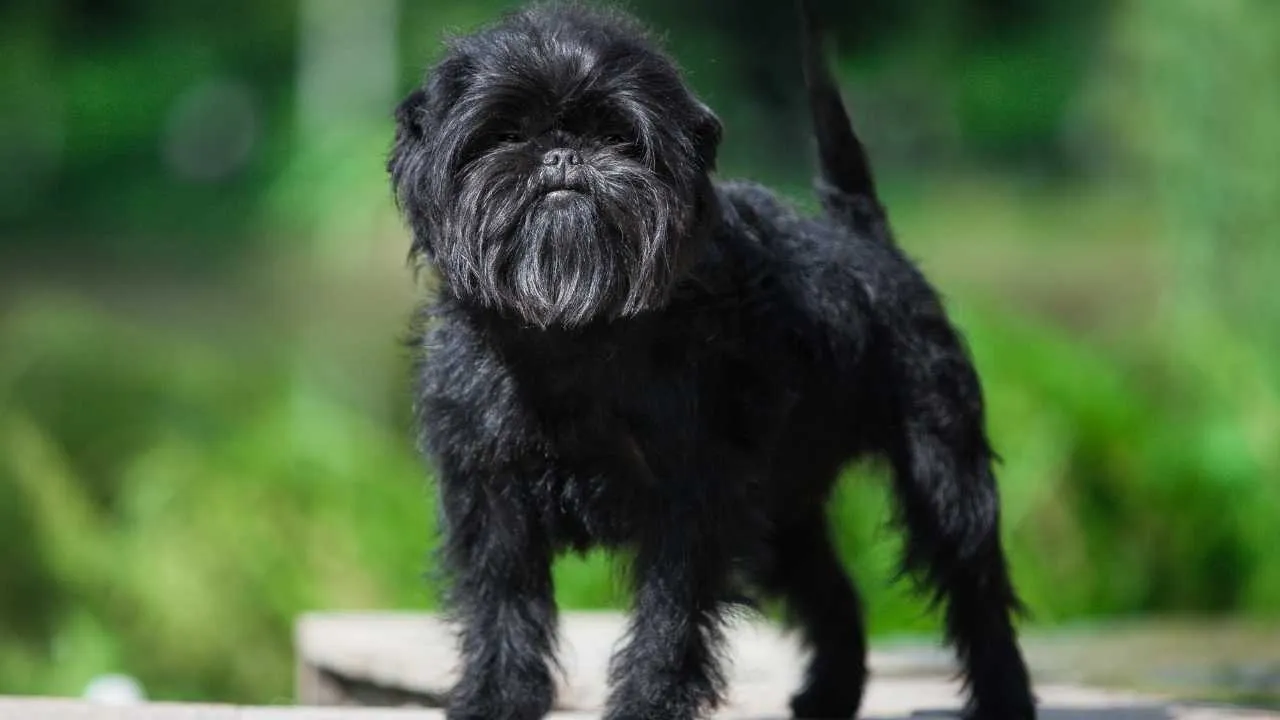
The Affenpinscher originated in Germany, where it first appeared as a fearless ratter and small companion dog as early as the 1500s, according to PetMD. Early versions came in different sizes, with the smaller, short-muzzled type becoming today’s Affenpinscher.
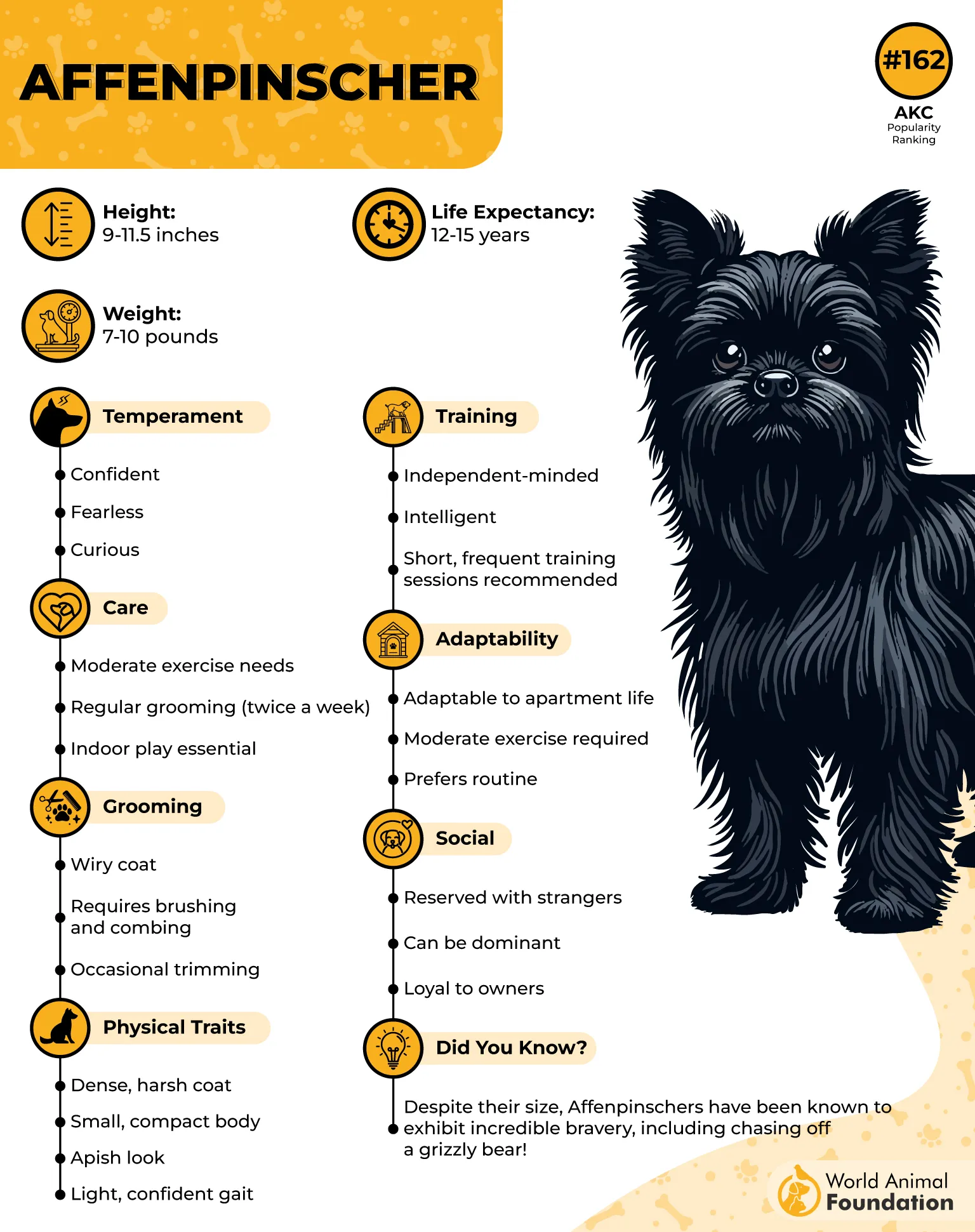
Monkey Face, Devilish Charm
Known as the “moustached devil” in France, the Affenpinscher is lively, confident, and full of mischief. This energetic breed is affectionate with its family, often comical in behavior, and carries itself with bold self-assurance.
Training a Fearless Little Entertainer
Smart and strong-willed, the Affenpinscher needs consistent, patient training to channel its independent streak. Positive reinforcement works best, especially when paired with short, engaging sessions. Early socialization helps curb wariness around strangers and keeps their confidence well-balanced.
Why the Affenpinscher Stays Tiny Forever
Naturally bred as a compact toy-sized ratter
Dense bone structure limits excessive growth
Selective breeding favors small stature
Slow, steady development from puppyhood
Adult weight rarely exceeds ten pounds
3. Dachshund
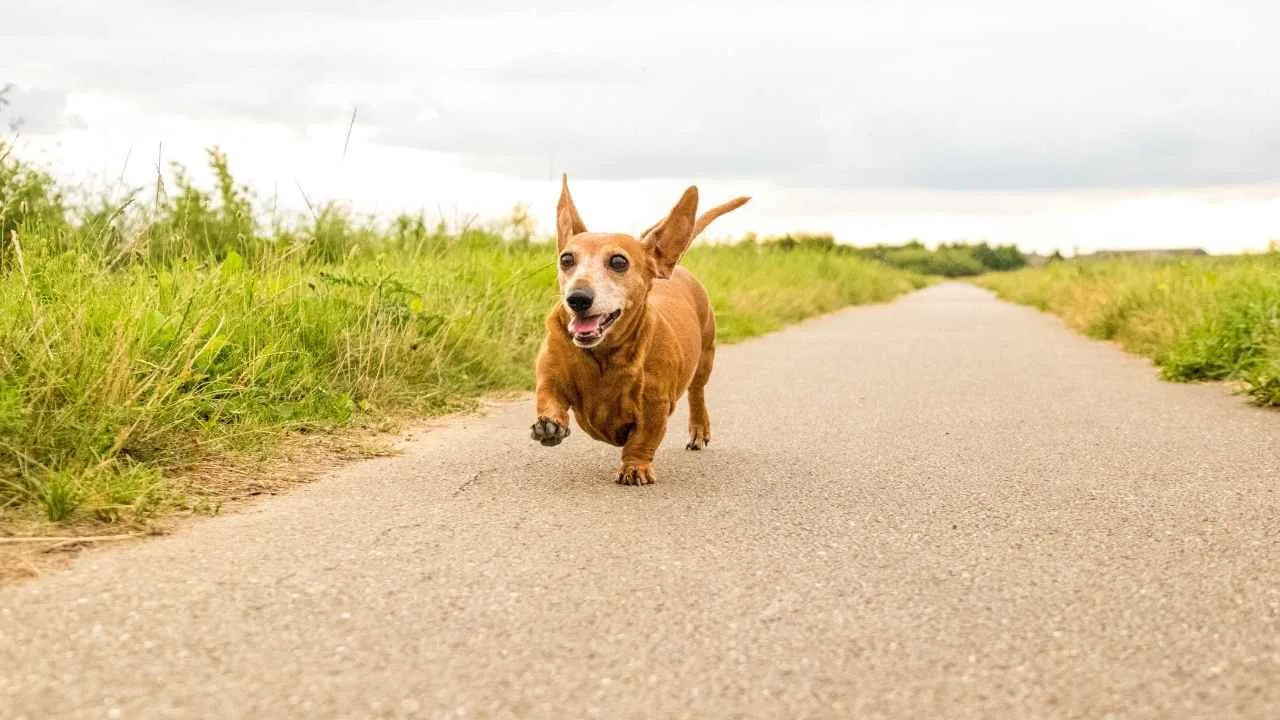
The Dachshund was developed in Germany as a fearless hunter, bred to pursue badgers deep into underground burrows. Available in standard and miniature sizes with three coat types, the breed blends hound instincts with terrier grit, as per PDSA.
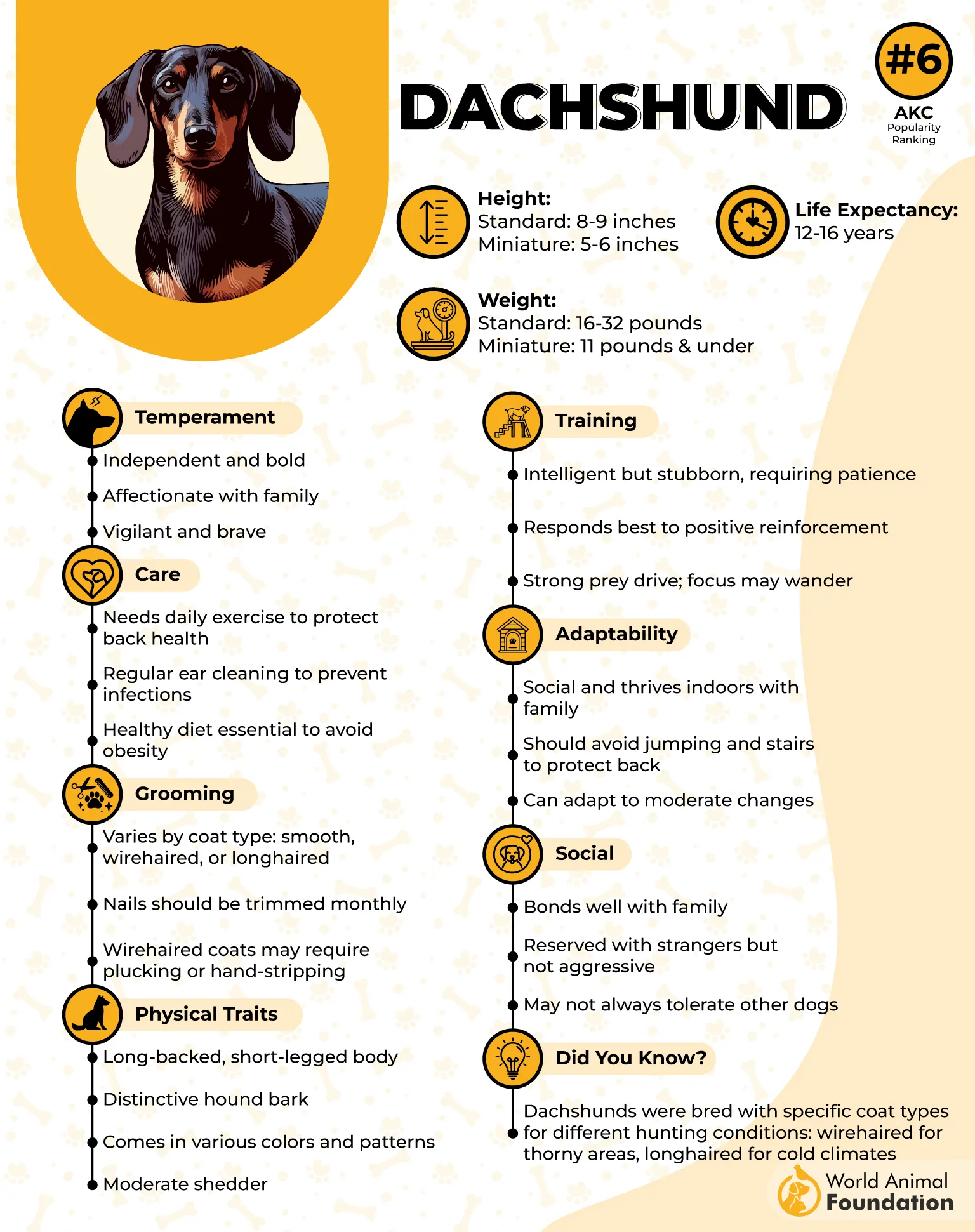
A Long Dog With Endless Personality
Bold, curious, and often stubborn, the Dachshund carries a confident attitude that far outweighs its size. Affectionate with family yet aloof with strangers, this breed loves attention and thrives on companionship.
Training a Clever, Independent Thinker
Dachshunds are intelligent but strong-willed, making patience and consistency essential in training. Positive, reward-based methods work best, especially when training sessions stay fun and engaging. Early socialization and mental stimulation help channel their hunting instincts into good behavior.
Why the Dachshund Stays Tiny Forever
Selective breeding created a low, compact body
Short-legged genetics limit vertical growth
Miniature variety bred specifically for small size
Slow physical development maintains a petite stature
Adult size stabilized through generations of breeding
4. Yorkshire Terrier
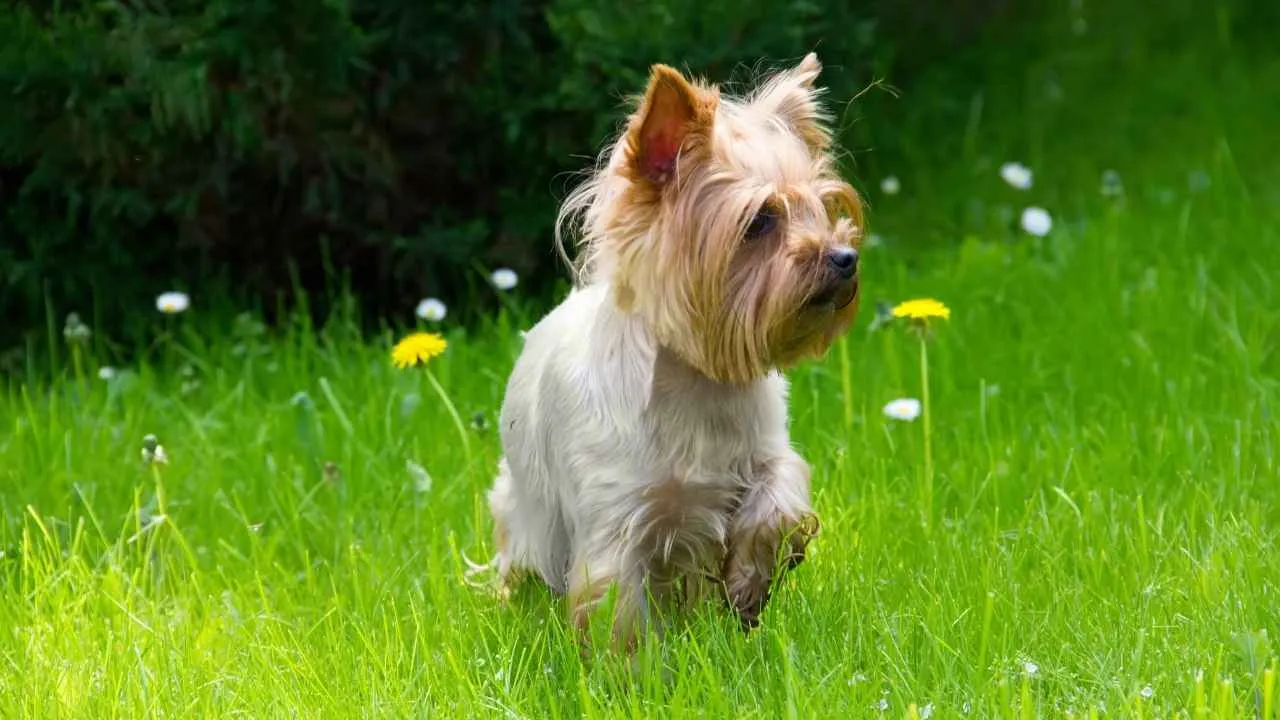
The Yorkshire Terrier began life in 19th-century northern England, where small but tough terriers were used to control rodents in mills and mines. Once recognized by England’s Kennel Club in 1886, the breed quickly transformed into a fashionable companion.
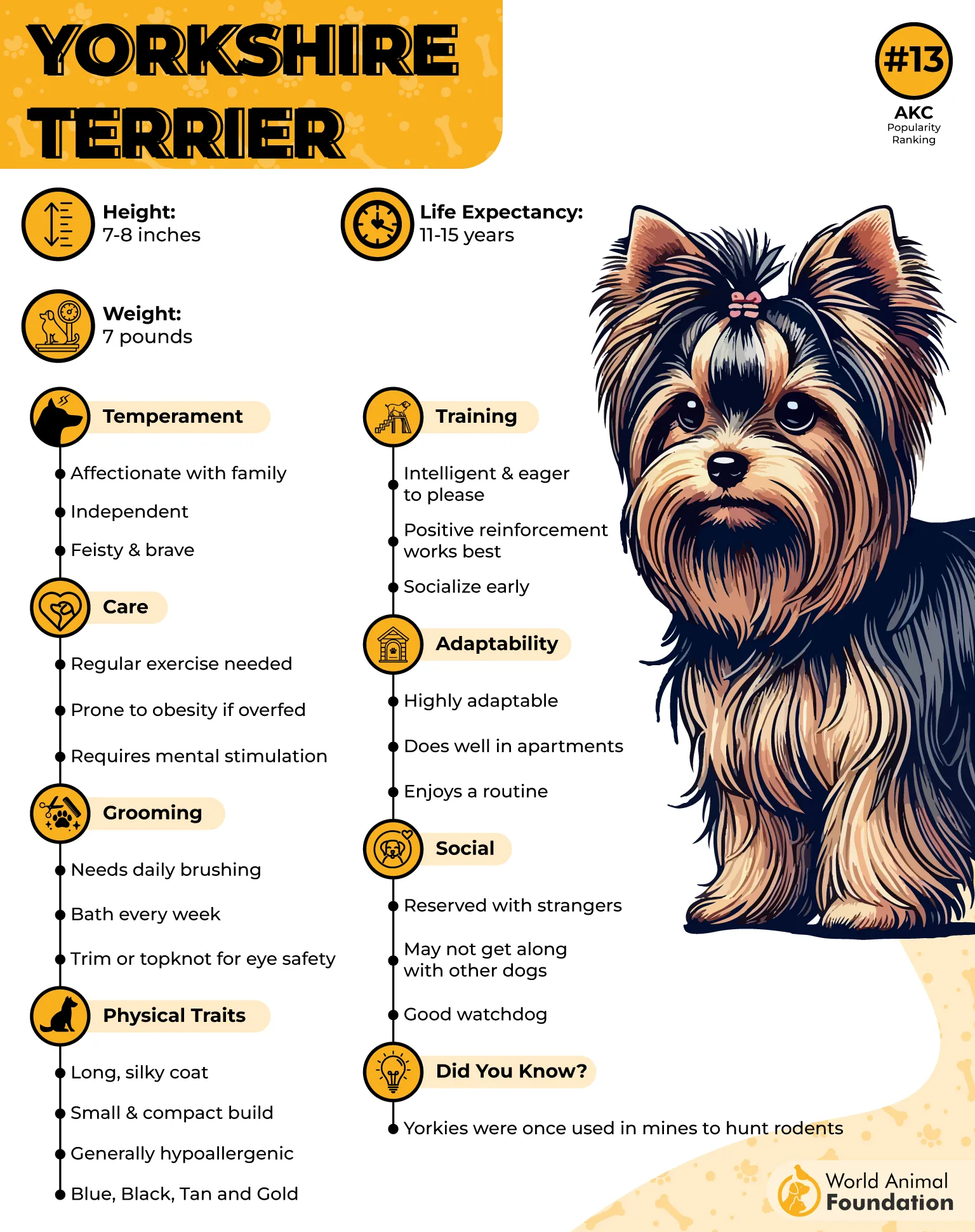
Silk-Coated Spark With Terrier Fire
Behind the Yorkie’s elegant, glossy coat lies a bold and feisty personality. These loyal dogs are affectionate, alert, and famously confident, often acting as vigilant little watchdogs. Loyal to their families, Yorkies love attention, thrive on companionship, and bring endless charm to city living.
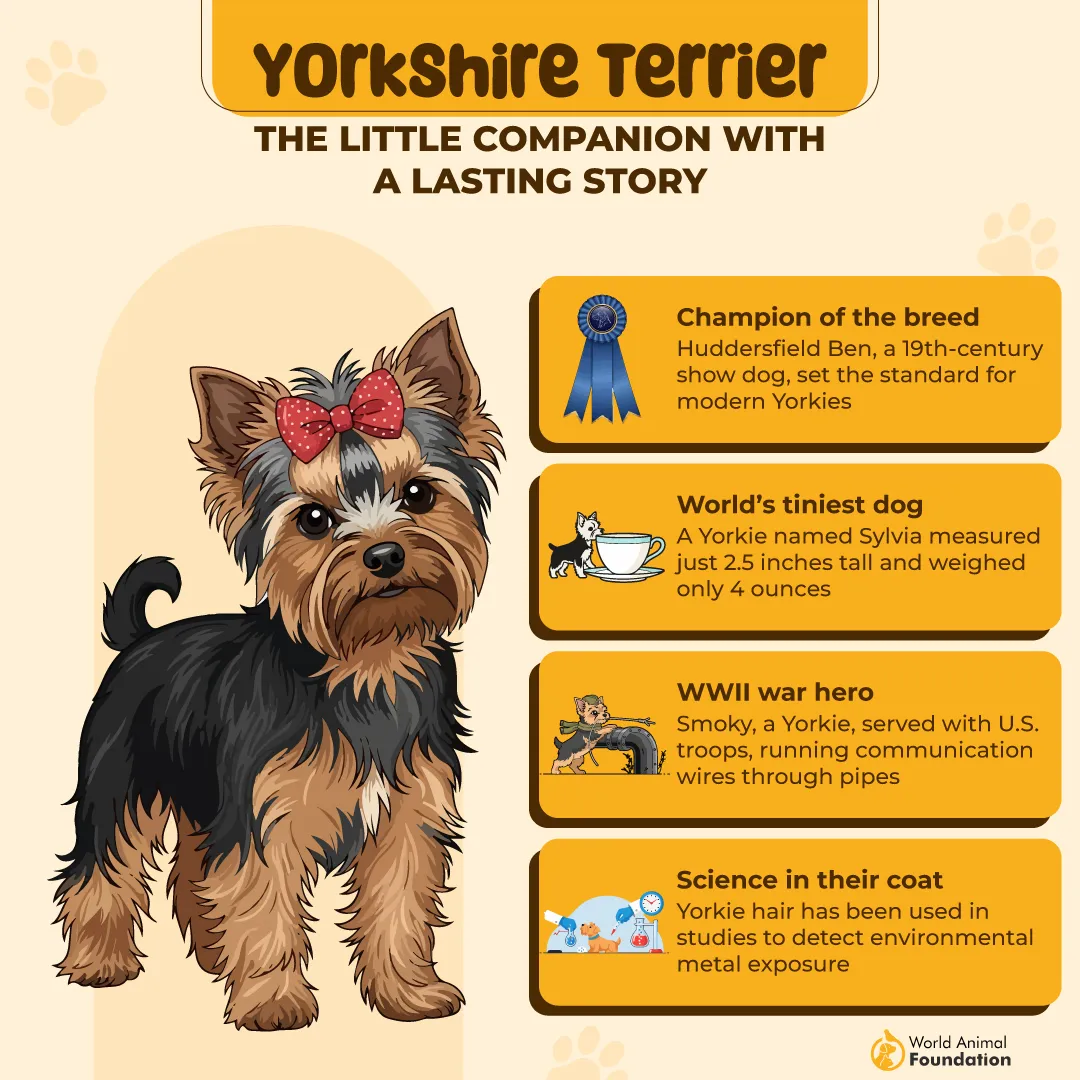
Training a Tiny Dog With Big Opinions
Yorkshire Terriers are intelligent and eager to learn, but can be stubborn if not guided early. Positive reinforcement and consistent routines help shape good habits and manners. Early socialization and short, engaging sessions keep their sharp minds focused and cooperative.
Why the Yorkshire Terrier Stays Tiny Forever
Originally bred to remain under seven pounds
Fine-boned, toy-sized body structure
Slow, steady growth from puppyhood
Generations refined for lapdog proportions
Naturally small metabolism supports petite size
5. Pomeranian
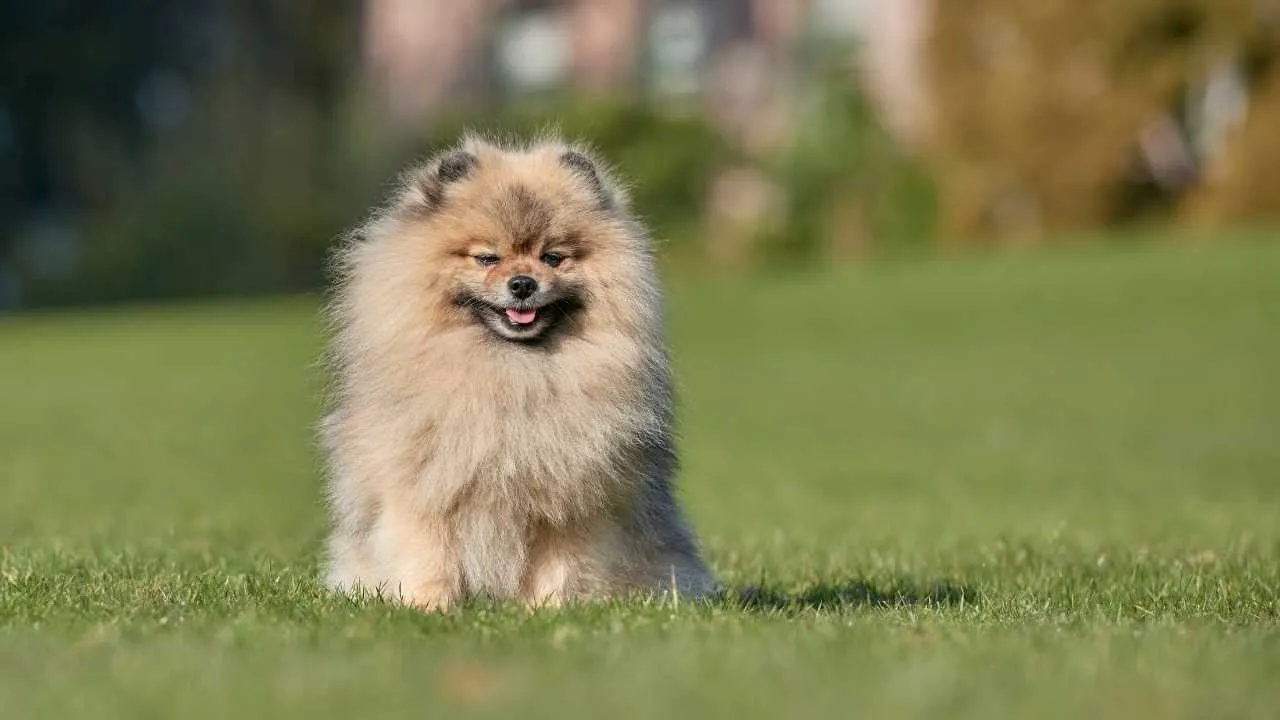
The Pomeranian descends from large Nordic sled dogs once used for herding and hauling in Arctic regions. Over time, selective breeding—most famously encouraged by Queen Victoria—dramatically reduced the breed’s size.
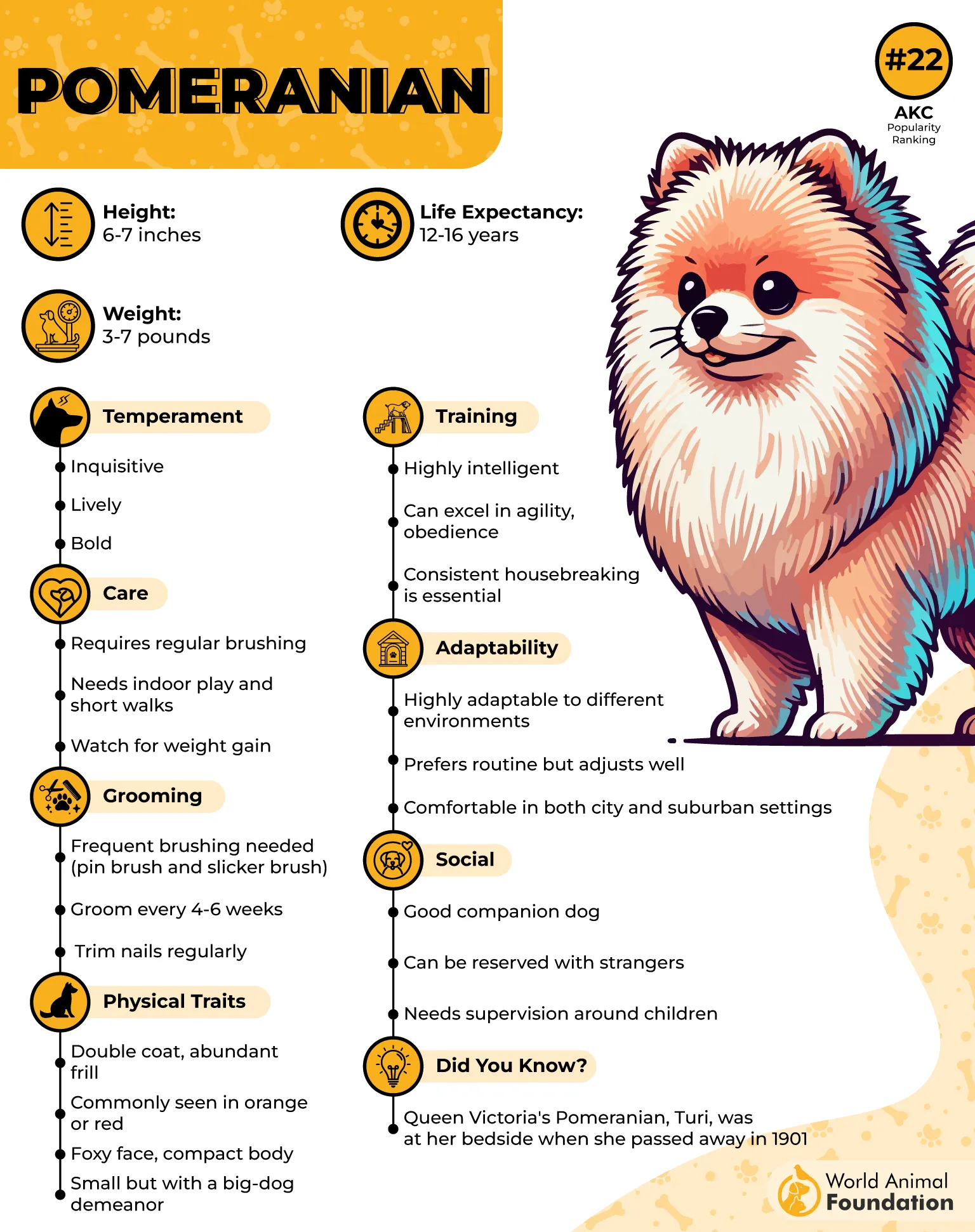
Small Frame, Superstar Attitude
Pomeranians are confident, alert, and bursting with personality despite their toy-sized bodies. They are affectionate companions and sharp watchdogs, always eager to announce visitors. Active and playful, Poms enjoy indoor games and short walks that suit both city and suburban living.
Training a Clever, Energetic Charmer
Highly intelligent dogs, Pomeranians thrive on learning and mental challenges. Positive reinforcement helps channel their independence into good manners and fun tricks. Early socialization and consistent training prevent excessive barking and keep their protective nature well-balanced.
Why the Pomeranian Stays Tiny Forever
Selectively bred down from larger spitz ancestors
Naturally lightweight bone structure
Small adult height stabilized through generations
Toy-breed metabolism limits growth
Breeding standards favor compact proportions
6. Toy Poodle
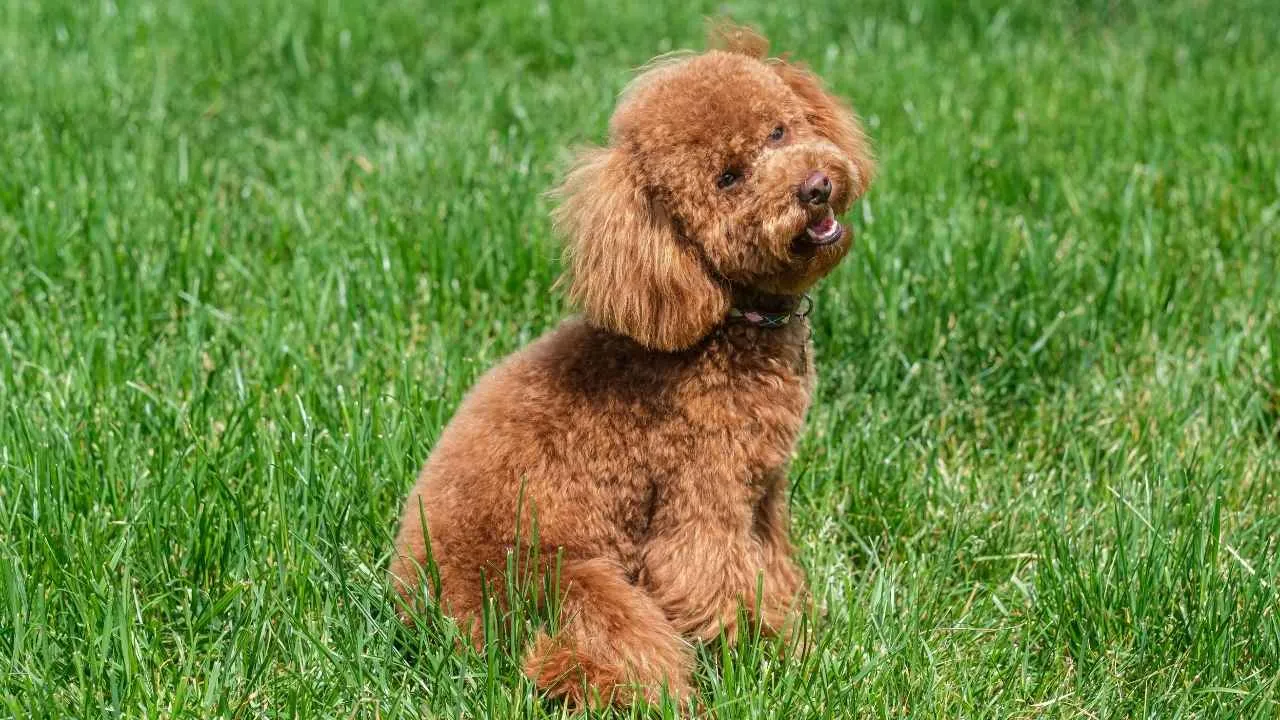
The Toy Poodle began as a water-retrieving dog in Germany over 400 years ago, with its thick, curly coat protecting it from cold water. Over time, breeders miniaturized the Poodle for companionship, creating a clever, athletic, and elegant dog that thrives in smaller homes.
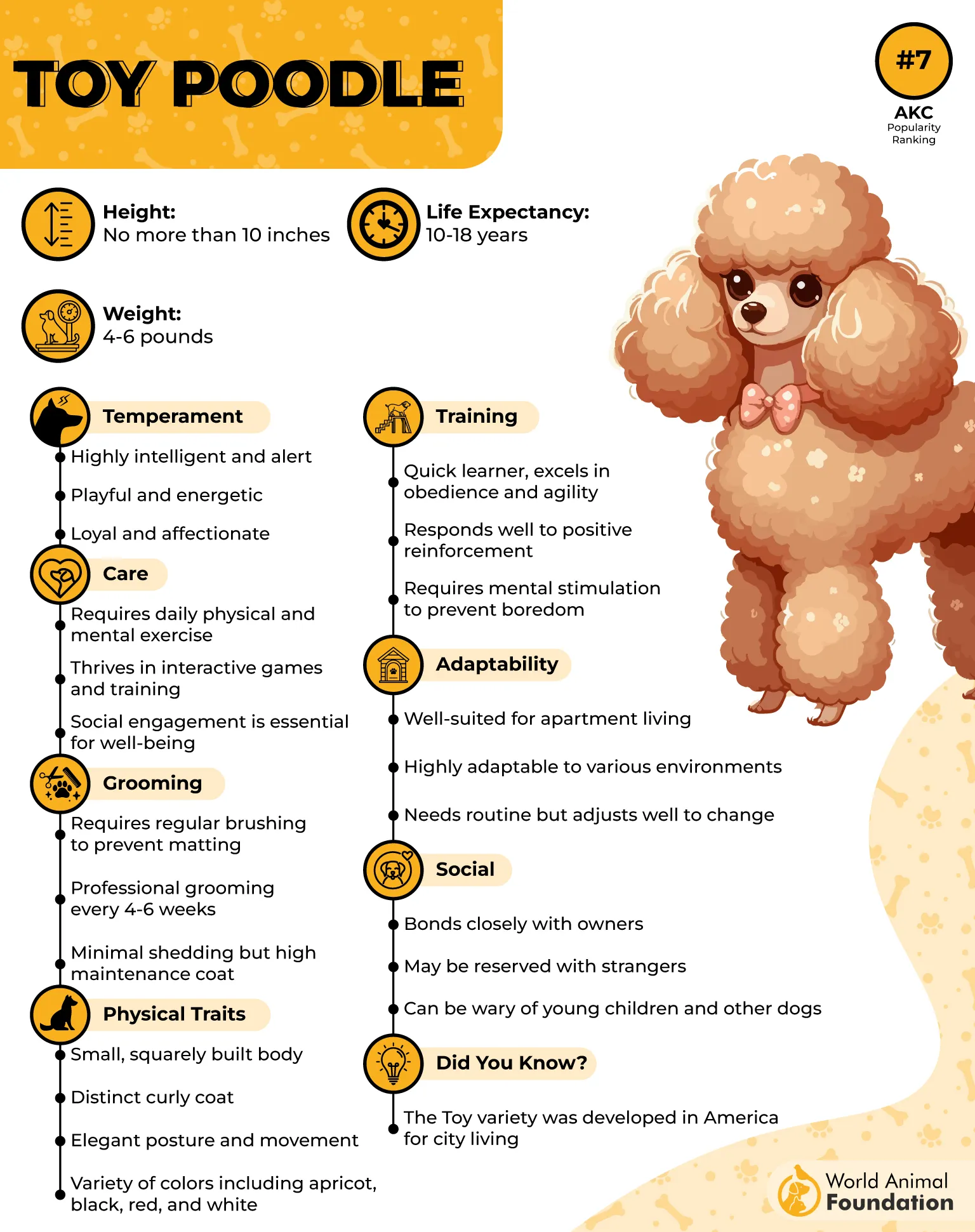
Small Stature, Big Personality
Toy Poodles are lively, sociable, and affectionate dogs, forming close bonds with their owners. Despite their tiny size, they are active, playful, and alert, making them excellent watchdogs. Their intelligence and charm ensure they remain the center of attention wherever they go.
Grooming and Training a Smart Performer
With their dense, curly coat, Toy Poodles need daily brushing to prevent mats, and regular trims keep them tidy. Highly trainable, they excel in obedience, agility, and tricks, but thrive best with early socialization and consistent positive reinforcement.
Why the Toy Poodle Remains Tiny Forever
Miniaturized through selective breeding
Retains a lightweight, compact bone structure
Bred for indoor companionship
Adult height stabilized over generations
Toy-sized proportions are preferred in breed standards
7. Shih Tzu
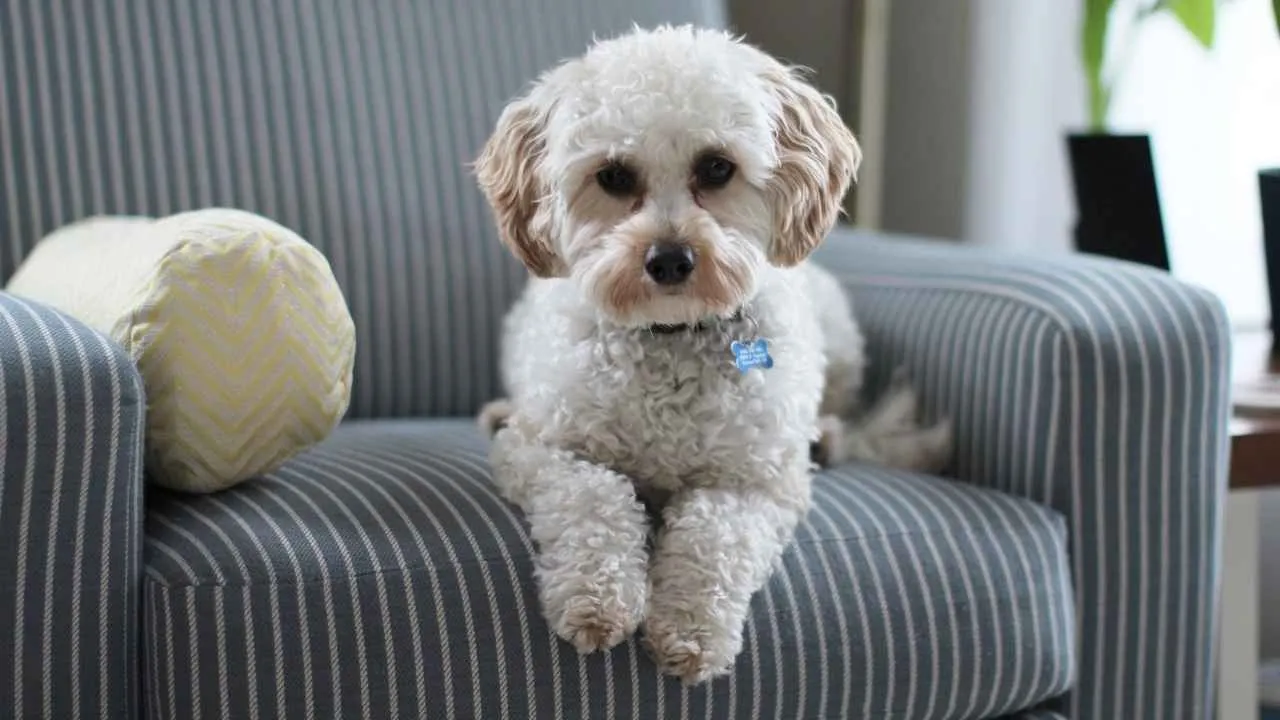
Shih Tzus were pampered lapdogs of Chinese emperors, carefully bred from Lhasa Apso and Pekingese lines to delight royalty. Their history is steeped in palace life, and they were prized for their beauty, charm, and compact size.
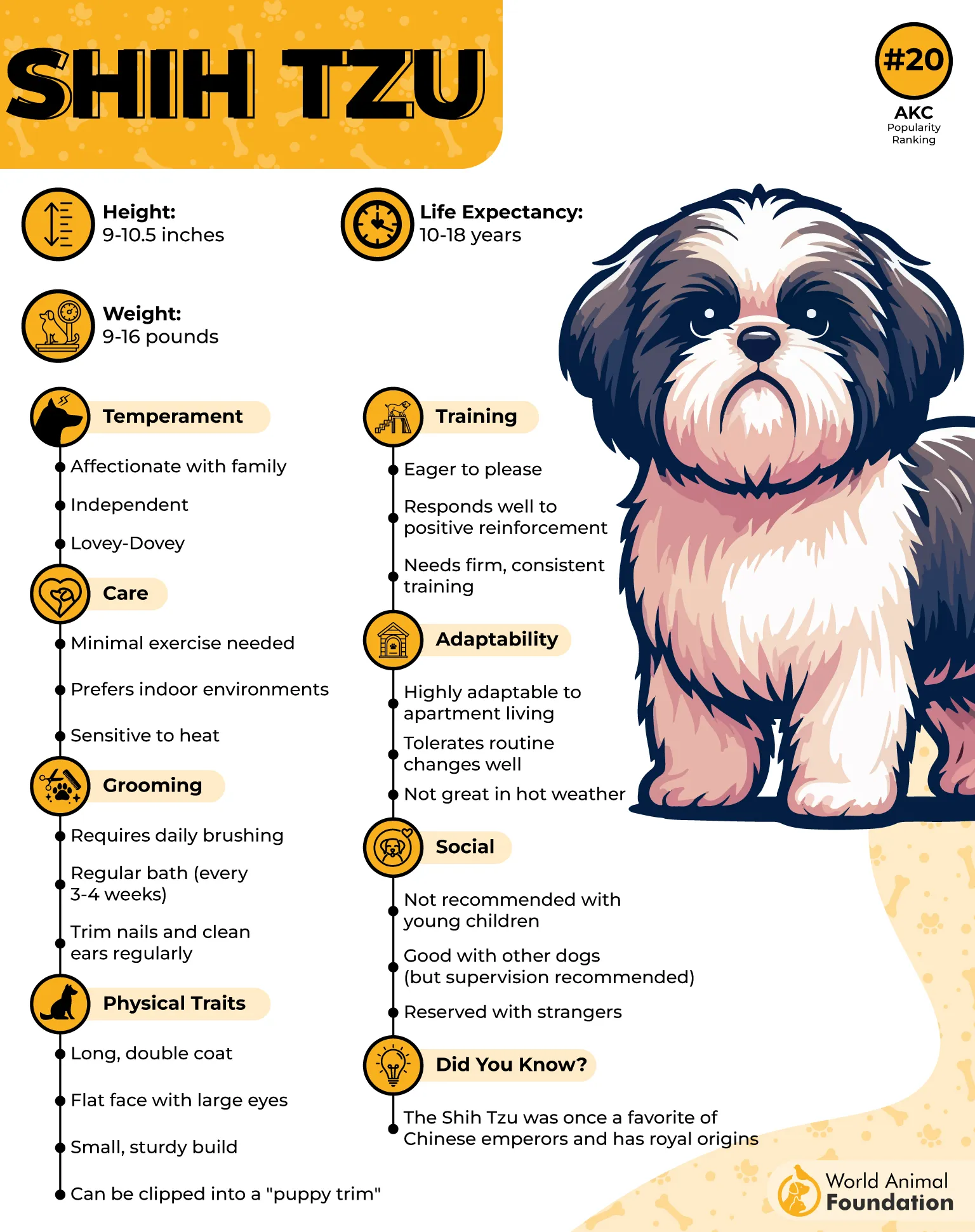
A Spirited Companion in a Small Package
Despite their small stature, Shih Tzus carry big personalities, being lively, friendly, and affectionate with families, as per WebMD. Their intelligence and curious nature make them fun companions, though their stubborn streak can challenge training.
Grooming and Lifestyle for Tiny Royals
Shih Tzus require regular grooming to maintain their long, flowing coat, though many owners opt for a short clip for ease. They thrive on daily human interaction and gentle walks, with minimal exercise needed compared to larger breeds.
Why Shih Tzus Stay Delightfully Petite
Carefully selected breeding focused on smaller Lhasa Apso and Pekingese traits
Natural genetic tendency for early maturity and compact bone structure
Palace’s preference for tiny lapdogs encouraged size consistency
Minimal exercise requirements and an indoor lifestyle support a small frame
Human-directed breeding over centuries favored elegance over bulk
Conclusion
Choosing a dog isn’t just about looks—it’s about lifestyle, personality, and how well they fit into your home. For those who love the idea of a lifelong pint-sized companion, knowing which breeds stay small can make all the difference. It’s about finding a friend who’s perfectly suited to your space and daily rhythm.
Small dogs offer so much joy packed into a tiny package. Their playful energy, endless affection, and portable size mean they can be part of your adventures, whether you’re snuggled on the couch or out exploring. With a little research, you can find the perfect tiny companion to brighten every day.
If you’re ready to welcome a forever-small friend into your life, take the time to explore your options. Consider adoption first, learn about each dog’s personality, and imagine the happiness a tiny, loving companion can bring. Your perfect pocket-sized pup is out there, ready to fill your home with love, laughter, and plenty of cozy cuddles.
