




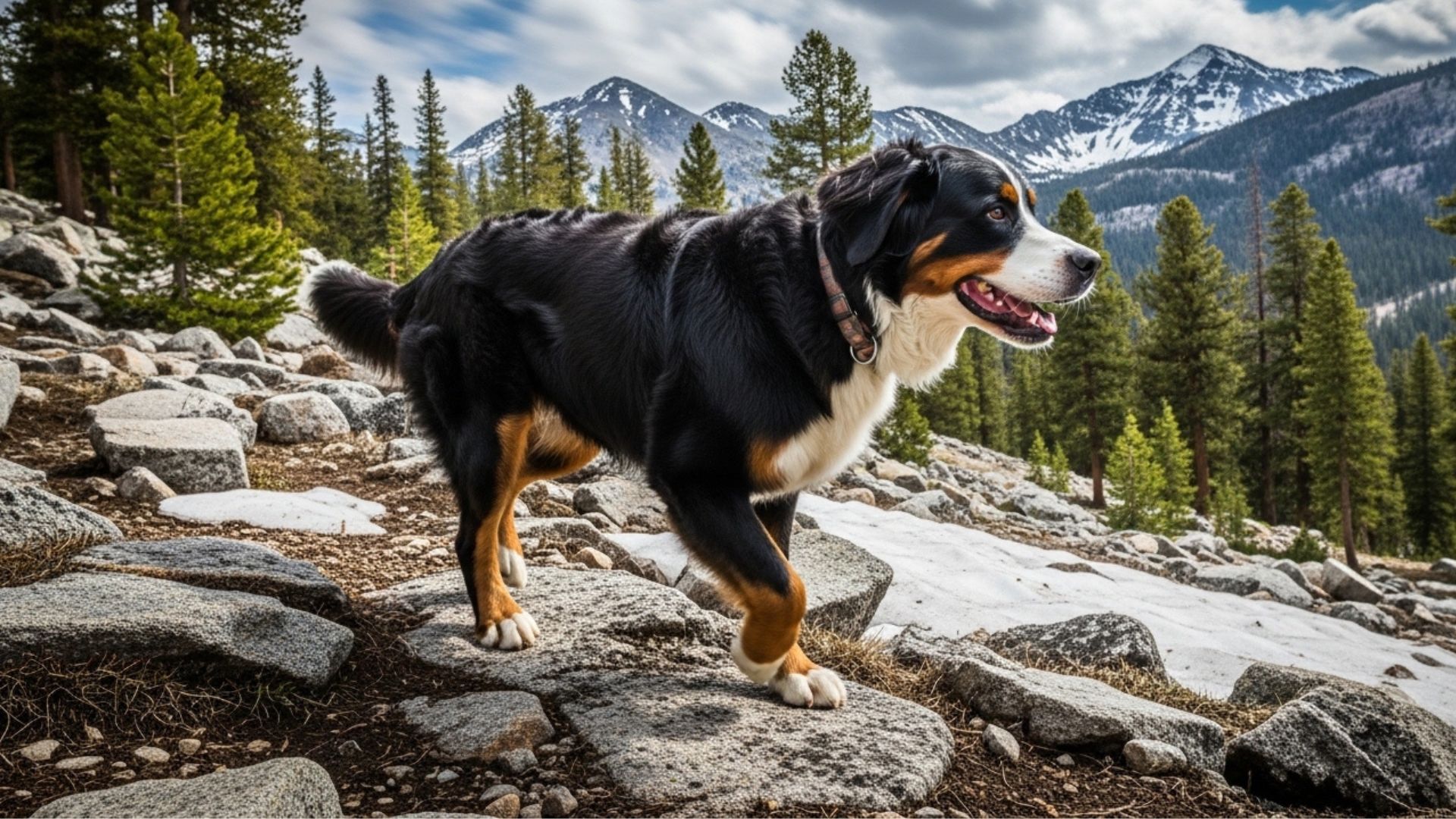
Wilderness days feel better when a loyal hiking partner trots beside you.
Some dog breeds are simply made for outdoor adventures. They stay focused when the path gets messy. They keep moving when your legs start whining. And they look way too proud when they splash through a creek like it’s their job.
But why bother with that? Because a wilderness trip is not a cute park stroll. It can mean rough terrain, cold weather, steep climbs, and long hours away from home. A solid canine companion helps you feel safer, calmer, and more excited to keep going.
This blog will break down the 9 best dog breeds for backcountry time. Each one brings a different kind of grit. Some are quick and sharp. Some are strong and steady. Some are born to work all day.
Pet parents can use these notes to pick the right dog for their active lifestyle and plan smarter, safer trips on any hiking trail.
Hardy Dog Breeds That Excel in Wilderness Expeditions
1. Border Collie
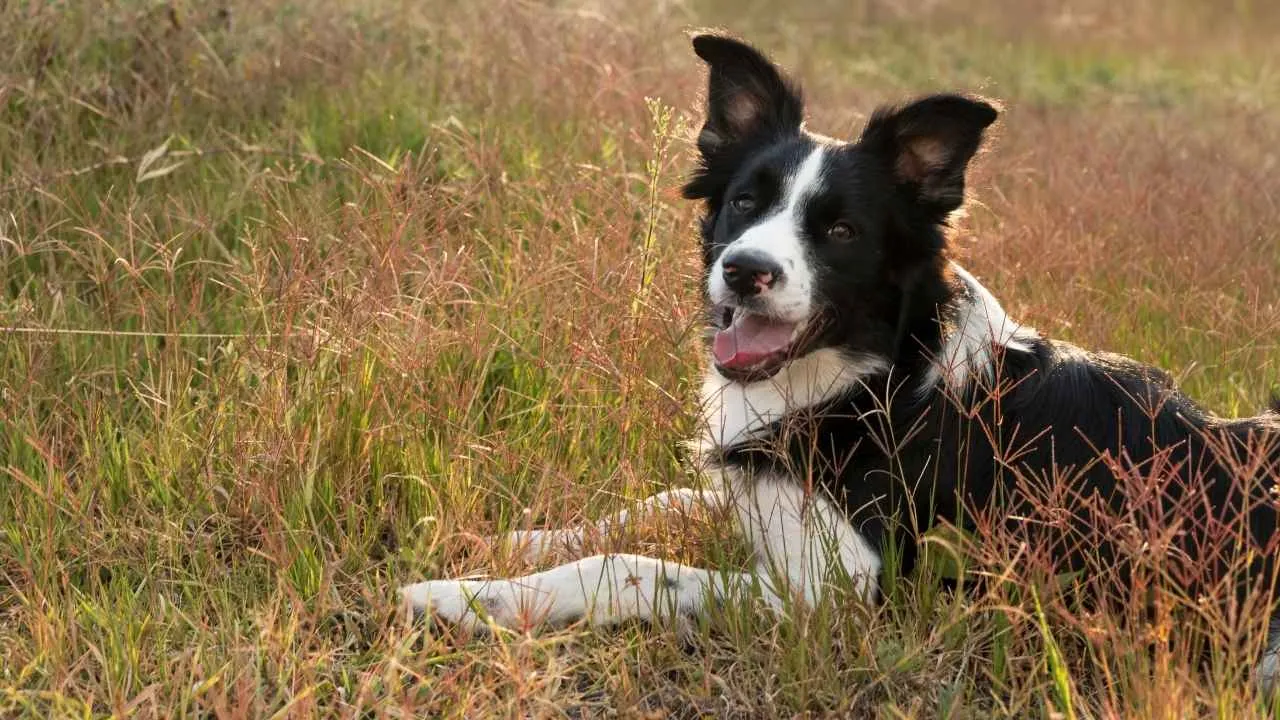
Border Collies are famous for stamina and sharp focus. This intelligent breed can move like a little rocket, then stop on a dime.
On tricky trails, body control matters a lot. They read the ground fast and place each step with care. That makes them a solid pick for people who love steep paths and quick changes in direction, according to Royal Canin.
Here’s the good part. Border Collies do not just run. They think. They watch you, the trail, and every small shift around them. In the canine world, that brainpower is a gift. But it needs an outlet.
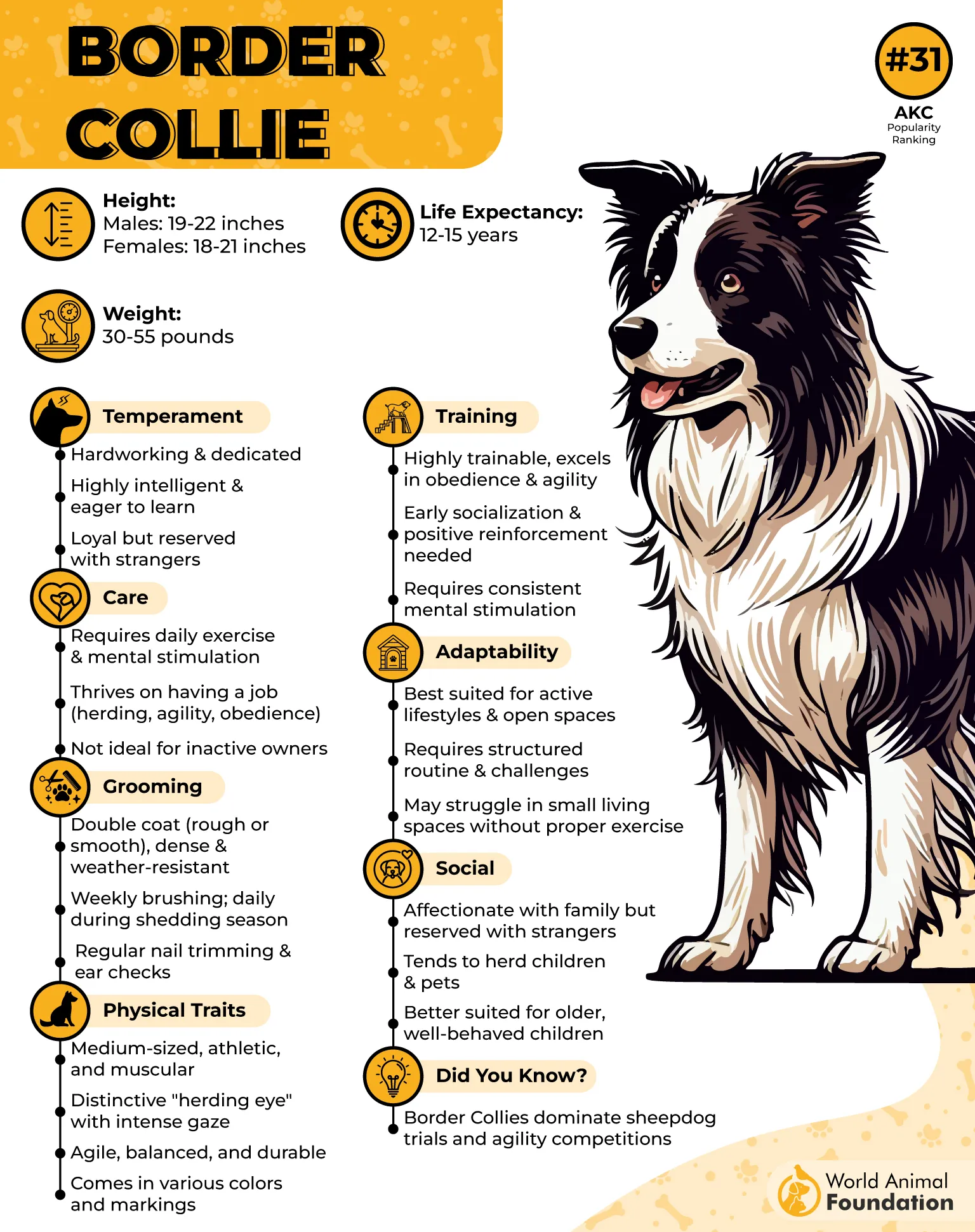
Without mental and physical stimulation, the dog can get stressed and act out at home. Noise can also bother them, so loud echoes or sudden bangs may cause a jumpy moment.
Consistent training makes a huge difference. A calm recall, leash skills, and “leave it” can save the day near cliffs or wildlife.
Give this dog a clear role on your outings, like staying close, checking in often, and waiting at narrow spots. Then the dog feels useful, and you get a great trail partner.
Trail-smart habits that make them shine
Teach a steady “wait” before rocky steps
Bring a tug toy for mental stimulation at breaks
Keep grooming regularly for that dense coat
Pack water, since this dog will not quit easily
2. German Shorthaired Pointer
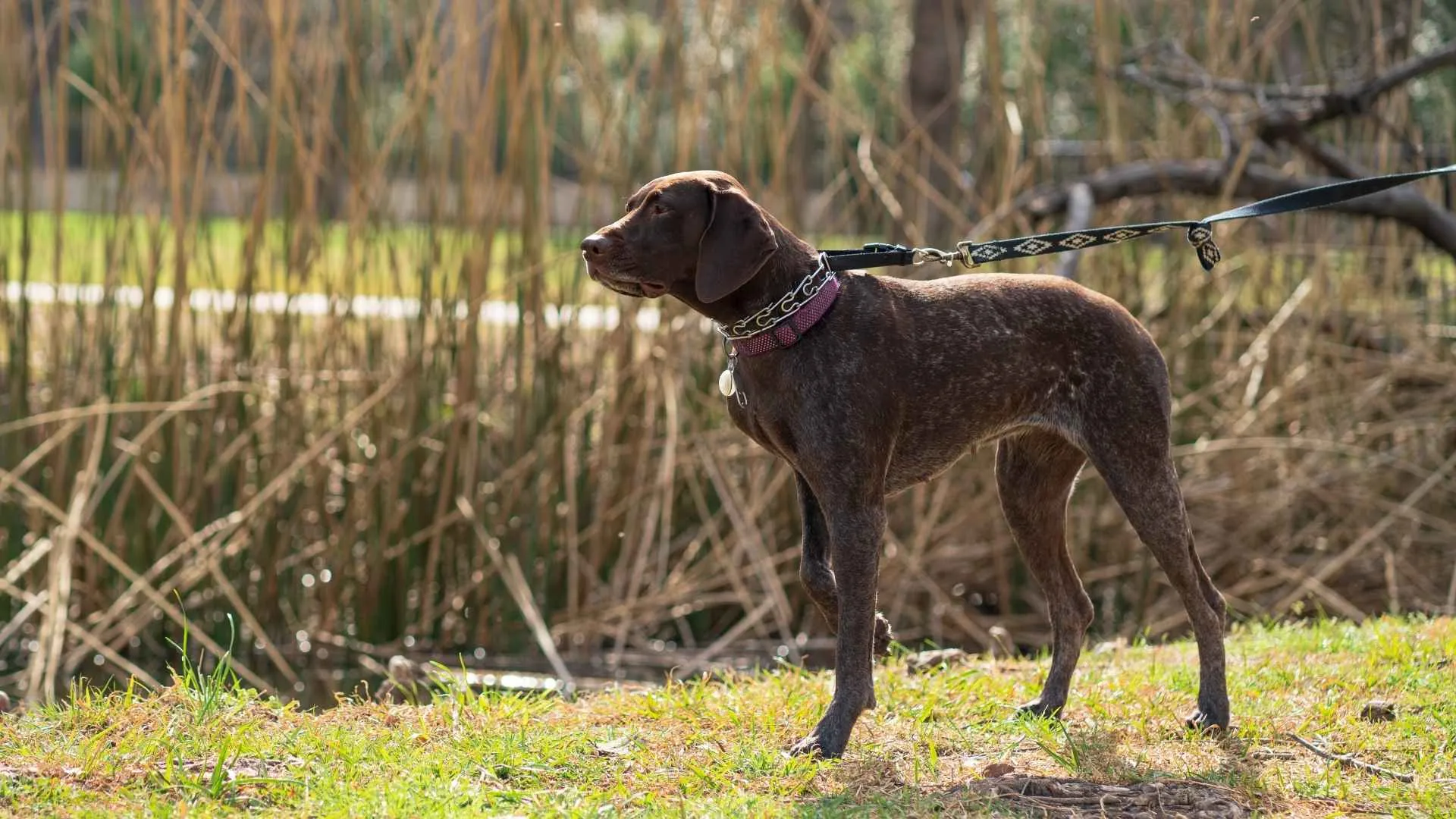
German Shorthaired Pointers are built for motion. They come from hunting roots, so they are used to long hours of effort and focus.
Britannica mentions that they were developed as a hunting dog, and that work style still shows up on the trail. The body is lean, strong, and ready for steady speed that lasts.
But wait, there’s more! This dog loves people. Many outdoor dogs do fine with one person, but this one often enjoys the whole group. Friendly greetings happen fast, so manners matter.
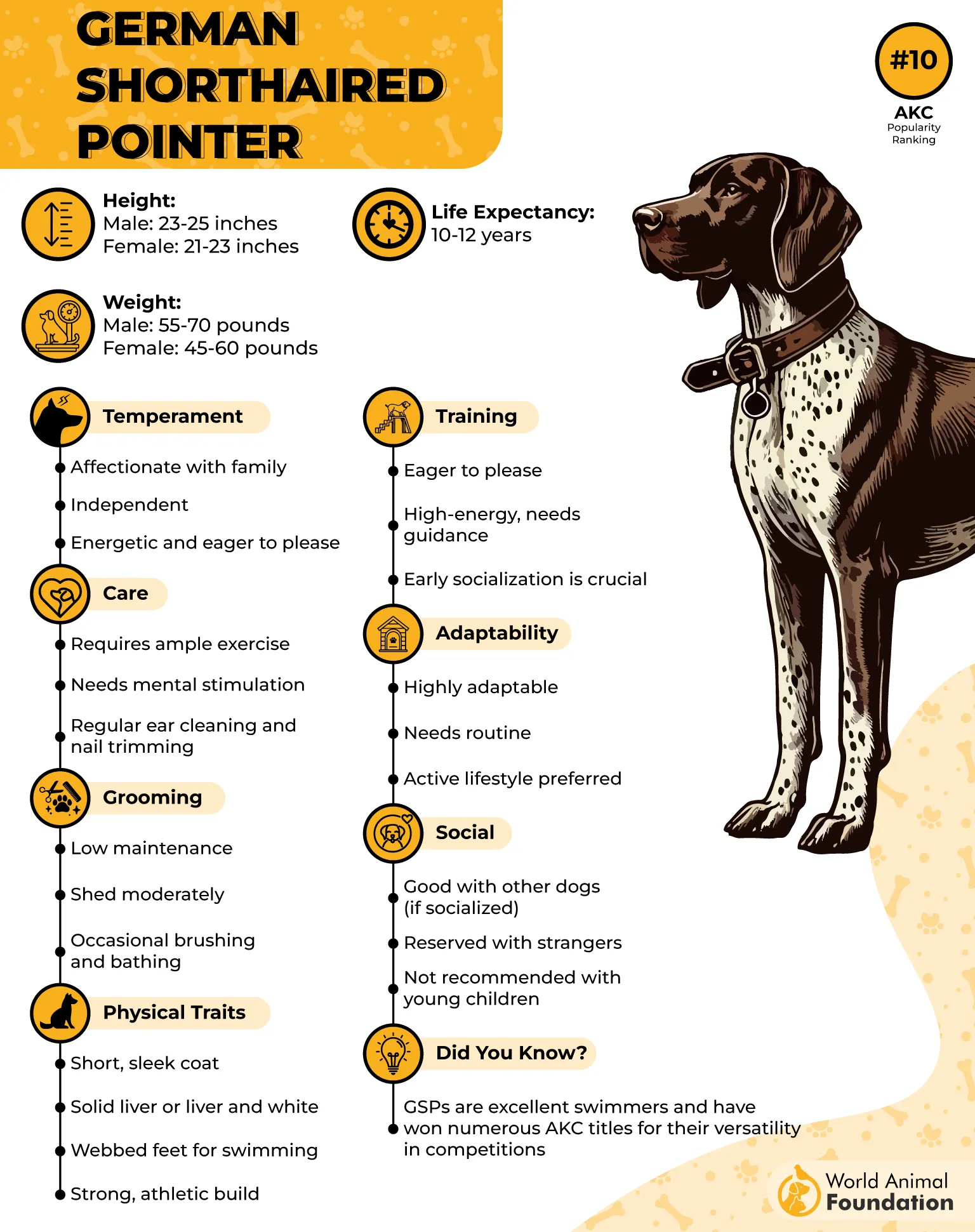
A Pointer that learns to check in, walk nicely, and pause on command becomes a reliable hiking dog breed pick for long days.
They handle many climates well, which helps when mornings are cool and afternoons heat up. Still, watch paws on sharp rock and check for burrs after brushy sections.
Proper training around scent trails is key, too, because that nose can pull attention away from you. Once the basics are solid, this dog becomes a good hiking dog that seems thrilled just to be outside.
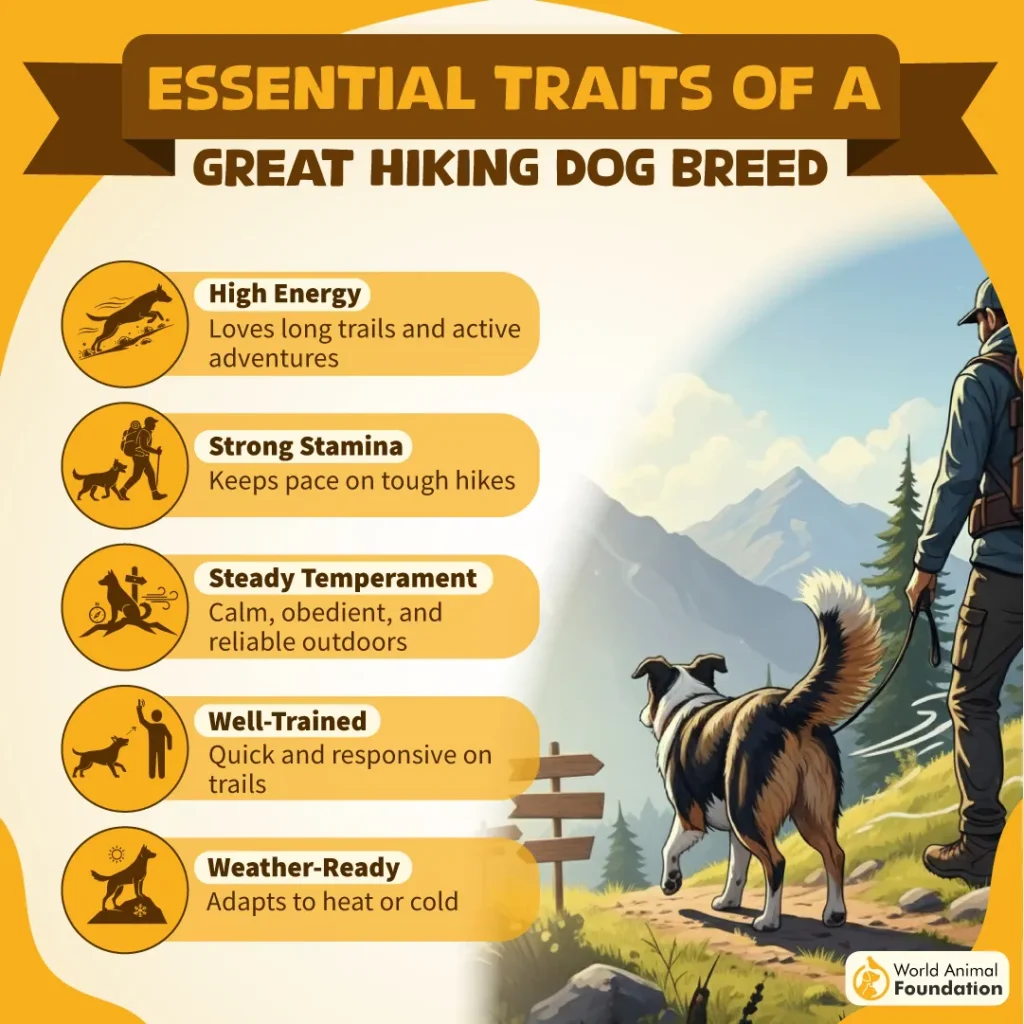
Why do they stay strong on long outings
Enjoy long hikes with a steady pace
Social nature makes campsites easier
High drive benefits from clear rules
Works best with daily exercise routines
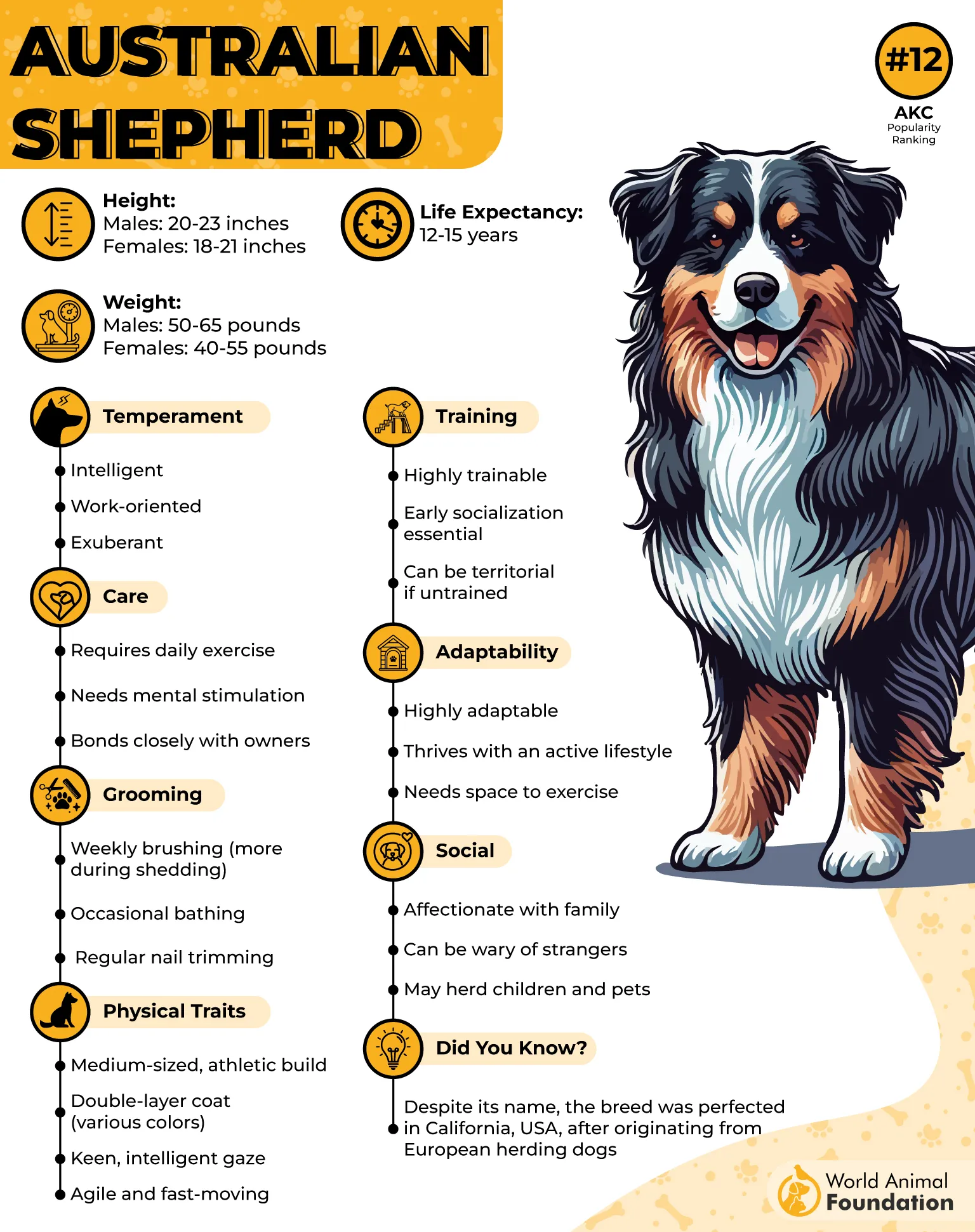
3. Australian Shepherd
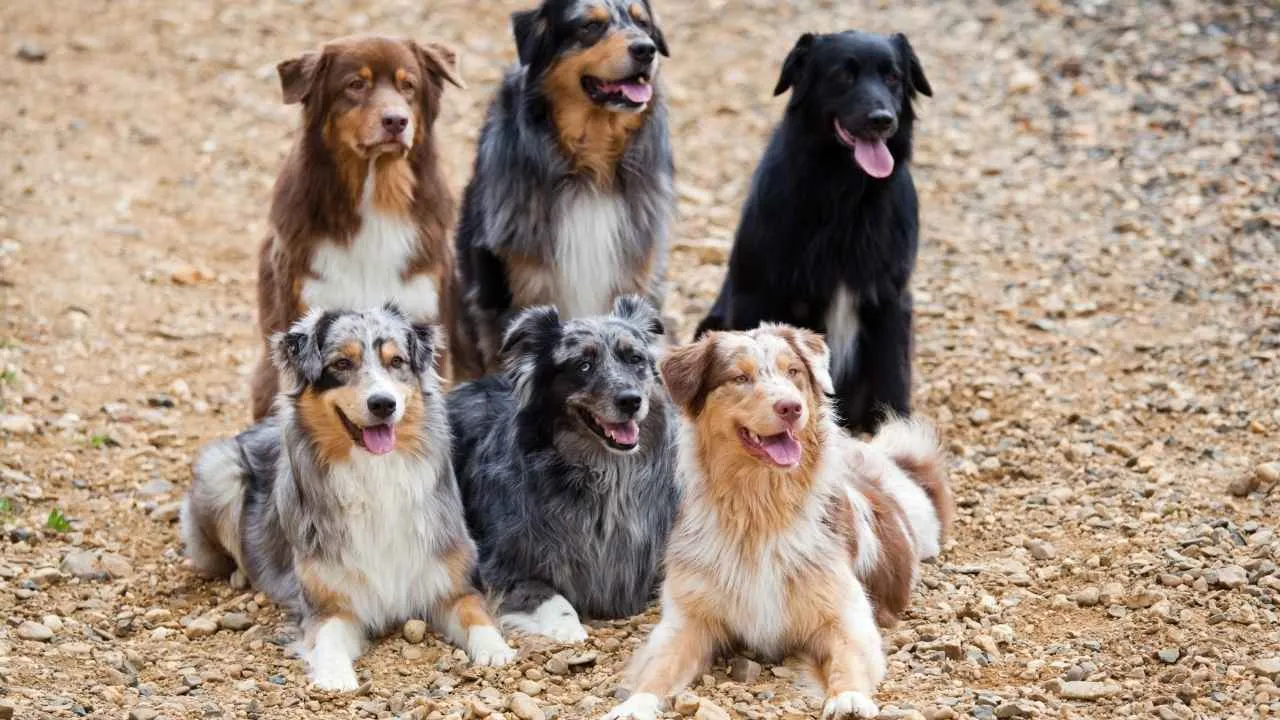
Australian Shepherds love to work, learn, and move. Australian Shepherds are classic herding dogs at heart, and that “let’s do something” vibe never really turns off.
Originally bred to help on farms, they still have that quick response and sharp awareness. On a wild path, that can look like constant scanning and fast decisions.
Sounds crazy, right? A dog that notices everything can be perfect for the great outdoors. These dogs often stay close, check your face for cues, and match your speed.
They also do well when the day includes more than walking, like scrambling, crossing streams, and climbing over logs. They are athletic dogs with a playful spark, so the mood stays fun even when the climb is not.
They also enjoy dog sports, and that cross-training helps a lot outside. The key is giving the brain a job. A bored Aussie will invent one, and you may not love the result.
Teach simple trail tasks like “behind,” “heel,” and “touch.” Keep the sessions short and upbeat. With that, the dog becomes one of the best hiking dog breeds for people who want energy plus teamwork.
Small things that help Aussies stay steady
Practice recall before heading into open areas
Offer puzzle snacks at camp for mental stimulation
Keep coat checks quick after the bushes and the grass
Plan rest stops so both you and the dog recover
4. Bernese Mountain Dog
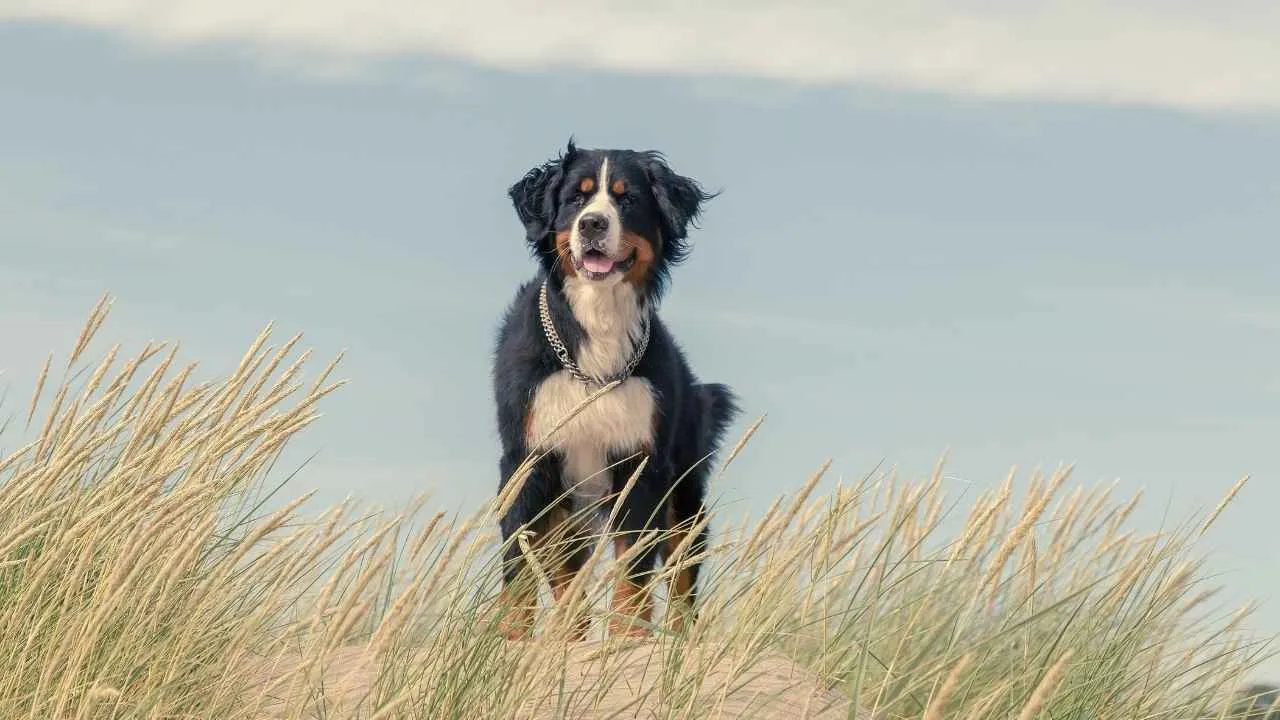
The Bernese Mountain Dog brings calm strength to wild places. This is a true mountain dog with a big heart and a steady way of moving.
Originally used for drafting and farm work in the Swiss Alps, this working dog knows how to keep going when the day is long. The build is powerful, and the vibe is friendly.
And here’s the best part! The Bernese Mountain Dog often has a gentle personality that makes trips feel warmer. Some big dogs look tough but act unsure in new places.
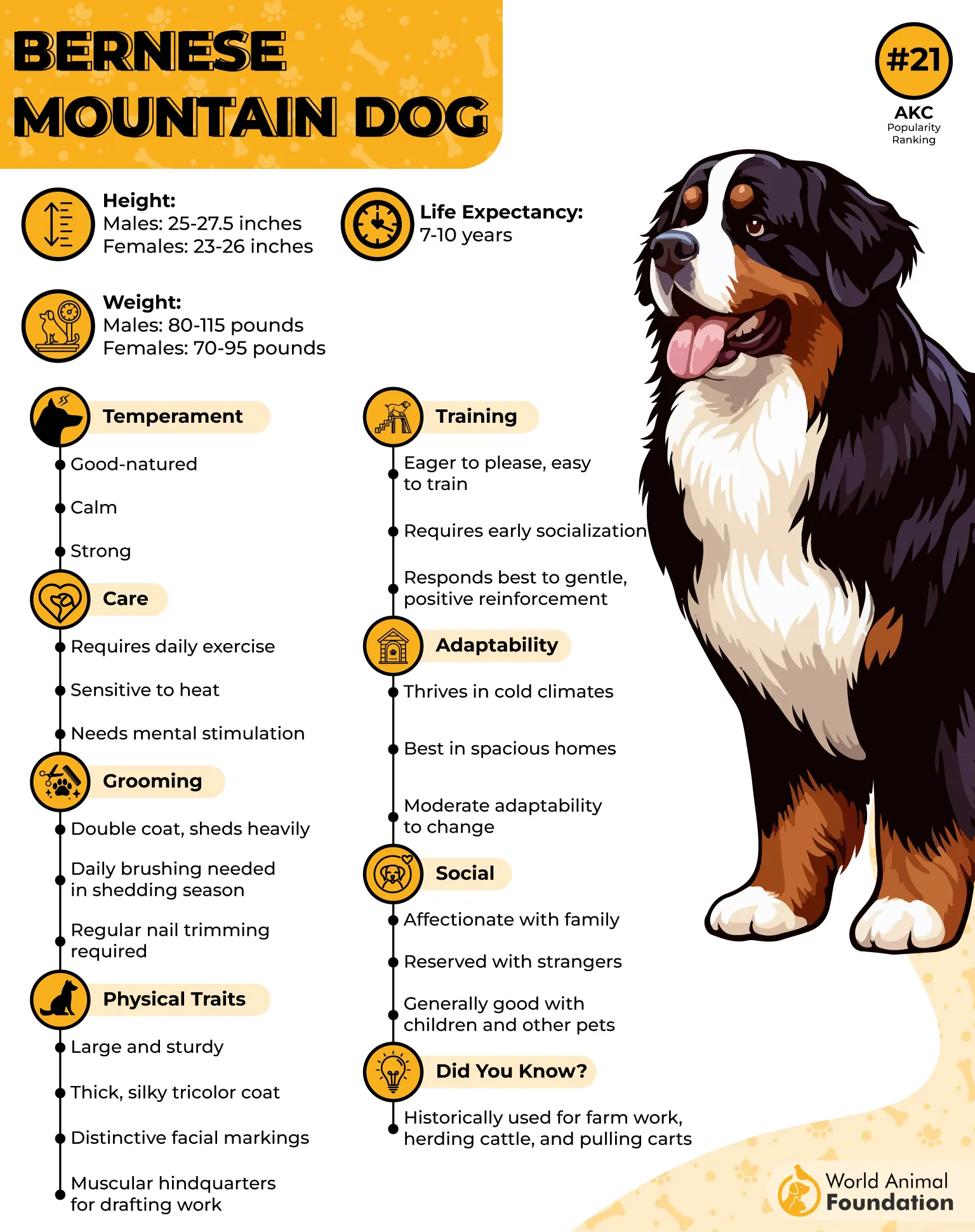
This one usually meets the world with quiet confidence and a sweet nature. That matters on busy trails, at camp, and around new people.
Heat is the main watch-out. This breed does best in cooler climates, and long summer walks can be too much. Pick early mornings, shady routes, and plenty of water.
Also, start slow with young dogs because joints need time to develop. With smart pacing, this mountain dog becomes one of the best dog breeds for hikers who want strength, softness, and a steady presence.
Notes that make Bernese trips safer
Choose cooler days and avoid harsh sun
Carry extra water and take shade breaks
Brush often to manage that thick coat
Look for a reputable breeder to support a healthy structure
5. Siberian Husky
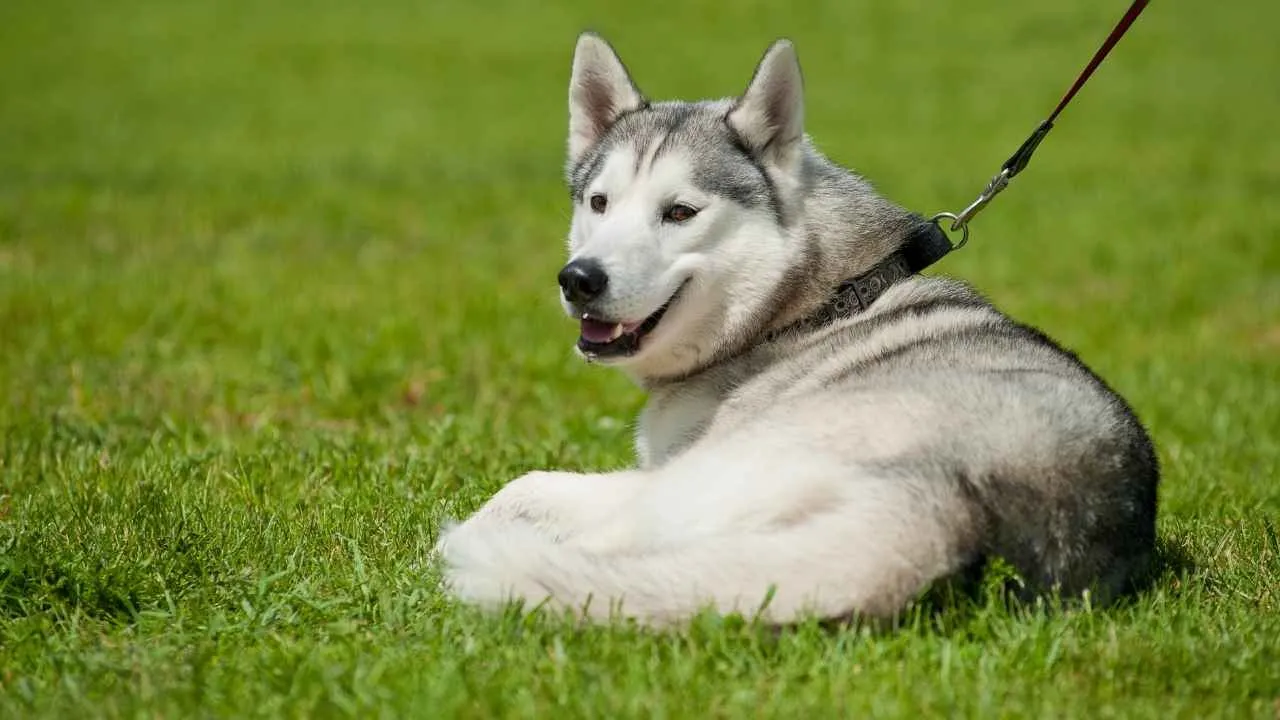
A Siberian Husky was made for distance. The Siberian Husky was originally bred to pull sleds across harsh land, and that history still shows up in every eager step.
This dog has a lively spirit and loves to run. Cold climates feel like home, and snow can turn a normal walk into pure joy. It gets even worse, though, if the leash skills are weak. Huskies can bolt, chase, and follow scent trails like they have a meeting to attend.
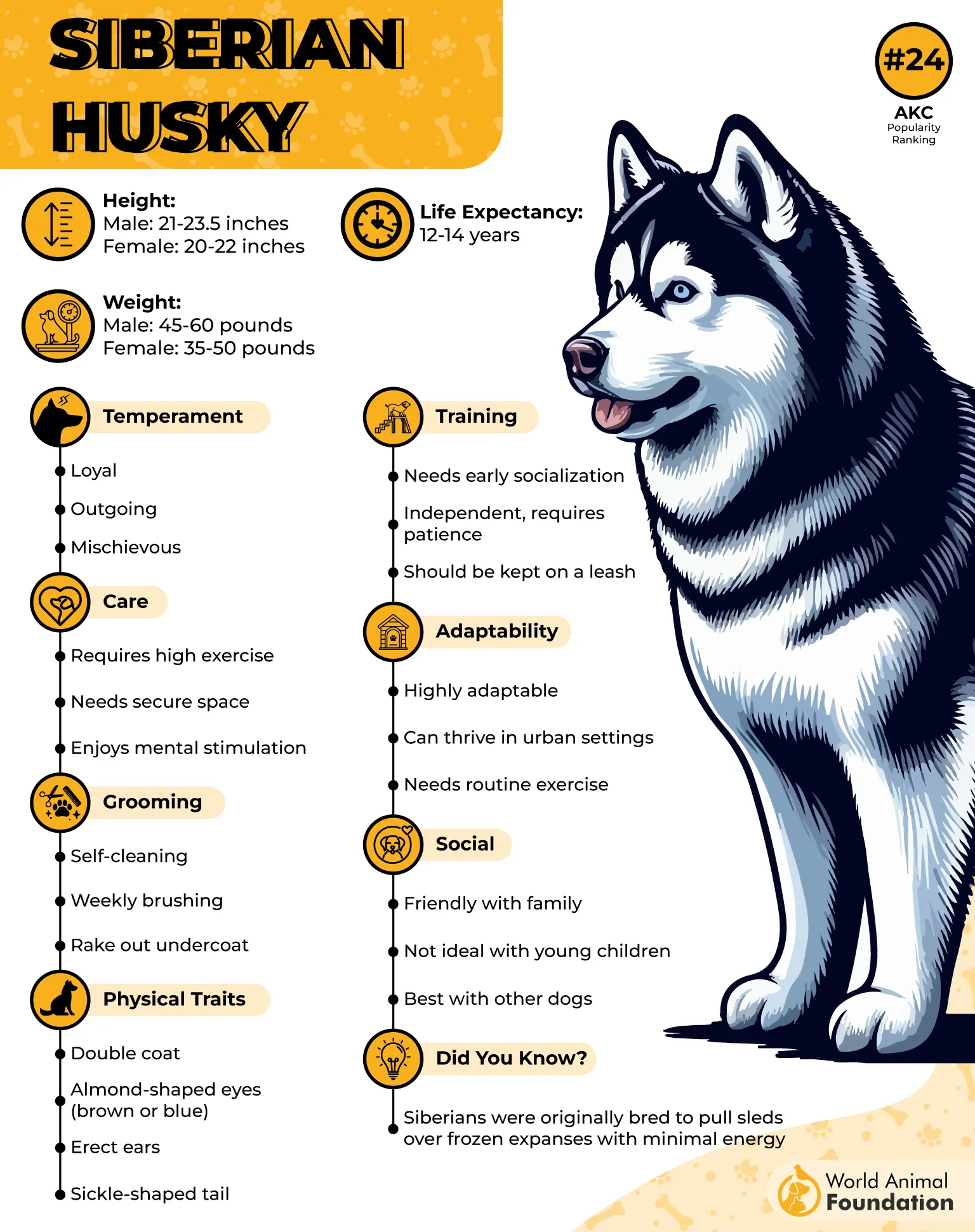
That’s why training is not optional. A strong recall and a solid harness routine keep the trip safe. Once that is in place, hiking dogs like this can handle long hours with energy to spare.
This breed often has a thick double coat that helps in cold temperatures. That coat also means extra care after mud, snow, or icy water. Watch paws for ice balls and check skin for rub spots from gear.
When the plan includes long hikes in cold weather, this dog can be a joyful, steady hiking partner who makes winter feel like a party.
Husky-friendly wilderness tips
Use a secure harness and practice calm starts
Pack paw balm for snow and ice
Offer breaks for water even in the cold
Keep campsites tidy because curiosity is real
6. Rhodesian Ridgeback
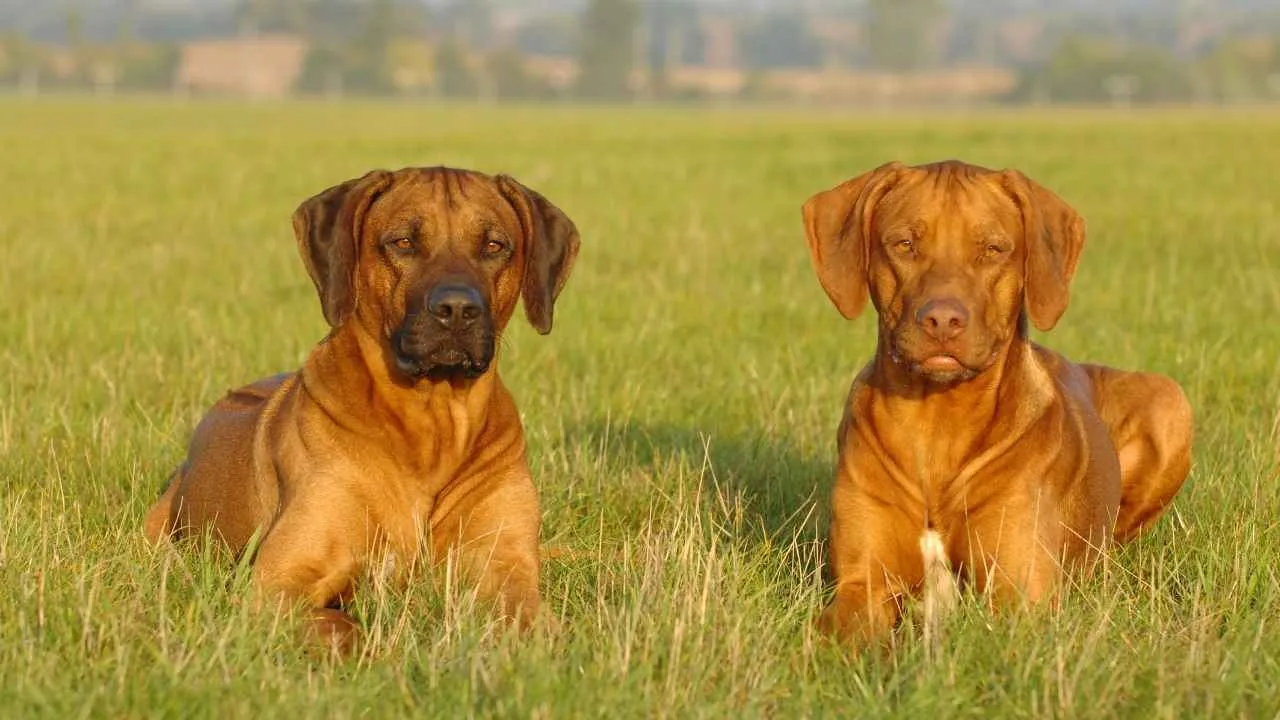
The Rhodesian Ridgeback has a bold, steady style. This dog comes from Africa and was used to hunt large game over long distances.
That history created a body that can move for hours and a mind that can stay calm while doing it. The ridgeback often looks dignified, but the love for action is there.
Here’s the good part. This breed can be affectionate with family while staying reserved with strangers. That balance can feel perfect in the wilderness.
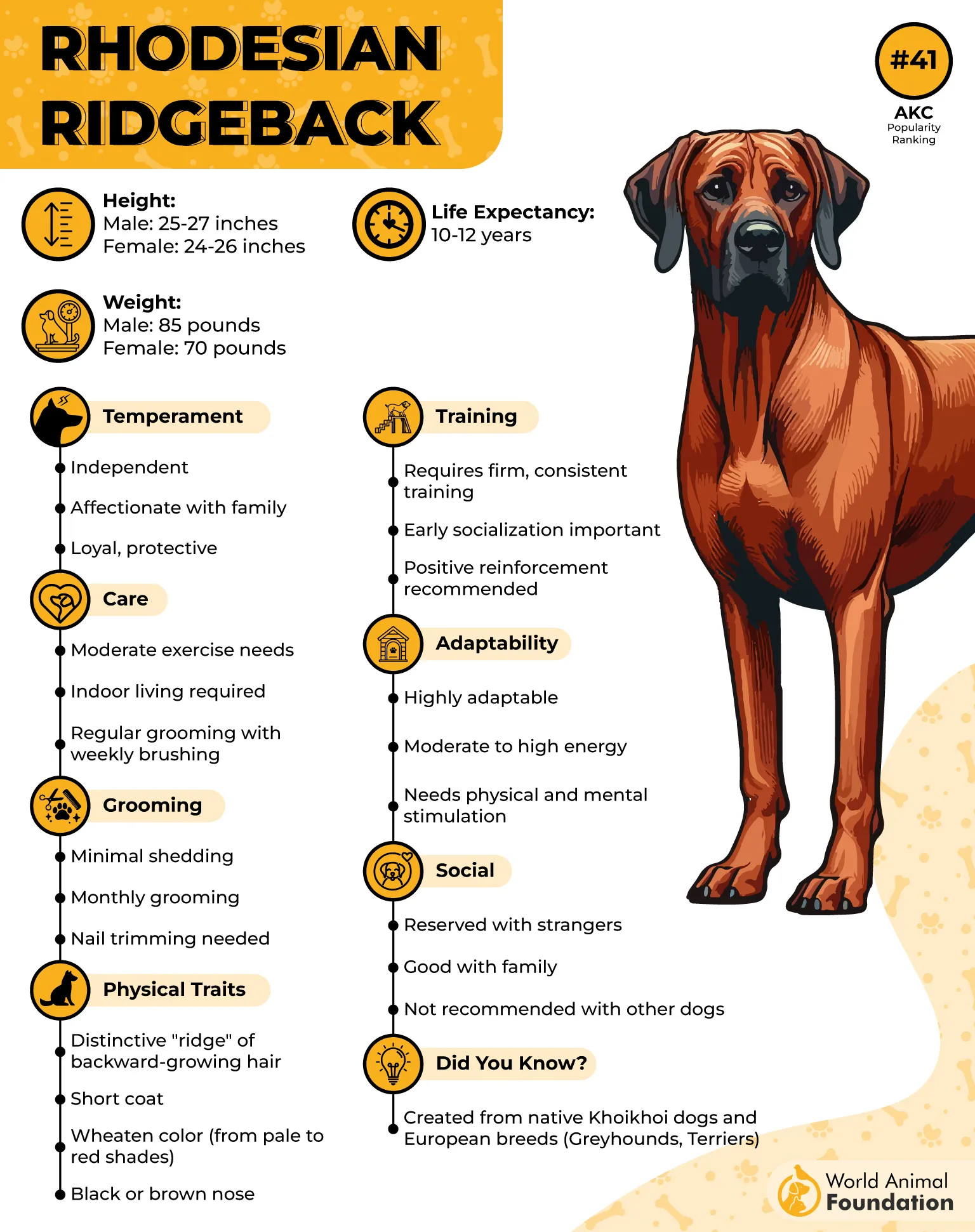
The dog is not always trying to greet everyone. Instead, it tends to stay tuned to its people and the path ahead. That can make the trip smoother when the trail gets crowded.
Warm weather tolerance is often better than that of many thick-coated breeds, but hydration still matters a lot. The ridgeback can push hard, so plan water stops and watch for overheating.
Clear rules help, too, because this dog can be independent. With steady practice and respect, this breed becomes one of those great trail partners for very active homes.
Ridgeback traits that matter outside
Strong endurance for long days
Calm vibe helps at camp
Needs firm, kind boundaries
Best with structured outdoor activities
7. Vizsla
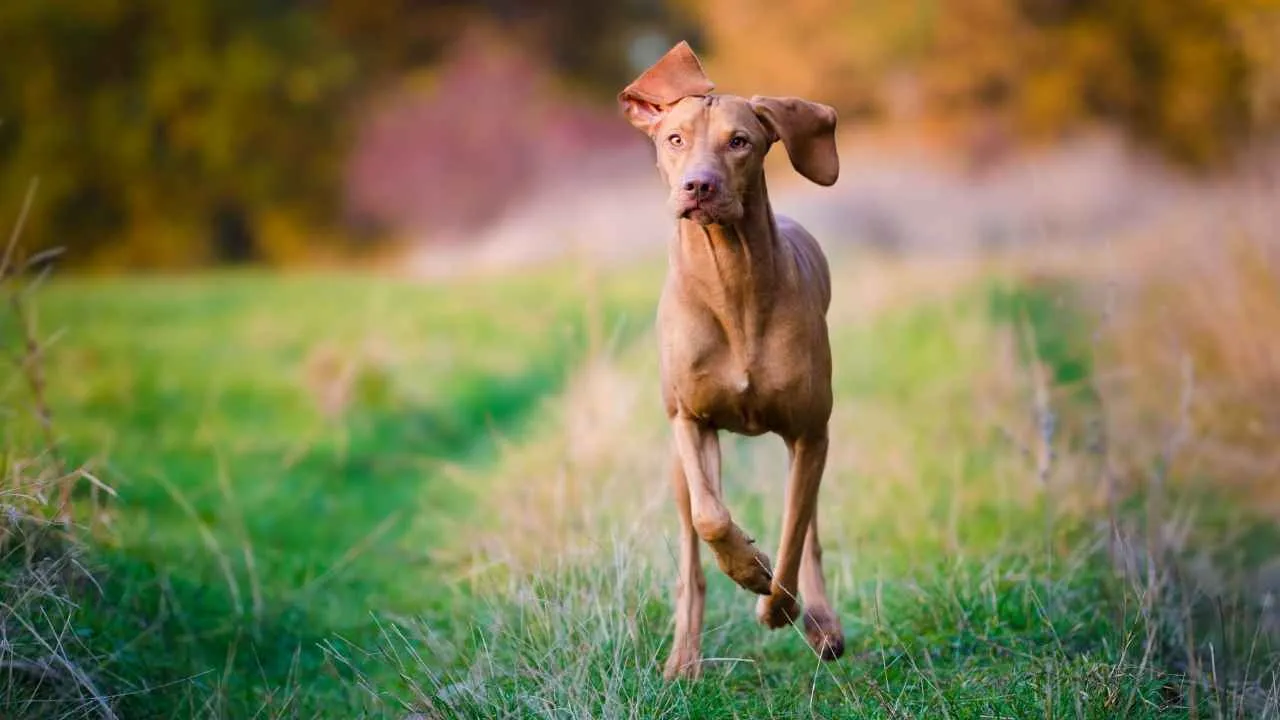
Vizslas are built for motion and closeness. This Hungarian hunting dog still works in the field today, and that drive shows in daily life. The body is light, fast, and ready to go.
On rugged terrain, the Vizsla often moves with smooth, clean steps and keeps a strong pace without looking clumsy.
But why bother with that? Because a dog that loves exercise can keep you consistent, even on days you feel lazy. Vizslas often thrive when hikes become a routine, not a rare event.
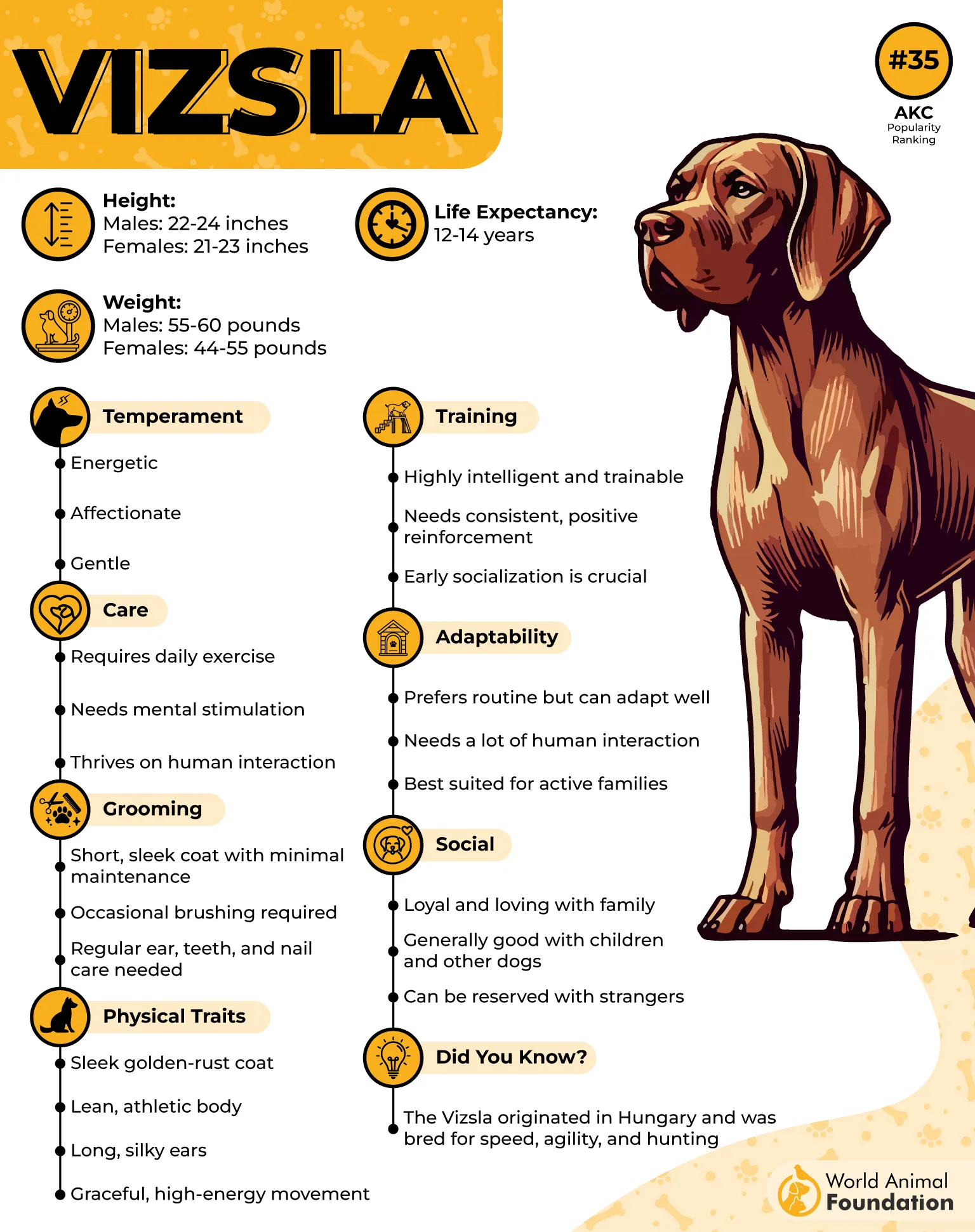
As per PetMD, they are affectionate, friendly, and eager to please, so teamwork comes naturally. Still, they can get anxious if left without enough action.
This breed can be great for moderate hikes that build up over time. They do not usually love extreme cold, so extra layers and shorter breaks in winter can help.
A quick wipe-down after dust or mud is often enough, which can feel like minimal grooming compared to heavier-coated dogs. With planning, this dog can be one of the most ideal companions for active weekends.
Quick Vizsla notes for happy trails
Keep a steady pace and add rest breaks
Practice recall around birds and squirrels
Bring a light jacket for chilly mornings
Offer short games at camp to burn energy
8. Alaskan Malamute
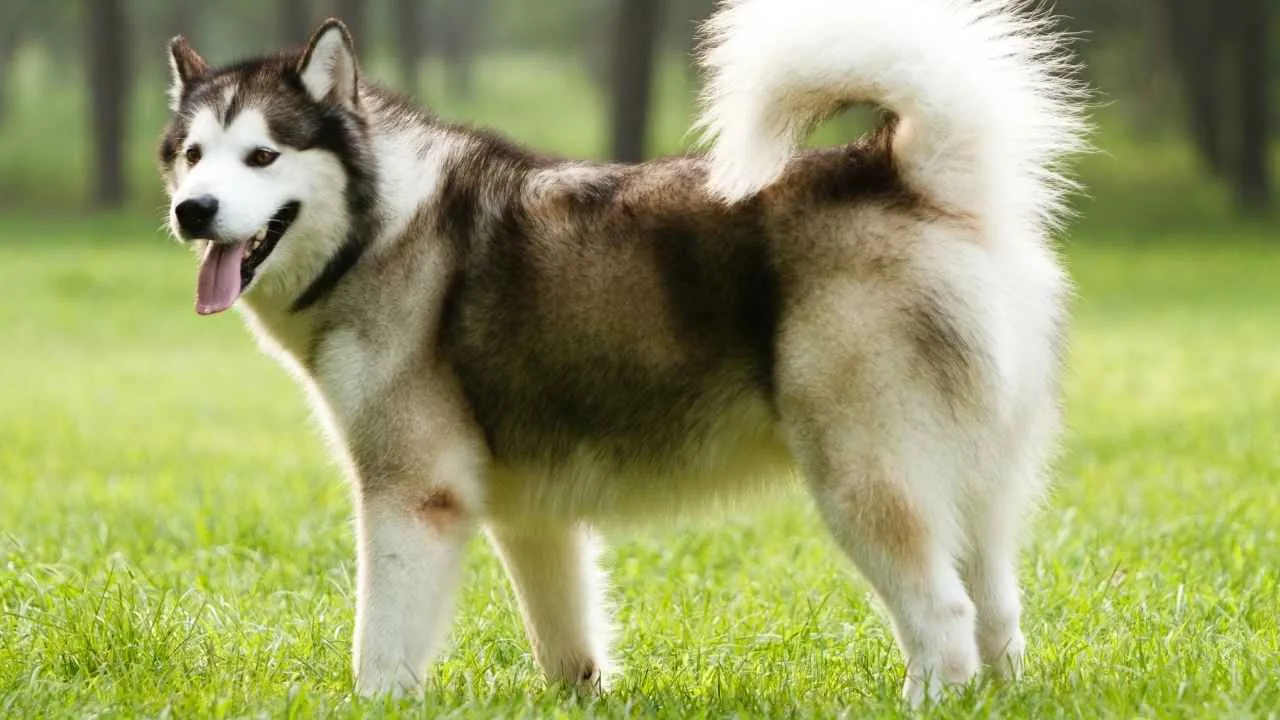
The Alaskan Malamute is all about power and endurance. This working dog was bred for hauling, not sprinting, and that slow-and-strong build fits wilderness travel well.
The Malamute can handle distance, carry strength through the day, and keep moving even when the climb feels endless.
But wait, there’s more! This breed often loves cold weather and gets excited in the snow. A double coat and thick fur help with winter trips, and that makes the dog a strong match for frosty routes.
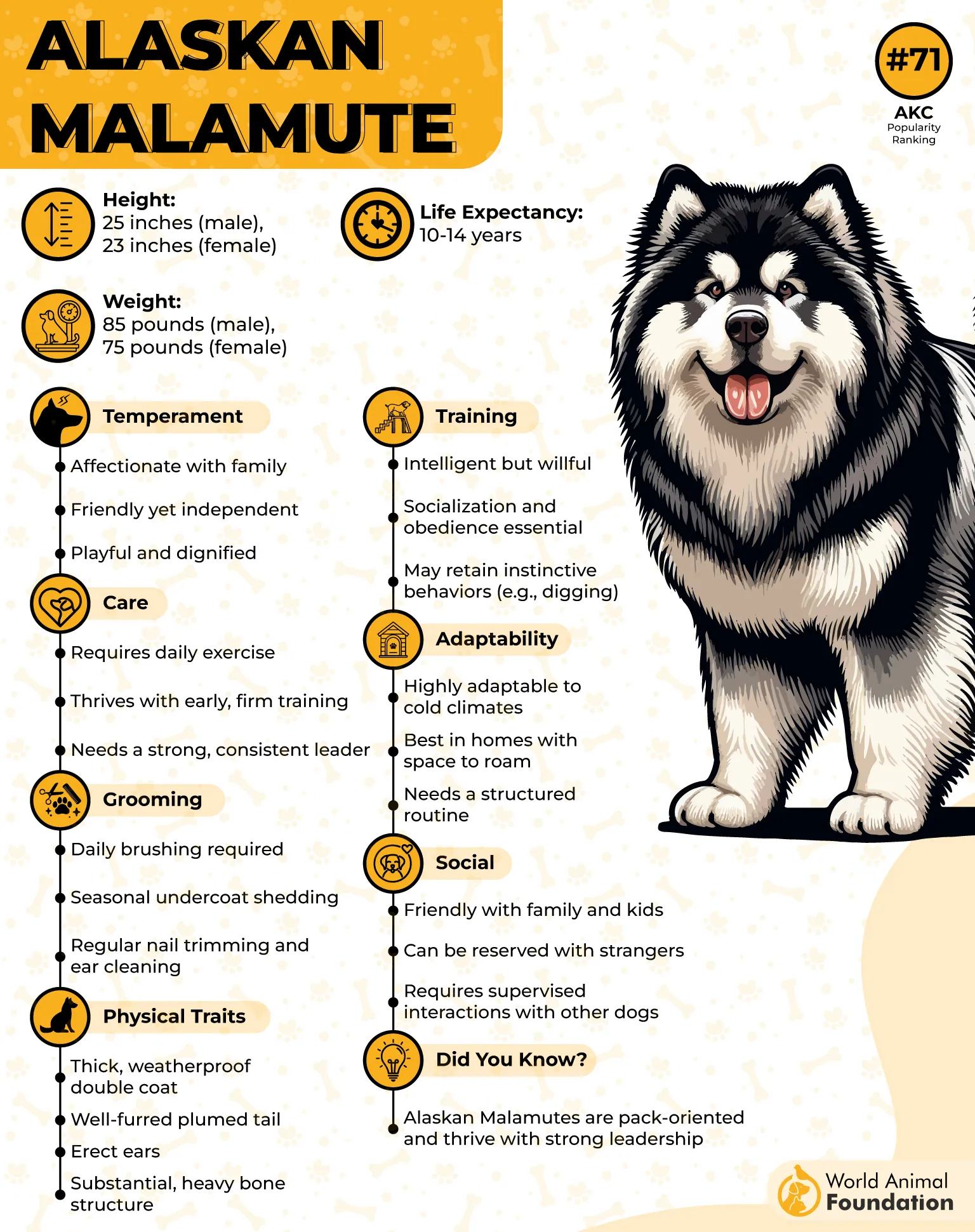
They were bred to pull sleds over long distances, so steady effort is their thing. That also means the dog may try to lean into the harness and move forward hard.
Training should focus on control, calm starts, and polite passing on narrow paths. Because this breed is strong, leash habits matter more than ever.
Also, watch the heat and avoid hot afternoons. When the weather is right, the Alaskan Malamute can be one of those hiking partner choices that makes winter feel like the best season of the year.
Malamute must-knows before heading out
Practice loose leash walking early
Plan trips for snow or cool air
Carry extra water because the effort is high
Brush often to keep the coat healthy and clean
9. Weimaraner
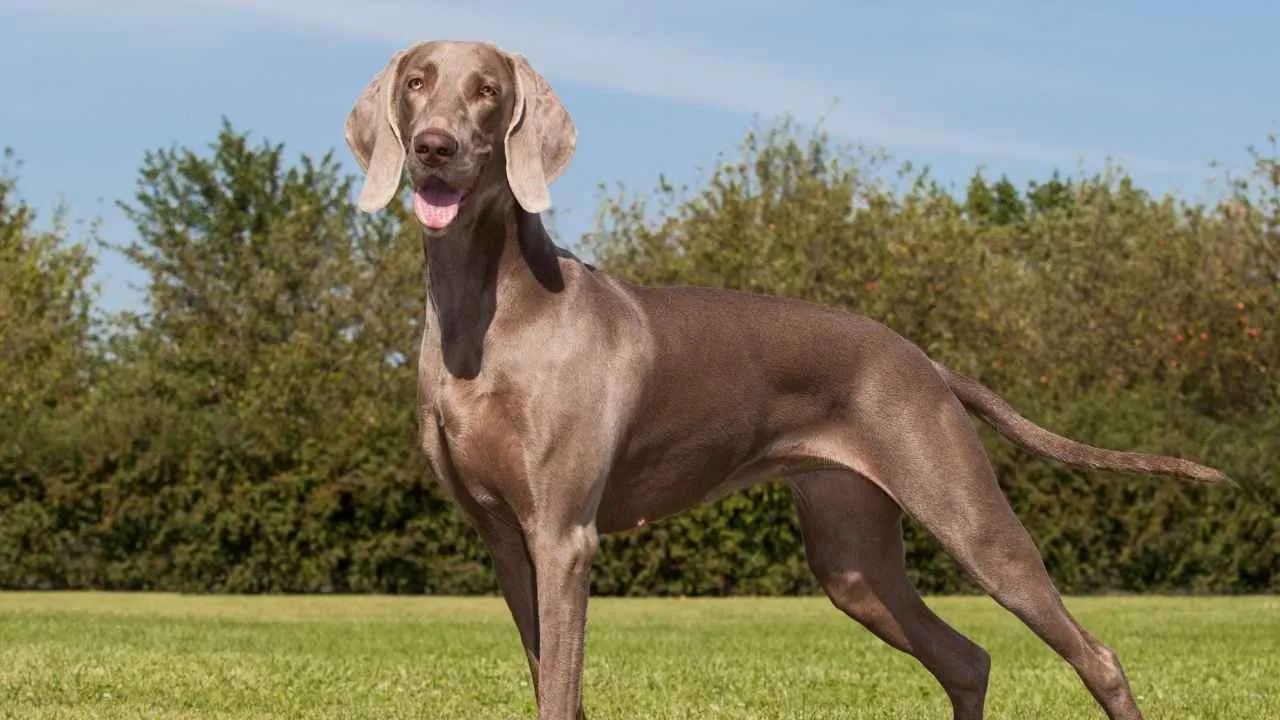
The Weimaraner is a sleek athlete with a huge need to move. Bred in Germany as a sportsman’s companion, this dog loves action and purpose. It is not a couch ornament. It is a “what are we doing next?” kind of dog, and that fits a hiking plan really well.
Here’s the good part. Many Weimaraners are known as velcro dogs because they stick close. That closeness can feel amazing on lonely trails. The dog often checks in, stays near, and acts like your shadow with paws.
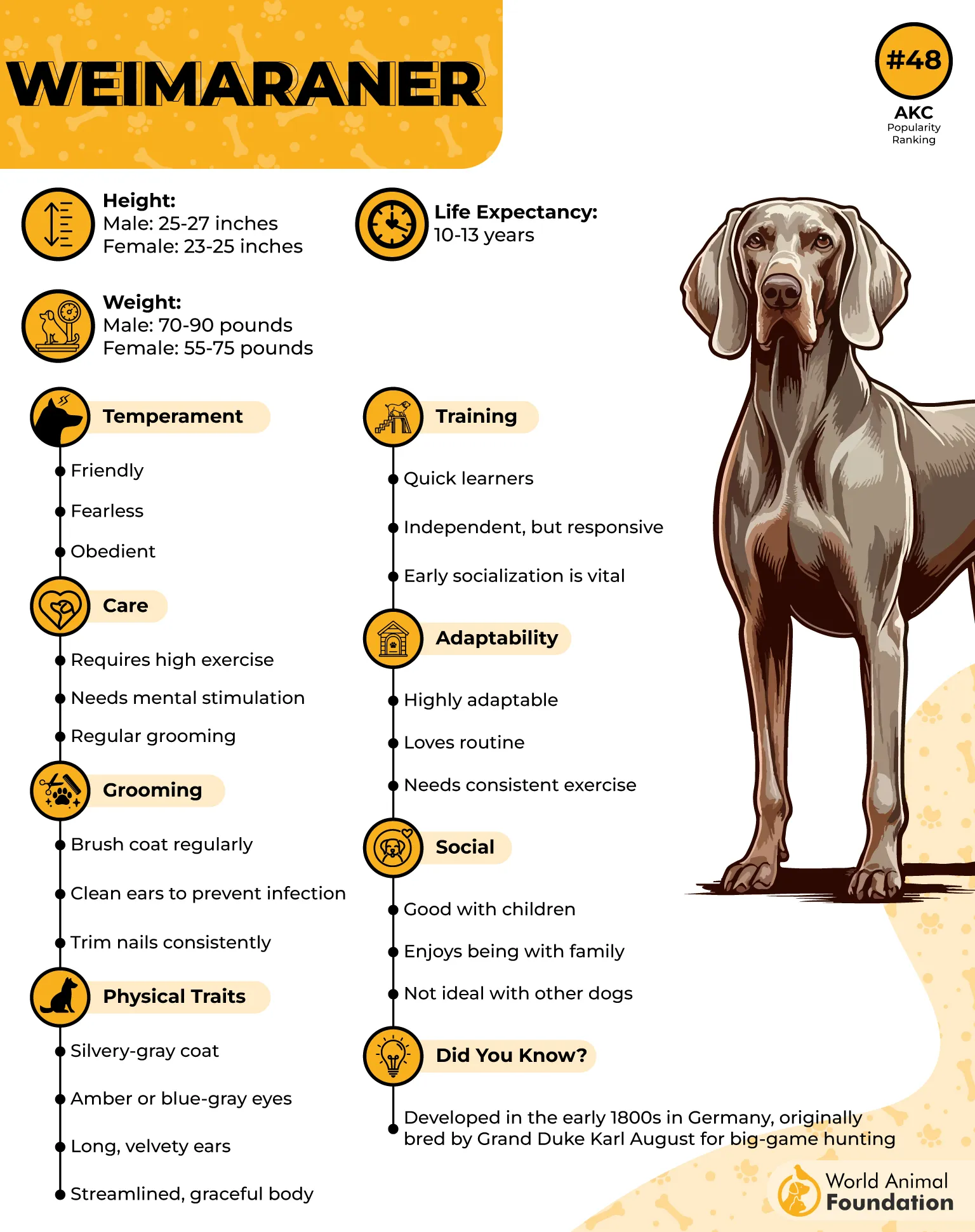
That can help pet owners who want a dog that does not wander far. Still, that attachment means the dog needs attention and structure.
Daily exercise is a must, and trail time can be the highlight. This breed can go hard, so build stamina slowly and protect joints with smart pacing. Give the dog clear tasks, like waiting at crossings or walking behind on narrow paths.
With routine and care, individual dogs of this breed can become wonderful companions for people who want a loyal hiking partner that never gets bored.
Easy ways to keep a Weimaraner balanced
Mix walks, runs, and trail days for variety
Use scent games at camp for brain work
Keep nails trimmed for grip on rock
Train calm greetings because excitement is real
Conclusion
Picking hiking dogs for wilderness trips is about more than looks. It is about fit. The best dog breeds for expeditions handle stress, stay steady, and enjoy the work.
Some dog breeds shine with speed and sharp thinking. Others bring strength, calm, or pure endurance. Such dogs can make outdoor adventures feel safer and more joyful.
Before bringing one home, think about time, space, and training. A good hiking dog needs routine, care, and patience. Talk with a reputable breeder when needed, and plan for the daily effort. Then take that first trip, start small, and build up.
The right dog will turn ordinary weekends into stories worth repeating, and you might never hike alone again.
