




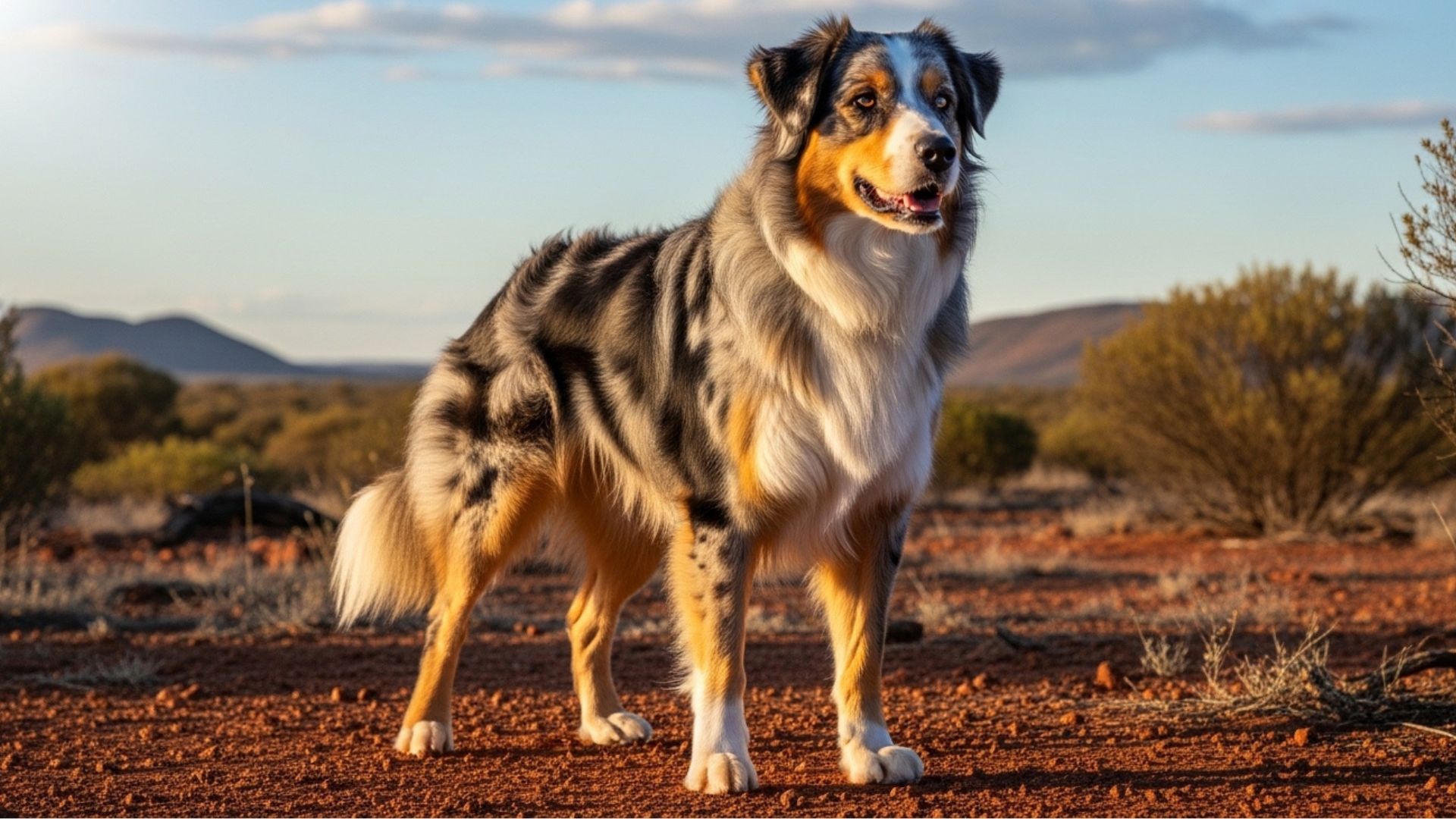
Meet the dogs built for tough days and big adventures.
Some dogs look sturdy. Others live sturdy. These powerful dog breeds were originally bred for work, weather, and long hours on their paws. They have a muscular body, serious drive, and that “let’s go” attitude that never quits.
But here’s the good part. Muscle power is not just about size. It shows up in stamina, steady focus, and the way a dog handles hard tasks with calm pride.
And here’s the best part! With the right home, these strong dogs can also be sweet and deeply connected to their people. Many pet parents fall for that mix of grit and heart.
This blog will break down 7 rugged breeds, what makes each one special, and how to keep their strength pointed in the right direction.
Rugged Dog Breeds That Pack Serious Muscle Power
1. Australian Shepherd
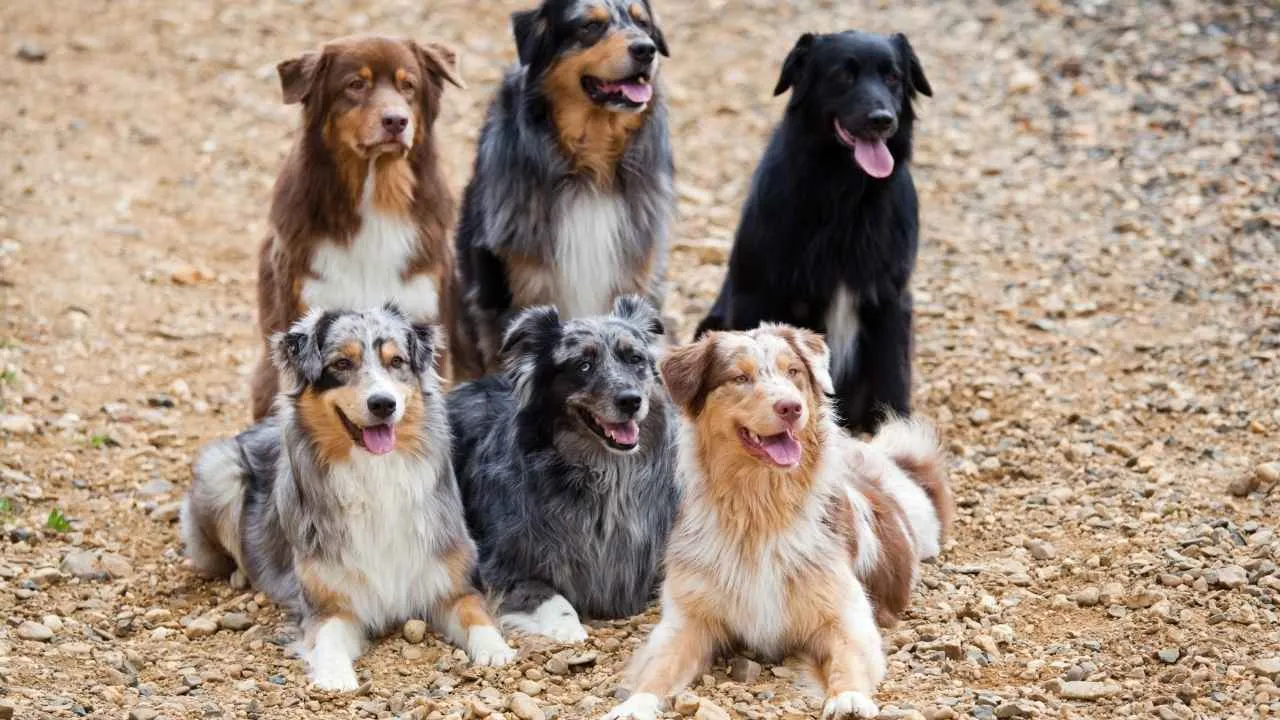
Bite Force: 235 PSI
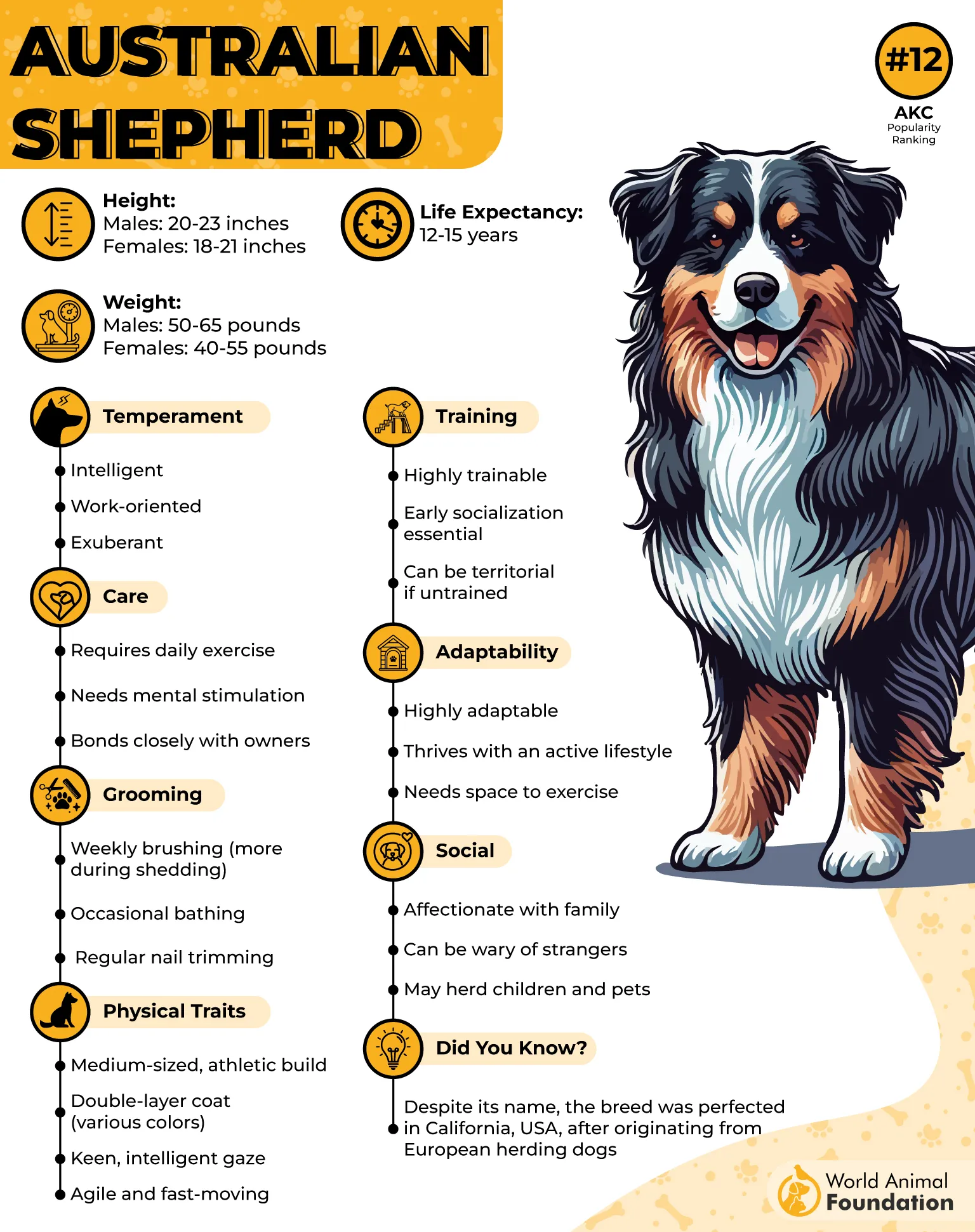
The Australian Shepherd is a muscular breed with a busy brain. According to AKC, this breed was originally bred in the United States during the Gold Rush era. It is often linked to the Pyrenean Shepherd, a herding dog from the Pyrenean Mountains.
That working background shows up fast. These dogs move with purpose. They watch everything. They do not just run. They “work” the space around them.

This is one of those dog breeds that dogs thrive with when life has a plan. Long outdoor time is a big deal for this breed. They were shaped for country living and steady work. That is why they are known as farm dogs in real life, not just on paper.
They can herd cattle with quick turns and bold confidence. They can also be escape artists if the yard is boring or the fence is weak. Sounds crazy, right? It is not rebellion. It is energy looking for a job.
But why bother with that job stuff today? Because mental stimulation is the key to their best self. A tired body helps, but a tired mind helps more. Consistent training and early socialization keep the dog focused and polite around new people, animals, and noise.
With proper training, this breed can be one of the strongest dog breeds in spirit, not just muscle. They often live 12 to 15 years, so the daily routine matters.
Important Note:
Mental stimulation matters as much as physical play.
Consistent training prevents bad habits from turning into a lifestyle.
Give safe space to run, but keep rules clear.
Practice calm greetings so excitement stays friendly.
Keep gates locked, since some dogs become clever door testers.
2. Bernese Mountain Dog
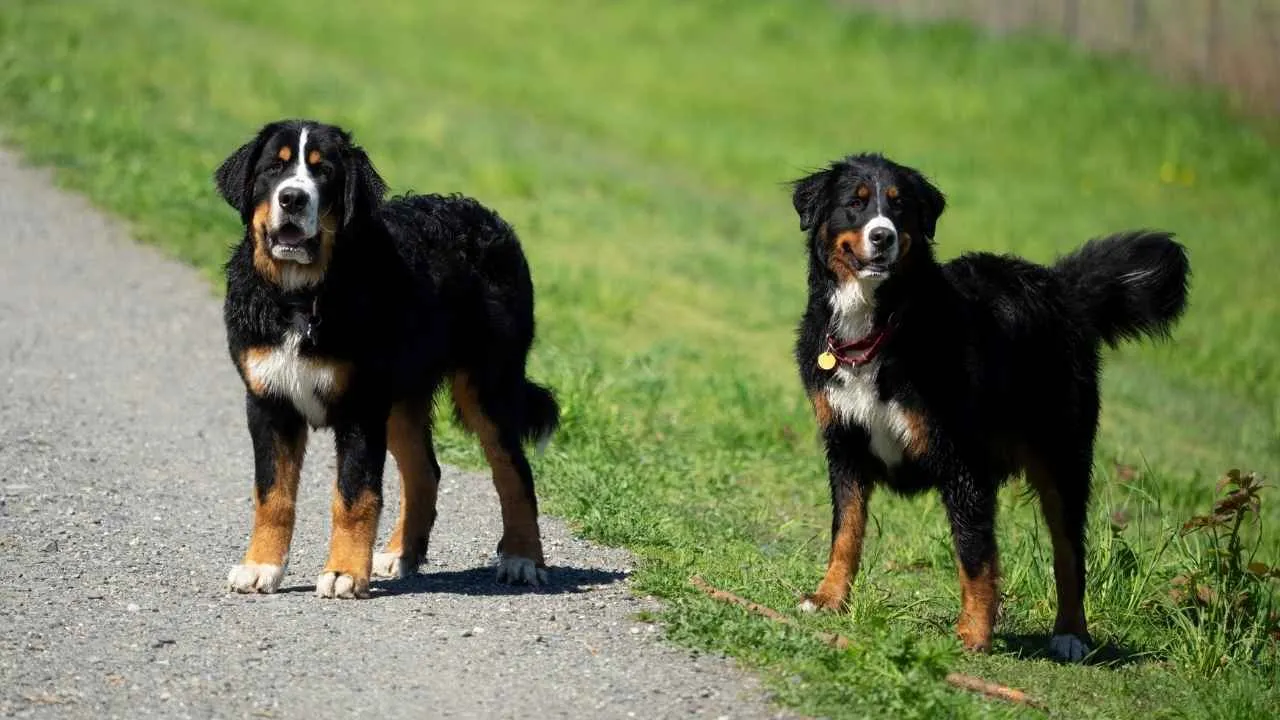
Bite Force: 200–250 PSI
The Bernese Mountain Dog is a rugged breed with a gentle heart. The name says a lot. This massive dog is made for outdoor living and steady activity.
These are big dogs with a calm demeanor when they feel safe and included. They also have a strong need to be near their people. That mix can feel adorable and intense at the same time.
This breed has a people-pleasing style that makes life smoother. Still, it is not a couch ornament. This is one of those muscular dog breeds that want daily movement. A secure yard helps, but walks and simple tasks help more.
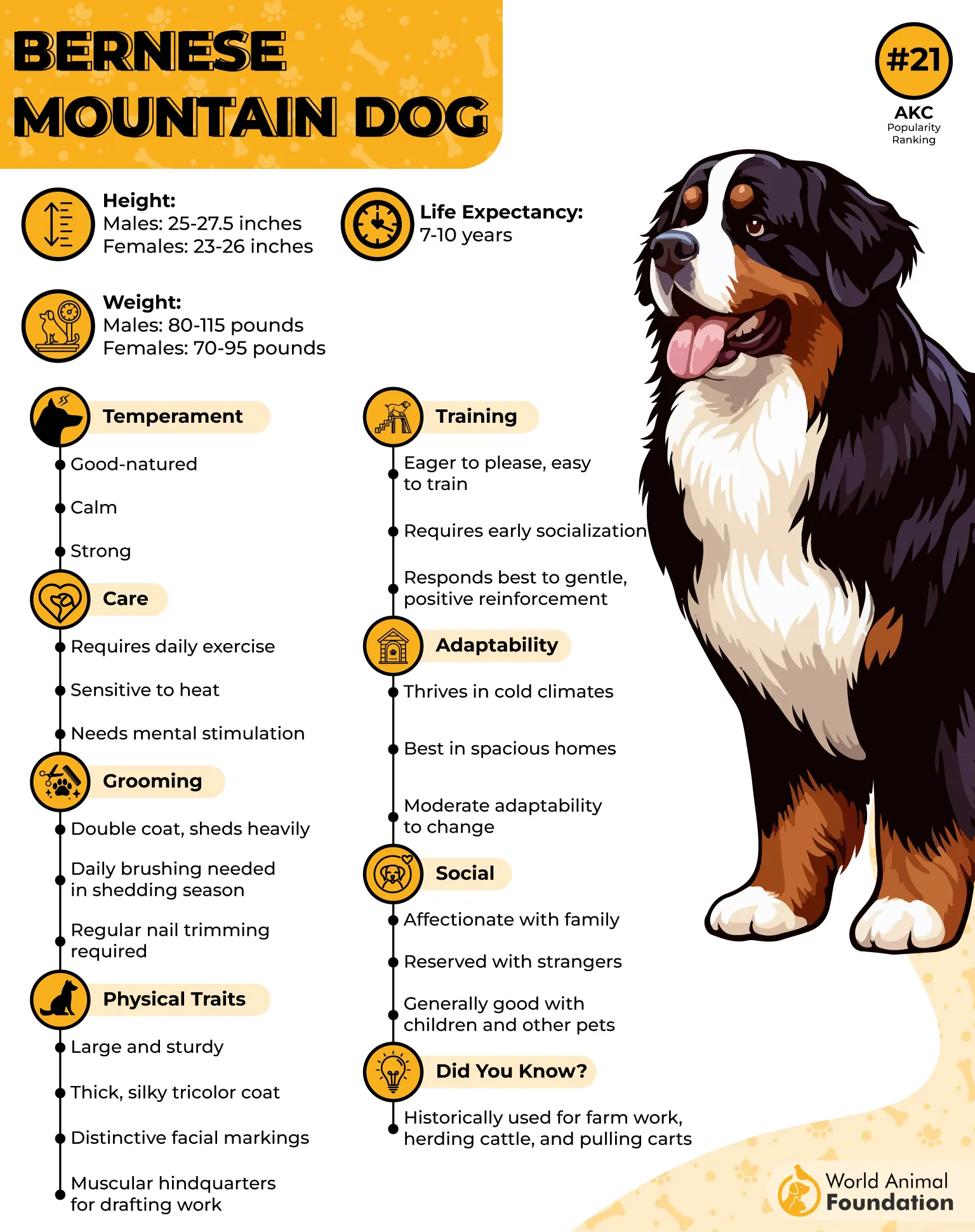
They can be strong dogs with real pulling power, and their frame supports that. A fun trick is a fitted backpack on safe walks. It can add light resistance and support a muscular build over time. But wait, there’s more! They often enjoy having a “job,” even if that job is carrying a water bottle.
One important note is digging. Some dogs in this breed dig like it is a hobby. If the yard matters, plan for it. Add a digging spot, or redirect with games and light obedience training.
This is not about harsh rules. It is about appropriate training that stays kind and steady. With the right rhythm, these dogs can be gentle giants at home and solid guard dogs in spirit, even without acting scary.
Important Note:
Secure the yard, since digging can be a real habit.
Use simple tasks to keep the breed happy.
Keep routines steady to support a calm home vibe.
Add light carry work only when the dog is healthy.
Short training sessions work better than long, boring ones.
3. Greater Swiss Mountain Dog
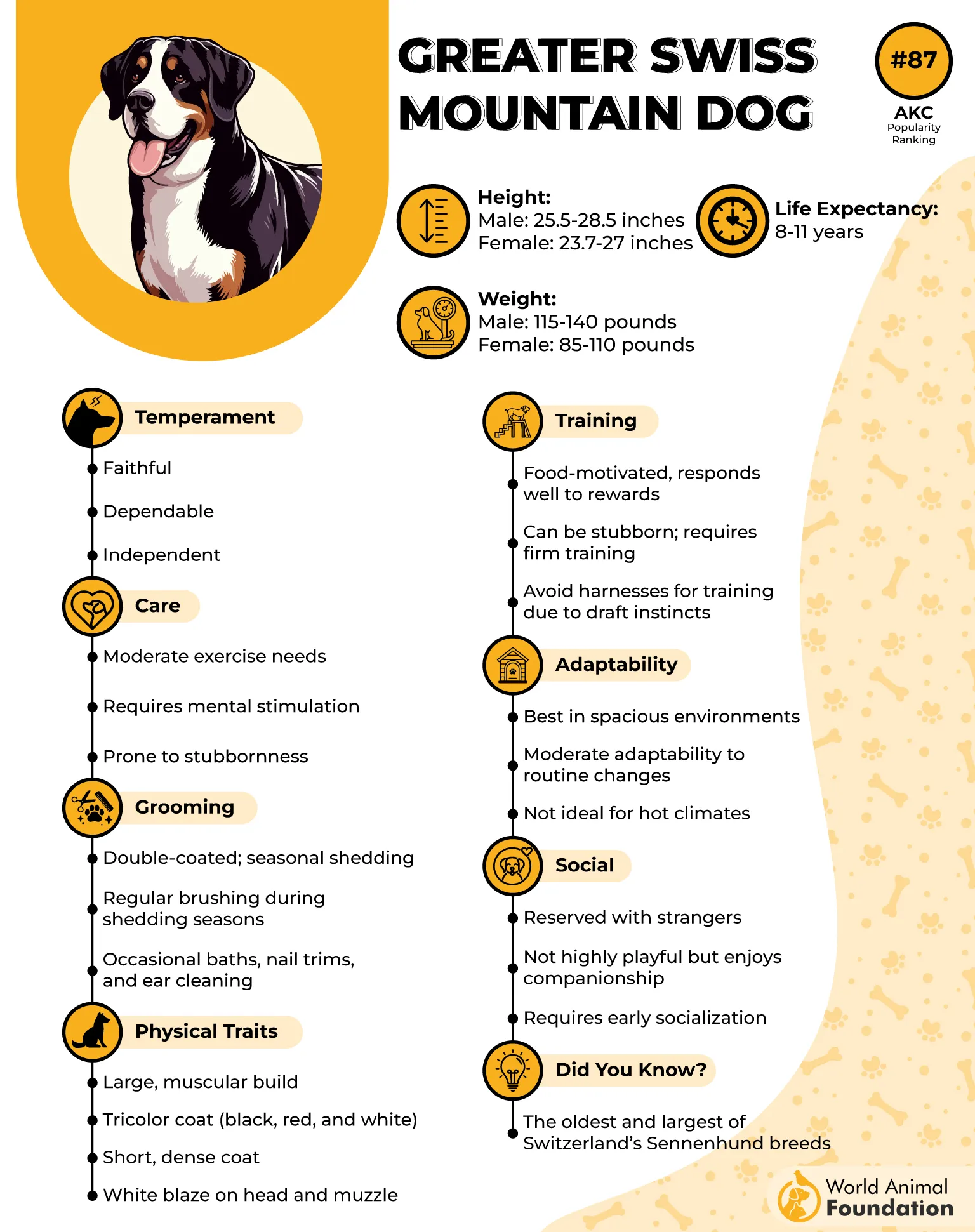
Bite Force: 200–300 PSI
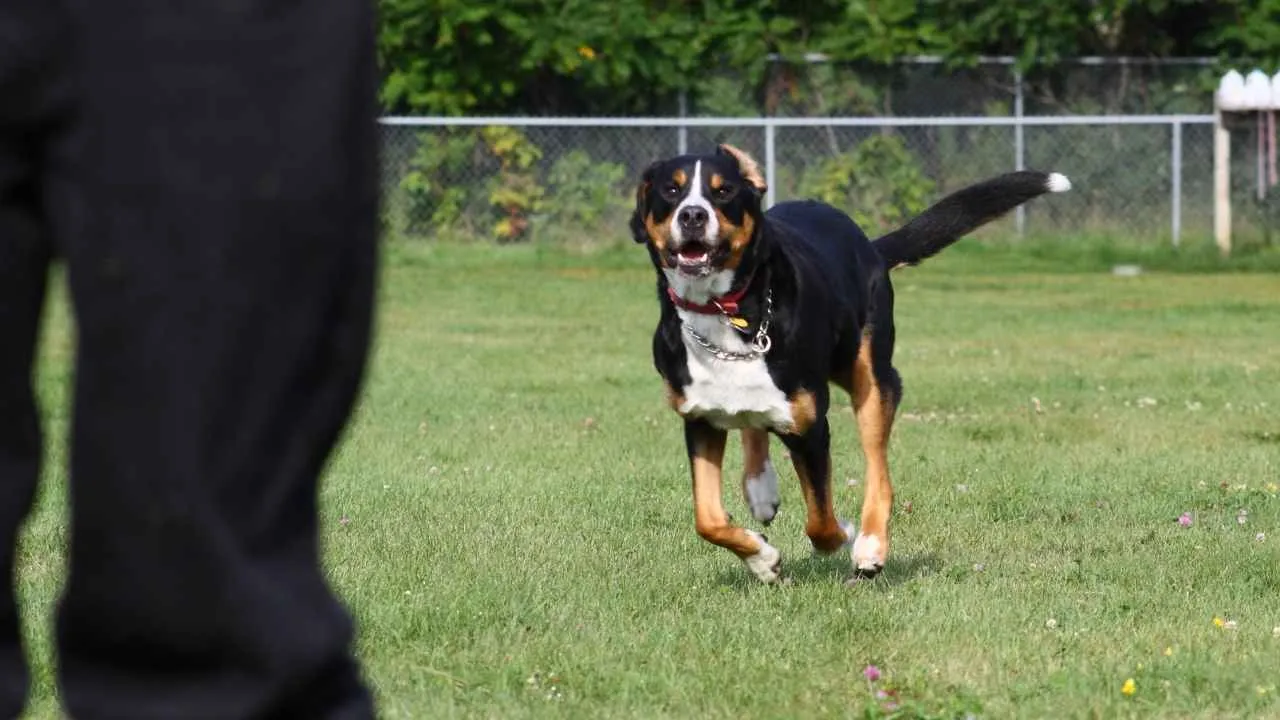
The Greater Swiss Mountain Dog, often called the Swissy, is built like a tank. PetMD notes that this is one of the strongest dog breeds when it comes to real-world work energy.
The breed originated in the Swiss Alps, and it shows. Cold days feel like a gift to this dog. The chest is broad. The stance is confident. The tough appearance is not an act.
This breed is famous for pulling jobs. It can happily pull a cart, and it can pull sleds in the right setting. That pulling instinct is part of its story as a working dog. When people talk about incredible strength, this is the kind of dog they picture.
But strength needs direction. Consistent training helps this breed stay polite and safe in daily life. Without it, that power can turn into dragging, jumping, and stubborn choices.
Here’s the good part. The Swissy often bonds deeply with its people and can be incredibly loyal. It can also have protective instincts, so calm leadership matters. This is not a breed for random chaos and mixed signals.
It does best with an experienced pet parent who enjoys structure. Hot weather is the real challenge. In summer, watch for heat stress and give shade and water. When kept cool and busy, this muscular dog can be a steady partner for hikes, outdoor chores, and long weekends.
Important Note:
Heat can be hard on this breed, so plan summer time carefully.
Give controlled pulling tasks, not wild tugging games.
Clear rules support safety with a powerful breed.
Short drills plus walks create better habits than endless play.
Praise calm choices to shape good manners
4. Samoyed
Bite Force: 235 PSI
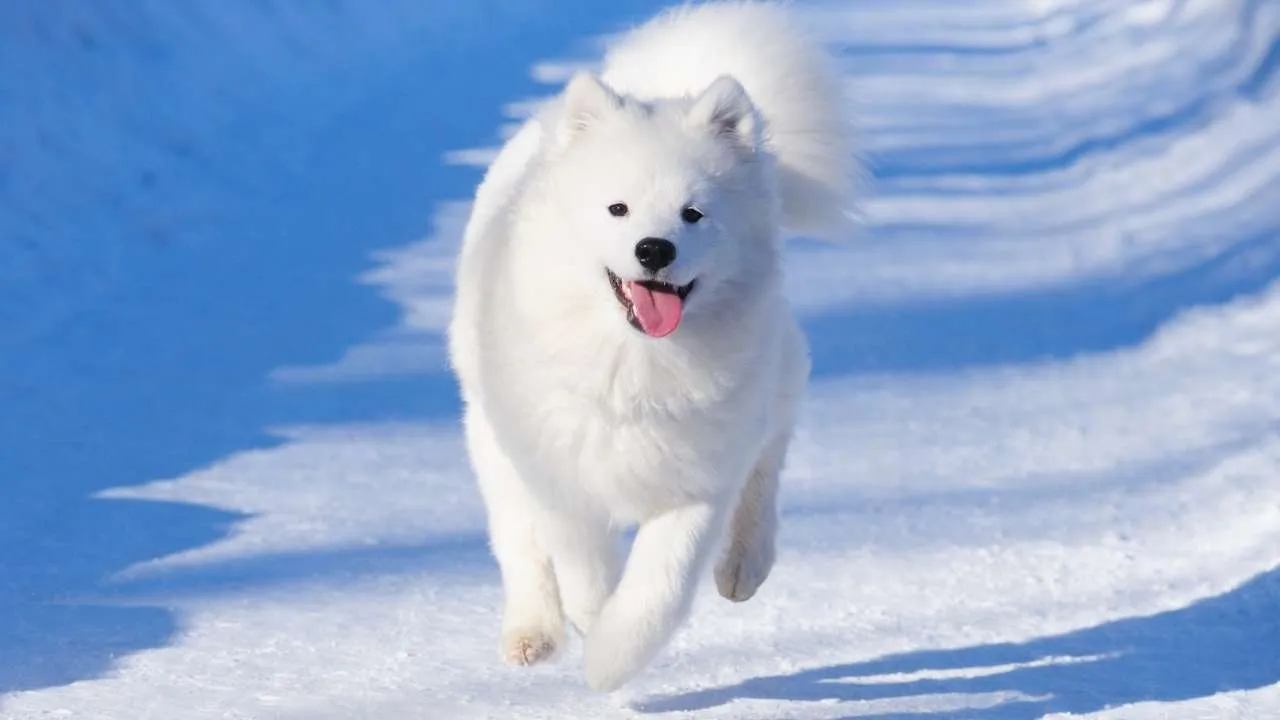
The Samoyed, also called the Sammie, is famous for its bright face and thick fur. Under that fluff is a muscular dog with serious working history. This breed hails from Siberia and has worked alongside humans for centuries.
It was valued for herding, guarding, and staying steady in brutal weather. It also helped people travel, hunt, and survive when nature did not play nice.
This is one of those dog breeds that looks cuddly, then surprises everyone with drive. Samoyeds can guard livestock with alert focus. They can also protect livestock by staying close, watching movement, and sounding the alarm. That instinct can make them solid guard dogs in the right home.
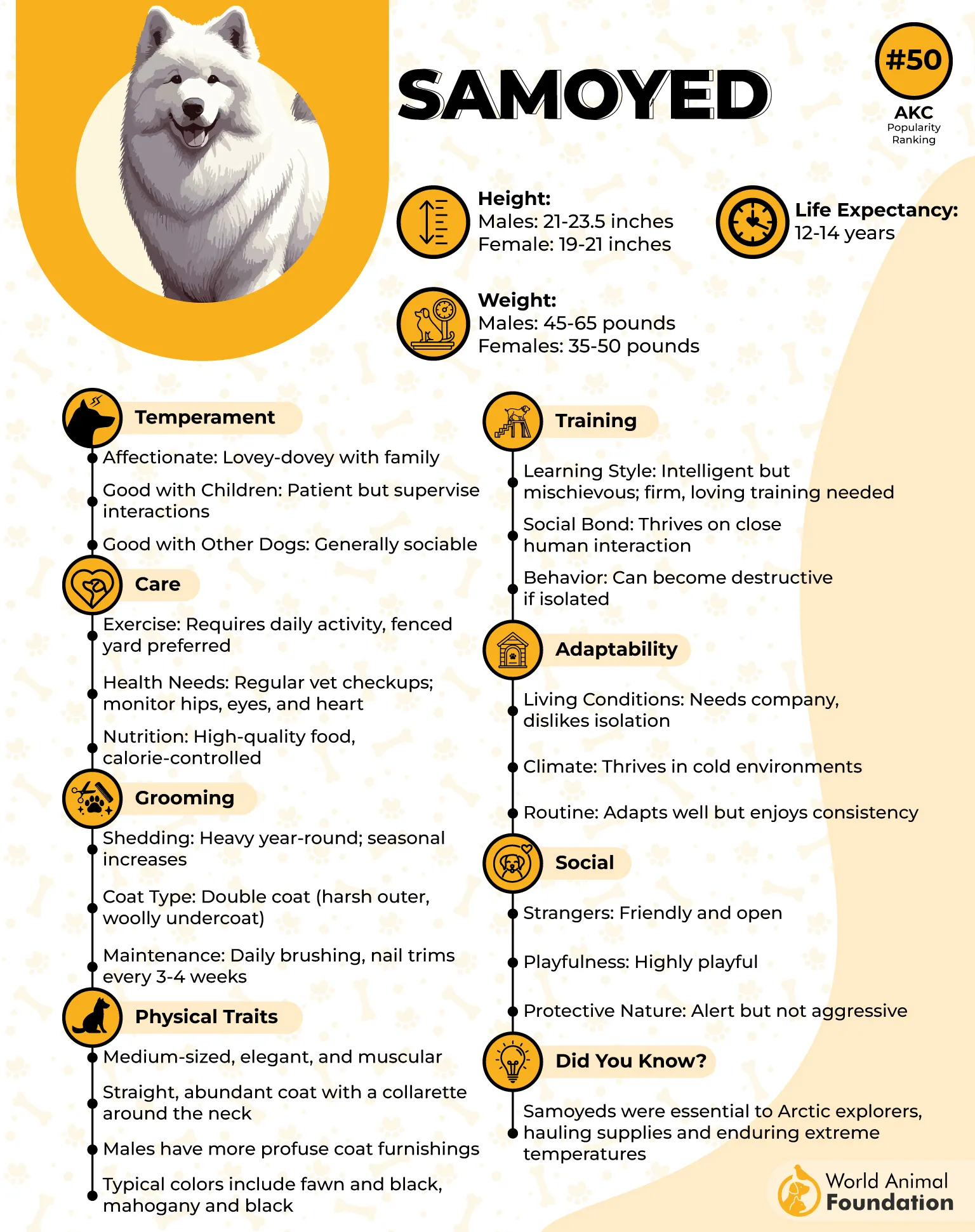
Still, this is not a “set it and forget it” pet. They need movement and mental stimulation to stay relaxed. Long daily walks matter. Around two hours is often a good target for healthy adult dogs.
And here’s the best part! These dogs can turn a long hike into a party. They tend to stay upbeat even when the trail gets rough. But it gets even worse, though, if they are bored. That boredom can turn into noise, chewing, and creative yard projects.
Early socialization helps them handle busy places without stress. With proper training, their strength becomes useful instead of messy. That is when the dog becomes one of those great companions that makes cold mornings feel like an adventure.
Important Note:
Thick fur needs care, especially during heavy shedding seasons.
Long walks help this breed stay calm indoors.
Use games that make the dog think, not only chase
Train a quiet cue early to manage excitement.
Cold-weather play is often a favorite
5. Alaskan Malamute
Bite Force: 400 PSI
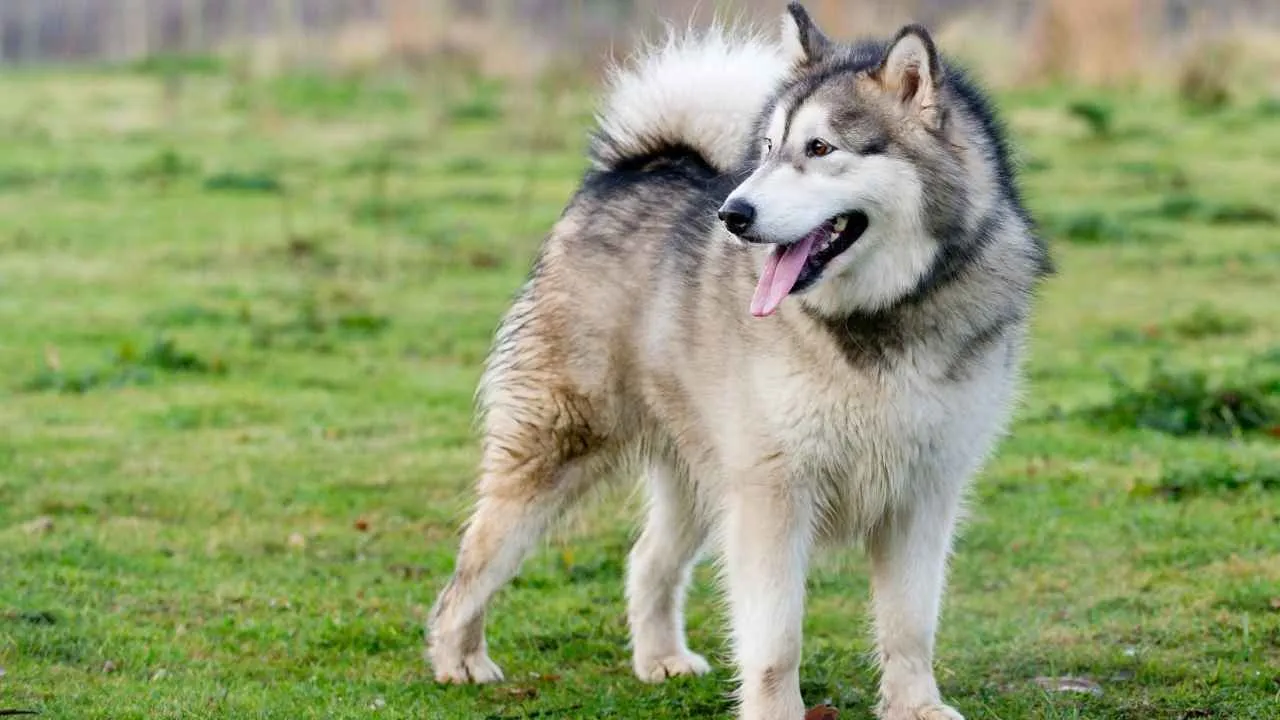
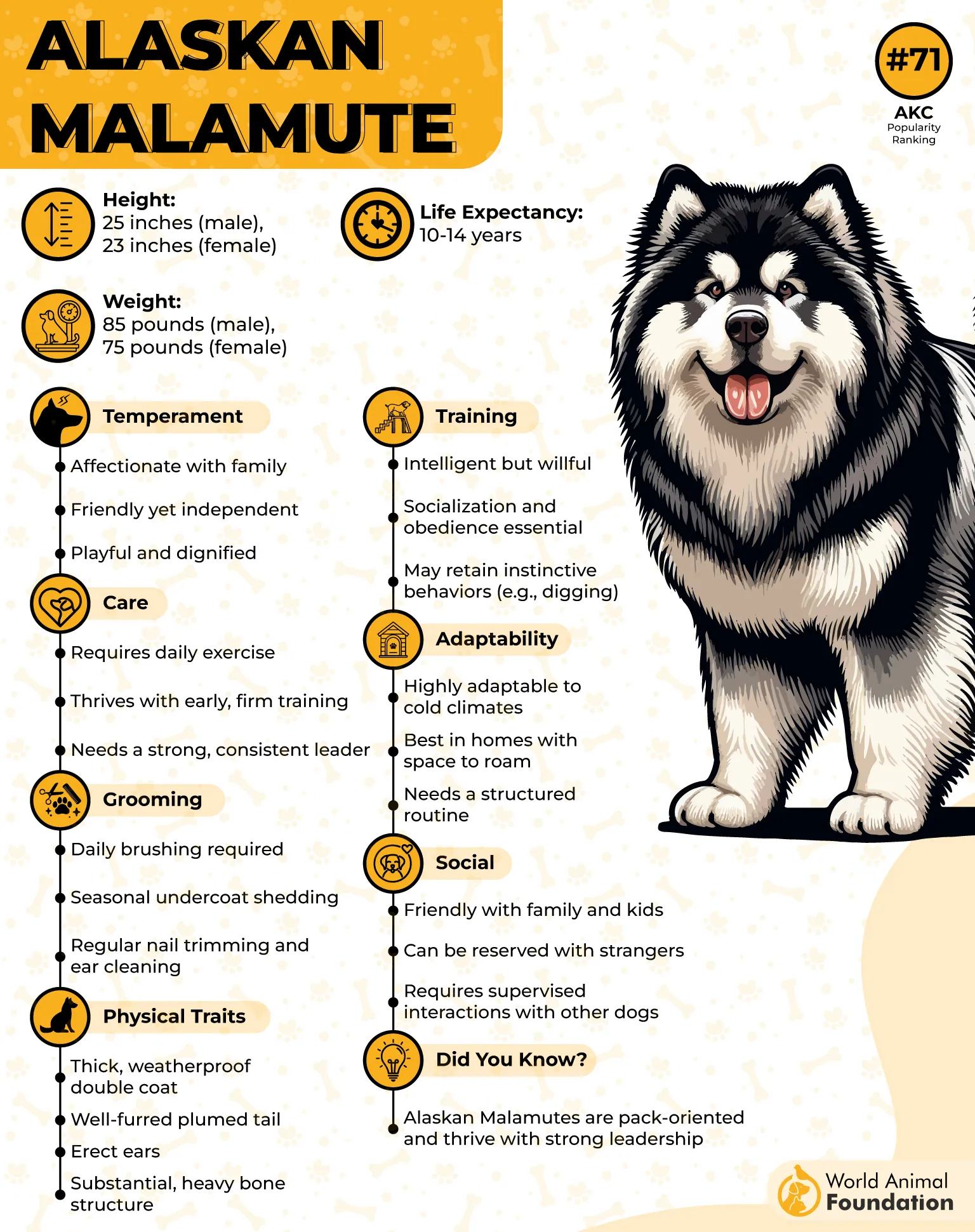
The Alaskan Malamute is one of the strongest dog breeds that people often dream about. This breed is made for hard work and cold places.
It has a thick double coat and a wide frame that screams stamina. This is not a fragile dog. It is a muscular breed with steady power and a bold spirit.
This is also one of those dog breeds with a long history of pulling heavy loads. The Malamute was shaped to move weight over distance, not just sprint fast. That is why sled pulling fits the breed so well.
When someone mentions military dogs in cold regions or tough terrain, this type of build often comes to mind, even if the home life today looks different. The body is strong, the legs are solid, and the drive is real. That power can feel amazing when it is guided.
But why bother with guidance? Because this breed can have a stubborn streak. It is not “bad.” It is independent. That independence can become a problem without consistent training. Also, heat is a big issue. Warm weather can hit this breed hard.
When temperatures climb above 70°F, shade and cool water are not optional. A cool indoor spot helps, too. With early socialization, calm rules, and enough exercise, these strong dogs can be loyal companions that feel like family members, not just pets.
Important Note:
Plan exercise around cool hours to protect the dog in summer
Keep training firm but kind to manage that stubborn streak.
Use structured walks to prevent pulling from becoming chaos.
Provide safe chew items to help with stress and boredom.
Respect the coat, since thick fur holds heat.
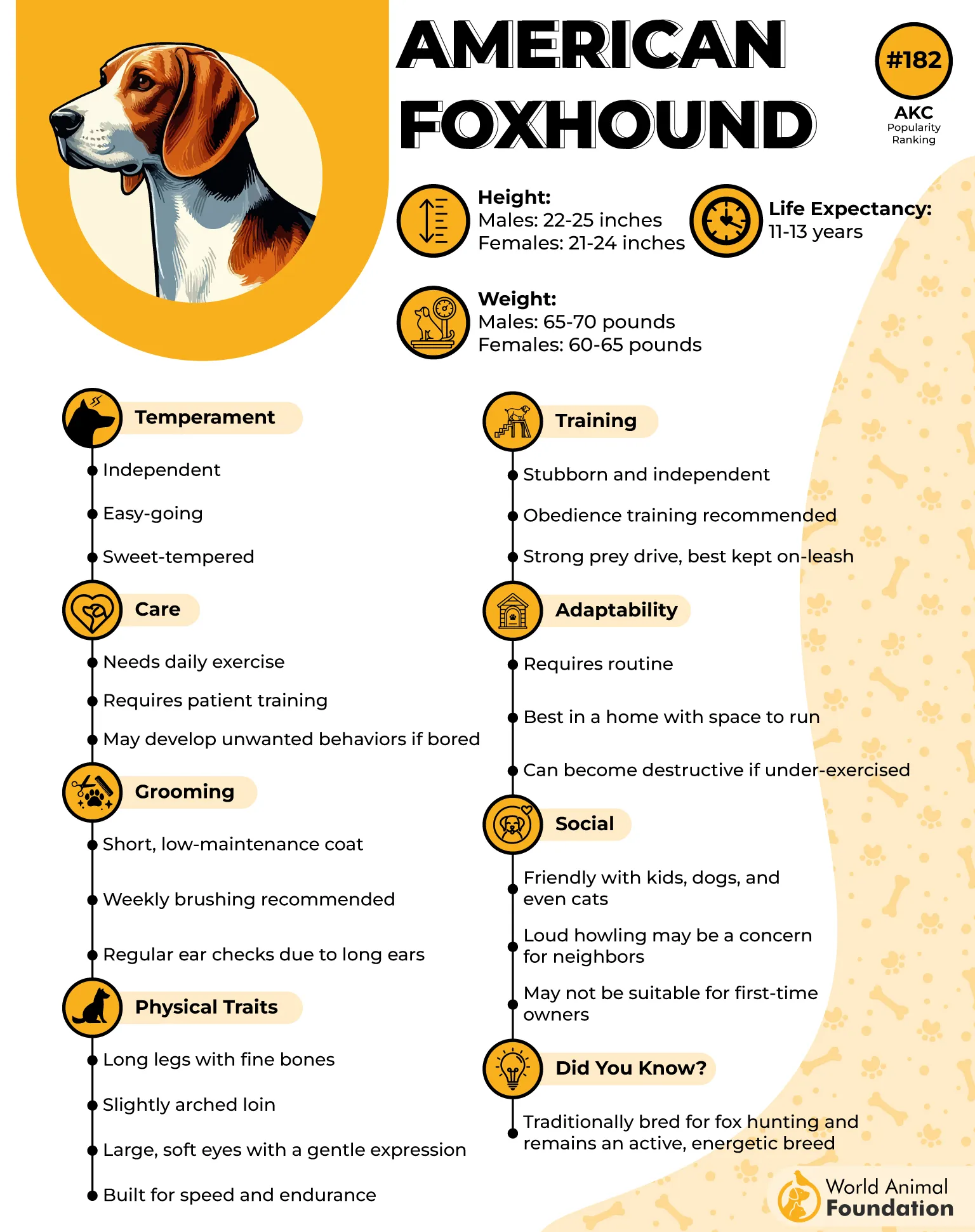
6. American Foxhound
Bite Force: 230–250 PSI
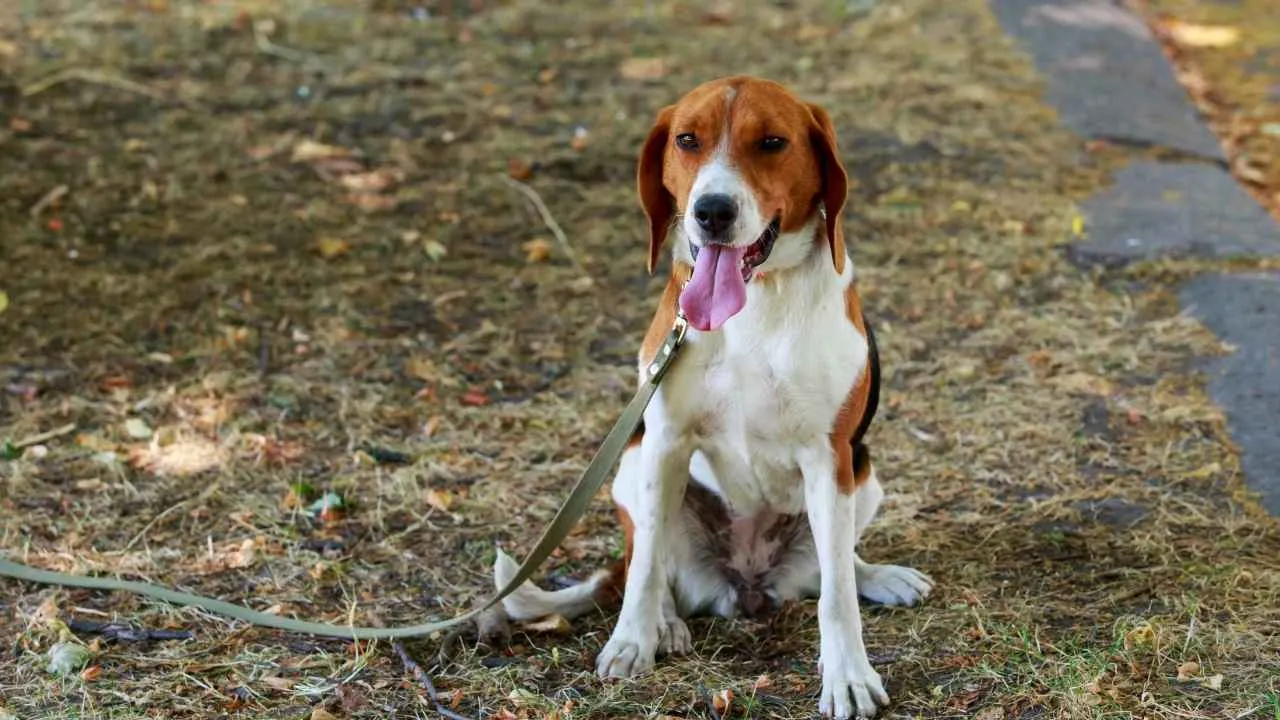
The American Foxhound is an outdoor lover with a focused engine. This gentle giant is friendly, smart, and built for long movement.
It is one of those dog breeds that can go and go when the day includes scent work and open space. The body is athletic, and the mind is tuned to tracking.
The key trait here is the nose. This breed has a superb sense of smell and an independent streak. That independence is exactly why leash habits matter. Without a leash, the dog may follow a scent as if it were the only thing in the world. It is not being rude. It is a working dog in its own head.
Take this dog on a long walk or hike, and it often looks happiest. Many dogs can enjoy a park, but this breed truly lights up when the path has interesting smells.
Here’s the good part. When the energy is used well, these dogs can be incredibly loving. They can also fit active families that enjoy daily movement. They are not usually picked as guard dogs, but they still have alert moments and a strong presence. The goal is balance.
Provide physical activity, add simple training games, and keep the dog safe with good gear. With that setup, this breed can feel like one of the strongest dog breeds in endurance, even if it does not look bulky.
Important Note:
Leash work is a must, since scents can pull attention fast.
Use food puzzles for mental stimulation on rainy days.
Practice recall in safe areas to build trust
Keep sessions fun, since a harsh tone can shut them down.
Daily walks help avoid restless behavior.
7. Australian Cattle Dog
Bite Force: 230–250 PSI
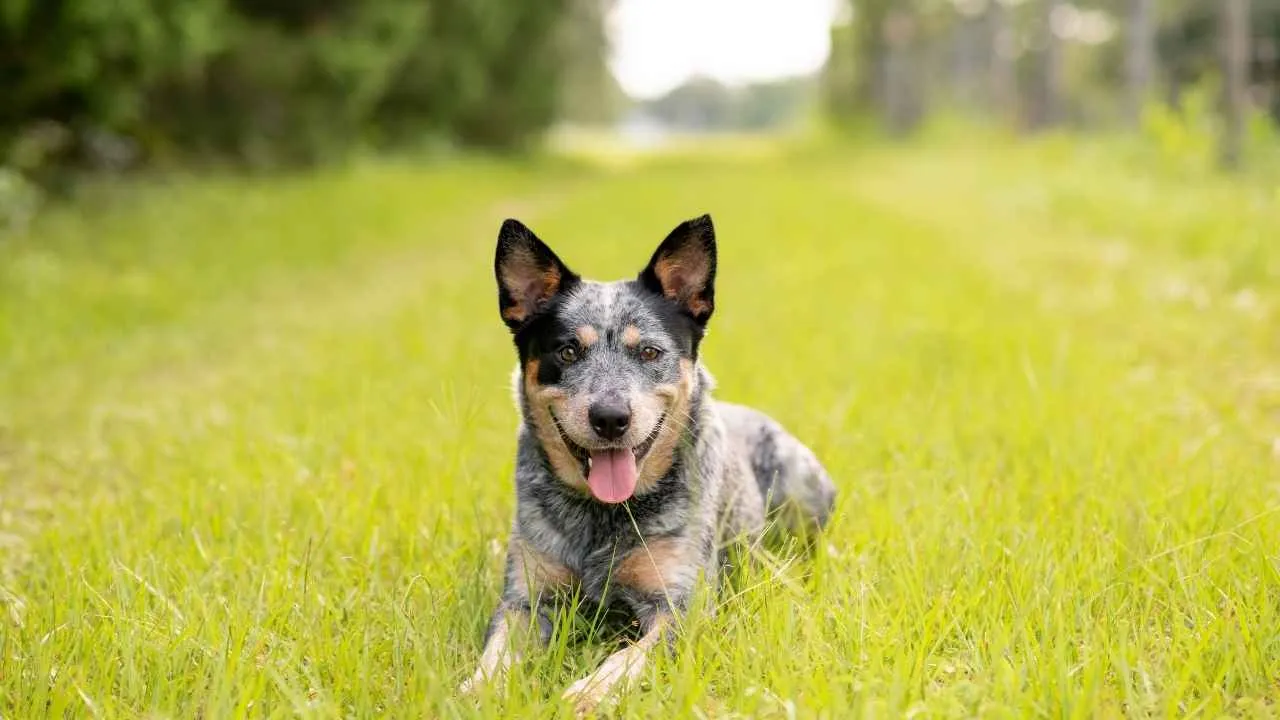
The Australian Cattle Dog is strong, agile, and famously tough. WebMD notes that this breed was built to work hard outdoors and keep going when others slow down.
It can herd cattle with sharp timing and brave movement. That is why it is often used on farms or as a running partner. This is one of those muscular dog breeds that does not just “have energy.” It has purpose.
This is a muscular dog with a stocky body and quick reflexes. The body is compact, but the drive is huge. These dogs can also be solid guard dogs in the home, mostly because they stay alert and read the room.
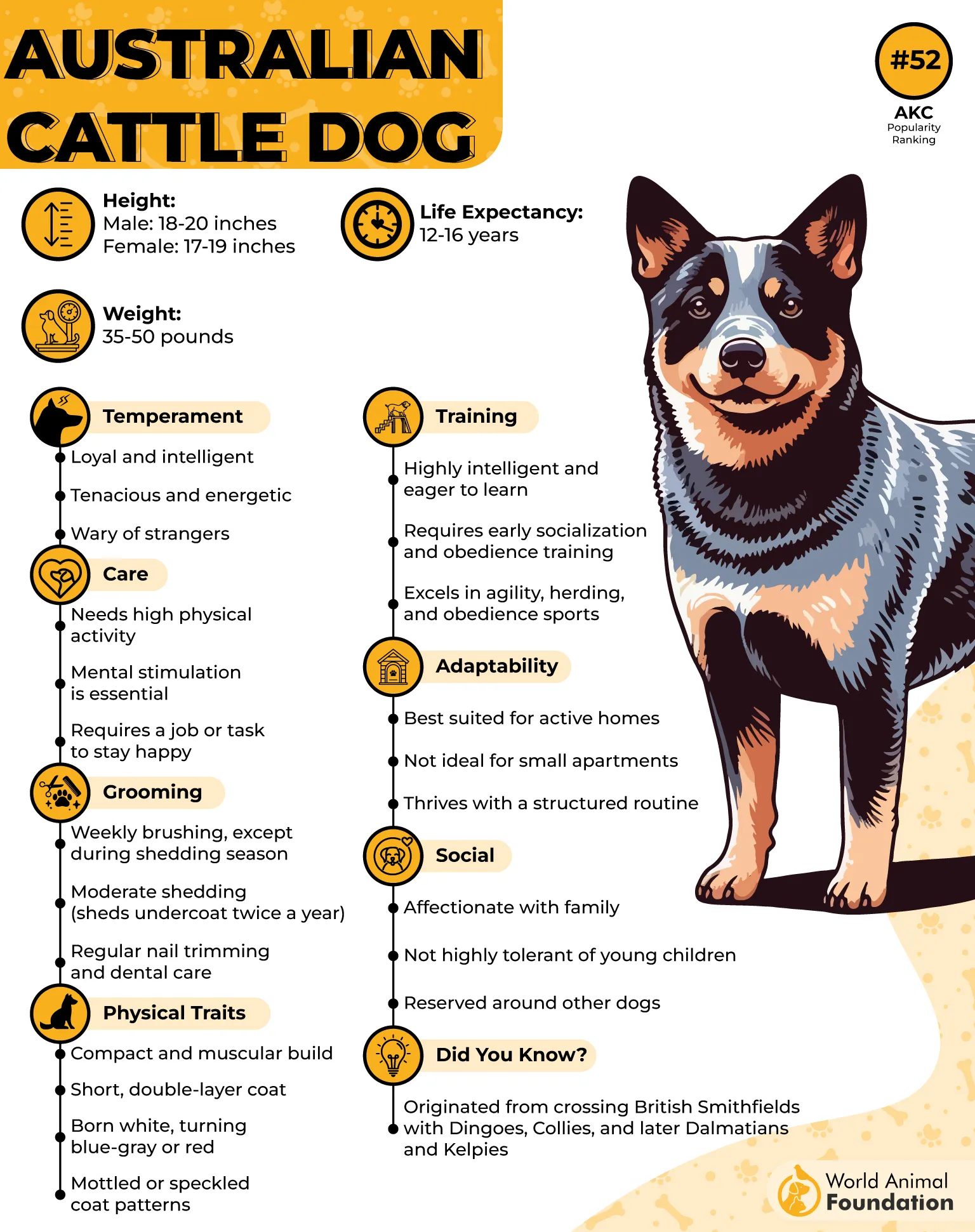
They may watch strangers with caution, then relax when things feel normal. This trait can be helpful, but it needs early socialization to stay balanced. Without that, the dog may become too intense or bossy.
But wait, there’s more! This breed has a famous story of long life. One Australian Cattle Dog even held a record for living to 29 years. That kind of longevity does not happen by luck alone. It reflects a body made for work and daily movement.
Still, the breed needs smart care. Wet weather is fine, but a dry resting spot is needed after outdoor time. Proper training and clear routines help turn that power into good manners. With that support, the dog can be one of the strongest dog breeds for grit and focus.
Important Note:
Build daily jobs, like fetch drills or short obedience training.
Keep rules steady, since this breed tests limits.
Give safe running time, not only backyard laps.
Provide a dry sleeping area after wet work outside.
Use calm praise to shape good choices.
Conclusion
Rugged muscle is cool, but it comes with real responsibility. These dog breeds were originally bred for work, weather, and long days outdoors. That is why they can feel like some of the strongest dog breeds in everyday life.
The best results come from consistent training, enough mental stimulation, and a home that respects what the breed needs. Some dogs may even step into roles like rescue dogs, service dogs, or police dogs when temperament and training line up.
Still, strength should never point toward dog fighting, and a good home keeps that clear. Choose with care, plan your routine, and enjoy the ride. Powerful dogs shine brightest when their people show up.
