




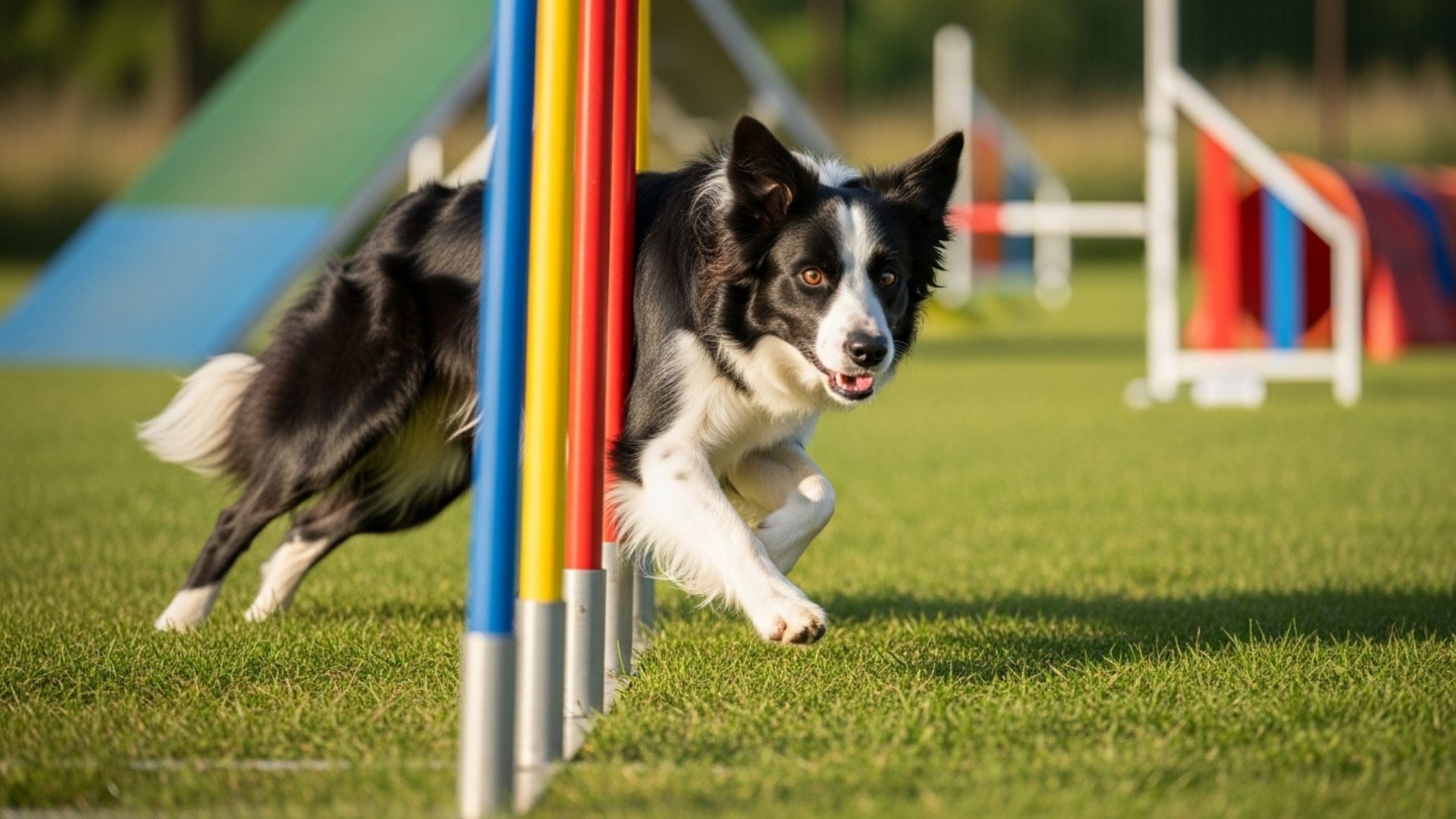
Some dogs think fast. Like, scary fast. They read your face, spot patterns, and learn new tricks before you finish the snack bag.
Sounds crazy, right?. But why bother with that? Because a sharp dog without a plan can turn your home into a DIY disaster show. The good news is this. You do not need fancy tools or big words. You just need a few smart habits, a little patience, and daily moments that feel like play.
This blog will break down 7 smart dog breed picks and the simple training moves that help their minds shine.
You will also learn how mental and physical stimulation keeps behavior calm, builds trust, and makes training feel less like work and more like friendship.
Brilliant Dog Breeds and How to Train Their Smarts
1. Border Collie
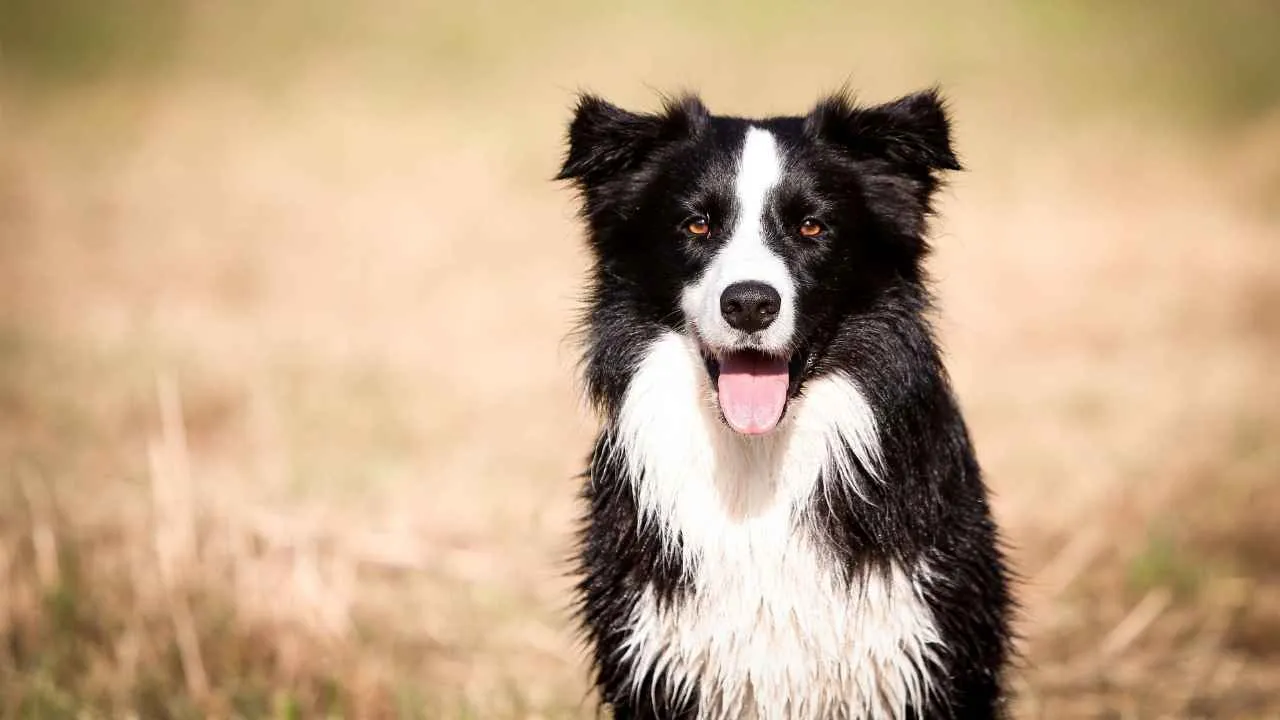
The Border Collie is famous for focus and laser eyes. Many dog owners laugh the first time this dog “stares” a job into existence. This is a smart dog breed that wants tasks, not naps.
If boredom hits, you may see chewed shoes or a new hobby like moving cushions. It helps to give clear jobs each day, with a structure that makes sense.
This dog comes from the herding group, and it shows. Many were bred for herding, so movement triggers instinct. A bike passing by, kids running, even your feet in the kitchen can look like “work.”
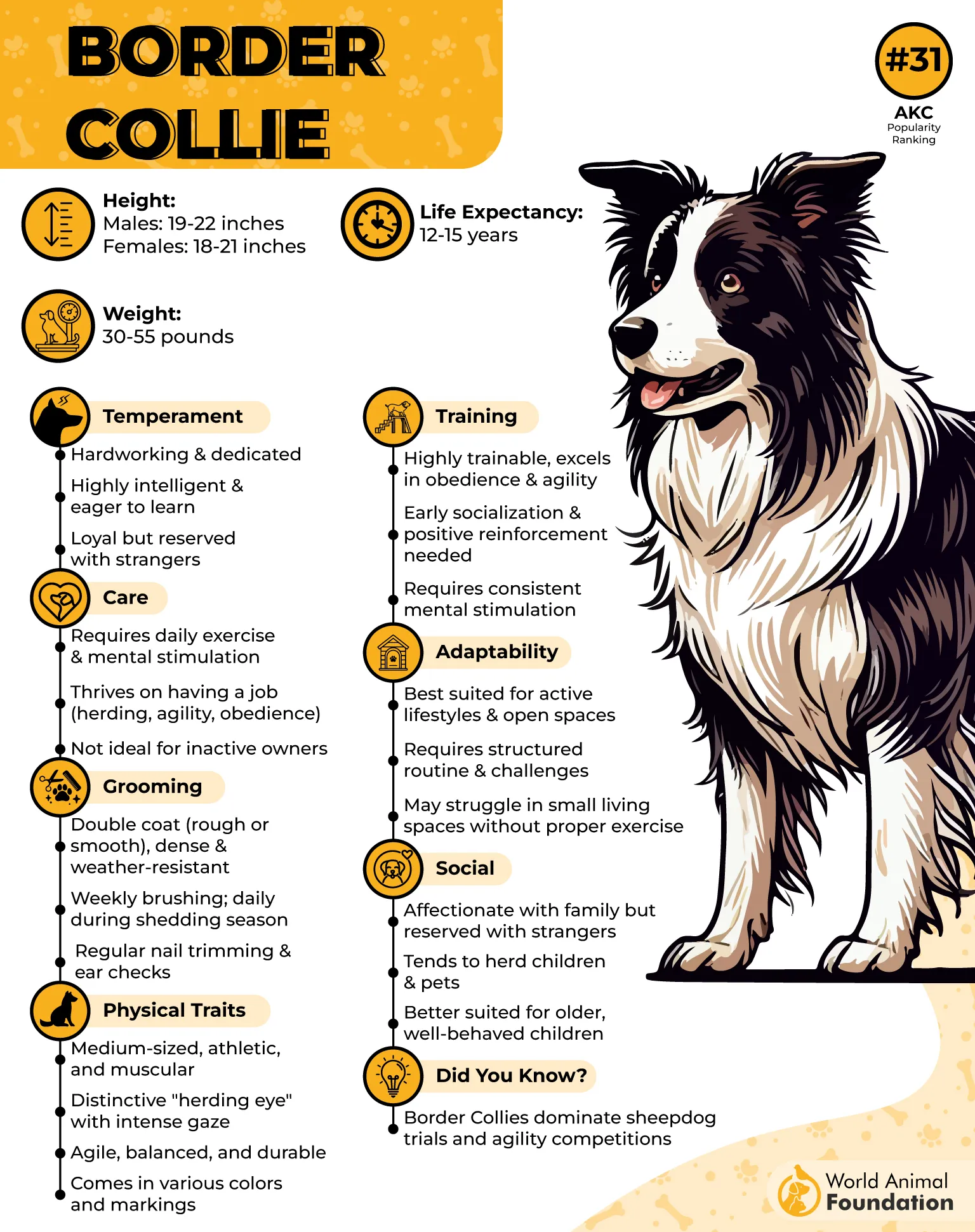
Early socialization matters a lot. Calm greetings, safe places, and steady routines help that sharp brain relax around human emotions and other pets.
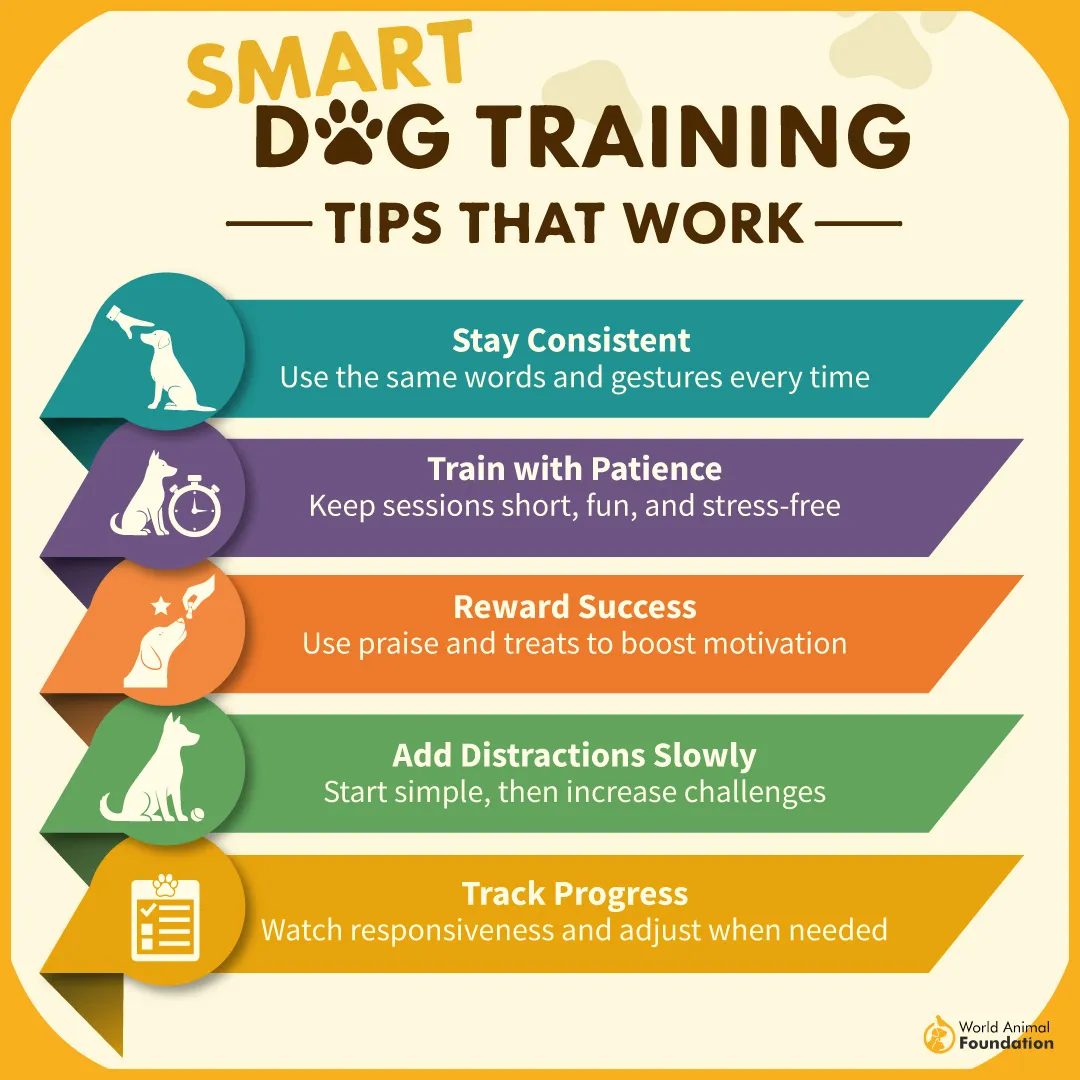
Training works best with short sessions and clear rewards. Use positive reinforcement and keep things fresh. This breed can learn commands quickly, but it also notices sloppy timing.
Mix obedience competition-style cues with play. Add mental stimulation through pattern games, and add physical stimulation through safe sprints in a fenced yard.
Make Work Feel Like Play
Use interactive games like “find it” with hidden treats
Add puzzle toys on rainy days
Try agility competition-style tunnels at home
Keep consistent training with the same cue words
2. Poodle
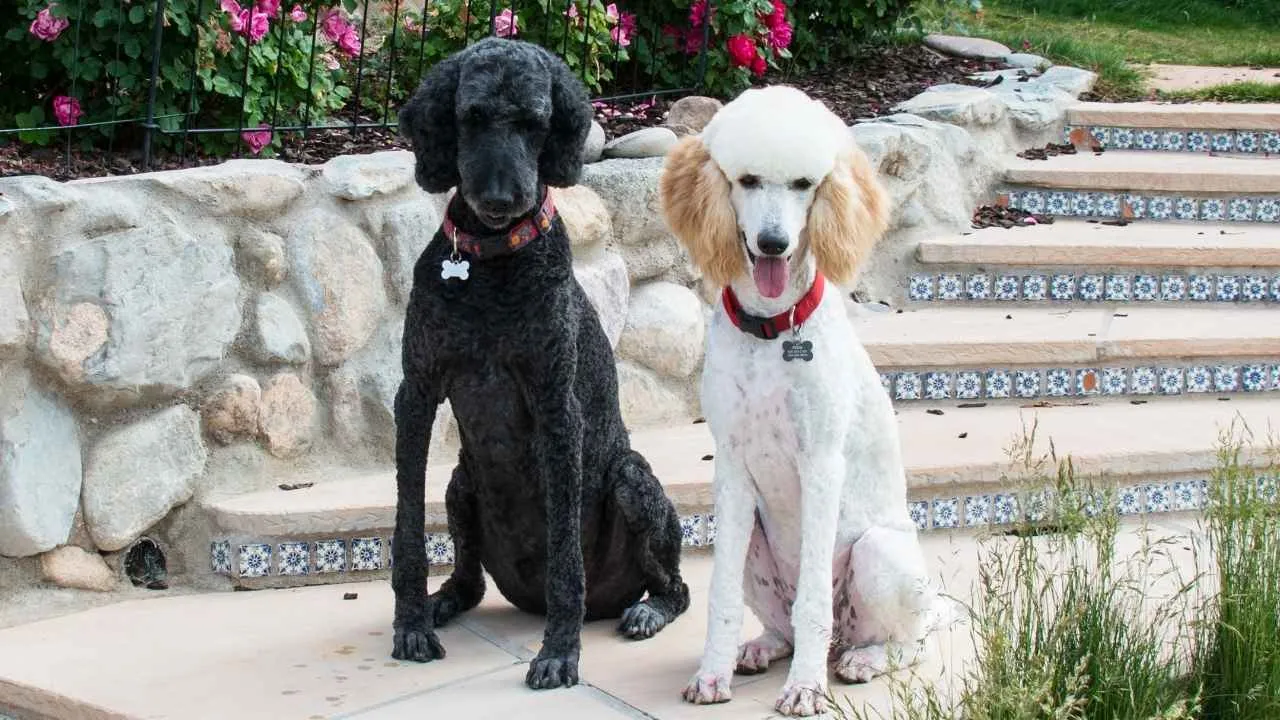
The Poodle looks fancy, but the brain is pure mischief. This is one of those intelligent dog breeds that seems to get jokes. It gets even worse, though, when you underestimate that mind.
A bored Poodle may invent games you did not approve of. The fix is simple. Give the dog a job, a routine, and plenty of learning time.
PetMD notes that Poodles were originally bred as duck hunters. That history shows up in the love of fetching and retrieving.
This smart dog breed often enjoys carrying items, bringing toys back, and working close to people. That also makes the bond feel warm and easy. Many pet parents notice the dog watching them like a little helper, ready for the next cue.
Keep training upbeat and varied. Use short drills, then switch to movement games. This breed often loves agility competitions and obedience trials because the rules are clear. It stays engaged when lessons feel like puzzles.
Use mental challenges such as name games for toys, and quick “touch” cues. Keep sessions kind, not harsh, because this dog reads tone fast.
Keep That Clever Brain Busy
Rotate puzzle toys to prevent boredom
Teach new commands during daily walks
Practice problem solving with “which hand” treat games
Reward calm focus with gentle praise and treats
3. German Shepherd
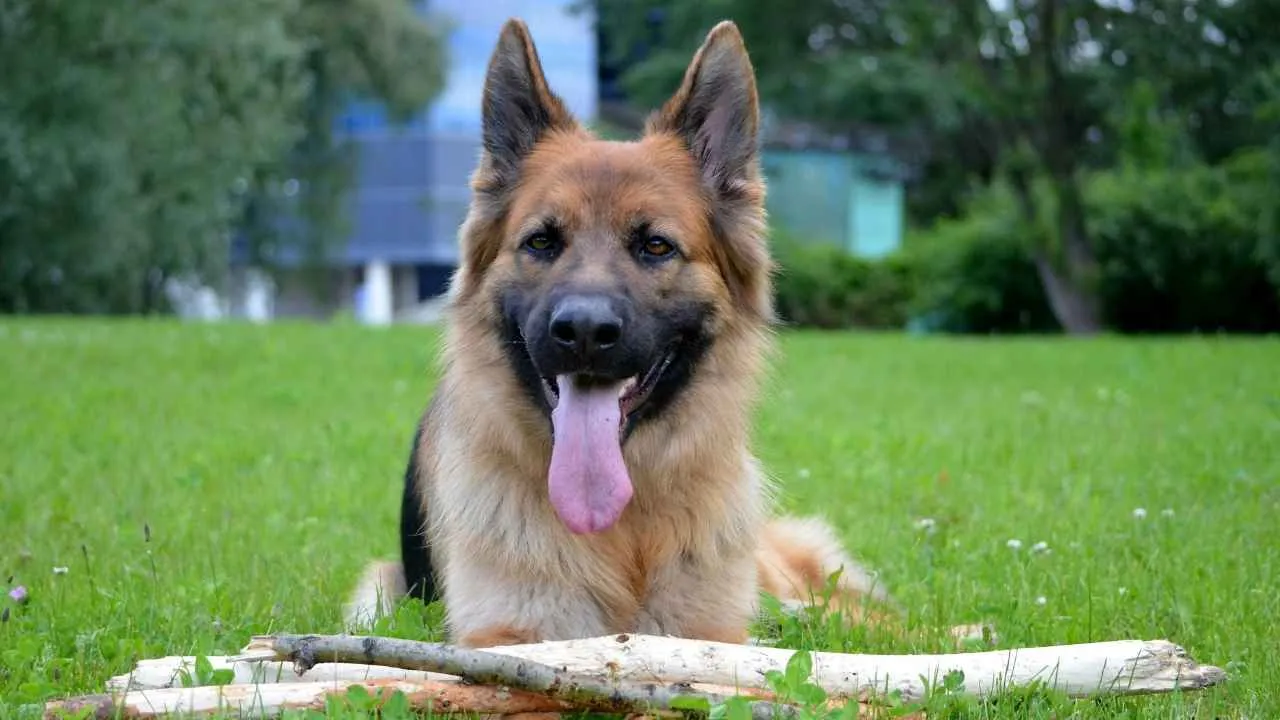
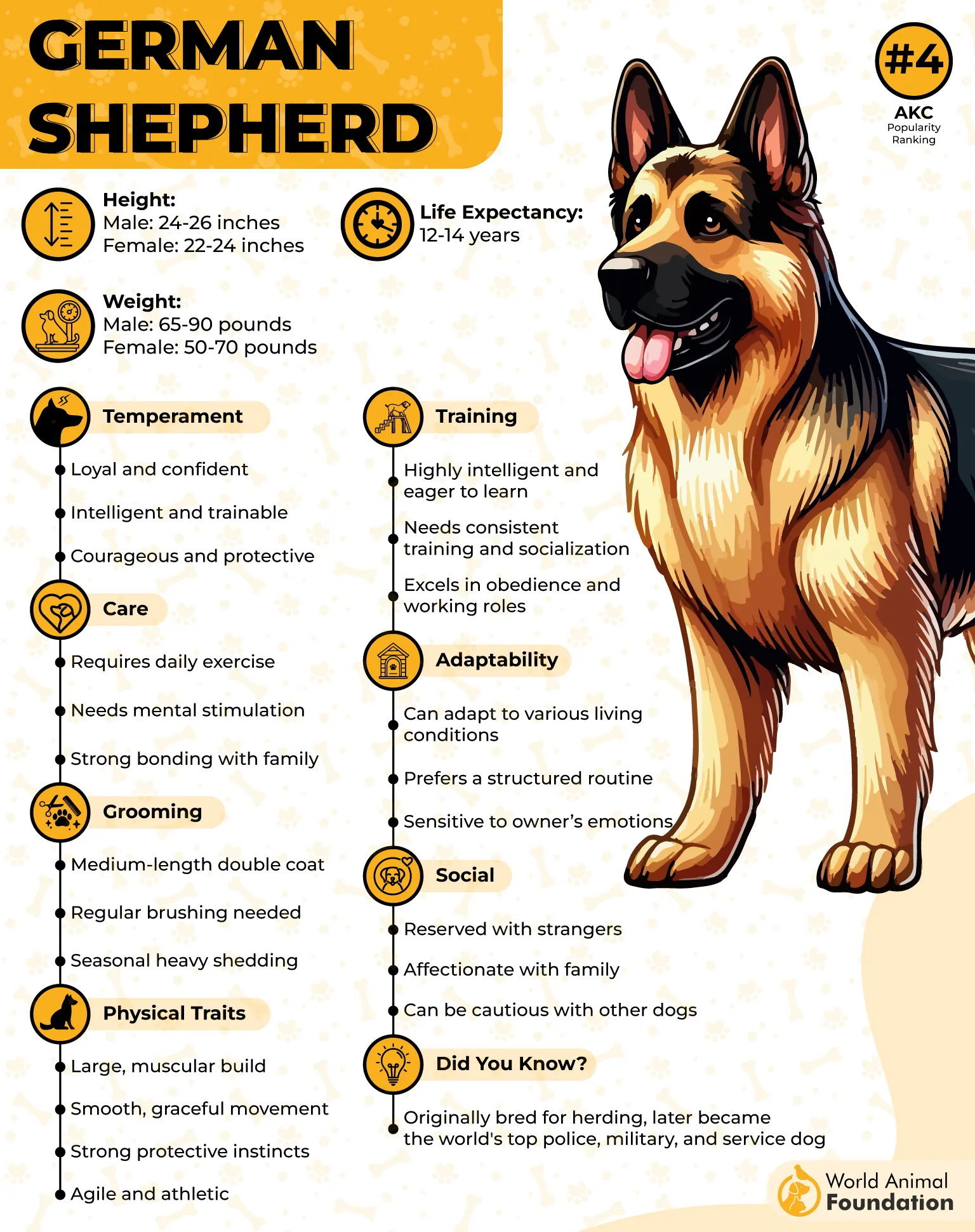
The German Shepherd is a serious thinker with a loyal heart. This dog was originally bred in Germany to herd and guard sheep. That purpose shaped a confident, watchful mind.
As per AKC, in the dog world, this breed stands out for steady nerves and quick learning when training is fair and clear.
This is a smart dog breed that likes having a role. Many families feel safer just seeing that calm posture and protective nature. But good behavior does not happen by luck.
Early training and clear rules matter. Without them, that powerful drive can turn into pulling, barking, or stress. The goal is a well-behaved partner who trusts you.
Use a simple plan. Teach basics first, then build skills with real-life tasks. This dog often shines as one of the working dogs in structured roles, including search and rescue work and service dogs.
Keep lessons short but frequent. Mix physical exercise with mental stimulation so the mind stays settled. You will often see fast learners when you reward at the right moment.
Build Calm Confidence
Practice loose leash walking with steady rewards
Use “place” training for calm indoors
Add finding hidden treats to improve focus
Keep consistent training across all family members
4. Golden Retriever

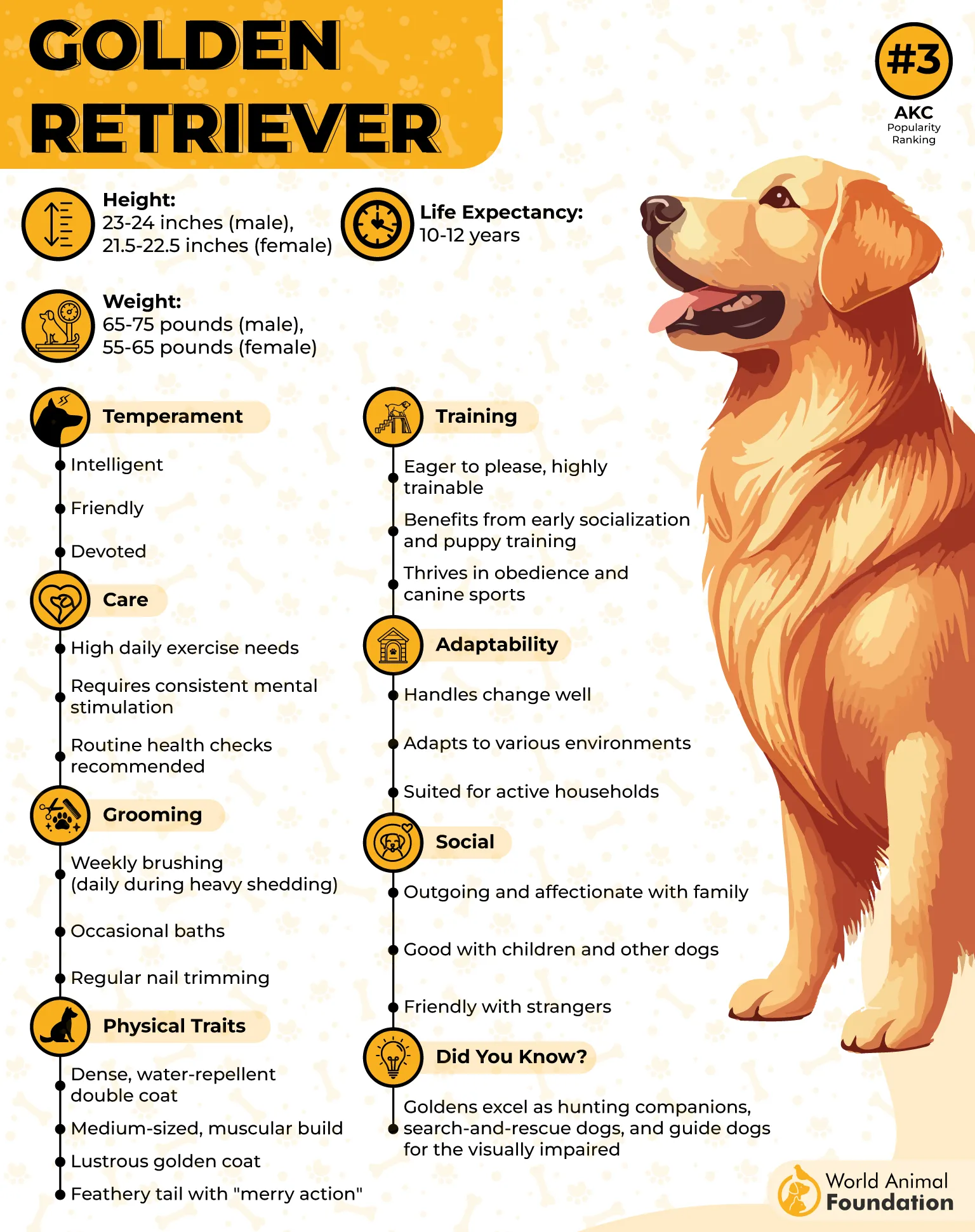
The Golden Retriever brings sunshine with a smart, steady vibe. This dog often feels like a friend who wants everyone to be okay.
Many dog owners choose this breed as family pets because it tends to be gentle, social, and eager to please. And here’s the best part! Training often feels smoother when the dog wants to work with you.
This breed was originally bred for sporting work. That means the brain and body are meant to move together. Without enough play, you may see jumping, mouthiness, or restless pacing.
The fix is not a harsh correction. It is planning. Give daily physical stimulation plus simple thinking games so the dog has an outlet.
Training should stay upbeat and clear. Use positive reinforcement and calm repetition. Keep sessions fun, not long.
A Golden Retriever can learn new tricks well, especially when rewards are steady, and your tone is warm. Many people also love this breed in therapy dog roles because it connects with human emotions in a soft, friendly way.
Train Smarts With Kind Routines
Use puzzle toys after meals to slow eating
Practice “wait” and “leave it” for self-control
Add gentle fetch drills for physical exercise
Teach simple scent games with hidden treats
5. Doberman Pinscher

The Doberman Pinscher is sharp, alert, and tuned in to you. This is a smart dog breed with a strong sense of space and safety.
The body is athletic, the mind is quick, and the focus can be intense. When training is done right, you get a trainable companion who feels like a loyal shadow.
This breed was developed to protect, so the protective nature is real. That does not mean the dog should be rude or reactive. It means the dog needs clear rules and calm leadership.
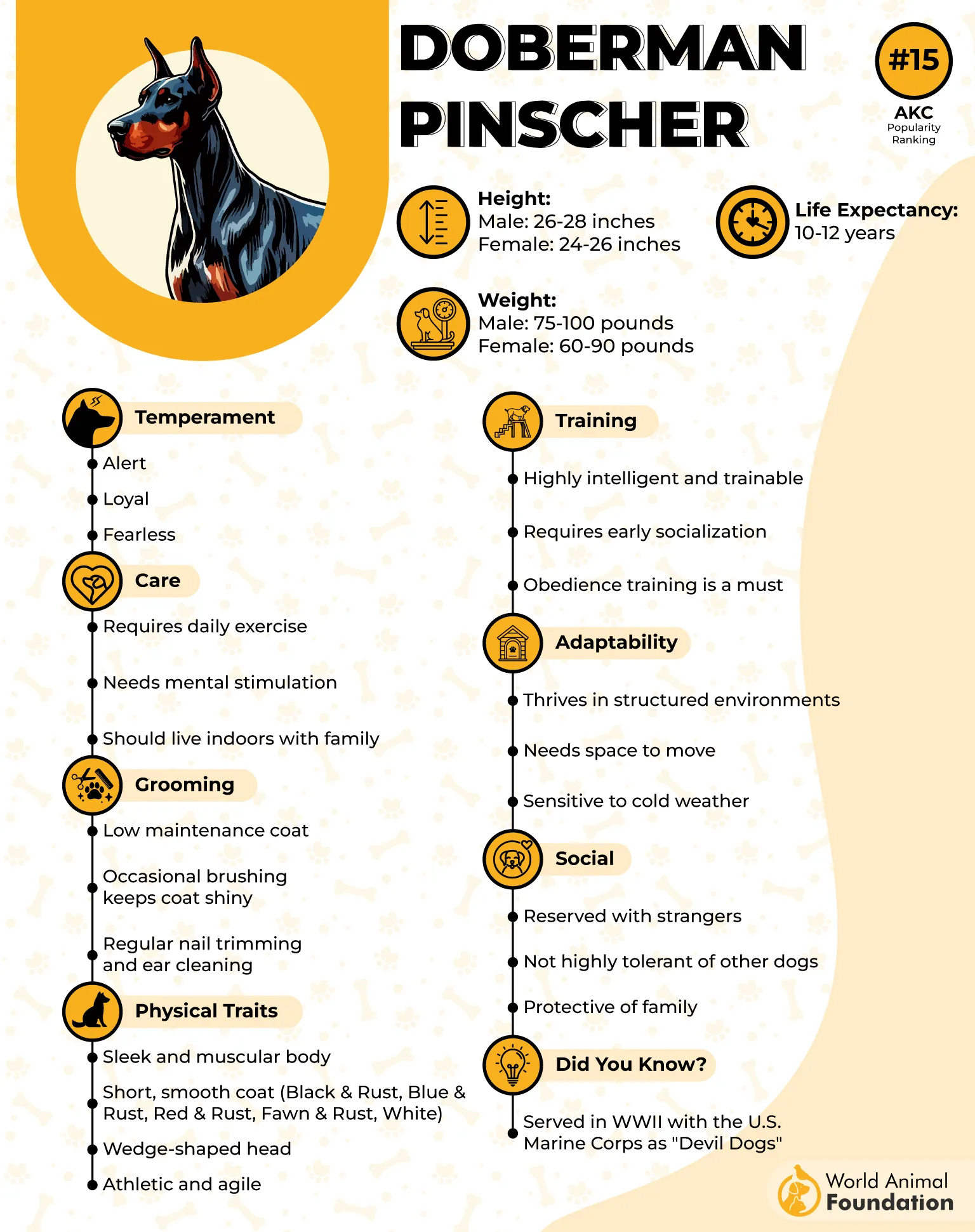
Experienced owners often do well because they keep structure without yelling. The goal is a dog that can relax at home and still respond fast when asked.
Training should start early and stay steady. This breed can excel in obedience when sessions are short and purposeful. Use consistent training and reward calm choices.
Add mental challenges like targeted heel work, controlled greetings, and impulse control games. Pair that with physical exercise, so energy does not boil over into frustration.
Shape Focus Without Pressure
Practice calm greetings with a simple sit
Use “look at me” to build attention
Add obedience competition-style drills for precision
Teach a settle cue for quiet downtime
6. Shetland Sheepdog
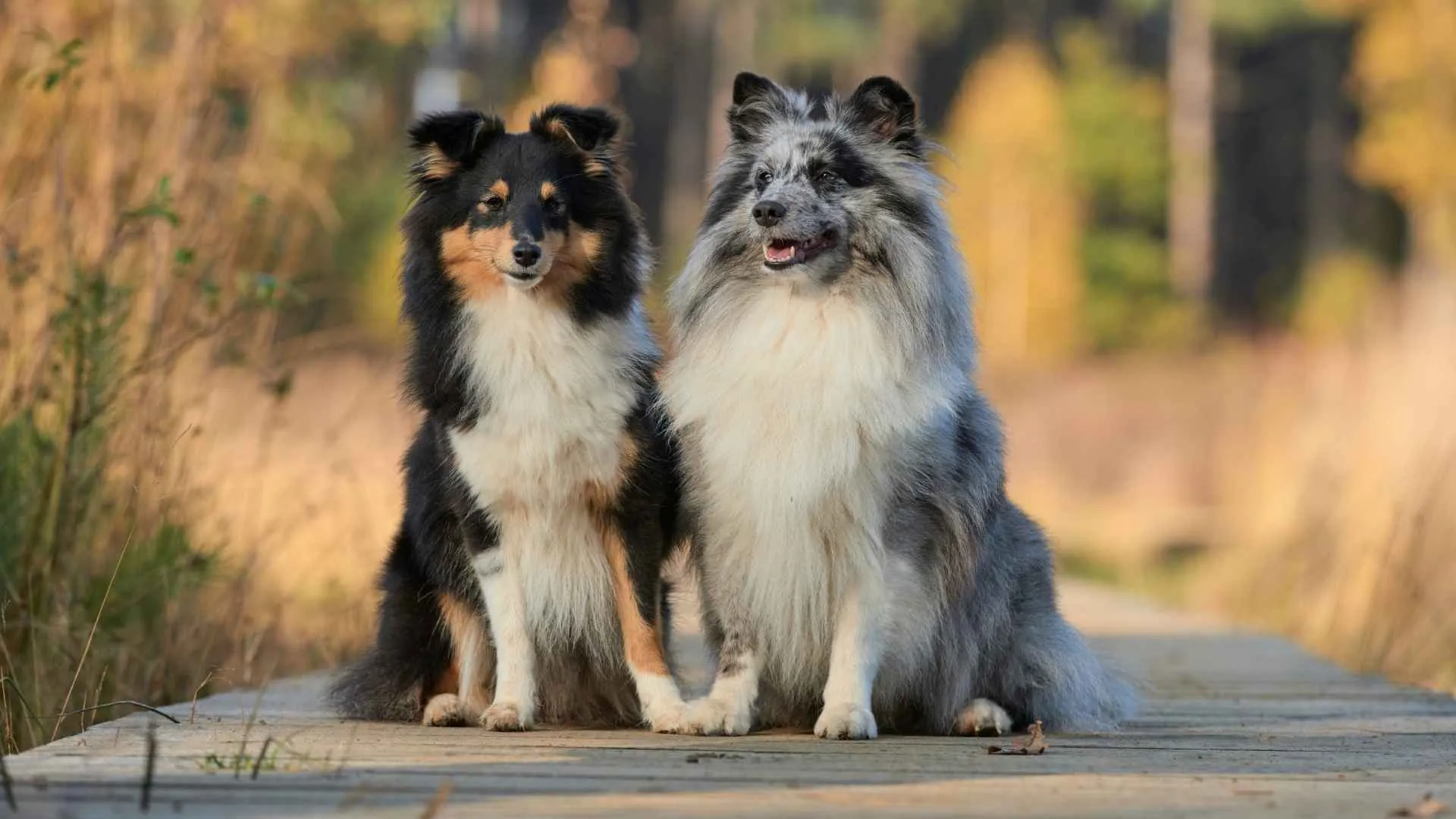
The Shetland Sheepdog is small, bright, and busy in the best way. This dog is often described as a little brain on fast feet.
Many were bred for herding, so you may see quick turns, watching eyes, and a love of order. It can feel like the dog is always “on,” scanning the room.
This is a smart dog breed that thrives on teamwork. It likes routines, clear cues, and safe social time. Early socialization helps it stay confident with strangers and new sounds.
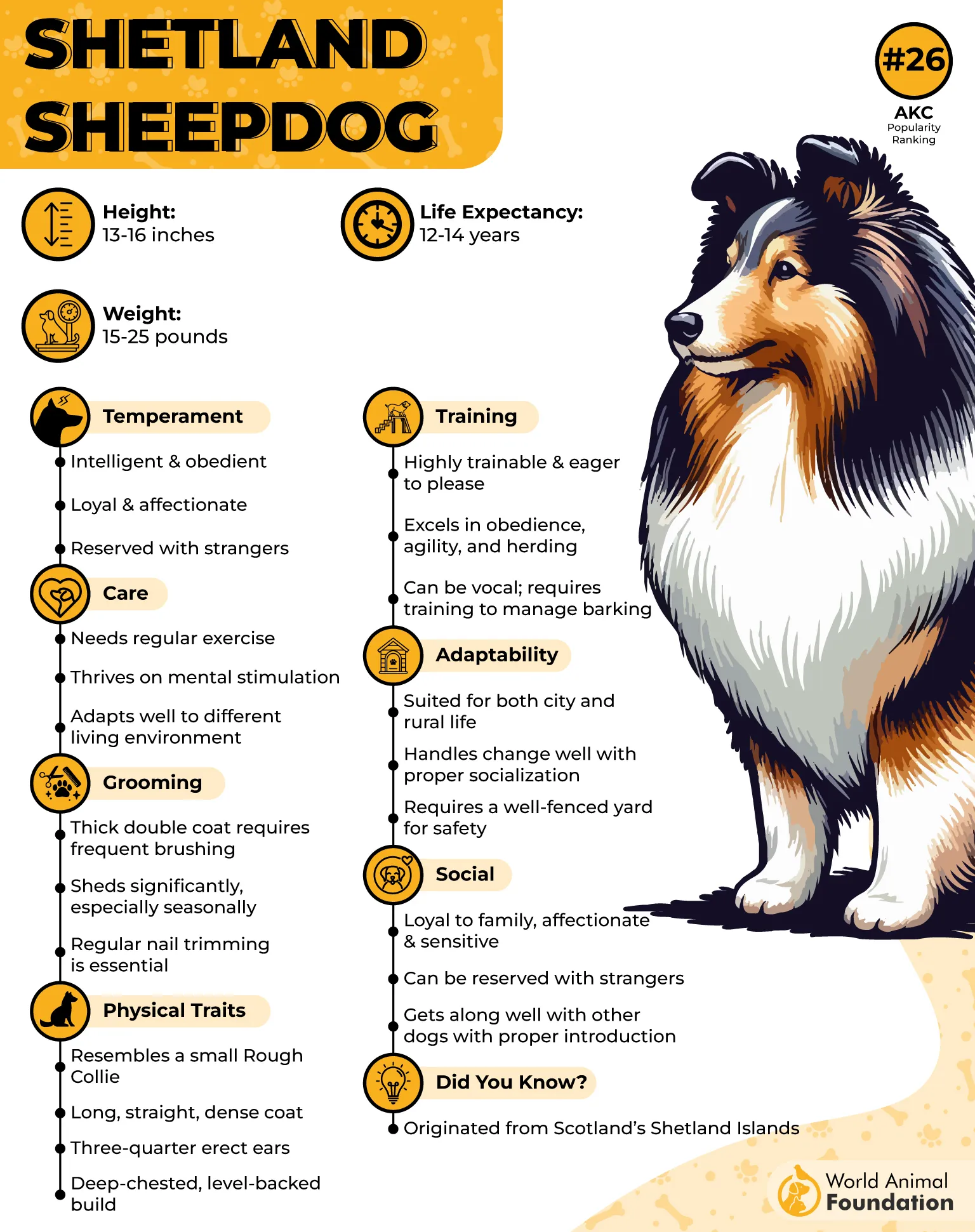
Without that, the mind can spin into worry barking. Keep things gentle and steady, and you will often see intelligent dogs that stay polite and connected.
Training should be light, clear, and fun. These fast learners enjoy pattern games and short challenges. They often enjoy dog sports like agility and obedience trials because it gives the brain a map to follow.
Keep sessions short and end on wins. Add mental stimulation through little tasks, like putting toys in a basket.
Tiny Dog, Big Brain
Use interactive games to channel energy indoors
Practice new commands in different rooms
Add problem solving with simple “spin” and “weave.”
Offer puzzle toys for calm focus
7. Labrador Retriever
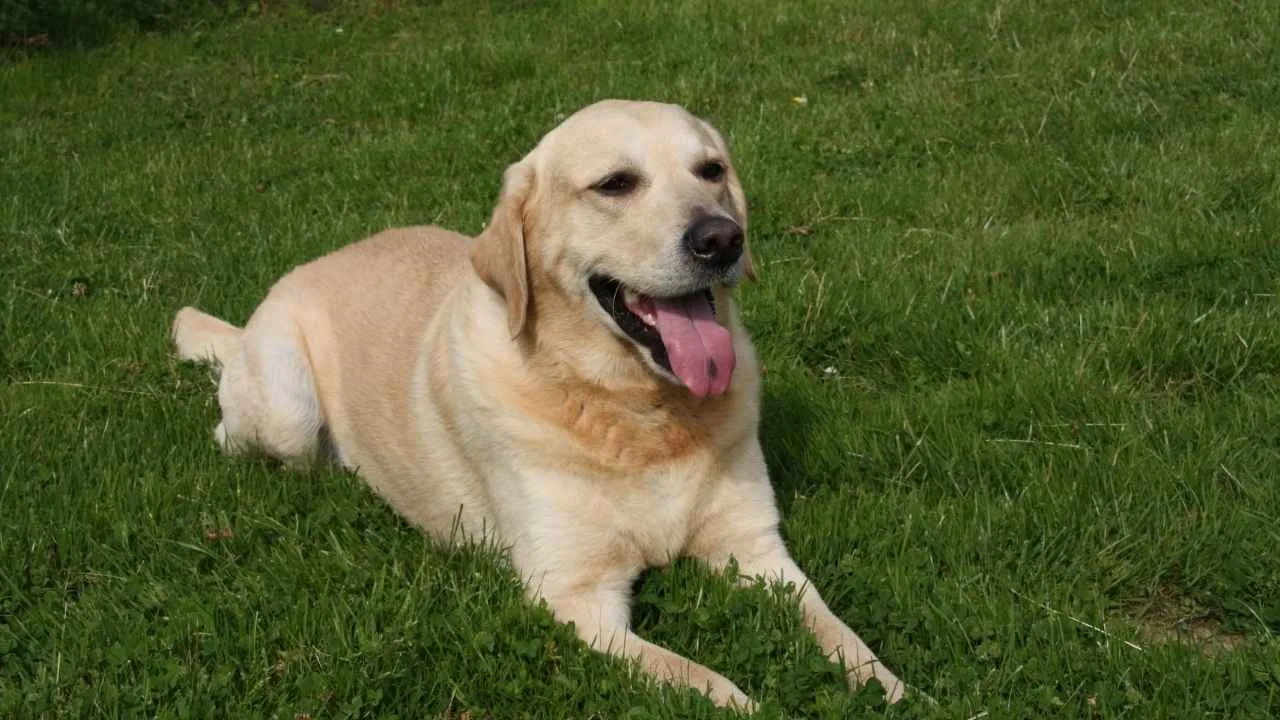
The Labrador Retriever is friendly, bold, and ready for action. This dog often acts like every person is a future best friend. It is also one of the smartest dogs that learns quickly when the training is clear.
Many families love this breed because it can fit into busy homes as a good companion.
As per Pawlicy Advisor, Labs were originally bred for retrieving and water work. That explains the love of carrying things and moving with purpose. Without daily outlets, the energy can turn into chewing or wild greetings.
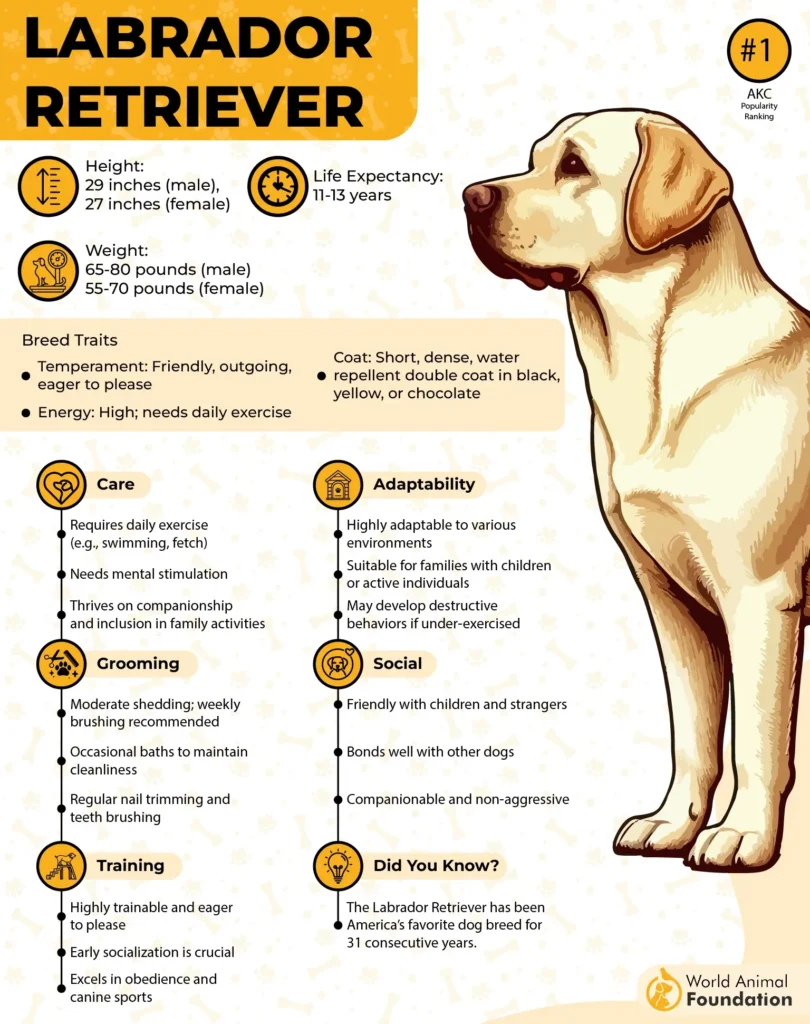
Active families do best when they plan movement and brain work every day. But wait, there’s more! These dogs often love learning because rewards matter a lot to them.
Training should focus on manners, calm greetings, and steady recall. This breed is often easy to train when you keep sessions upbeat.
Many labs also work as guide dogs and service dogs because they can stay steady, handle busy spaces, and learn routines. Mix physical exercise with mental stimulation using scent games, simple tasks, and reward-based drills.
Turn Energy Into Skill
Use finding hidden treats to sharpen focus
Practice “drop it” with toys and trades
Add short fetch sets, not endless throwing
Use consistent training so rules stay simple
Conclusion
Smart dogs are fun, but they need a plan. These intelligent breeds do best when training feels fair, clear, and steady. Give your dog daily work for the brain, not just a quick walk.
Mix mental stimulation with movement, and you will see calmer behavior at home. Use puzzle toys, short games, and kind rewards, and keep your timing clean.
If something feels hard, slow down and make the next step easier. Your dog is not trying to “win.” Your dog is trying to understand you.
Here’s the good part. When you train with patience, you do not just build skills. You build trust, joy, and those goofy furry faces you cannot stop smiling at.
