




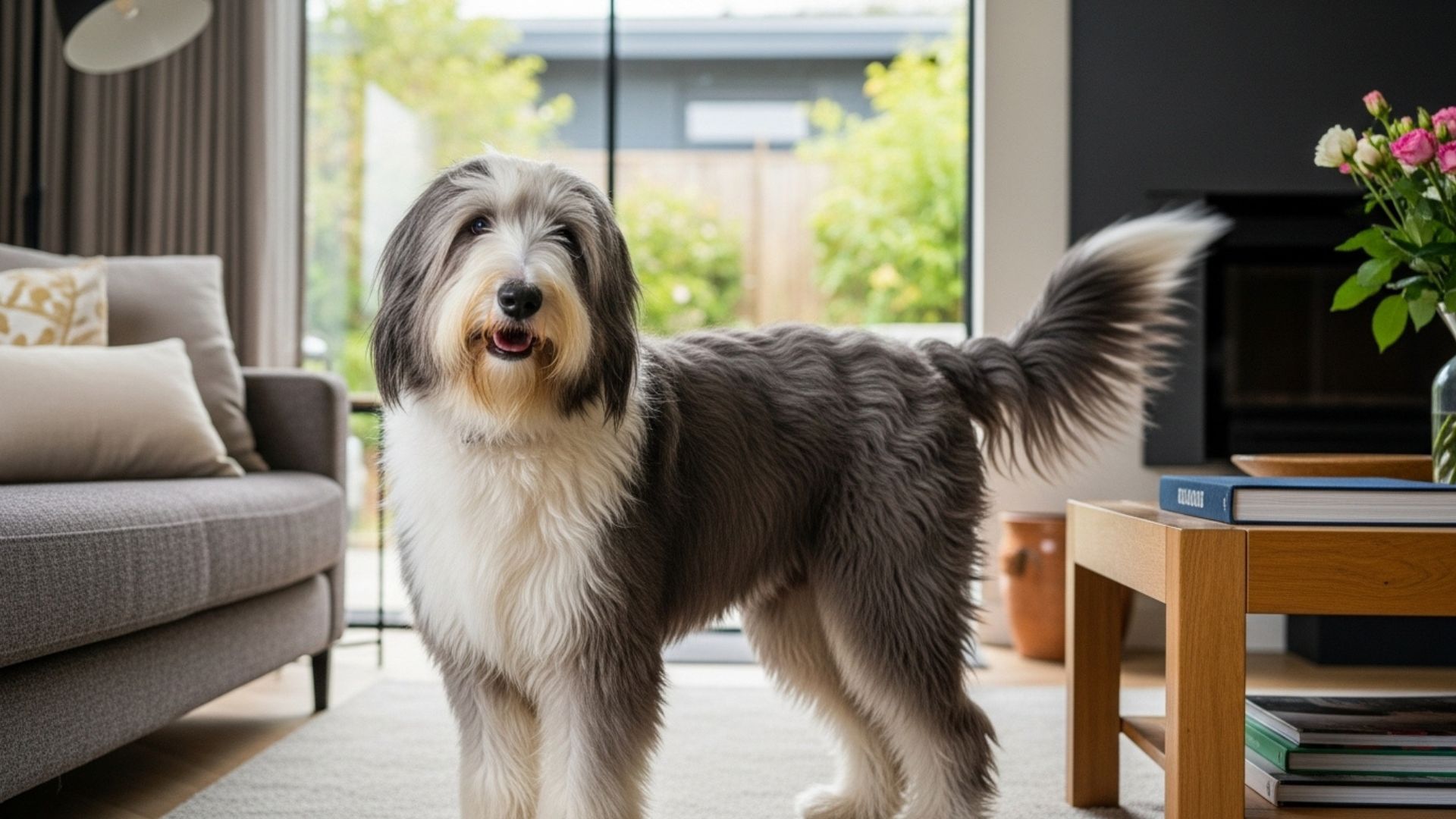
There are dog people… and then there are long-haired dog people—the ones who don’t panic at a little fluff on the couch, who own more brushes than coffee mugs, and who’ve accepted that “clean floor” is more of a seasonal suggestion than a daily reality.
Long-coated breeds aren’t just about looks (though yes, they are ridiculously photogenic). Their coats often tell a story: some were built for harsh mountain climates, others for royal palaces, and a few were basically designed to look like walking art.
But here’s the honest truth: with great hair comes great responsibility. A long-haired dog can be an absolute dream—if your household can handle grooming, mat prevention, and the occasional “what is stuck in your fur?” mystery.
To help you choose the right fluffy soulmate, here are seven gorgeous long-haired breeds that can thrive in loving homes.
Beautiful Long-Haired Dog Breeds for Loving Homes
1. Afghan Hound
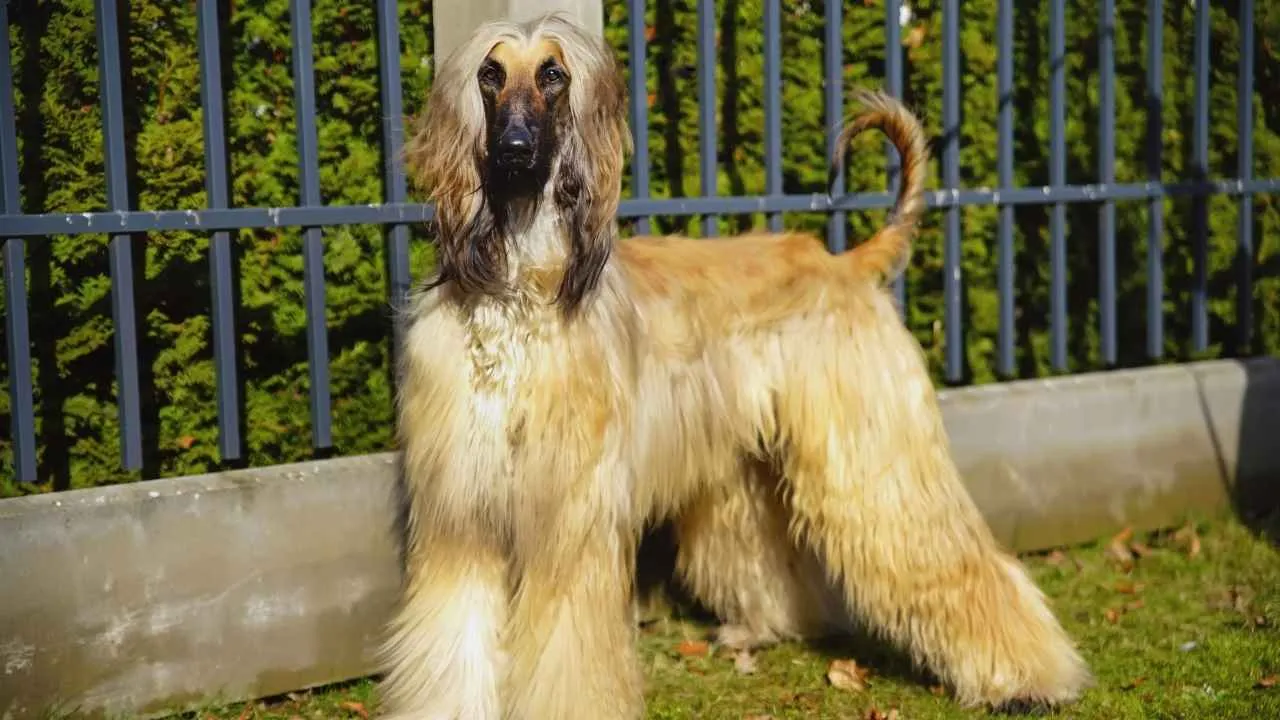
Afghan Hounds are famous for their elegant silhouette and flowing coat—honestly, they look like they should come with their own wind machine. They’re an ancient sighthound breed, developed to hunt by sight and speed in rugged regions (historically associated with Afghanistan).
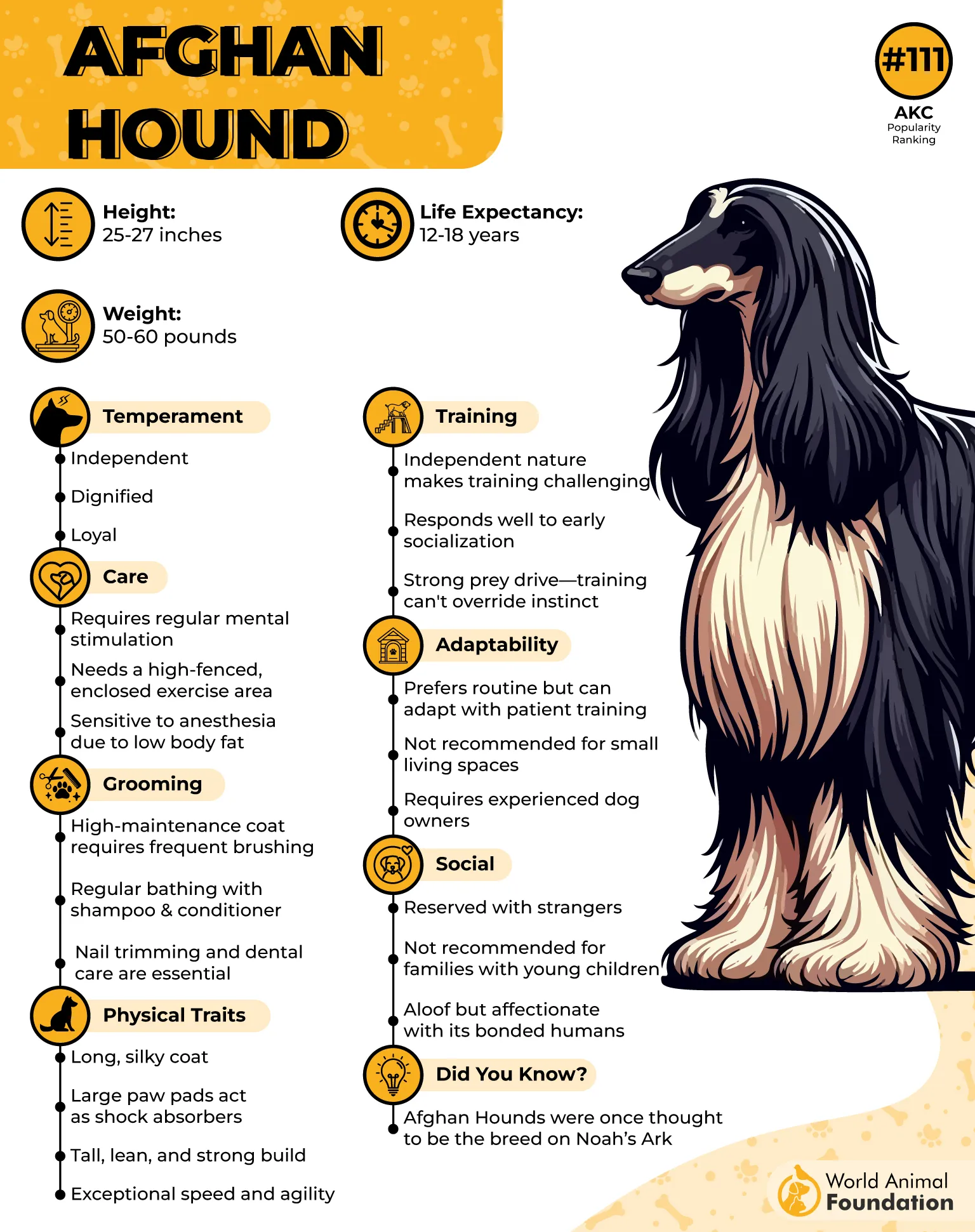
As mentioned by AKC, they’re not a “tiny fluffy lapdog” situation—this is a real athlete in couture. Because they were bred for speed and agility, they usually need daily exercise and safe opportunities to run (secure fenced areas are your best friend).
They can be affectionate with their family, but they’re not typically eager to please like retrievers. They often do best with owners who respect their independent streak and don’t expect a dog who lives for constant praise. With kids, they can do fine when interactions are gentle and respectful—but they’re generally better for families with calmer, older children.
Let’s not sugarcoat it: with these dogs, grooming is a part-time job. Their long hair tangles and mats easily, and many owners brush multiple times a week (sometimes daily) and schedule regular bathing and professional grooming. If you want “that glossy Afghan silky coat look,” you’re signing up for consistent coat care—because once mats form, they can become uncomfortable and difficult to remove.
If your home is loving, patient, and okay with a dog who’s equal parts elegance and independence, the elegant Afghan hound is unforgettable.
2. Bearded Collie
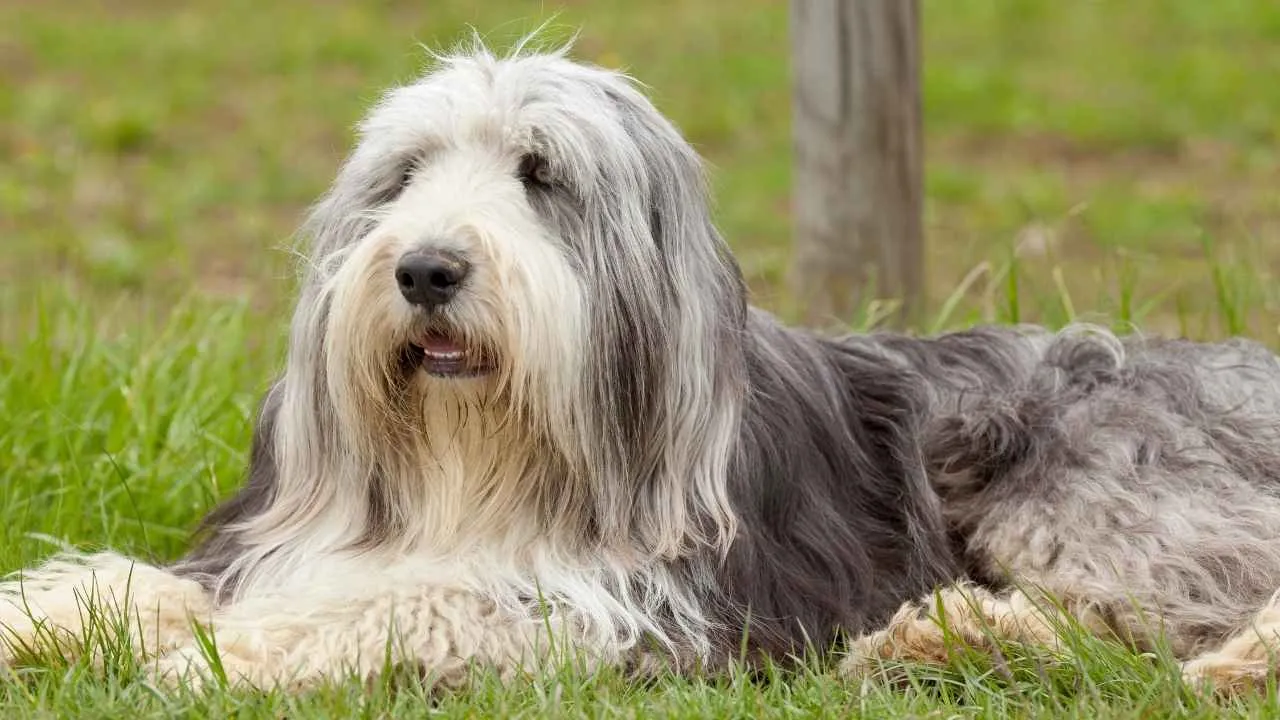
Bearded Collies (often called “Beardies”) are basically living, shaggy sunshine. Originally bred in Scotland as herding dogs, they’re known for being upbeat, friendly, and enthusiastic. If your household likes movement—walks, play, road trips, backyard games—the Beardie often fits right in like a fuzzy best friend.
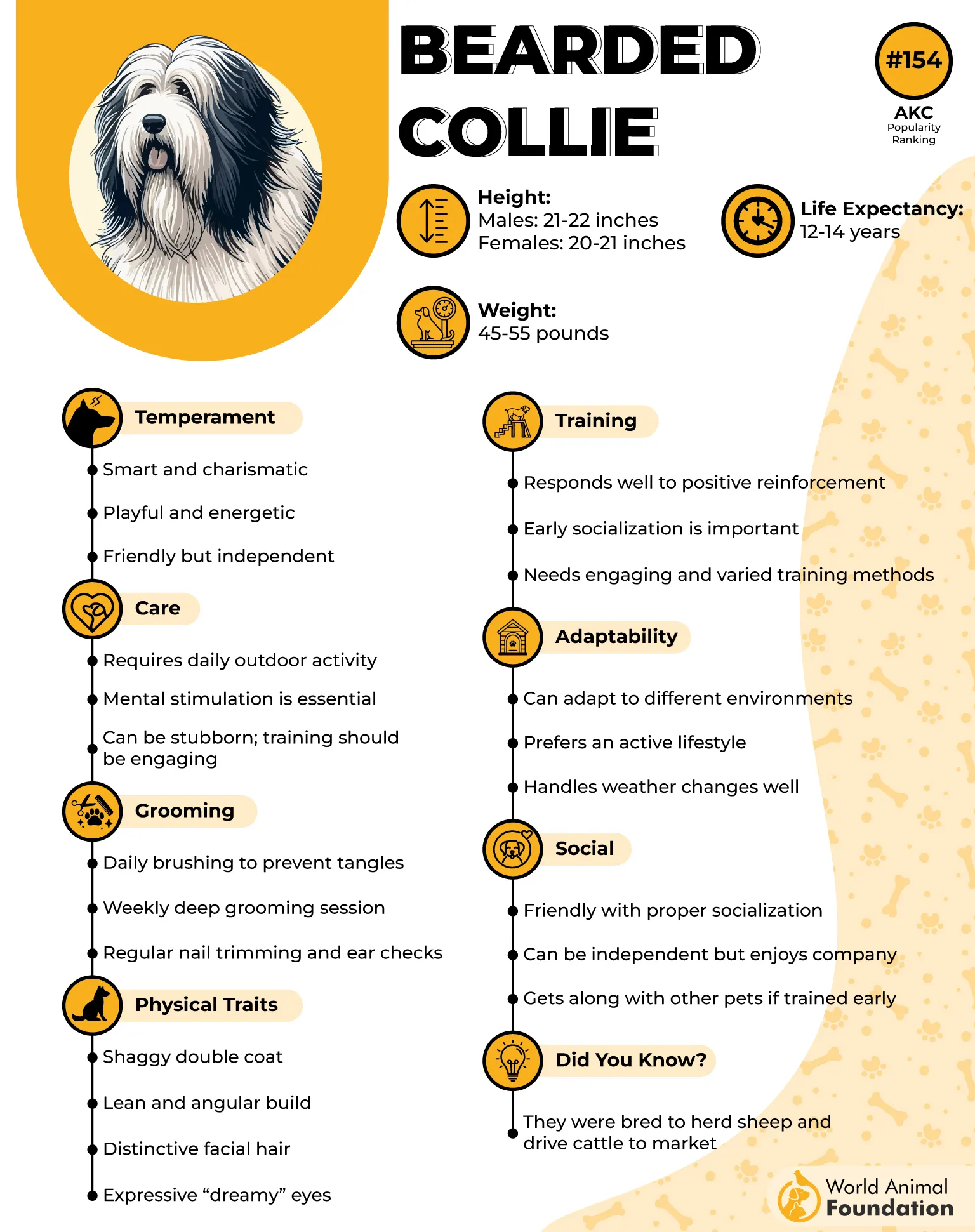
Most Collies are social and affectionate, which is why they’re beloved family dogs. They’re often good with children, especially when the dog has had enough exercise, and the children understand respectful play. One thing to watch: herding breeds sometimes try to “herd” moving kids—nudging, circling, or barking—so early training and redirection are helpful.
They typically stand 20–22 inches and weigh 45–55 pounds. They’re sturdy enough for active family life and generally not as delicate as some smaller long-haired breeds. They do, however, come with real energy needs—this isn’t a breed that’s thrilled with two minutes in the yard and then back to scrolling.

That gorgeous shaggy coat needs consistent brushing to prevent mats, especially behind the ears, in the armpits, and around the hindquarters. Plan for thorough brushing at least a few times per week, plus more during seasonal shedding. The good news: if you keep a schedule, you won’t be fighting a full-body felt blanket later.
3. Briard
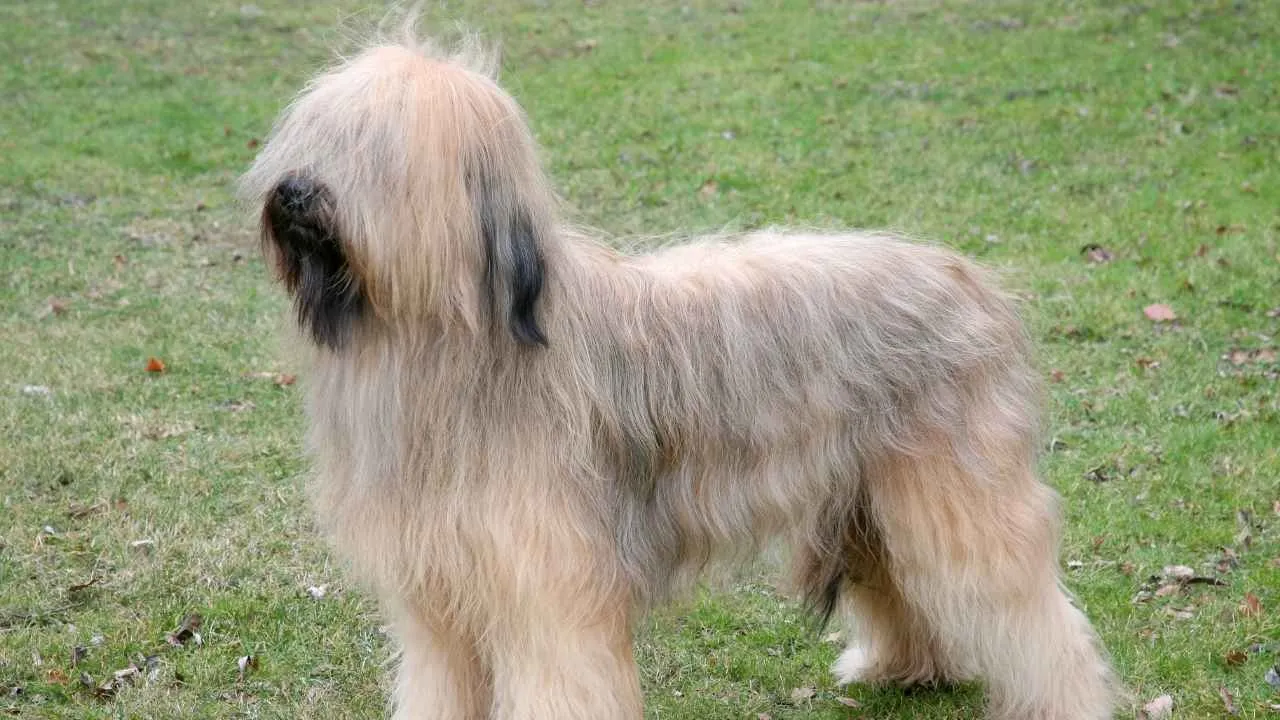
The Briard is a French herding breed with a long working history, known for its loyalty and protective instincts. Many Briard owners describe their dogs as deeply bonded to their families—sometimes with a watchful, guardian-like demeanor. They’re not typically a “love everybody instantly” breed; they’re more selective, which can be wonderful if you want a dog that’s tuned into the household.
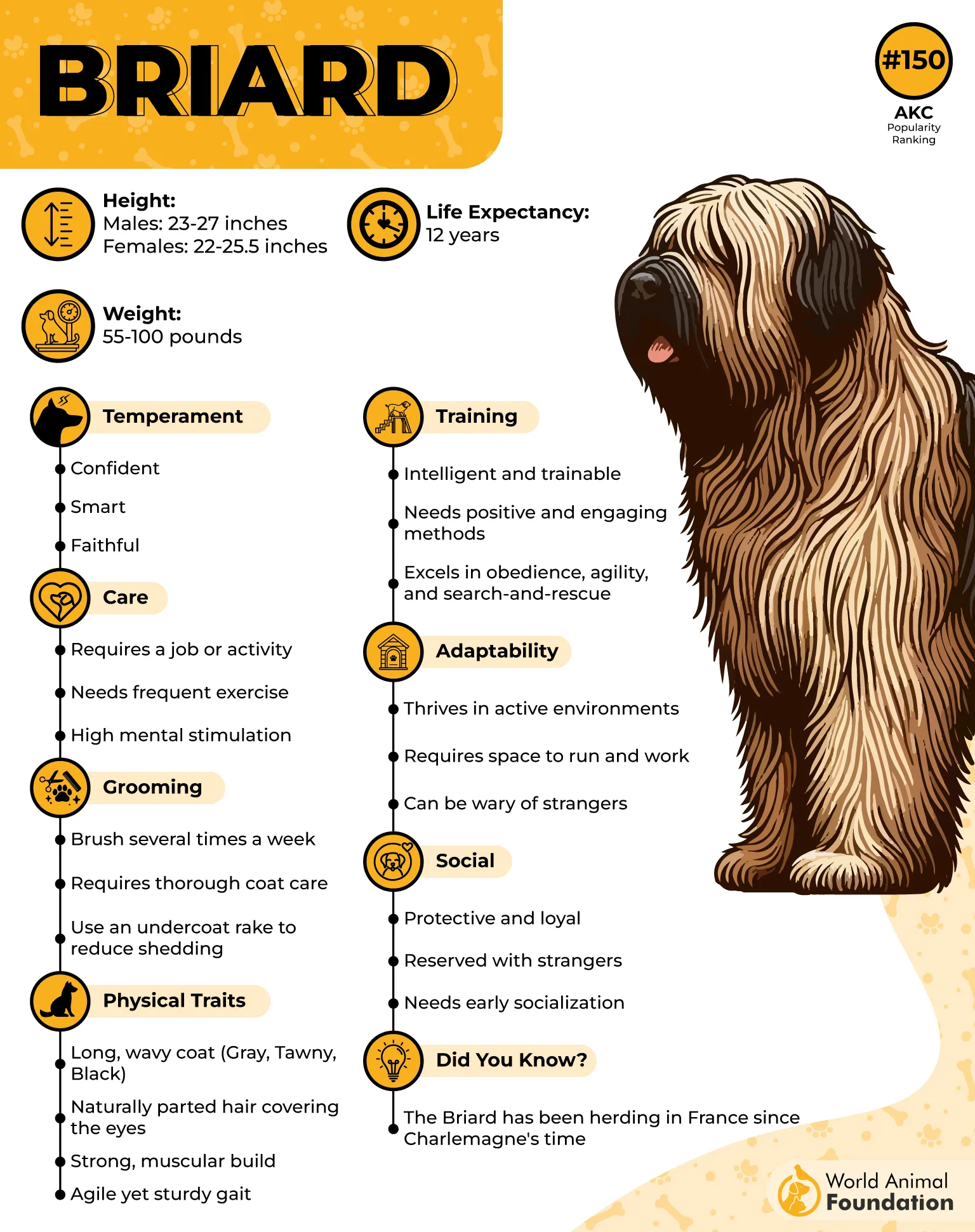
In loving homes with clear routines, Purina claims that Briards can be affectionate and steady with “their” people. With children, they can do well, but because they are large and were bred to herd, they may try to control movement if not trained. Calm greetings, impulse control, and teaching a solid “place” command make a huge difference.
Briards have a long, slightly wavy coat that can mat if neglected. Brushing multiple times per week is typical, and regular checks for burrs, leaves, and outdoor hitchhikers are part of life—especially if you hike or have a big yard. It’s doable, but you need consistency.
They often respond well to training that is calm, fair, and positive. They can be sensitive to harsh methods and may shut down or become distrustful. If you enjoy training, want a devoted companion, and can handle coat care plus structure, the Briard is a remarkable long-haired dog for a committed family.
4. Bolognese
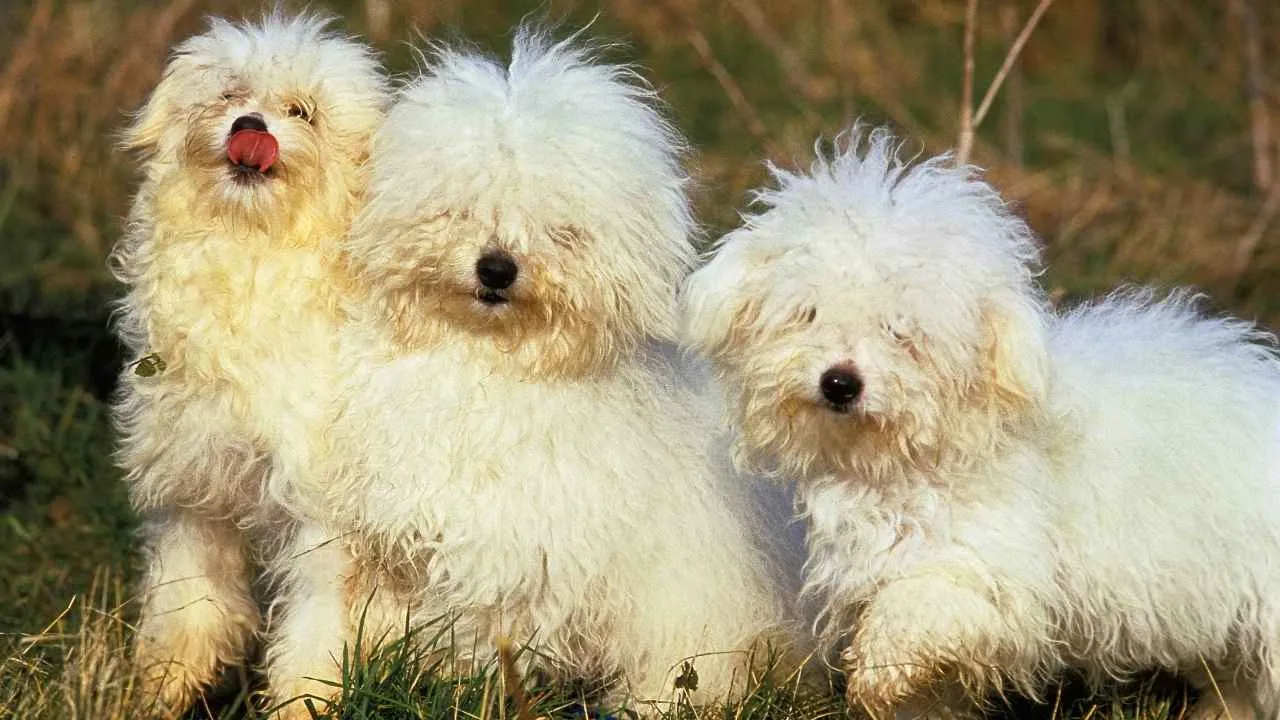
The Bolognese is a small companion breed from Italy, historically kept by nobility. Picture a little white cloud that follows you from room to room, like, “So… we’re doing laundry together, right?” They’re known for affectionate, people-focused temperaments and generally thrive in homes where someone is around often.
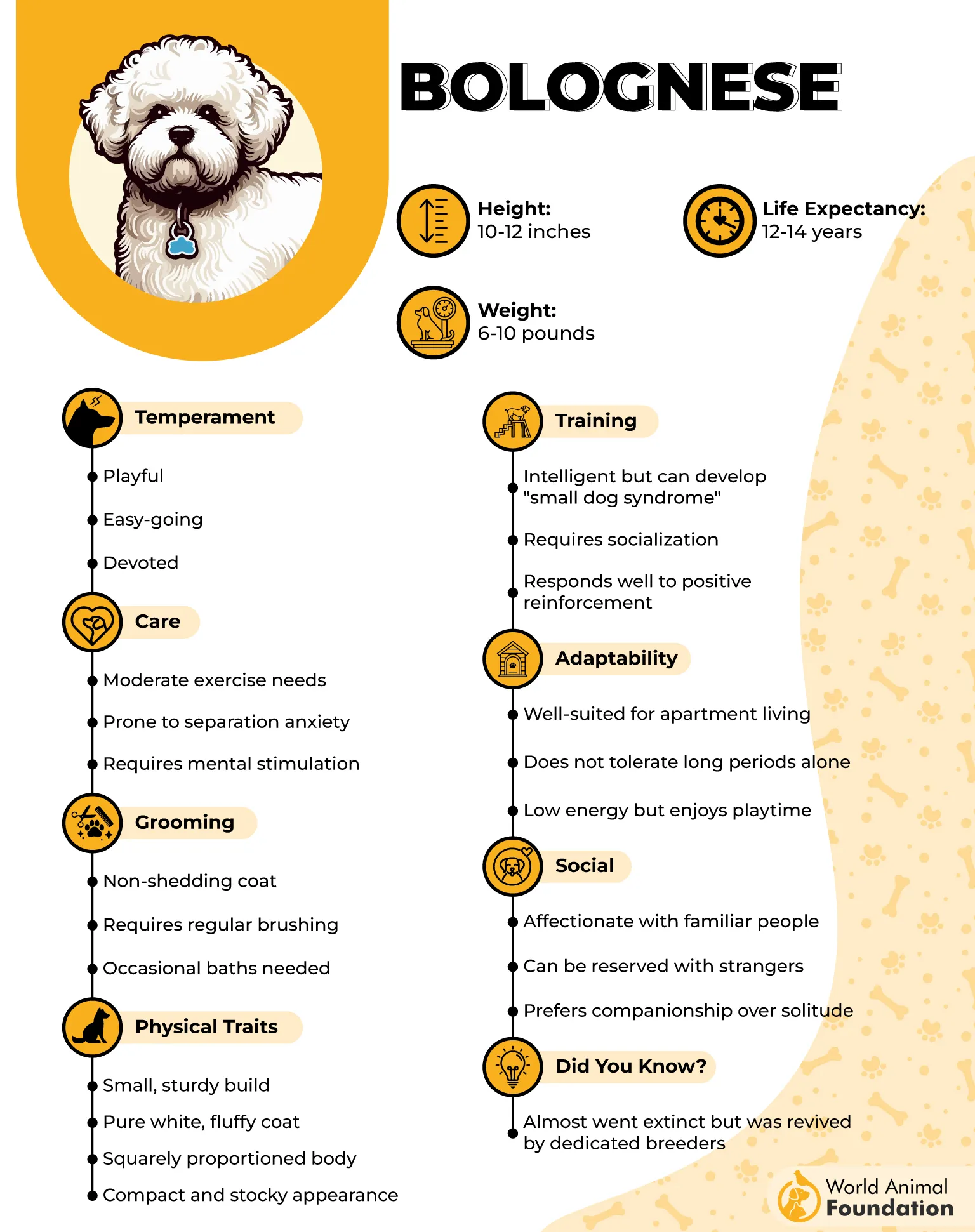
Because they’re small, they do best with children who can be calm and careful. They’re often friendly and affectionate, but they can be injured by accidental falls or rough play. Supervision with very young kids is important. With kind, respectful handling, they can be charming little family dogs.
Their coat is long and cottony and can mat if neglected. Many owners keep the coat trimmed in a “puppy cut” for easier maintenance. Regular brushing is still needed, and as with many small breeds, dental care matters too—tiny mouths can accumulate tartar quickly, so brushing teeth is not just a nice idea.
Bolognese are often eager to learn and respond well to positive reinforcement, especially when it includes praise and closeness. They may be prone to separation anxiety if left alone too much. If your home is affectionate and you want a small long-haired dog that feels like a constant companion, the Bolognese is a lovely match.
5. Komondor
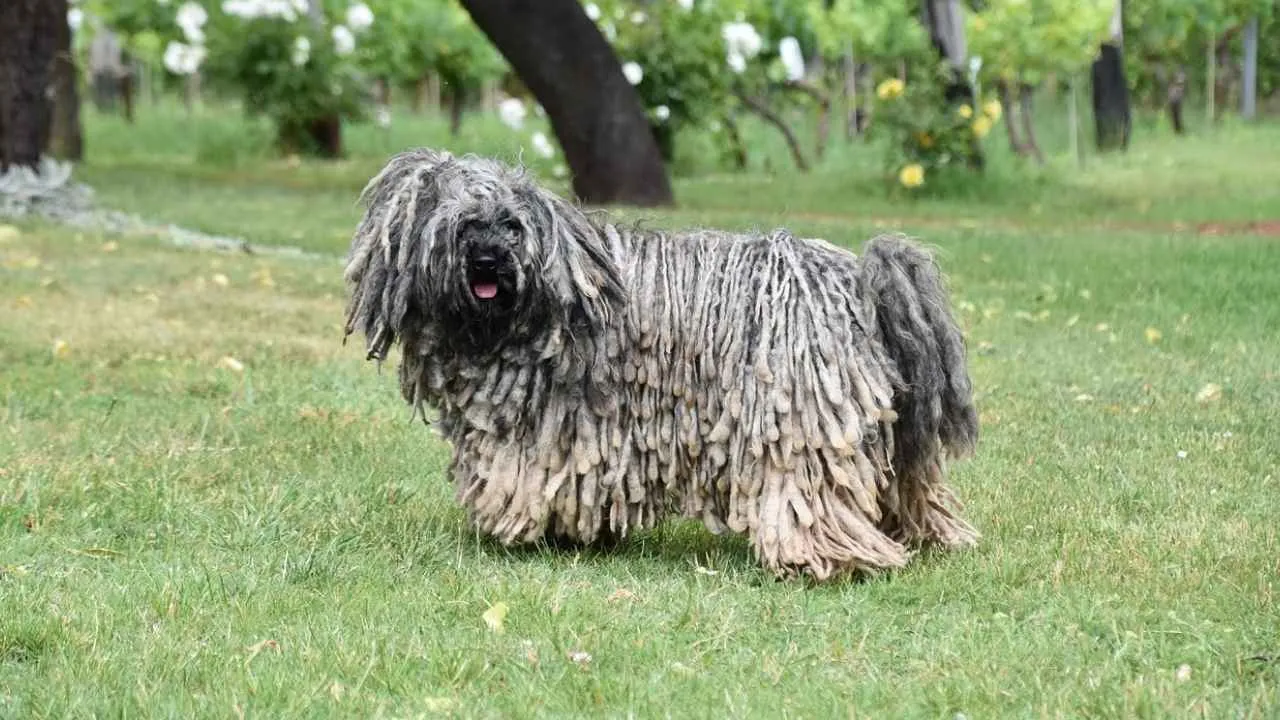
The Komondor is one of the most visually distinctive dogs on Earth, famous for its corded coat that resembles dreadlocks. But behind that iconic look is a livestock guardian breed from Hungary—meaning this dog was bred to make independent decisions and protect flocks against predators. It’s not a novelty breed; it’s a working guardian in a very dramatic outfit.
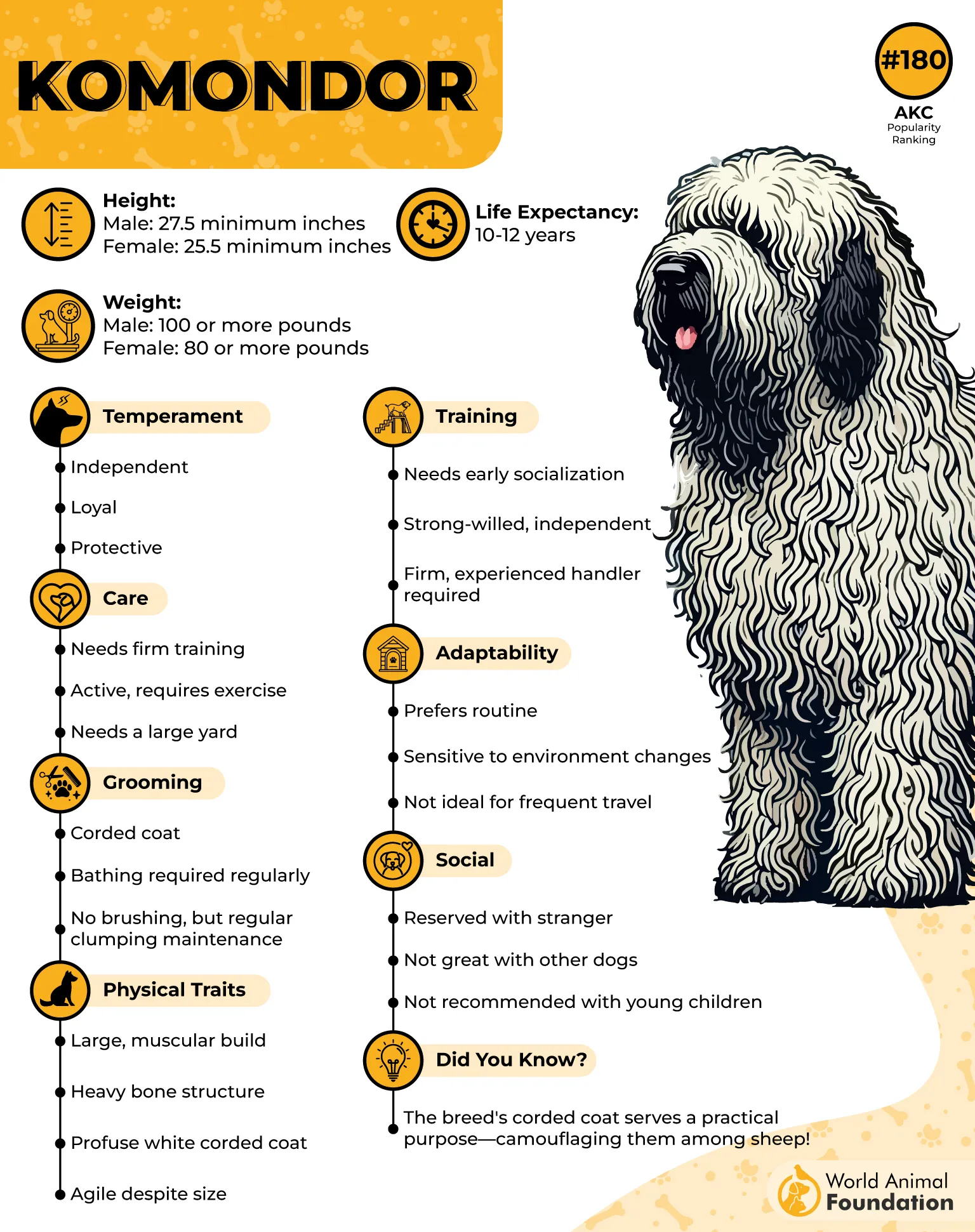
According to PetMD, Komondors are large, typically 25–28 inches and 80–100+ pounds. Their job historically required courage and independence. In a modern home, this translates to a dog that is devoted to the family but wary of strangers. If you want a social butterfly, look elsewhere; if you want a serious guardian, this breed can be extraordinary in the right hands.
Their coats aren’t brushed like typical long-haired dogs. The coat forms cords that need to be separated by hand to prevent them from matting into solid plates. Drying after bathing is also important because thick undercoat hair can retain moisture. This is not “wash-and-go.” It’s more like “wash-and-plan-your-week.”
This breed typically needs confident leadership, secure fencing, and thoughtful exposure to the world. They can be incredible protectors and loyal companions, but they’re best suited to experienced dog owners who understand guardian breeds.
In the right loving home, a Komondor is unforgettable—equal parts mythic-looking and deeply devoted.
6. Lhasa Apso
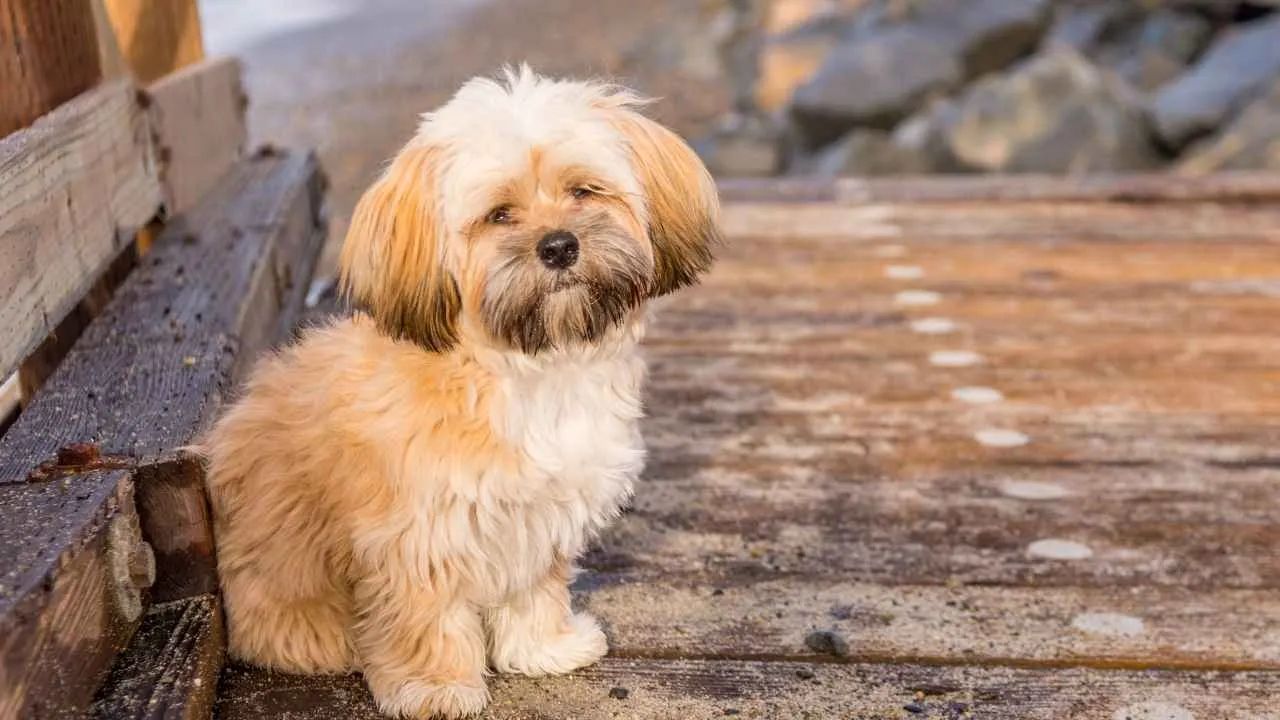
The Lhasa Apso originated in Tibet, where they were kept as sentinel dogs in monasteries and palaces. That history shows up today: they can be affectionate with family, reserved with strangers, and often quick to alert.
Britannica claims they’re not typically clingy in the way some lapdogs are; they’re more like a tiny dignitary who grants affection on purpose.
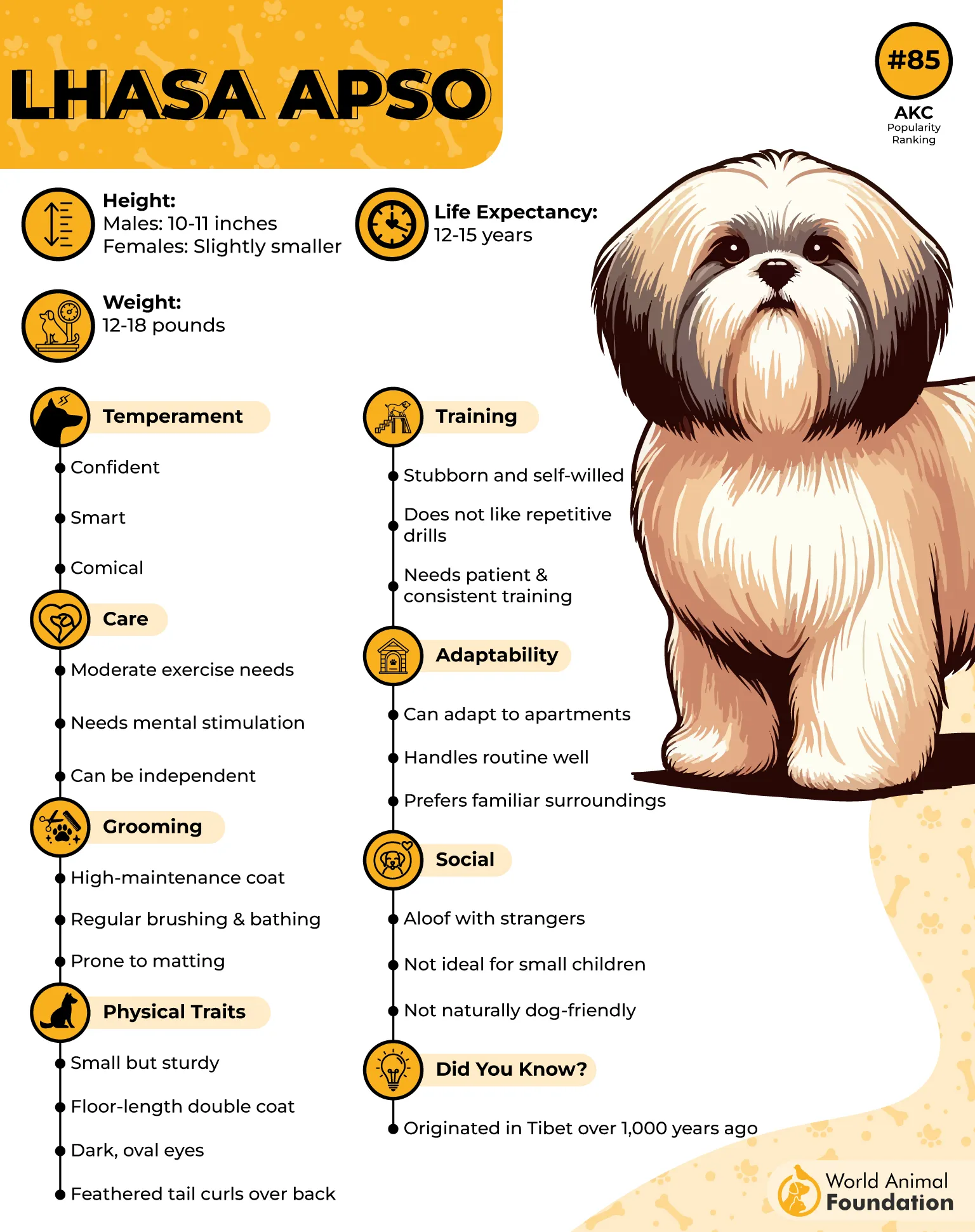
Lhasa Apsos are typically 10–11 inches tall and 12–18 pounds. That makes them a good middle ground for families who want a smaller, long-haired breed that still has some sturdiness. They can do well in apartments, and their exercise needs are moderate—walks and playtime are usually enough.
Their coat can be kept long and showy or trimmed shorter for easier maintenance. Long coats require regular brushing to prevent mats; short trims still need upkeep but are far more manageable for busy homes. Like many small breeds, routine dental care is a big quality-of-life factor.
These smart dogs can learn quickly, but they do have an independent streak. Positive reinforcement, short sessions, and consistent rules work best. If you want a small, long-haired dog that’s loyal, watchful, and full of character (without needing constant high-energy exercise), the Lhasa Apso is a great option.
7. Shih Tzu
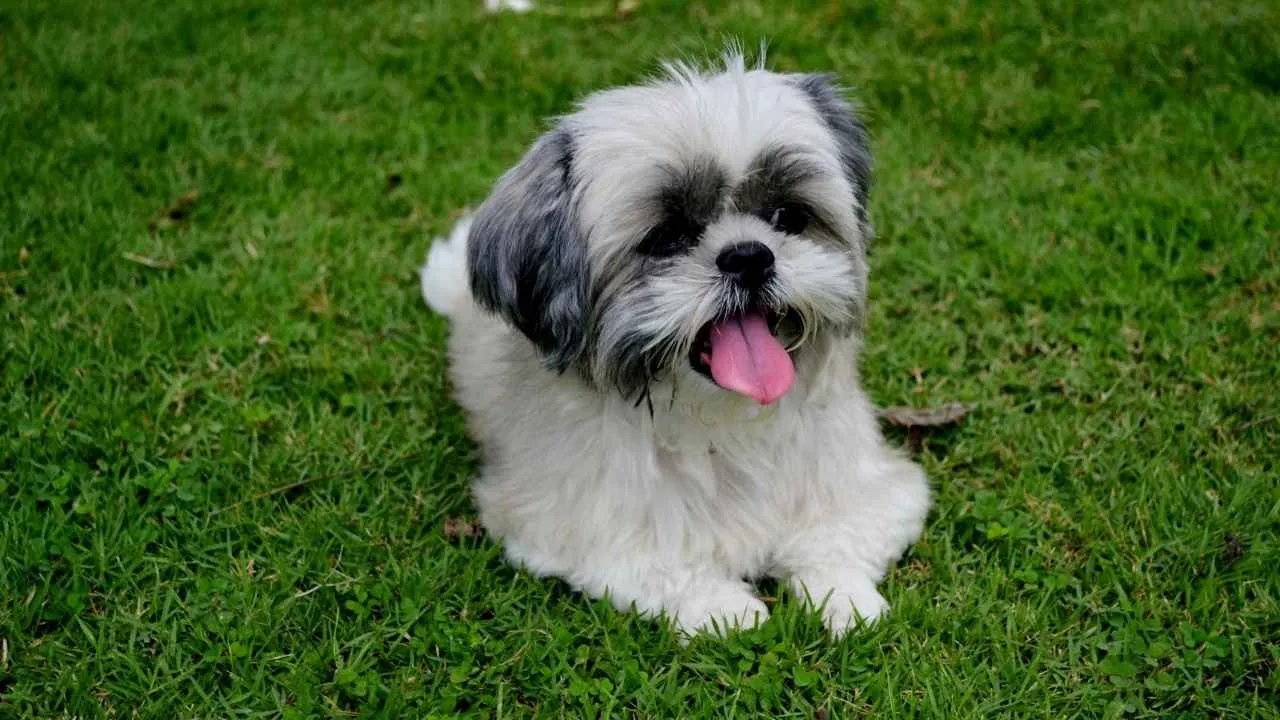
Shih Tzus were bred as companion dogs, and it shows—they generally love people and thrive on affection. They’re often described as friendly and outgoing, making them popular in families who want a dog that’s more “cuddle buddy” than “working athlete.” They’re also one of those breeds that can turn a grumpy day around just by waddling over to say hi.
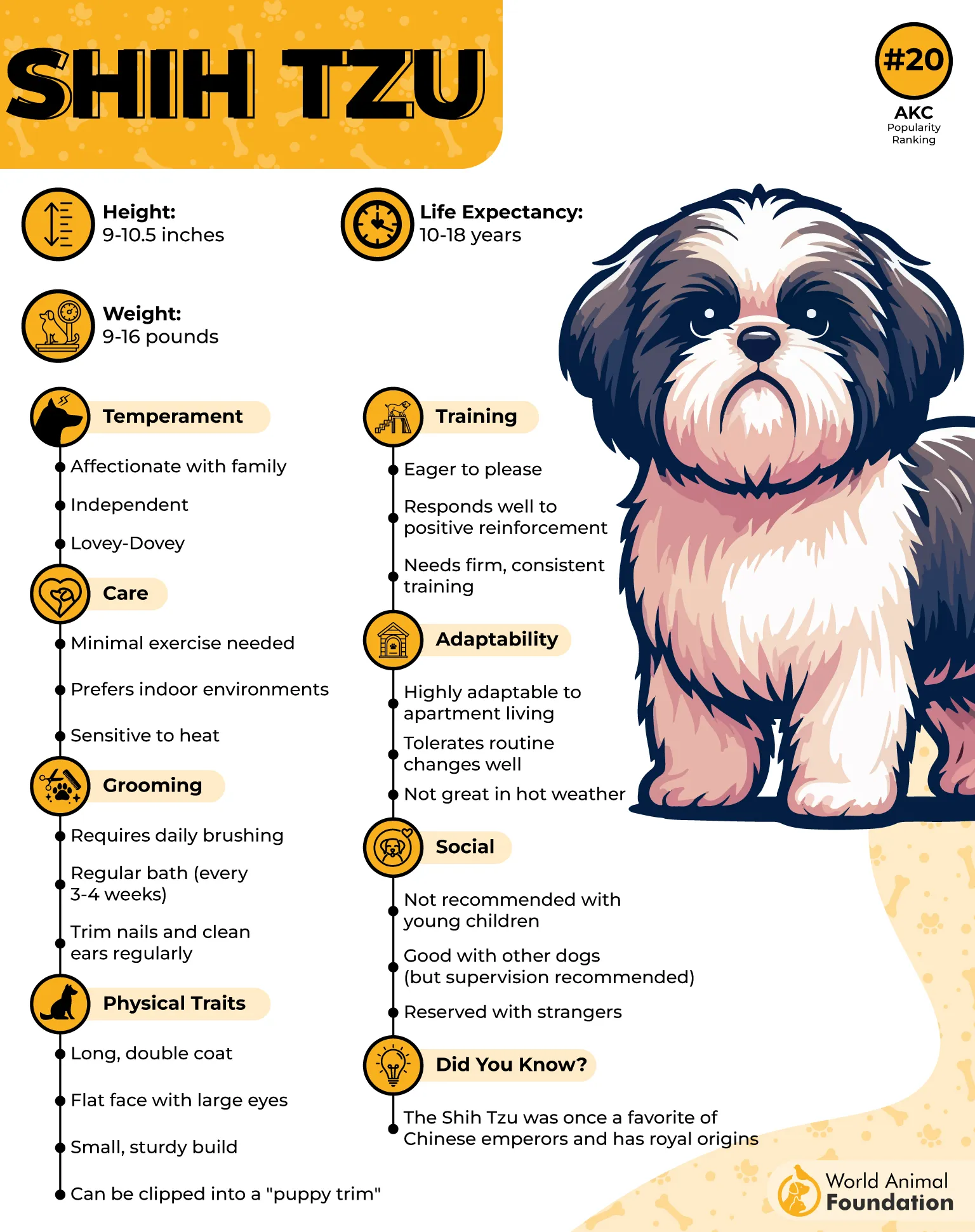
These energetic dogs have long, thick coats that require brushing if kept long, and many families opt for shorter cuts to simplify life. They’re also a brachycephalic breed, meaning their short muzzle can make them more sensitive to heat and heavy exertion. Eyes can be prone to irritation, too, so regular face cleaning and sensible exercise habits help a lot.
They can be a bit stubborn compared to other pets, but they respond well to positive reinforcement and routines. House-training may take patience (small dogs often need consistency), but once you establish a schedule, many Shih Tzus do well.
Conclusion
Long-haired dogs bring a special kind of magic into a home—soft presence, dramatic glow-ups after grooming, and the oddly comforting sound of a brush working through a coat while your dog sighs like you’re running a spa. Though many long-haired breeds can be managed at home, professional groomers help keep their coats healthy.
Want more options? Look for the Yorkshire terrier, Shetland sheepdogs, Irish setter, Rough collie, Bernese mountain dog, and Tibetan terrier as they also come with gorgeous hair!
