




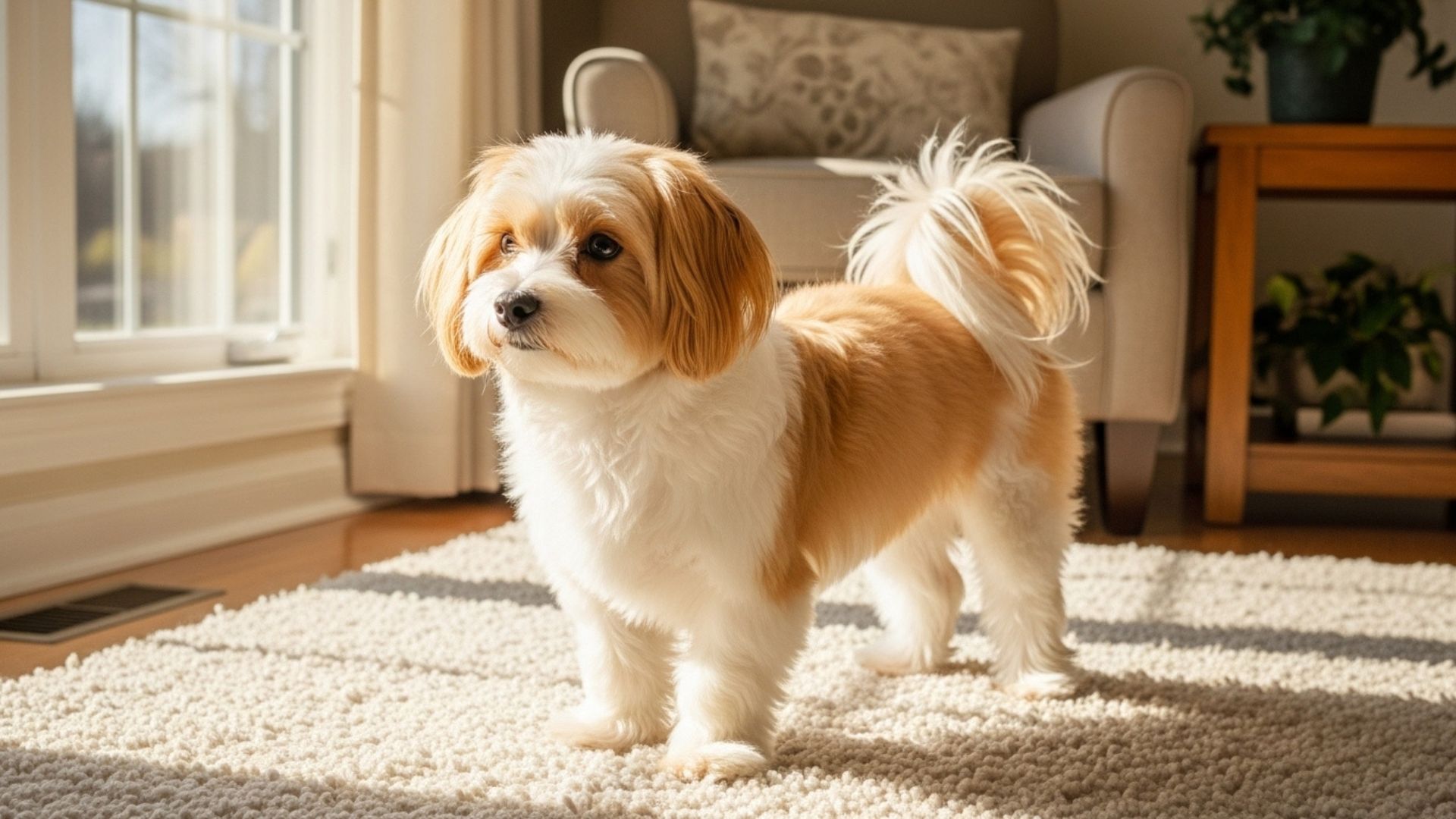
Tiny teacup dog breeds have a way of stopping people in their tracks.
One minute you are walking down the street, the next you are smiling at a dog that looks like a forever puppy. These miniature companions pack big personalities into very small bodies, making them popular with city dwellers, frequent travelers, and anyone who loves a lap-sized sidekick.
But there is more to teacup dogs than their adorable looks. From their care needs to daily life, these dogs deserve thoughtful consideration.
This guide explores some of the tiniest teacup dog breeds, highlighting what makes each one special while helping you understand what life with a truly tiny dog is really like.
Did you know?
Small dogs often excel as therapy dogs because their cheerful nature and easy to handle size help them connect quickly with people. Many seem to have an uncanny ability to sense moods and lean in with extra affection right when it is needed most.
Top Tiny Teacup Dog Breeds: A Guide to Miniature Marvels
1. Papillon
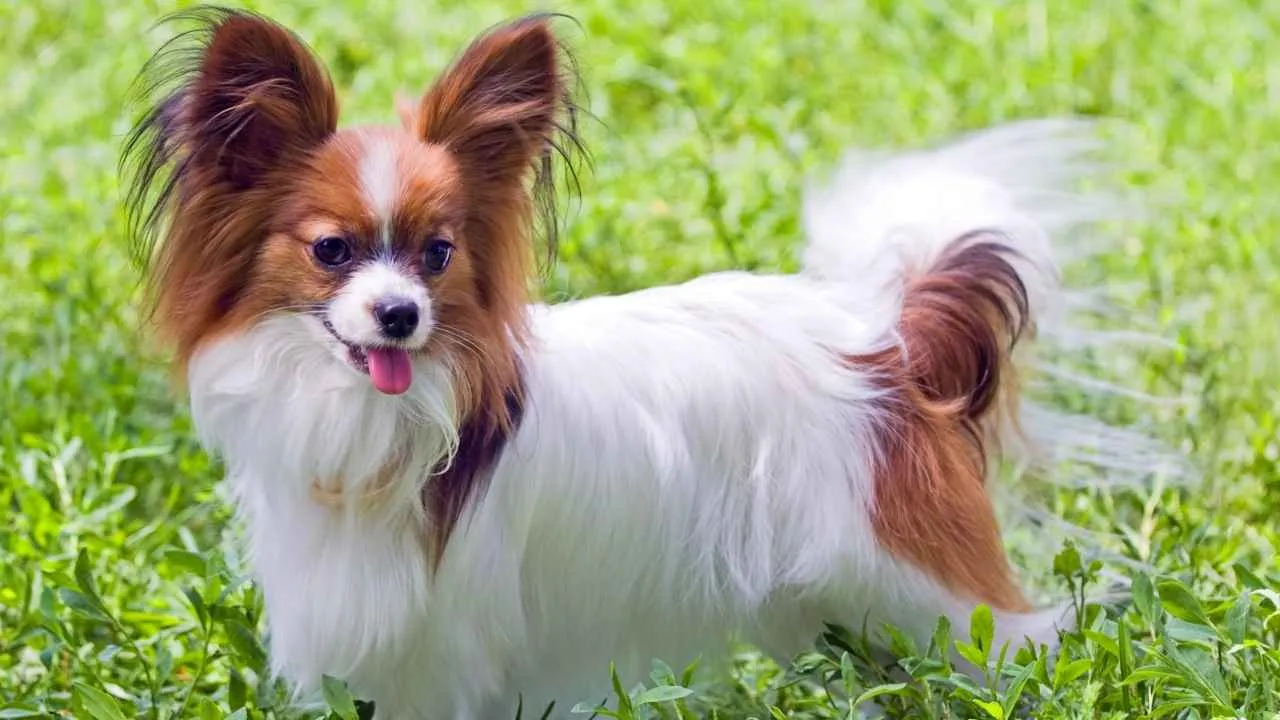
Teacup Papillons have a big presence packed into a very small, elegant package. They are affectionate, alert, and happiest when they are involved in whatever their people are doing, whether that means playtime, training, or relaxing nearby.
Those butterfly-shaped ears are the Papillon’s signature feature, and they are impossible to ignore. Combined with a fine, graceful frame and a silky, feathered coat that is usually white with colorful markings, their look is both playful and polished.
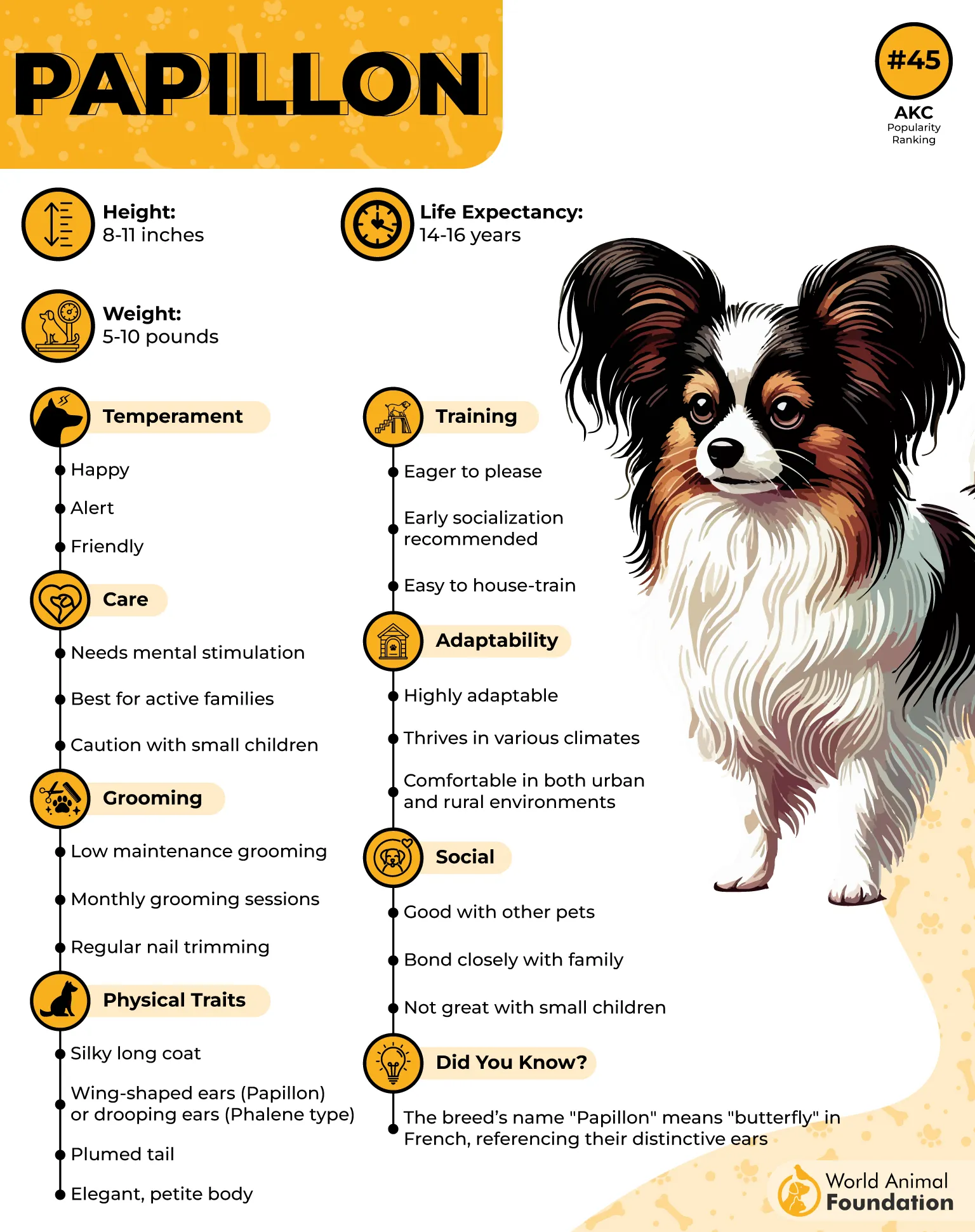
Quick learners with lively energy, Papillons love activities that challenge both their minds and bodies. They enjoy games, short bursts of movement, and learning new skills, all while staying closely connected to their favorite humans.
Special Considerations For This Breed
Needs careful handling due to a delicate structure
Benefits from consistent routines and positive engagement
2. Yorkshire Terrier
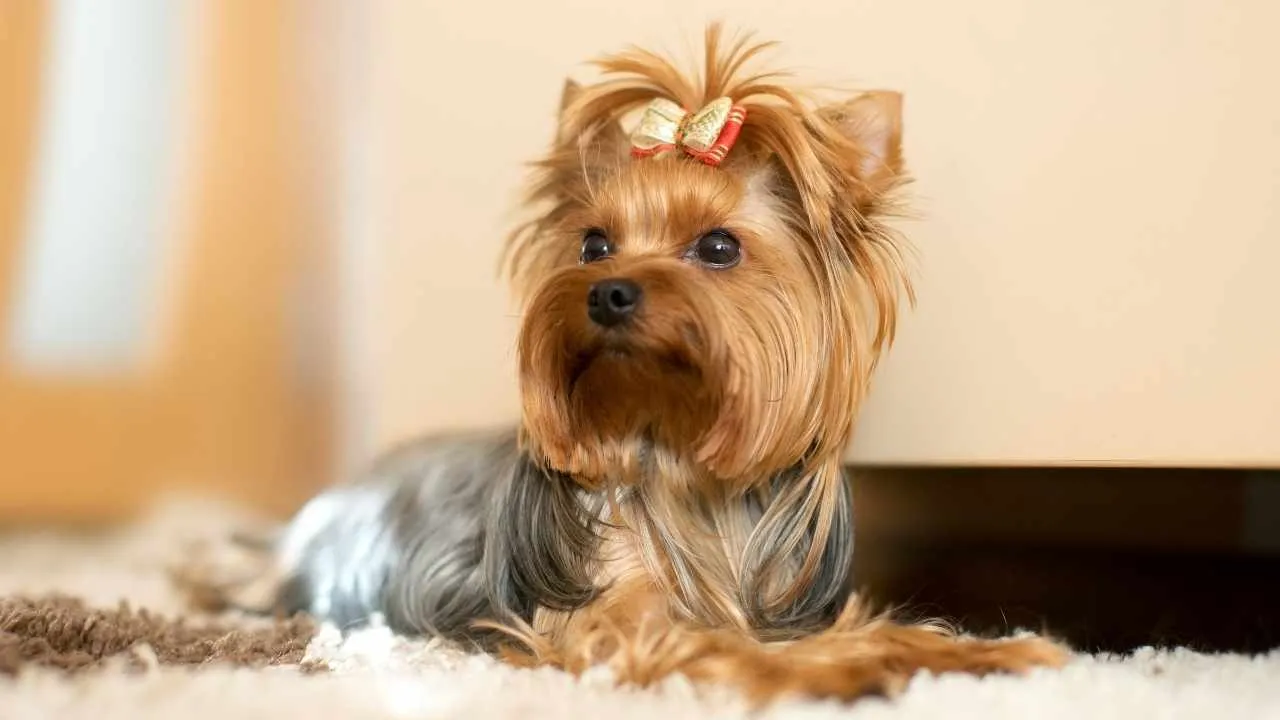
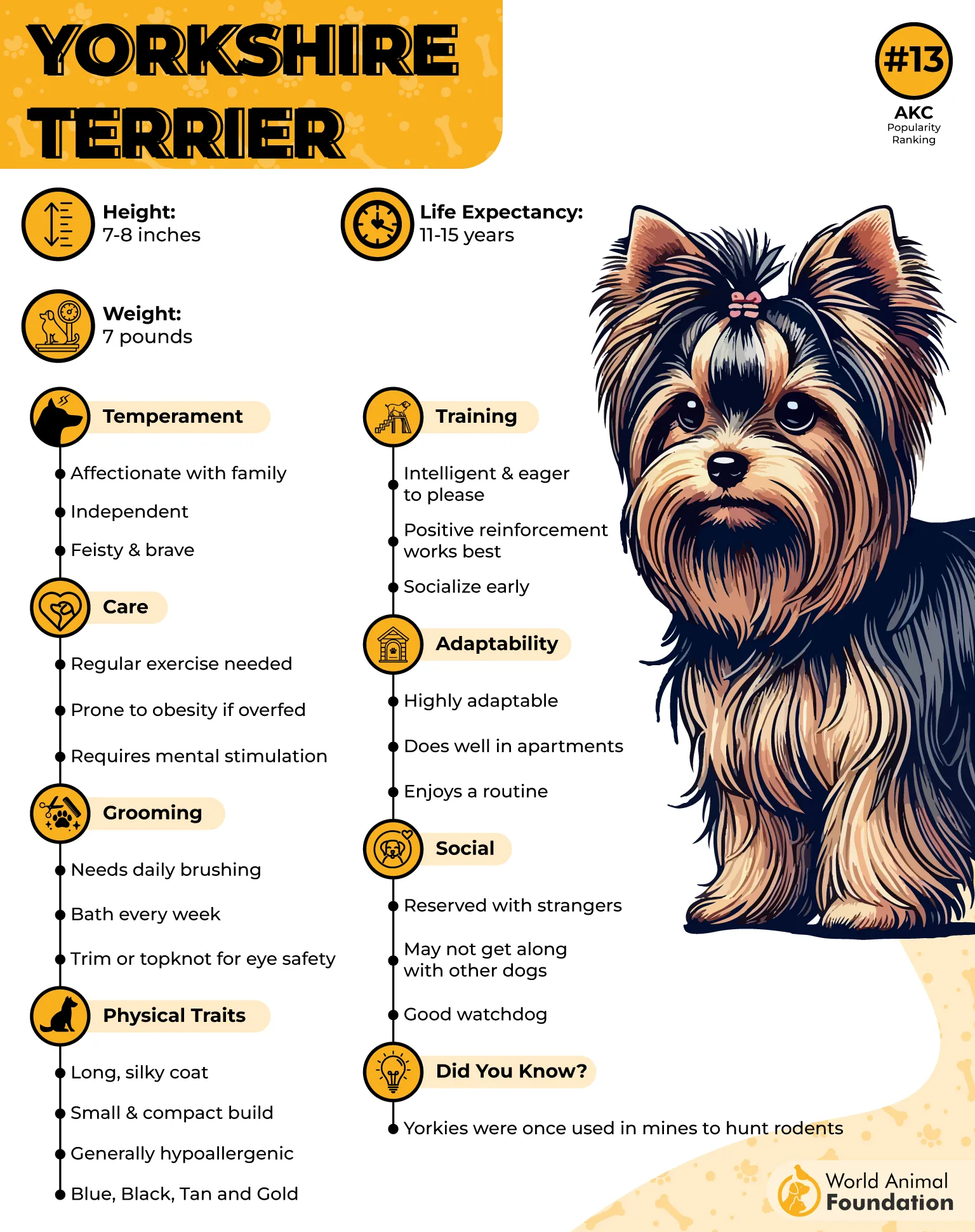
This breed shows up with confidence that easily fills the room. Yorkshire Terriers are known for their bold spirit, strong sense of independence, and unmistakable charm, all paired with a sleek coat that adds to their polished, eye-catching presence.
Smaller living spaces often work well for Teacup Yorkies when their need for interaction is met. Apartments can suit them nicely, provided there is enough attention and mental engagement to keep boredom from creeping in and triggering unwanted behaviors.

Caring for a Yorkie means committing to regular grooming and thoughtful feeding routines. Their silky, long coat requires consistent brushing, and smaller, well-timed meals help maintain steady energy while supporting overall comfort and well-being.
Special Considerations For This Breed
Extra small individuals may require ongoing veterinary monitoring
Fragile bones make careful handling especially important
3. Shih Tzu
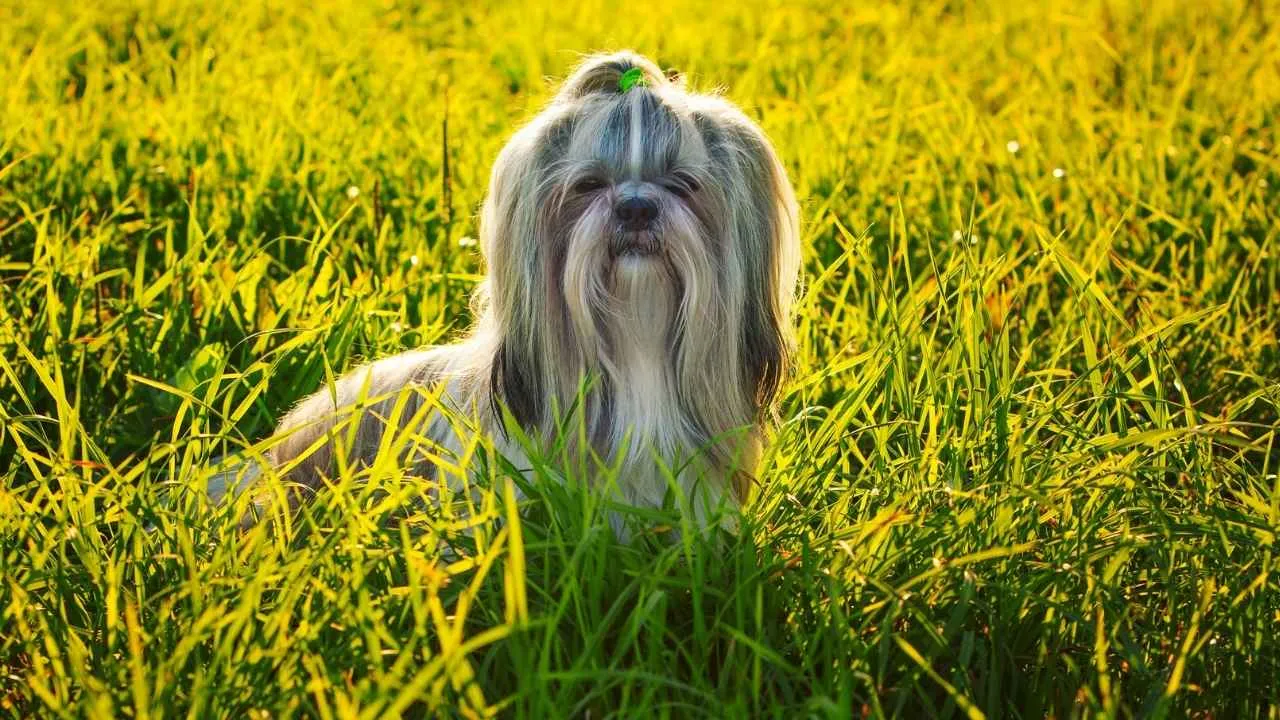
Long before becoming lap-loving companions, Shih Tzus were bred with symbolism in mind, meant to resemble lions and serve as alert dogs in imperial homes. That legacy still shows up today in their expressive faces, confident posture, and unmistakable sense of importance.
As mentioned by PetMD, Shih Tzu puppies respond best to positive reinforcement and high-reward treats during training, but it’s important to monitor treat intake carefully since excess calories can add up quickly and contribute to weight gain.
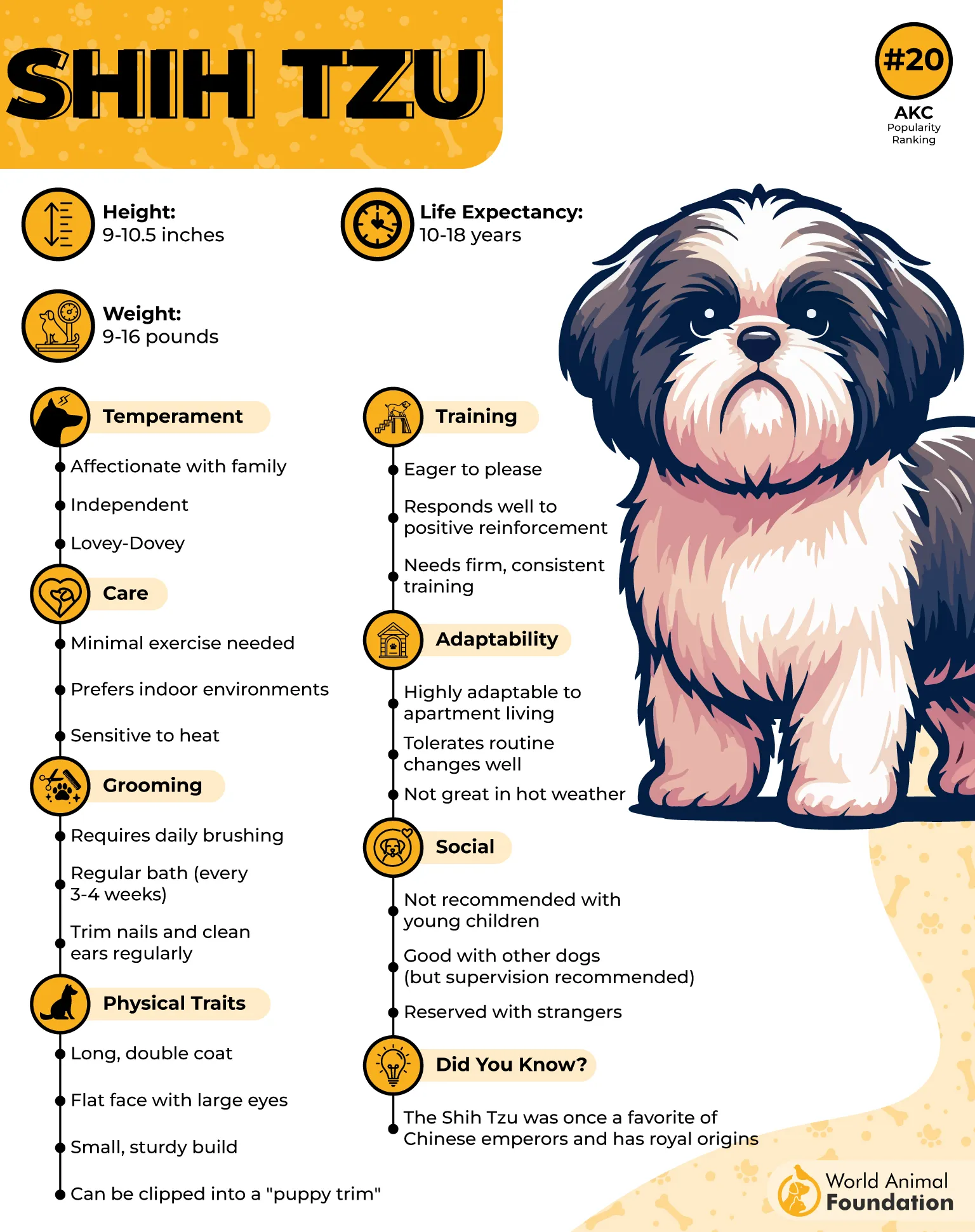
Behind the soft coat and sweet expression, there are health details that deserve attention. Their short muzzle can make heat a real concern, and dental crowding is common. Eye, joint, and breathing-related conditions also require regular veterinary monitoring.
Special Considerations For This Breed
Warm weather can overwhelm them quickly, so temperature awareness matters
Long facial hair needs frequent attention to prevent eye irritation
4. Pug
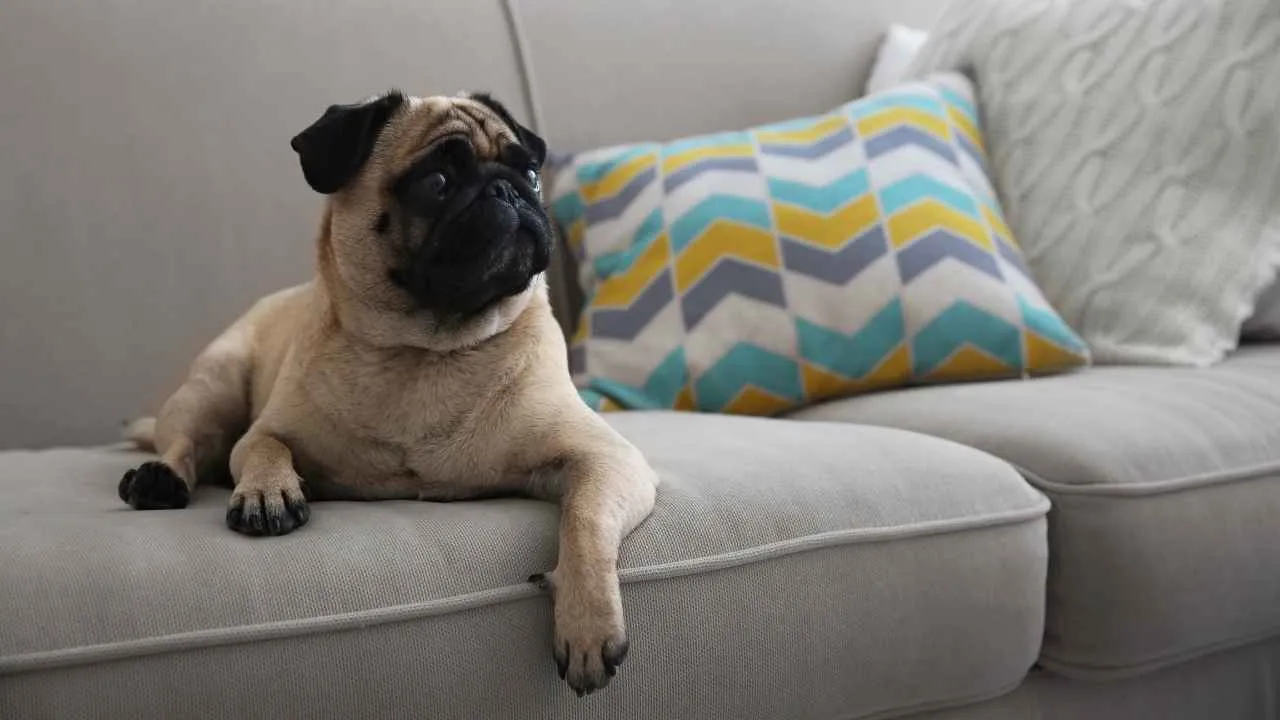
There is something instantly recognizable about a Pug’s wrinkled face and expressive eyes that makes people stop and smile. This breed carries a long reputation as a companion first and foremost, leaning hard into charm, closeness, and a personality that loves being involved in everything.
When sharing space with other animals, Pugs tend to be friendly rather than feisty. They usually enjoy having furry company and are not driven to chase, though their compact size means supervision matters, especially around much larger pets who might not realize their own strength.
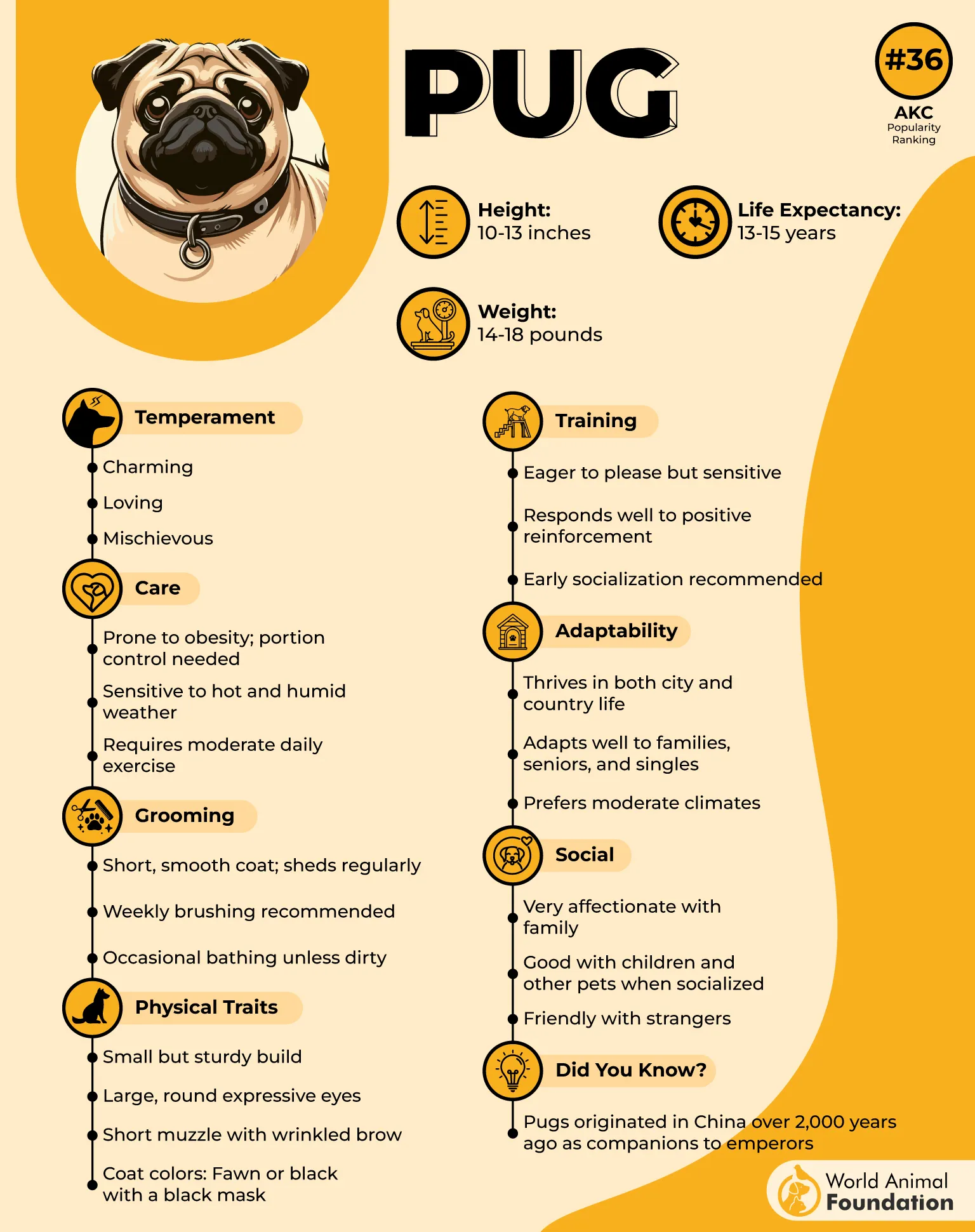
Vocal habits can surprise new pet owners. Teacup Pugs will bark to announce excitement, visitors, or boredom, but they are not constant noise makers. Their sounds often feel conversational, popping up when something grabs their attention or when they want a little extra notice.
Special Considerations For This Breed
Extra skin folds need regular cleaning to avoid irritation
Weight gain can sneak up fast with overeager feeding
5. Havanese
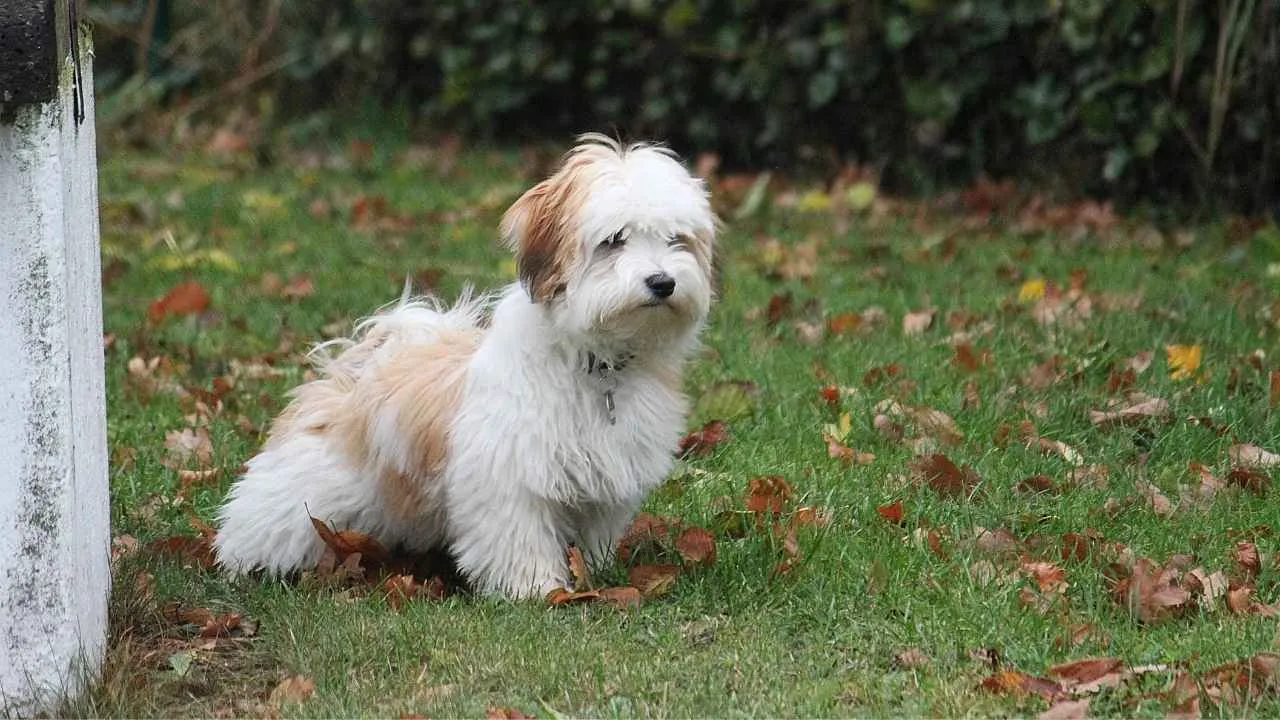
Some dogs follow you around for snacks, others for fun, but the Havanese sticks close because being near their person is the whole point. This breed thrives on closeness, curiosity, and connection, often acting like a cheerful little shadow with a soft, silky bounce.
Life with family members suits them well when the environment is calm and attentive. They enjoy gentle interactions and do best when someone is around most of the time. Very young children need guidance, since rough play can accidentally overwhelm such a tiny companion.
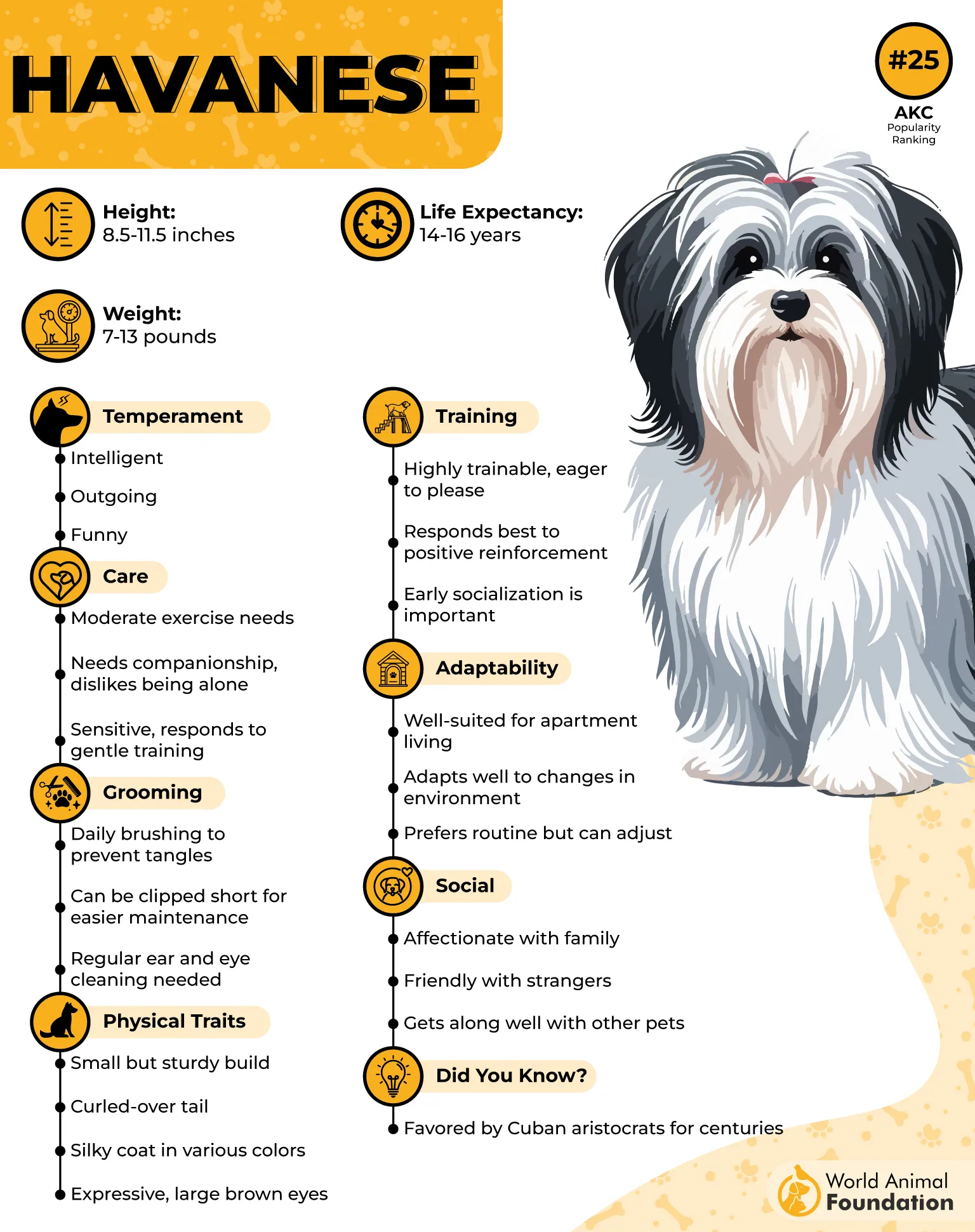
As mentioned by the American Kennel Club (AKC), Havanese are generally healthy and tend to live long lives, though certain health issues may occur. These include eye disorders, hearing issues, heart murmurs, joint concerns like patellar luxation, and hip-related diseases that responsible breeders screen for.
Special Considerations For This Breed
Cold weather can be uncomfortable, even with long fur
Liver-related conditions may require dietary adjustments and vet guidance
6. Maltese
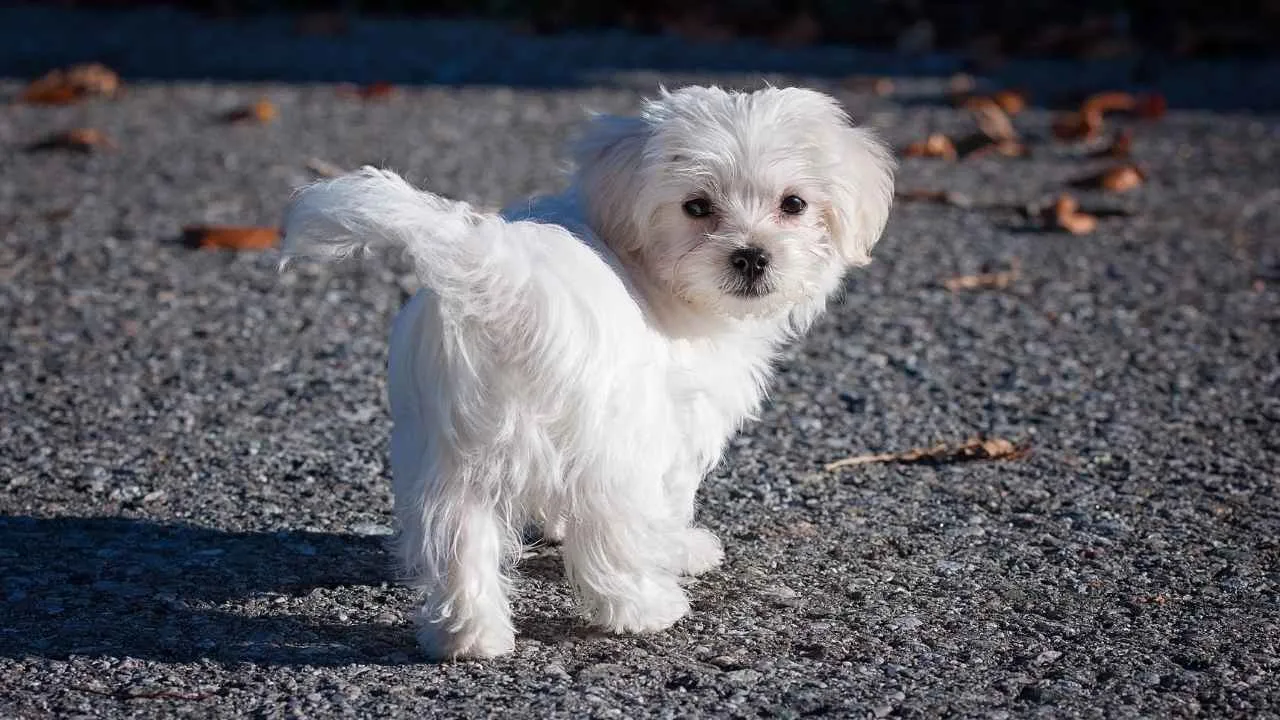
Centuries before becoming modern-day mini charmers, Maltese dogs held serious status. Ancient civilizations admired them so deeply that they appeared in art, poetry, and even burial traditions. That long legacy still echoes in their poised presence and unmistakable elegance.
Raising Maltese teacup puppies calls for patience and close attention. Their tiny bodies need frequent meals to avoid low blood sugar, and house training takes time due to very small bladders. Warm, calm environments help them feel secure during early growth stages.
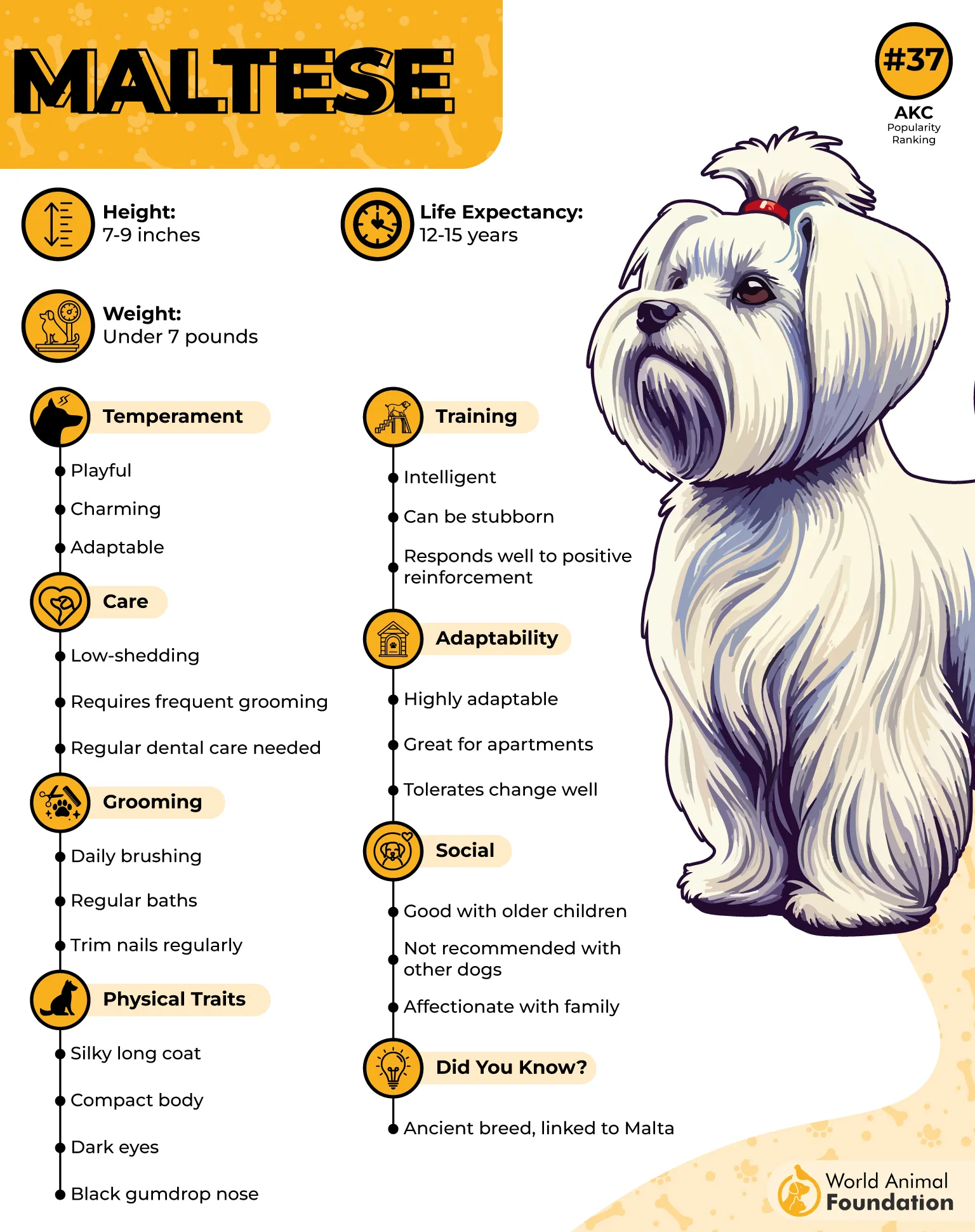
Maltese’s long coat can mat easily, making daily brushing essential to prevent tangles and skin infections. Baths should always be followed by thorough rinsing and complete drying to avoid trapped moisture that may lead to irritation or infection.
Special Considerations For This Breed
Vocal tendencies mean they may bark more than expected
Certain heart conditions, including patent ductus arteriosus, require awareness
7. Pomeranian
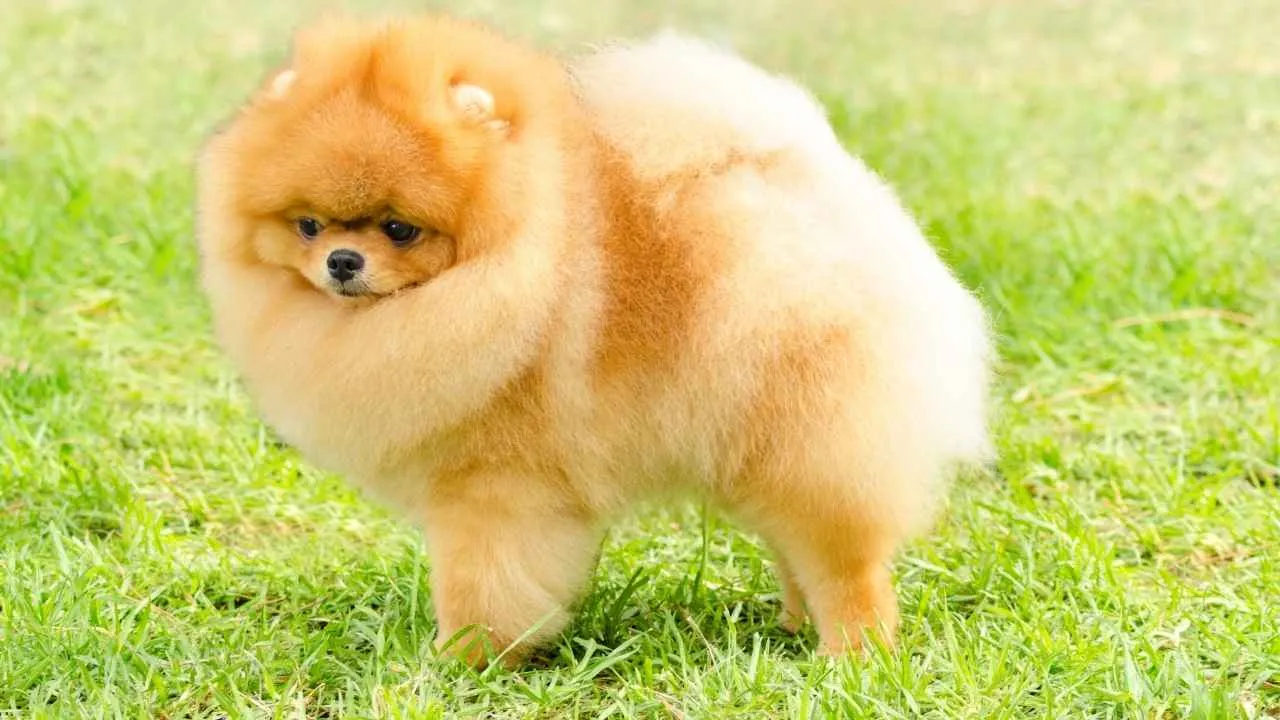
Once bred from sturdy Spitz ancestors that pulled sleds and guarded farms, the Pomeranian’s journey into teacup fame is pure glow-up energy. Royal obsessions, fashion trends, and shrinking sizes turned this fluffy powerhouse into a pint-sized icon with a surprisingly bold legacy.
Living with a Pom feels like sharing your home with a confident little commentator. They adore being involved in everything, thrive on attention, and bond deeply with their people. That said, supervision matters, especially around young kids, since excitement plus tiny bodies can spell trouble.
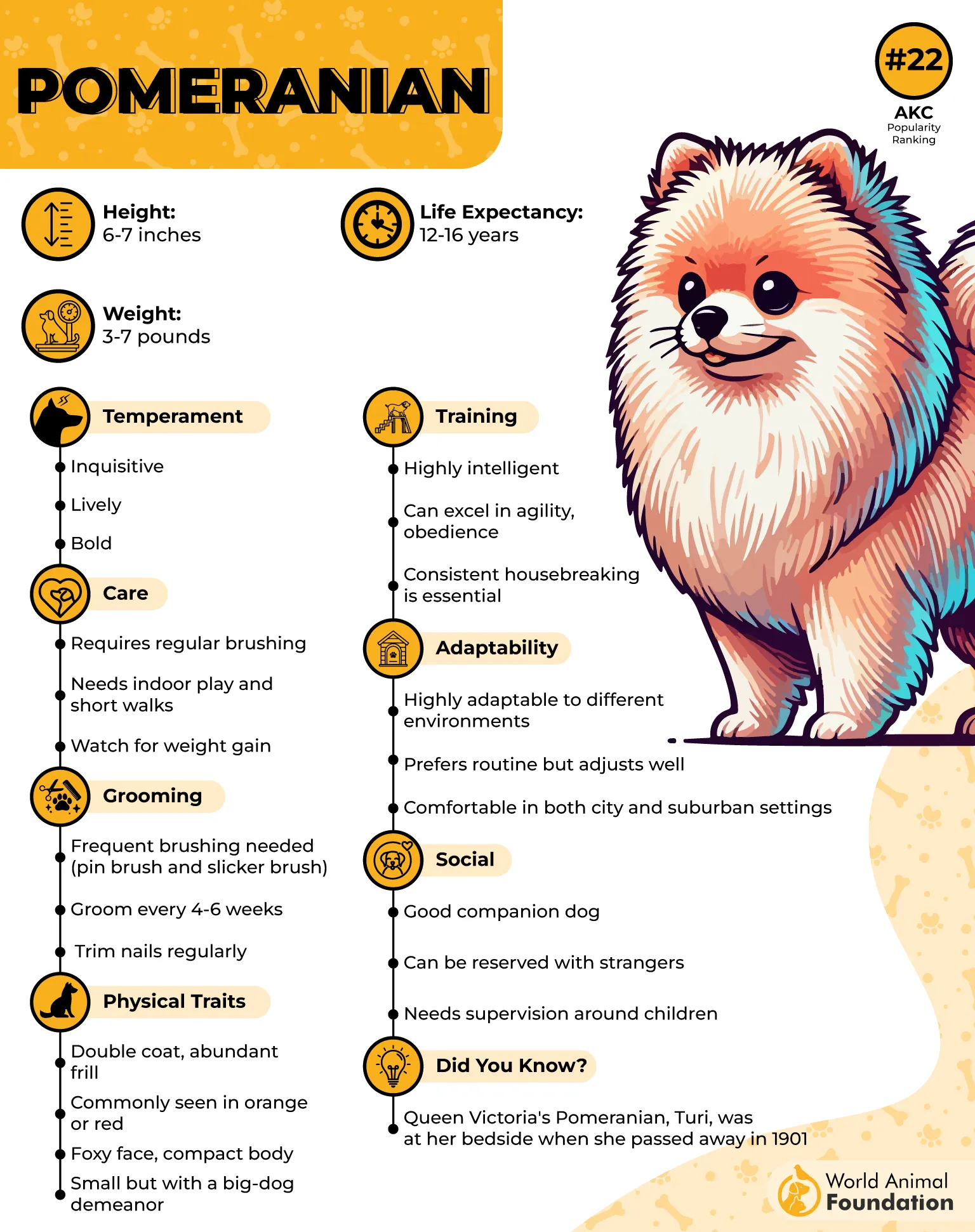
Here’s the not-so-cute truth: size chasing can go wrong fast. Teacup Pomeranians should only come from ethical, reputable breeders who prioritize health over novelty. Unethical practices like breeding runts or inbreeding increase risks of fragile bones, breathing trouble, and lifelong medical complications.
Special Considerations For This Breed
Missed meals can quickly trigger dangerous low blood sugar episodes
Tracheal collapse risks mean harnesses are safer than collars
8. Papillon
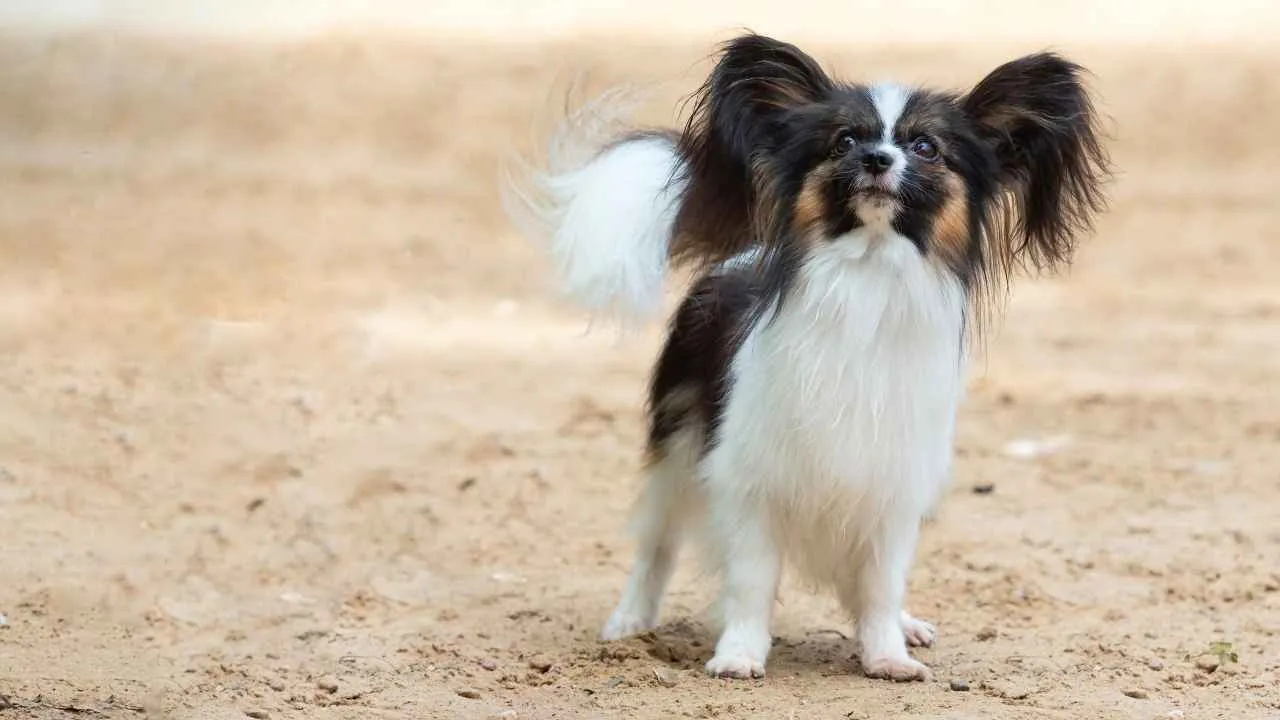
One glance at those wing-shaped ears and you know this dog wasn’t designed to blend into the background. The Papillon has always stood out by leaning into elegance mixed with athletic confidence, making it a tiny showstopper that somehow balances refinement with real, get-up-and-go energy.
What often makes people smile is the little rituals they invent for themselves. Many Papillons bounce when excited, carry toys bigger than their heads, or dramatically tilt their ears like they’re processing gossip. Their expressions are animated, curious, and hilariously opinionated about everything happening around them.
Sharing space with larger dogs can work, but it needs intention. Papillons are fearless and may forget their size, so calm, well-socialized big dogs are key. Supervision matters, especially during play, since accidental bumps or rough enthusiasm can cause injuries.
Special Considerations For This Breed
Their confidence may lead them to challenge much larger dogs
Extended alone time can trigger anxious or destructive behavior
9. Pekingese
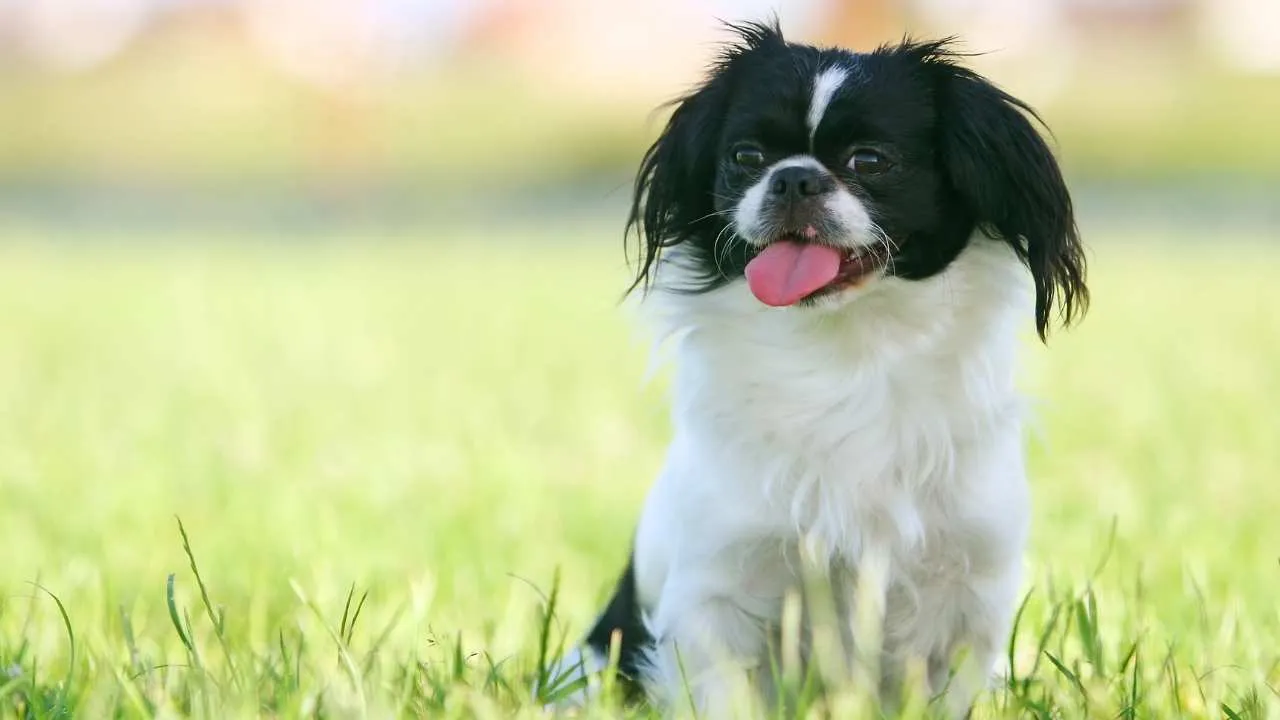
Long before social media made tiny dogs famous, the Pekingese already knew it was royalty. Bred to resemble the stone guardian lions of ancient China, this little dog carries centuries of confidence in its walk, expression, and unmistakable “I-own-this-place” attitude.
Apartment living suits this small dog breed surprisingly well. Short legs and a laid-back pace mean they don’t crave endless space, but they do expect comfort. Soft bedding, calm surroundings, and temperature control matter far more than square footage ever will.
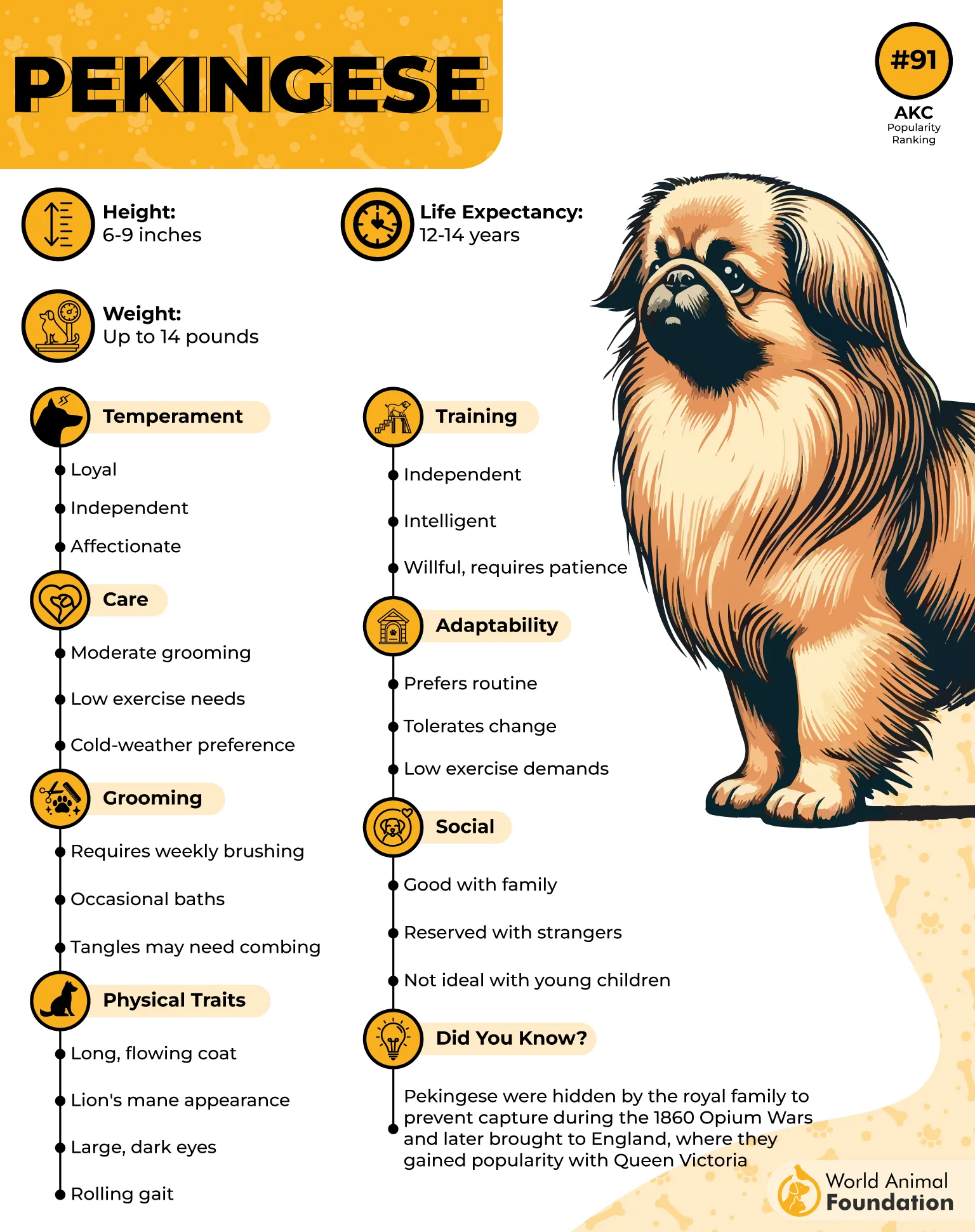
As noted by Purina, Pekingese respond best to gentle training that uses food or toys as motivation, since they’re capable learners but not naturally eager students, making early leash manners, recall, and thoughtful socialization especially important.
Special Considerations For This Breed
Their confident nature may clash with overly energetic dogs
Ethical breeding is crucial due to risks tied to extremely small sizing
10. Brussels Griffon
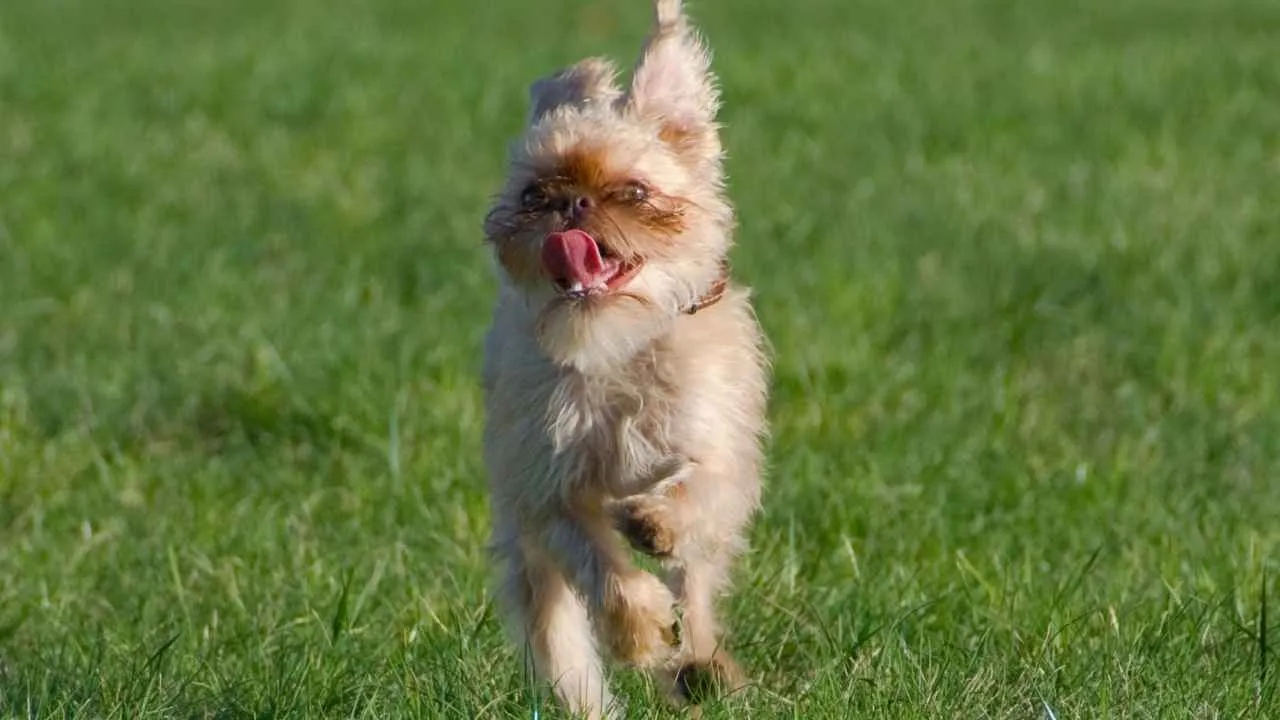
Ever met a dog that looks like it’s silently judging your life choices? That’s the Brussels Griffon magic. Their almost human expressions and intense eye contact make them feel less like a pet and more like a tiny roommate with opinions, moods, and dramatic flair.
What many new owners don’t expect is how much physical care is required for the healthy development of these little characters. Short snouts can complicate breathing, joints may be delicate, and weight gain happens fast, making regular vet checks and careful activity levels especially important for long-term comfort.
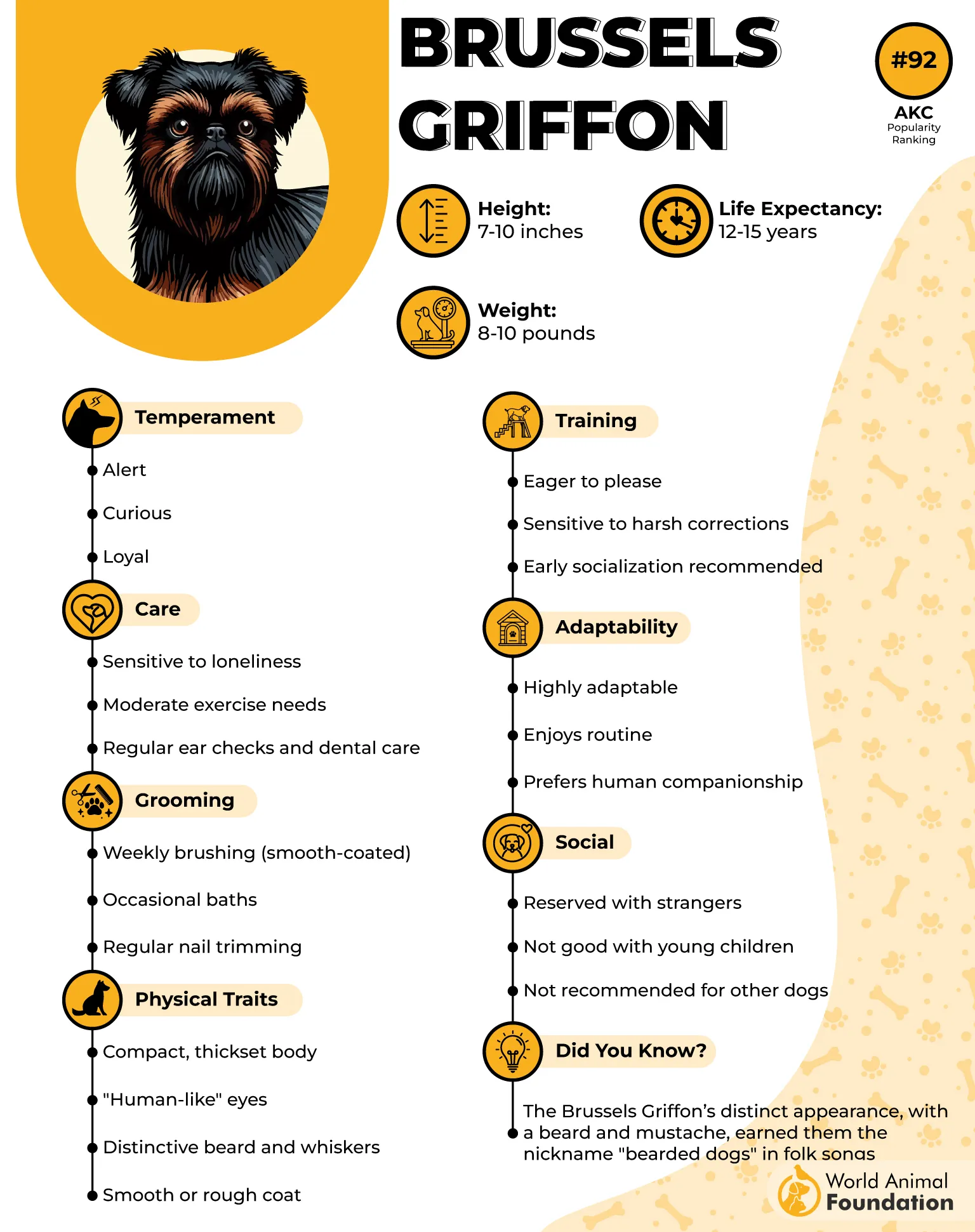
Life with a Griffon feels wonderfully personal. They bond fiercely, follow their people everywhere, and prefer calm, attentive households. They might not be a great match for owners who have busy lives, as these pups want endless cuddles and plenty of time with their owners.
Special Considerations For This Breed
Brachycephalic airways mean heat and overexertion must be avoided
Obesity adds strain quickly due to their compact build, so their weight should be monitored to support well-being
Conclusion
Tiny teacup dog breeds may be small in size, but they come with big personalities, specific needs, and plenty of heart.
Each breed brings its own quirks, care considerations, and lifestyle fit, making it essential to look beyond the cuteness. From grooming routines to training styles and home environments, thoughtful planning goes a long way.
When expectations align with reality, these miniature marvels can become deeply rewarding companions. Take time to reflect on your daily routine, living space, and ability to meet their needs. The right match is not about size alone, but about balance, commitment, and the kind of bond you want to build.
If you are further interested in such wonderful dogs, some other breeds you can explore include the Italian Greyhound and the Chihuahua. Toy breeds are also a good option to look up if you want to discover more small breeds.
