




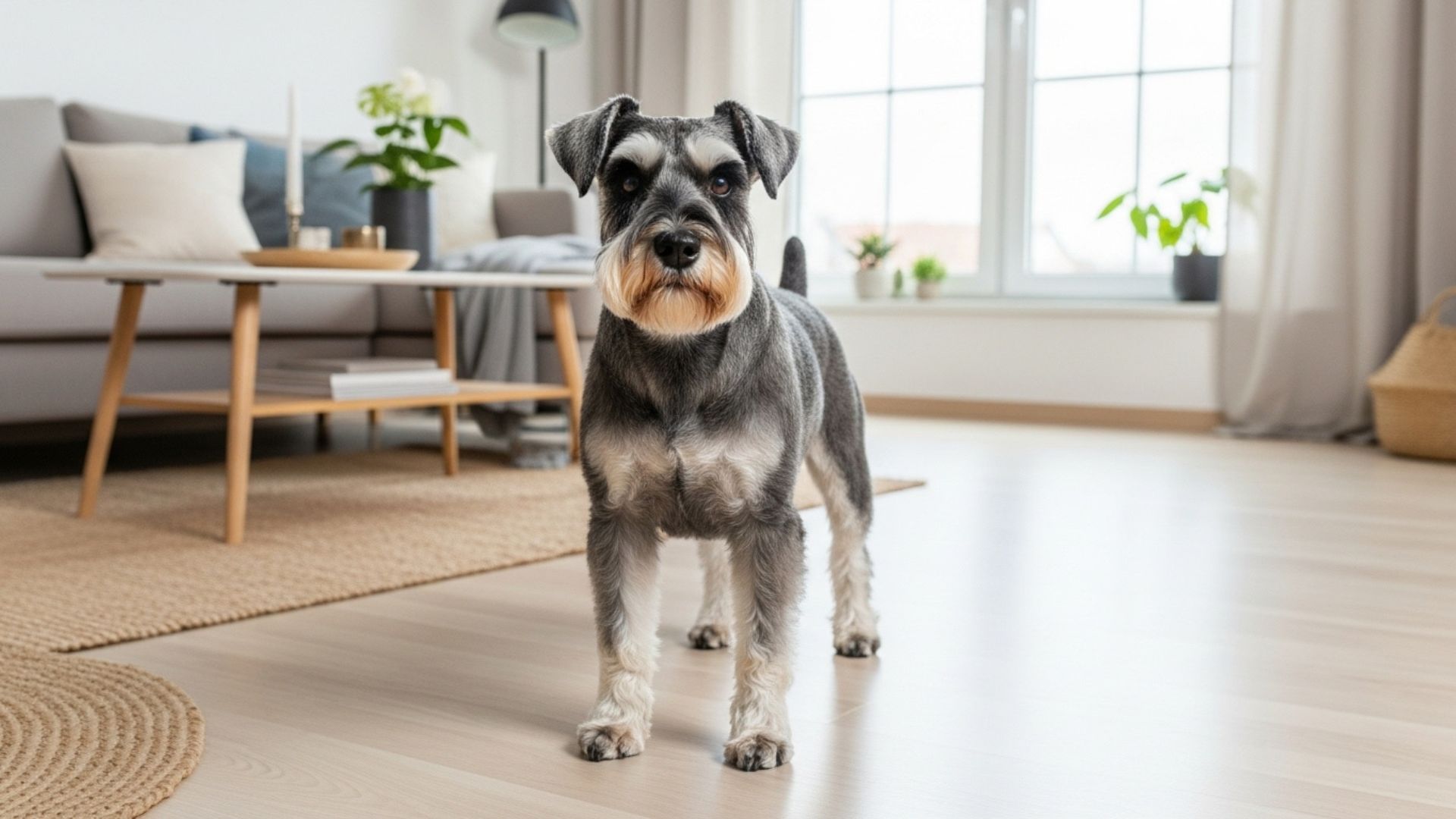
If you’re looking to welcome a new pup into your family, longevity is often at the top of your mind. Not all dogs live the same number of years—a dog’s lifespan varies widely depending on breed, size, genetics, and lifestyle.
Smaller breeds tend to live longer than larger breeds, while well-cared-for dogs often outlive their expected age thanks to proper nutrition, exercise, and veterinary care. Choosing a dog with a longer lifespan means more years of companionship, adventures, and memories.
Some breeds are known for exceptional longevity, often surpassing 15 years with healthy lifestyles. These dogs not only offer enduring loyalty but also adapt well to family life over the years, making them ideal for people seeking a long-term furry friend.
Here, we’ve rounded up the longest-living and healthiest dog breeds, highlighting their expected lifespans, temperaments, and care requirements.
Whether you’re searching for a small lapdog, a medium-sized companion, or a spirited breed with staying power, this list will help you find a pup that’s likely to stick by your side for many happy years.
Longest Living Dog Breeds: A Guide to Years of Joy
1. Australian Shepherd

Average Life Expectancy: 12-15 years
Don’t let their medium size fool you—Australian Shepherds pack a lot of energy and personality into those paws!
These clever herders are basically the overachievers of the dog world: smart, athletic, and always ready for a challenge. They’ll happily chase balls, herd your kids (or guests), and probably figure out how to open the fridge if left unsupervised.
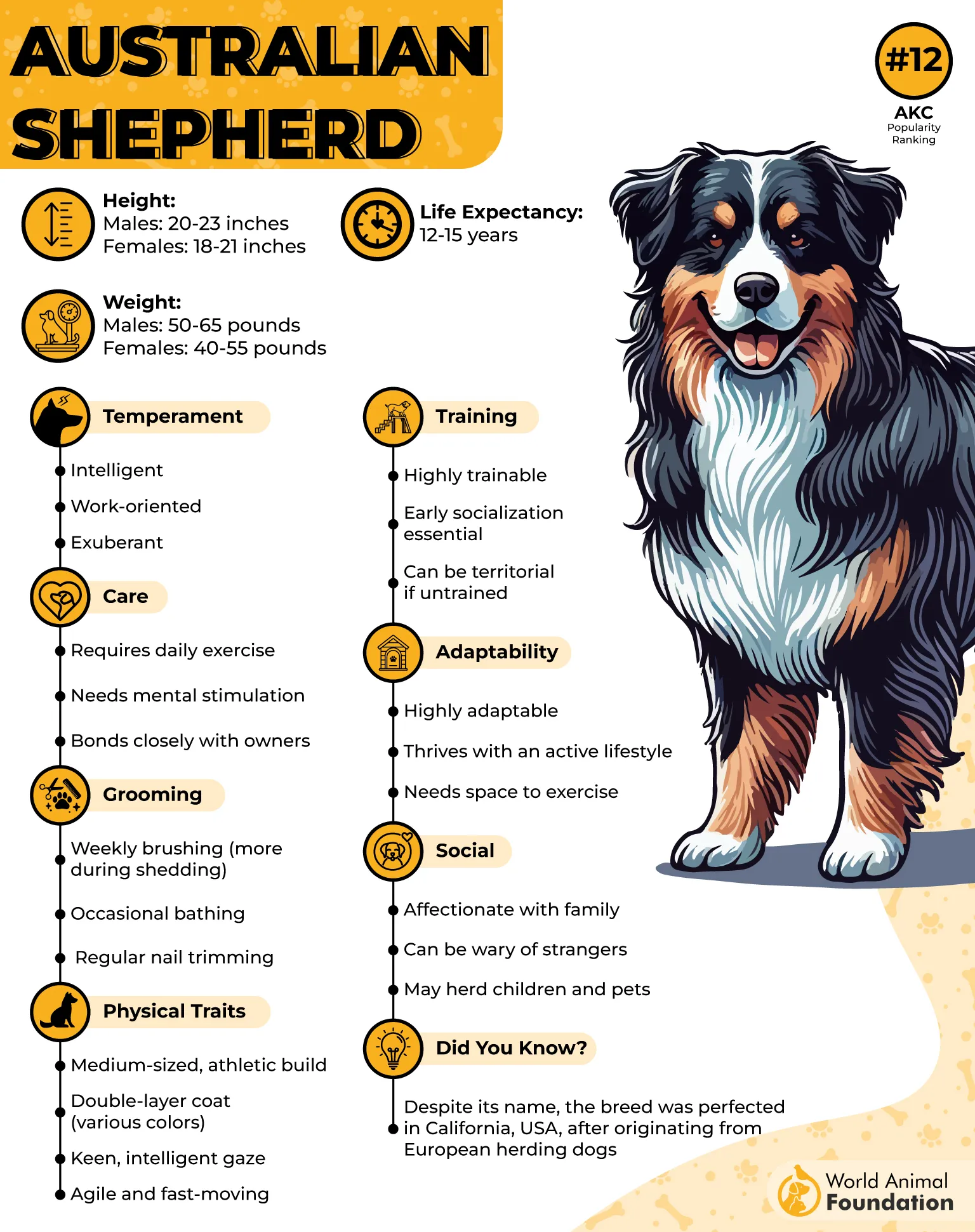
Despite their zest for life, Aussie Shepherds are generally healthy, though they can be prone to a few health issues:
Hip dysplasia
Cataracts
Epilepsy
The key to keeping your Aussie happy and healthy? Plenty of physical and mental exercise. Puzzle toys, agility training, long walks—they thrive when they’re busy. And let’s be honest, a bored Aussie is basically a furry tornado of mischief.
Think of them as the over-caffeinated college student of dogs: smart, energetic, and slightly prone to mischief—but with enough love and attention, they’ll stick around for well over a decade of tail-wagging adventures.
2. Miniature Schnauzer

Average Lifespan: 12-15 years
Miniature Schnauzers are the bearded charmers of the dog world. Think of them as the pint-sized siblings of the Standard and Giant Schnauzers—small in stature but big in personality. According to the American Kennel Club (AKC), the Miniature Schnauzer is a healthy, long-lived dog that makes a lively and loyal companion.
They’re outgoing, smart, and downright adorable, with just enough sporty good looks to make you proud on your daily walks. And the best part? They’re low-shedding, so you won’t be finding “Schnauzer snow” all over your furniture.
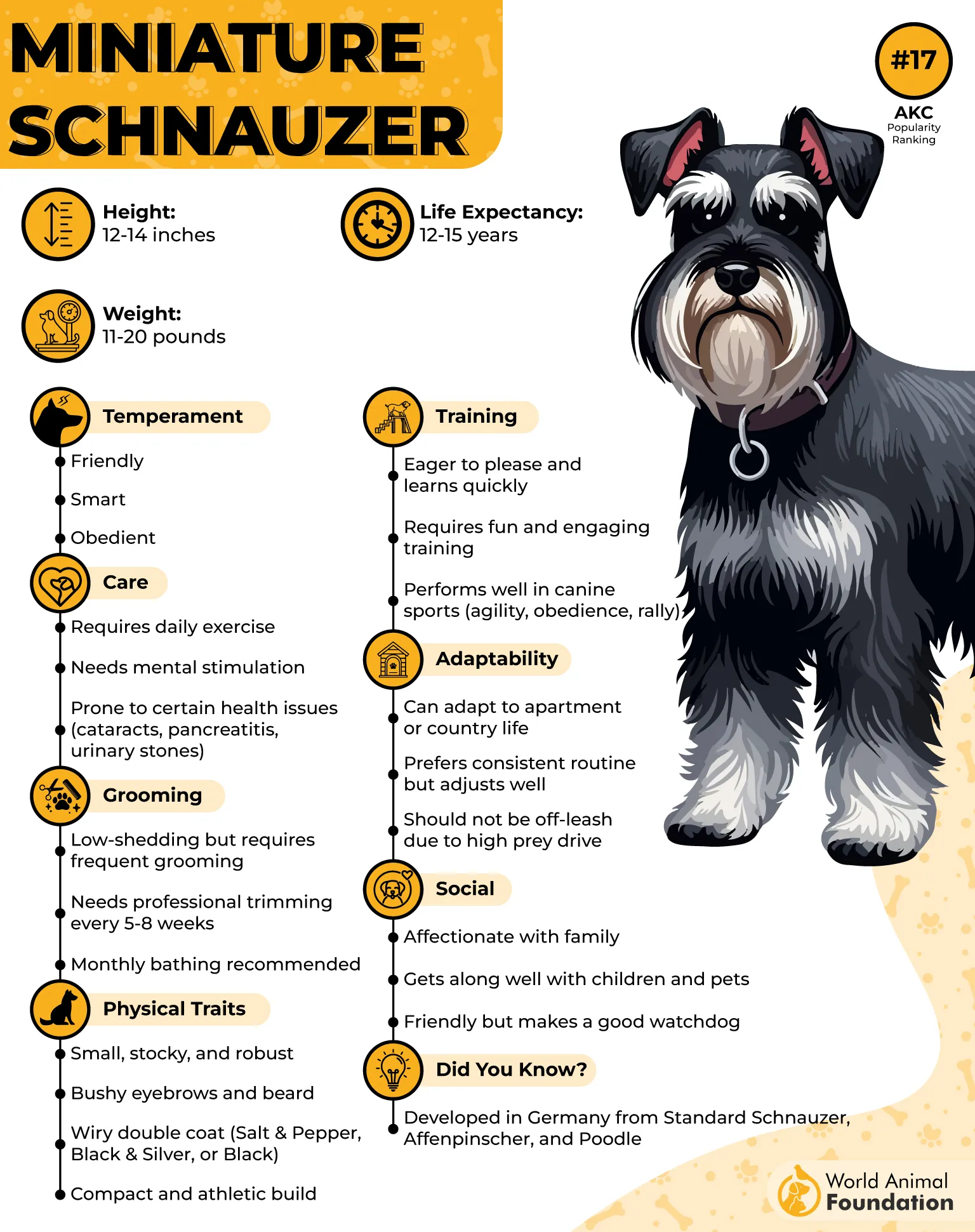
Whether it’s a stroll around the neighborhood, a spirited game of fetch, or cozying up for some indoor snuggle time, Miniature Schnauzers thrive as family companions. But, like any long-lived pup, they have a few potential health quirks to keep an eye on:
Obesity
Diabetes mellitus
Schnauzer comedo syndrome
Pancreatitis
With regular exercise, a balanced diet, and regular vet check-ups, your Miniature Schnauzer can be a spunky, loyal companion for well over a decade—always ready with a wag, a wiggle, or a perfectly timed bark when someone knocks at the door.
3. Papillon

Typical Lifespan: 14-16 years
“Papillon” is French for “butterfly,” and these tiny, elegant dogs truly live up to their name with those whimsical, wing-like ears.
But don’t be fooled by their delicate, dainty appearance—Papillons are little powerhouses of energy and personality. They’re smart, eager to please, and practically engineered for learning tricks, performing tiny acrobatics, and stealing hearts wherever they go.
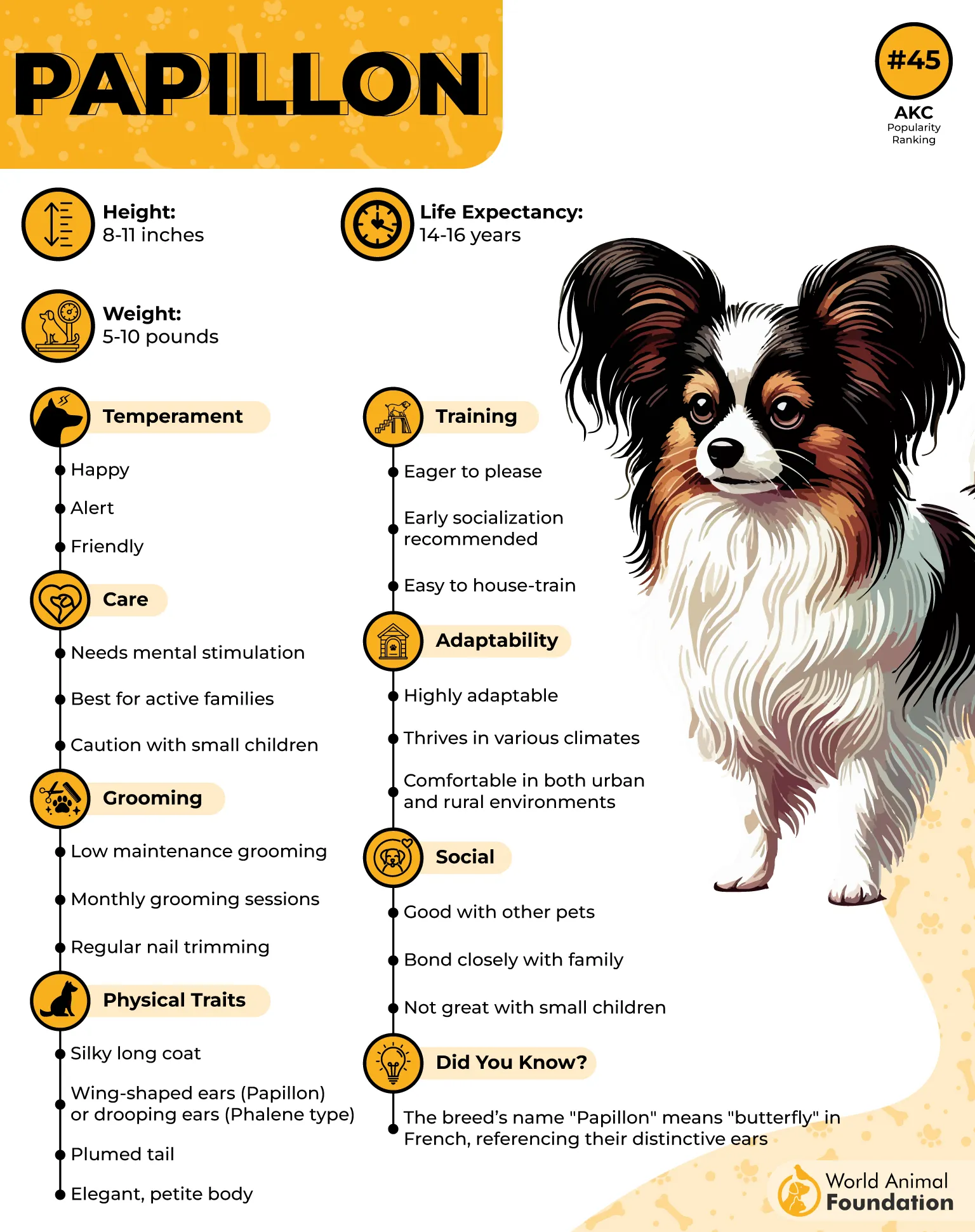
One minute, they’re prancing around like a mini ballerina on a mission, and the next, they’re snuggled in your lap, soaking up all the love and attention they can get. Papillons are generally healthy and long-lived, but a few issues can appear as they age:
Dental
Luxating
With a careful mix of mental stimulation, short bursts of exercise, and a dash of pampering, Papillons can keep fluttering through your life for 14–16 years of tail wags, joyful leaps, and endless charm.
They’re the perfect combination of brains, beauty, and a little bit of mischief—ready to brighten every room with their butterfly-like energy.
4. Shih Tzu

Average Lifespan: 10-18 years
Shih Tzus are affectionate little charmers with personalities as big as their luxurious coats. The Shih Tzu hails from China and is believed to be a mix of the Pekingese and Lhasa Apso breeds. Its name translates from Chinese as “lion,” reflecting the breed’s majestic, little-lion appearance.
Outgoing, cheerful, and gentle, they love playtime with their humans but are just as happy curling up in your lap afterward for a cozy nap. These pint-sized companions can live well into their late teens, making them lifelong friends and loyal snuggle buddies.
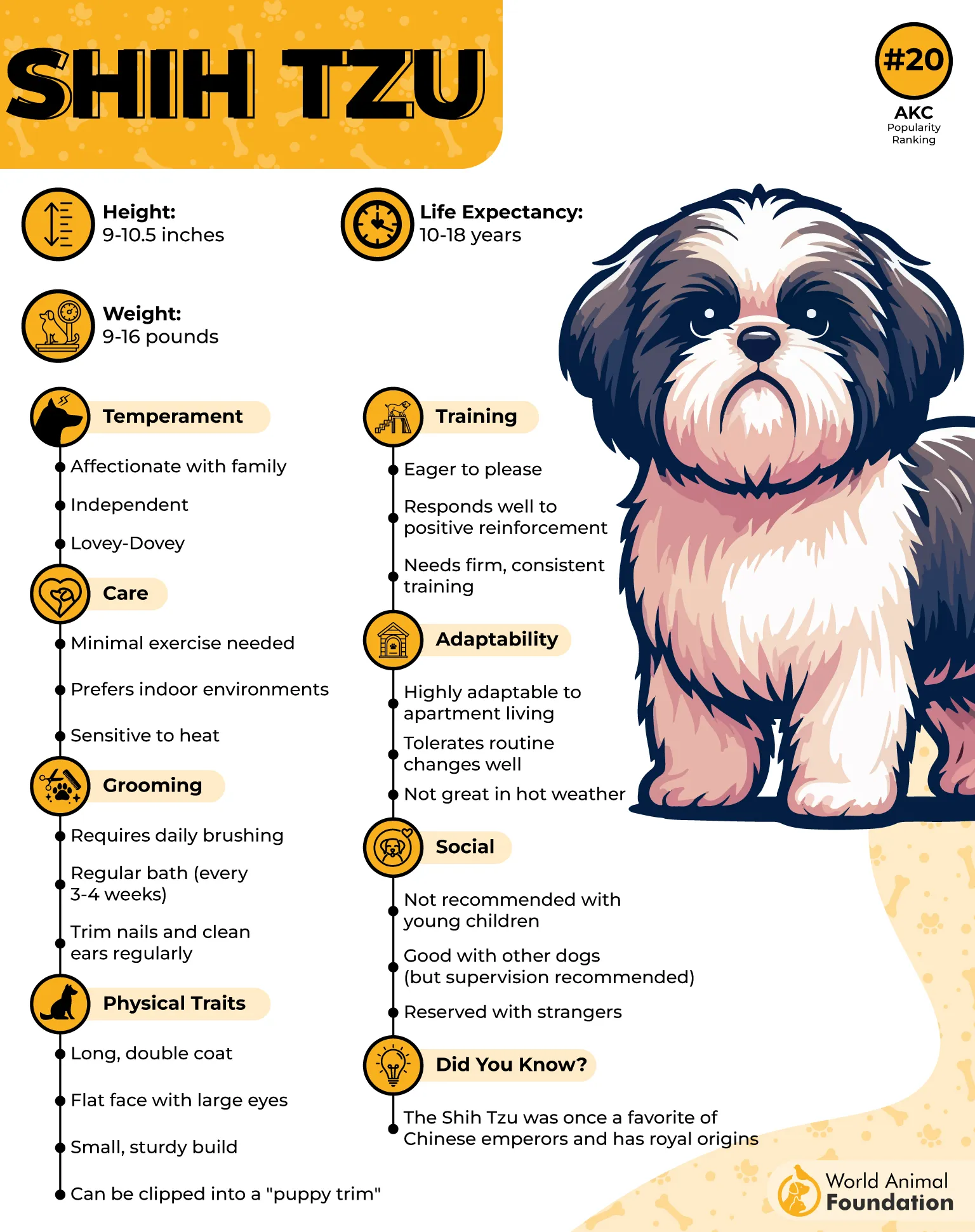
However, their signature squished, brachycephalic face can create a few health considerations that owners should watch for:
Breathing issues
Problems with the teeth
Parasites
Obesity
According to WebMD, Shih Tzus are sensitive to heat, so avoid leaving them outdoors in warm temperatures for too long and skip strenuous exercise during hot days.
With a mix of moderate play, pampering, and careful attention to their health needs, Shih Tzus can fill your life with nearly two decades of love, laughter, and tail-wagging joy.
5. Australian Cattle Dog

Average Lifespan: 12-16 years
Australian Cattle Dogs are the rugged, high-energy overachievers of the dog world. Medium-sized but bursting with intelligence, these pups thrive when they have a “job” to do—whether that’s herding livestock on a ranch, running an agility course, or keeping up with an active family on weekend hikes.
Australian Cattle Dogs come in two main colors—blue and red speckled—and are often called “Blue Heelers” or “Red Heelers.” These nicknames come from their natural herding instinct: they nip at the heels of livestock to keep them moving,
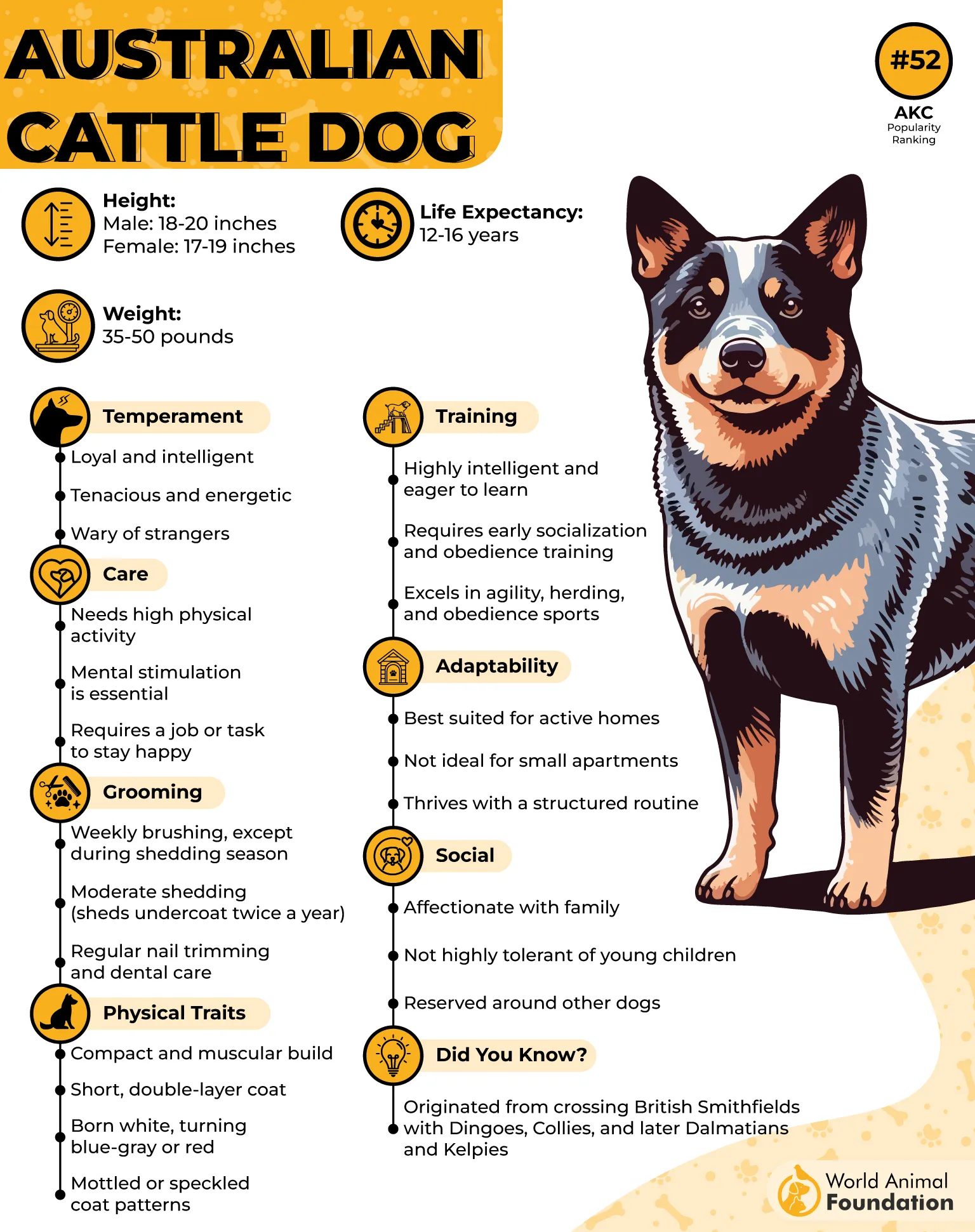
While generally hardy, Australian Cattle Dogs can develop a few health issues over time:
Progressive retinal atrophy
Hip dysplasia
They’re tough, loyal, and incredibly devoted, making them perfect companions for owners who love a dog with brains and stamina.
These dogs thrive on mental stimulation, daily exercise, and tasks that challenge them—think puzzle toys, obedience training, or a good run. With the right outlet for their energy, Australian Cattle Dogs can stay strong, sharp, and tail-waggingly happy for well over a decade.
6. Rat Terrier

Average Lifespan: 12–18 years.
True to their name, Rat Terriers were originally bred to hunt rodents, but these smart, nimble dogs have a lot more to offer than just pest control.
Energetic, affectionate, and highly social, they thrive when included in family life, happily tagging along for walks, games, or even just hanging out on the couch. Despite their hunting roots, Rat Terriers have a heart as big as their curiosity, making them excellent companions for active families.
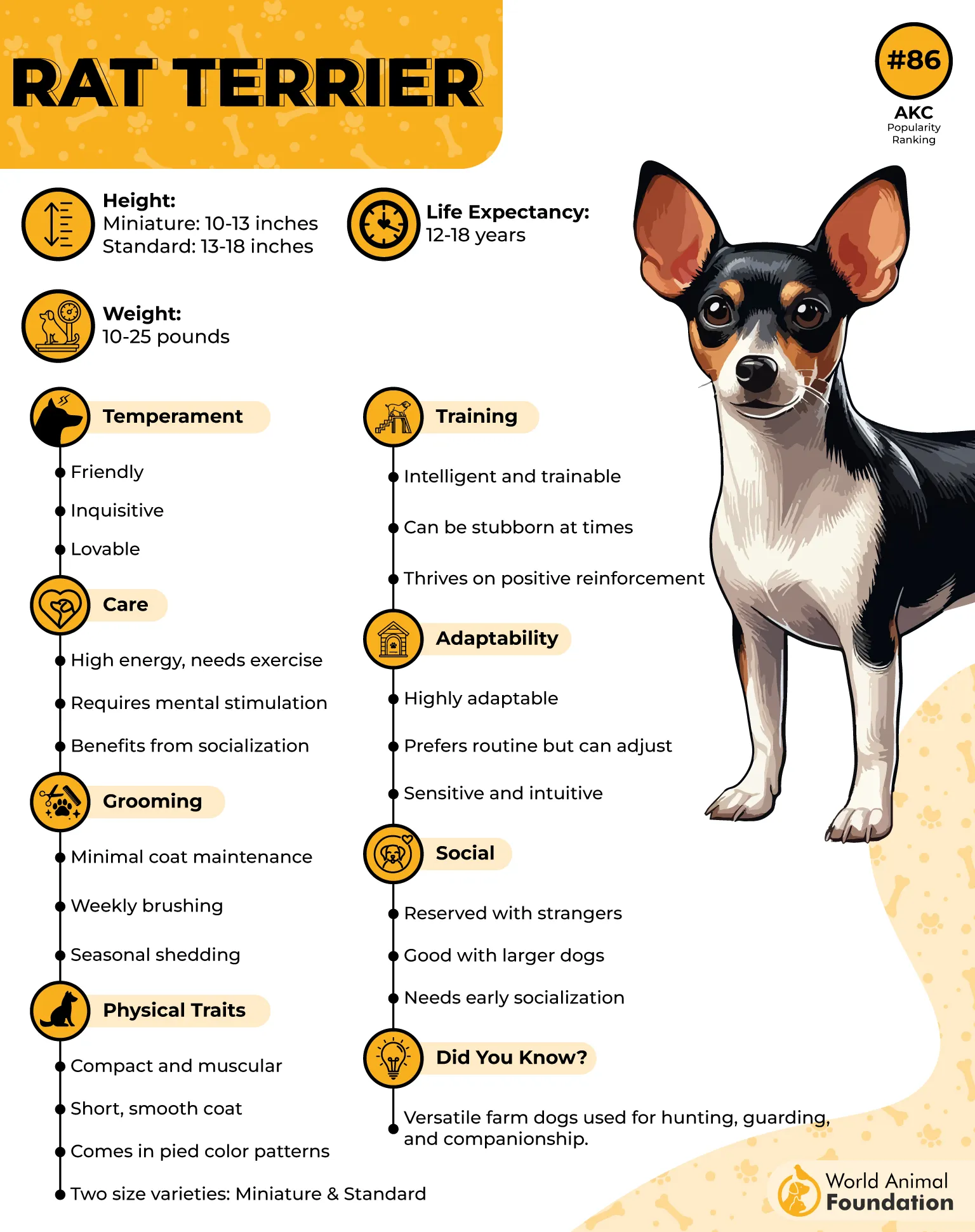
When their nutritional, environmental, and social needs are met—and they come from responsible breeders—Rat Terriers tend to be healthy and long-lived. That said, some potential health issues include:
Hip dysplasia
Patellar luxation
Legg-Calvé-Perthes Disease
PetMD notes that Rat Terriers are hearty eaters, so it’s important to feed a measured amount appropriate for their life stage—puppy, adult, or senior—twice a day. Free-feeding can quickly lead to extra pounds, which are never welcome in a small, active pup.
With the right care, Rat Terriers can bring years of playful antics, loyalty, and companionship—sometimes for nearly two decades!e
7. Dachshund

Average Lifespan: 12-16 years
Dachshunds, affectionately known as “wiener dogs,” are long-bodied little dynamos. Their distinctive physique—short legs paired with a lengthy torso—was designed for one heroic purpose: hunting badgers.
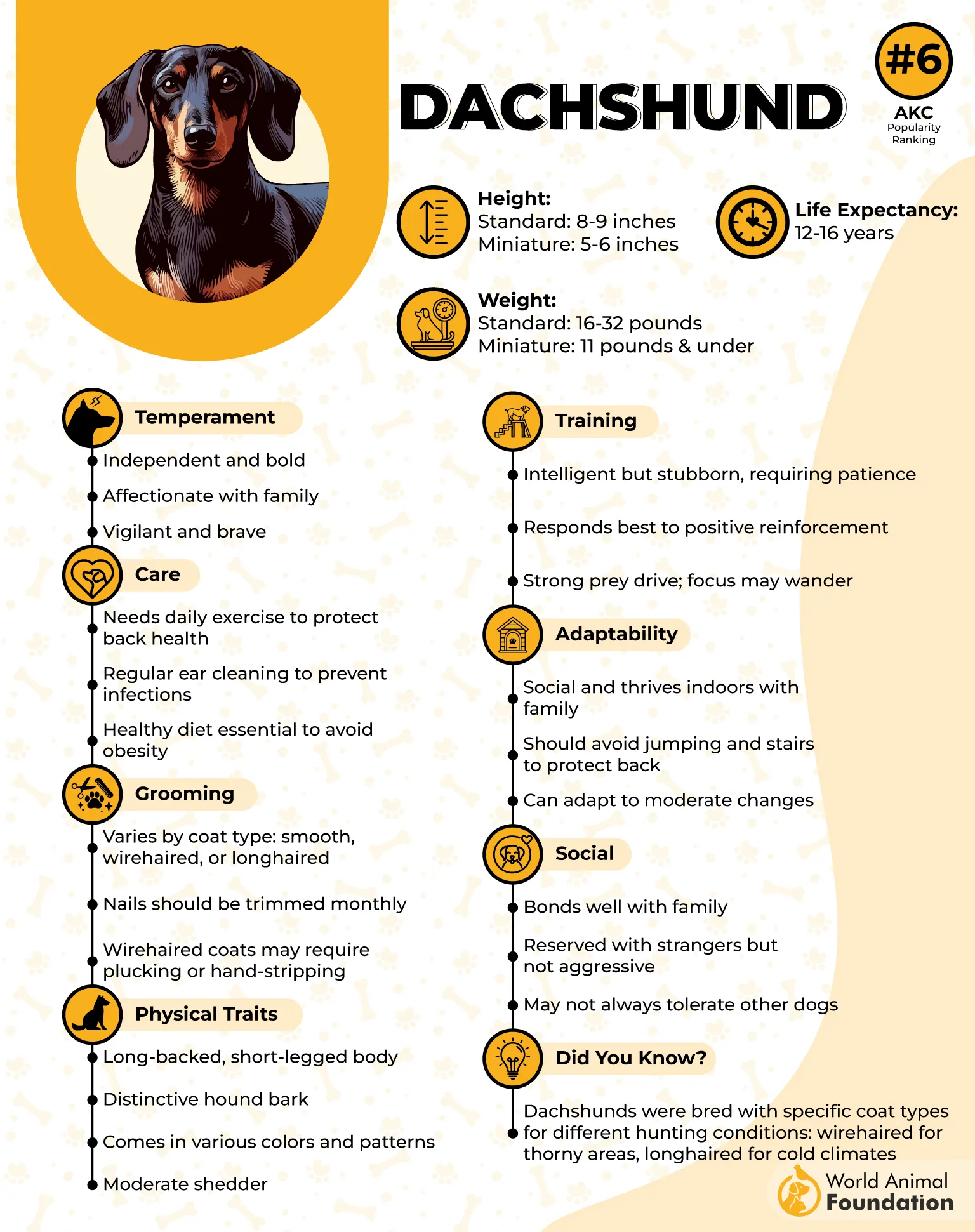
Don’t let their size fool you; Dachshunds are muscular, energetic, and fearless, with personalities bigger than their bodies. It’s not uncommon to meet a Dachshund over 15 years old—Chanel, a Guinness World Record holder, lived to an astonishing 21!
Despite their impressive longevity, Dachshunds are prone to a few age-related health concerns, especially involving their backs:
Intervertebral disc disease (IVDD)
Obesity
Luxating Patella

To keep a Dachshund happy and healthy for years, it’s important to maintain a healthy weight, provide moderate exercise, and avoid high-impact activities like jumping off furniture.
With proper care, Dachshunds can remain spirited, playful, and full of personality for well over a decade, charming everyone they meet with their mischievous antics and unwavering loyalty.
Conclusion
Generally speaking, the larger the dog, the shorter its lifespan. Small, hardy breeds are known for robust health, minimal health issues, and canine longevity, often living well into their teens. Active and energetic dogs like Border Collies benefit from an active lifestyle, proper grooming, and routine veterinary care, which all contribute to their overall well-being.
If you’re trying to decide which breed is right for you, veterinarians are an excellent resource, as they are familiar with a wide variety of dog breeds, their common health concerns, and their expected dog life expectancy.
They can also advise on proper care, including a healthy diet, vaccinations, parasite prevention, preventative dental care, and wellness screenings to help your pup stay healthy. Choosing a long-living breed and maintaining a healthy diet, consistent exercise, and preventive care can help ensure your dog enjoys a fulfilling life as a long-term companion.
