




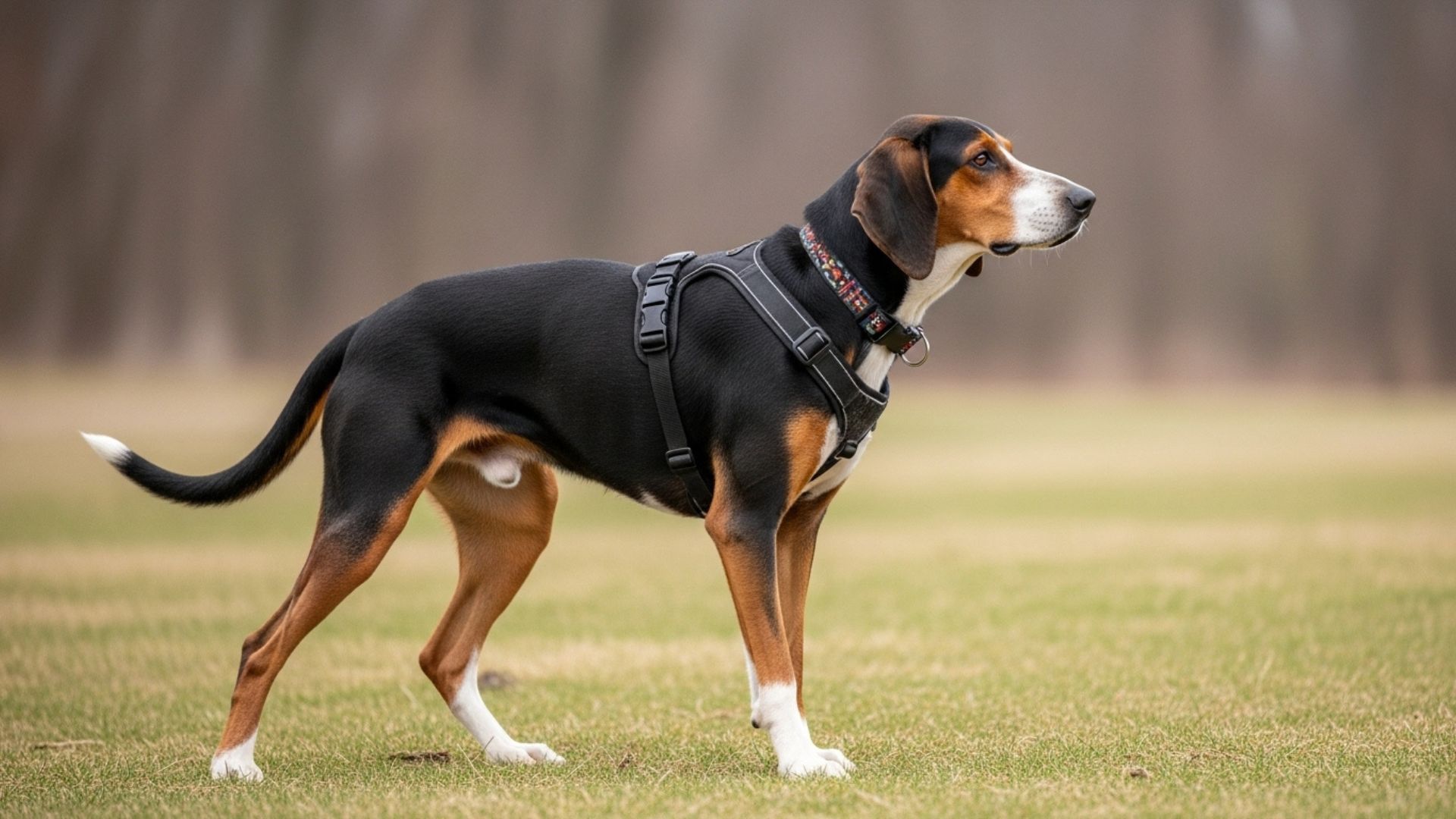
Big muscles help hunting dogs work longer when the day turns rough.
Strong hunting dogs matter in hunting. Think steep banks, brush, and mud. A muscular dog can keep balance, push through cover, and stay steady when hunters arrive.
But why bother with that? Because muscle is only useful when it pairs with control.
The best hunting dogs also bring hunting skills you can shape with proper training. Some love waterfowl hunting in flooded timber, and some live for upland hunting when upland birds burst from the grass.
In South Carolina, that can mean wet woods one day and dry fields the next. This blog is for dog owners looking for strong dog breeds, with simple notes on hunting style, home life, and what each can do best.
Most Muscular Dog Breeds Best Suited for Hunting
1. German Wirehaired Pointer
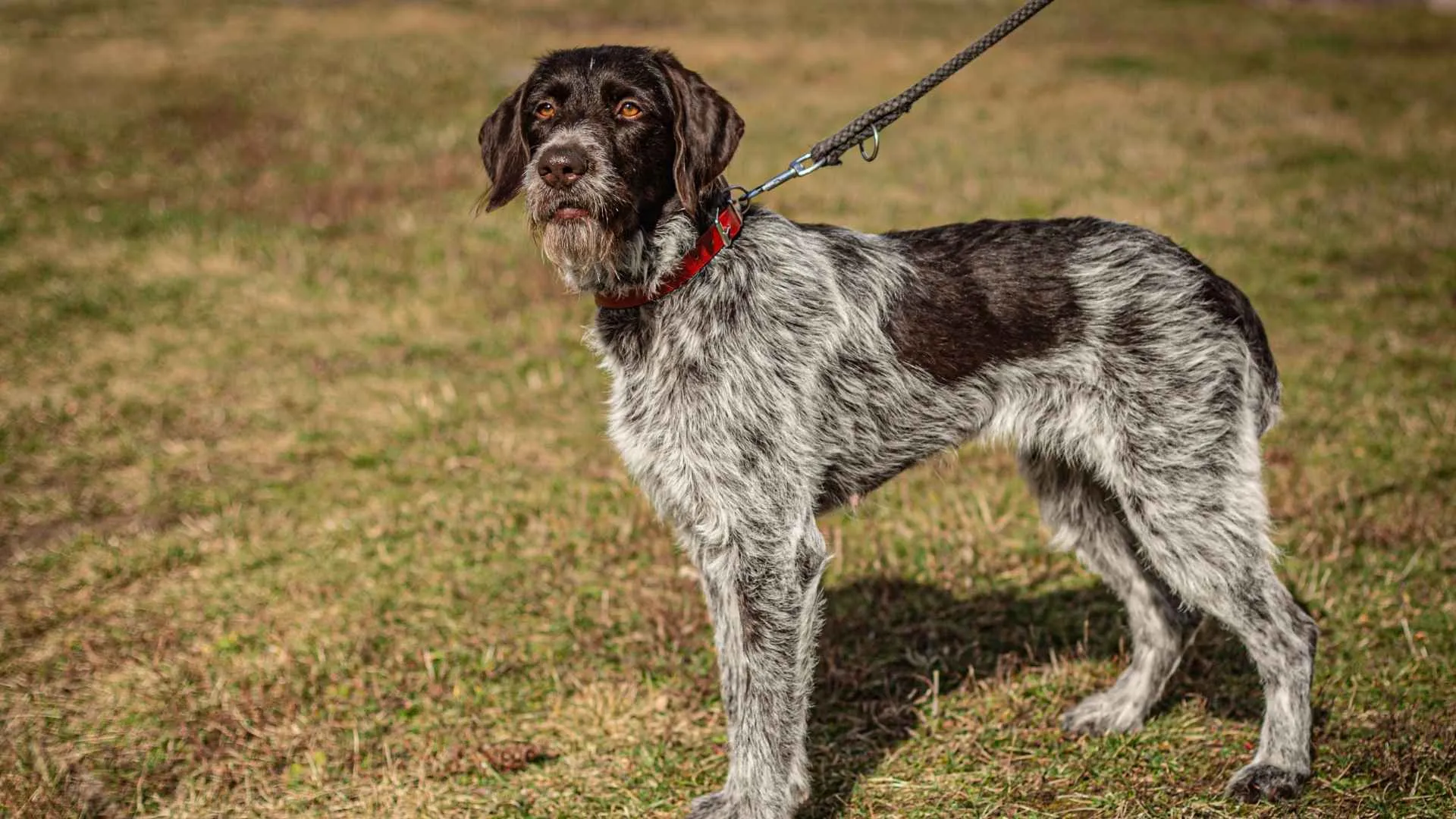
Among hunting dogs, this bird dog is built like a field truck. The body is athletic and tough, with a deep chest and strong legs that keep it going for hours. The weather-resistant coat is a huge deal in nasty cover.
It protects from thorns, cold rain, and icy weeds, and it holds up well when waterfowl hunting is on the menu. And here’s the best part! That rugged build does not feel clunky. This pointing dog stays focused on hunting birds across rough terrain.
In the field, the German Wirehaired Pointer is one of the most versatile dog breeds you will meet. It can work upland birds, then switch gears to retrieve on water like bird dog breeds, without losing drive. Many handlers build natural retrieving instincts first, then add steadiness later.
It was originally bred to handle more than feathers, too. Some lines are used to track and recover wounded game, including wild boar, when the job calls for nerve and grit. For waterfowl hunting, its coat and drive can be a real win.
At home, it can be a family dog for active households that enjoy outdoor adventures. For hunting dogs that also live indoors, the balance comes from daily work and calm rules. It bonds hard and checks in often. Give mental stimulation, daily runs, and fair rules.
According to the AKC, GWPs are a bit taller and heavier than their close relative, the German Shorthaired Pointer. GWPs are balanced, well-muscled, resilient, agile, and generally built to beat the bushes all day long without tiring.
It gets even worse, though, if boredom becomes a habit, because that high energy will find trouble fast.
Built for rough cover
Strong retrieving instinct for waterfowl hunting days
Tough coat that shields skin in brush
Needs daily work to balance high energy
2. Treeing Walker Coonhound
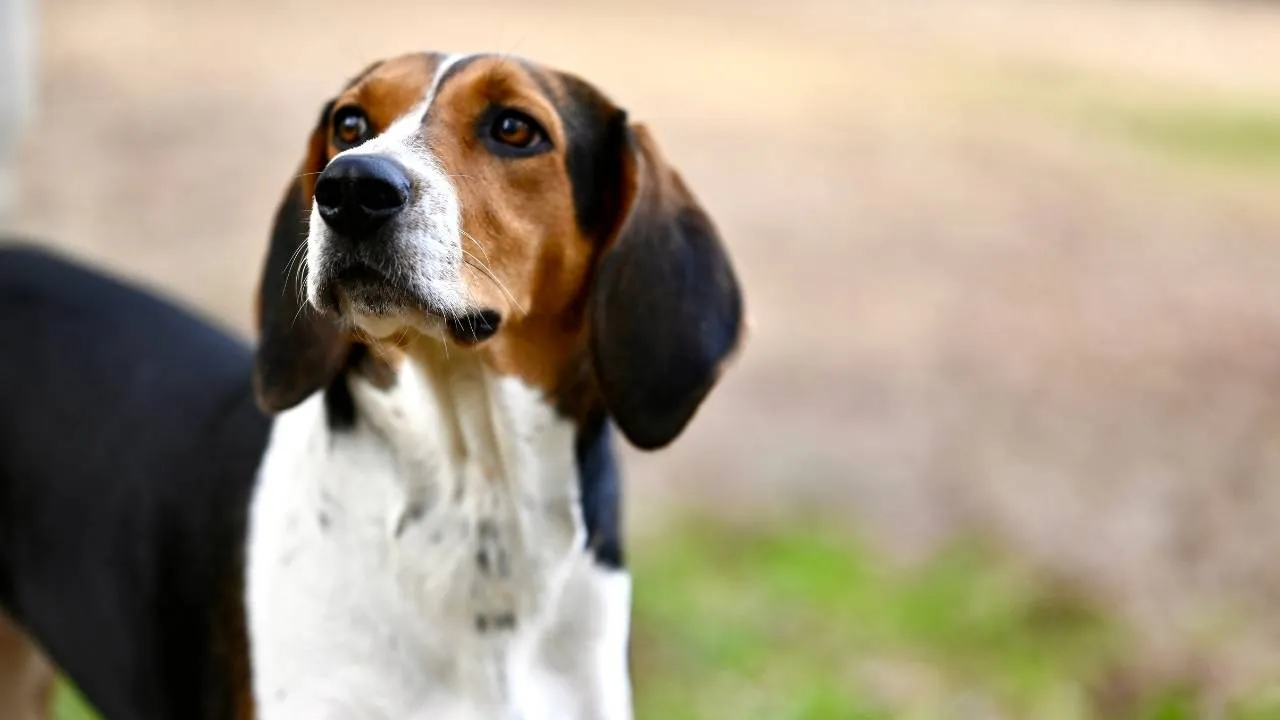
These hunting breeds are fast, with long legs and a deep chest made for miles. This is a classic pick for raccoon hunting, where speed, grit, and a steady nose all matter.
The sense of smell is a big part of its magic. Once it locks onto scent, it can drive it for a long stretch and keep pushing when the trail gets messy. Sounds crazy, right? That drive is why clear boundaries matter.
In the woods, the hunting style is bold and loud. It trails, it hunts hard, and it will tell you when it is on the track. That voice helps hunters arrive at the right spot. It can work small game in thick timber and stay locked in, even with other animals moving nearby.
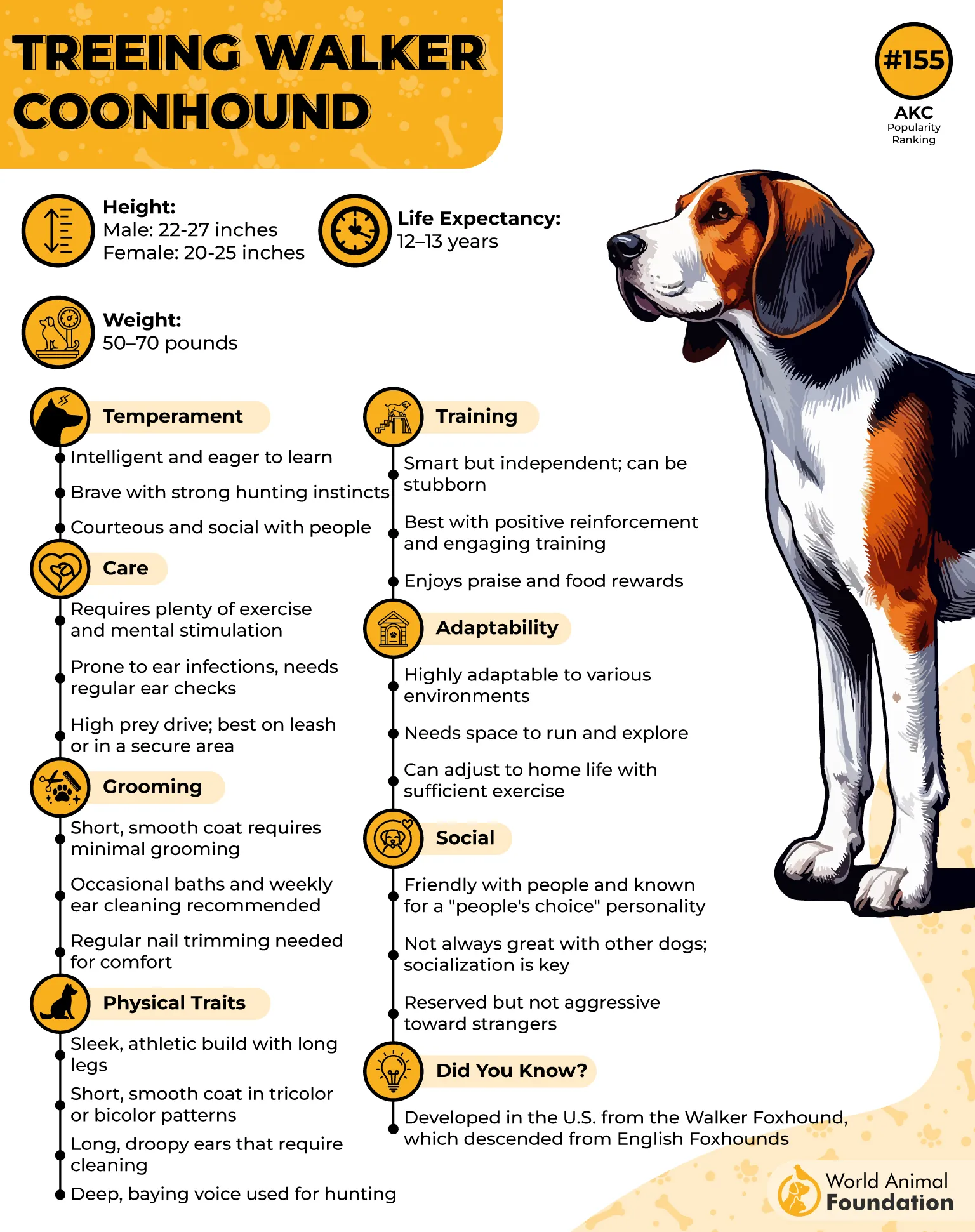
When the chase ends, it trees with confidence and keeps attention on the spot. As a hunting companion, it does best with routines that protect its focus while still letting it run.
At home, it can be sweet and goofy, but it is not a lap dog type. For hunting dogs with this much drive, proper training is not optional. It fits active families who like long walks and sniffy games.
Give mental stimulation and patient routines, and it becomes one of those loyal companions that seems proud of the job.
A nose that never quits
Great stamina for long trails
Strong focus on scent lines
Needs structure for steady high energy
3. Pharaoh Hound
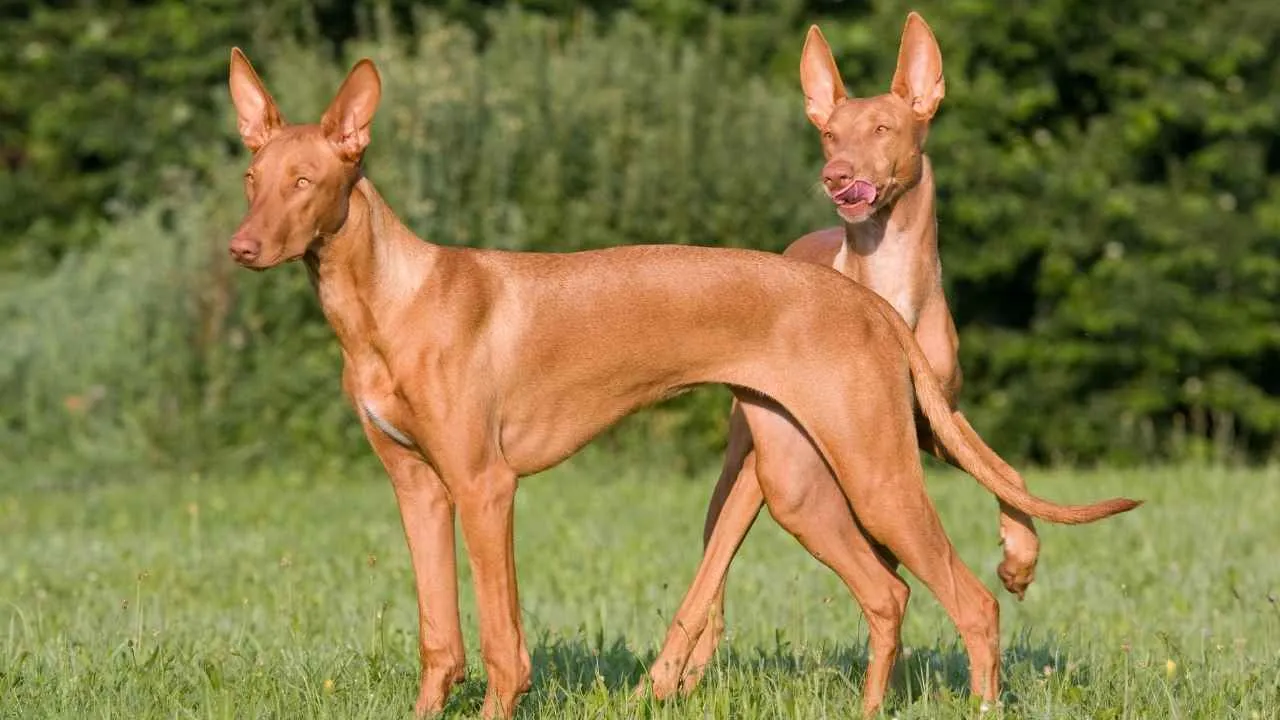
Some hunting breeds win with brute force. This one wins with clean muscle and speed. The body is strong and lean, designed to cover ground with ease. The gait is smooth and flowing, and the dog should move without wasted effort.
This is a sight hound at heart, so it hunts with sharp eyes and fast bursts. Here’s the good part: that athletic frame stays light on its feet, which helps when small game bolts in open country.
In hunting scenarios, it shines with timing and quick turns. Historically, it was used to chase quarry in warm climates, so the short coat fits that life. This is not about water work, and it is not built for heavy waterfowl hunting.
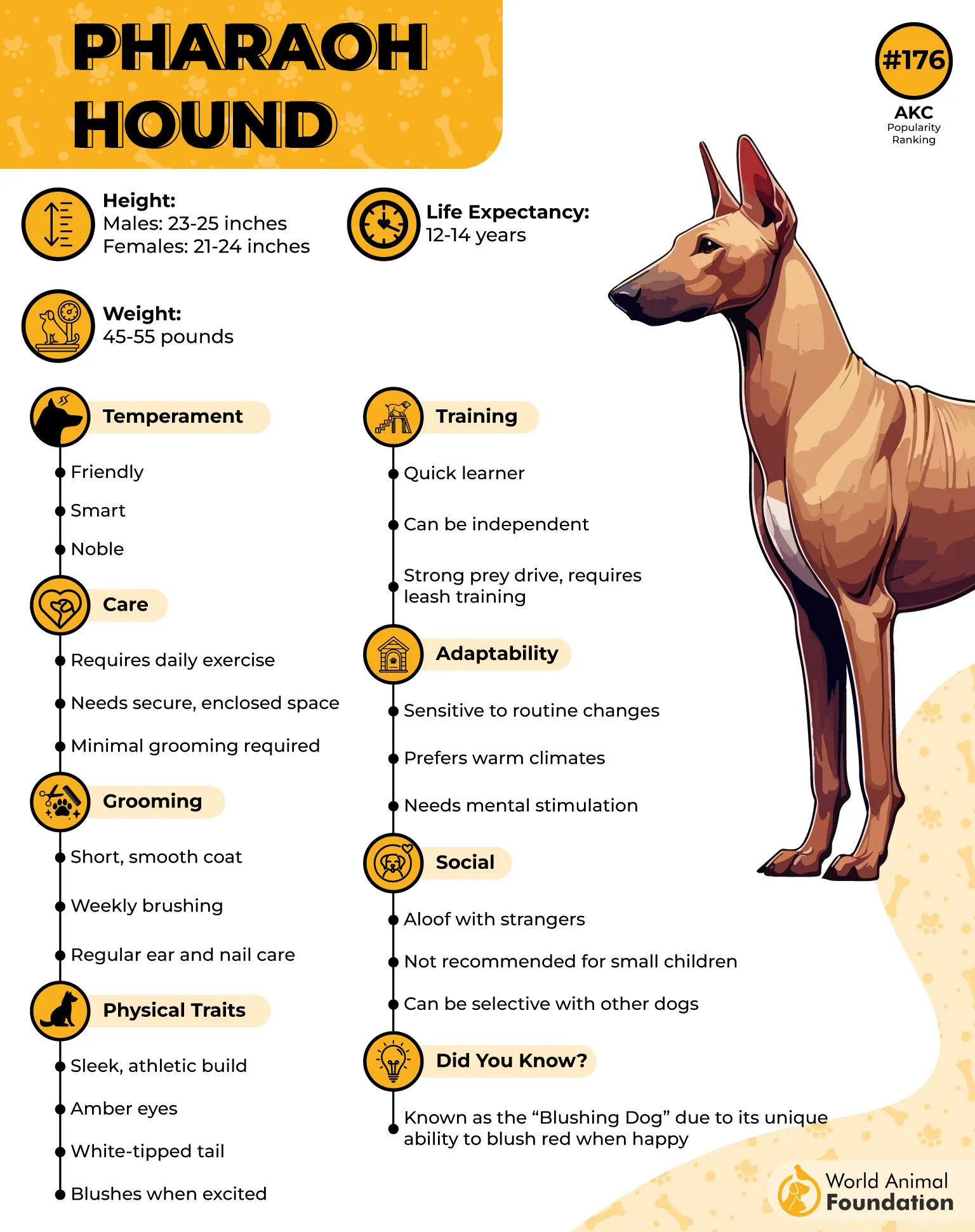
It is more about clean movement and the chase, often on rabbits and similar targets. With proper training, many can learn a solid recall for safety.
PetMD notes that as a family dog, it can be gentle and polite indoors, but it still needs real playtime. For hunting dogs with a fast brain, short games work better than long drills.
It often shows an affectionate nature that feels close, calm, and sweet. Keep sessions fun and clear. Add puzzle toys and light runs, and you get a hunting companion.
Smooth speed, clean control
Ground-covering stride for open land
Quick reactions for small game chases
Best with kind, consistent training
4. Norwegian Elkhound
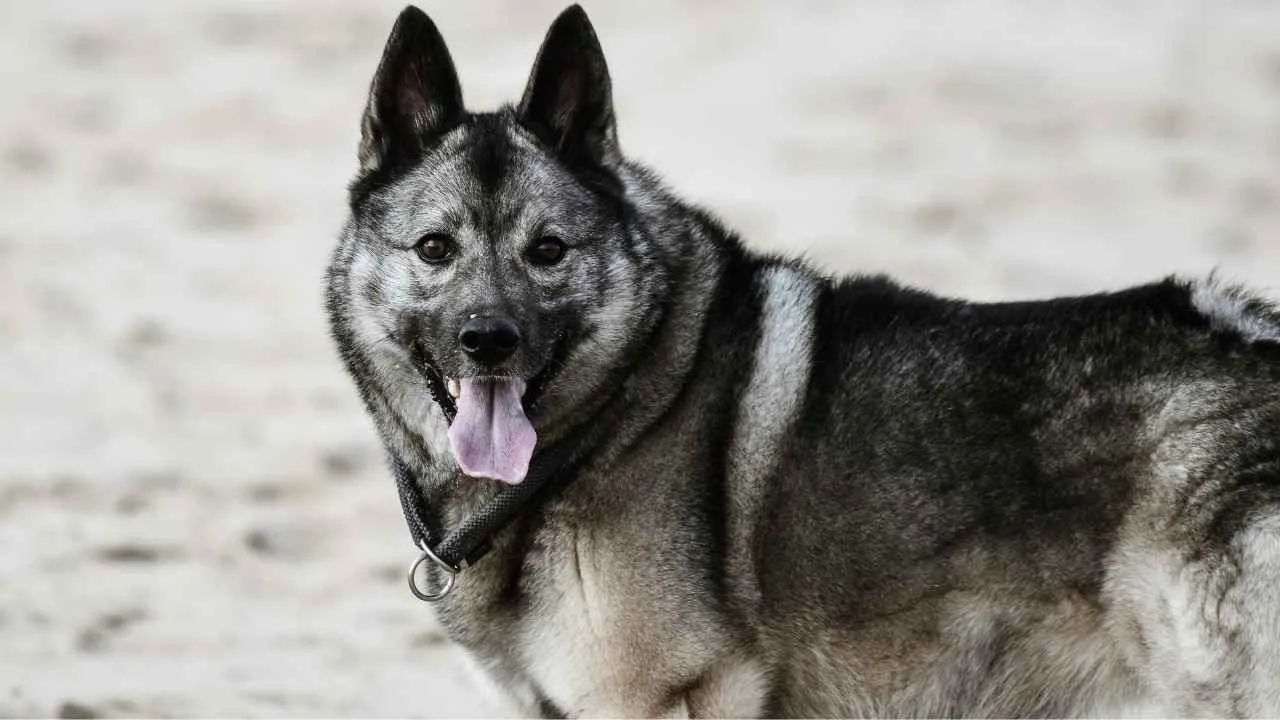
These hunting dogs are compact, muscular, and built for cold work. The breed was originally bred to follow giant elk, also called moose, across long distances and rough ground. It has a dense double coat that handles wind, snow, and wet brush, which is why a weather-resistant coat matters so much here.
The build favors endurance and agility, not flashy speed, and that makes it a serious partner for long days.
In the field, the sense of smell helps it hold a line over uneven terrain. For hunting dogs working large game, its steady nerve can matter as much as strength.
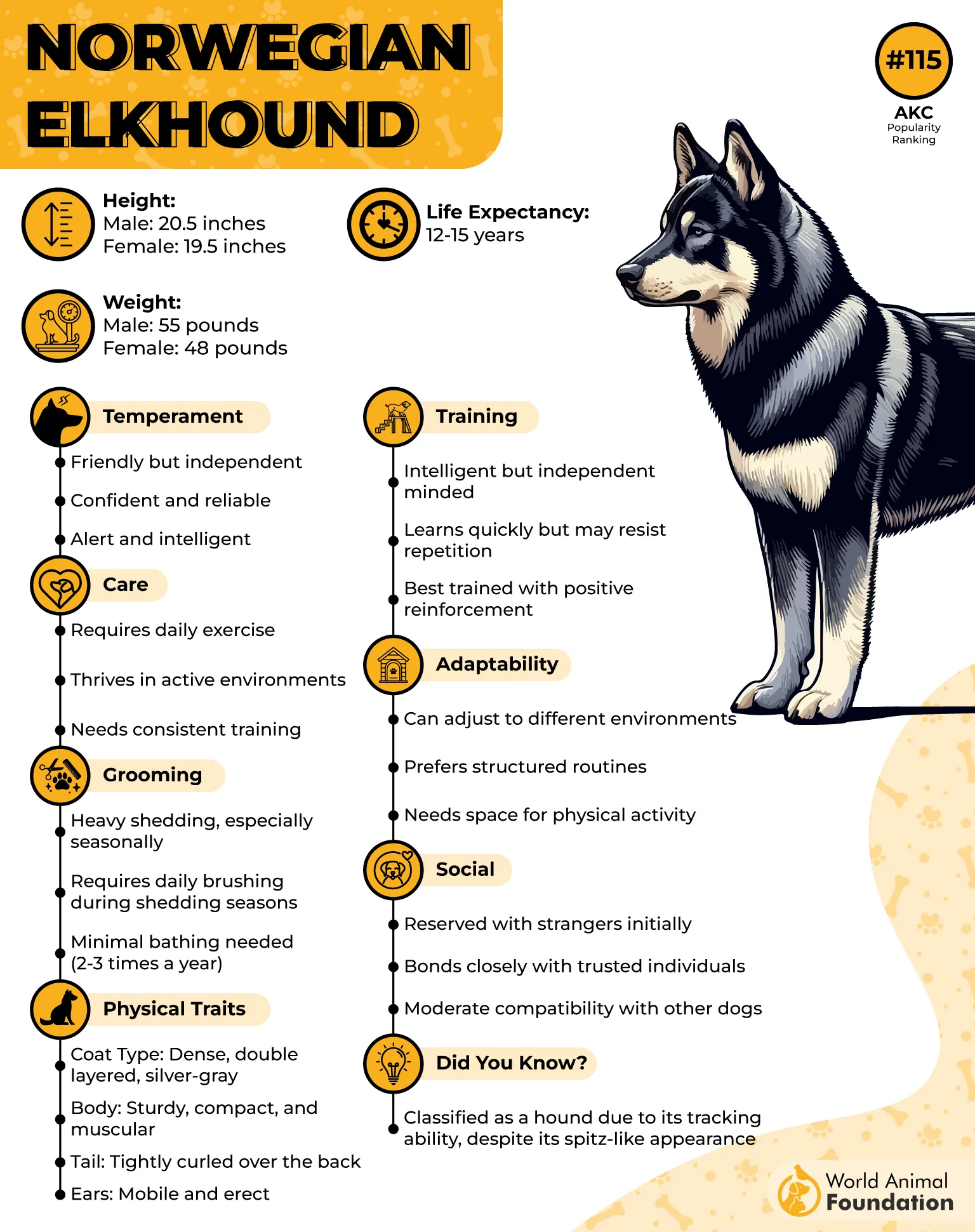
Its hunting style can include circling, barking, and keeping pressure on the animal so it does not slip away. That helps in tough cover. But wait, there’s more! It also needs mental stimulation, because a smart worker without a job can become loud and restless.
In a home, it can be one of the best family dogs for people who love movement and cool weather walks. It enjoys active households that hike and play outdoors. It can be stubborn, so proper training should start early, with rewards and calm repetition.
Many also enjoy dog sports, which help direct high energy into focus.
Cold-climate muscle
Dense coat for wind and snow
Strong tracking drive and stamina
Needs daily movement and brain games
5. Karelian Bear Dog
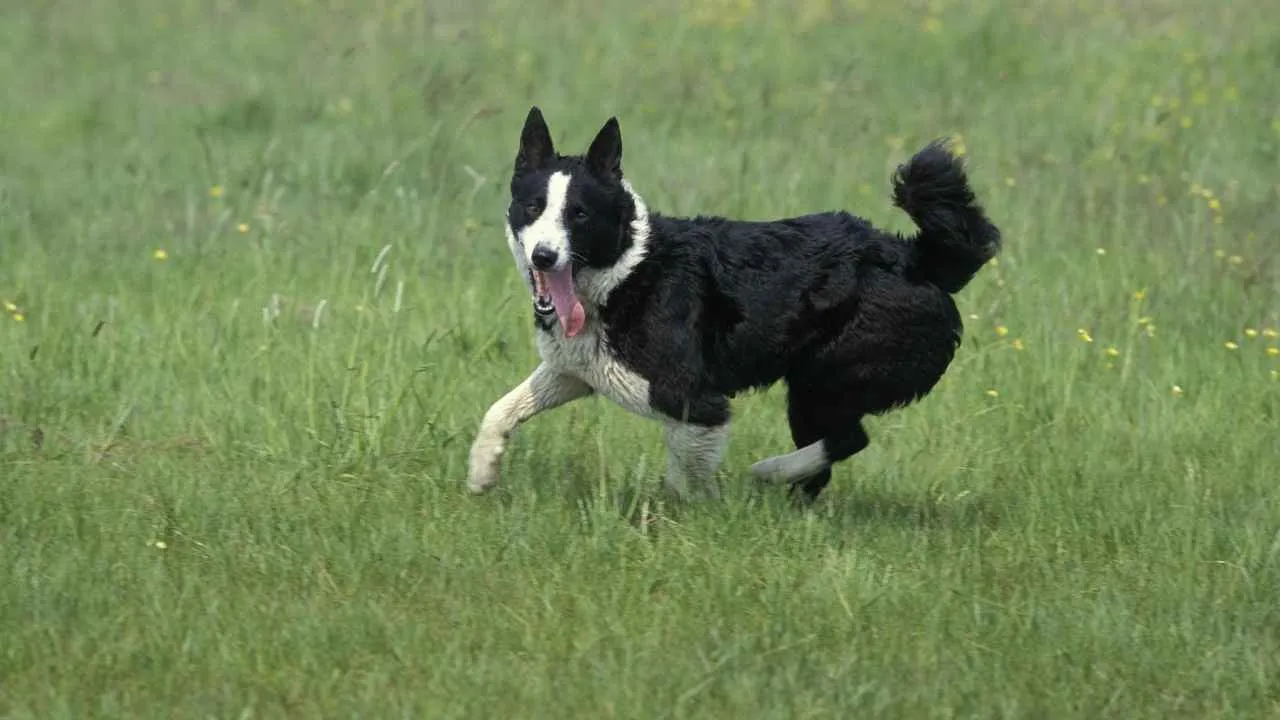
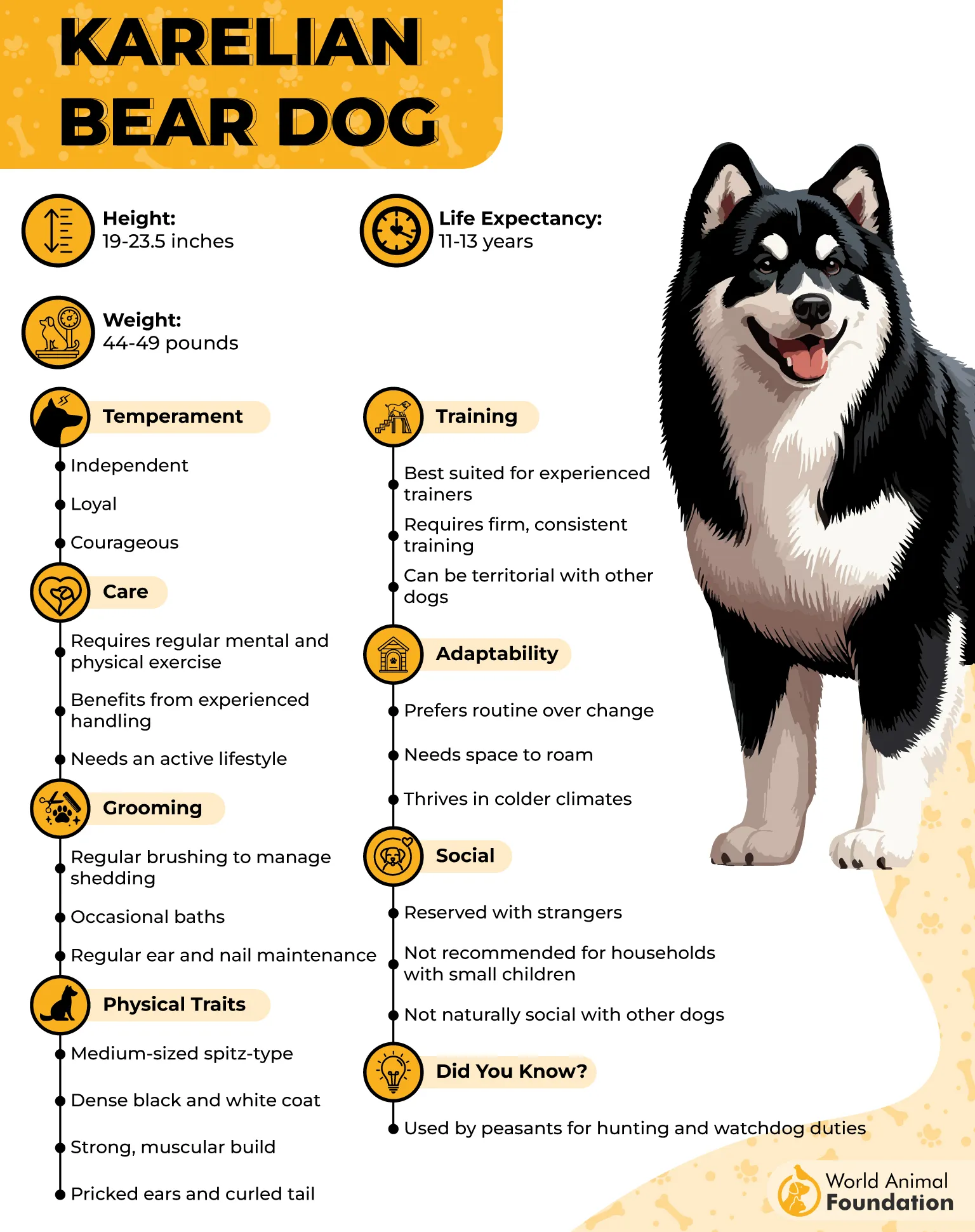
These hunting dogs are brave, medium-to-large workers with serious muscle. According to the UKC, the breed was originally bred for bear work in the north, and it still carries that fearless edge. It needs steady handling and a clear job.
In the right hands, it becomes a hunting companion that stays sharp, alert, and ready. The body is built for endurance, with tight muscles and quick reactions that suit tough work.
In big-game roles, this breed is known for facing wild boar and holding pressure on dangerous targets. It can also help in wounded game situations, where steady tracking and a cool head matter more than speed. The hunting style is direct and intense, so planning is not optional.
Many lines are valued for teamwork with human hunters, and that team mindset matters when the moment turns tense. In some regions, hunters talk about mountain lions. Safety first, always.
At home, it can be loyal, but it needs clear rules, social time, and lots of mental stimulation. For hunting dogs with this much edge, early structure protects everyone.
It can be tense with other dogs if poorly managed, so calm leadership matters. Give daily exercise and clear routines, and it can fit active households that respect working dog breeds instincts.
Brave work, serious focus
Built for large game pressure
Strong nerves in hard moments
Needs firm, fair training and space
6. Bluetick Coonhound
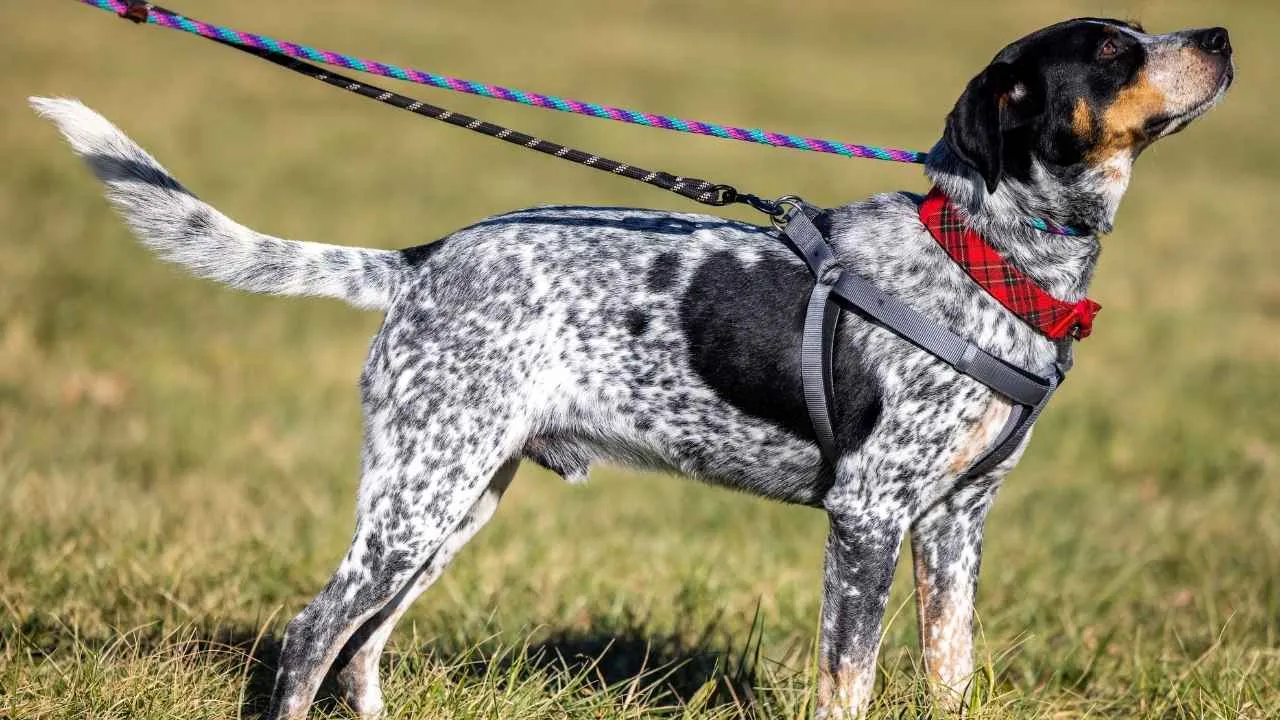
These hunting dogs are large, muscular dogs with a sleek, racy build. Their floppy ears and deep chest match their job: follow scent, stay on it, and keep going.
The sense of smell is one of their biggest gifts, especially for night work and long trails. When they strike scent, they can sing out in that classic hound voice, which helps hunters arrive fast.
In the woods, this breed is often linked with raccoon hunting, but it can handle other hunting scenarios too. It is driven by scent, so it does best when the job lets it use that talent. It can pursue small game through brush, hold a trail, and keep pressure until the chase ends.
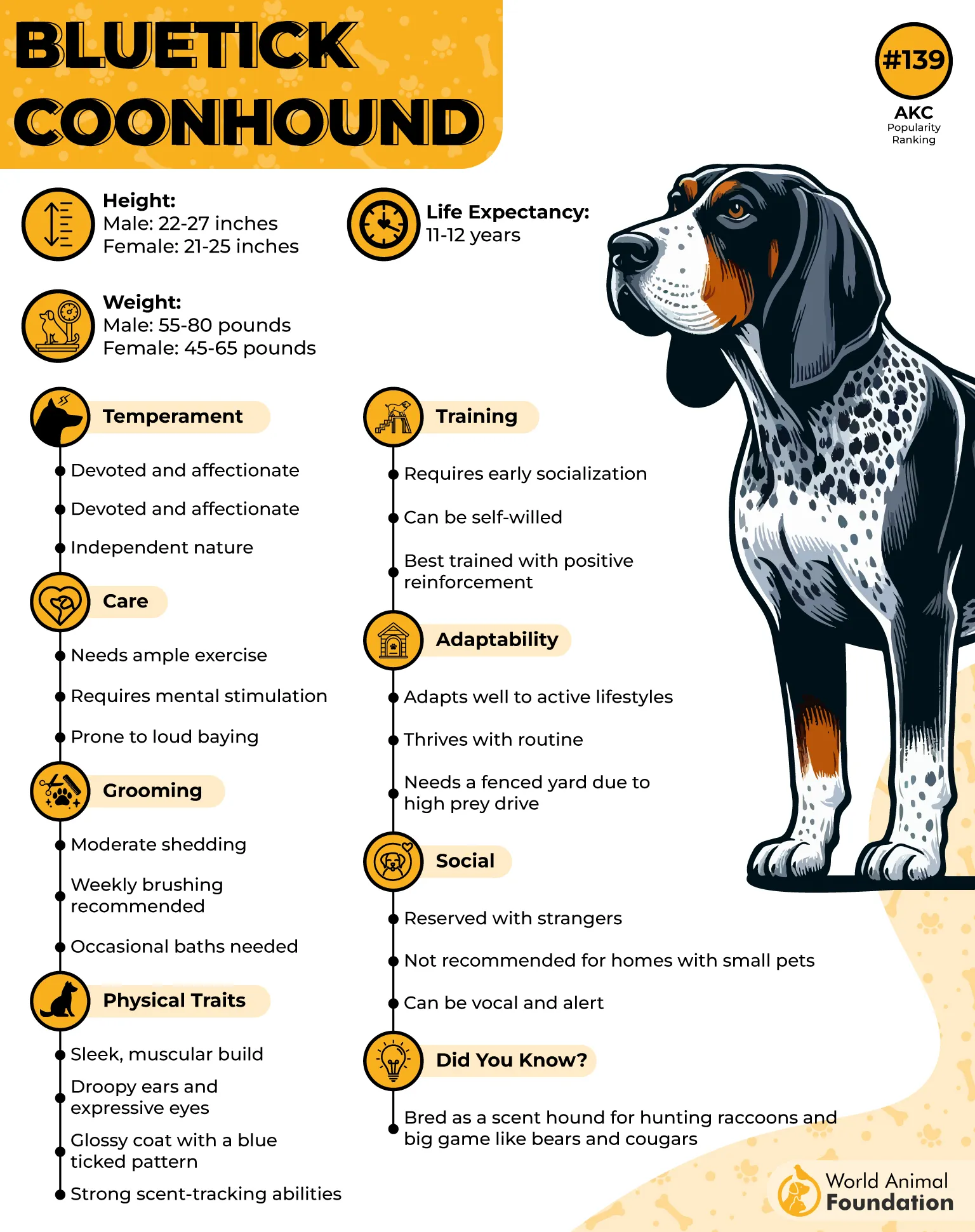
And here’s the best part! That muscle supports stamina on hills and helps the dog stay steady for hours, not minutes. A good routine also helps it stay calm around wounded game, where the scent can be confusing.
As a family dog, many are affectionate and people-focused, but they still need a real outlet. For hunting dogs that love to sing, channel energy with scent games.
They fit active families who can give play and nose work daily. Keep sessions fun and fair. If you let boredom build, they will entertain themselves, and it usually involves noise.
Music and muscle on the trail
Strong scent drive for tracking
Endurance for long nights
Needs work, not just a yard
7. English Springer Spaniel
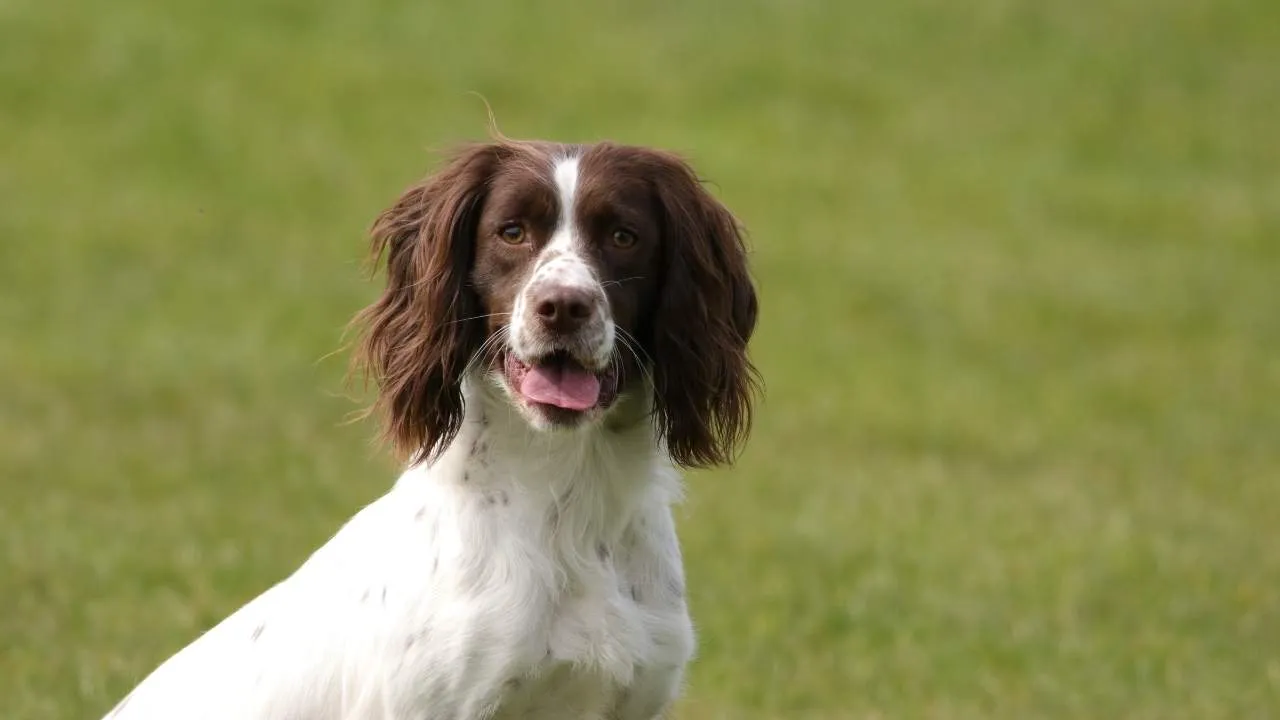
These hunting dogs are compact, and this bird dog is built to burst through cover. The name comes from the way it “springs” at game to flush birds and flush birds, which is a big deal in thick fields.
It is one of the classic hunting dogs for flushing birds and close-range work. It also shows real talent in waterfowl hunting, especially when shaped with proper training and calm handling.
In the field, the hunting style is busy but controlled. It works in front of you, pushes into brush, and drives upland birds into the air, including game birds like pheasant and prairie grouse.
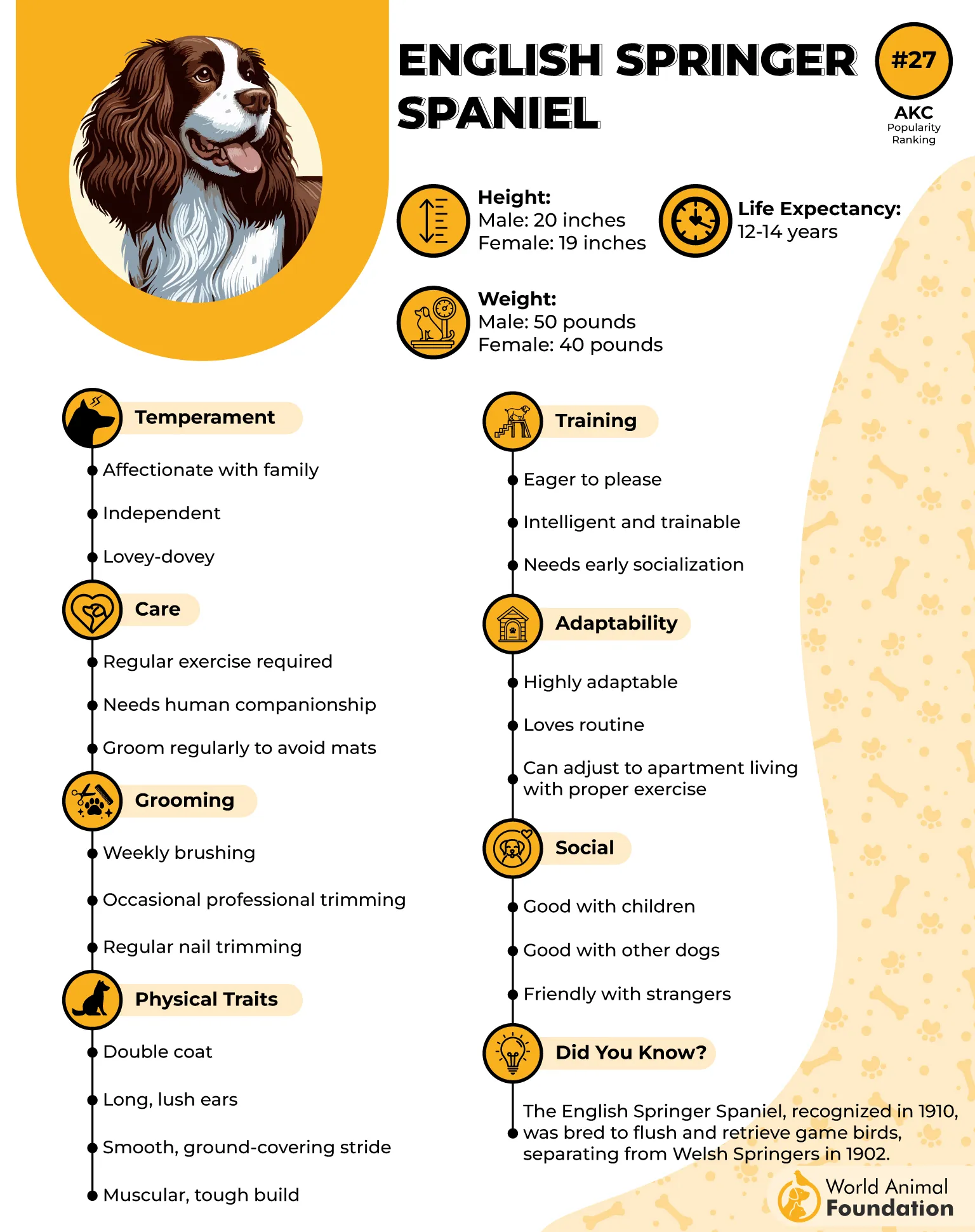
Many Springers also retrieve on water and bring back downed birds with a proud trot. Their strong swimming abilities can surprise people, and their sense of smell helps them hunt tight cover without missing much. It can handle different bird species without getting sloppy.
The English Springer Spaniel is double-coated, with a medium-length outer coat and a short, dense inner coat that serves as insulation. The coat protects the dog from inclement weather and brambles on the hunt, as mentioned by Orvis.
At home, they can be a family dog that feels like a cheerful shadow. For hunting dogs that live close to people, this breed nails the “weekend worker, weekday buddy” vibe. They are eager to please, which makes training smoother. They can shine in dog sports, too.
If your hunting trip includes South Carolina fields one weekend and marsh edges the next, this hunting companion can keep up and still act sweet at home.
The happy flusher
Great for thick cover and quick flushes
Reliable waterfowl hunting retrieves
High energy that fits active families
Conclusion
Muscle looks cool, but it matters most when the work gets hard. The best hunting companion combines power, control, and the drive to keep going.
Some dog breeds are built for waterfowl hunting in cold marshes. Some live for upland hunting where game birds rocket into the air. Others are made for hunting big game, where courage and a sharp sense of smell can protect you and your bird dog.
Pick the breed that matches your hunting style, your daily time, and your space. Then commit to proper training, daily mental stimulation, and kind routines.
Do that, and your next hunt feels safer, cleaner, and a whole lot more fun out there.
