




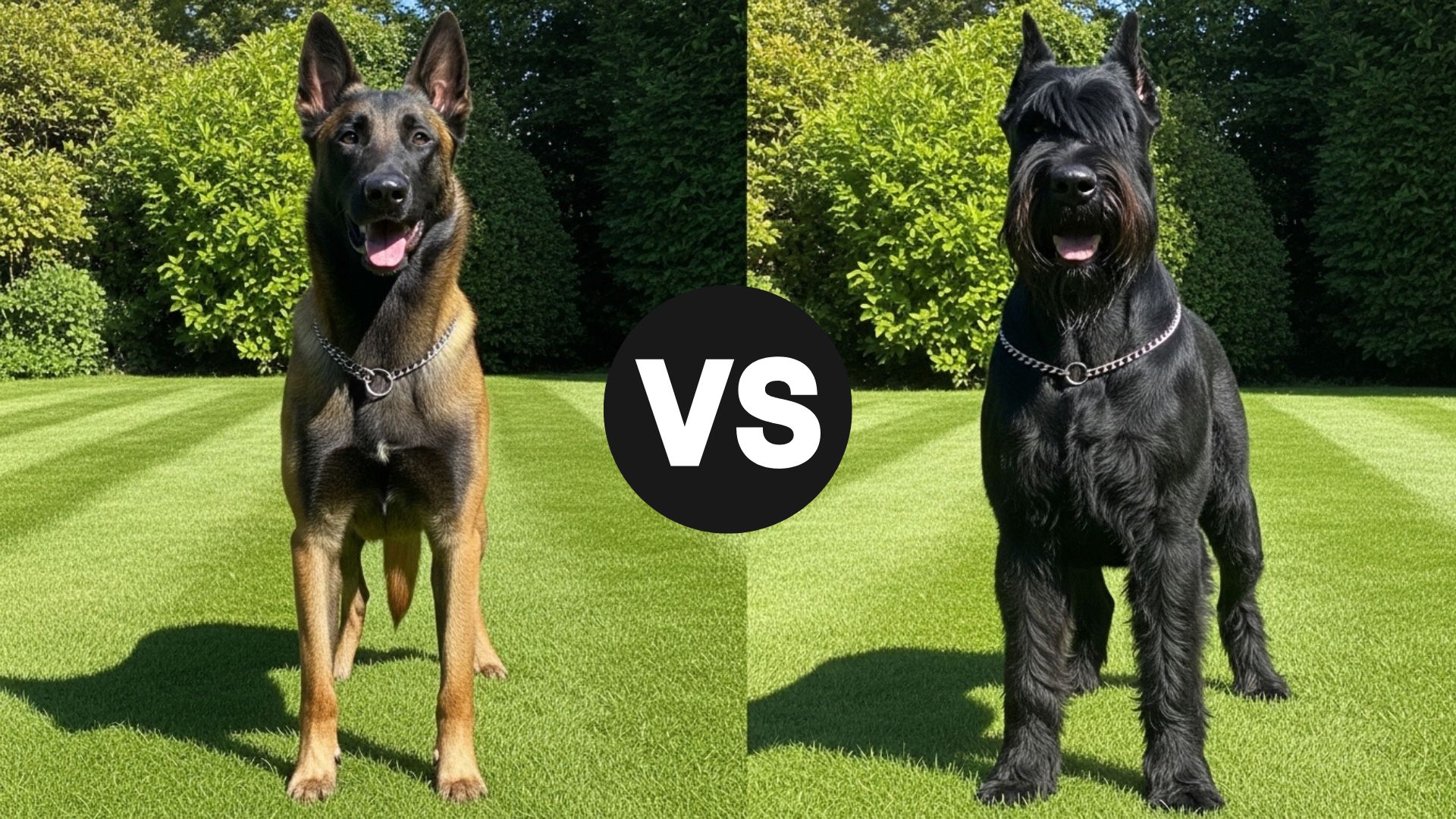
Choosing between a Belgian Malinois and a Giant Schnauzer can feel like comparing two elite performers built for very different purposes. Both breeds command respect and attention, yet they bring unique dynamics into a household. Making the right choice depends on understanding how each one fits into daily life.
Although they have a history of working dogs, their demands, routines, and overall presence can differ greatly. Factors like time commitment, handling experience, and living environment all play a major role in deciding which option works best for you.
This blog takes a closer look at these two impressive breeds through clear, practical comparisons. By examining key data points, it aims to help you choose the companion that aligns with your lifestyle, experience level, and home setup.
Belgian Malinois vs. Giant Schnauzer Dog Breed Comparison
Breed Overview
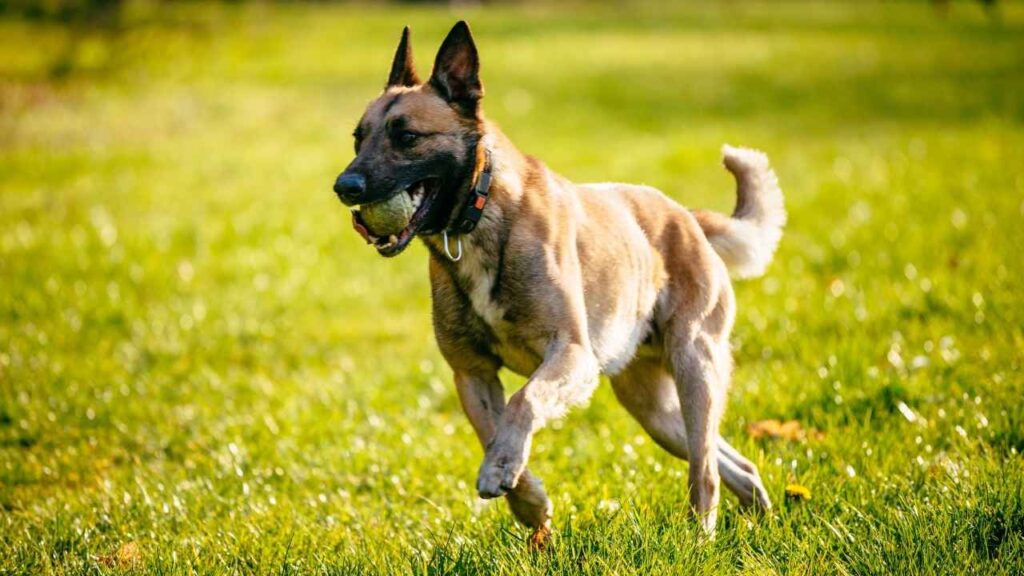
At a glance, these dogs share a similar job description: protector and worker. However, their approach to life differs. The Belgian Malinois is often described as intense and relentless, flourishing when given a specific mission.
On the other hand, the Giant Schnauzer is a commanding presence that balances its guarding duties with a deeply loyal, family-oriented personality. While both require an experienced hand, the Malinois is a “precision tool,” whereas the Giant Schnauzer is a “powerhouse partner.”
Origin & Historical Background
The Belgian Malinois traces its roots to Malines (Mechelen in Dutch), a city in Belgium, where it was developed in the late 19th century. It is one of four varieties of Belgian Shepherd Dogs, alongside the Tervuren, Laekenois, and Groenendael, each distinguished by coat type and color.
These dogs emerged from Belgium’s diverse population of herding dogs. Bred by farmers and shepherds who needed versatile, hardworking companions to manage livestock in the region’s challenging landscapes.
In contrast, the Giant Schnauzer, or Riesenschnauzer, is a German breed of the Schnauzer type. It is larger than the other two Schnauzer breeds, the Standard and the Miniature. Originally bred to assist on farms by driving livestock to market and guarding the farmer’s property.
The breed eventually moved into the city. There, it found work guarding breweries, butchers’ shops, stockyards, and factories, proving its utility in urban and industrial settings.
Size, Build & Physical Comparison
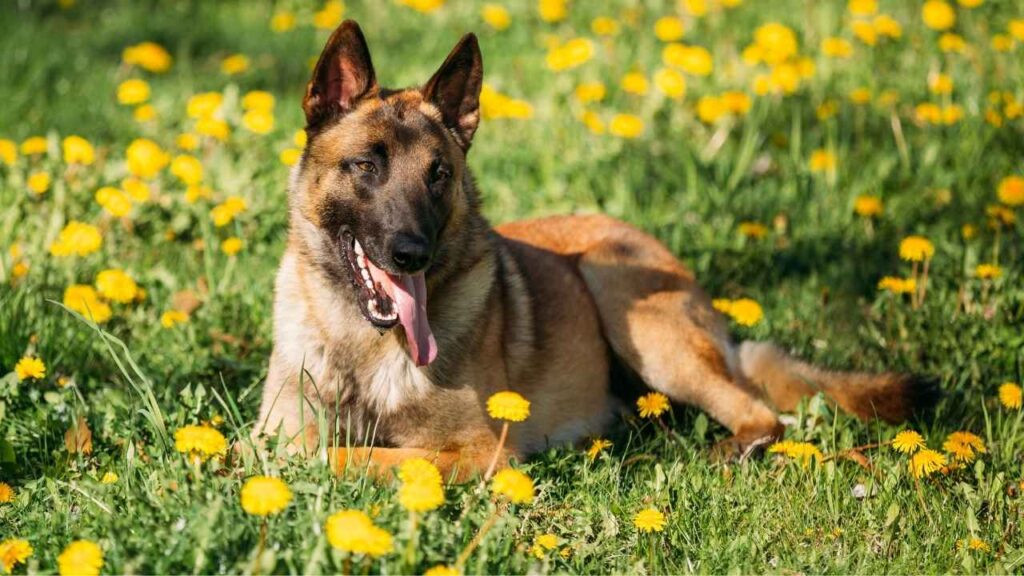
When looking at a Belgian Malinois, you see a dog built for agility. They are strong, muscular animals with bodies that are similar in length and height. Their topline, forelegs, and hind legs lend them a square appearance that adds to their well-balanced, elegant carriage.
Belgian Malinois are working dogs with heavy bone structures, deep chests, short, strong loins, and muscular forequarters. They also feature moderately pointed muzzles, stiff triangular ears that stand erect, and medium-sized, almond-shaped brown eyes.
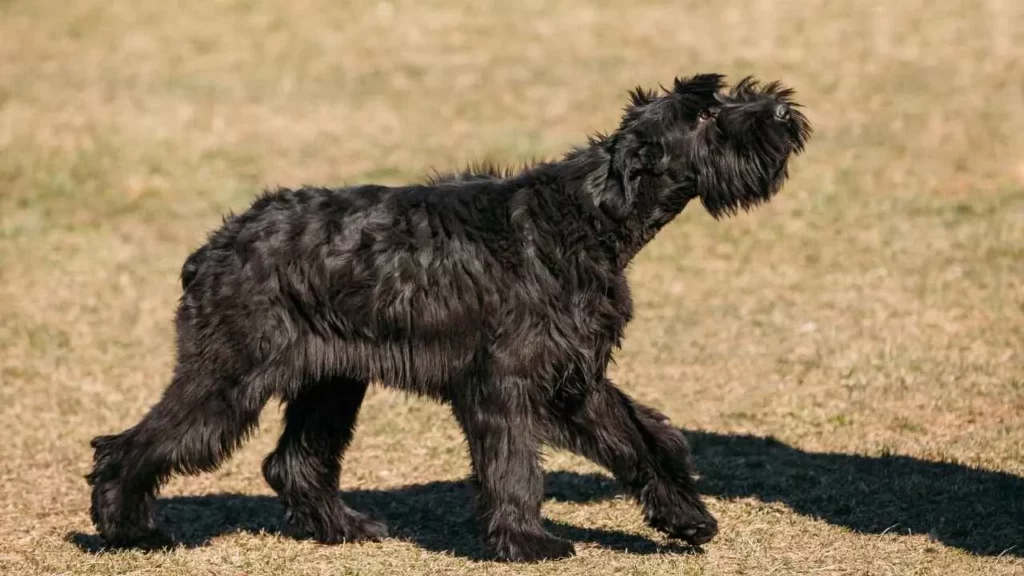
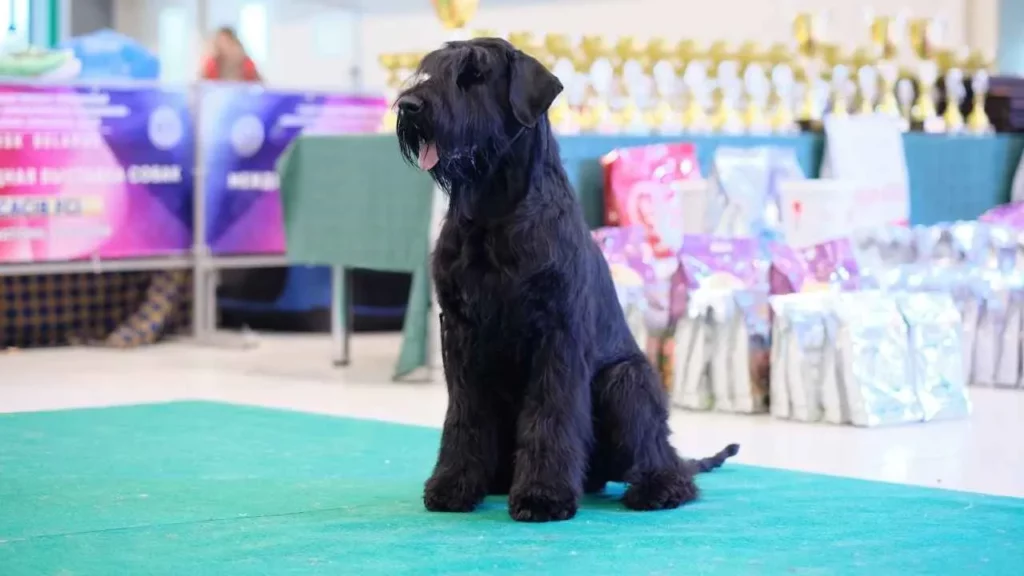
The Giant Schnauzer is a powerful dog that demonstrates strength in everything it does. A large, muscular, athletic body gives this breed a stately and dignified look. A strong, blocky head, harsh beard and eyebrows, and an imposing build are stand-out traits of this powerful breed.
While the Malinois looks ready to spring into action, the Giant Schnauzer looks ready to hold its ground against any intruder.
Temperament, Personality & Social Traits
The right temperament is essential for these working breeds. Belgian Malinois are confident, protective, and reserved with strangers but not aggressive. With their owners, the breed is known for being affectionate, responsive to commands, and eager to please.
However, potential owners must be aware that they have strong predatory instincts. This drive can lead them to chase cars and small animals. Consequently, Belgian Malinois are best suited to homes with older (or no) children and with well-socialized dogs of similar size.
The Giant Schnauzer is good-natured but can be quite dominant. Typically friendly toward other dogs, they love to be around their families and kids, which contributes to their reputation as ideal family pets.
These dogs are very loyal, devoted, and protective of their people, excellent traits for a guard dog. Giant Schnauzers need lots of attention and companionship, requiring plenty of participation in family activities to stay happy. These pups want to be in on the action, not left alone in the house or yard.
Energy Profile & Exercise Requirements
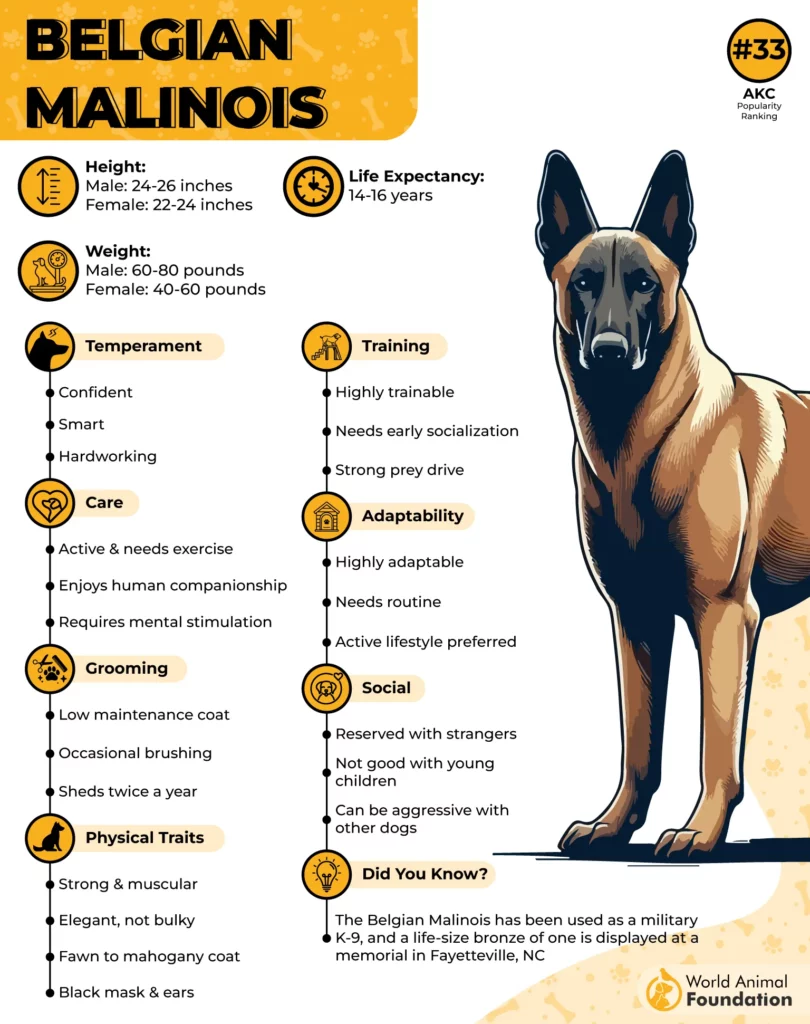
If a relaxed, low-activity lifestyle appeals to you, neither breed is a good match. Belgian Malinois are extremely high-energy and need several hours of intense exercise each day.
They thrive on hiking, running, swimming, and demanding dog sports like agility and tracking. Staying active with their owners keeps them happy, though their strong prey drive can make busy dog parks challenging.

Giant Schnauzers are also energetic and require daily physical and mental outlets, as mentioned by PetMD. They enjoy structured activities, dog sports, long walks, yard games, and social play. While they settle indoors more easily than Malinois, they still need regular exercise to stay balanced.
Trainability, Intelligence & Work Drive
Belgian Malinois ranks among the most intelligent dog breeds, learning commands quickly and excelling at problem-solving. The American Kennel Club writes that their sharp minds and strong drive demand intense mental and physical stimulation to avoid boredom. This focus makes them ideal for police, military, and protection work, but they require early, consistent training from experienced owners.
Giant Schnauzers are also intelligent yet can be stubborn. Reward-based training with treats and toys works best. Firm, gentle consistency and early socialization help channel their energy, encourage cooperation, and prevent defensive behavior around strangers.
Protective Instincts, Alertness & Guarding Style
The Belgian Malinois is a highly alert and protective dog shaped by its herding roots. This background makes it a vigilant guardian of home and family. Early and consistent socialization is essential to guide its instincts. With proper training, it excels as a protection dog for skilled, experienced owners worldwide today.
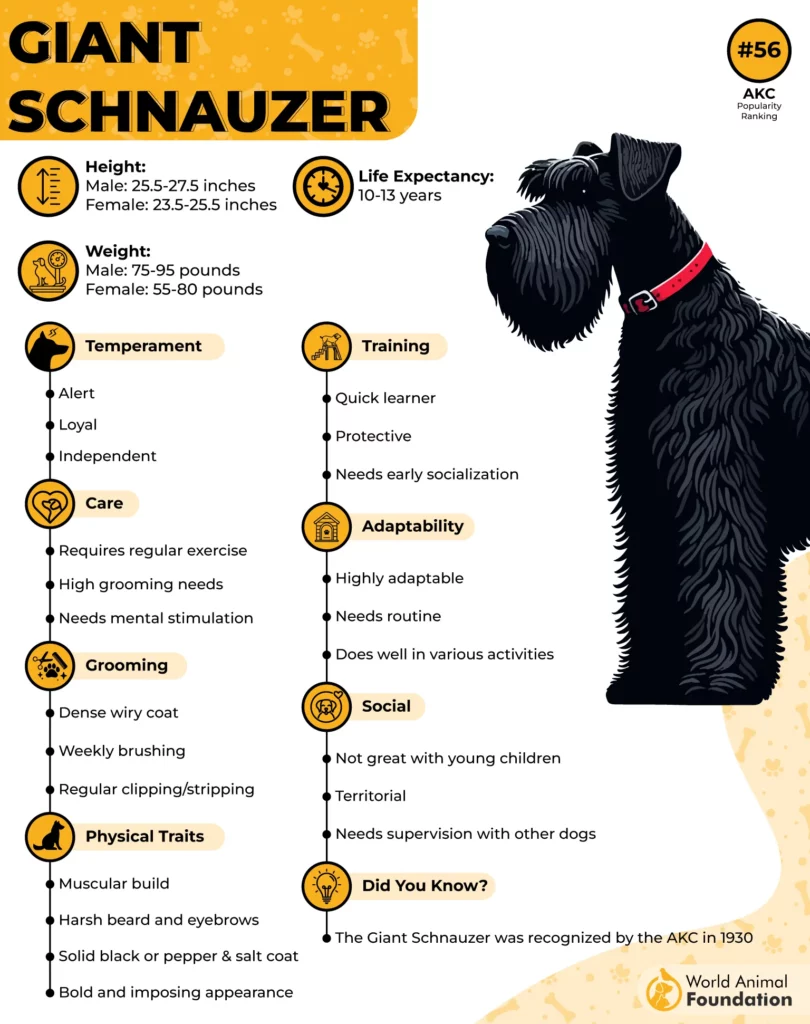
The Giant Schnauzer is an intelligent, territorial, and naturally protective breed with deep-rooted guarding instincts. Bred for farm and cattle work, it became a powerful family guardian and police dog. Strong bonds, high energy, and a bold presence make it a steady sentinel that watches and protects loved ones.
Coat Type, Shedding & Grooming Needs
Belgian Malinois are relatively easy to maintain compared to many working breeds. Their short, waterproof coats only need brushing once a week to manage loose hair. During seasonal shedding periods, daily brushing and occasional baths become important. Regular nail trimming also helps prevent cracking, discomfort, and overgrowth.
According to Hills Pet, Giant Schnauzers demand much more grooming attention. Their thick, wiry double coat requires weekly brushing along with routine clipping or hand stripping to avoid matting. Coat upkeep takes time and consistency, and professional grooming is essential to keep them healthy, tidy, and looking their best.
Health Concerns, Lifespan & Genetic Issues
Belgian Malinois are athletic, energetic dogs with an average lifespan of 10 to 14 years. Genetics, diet, exercise, and vet care matter. Common health issues of Belgian Malinois include elbow dysplasia, anesthesia sensitivity, and progressive retinal atrophy.
Giant Schnauzers typically live 10 to 15 years, depending on genetics and care quality. They are generally healthy but may face hip dysplasia, bloat, and eye conditions like glaucoma, cataracts, and some genetic diseases.
Family Compatibility & Living Environment Suitability
When deciding which dog fits your home, consider your daily routine. The Belgian Malinois is a “high-velocity” dog. They thrive in environments where they have a specific task to perform and plenty of space to run. Because of their intensity and tendency to nip at heels, they are better suited to homes with older (or no) children.
The Giant Schnauzer, however, loves to be around its family and kids, which contributes to their reputation as an ideal family pet. They want to be in on the action, not left alone in the house or yard. Both breeds require a house with a yard; apartment living is rarely fair to dogs with this much physical drive and territorial awareness.
Conclusion
The Belgian Malinois is the ultimate choice for the person who wants a “shadow” dog to participate in high-level training, marathon running, or professional protection work. They are intense, sleek, and relatively easy to groom, but they require an owner who can match their tireless energy and sharp mind.
The Giant Schnauzer is the better option for someone who wants an imposing protector that doubles as a devoted family member. You will have to deal with more grooming and a bit of stubbornness, but you’ll be rewarded with a loyal companion that is deeply integrated into your family life.
Both dogs are remarkable examples of canine intelligence and bravery. Whichever you choose, ensure you are ready for the commitment of a lifetime.
