




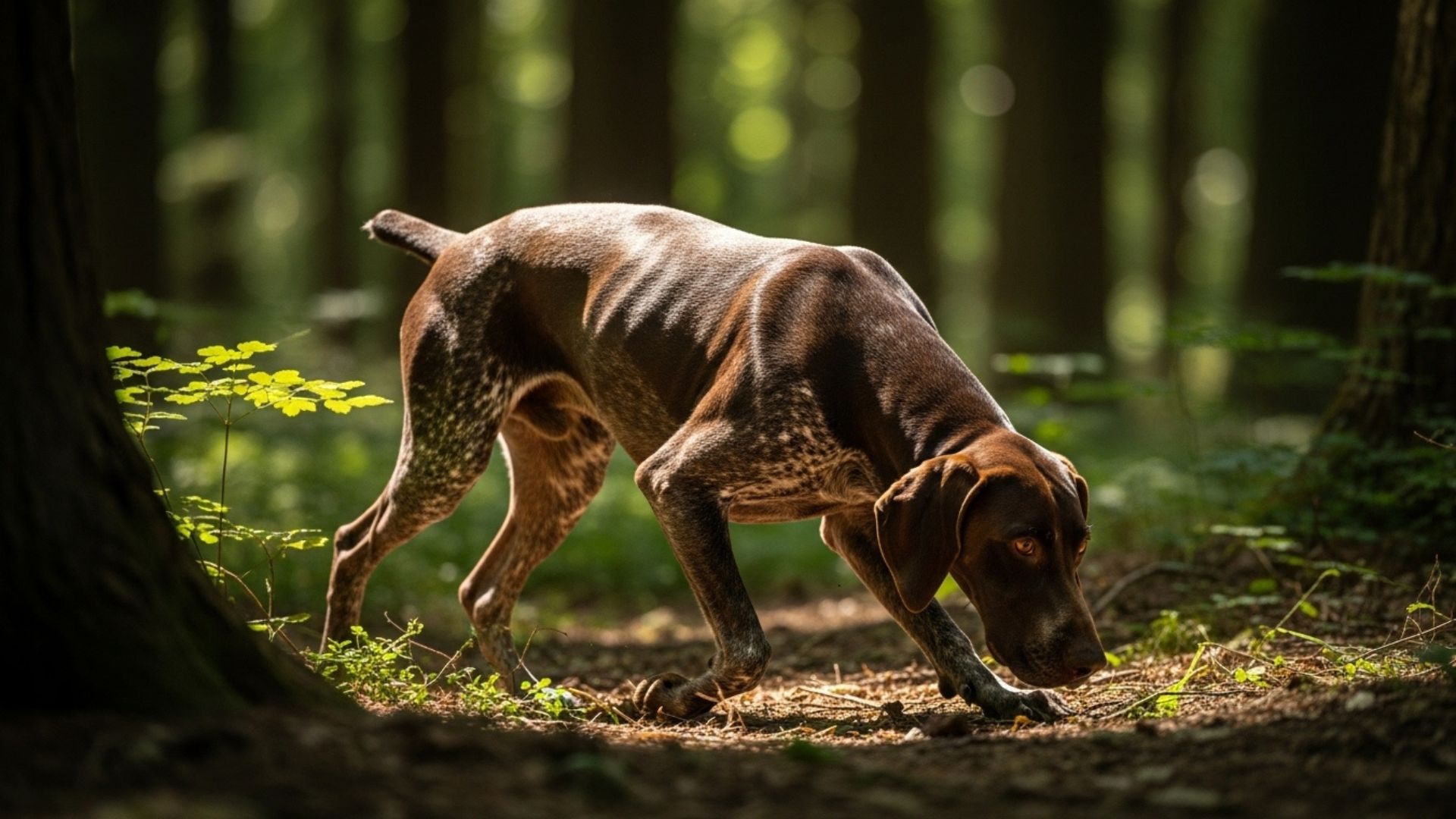
A deer hunt without skill or patience is often a fruitless one, but the right partnership can turn it into a success. When a tracking dog follows a scent trail, sniff by sniff, it’s as if the hunter’s hope moves with every step.
Choosing the right breed can make all the difference in finding a lost trail or locating a downed deer.
Some dogs are naturally born with an instinct for tracking, willing to work patiently until the job is done. Others can detect even the faintest traces of blood hours after a trail has disappeared. But these dogs are more than just hunting tools—they’re loyal companions, calm on a leash, and often gentle enough to play with children at home.
A tracking dog with a good training background can trace a blood trail that is at least 24 hours old. Even a single drop of blood from a deer that has been shot could be sufficient. Even a single drop of blood from a deer that has been shot could be sufficient. The sense of smell for these dogs is like reading the entire story.
Best Dog Breeds for Deer Tracking & Hunting Success
1. German Shorthaired Pointer
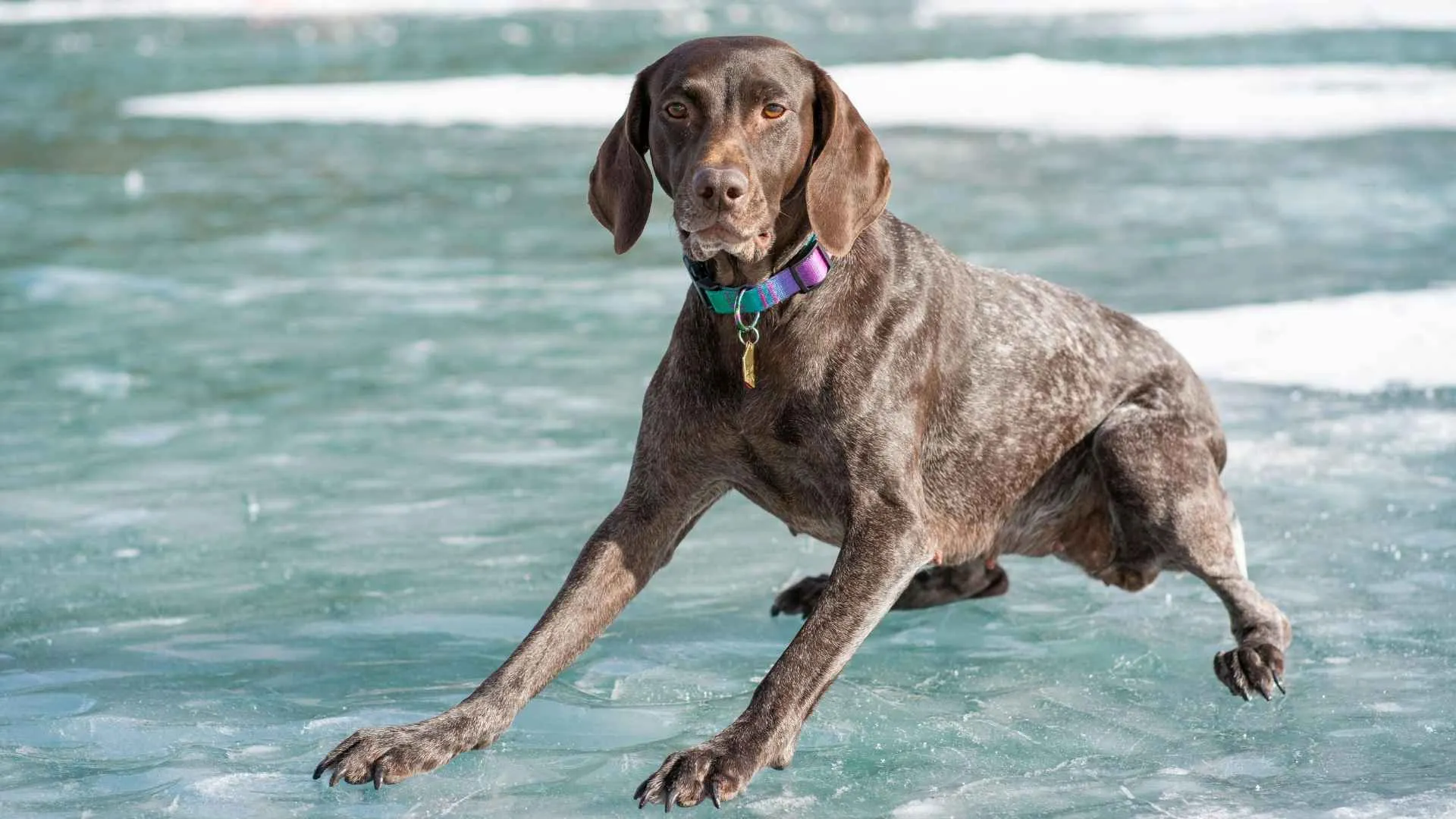
The German Shorthaired Pointer is frequently cited as the leading tracking dog, and for good reason. This breed showcases a perfect combination of speed, stamina, and intelligence in a way that very few hunting dogs can match. The AKC states that these dogs are one of the most versatile hunting breeds ever developed.
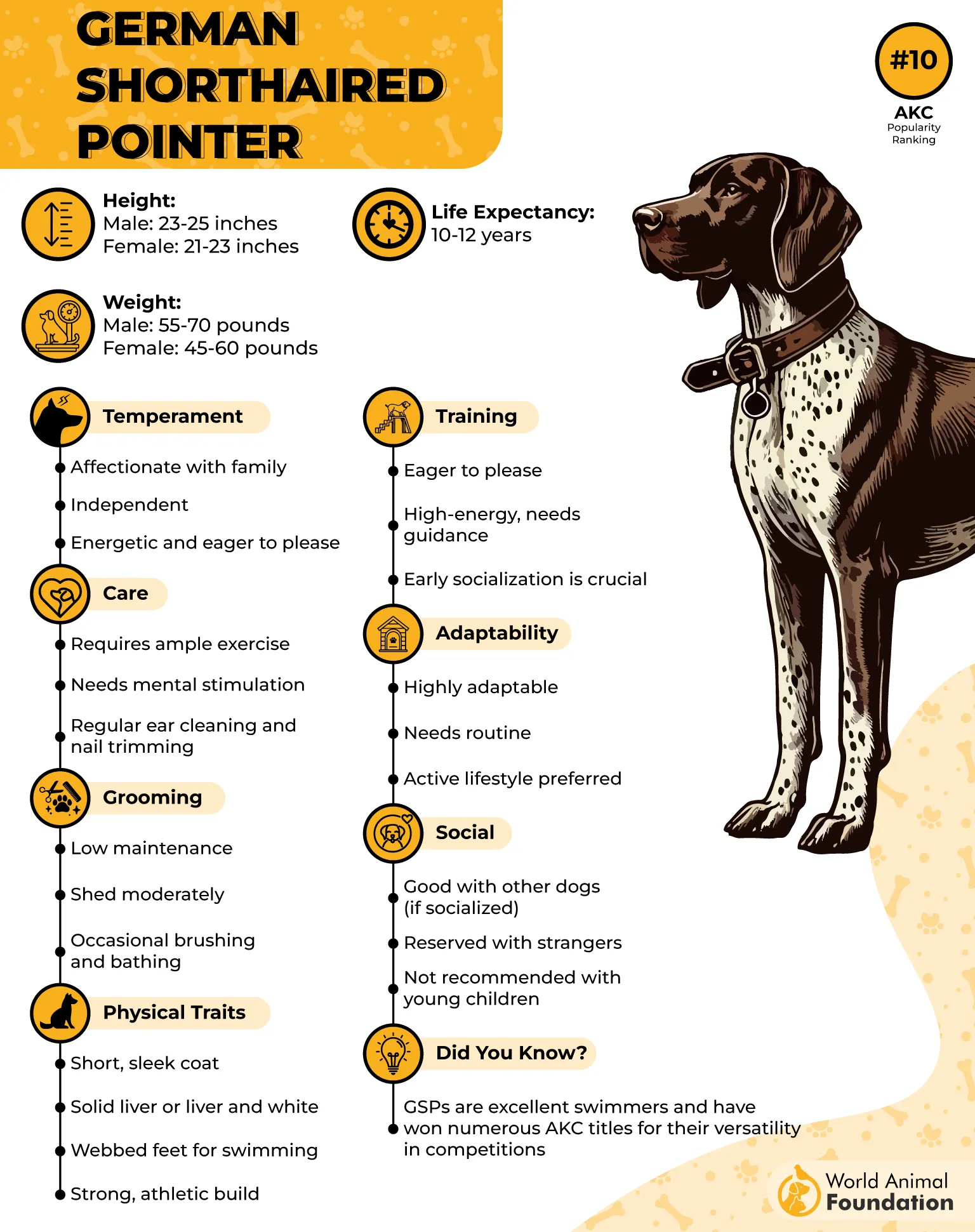
With the physique of an athlete, this dog has the capability of tracking, pointing, and retrieving at a pace that is not even close to its maximum. Its powerful sense of smell can detect even the faintest of trails that injured deer have left behind, particularly in the process of blood tracking.
The wish of the German Shorthaired Pointer to stay near the human being is the main feature that distinguishes this breed from all others. The German Shorthaired Pointer is a dog that loves being trained and exercised mentally. If it is tied up or kept within certain bounds, the dog will be a very attentive partner and not a distracted runner.
The GSP requires a lot of physical activity daily, and it should live in a hot climate. Orvis points out that their affinity for water makes them excellent swimmers, which is especially advantageous when the trails involve crossing rivers or wetlands.
2. Basset Hound
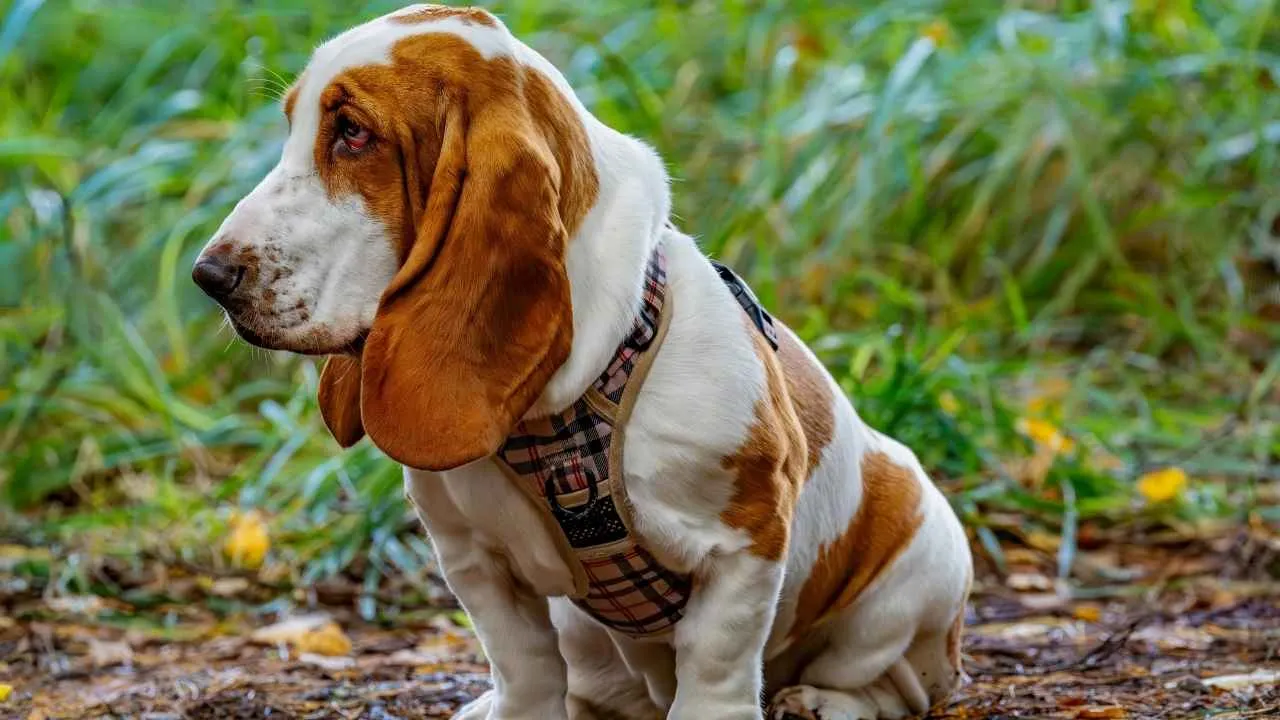
The Basset Hound possesses one of the strongest noses in the canine world. Experts at PetMD place it just behind the Bloodhound in scent-detection ability.
The low structure of the Basset Hound allows it to always keep the nose close to the surface and helps it to detect and trace even the faintest deer trail. It can, therefore, be said that the Basset Hound is quite helpful for slow and careful blood tracking.
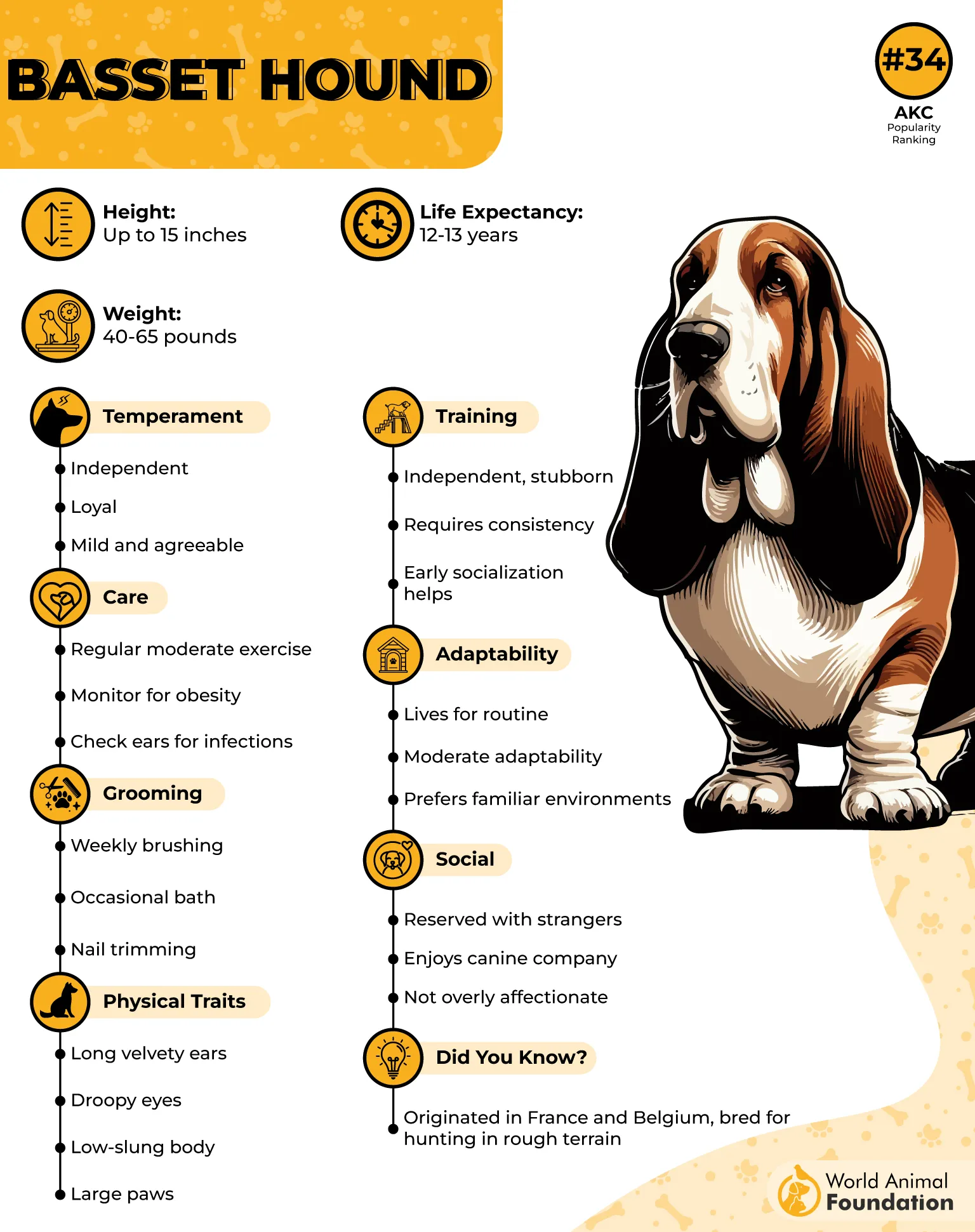
Bassets are the breeds of dog that are most often depicted through their calmness, patience, and persistence. They follow a trail with a committed slow-motion style, but there is nothing to worry about as they will not give up till the end. This trait comes in very handy in the case of tracking a shot deer over long distances.
They are very nice and patient at home, especially with children. Train them very early to stay on a leash, for their sense of smell can lead them away very quickly if not controlled.
3. Weimaraner
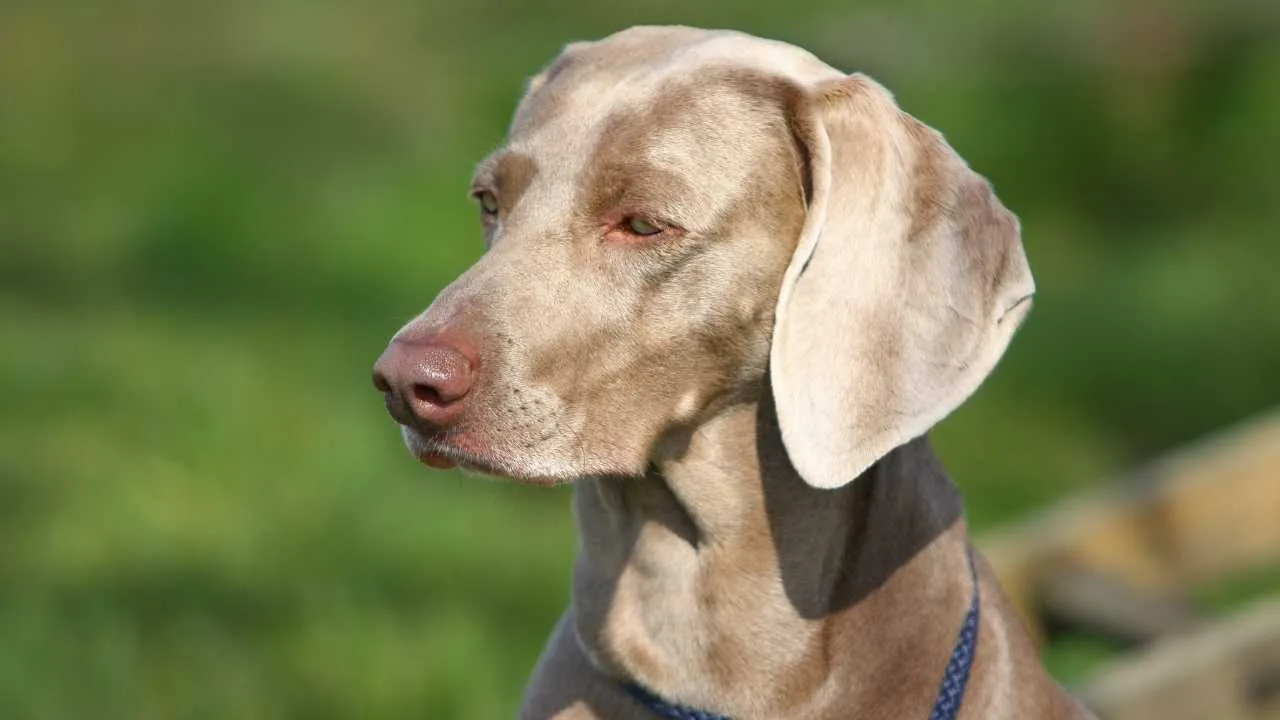
The Weimaraner dog breed was nicknamed the “Gray Ghost” for its outstanding good looks and amazing ability to perform. It was first bred in Germany for the purpose of hunting large game, which is how this dog got its combination of grace and power for deer tracking.
The combination of their super-sensitive nose and fit body allows them to keep up with fast-moving game and keep their interest in the hunt for hours. Purina points out that the dog has a perfect harmony of speed and control in the hunting field.
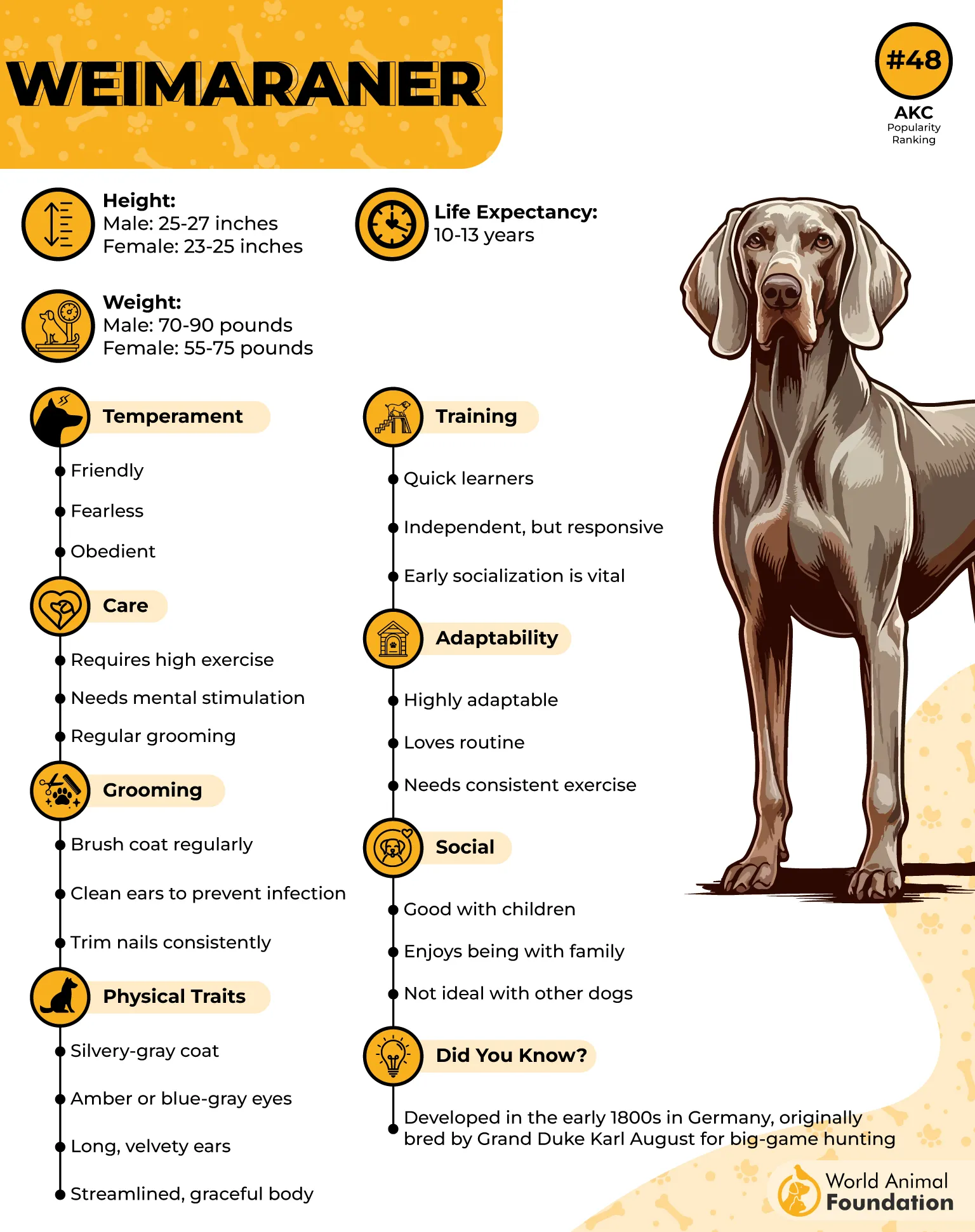
Weimaraners are the kind of dogs that get emotionally attached to their human companions. The very essence of this bond makes them extremely dependable during hunting. When they are given a chance to work intimately with their handler and to be mentally stimulated, they track the best.
This breed is demanding in terms of exercise and companionship. Without it, boredom is most likely to turn the dog into a destructive creature.
4. Bavarian Mountain Hound
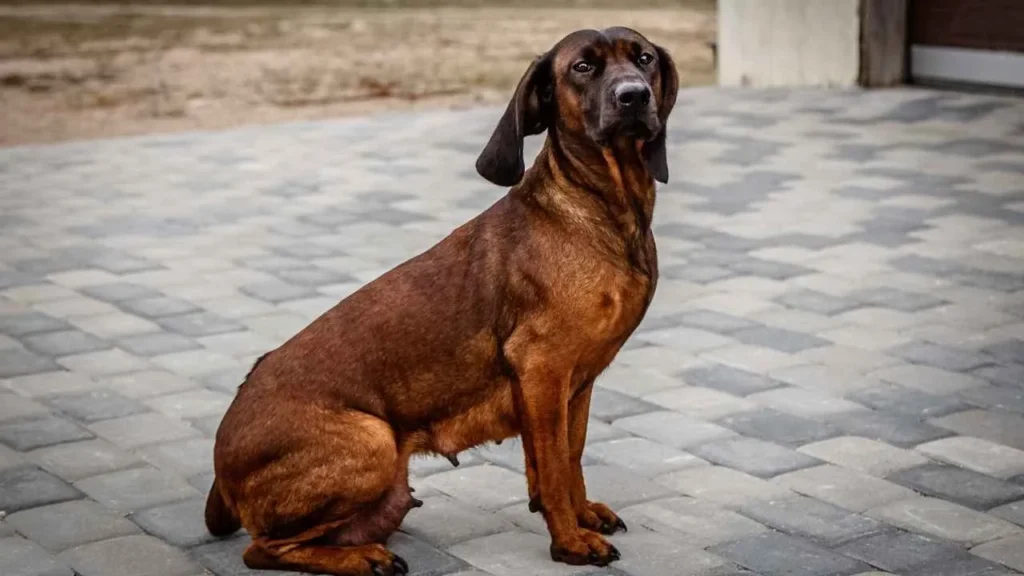
The Bavarian Mountain Hound is a dog that is a real expert in blood tracking. It has been bred specifically to follow the wounded game, and the breed is highly regarded all over Europe.
It is a very strong dog, but at the same time, it is very fast and can easily cover difficult areas and terrains. Furthermore, due to its calm and methodical approach, it is also very suitable for tracking a shot deer many days after the hunt.
This breed is noble and silent but very loving towards its master. It gets the most happiness from being given significant tracking assignments. Without scent-related work, it may get fidgety and isolate itself.
Early socialization is a must. After training, the Bavarian Mountain Hound becomes a trustworthy dog with the rarest quality of being focused and emotionally stable.
5. American Foxhound
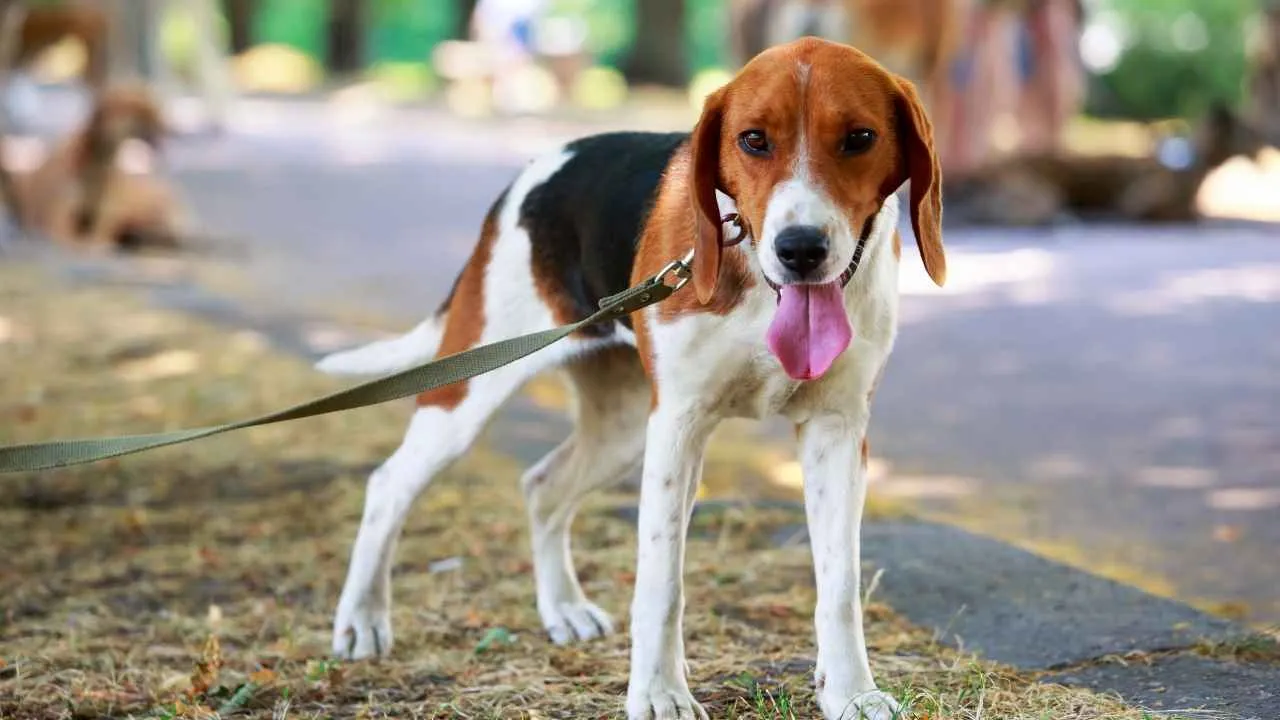
The American Foxhound has a strong hunting background and was highly regarded by the first American hunters. Its rich history in deer hunting and exceptional skill in long-distance tracking make the American Foxhound a legendary hunting companion.
This breed is made for long-distance running. It can track a deer all the way to its den during the day in a wide area, as it has the most stamina and does not lose its strength.
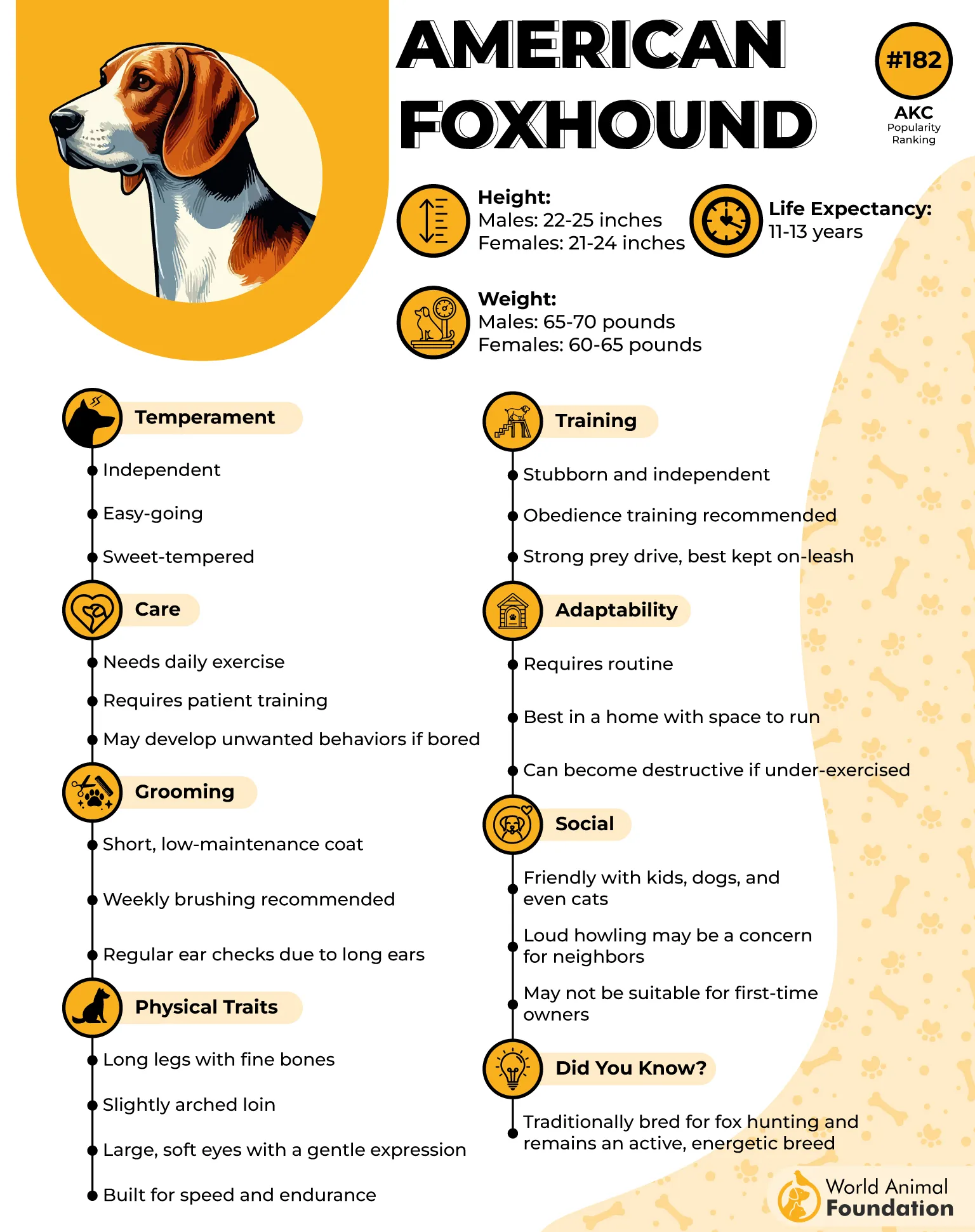
American Foxhounds are sociable dogs that can easily hunt alone or in packs. Their extraordinary ability to follow scents keeps them concentrating in any situation, even when trails cross. In the field, they are very active and vigilant.
They are very affectionate and friendly to children at home. However, proper exercise is a must in order to maintain the dog’s energy and to keep its behavior calm.
6. Black and Tan Coonhound
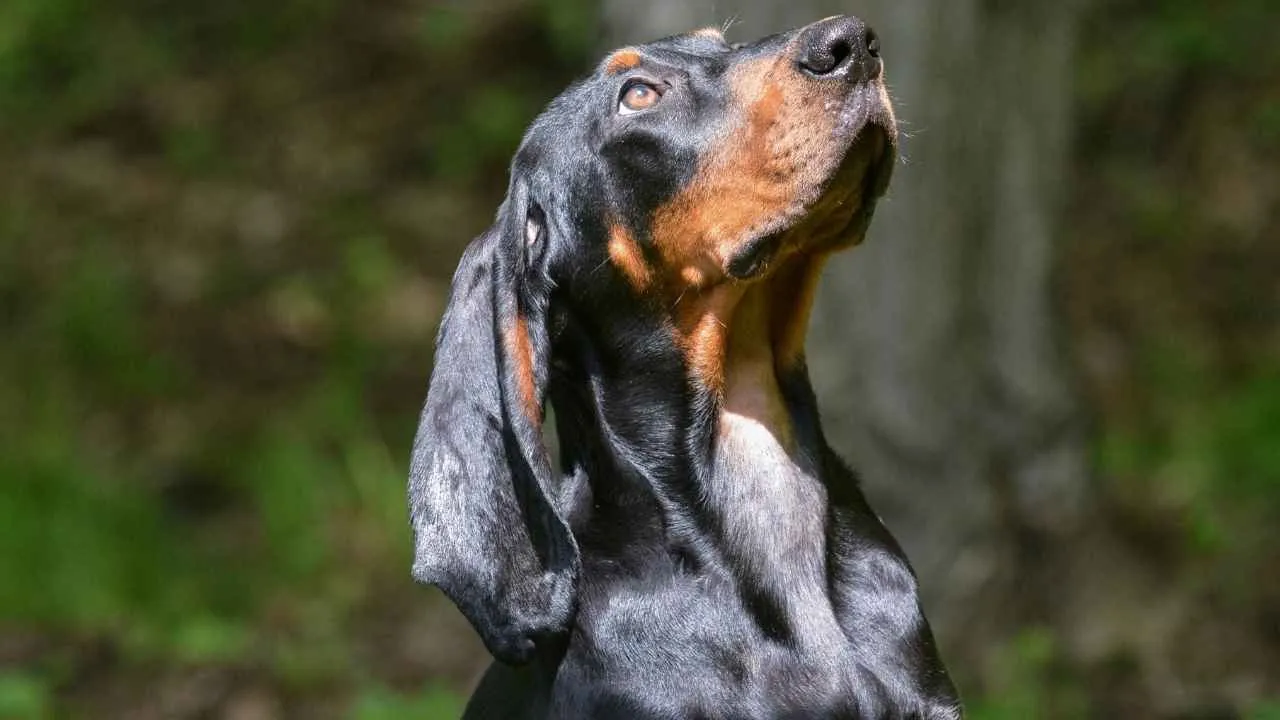
A very strong, very vocal, and very determined dog, the Black and Tan Coonhound is a natural tracker. The dog’s deep howl indicates how far it has gone on the trail, thus informing the hunter of the dog’s movement.
This dog breed is extremely good at tracking by means of smell and also very good at blood tracking wounded deer.
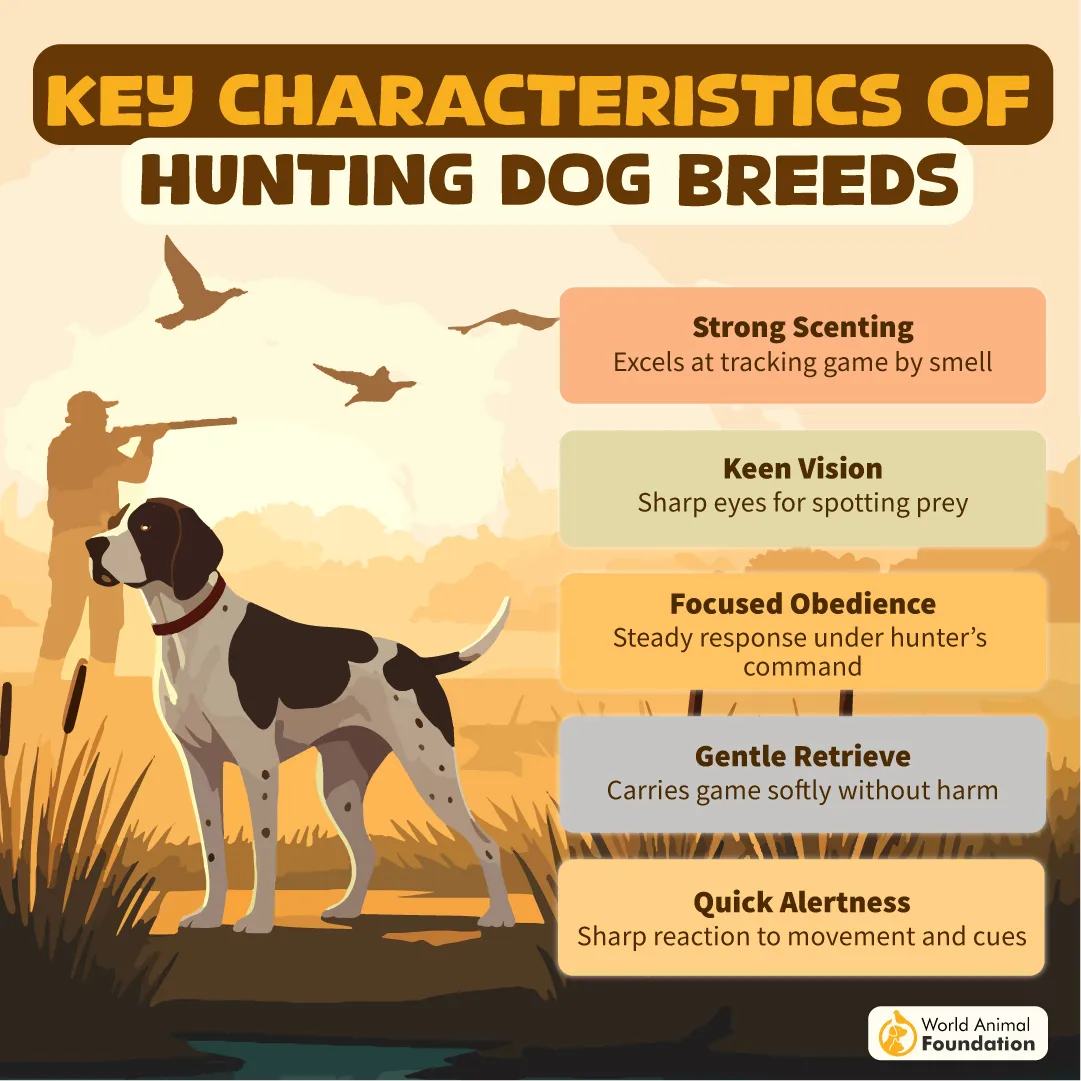
Even though it is a hunting dog, the Black and Tan Coonhound is very calm at home. The dog is loving, playful, and sometimes behaves like a puppy even when it is already an adult.
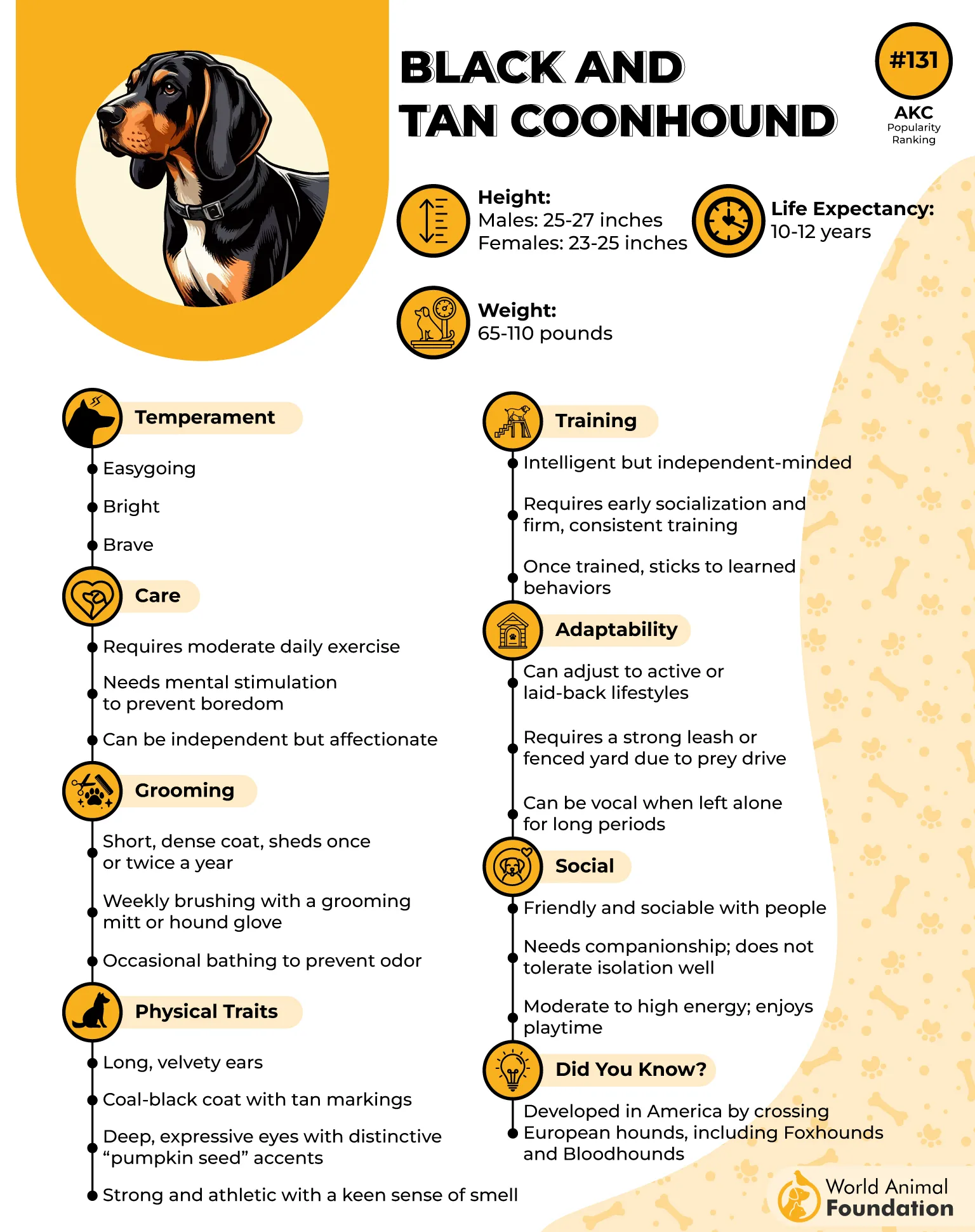
Training the Black and Tan Coonhound takes a lot of time and patience. Hill’s Pet suggests that the best training method is positive reinforcement. Along with exercise, you should also be able to control the dog’s behavior by offering it such activities as playing hide and seek.
7. English Pointer
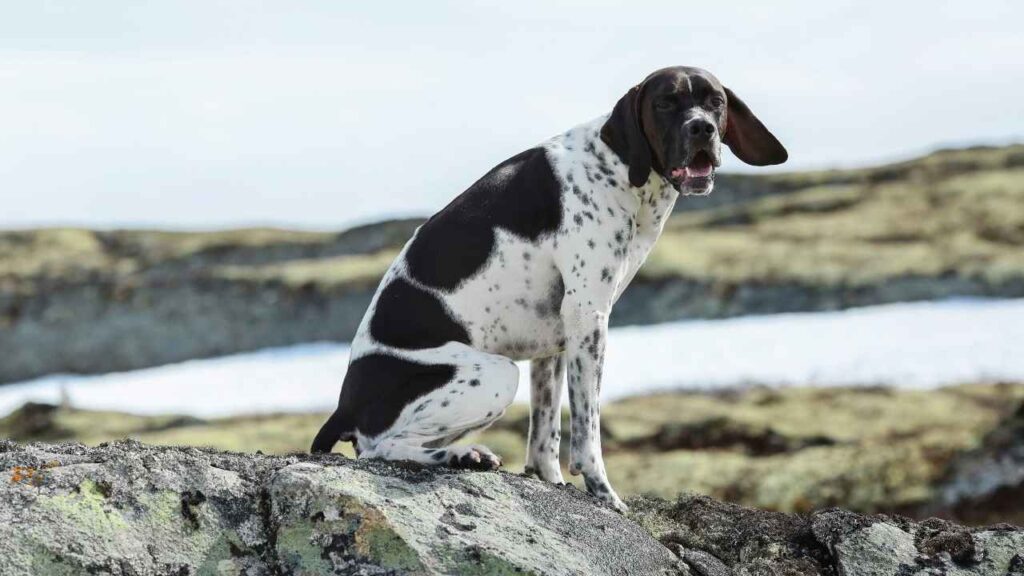
The English Pointer has a lot to do with its famous posture, which is literally frozen in a specific place to show the direction of the prey. Still, its hound lineage grants it great tracking abilities, and hence it is still considered a bird dog and a loyal family dog
This breed is really fast, very agile, and can easily work throughout the day.
English Pointers are happiest among people who are always on the go. They require a long daily run and a securely fenced garden. Without the right ventilation, they might drive you crazy with their energy.
They are well-trained to be gentle with children and to be very responsive while walking on a leash. Their strong desire to work makes them reliable partners in tracking over long distances.
Conclusion
Good deer tracking dogs are not only selected for their appearance. They are selected for their instinct, discipline, and heart. So, if you need a blood dog for a wounded deer, a fast tracker for open terrain, or a calm companion that waits patiently on the trail, the right breed will make a difference.
These dogs do not merely carry the scent with their noses. They also carry trust, loyalty, and a common purpose. Proper training, care, and respect will transform them from hunting partners to family members.
