




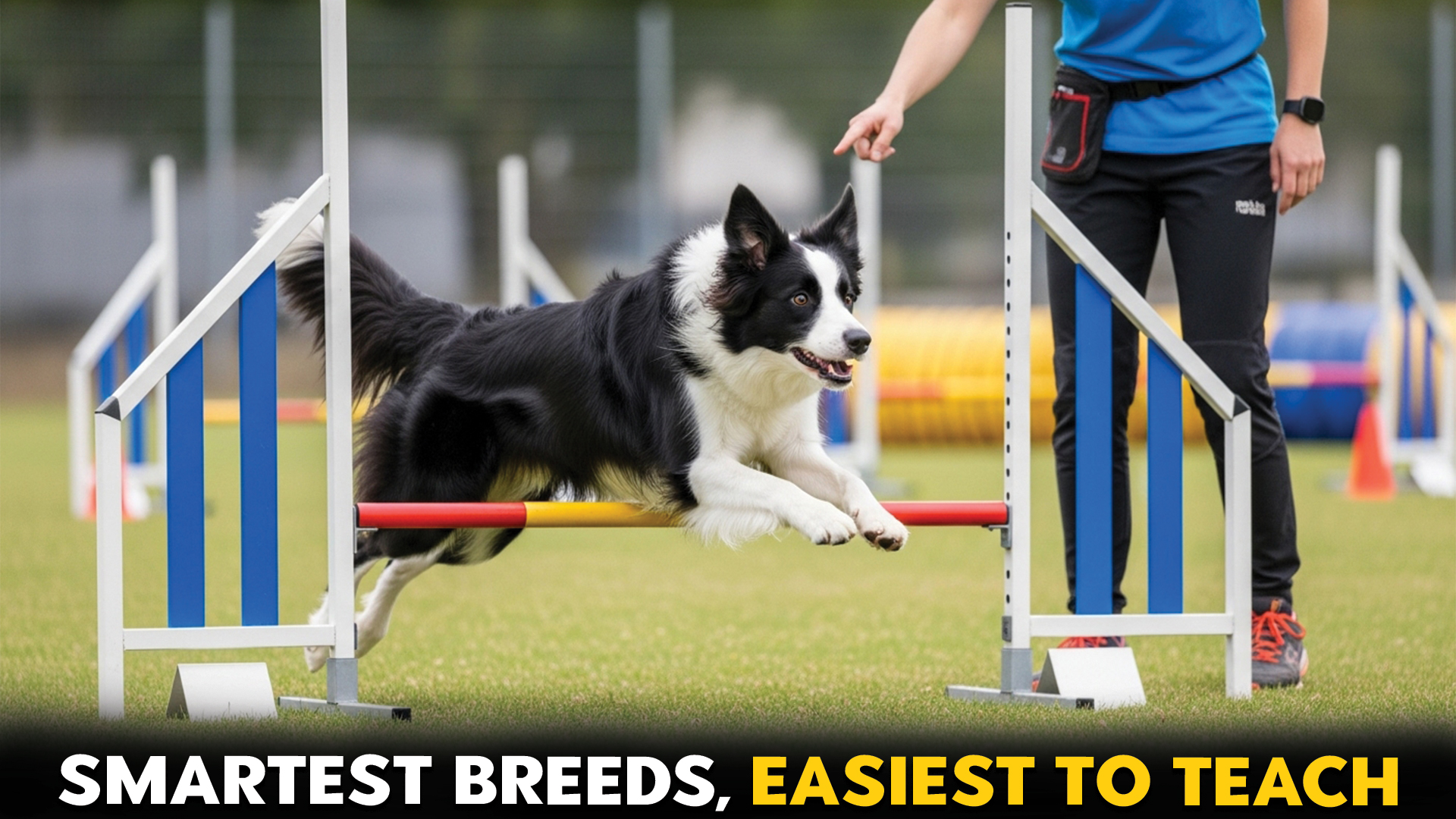
Want a dog who learns fast and makes you feel proud?
Some people chase the “smartest dog breed” label like a trophy. Later, many realize the real prize is a dog you can train in daily life. Watching smart dogs figure things out can make your whole day. But intelligence matters most when it becomes a good habit at home.
This blog sticks to one idea: choose a dog breed you can train with kindness and clear steps. These intelligent dogs do well with short training sessions, rewards, and steady routines. Many also work as service dogs because they can learn real tasks and stay calm in real places.
Even within the same litter, personalities differ, so the goal is to match energy and time. The breeds stand out for focus, quick learning ability, and a strong desire to work with people, without harsh methods.
These are fast learners when you train with patience.
Smartest Dog Breeds – And Easy to Train Too!
1. Border Collie
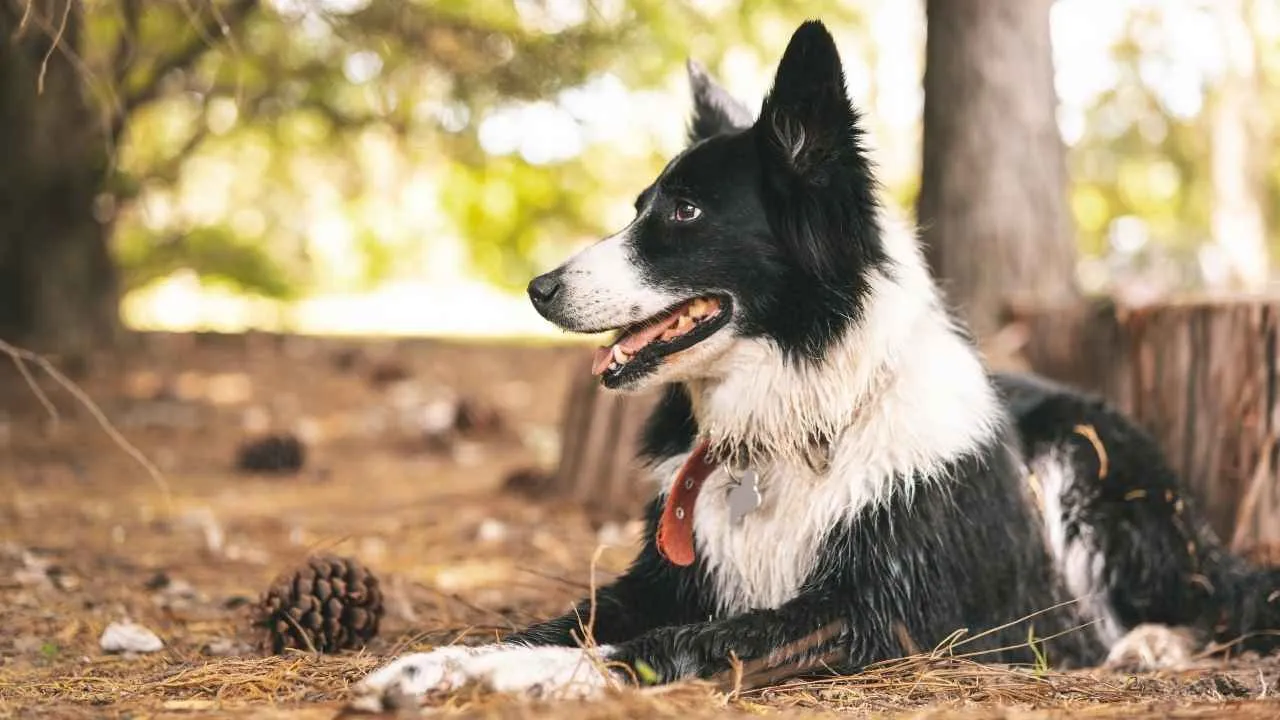
A Border Collie can feel like a mind reader. You move your hand, and the dog already knows what you mean. PetMD shares the story of Rico, a Border Collie who could respond to more than 200 words.
Sounds crazy, right? That quick thinking is a big reason this dog breed lands on lists of the most intelligent dog breeds.
This breed was originally bred to herd livestock, so the brain is always “on.” Border Collie is whip-smart and a workaholic that learns remarkably fast. Many will even try to herd moving things, like kids running or a rolling ball, because the instinct is strong.
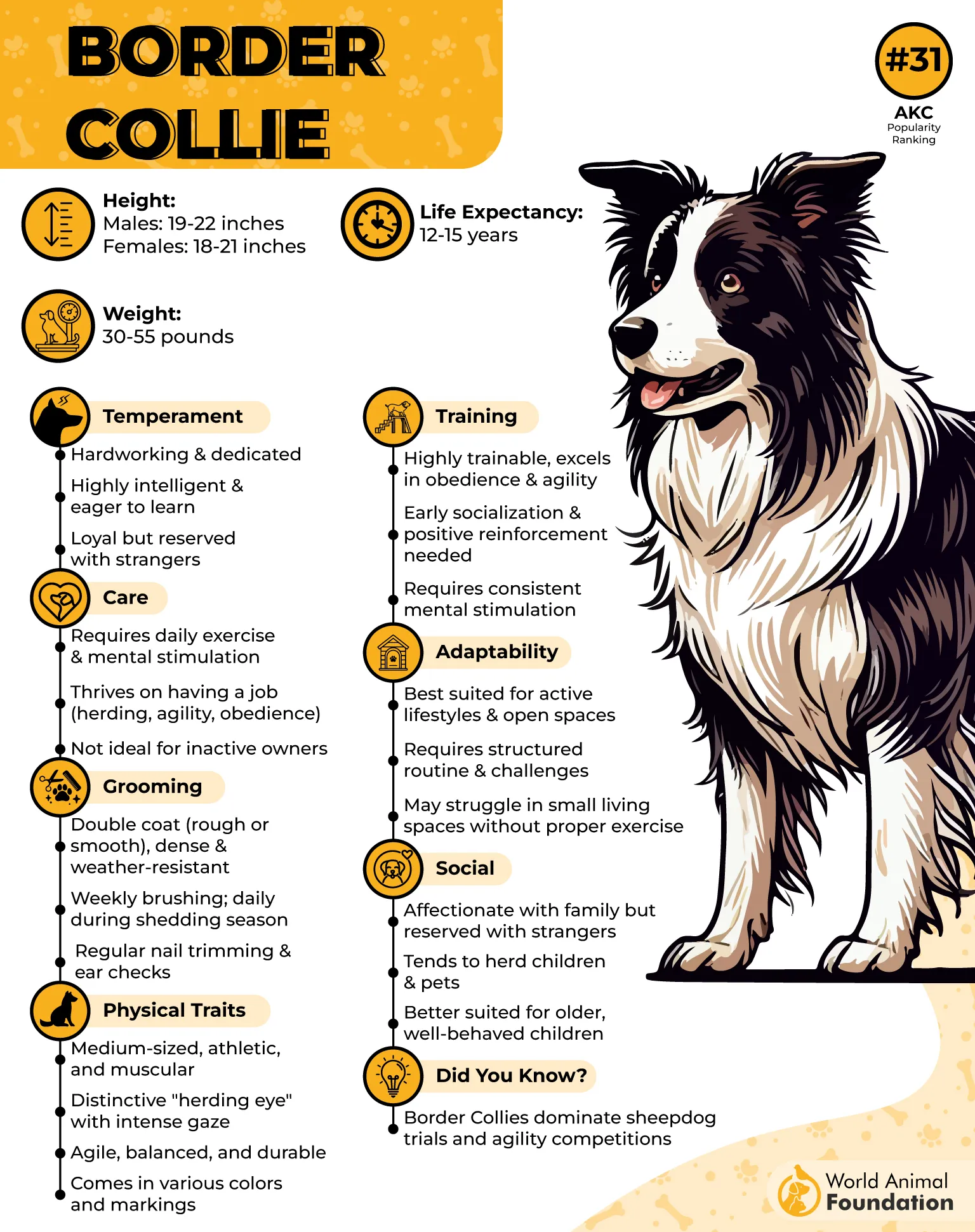
A Border Collie can train for complex patterns, dog sports, and tidy home routines. You can also train a solid recall, which is a lifesaver around open spaces. But why bother with that? Because a bored dog will invent a job, and it might be “redecorate the couch.”
Here’s the good part. Give this dog mental challenges and a clear plan, and the energy turns into teamwork. Keep things light with obedience training in short bursts, silly fetch breaks, and safe outlets like agility and obedience.
Many owners find this one of those smart dogs that seem to enjoy learning just for fun. Interactive games like hide-and-seek keep the brain busy, and they help intelligent dogs settle after play.
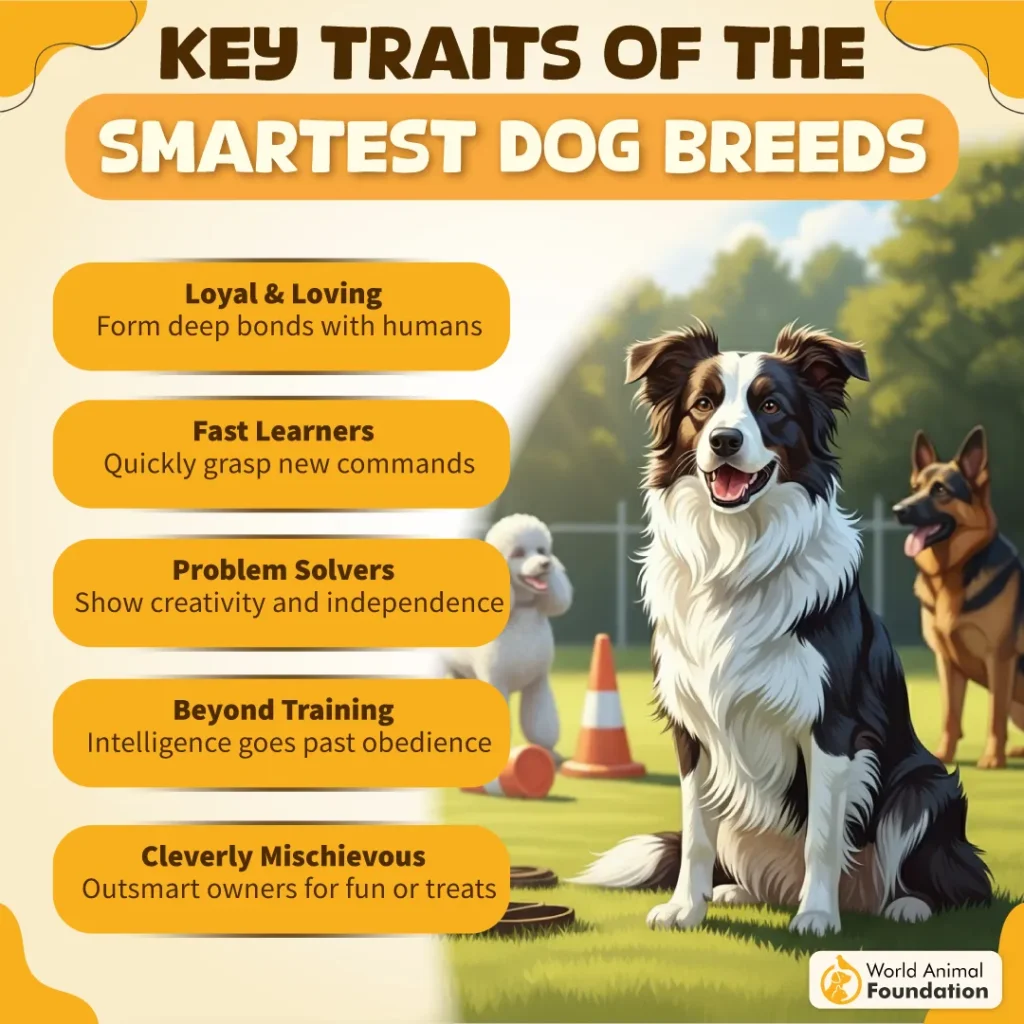
Turn that brain into teamwork
Use puzzle toys to make meals last longer
Try agility training with low jumps and safe turns
Teach new commands in tiny steps
Mix play games with calm rest
2. German Shepherd
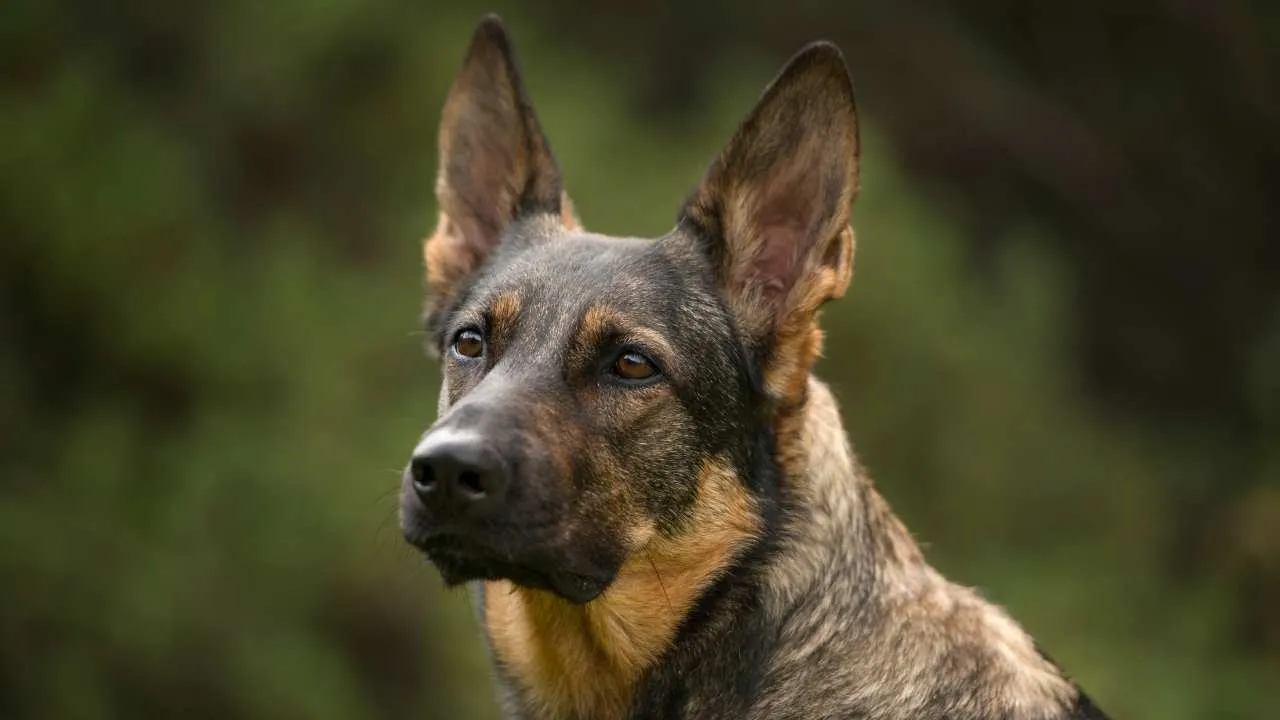
A German Shepherd often looks like they are clocking in for work. Even as a family pet, this dog likes purpose.
This breed has instincts from years of protecting flocks, and that problem-solving style still shows today. That history helps explain why many people see them as intelligent dogs with sharp minds.
There is a good reason this powerful, muscular breed is used for police and military work. The German Shepherd is a tireless worker and eager to please its handlers. That makes them well-suited for dog training that is clear, fair, and steady.
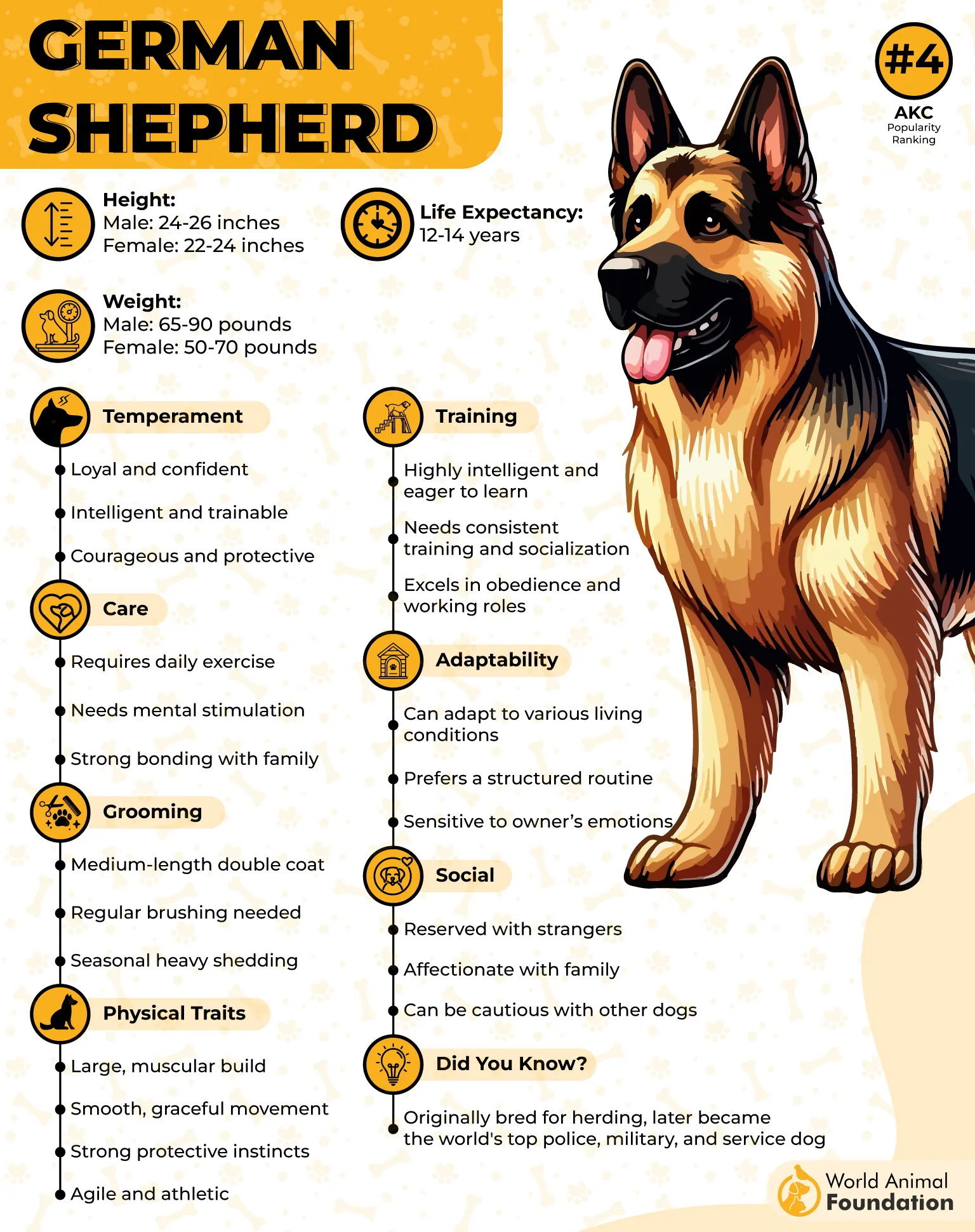
Train short, then pause, then train again, so the dog stays sharp. When you train with rewards and calm praise, you can build trust and focus without creating fear. Scent games, hidden treats, and simple pattern drills can give the brain a safe outlet.
It gets even worse, though, if training is skipped. This dog can grow jumpy, loud, or too watchful. Early socialization as a puppy helps balance that protective nature, so the dog stays confident, not stressed.
Many German Shepherds also serve in search and rescue missions and other rescue missions, where calm nerves and commands quickly matter.
Calm confidence is the goal
Start obedience training early and keep cues clear
Practice polite greetings around other pets
Add mental stimulation with tracking games
Keep consistent training through adulthood
3. Golden Retriever
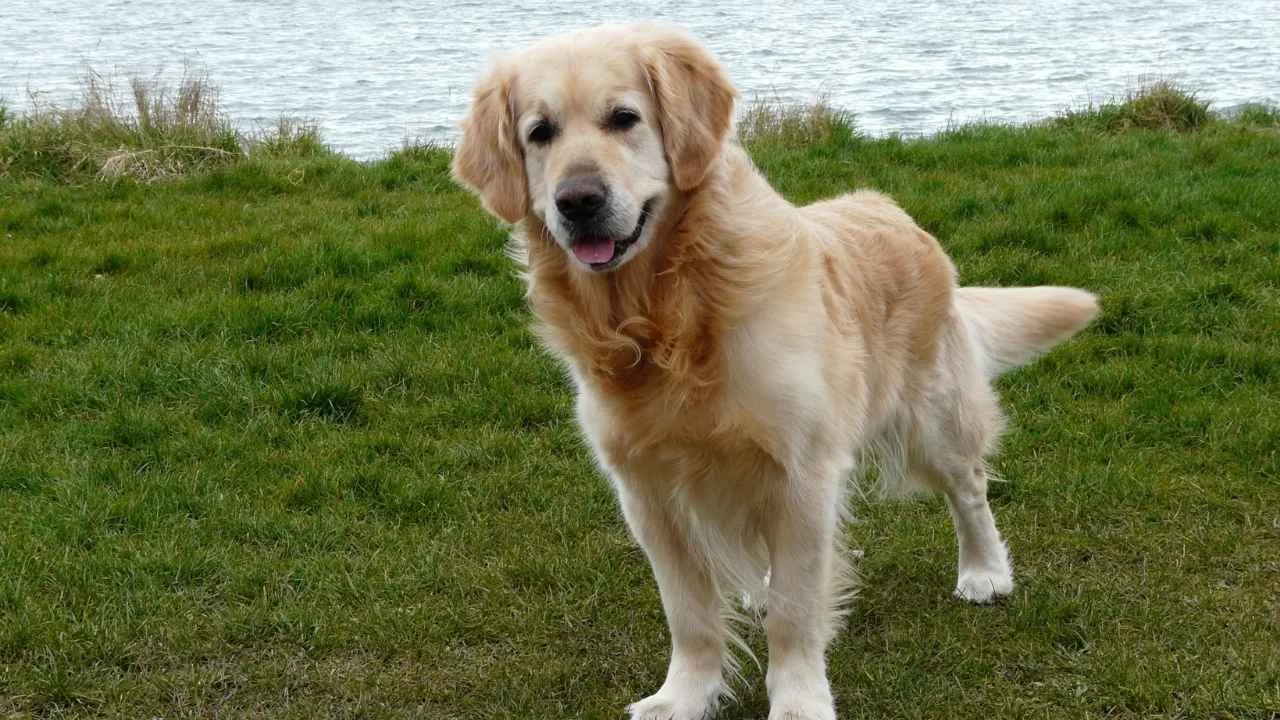
Golden Retrievers look like sunshine with furry faces. And yes, they can be silly. But these intelligent breeds learn fast and love people.
With training, Golden Retrievers can do hunting, retrieving, obedience, and even service and therapy work. That range comes from their quick learner mindset and their friendly focus.
AKC calls this breed very trainable and eager to please. And here’s the best part! That attitude makes it easier to train good habits without a fight.
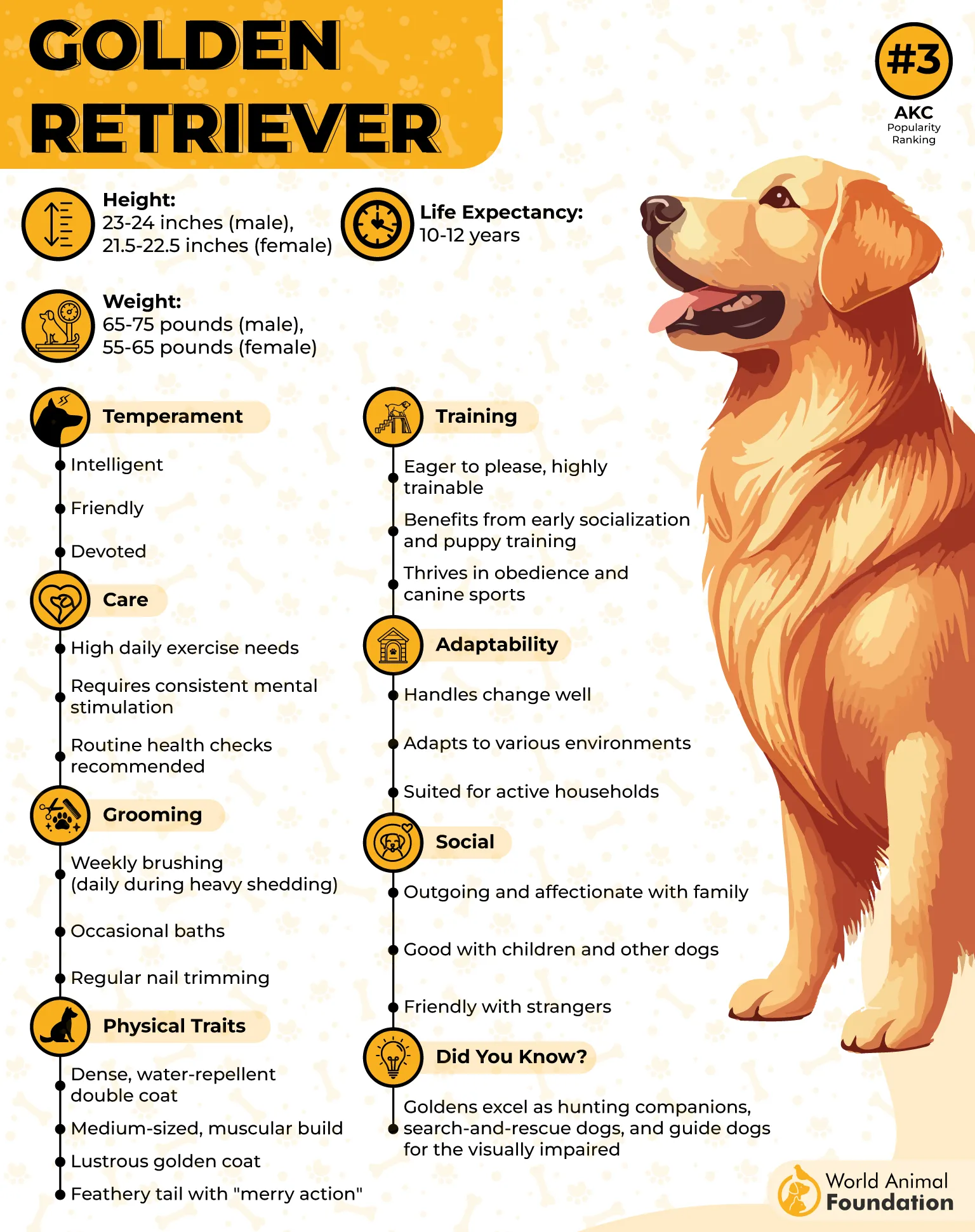
If you want a dog that listens in public, this dog breed often enjoys learning simple cues, then stacking on new skills. Train around mild distractions, like a quiet park, so good habits stick.
Goldens are also tuned in to human emotions. On a hard day, this dog might lean in like a warm blanket. That is why therapy work shows up again and again with this breed. Use short practice blocks, rewards, and play breaks.
This dog often loves food, so small treats can help you teach timing and self-control. A Golden Retriever can train for obedience competitions, but a calm “sit” at the door is a win too. With kindness and routine, they grow into excellent companions.
Sweet, smart, and steady
Use positive reinforcement with treats and praise
Teach new tricks to keep learning fun
Add gentle physical exercise every day
Practice polite walking in new places
4. Labrador Retriever

The Labrador Retriever is the friend who always shows up happy. Labs have a long history of working alongside humans to hunt and retrieve, which helped shape their quick thinking and love of tasks. That history is also why many people call Labs intelligent dogs that are easy to train.
Labs are a preferred breed for service work, which takes patience, steady nerves, and strong people skills. Many Labrador Retrievers also do therapy work, because they can stay kind and calm in busy places.
Fun fact: many Labs will happily play fetch until you call time, so use that drive as a reward.
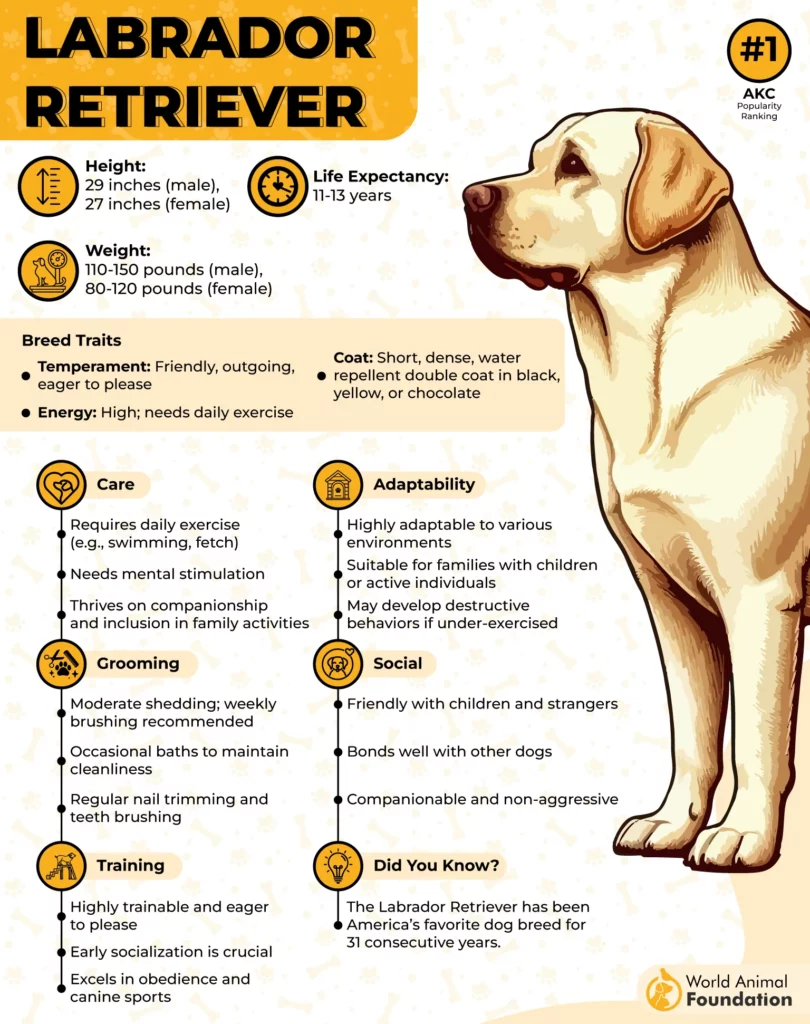
But wait, there’s more! A Lab will also test limits if the house has no plan. This dog will train you to share snacks if you are not careful.
The fix is simple. Set routines, teach rules, and add brain work. Train “leave it” early, and life gets easier fast. Use puzzle toys on rainy days. Add dog sports like beginner retrieving games, or basic agility and obedience practice, to keep the dog busy.
Big heart, busy brain
Teach basic commands before giving more freedom
Use games like hide-and-seek
Keep training clear, short, and friendly
Add obedience training for polite sits
Add calm door manners for guests
5. Doberman Pinscher
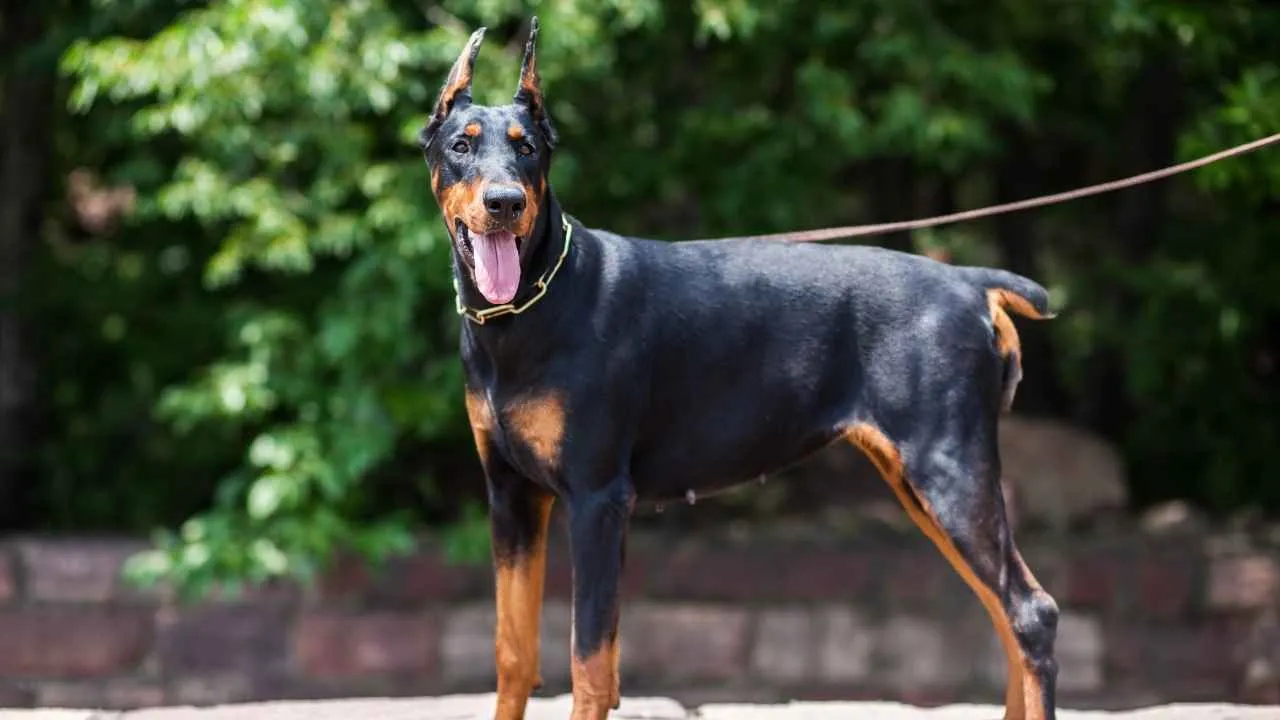
Doberman Pinschers have a bold look, but the mind is the real story. The Doberman Pinscher is fearless and loyal, and they are renowned for learning and retaining training. That matters when you need a dog to learn rules and stick with them.
This breed is exceptionally intelligent and highly perceptive. Dobermans can excel in obedience competitions and also in police and military work. Many have a strong work ethic, and they like having a job to do.
This dog breed is also seen as one of the guard dogs in many homes because of their watchful style. They are well-suited for active families who like structure, walks, and a plan. A bored Doberman may pace or stare like a tiny security guard, so give the dog tasks that use both brain and body.
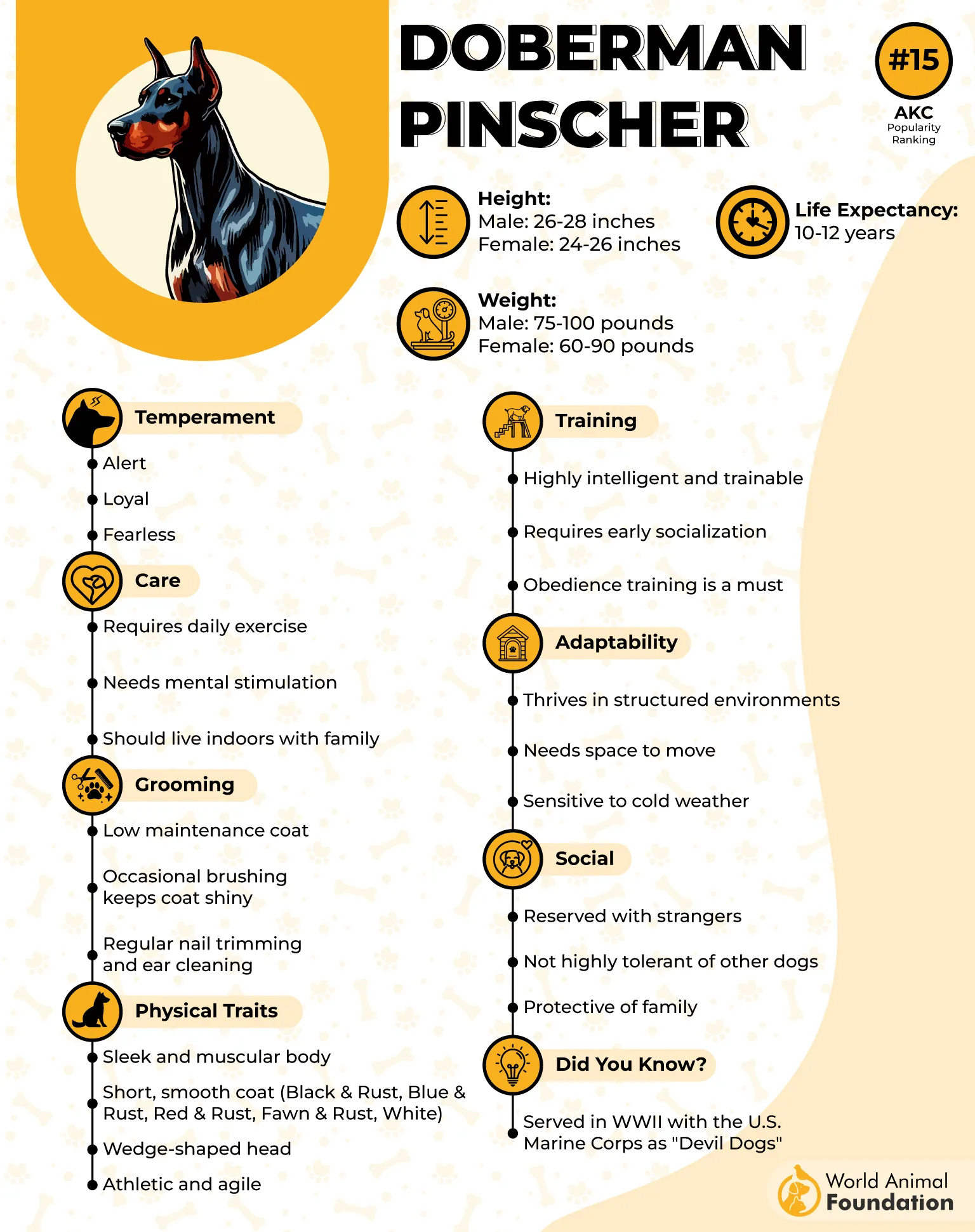
This breed can be extremely loyal, and that bond can feel deep. But why bother with proper training if the dog is already smart? Because smart dogs can outsmart messy routines, even when they mean well.
Dobermans do best with experienced owners who can train with calm, fair rules. Use positive reinforcement, teach impulse control, and give mental challenges. When the plan is clear, they can command quickly and stay highly trainable.
Confident focus, not chaos
Practice polite greetings to soften the intensity
Add scent games for brain work
Keep exercise steady, not randomReward calm choices, not loud excitement
6. Poodle
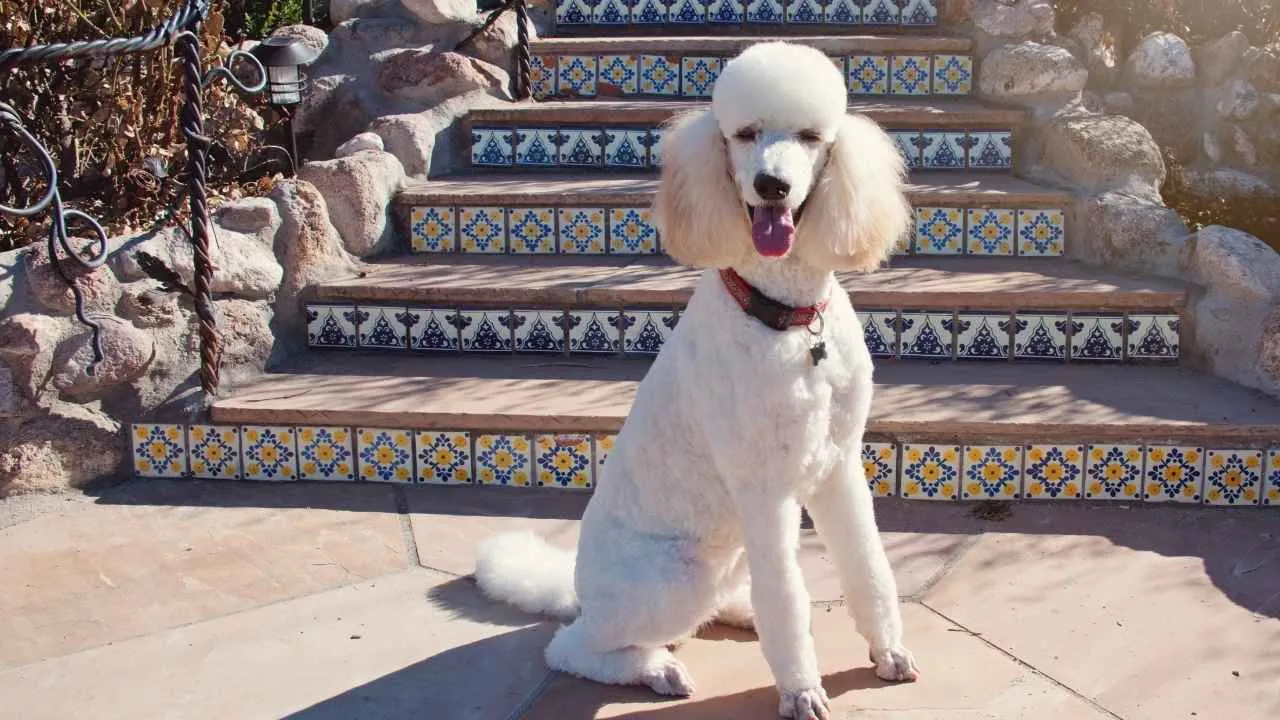
Poodles are famous for fancy haircuts, but the brain deserves the spotlight. WebMD notes this breed was originally bred as a hunting dog, with a long history of working closely with humans. That teamwork shows in the way a Poodle can train and learn new commands with real joy.
Poodle is intelligent, keen to work, and happy to work with you, no matter the size. That makes this one of the highly intelligent breeds that can pick up routines fast.
Many Poodles also shine in agility competitions and obedience competitions, because they enjoy thinking through patterns and timing.
Here’s the good part. Poodles often love “school.” Teach one behavior, and the dog asks for another. Keep it playful. Smart dogs like this often watch your face closely, so your tone and timing matter as much as the treat.
Use rewards, clear cues, and short training sessions. Rotate brain toys so curiosity stays high. Add agility and obedience work for structure, then end on a calm cuddle to lock in the win.
The brainy clown vibe
Teach advanced tricks in small step
Use brain toys to keep sharp minds busy
Add agility training for body control
Practice calm waiting to prevent boredom
7. Shetland Sheepdog
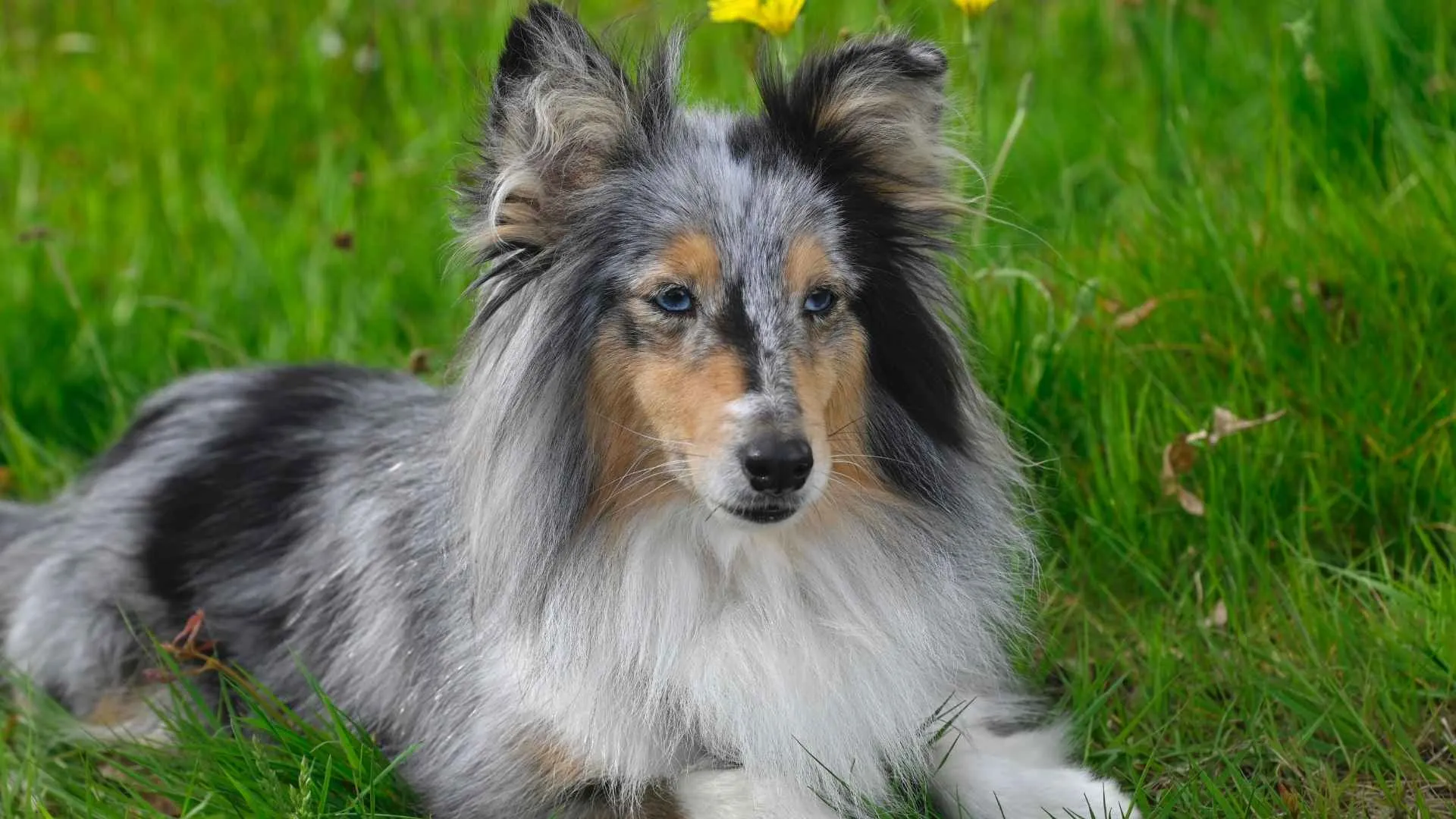
Shetland Sheepdogs, often called Shelties, are tiny herding dogs with big opinions. They are known for high intelligence, trainability, and excellent problem-solving skills. They are quick learners in herding, agility, obedience, and even as therapy dogs.
This herding breed is playful and affectionate with family, and loves to learn new behaviors. Shelties can make excellent competitors in dog sports such as agility or obedience. That drive to learn can make them the easiest breed for people who enjoy daily practice.
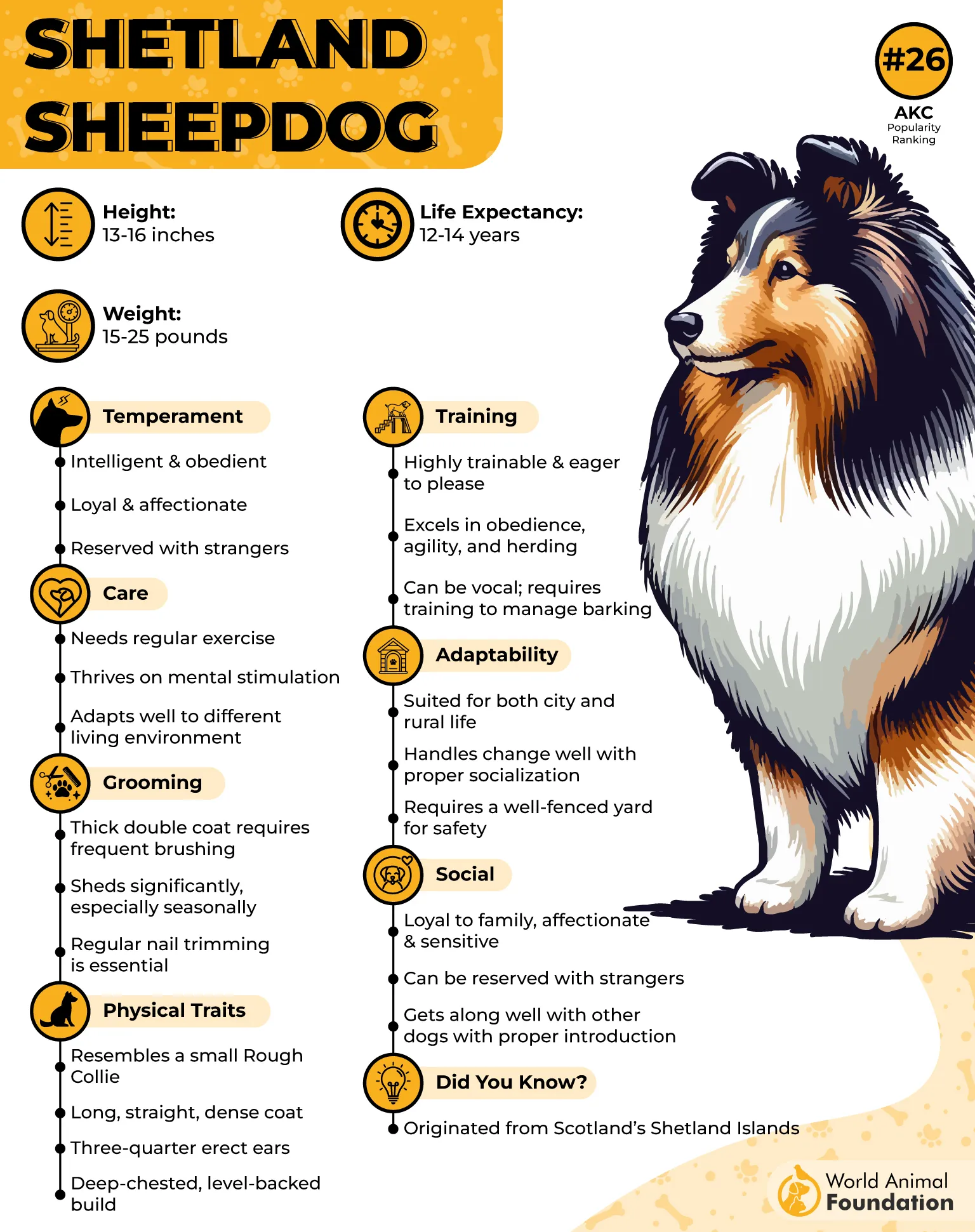
Shelties can be sensitive, so harsh methods can shut them down. Use positive reinforcement and a calm voice. Help them meet new people and sound early, then build on it with simple routines. Shelties can be vocal, so it helps to teach a quiet cue and reward calm moments.
Add mental stimulation and small goals, and the dog can settle into family pet life with ease. Many do best with active families who enjoy walks, games, and little projects to train.
Tiny coach, huge heart
Practice short training sessions for polite manners
Use play games for confidence
Add agility and obedience classes for fun
Teach new moves to keep the brain happy
Conclusion
Looking for the most intelligent dog breeds? Start with your schedule and your heart. Each dog breed in this blog is known for being easy to train, but none are mindless.
Smart dogs still need time, play, and clear rules. Train in short bursts, keep your voice calm, and reward the wins. Add puzzle toys, gentle walks, and simple games to prevent boredom. With early socialization and steady routines, these intelligent dogs can become great family dogs and relaxed family pets.
And here’s the best part! When you pick the smartest dog breed that fits your life, training feels less like work and more like a friendship. You will laugh, mess up, try again, and your dog will cheer you on.
