




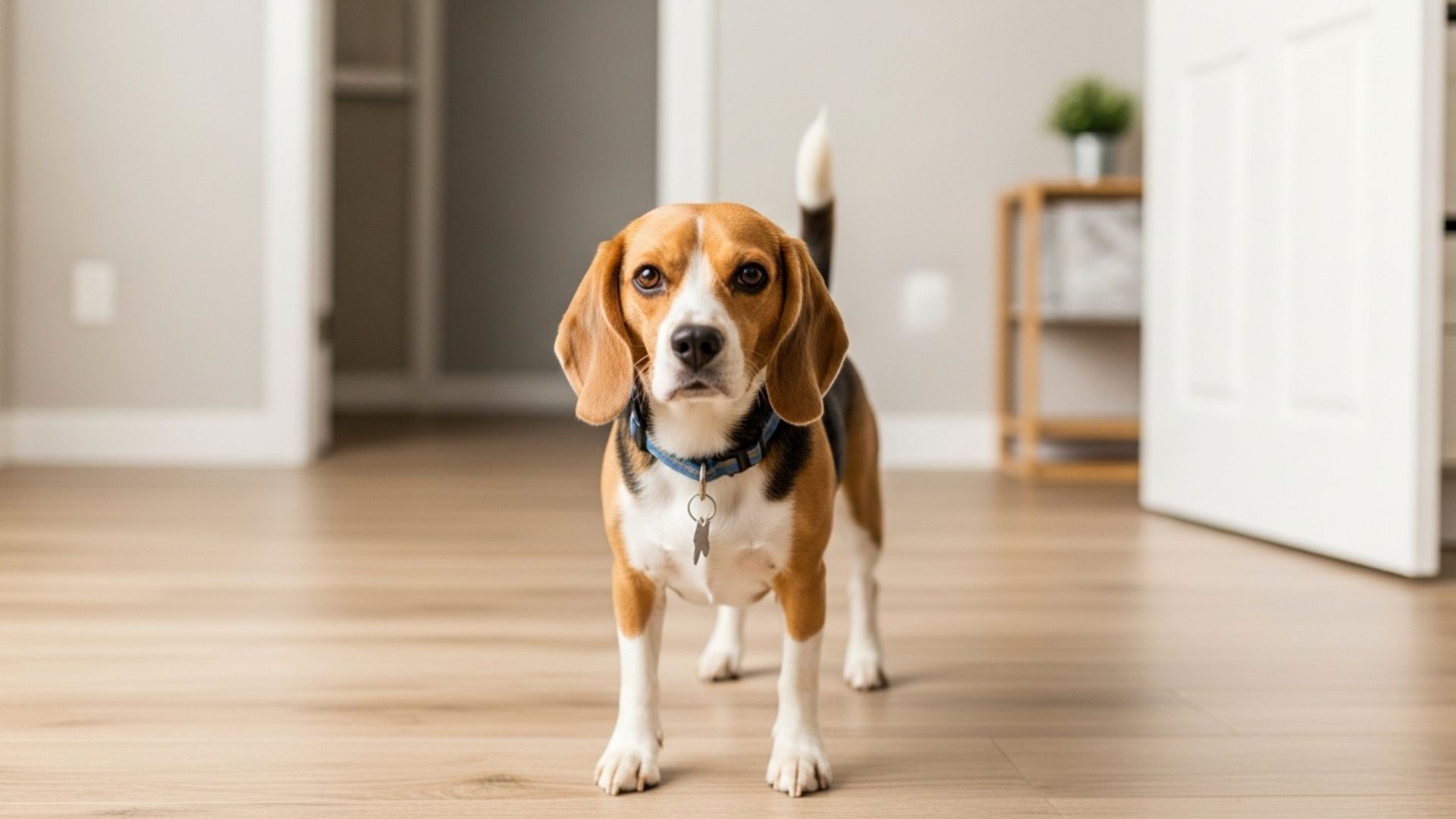
Bringing a dog into your life is about more than cute photos and daily walks. It is about companionship, trust, and the hope of sharing many meaningful years. While every dog is unique, some breeds are often celebrated for their enduring presence and unwavering devotion to their people.
In this article, we take a closer look at dog breeds commonly admired for their long lives and loyal hearts. Whether you are planning to welcome a new pup or simply love learning about dogs, these breeds offer inspiring examples of just how deep the human-dog bond can run.
Fun Fact
Smaller dog breeds are often observed to live longer than their larger counterparts. Many experts believe this is because smaller bodies experience less physical stress over time.
Dog Breeds Known for Their Remarkable Long Lifespans and Loyalty
1. Chihuahua
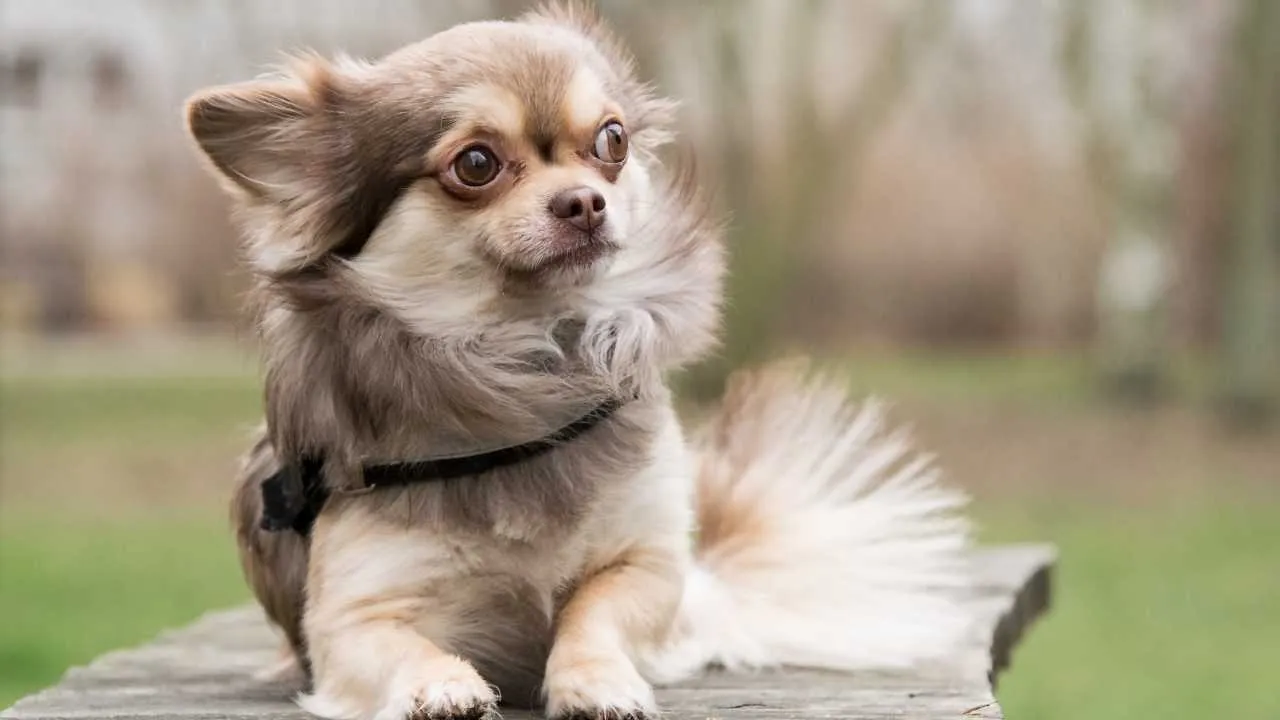
The Chihuahua may be small in size, but it carries itself with unmistakable confidence and attitude. Known for its expressive eyes and alert expression, this lively breed commands attention wherever it goes. Long or smooth coats add to its charm, while the iconic apple-shaped head and upright ears complete a look that perfectly matches its spirited personality.
Extremely loyal to their people, Chihuahuas often form strong bonds and enjoy spending as much time as possible close to their favorite humans. They are known to have a long life expectancy of around 14 to 16 years, which allows owners to enjoy their companionship for many seasons. Their intelligence and awareness make them responsive to positive, consistent training.
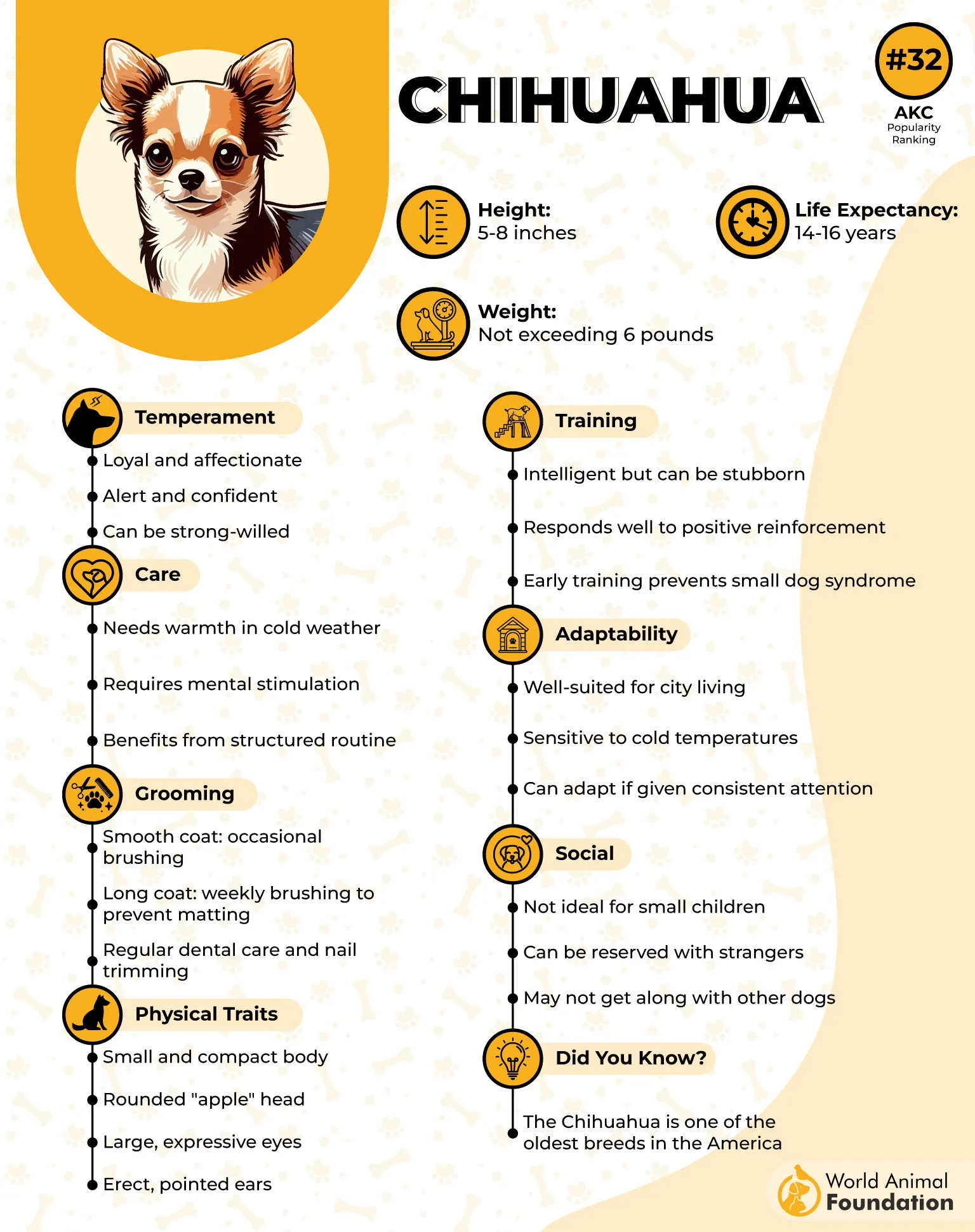
Daily care is manageable, as this breed gets sufficient activity through indoor play and short walks. Grooming needs vary slightly by coat type, while regular dental care, nail trims, and ear checks are important. Most Chihuahuas are healthy, though responsible breeding and recommended health screenings support long-term well-being.
Fun Fact
Chihuahuas trace their ancestry back to ancient civilizations in Mexico. Artifacts from Toltec and Aztec cultures feature small companion dogs believed to be early ancestors of the modern breed.
2. Beagle
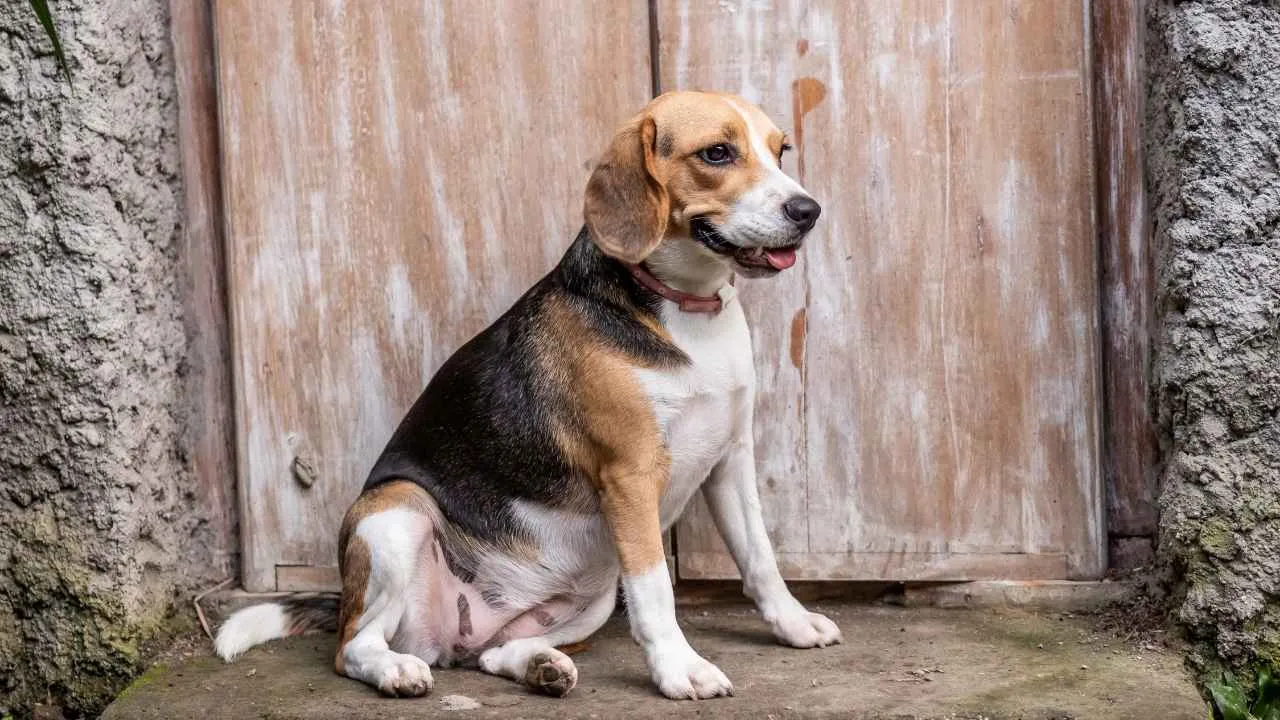
The Beagle brings a cheerful, curious spirit shaped by generations of working closely with people and other dogs. Originally developed as a pack hound used to hunt foxes, this breed thrives on companionship and interaction, which shows in its friendly approach to family life. Its sturdy frame, expressive eyes, and long ears give the Beagle a look that matches its upbeat personality.
Daily enrichment plays a key role in keeping a Beagle content and engaged. These dogs benefit from regular playtime, structured walks, and activities that let them follow interesting scents. Because they enjoy company, shared games, and consistent routines help satisfy both their physical energy and social nature.
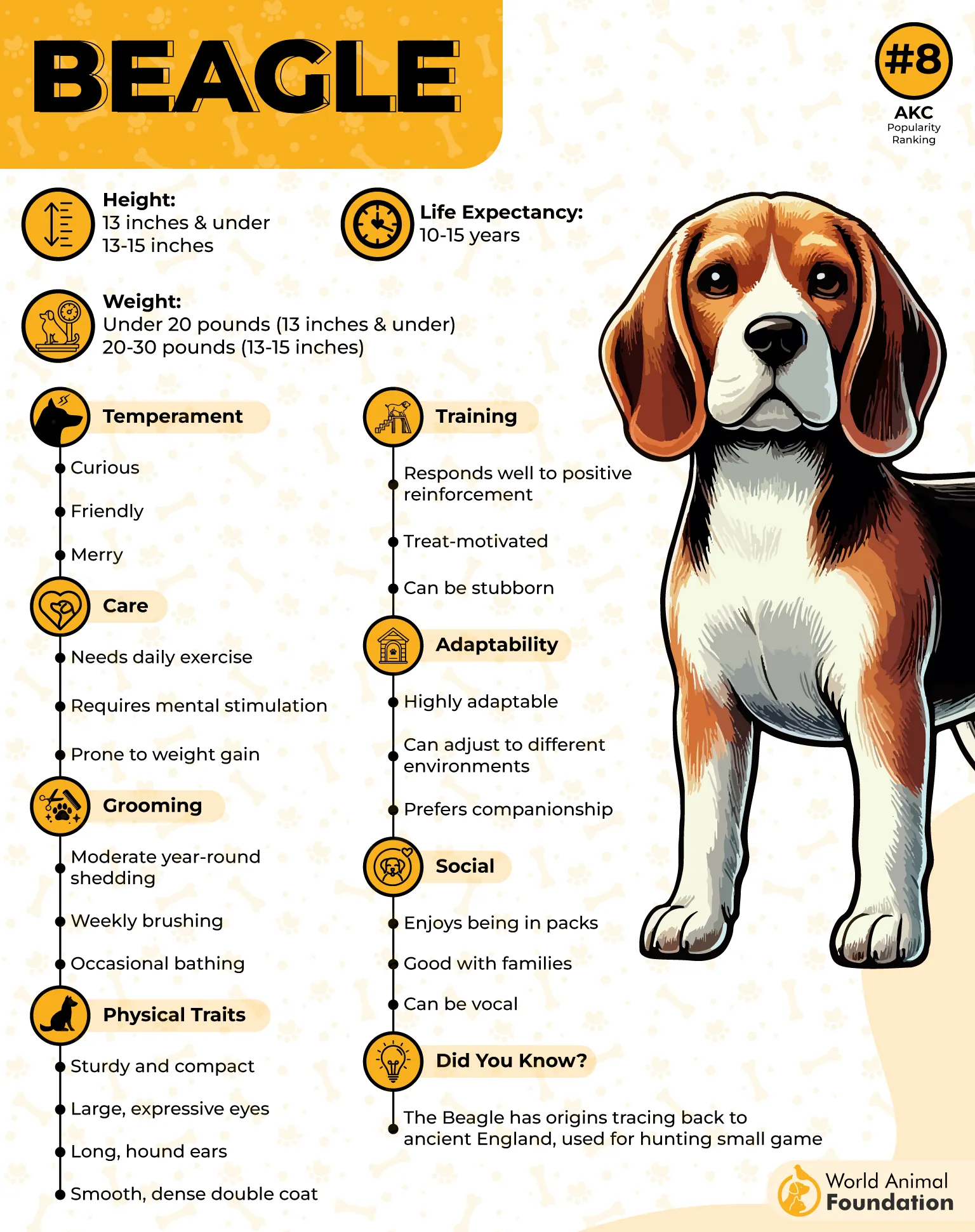
Health care for a Beagle includes attention to ears, teeth, and overall condition, along with screenings commonly recommended by breed organizations. Responsible breeding helps reduce the risk of inherited concerns such as joint, thyroid, and eye issues. With proper care, Beagles often enjoy a life expectancy of about 10 to 15 years, allowing for long-term companionship.
Fun Fact
The name “Beagle” may come from a Gaelic word meaning small or from a French term describing a hound’s voice. Either way, it reflects the breed’s long European history.
3. Australian Cattle Dog
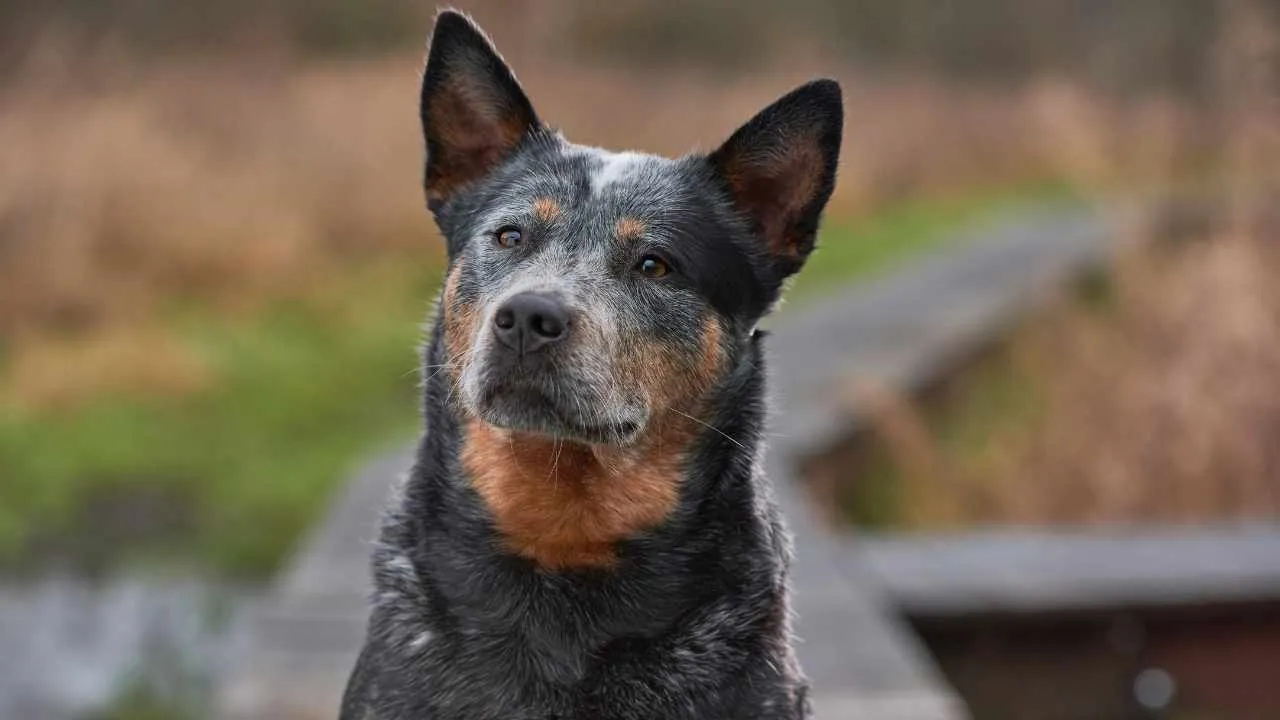
The Australian Cattle Dog was developed in Australia to handle demanding farm work, drawing ancestry from the dingo and early herding dogs. This background shaped a compact, muscular dog built for stamina, strength, and long hours of physical effort.
Its blue or red speckled coat and focused expression reflect a breed created for purpose rather than ornament. Australian Cattle Dogs are generally expected to live around 12 to 16 years.
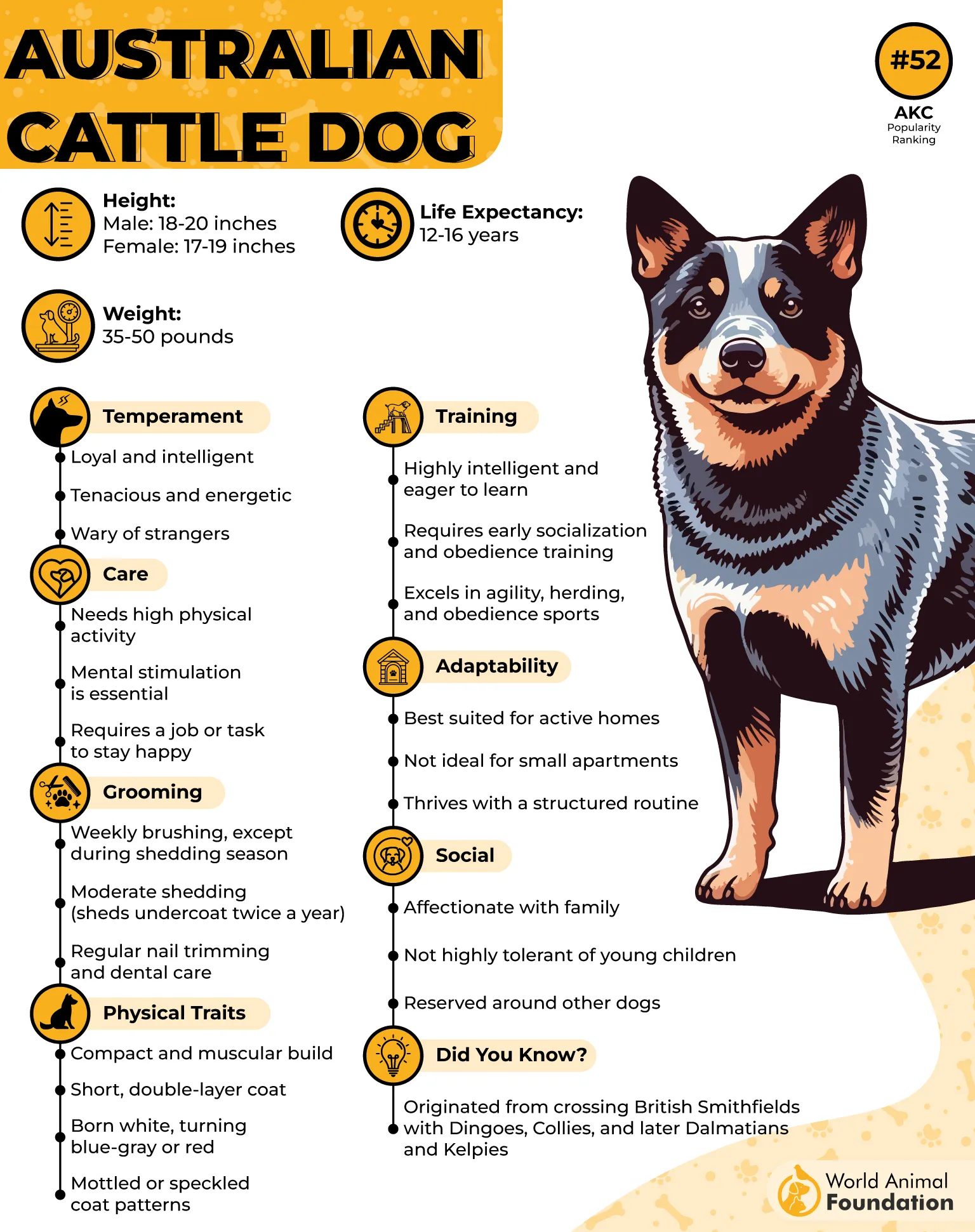
Training is essential for channeling this breed’s high intelligence in a positive direction. Australian Cattle Dogs learn quickly, enjoy complex tasks, and respond best to structured routines paired with positive reinforcement. Their reputation for longevity is well known, highlighted by the breed’s documented ability to remain active well into later life stages.

According to Purina, Australian Cattle Dogs herd and prefer to move together, which can challenge families with toddlers. They need extensive training, exercise, and supervision, and children must be taught respectful interaction at all times.
Fun Fact
Australian Cattle Dogs are born with white coats that gradually change color. Their distinctive blue or red speckling appears over the first several weeks of life.
4. Basenji
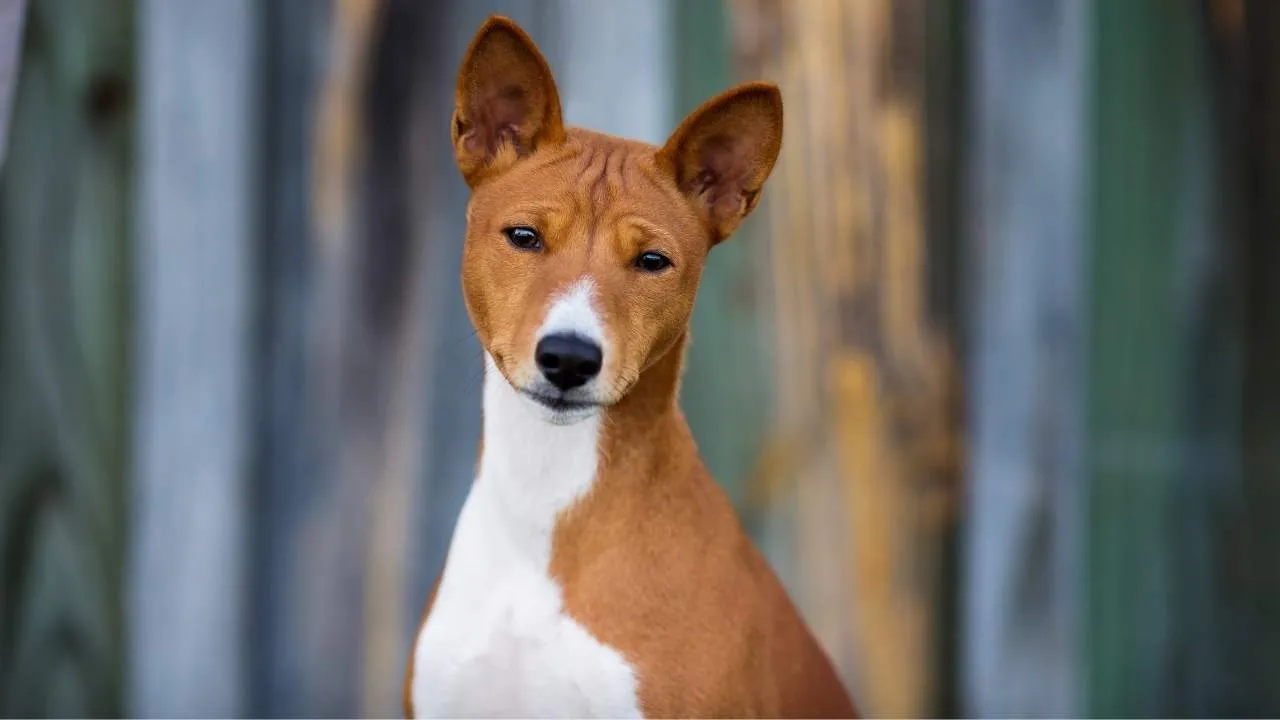
The Basenji stands out for its quiet nature and almost feline approach to daily life. Known for being clean, agile, and observant, this breed moves with a graceful confidence that feels very different from more vocal dogs. Its tightly curled tail, smooth coat, and expressive eyes give it a distinctive presence that many owners find endlessly fascinating.
According to PetMD, Basenjis can become destructive without enough exercise and mental stimulation. While affectionate with family, they may be reserved with strangers, making early socialization and training important for balanced, confident behavior.
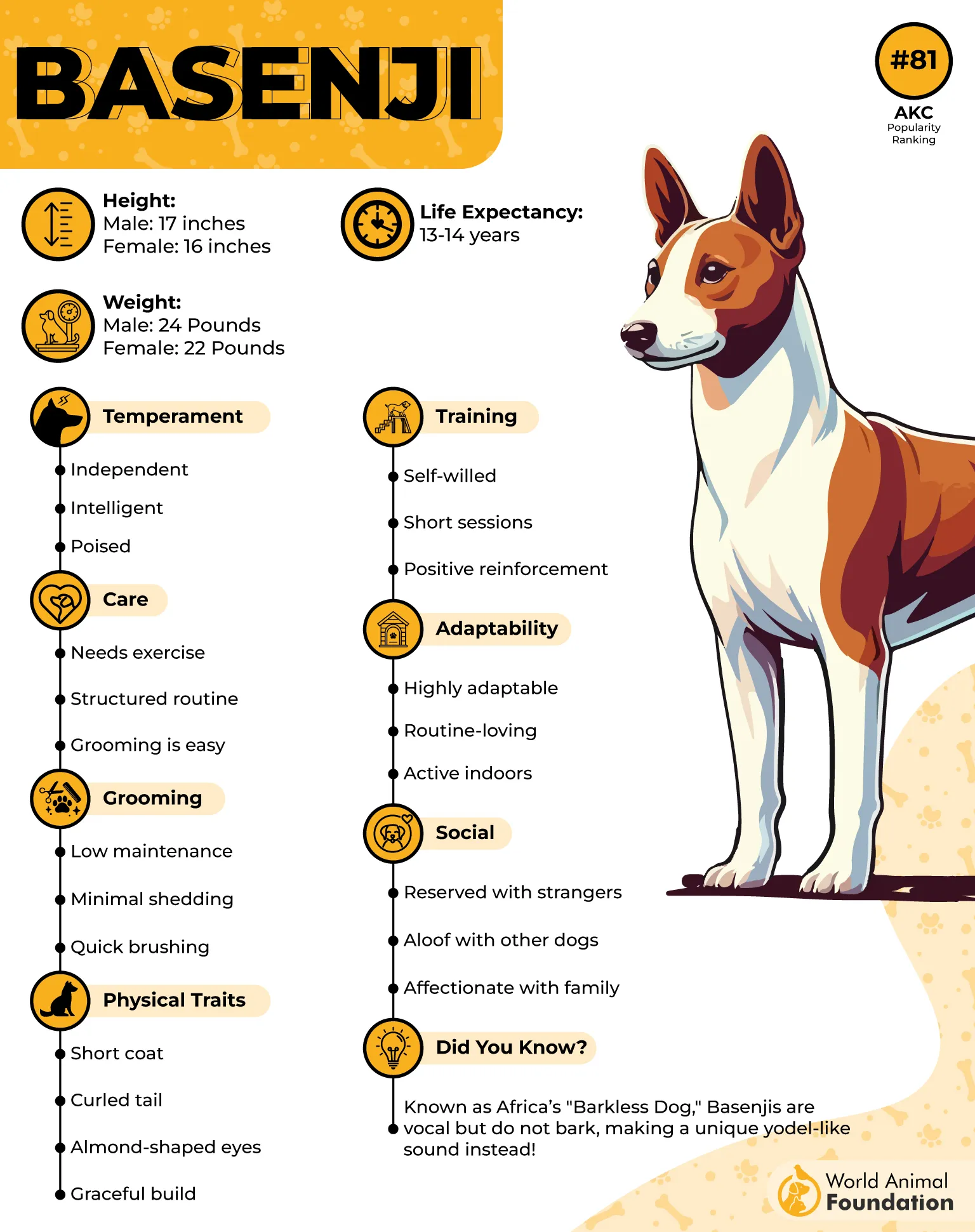
Nutrition plays an important role in supporting a healthy, active life for this breed. Basenjis do best on high-quality dog food matched to their age and activity level, with careful portion control due to their relatively small size. With proper care and balanced nutrition, Basenjis typically have a life expectancy of about 13 to 14 years.
Fun Fact
Basenjis are famous for their unique vocal sound, often called a yodel. This unusual noise happens because of the breed’s uniquely shaped larynx, making their communication truly one of a kind.
5. Shih Tzu
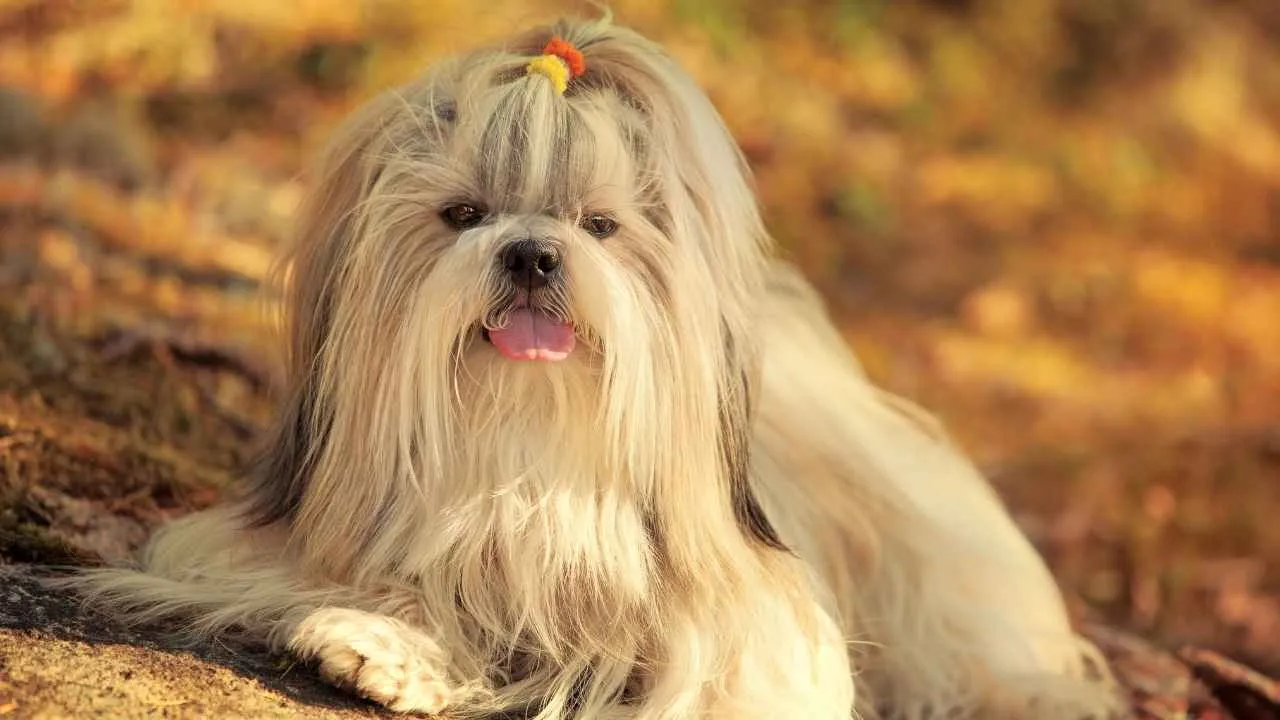
The Shih Tzu brings a sense of charm and lighthearted mischief into everyday life. With its expressive eyes and flowing coat, this small breed is known for turning quiet moments into shared rituals of closeness. Bred to enjoy indoor living, the Shih Tzu is content being near its people, whether lounging nearby or soaking up attention.
Ideal owners for this breed are those who enjoy companionship over constant activity. Shih Tzus thrive with gentle routines, affectionate interaction, and a calm home environment, making them well-suited for apartment living. They are known to enjoy long relationships with their families, often living between 10 and 18 years when properly cared for.
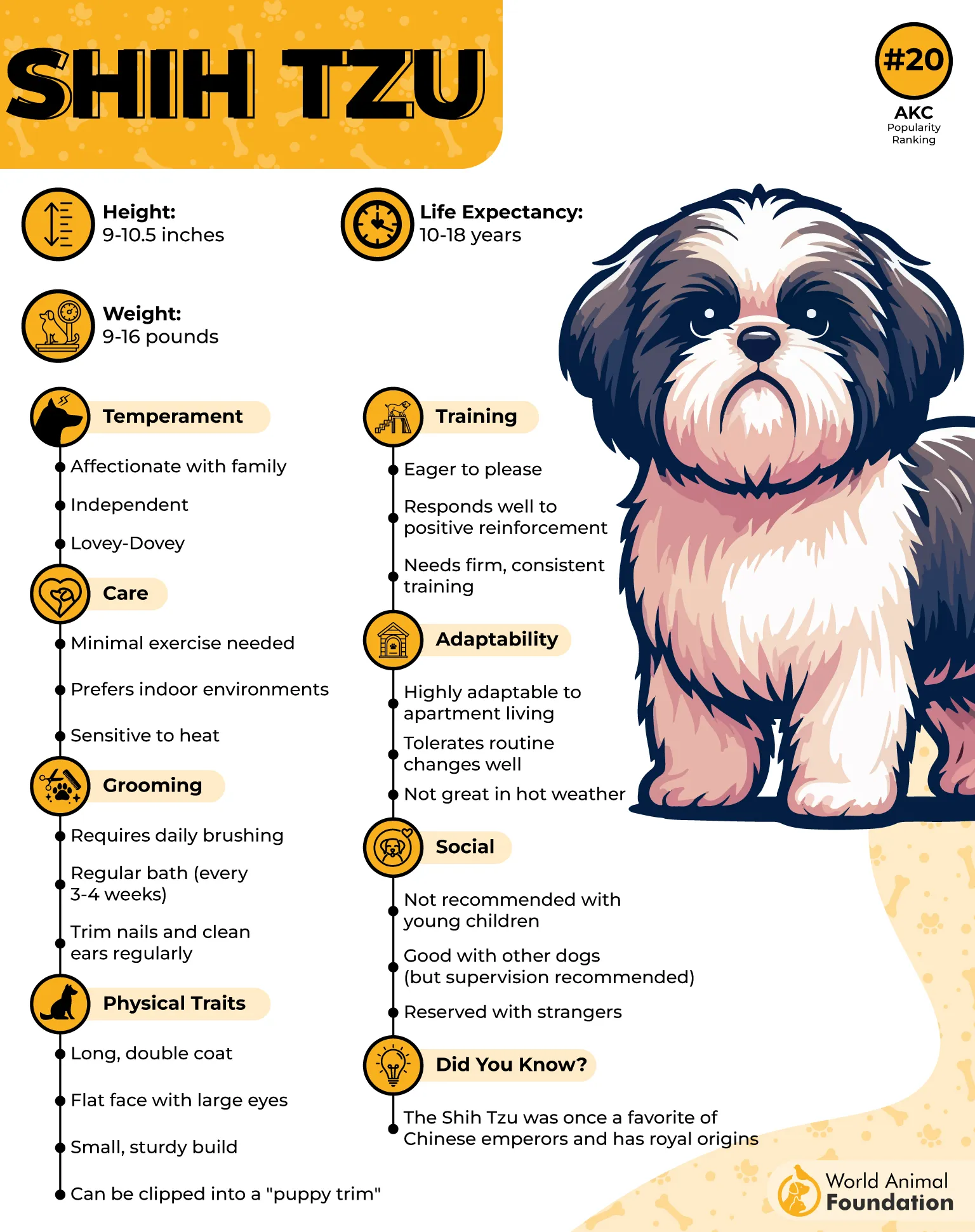
According to the AKC, grooming is an important part of life with a Shih Tzu. Their long coat requires daily brushing, regular baths, and careful attention around the eyes and face to stay comfortable and clean. Many owners opt for a shorter puppy trim to reduce maintenance while keeping the dog neat and happy.
Fun Fact
The longest-living Shih Tzu on record, named Smokey, lived to be 23 years old. This remarkable longevity highlights how attentive care, balanced nutrition, and genetics can contribute to a long, healthy life.
6. Chinese Crested
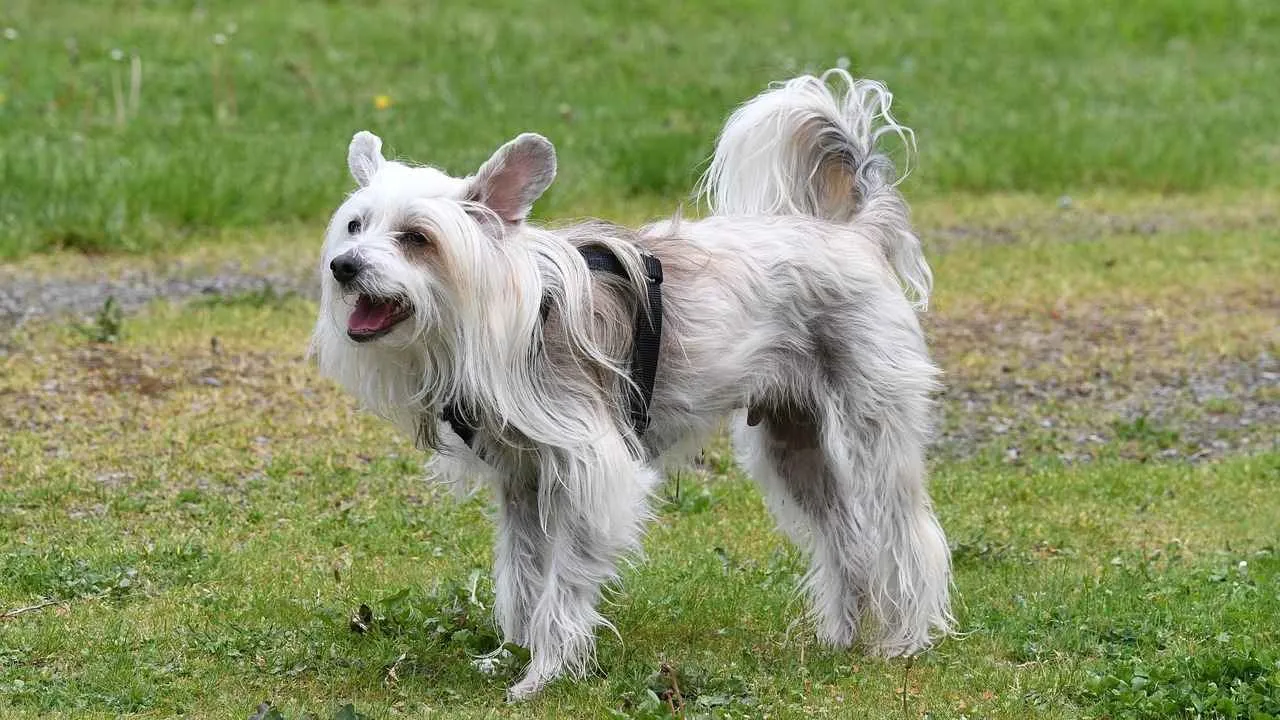
The Chinese Crested is impossible to ignore, thanks to an appearance that feels more like living art than a typical toy breed. Whether hairless with silky accents or fully coated as a powderpuff, this dog carries itself with an elegant, almost whimsical presence. Its long history as a companion dog has shaped a breed that thrives on close, daily interaction with people.
Personality is one of the Chinese Crested’s biggest charms. These dogs are bright, affectionate, and famously people-focused, often shadowing their favorite humans from room to room. They enjoy being involved in everyday life and are known for their playful, cat-like habits, including climbing and perching in unexpected spots.
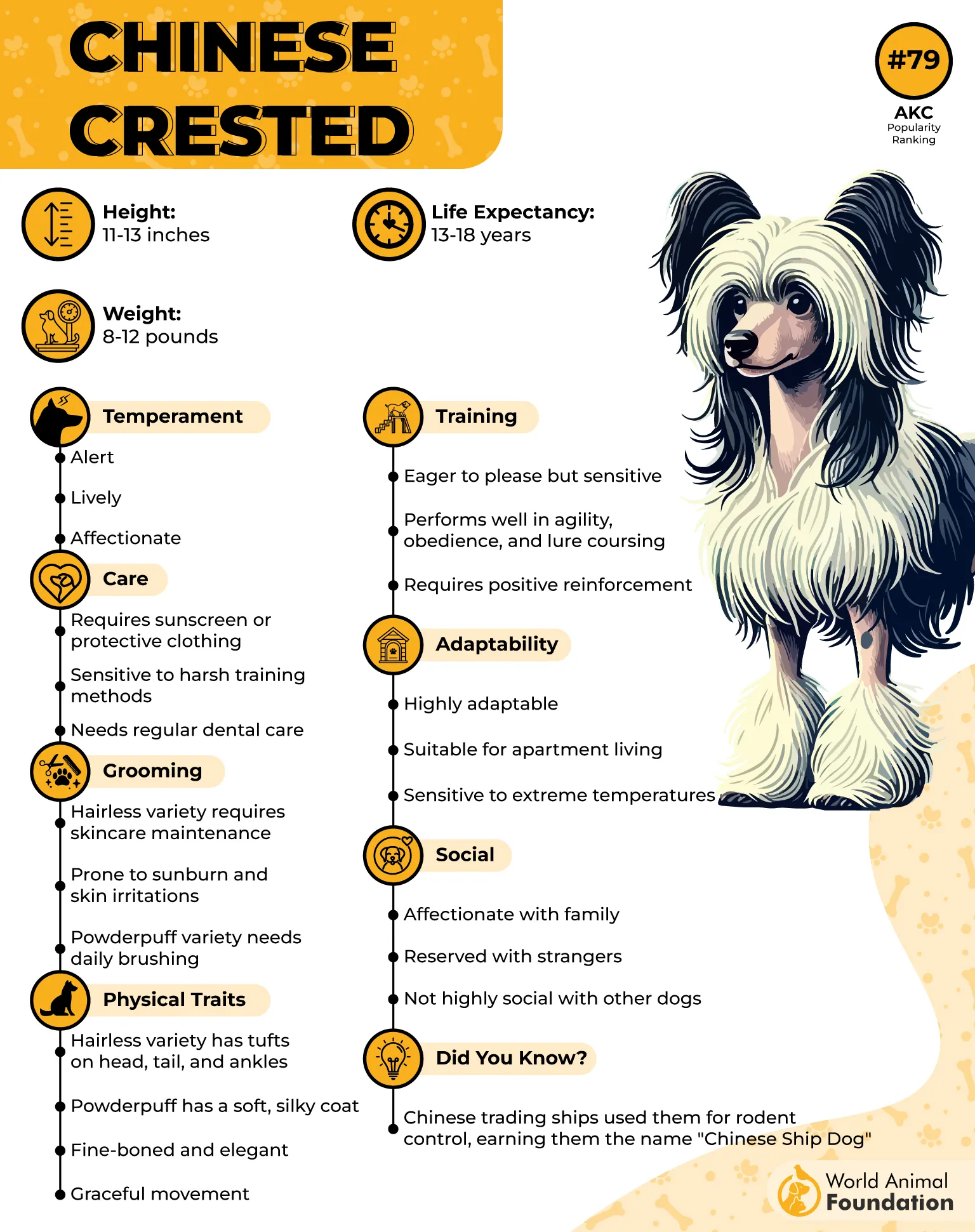
Energy levels are manageable and well-suited to a relaxed lifestyle. Chinese Cresteds enjoy short walks, gentle play sessions, and learning new activities, but they are equally content cuddling on the couch. With consistent care and attention, they are known for long lifespans that often reach between 13 and 18 years.
Fun Fact
Chinese Cresteds have become icons in pop culture for their striking looks. Several have gained worldwide attention after winning international competitions celebrating unique and rare dog appearances.
7. Dachshund
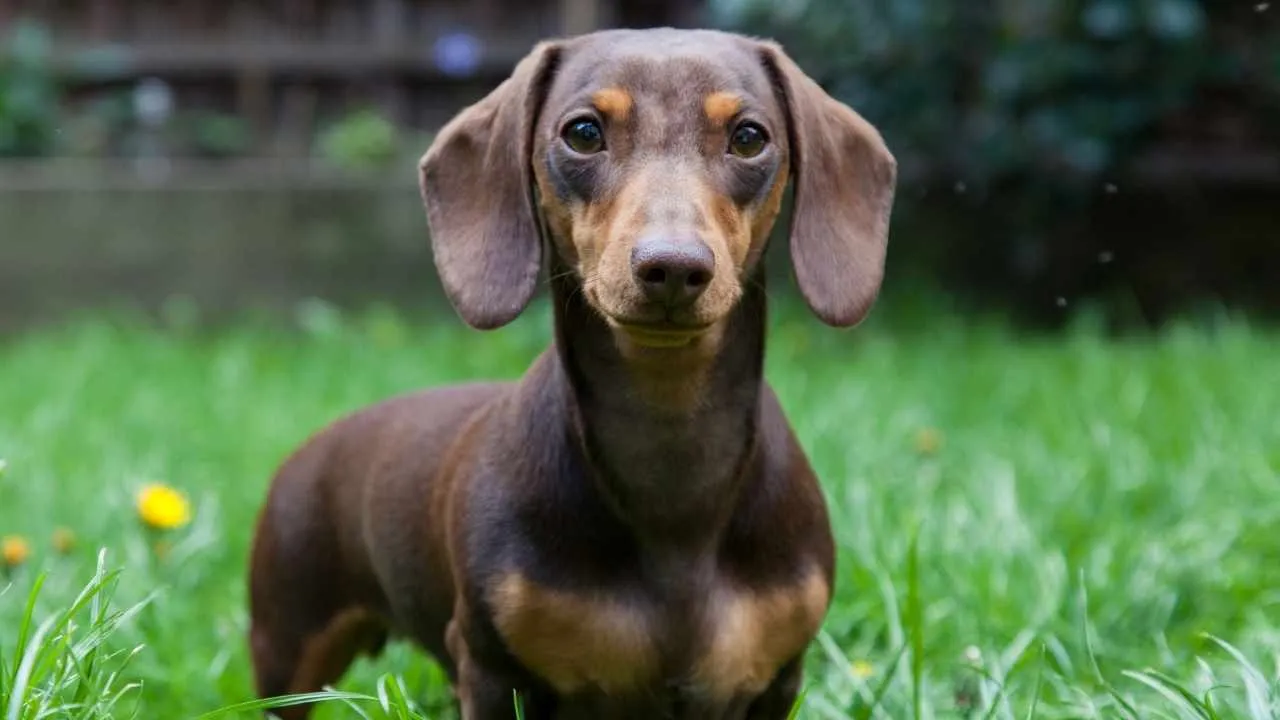
The Dachshund has roots that trace back hundreds of years to Germany, where it was developed as a hunting dog. Its name translates to “badger dog,” a reference to its original role of tracking and confronting badgers underground.
The breed’s long, low body and sturdy build were intentionally shaped to move through tunnels, resulting in a dog that is both distinctive and capable.
Barking is a defining trait tied to this extremely intelligent, alert, and watchful dog. The breed has a surprisingly loud, hound-like voice and is quick to sound the alarm at unfamiliar sights or sounds. With proper daily care, Dachshunds are known for impressive longevity and commonly live between 12 and 16 years.
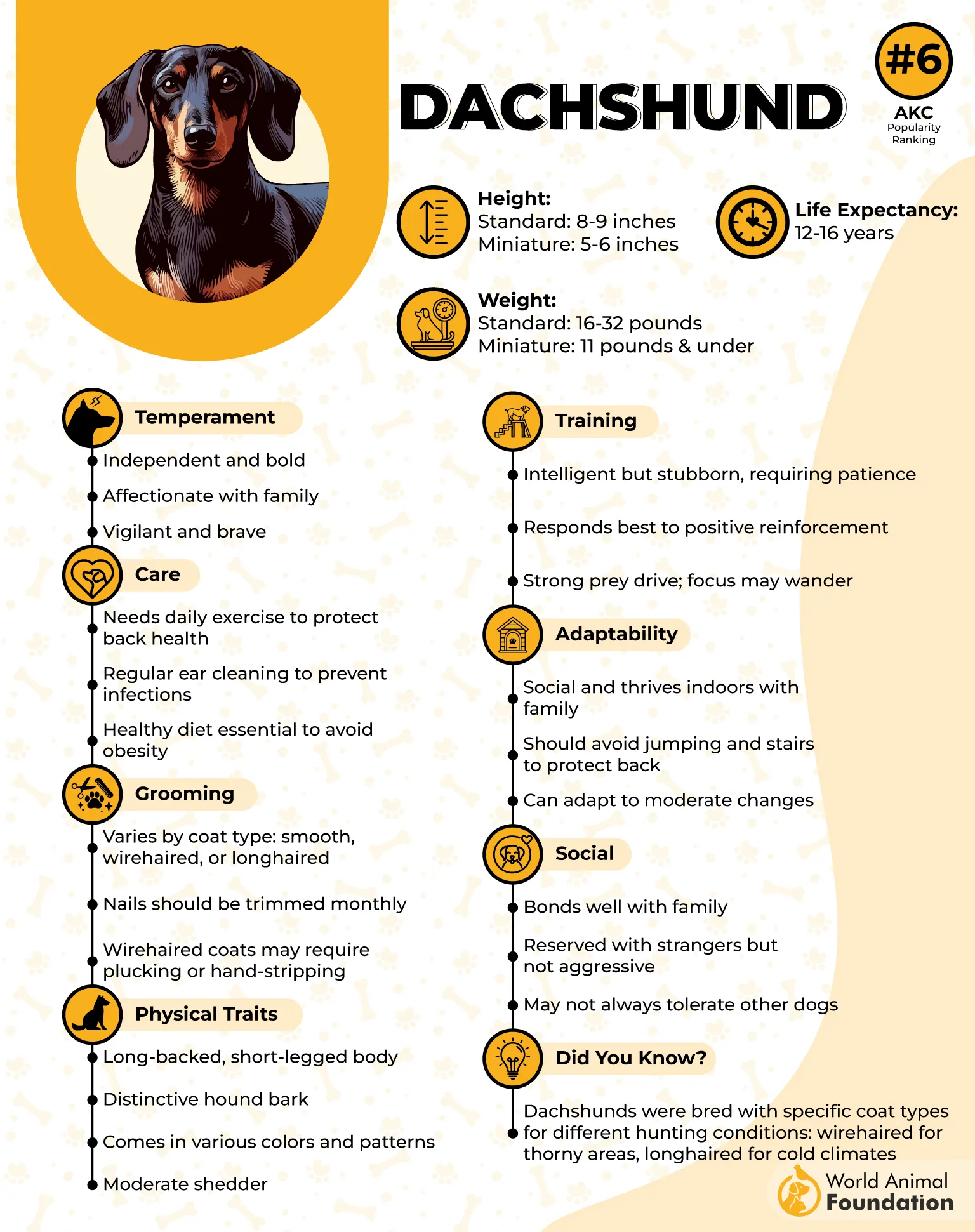
Special health considerations largely focus on protecting the breed’s long back. Keeping weight in check, avoiding excessive jumping, and maintaining strong muscles through regular walks all help reduce strain on the spine. Routine ear care is also important, as their drooping ears can be prone to infection if not kept clean.
Fun Fact
Dachshunds were once used in packs to hunt larger game. Their courage and persistence were valued traits, allowing these small dogs to take on challenges far bigger than themselves.
8. Bichon Frise
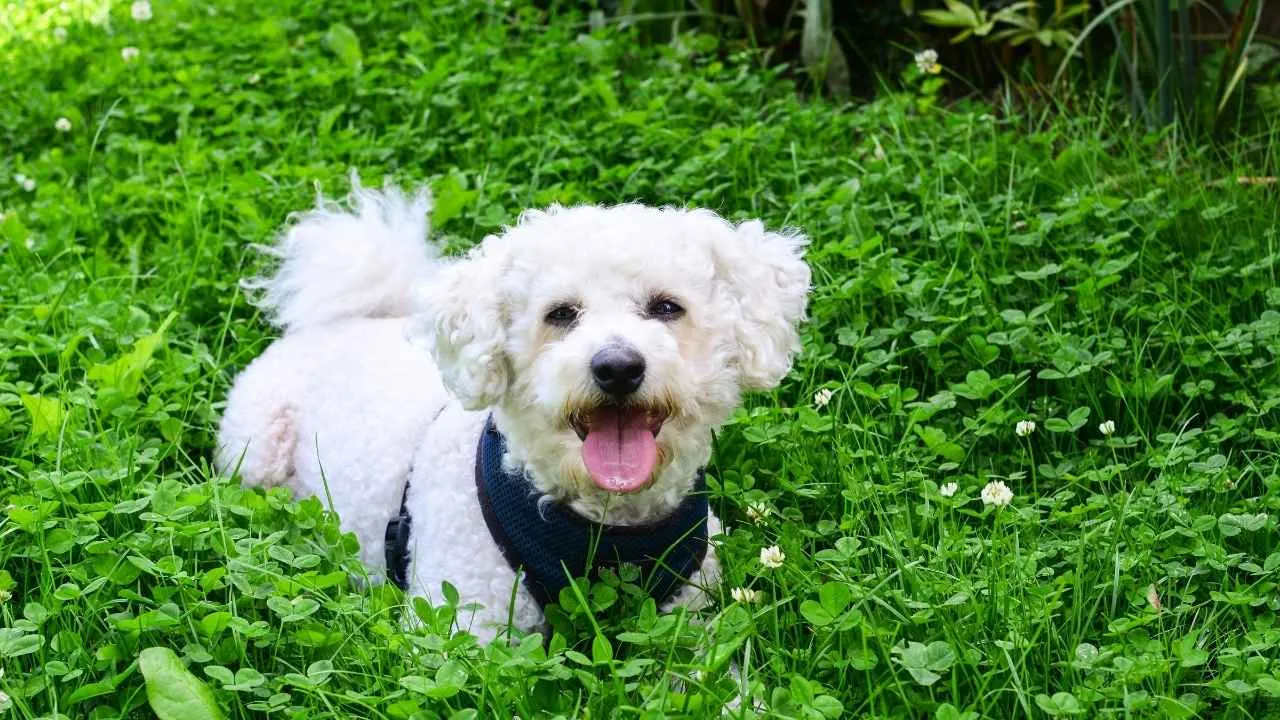
The Bichon Frise is often described as a walking burst of joy, with a springy step and an expression that seems permanently cheerful. Its soft, cloudlike coat and bright eyes give it a look that draws people in instantly. Compact yet sturdy, this breed carries itself with confidence and an unmistakably playful spirit.
Care plays an important role in supporting the Bichon Frise’s long, healthy life. Regular grooming prevents matting and keeps the skin comfortable, while consistent dental care helps reduce common tooth and gum issues. Routine exercise through daily play sessions and short walks helps maintain a healthy weight and supports overall well-being.
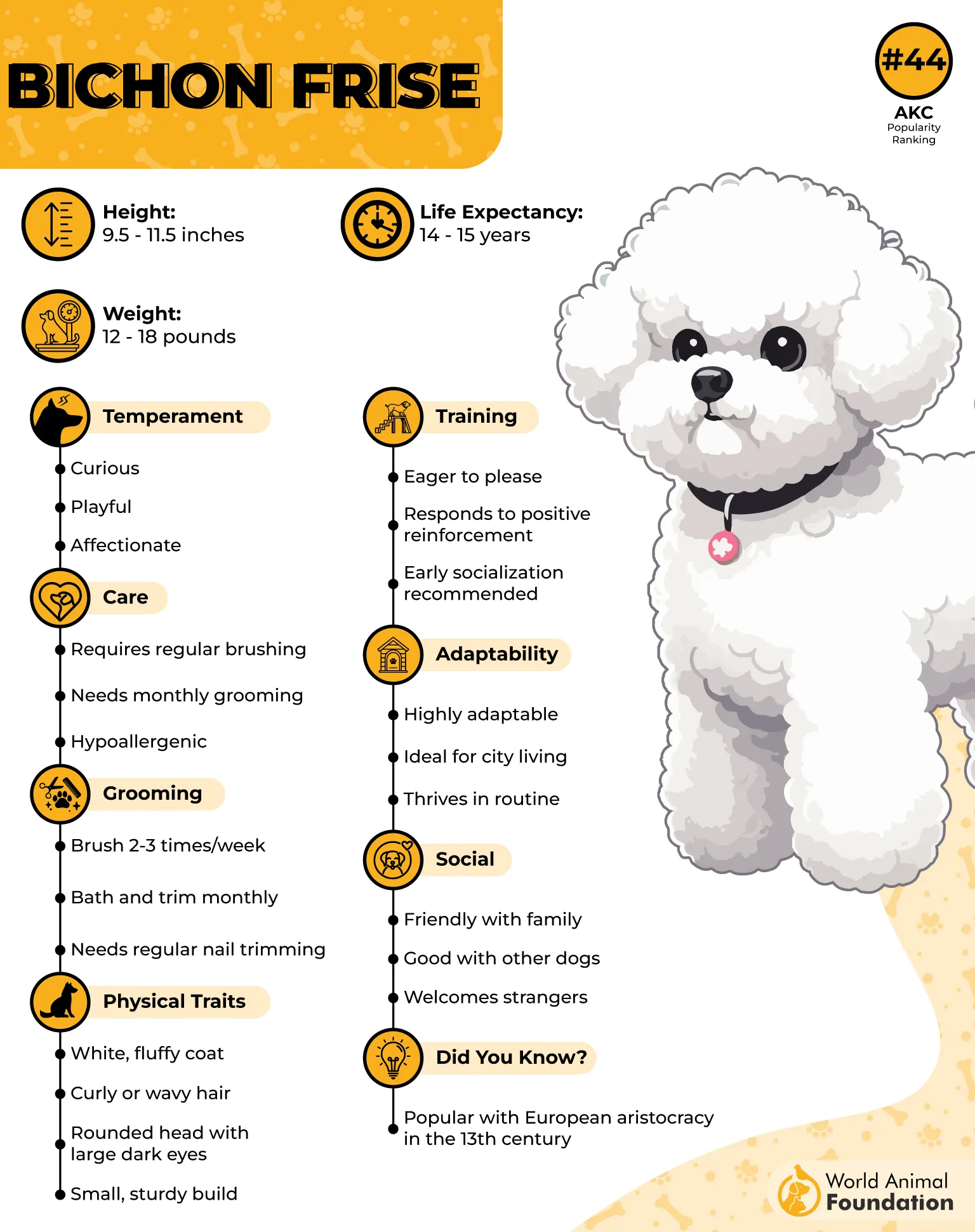
Bichon Frises are widely known as good family dogs. They are remarkably affectionate and social, and tend to get along well with children and other dogs when properly socialized. With attentive care and a loving home environment, this breed commonly enjoys a life expectancy of about 14 to 15 years.
Fun Fact
Bichon Frises have a long history of performing for crowds. Their playful expressions and love of attention once made them popular stars in traveling shows and circuses.
9. Shiba Inu
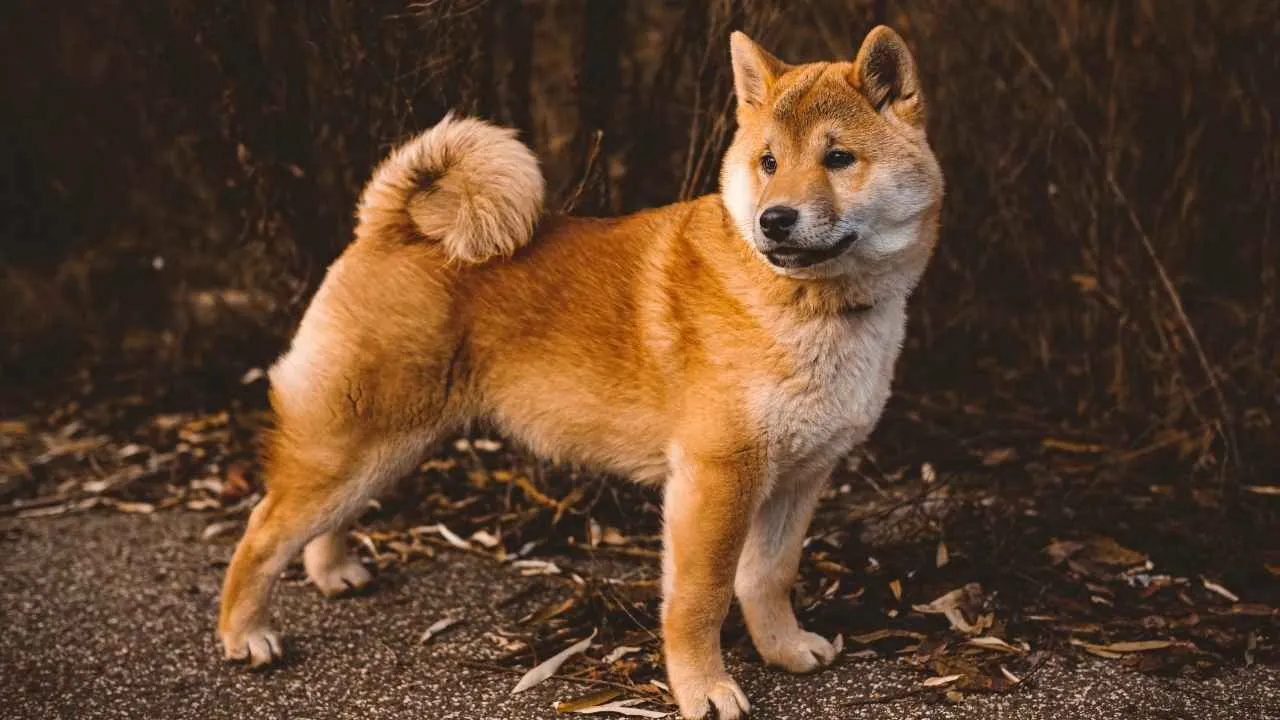
The Shiba Inu carries itself with a confidence that feels almost foxlike, paired with sharp awareness of everything happening around it. This ancient breed is known for its compact build, expressive face, and bold presence that makes it feel larger than it looks. Calm moments can quickly turn animated, giving the Shiba Inu a reputation for strong opinions and vivid reactions.
Food choices play an important role in keeping this intelligent breed at its best. Shiba Inus benefit from carefully portioned meals suited to their size and activity level, as they can be prone to overeating if allowed to graze freely. Diets that support joint and skin health are often recommended, with feeding routines kept consistent to avoid weight-related issues.
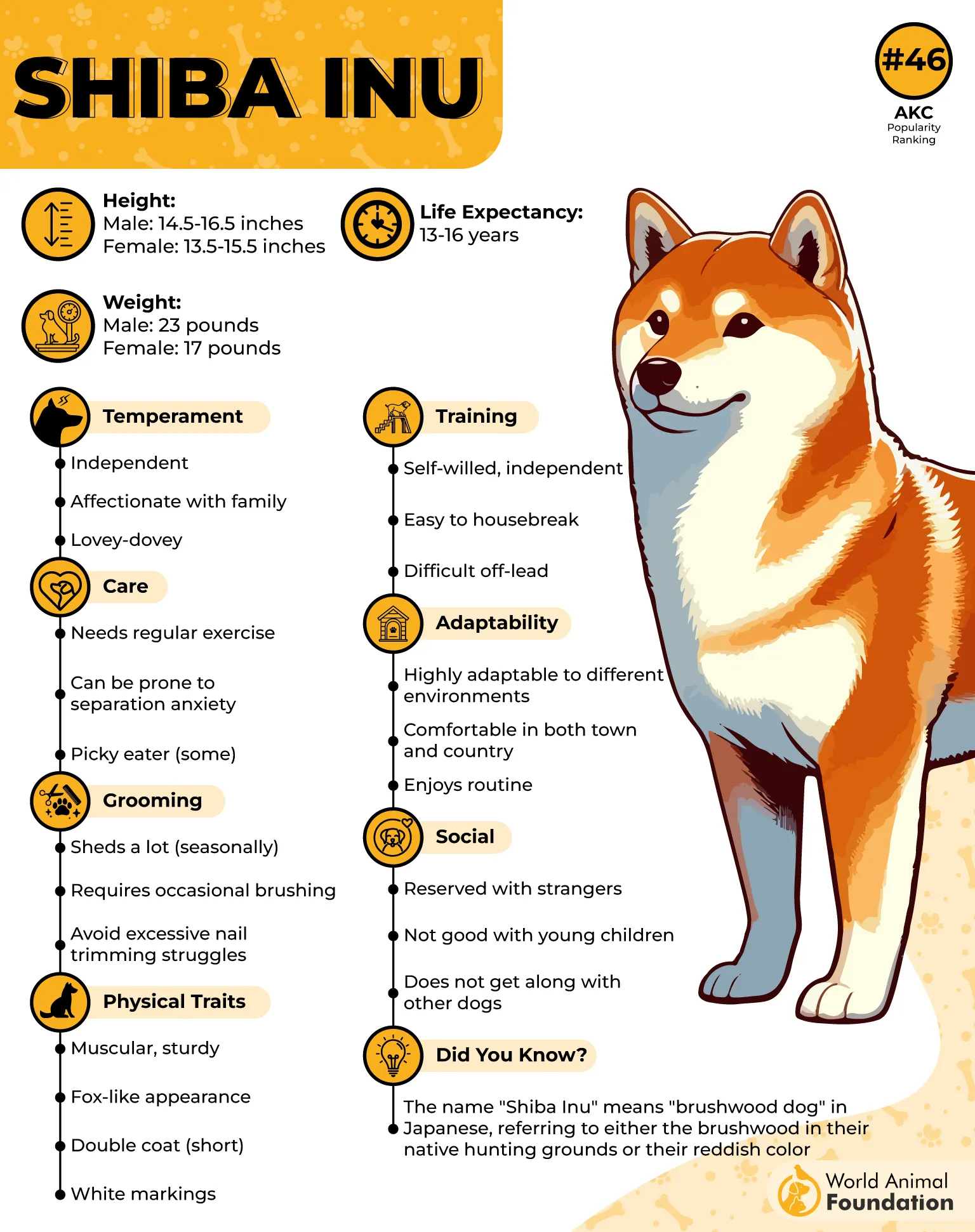
Loyalty in the Shiba Inu tends to be selective but deeply rooted. These dogs form strong bonds with their families while maintaining an independent streak that reflects their self-reliant nature. With proper care, Shiba Inus are generally healthy dogs and typically enjoy a life expectancy of about 13 to 16 years.
Fun Fact
The term “Shiba Inu” translates to “brushwood dog” in Japanese. Some historians believe the name refers to the terrain these dogs once navigated while hunting in dense undergrowth.
10. Miniature Schnauzer
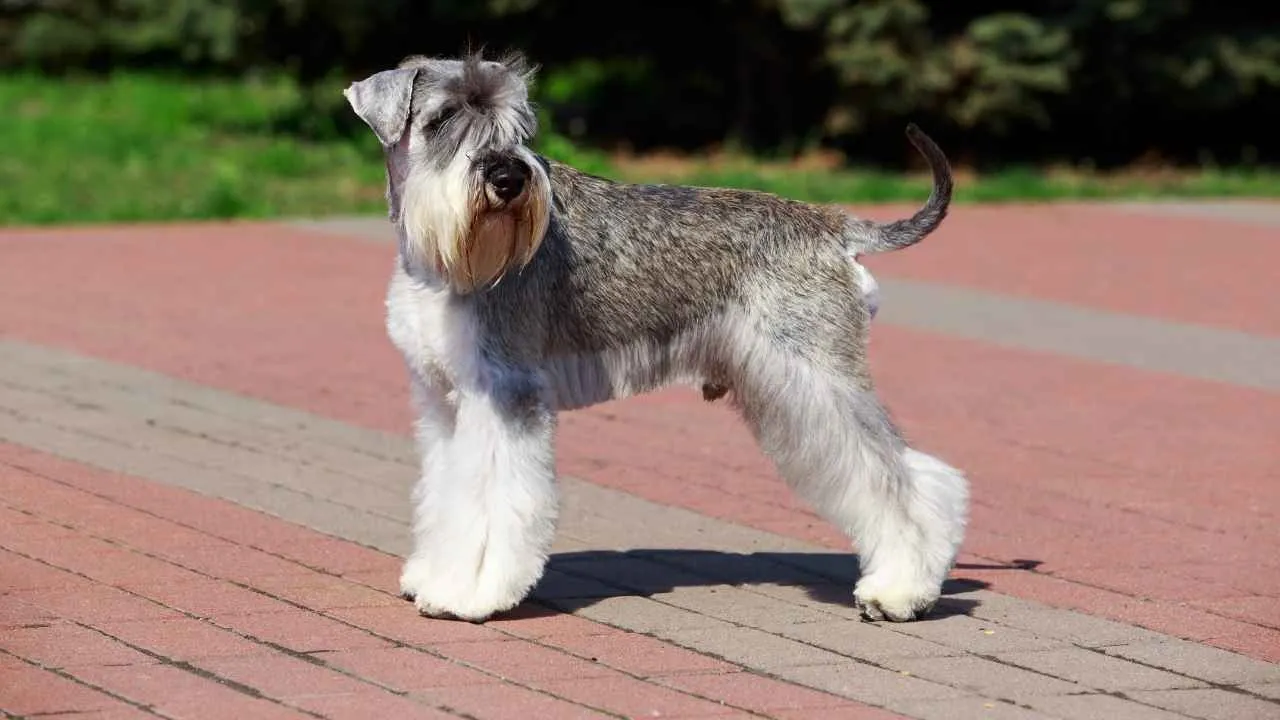
The Miniature Schnauzer has a look that feels almost expressive before it ever moves. Those distinctive eyebrows and beard give the breed a sharp, curious appearance that matches its alert nature. Originally developed as a small working dog on farms, this compact breed balances toughness with a polished, companion-ready presence.
Behaviorally, Miniature Schnauzers are lively, confident, and deeply attached to their families. They are known to be friendly and spirited, often keeping a close watch on their surroundings and happily announcing anything unusual. With attentive daily care, this breed is recognized for its longevity and typically enjoys a life expectancy of about 12 to 15 years.
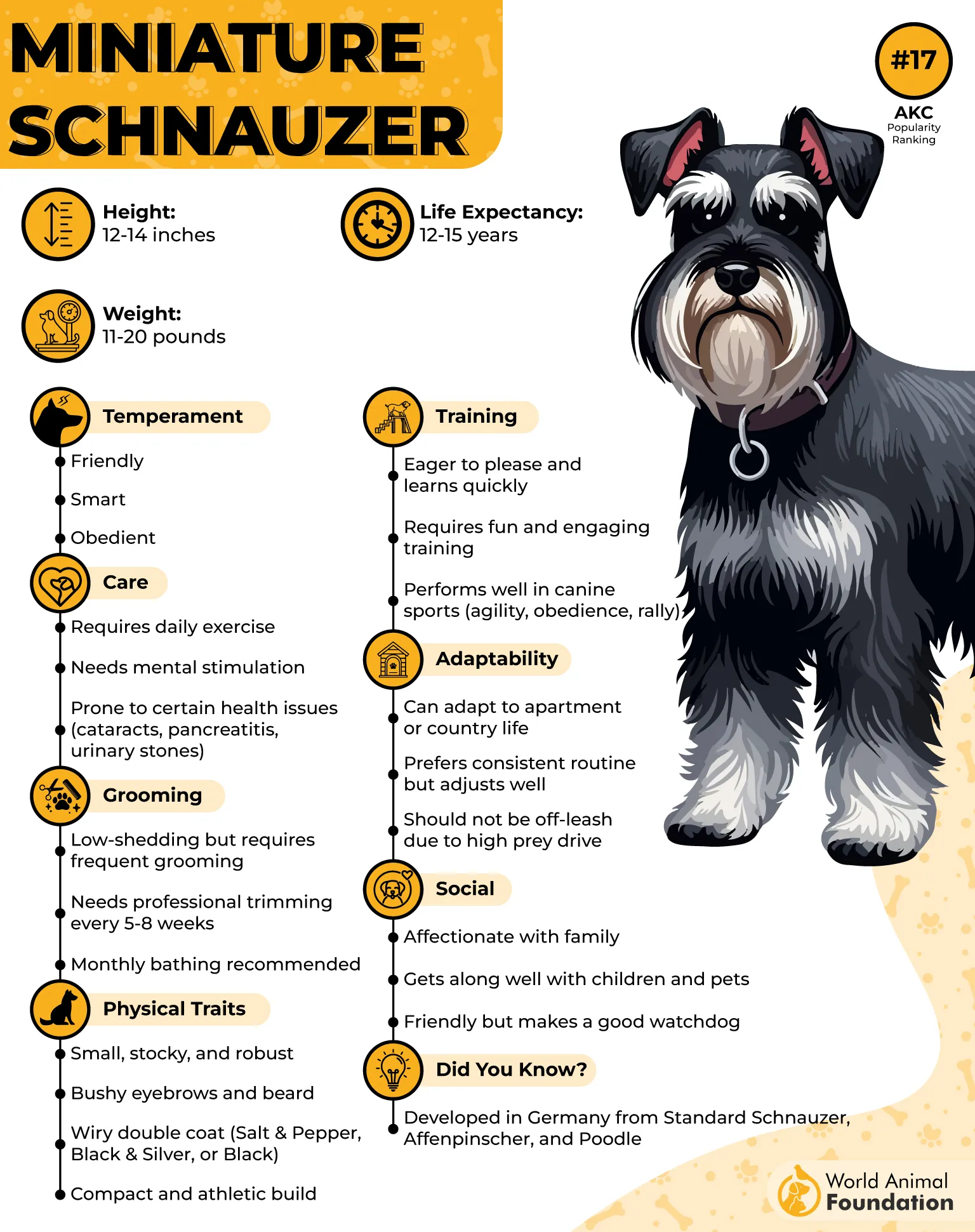
Proper socialization and training help bring out the best in a Miniature Schnauzer. They are intelligent and eager to please, responding well to positive, engaging training methods that avoid harsh correction. Early exposure to new people, pets, and environments supports their naturally social temperament and helps prevent excessive barking or stubborn habits.
Fun Fact
Miniature Schnauzers are the only terrier breed developed entirely from non-British ancestry. Their lineage comes from continental European working dogs rather than traditional British terriers.
Conclusion
Finding the right dog is about matching your lifestyle, energy level, and long-term expectations with the right companion. The breeds highlighted in this article are admired for their longevity, loyalty, and the joy they bring into everyday life. Whether you prefer a playful entertainer, a devoted shadow, or an independent thinker, each breed offers something special.
With thoughtful care, consistent routines, and genuine affection, the right dog can become a lifelong partner. Take time to consider what matters most to you, and you will be well on your way to welcoming a companion that truly fits your life.
If you are further interested in such wonderful dogs, you can also look up the Jack Russell Terrier, Maltese, Pomeranian, and Poodle.
