




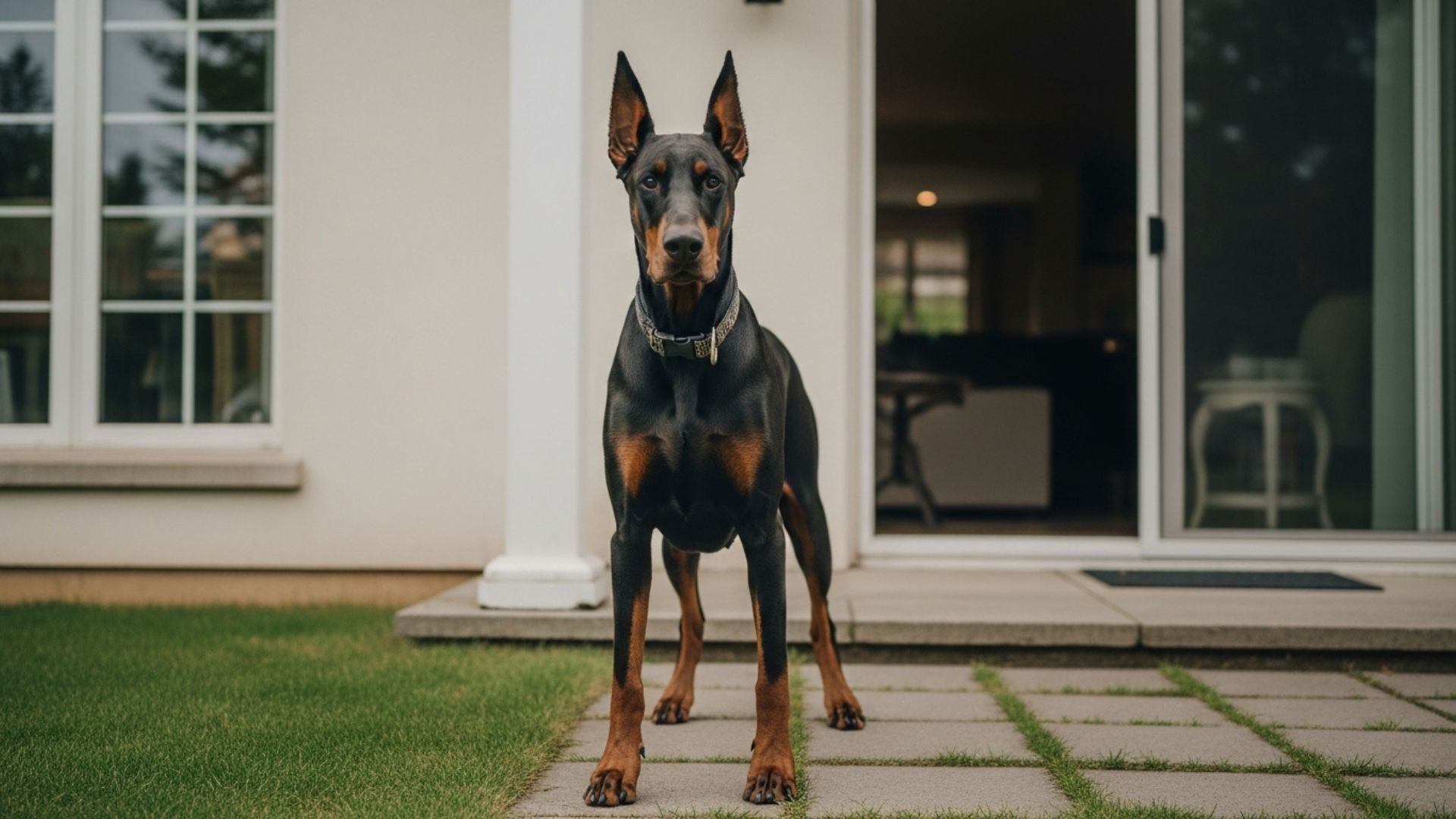
Safety feels better with a loyal dog beside you, always watching closely.
A good dog can help with that. The right pup does not just look tough. It notices strangers, reads your vibe, and stays close when things feel off.
And here’s the best part! Many guard dogs can also be loving family pets when raised with care. This blog will walk you through 7 dog breeds that can safeguard both property and loved ones, plus simple habits that keep them safe to live with.
The goal is a great guard with a warm heart. Pick the right breed, start proper training early, and keep a routine with regular exercise and mental stimulation. When the home rhythm is steady, most dogs relax and protect better.
Best Dog Breeds to Safeguard Your Property and Loved Ones
1. German Shepherd
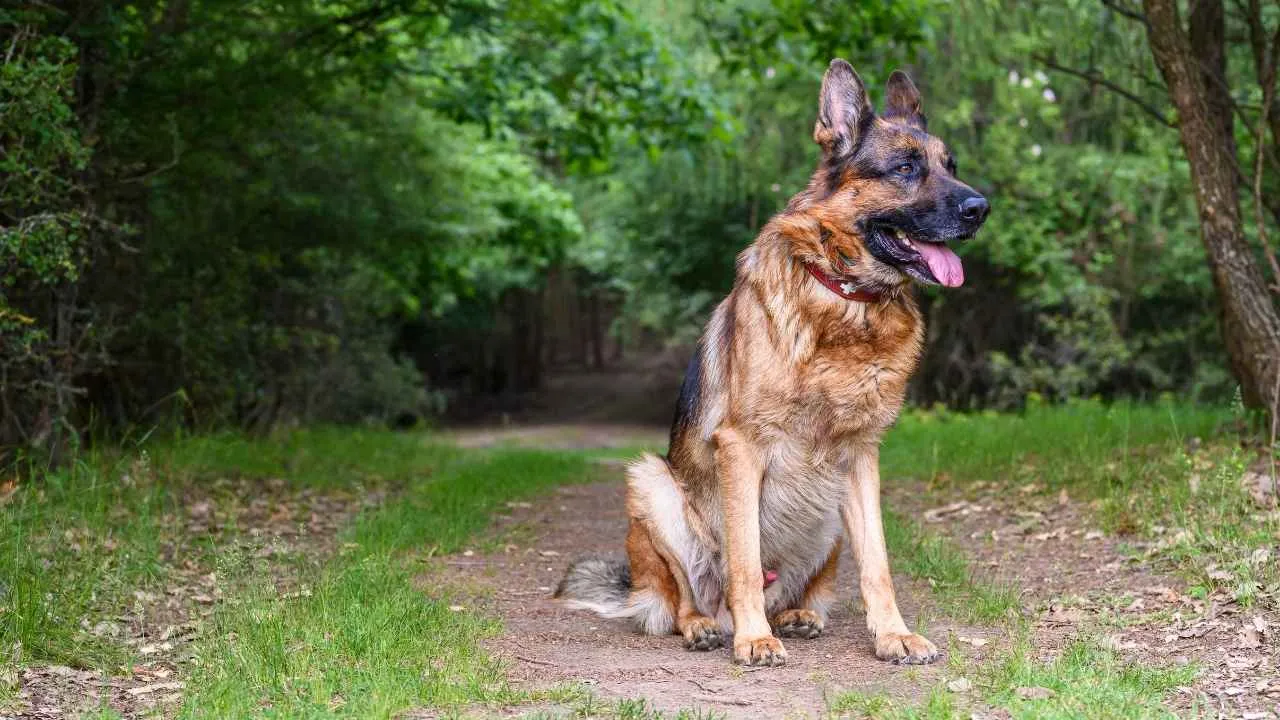
German Shepherds show up in police and military work for a reason. They are highly intelligent, alert, and quick to learn. Many people pick this large dog because it can shift from calm home mode to serious watch mode fast.
A steady bark can warn you before trouble gets close. With proper obedience training, this breed can protect a yard, a gate, and the people inside.
They bond hard with family members. That bond often turns into strong protective instincts, especially around kids. A dog that looks like a pro at work can still be a great family pet at home.
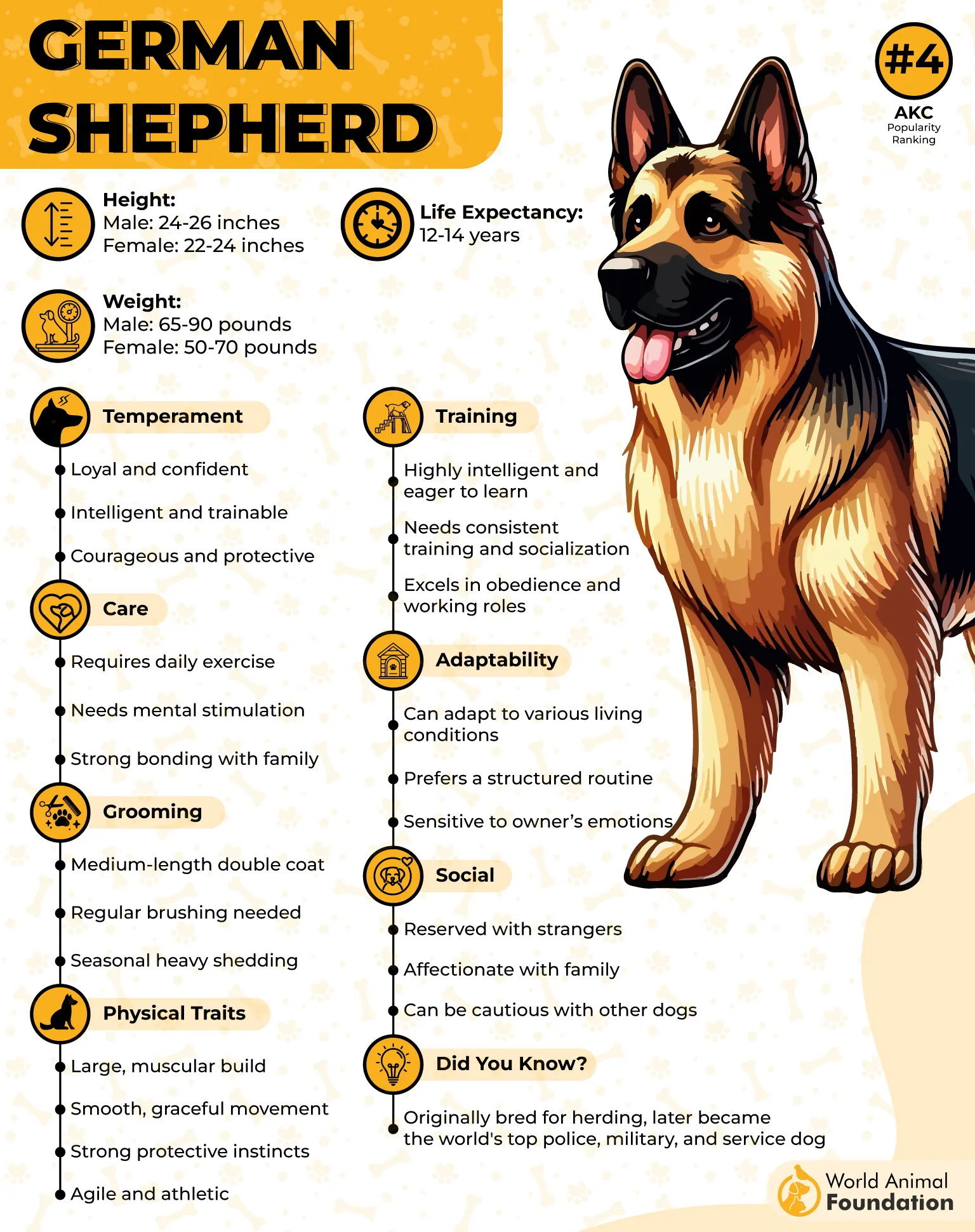
Give mental stimulation with scent games and small tasks. Add daily walks and regular exercise, and you often get a calmer brain and a calmer body.
But why bother with that? Because a bored Shepherd can invent its own job. That job might be chewing, digging, or herding the whole family. Start early socialization at a young age, and stay kind and firm.
Positive reinforcement obedience training works well here. Fun fact, many Shepherds love carrying things, so a soft toy on walks can feel like a “mission.” A well raised Shepherd becomes an incredibly loyal home teammate.
2. Doberman Pinscher
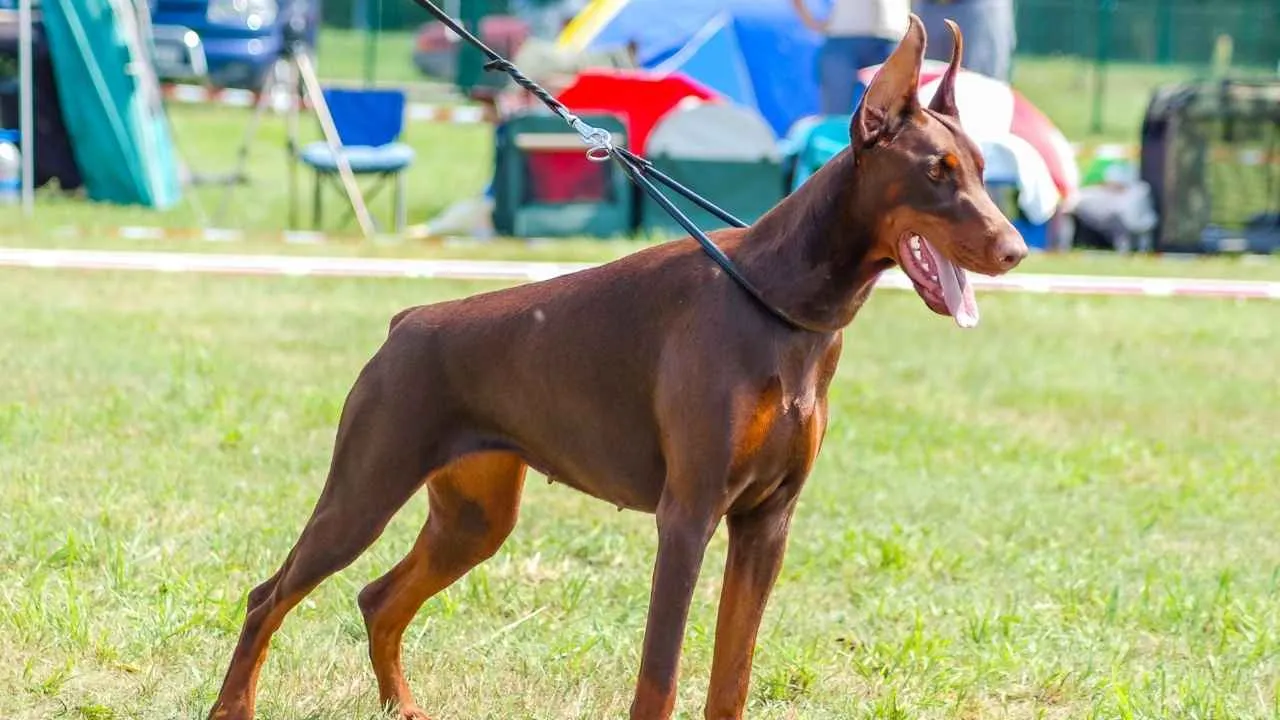
Dobermans look sleek, but the real power is in the mind. They are among the smartest breeds and they love learning fast.
Many are naturally wary of strangers, yet sweet with their family. Here’s the good part. With the right structure, this breed can be an excellent guard dog without acting wild.
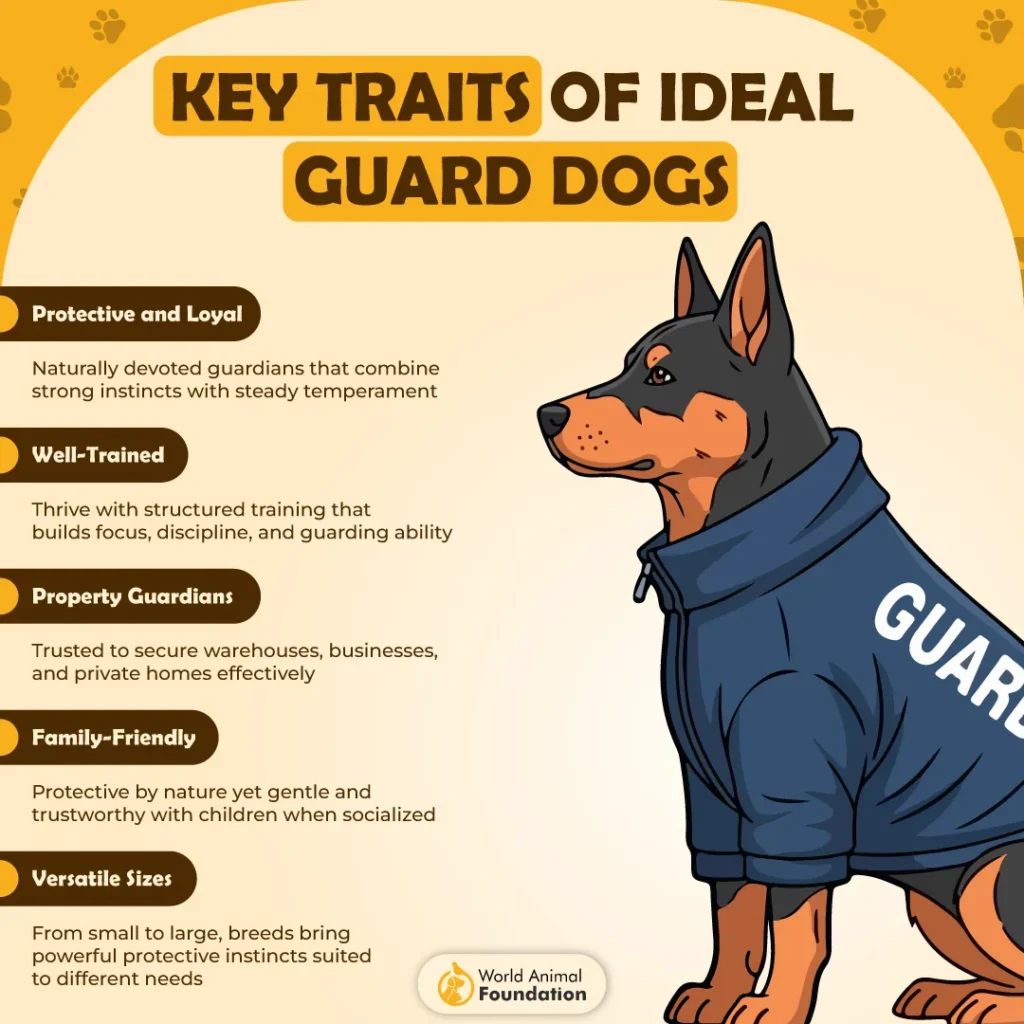
They are built for speed and quick turns. That matters on a big property where a dog may need to move fast to check a sound.
Dobermans also tend to stay close to their people, so they often feel like a loyal companion that shadows you from room to room. When they sense real danger, they take it seriously. Off duty, many are goofy and fun loving.
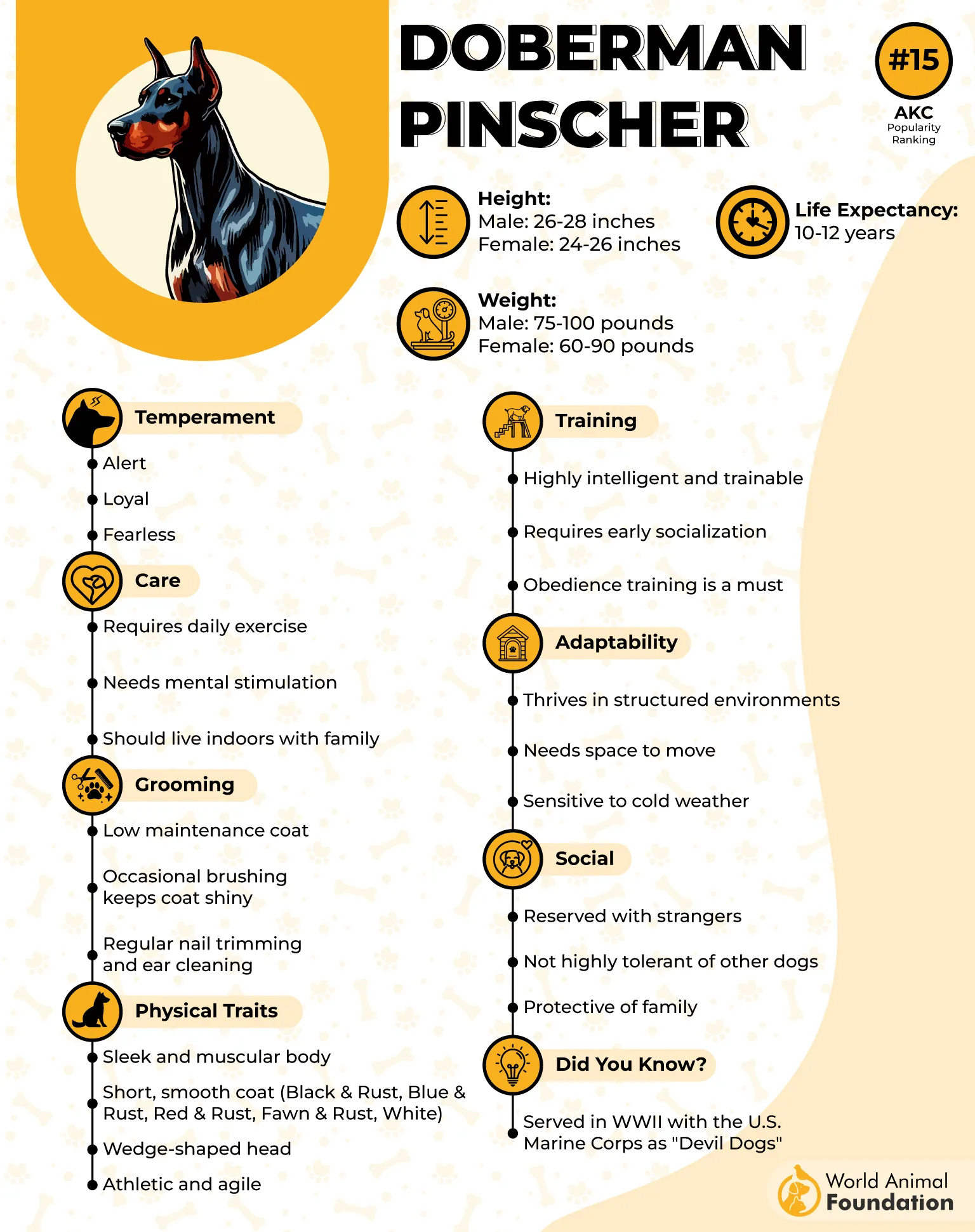
It gets even worse, though, if training is skipped. A high energy dog with no plan can get pushy. Start obedience training early and keep consistent training simple. Use proper socialization with calm guests so the dog learns normal from suspicious.
Add regular exercise like long daily walks, then finish with a short brain game for mental stimulation. Important note, Dobermans often settle best when they have an indoor spot near family members. That closeness supports a family bond and sharp instincts at night.
3. Rottweiler
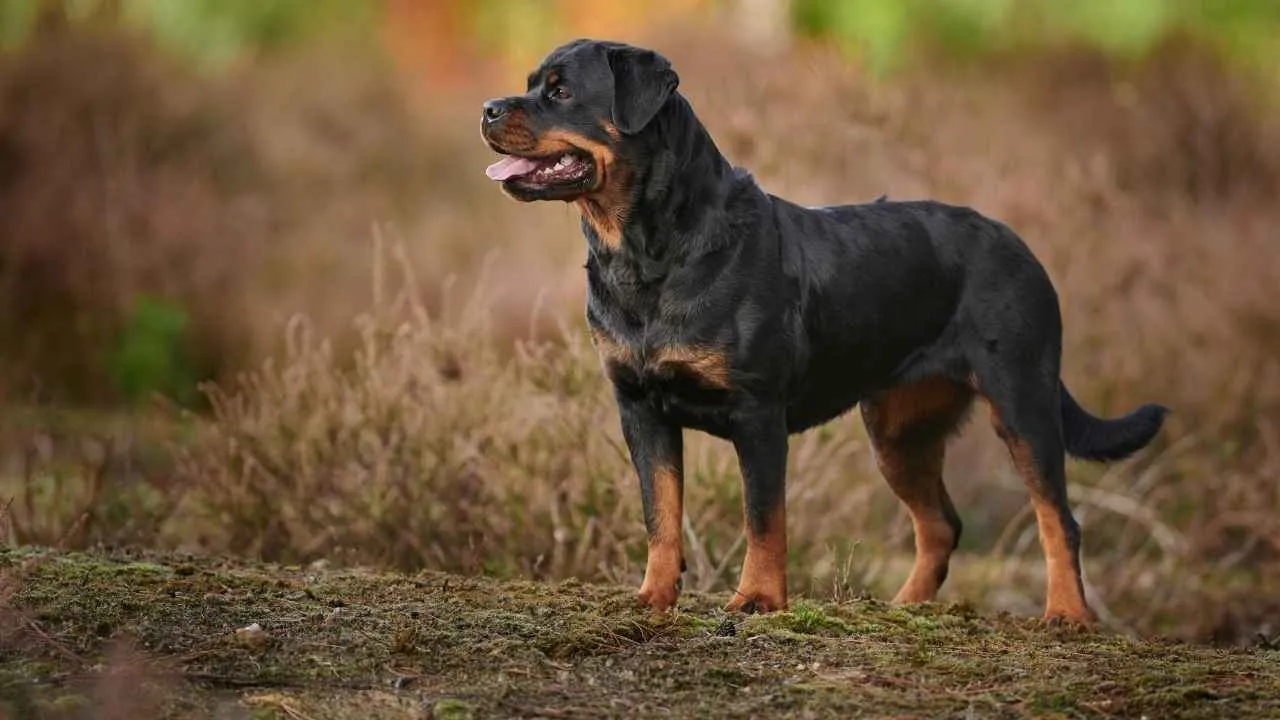
Rottweilers often look serious, and strangers notice that right away. That strong look can deter intruders before anything happens. Many Rotties carry a calm demeanor, like they are always thinking first. This breed was originally bred for farm work and protecting cattle, so the natural instinct to guard runs deep.
At home, they can be gentle and loyal with family. Kids usually get a soft side, but only when adults set clear rules. That is the key for protection dogs like this one.
They can be strong willed, so proper training needs patience and steady leadership. Keep a healthy environment with routines. Mix muscle work with puzzle play for mental stimulation.
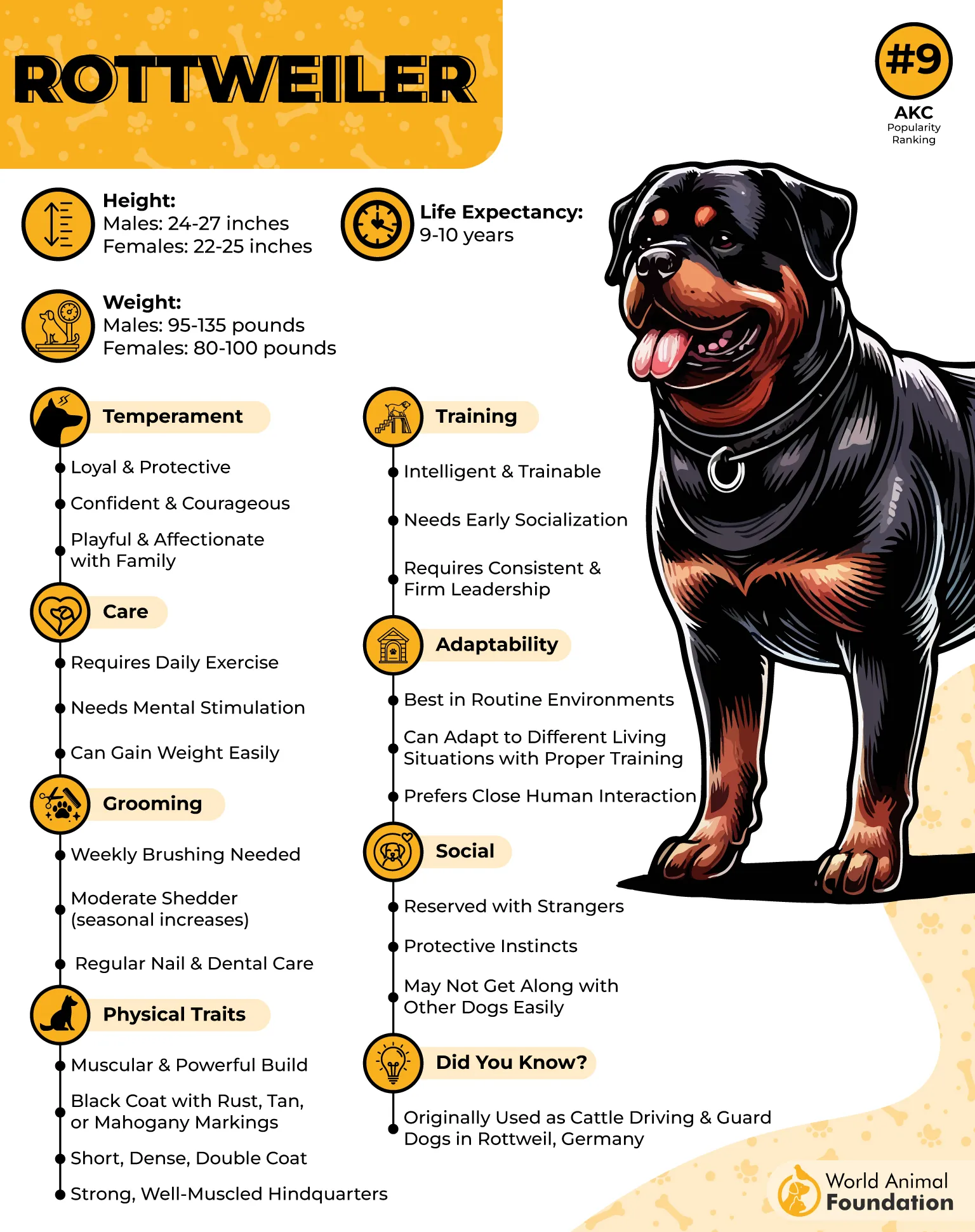
But why bother with that? Because confidence without direction can turn into bossy behavior. Early socialization helps them stay steady around strangers and other animals.
Teach calm greetings and controlled door routines. Please do not skip consistent training, even when the dog seems “fine.” Fun fact, many Rottweilers love pull games, so a short tug can be a reward, then end with a calm sit. This best dog needs calm hands from dog owners.
4. Cane Corso
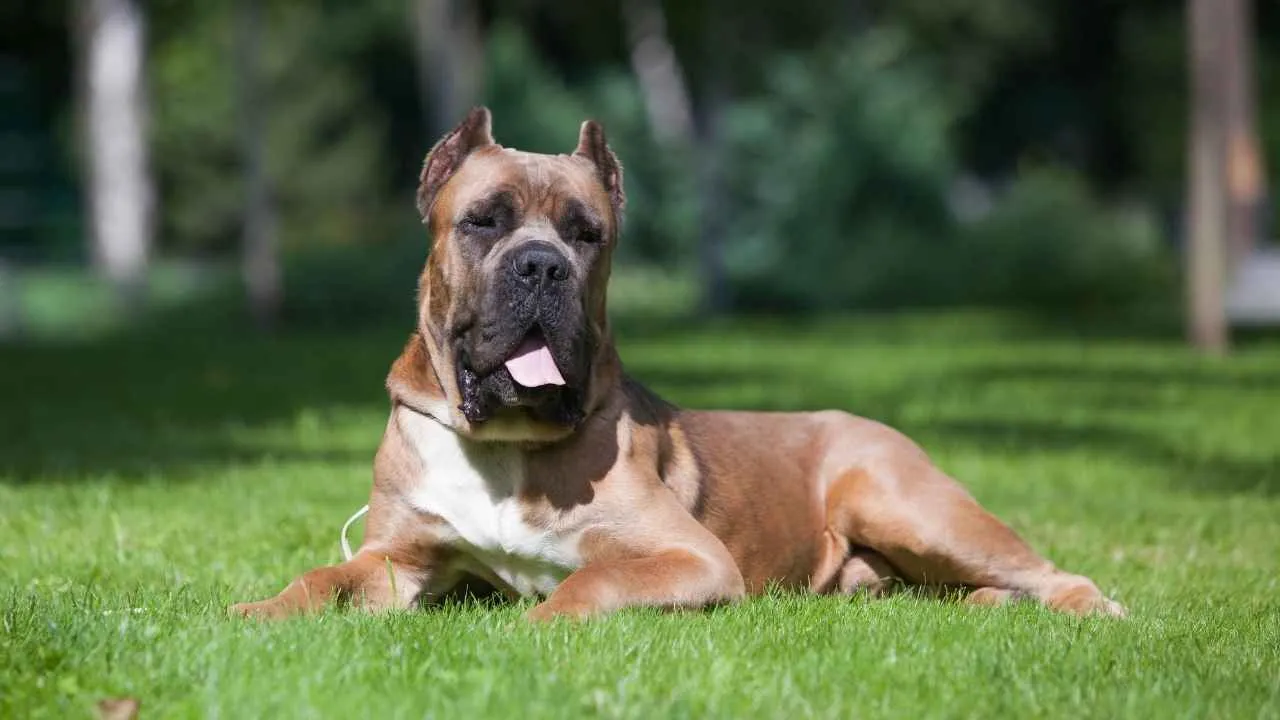
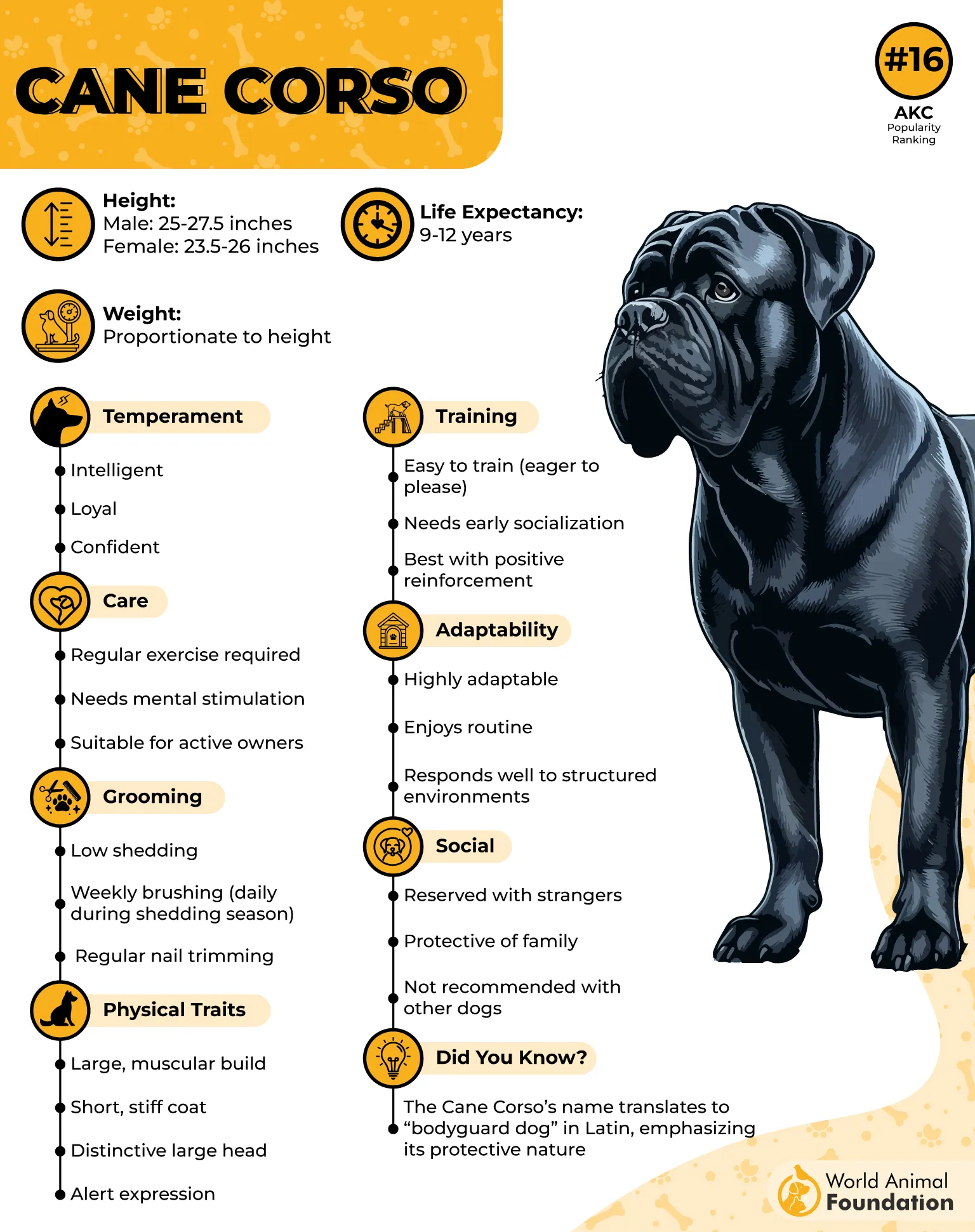
Cane Corsos have a muscular build and a serious presence. Many people choose them because they are naturally protective and bond closely with family. This is a natural guard dog that watches quietly, then steps in if needed. When raised right, they can be affectionate at home, not jumpy.
According to AKC, they were historically used to guard farms, properties, and livestock. That history shows up in their sharp instincts and confident posture. Some have a deep bark that makes visitors pause.
A Corso does best with experienced owners who enjoy structure and clear rules. Proper training is not optional here. It helps the dog protect, then relax again.
It gets even worse, though, if boundaries are fuzzy. A big dog that decides its own rules can stress family life fast. Start at a young age with basics like sit, stay, and recall. Add proper socialization with friendly visitors and other pets.
Give regular exercise plus short drills for obedience training. Important note, teach polite greetings early, because a happy Corso can still be a heavy hitter. This protective guard dog thrives when rules stay simple.
5. Bullmastiff
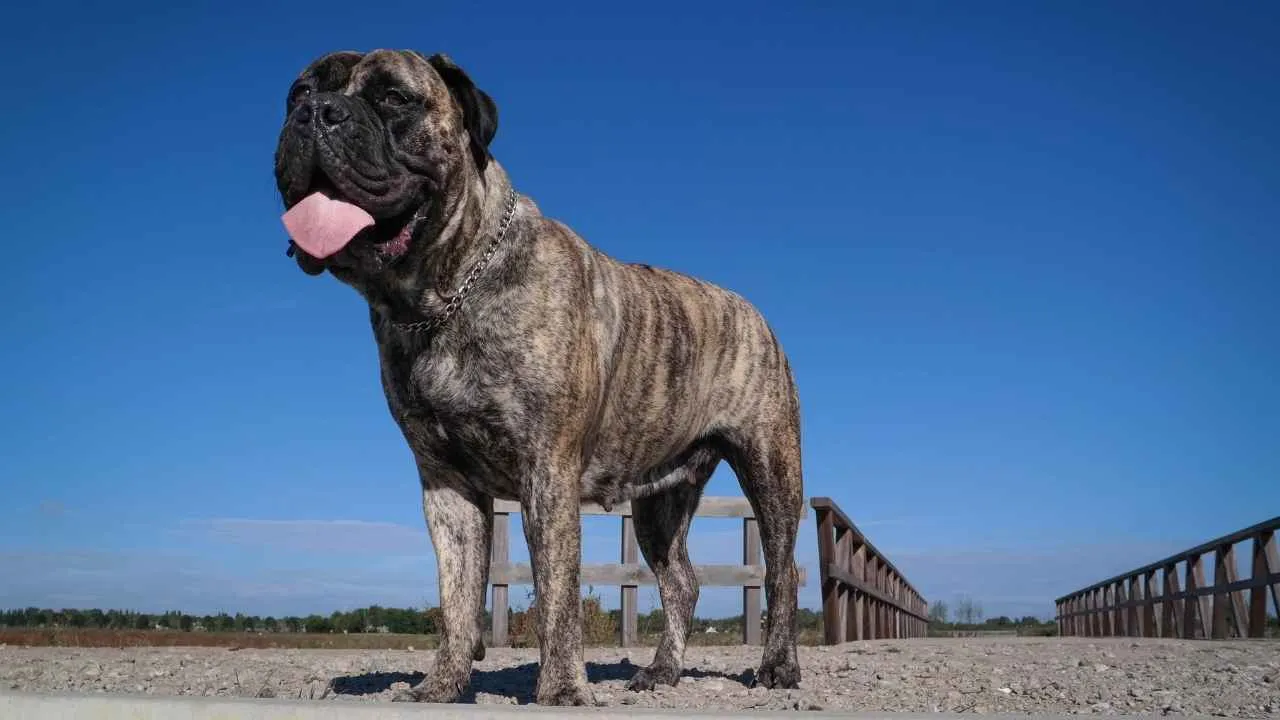
PetMD notes that Bullmastiffs were developed to guard estates and catch poachers, and they still act like quiet bodyguards. This large dog often chooses presence over noise.
So if you want guard dogs that do not yap all day, this one is worth a look. Their size alone can deter intruders, yet many are great family pets with a soft side.
They tend to be steady and calm with family members, which supports peaceful family life. That makes them a great family pet for homes that want quiet security.
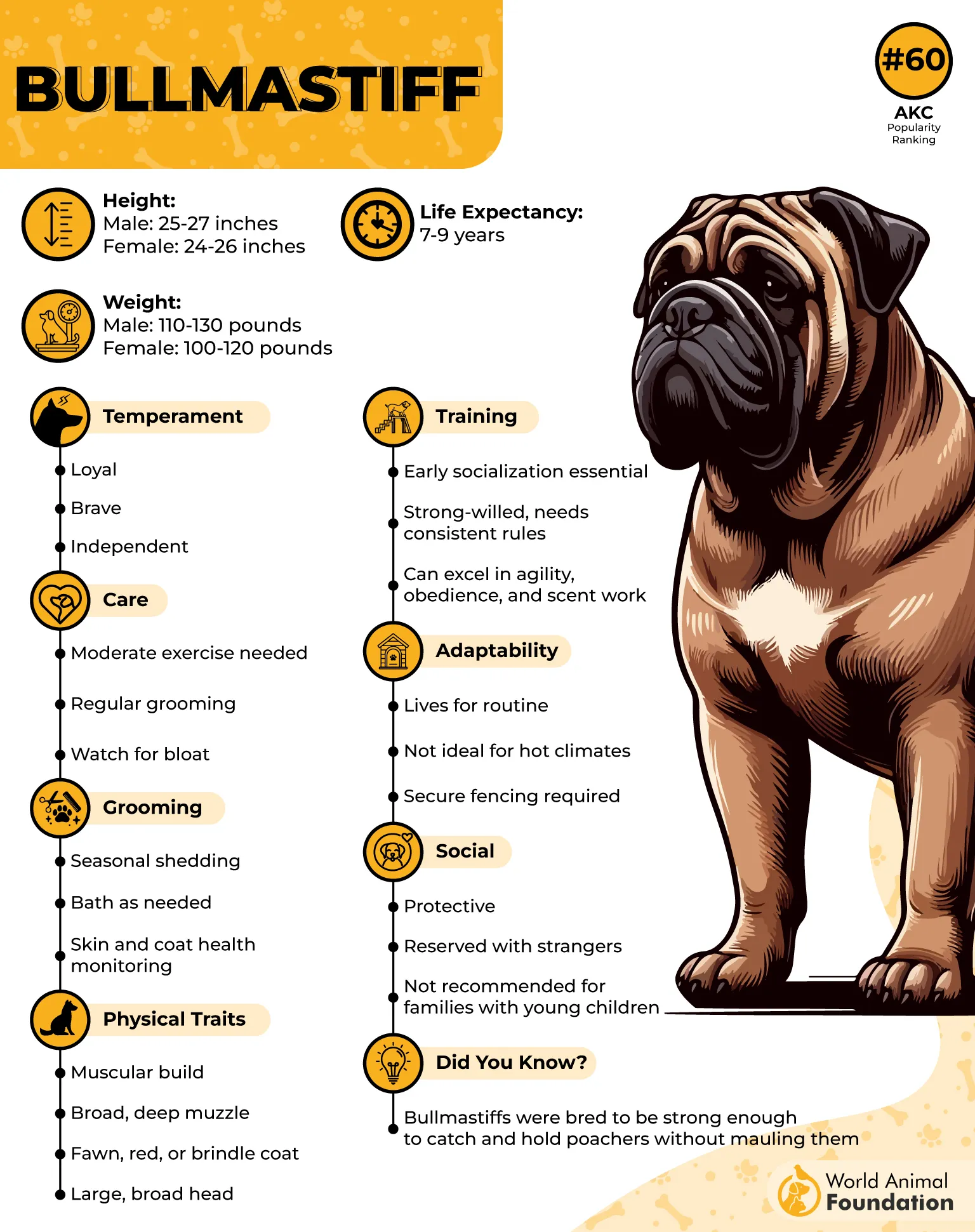
They can still move fast when something feels wrong. They are not built for endless jogging, though. Keep regular exercise moderate and consistent, like daily walks and short play bursts.
Here’s the good part: training can be simple when started early, and it still needs patience. Some can be strong minded. Use proper obedience training to shape good manners, like door control and gentle leash walking.
Early socialization helps the dog stay polite with strangers and other animals. Fun fact, many Bullmastiffs lean on their people like a living weighted blanket. This great guard loves quiet praise and gentle pets.
6. Rhodesian Ridgeback
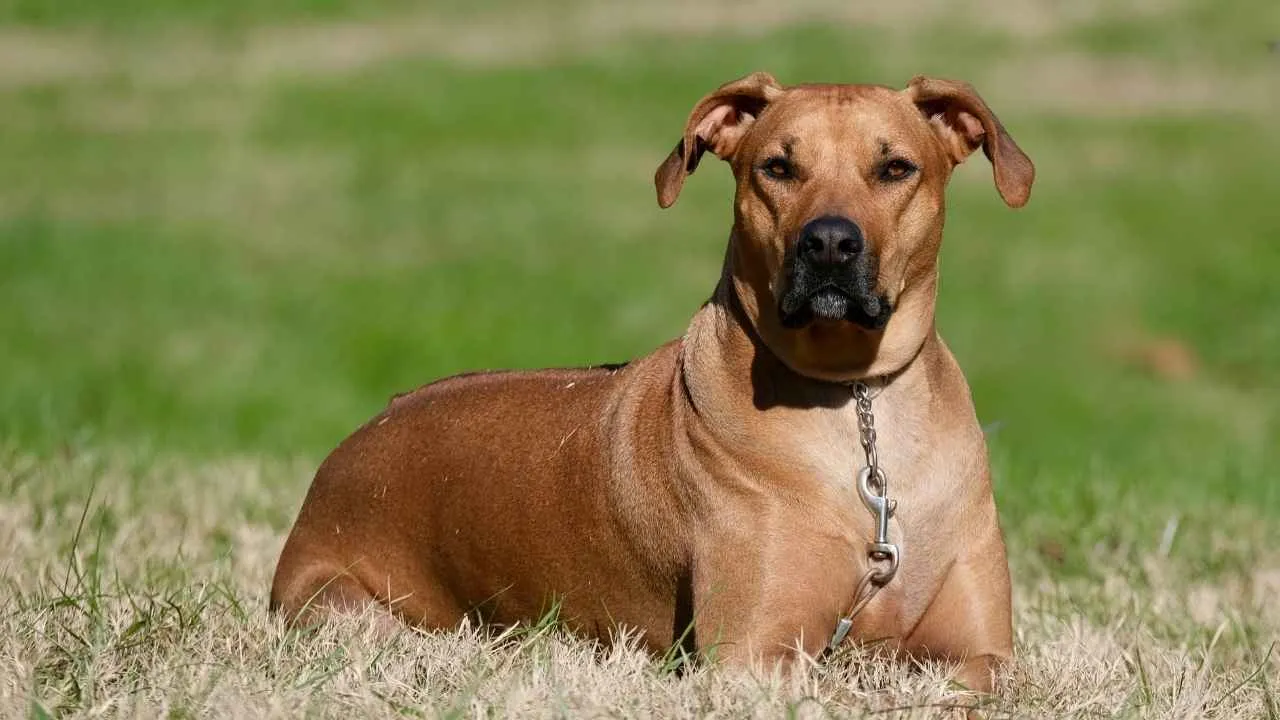
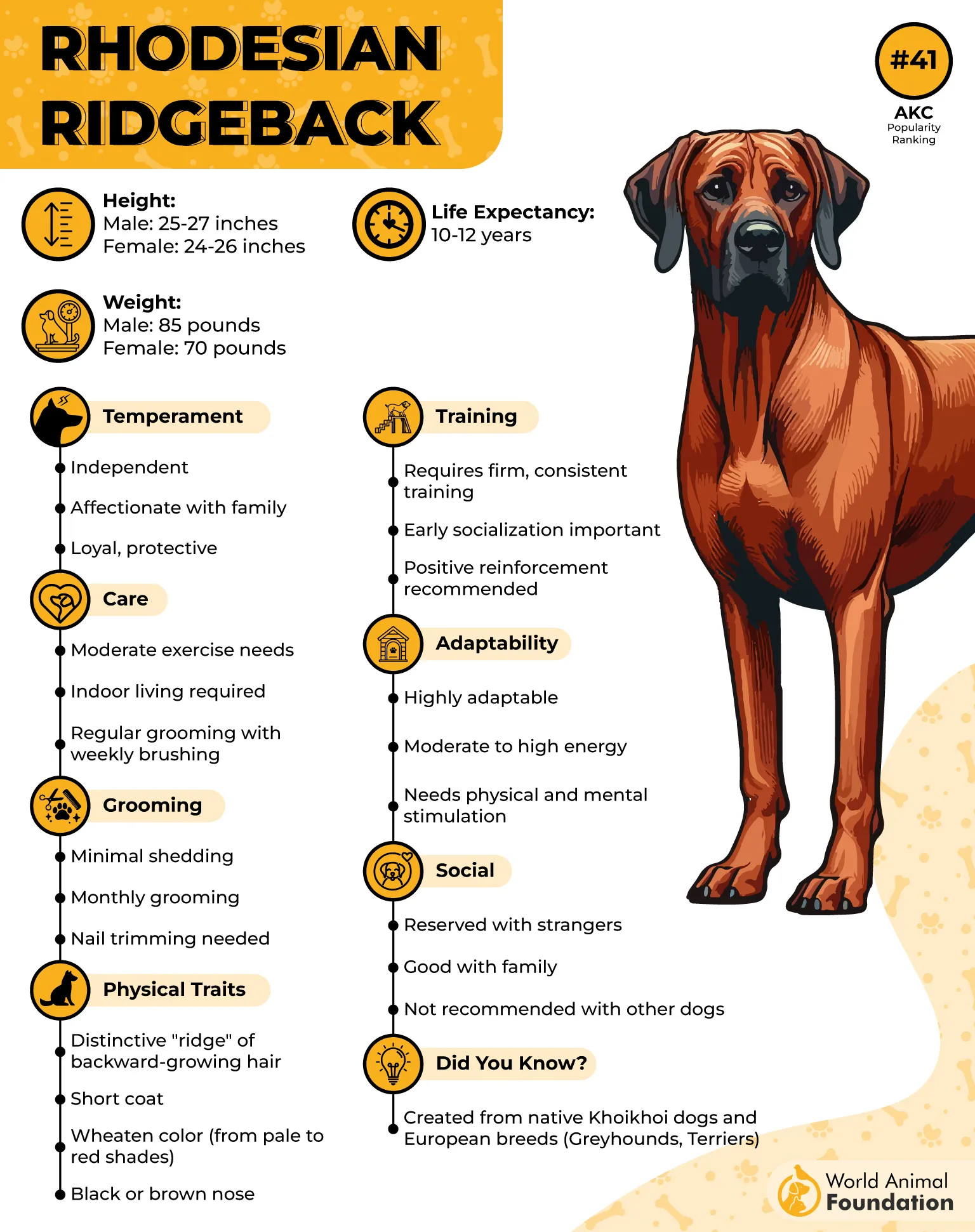
Rhodesian Ridgebacks carry an athletic build and a cool confidence. They were originally bred for hunting large game, and that history shows in their bold nature and stamina.
Many are fiercely loyal to family and can protect without making a scene. Some experts warn that formal protection work can push their guarding drive too far, so basic structure matters most.
They often have a fun loving side at home, but they also like independence. A dog can be cuddly and still choose its own spot across the room. This is why proper training matters.
Focus on obedience training, clear recall, and calm leash skills. Keep it fair, and consistent training will stick better.
It gets even worse, though, if exercise is too low. A bored Ridgeback can turn into a stress tornado. Give regular exercise, like brisk walks and safe sprint games. Add mental stimulation with hide and seek treats. Early socialization helps them stay relaxed around strangers, small children, and other pets in busy places.
Fun fact, the ridge of fur on their back grows the “wrong” way, and it is their famous signature. Give space, and this loyal dog stays naturally protective.
7. Belgian Malinois
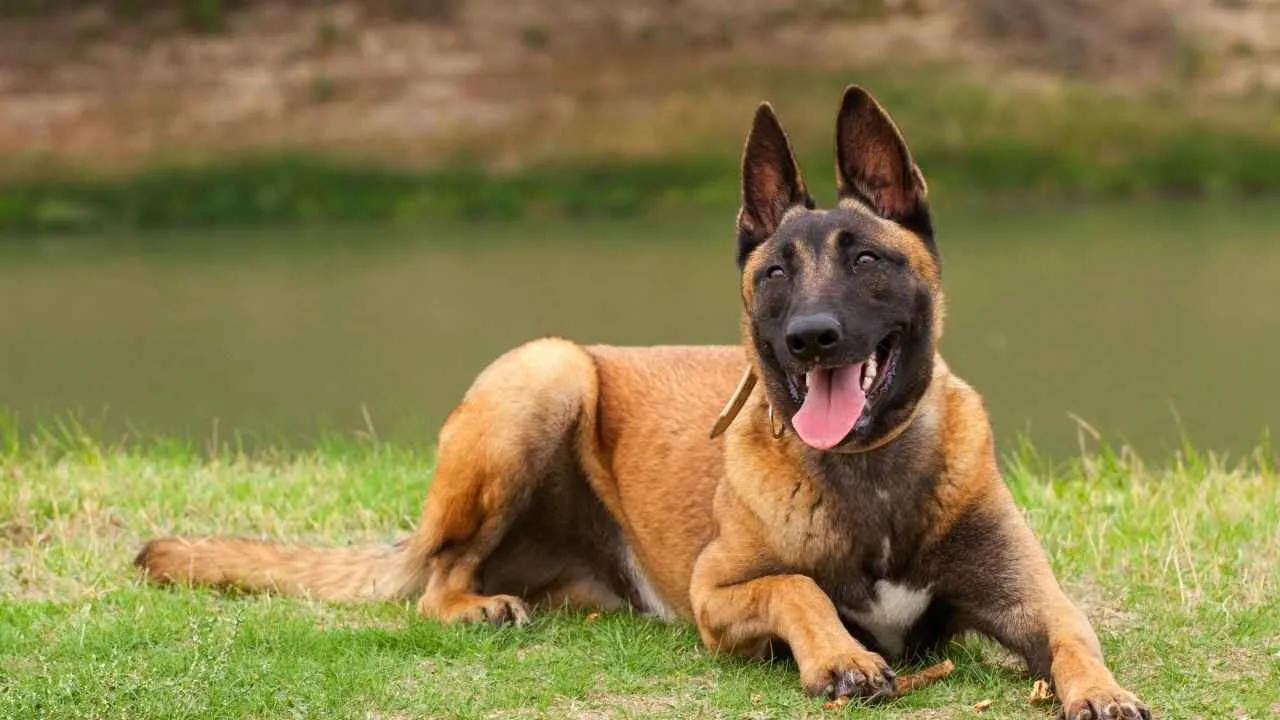
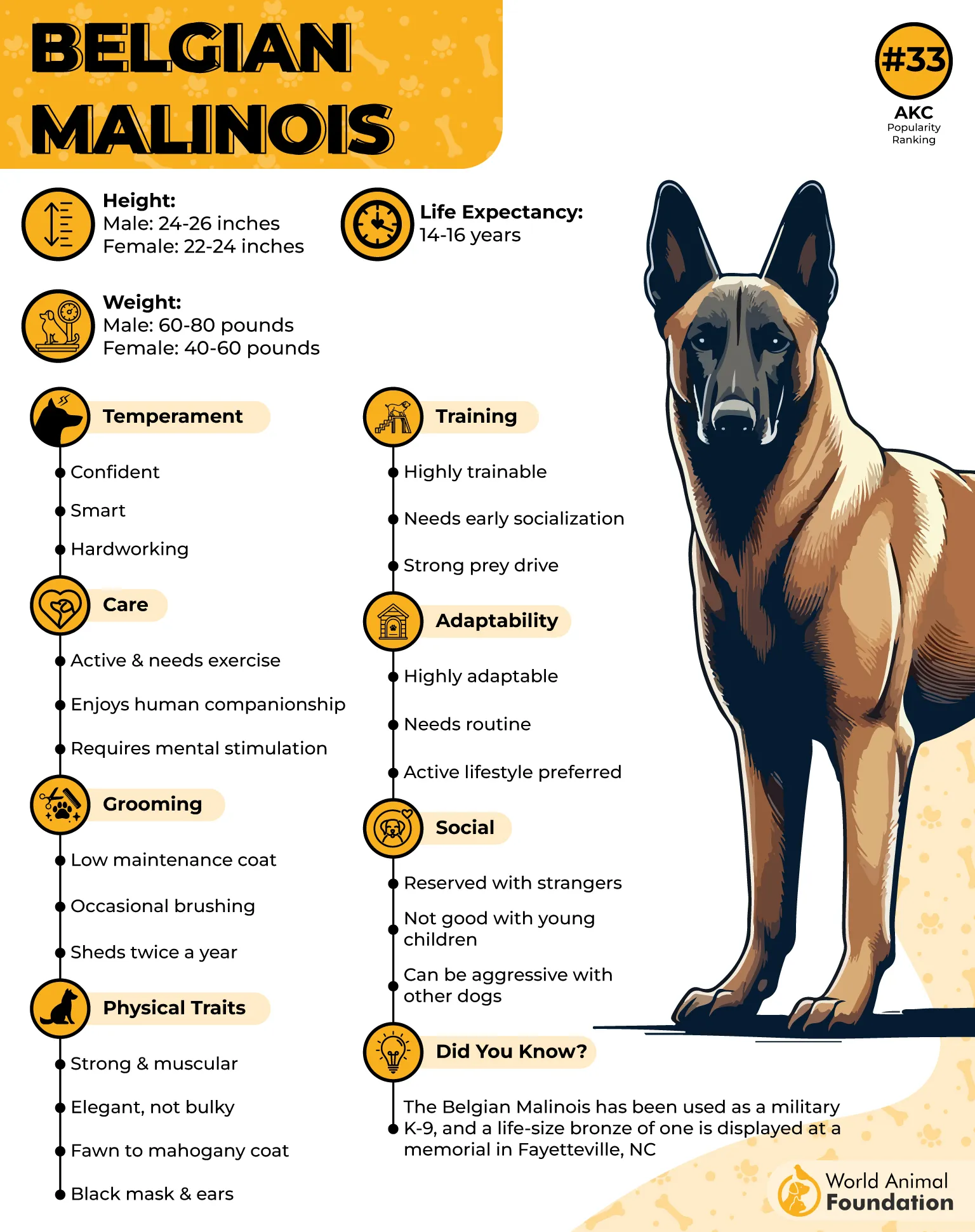
Belgian Malinois dogs are a staple in military work and police roles. They are fast, highly trainable, and always ready for a task.
As per WebMD, this breed thrives on structure and needs a lot of mental stimulation to stay balanced. Here’s the good part. When a Malinois has a job, it can be one of the best guard dogs around the home.
They are high energy and highly intelligent, so they do best with experienced owners. A simple walk is not enough. They need regular exercise every day plus training games.
Many love obedience training, scent work, and fast fetch. Without that, they can become restless and mouthy. With proper socialization, they can still fit into family life as loving family pets.
But why bother with all this effort? Because the right breed must match the home. A Malinois can protect, but it also needs teamwork from the whole family. Start as a puppy with early socialization and proper obedience training.
Keep consistent training, reward focus, and avoid rough play that amps up drive. Important note, these dogs do best when they have a clear “off switch,” like a mat settle cue. Without a task, this breed may bark and pace.
Conclusion
Picking from the best dog breeds is not about looking scary. It is about choosing dogs with the right natural instinct, then shaping that instinct with training and care. Each of these guard dog breeds can help protect a home, but they still need love, rules, and time.
Keep proper training kind and steady, and use positive reinforcement so trust grows. Add early socialization so strangers do not feel like automatic threats. Build a routine with regular exercise and mental stimulation so the brain stays calm. Then the magic happens.
A loyal companion, a safer home, and a family that sleeps easier. Take a breath, enjoy the process, and remember socialization is love too.
