




Extensive dog grooming refers to the extra care certain breeds need to keep their coats healthy, shiny, and comfortable. Some dogs, especially those with long, dense, or curly coats, require regular brushing, trims, and even grooming sessions to prevent mats, tangles, and skin problems.
Surprising, right?
Taking care of a dog’s coat isn’t just about looks. Frequent brushing helps remove debris, loose hair, and dead fur while professional grooming and regular trims ensure your dog stays in tip-top shape.
And here’s a fact you might not know: according to research from the British School of Grooming, proper grooming goes far beyond appearance — it helps prevent skin irritation, infections, and promotes overall well-being.
Amazing, huh?
Grooming also works on the inside of the coat. Brushing spreads natural oils throughout the hair, keeping it soft, shiny, and healthy while supporting skin health.
Impressive, isn’t it?
In this article, we’ll explore seven long-haired dog breeds with extensive grooming needs explained. We’ll also share tips for pet parents to help their furry friends look and feel their best.
Dog Breeds with Extensive Grooming Needs Explained
Ready? Let’s dive in!
1. Shih Tzu
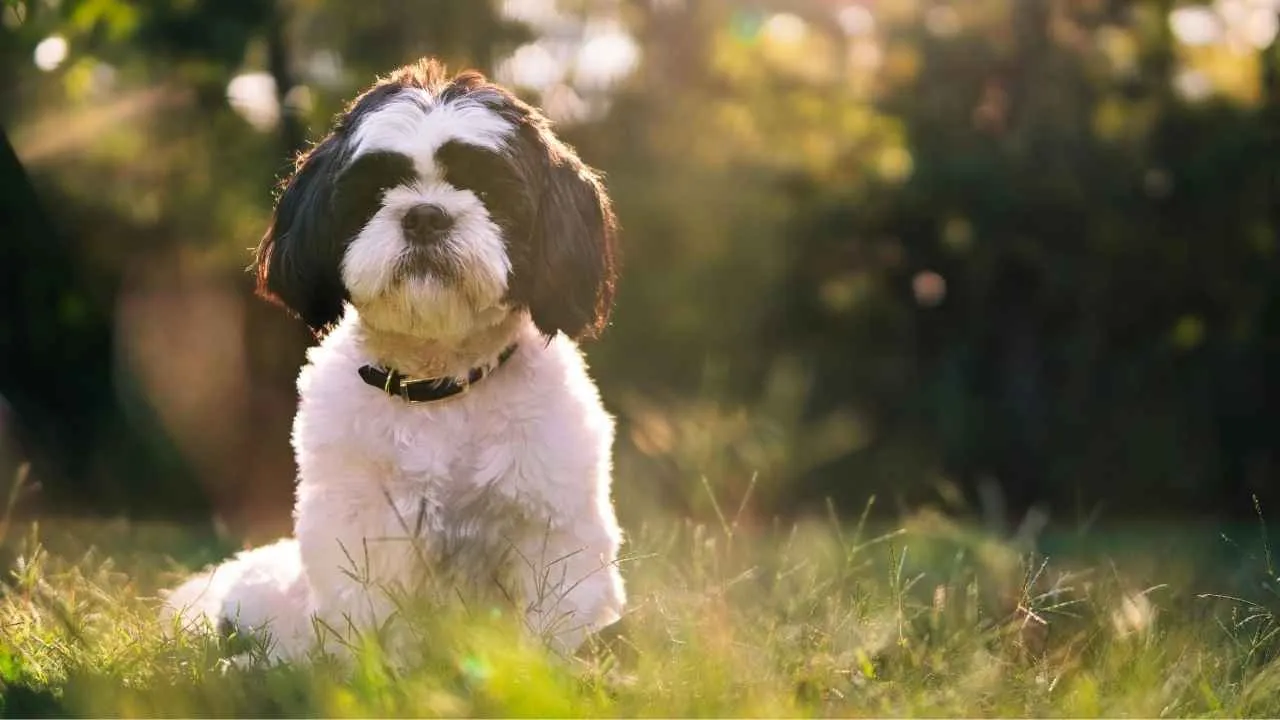
The Shih Tzu is a small dog with a big personality and a long, flowing coat. According to the American Kennel Club, this breed has a luxurious double coat that grows long and dense, giving it a classic and elegant look that turns heads.
Because their hair is so soft and fine, it easily tangles and mats if not cared for. To keep their coat smooth, most owners need to brush daily using tools like a slicker brush and an undercoat rake. These help remove loose hair and prevent painful knots that can tug on the skin.
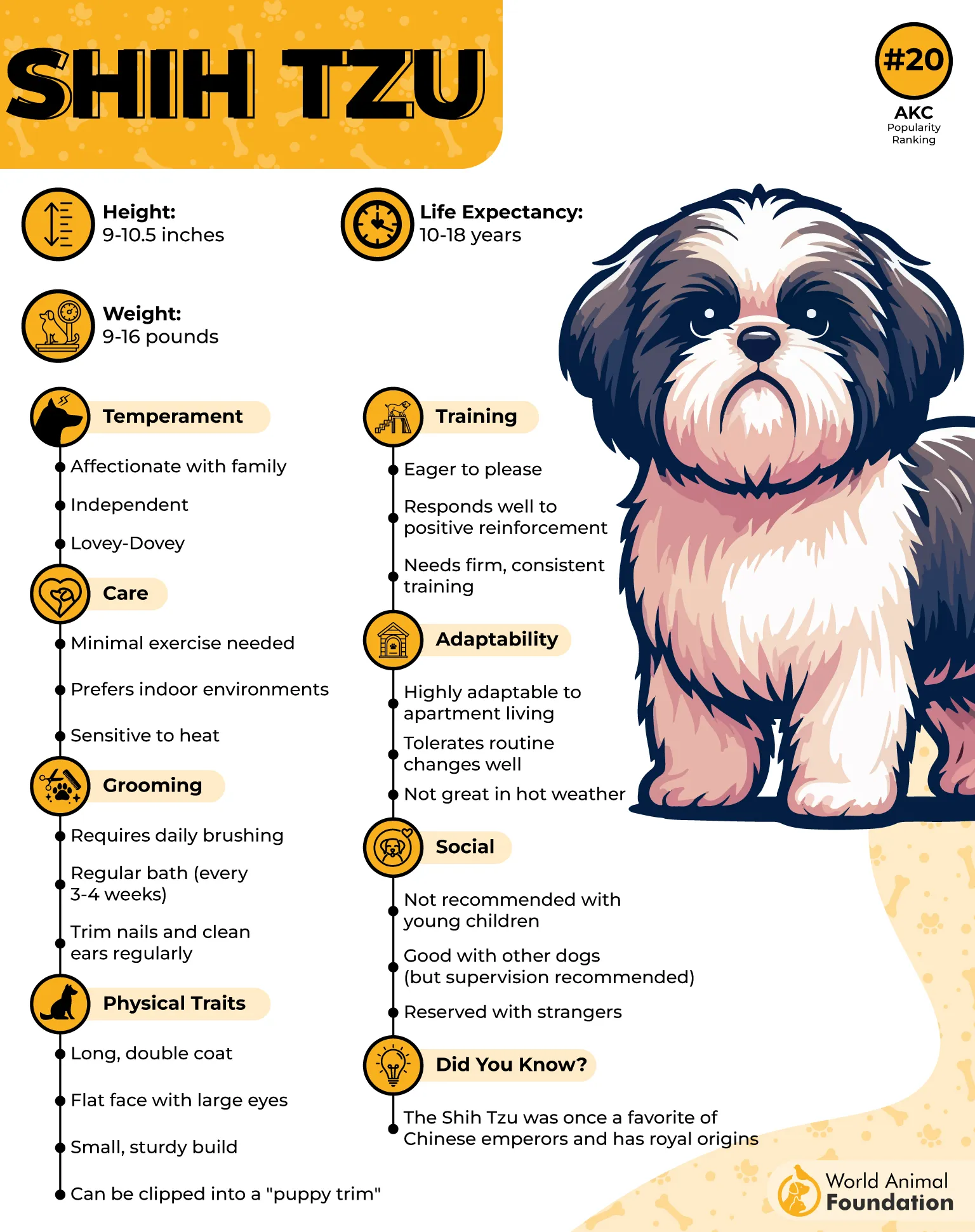
Shih Tzus also benefit from occasional trimming, especially around the eyes and feet, and frequent bathing to keep their skin clean and healthy. Regular grooming helps avoid skin irritation, and gentle ear cleaning can reduce the risk of ear infections — a common problem with their long ear hair.
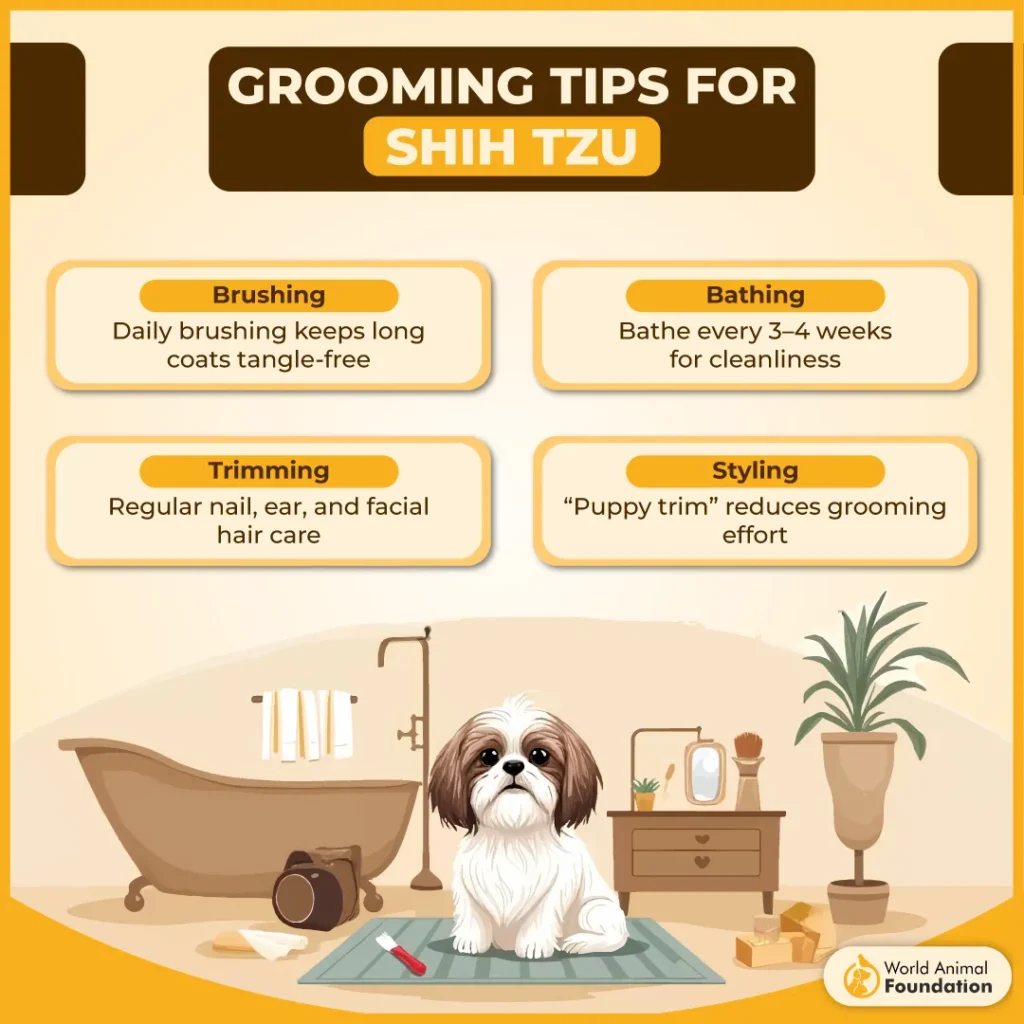
Though it takes time, good grooming keeps your Shih Tzu comfortable, happy, and looking its best every day.
2. Poodle
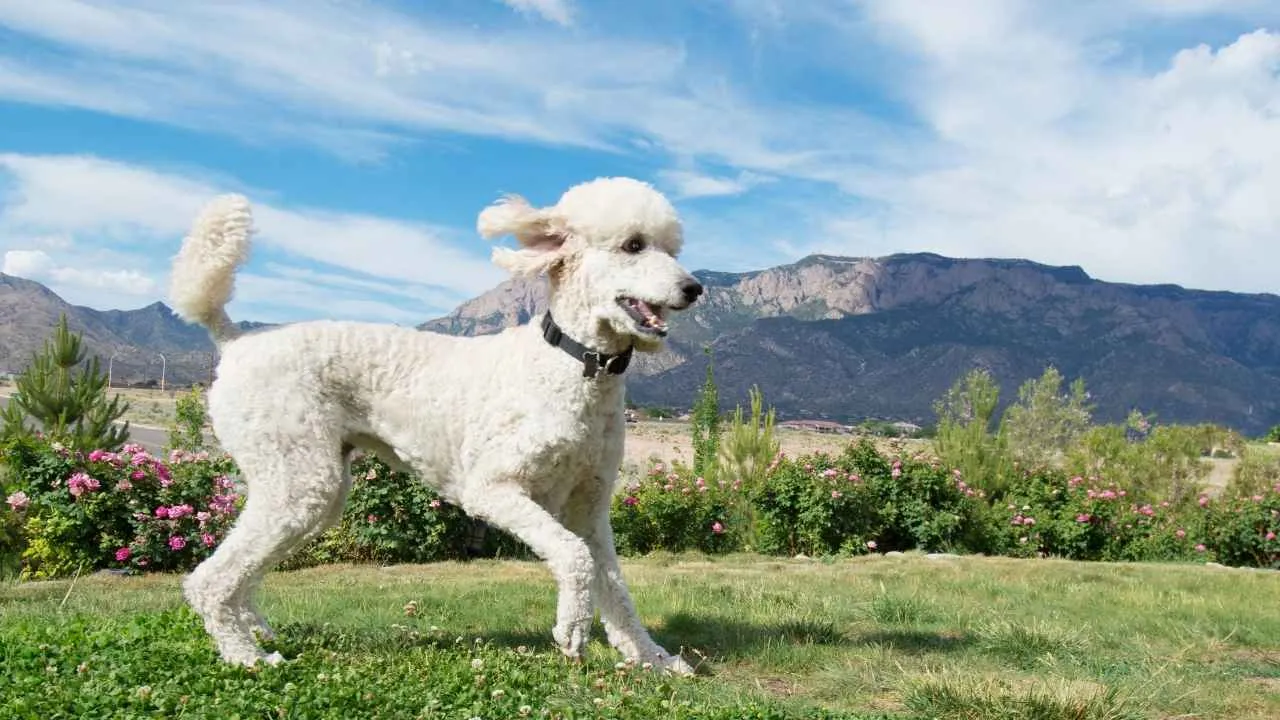
The Poodle is famous for its curly, sculpted coat, especially in show dogs. Those tight curls may look neat, but they easily trap dirt and debris if not groomed correctly. That’s why Poodles are known for needing professional grooming more than many other breeds.
Their coat doesn’t shed much, so hair keeps growing, making frequent haircuts and regular trims essential to maintain its shape. Precise grooming techniques are key for this breed.
Skilled groomers carefully shape the curls, keeping the coat balanced and comfortable while preserving that classic Poodle style. Because of this, many pet owners opt for routine grooming appointments and often for professional groomers who understand proper clip patterns and coat care.
Regular grooming helps keep a Poodle’s coat clean, prevents buildup near the skin, and supports overall comfort. This level of care also helps pet owners enjoy a dog that feels lighter, stays cleaner longer, and always looks polished and stylish.
With the right grooming plan, a Poodle doesn’t just look impressive — it feels great too.
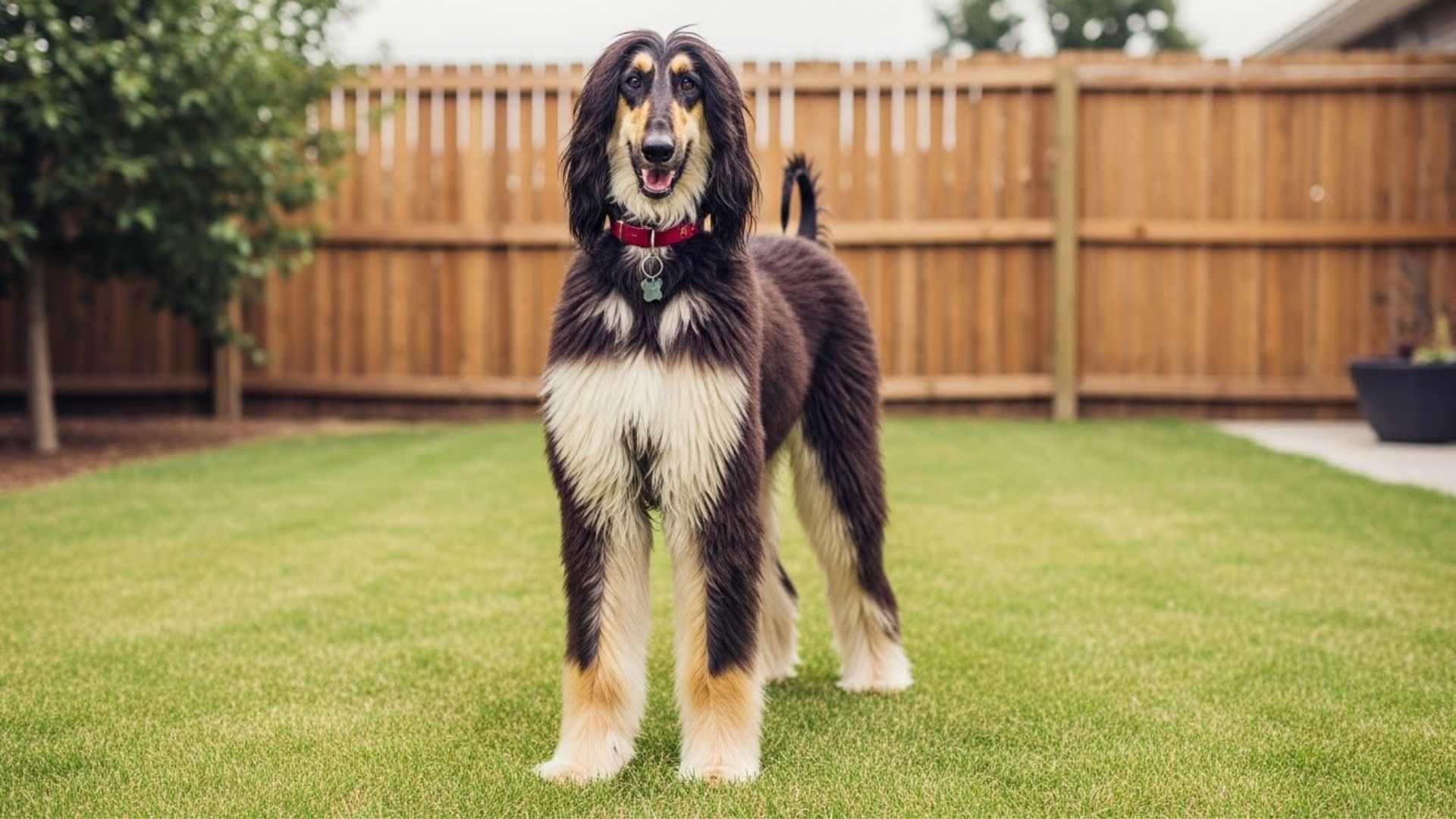
3. Afghan Hound
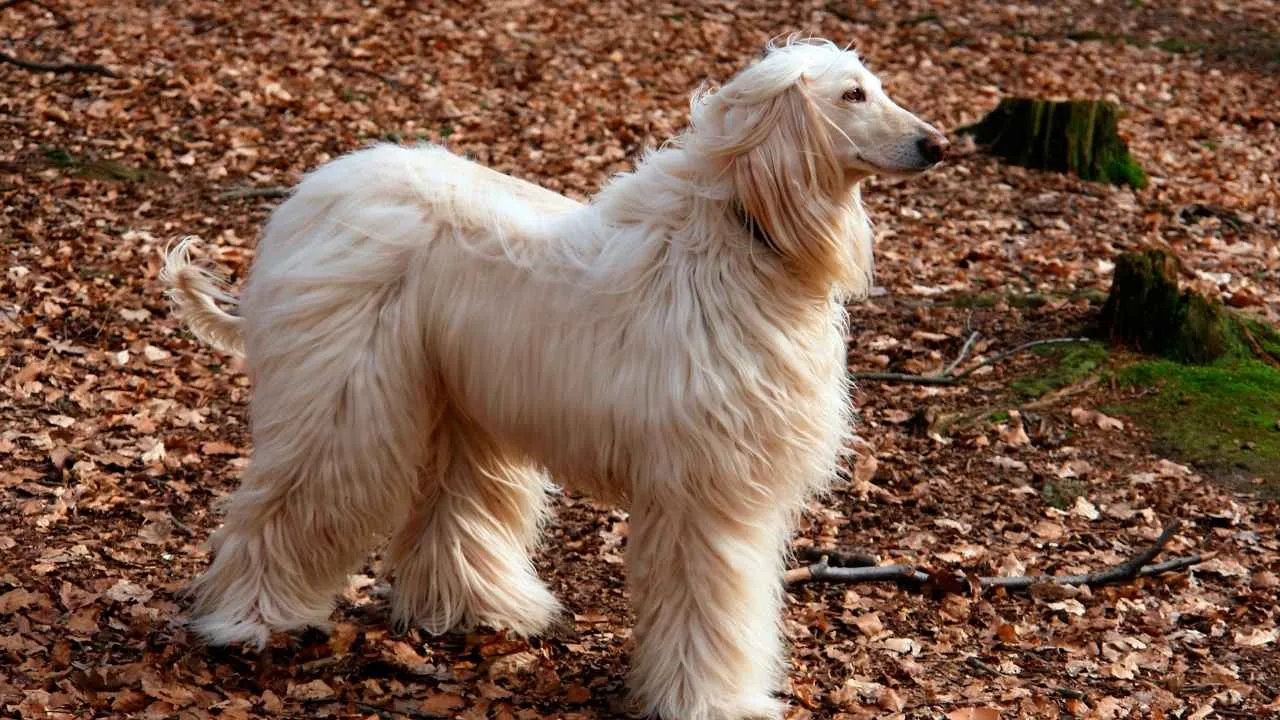
The Afghan Hound has a long and noble history that dates back thousands of years. This breed was originally developed in the cold, mountainous regions of Afghanistan, where its coat served a practical purpose.
Over time, that protective coat became one of the breed’s most striking features. Today, the Afghan Hound is recognized as a long-haired breed with a flowing outer coat and a dense undercoat that demands careful care.
That long hair can easily tangle and mat, which is why daily brushing is essential. Without it, knots form close to the skin and become uncomfortable. Because of their elegant look, Afghan Hounds are also popular in the show dog world, making grooming a top priority for many owners.
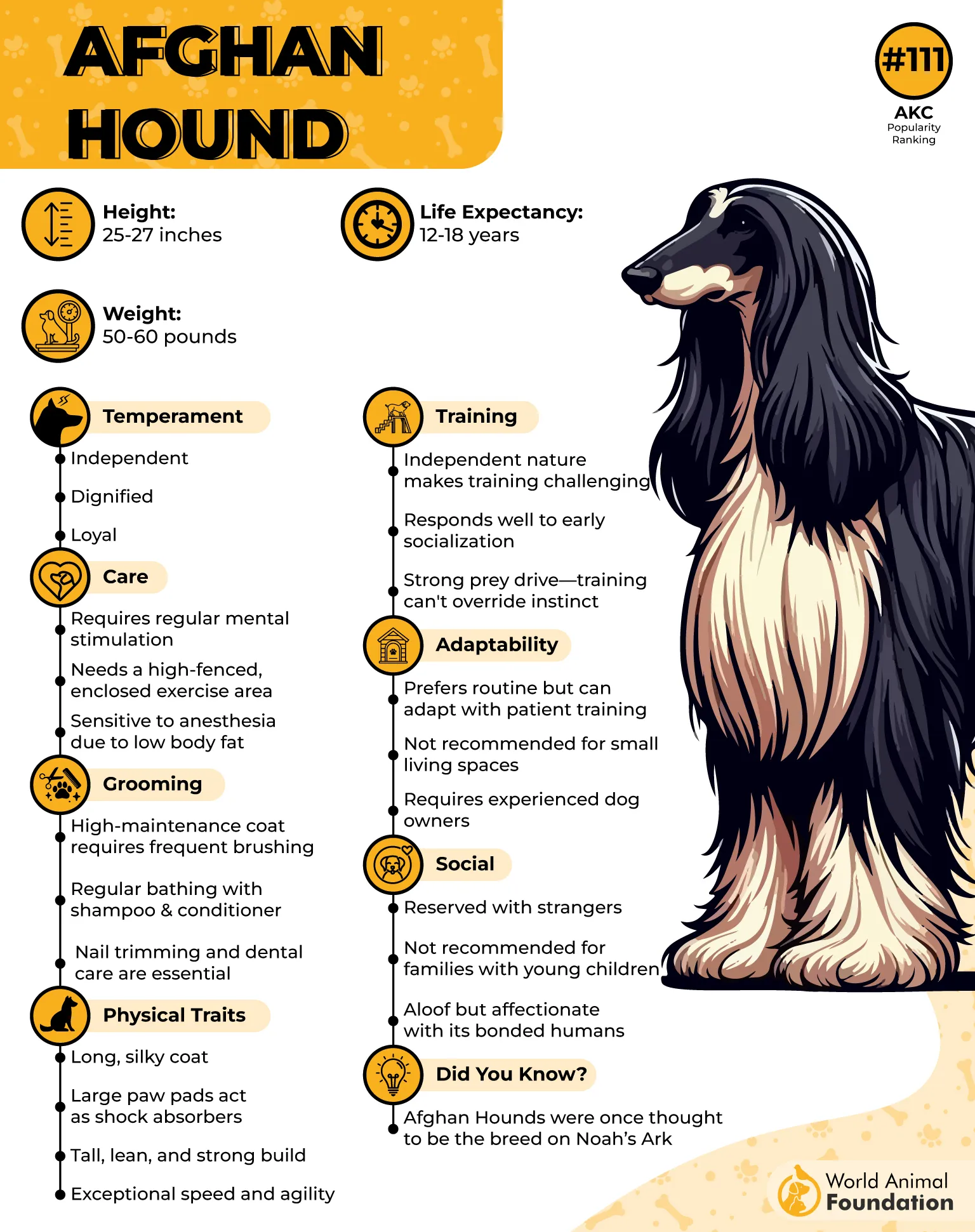
Occasional trimming helps shape the coat, while gentle brushing techniques help maintain natural oils that keep the hair glossy and smooth.
According to Purina, consistent coat care is key to keeping an Afghan Hound healthy and comfortable. For pet owners at home, using the right tools and sticking to a routine can make grooming challenges much easier to manage.
4. Maltese
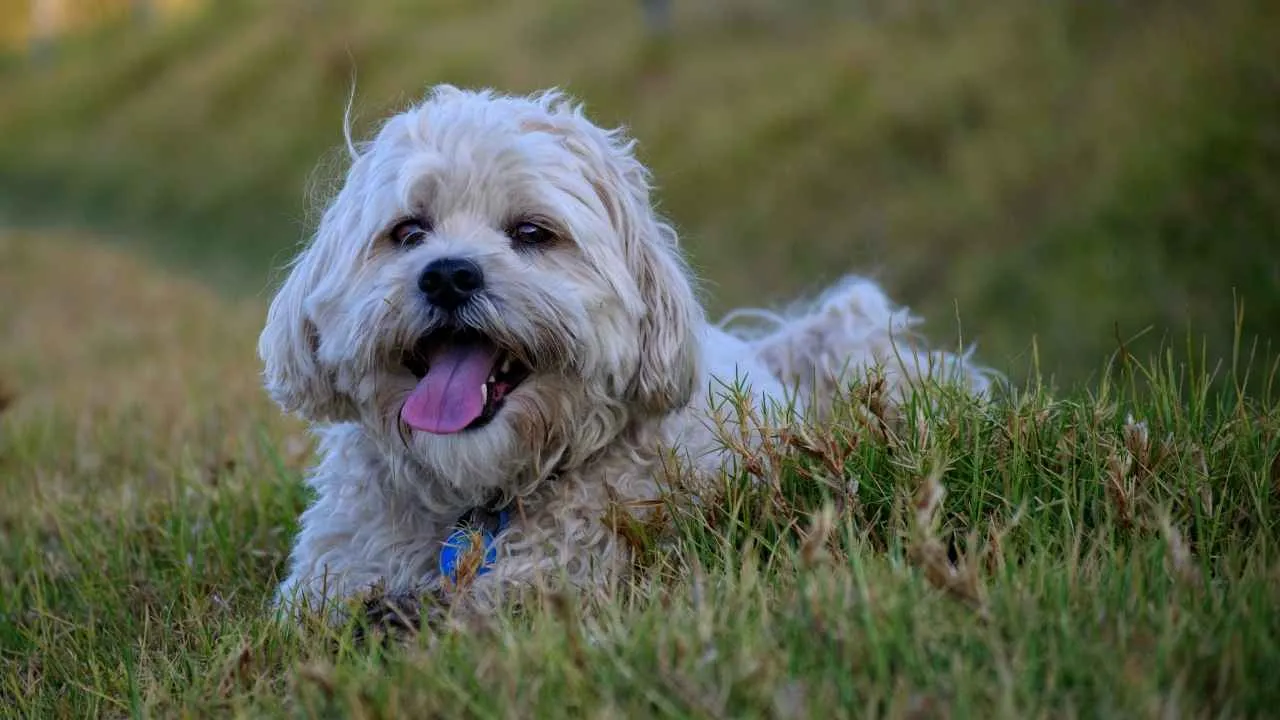
The Maltese is known for its gentle, affectionate temperament. This long-haired breed thrives on close contact with its owner and enjoys calm routines built around daily care. Because of this strong bond, grooming often becomes a shared habit rather than a chore.
Owners quickly learn that consistency matters with this elegant little dog. One of the Maltese’s most noticeable features is its long, silky hair, which flows smoothly but tangles easily. Without more frequent brushing, mats can form fast, especially around the legs and chest.
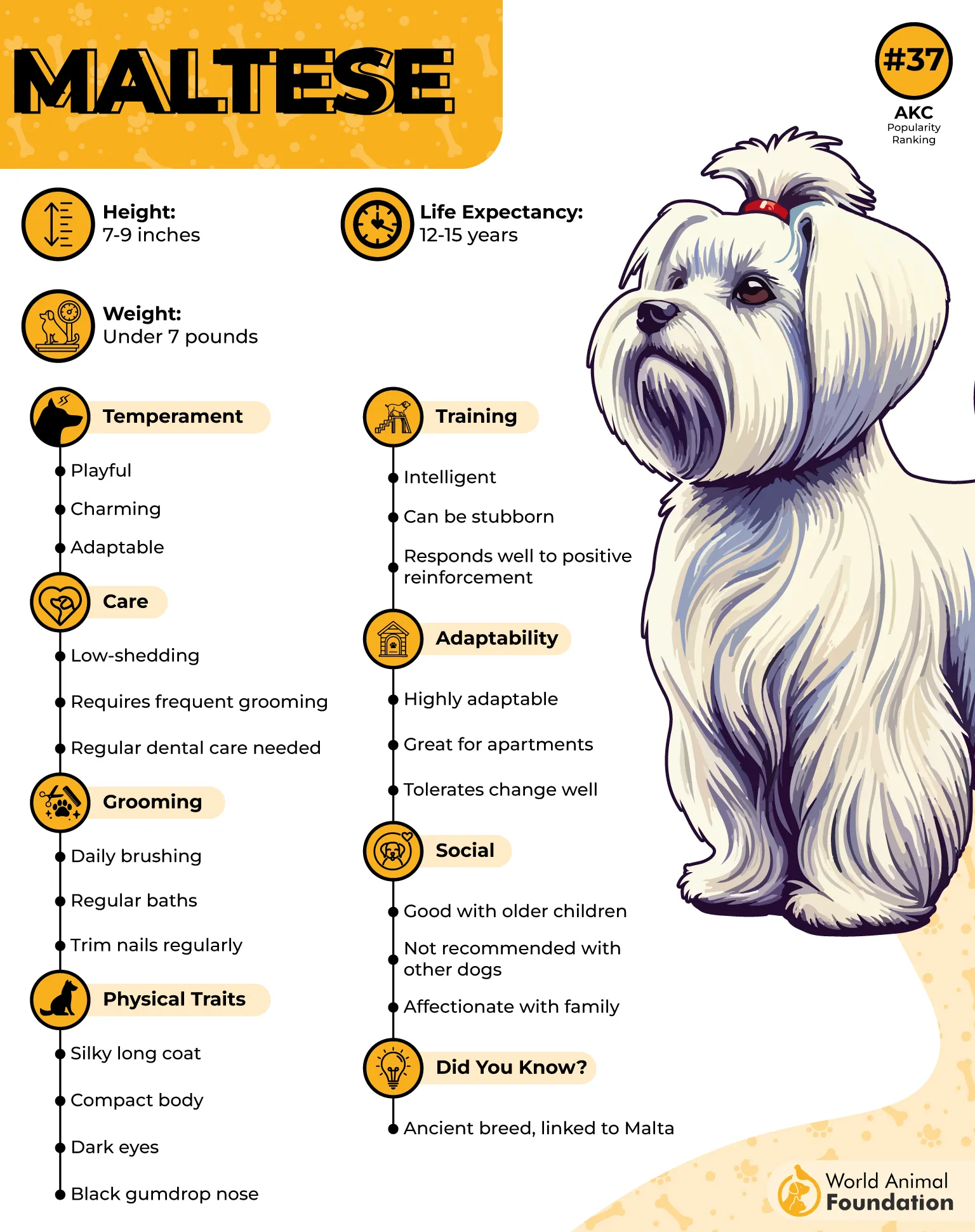
Gentle daily brushing helps keep the coat smooth and comfortable. Occasional trimming makes the hair easier to manage, while regular bathing keeps it fresh and light.
Many owners also focus on preventing tear stains, which can discolor the face. Keeping the eye area clean and dry helps protect both appearance and skin health.
According to Omlet, proper grooming routines support not only the Maltese’s signature look but also its overall well-being. With steady care, this breed stays bright, confident, and beautiful every day.
5. Bichon Frise
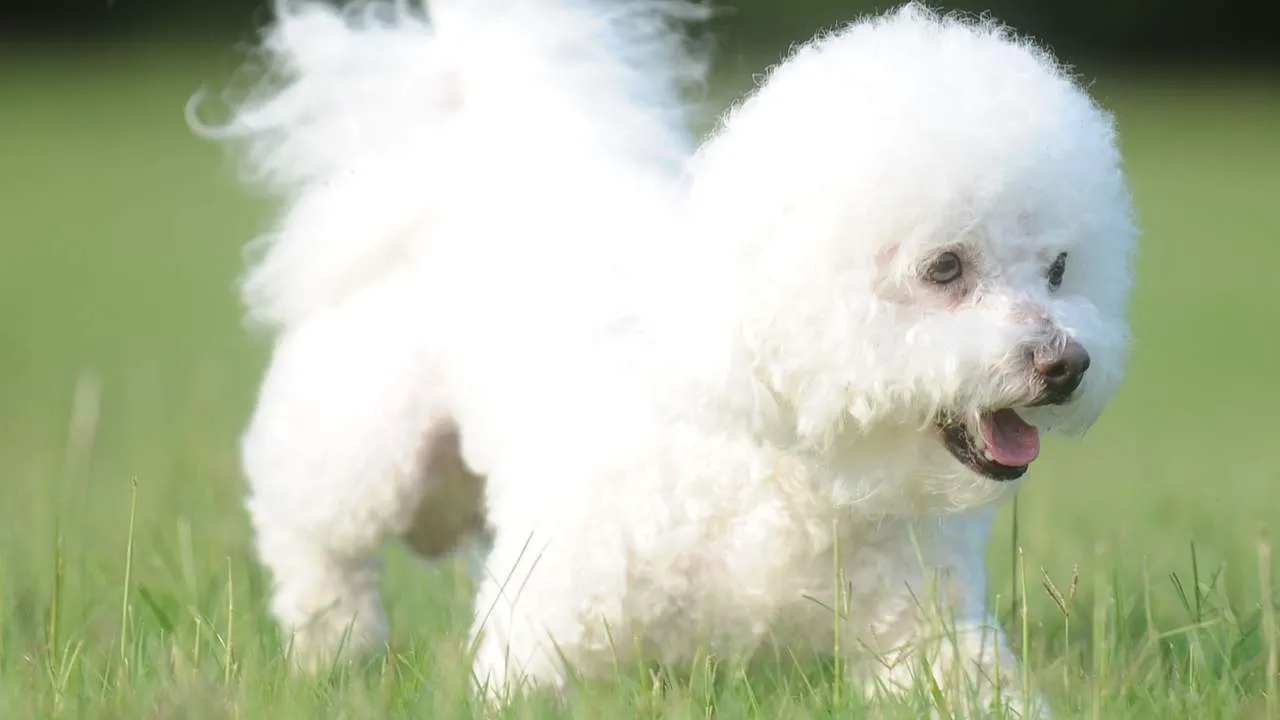
Health plays a major role in how a Bichon Frise is groomed and cared for. This long-haired breed has sensitive skin, which means poor coat care can quickly lead to irritation, redness, or discomfort.
Keeping the coat clean and well-managed helps protect the skin underneath and supports overall well-being from day to day. The Bichon Frise is known for its curly, fluffy coat that continues to grow.
Because of this, daily brushing is important to stop dirt and debris from getting trapped close to the skin. Without regular care, buildup can cause itching and tight mats that pull uncomfortably. Frequent haircuts also help keep the coat light, breathable, and easier to manage.
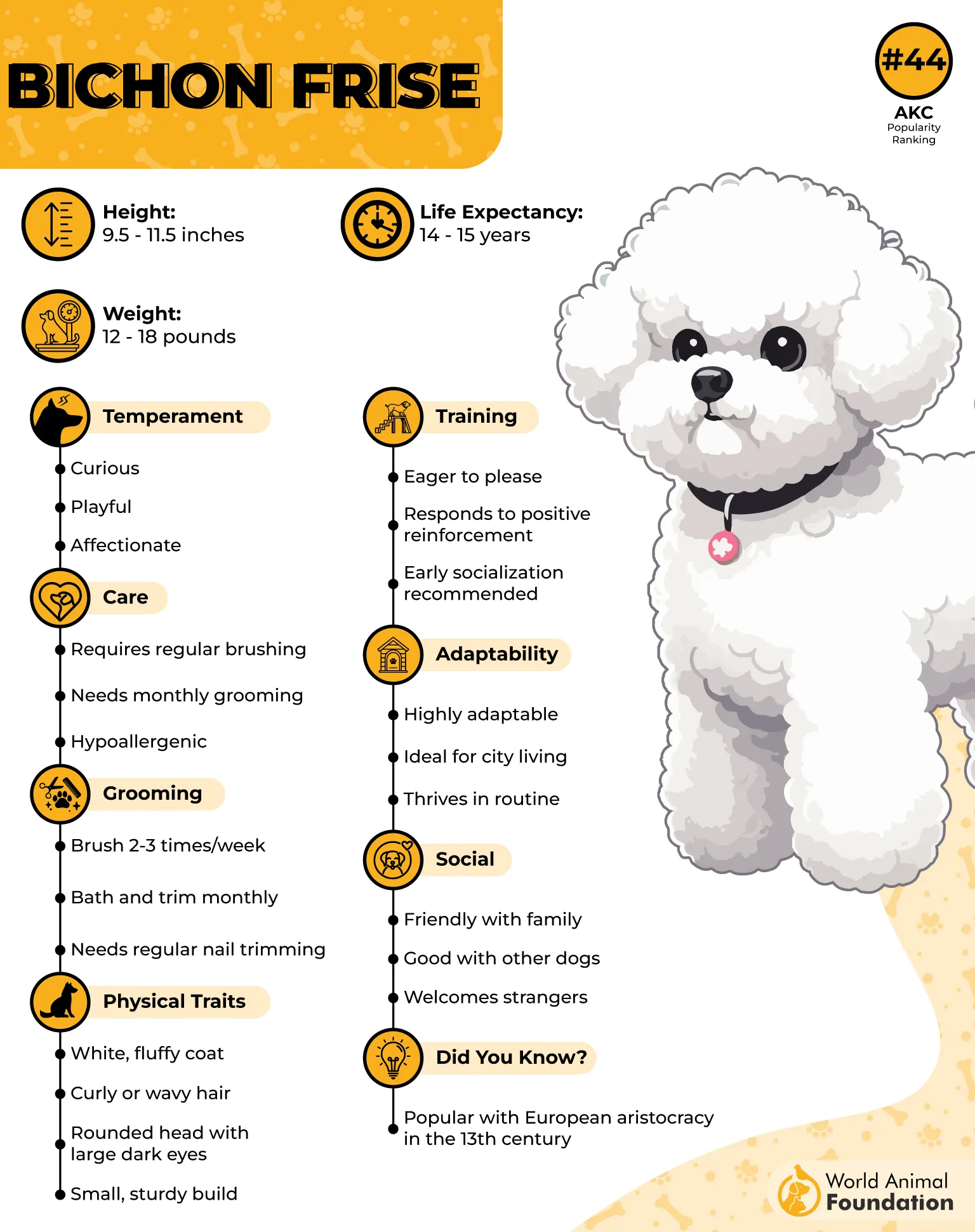
Simple grooming techniques make a big difference. Using a slicker brush helps lift dirt while keeping curls soft. Occasional baths remove residue without drying the skin, which is especially helpful for furry friends with sensitivity issues.
According to Chewy, consistent grooming is essential for maintaining both coat quality and skin comfort in this breed.
6. Portuguese Water Dog
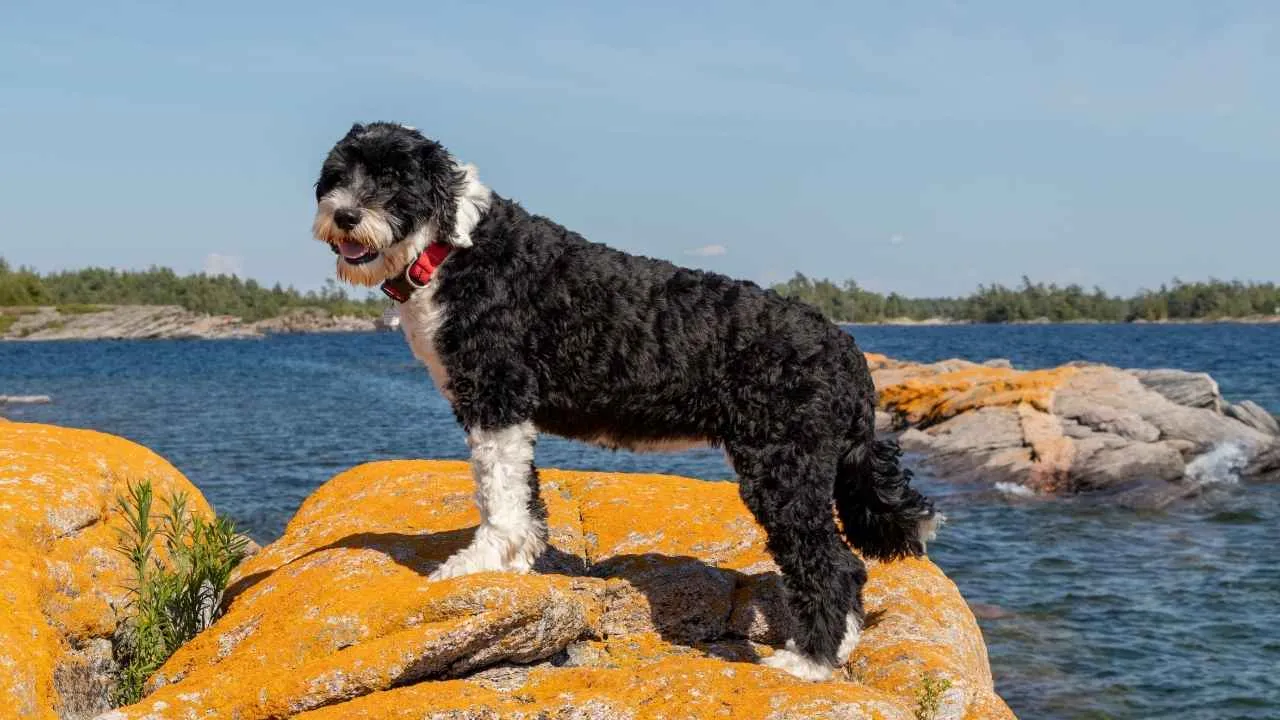
The Portuguese Water Dog has a coat built for movement and action. This long-haired breed carries a dense, curly coat that protects the skin but also demands steady care. Because the curls sit close together, moisture and debris can become trapped if grooming is ignored.
Regular dog grooming helps reduce the risk of skin infections and keeps the coat breathable and clean. This high-maintenance breed also benefits from a dense double coat that provides insulation in cold climates.
While that feature is useful, it increases grooming needs, especially for active dogs that spend time outdoors. More activity means more dirt, water exposure, and friction against the coat, all of which require extra attention.
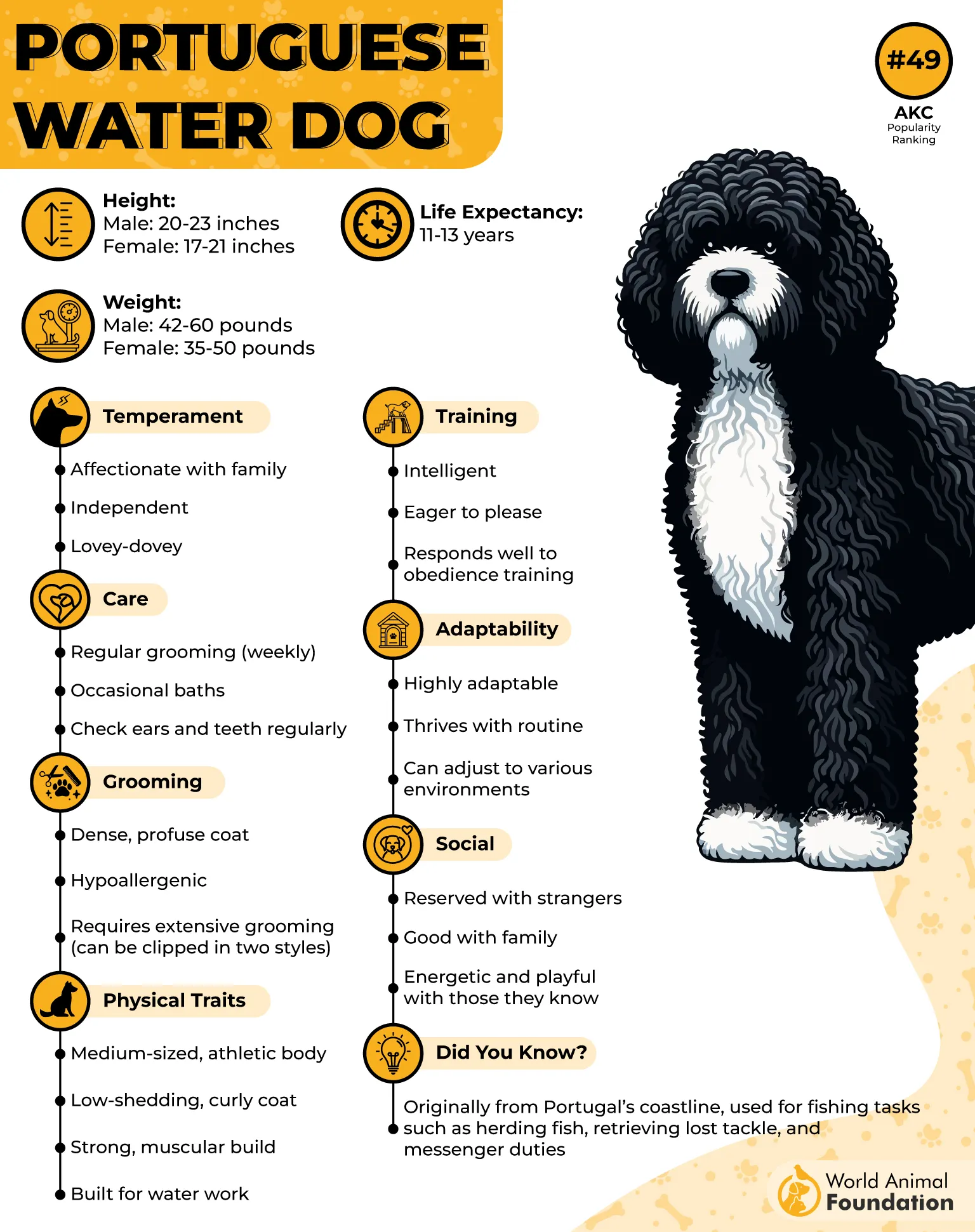
To keep the coat balanced, owners often rely on regular brushing to help distribute natural oils evenly from root to tip. Frequent haircuts also play a key role by reducing bulk and improving comfort during movement.
According to Orvis, consistent coat care helps maintain both performance and comfort in this energetic breed, making grooming an essential part of daily life.
7. Komondor
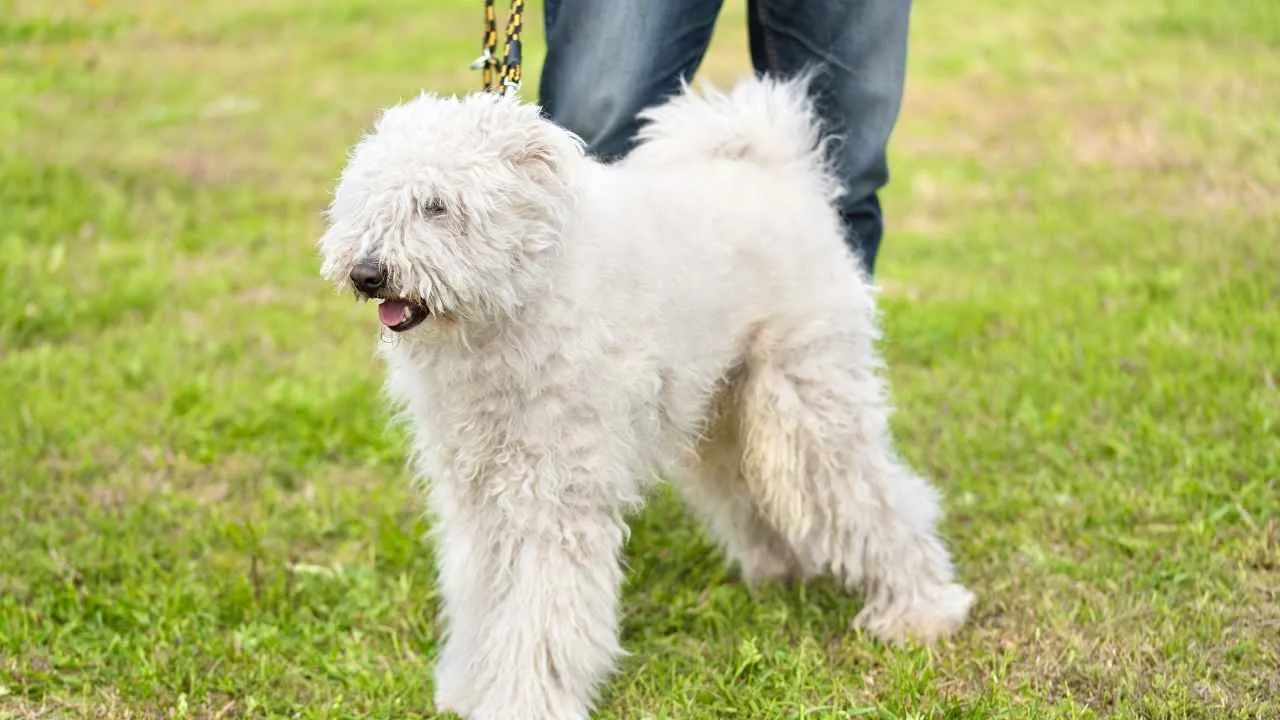
The Komondor is known for its unique, corded coat, which requires specialized grooming unlike most other dogs. This is a double-coated breed that naturally forms thick cords over time.
While this coat once protected the dog on farms and in harsh conditions, it now requires careful, often professional grooming to stay healthy.
Because the cords are heavy and tightly packed, frequent brushing at the base of the coat is needed to prevent hidden matting near the skin.
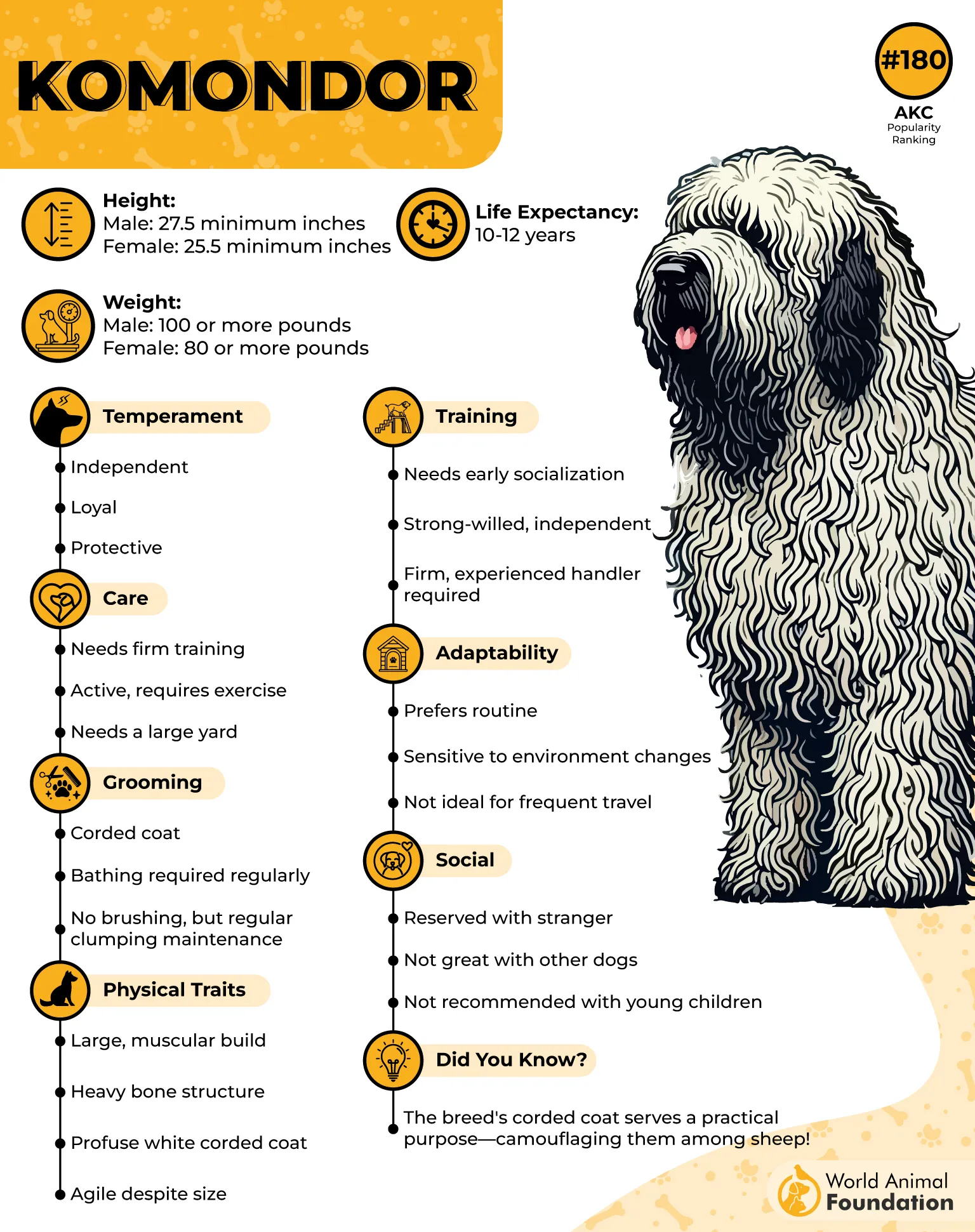
Occasional trimming also helps reduce tension on the skin and lowers the risk of skin irritation. Without proper care, moisture and debris can become trapped deep within the coat.
For owners of large breeds, managing shedding and loose hair can be challenging, especially during seasonal changes. Early training is important so the dog learns to stay calm during grooming sessions.
Starting grooming routines early helps Komondors accept handling and makes long-term coat care far more manageable for owners.
Conclusion
Regular pet grooming is more than a routine. It is a key part of responsible dog care.
Regular brushing, consistent coat maintenance, and professional grooming appointments help long-haired and double-coated dogs stay clean, comfortable, and healthy. When grooming is done right, it prevents matting, reduces shedding, and supports natural oil balance in the coat.
Every dog is different. Different dog breeds come with unique grooming needs. Some need careful brushing to stop tangles. Others require trims to manage thick coats or curls. Understanding these needs helps owners avoid skin issues and keep grooming stress low.
For dog owners, proper grooming improves a dog’s appearance, but it also protects their health and overall well-being. Clean coats feel better. Healthy skin stays calm. Happy dogs move freely and rest easily.
Before choosing a breed, think about your time commitment and lifestyle. Create a simple routine. Use the right tools. Start grooming early. Stay patient.
In the end, good grooming builds trust and comfort. Keep your furry friend in tip-top shape and enjoy every moment together.
