




Dog breeds with distinctive, shortened noses have a look that feels almost custom-made: round eyes, compact muzzles, and expressions that range from politely puzzled to confidently unimpressed. Add the little snuffles and snorts, and you get a dog that can make a quiet room feel oddly entertaining.
Many of these pups bring a larger-than-life vibe in a smaller facial package. They are often masters of side-eye, expert snugglers, and surprisingly good at getting what they want without saying a word.
If you are drawn to dogs with bold faces and memorable attitudes, you are about to meet some of the most instantly recognizable pups around.
Fun Fact
A shortened nose is also called a brachycephalic muzzle, and the word comes from Greek for “short head.”
Dog Breeds With Distinctive, Shortened Noses
1. Bullmastiff
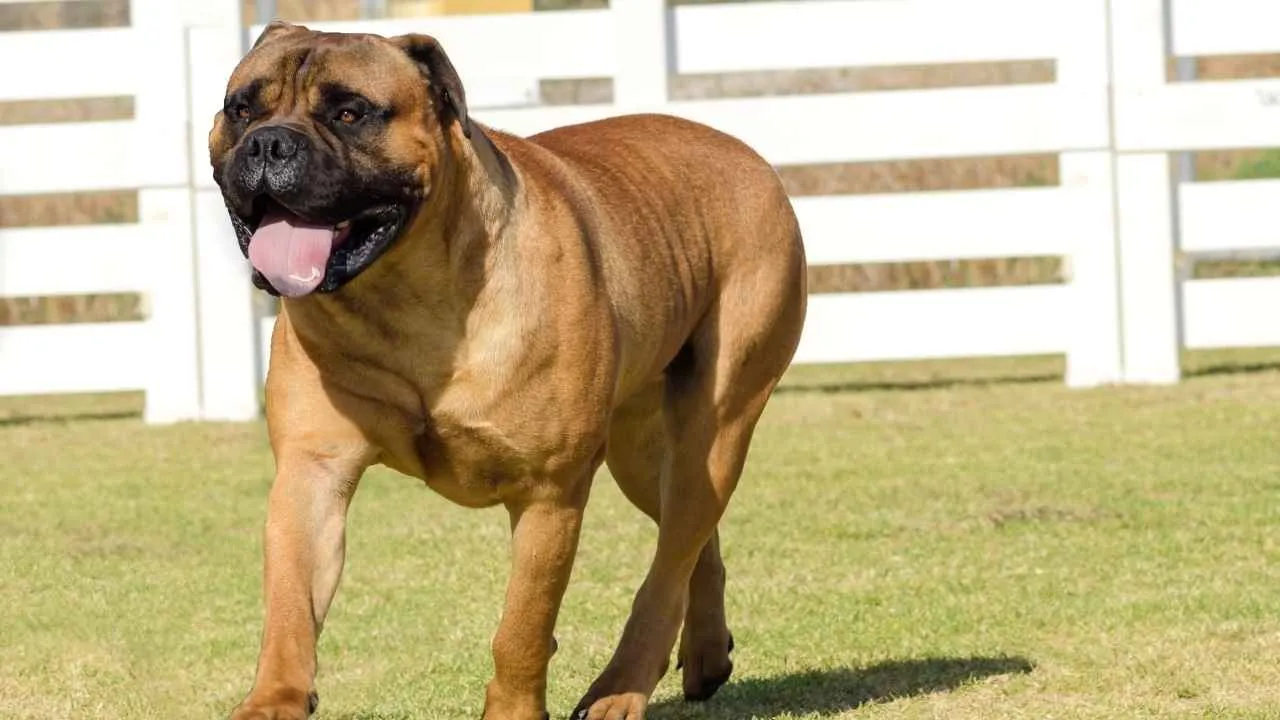
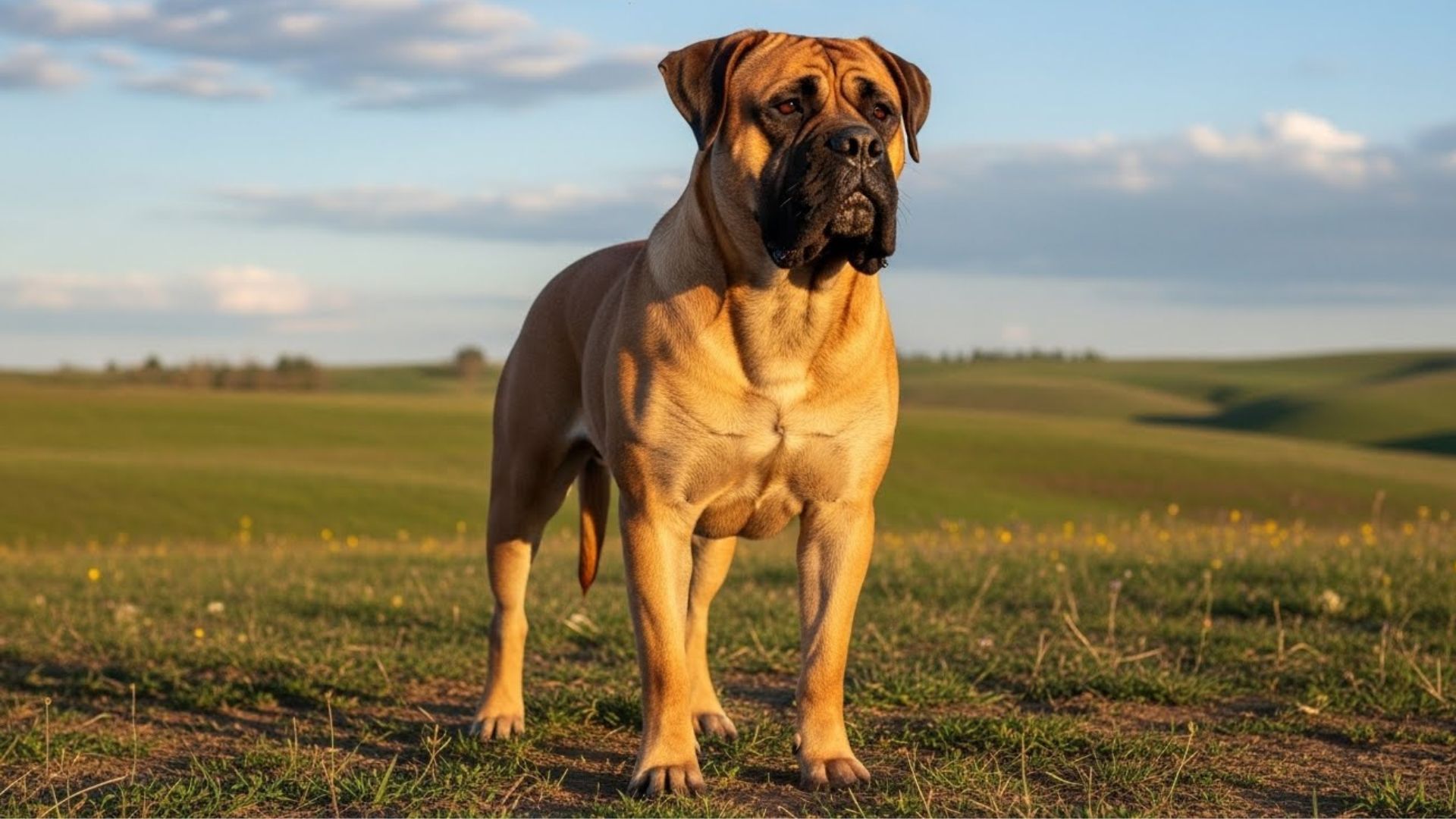
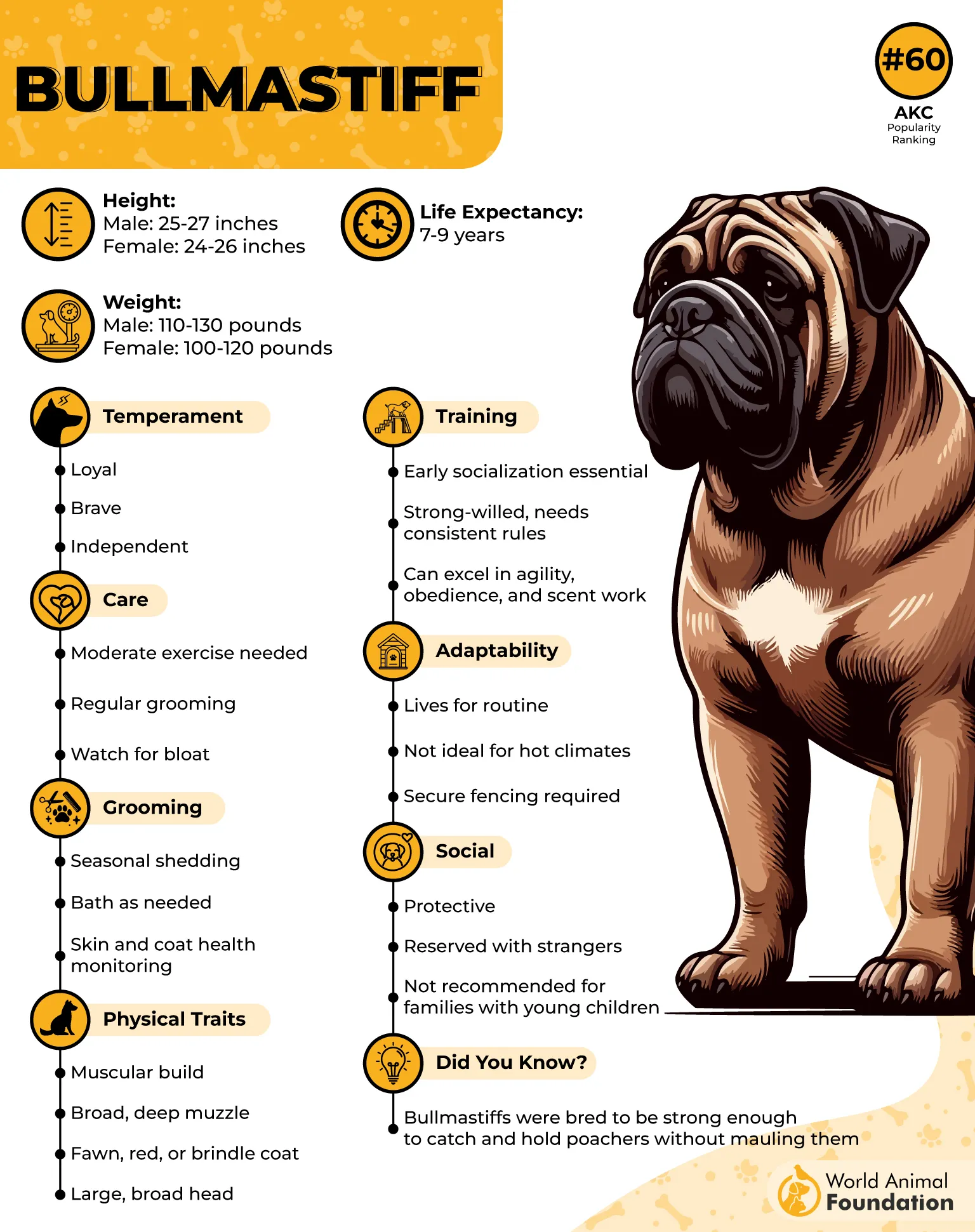
The Bullmastiff looks strong and steady, with a broad head, dark eyes, and a muscular body that seems ready for anything. Their short, dense coat is easy to manage and is commonly fawn, red, or brindle. All together, they often look very serious, even when they’re just thinking about their next nap.
As mentioned by WebMD, Bullmastiffs are affectionate with their people, including young children, and are usually moderately playful while staying fairly open to strangers. They’re also naturally vigilant, which can make them great watchdogs.
Bullmastiffs are generally healthy, but they can develop heart conditions like dilated cardiomyopathy and subaortic valvular stenosis, which can become serious. Because they are deep-chested, they can also be at risk for bloat and gastric dilatation-volvulus, so your veterinarian may discuss prevention options like gastropexy.
Fun Fact
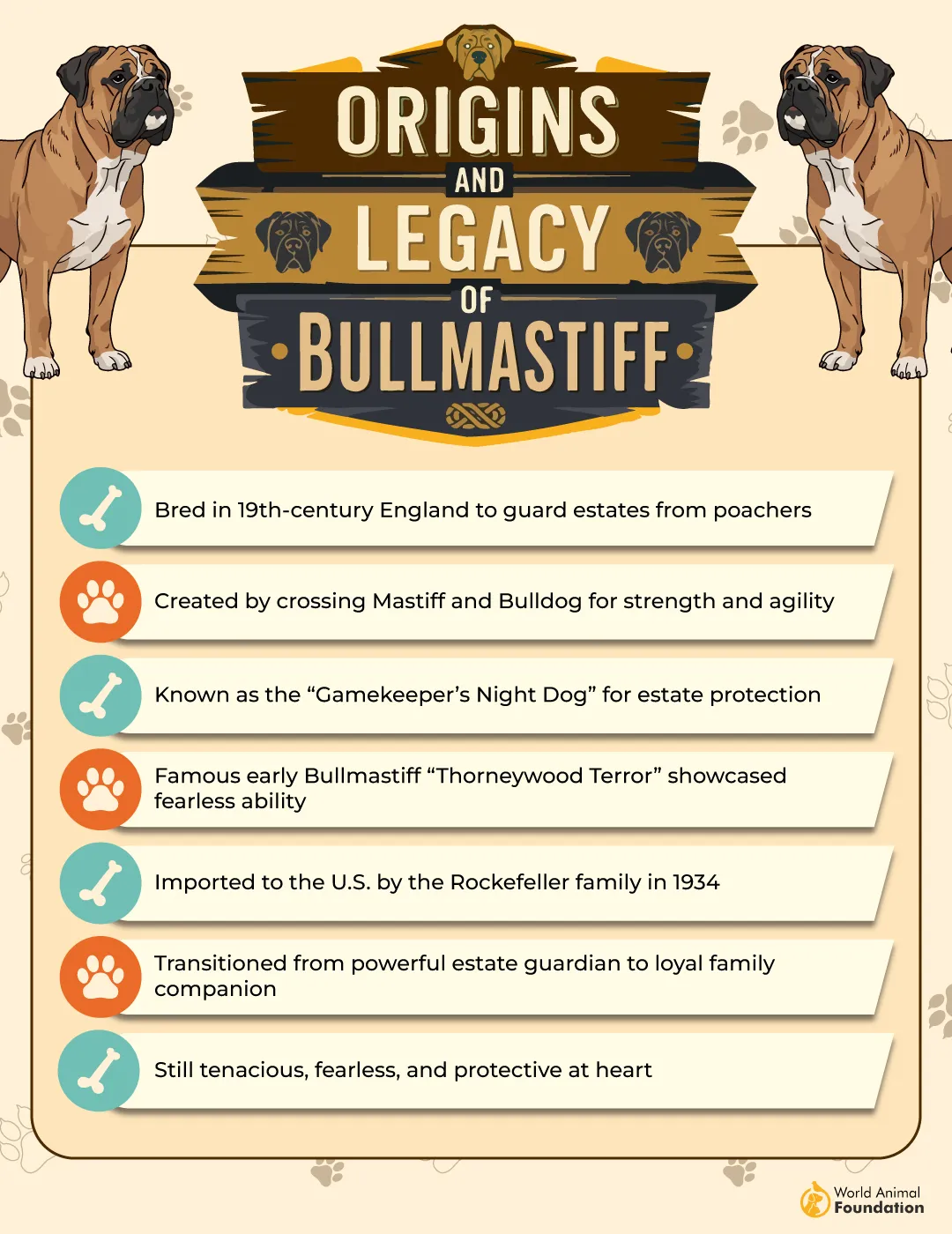
Bullmastiffs were developed by British gamekeepers by crossing Bulldogs with Mastiffs to help guard against poachers. The goal was a big dog that would listen well to cues while doing its job.
2. Boxer
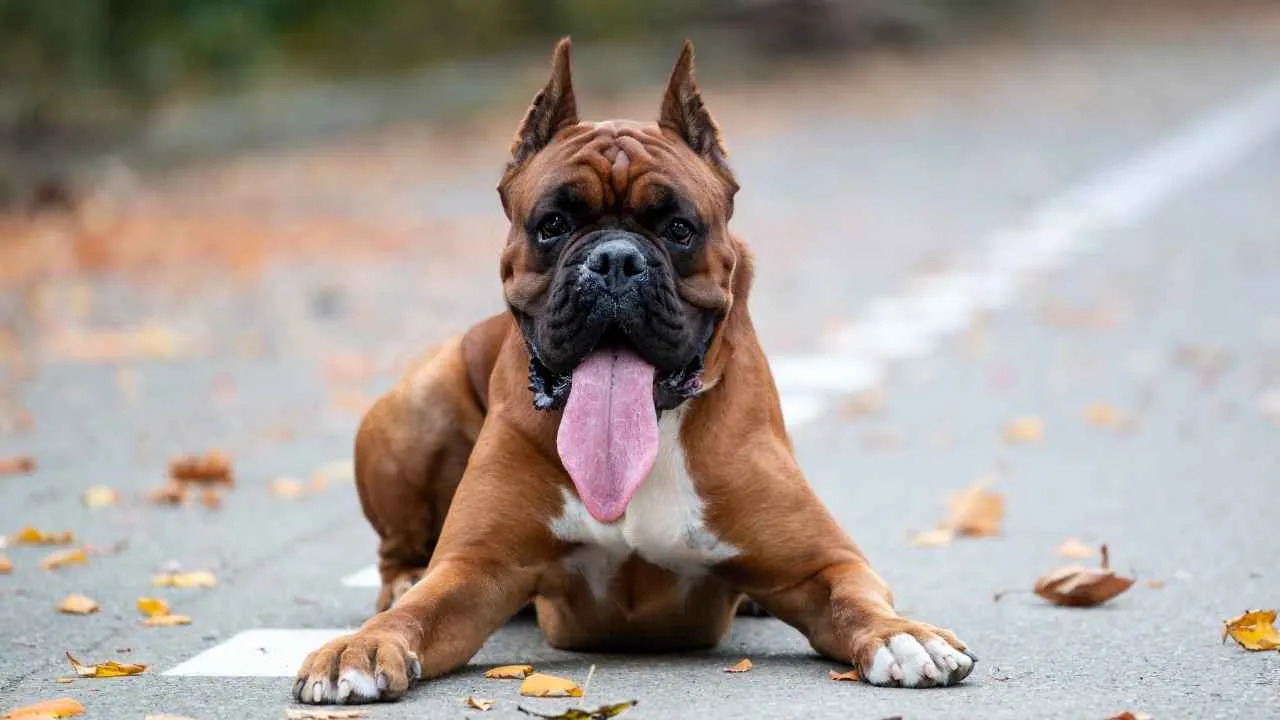
With a distinctive shortened nose, the Boxer packs big energy into a sporty frame. They arrived in the United States from Germany in the 1930s and were used for hunting, which helps explain their speed and playful jumping today.
Play can include bouncing and pawing, so steady training helps keep all four paws grounded. They should be on leash or in a secure yard outdoors, since chasing wildlife and digging adventures can be tempting, and their flat-faced build means heat and breathing issues are worth watching for.

This flat-faced dog usually thrives in an active home with plenty of daily exercise and mental stimulation. Many enjoy organized dog sports such as rally, agility, and lure coursing, especially when you treat it like a shared game. It’s a great match for dog lovers with an active lifestyle.
Fun Fact
Ear cropping used to be more common for Boxers, but you’ll now often see them with naturally floppy ears. The American Veterinary Medical Association opposes ear cropping for cosmetic reasons and notes there are no proven health benefits.
3. Shih Tzu
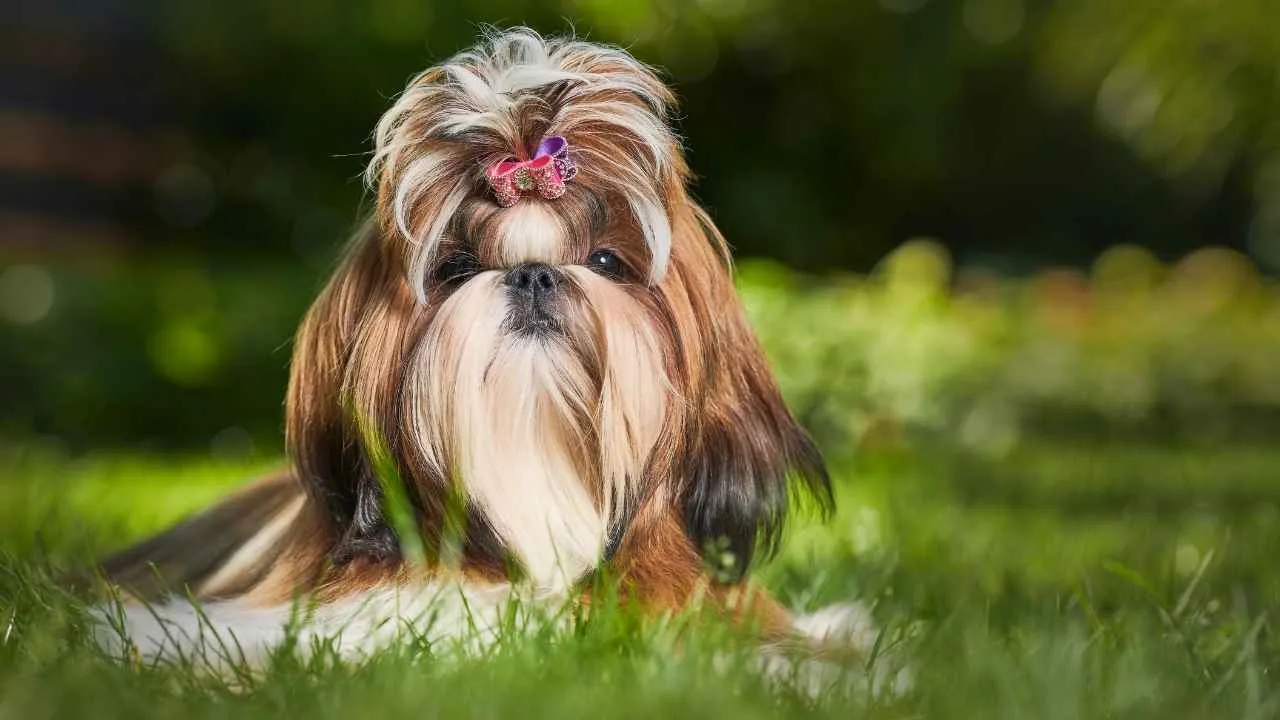
The Shih Tzu is small but memorable, with big eyes and an underbite that adds instant attitude. They’re friendly and happiest glued to their favorite humans. Think of them as a compact companion with excellent people-tracking skills.
PetMD notes that Shih Tzu do not shed much, but their coat keeps growing, so it needs regular trimming and brushing. Long hair can mat and bother the skin, so weekly baths help, and call your veterinarian if you see redness, flaking, or dryness. Brushing a few times a week, ideally daily, with a pin brush or comb keeps them neat.

Shih Tzu are brachycephalic dogs, meaning their short muzzle can make them more prone to certain health concerns. Their flat face can also be linked to brachycephalic obstructive airway syndrome, which can make breathing difficult. In severe cases, a veterinarian may recommend surgery while the dog is young.
Fun Fact
The name Shih Tzu means “lion dog,” and the breed was associated with Buddhism and originally bred to resemble lions. Imperial rulers also valued them as alert dogs that would bark sharply when visitors arrived.
4. Pekingese
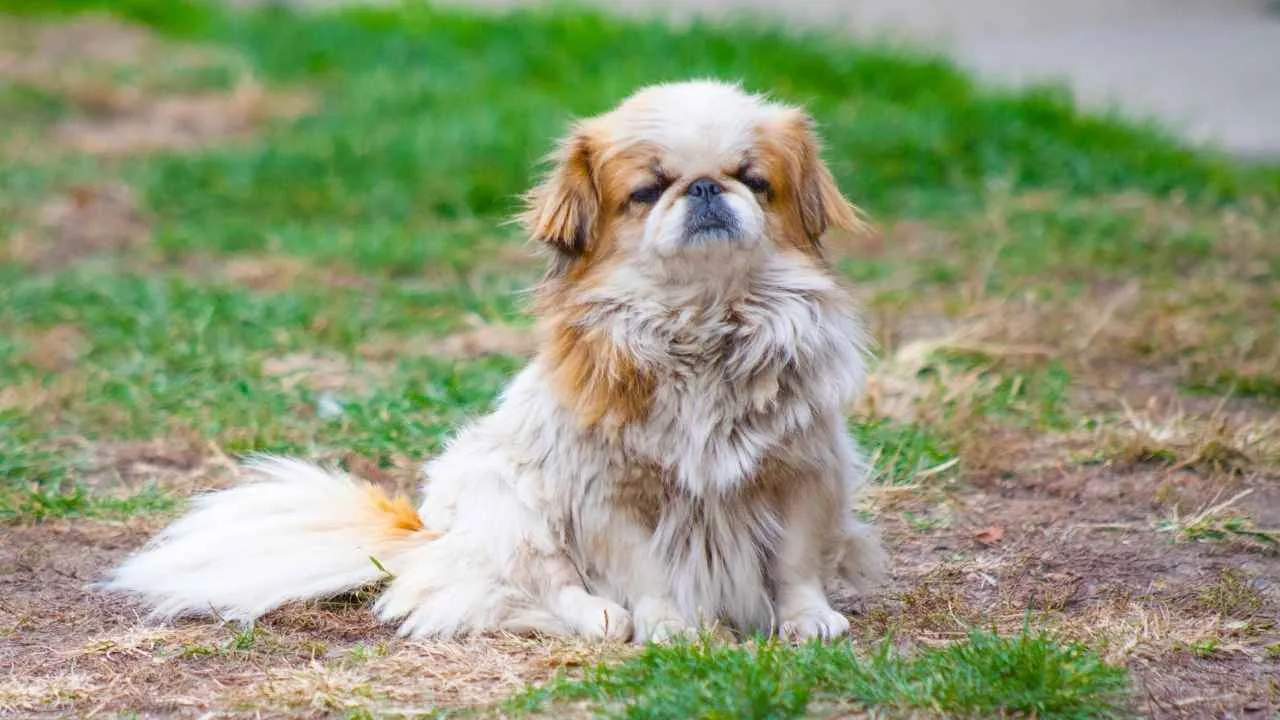
The Pekingese carries itself like it owns the place, which makes sense for a dog shaped by palace life. They were one of the most popular dog breeds among Chinese royalty and were created to be lapdogs, and that “chosen companion” energy still shows. Loyal to the core, they tend to bond closely with their people.
Look closely, and you’ll see why people call them little lions: a broad head, a short muzzle ending in a petite nose, and a thick neck on a sturdy body. Heart-shaped ears lie close to the head, and the tail rides over the back with long fringe. When a Pekingese walks, it often glides along with a rolling, unhurried gait that looks oddly ceremonial.
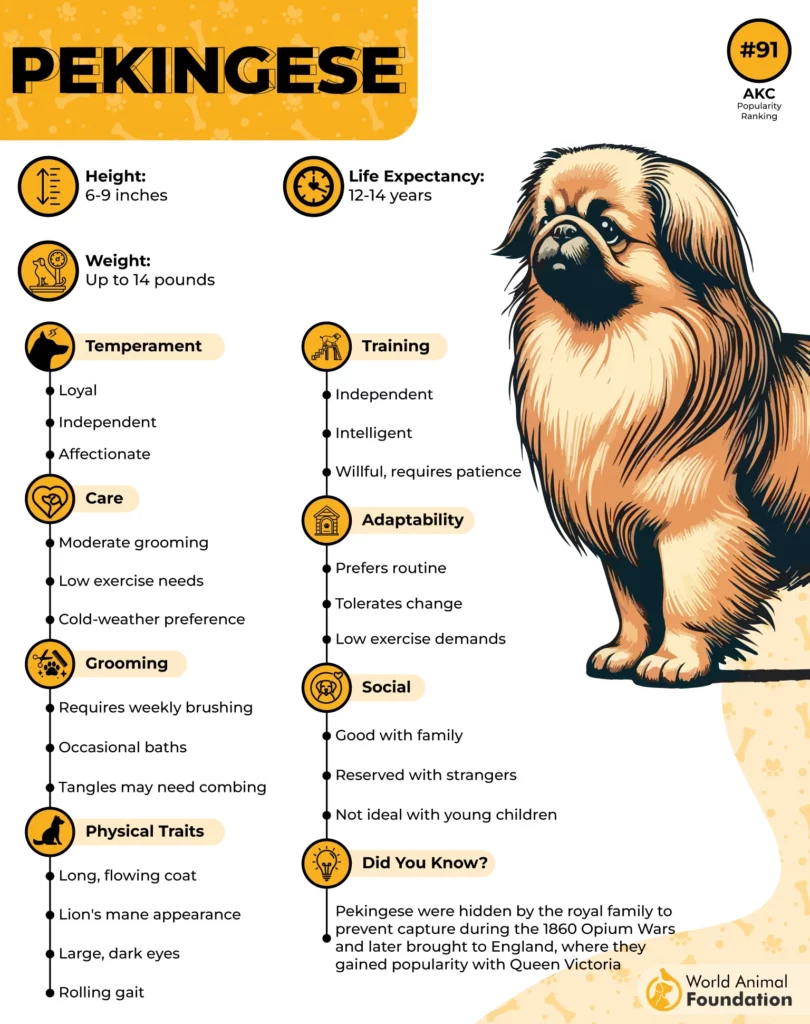
Their double coat is part softness, part drama: a thick undercoat topped with long, coarse, straight hair that flares around the neck and shoulders like a mane. To keep it looking nice, dog owners should plan on weekly brushing, plus baths when needed, regular nail trims, and frequent tooth brushing.
Fun Fact
Pekingese have collected some truly creative nicknames over time, including “Sun dogs” and “Sleeve dogs.” The “Sleeve dog” name comes from the idea that nobles could tuck them into the long sleeves of their clothing.
5. Affenpinscher
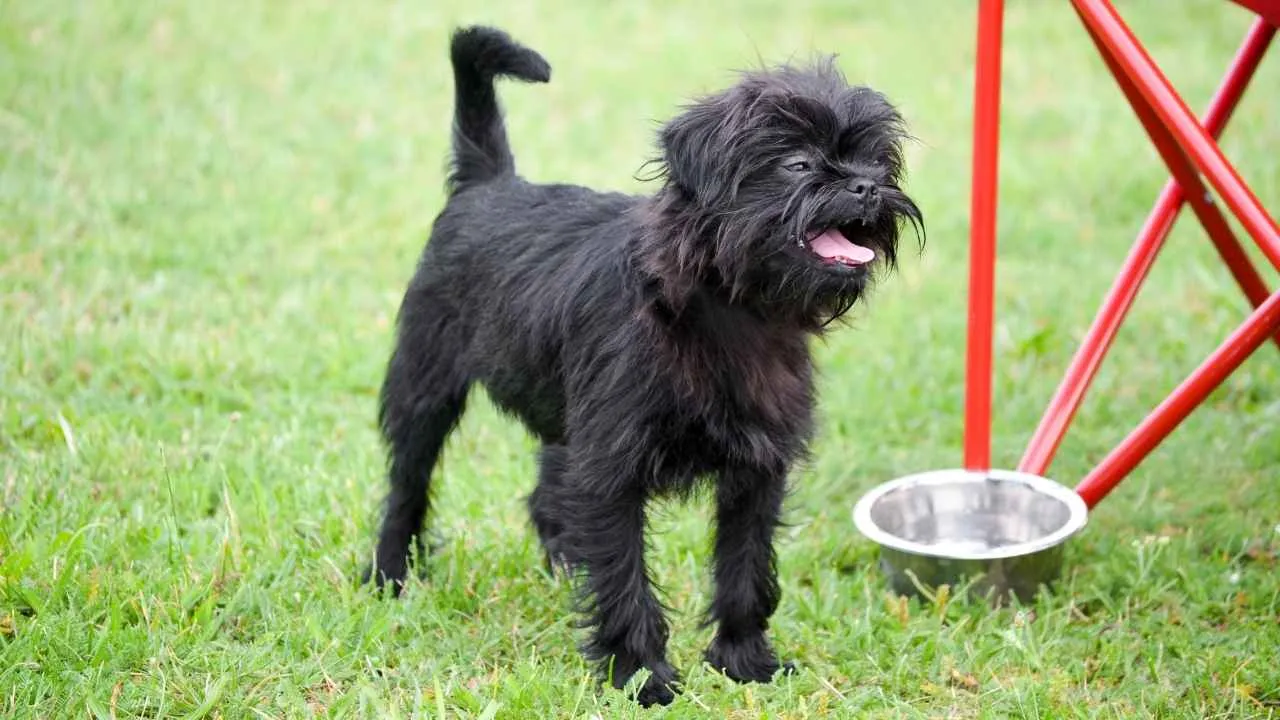
Meet the Affenpinscher: a tiny dog with bright eyes, a short muzzle, and a mischievous monkey-like face. This little breed started as a ratting, vermin-control dog back in the 17th century, then charmed its way into companion status as people fell for its look and attitude.
What you’ll notice at home is the personality: lively, strong-willed, fearless, and strangely persuasive. They’re very affectionate with their owners, but can be a bit wary of strangers. A bit of training helps that bold streak stay polite.
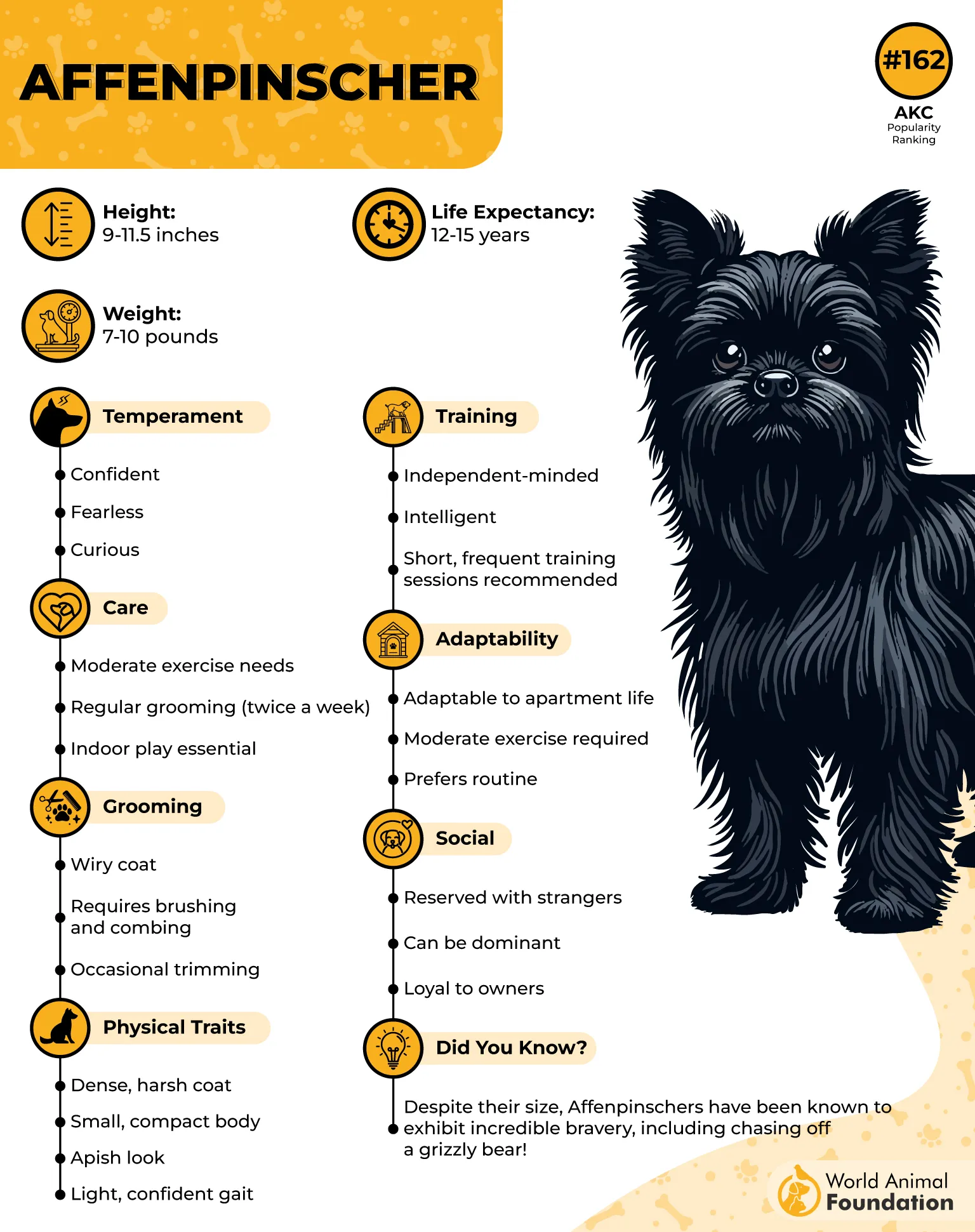
Housing is easy because their size fits almost anywhere, from city apartments to quieter homes. As mentioned by Purina, the bigger issue is security, since they can slip through small gaps or dig under barriers when curiosity kicks in. If there’s an escape route, they will at least consider it.
Fun Fact
The breed’s story includes a real comeback moment after it nearly died out around the Second World War. To rebuild the population, the remaining dogs were crossed with the Griffon Bruxellois.
6. Boston Terrier
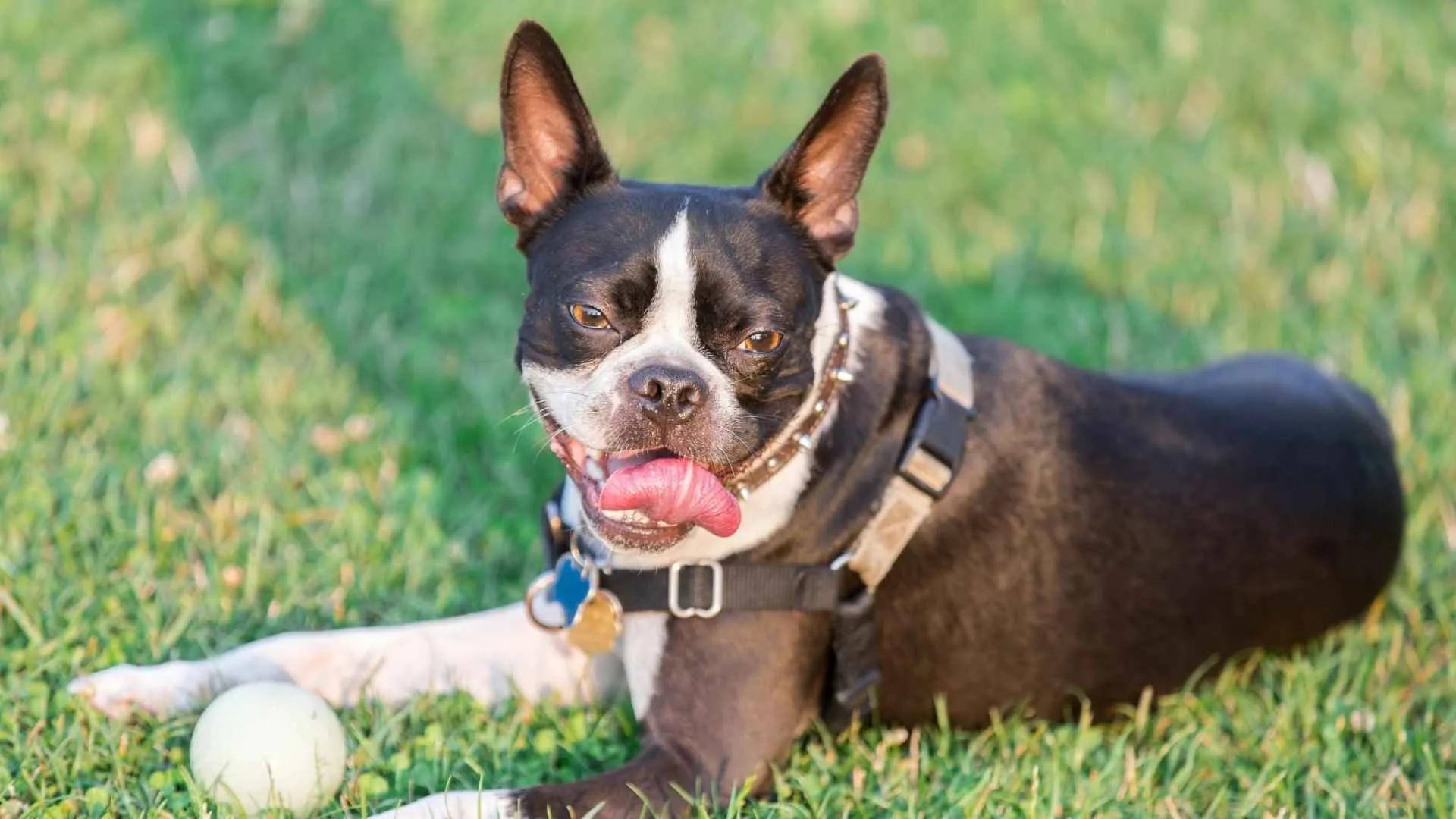
Boston Terriers come with built-in charm: good manners, a lively spark, and a nickname that says it all, the “American gentleman.” Originating in Boston, this companion breed often wants to be involved in whatever the household is doing, whether that’s playtime, errands, or simply supervising from a comfortable spot.
Their flat-faced look makes a Boston Terrier instantly recognizable, and it also affects daily routines. Boston Terriers are a brachycephalic breed with a flat nose, a long palate, and a narrow airway, which can make them prone to developing brachycephalic airway syndrome.
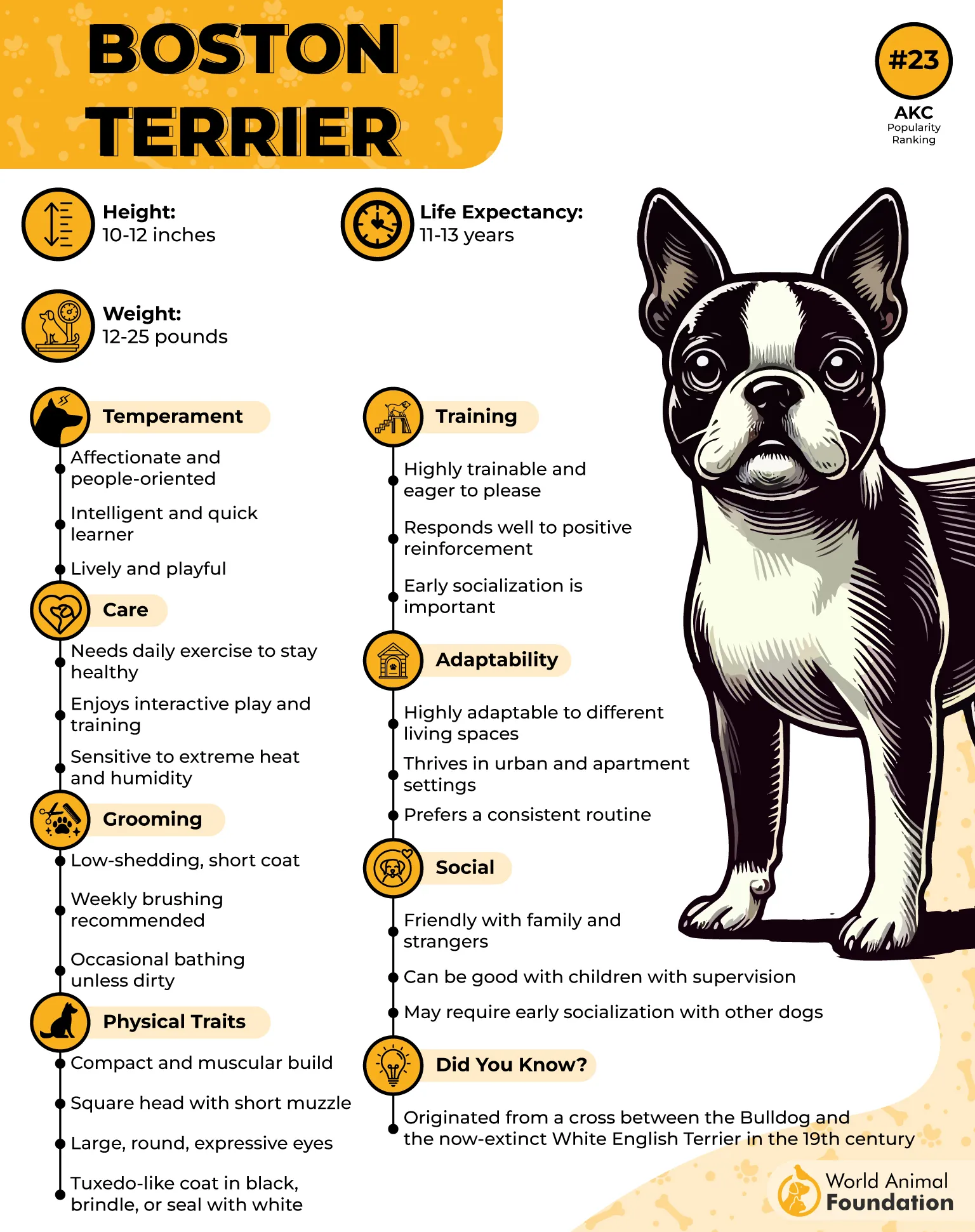
Since such breeds can have compromised respiratory systems, extra health considerations are necessary to keep a brachycephalic dog healthy. These considerations include providing a cool space in hot weather, since they are prone to breathing problems, and not pushing them past their exercise tolerance. If you hear any noisy breathing, stop immediately and give them time to rest.
Fun Fact
The Boston Terrier’s classic tuxedo look is so iconic that black-and-white is considered the signature color pattern for the breed. That stylish “dressed up” vibe is a big reason the nickname stuck.
7. Pug
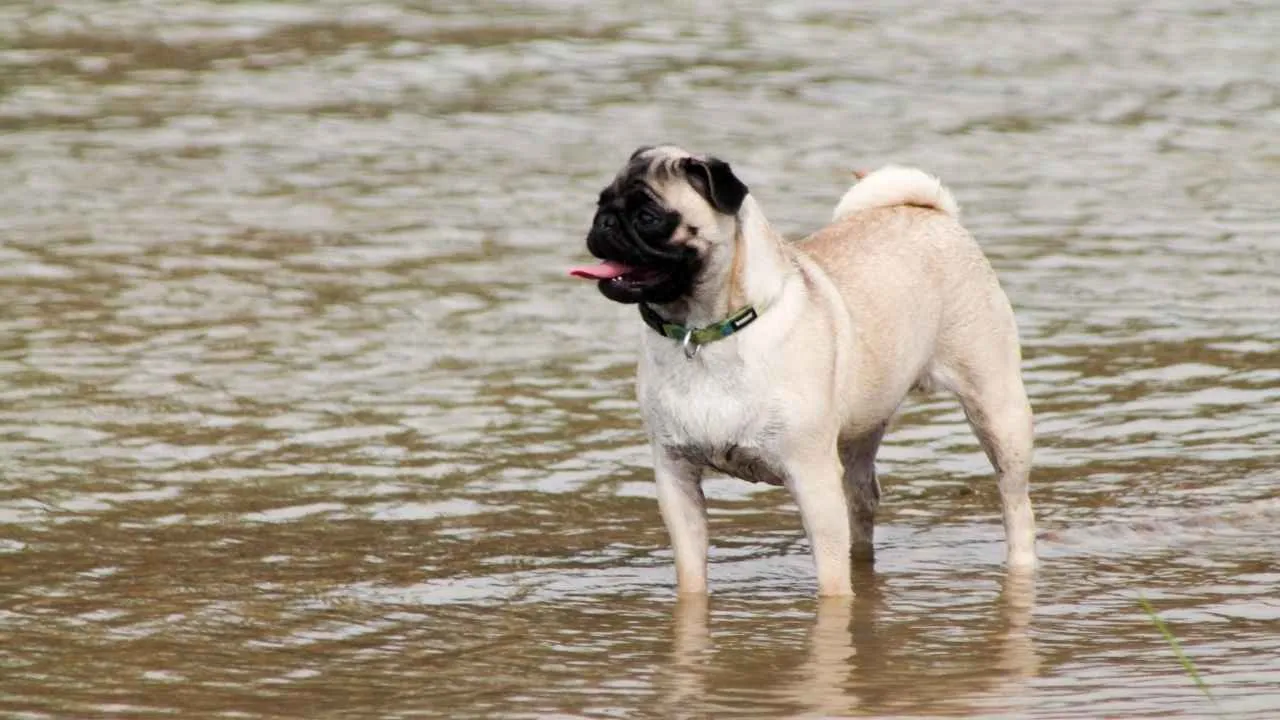
Pugs have been winning hearts for centuries with their wrinkly faces and big, sparkling eyes. They’re an ancient breed that later became popular in Europe as well. It’s quite a history for the happiest dog being adored.
A Pug’s look is all personality: a large, round head, a wrinkled brow, and a face that can appear curious, surprised, or delighted within the same minute. They’re often described as ideal house dogs, happy in city or country settings and comfortable with different kinds of families.
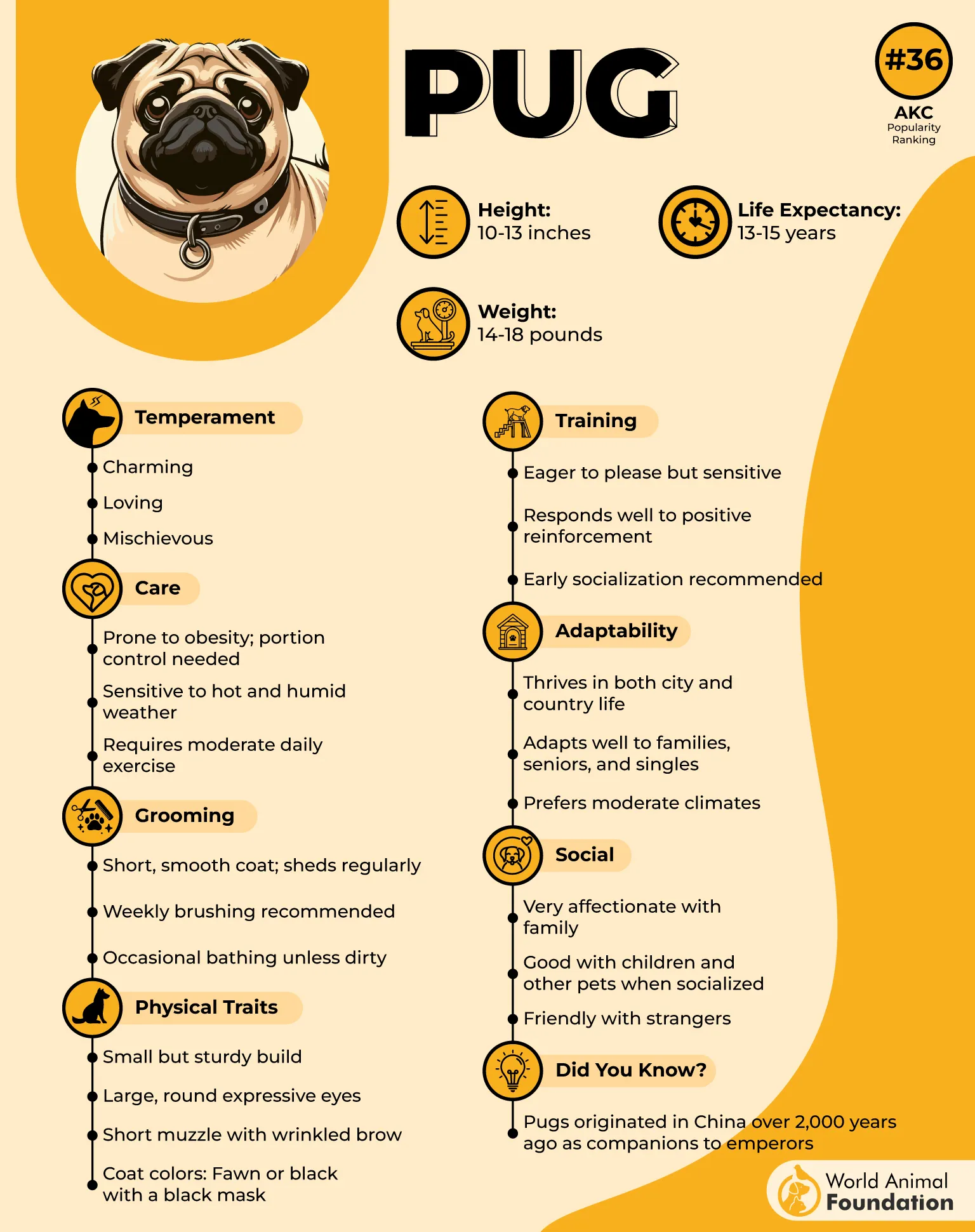
Pugs learn best with a gentle, upbeat approach and plenty of positive reinforcement. Pet parents should be aware that harsh methods can hurt their feelings, so keep sessions short, patient, and consistent. Early socialization and puppy classes are recommended to help them grow into confident, well-mannered companions.
Fun Fact
Pugs have had an impressive collection of names around the world, including Lo-sze in China, Mopsi in Finland, and Doguillo in Spain. One theory even suggests the name “Pug” may come from the Latin word “pugnus,” meaning “fist,” because the face was thought to resemble a fist.
Conclusion
Short-nosed dog breeds stand out for their memorable faces and the way they connect with their people. Some fit best with calm, cozy homes, while others thrive with busy families who enjoy play, training, and plenty of attention. The best choice is the one that matches your daily life, not just the one that looks cutest in photos.
Before bringing one home, think about your schedule and space, and whether you can keep up with daily needs like exercise, grooming, and good habits from the start. Since brachycephalic dog breeds can have health conditions, they may also need extra care and veterinary support to stay comfortable. With the right routine and attention, they can stay healthy, happy, and full of charm.
When the fit is right, you get more than a cute face. You get a loyal companion who turns ordinary days into something a little more fun. If you’re interested and want to further explore such wonderful dogs, some other breeds you can look up are French Bulldog, Cavalier King Charles Spaniel, Neapolitan Mastiff, Brussels Griffon, English Bulldog, English Toy Spaniel, and Japanese Chin.
