




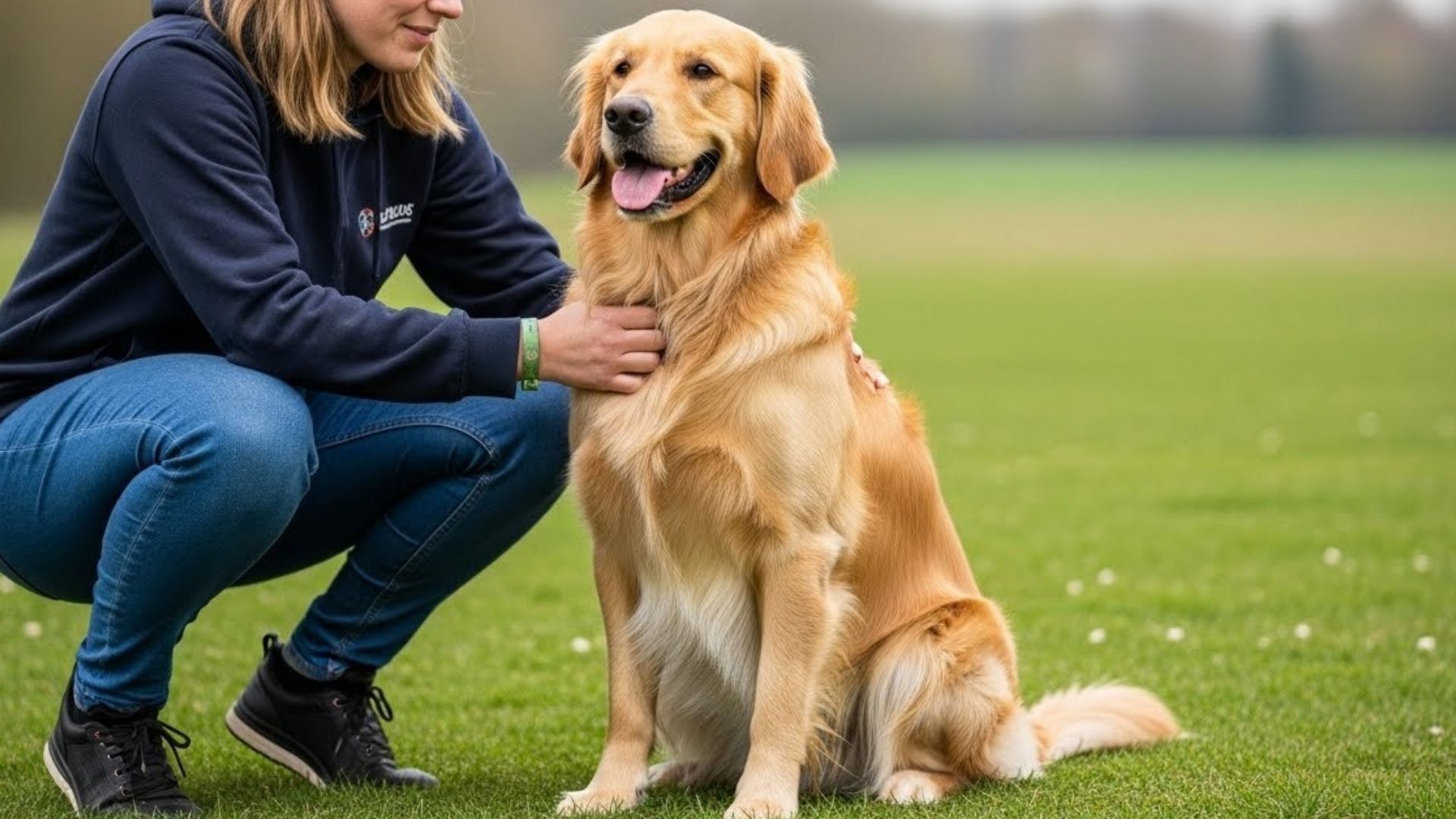
Some dogs don’t just follow commands—they think, problem-solve, and learn at lightning speed. Intelligence in dogs shows up through quick learning, strong memory, and eagerness to work with humans. These traits make certain breeds especially impressive companions and highly trainable partners.
In this guide, we explore the top seven smartest dog breeds, known for excelling in obedience, adaptability, and focus. From working dogs to energetic family pets, these breeds thrive when mentally challenged and consistently trained with purpose and daily enrichment activities.
Along with highlighting what makes each breed stand out, we also include practical training tips tailored to their intelligence levels. Whether you are a new owner or an experienced trainer, understanding how smart dogs learn is the key to success.
Top Smartest Dog Breeds – Training Tips Included
1. Labrador Retriever
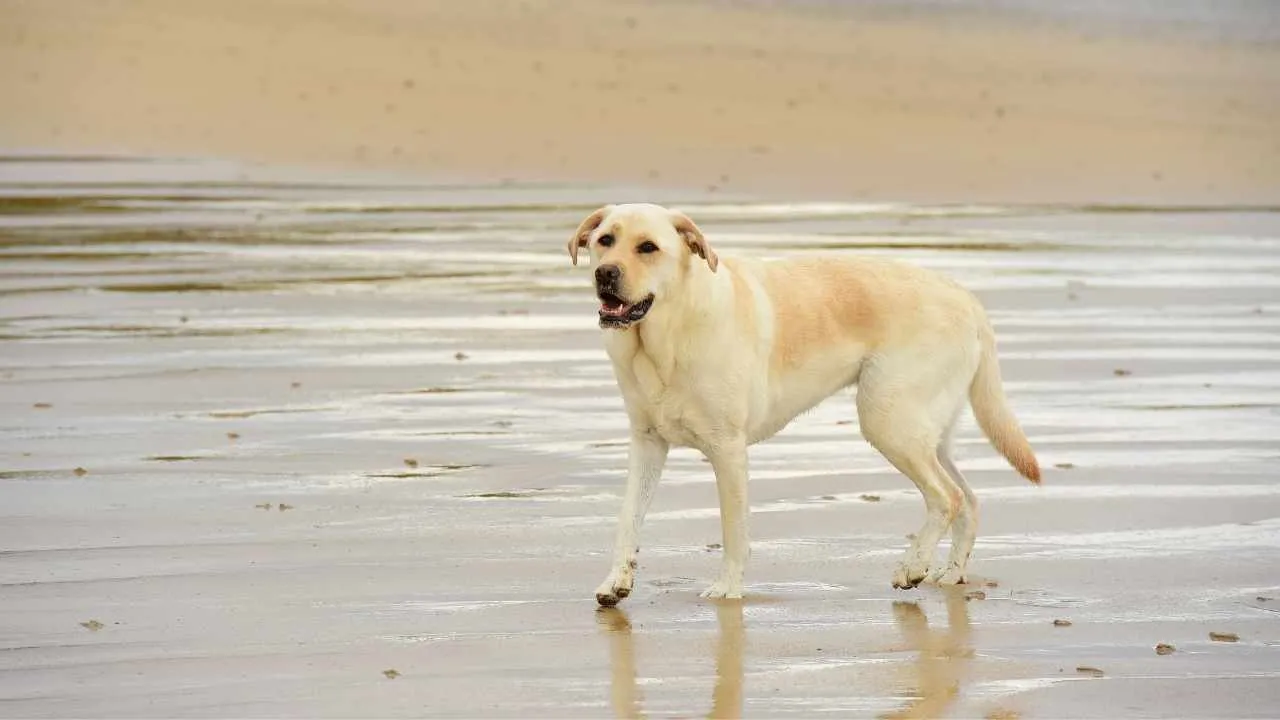
The Labrador Retriever began as a hardworking water dog in Newfoundland, assisting fishermen and retrieving nets and fish. English sportsmen later refined the breed in the 1800s, shaping its look and temperament, as per PetMD.
A Big Heart Powered by Boundless Energy
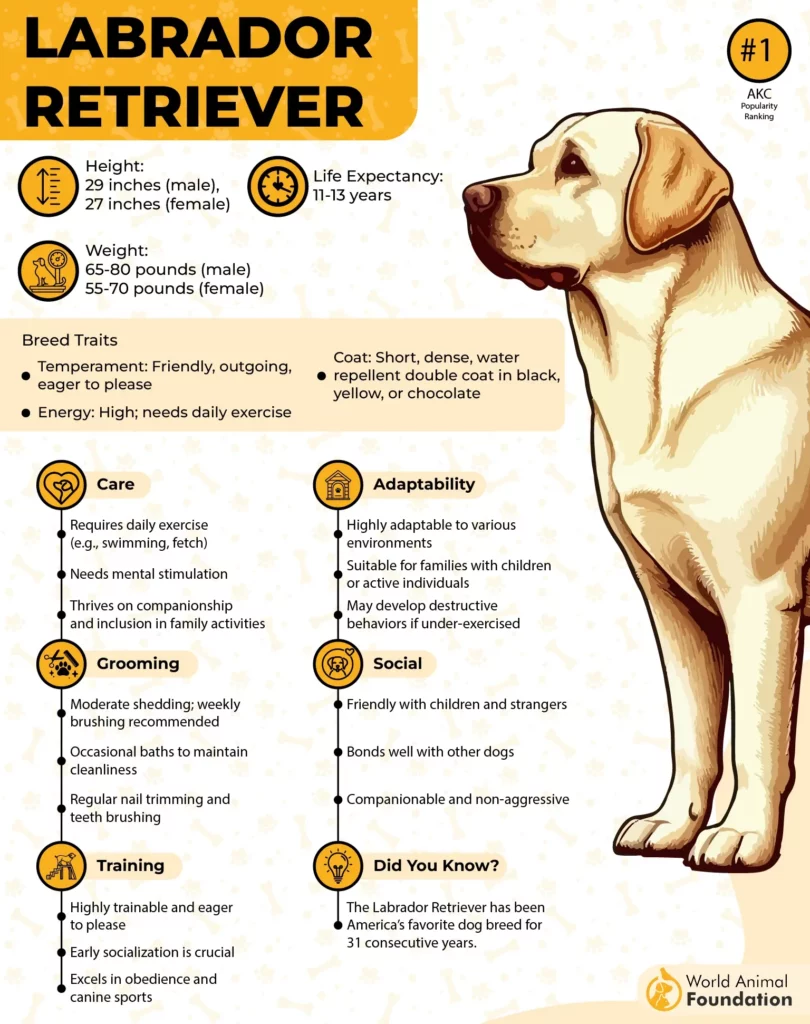
Labradors are famously friendly, social, and eager to be part of every family activity. Their affectionate nature makes them excellent with children, other pets, and even strangers. Beneath that easygoing charm is an energetic athlete who thrives on exercise, play, and mental challenges.
Simple Care for an Active Companion
Labs have a short, dense, weather-resistant coat that is easy to maintain but sheds heavily year-round. Regular brushing helps manage loose hair and keeps their coat healthy. Routine exercise and a balanced diet also support joint health and overall well-being.
Why Labradors Rank Among the Smartest Dogs
Learn commands quickly and respond well to positive reinforcement
Strong desire to please makes training smooth and effective
Excellent problem-solving skills in work and play
Highly adaptable to service, therapy, and rescue roles
Retain training well when mentally stimulated consistently
2. Doberman Pinscher
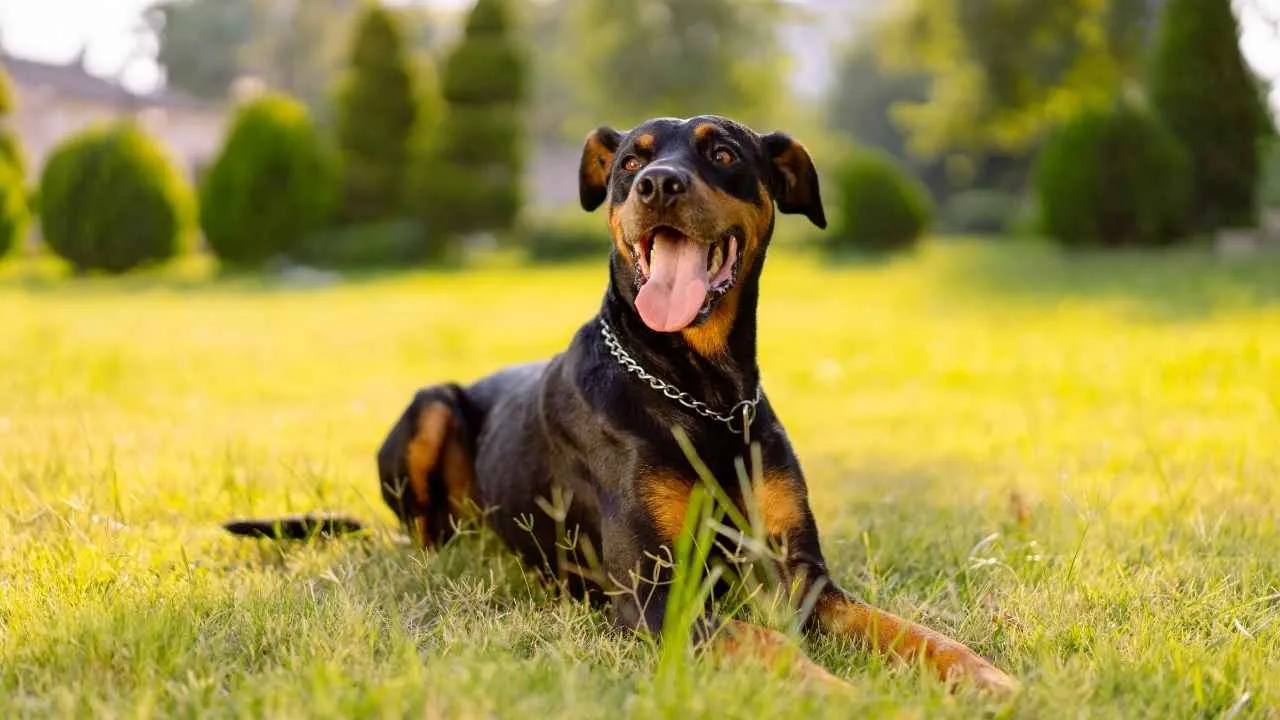
The Doberman Pinscher was developed in late-1800s Germany by Karl Friedrich Louis Dobermann, who needed a loyal and protective working dog. By crossing several strong and intelligent breeds, he created a dog built for guarding and service.
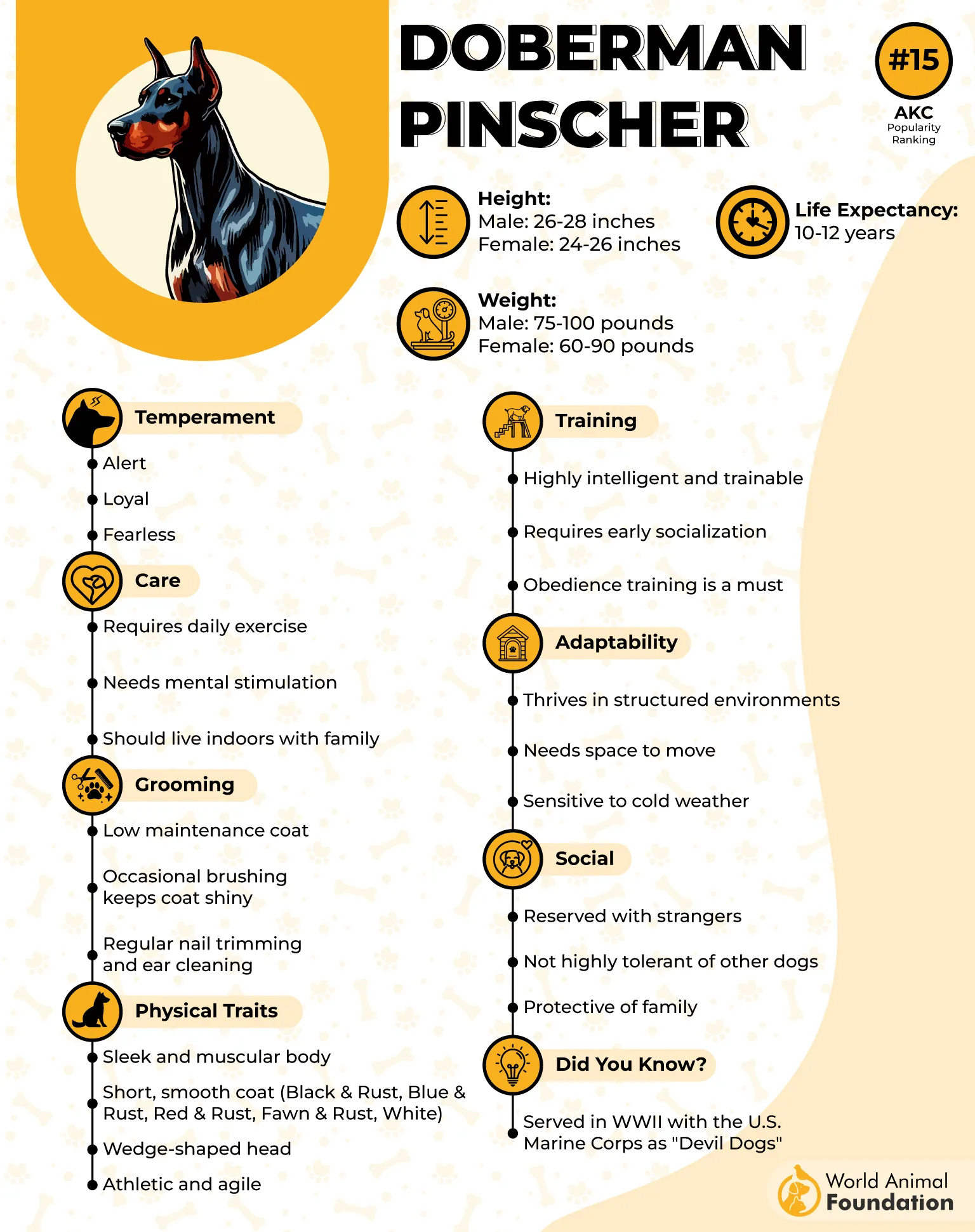
A Sharp Mind with a Devoted Heart
Dobermans are fearless yet deeply loyal, forming intense bonds with their families. They are alert, confident, and naturally protective without being unnecessarily aggressive. Behind their powerful presence is a sensitive, affectionate dog that thrives on structure, training, and human connection.
Sleek Looks with Simple Care Needs
The Doberman’s short, smooth coat is easy to maintain with weekly brushing and occasional baths. While grooming is minimal, their active bodies require daily exercise and mental stimulation. Regular health checks are important, as the breed can be prone to certain genetic conditions.
How the Doberman Proves Its Intelligence
Learns complex commands quickly and retains training well
Excels in obedience, protection, and working dog sports
Highly responsive to structured, consistent training
Strong problem-solving skills under pressure
Naturally alert and capable of independent decision-making
3. Border Collie
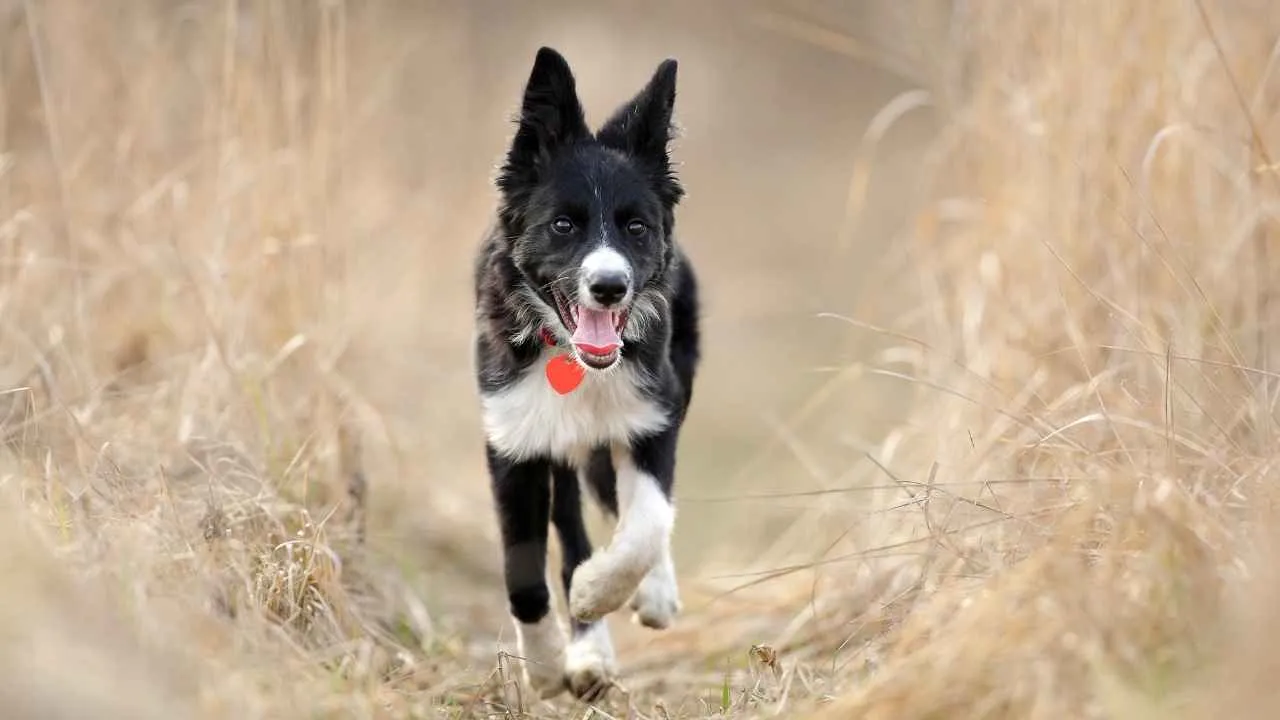
The Border Collie’s roots trace back to Britain, shaped by Roman herding dogs and later refined with Viking Spitz-type breeds. These crossings produced a compact, agile worker ideal for rugged terrain. Over time, the breed earned a reputation as the finest livestock herder in the world.
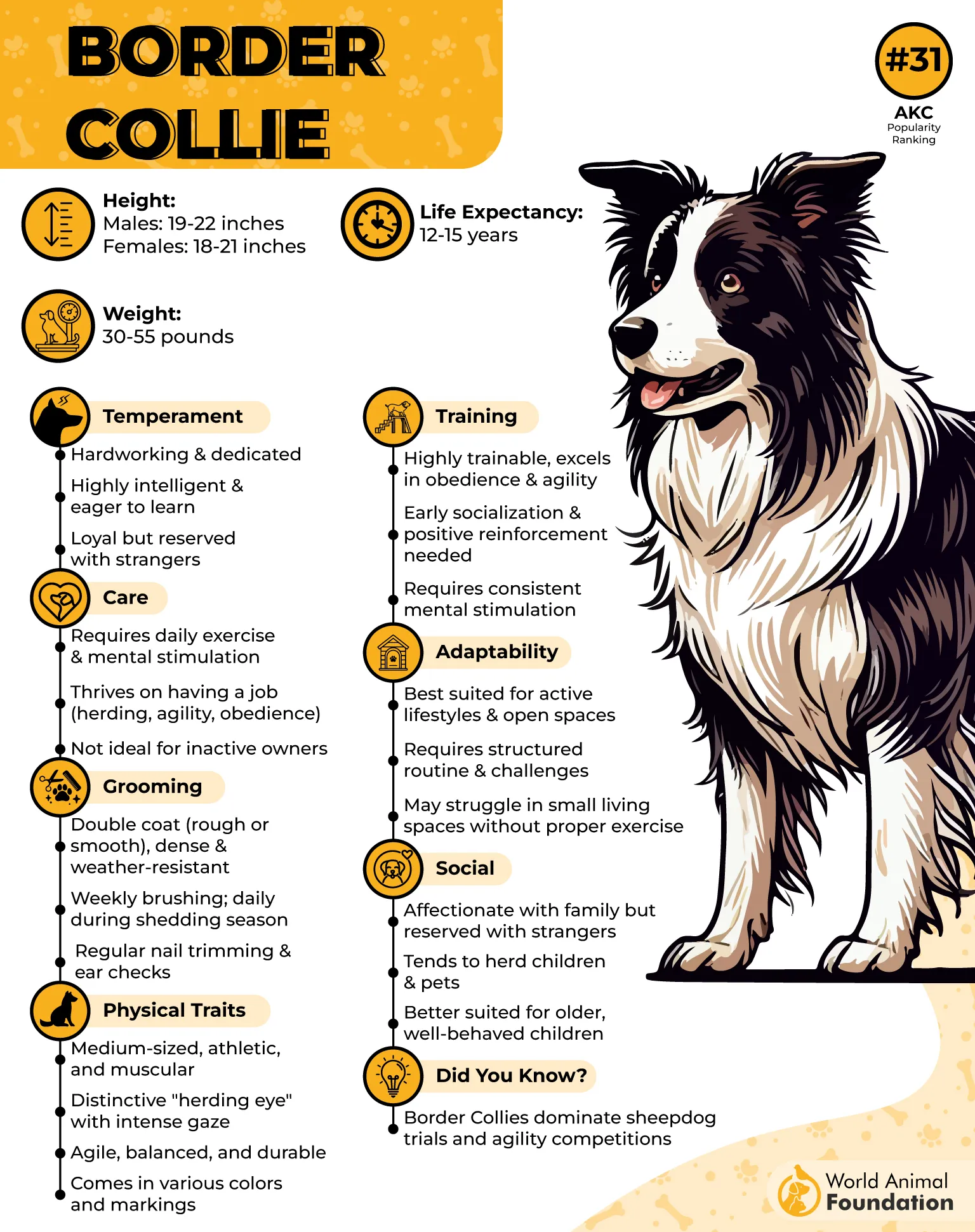
A Tireless Thinker with a Gentle Side
Border Collies are intensely intelligent, energetic, and driven by purpose. While they thrive on work and problem-solving, they are also affectionate and loyal companions at home. Without enough stimulation, their herding instincts may surface in everyday situations.
Practical Grooming for an Active Coat
This breed typically has a medium-length double coat that sheds year-round. Regular brushing helps manage loose hair and keeps the coat healthy. Grooming needs are moderate, but exercise and mental enrichment are essential parts of daily care.
What Makes the Border Collie Exceptionally Smart
Widely considered the most intelligent dog breed
Learns new commands with remarkable speed
Excels in advanced obedience and complex tasks
Strong instinctive problem-solving abilities
Thrives in agility, herding, and competitive dog sports
4. German Shepherd
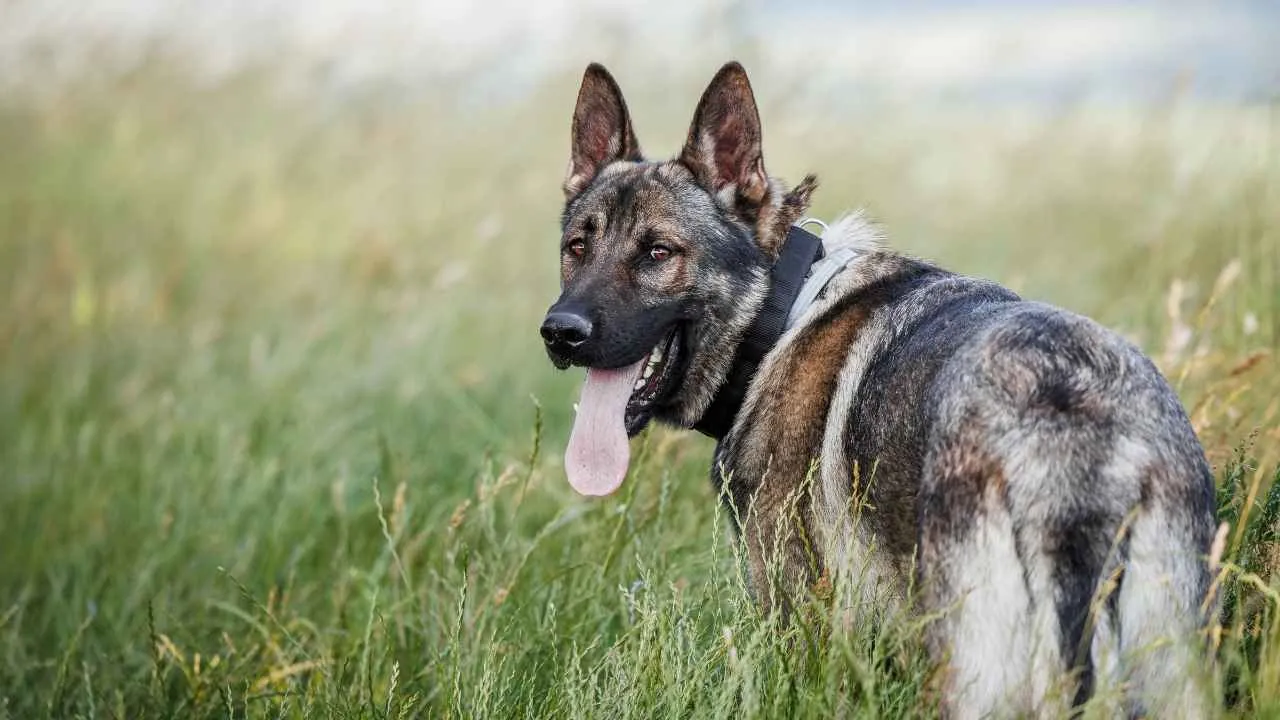
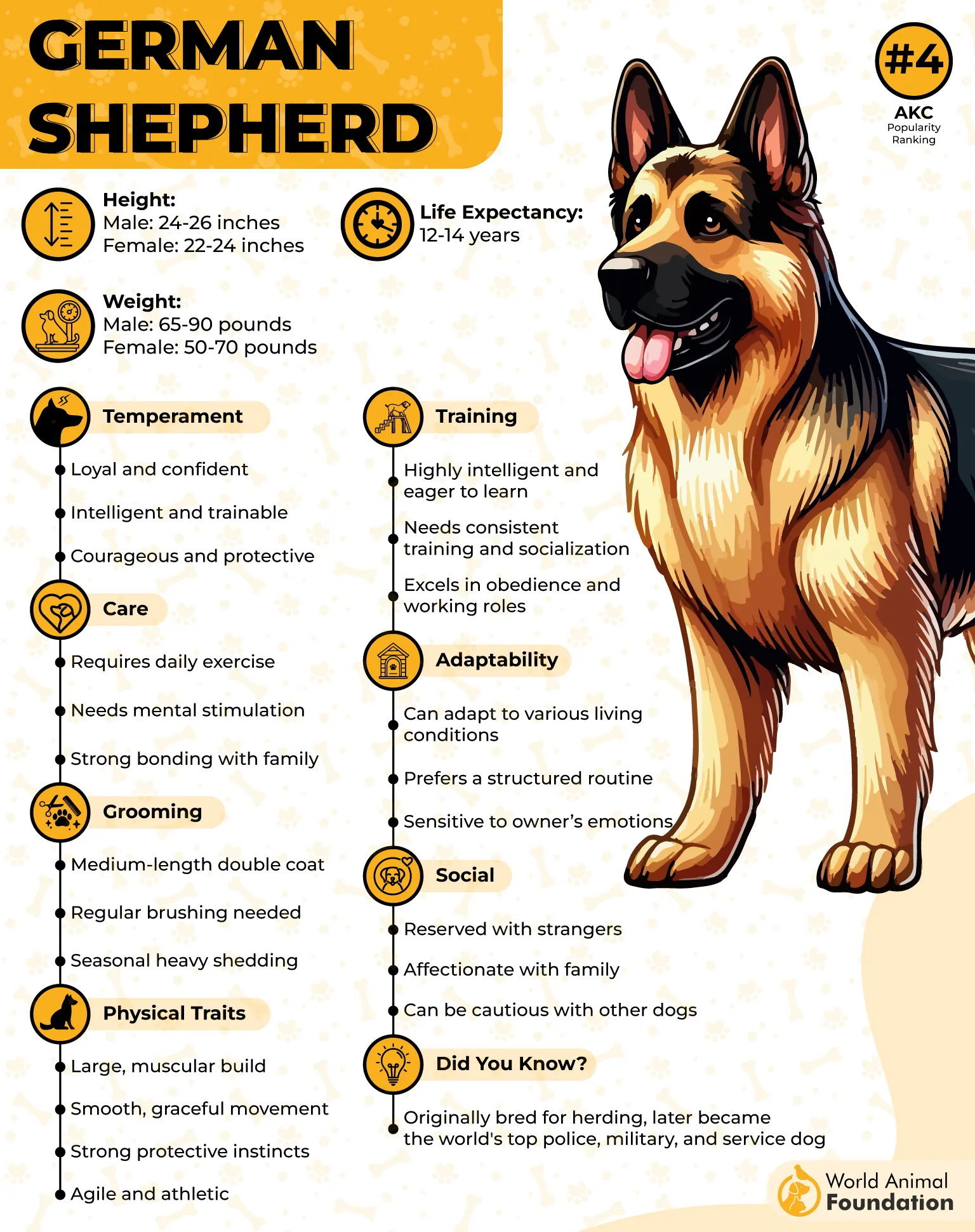
The German Shepherd was developed in late-19th-century Germany by Captain Max von Stephanitz, who sought the perfect herding dog. By refining regional German herders, he created a breed defined by intelligence, structure, and versatility.
Steady Nerves, Loyal Heart
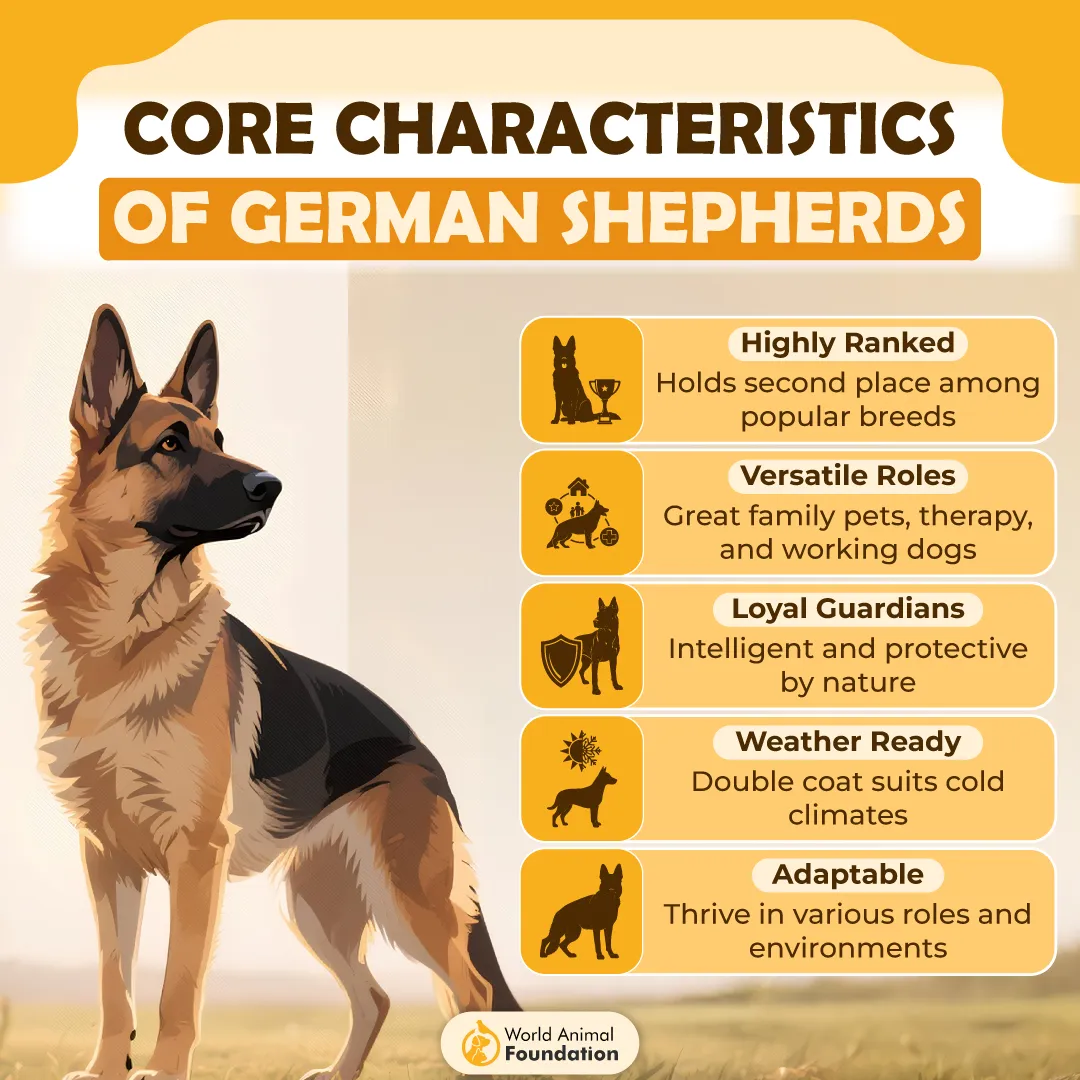
German Shepherds are confident, courageous, and deeply devoted to their families. They form strong bonds with their people while remaining naturally reserved with strangers. This balance of loyalty and discernment makes them both loving companions and reliable guardians.
A Working Coat with Real-World Needs
The breed’s double coat is medium-length, dense, and built to withstand harsh conditions. Regular brushing helps manage heavy shedding and keeps the coat healthy, as per Purina. Grooming is straightforward, but daily exercise is essential for both body and mind.
Why German Shepherds Rank Among the Smartest
Exceptional ability to learn and perform complex commands
Strong focus and discipline in high-pressure situations
Versatility across police, military, service, and sport roles
Quick problem-solving paired with sound judgment
Deep desire to work and cooperate with handlers
5. Golden Retriever
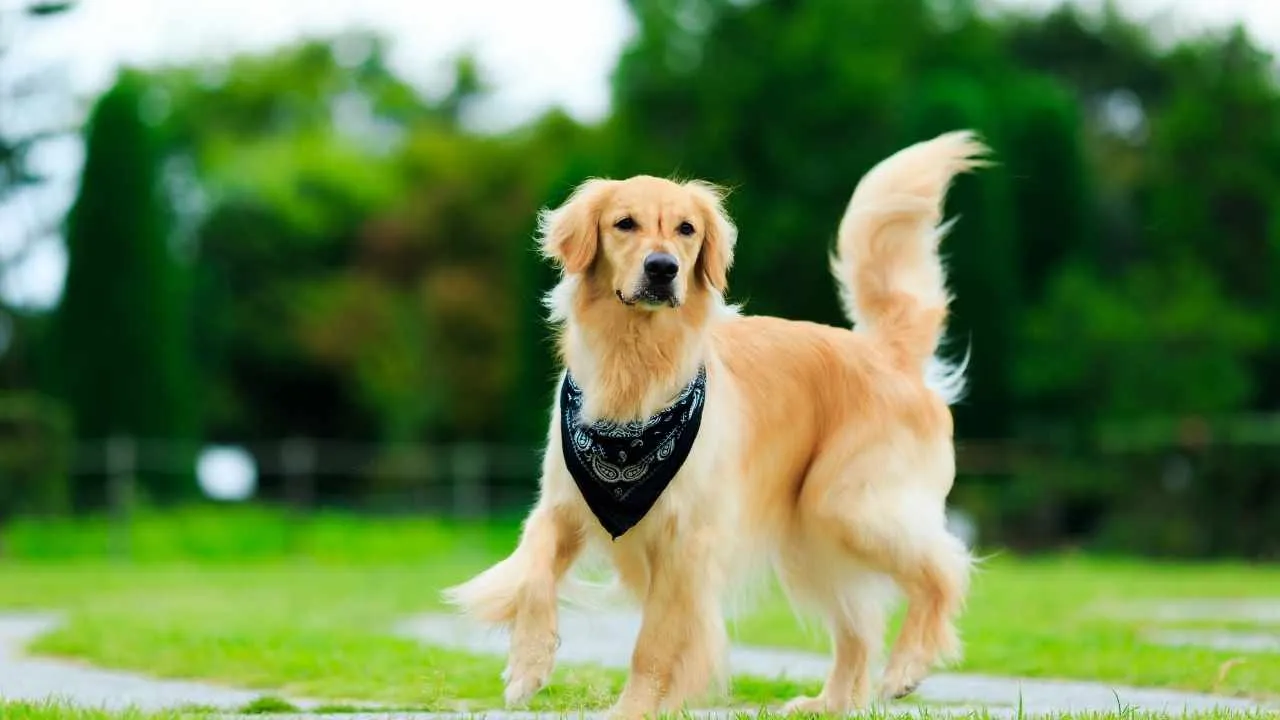
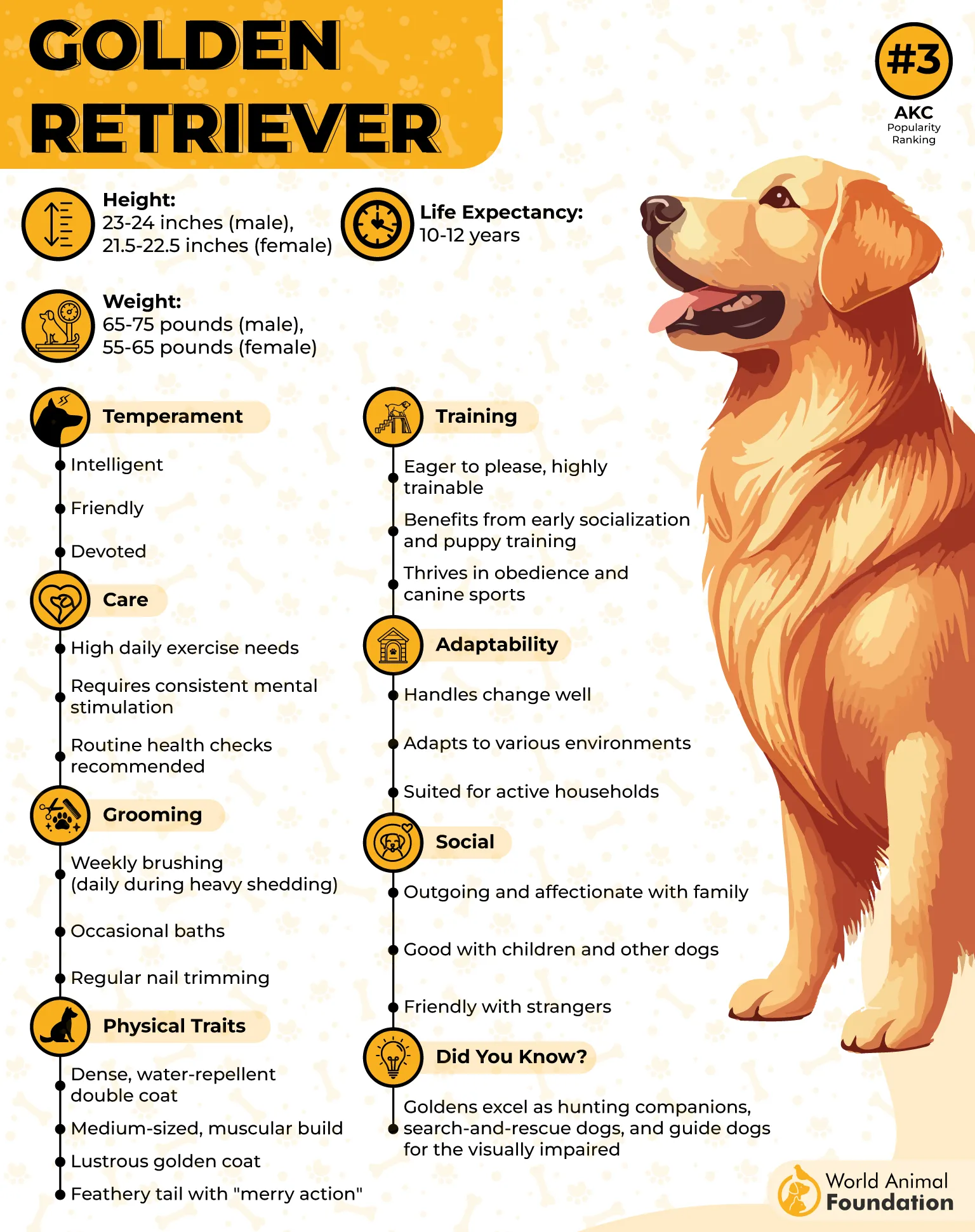
The Golden Retriever was developed in Great Britain as a skilled bird dog for retrieving waterfowl, as per Britannica. Bred from spaniels, setters, and water dogs, they were designed for strength and swimming ability. That working heritage still shines through in their versatility today.
Sunshine Personality with Endless Devotion
Golden Retrievers are gentle, outgoing, and deeply affectionate dogs with people of all ages. They thrive on attention and love being involved in family life, indoors and out. While not natural guard dogs, their warmth makes them universally loved companions.
Golden Coats and Easygoing Care
Their medium-length, water-repellent coat ranges from light cream to rich gold. Weekly brushing keeps shedding under control and maintains healthy feathering. Along with grooming, daily exercise and play are key to a happy, balanced Golden.
Why Golden Retrievers Are Among the Smartest
Highly responsive and eager to please during training
Quick learners with strong memory retention
Excellent emotional intelligence and sensitivity
Adaptable to service, therapy, and rescue work
Thrive on cooperative tasks with humans
6. Poodle
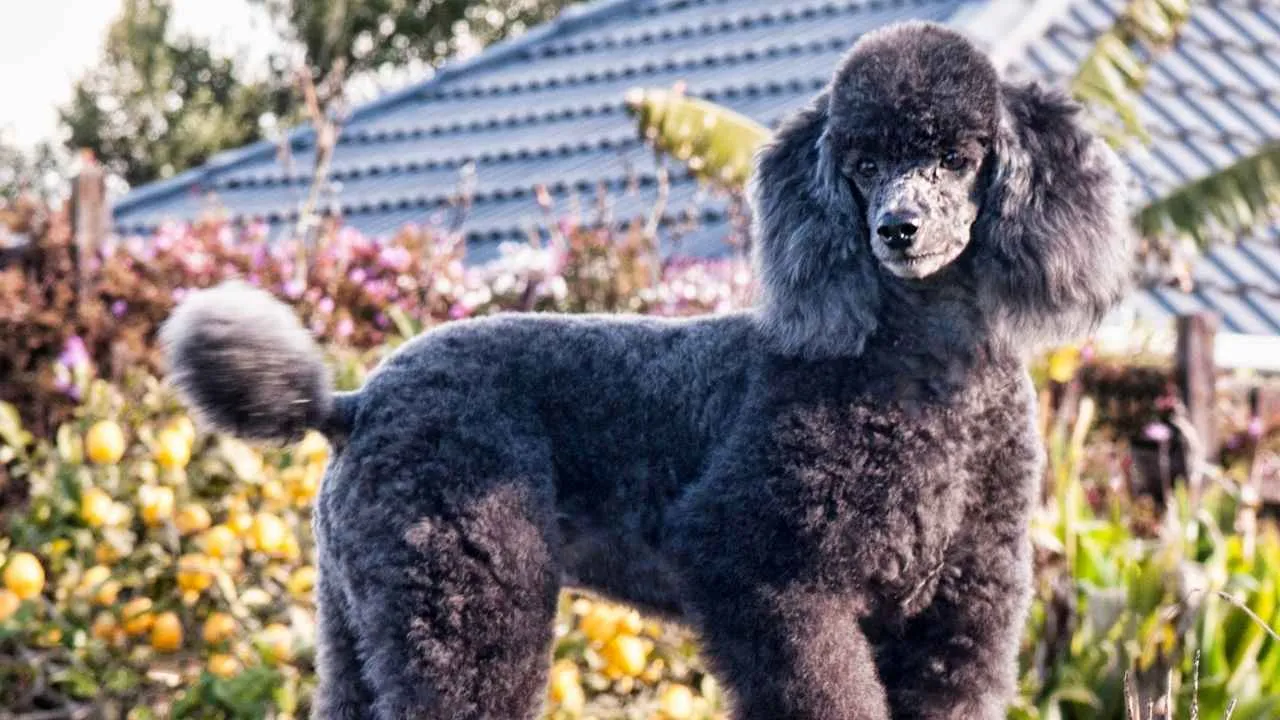
The Poodle is believed to have originated in Germany as a water retriever, though it later became closely associated with France, as per the AKC. Its distinctive coat styling began as a practical way to improve swimming efficiency.
Playful, Polished, and People-Oriented
Poodles are lively, adventurous, and highly social when properly trained from a young age. They bond well with children and other pets and enjoy being mentally engaged. Their alert yet friendly nature makes them adaptable companions for many lifestyles.
Elegant Coats with High-Maintenance Needs
The Poodle’s dense, curly coat sheds very little but requires daily brushing to prevent matting. Regular professional grooming keeps their coat healthy and manageable. Despite grooming demands, their cleanliness and low shedding are major advantages.
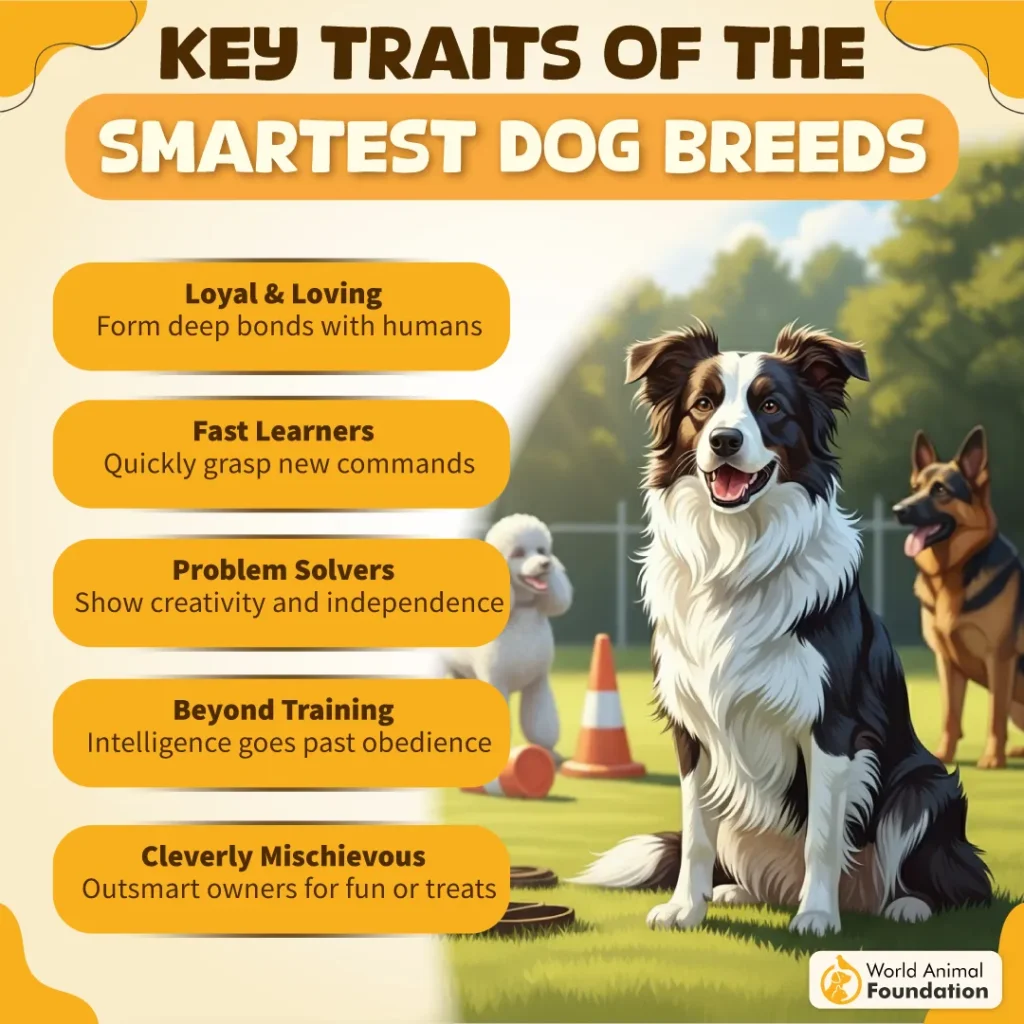
Why Poodles Are Considered Exceptionally Smart
Ranked among the most intelligent dog breeds worldwide
Learn complex commands quickly and accurately
Highly responsive to hand signals and distance cues
Excel in obedience, agility, and problem-solving tasks
Adapt easily to service, therapy, and performance roles
7. Papillon
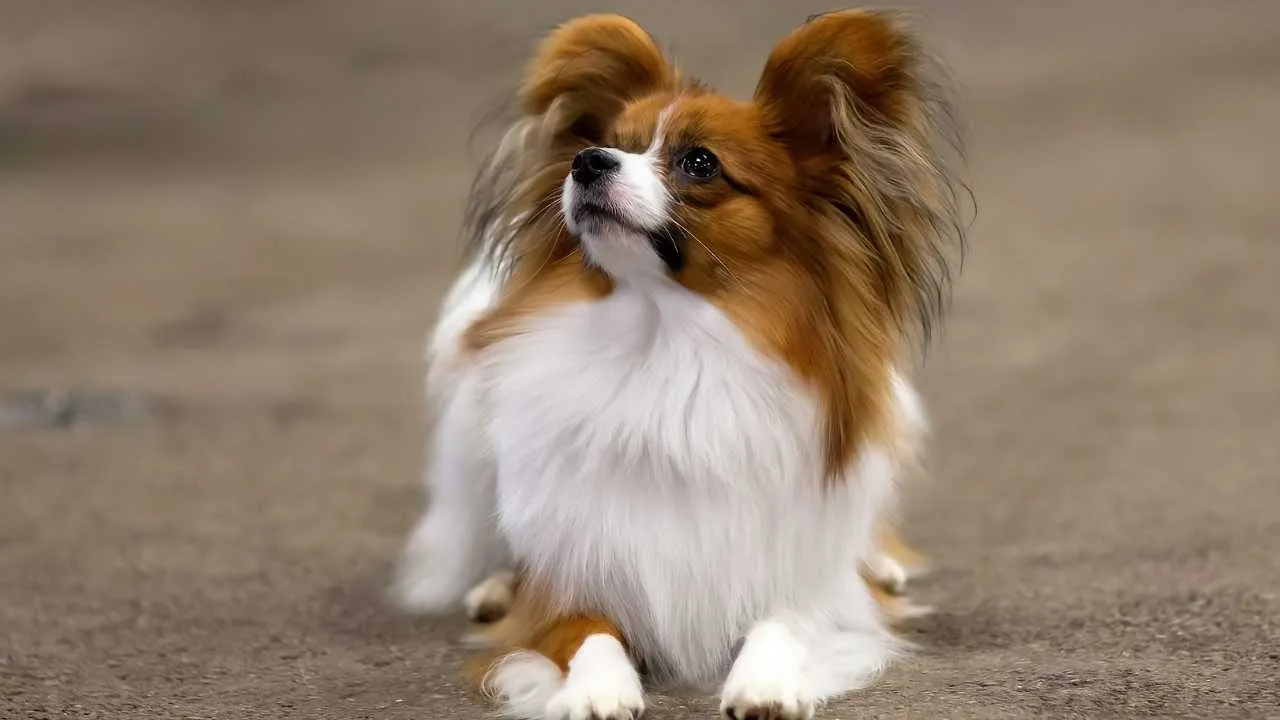
The Papillon traces its origins to Renaissance Europe, where it was cherished by nobility as a refined companion dog. Descended from dwarf spaniels, the breed was shaped in France, Italy, and Spain. Its butterfly-like ears later became the signature feature that defines the modern Papillon, as per WebMD.
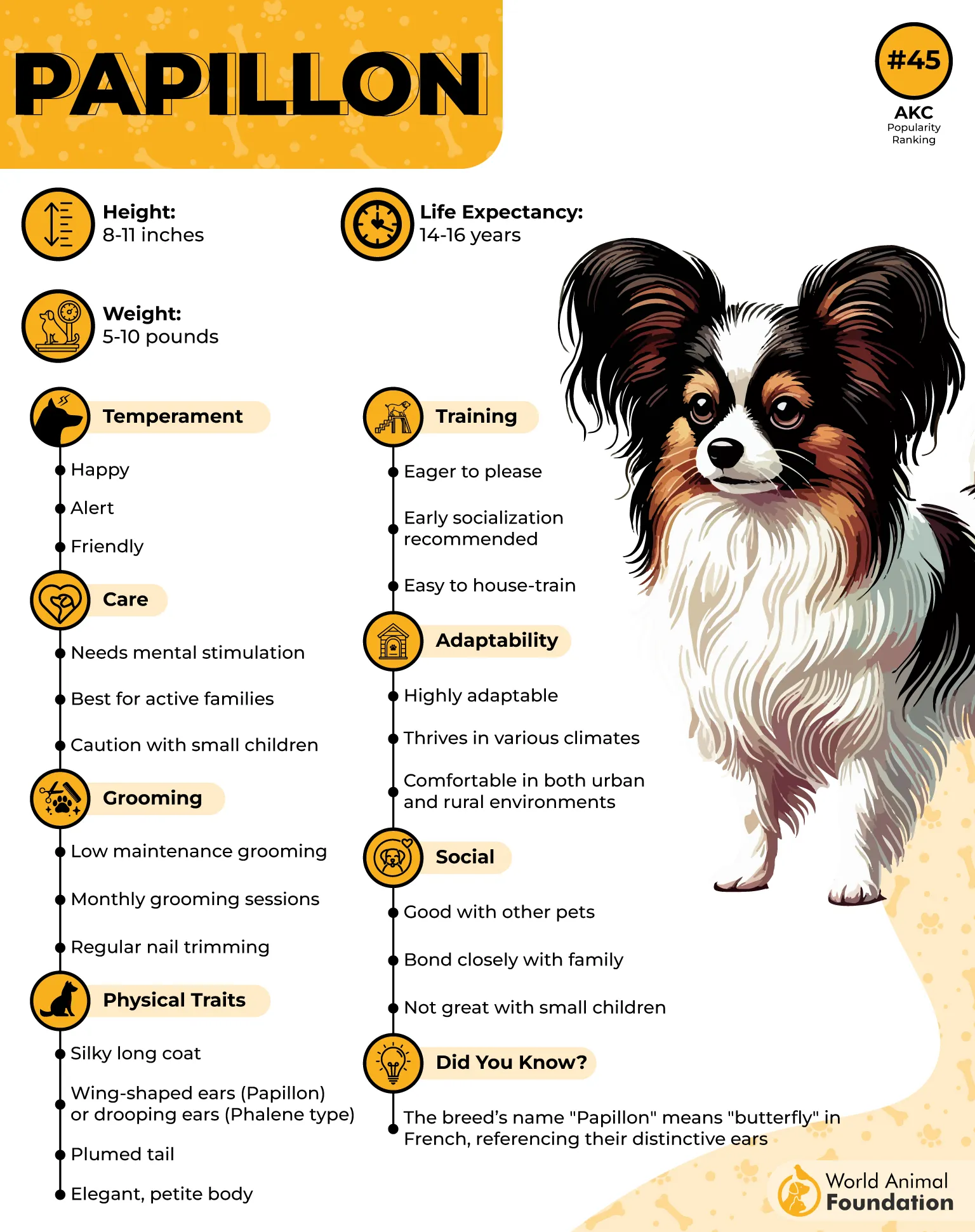
Small Size, Big Personality
Papillons are cheerful, alert, and surprisingly athletic for a toy breed. They love being involved in family life and balance lap-dog affection with energetic play. Confident and curious, they thrive on attention, structure, and mental engagement.
Silky Elegance with Manageable Care
The Papillon’s long, fine coat is silky rather than heavy and requires moderate brushing each week. Grooming is straightforward since the coat does not need trimming. Regular dental care, nail trims, and ear checks keep this small breed comfortable and healthy.
Why the Papillon Is One of the Smartest Toy Breeds
Exceptional intelligence for a toy-sized dog
Quick to learn commands and complex tricks
Excels in agility and obedience competitions
Strong focus and responsiveness to handlers
Confident problem-solver despite small stature
Conclusion
The dog world recognizes that smart dogs require mental stimulation, puzzle toys, and finding hidden treats to stay engaged. Popular dog breeds originally bred for work demonstrate the dog’s ability to learn new commands and adapt to human partners.
Training classes, trick training, and structured training provide more mental stimulation while strengthening human emotions and loyalty. Smart breed dogs benefit from fun tricks, obedience training, basic commands, and herding trials to satisfy instinctive intelligence.
First-time dog owners and pet parents raising the right intelligent dog will find them trainable companions, loyal companions, and therapy dogs or service dogs. Energetic dogs require physical exercise, agility courses, and search and rescue roles to excel in search and rescue missions.
