




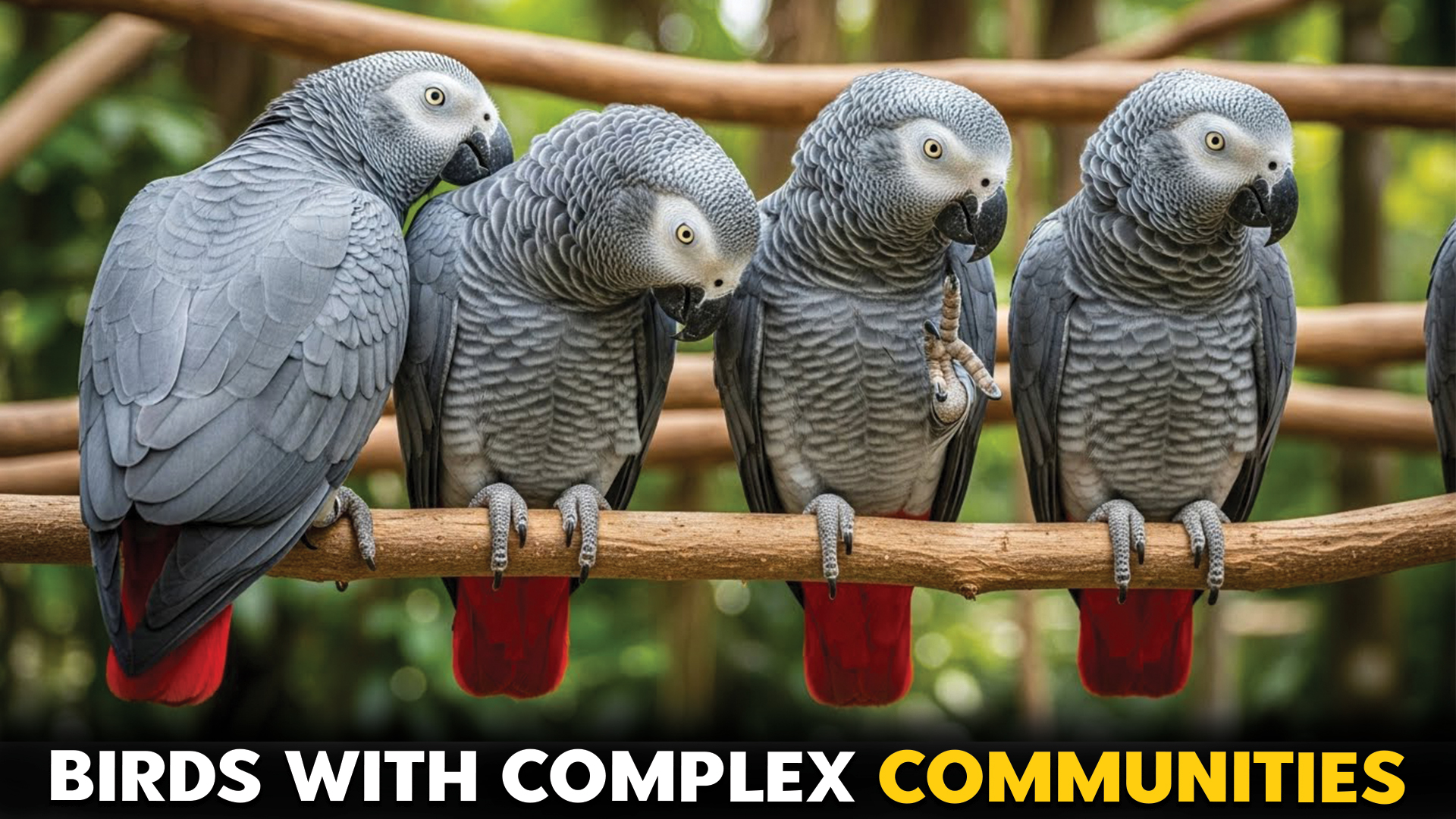
Have you ever paused to watch a flock of birds moving together like a perfectly choreographed dance? Or noticed how some birds team up in surprising ways, forming friendships that seem almost like family?
Birds aren’t just colorful creatures flitting around—they have some of the most incredible social lives in the animal kingdom. From tiny daily interactions to complex group dynamics, their social behaviors help them survive, communicate, and even thrive in ways that might surprise you.
If you’ve ever wondered what goes on behind those feathers beyond just chirping and flying, you’re in the right place. Let’s explore the fascinating world of bird social structures and uncover the secrets of their family bonds, teamwork, and community living.
Whether you’re a casual bird-watcher or just curious about nature’s social butterflies, these stories will change how you see our feathered friends forever.
Key Takeaways
Discover how birds like African grey parrots and crows use intelligence and teamwork to build strong social bonds.
Explore the incredible communal nests of sociable weavers and how they survive harsh environments together.
See how pigeons, penguins, and flamingos rely on family ties and group cooperation to thrive in cities and the wild.
Uncover the mesmerizing flocking patterns of European starlings and what makes their social life truly unique.
Birds with Fascinating Social Structures
1. African Grey Parrot
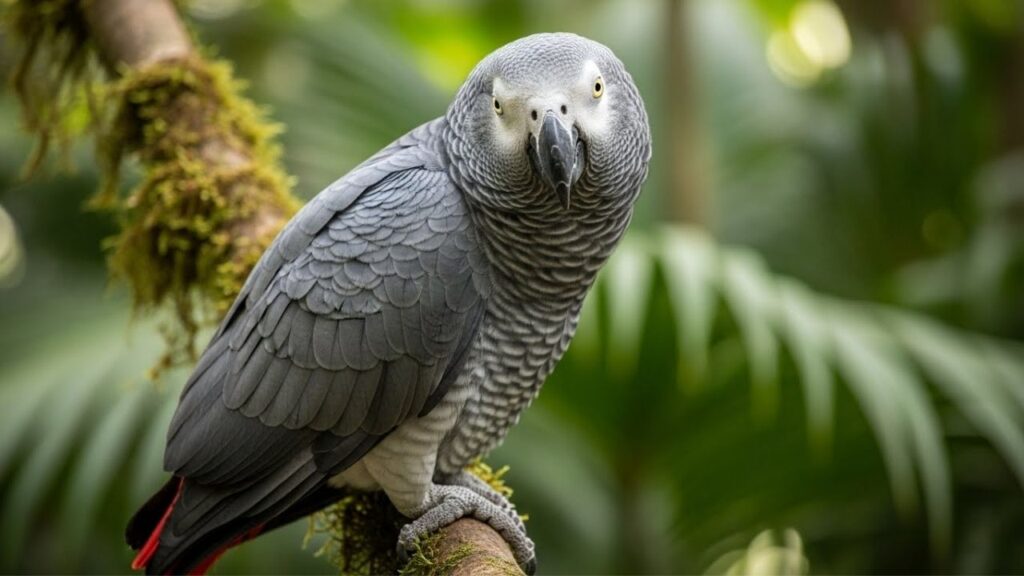
African grey parrots are well known for their remarkable intelligence and complex social lives. Native to the forests of West and Central Africa, these birds thrive in large flocks where communication is key to staying connected and safe.
Flock Life and Family Bonds
By night, African greys gather in huge groups — sometimes hundreds or more — roosting closely for warmth and protection.
During the day, they split into smaller foraging groups but continue to stay in touch through loud, distinctive calls. When it comes to breeding, these parrots form strong, lifelong pair bonds, raising their chicks together in tree cavities.
Extraordinary Communication Skills
One of the most impressive traits of the African grey is its ability to mimic sounds, including human speech, with incredible clarity, as mentioned by the Maryland Zoo.
Beyond just copying words, some African greys can understand and use language meaningfully, which shows their advanced cognitive abilities. In the wild, their complex vocalizations help coordinate group activities and maintain social connections.
Adaptations and Conservation
These parrots also engage in unique behaviors like eating mineral-rich soil to neutralize toxins in their diet. Unfortunately, their popularity in the pet trade has led to declining numbers in the wild, making conservation efforts crucial to protect these intelligent birds.
2. Crow
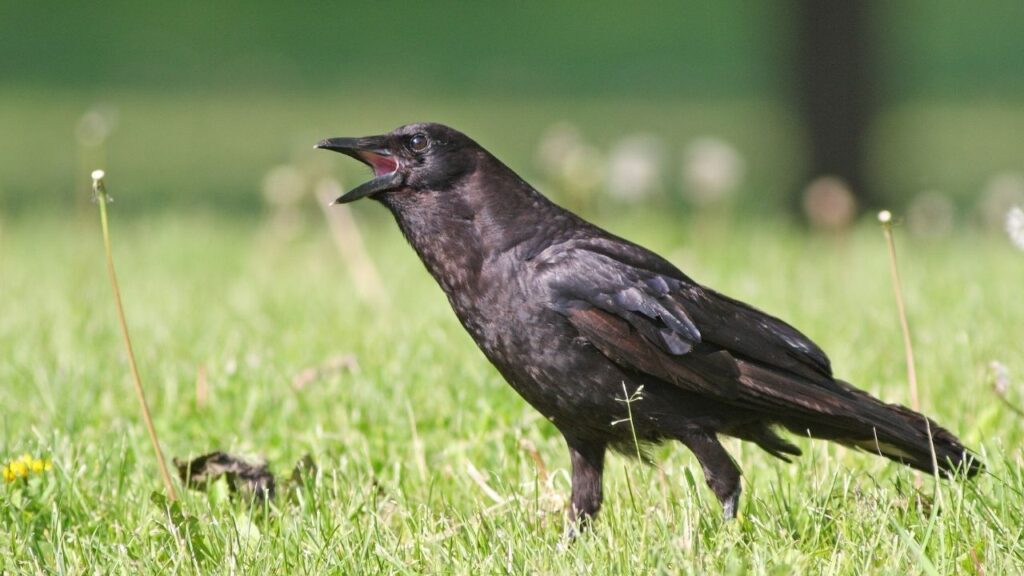
Crows are famous for their remarkable intelligence and complex social behavior. Found across many parts of the world, these birds live in family groups and larger flocks where communication and cooperation are essential for survival.
At their core, crows form tight family units and larger flocks that work together to find food, defend territory, and protect each other.
Family Groups and Flock Dynamics
They often cooperate during hunting and share information through a variety of calls and gestures. Crows are also known for their ability to recognize individual human faces, remembering friends and foes over long periods.
Advanced Communication and Problem Solving
Crows use a rich vocabulary of sounds to communicate with each other, coordinating activities and strengthening social bonds. Their problem-solving skills are impressive—they can use tools, plan ahead, and even pass on knowledge culturally within their groups.
Adaptability and Social Play
Highly adaptable, crows thrive in many environments, including urban areas. Their social nature is highlighted by playful behaviors such as aerial acrobatics and object manipulation, which help maintain their cognitive sharpness.
3. Sociable Weaver

Sociable weavers are small birds with a big reputation for their extraordinary social structures. Native to southern Africa’s arid regions, they build massive communal nests that can house dozens or even hundreds of birds.
Giant Communal Nests
Unlike most birds, sociable weavers construct huge, multi-chambered nests made of grasses and twigs. These nests serve as shared homes for many bird families, with individual chambers for breeding pairs. They provide crucial shelter from harsh desert heat and cold, supporting survival in extreme climates.
Cooperative Colony Life
Inside these communal nests, sociable weavers engage in cooperative behaviors, including nest maintenance and communal care of the young.
This teamwork strengthens social bonds and helps the colony thrive. Their nests also offer shelter to other desert animals, turning the structures into important ecosystem hubs.
Survival in a Harsh Environment
The communal nest structure helps sociable weavers survive the extreme temperatures of the Kalahari Desert by providing insulation against both heat and cold. This unique adaptation allows the birds to thrive in an environment where solitary nesting would be much more challenging.
4. Pigeon
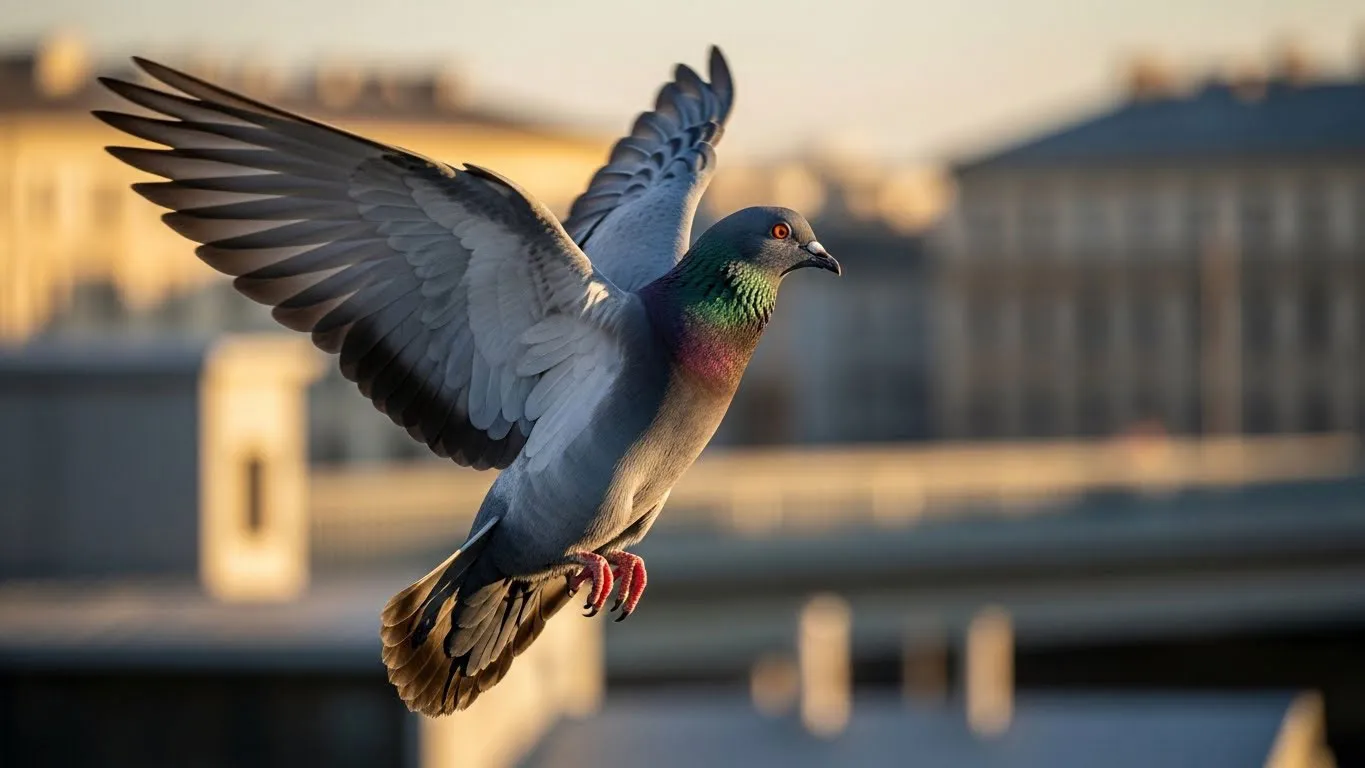
Pigeons are one of the most familiar birds around the world, thriving in cities, towns, and the countryside alike. Beyond their common presence, pigeons have fascinating social lives centered on strong pair bonds and group cooperation.
Pair Bonds and Family Life
PBS mentions that Pigeons typically form monogamous pairs that stay together for life. These pairs cooperate closely to build nests, incubate eggs, and raise their chicks. The strong family connection helps ensure the survival of their young in busy urban environments.
Social Flocking Behavior
Outside of breeding, pigeons often gather in flocks for feeding and safety. These groups communicate through coos and body language to coordinate movement and alert each other to potential threats, demonstrating an organized social structure.
Adaptability and Navigation Skills
Pigeons are famous for their incredible homing abilities, using landmarks, the Earth’s magnetic field, and even the sun for navigation. Their social nature also shows in flock travel, where they rely on collective knowledge to find food and return home efficiently.
Overall, pigeons combine remarkable adaptability with tight social bonds, making them successful survivors in both wild and urban settings.
5. Penguin

Penguins are beloved for their distinctive black and white appearance and fascinating social structures that help them survive in some of the harshest climates on Earth.
Colony Living and Breeding
Most penguin species live in large colonies that can number in the thousands. Within these bustling communities, they form monogamous pairs that work together to incubate eggs and care for chicks, often enduring harsh weather as a team.
Communication and Social Interaction
Penguins use a variety of vocal calls and physical behaviors to recognize mates and chicks among the crowded colony. Their complex social interactions help maintain pair bonds and coordinate group activities like hunting and predator defense.
Cooperation for Survival
Living in large groups helps penguins conserve heat and protect against predators. They huddle tightly during freezing temperatures and use coordinated movements to navigate icy waters while hunting for food, showcasing impressive teamwork.
In short, penguins exemplify how strong social bonds and cooperation are essential for thriving in extreme environments.
6. Flamingo
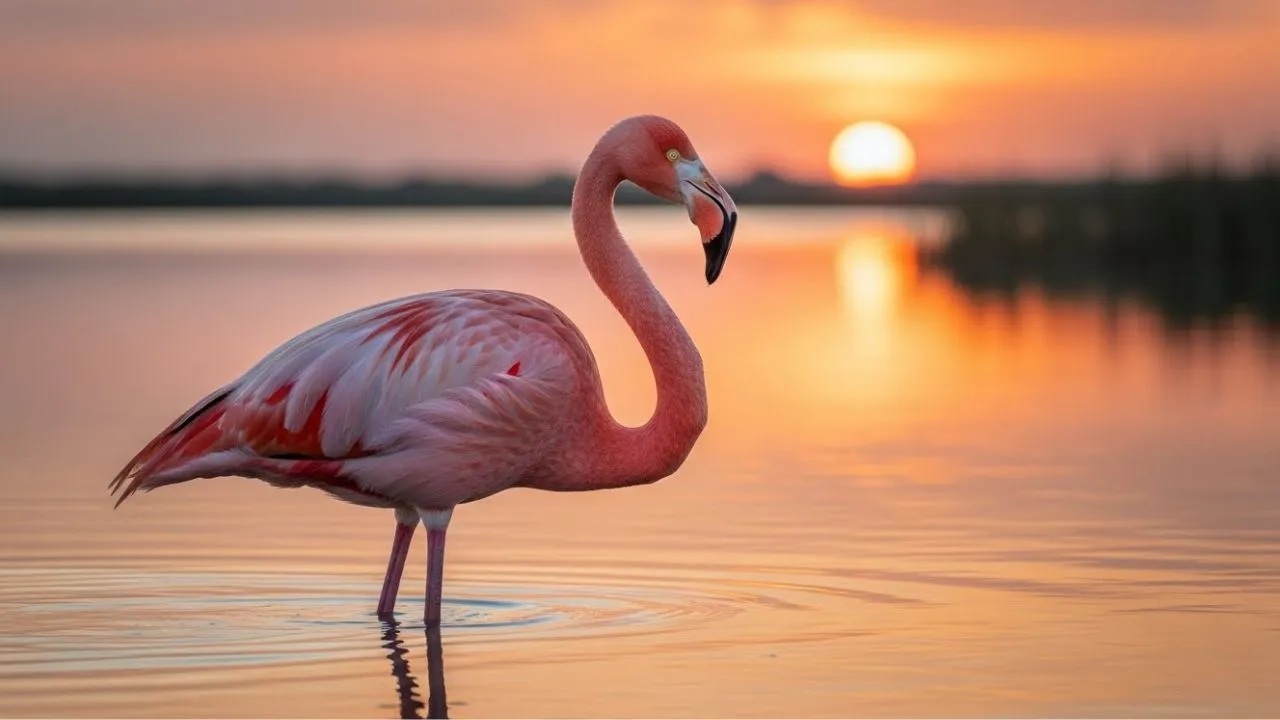
Flamingos are famous not just for their stunning pink feathers but also for their fascinating social lives. These birds live in large, bustling colonies where friendships and rivalries shape their daily lives.
Complex Social Networks
Flamingos form long-lasting friendships within their huge groups. These social bonds are important for cooperation in activities like synchronized feeding and group defense. At the same time, flamingos also experience rivalries, competing for mates and status within the flock.
Group Living and Breeding
Flamingos nest closely together, building mud nests in dense colonies. Their social environment helps protect eggs and chicks from predators, while communal courtship displays strengthen pair bonds and synchronize breeding efforts.
Communication and Cooperation
Flamingos communicate through a mix of vocalizations and visual displays, coordinating group movements and warning of threats. Their cooperative lifestyle enhances survival in their often harsh wetland habitats.
In essence, flamingos are a perfect example of how social complexity and cooperation make life in large bird communities both vibrant and successful.
7. European Starling
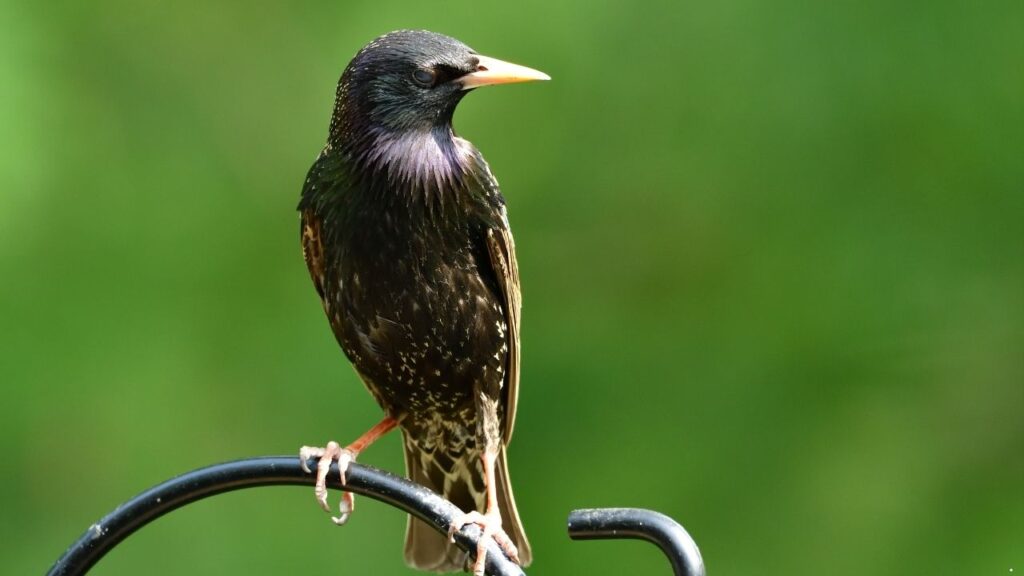
European starlings are highly adaptable birds renowned for their incredible flocking behavior and complex social organization. Originally native to Europe and parts of Asia, they have successfully expanded their range worldwide, thriving in a wide variety of environments.
Flocking and Social Structure
One of the most mesmerizing sights in nature is the starling murmuration—a massive flock of thousands of birds moving in near-perfect synchrony, twisting and turning as if controlled by a single mind, as stated by National Geographic.
These flocks provide safety in numbers, confusing predators and improving the chances of spotting food. The intricate aerial patterns are a result of rapid communication and close social bonds between individual starlings.
Breeding and Pair Bonds
During breeding season, European starlings form monogamous pairs that fiercely defend their nesting sites, often competing with neighbors and other species for the best spots.
While pairs bond closely, starlings also maintain social ties with neighboring birds, balancing cooperation and competition within colonies. They build nests in cavities or crevices, often in urban settings, showcasing their adaptability.
Ecosystem Impact and Adaptability
European starlings are generalist feeders, thriving on a diet that includes insects, fruits, and even human food scraps. Their ability to exploit diverse food sources and habitats—from city parks to farmland—has made them one of the most successful bird species worldwide.
Conclusion
Birds with complex social structures showcase the incredible mechanisms underlying complex societies, revealing exciting possibilities in the study of animal behavior. Across many bird species, from large flocks to mixed flocks, social relationships play a crucial role in survival and evolution.
These highly social birds form bonds not only with parents and younger siblings but also with other individuals and specific individuals within their social system, demonstrating many ways to cooperate and share energy.
The discovery raises fascinating questions about how these social systems develop and function, especially compared to specific other groups and even office partners among animals.
Understanding the social lives of birds and their interactions with other birds and groups helps us appreciate the diversity of nature’s strategies. It reminds us that even a single bird can be part of a much larger, intricate social world.
