




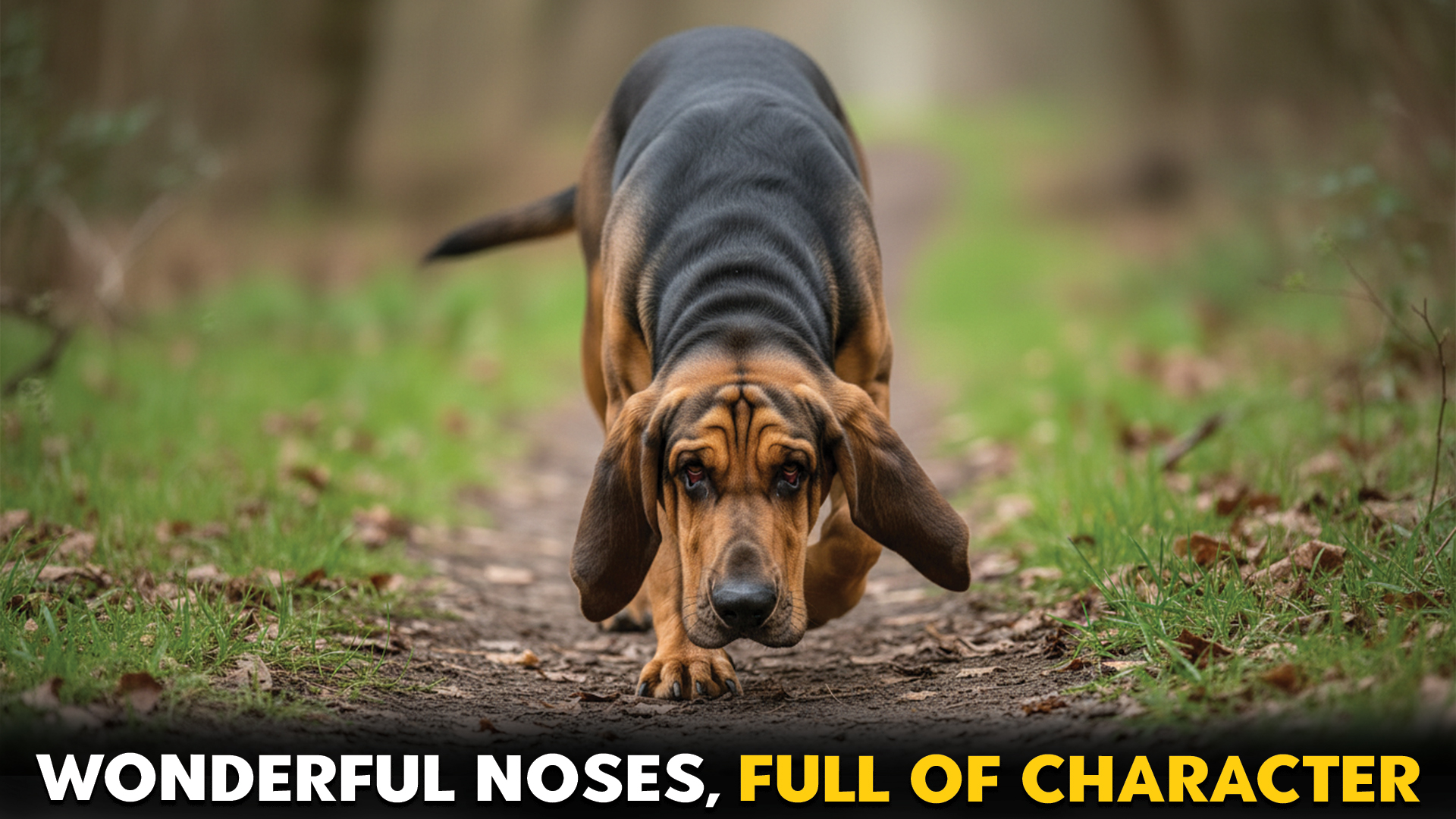
Do you know that dogs have a hidden power in their noses that strongly connects them to the world around them? Dogs rely on olfactory receptors, which means their sense of smell is thousands of times more powerful than that of humans.
While we rely on our eyes to see and understand the world, dogs depend on their noses to experience it. Their sense of smell helps them recognize emotions, identify humans, and remember places.
It is their powerful noses that have made dogs valuable partners for humans as they assist in detection, tracking, and hunting.
Due to selective breeding, dogs now have different types of noses and snots that are ideal for several purposes, including tracking. While compact dog breeds have shorter noses, adapted to different roles.
Key Takeaways
Long-nosed dogs, such as Afghan Hounds, Pharaoh Hounds, and Italian Greyhounds, were originally bred for hunting and tracking, using their incredible sense of smell to detect scents.
Breeds with long snouts often have more olfactory receptors, giving them superior scenting abilities compared to flat-faced breeds.
Flowing coats, feathered ears, or curly coats may require regular grooming to maintain their adorable appearance and health.
Dog Breeds Showcasing Wonderful Nose and Snout Traits
1. Boxer
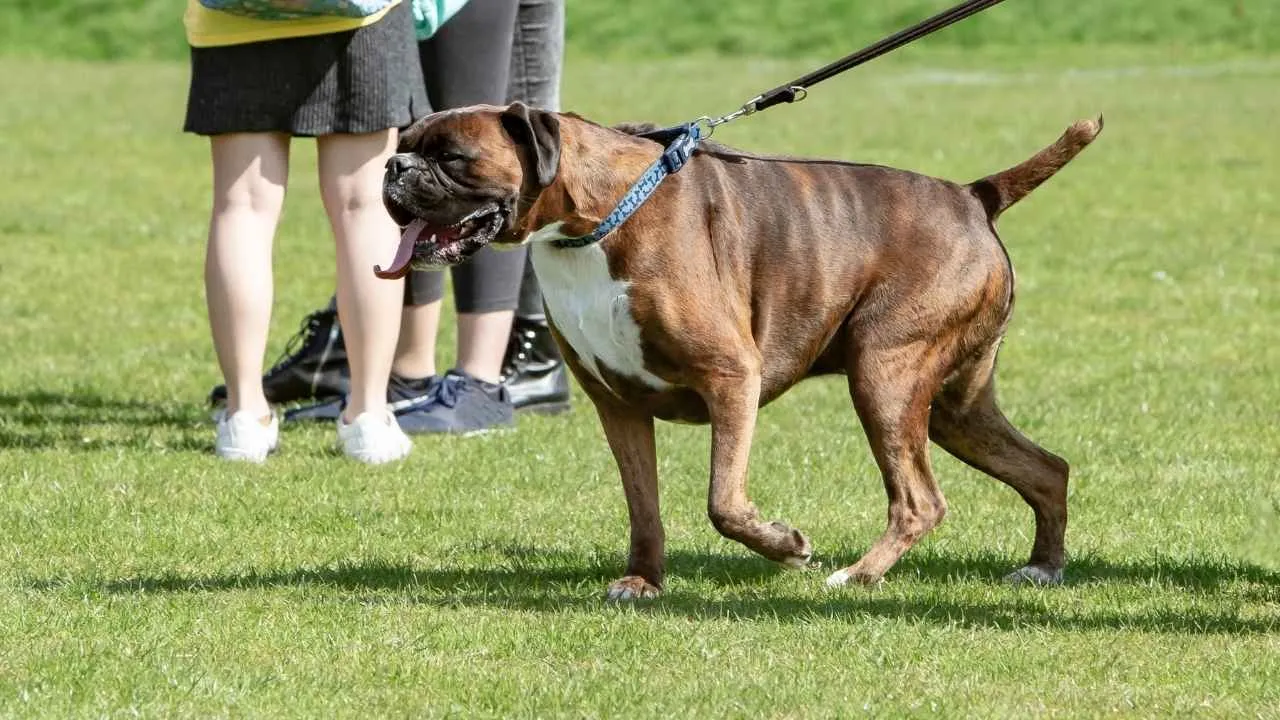
Originally brought to the United States from Germany in the 1930s, the Boxer carries a working heritage that still shapes the breed today. Bred for hunting, Boxers developed a strong, broad snout and a keen sense of smell that helped them track movement and stay alert in the field.
Their distinctive short muzzle, paired with powerful jaws, gives them both expression and function, allowing efficient breathing during bursts of activity while staying responsive to scents around them.
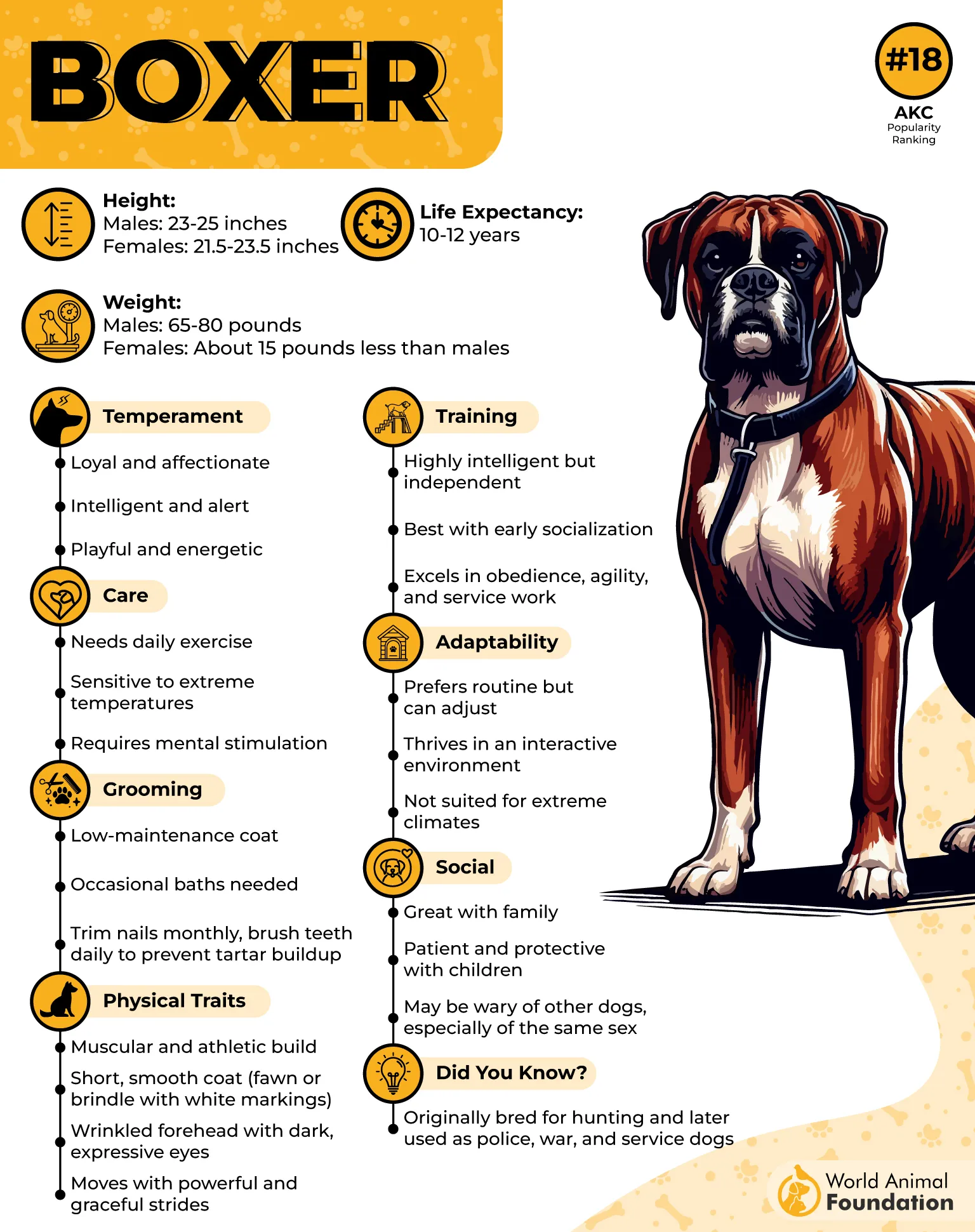
Physically, Boxers are medium-sized, deep-chested, and well-muscled dogs, built for speed, agility, and endurance. Their smooth, short coat highlights their athletic structure and expressive face, making their alert eyes and wrinkled snout especially noticeable.
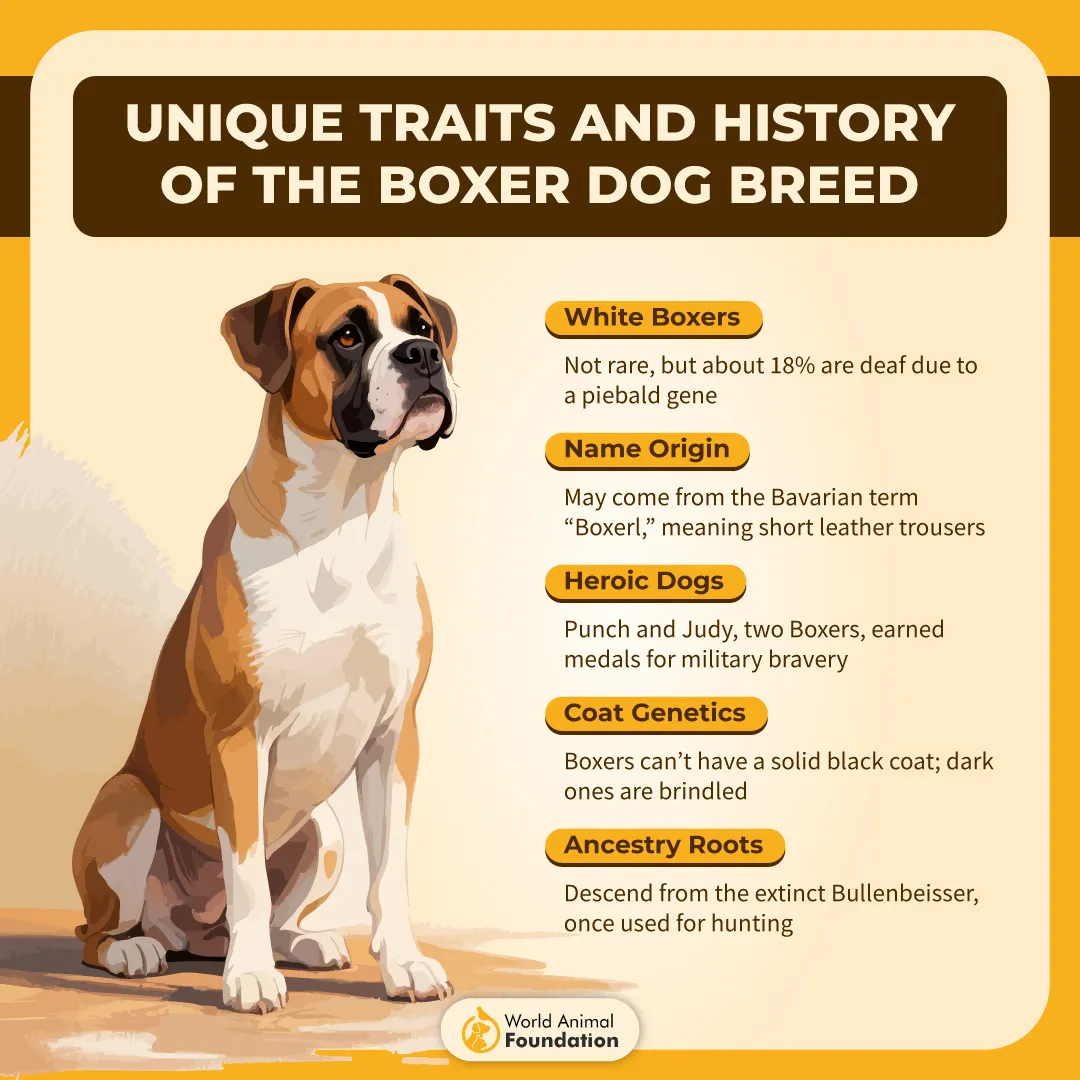
While playful and energetic by nature, Boxers are also intelligent and curious, often using their noses to explore their surroundings during games, walks, and training.
This combination of strength, scent awareness, and personality makes the Boxer a breed whose nose and snout are as functional as they are iconic.
2. Chow Chow
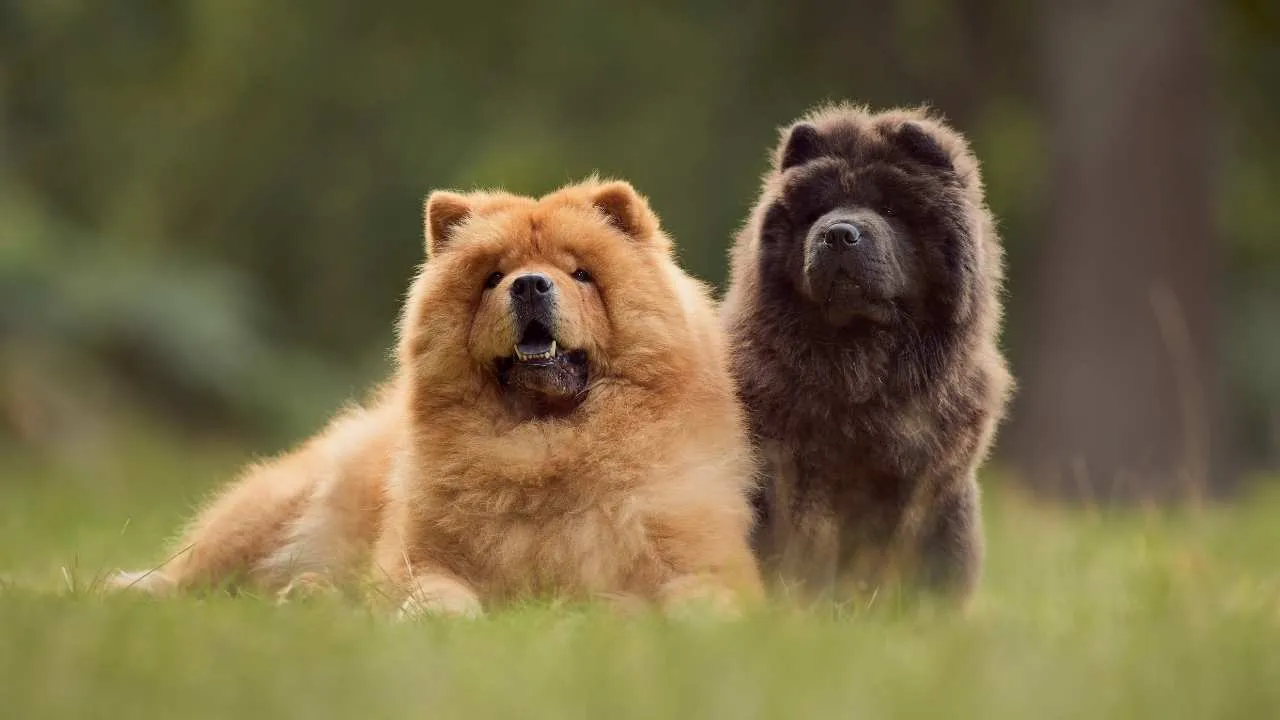
The Chow Chow is an instantly recognisable breed, with its broad snout, deep-set eyes, and lion-like mane giving it a dignified, almost ancient expression. Compact yet powerful, this large dog carries itself with quiet confidence rather than playful enthusiasm.
The Chow’s strong nose and short, wide muzzle reflect its long history as a guardian and working dog in China, where awareness of surroundings mattered more than constant interaction.

Unlike many breeds that seek attention, the Chow Chow is famously aloof and independent, according to PetMD.
It bonds deeply with its owner but prefers affection on its own terms, often keeping a calm emotional distance. This reserved nature can surprise people drawn in by its teddy-bear appearance. Thick coats make Chows sensitive to heat, so cool spaces and shaded outdoor areas are essential.
Intelligent but stubborn, they require patient, positive training and early socialisation. Best suited to experienced, calm owners, the Chow Chow is a breed that values respect, routine, and quiet companionship over constant closeness.
3. Pekingese
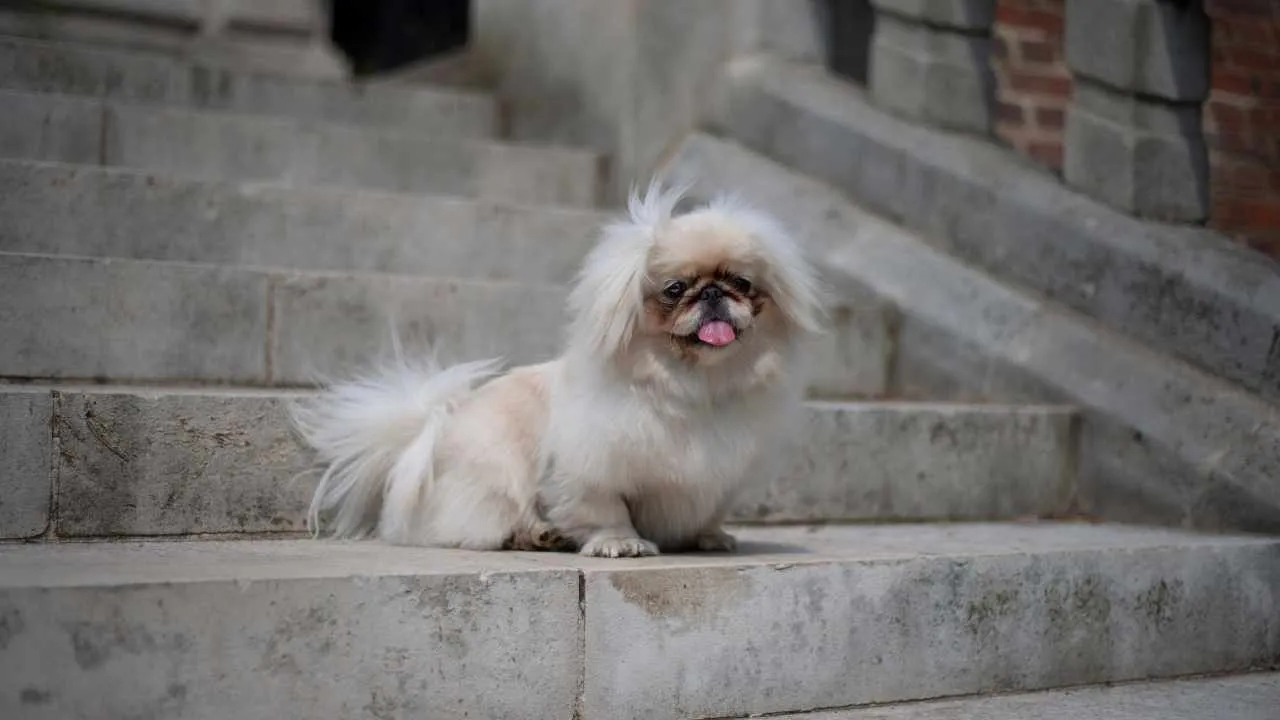
The Pekingese is a small dog with a grand presence, instantly recognised by its flat, expressive snout and wide, sparkling eyes. Bred for Chinese royalty, this toy companion carries centuries of history in its short muzzle and proud, lion-like appearance.
The broad, short nose gives the Pekingese dog its signature face, while also requiring thoughtful care to ensure clear breathing and eye safety.
Unlike long-muzzled breeds, Pekes experience the world close-up, relying on alertness rather than speed, which suits their calm, observant nature.
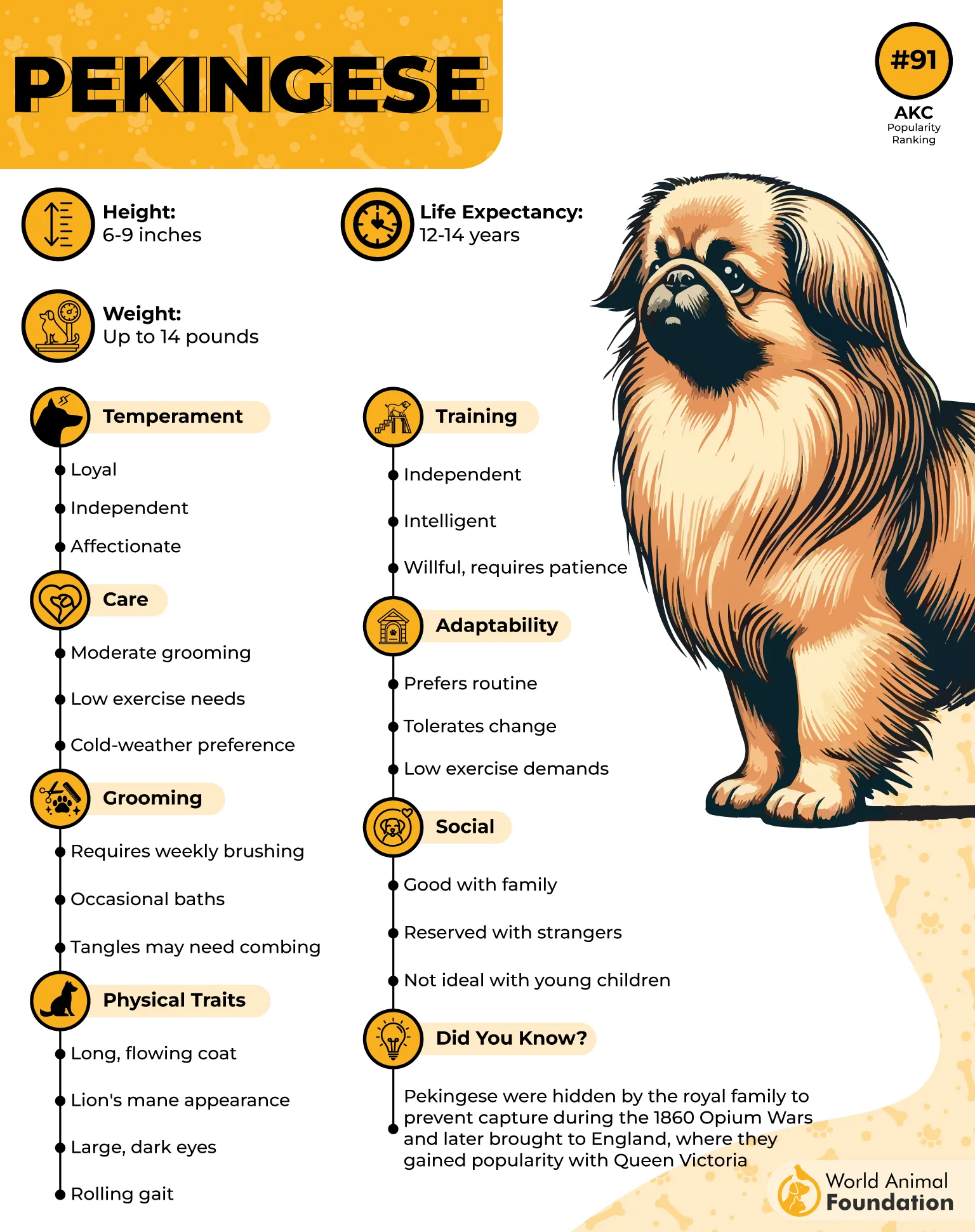
Compact and sturdy, the Pekingese moves with a distinctive rolling gait that adds to its charm. Beneath the flowing coat and mane-like ruff is a confident, deeply loyal dog that bonds strongly with its chosen human.
Independent yet affectionate, Pekes are dignified companions who prefer gentle handling and cool environments, as stated by the American Kennel Club. Their wonderful nose and snout traits are not about power or tracking, but about personality, expression, and royal poise.
4. Shih Tzu
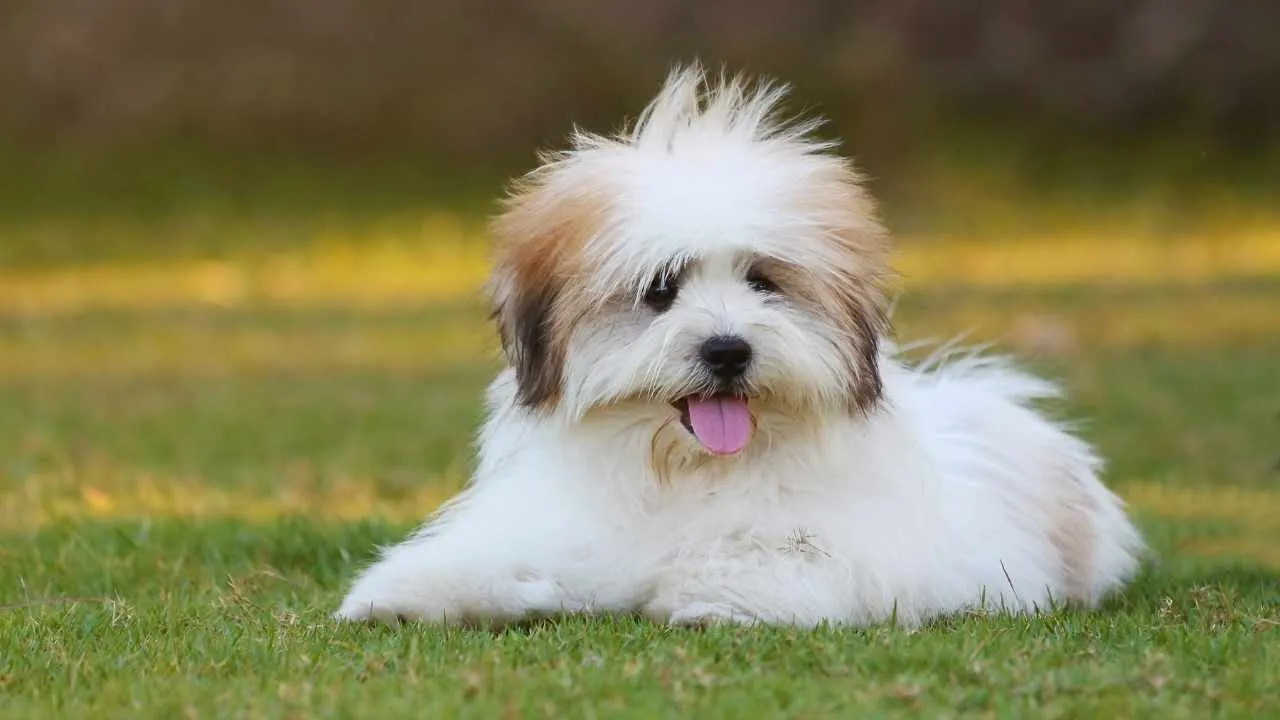
The Shih Tzu was bred for one purpose above all else: companionship. That history is written clearly on its face, especially in its short, pushed-in nose and wide, expressive eyes.
This brachycephalic snout gives the Shih Tzu its sweet, almost human-like expression, but it also explains the breed’s familiar snorts, snores, and “reverse sneezes.”

Rather than being flaws, these sounds are part of the Shih Tzu’s everyday charm and personality.
Compact yet sturdy, the Shih Tzu carries itself with confidence, preferring to stay close to its people rather than roam far.
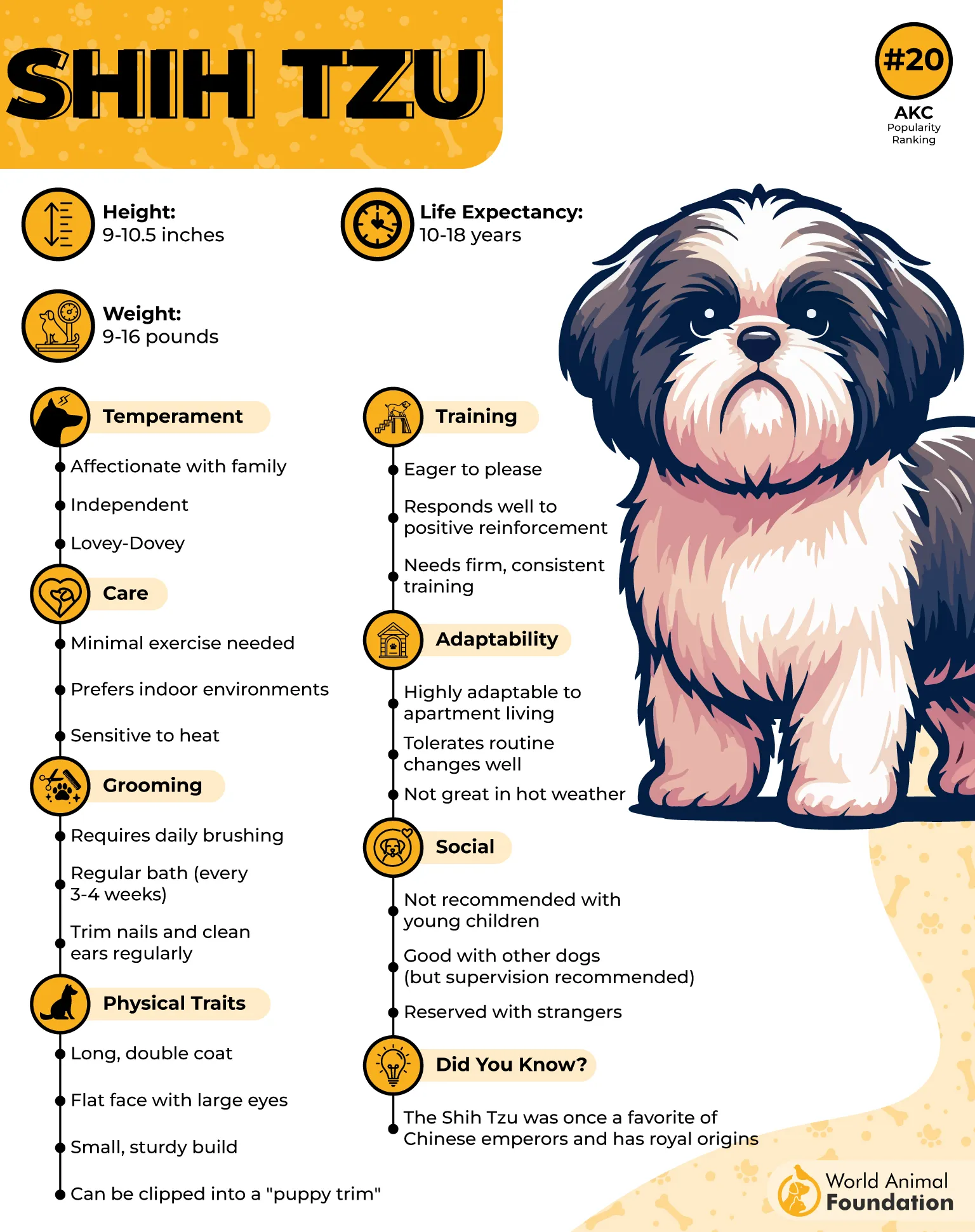
Its short muzzle means it’s sensitive to heat and overexertion, making gentle walks and cool environments ideal. Highly affectionate and loyal, Shih Tzus thrive where human presence is constant.
Their nose and snout may not be built for endurance or tracking, but they are perfectly designed for what the breed does best: living closely with people, offering comfort, and quietly ruling the home from a favorite lap.
5. Saluki
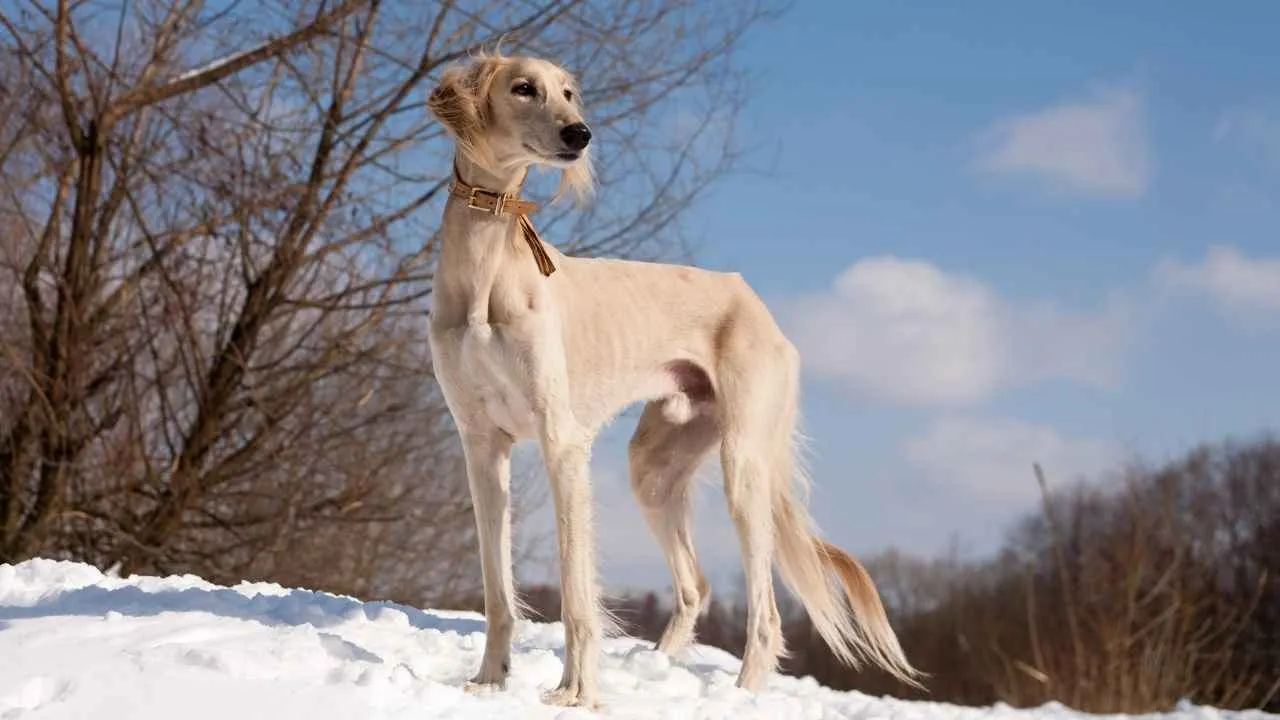
The Saluki is a living reminder of the earliest partnership between humans and dogs, and its long, narrow snout plays a central role in that legacy.
Designed for speed and precision, the Saluki’s refined nose and elongated head support its role as a sighthound, built to spot, follow, and pursue prey across vast landscapes.
Unlike short-faced breeds, the Saluki’s streamlined snout allows efficient airflow during high-speed runs, helping it maintain stamina and focus while in motion.
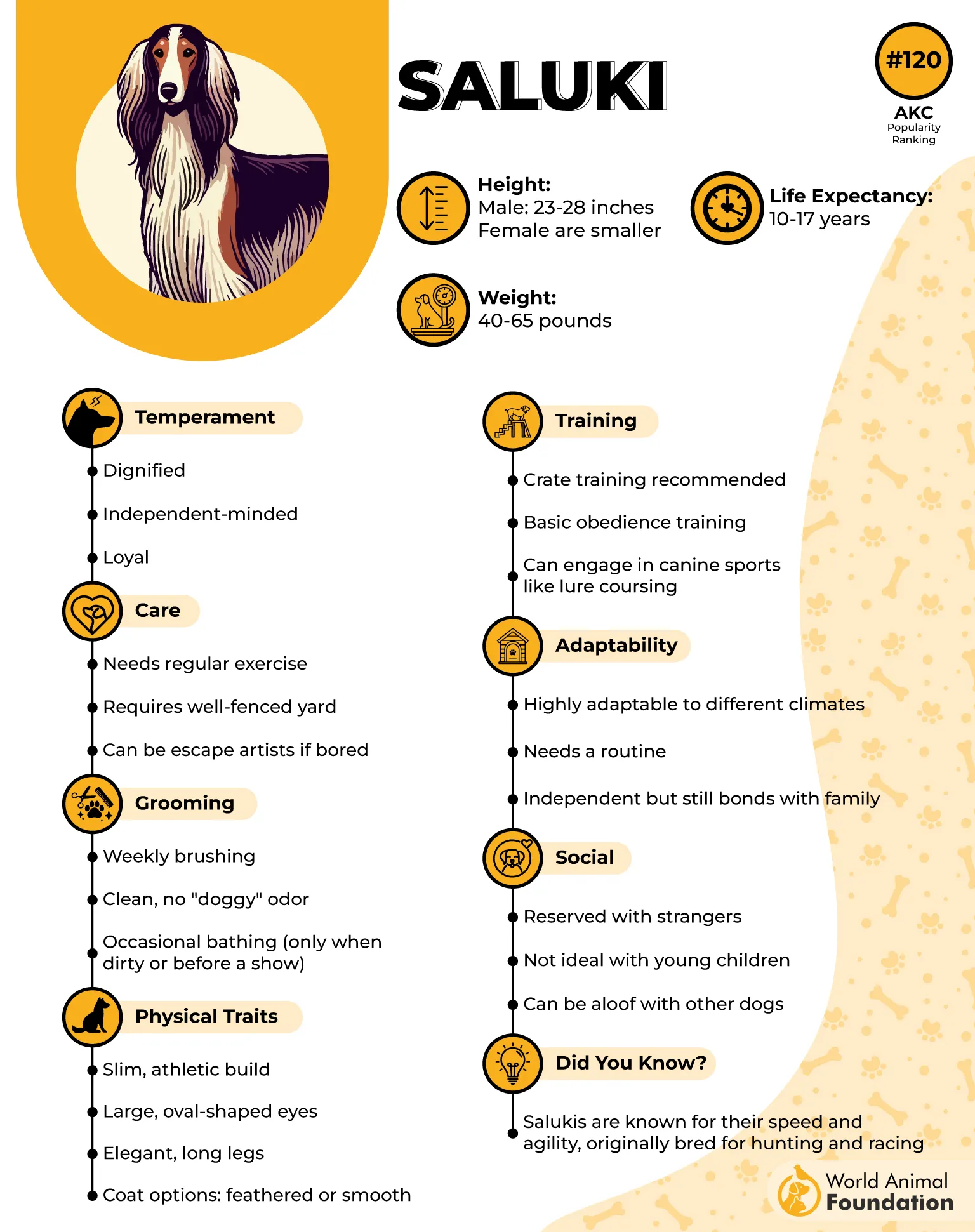
Graceful and balanced, the Saluki carries its head with quiet elegance, framed by silky ears that lie close to the skull. This breed is gentle and loyal with family, yet famously independent, reflecting its ancient working roots.
While affectionate at home, Salukis retain a strong prey drive and require thoughtful training and secure spaces, as advised by WebMD.
Their nose and snout are not flashy, but they are beautifully functional—shaped by thousands of years of purpose, endurance, and survival. Owning a Saluki means sharing life with history in motion.
6. Whippet
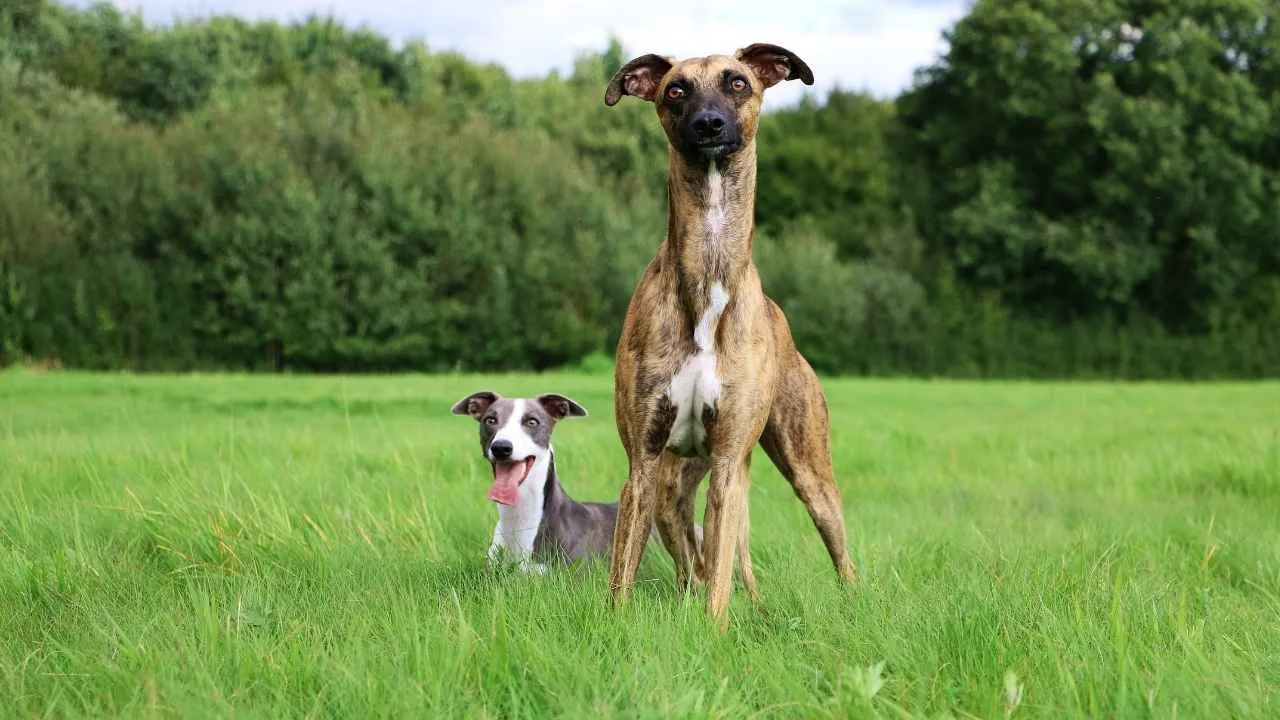
Whippets may look like miniature Greyhounds, but their finely shaped nose and long, narrow snout give them a character all their own.
Built for speed and silent pursuit, a Whippet’s streamlined muzzle supports efficient breathing while sprinting, allowing them to chase with remarkable agility and focus.
This elegant snout reflects their history as quiet hunters. Whippets are known to run fast, then happily relax beside their people once their energy is spent.
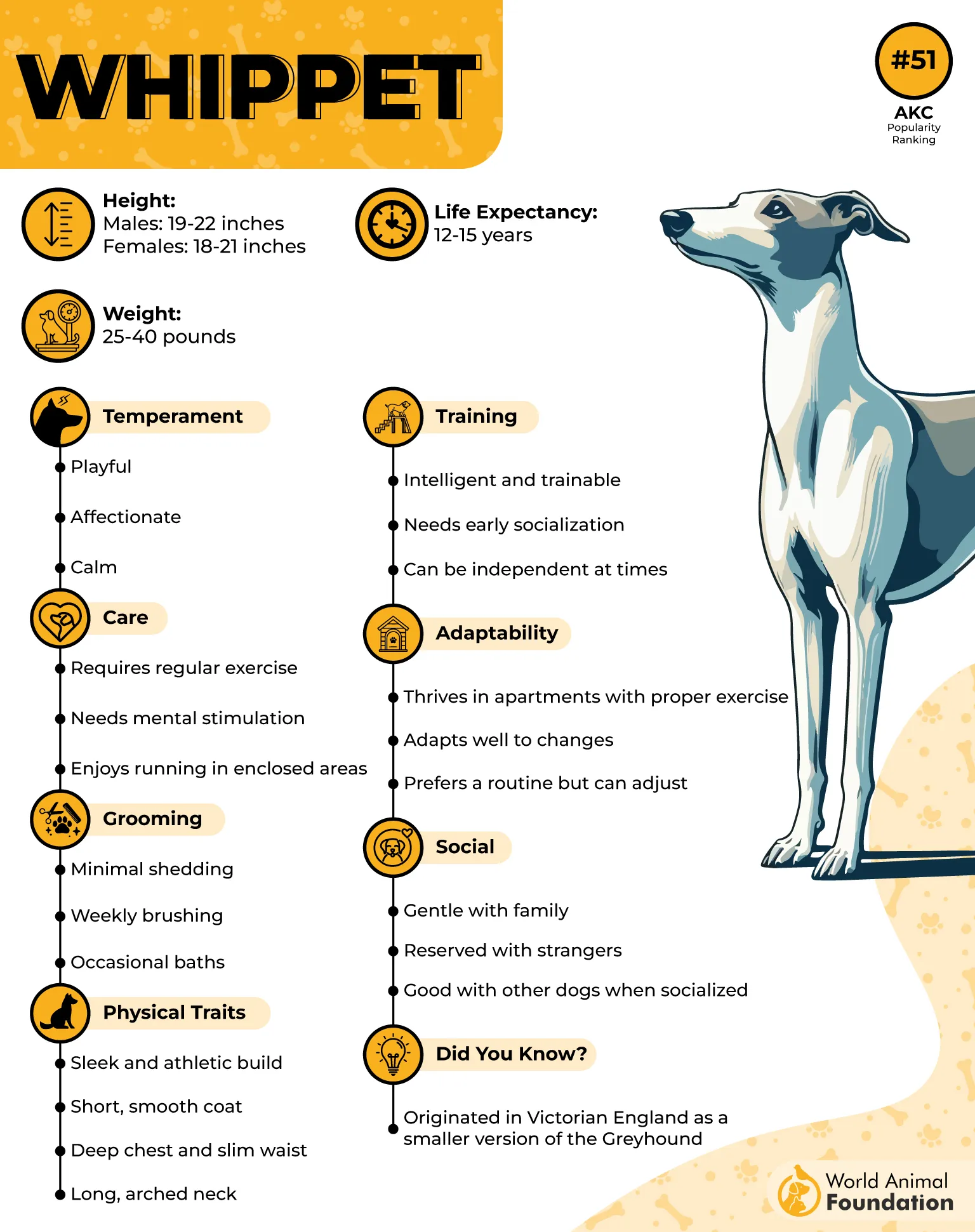
Gentle and affectionate by nature, Whippets form strong bonds with their owners and thrive on companionship. Their delicate build and thin skin mean they need safe spaces to run, but their love for movement is undeniable.
Training may require patience, as they can be sensitive and slightly reserved, yet they respond well to calm, positive guidance.
With their graceful face, expressive eyes, and refined nose, Whippets perfectly showcase how beauty and function come together in dog breeds shaped by purpose and speed.
7. Afghan Hound
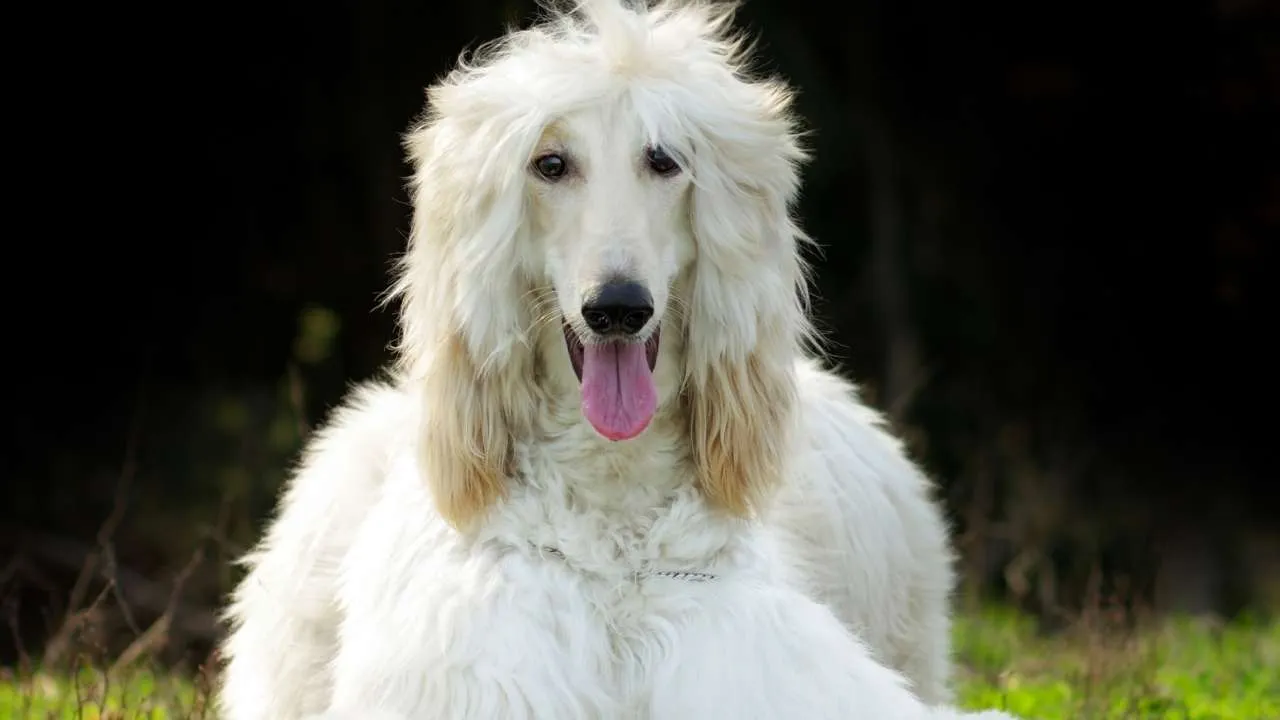
The Afghan Hound’s long, refined nose and narrow snout tell the story of a breed shaped by harsh landscapes and demanding work.
Developed as a hunting dog in the mountainous regions of Afghanistan, this sighthound relied on sharp vision supported by a streamlined head that allowed efficient breathing while running at high speeds.
Its elongated snout, paired with a “far-seeing” expression, gives the Afghan Hound an unmistakably aristocratic look, elegant, alert, and dignified.
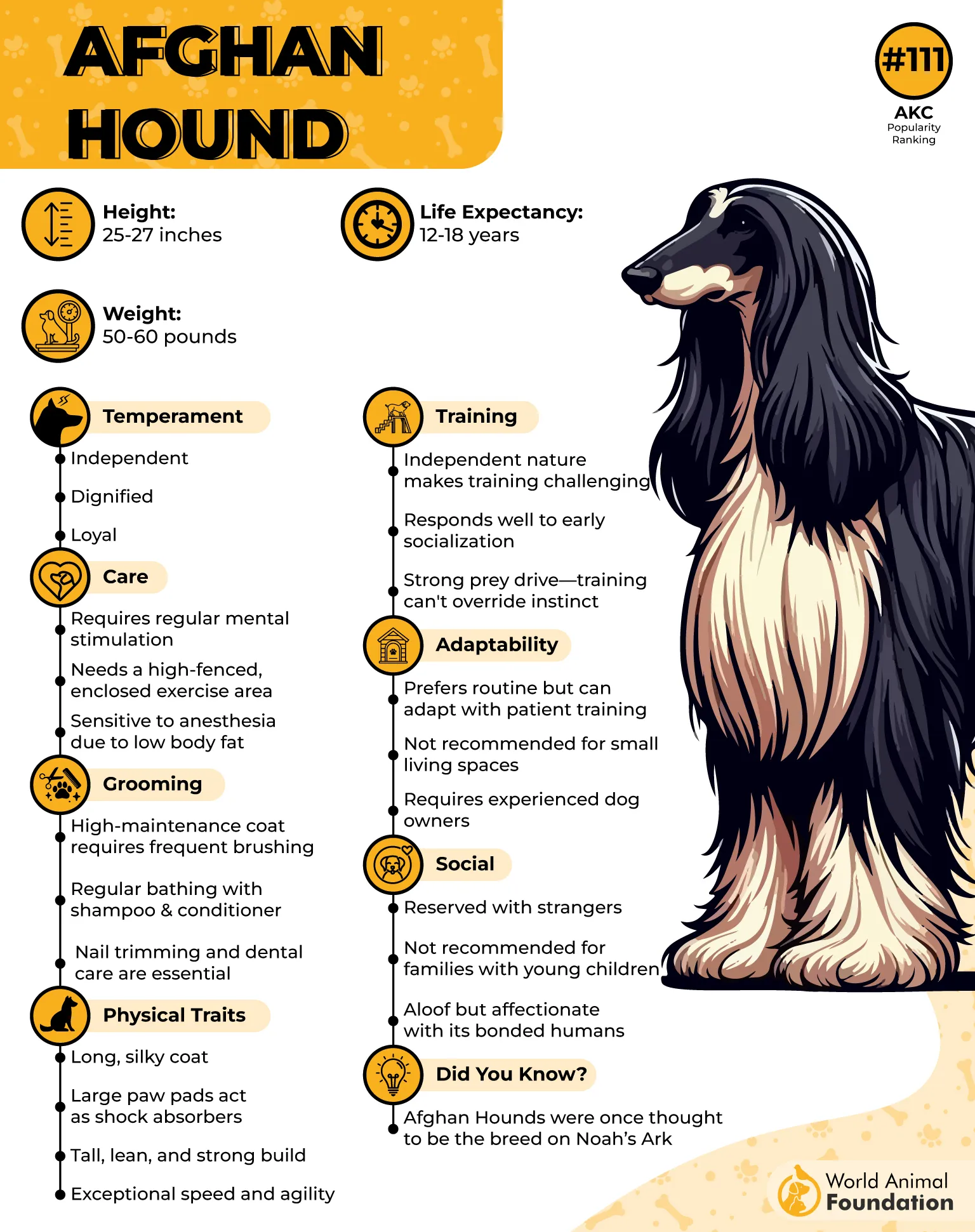
Built to chase game such as gazelles and hares across rough terrain, the Afghan’s facial structure complements its athletic frame, stamina, and agility.
Long ears frame the face, while the silky coat softens its striking features without hiding its purposeful design. Independent and aloof by nature, Afghan Hounds are deeply rooted in their hunting heritage, according to Omlet.
Their nose and snout may not be used for scent work, but they remain a beautiful example of how form follows function in ancient dog breeds.
Conclusion
From the sleek Greyhound to the regal Afghan Hound, the affectionate dog breeds showcasing wonderful nose and snout traits remind us how form and function beautifully merge in our furry friends.
Long snouted dogs like Pharaoh Hounds, Italian Greyhounds, and Russian Wolfhounds were originally bred as hunting dogs, excelling in lure coursing and short bursts of incredible speed.
Their elongated noses and pointy ears are not just for show; they house more olfactory receptors, helping these canine companions detect scents, track small game, and thrive in canine sports.
Even breeds like German Shepherds, Bull Terriers, and Airedale Terriers showcase selective breeding that balances intelligence, agility, and affectionate personalities, making them ideal for active families or as excellent watchdogs.
Whether your pup is a couch potato with a big personality or a hiking buddy needing long walks and puzzle toys, understanding the unique traits of long-nosed dogs and flat-faced breeds can enhance daily exercise, early socialization, and life choices for both pets and pet parents alike.
