




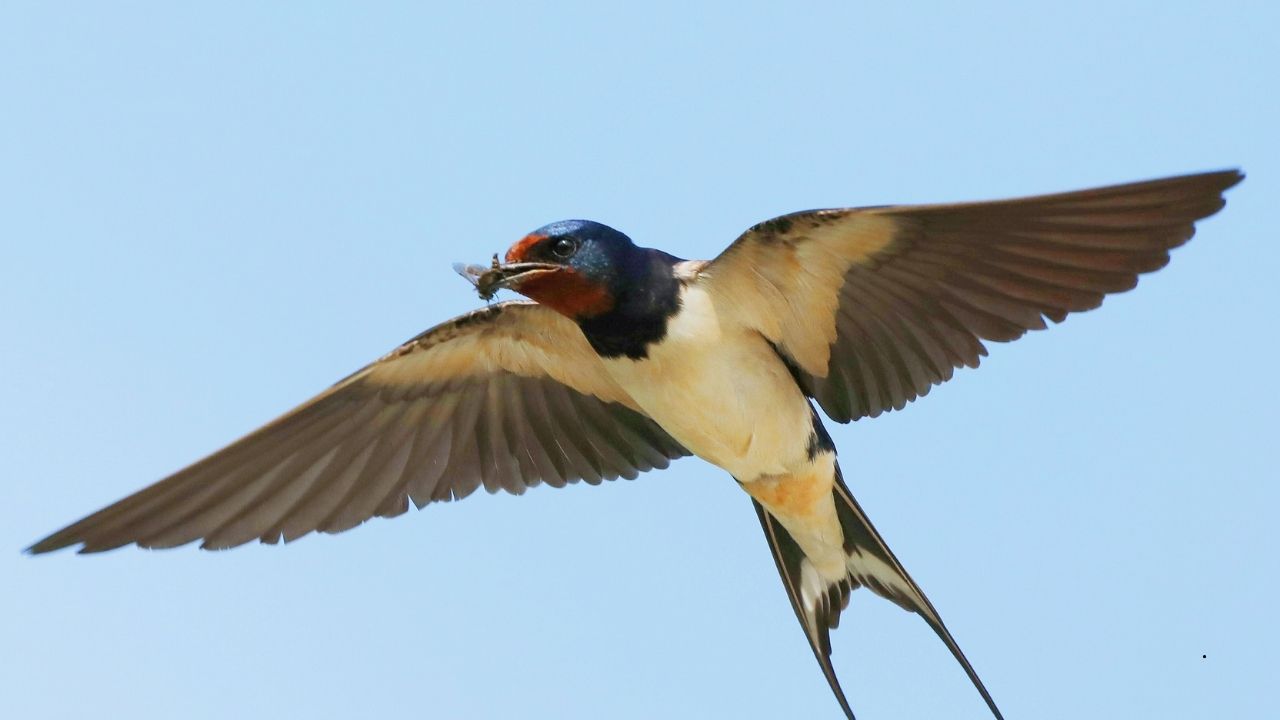
We all know birds can fly, but some of them take it to a whole new level. Instead of just soaring or gliding, these incredible fliers twist, dive, and dart through the air with stunning agility.
Watching them perform midair flips and quick turns feels like watching nature’s very own acrobats putting on a show just for us.
What’s amazing is that these aerial stunts aren’t just for fun—they’re vital skills for survival. Whether it’s catching tiny insects on the wing, escaping predators, or speeding to new territories during migration, speed and maneuverability can mean the difference between life and death.
Over millions of years, these birds have perfected their flight abilities to become some of the most impressive flyers on the planet.
Some of these birds can dive at speeds exceeding 200 miles per hour—that’s faster than many race cars! Their power, precision, and grace in the air make the sky their own thrilling playground. Get ready to meet the ultimate masters of aerial stunts who redefine what it means to take flight.
Key Takeaways
Witness mind-blowing stunts from birds like the Peregrine Falcon and Hummingbird.
See how speed and agility help birds survive in wild, thrilling ways.
Meet ocean gliders like the Grey-Headed Albatross and Frigatebird in action.
Discover the secret skills of Swifts, Red Kites, and Kestrels.
Birds That Can Perform Amazing Aerial Stunts
1. Peregrine Falcon
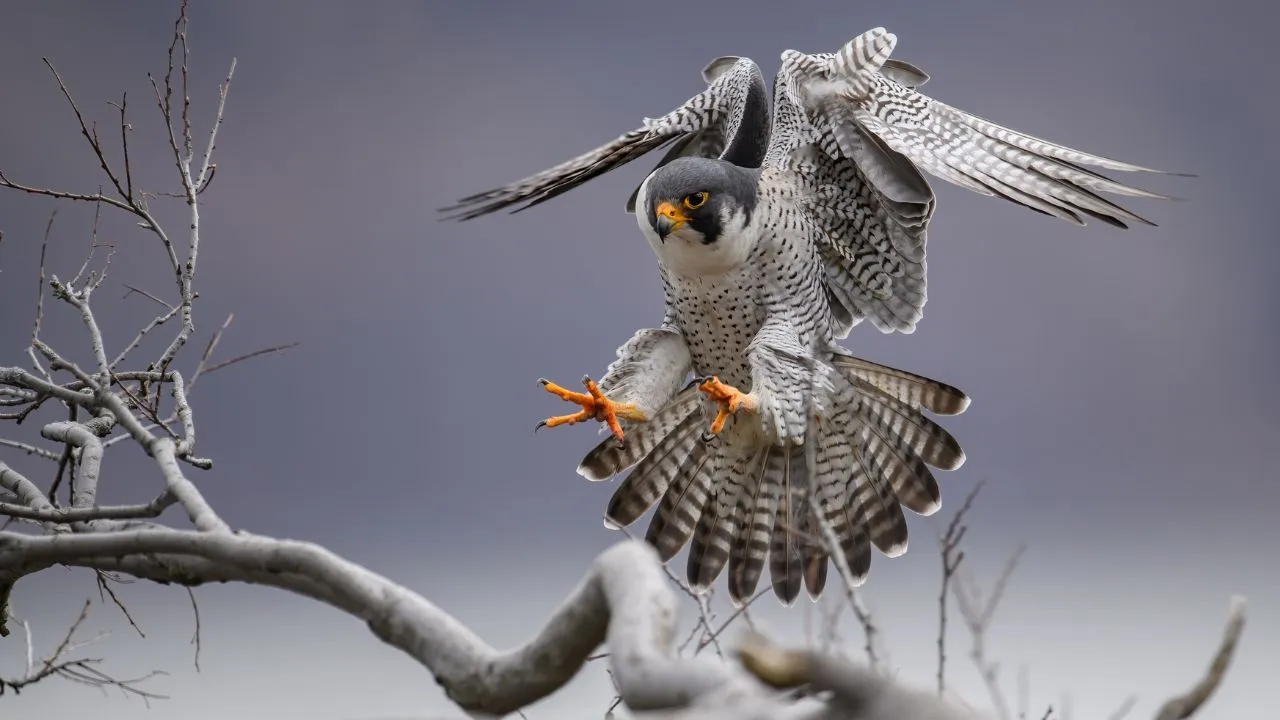
The Peregrine Falcon is famous for being the fastest animal on the planet. When hunting, it performs a steep dive called a stoop, reaching speeds of over 200 miles per hour, as mentioned by the Cornell Lab.
This incredible speed helps it catch birds mid-flight with amazing precision. Its sleek body and long wings make it built for both speed and agility, allowing sharp turns and rapid changes in direction.
These falcons live all over the world, except Antarctica, and can thrive in many environments. From rugged cliffs to city skyscrapers, they’ve adapted well to urban life, often hunting pigeons and other city birds.
Their sharp eyesight allows them to spot prey from great heights before swooping down in a flash, making them skilled and efficient hunters.
Although their numbers dropped sharply due to pesticide use in the past, Peregrine Falcons have made a strong comeback thanks to conservation efforts.
Key Facts:
Can dive at speeds over 200 mph, faster than most cars on the highway
Found worldwide, living in both wild and urban areas
The primary diet consists of other birds caught in midair
Populations recovered after pesticide bans and conservation work
2. Hummingbird
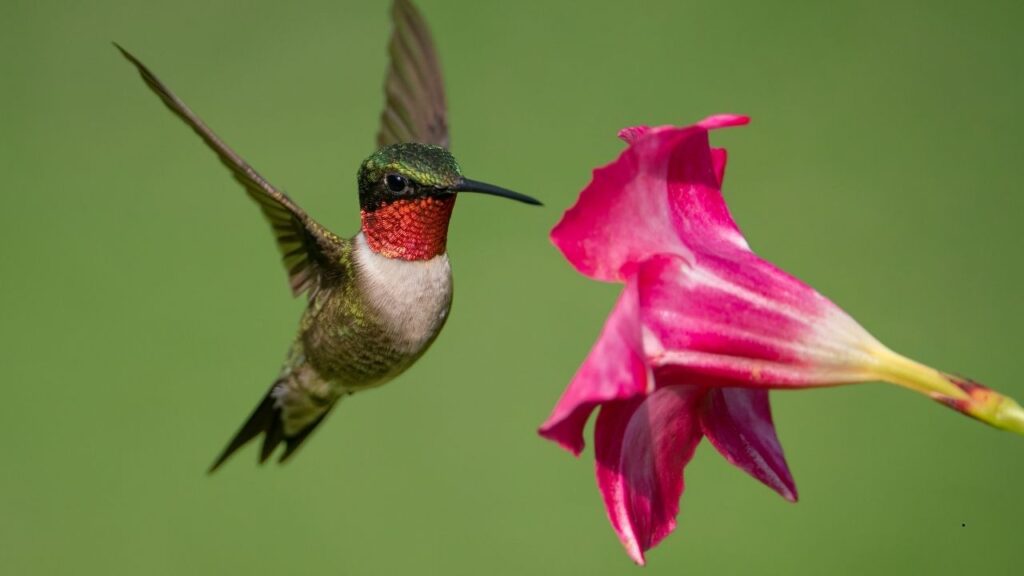
Hummingbirds are among the most astonishing flyers in the bird world, known for flight skills that seem almost unreal. These tiny birds can hover in one spot in mid‑air, move forward and backward, and even fly sideways with ease — abilities no other bird species regularly displays.
Their wings beat incredibly fast — up to around 80 times per second — creating lift on both the upstroke and downstroke, which allows such precise aerial control.
Despite their small size, hummingbirds are packed with energy and power. Their incredibly high metabolism fuels constant motion, and you’ll often see them flitting quickly from flower to flower as they sip nectar.
The unique structure of their shoulders lets their wings rotate nearly 180 degrees, giving them that remarkable backward and hovering flight.
Key Facts:
The only birds that can truly hover and fly backward in still air
Wings can beat up to ~80 times per second, creating a humming sound
Flight requires more energy than almost any other animal activity
Tiny but mighty — their flight mechanics are unique and complex
3. Grey-Headed Albatross
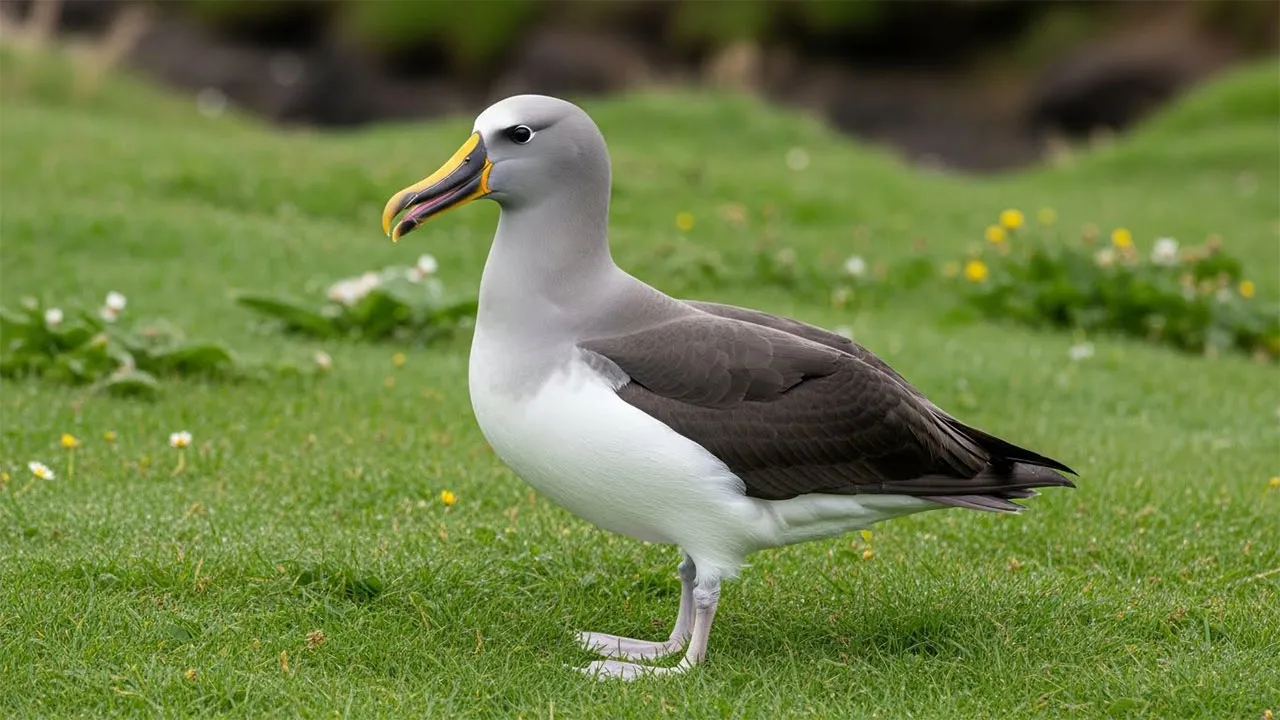
The grey‑headed albatross is a master of long‑distance flight over the open ocean, effortlessly covering vast stretches of waves as it searches for food.
With long, narrow wings built for gliding, these birds can fly for hours without flapping, conserving energy while traveling immense distances across the Southern Ocean.
One of the most remarkable traits of the grey‑headed albatross is its speed in level flight. RSPB mentions that it holds a world record for sustained horizontal flight, reaching around 79 miles per hour as it rides strong winds and ocean air currents.
Beyond speed, these albatrosses are powerful ocean wanderers. They feed mainly on squid and fish, often following ships or skimming waves to find meals, and they nest on remote sub‑Antarctic islands where they raise their young before heading back out to roam the seas.
Key Facts:
Holds a record for fast sustained level flight (~78.9 mph)
Uses wind patterns and dynamic soaring to travel efficiently
Has a huge wingspan (~7 feet), ideal for gliding
Breeds on isolated sub‑Antarctic islands
4. Frigatebird

The magnificent frigatebird is a truly majestic seabird known for spending most of its life high above tropical oceans, rarely landing except to breed.
With an exceptionally large wingspan and lightweight body, it can glide for hours or even days on warm air currents without much effort. These birds have earned nicknames like “condor of the oceans” for their long, graceful flights across vast stretches of open sea.
Magnificent frigatebirds are incredible aerial performers, thanks to their long, narrow wings that give them outstanding maneuverability.
They rarely touch water because their feathers aren’t waterproof, so they snatch fish and squid from the ocean surface without landing. These birds also practice kleptoparasitism — chasing other seabirds to steal their catch mid‑air — a behavior that earned them the nickname “pirate birds.”
Although they aren’t considered endangered, protecting their coastal and island habitats remains important to ensure these aerial masters continue to thrive.
Key Facts:
Can stay aloft for days without landing thanks to efficient gliding
Snatches prey from the water surface but never lands on it
Known as “pirate birds” for stealing food from other seabirds
Males display a large red throat pouch during breeding
5. Swift
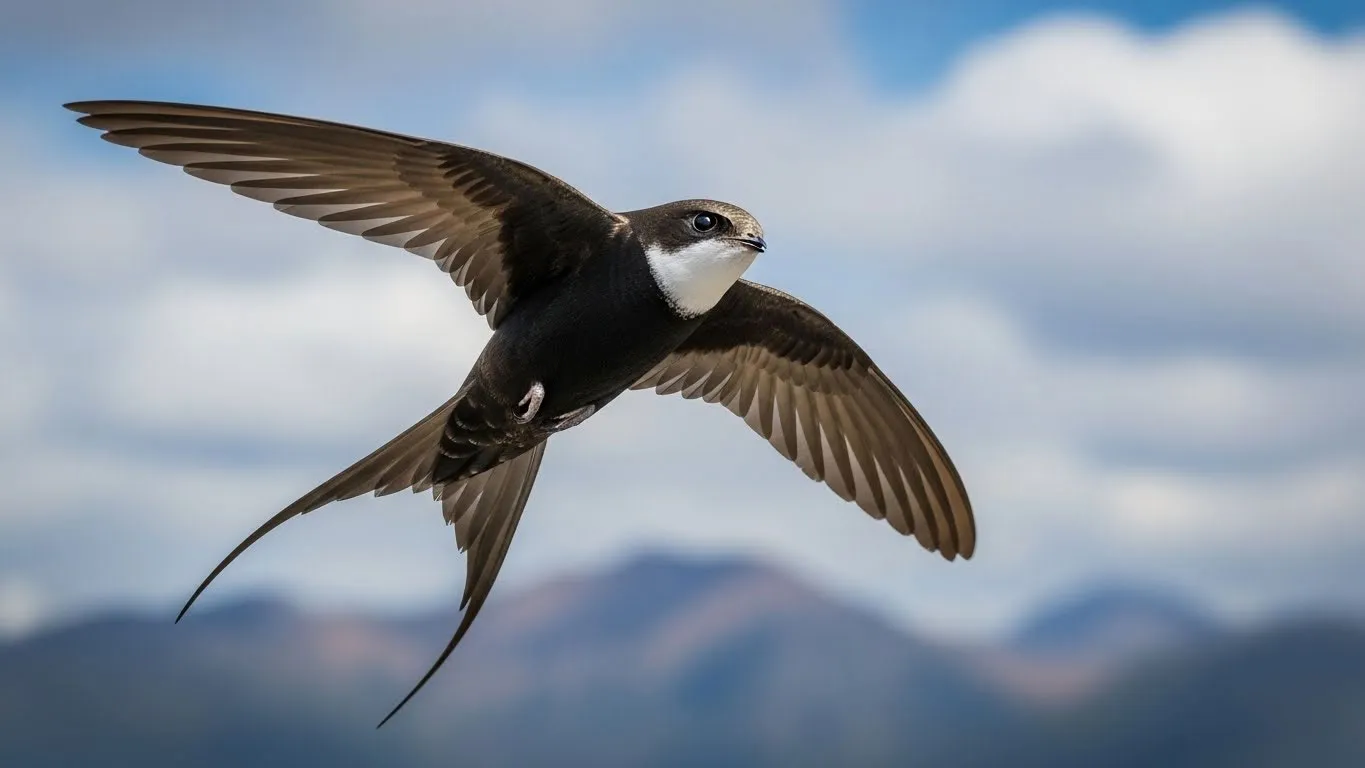
Swifts are remarkable birds that spend nearly their entire lives in flight. From eating and drinking to sleeping and even mating, these aerial acrobats rarely touch the ground except to nest.
Their long, curved wings and forked tails allow them to dart and twist through the air with astonishing agility, making them masters of the sky. These birds make long migratory journeys each year, traveling thousands of miles between breeding and wintering grounds.
Their flight is almost constant, and they weave through the air at high speeds while foraging for tiny flying insects. Because they only land in their nests, seeing a swift perched on a wire is a rare sight indeed.
Swifts are famous for their aerial lifestyles and are often heard before they’re seen, with their distinctive screaming calls echoing overhead. Their ability to stay airborne for extended periods and perform agile maneuvers makes them one of the most impressive flyers in the bird world.
Key Facts:
Spend nearly all life in flight, landing only to nest
Eat, drink, sleep, and even mate while flying
Long, curved wings allow agile aerial maneuvers
Known for high‑speed flight and long migrations
6. Red Kite
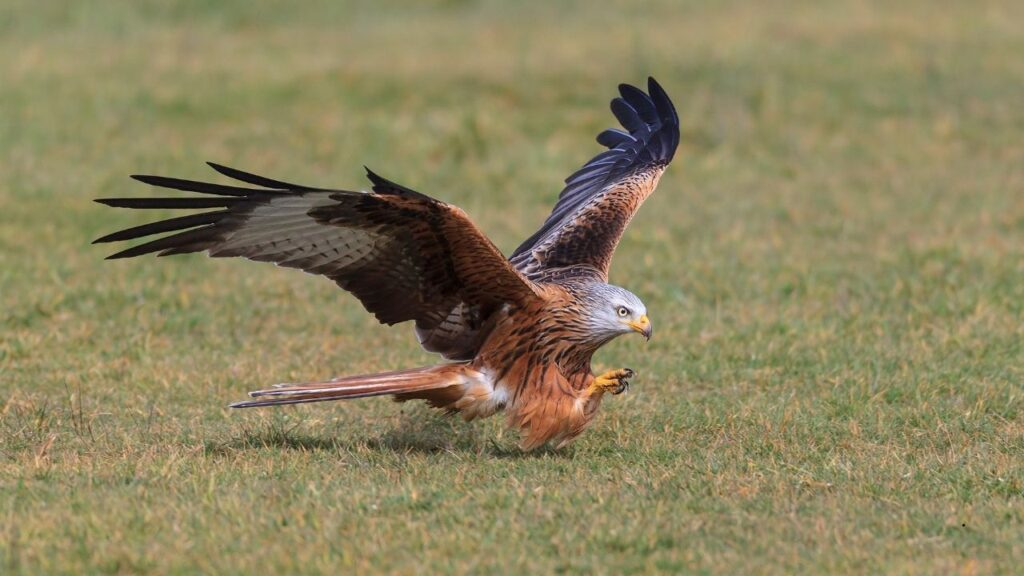
The Red Kite is a striking bird of prey known for its elegant and effortless soaring flight. With reddish‑brown plumage, long, angled wings, and a deeply forked tail, it glides smoothly in the sky, often seen circling in thermals as it searches for food across open landscapes.
Once close to extinction in parts of Europe, Red Kites have made a remarkable comeback thanks to successful conservation and reintroduction programs. They are now a familiar sight in many regions, soaring above woodlands, farmland, and even urban areas as they scavenge or hunt small prey.
Rather than attacking large prey like some other raptors, Red Kites are skilled at spotting carrion and small animals from the air, then gliding down with ease to feed. Their graceful flight and distinctive silhouette make them a favorite among birdwatchers and nature lovers alike.
Key Facts:
Known for graceful soaring with a distinctive forked tail
Once rare, now widespread thanks to conservation success
Eats mainly carrion and small animals
Often spotted gliding over the countryside and woodlands
7. Kestrel
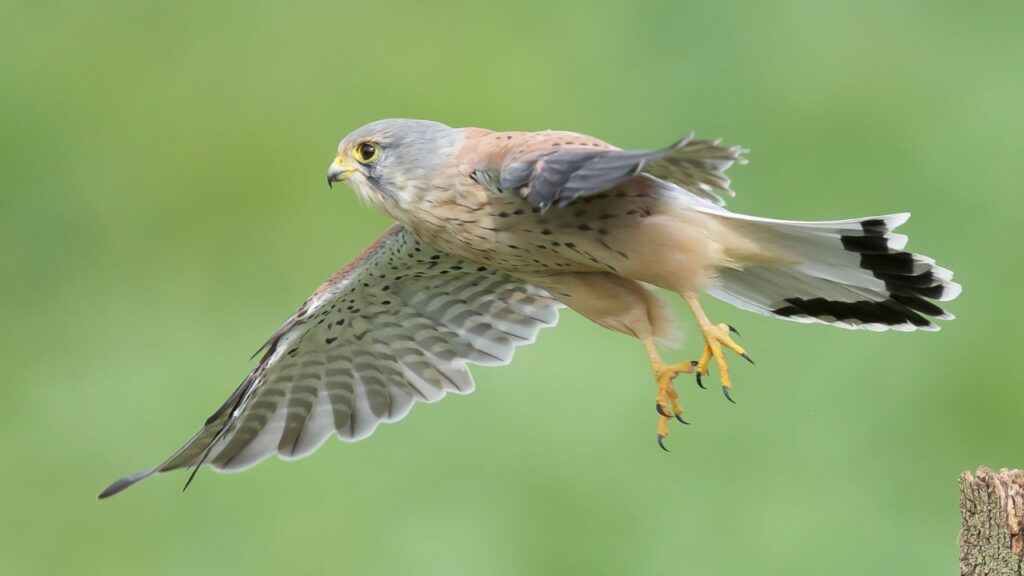
Kestrels are small but impressive birds of prey best known for their unique hovering flight. Unlike many raptors that hunt by soaring or diving from a perch, kestrels can remain nearly motionless in mid‑air by facing into the wind.
Birdfact states that they rapidly beat their wings while fanning their tail — a behavior often called “windhovering.” This lets them scan open fields for prey with amazing precision.
These falcons typically hunt small mammals, insects, and reptiles by hovering high above the ground before dropping straight down once they’ve locked onto a target.
Their long, pointed wings and lightweight bodies are perfectly built for this kind of aerial control, and their keen eyesight helps them spot tiny movements from quite a distance. Although they are small compared to other birds of prey, their skill in the air makes them incredibly effective hunters.
Kestrels are found across many parts of the world in open habitats like grasslands, farmlands, and even urban edges. While the American kestrel is common in the Americas, other species occur across Europe, Asia, and Africa.
Key Facts:
Famous for hovering in place while hunting, facing into the wind
Uses wind and rapid wingbeats to stay nearly motionless above the ground
Hunts small mammals, insects, and reptiles with quick aerial dives
Seen in open fields, the countryside, and even near towns and villages
Conclusion
Aerial acrobatics are some of the most thrilling displays in the wildlife world, often witnessed during the breeding season when birds show off their incredible flying skills.
Whether darting among trees and shrubs at forest edges or soaring over meadows and rocks, these graceful performances capture the focus and hope of many who take an evening walk or visit their yard to watch.
Each year, communities eagerly anticipate these annual events, hoping to learn more and witness the magic of these flocks in action. Birds have long been a source of wonder for humans, inspiring us to publish pictures and stories about their fascinating lives.
From the middle of spring to the quiet of night, groups of birds gather, performing short but spectacular flights from branch to branch. This natural spectacle connects us to the rhythm of the wild and reminds us of the beauty found in even the smallest moments of nature.
