




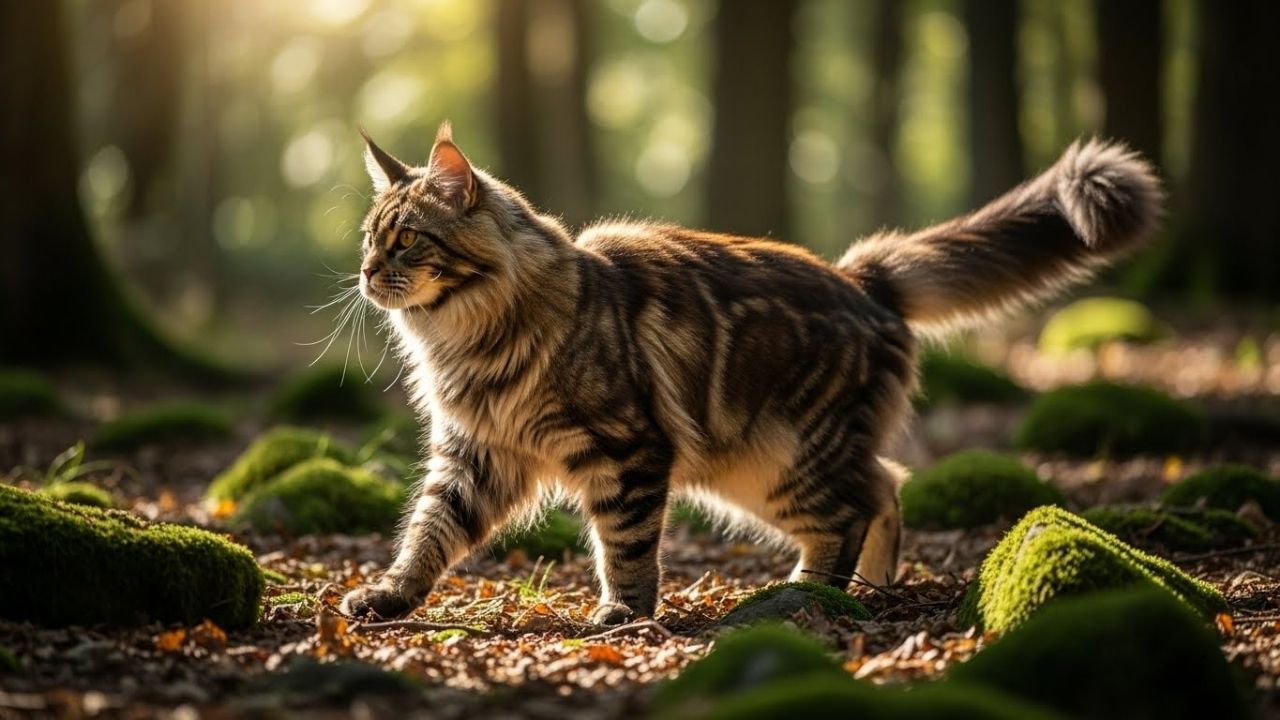
Cats are often admired for their elegance and agility, but some breeds take physical strength to another level. These cats develop muscle with ease, giving them powerful frames built for speed, climbing, and impressive leaps. Their athletic builds aren’t just for show—many are highly active, energetic, and driven by instincts that encourage constant movement and exploration.
Unlike the typical image of a soft, lap-loving feline, muscular cat breeds resemble natural athletes. They combine strength with grace, allowing them to sprint, jump, and maneuver with remarkable control. Many of these cats trace their lineage to wild ancestors, which helps explain their solid bone structure and well-defined muscles. Despite their brawny appearance, they often balance power with affection, forming close bonds with their owners.
What truly sets these cats apart is genetics. Selective breeding and natural evolution have shaped bodies designed for performance rather than delicacy. For owners who enjoy interactive play and active companions, these muscular felines are especially appealing.
In this guide, we’ll explore cat breeds known for building muscle easily and uncover what makes them some of the strongest cats in the domestic world.
Cat Breeds That Build Muscle Easily
1. Bengal
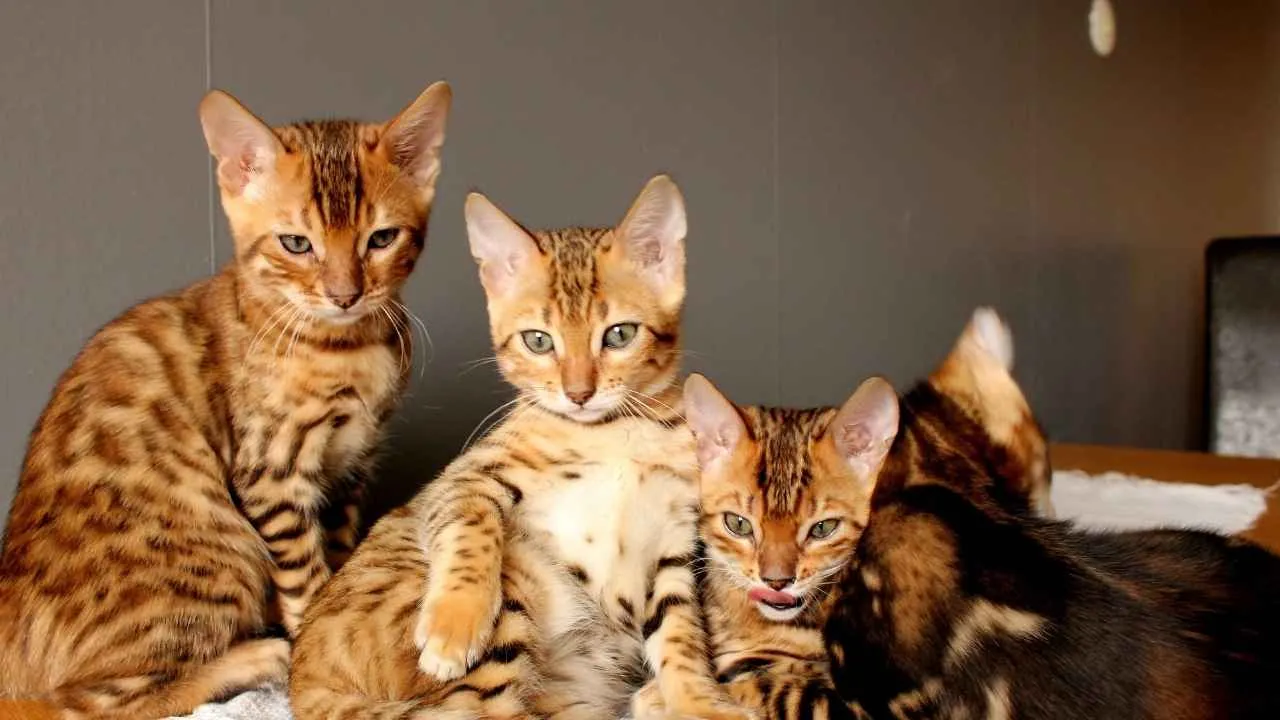
Also known simply as the Bengal cat, this breed stands out for its wild-inspired appearance and powerful physique.
According to Britannica, the Bengal cat is a short-haired domestic cat breed developed in the United States during the 1970s and 1980s by crossing an Asian leopard cat with a domesticated tabby cat.
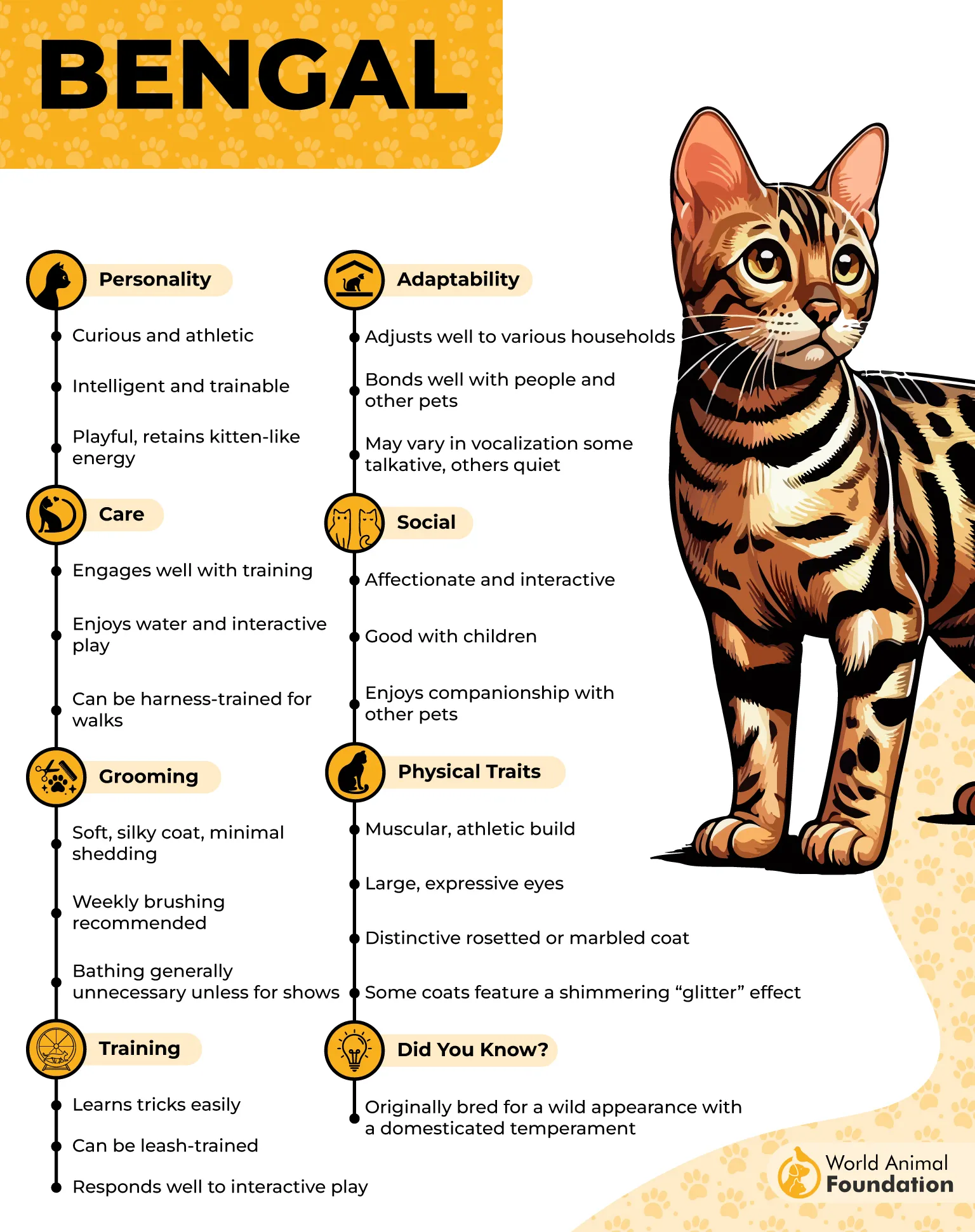
Bengals build muscle easily thanks to genetics that favor strength, agility, and endurance. Their long, powerful legs and lean frame support explosive movement, allowing them to sprint, leap, and climb with impressive control and speed.
The genetics behind feline muscle development are especially visible in this breed. Selective breeding emphasized traits like dense muscle tone and high energy, reinforcing physical performance rather than bulk, which is why Bengals appear fit and sculpted rather than heavy.
To maintain their muscular condition, Bengals need constant physical and mental stimulation.
Fun fact: Despite their wild look, research shows that many of the genes behind the Bengal’s appearance and athletic build were already present in domestic cats and intensified through selective breeding.
2. Savannah
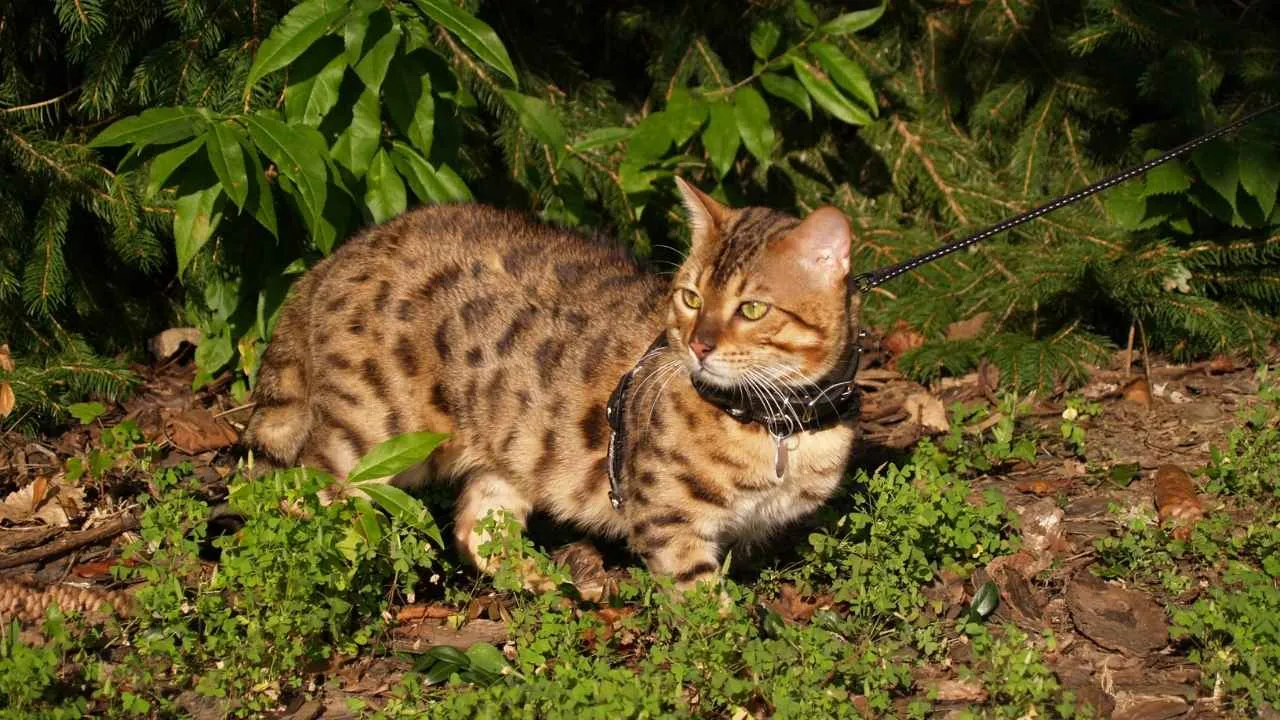
They are also known simply as the Savannah cat. According to PetMD, the Savannah house cat descended from a hybrid between a domestic cat and a wild African serval.
Recognized for its tall frame, long legs, and spotted coat, the Savannah has a sleek yet powerful build that immediately sets it apart.
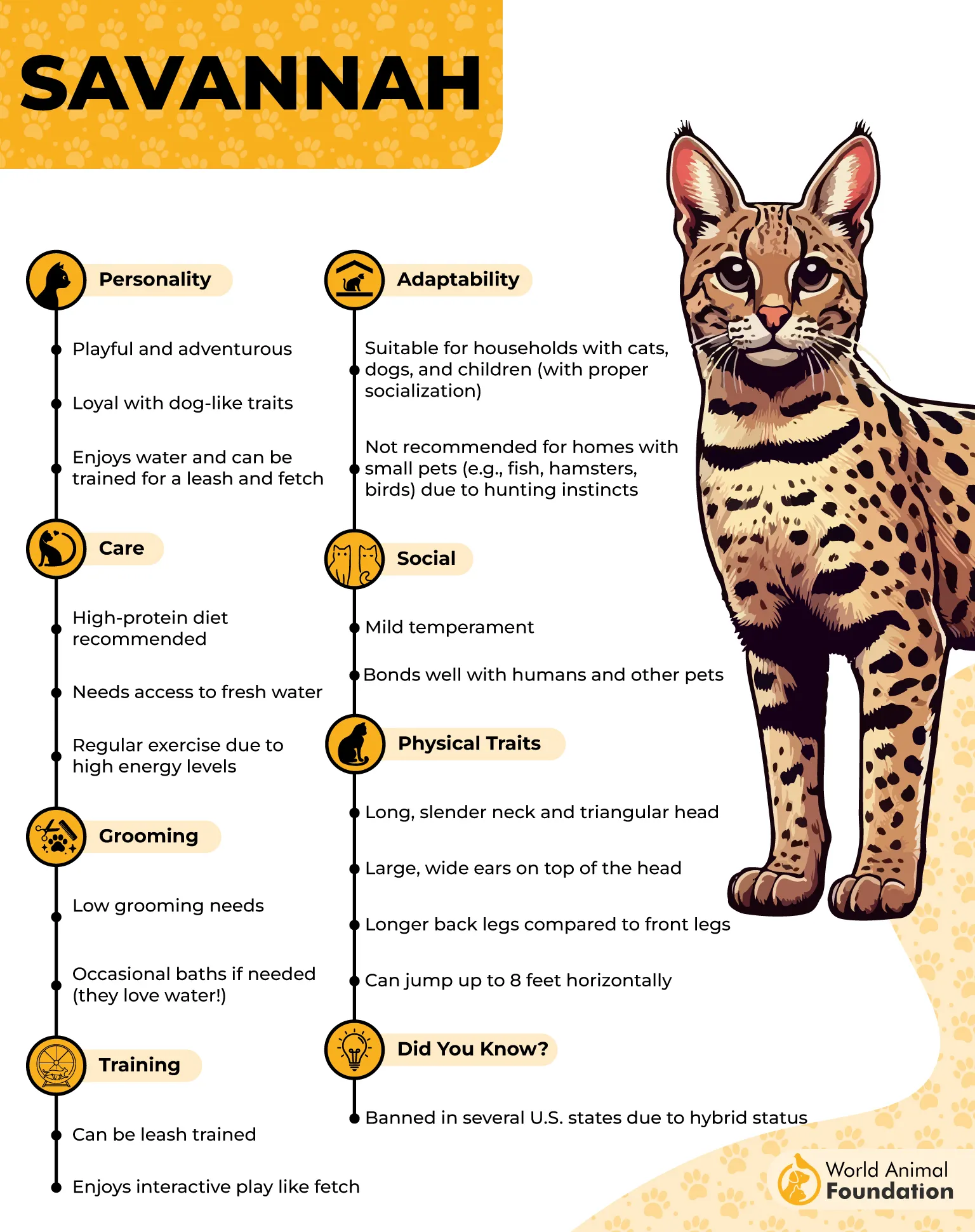
As one of the most muscular domestic cat breeds, the Savannah builds muscle easily thanks to its wild ancestry. Strong hind legs, a lean torso, and exceptional agility allow it to sprint, climb, and leap far higher than most household cats.
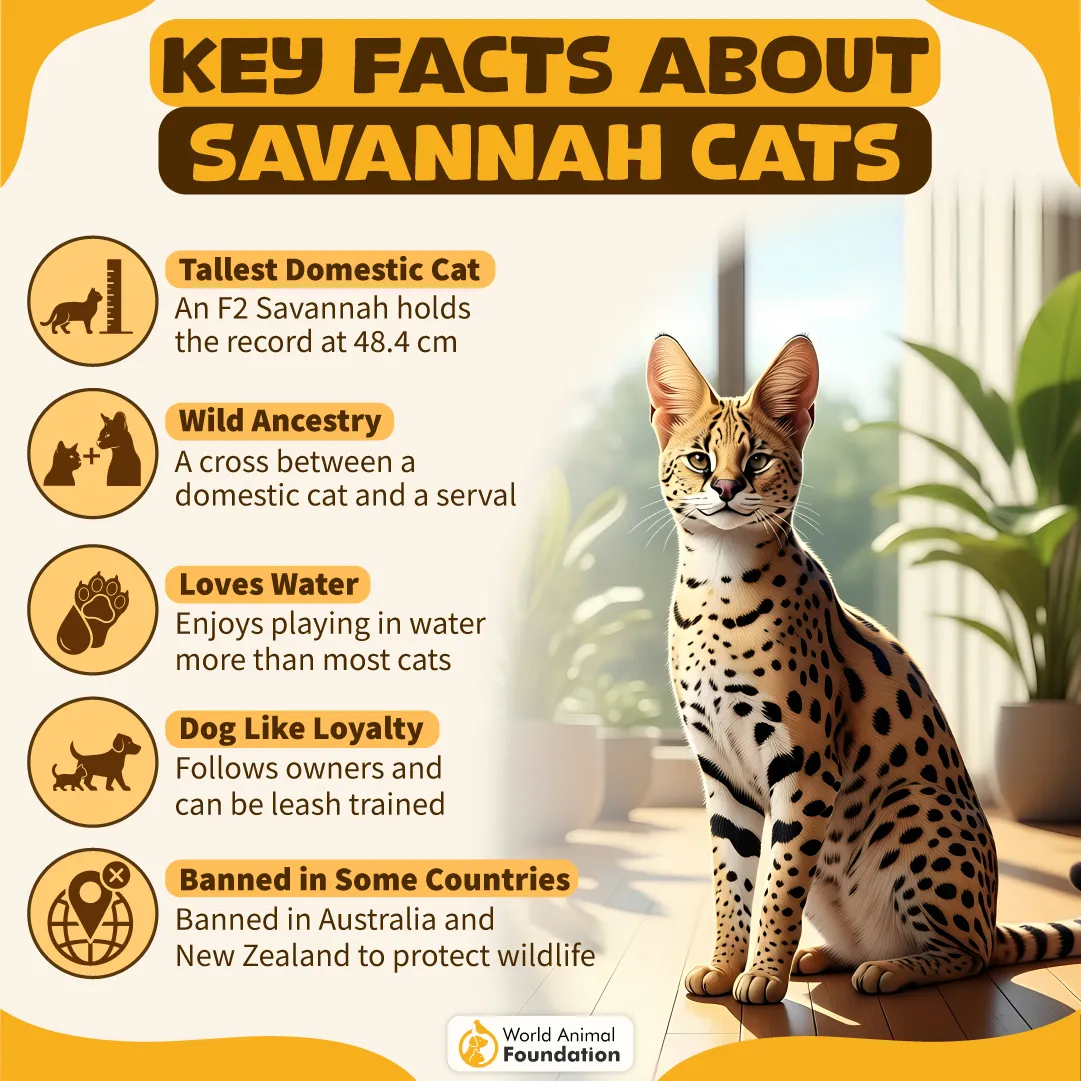
Large and powerful breeds like the Savannah thrive on movement and challenge. Interactive play, climbing structures, and space to run help maintain their muscle tone while supporting both physical and mental well-being.
Despite their size and strength, Savannahs are intelligent and people-oriented, often enjoying leash training or fetch-style games.
Fun fact: Savannah cats are capable of jumping up to 8–10 feet in a single leap due to their powerful, muscular hind legs.
3. Norwegian Forest Cat
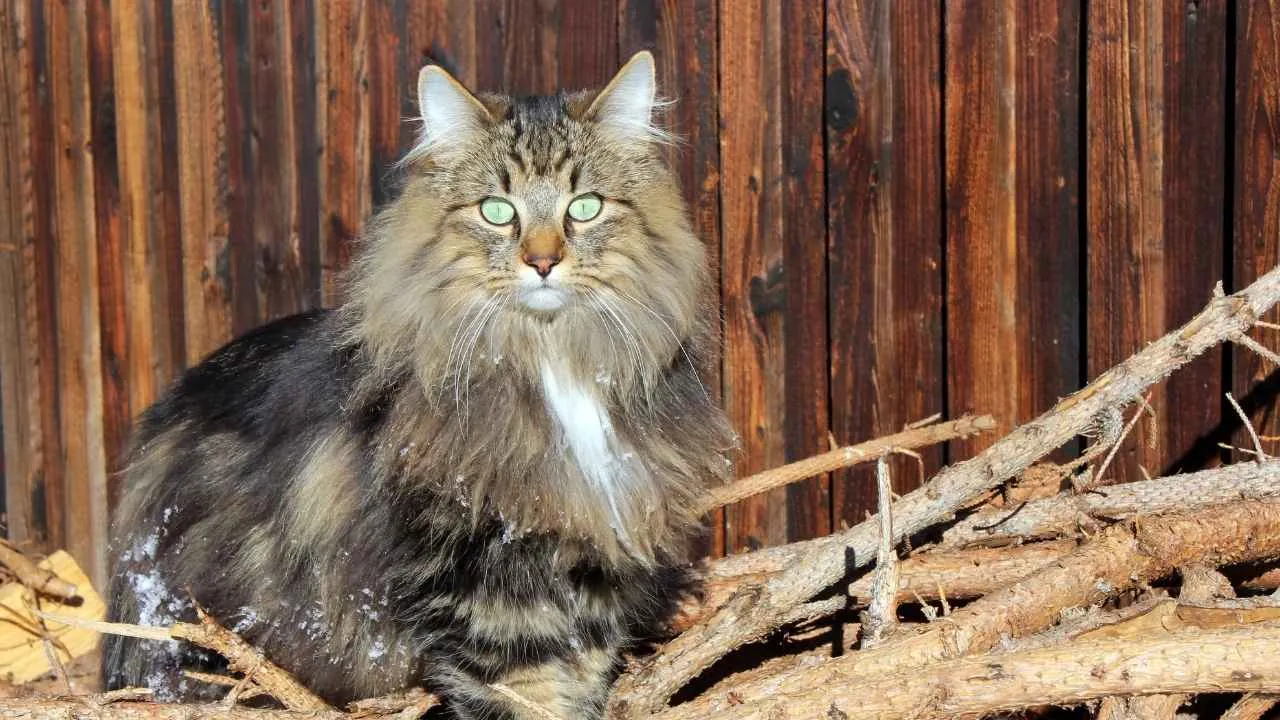
Also called the Wegie, the Norwegian Forest Cat is a large, muscular breed developed in Norway’s harsh climate. According to WebMD, Norwegian Forest Cats are sociable and playful, and they can adapt to many environments.
With a sturdy frame, strong legs, and a thick double coat, this cat was built for survival, strength, and demanding physical activity.
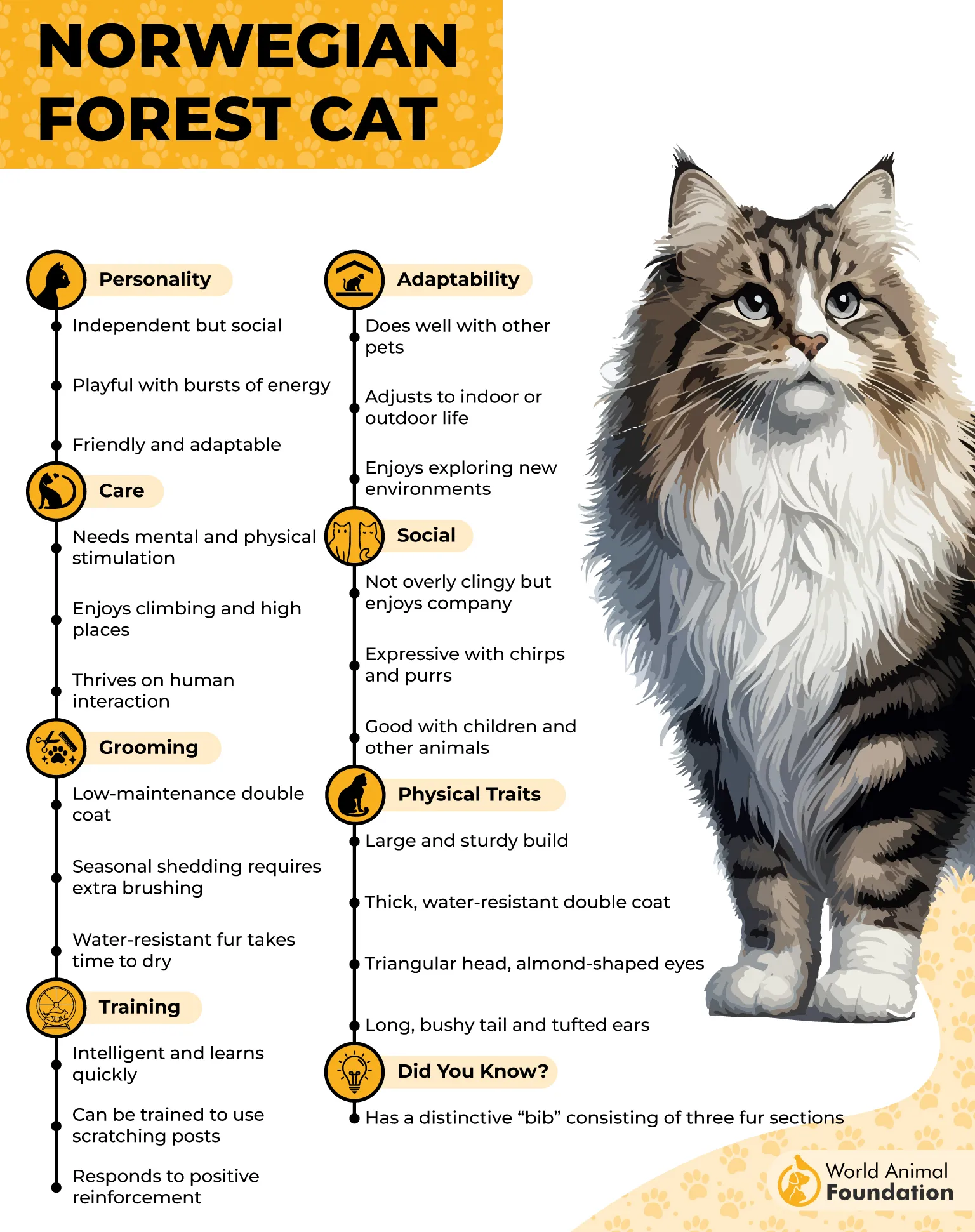
Active lifestyles play a major role in how easily this breed builds muscle. Norwegian Forest Cats are natural climbers that enjoy scaling tall trees, cat towers, and shelves, using powerful hind legs and a broad chest to support their athletic movements.
Regular climbing, jumping, and exploration help maintain their impressive muscle tone. Providing vertical spaces indoors encourages healthy exercise and supports the breed’s instinctive behaviors, which directly contribute to sustained strength and endurance.
Despite their powerful build, they remain agile and balanced, thriving best when given room to move and climb daily.
Fun fact: Norwegian Forest Cats are known for descending trees headfirst, a skill that highlights their exceptional strength and coordination.
4. Siberian
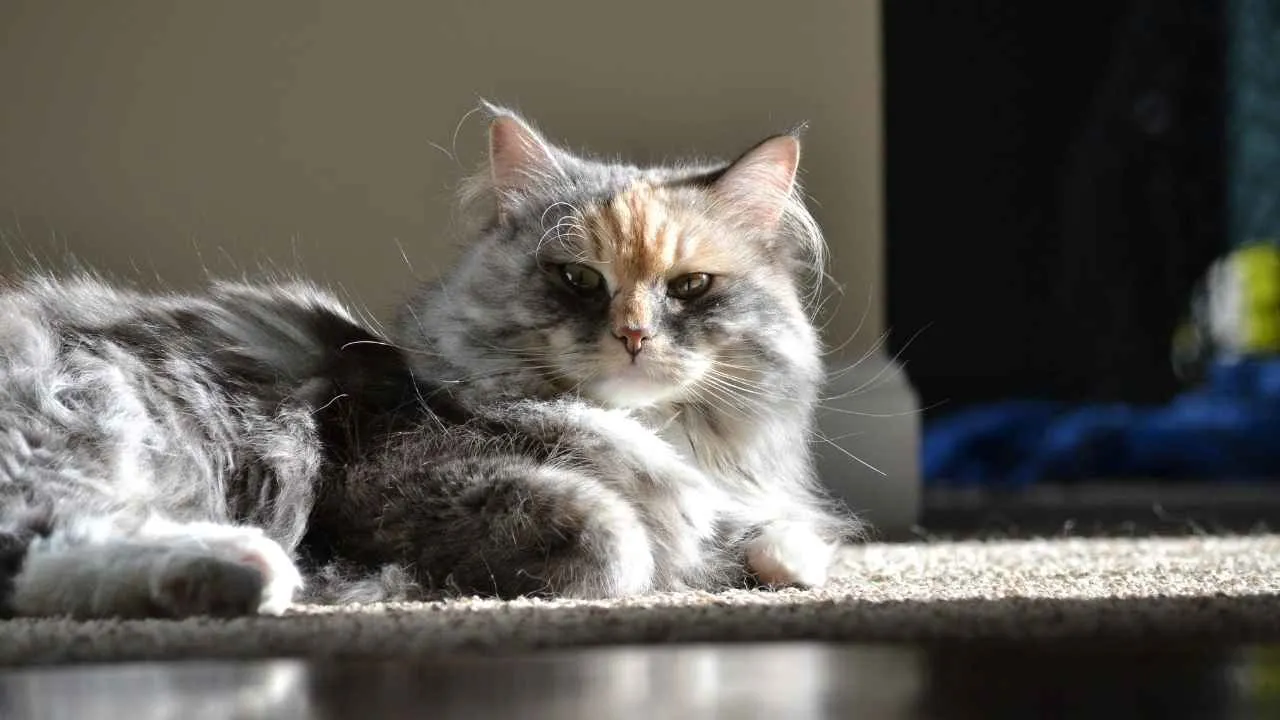
Also known as the Siberian Forest Cat, this breed hails from the snowy regions of Russia and is admired for its powerful, athletic build. With a sturdy frame, strong legs, and a thick triple-layered coat, the Siberian is naturally designed for strength and endurance.
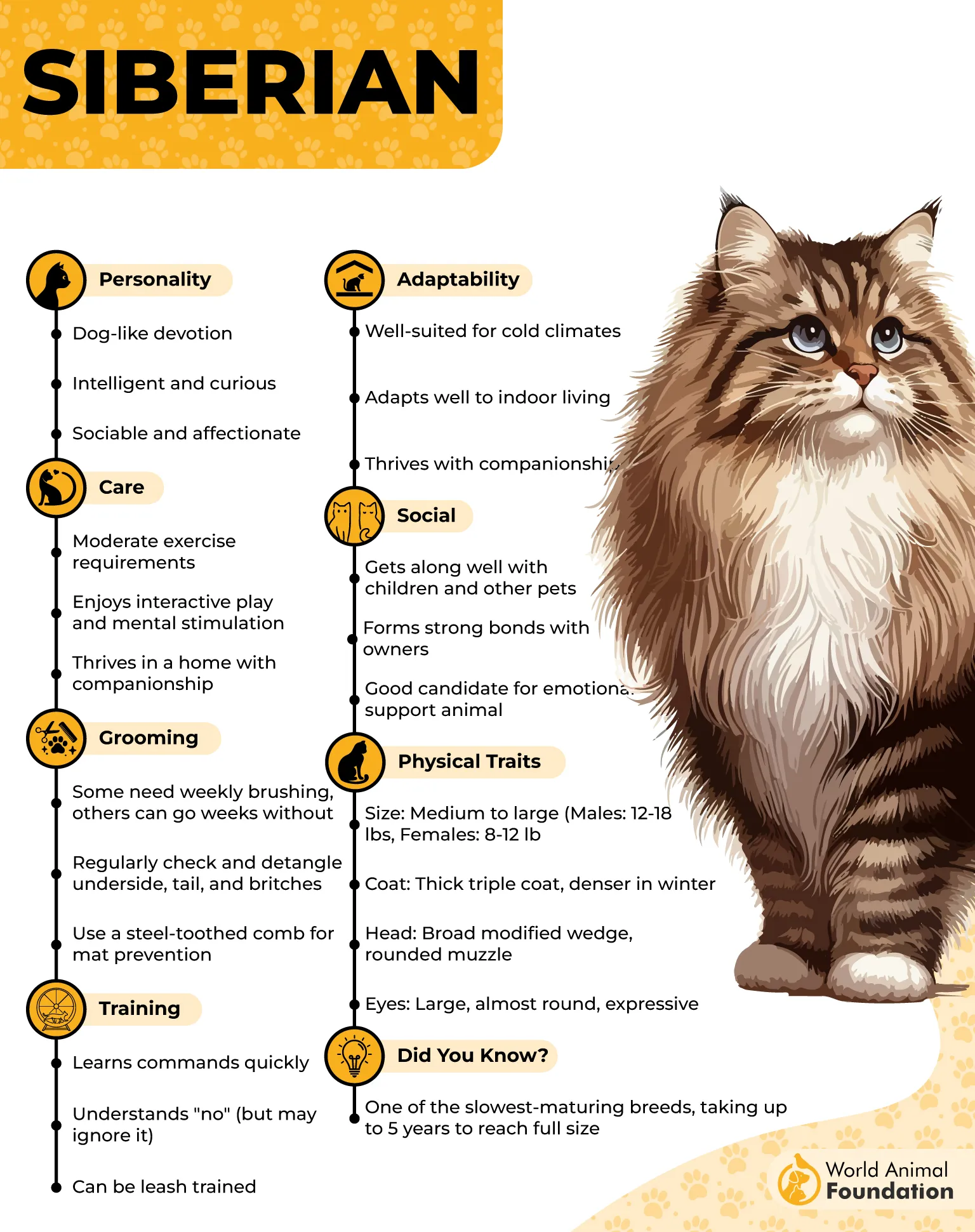
Siberians have an active nature and solid bone structure. They love climbing, jumping, and running, all of which help maintain lean muscle mass and overall conditioning without excessive effort from structured exercise alone.
Diet plays a key role in supporting their muscular physique. High-quality protein, balanced fats, and nutrient-dense meals help fuel daily activity while preserving muscle tone, especially for cats that engage in frequent play and exploration.
Proper nutrition works best alongside regular grooming and activity.
Fun fact: Siberian cats typically stand about 9–12 inches tall and can weigh between 10–20 pounds, with males often being noticeably more muscular.
5. Maine Coon
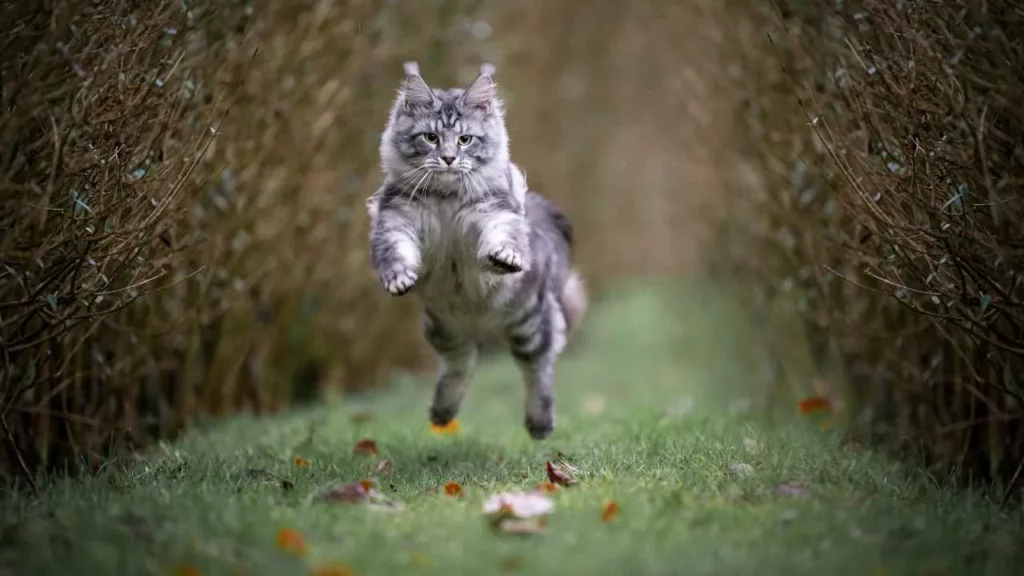
Also called the “gentle giant,” the Maine Coon is one of the largest domestic cat breeds, instantly recognized for its broad chest, long body, tufted paws, and thick double coat. Originating in the cold climate of Maine, this breed was built for strength, endurance, and survival.
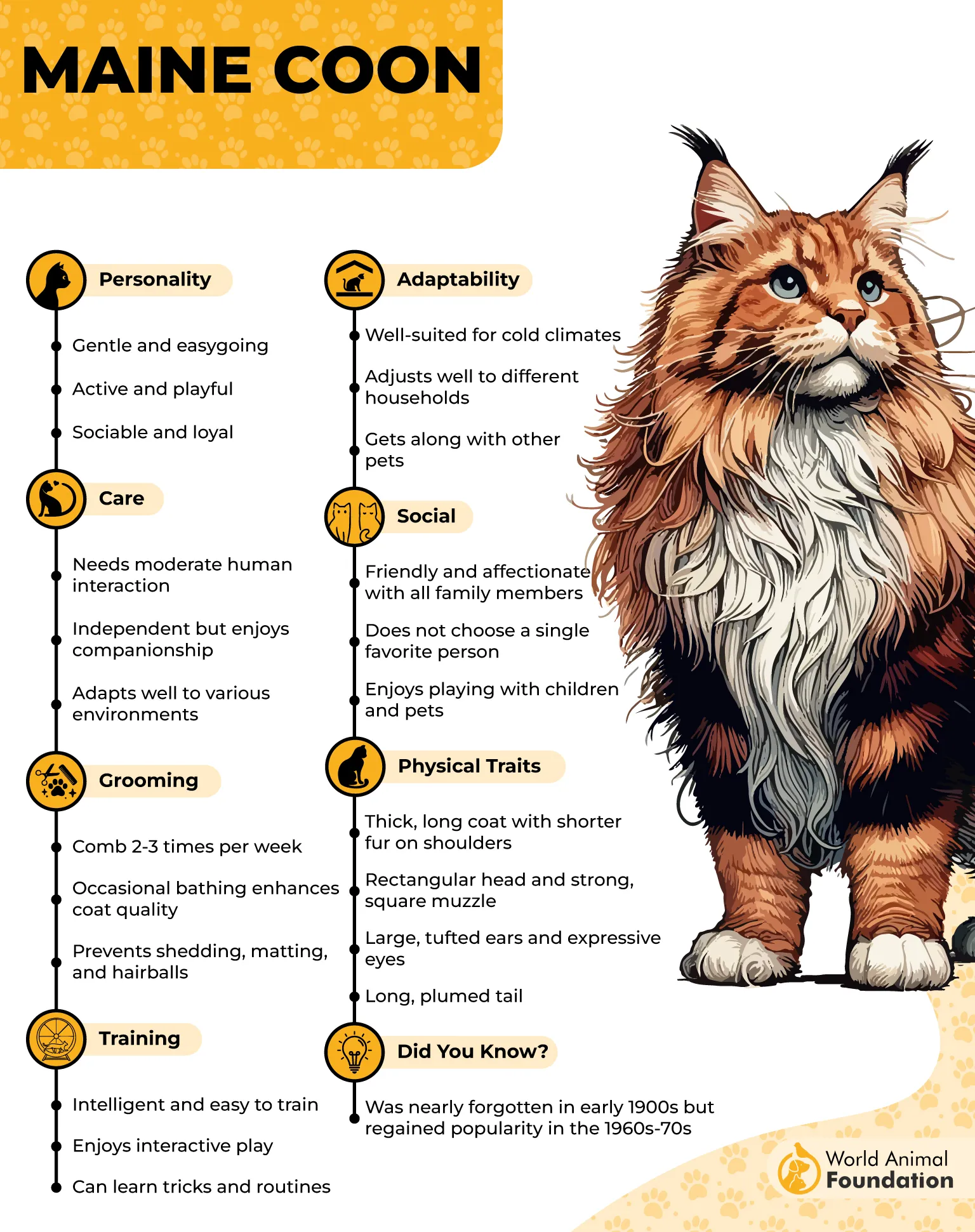
Maine Coons have a powerful frame and naturally athletic genetics. Their strong hind legs and solid bone structure support jumping, sprinting, and climbing, allowing muscle tone to develop even through everyday movement and play.
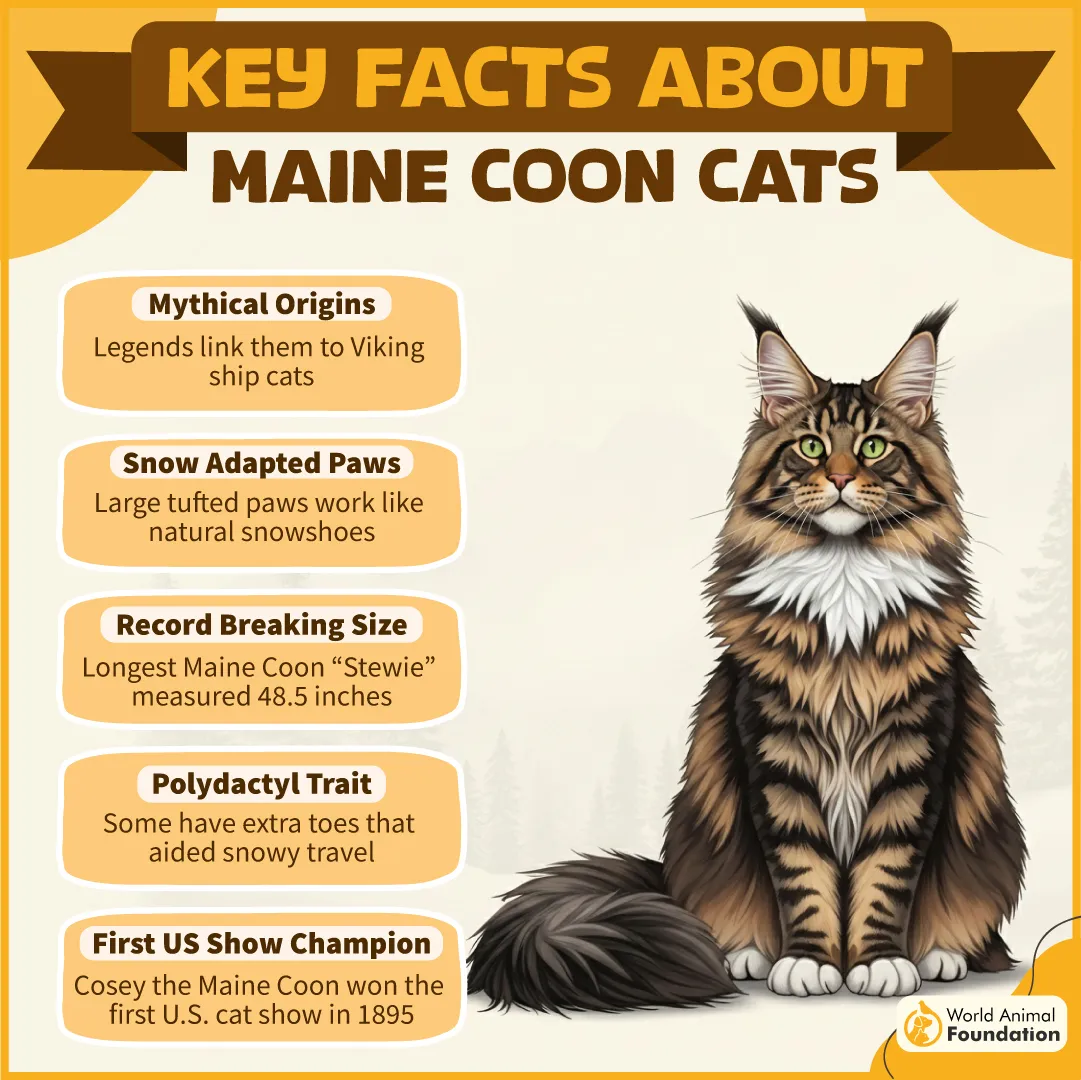
Exercise and play are essential for maintaining their muscular build. Maine Coons enjoy climbing towers, chasing toys, and engaging in interactive games that mimic hunting behaviors, all of which help strengthen their core and limbs without excessive strain.
Because they balance activity with long rest periods, structured play sessions work best to encourage healthy muscle development.
Fun fact: Maine Coons typically weigh between 10 and 25 pounds and are known for being surprisingly agile despite their massive size.
6. Abyssinian
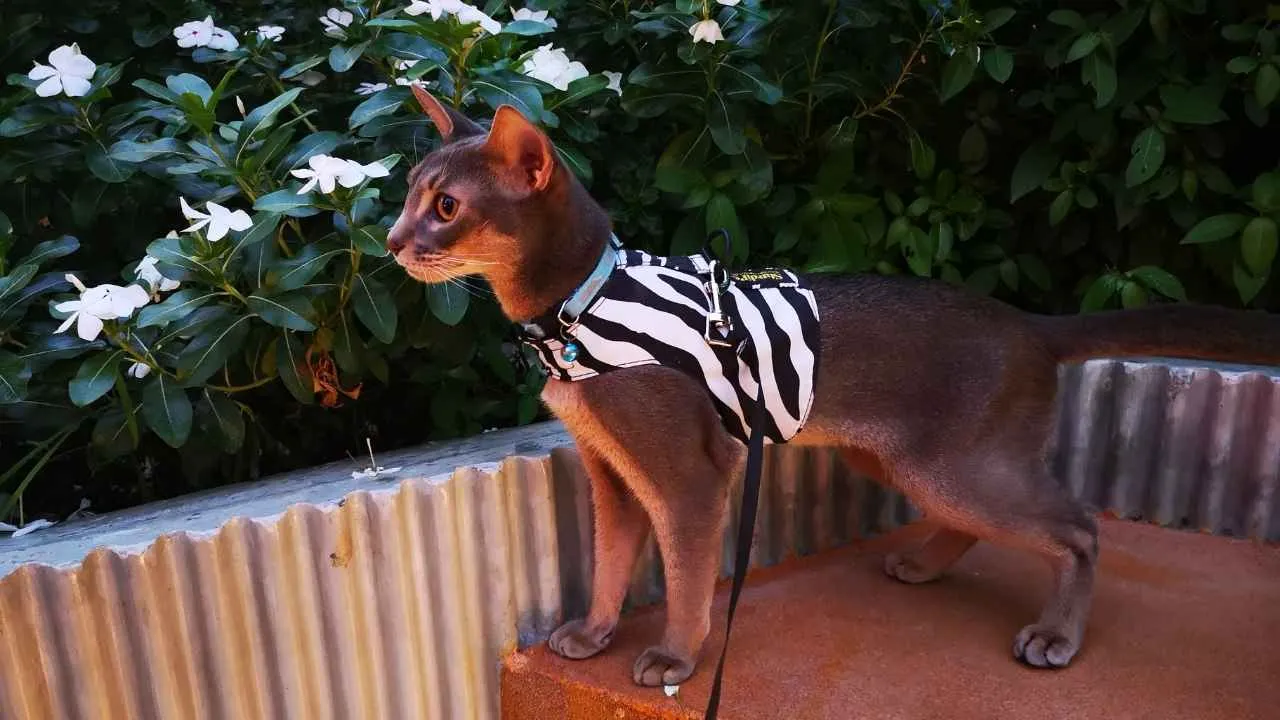
Often called the “Aby,” the Abyssinian is one of the oldest known domestic cat breeds, with roots linked to ancient Egypt. Medium-sized yet powerfully built, this breed is recognized for its sleek, muscular frame and short, ticked coat that highlights its athletic form.
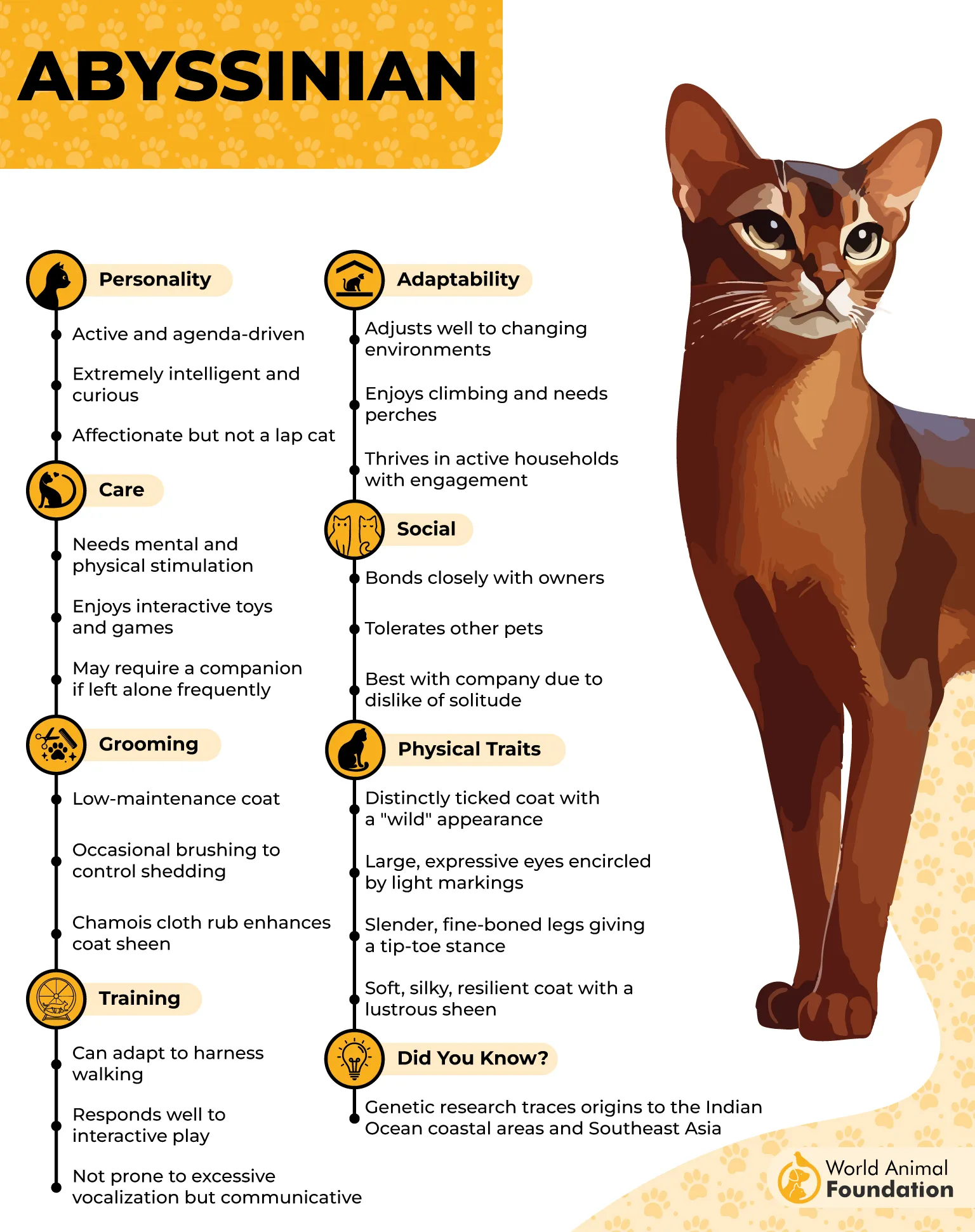
Abyssinians build muscle easily thanks to their nonstop activity and natural agility. Constant climbing, leaping, and exploring help maintain strong hind legs and a toned body, making them one of the most physically capable domestic cats.
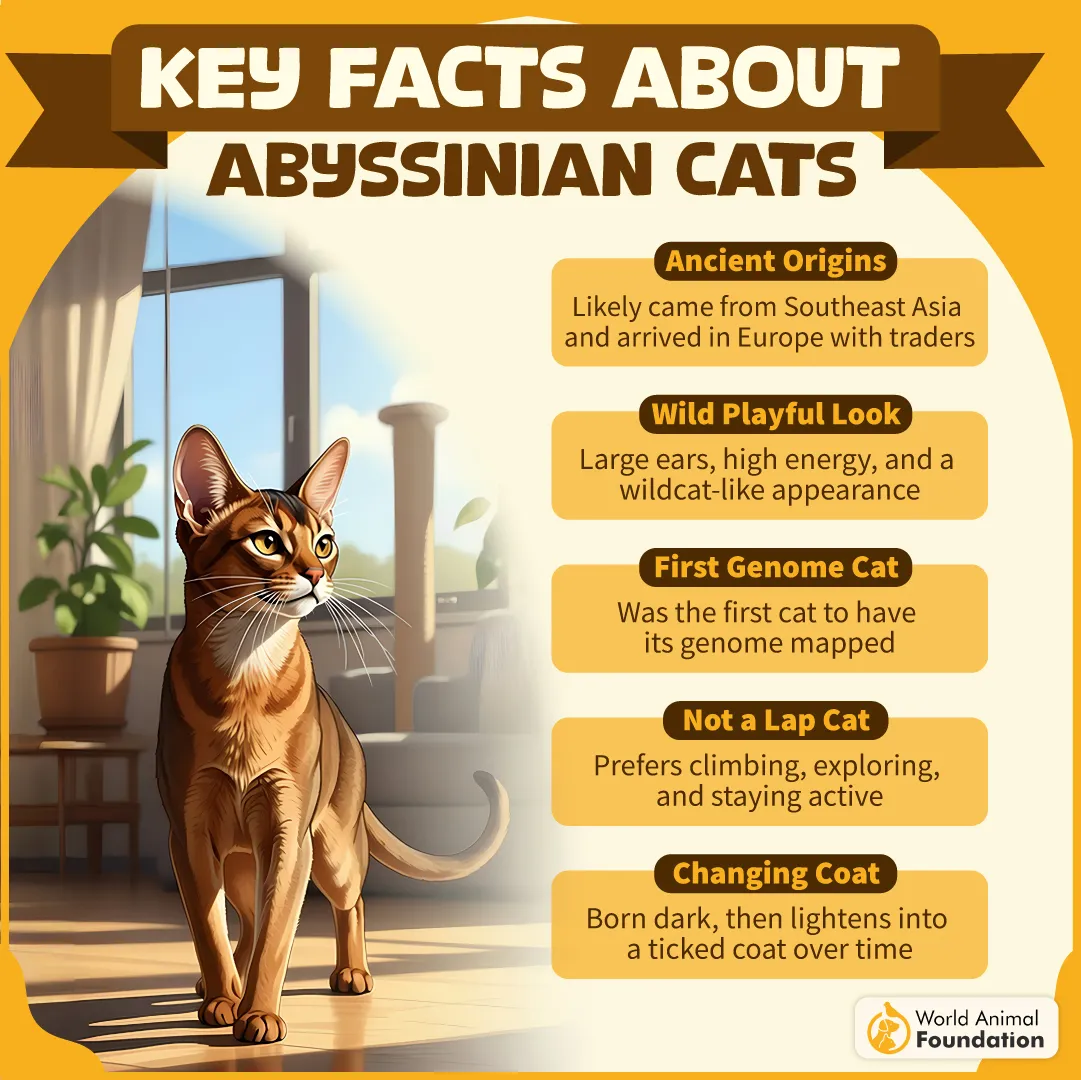
Their muscular build comes with high energy demands, so regular play and mental stimulation are essential. Interactive toys, climbing structures, and daily engagement help support joint health while preventing boredom-related stress in such an active breed.
When considering health, muscular cat breeds like the Abyssinian benefit from routine veterinary care and a balanced diet.
Fun fact: Abyssinians typically weigh between 6 and 10 pounds and are known for powerful hind legs that allow them to leap impressive heights.
7. Egyptian Mau
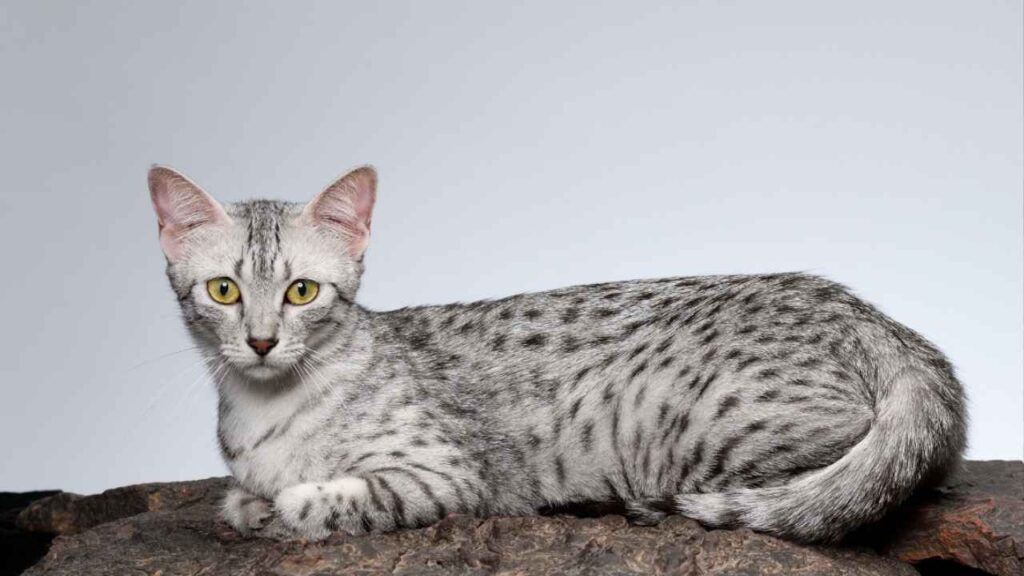
Also known simply as the Mau—meaning “cat” in ancient Egyptian—this breed is instantly recognized for its natural spotted coat and sleek, athletic frame. Standing about 8–10 inches tall and weighing roughly 7–14 pounds, the Egyptian Mau is built for speed and strength rather than bulk.
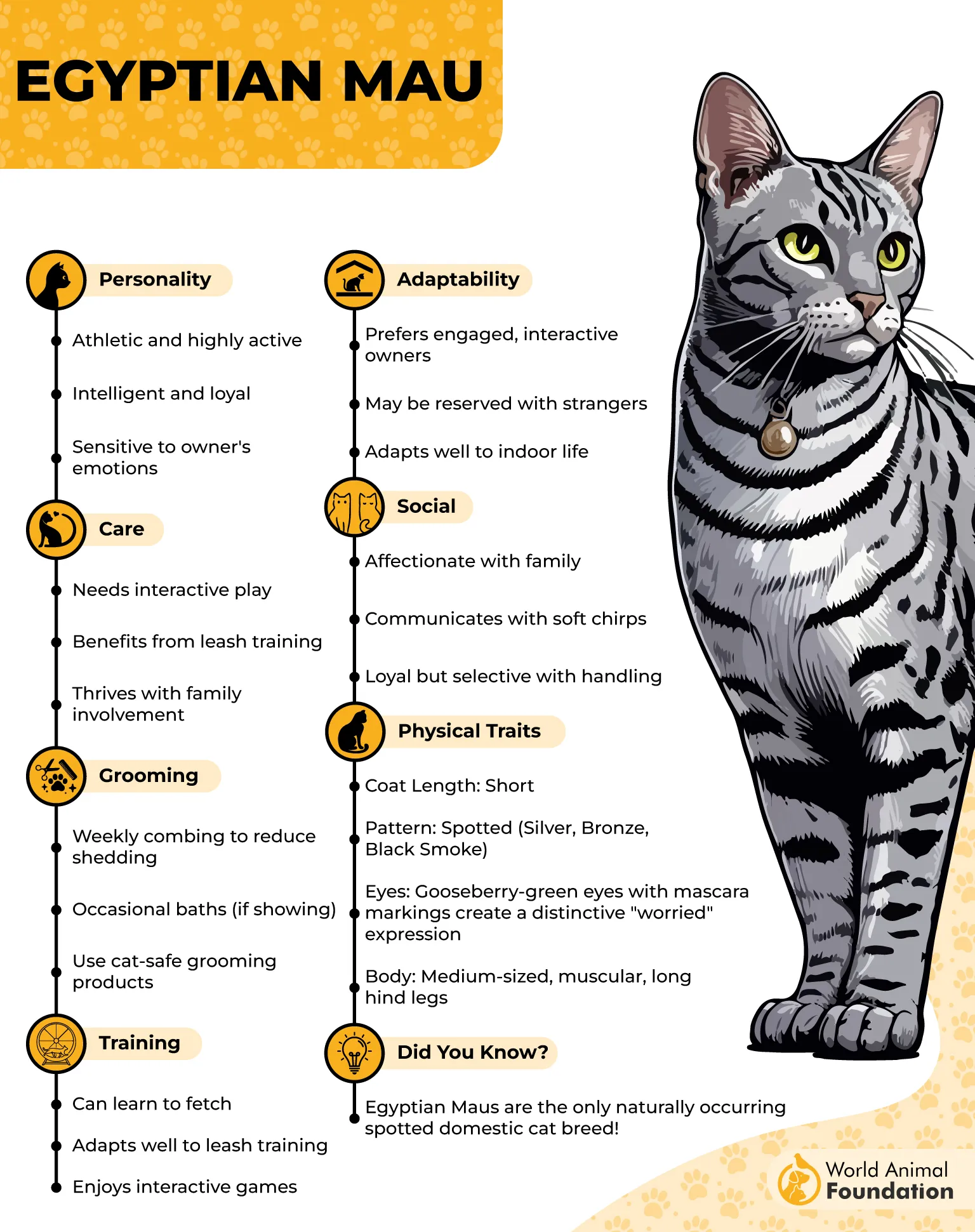
One of the most muscular domestic cats, the Egyptian Mau develops lean muscle easily thanks to powerful hind legs and a flexible body. This structure supports explosive sprinting, high jumps, and effortless climbing, making the breed ideal for homes that enjoy active, engaged pets.
Choosing the right muscular breed means matching energy levels. Egyptian Maus thrive with daily play, climbing opportunities, and interactive toys that allow them to use their muscles naturally while staying mentally stimulated and physically balanced.
They also suit households that respect independence alongside bonding.
Fun fact: The Egyptian Mau is considered the fastest domestic cat, capable of reaching speeds of up to 30 miles per hour.
Conclusion
In the cat world, some breeds stand out for their ability to build a muscular body with ease, often due to genetics, activity levels, and body structure, like long hind legs, a stocky build, or a larger size.
From large cat breeds with a wild appearance reminiscent of a wild jungle cat, medium-sized wild cat, or even a snow leopard, to an exotic cat breed with a dense coat or short coat, these cats differ from other domestic cats and other breeds in impressive ways.
Many of these cats are an affectionate breed, an intelligent cat, and make great pets for owners who prefer spending time engaging with other pets, other animals, and active companions. Their blue eyes, strength, and presence set them apart while still fitting beautifully into family life.
