




Born hunters do not “learn” the urge. They feel it.
Some dogs were shaped for the field for hundreds of years. Their bodies, noses, eyes, and brains still carry that old job. Even if you never hunt, these instincts show up in play, walks, and training.
But wait, there’s more! A strong hunting instinct is not “bad.” It’s just powerful. The good part is that you can guide it with the right games, safety habits, and daily work. When you match a breed to your life, things get easier fast.
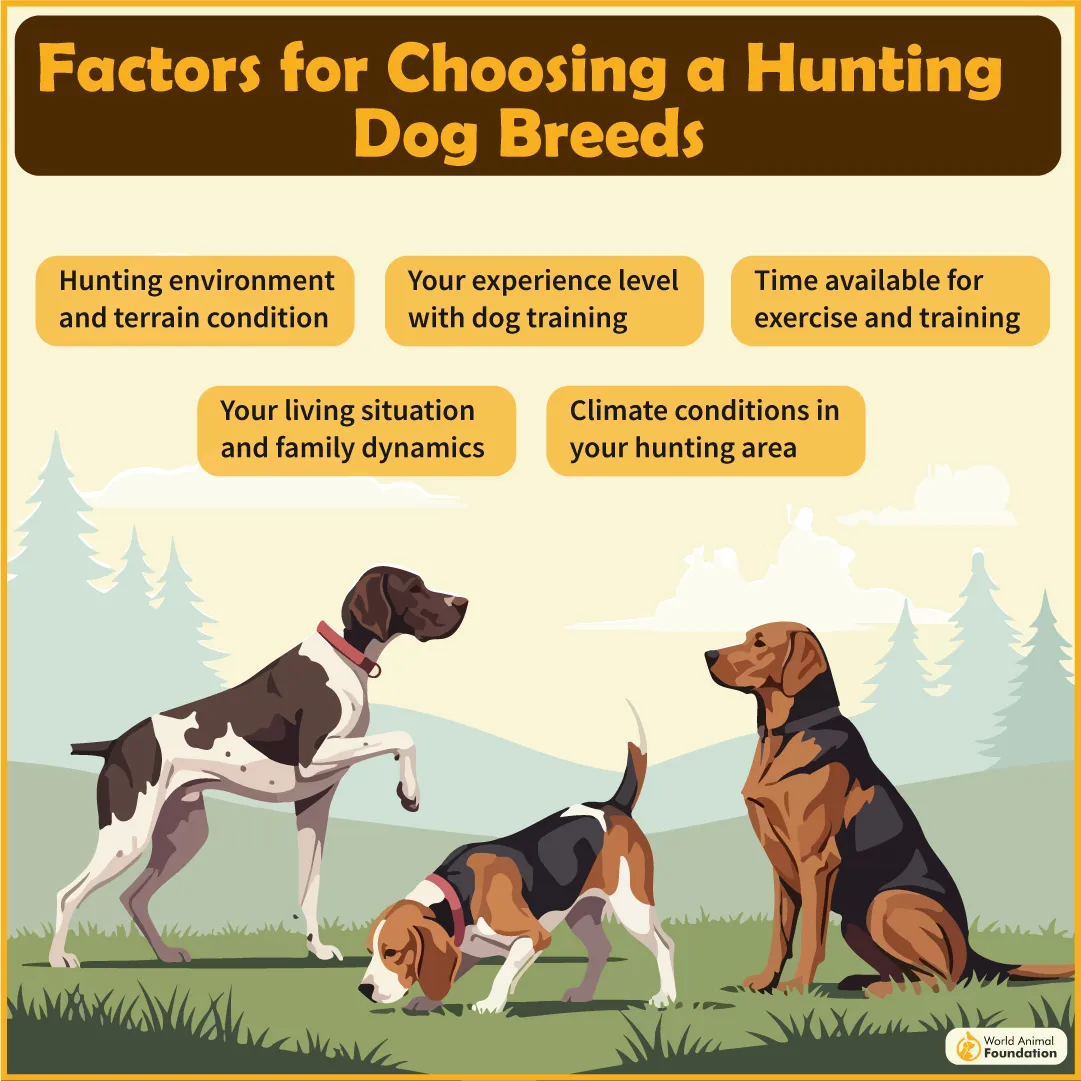
Below are 10 breeds that are famous for their natural hunting drive. Each one hunts differently, so you can pick what fits you best.
Top Dog Breeds With Natural Instincts for Hunting and What Makes Them Special
1. Irish Water Spaniel
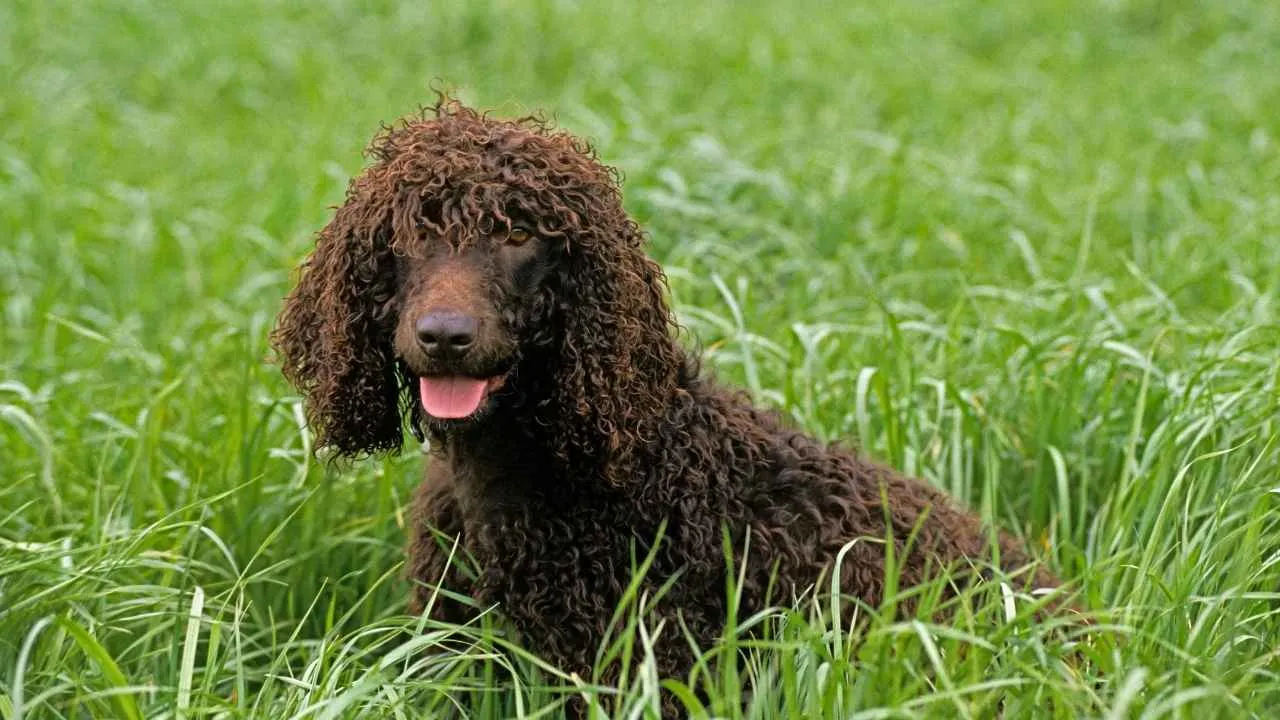
Irish Water Spaniels are built for wet, rough places. Their tight curls help in cold water, and their coat naturally resists water. That means they can push through reeds, mud, and chilly ponds without acting like, “Nope, I’m out.”
And here’s the best part! They are also known for a strong nose that can find feathered game in tricky cover. In the field, they are bold and busy. They like to work close enough to stay useful, but they still think for themselves. That mix can feel like a blessing and a headache.
Sounds crazy, right? If you stay calm and consistent, they usually lock in and become steady workers, especially around waterfowl and upland birds.
At home, the same drive needs an outlet. If they get bored, it gets even worse, though, because smart dogs invent their own fun. Give them jobs like retrieves, scent games, and swim time when safe. You’ll see that hunting helps relax.
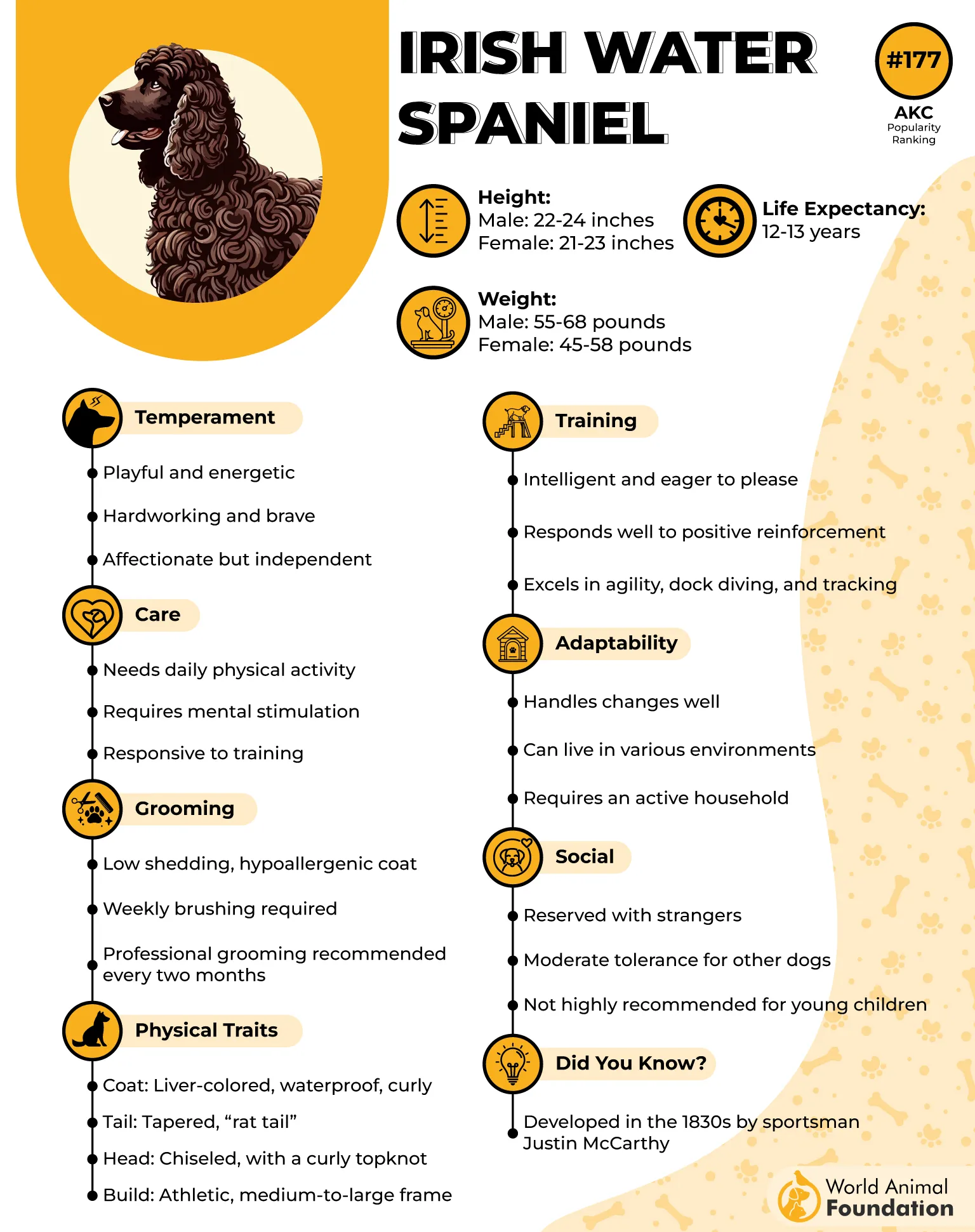
Important Notes for Hunters
Natural water dog with a water-resistant curly coat
Strong nose for feathered game
Loves retrieving work in ponds and marshy ground
Needs daily action or gets restless
Best with steady, patient training
2. Rhodesian Ridgeback
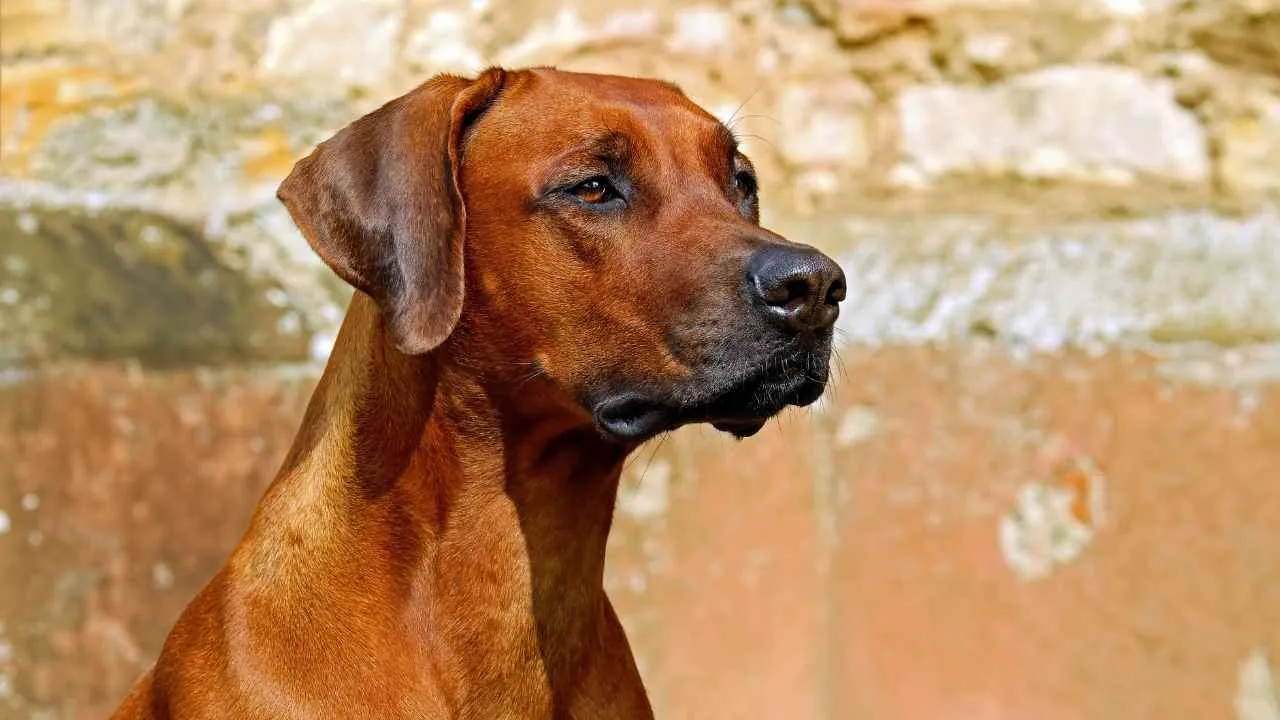
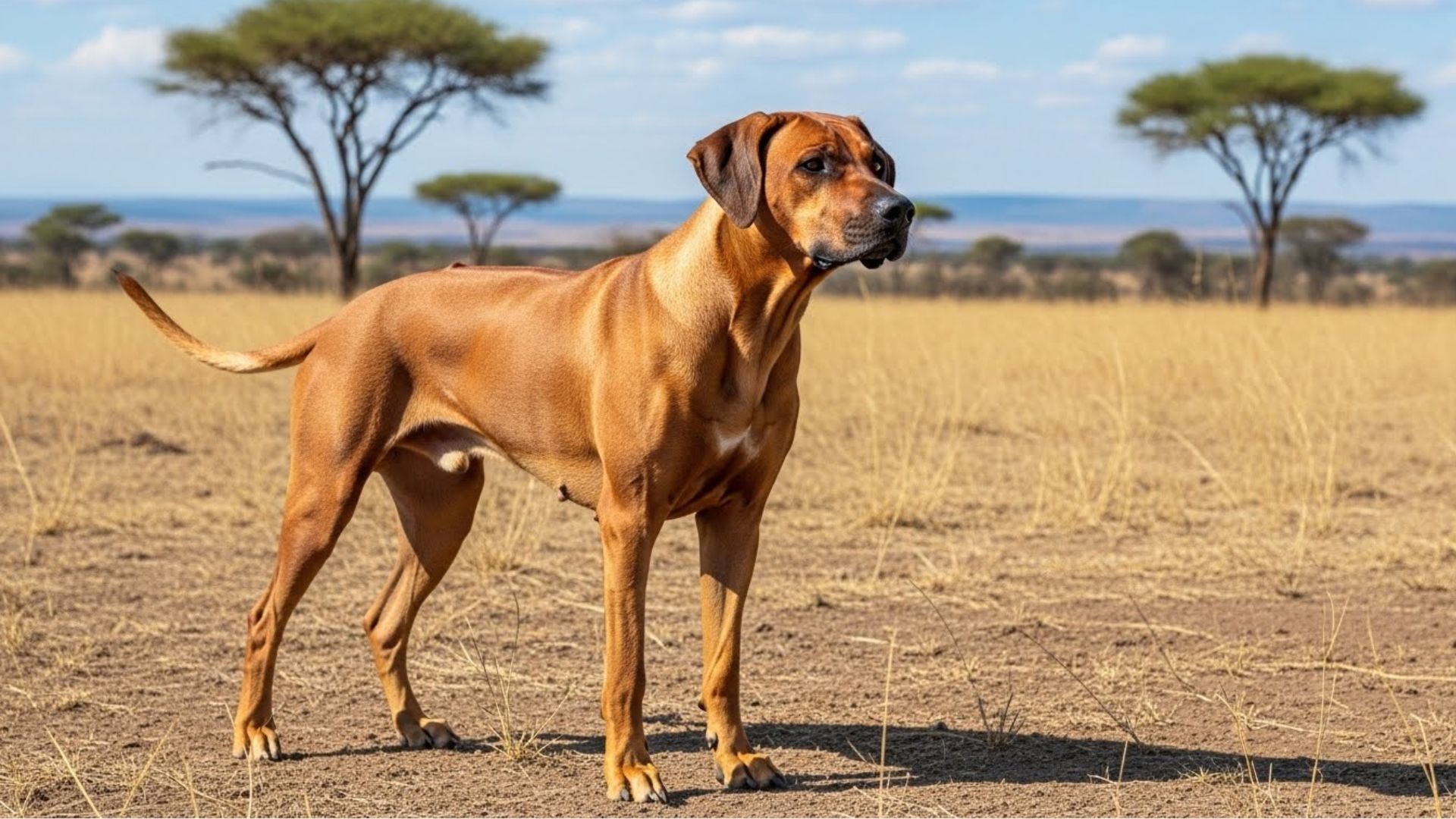
The Ridgeback’s hunting story is intense. This breed was used in Africa to track and corner dangerous game, including lions, without doing the killing part. That detail matters. It shows what they were made for: bravery, focus, and the nerve to hold ground.
But why bother with that history today? Because it explains their strong prey drive and their “I decide” confidence.
In real hunting style, they rely on scent, stamina, and power. They can cover ground and keep going, which is great in the field. It also means they need secure spaces and a solid recall plan. A Ridgeback off-leash in the wrong place can turn into a chase scene fast.
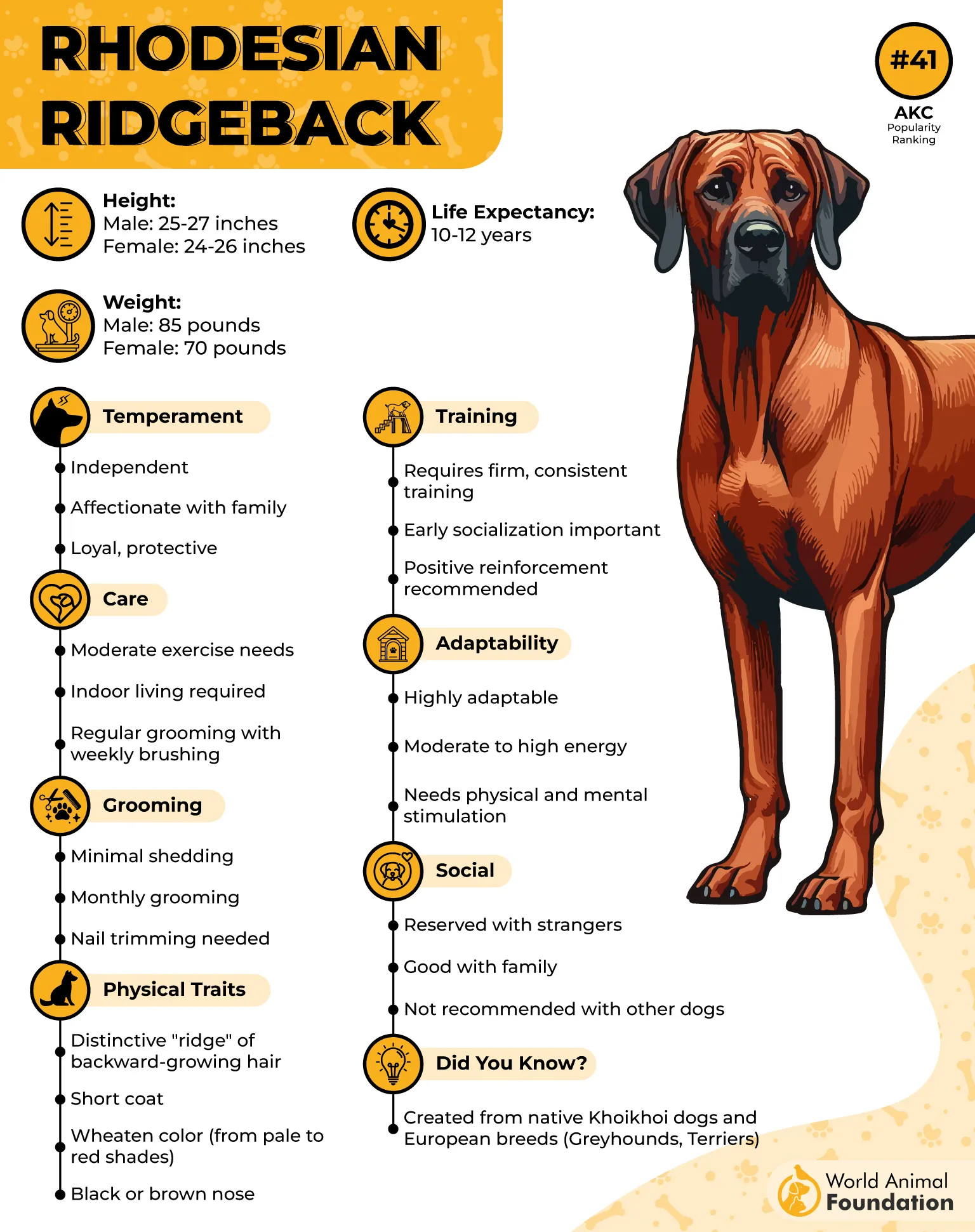
Their instinct can be managed, but it takes work. Early social time helps a lot, especially if you have small pets.
They are loyal and protective with their people, but they do best with owners who like structure. If you want a soft, always-pleasing dog, this is not that. If you want a strong partner, here’s the good part: they can be amazing.
Important Notes for Hunters
Brave tracker with a strong prey drive
Built for endurance and heat
Needs firm, kind training from day one
Best with secure fencing and leash habits
Can be protective and very loyal
3. Irish Setter
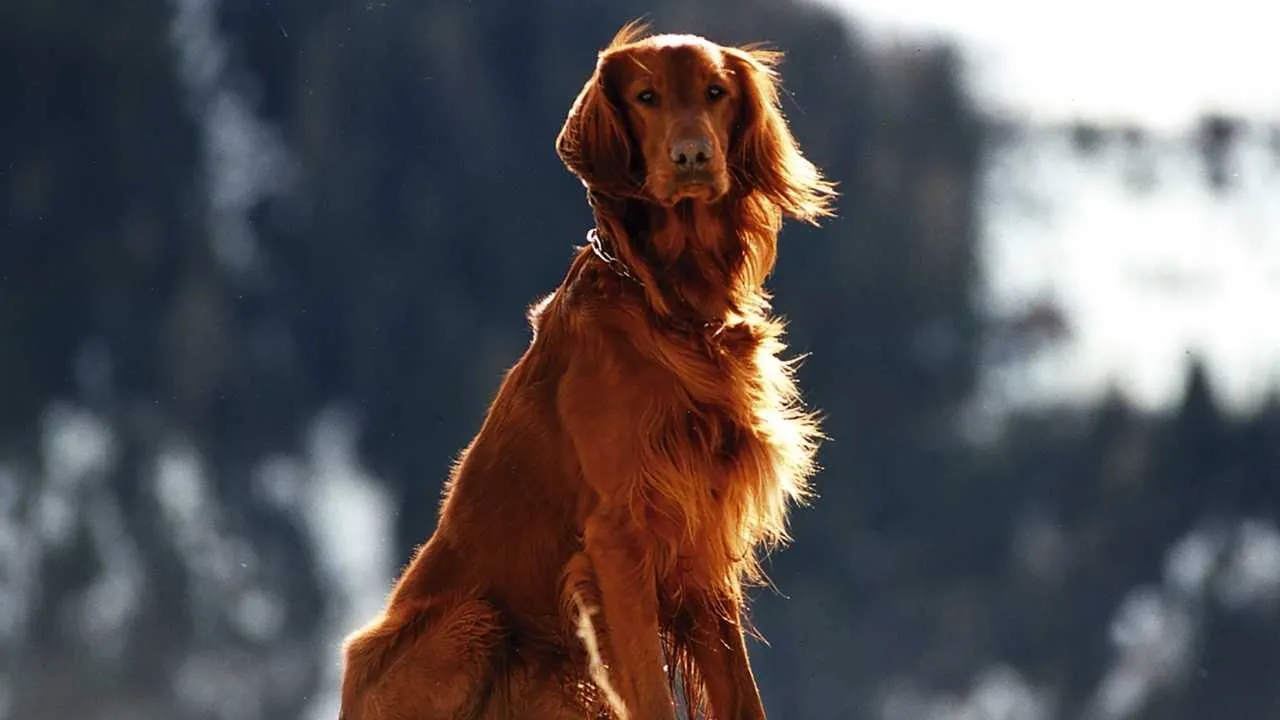
Irish Setters were bred to hunt birds, and it shows. They move like they have springs in their legs. In the field, they cover ground with speed and style, using scent to find birds and then “set” or pause to show where the game is, according to the AKC. That natural search pattern is not a trick. It’s a deep, baked-in habit.
They are also known for being friendly and upbeat. That is great for families, but it can fool people. A sweet dog can still have a serious prey drive.
So if you’ve got small animals, you need rules and early training. But wait, there’s more! Their big heart can make them eager to learn when you keep training fun and clear.
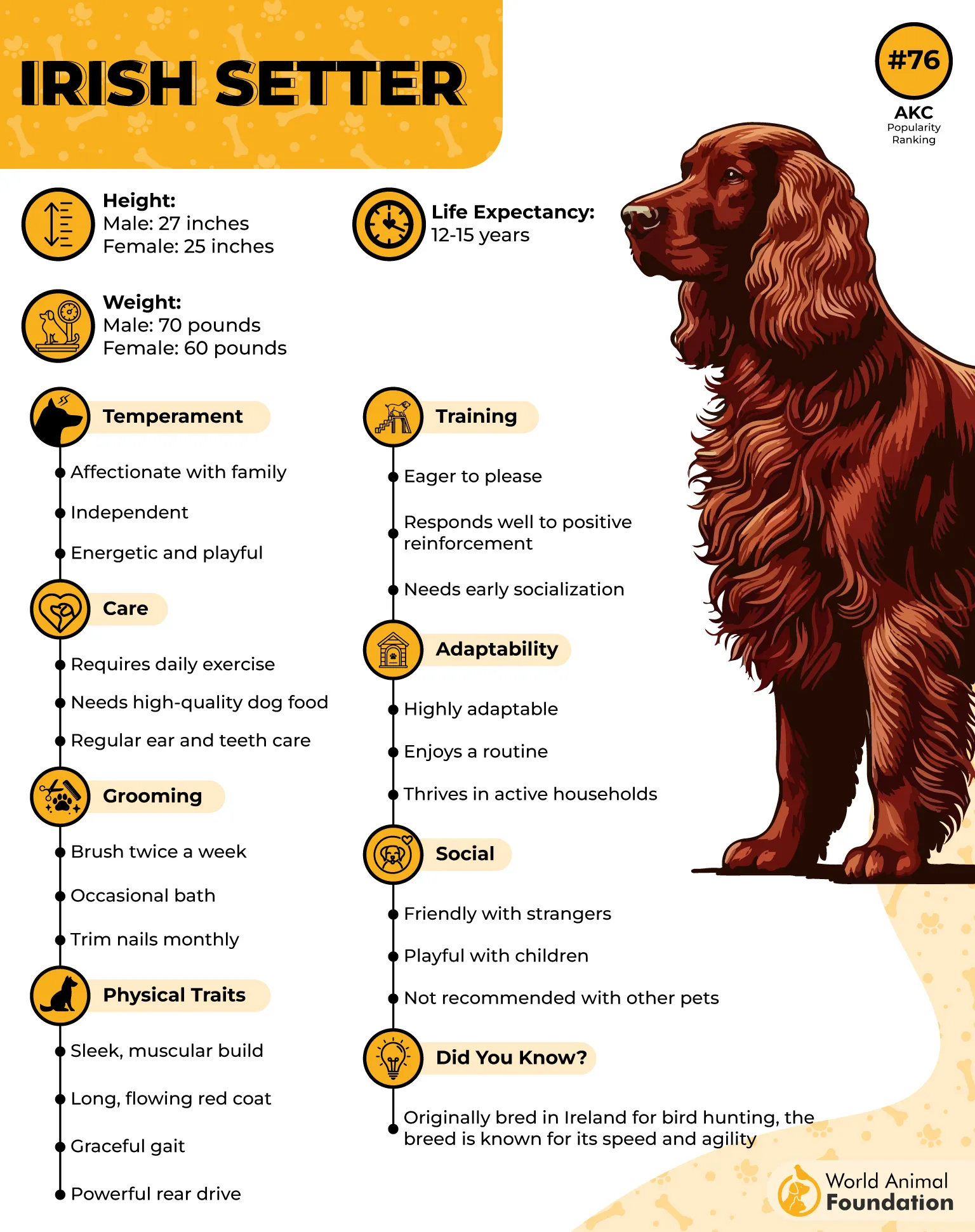
Their hunting instinct needs daily movement. A quick walk will not cut it. They do best with long runs, field-style games, and scent work. Give them a job, and they glow.
Skip it, and you might get chaos. Think chewed stuff, wild zoomies, and a dog doing parkour off your couch.
Important Notes for Hunters
Bird-hunting roots with a strong scent drive
Fast ground coverage and high energy
Friendly, social, and very people-focused
Needs daily hard exercise and brain games
Training works best when it stays upbeat
4. Pharaoh Hound
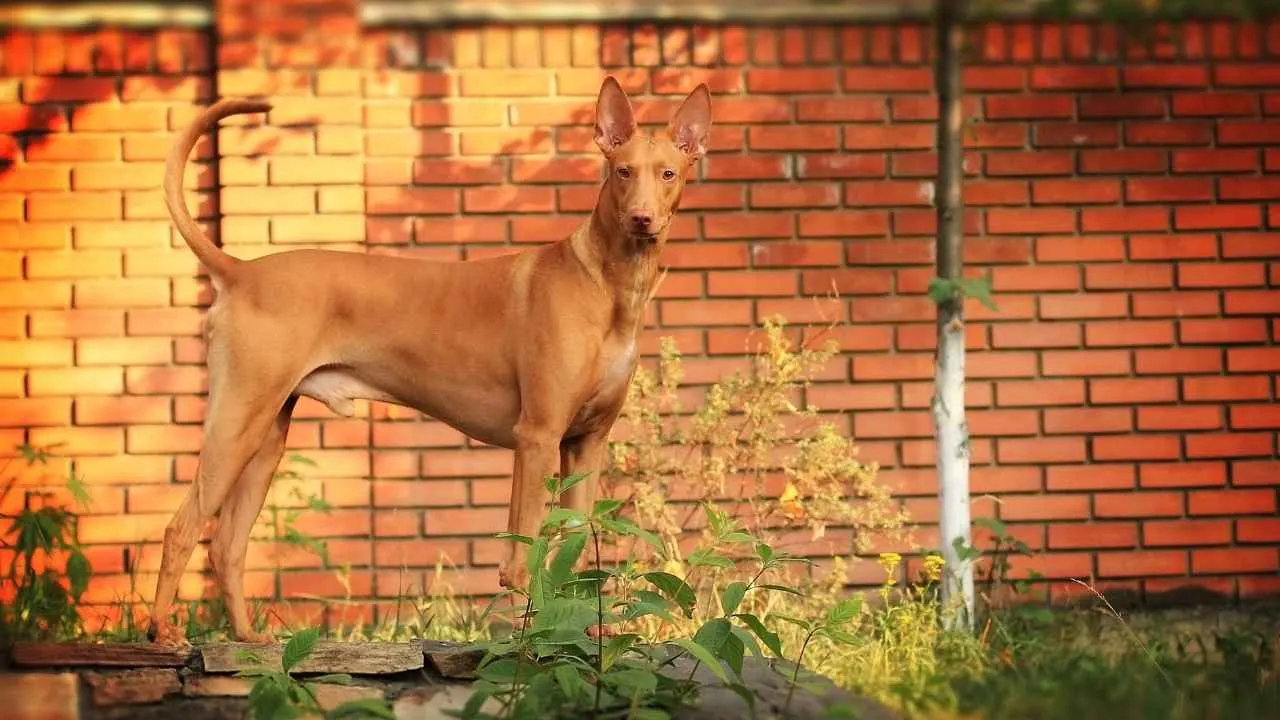
Pharaoh Hounds are famous for hunting rabbits by both sight and scent. That combo is rare and very cool. PetMD notes that in places like Malta, they were used in rocky terrain, working in teams to chase and corner rabbits. Their build supports that job: quick legs, alert ears, and a body made for speed, not heavy power.
They are sensitive and bright. In the field, that can mean fast reactions and sharp focus. At home, it can mean they notice everything.
If you like calm, quiet dogs, this may surprise you. But why bother with that? Because a sight-driven hunter needs extra safety, if they see a small animal bolt, the chase can happen before you even blink.
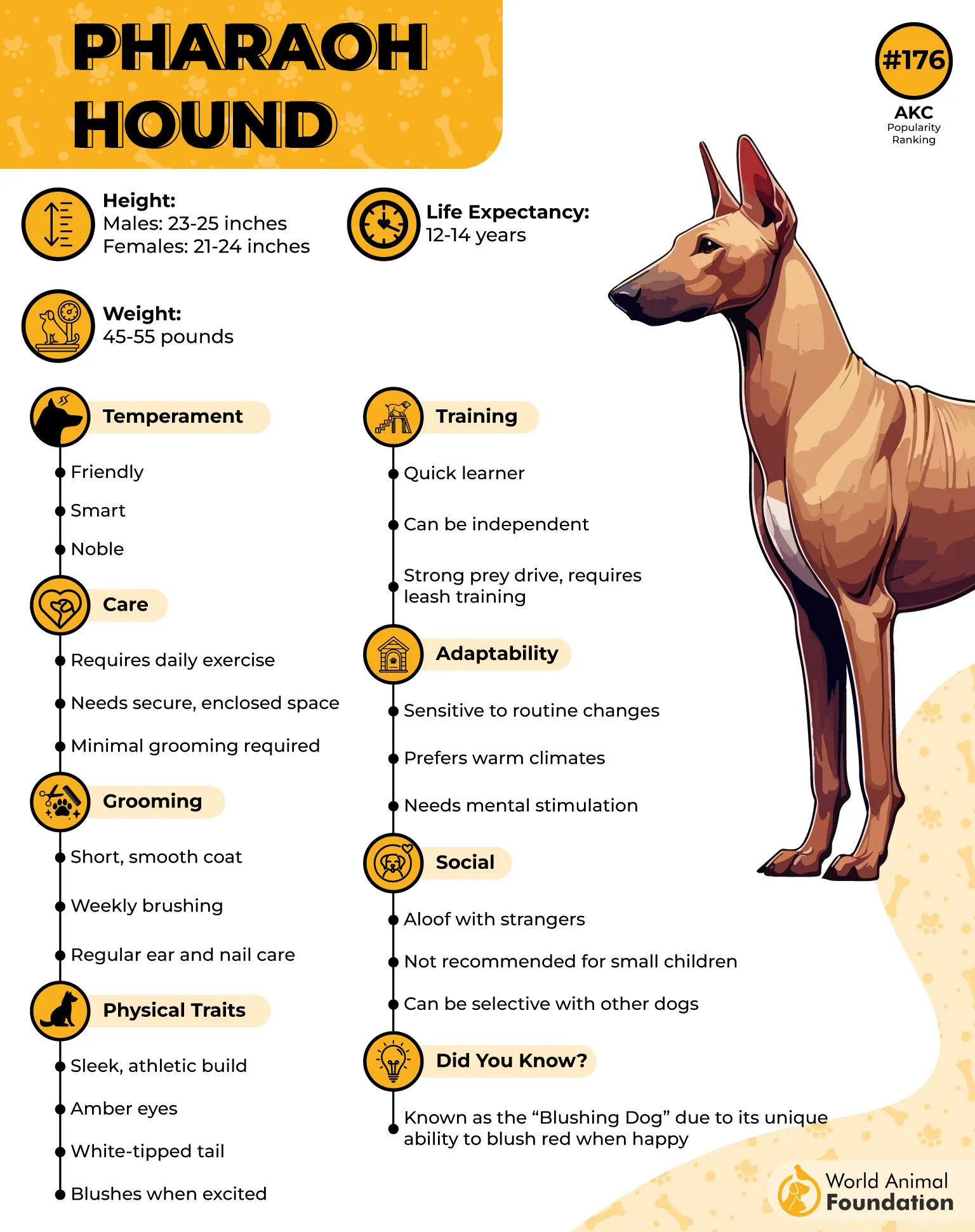
Fun fact that feels fake but is real: Many people say Pharaoh Hounds can “blush.” Their nose and ears may turn a deeper pink when excited.
Sounds crazy, right? It’s one of those odd little breed quirks that make them unforgettable.
Important Notes for Hunters
Hunts rabbits using sight and scent
Fast, agile, and alert in rough terrain
Strong chase drive, leash is your friend
Sensitive dog that responds to gentle training
Needs daily running space or active play
5. Treeing Walker Coonhound
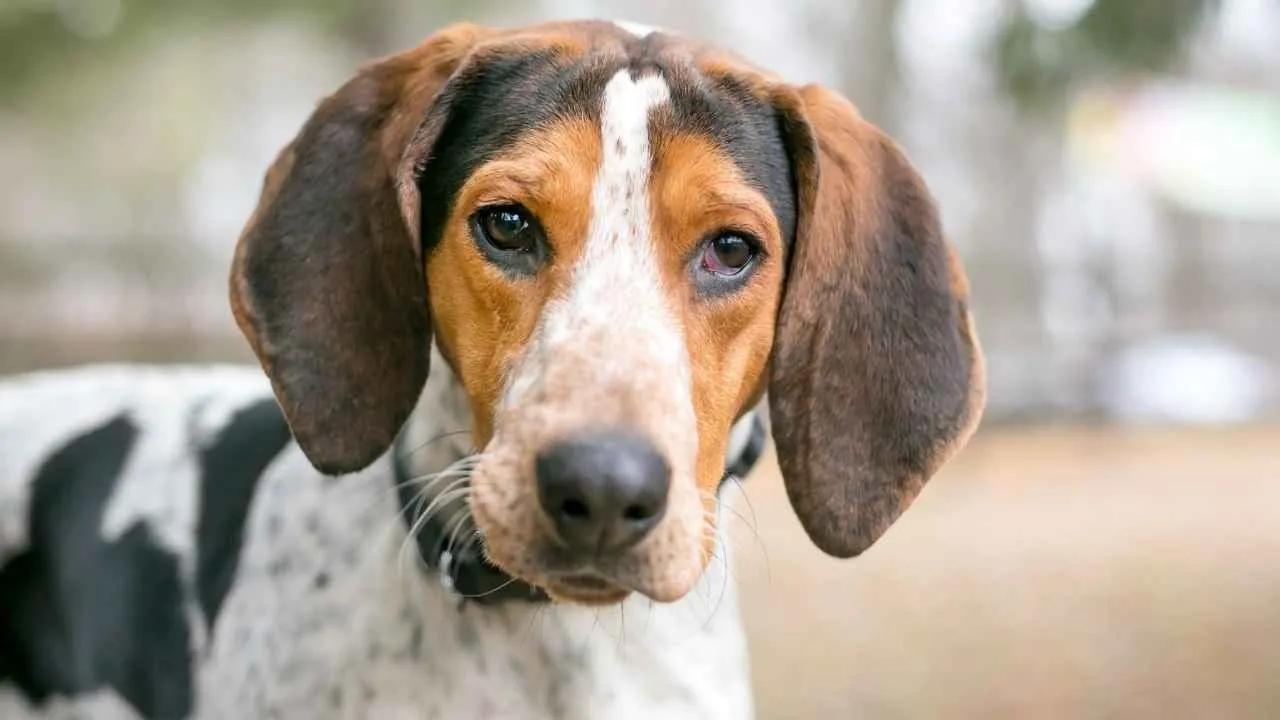
This breed is basically a tracking engine with legs. Treeing Walkers are known for speed, stamina, and the classic coonhound job: follow scent, run hard, and “tree” the animal so the hunter can find it.
Don’t let the name fool you. They do not stroll. They run, and they can cover a lot of ground fast.
Their nose is the star. They push through dense brush and keep working even when the trail is messy. That’s a real hunting gift.
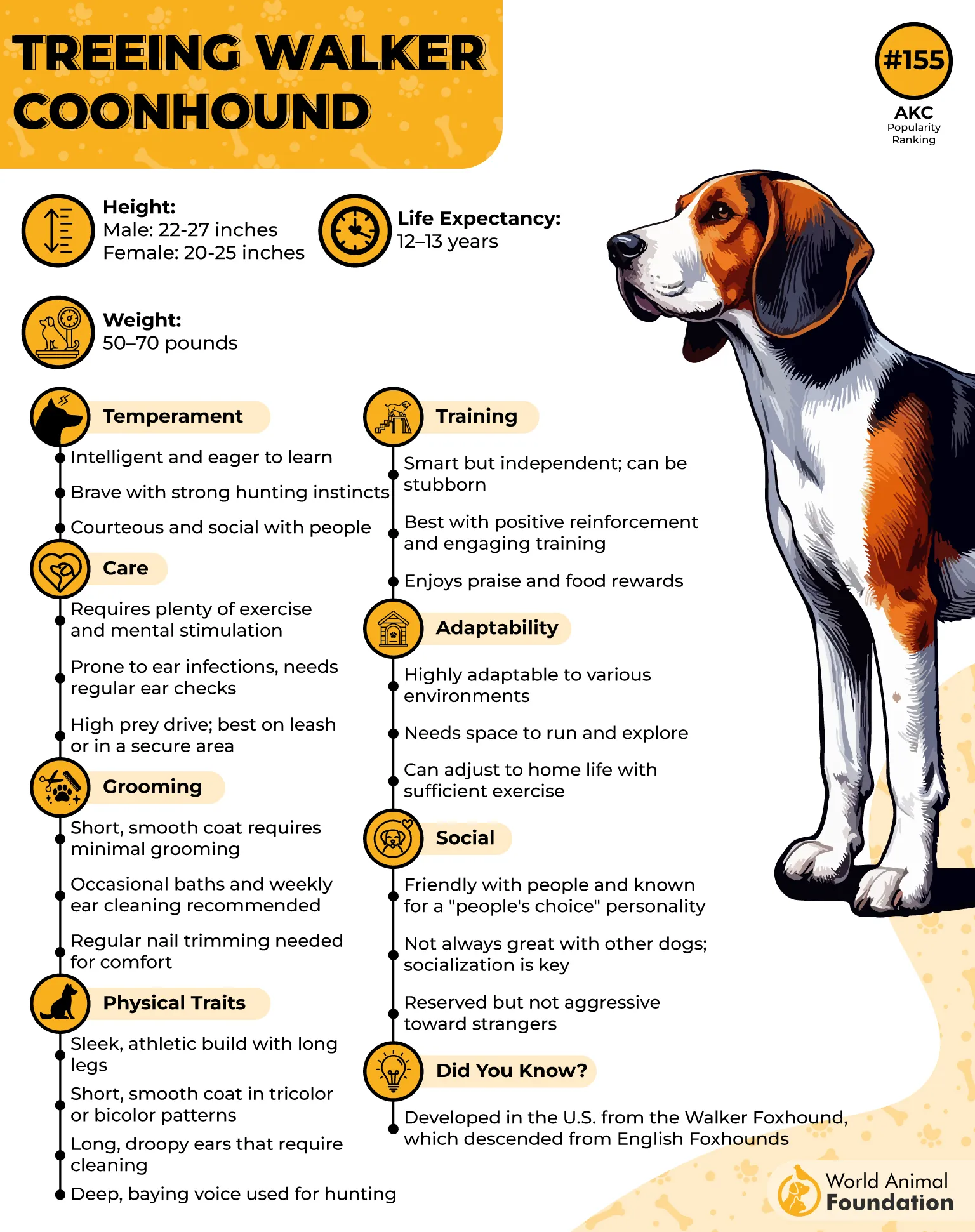
And here’s the best part! Many Walkers can switch from intense field focus to an easygoing home mood, as long as they get enough exercise.
Now the honest warning: As per WebMD, bored Coonhounds can be loud and stubborn. It gets even worse, though, if you expect them to act like a quiet lap dog. They are hounds. They use their voice.
Training works best when you give them a purpose, like scent games, long hikes, and safe tracking practice.
Important Notes for Hunters
Strong tracking instinct and classic “treeing” style
Fast runner with serious endurance
Can be vocal, especially when excited
Needs long daily exercise and scent work
Often focused in the field, relaxed at home
6. Nova Scotia Duck Tolling Retriever
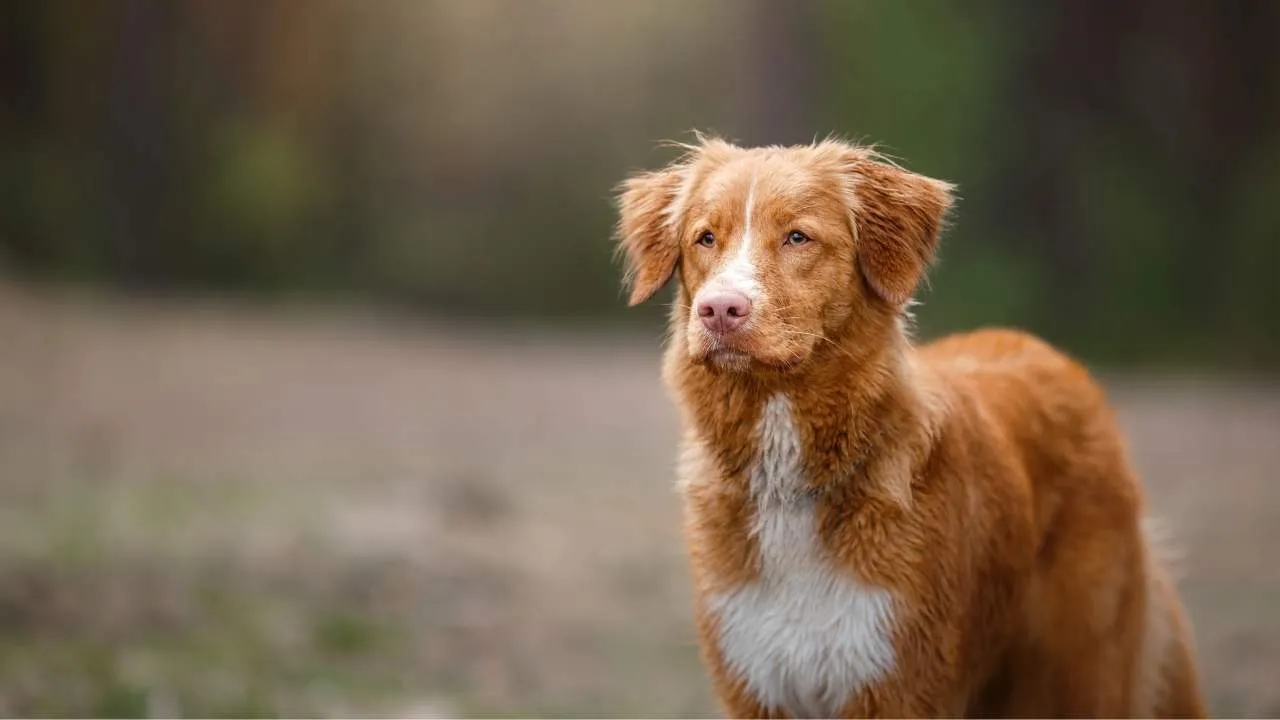
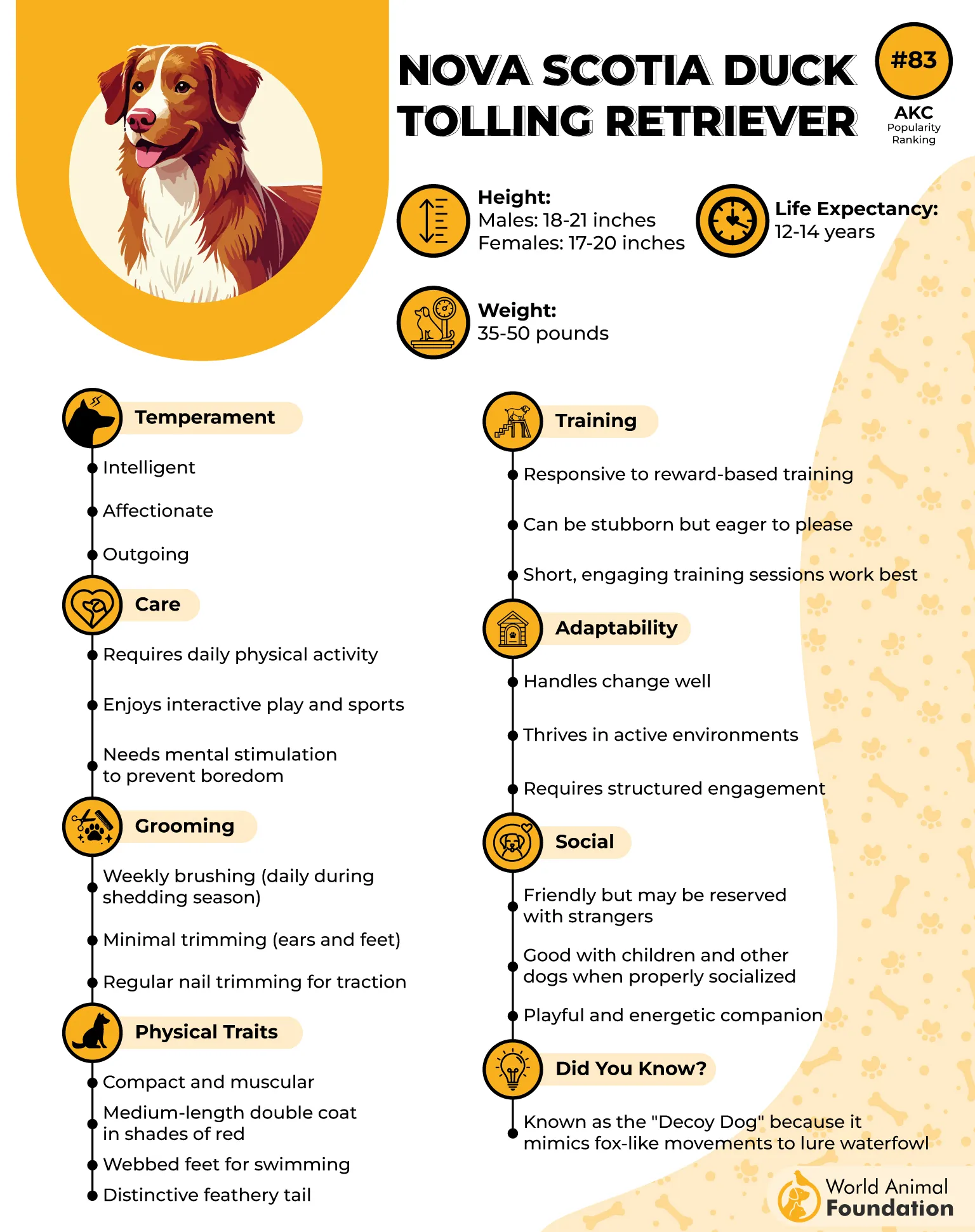
This dog has one of the strangest and smartest hunting jobs. Tollers were bred to lure curious ducks closer by playing and splashing near the shore. Their fox-like red coat helps sell the trick. Then, once birds are in range, they switch roles and retrieve.
But wait, there’s more! They are also tough enough for cold conditions and long days outside.
They are athletic, alert, and intense for their size. They love to work with their person, but they also need structure.
A bored Toller can become a “problem solver,” and not always in a cute way. Think: opening cabinets, stealing socks, and inventing games you did not approve.
If you want a hunting partner with a big personality, this one is a blast. They often enjoy sports like dock work and fast fetch games, which fit their water skills. Keep training fun and steady. When Tollers feel busy and included, they shine.
Important Notes for Hunters
Unique duck-luring instinct, then strong retrieving drive
Agile, energetic, and built for active days
Great for cold-weather work when conditioned
Needs daily hard exercise plus brain games
Can get mischievous if under-stimulated
7. German Wirehaired Pointer
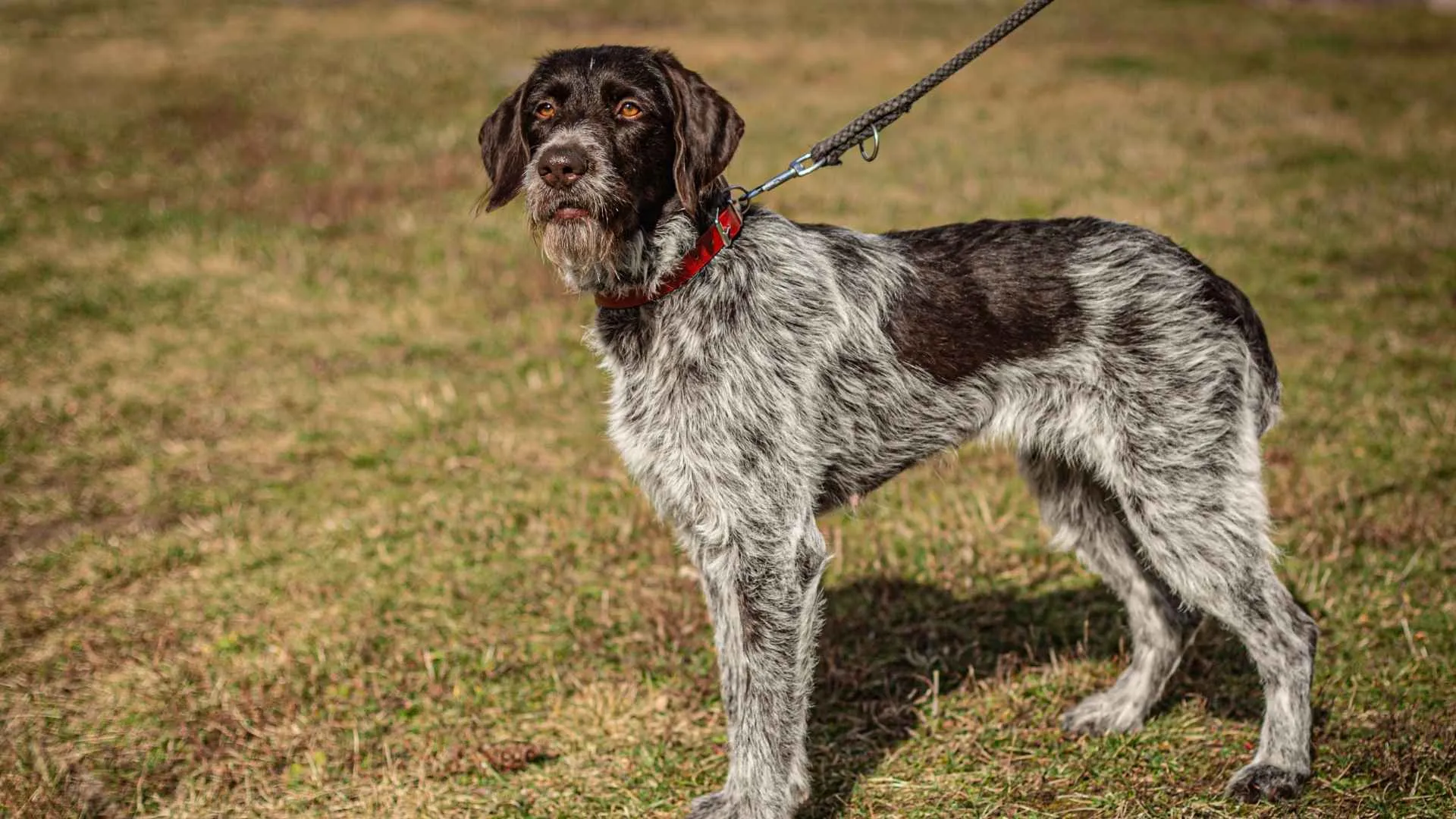
German Wirehaired Pointers were shaped to hunt in the field, forest, and water. They are versatile gundogs with a “can-do” attitude. Their harsh, wiry coat helps protect them from thorny brush and bad weather.
Some coats are even somewhat water-resistant, which matters when you are pushing through wet cover.
In hunting work, they point, track, and retrieve. That all-in-one skill set is a big reason people love them. They do not just find game.
They stay in the job and keep moving until it’s done. Sounds simple, but it’s rare. Many dogs are good at one part, not all parts.
At home, they are loyal and full of energy. But why bother with a breed like this if you are not active? You’ll feel it if you skip exercise.
These dogs need real daily work, not a short stroll. If you can give runs, training drills, and outdoor time, you get a steady partner with a strong hunting brain.
Important Notes for Hunters
All-terrain hunting style: field, forest, and water
Tough coat helps protect from brush and weather
Natural pointing and retrieving ability
High drive, needs lots of daily activity
Smart dog that learns best with steady practice
8. English Springer Spaniel
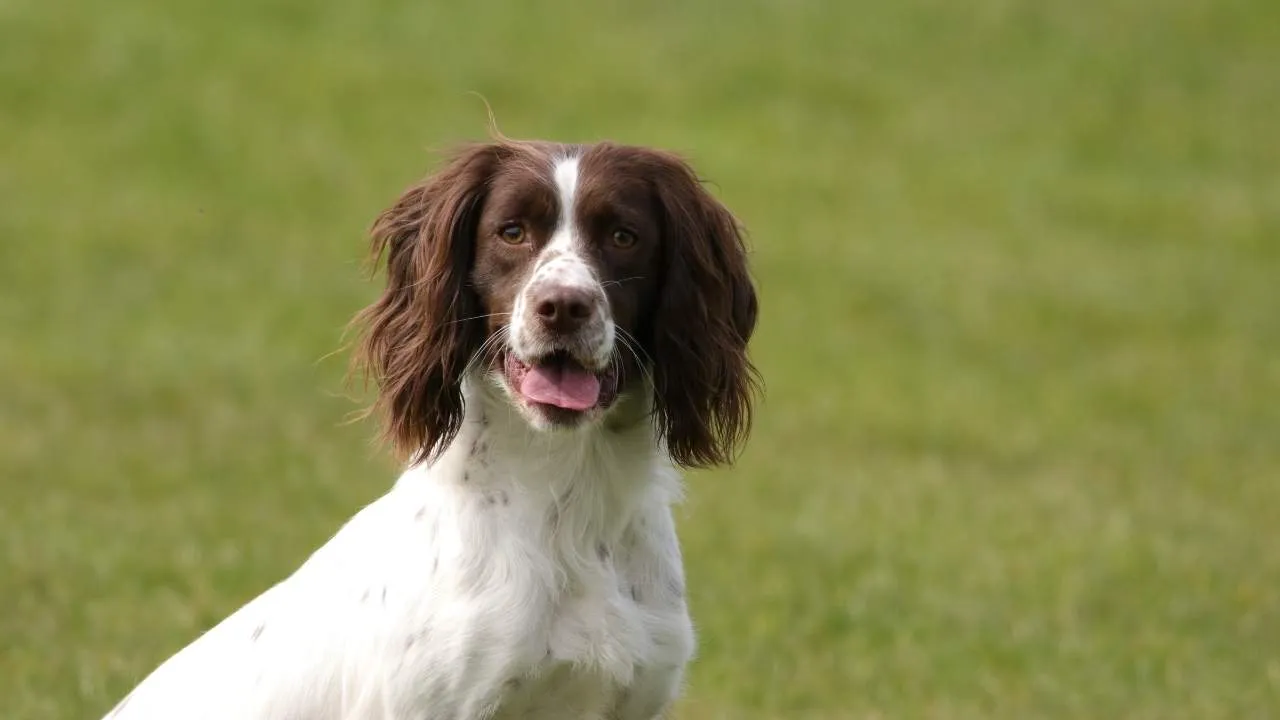
Springers were developed to flush game and retrieve. In simple words, they push birds out of thick cover, then bring back what’s shot. That sounds basic until you see it happen. They dive into the brush as they owe it money.
And here’s the good part: they often stay within gun range, working close and steady, which is a huge plus for many hunters.
They are often seen as a solid choice for first-time bird dog owners. Part of that is their balance. They can be eager and driven in the field, but still friendly at home.
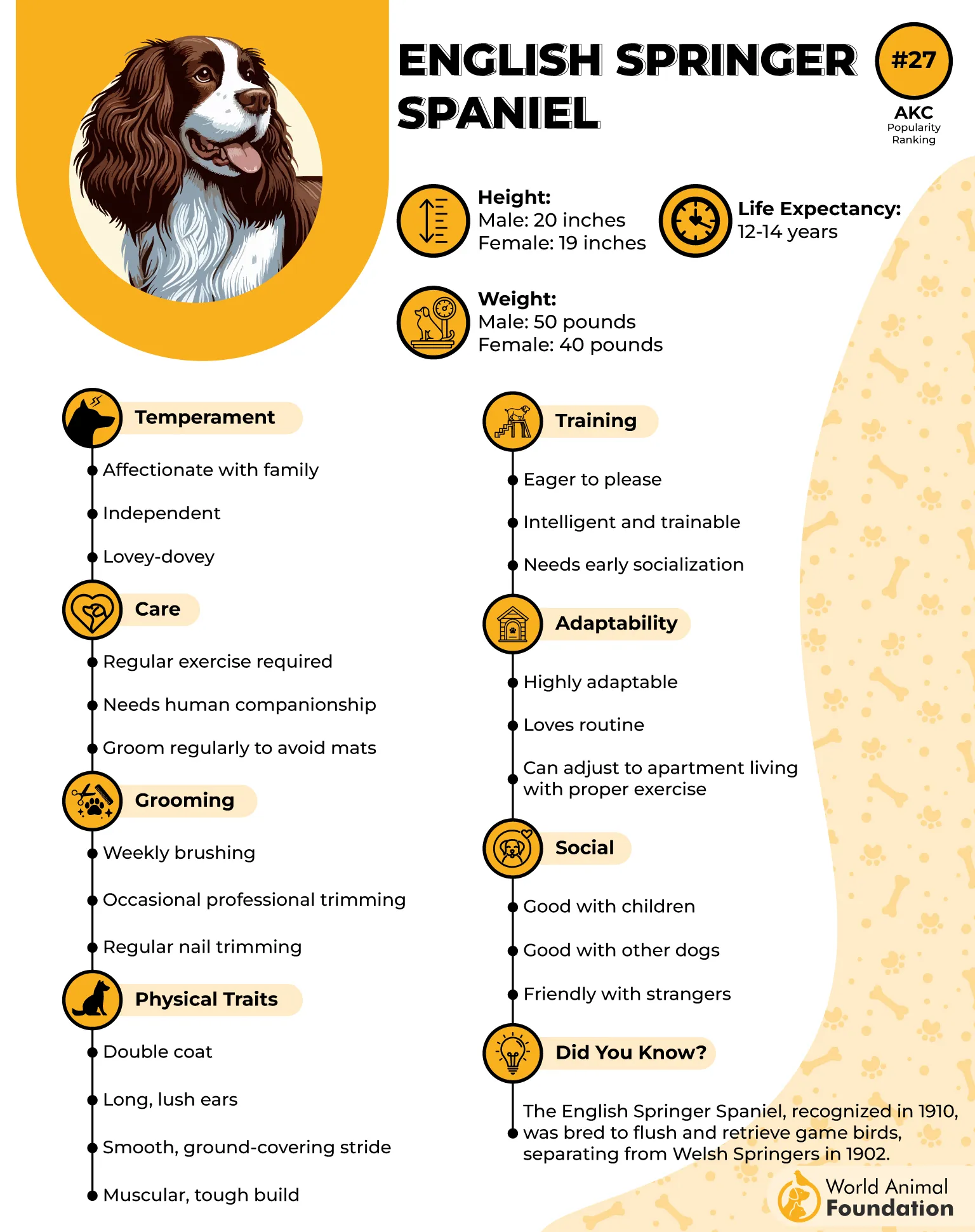
Their nose is a big deal, too. They search with focus and keep going without needing constant pushing.
Still, they need direction. A Springer with no outlet will invent one. It gets even worse, though, if they learn bad habits early, like chasing everything that moves.
Keep training upbeat, use retrieves and scent games, and give them safe places to run. Do that, and you’ll have a happy, useful dog.
Important Notes for Hunters
Built for flushing birds from thick cover
Strong retrieving drive and great nose
Often stays close and works within range
Friendly, eager, and usually quick to learn
Needs daily exercise and field-style games
9. Vizsla
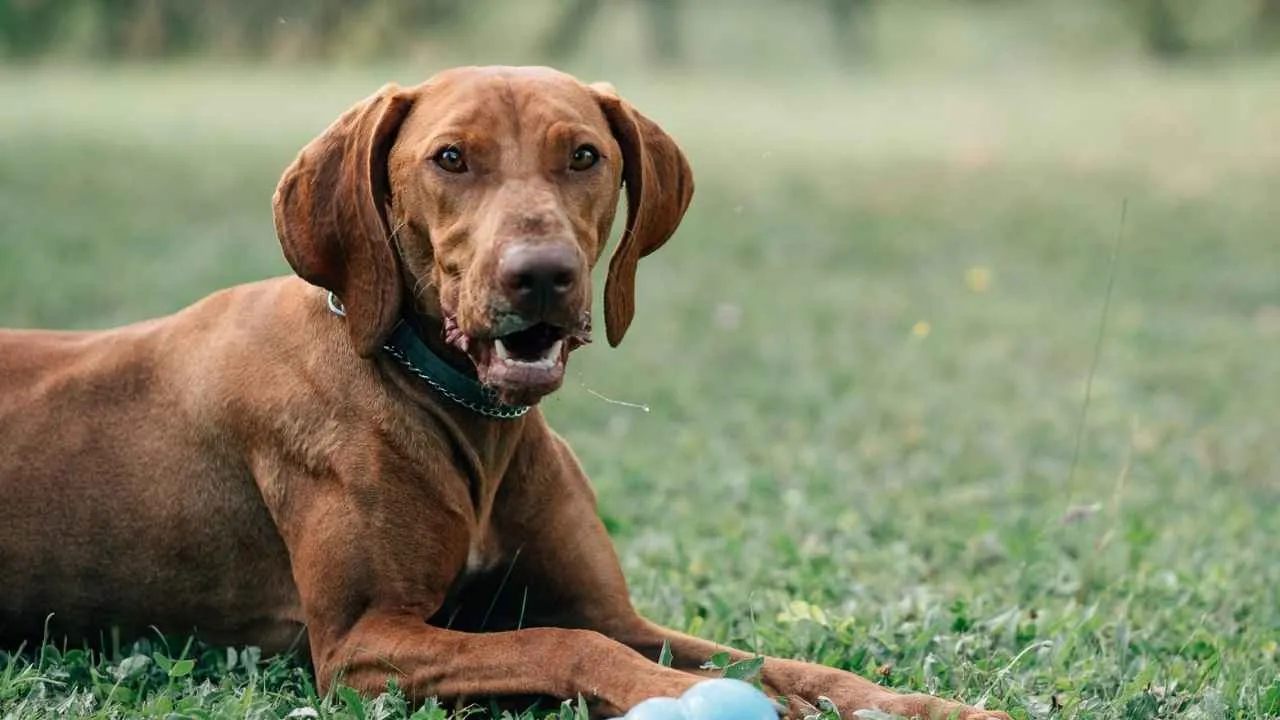
Vizslas are known as hunters of fowl and upland game, with a strong mix of pointing and retrieving skills. Many can start early, showing those instincts before they even turn one.
They often hunt close to the person, which is a big win if you want teamwork instead of a dog that disappears into the horizon. They are also famous for the “Velcro dog” vibe. They bond hard and follow you around like a warm shadow.
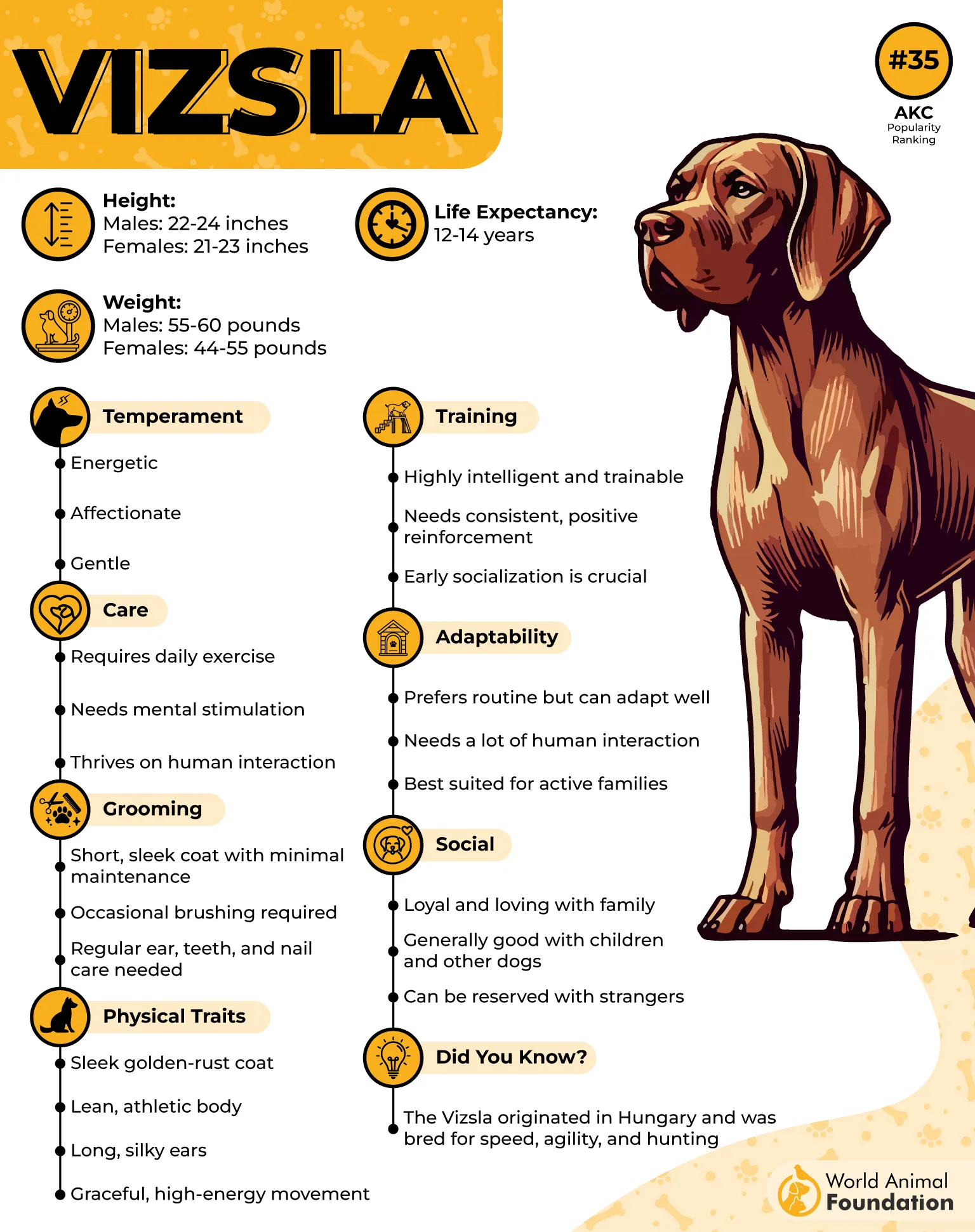
Sounds sweet, right? It is, but it also means many Vizslas hate being left alone. If you are away all day, this can turn into stress and bad habits.
In the field, they are tireless and sensitive. That mix means harsh training can backfire. Use clear rules, praise, and steady practice.
Give them enough running, scent work, and water retrieves when safe. Do that, and you get a smart, loving hunter who truly wants to be on your team.
Important Notes for Hunters
Natural pointer and retriever for upland game and water work
Often hunts close and stays connected to the handler
Very affectionate and people-focused
Sensitive dog that learns best with kind consistency
Needs lots of exercise and hates long alone time
10. American Foxhound
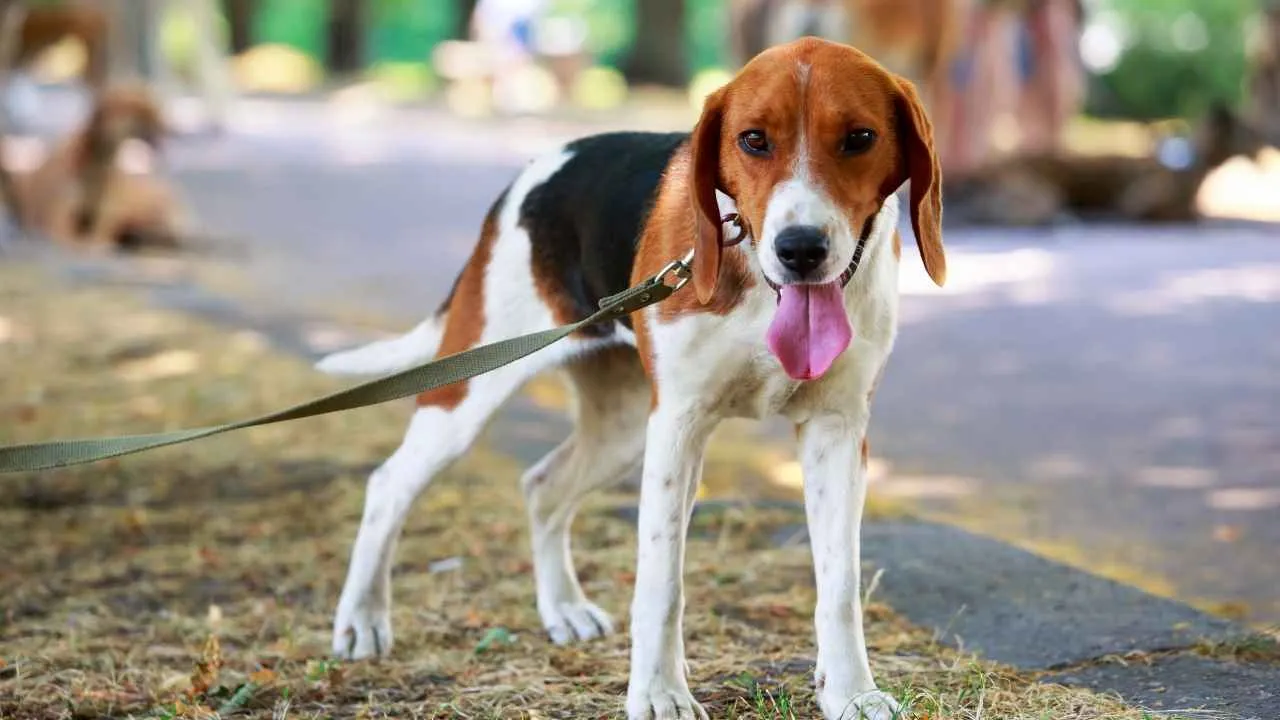
American Foxhounds were bred for fox hunting in packs. Their whole style is about scent, stamina, and long runs. They can track for hours, following a trail with serious focus.
But why bother with a pack hound today? Because that “run all day” energy still lives in them, even as pets.
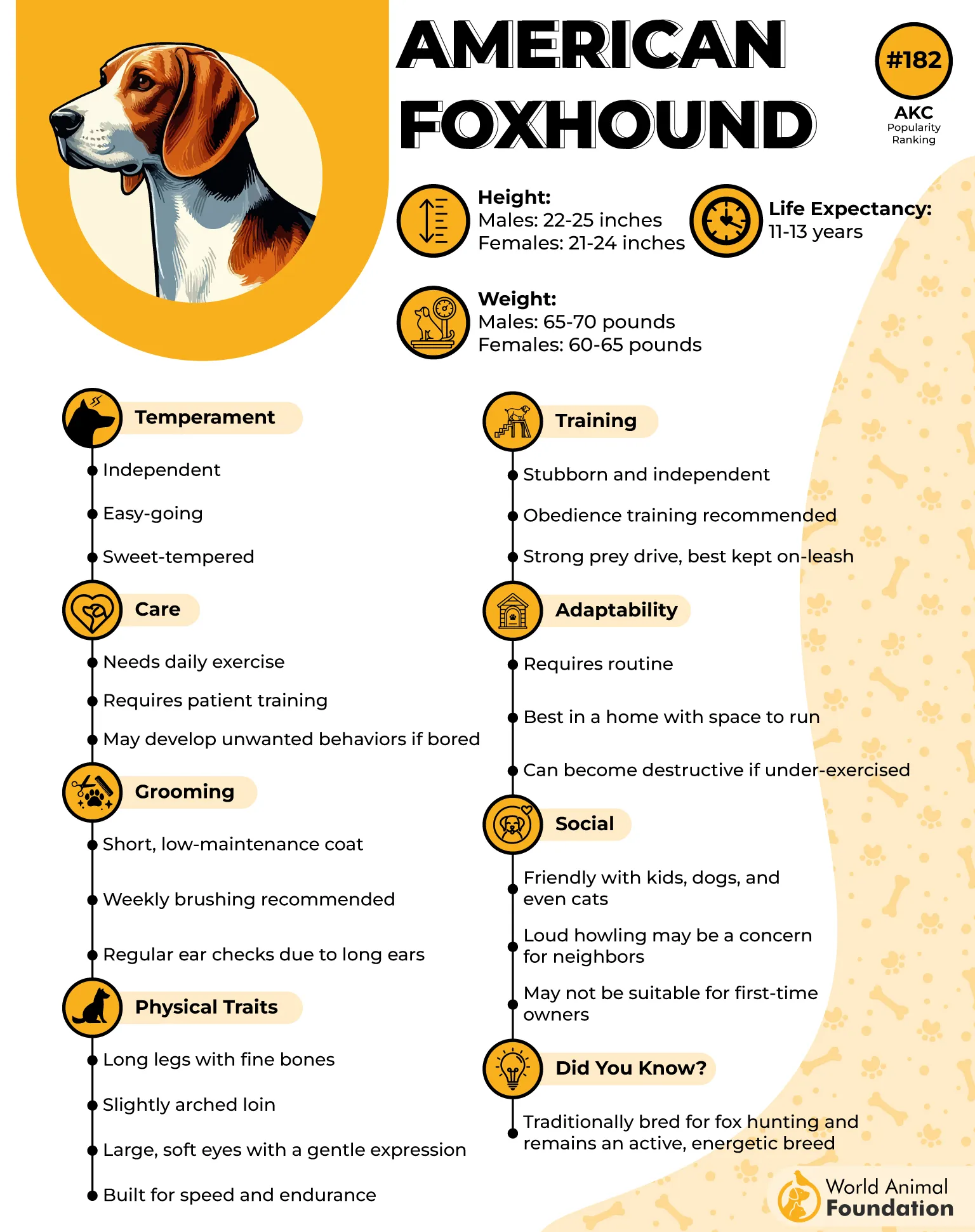
They are friendly and social, but also independent. That’s the hound brain. If they catch a scent, it can feel like you stopped existing for a minute. So recall training matters a lot. Secure fencing matters too.
A Foxhound with a smell in the air can turn a quiet afternoon into a full sprint.
Here’s the good part: If you love long walks, hikes, and outdoor life, they can be joyful partners. They thrive when they can move and sniff. Add scent games, tracking paths, and structured runs. When their nose gets to work, their mind settles down.
Important Notes for Hunters
Pack-style scent hound bred for long tracking runs
Huge stamina and strong “follow the trail” focus
Friendly, social, and often a bit stubborn
Needs secure fencing and steady recall training
Best fit for active homes that enjoy the outdoors
Conclusion
When you look at hunting dogs, you start to notice how each sporting breed brings its own magic. A gun dog might point upland birds, a flushing dog may flush upland birds, and a strong duck dog can retrieve waterfowl and help with retrieving downed birds in thick cover.
Some were bred specifically for jobs like upland hunting and waterfowl hunting, while others also handle small game and even track furred game.
That’s why breeds like the German Shorthaired Pointer and the Brittany Spaniel are often called a versatile hunting dog or a versatile hunter, and why dogs like the Springer Spaniel and Cocker Spaniel still shine as bird hunters and determined hunters.
Here’s the good part: with proper training, many of these dogs become loyal hunting companions.
Add dog sports, keep them busy, respect their needs, and you’ll end up with loyal companions, loving family pets, and the kind of great family pets that stick close.
