




Imagine looking up at the sky and seeing a bird slice through the air like a living arrow. Flight is what truly sets birds apart, and for some of them, speed is not just impressive—it’s essential for survival.
Birds are perfectly designed for life in the air, having evolved lightweight bones, powerful muscles, and specialized feathers that turn their bodies into natural flying machines.
Over millions of years, these features became finely tuned, allowing birds to fly farther, higher, and faster than almost any other animal on Earth.
Speed in the avian world isn’t just about showing off. Fast flight helps birds catch food, escape danger, migrate across vast distances, and even defend territory.
In this article, we’ll explore how these incredible fliers achieve such jaw-dropping speeds and what makes them true masters of the sky.
Key Takeaways
Discover how the Peregrine Falcon dives at over 240 mph, earning its title as the fastest animal on Earth.
Explore the incredible endurance of birds like the Common Swift and Grey-Headed Albatross that spend months flying nonstop.
Learn about powerful hunters like the Golden Eagle and Saker Falcon that combine speed and strength to catch prey midair.
Get amazed by unique flying styles and surprising speed records across a variety of birds, from swift insect catchers to soaring seabirds.
Fastest Birds in the World
1. Peregrine Falcon
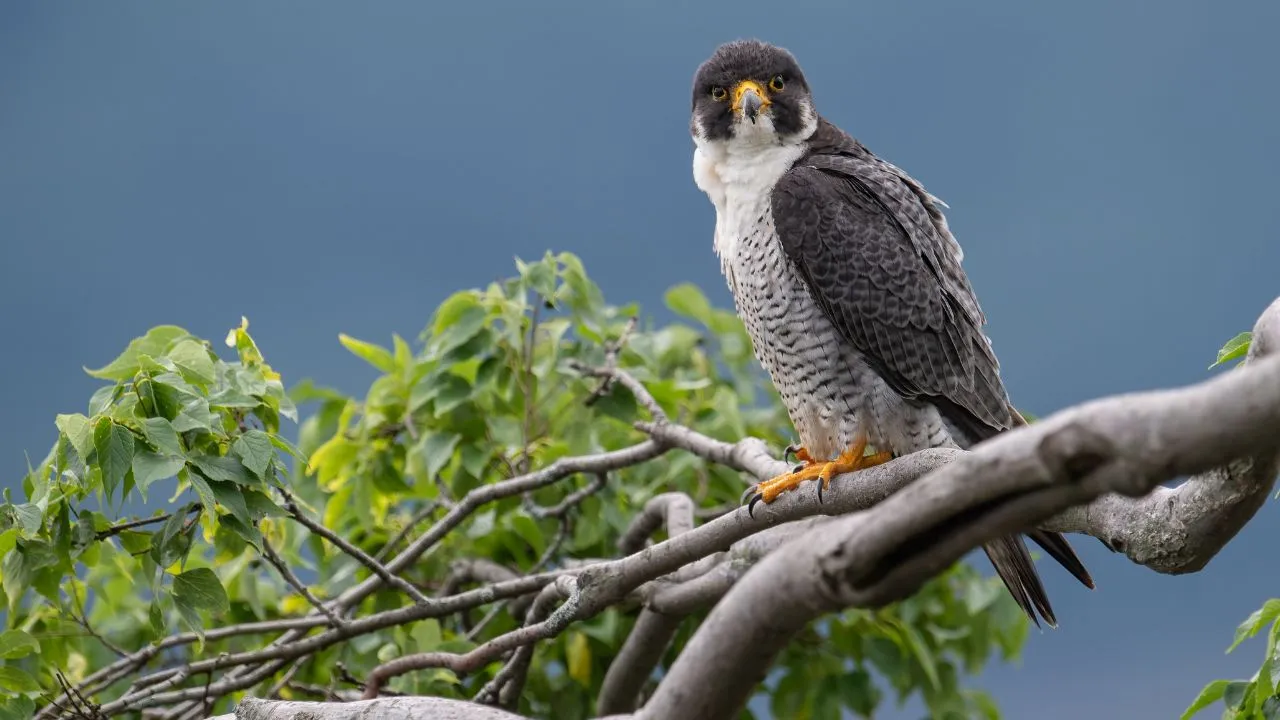
The Peregrine Falcon is widely recognized as the fastest animal on Earth. This powerful bird of prey is found almost everywhere, from polar regions to arid zones, and has adapted well to many environments, including urban areas and coastal regions.
When hunting, the Peregrine Falcon climbs to great heights and then dives toward its prey in a move called a stoop, as mentioned by The Peregrine Fund.
During this high-speed dive, it can reach speeds of over 240 mph (386 kph). Its body is perfectly built for speed, with a streamlined shape, stiff feathers, a strong heart, and sharp eyesight.
Special nostrils help control airflow and protect its lungs during these extreme dives. It mainly hunts medium-sized birds, striking them mid-air to stun or kill them before catching them.
Peregrine Falcon Speed Facts
Top Speed: Up to 240 mph during a vertical hunting dive
Habitat: Found across the globe, from polar to arid regions
Flight Style: Famous for powerful, high-speed stooping dives
Interesting Fact: Its maximum speed is used as a benchmark for aerial superiority and is recorded in the Guinness Book of World Records
2. Golden Eagle
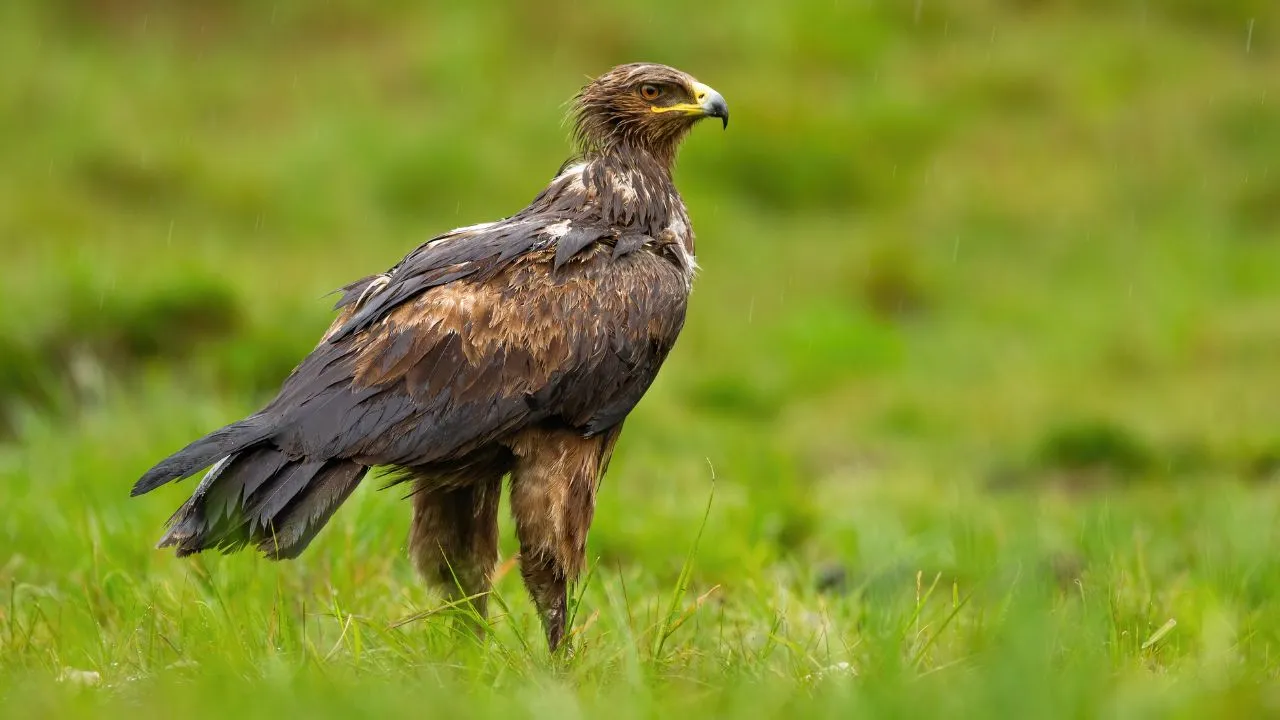
The Golden Eagle is one of the largest and most powerful birds of prey in the world. It is widely found across North America, Europe, and Asia, living in mountains, deserts, and open plains. Known for its strength and sharp vision, this eagle has long symbolized power and might in many cultures.
When hunting, the Golden Eagle soars high while scanning the ground below. Once it spots prey, it dives at remarkable speed, reaching up to 200 mph (322 kph). It mainly targets mammals such as rabbits, marmots, hares, and foxes.
Its powerful talons can exert over 400 pounds of pressure per square inch, allowing it to capture and dismember large prey with ease. Unlike some birds that rely only on dives, this eagle also maintains steady speed while soaring and during ambush attacks.
Golden Eagle Speed Facts
Top Speed: Up to 200 mph during a hunting dive
Habitat: North America, Europe, and Asia
Flight Style: Strong soaring flight combined with fast, controlled dives
Interesting Fact: The Golden Eagle is a cultural symbol of strength and is famously featured as the national animal of Mexico
3. Gyrfalcon
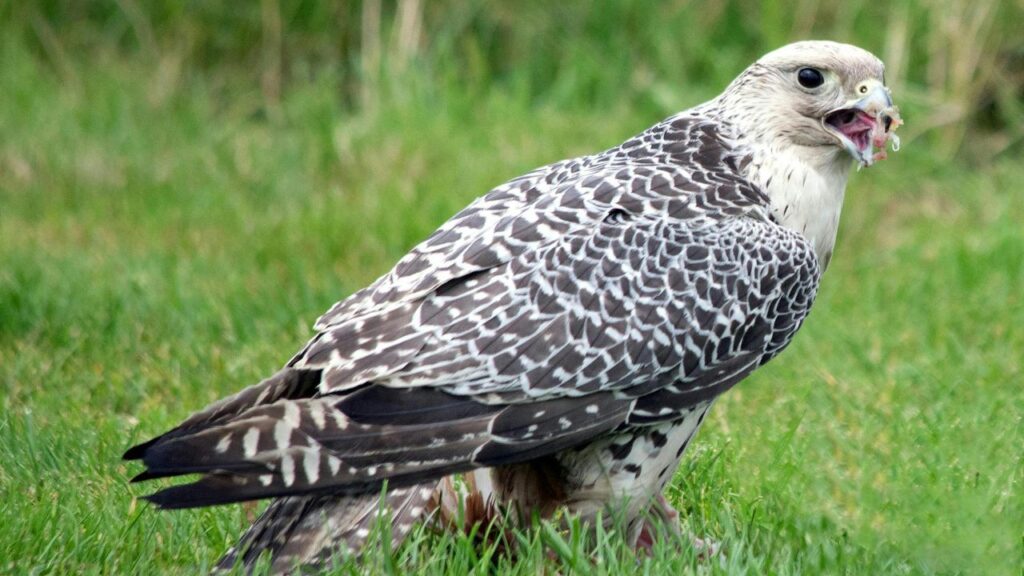
The Gyrfalcon is the largest member of the falcon family and one of the fastest birds in the world. It lives in Arctic and sub-Arctic regions, including remote northern landscapes.
This powerful falcon is built for endurance and strength, allowing it to survive and hunt in some of the planet’s harshest climates. Its size and force give it an advantage in wide, open tundra where long pursuits are common.
In flight, the Gyrfalcon can reach speeds of about 90 mph (145 kph) during level chases. During a hunting dive, known as a stoop, it can accelerate up to 150 mph.
It relies on powerful stoops rather than quick turns, using speed and impact to overpower prey. Its main targets include ptarmigan and seabirds, which it catches in mid-air or on the ground after a forceful strike.
Gyrfalcon Speed Facts
Top Speed: Up to 150 mph during a hunting dive
Habitat: Arctic and sub-Arctic regions
Flight Style: Strong, fast chases and powerful stooping dives
Interesting Fact: The Gyrfalcon was highly prized in falconry by nobility and shows color morphs ranging from pure white to dark gray for snowy camouflage
4. Grey-Headed Albatross
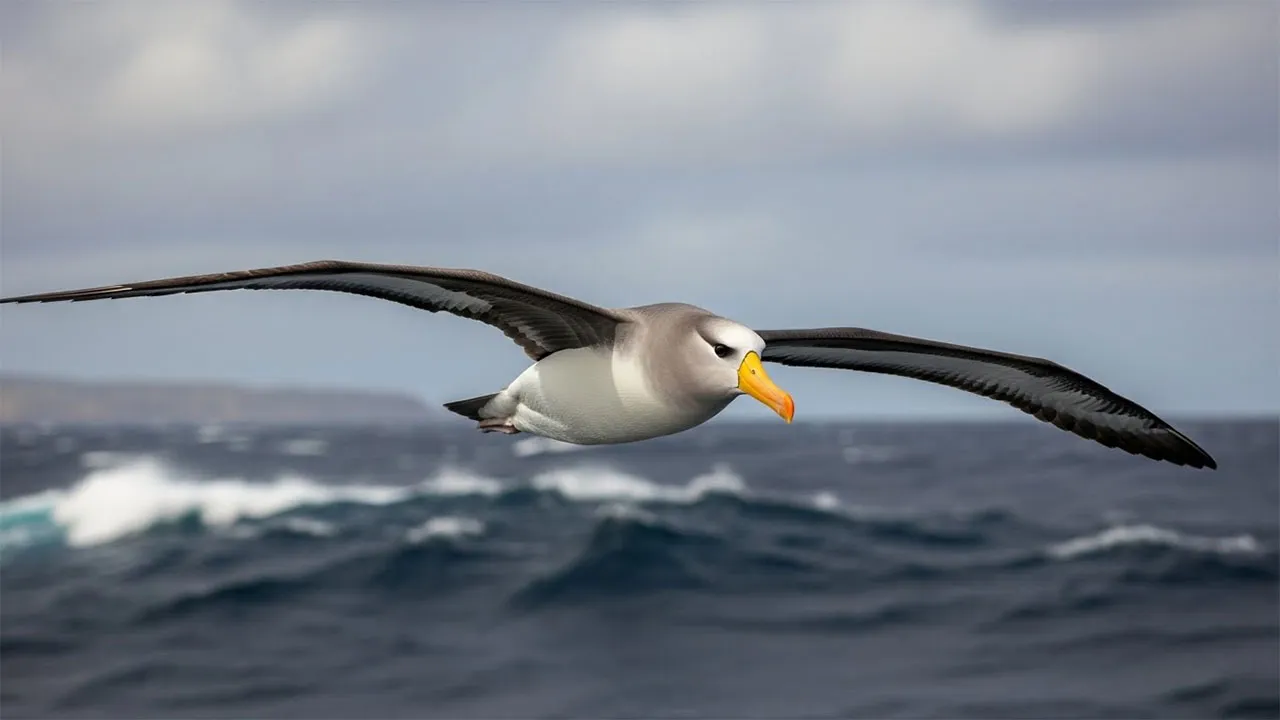
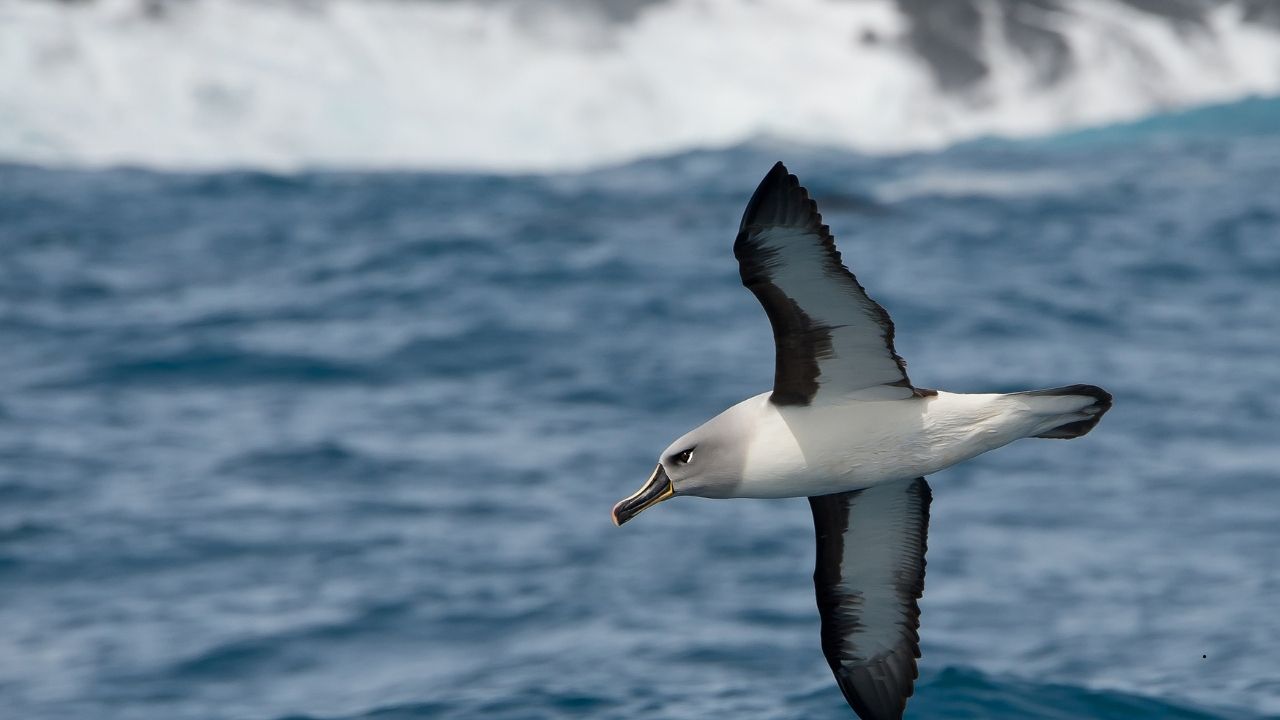
The Grey-Headed Albatross is one of the most impressive long-distance flyers among the fastest birds in the world. It spends most of its life over the open waters of the Southern Ocean and rarely touches land.
This bird is built for constant motion and can travel thousands of miles without stopping, making it a true endurance champion of the skies.
According to MIT, instead of rapid flapping, the Grey-Headed Albatross uses a technique called dynamic soaring. It skillfully exploits wind gradients above ocean waves to gain speed with very little energy. During these flights, it can reach speeds of up to 79 mph (127 kph).
Researchers have recorded it flying in wind speeds ranging from 40 to 128 km/h, with gusts reaching 160 km/h, allowing it to maintain high speed for hours across rough seas.
Grey-Headed Albatross Speed Facts
Top Speed: Up to 79 mph, with wind-assisted gusts near 80 mph
Habitat: Southern Ocean and sub-Antarctic regions
Flight Style: Long-distance gliding with constant motion and high speed
Interesting Fact: This bird can fly thousands of miles over open ocean and rarely lands, except during breeding on steep island cliffs
5. White-Throated Needletail Swift

The White-Throated Needletail is famous for being one of the fastest birds in the world in level flight. This swift is built for speed and spends most of its life in the air.
It is commonly found across parts of Asia and Australia, especially around rocky hills and forested areas. Long-distance migration is a regular part of its life cycle.
In straight, level flight, the White-Throated Needletail can reach speeds of up to 105 mph (169 kph). Its strong, cigar-shaped body and long, curved wings help it maintain rapid and sustained flight.
It feeds entirely on insects, which it catches while flying. The bird gets its name from the stiff, needle-like feathers at the end of its tail, which help with control and stability at high speeds.
White-Throated Needletail Speed Facts
Top Speed: Up to 105 mph in level flight
Habitat: Rocky hills and forests in Asia and Australia
Flight Style: Fast, direct, and sustained flight with minimal landing
Interesting Fact: This bird can sleep while flying and only lands to breed and raise its young
6. Frigatebird
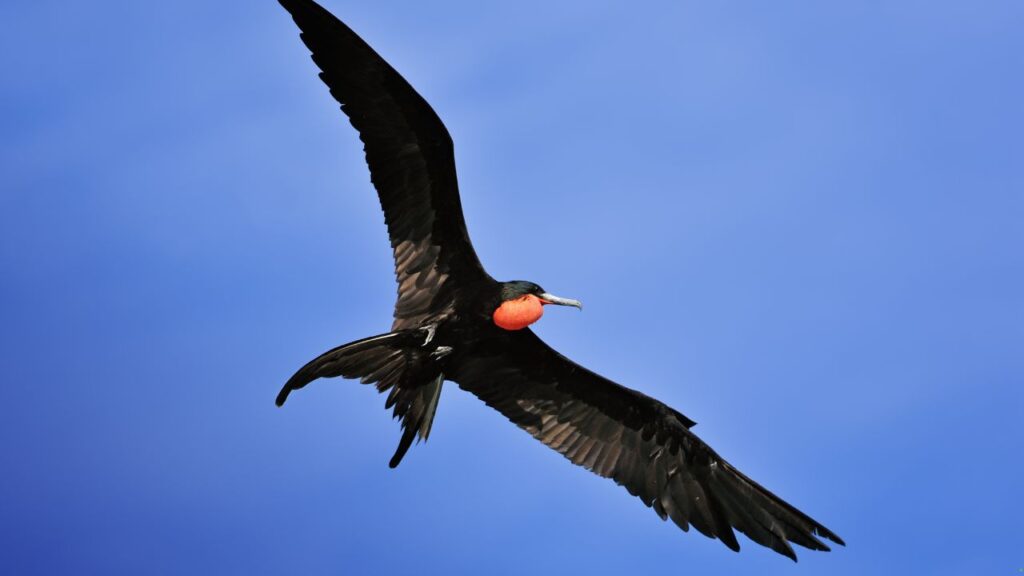
Frigatebirds are among the most unique seabirds. They have the largest wingspan-to-body-weight ratio of any bird, which allows them to glide with incredible ease. Found over tropical and subtropical oceans, these birds spend most of their lives in the air and only land to rest or breed on remote islands.
Thanks to their long wings and lightweight bodies, frigatebirds can reach speeds of up to 95 mph (153 kph). They are experts at soaring and can stay airborne for days and nights without landing.
Their flight is smooth and efficient, with a deeply forked tail that helps them steer while gliding at high speed over the open sea.
Frigatebird Speed Facts
Top Speed: Up to 95 mph
Habitat: Tropical and subtropical oceans
Flight Style: Long-distance soaring with minimal flapping
Interesting Fact: Frigatebirds often steal food mid-air from other birds by forcing them to drop their catch, and males inflate a bright red throat pouch during courtship
7. Red-breasted Merganser
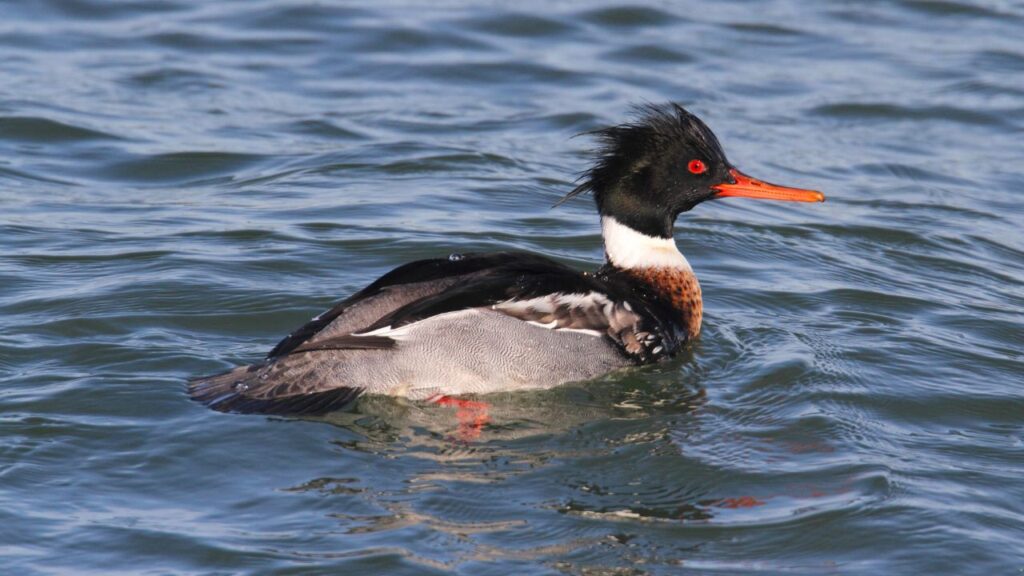
The Red-Breasted Merganser is a diving duck that earns its place among the fastest birds in the world. While ducks are not usually known for speed, this species is a surprising exception.
It is found across North America and Eurasia, breeding on freshwater lakes and moving to coastal waters during winter. Its slim body and sharp features reflect its active, fast-paced lifestyle.
In flight, the Red-Breasted Merganser can reach speeds of up to 81 mph (130 kph), especially during migration or strong wind conditions, with gusts reaching nearly 80 mph.
Its rapid wingbeats allow for fast, low flight over lakes and coastal waters. The bird also has a long, serrated bill and a spiky crest, making it well-suited for catching fish both above and below the surface.
Red-Breasted Merganser Speed Facts
Top Speed: Up to 81 mph
Habitat: North America and Eurasia
Flight Style: Fast, low-altitude flight combined with strong diving ability
Interesting Fact: This bird is an excellent swimmer and must rely on speed to catch fish and dodge predators
8. Saker Falcon
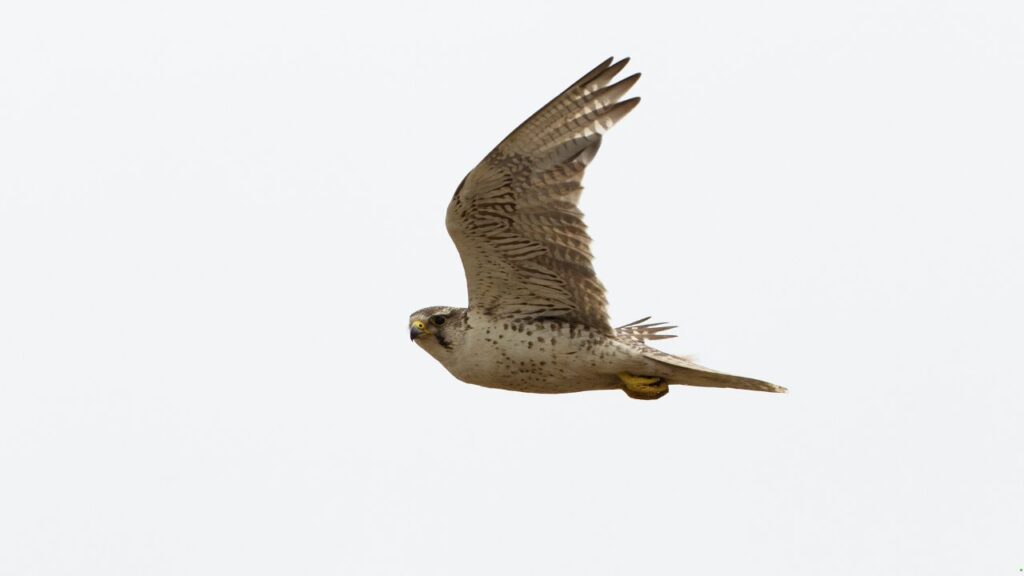
The Saker Falcon is a powerful bird of prey and a strong contender among the fastest birds in the world. It is especially common across Central Asia, parts of Europe, and some regions of Africa.
This large falcon is known for its long wingspan and explosive speed, making it a dominant hunter in open deserts and forested landscapes.
During a high-speed dive or hunting stunt, the Saker Falcon can reach speeds of up to 200 mph. In horizontal flight, it is often considered even faster than many other falcons, which is why it can rival the Peregrine Falcon when level speed is compared.
Its flight style is that of an enthusiastic sprinter, using rapid acceleration and strong wingbeats to chase and strike prey in midair.
Saker Falcon Speed Facts
Top Speed: Up to 200 mph during a dive
Habitat: Central Asia, Europe, and parts of Africa
Flight Style: Fast, powerful sprinting flight with long wings
Interesting Fact: The Saker Falcon is highly prized in falconry because of its ability to plunge and capture large birds in midair
9. Spur-Winged Goose
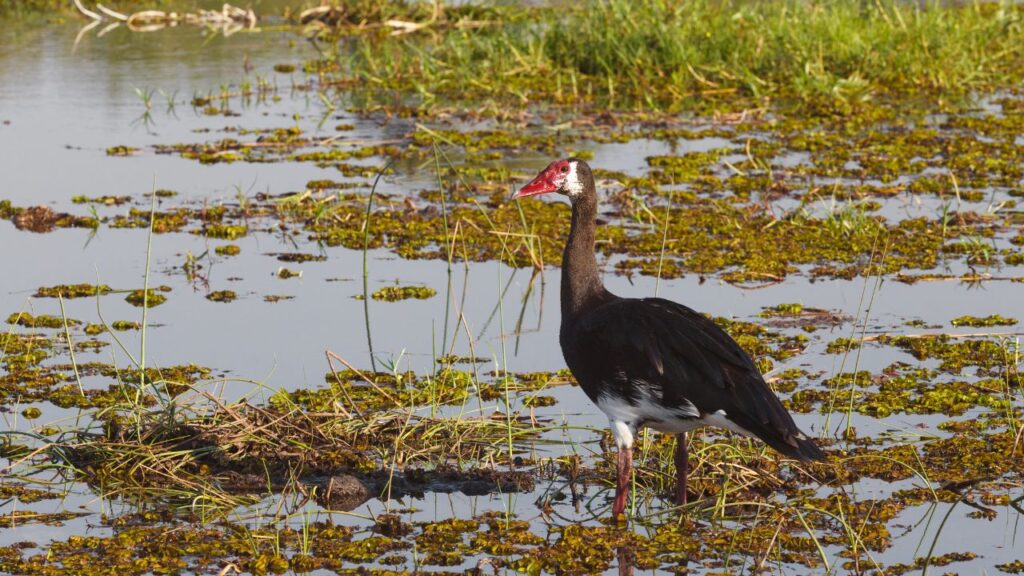
The Spur-Winged Goose is one of the largest waterfowl native to Africa. It lives in wetlands and grasslands and often forms flocks outside the breeding season. Despite being much larger than most other geese, it is a surprisingly fast and capable flier.
In flight, the Spur-Winged Goose can reach speeds of up to 88 mph (142 kph). Its powerful wings allow it to travel long distances between feeding and breeding areas during seasonal movements.
It is known as a large, swift flyer and can even run faster than much of its prey when avoiding danger or during migration.
Spur-Winged Goose Speed Facts
Top Speed: Up to 88 mph
Habitat: Sub-Saharan Africa
Flight Style: Strong, fast flight during long seasonal movements
Interesting Fact: It feeds on toxic blister beetles, storing poison in its body, which makes it dangerous for predators and even humans
10. Common Swift
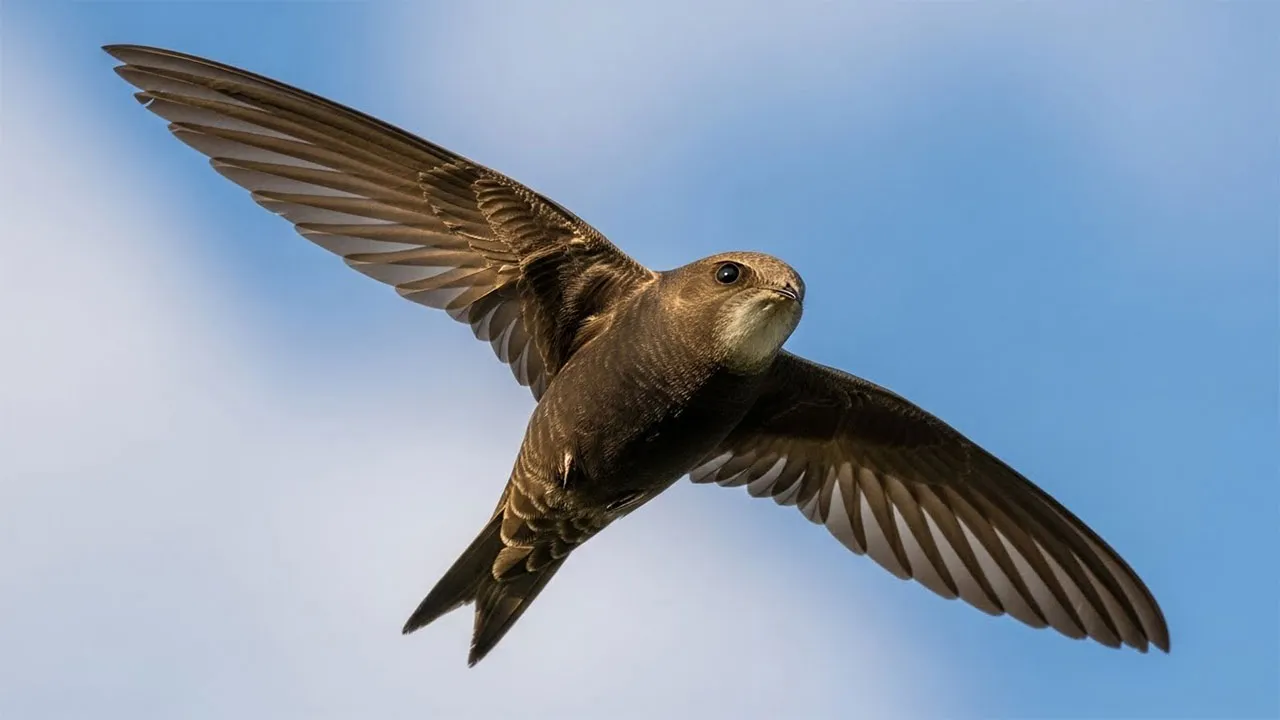
The Common Swift is an incredible endurance flyer. Found across Europe, Asia, and Africa, this fast-flying bird spends nearly its entire life in the air. It only lands briefly, mostly to breed and raise young.
The Common Swift can reach speeds of up to 70 mph, especially during the breeding season when it is most active.
Its flight is agile and quick, full of swoops and dives that help it catch flying insects mid-air. Amazingly, the Wildlife Trusts mentions that Common Swifts can even sleep and mate while flying, making them true masters of nonstop flight.
Common Swift Speed Facts
Top Speed: Up to 70 mph
Habitat: Europe, Asia, and Africa
Flight Style: Continuous flight for months with agile swoops and dives
Interesting Fact: Known for the longest consecutive flight among birds, it spends over ten months on the wing without landing
Conclusion
Flight speed plays a crucial role in how many bird species survive and thrive in nature. Fast fliers with streamlined bodies and narrow wings have evolved flight patterns that allow them to chase prey efficiently and reach impressive flying speeds.
These adaptations not only help small birds catch prey but also give them an edge during breeding seasons and migrations. The average speed of these fast creatures highlights the incredible diversity and specialization found across the avian world.
The behavior and evolution of birds are deeply connected to their flying abilities. From soaring hunters to agile chasers, many birds rely on speed and wing shape to succeed in their environments.
Understanding flight speed and patterns across bird species reveals just how important this trait is for survival, showcasing nature’s remarkable ability to shape life in the skies.
