




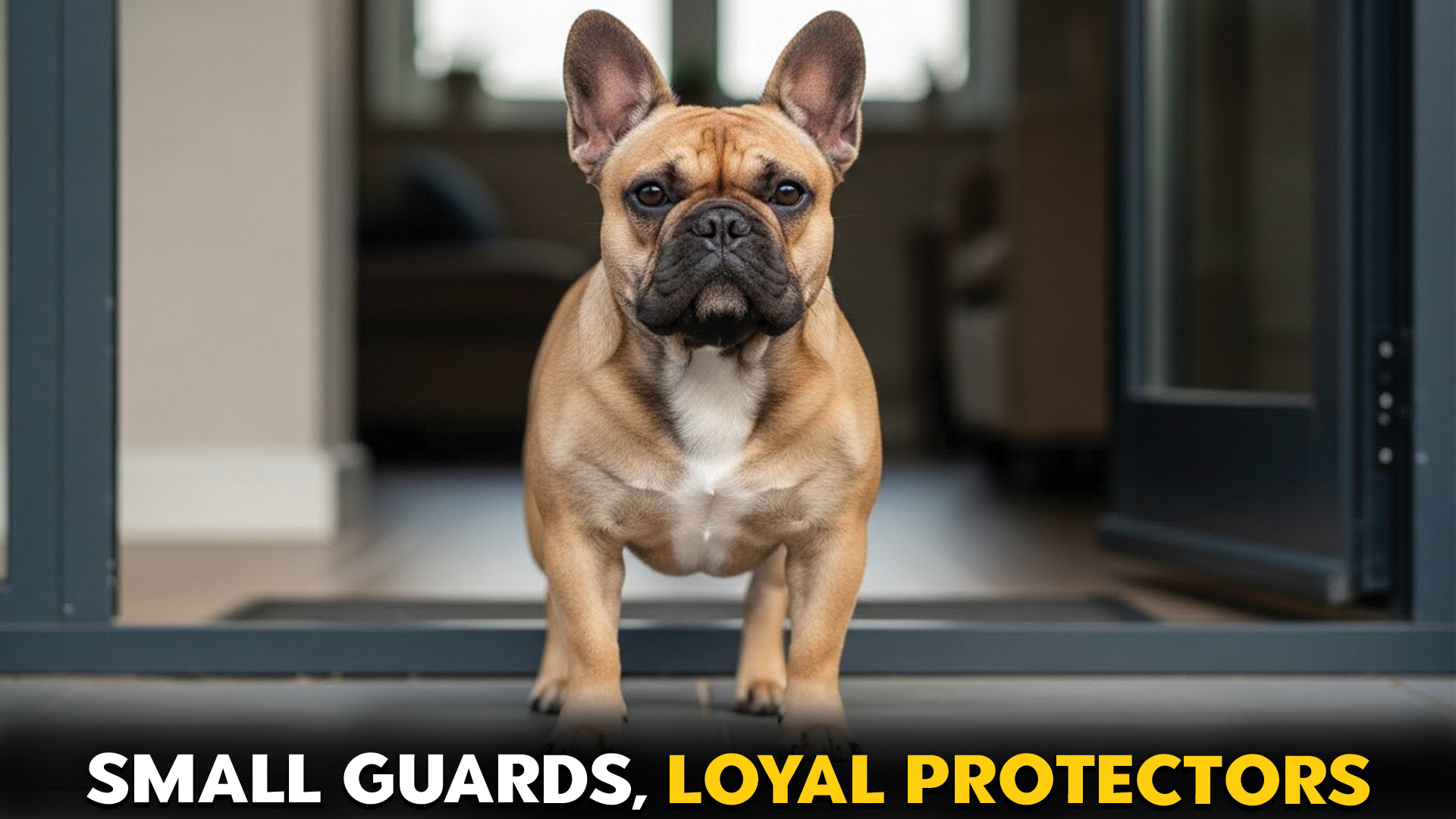
Small dogs can guard a home better than people expect.
Sounds crazy, right?
But here’s the best part. A loyal small dog often stays closer to you. They hear more. They notice tiny changes. And when something feels off, they speak up fast.
These mighty guardians have a ‘big dog’ attitude, showing courage and boldness that surprises many, making them some of the best guard choices for small spaces.
Now, quick truth. A “guard dog” does not mean a dog that attacks. Nope. What you want is a confident, alert watchdog who bonds hard with you. The kind who barks at a warning, stands its ground, and makes strangers think twice.
Small dogs often form strong bonds with their families, which enhances their protective instincts and makes them some of the best guard choices for small spaces.
Let’s meet the best small breeds for loyal, protective guarding. Each one brings a different vibe. Their loyalty and territorial instincts come from their breeding heritage, making them natural guardians.
Best Small Dog Breeds for a Loyal, Protective Guard
1. French Bulldog
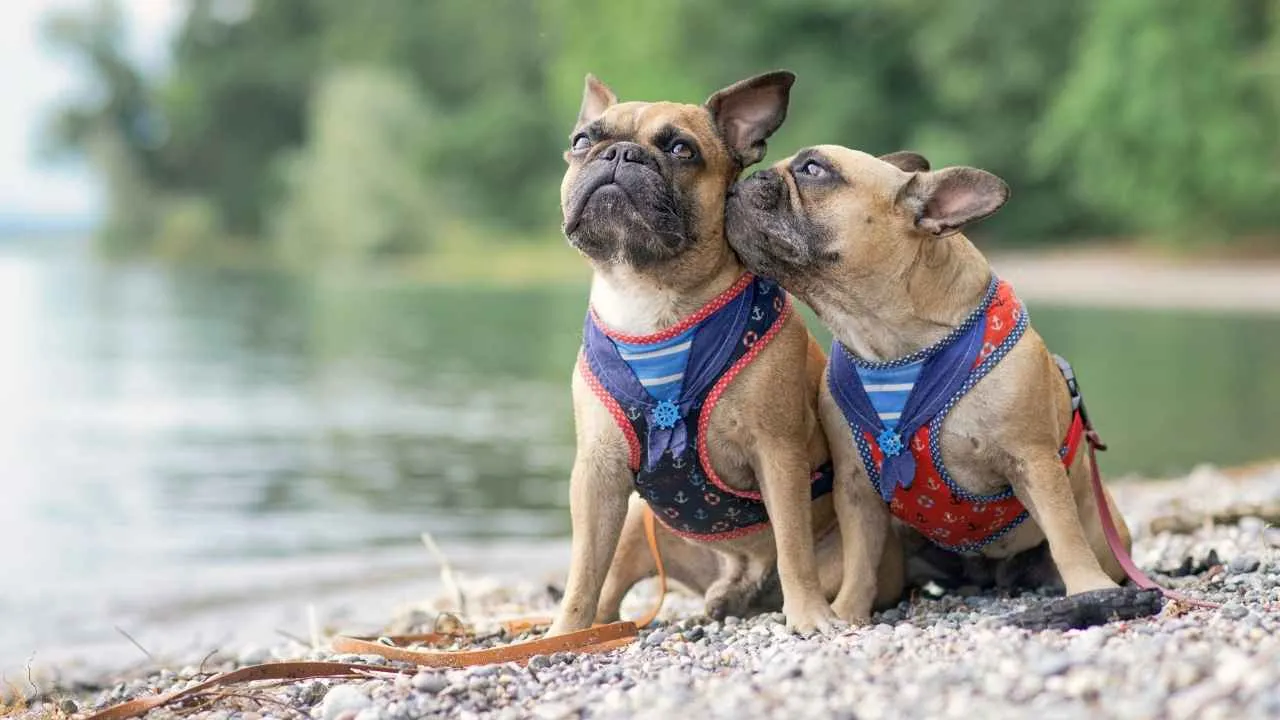
Frenchies are not loud, but they are switched on. Their ability to detect unusual activity makes them effective at providing safety for their owners, as they are quick to notice anything out of the ordinary.
They usually do not bark for no reason. But when they do bark, it often means, “Hey, something’s up.” Their alert nature makes them strong little watchdogs, even in small homes.
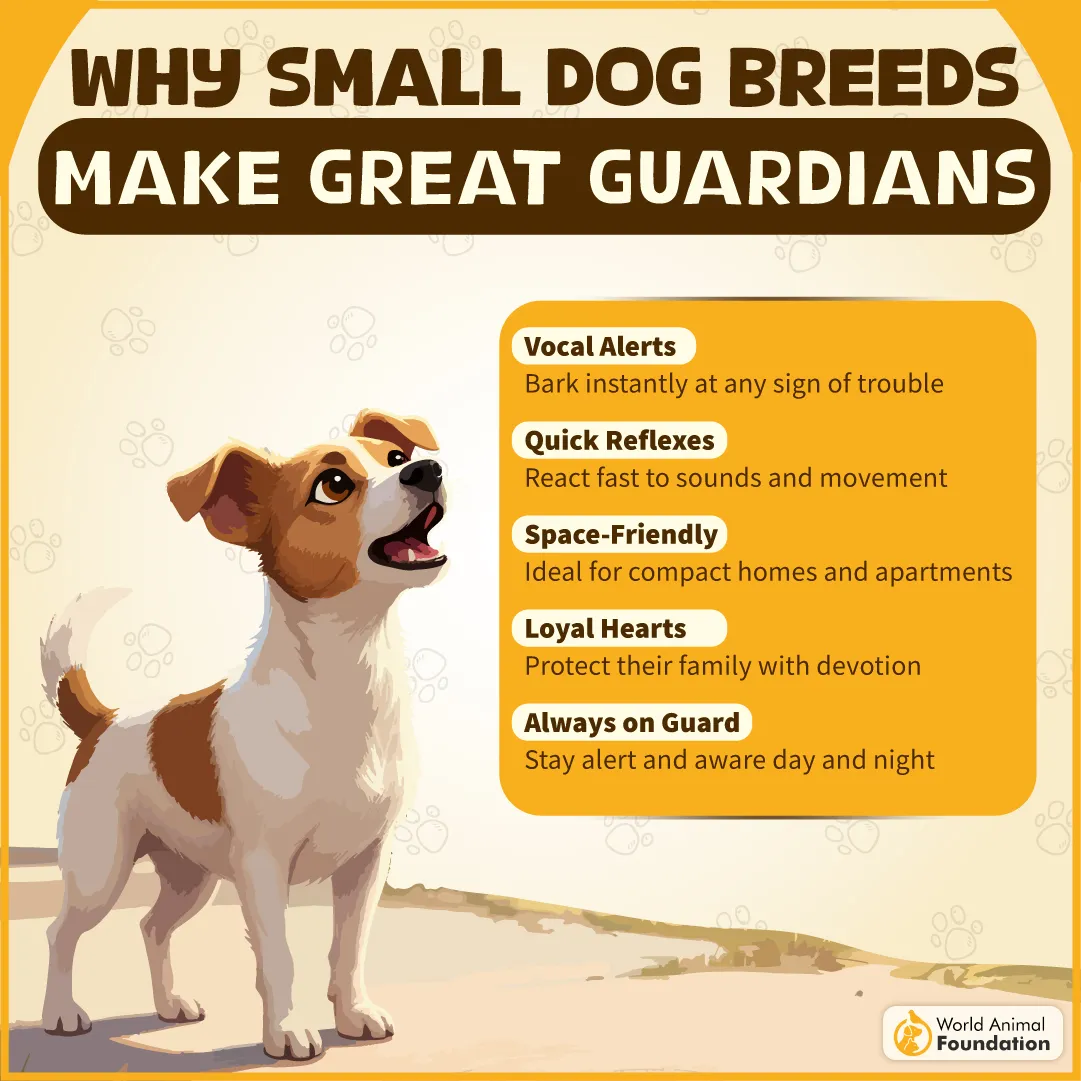
The breed’s history as a companion and protector, originating from England and France, contributes to their loyalty and alertness.
They are also pure people-pups. They bond tightly, follow you around, and love being near their “safe person.” That loyalty matters for guarding, because they care deeply about who belongs and who does not.
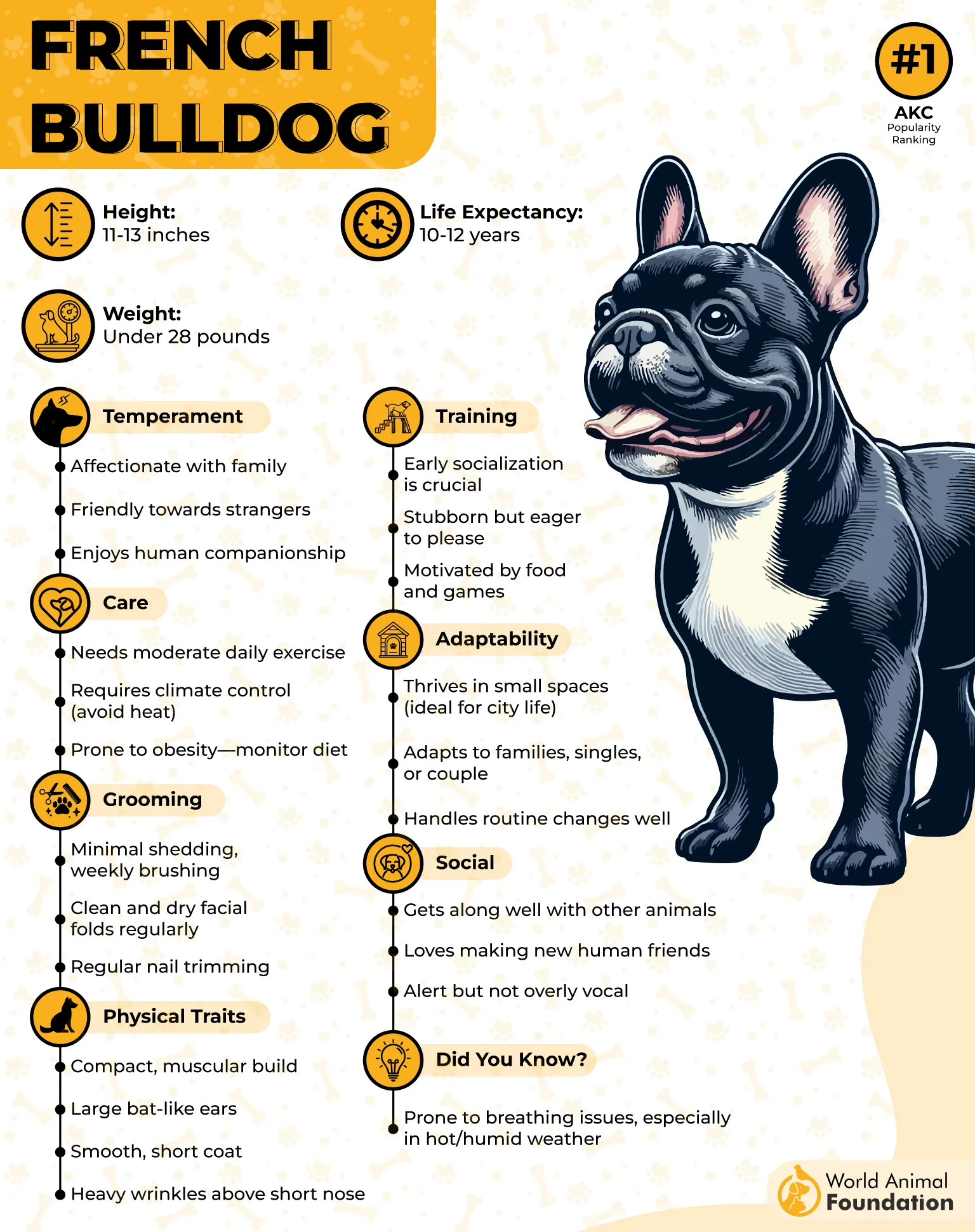
Their natural protective instinct kicks in when needed, making them reliable for alerting owners to potential threats.
But why bother with that calm side? Because it helps you. A French Bulldog can stay cool while still noticing things. They are not built for long patrol runs. They are built for close companionship and quick warnings.
Important note for Frenchies
They do best as indoor protectors, not outdoor guards.
Keep walks gentle, especially in the heat.
Teach a “quiet” cue early, even if they rarely bark.
Social time helps them tell “guest” from “threat.”
2. Dachshund
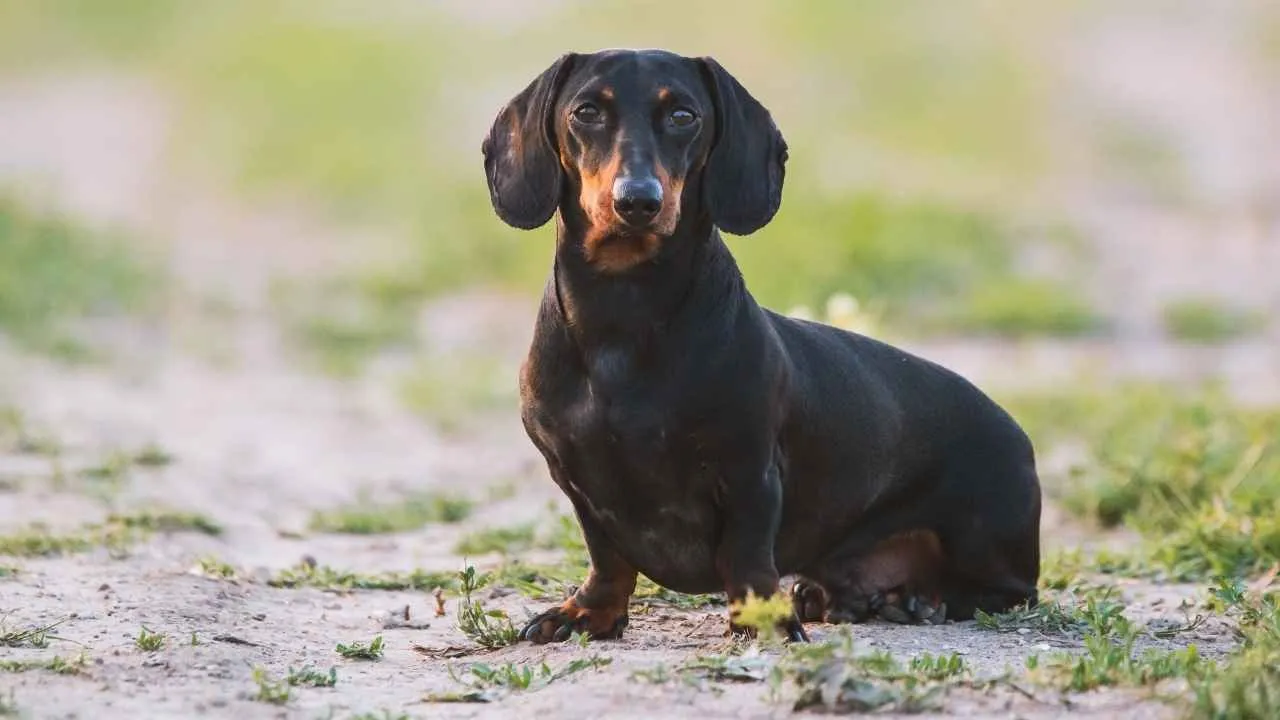
Dachshunds were bred to hunt badgers and scare them out of their burrows, which contributes to their intimidating bark and fearless nature.
They are smart, bold, and very aware of their space. Their expressive eyes add to their alert personality. Dachshunds often have a big-dog bark in a small body, and that loud, intimidating bark can startle or even scare unwanted visitors.
They also take loyalty seriously. Many Dachshunds pick their people and stick close. Small dogs like Dachshunds are surprisingly clever, with relatively large brains for their size, making them quick problem solvers.
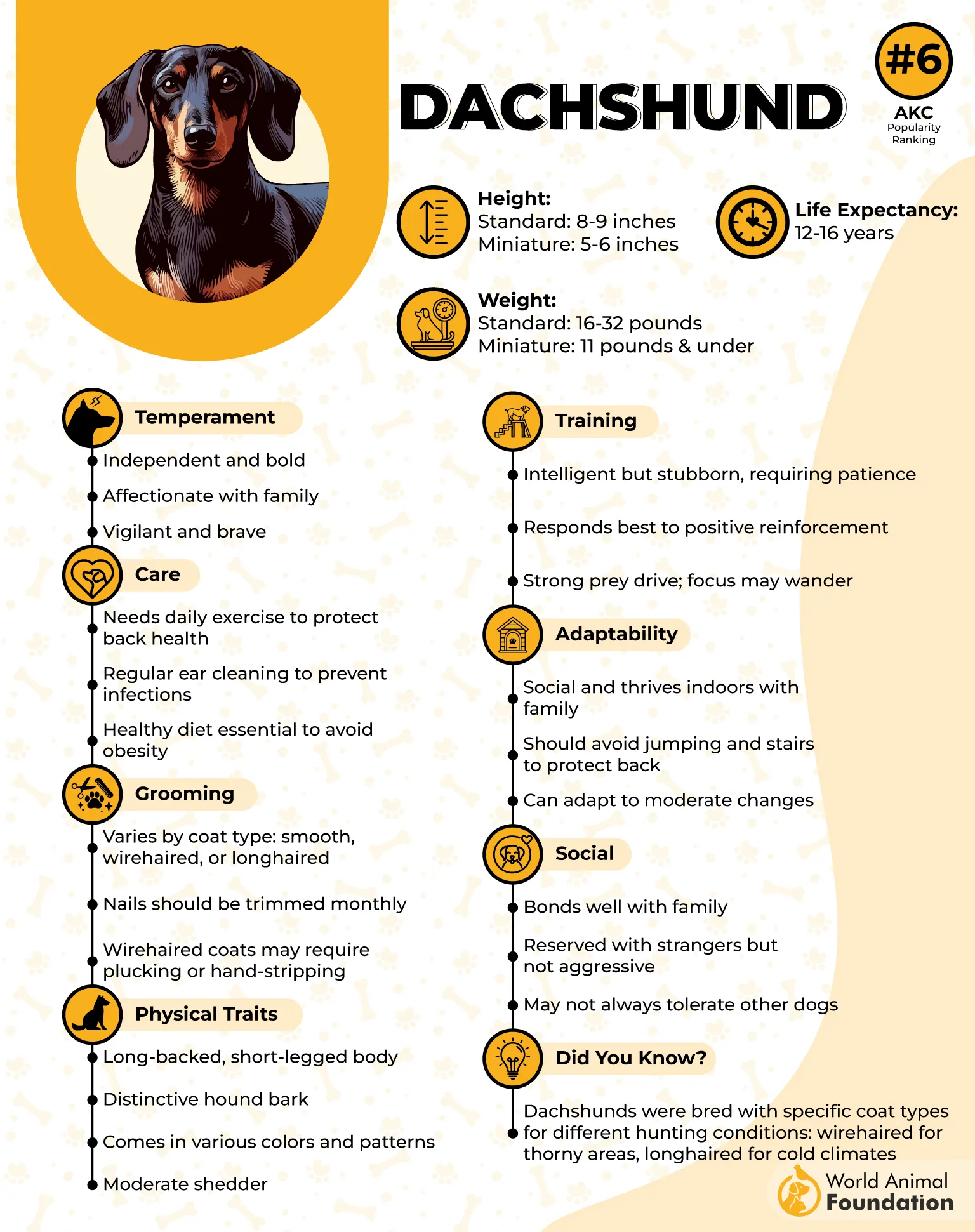
If they hear a weird sound at the door, they are on it. Fast. Like, “Excuse me, who are you, and why are you breathing near my house?”
Here’s the good part. Their courage and terrier-like qualities, such as alertness and a strong hunting background, make them excellent little sentries.
But you must shape it. If you don’t, they may bark at every tiny noise and act like the hallway is a crime scene.
What makes them special
Strong guard instinct for their size
Loud, sharp “alarm” bark
Brave and confident, sometimes stubborn
Best with gentle, steady training
3. Pomeranian
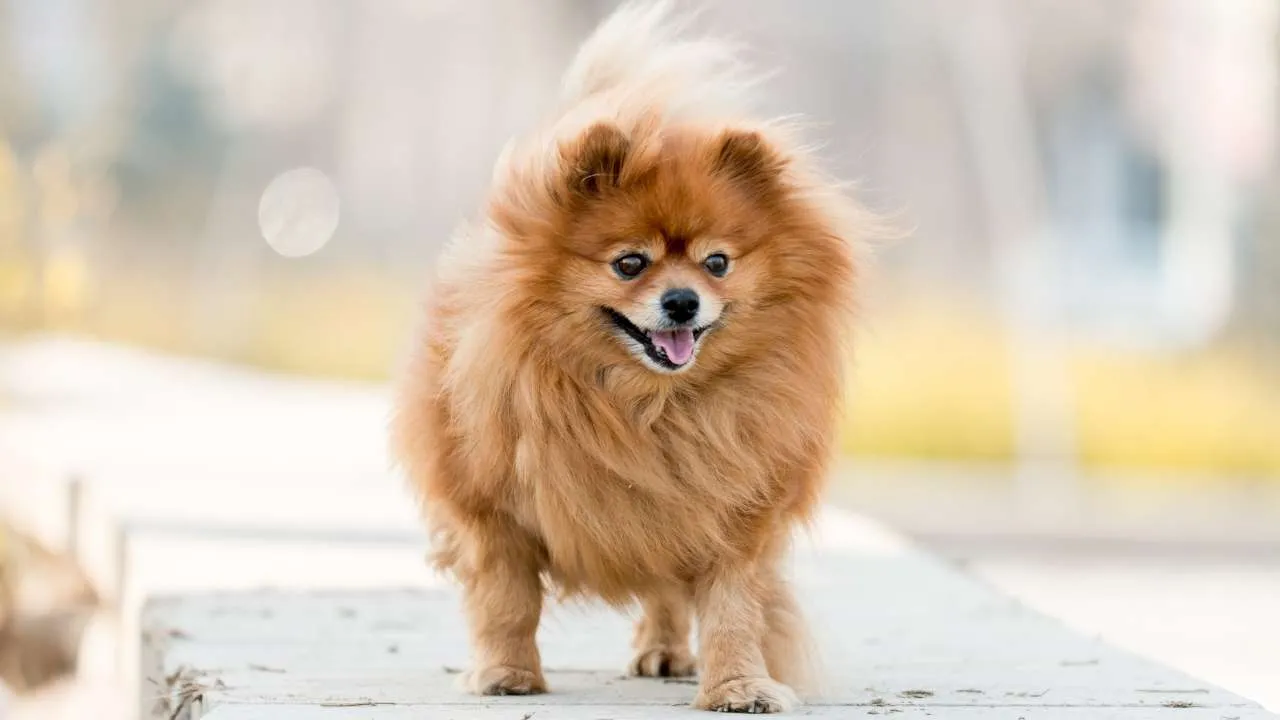
People see fluff. Poms see danger. Or at least, they think they do. Pomeranians are famous for their bold personality and for forming close bonds with their owners, making them loyal, affectionate, and effective protectors.
Pomeranians are alert, lively, and quick to react. They notice movement, sounds, and new faces right away. That makes them great as an early-warning dog, especially in apartments and smaller homes.
These small dogs are surprisingly clever, with relatively large brains for their size, which helps them solve problems quickly.
They are also loyal in a clingy-cute way. Many Poms love being close to their person. And because they are bright, they can learn routines fast.
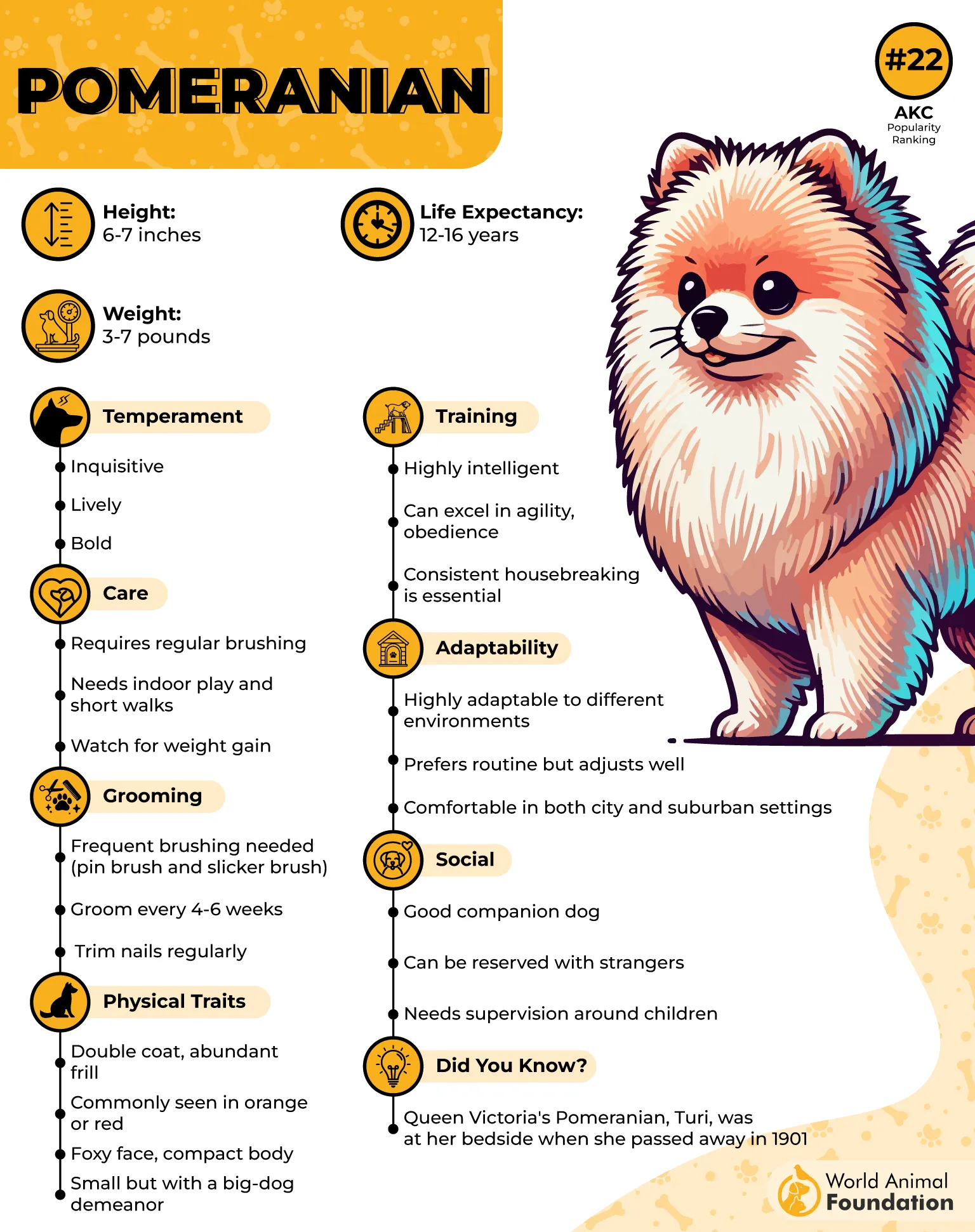
With a mighty spirit, Pomeranians are like little lions: courageous and confident despite their tiny size. When your pom knows what “normal” looks like, they can spot “not normal” even faster.
But wait, there’s more! This breed can slip into “small dog syndrome” if you let everything slide because they’re adorable. That’s how you end up with a tiny boss yelling at the mail.
According to the AKC, their big dog attitude and mighty personality make them surprisingly effective protectors, always ready to alert you to anything unusual.
Keep the Pom confidence healthy
Reward calm when guests enter
Teach “place” so they settle
Don’t pick them up during barking fits
Give daily brain games, not just cuddles
4. Miniature Pinscher
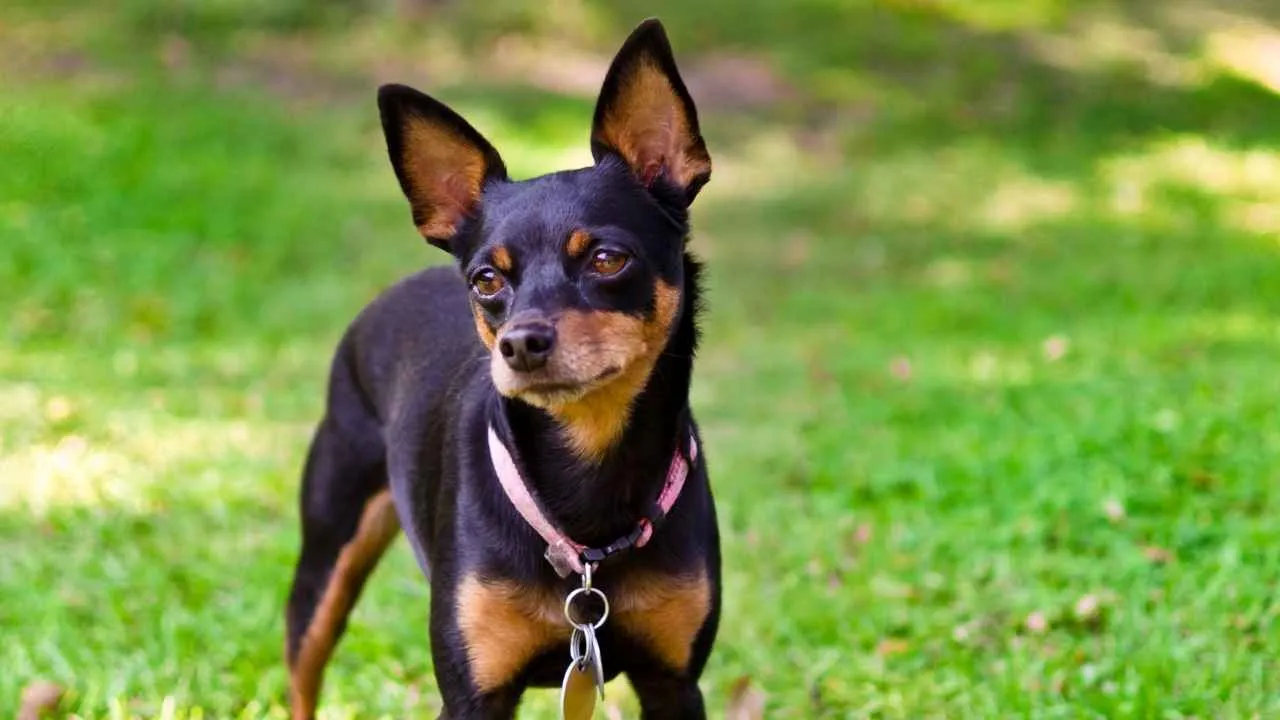
The Min Pin is small, but acts like it owns the whole planet. This energetic and intelligent breed is always on the move, with a wary attitude toward strangers that makes them excellent at alerting their owners to anything unusual.
They are proud, fearless, and always watching. Many people call them bold to the point of being hilarious. If a Min Pin hears a strange sound, you will know. Your neighbors may also know. Sorry.
PetMD notes that their cleverness and intelligence make them quick to learn and highly effective as watchdogs, thanks in part to their larger brains relative to their body size.
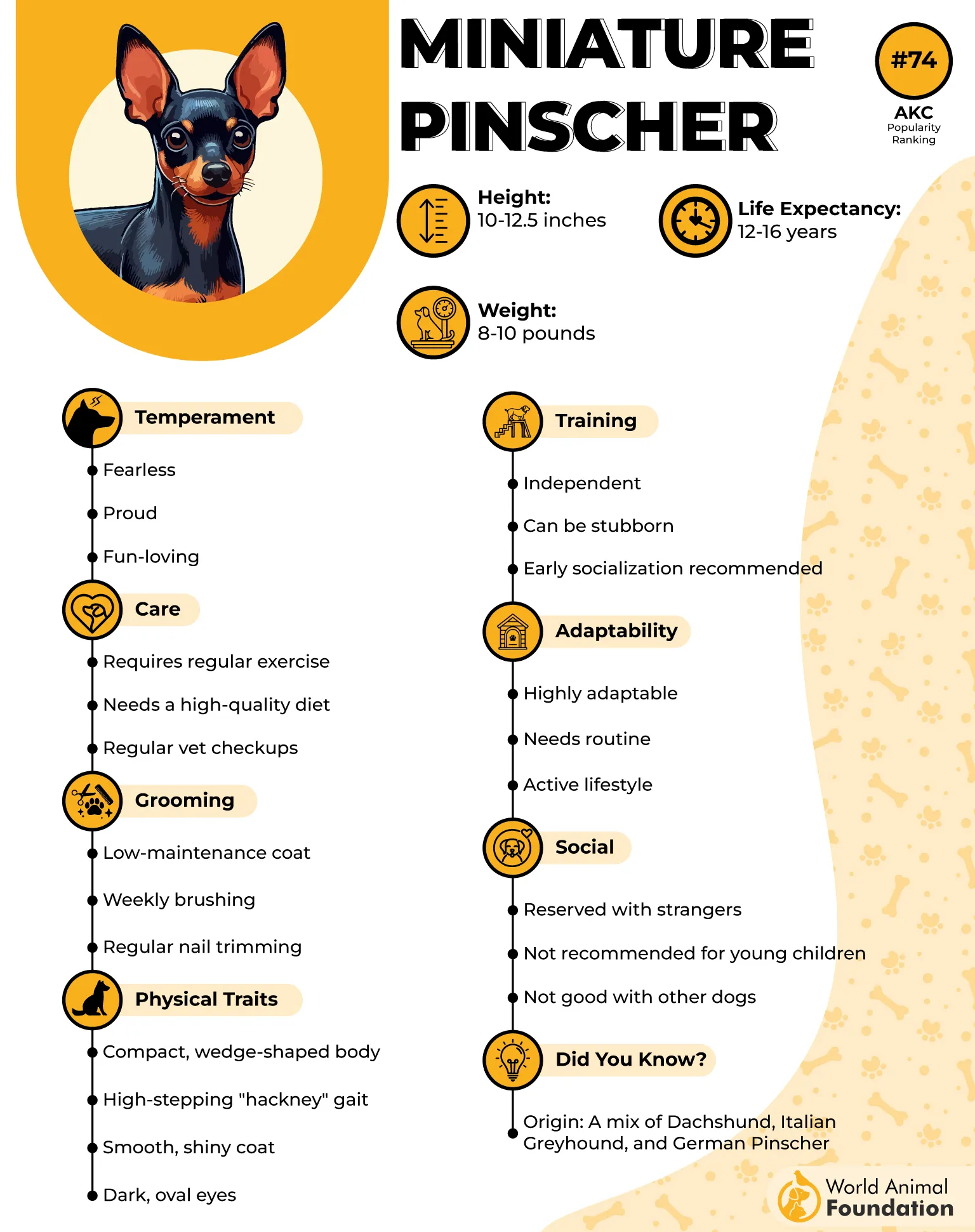
They can be loyal and very connected to their home base. They often stay alert, move fast, and keep a close eye on doors and windows. That natural suspicion around strangers can be a real strength when you want a protective little buddy.
Mental and physical stimulation is required to keep them happy and well-behaved, so be sure to provide plenty of activity and enrichment.
Here’s the good part. A Min Pin is not just an alarm. They’re also sharp and busy. If you don’t give them an outlet, they will invent one. And their ideas can be… spicy.
Their portable size makes them easy to carry, which is perfect for owners who want a vigilant companion wherever they go.
Best ways to bring out the “good guard.”
Short, firm training sessions
Puzzle toys to burn mental energy
Early social time with calm strangers
A strong recall, because they can bolt
5. Lhasa Apso
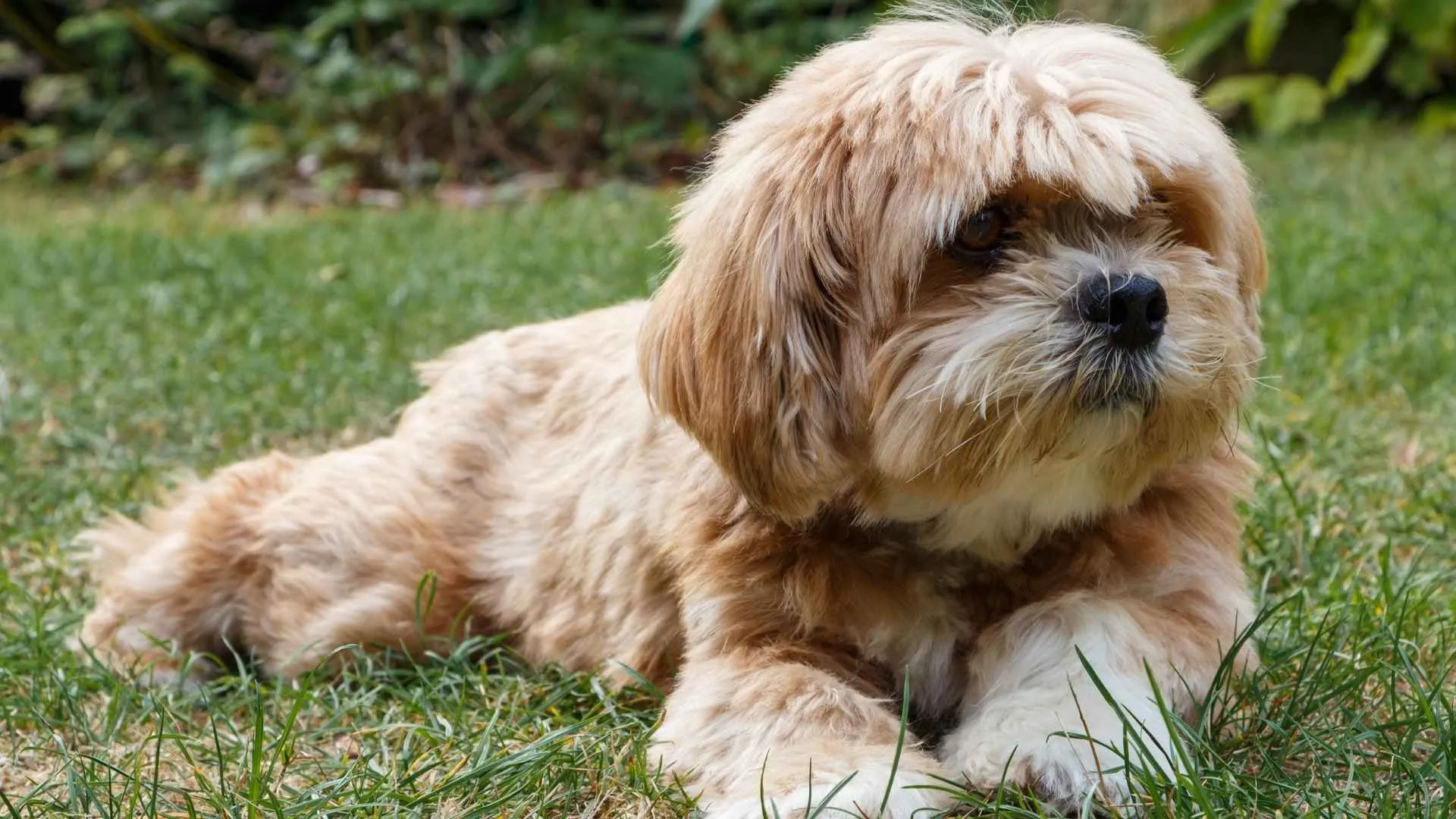
Lhasa Apsos were literally built for guarding indoors. Their history as guardians dates back centuries—they were used as sentinel dogs in Tibet, watching over palaces and monasteries.
As per Britannica, even today, their strong presence and alertness make them effective protectors. Their loyalty and territorial instincts, inherited from their breeding heritage, mean they take their role seriously and act like tiny security guards with great hearing and strong opinions.
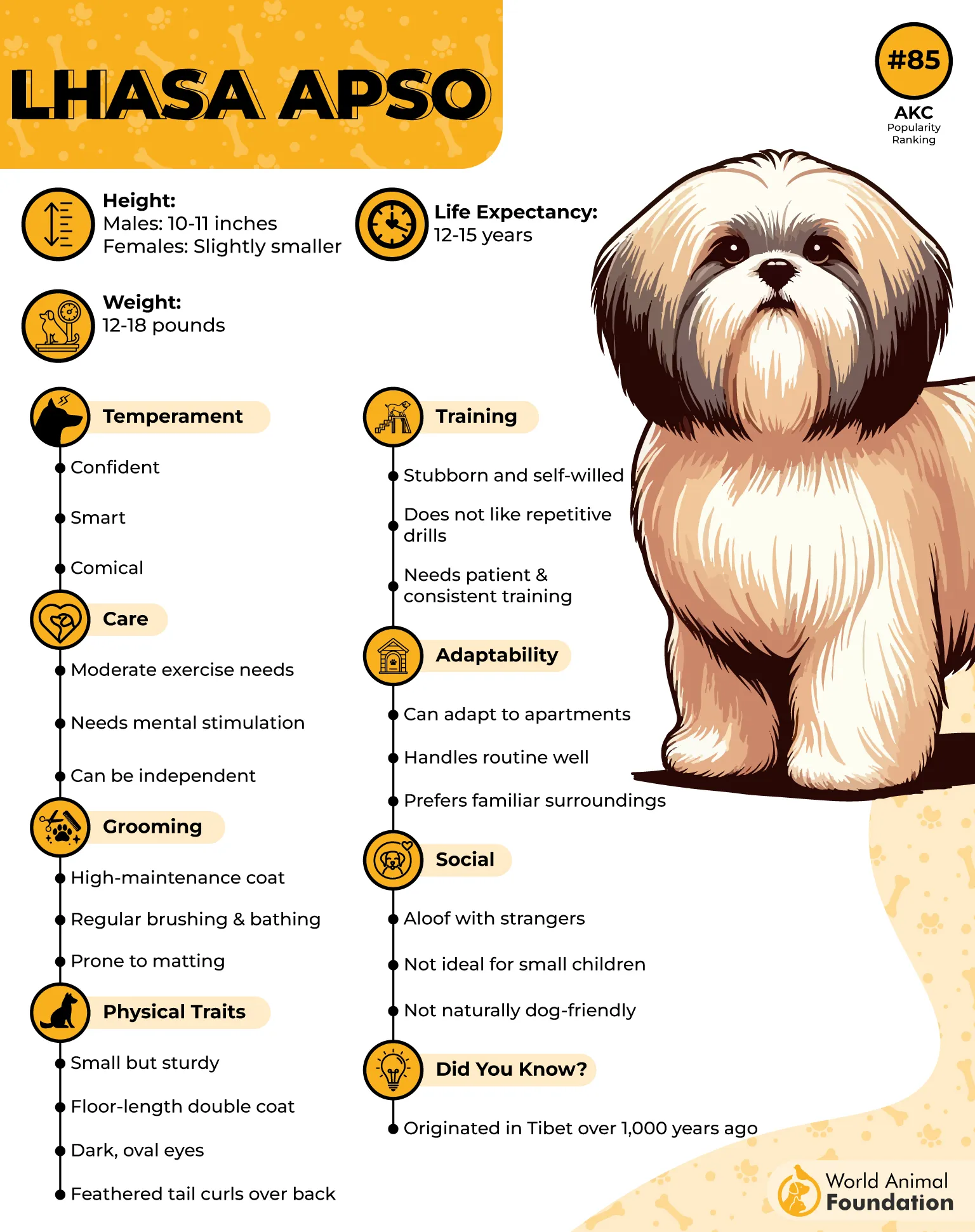
They tend to form strong bonds with their families, which enhances their protective nature. Lhasa Apsos can be sweet and funny at home, then suddenly very serious when someone unfamiliar shows up.
That “I don’t trust you yet” attitude is part of why they make such strong watchdogs.
But why bother with that ancient guardian vibe? Because it comes with independence. They are smart, but not always eager to obey just to make you happy. You earn their respect with patience and kind rules.
Key guard traits to know
Watchful, sharp hearing
Protective of family
Often aloof with strangers
Needs grooming commitment, like, for real
6. Jack Russell Terrier
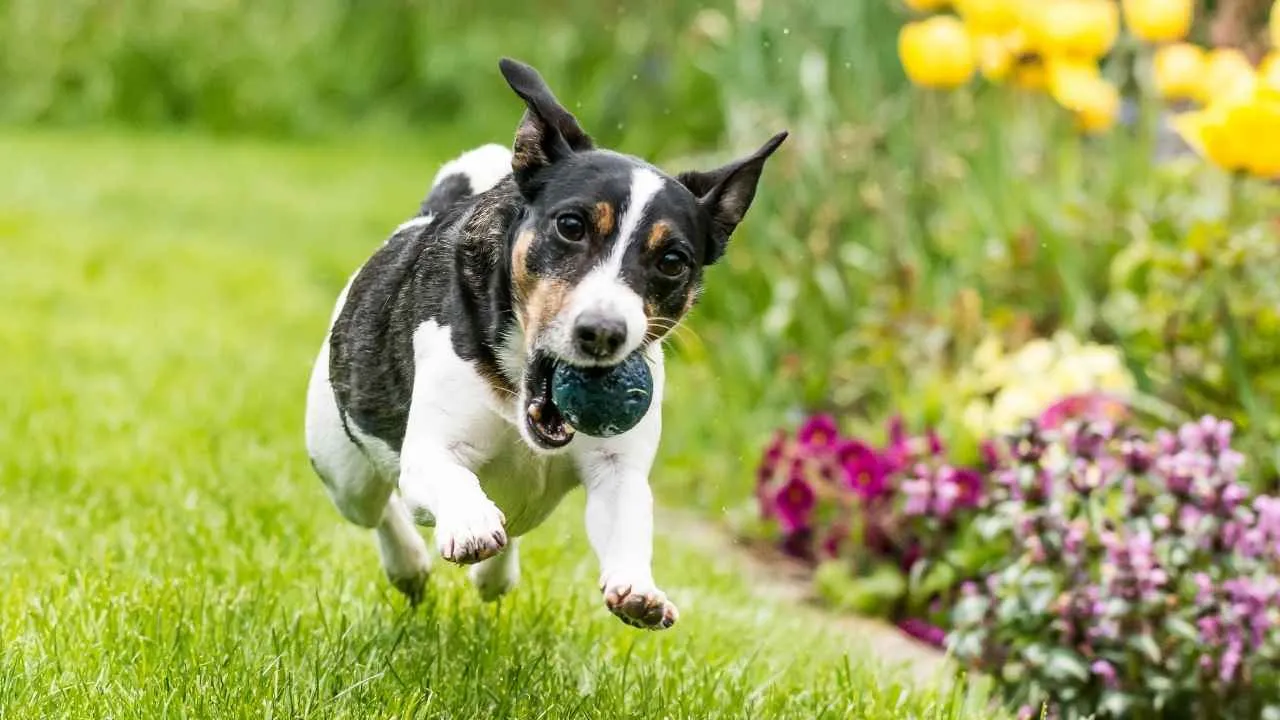
Jack Russells are tiny rockets with a security system installed. With the ability to launch into action at a moment’s notice, these dogs are intelligent and fiercely loyal to their families.
They are lively, fearless, and always scanning. Their high energy and vigilance make them effective at alerting owners to perceived threats.
Their energy can look like chaos, but it also means they notice everything: new sounds, odd smells, a random leaf moving wrong, all of it.
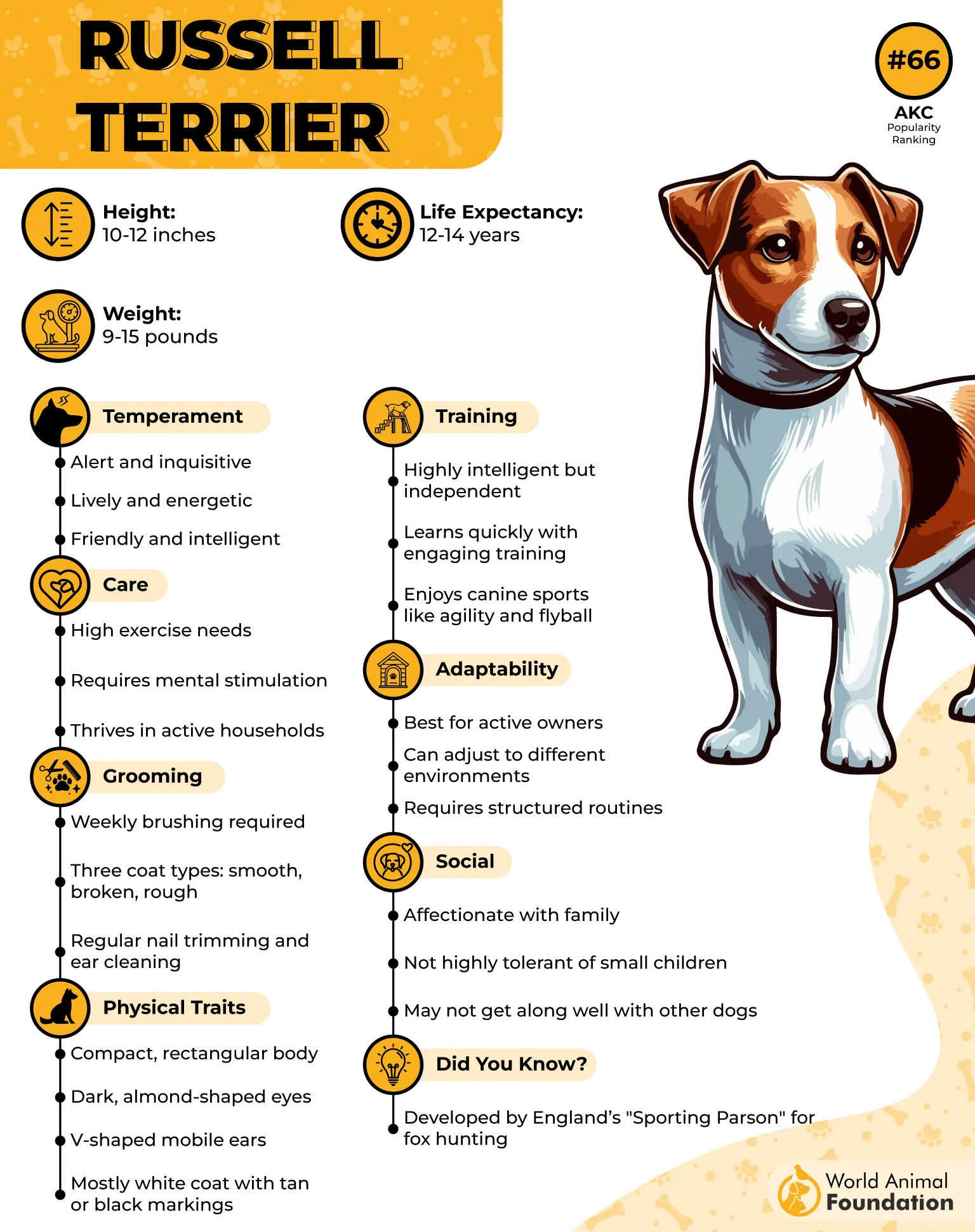
They can be protective in a bold, front-and-center way. Their intelligence and ability to solve problems quickly, combined with their working-dog background, mean they like having a job.
“Guard the house” becomes a job fast. Sometimes too fast if you don’t teach them when to stop.
It gets even worse, though, if they are bored. A bored Jack Russell may dig, chase, and bark like it’s their full-time career. The fix is simple, but not easy: daily exercise, brain work, and clear rules.
Make their protectiveness work for you
Teach “speak” and “quiet” as a pair
Give hard play daily, not optional
Use scent games to drain energy
Socialize early so they don’t overreact
7. Miniature Schnauzer
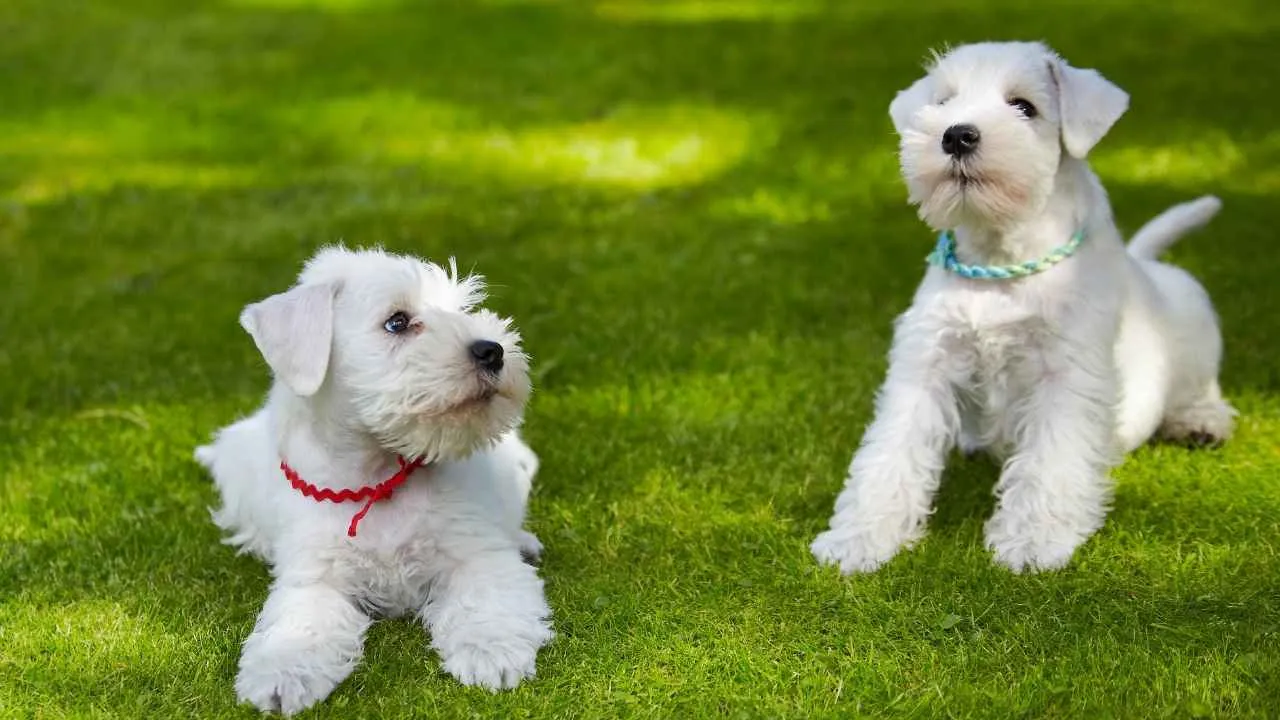
Mini Schnauzers are like little guards in a fancy mustache. They are incredibly alert, with a bold personality that makes them stand out as watchdogs.
They are sturdy, home-focused, and known for being great watchdogs. Miniature Schnauzers are surprisingly clever, with larger brains relative to their body size, which helps them solve problems quickly.
Mental stimulation is required to keep them engaged and prevent boredom. They tend to stay close to their family, and they often bark to alert when something changes. That alert bark is their signature move.
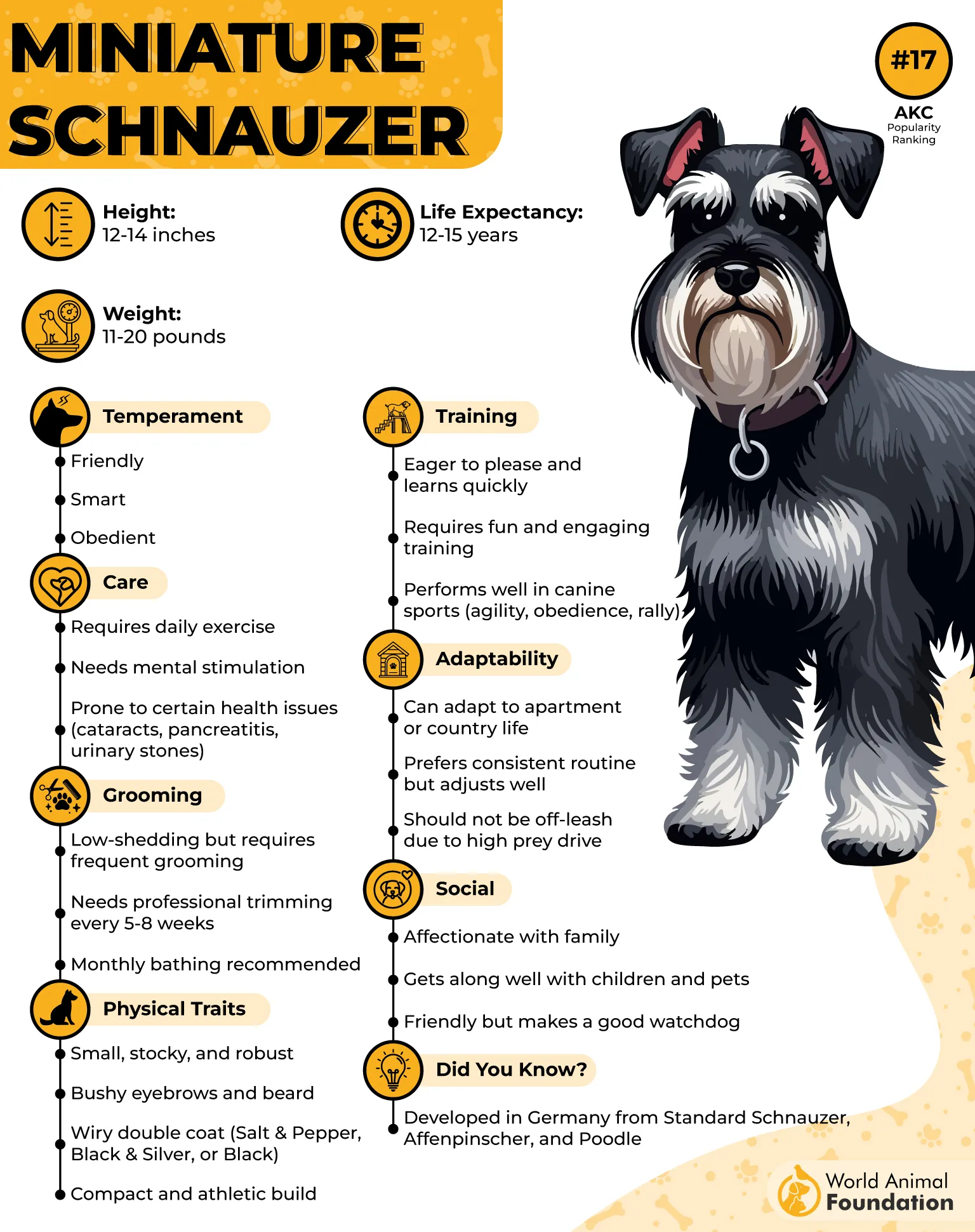
They’re also confident without being mean when raised well. Many do great with kids and can fit into busy homes. Their loyalty shows up in simple ways, like shadowing you from room to room and checking on everyone.
The strong bond they form with their family enhances their protective instincts, making them even more effective as loyal guard dogs.
Here’s the good part. They’re smart and trainable, so you can shape that watchdog habit into good manners. Teach them what is “worth barking at,” and your home gets protection without nonstop noise.
Why do they stand out as excellent watchdogs
Loyal and family-oriented
Strong alert bark and sharp awareness
Usually friendly with structure
Needs grooming and regular trimming
Conclusion
No matter your space or schedule, guard dog breeds come in many sizes. From a small guard dog like the French Bulldog, Miniature Schnauzer, and even the Miniature Bull Terrier, to medium-sized guard dogs and a large dog like German Shepherds, the goal is the same: protection with love.
These are protective dogs with a real protective nature and naturally alert, ready to spot unusual activity with a keen sense, sharp instincts, and sometimes a loud bark that makes a bad guy think twice.
Some were originally bred for serious work, like sausage dogs that hunt badgers, and that instinct still shows up in daily life.
Here’s the good part. With proper training and early socialization, these good dogs become excellent watchdogs who protect without becoming a stress machine.
If you’re a first-time dog owner, keep it simple: daily exercise, clear rules, enough mental stimulation, and lots of calm human interaction. That’s how puppies grow into excellent guard dogs for real family life.
