




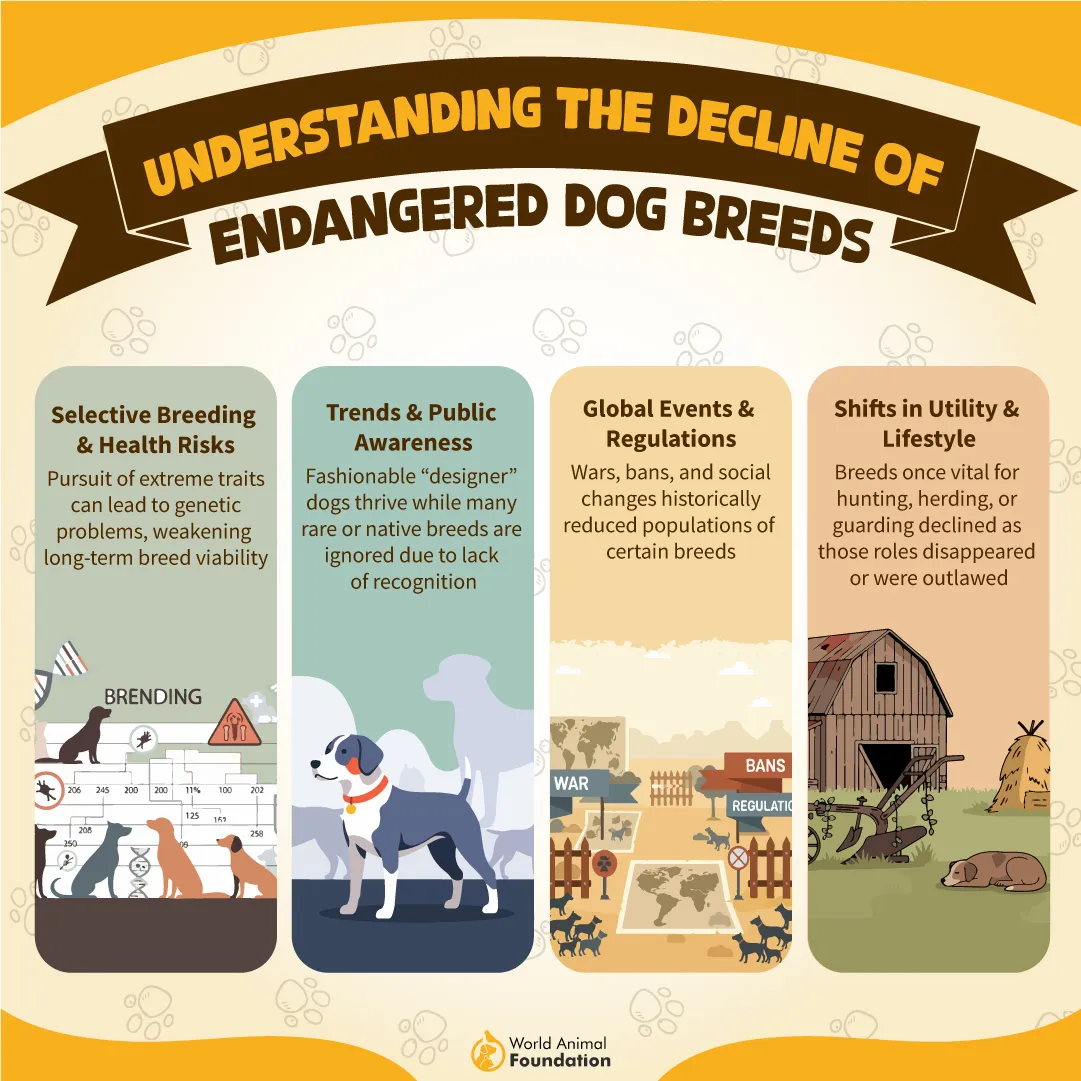
The world of dogs is far more diverse than most people realize. Beyond popular breeds lies a hidden world of rare dogs—some with ancient histories, unique appearances, and extraordinary traits. Sadly, many of these breeds are on the brink of disappearing due to changing lifestyles, declining interest, and limited breeding populations.
These rare dog breeds often carry centuries of heritage, once serving as hunters, guardians, or loyal companions to specific cultures. Their rarity makes them fascinating, but also vulnerable. Without awareness and preservation, some may vanish entirely, taking their unique characteristics with them.
Here, we’ll introduce 9 unbelievably rare dog breeds you should meet before they disappear. Each one tells a story of resilience, history, and individuality.
By learning about them, we take a small but meaningful step toward appreciating and protecting the incredible diversity that dogs bring to our world.
Quick Insight: Some dog breeds have global populations numbering only in the hundreds or low thousands, often due to war, habitat loss, or changing lifestyles. Conservation breeding programs now play a crucial role in keeping these rare dogs from vanishing forever.
Unbelievably Rare Dog Breeds You Should Meet Before They Disappear
1. Ibizan Hound
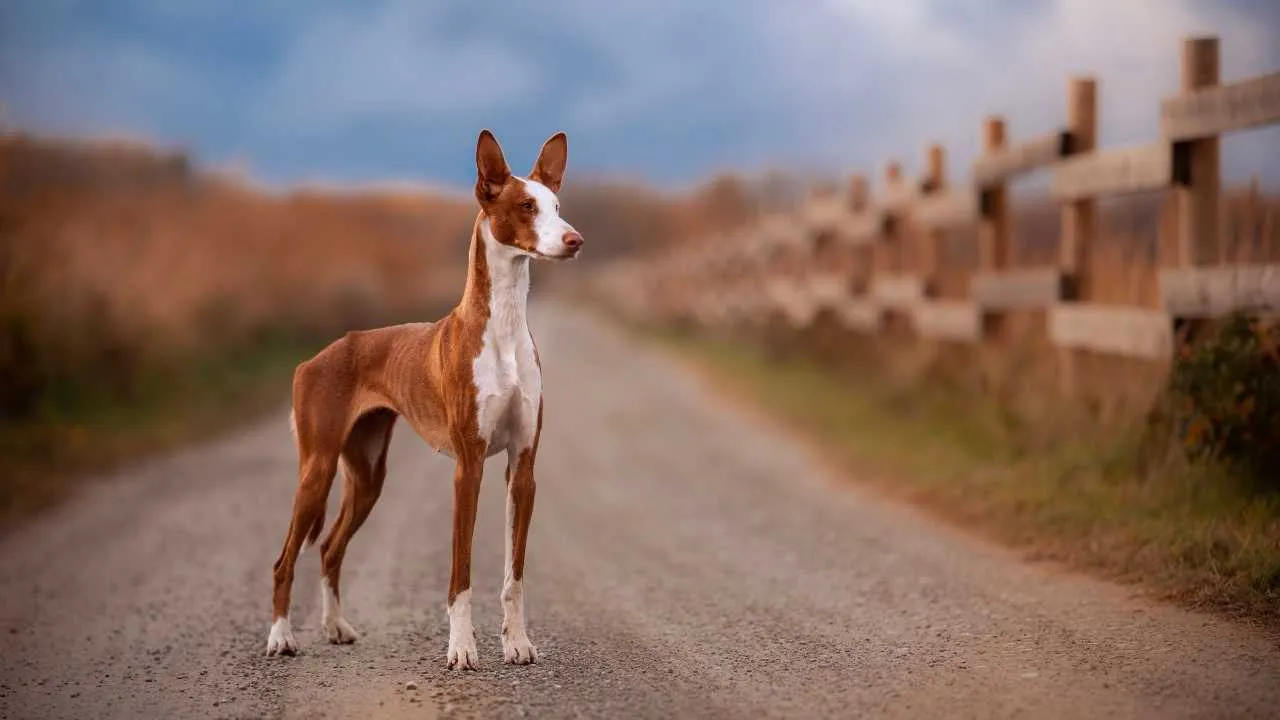
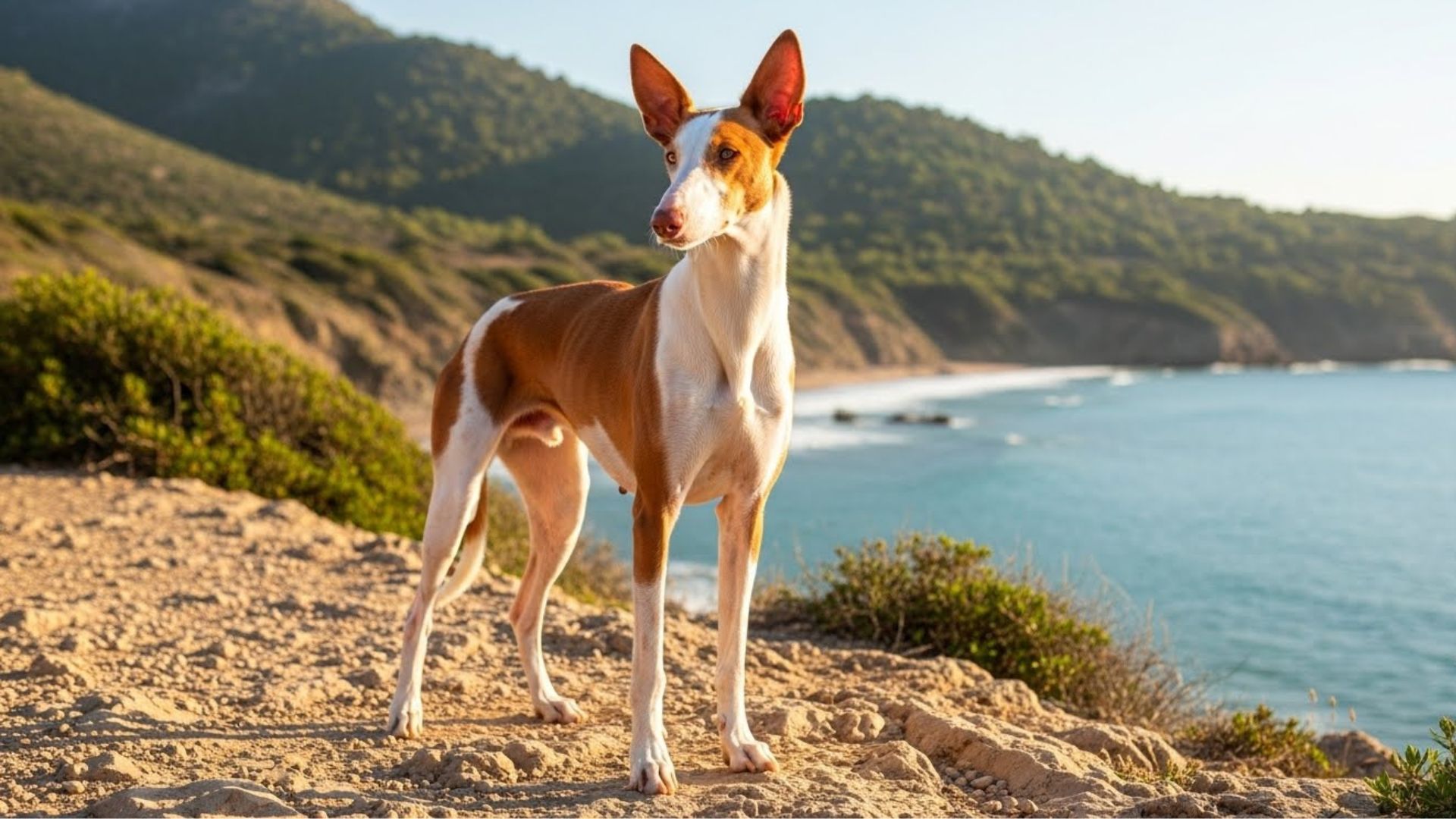
This breed is so old it looks like it personally modeled for Egyptian hieroglyphs—and honestly, art historians would agree. Originally bred on Spain’s Balearic Islands, the Ibizan Hound is a world-class sprinter, jumper, and all-around athletic showoff.
According to the American Kennel Club (AKC), these dogs need plenty of space to “air out their engines,” which is a polite way of saying: don’t expect this dog to be happy in a studio apartment. If your backyard fence is low, the Ibizan will treat it like a mild suggestion.
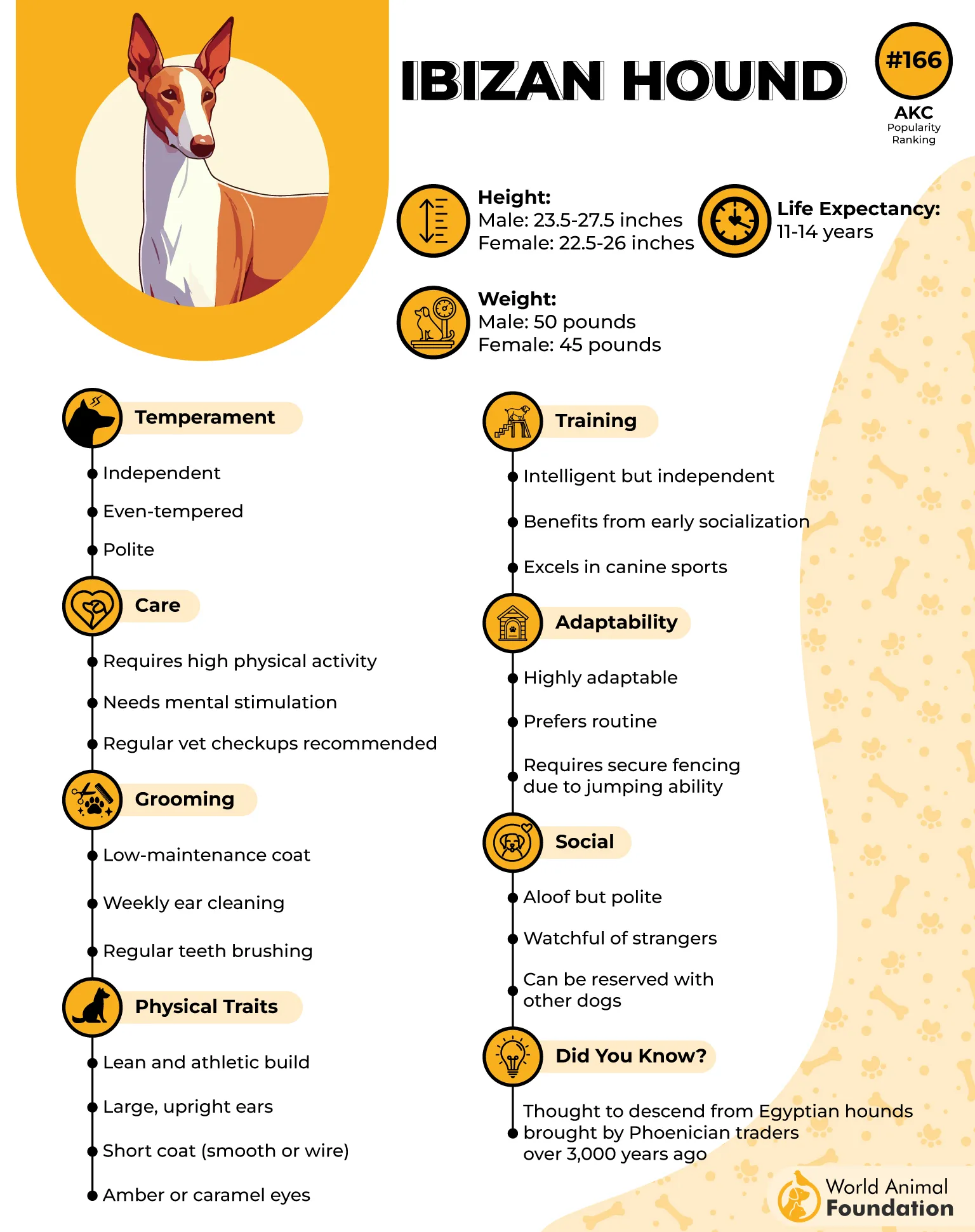
Physically, the Ibizan Hound is pure elegance. Long, lean, and deer-like, it moves as if it’s floating rather than walking. Its large, upright ears look permanently set to “ancient guardian mode,” and its amber or caramel eyes give off a calm, wise expression—like it knows secrets from 3,000 years ago but won’t tell you unless snacks are involved.
Ibizans are graceful but goofy. They’re quiet, gentle, and affectionate with their families, yet capable of sudden bursts of Olympic-level zoomies. One moment they’re lounging like royalty, the next they’re airborne, chasing something only they can see.
Despite their beauty and fascinating history, Ibizan Hounds are rare and not widely known. Which is a shame—because meeting one feels like shaking paws with the past.
2. Lagotto Romagnolo

Meet the Lagotto Romagnolo, Italy’s very own truffle-hunting treasure and proof that some dogs literally earn their keep in gourmet food. While most dogs dig holes hoping for buried socks, the Lagotto digs with purpose—expensive, aromatic purpose.
Hailing from Italy, the Lagotto Romagnolo has been cherished for centuries. Originally bred as a water retriever, it later found its true calling as the world’s premier truffle-sniffing specialist.
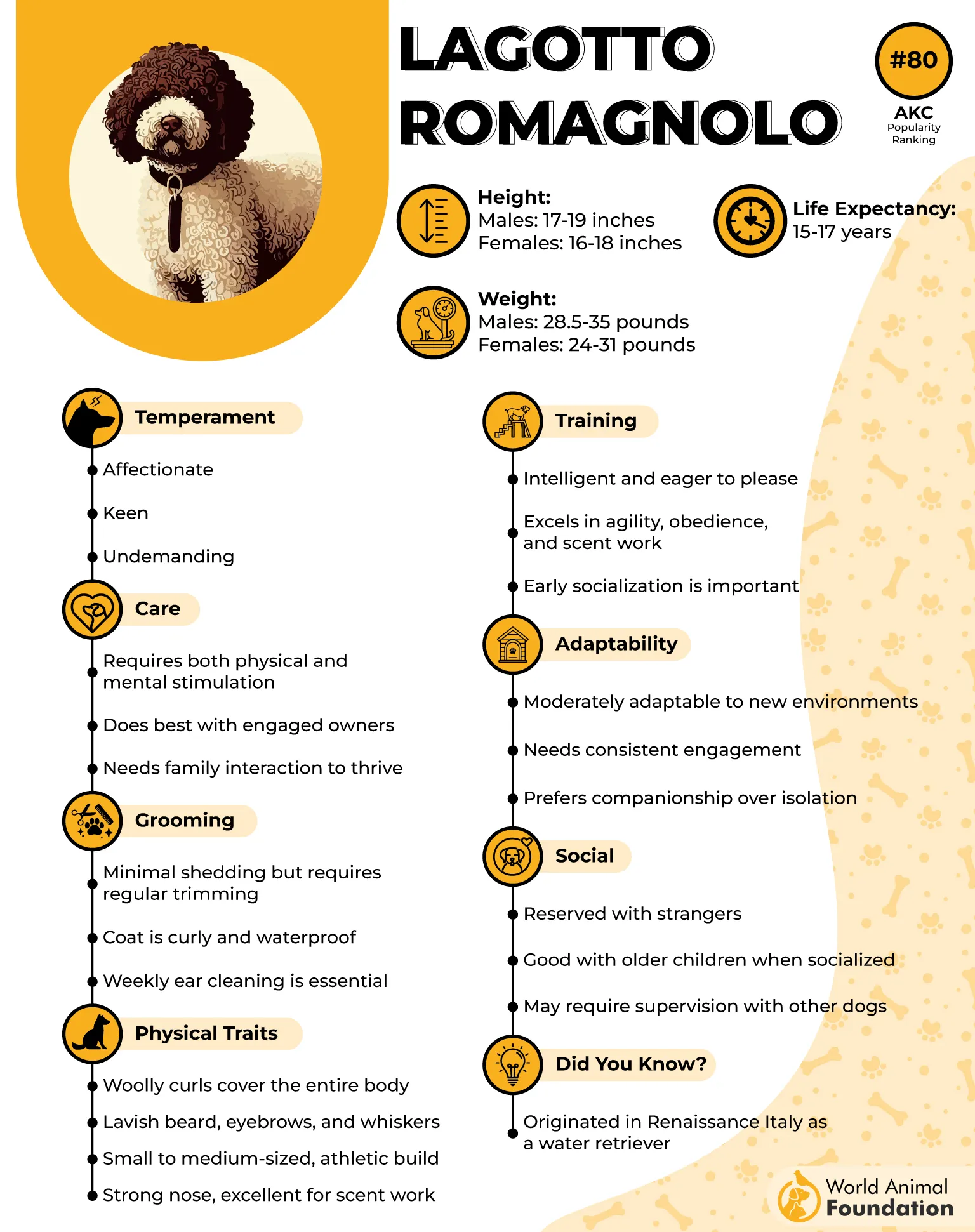
With a nose so powerful it could probably locate a dropped snack from three rooms away, the Lagotto can detect truffles hidden deep underground—making it an essential partner in Italian cuisine and a hero to chefs everywhere.
Visually, the Lagotto is impossible to miss. Its dense, curly coat looks like a walking cloud that accidentally came to life. But that fluff isn’t just for looks—it’s functional. The curly fur protects the dog from thorns, cold water, and wet terrain while working in fields and forests.
When it comes to personality, Lagottos are happy, loving, and eager to please. They’re highly intelligent and respond wonderfully to positive reinforcement training. Teaching them new skills is less like work and more like a fun team project—one where your partner is extremely enthusiastic and may celebrate success with dramatic tail wagging.
Despite their talents and charm, the Lagotto Romagnolo remains relatively rare outside Italy. Which is a shame, because this breed is the full package: hardworking, affectionate, intelligent—and possibly capable of finding something valuable in your backyard.
3. Otterhound
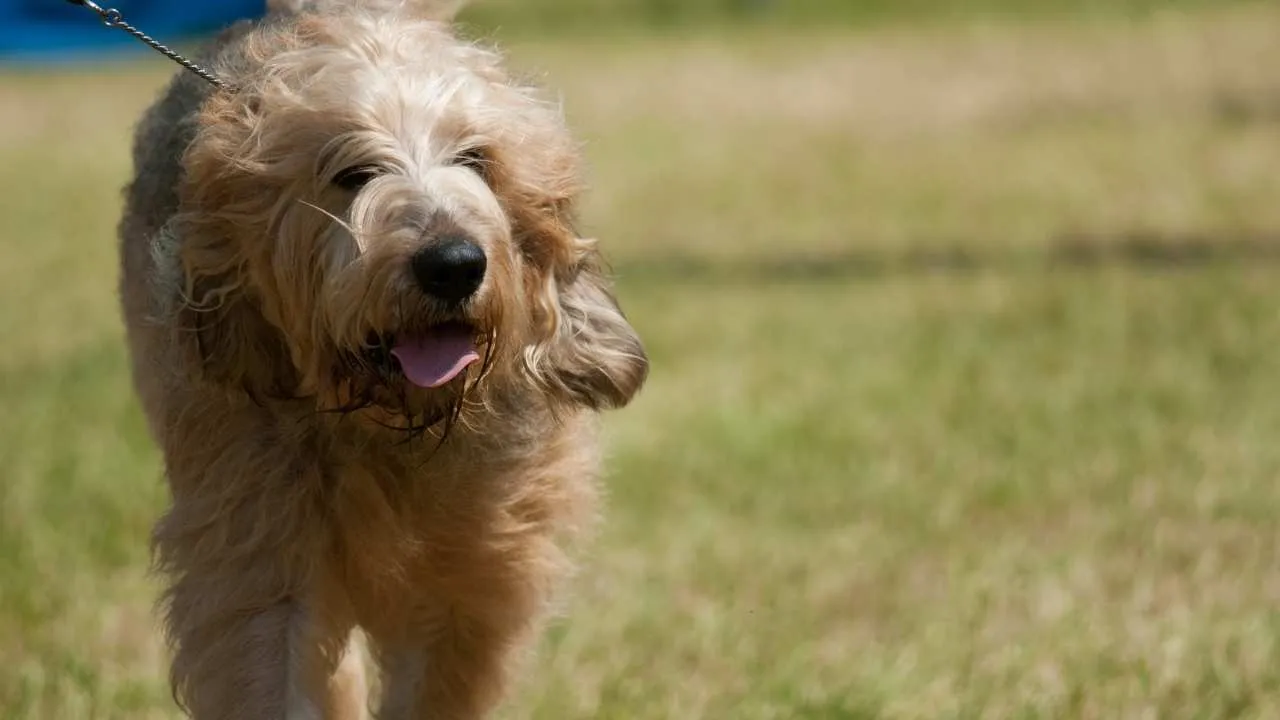
Originally bred for water work, the Otterhound is perfectly built for life around lakes, rivers, and muddy puddles (especially muddy puddles). Its thick, waterproof coat works like a natural wetsuit, and its webbed feet make swimming look effortless.
Water isn’t just a hobby for this breed—it’s a lifestyle. Otterhounds are happiest when they’re swimming, splashing, or enthusiastically launching themselves into anything wet. A calm lake? Heaven. A flowing river? Even better. A suspiciously large puddle? Absolute joy.
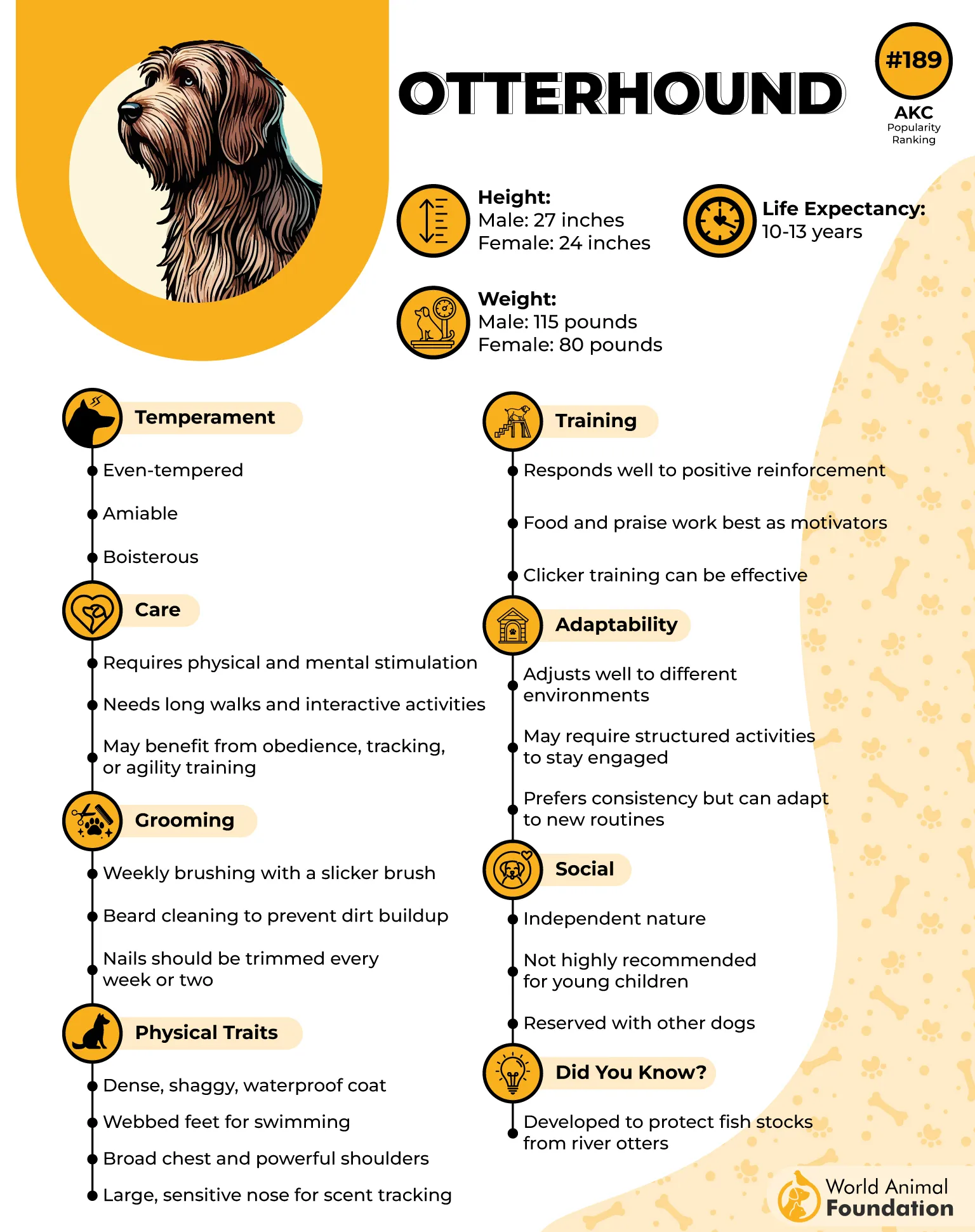
Despite their rugged strength and large build, Otterhounds are famously gentle and good-natured. They love people, enjoy playtime, and balance their working-dog roots with a laid-back, friendly personality. Think “strong explorer” energy paired with “big-hearted goofball.”
Sadly, the Otterhound is one of the rarest dog breeds in the world today. Which is surprising, considering they’re such excellent companions for outdoorsy families and water lovers.
If you’re the kind of person who enjoys hiking, swimming, and the occasional spontaneous splash fight, the Otterhound might just be your perfect match.
4. Caucasian Shepherd Dog
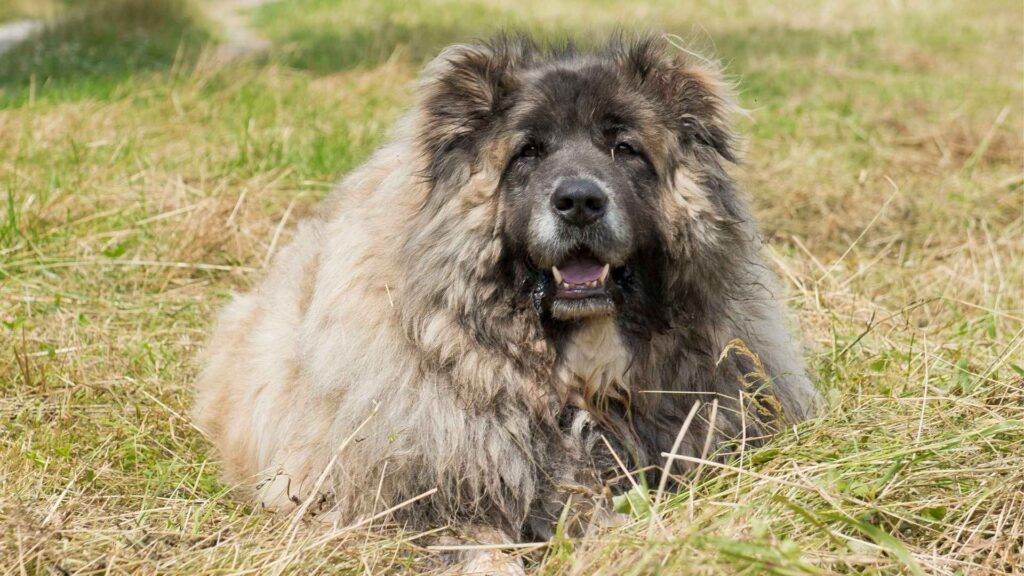
This massive, rare guardian breed comes from the rugged Caucasus Mountains, where survival wasn’t a hobby—it was a job. Bred to protect livestock from wolves, bears, and pretty much anything that dared to look suspicious, this dog takes guarding very seriously.
Physically, the Caucasian Shepherd is impossible to ignore. Huge frame? Check. Thick, fluffy coat? Double check. A presence that says, “I’m watching you, but politely”? Absolutely. That heavy coat isn’t just for dramatic effect—it protects the dog from freezing temperatures and harsh mountain weather.
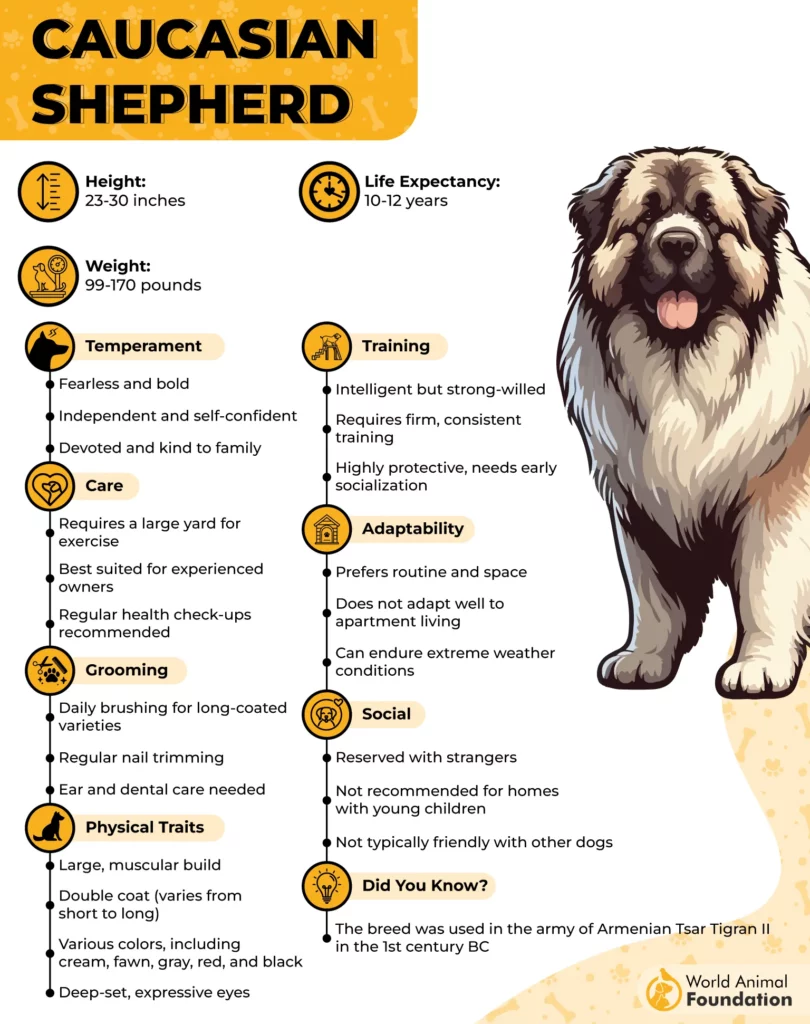
But don’t let the intimidating size fool you. With its family, the Caucasian Shepherd is deeply loyal, calm, and surprisingly affectionate. Think of it as a gentle giant who believes its main purpose in life is to protect its loved ones—even if that means keeping a close eye on the mail carrier, the neighbor, and possibly that suspicious-looking leaf.
This breed is independent, intelligent, and confident, which means it’s not the type to blindly follow commands. Training a Caucasian Shepherd requires patience, consistency, and mutual respect.
Because of their size, strength, and guarding instincts, Caucasian Shepherd Dogs are best suited for experienced owners with plenty of space. Apartment living? Not ideal. Open land? Now we’re talking.
5. Mudi
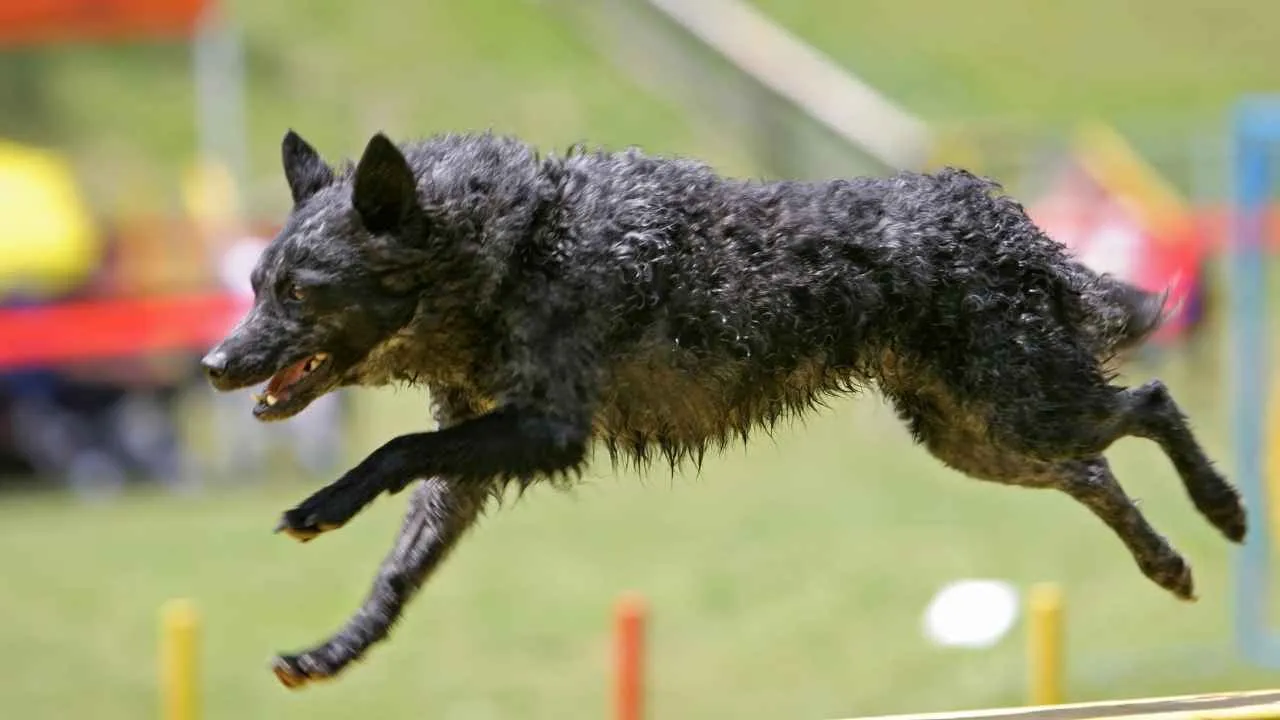
Meet the Mudi (pronounced moo-dee), a rare Hungarian herding dog that proves great things really do come in energetic, curly-coated packages. Originally bred in Hungary, the Mudi is a versatile farm dog known for herding livestock, guarding property, and generally being excellent at… everything.
Sheep, cattle, chickens? No problem. This dog thinks fast, moves faster, and thrives when given a job to do. A bored Mudi will invent its own job, and trust me—you may not approve of the results.
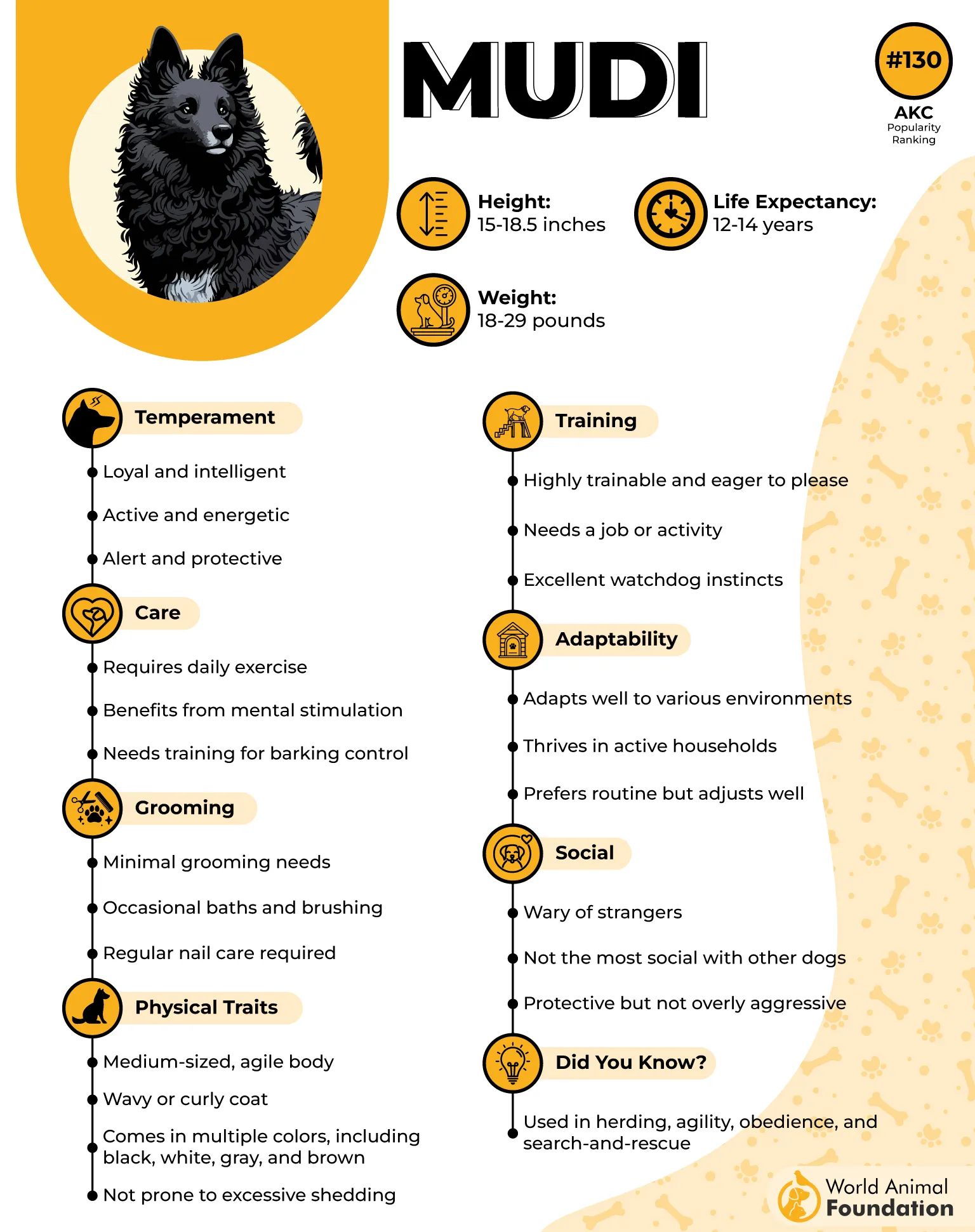
The Mudi’s appearance is as unique as its personality. With a wavy-to-curly coat, upright ears, and bright, alert eyes, it always looks like it’s ready for its next mission. That coat isn’t just stylish—it’s practical, protecting the dog from harsh weather while staying relatively low-maintenance. Nature knew what it was doing here.
What really sets the Mudi apart is its sharp intelligence and eagerness to work. This breed excels in agility, obedience, herding trials, and dog sports of all kinds. Training a Mudi is usually a joy because it wants to learn—just be prepared to keep things interesting, or it’ll outsmart you for fun.
Despite its work-driven mindset, the Mudi is also a loving and loyal companion. It bonds closely with its people and is both protective and affectionate.
6. Norwegian Lundehund
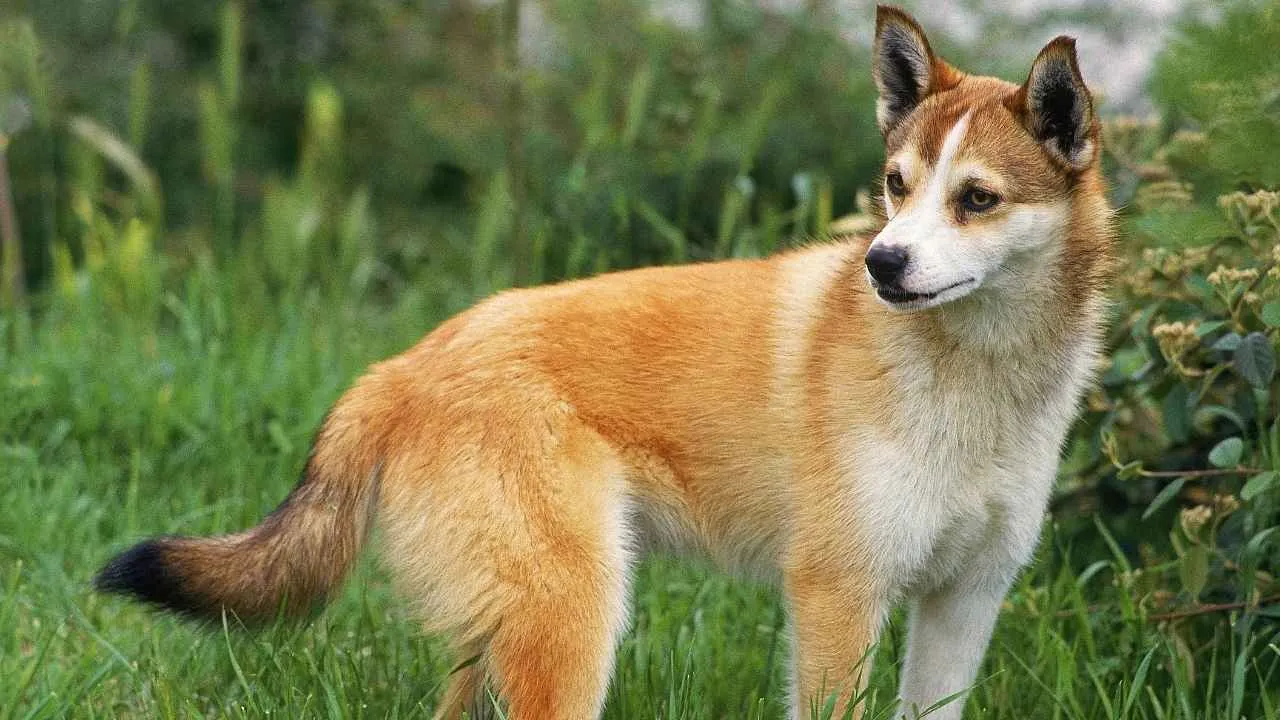
The Norwegian Lundehund is a special dog. It is rare and has unique features. This dog is a great friend. It used to hunt puffins in Norway; now, it’s a loved pet. This shows how it can adapt and has special qualities.
Originally bred to hunt puffins along the steep, slippery cliffs of Norway, the Lundehund needed to be brave, agile, and—most importantly—weirdly flexible. Puffin hunting was no easy task, and this breed evolved into a cliff-climbing specialist capable of navigating narrow crevices and dangerous terrain with ease.
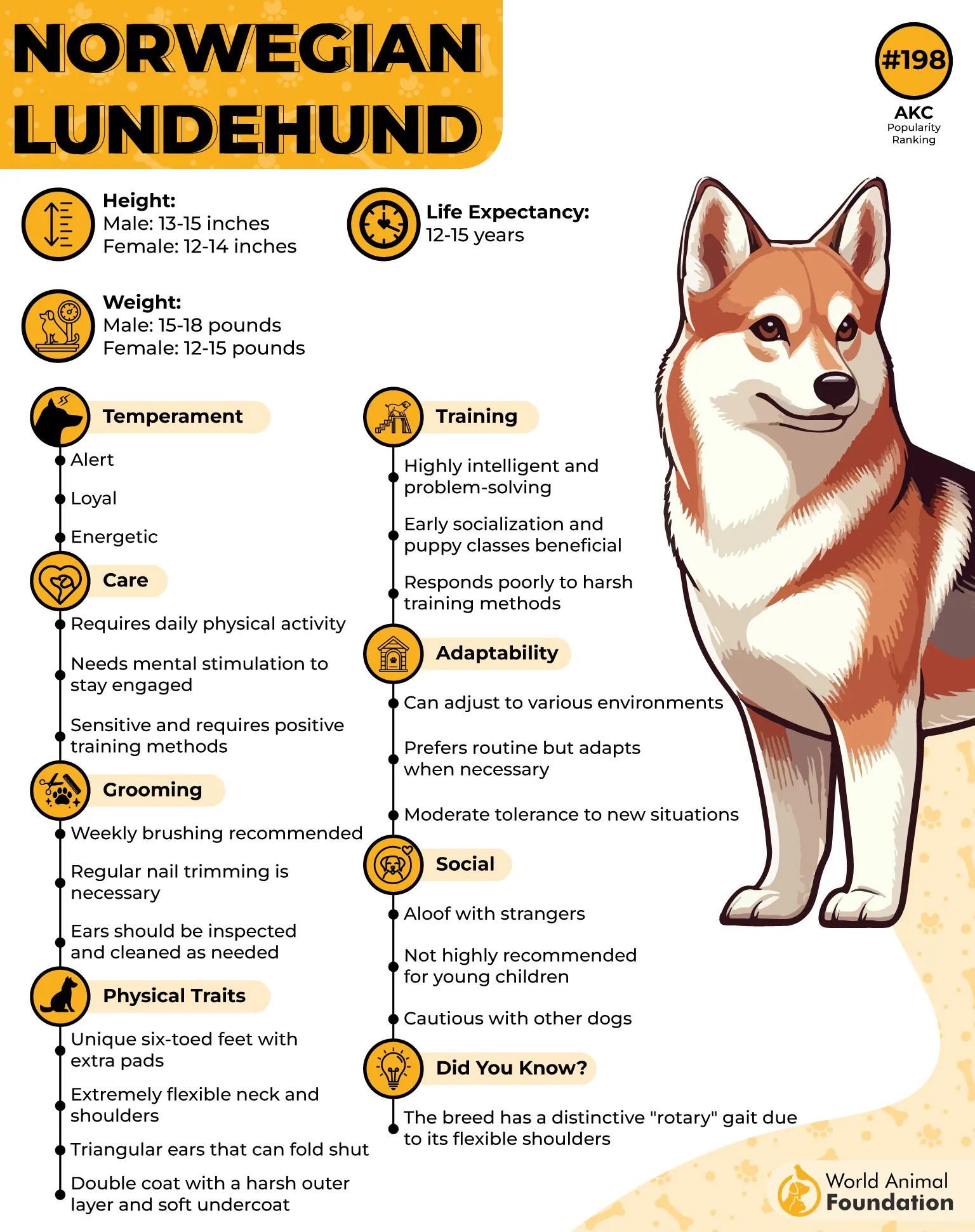
One of the Lundehund’s most jaw-dropping features is its flexibility. This dog can tilt its head all the way backward until it touches its spine. Yes, really. Combine that with highly mobile shoulder joints, and you’ve got a canine contortionist that can squeeze into spaces other dogs wouldn’t even attempt.
And then there are the toes. The Lundehund has six fully functional toes on each paw, complete with their own muscles. That extra grip gave it stability on slick rocks and steep cliffs, and today it just makes the dog look like it has built-in hiking boots.
Despite its unusual anatomy, the Norwegian Lundehund is a friendly, curious, and loyal companion. It’s adaptable, resilient, and deeply bonded to its people. Rare and fascinating, this breed isn’t just a pet—it’s a biological marvel with a heart of gold.
7. Karelian Bear Dog
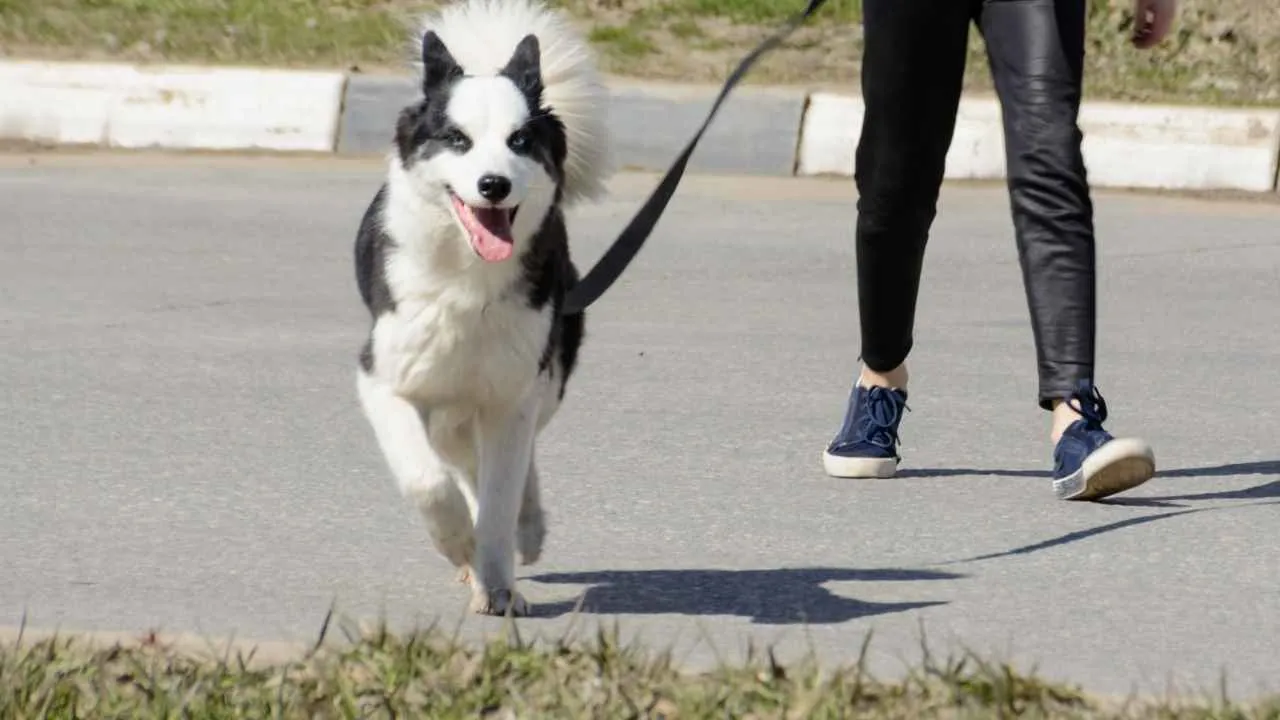
This rare and fearless breed comes from Finland, where it was developed to track and confront some of the most dangerous wildlife imaginable—yes, including bears. And no, that name is not an exaggeration or a marketing gimmick.
Compact, athletic, and built for endurance, the Karelian Bear Dog is fast, agile, and incredibly alert. It has a striking black-and-white coat that looks sharp and purposeful, like it’s always dressed for work. This is a dog that doesn’t wander—it patrols.
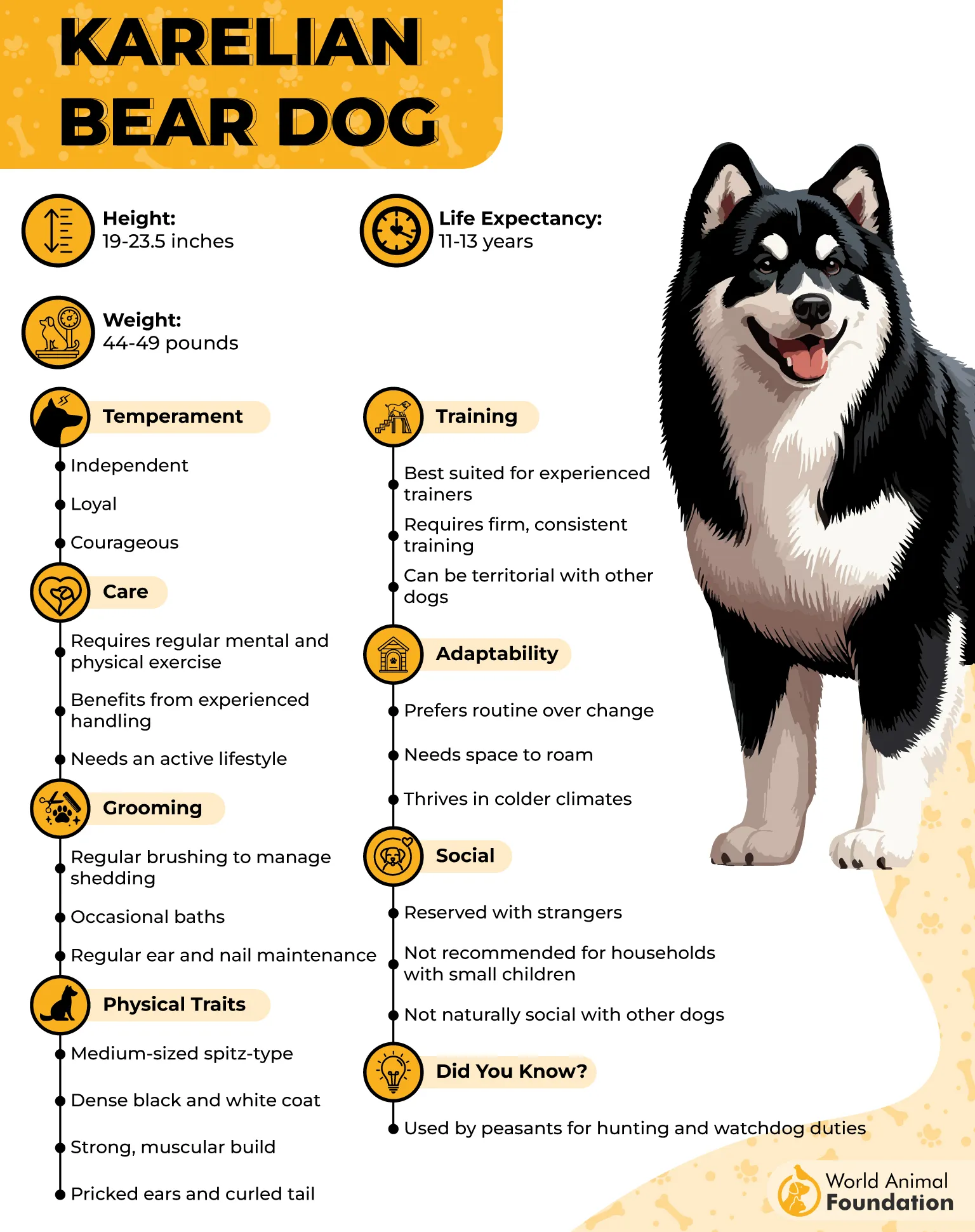
Historically, Karelian Bear Dogs were used by hunters to track large game and hold it at bay using loud, confident barking. The goal wasn’t to fight the bear (thankfully), but to stand its ground and alert humans.
Karelian Bear Dog is independent, intelligent, and intensely loyal. It forms strong bonds with its family but tends to be reserved with strangers. This isn’t a “love-everyone-at-the-dog-park” kind of dog—it’s more of a “I’ll watch quietly from over here and judge” type.
Because of its high energy and strong prey drive, the Karelian Bear Dog thrives with active owners who enjoy outdoor adventures. Hiking, tracking, or working in rugged environments? Perfect. Couch-potato households? Not so much.
Still rare outside its native region, the Karelian Bear Dog is a powerful reminder of what dogs were originally bred to do—work with humans in challenging conditions.
8. Thai Ridgeback
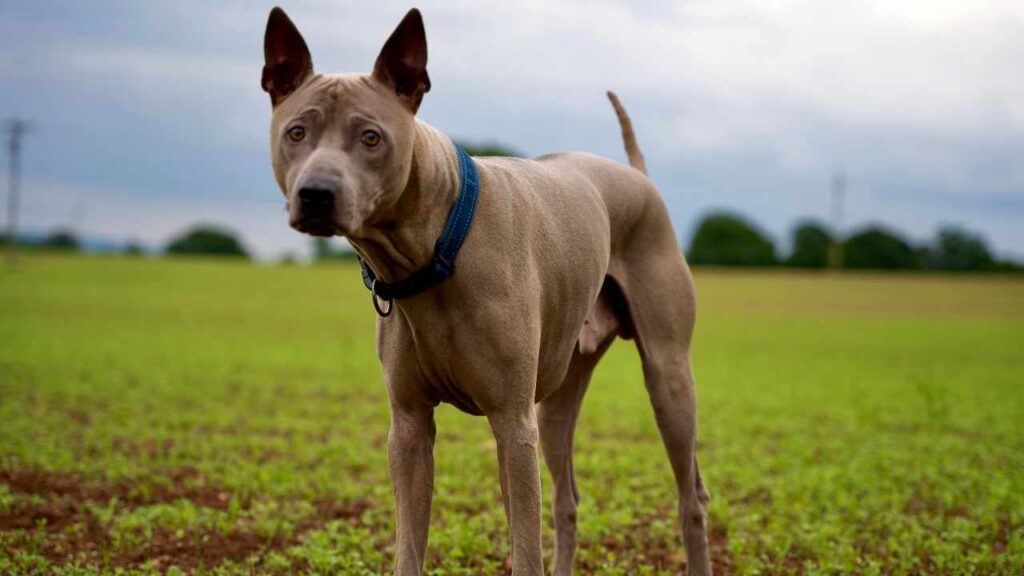
Elegant, intelligent, and just a little mysterious, the Thai Ridgeback is one of those dogs that makes you stop and stare. Originating in Thailand, this rare breed was originally developed for hunting and guarding, and it still carries that confident, self-assured energy today.
One of the Thai Ridgeback’s most striking features is the distinctive ridge of hair running along its back, growing in the opposite direction from the rest of the coat. Similar to the Rhodesian Ridgeback, this unique trait gives the breed an instantly recognizable silhouette and a very “designed-by-nature” look.
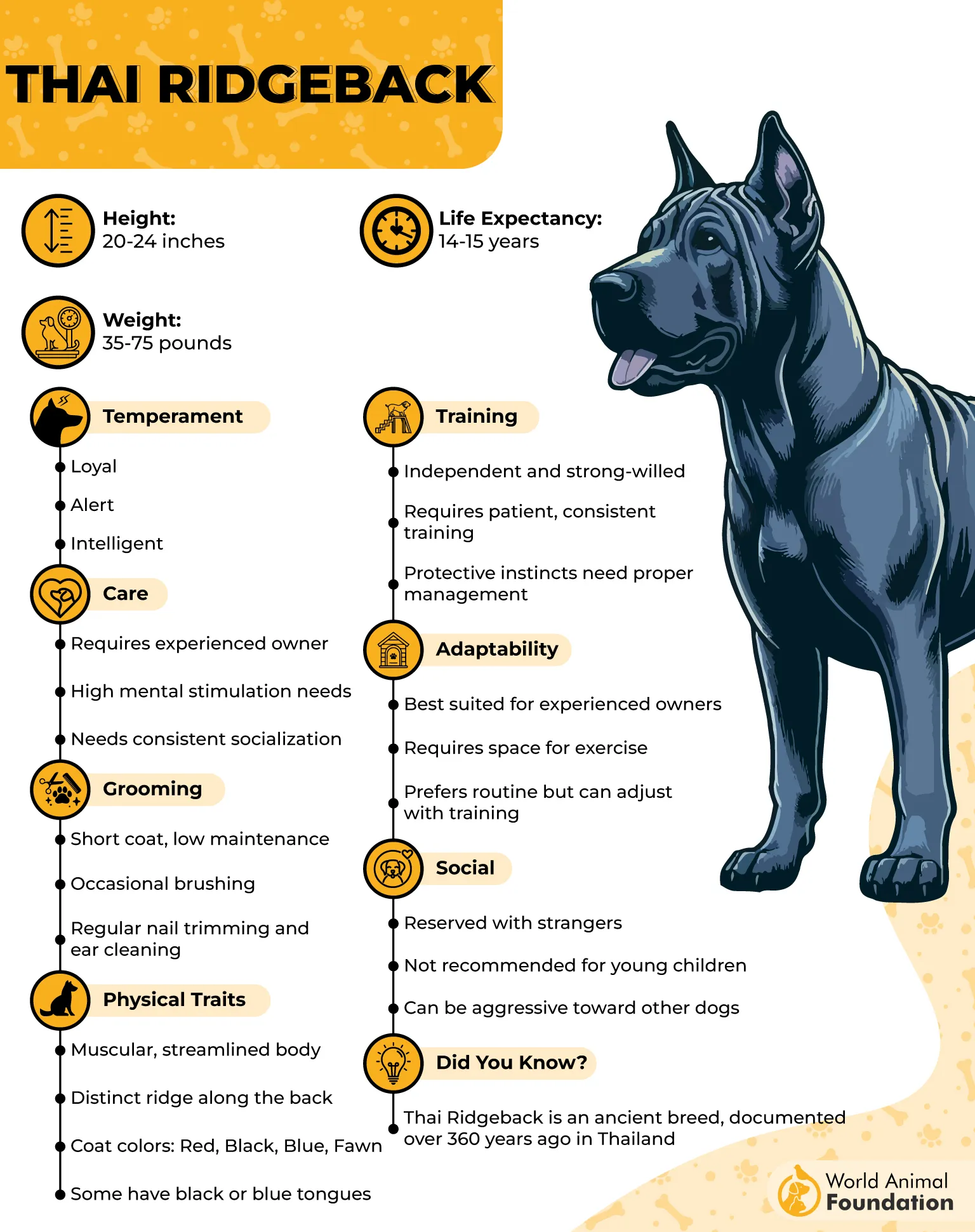
Despite its tough, athletic background, the Thai Ridgeback can make a devoted and loving family companion. It bonds closely with its people and takes its role as protector seriously—sometimes a little too seriously if strangers are involved.
Highly intelligent and energetic, the Thai Ridgeback thrives with owners who enjoy mental and physical activity. Training works best when it’s consistent and respectful—this is not a dog that responds well to being bossed around.
Grooming is refreshingly simple. The short coat does shed, but weekly brushing and the occasional bath are usually enough to keep things under control. Minimal effort, maximum style.
That said, as noted by PetMD, the Thai Ridgeback may not be ideal for first-time dog owners. Its independence, strong prey drive, and cautious nature mean it needs confident handling and proper socialization.
9. Finnish Spitz
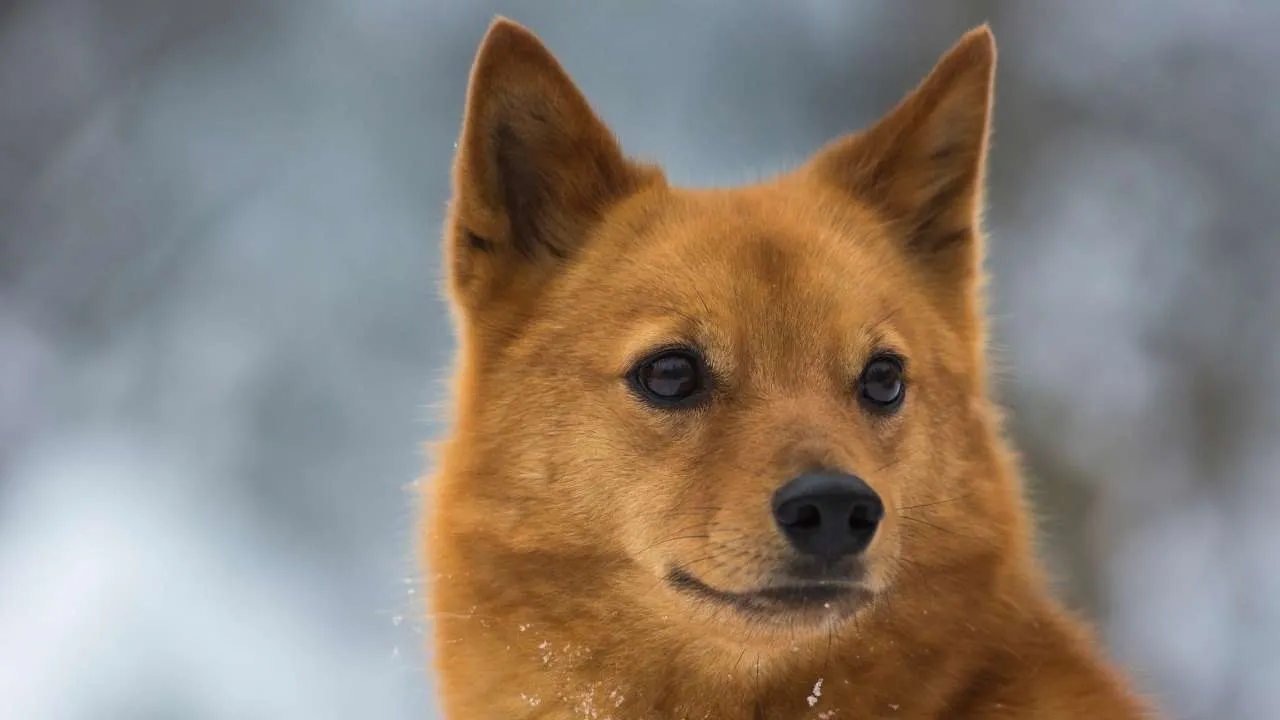
Originally bred for hunting birds and small game, the Finnish Spitz has a very specific—and very loud—working style. Instead of chasing prey, it barks to alert hunters, holding the animal’s attention while humans catch up. This earned it the nickname “the barking bird dog.” Yes, barking is not a flaw here—it’s a feature.
Physically, the Finnish Spitz is striking. Its thick, golden-red coat helps protect it from harsh Nordic winters, while its curled tail and upright ears give it that classic spitz look. Grooming is fairly manageable, though seasonal shedding can turn your home into a temporary fur festival.
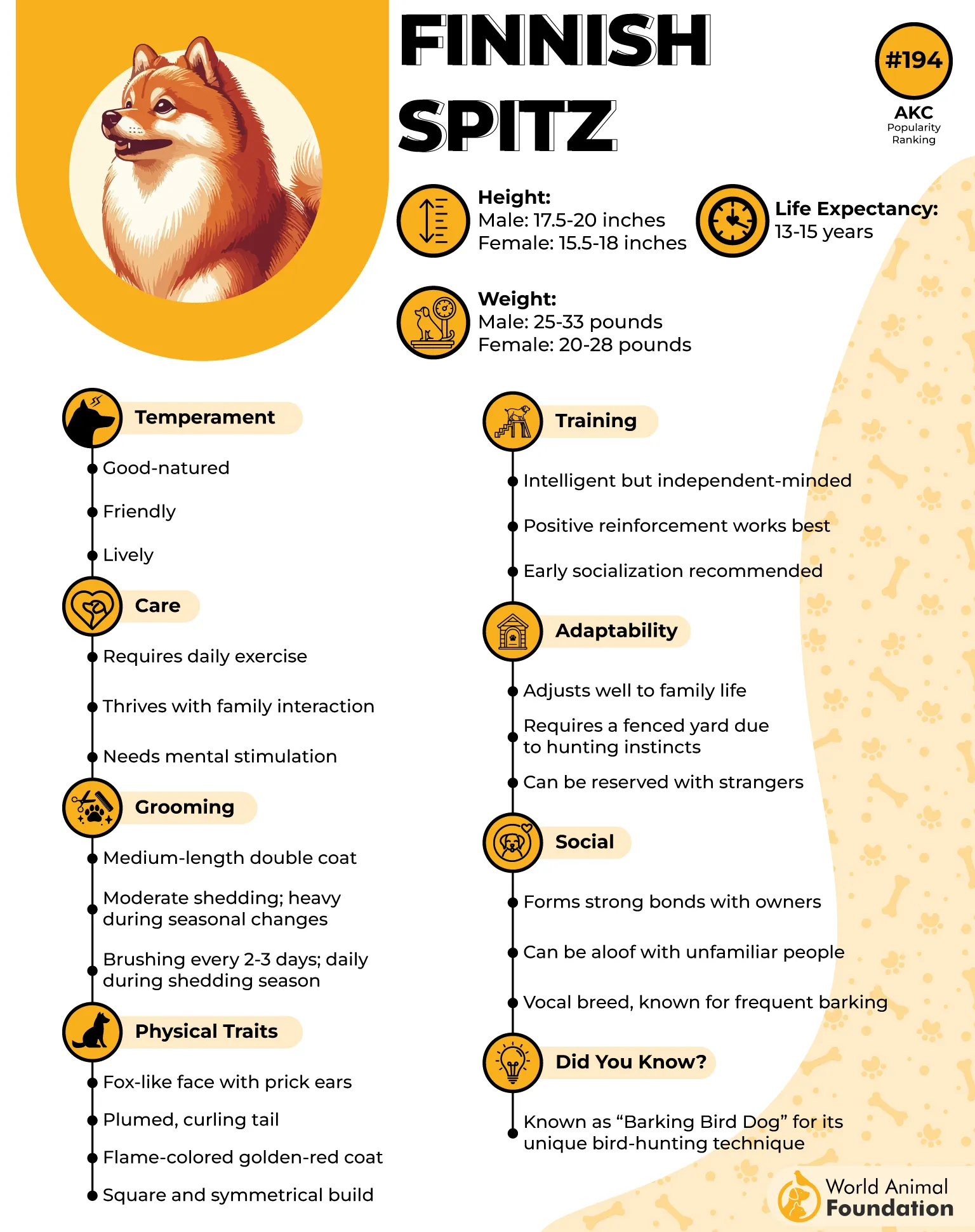
Personality-wise, this breed is lively, intelligent, and affectionate with its family. Finnish Spitz dogs are known for their playful nature and strong bonds with their people. They’re friendly but can be a bit independent—polite listeners, not blind followers.
Because of their vocal nature, Finnish Spitz may not be the best choice for noise-sensitive households or close neighbors. But for active families who appreciate a chatty companion and enjoy outdoor adventures, this breed is an absolute delight.
Still relatively rare outside Finland, the Finnish Spitz is a bright, spirited reminder that some dogs don’t just communicate—they announce themselves. Meet one, and you’ll quickly understand: silence was never an option.
Conclusion
Exploring unbelievably rare dog breeds reveals a fascinating world beyond most dogs people know, including lesser-known breeds like the Catahoula Leopard Dog, Skye Terriers, Canaan Dogs, the West African sighthound, Peruvian Inca Orchid, Belgian Laekenois, and English Foxhound. Many are historic working breed types—skilled as hunting dogs, guard dogs, or to guard livestock, hunt otters, hunt small game, catch vermin, or even face wild boar.
These athletic dogs often have a strong work ethic, are highly energetic, and need regular exercise, whether they have a smooth coat, dense coat, double coat, or rough texture. Unique traits like six toes, erect ears, large bones, or a specific breed purpose set them apart from more common dogs like Golden Retrievers or Poodles. These rare breeds deserve attention and preservation before they disappear among the many other breeds people are only now becoming interested in discovering.
