




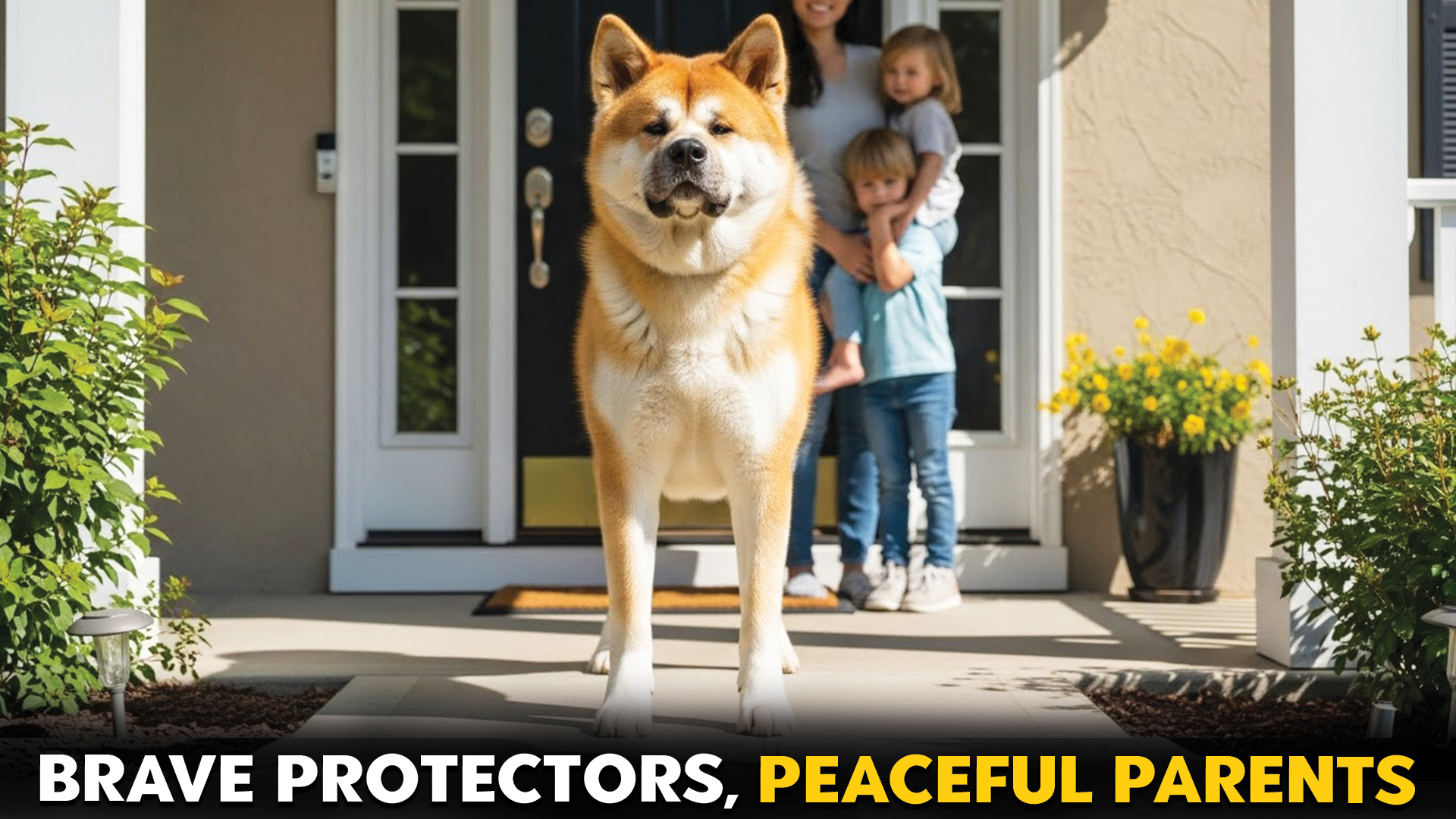
Want a home that feels truly safe? A guard dog can make that possible, especially for single parents; having a loyal protector brings peace of mind. The right dog combines strength, intelligence, and alertness.
Their presence alone can scare off intruders. Proper training and socialization sharpen their instincts, keeping them vigilant and well-behaved around family.
Science Direct states that a guard dog protects people, property, or livestock. They alert to danger through barking or defense. Breeds differ in aggression and territorial instincts.
Choosing the right one ensures strong protection while keeping everyone safe. A good guard dog reacts fast to threats, yet stays gentle with loved ones.
This blog covers the best guard dog breeds for single parents. These dogs are protective, smart, and loyal. They safeguard homes while staying loving family companions.
Best Guard Dog Breeds for Single Parents Seeking Protection
1. German Shepherd
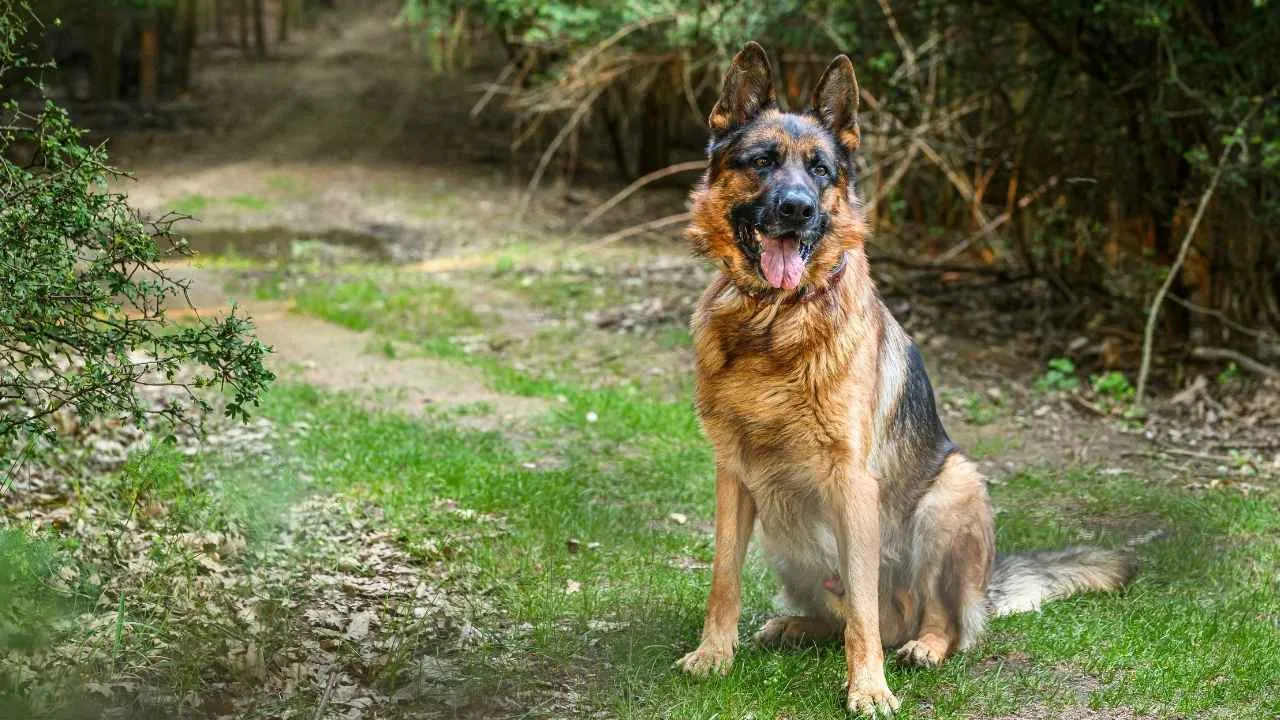
German Shepherds are a working dog breed originally bred in Germany from traditional herding and farm dogs. They are strong, well-built, and long-bodied, known for their alert and confident presence. German Shepherds have even earned stars on the Walk of Fame for their remarkable abilities.
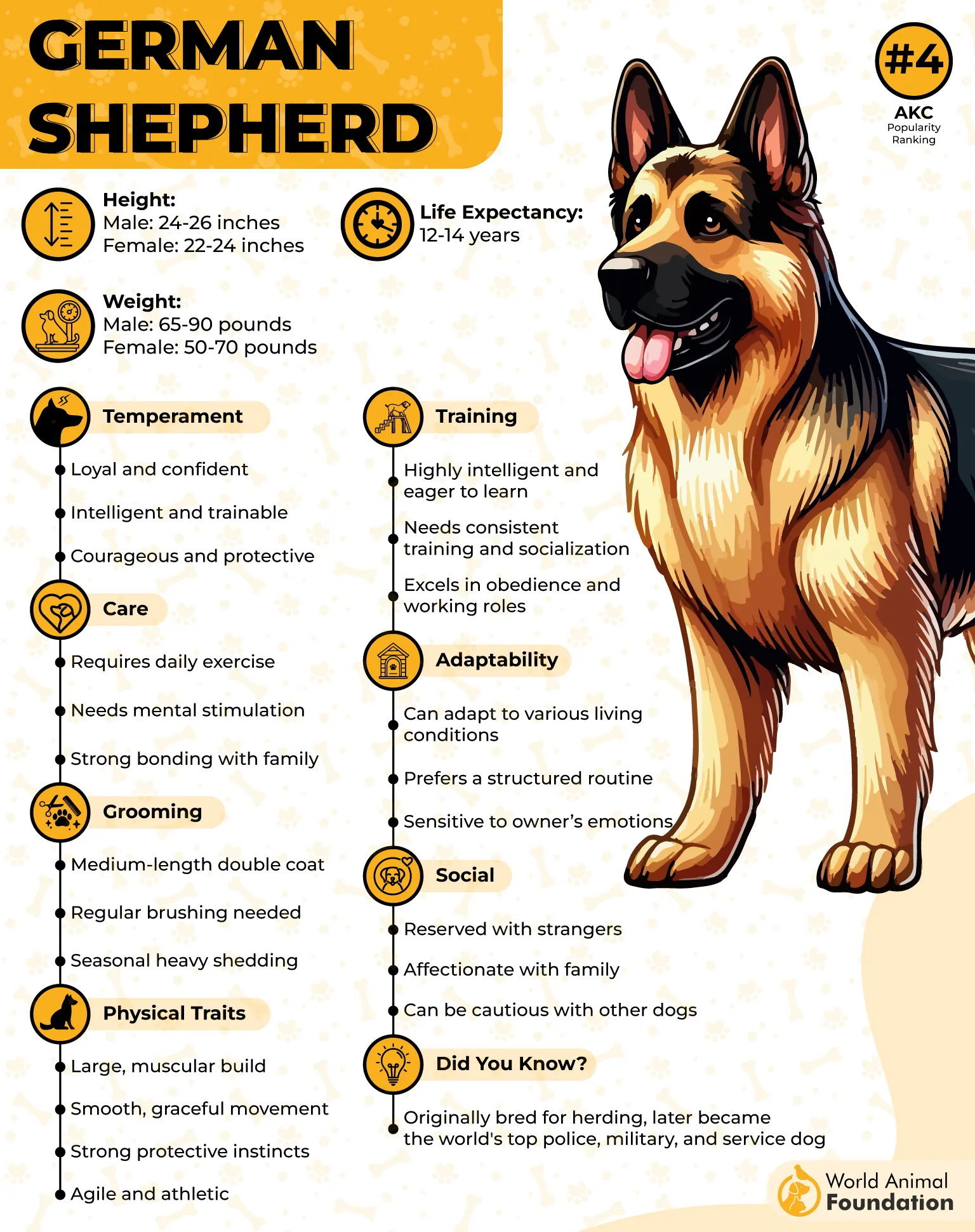
Their intelligence is a key reason why they are the best guard dog breed. Ranked the third most intelligent breed, they are highly trainable and learns commands quickly. Their sharp minds and keen instincts allow high performance in protection roles, including police work, search and rescue, and service duties.
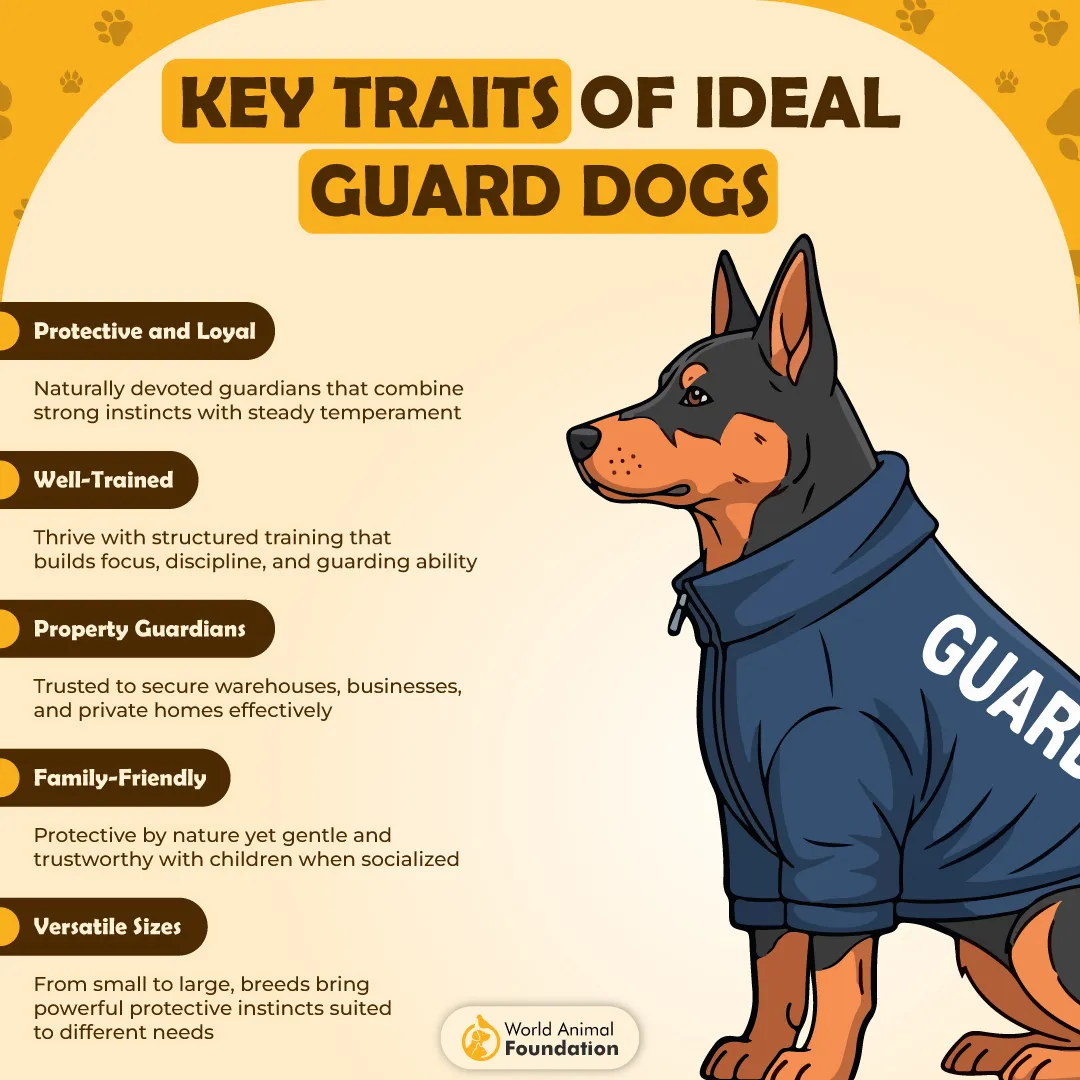
Despite their protective nature, German Shepherds are loyal to their families. They enjoy spending time with their “pack” and are gentle with children, combining vigilance with care, which allows them to guard effectively while staying devoted to their household. The American Kennel Club also mentions them as great family pets.
2. Rottweiler
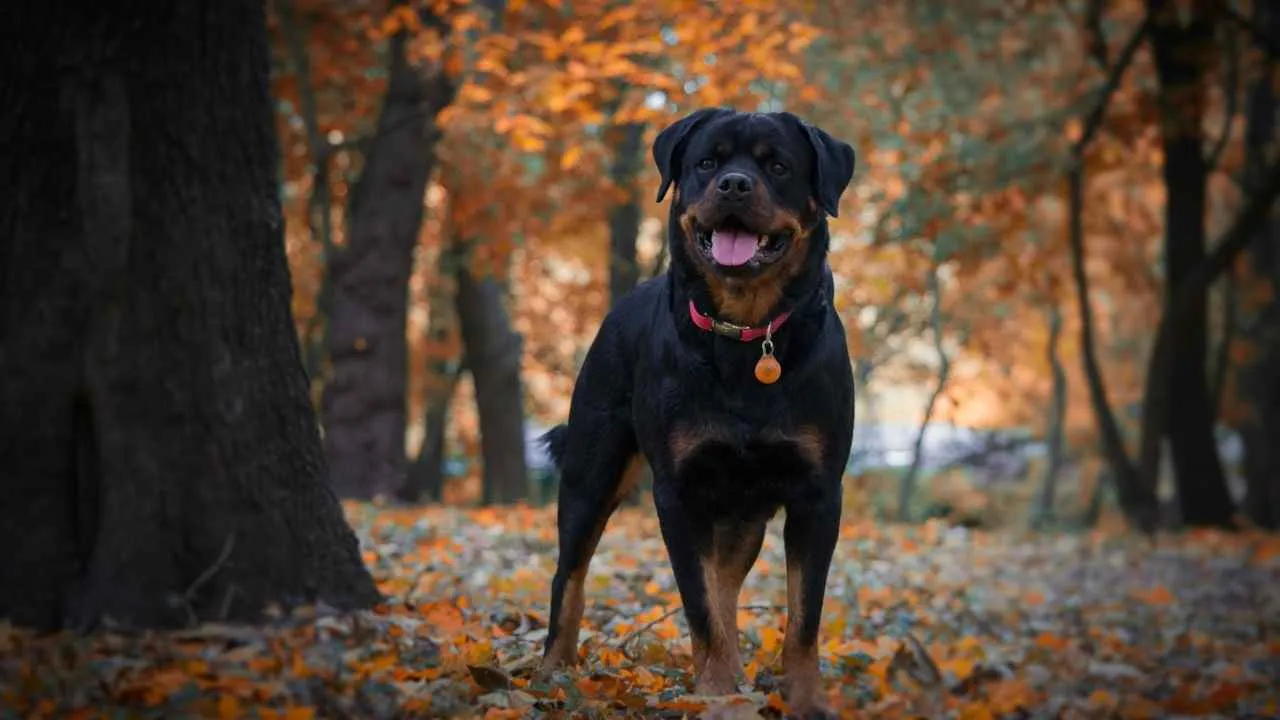
Rottweilers are a large working breed from Germany, originally known as Rottweiler Metzgerhund, which means “Rottweil butchers’ dogs.” These large dogs were used to pull meat-laden carts, showing strength and endurance. Some, like Wynd, have also earned awards as therapy dogs, demonstrating their intelligence and adaptability.
Their natural guarding instincts make them excellent guard dogs. Bred for protection since the Roman Empire, most Rottweilers instinctively know who and what they need to guard. They are territorial, alert, and energetic dogs who quickly identify potential threats and defend their homes. Proper training is important to enhance their sharp instincts.
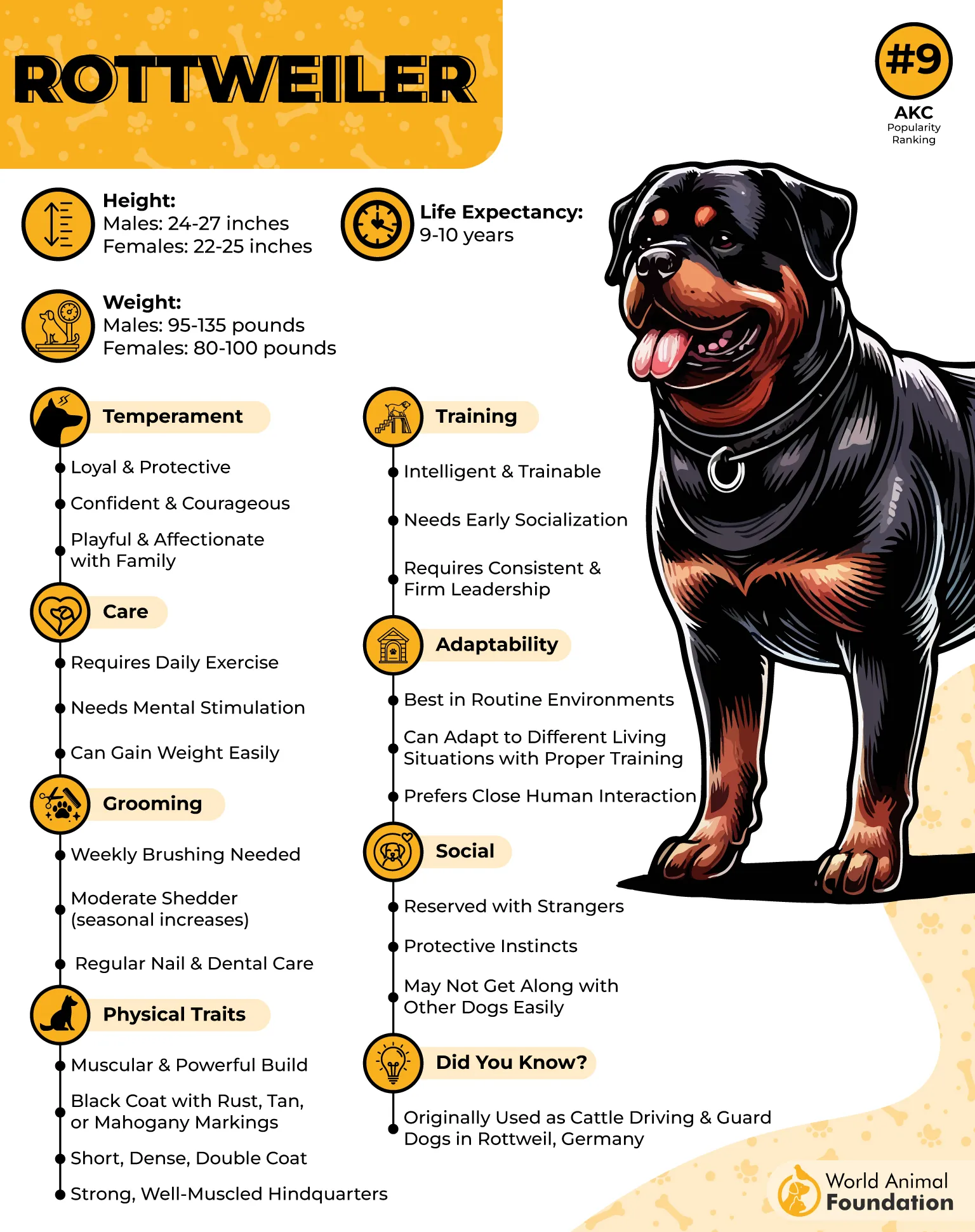
Rottweilers are confident and assertive when faced with danger. These protection dogs rarely back down and carry themselves with strength and pride. With a bite force of 328 PSI, they have the power to deter intruders effectively, combining protective instincts with physical capability to safeguard their families.
3. Cane Corso
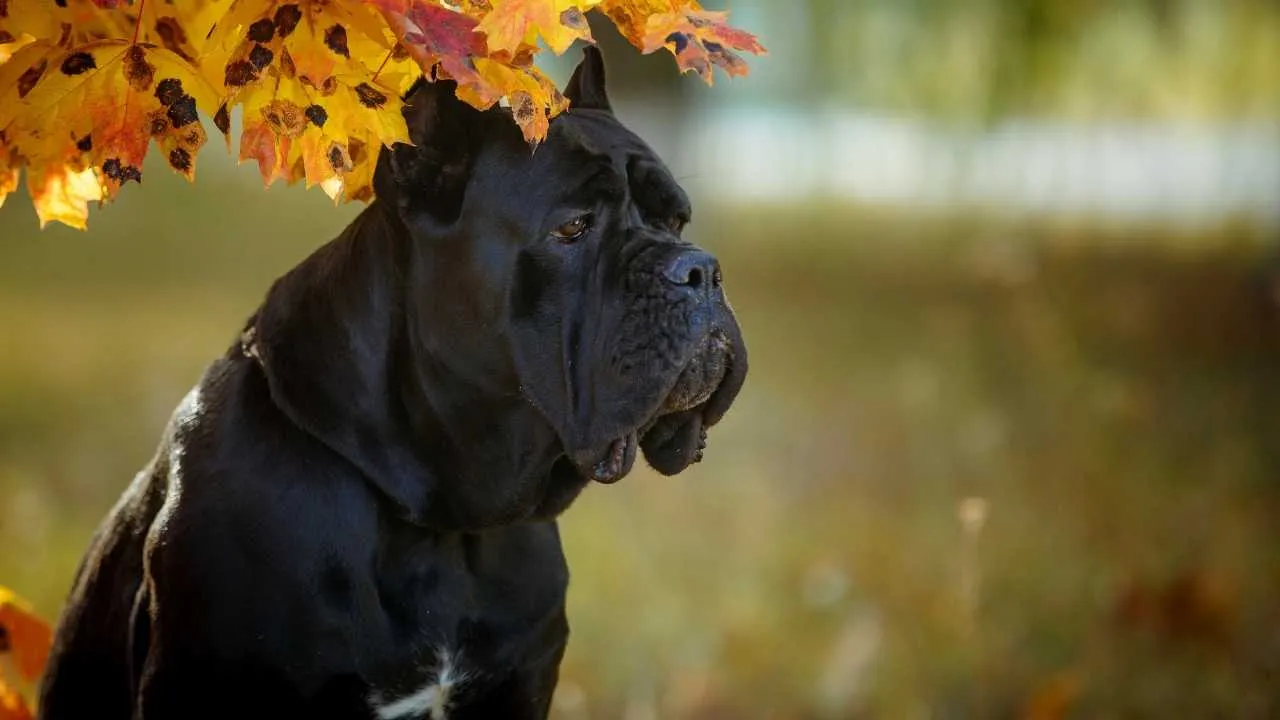
The Cane Corso is a powerful working breed with roots in ancient Greece and Rome. They historically served as watchdogs, farm assistants, and even canine soldiers, though they only gained popularity in the United States in the 1980s, as mentioned by PetMD.
Cane Corsos are perfect guard dogs thanks to their muscular, athletic build, striking square-shaped heads, and massive jaws. This truly gives them a commanding presence. Moreover, their smooth, confident gait reflects their strength and agility, and their territorial nature makes them natural protectors.
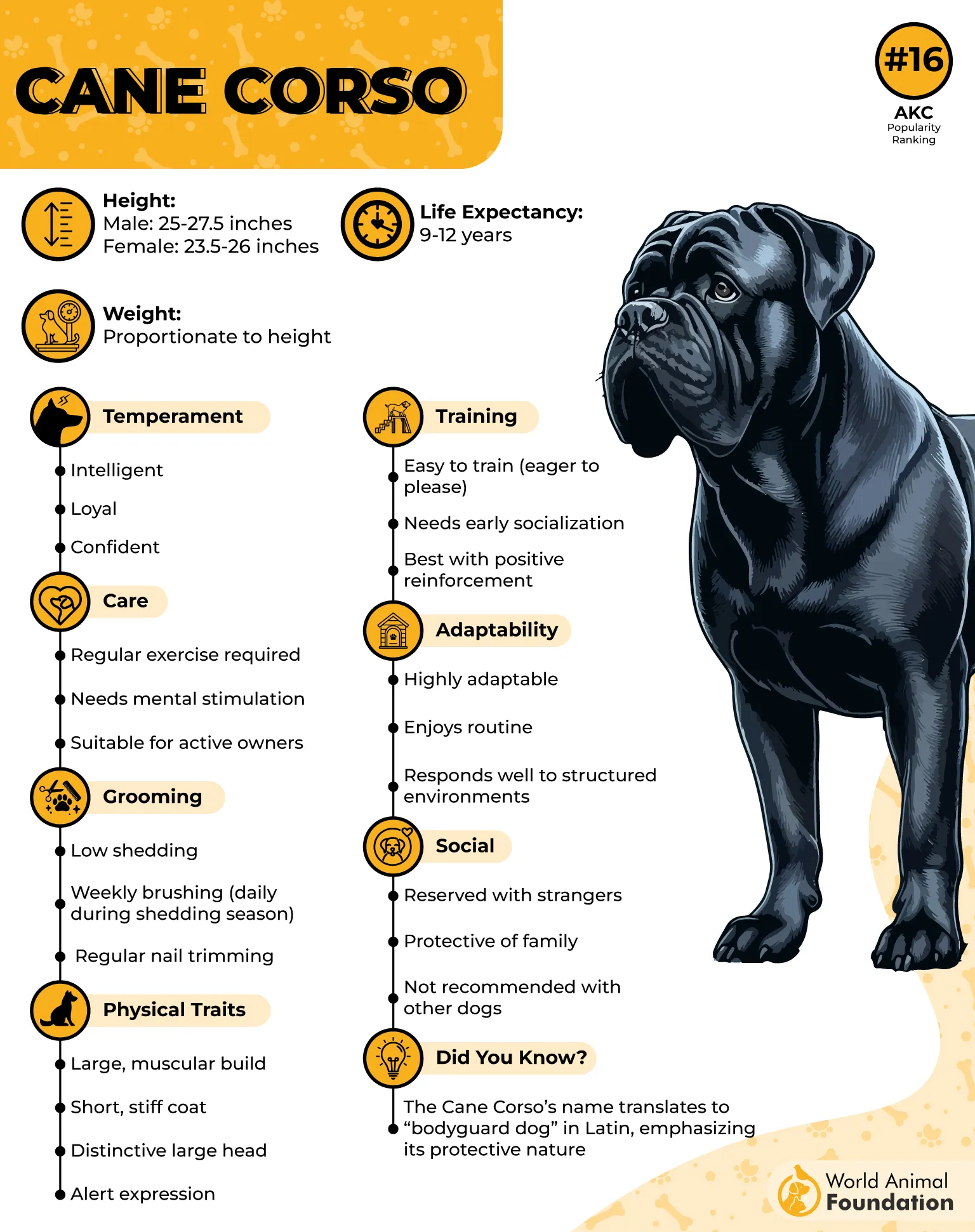
Beyond their imposing appearance, Cane Corsos are deeply loyal companions and loving family pets. They form deep bonds with their families, often following loved ones.
Consistent training and proper socialization help these protective dogs balance their instincts. They remain friendly toward strangers while staying devoted and reliable family guard dogs.
4. Appenzeller Sennenhund
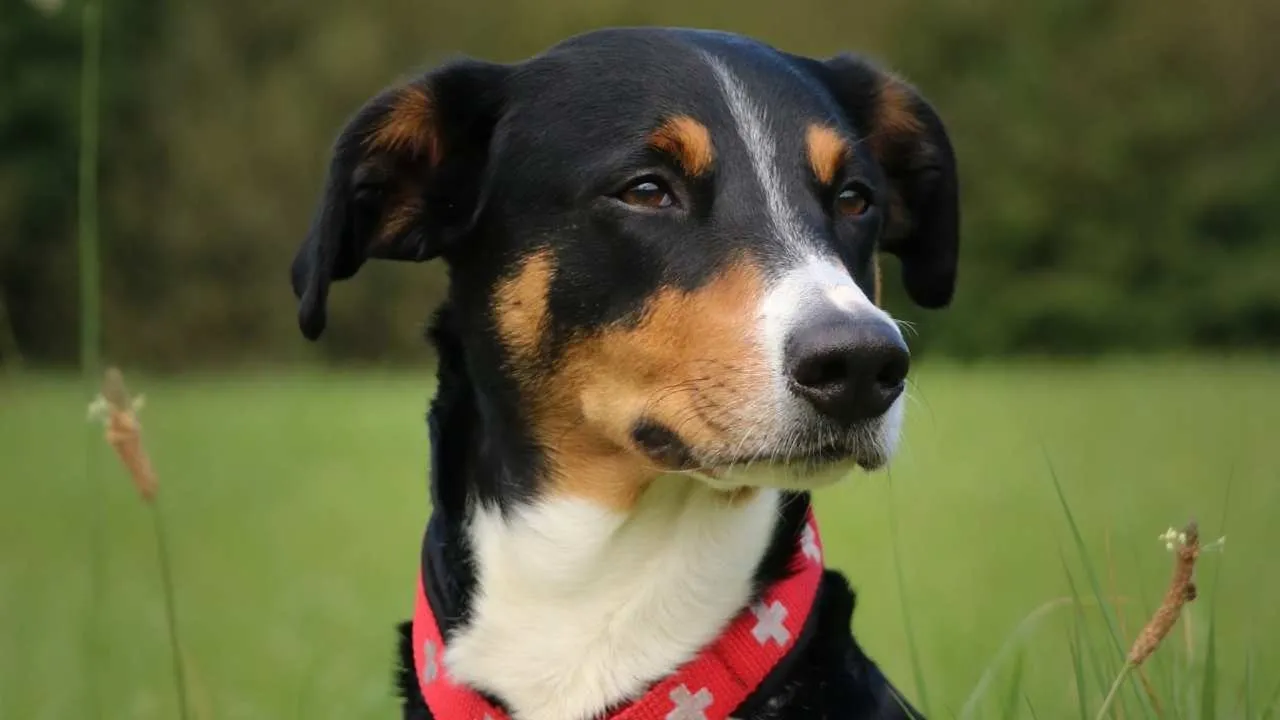
The Appenzeller Sennenhund is a medium-sized herding dog breed, tri-colored, squarely built, and well-balanced. Its most distinctive feature is the high-set tail that curls tightly over its back when moving, called a “post horn” tail, which is a key part of the breed standard.
Appenzellers are high-energy dogs that need regular exercise and mental stimulation, which keeps them alert and ready to protect. Their versatility and experience in herding livestock and guarding properties on Swiss farms allow exceptional performance in protection roles.
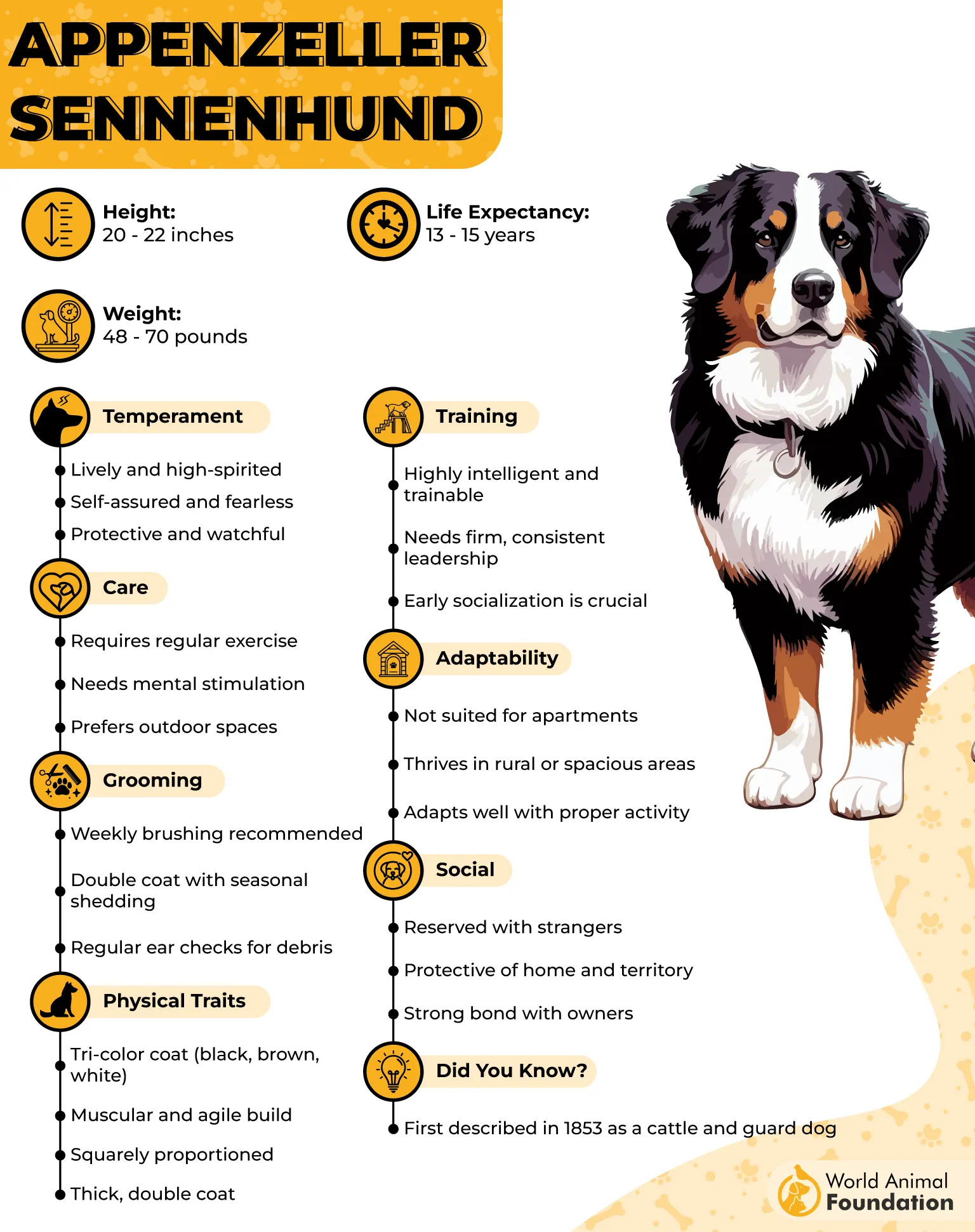
When properly socialized from a young age, Appenzeller Sennenhunde can guard their families while being gentle with children. Their intelligence allows them to learn commands and assess situations quickly, though their high activity levels mean they need space to stay effective as protectors.
5. Akita
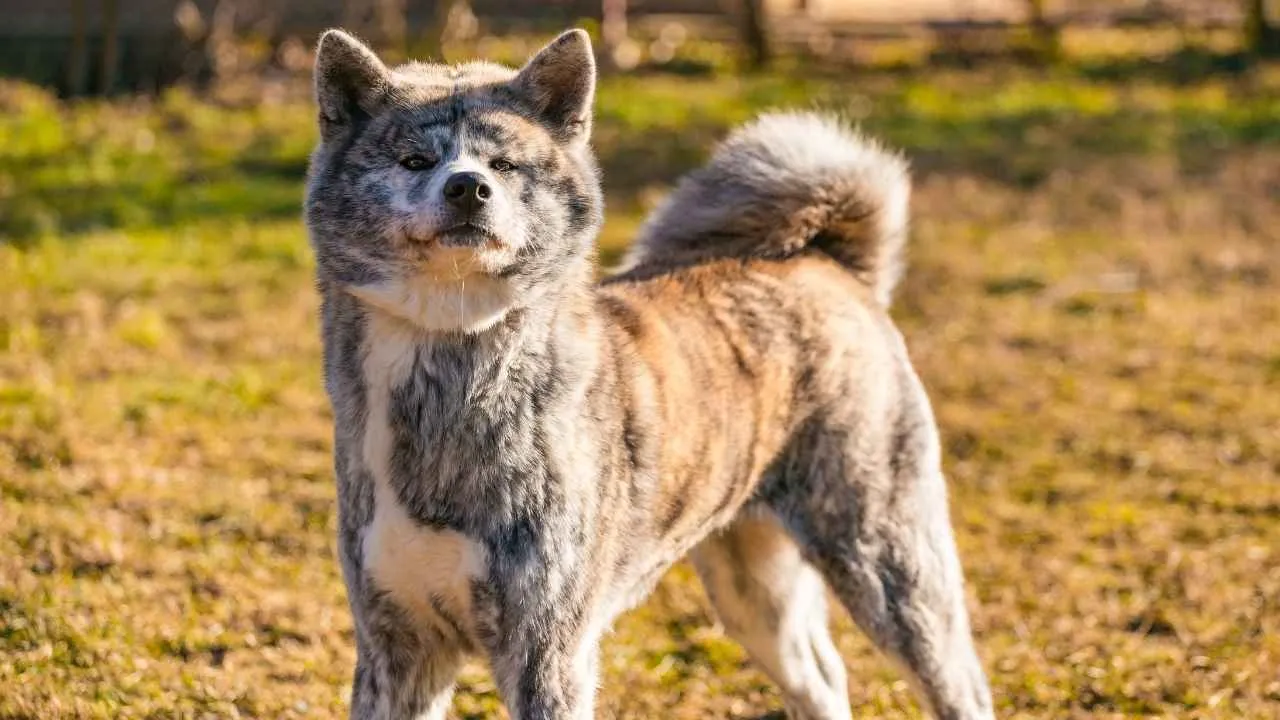
The Akita is a bold and powerful dog with a large head, small triangular eyes, and a confident, rugged stance. Its strong physical presence alone serves as a natural deterrent to potential threats.
Calm, alert, and self-assured, the Akita often discourages trouble simply by being present. Interestingly, the Akita grooms itself by licking its body, similar to a cat.
Loyalty stands out as one of the Akita’s strongest guarding traits. They are highly connected with their owners and instinctively assume protective positions. When a threat is sensed, they react quickly by alerting their family and positioning themselves between loved ones and danger.
This constant vigilance and readiness to act reinforce their role as dependable and devoted protectors.
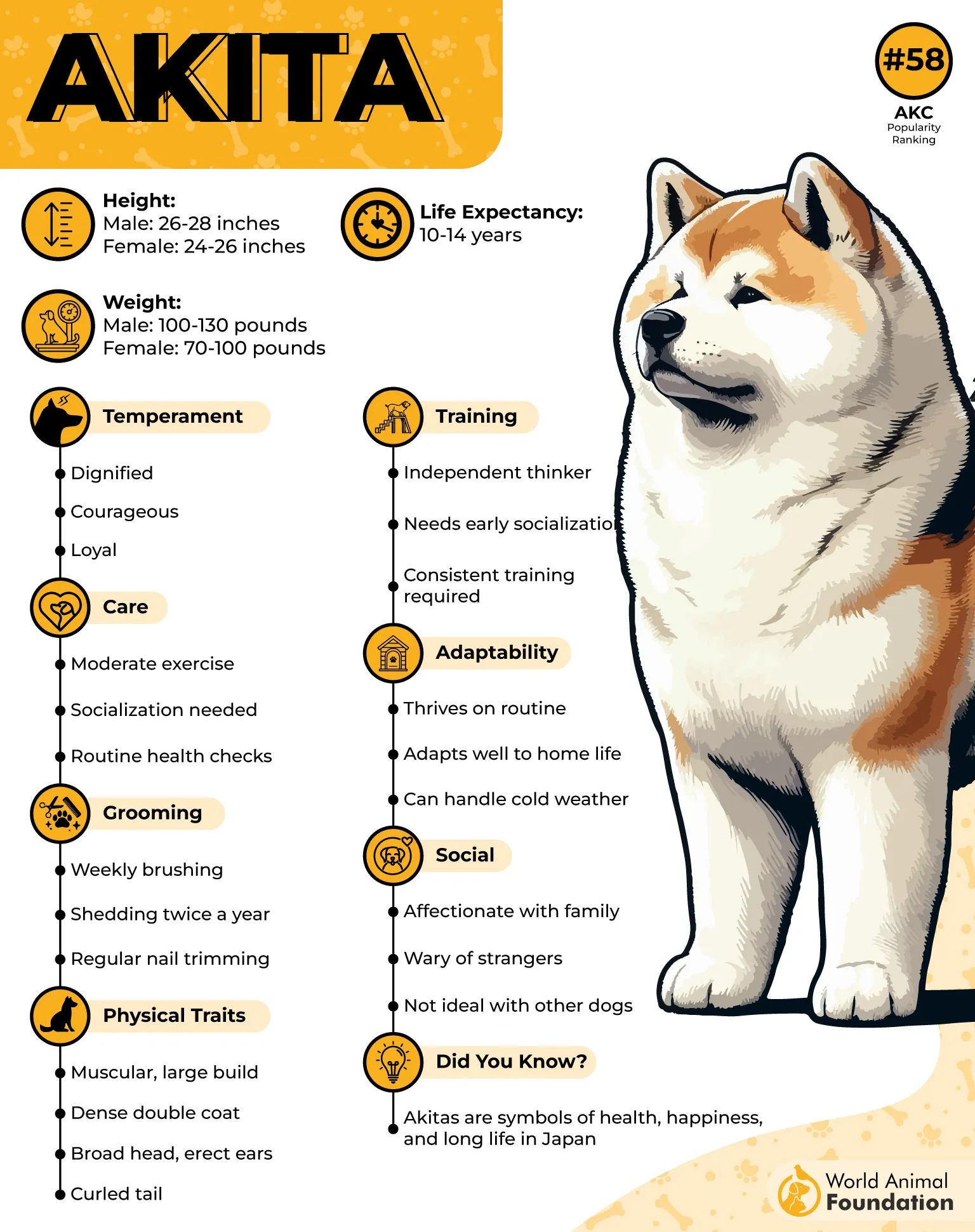
Akitas are naturally wary of strangers and remain reserved unless their owners are nearby. Early socialization helps manage this wariness, though the breed always maintains a dignified and serious temperament.
They communicate through mouthing as a sign of trust, not aggression. Due to a stubborn streak, dog owners must give proper obedience training.
6. Doberman Pinscher
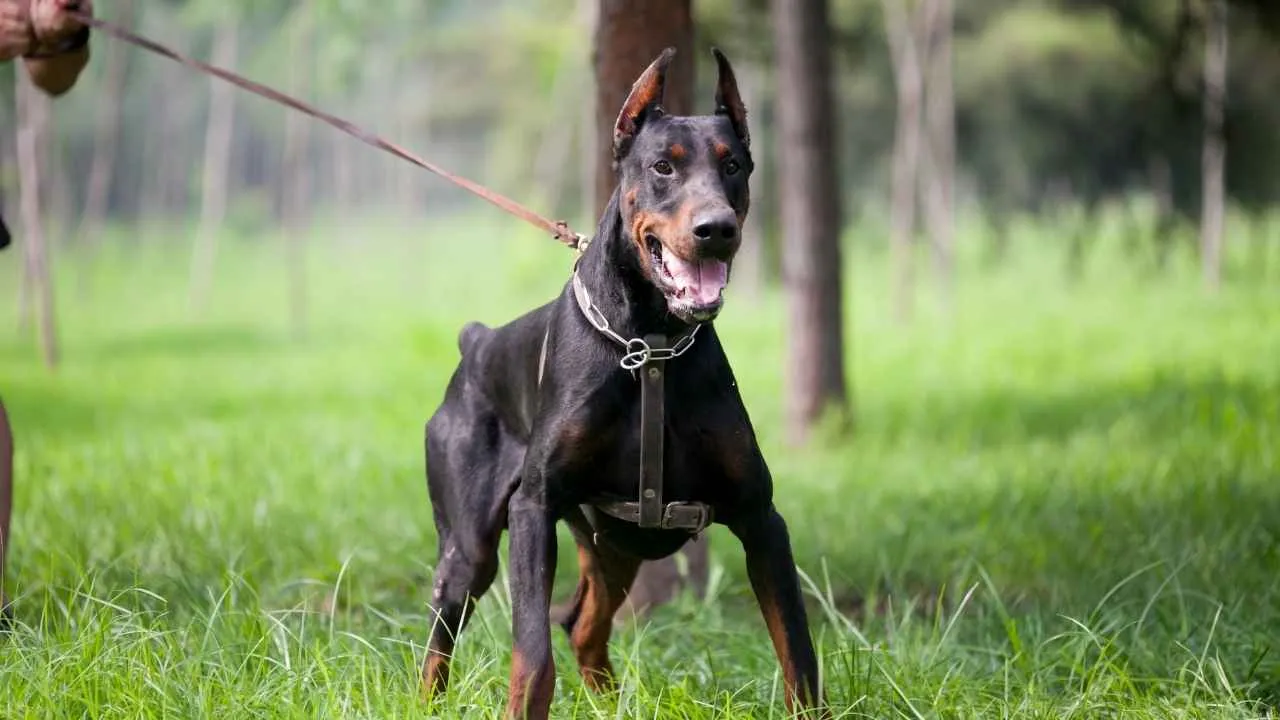
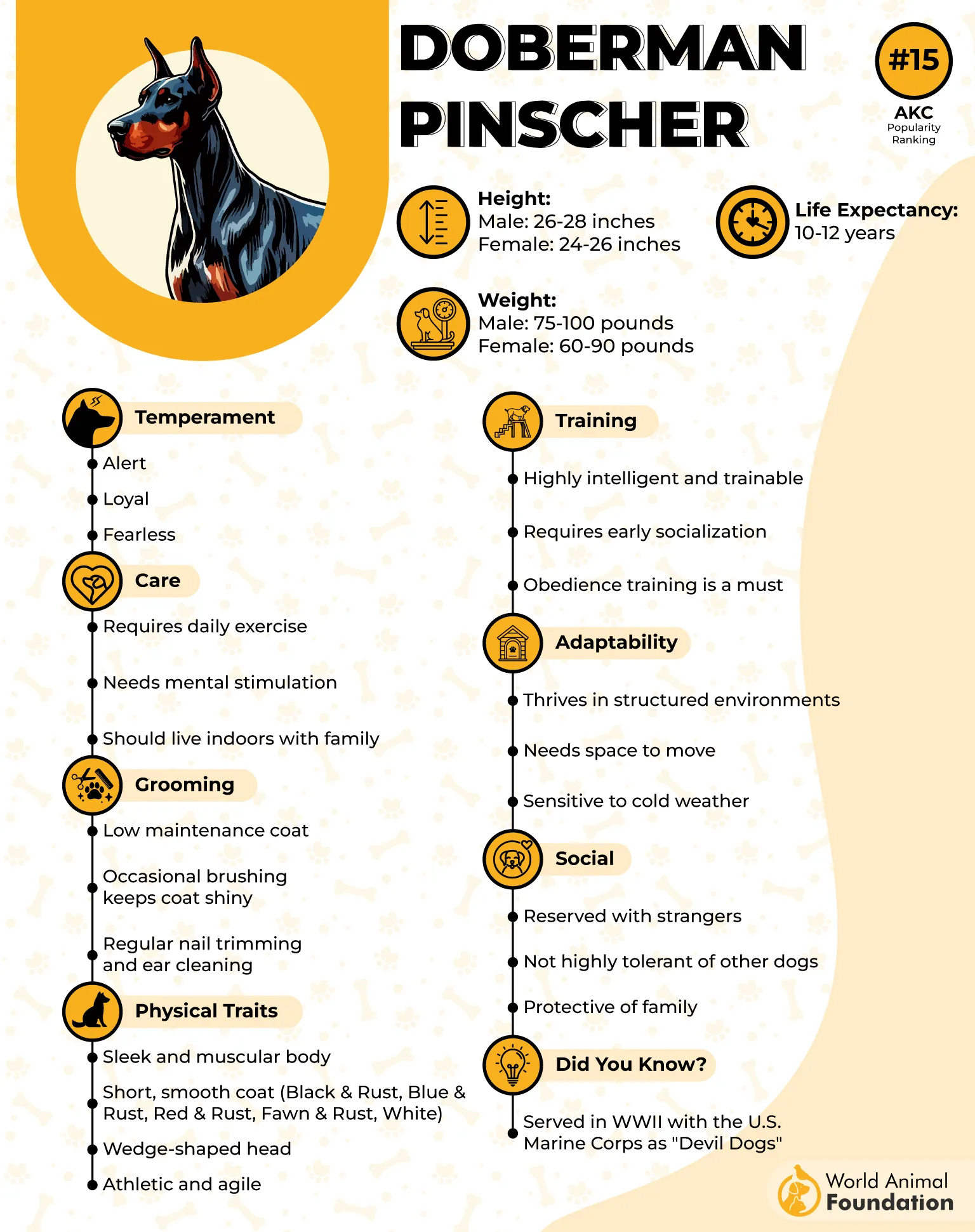
The Doberman Pinscher is a working dog developed in Apolda, Germany, around 1890 by Karl Friedrich Louis Dobermann. Sleek, agile, and powerful, the breed has a short, smooth coat in black, blue, fawn, or red with rust markings, as mentioned by Britannica.
Energetic, curious, and highly intelligent, Dobermans need regular physical activity and mental stimulation to stay balanced.
Dobermans excel as guard dogs due to their strong ability to read human body language. This highly perceptive breed senses emotions, tension, and behavioral changes in people.
Close bonding with humans allows quick awareness of unusual situations, helping early detection of threats and reinforcing their reliability as alert protectors.
Bravery is a key trait that supports the Doberman Pinscher as a guard dog. These affectionate dogs willingly face danger to protect their families and obey commands without hesitation.

Their long history in guard and security roles, including losses in the line of duty, reflects strong courage, loyalty, and dedication. Single women considering adoption should be ready to meet this pup’s physical and mental needs.
7. Bullmastiff
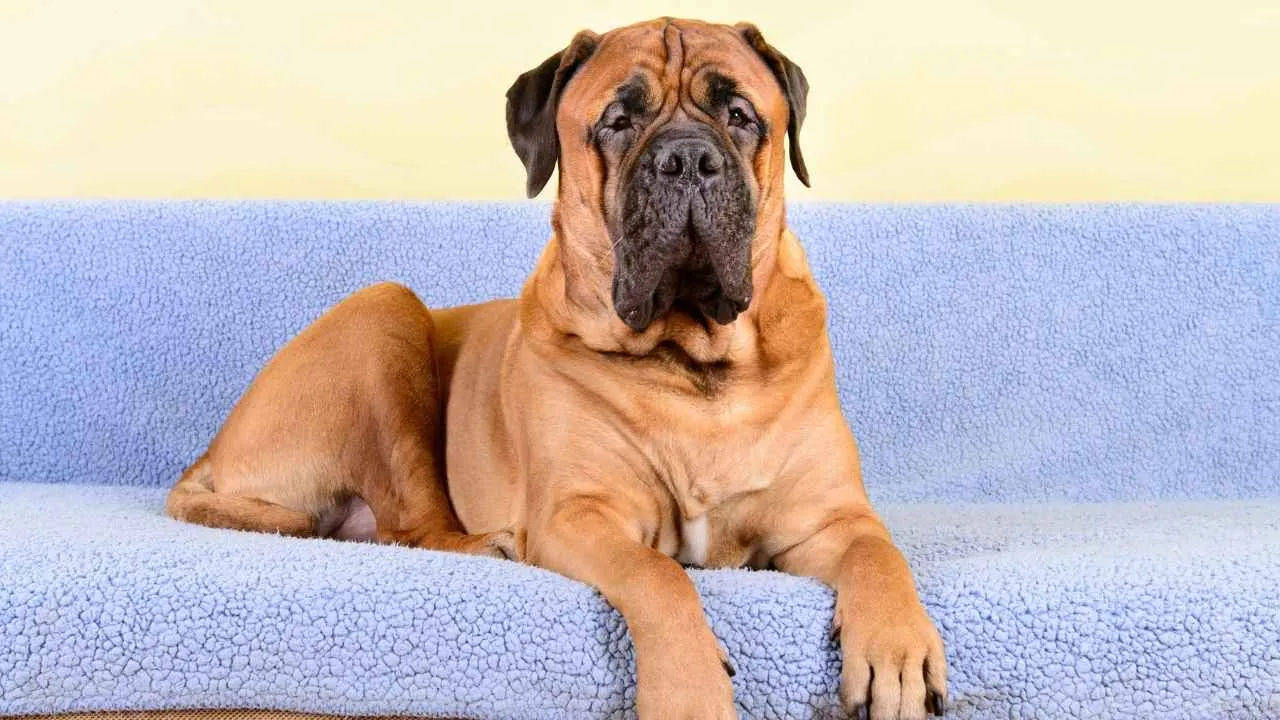
Fearless at work and calm at home, the Bullmastiff is a large, muscular guarding breed developed in England to pursue and restrain poachers.
Bred from Bulldogs and Mastiffs, this powerful dog carries an imposing build and confident stance that naturally deters intruders. Its size, strength, and serious expression support its reputation as a formidable guard dog.
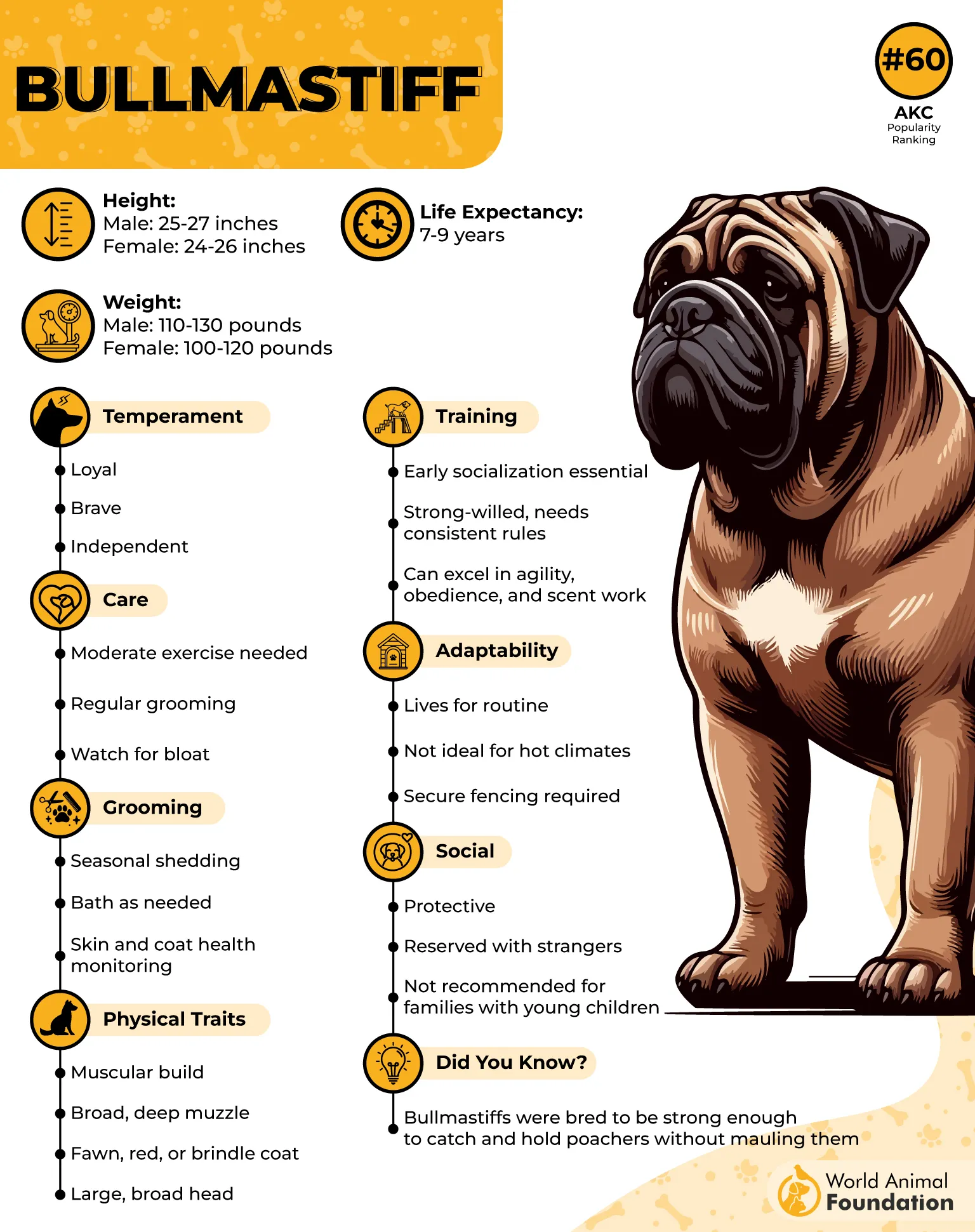
The Bullmastiff differs from typical guard dogs, trained to quietly track and hold intruders without biting. Then comes an intimidating appearance that contrasts with a calm and controlled nature around family members.
Extremely loyal and patient, they guide their behavior at home, allowing protection without unnecessary aggression.
Guarding instincts are deeply rooted in the Bullmastiff’s nature. Highly territorial and alert, they protect their home and family instinctively without extensive training. Courage, vigilance, and devotion drive fast responses to threats, reinforcing their role as reliable and confident guardians.
Conclusion
Choosing the right guard dog for single parents requires balancing protection, loyalty, and family compatibility. The right breeds combine strength, intelligence, and alertness, allowing them to detect threats quickly. Their presence alone can deter intruders, while training and socialization refine natural guarding instincts.
These protective dog breeds are highly devoted to their families, instinctively protecting loved ones and assessing situations with sharp awareness. They remain gentle with children and trusted visitors while staying vigilant, combining security with affection and loyalty.
Meeting their physical and mental needs is essential to maintain balance. Their combination of courage, devotion, and responsiveness ensures reliable protection without compromising family harmony, making them ideal guardians.
