




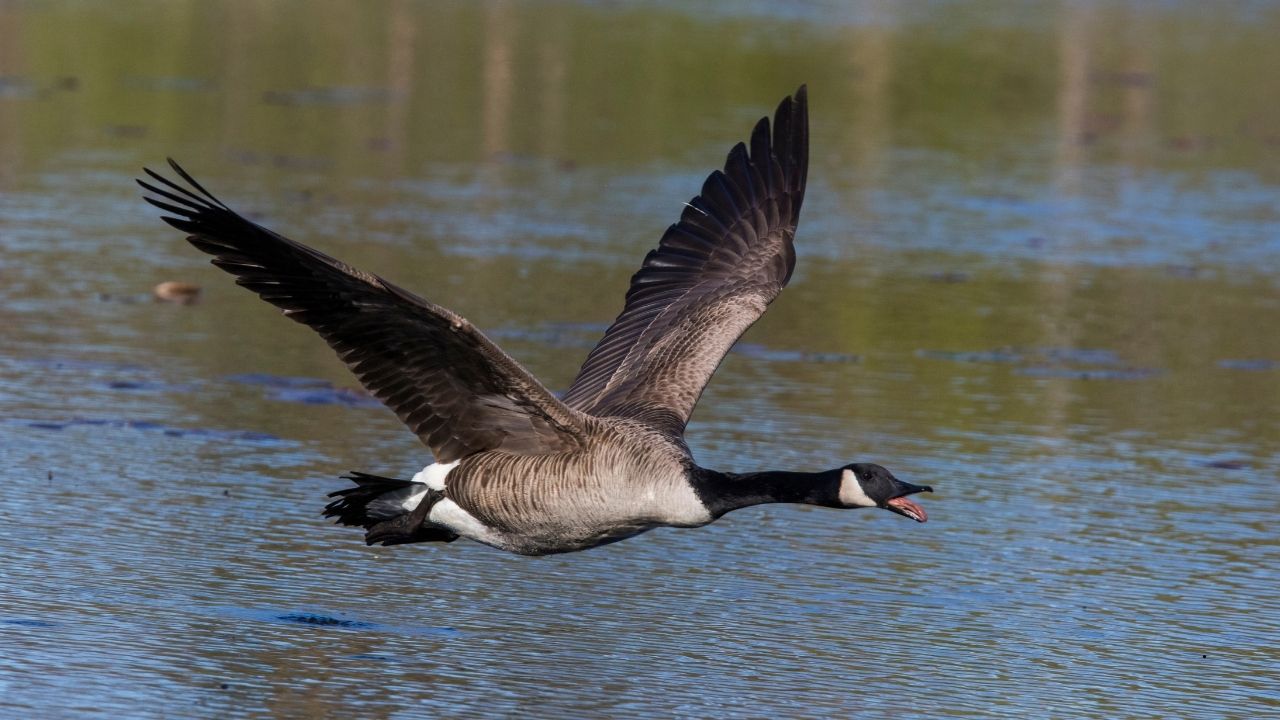
Twice every year, the sky turns into a global highway—and birds become its most impressive travelers. From tiny wings beating nonstop to powerful glides across open oceans, birds with amazing migrations push their bodies to limits that rival elite athletes.
And unlike humans, they don’t need training camps, GPS devices, or support teams. They rely on instinct, memory, and finely tuned senses to find their way across thousands of miles.
What makes this even more mind-blowing is that nearly 40 percent of the world’s bird species migrate, some covering distances so extreme that they cross multiple continents in a single journey.
Many birds fly day and night, burn nearly half their body weight as fuel, and even sleep while gliding through the air—an authentic survival trick proven by scientific studies.
These epic journeys aren’t just about movement; they’re about timing, endurance, and survival, all repeated year after year. Let’s explore how birds with amazing migrations turn the impossible into a seasonal routine.
Key Takeaways
Meet the Arctic Tern and Bar-tailed Godwit, birds that fly mind-blowing distances without stopping.
See how Canada Geese and Swainson’s Hawks master teamwork and energy-saving flight.
Follow tiny travelers like the Ruby-throated Hummingbird and Amur Falcon on epic solo journeys.
Find out why key stopovers like Delaware Bay are lifesavers for these amazing migrants.
Birds with Amazing Migrations
1. Artic Tern
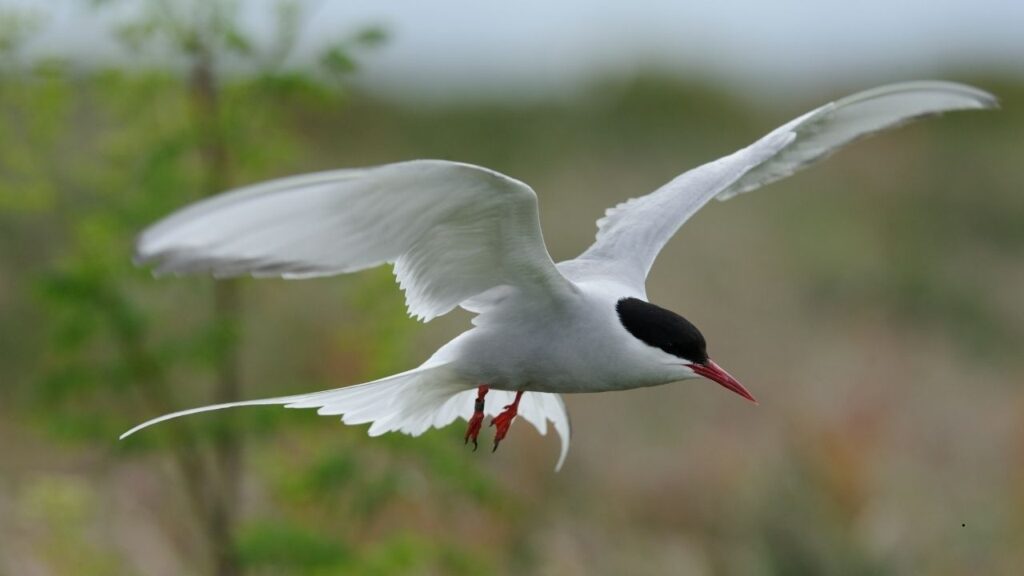
When it comes to birds with amazing migrations, the Arctic Tern stands out as a true champion. These small but mighty birds breed in the Arctic Circle but can also be found as far away as Massachusetts and England.
Every year, they make an incredible journey from the Arctic all the way to the Antarctic coast—a round trip that covers about 25,000 miles each way.
What makes the Arctic Tern’s migration truly astonishing is not just the distance but the lifespan of these birds. They can live over 30 years, and during that time, they might fly the equivalent of going to the moon and back more than three times, as mentioned by National Geographic.
This record-breaking migration is the longest known in the animal kingdom and shows just how tough and dedicated these birds are.
Key Migration Facts:
Travels about 25,000 miles annually between the Arctic and Antarctic regions
Total migration distance in a lifetime can reach over 90,000 km (55,923 miles)
Breeds in the Arctic during the northern summer and moves to Antarctica for the southern summer
Takes a roundabout route to follow food sources and ideal conditions
2. Canada Goose
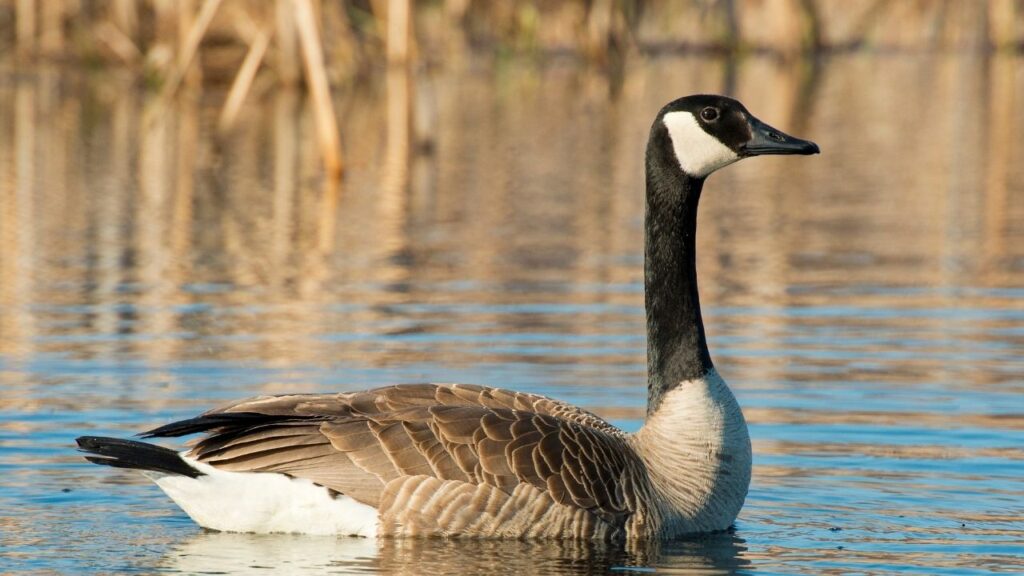
The Canada Goose is one of the most familiar birds known for its impressive migratory journeys across North America. These birds travel between their breeding grounds in Canada and the northern United States to warmer southern areas during the winter.
Their migration is a true test of strength and teamwork as they fly in distinctive V-shaped formations that help reduce wind resistance and conserve energy.
Canada Geese are highly adaptable and can cover hundreds of miles during their seasonal moves. Their migration routes often follow lakes, rivers, and wetlands, places rich in food and safe resting spots. These birds rely on memory and experience, often returning to the same locations year after year.
Quick Facts about Canada Goose Migration:
Migrates between Canada/northern U.S. breeding grounds and southern U.S. wintering areas
Flies in V-shaped formations to save energy during long flights
Uses waterways and wetlands as stopover sites for rest and food
Known for strong navigational skills and site fidelity
3. Ruby-throated Hummingbird

The Ruby-throated Hummingbird may be small, but its migration journey is nothing short of amazing. These tiny birds travel alone across the Gulf of Mexico every year, covering around 500 miles nonstop.
This nonstop flight is one of the longest overwater journeys made by any bird its size — a real feat of endurance for such a delicate creature.
Ruby-throated Hummingbirds migrate between their breeding grounds in eastern North America and their winter homes in Central America.
They time their journey carefully to take advantage of favorable weather and abundant food sources. Despite their size, they are incredibly strong flyers, beating their wings up to 50 times per second!
Ruby-throated Hummingbird Migration Highlights:
Flies solo across the Gulf of Mexico, covering about 500 miles nonstop
Migrates between eastern North America and Central America
Relies on precise timing and weather conditions to fuel its journey
Beats wings up to 50 times per second, showcasing incredible stamina
4. Bar-tailed Godwit
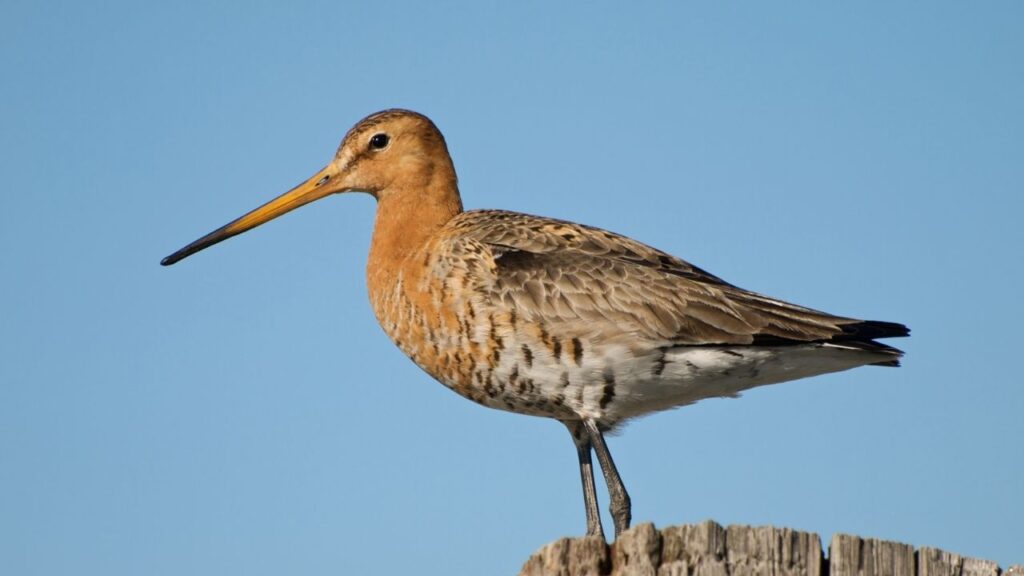
The Bar-tailed Godwit is famous for holding the record for the longest nonstop migration of any bird. These incredible travelers fly around 12,000 km (7,500 miles) without stopping. Each year, they make this epic journey from their breeding grounds in Alaska all the way to New Zealand or Australia.
To prepare for this marathon flight, Bar-tailed Godwits eat extra food to nearly double their body weight in fat. This fat acts as fuel for their nonstop trip, which can last up to nine days without rest, food, or water. Imagine flying nonstop for that long — it’s an amazing show of endurance and strength.
Bar-tailed Godwit Migration Highlights:
Flies nonstop over 7,000 miles from Alaska to New Zealand or Australia
Prepares by doubling fat reserves to fuel the long journey
Stops once at the Yellow Sea during the summer migration
Faces threats from habitat loss, especially in the Yellow Sea, leading to population declines
5. Swainson’s Hawk
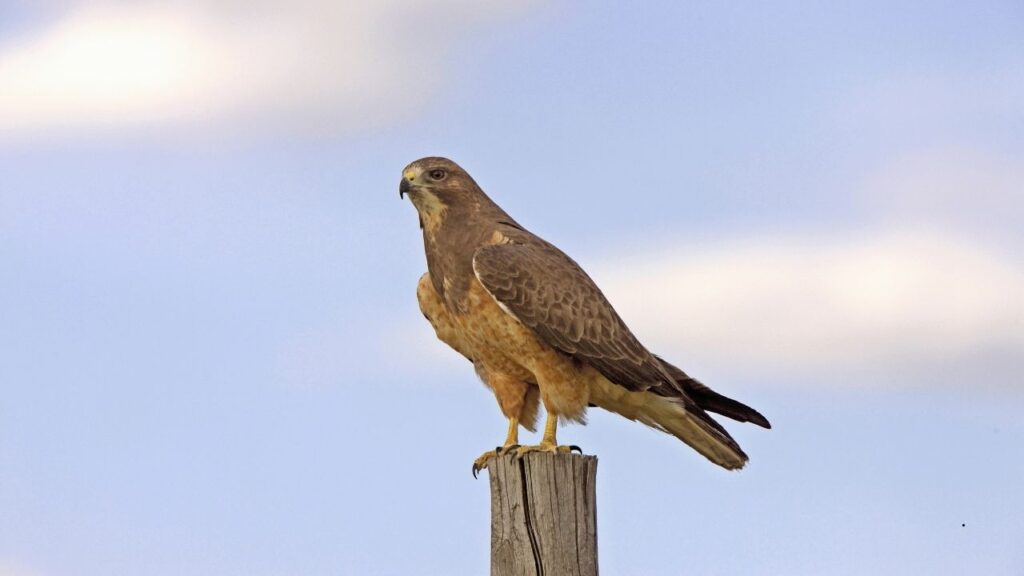
Swainson’s Hawks are incredible long-distance travelers that breed across North America and migrate all the way to Argentina for the winter. Their journey can stretch up to 12,000 km (7,500 miles), crossing vast landscapes and multiple countries.
What makes their migration unique is the way they travel. Abilene Zoo mentions that these hawks gather in huge flocks called “kettles,” sometimes numbering in the tens of thousands. They use rising thermal air currents to glide and soar, which helps them save energy during their long flight.
Swainson’s Hawks show us how teamwork and smart flying strategies make epic migrations possible, proving once again why birds with amazing migrations are nature’s true endurance champions.
Swainson’s Hawk Migration Highlights:
Migrates up to 12,000 km from North America to Argentina
Travels in large flocks called “kettles” with thousands of birds
Uses thermal air currents to soar and conserve energy
Covers continents with remarkable teamwork and navigation skills
6. Sooty Shearwater
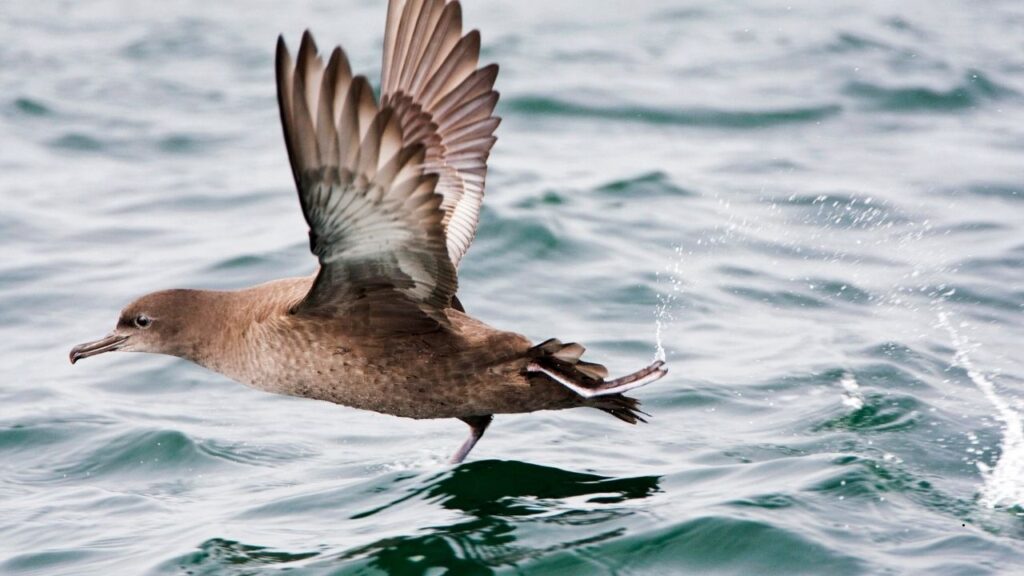
The Sooty Shearwater is a seabird with one of the longest migration routes on the planet. Each year, these birds travel up to 64,000 km (40,000 miles). They nest in places like New Zealand and Chile, then fly north to feeding grounds that stretch all the way to Alaska and Japan.
This incredible journey takes them across vast oceans, where they glide effortlessly over waves, covering huge distances without rest.
Their migration follows a unique figure-eight pattern, allowing them to take advantage of rich food sources across both the Southern and Northern Hemispheres.
This clever route helps them survive long journeys over the open ocean. Most sooty shearwaters make these journeys annually, with only the non-breeding birds staying behind.
Sooty Shearwater Migration Highlights:
Migrates up to 64,000 km (40,000 miles) annually
Nests in New Zealand and Chile, feeding as far north as Alaska and Japan
Uses a figure-eight migration route to find food across hemispheres
They face threats from overfishing and warming oceans, affecting their food supply
7. Northern Wheatear
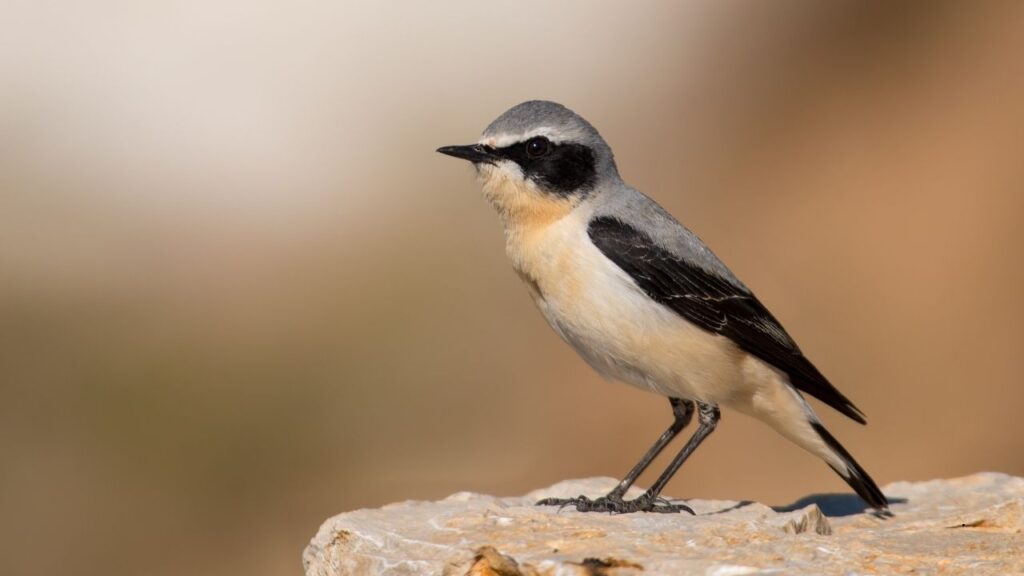
Despite its small size, the Northern Wheatear undertakes one of the longest migrations among songbirds. These birds breed across Eurasia and North America’s northern coast.
When winter approaches, they fly thousands of miles to sub-Saharan Africa, crossing oceans, ice, and unfamiliar landscapes along the way. Their ability to navigate such difficult routes is truly remarkable for a bird so small. This long journey pushes their endurance to the limit year after year.
The Cornell Lab mentions that Northern Wheatears from Alaska make an astonishing 14,500 km (9,000 miles) journey to Africa. Birds starting from eastern Canada travel about 7,400 km (4,600 miles).
No matter where they come from, they face tough conditions during migration, but always return to their breeding grounds when the season changes. Their persistence highlights the incredible instinct and strength that guide migratory birds across vast distances.
Northern Wheatear Migration Highlights:
Migrates up to 14,500 km (9,000 miles) annually
Breeds across Eurasia and North America’s northern coast
Winters in sub-Saharan Africa, crossing oceans and ice
Makes long, challenging flights despite being a small songbird
8. Amur Falcon
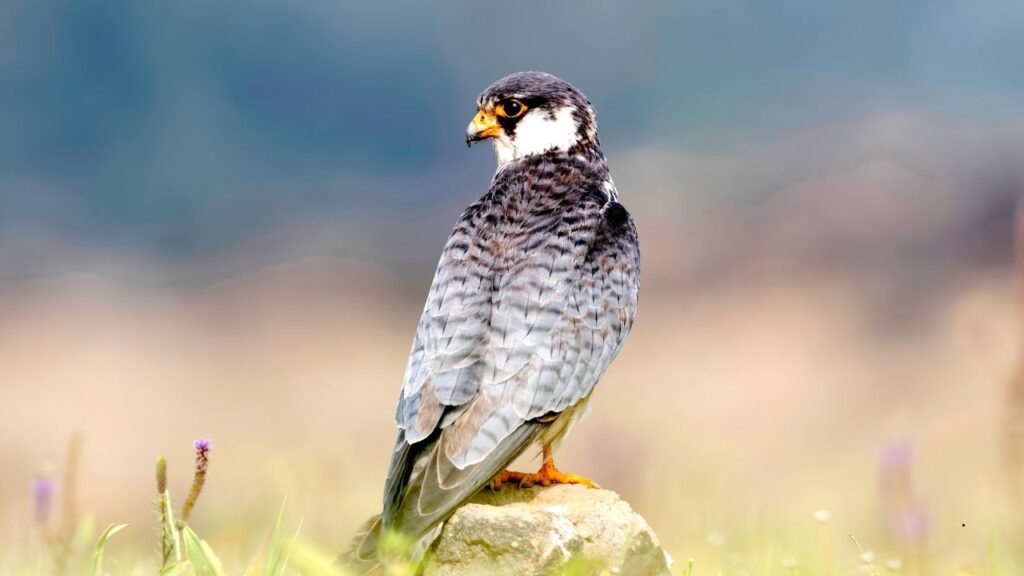
The Amur Falcon is one of the most remarkable migratory birds, known for its long and daring journey across continents.
These small falcons breed in eastern Asia and travel all the way to southern Africa to spend the winter. Their migration covers around 22,000 km (13,670 miles) round trip — a huge distance for such a tiny bird.
During migration, Amur Falcons fly mostly at night, crossing vast deserts and oceans. They rely on strong winds and careful timing to help them cover these tough stretches. Along the way, they often stop in key resting spots to refuel before continuing their epic journey.
Amur Falcon Migration Highlights:
Migrates approximately 22,000 km (13,670 miles) round trip
Breeds in eastern Asia and winters in southern Africa
Flies mostly at night, crossing deserts and oceans
Uses stopover sites to rest and refuel on the long journey
9. Red Knot
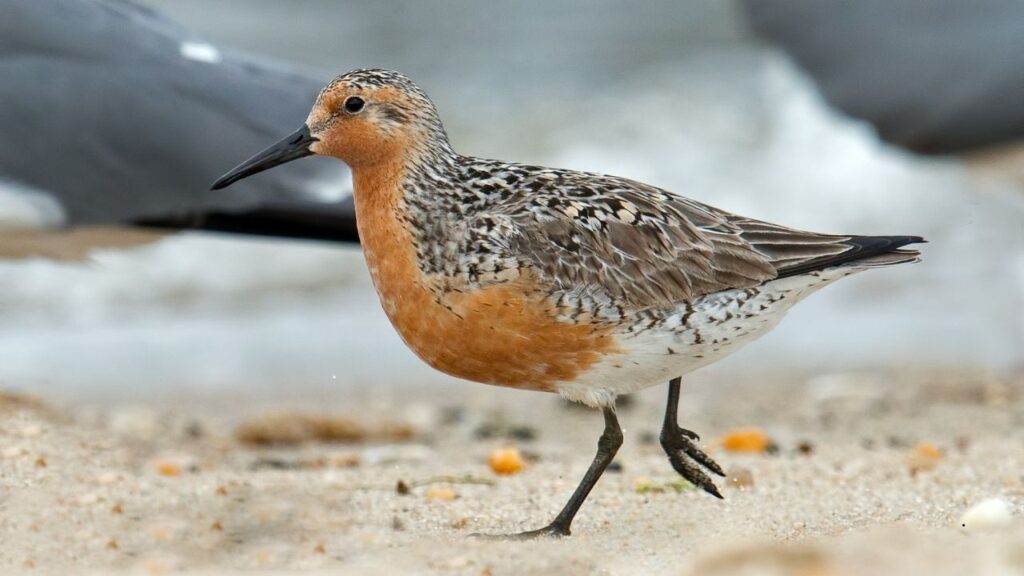
The Red Knot is an incredible migratory shorebird known for its long annual journeys. These birds travel up to 15,000 km (9,300 miles) from their Arctic breeding grounds to wintering areas as far south as Tierra del Fuego, near the southern tip of South America.
Despite having a modest wingspan of about 20 inches, they cover vast distances every year, showing amazing endurance.
A key part of their survival depends on important stopover sites like Delaware Bay in the United States. Here, Red Knots feast on horseshoe crab eggs to fuel their long migration.
Unfortunately, human activities such as coastal development and overharvesting of horseshoe crabs have made this journey much harder.
Red Knot Migration Highlights:
Migrates up to 15,000 km (9,300 miles) annually from the Arctic to southern South America
Relies on critical stopover sites like Delaware Bay for food and rest
Feeds mainly on horseshoe crab eggs to fuel long flights
Faces challenges due to habitat loss and overharvesting, leading to its threatened status
Conclusion
Bird migration is one of nature’s most remarkable phenomena, where millions of birds migrate each year to find places that offer better climate, food, and nesting areas.
Researchers and scientists study how birds navigate across land, islands, and even the vast Pacific Ocean, often traveling at incredible speeds and using daylight hours and the sun to guide their journeys.
These migrations are timed to complete just before spring, ensuring young birds have the best chance to grow and remain safe in trees and other habitats.
However, many bird species are vulnerable due to changing climates and habitat loss at the edge of their migratory routes. Scientists continue to explore how birds migrate and adapt, hoping to protect these amazing travelers.
Understanding their behavior helps us support the delicate balance that allows millions of birds to complete their journeys and find the prey and safe nesting areas they need to thrive.
