




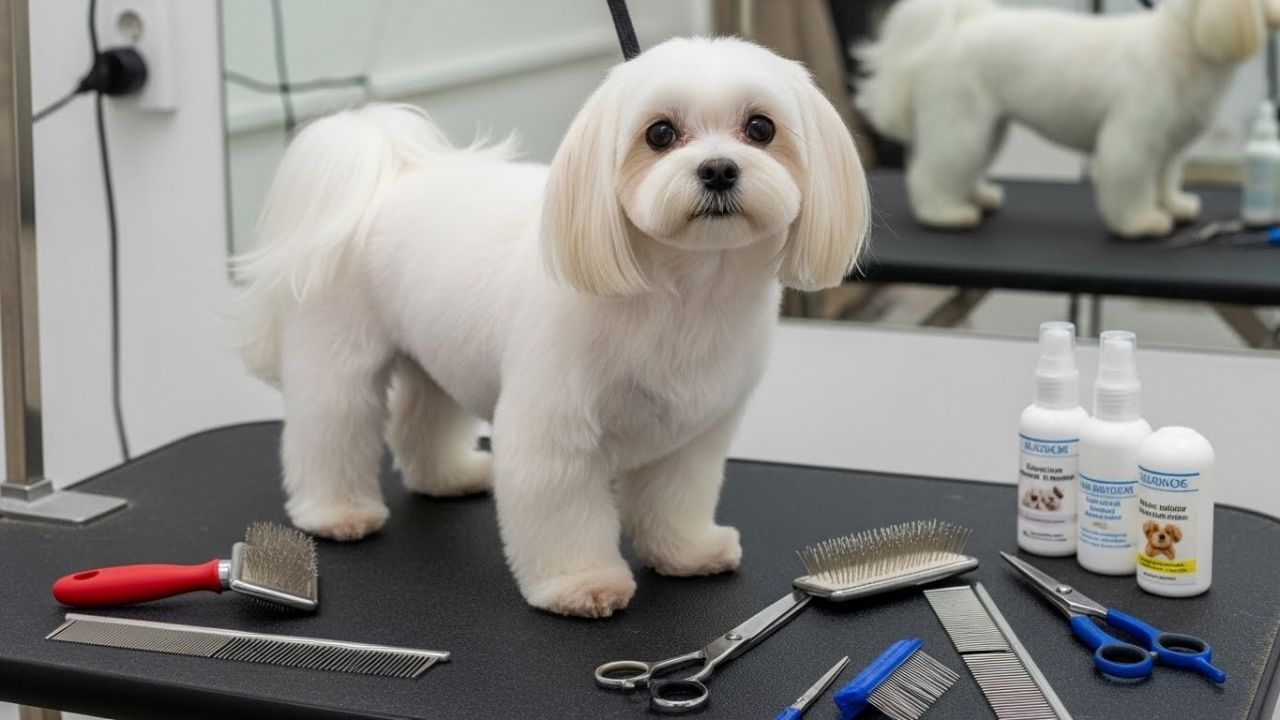
Every dog breed has its own grooming needs. What does well for a Labrador Retriever may not work for a Maltese dog. Grooming routine for long-haired breeds differs from that for short-haired breeds. Some breeds have low-maintenance coats, while others have high-maintenance hair.
A regular brushing routine helps keep a dog’s coat shiny and clean. It also helps remove loose hair, dirt, and dander. Short-haired breeds may need brushing only once a week, while long-haired breeds need frequent brushing to keep their coat healthy.
Occasional baths using a good-quality dog shampoo are also an important part of a dog’s grooming routine. Some dog breeds shed a lot, while others shed minimally. Coat care is requisite to keep your furry friend comfortable and healthy.
Here are 9 dog breeds and their detailed grooming schedules.
Dog Breeds and Their Detailed Grooming Schedules
1. Puli
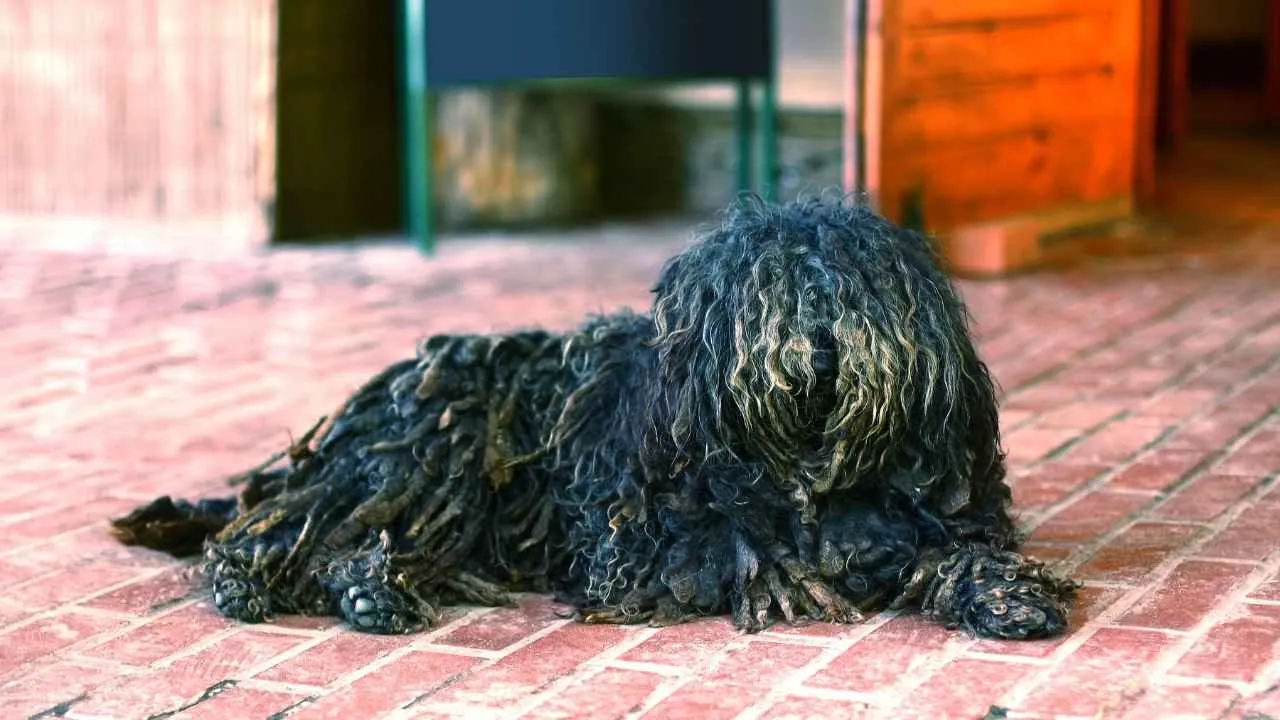
Puli is a loyal and powerful herder covered from head to tail in profuse, naturally occurring cords. Their coats are woolly, dense, and waterproof. Either corded or brushed out, the coats require lots of grooming and attention.
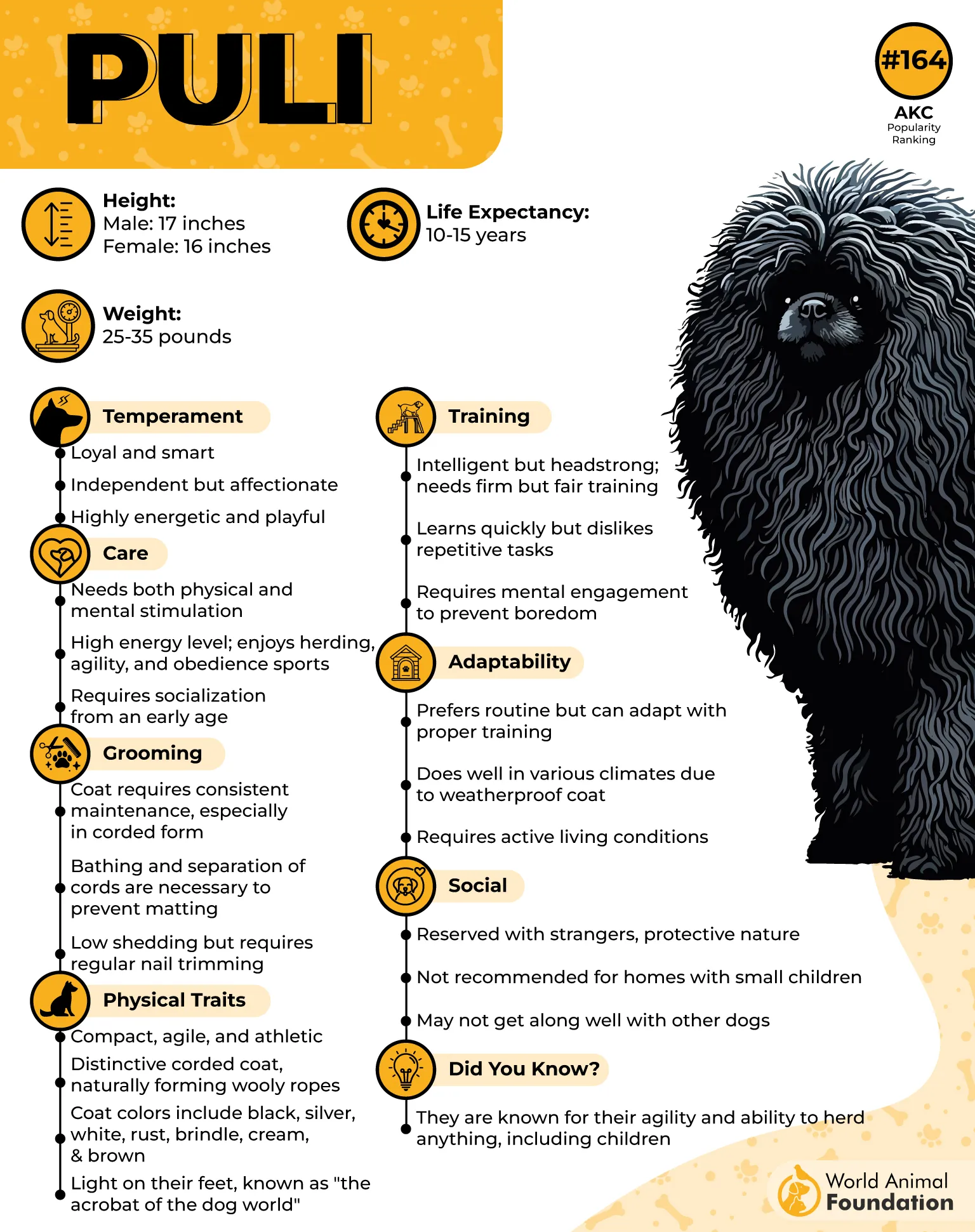
You can also keep a Puli tidy with a clipped coat. A Puli puppy does not need grooming until it is 8 to 10 months old, explains the American Kennel Club. When the undercoat starts growing, the coat will begin to feel thick and matted with your fingers. The hair seems to clump together close to the skin.
You can separate these soft clumps from each other by pulling them apart with your fingers. The coat also needs to be bathed regularly. While bathing, rinse well and make sure there is no residue of shampoo left on the skin. Otherwise, it will lead to irritation, scratching, and loss of cords.
2. Poodle (Standard)
Poodles are highly intelligent dogs with a hypoallergenic coat. This beautiful curly-coated breed requires regular grooming to look clean and tidy. Their continuously growing coat needs daily brushing to prevent matting and tangles.
Professional grooming every 4 to 6 months is also important to keep a Poodle’s coat looking its best. Some pet owners also opt to keep their dog’s coat short for easier maintenance. Their non-shedding coats make them a good fit for allergy sufferers.
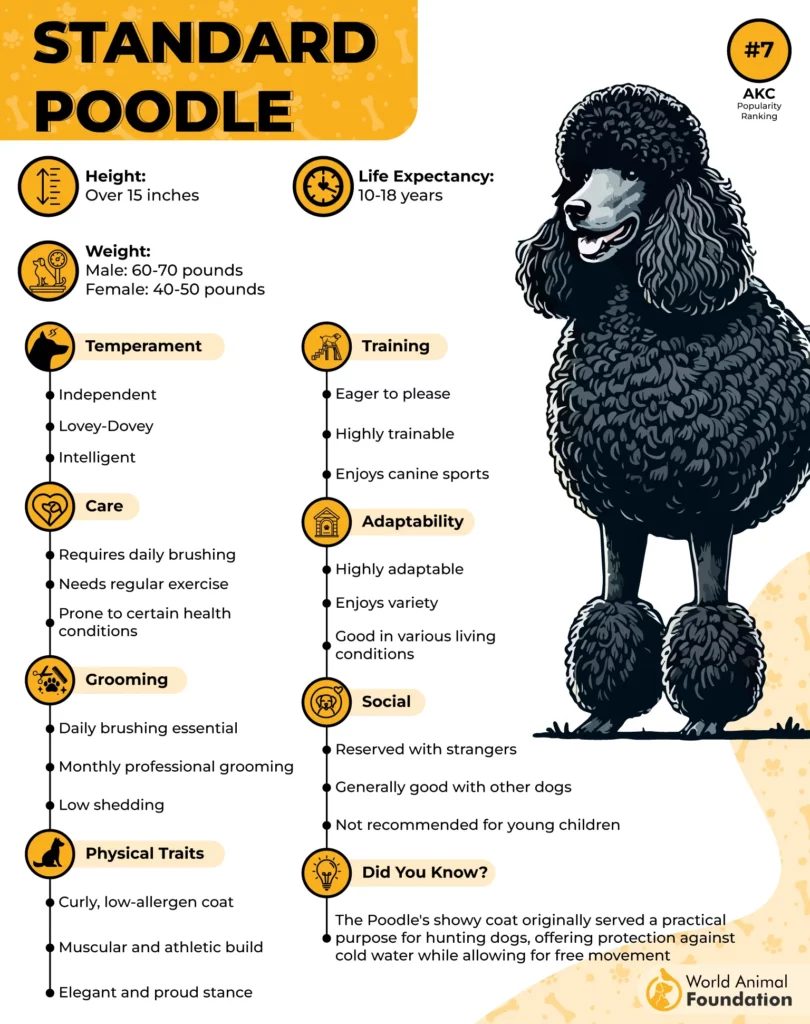
Poodle is a high-maintenance breed in terms of grooming and exercise. These athletic and active dogs require plenty of daily exercise for physical and mental stimulation. Poodles make incredibly loyal and loving family dogs.
3. Shih Tzu
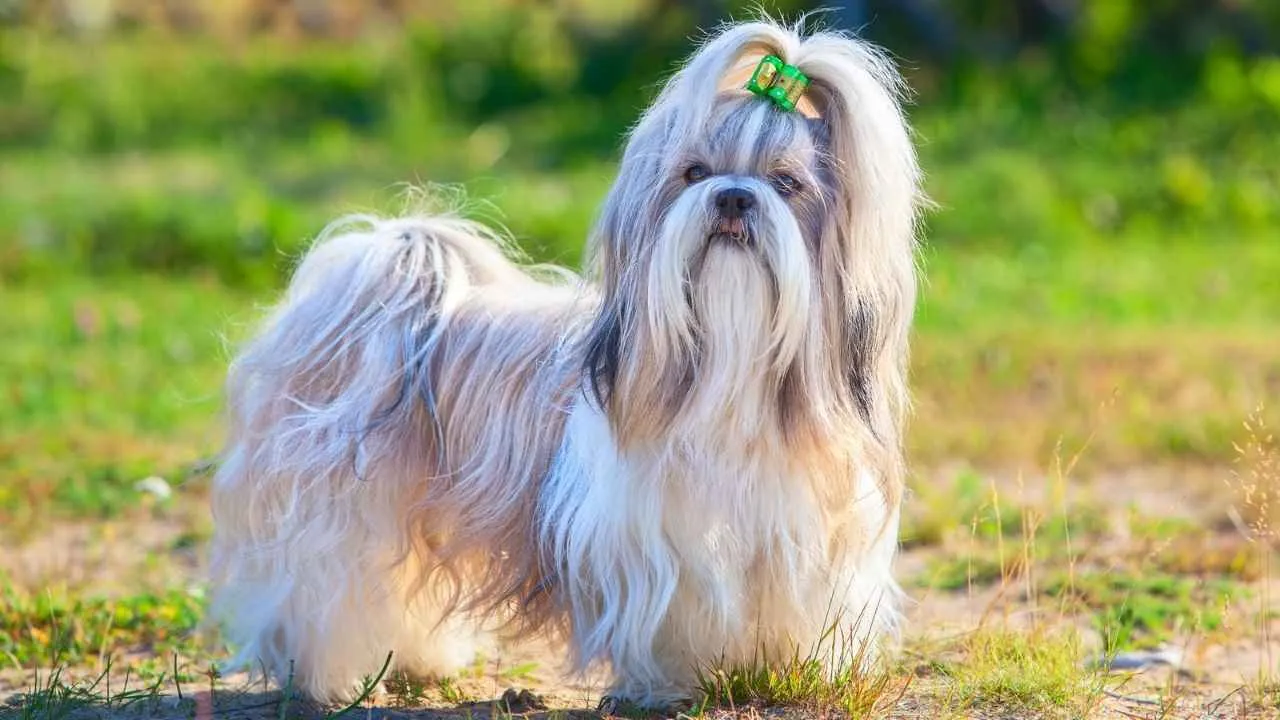
Shih Tzus are small dogs with an affectionate and outgoing personality. Their luxurious double coat comprises a soft and dense undercoat and a silky topcoat. You need to follow a consistent grooming routine to maintain their long coat.
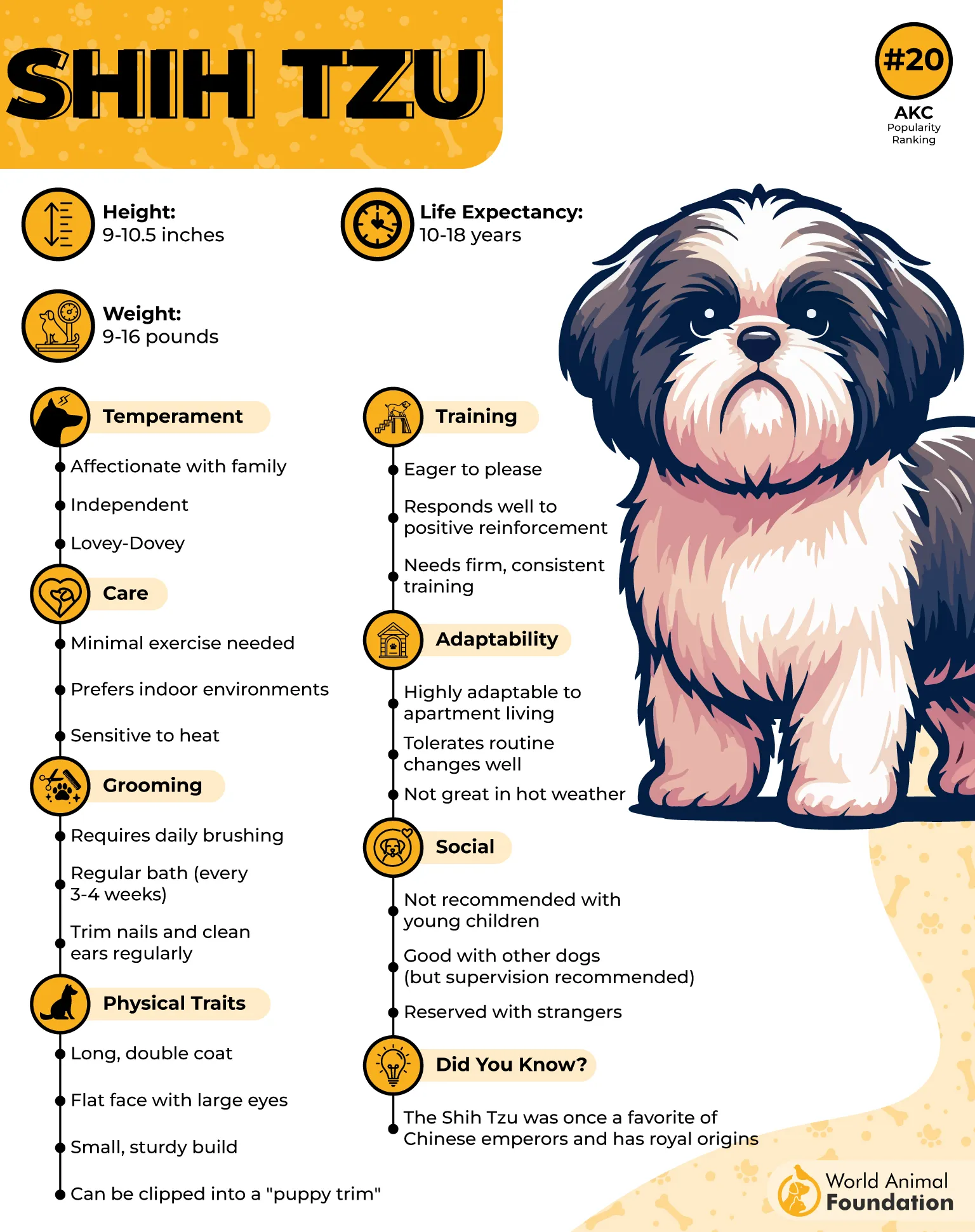
According to PetMD, the coat is prone to tangling and matting. So it requires daily brushing using a good-quality wire brush. Also, don’t forget to comb your dog’s mustache and topknot. A bath every three to four weeks also helps to keep the dog looking its best.
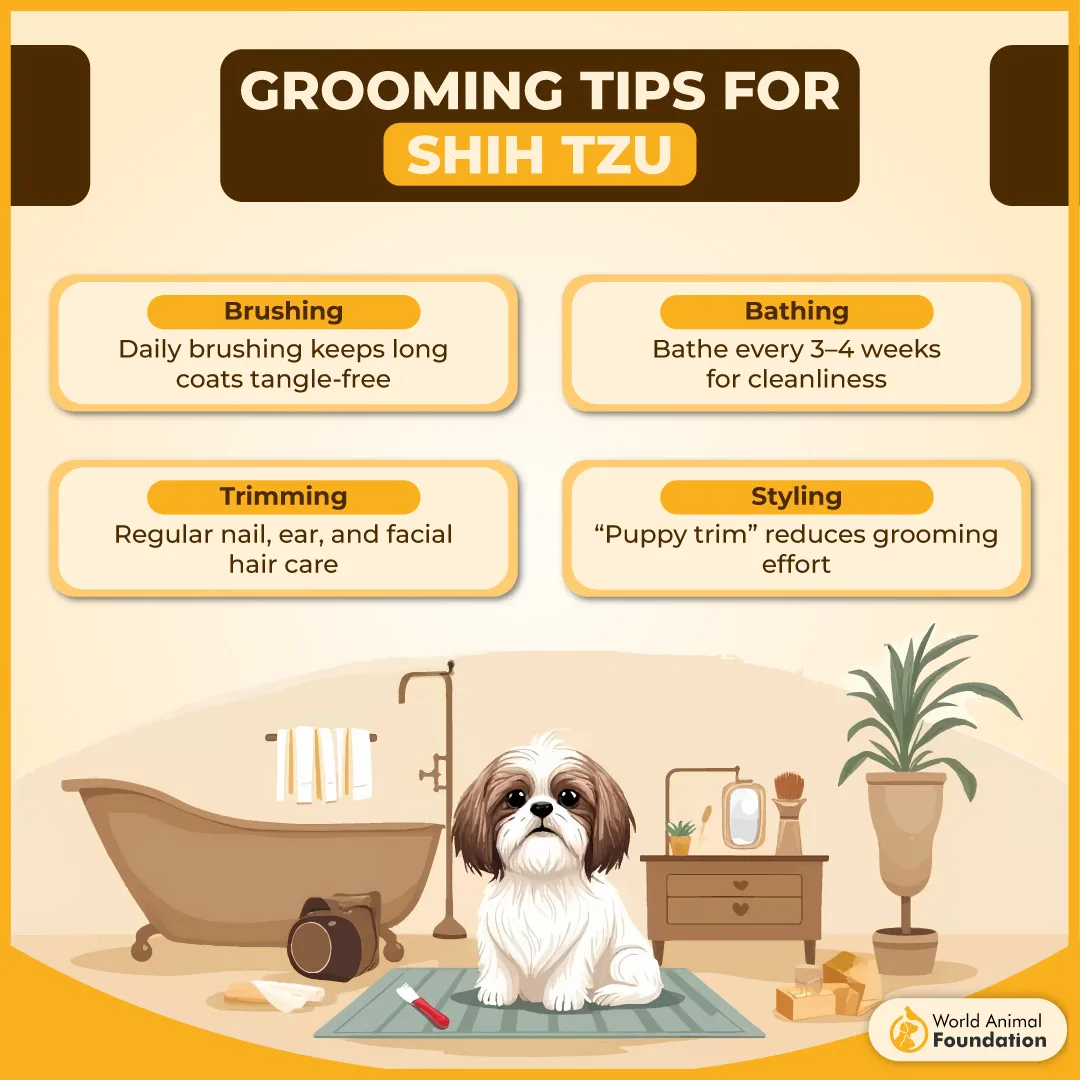
To keep the hair from getting into the eyes, it should be trimmed short and tied into a topknot. If you do not have enough time to keep up with your dog’s grooming needs, you can clip the coat into a ‘puppy coat.’ Nail trimming and ear cleaning should also be a part of the grooming routine.
4. Maltese
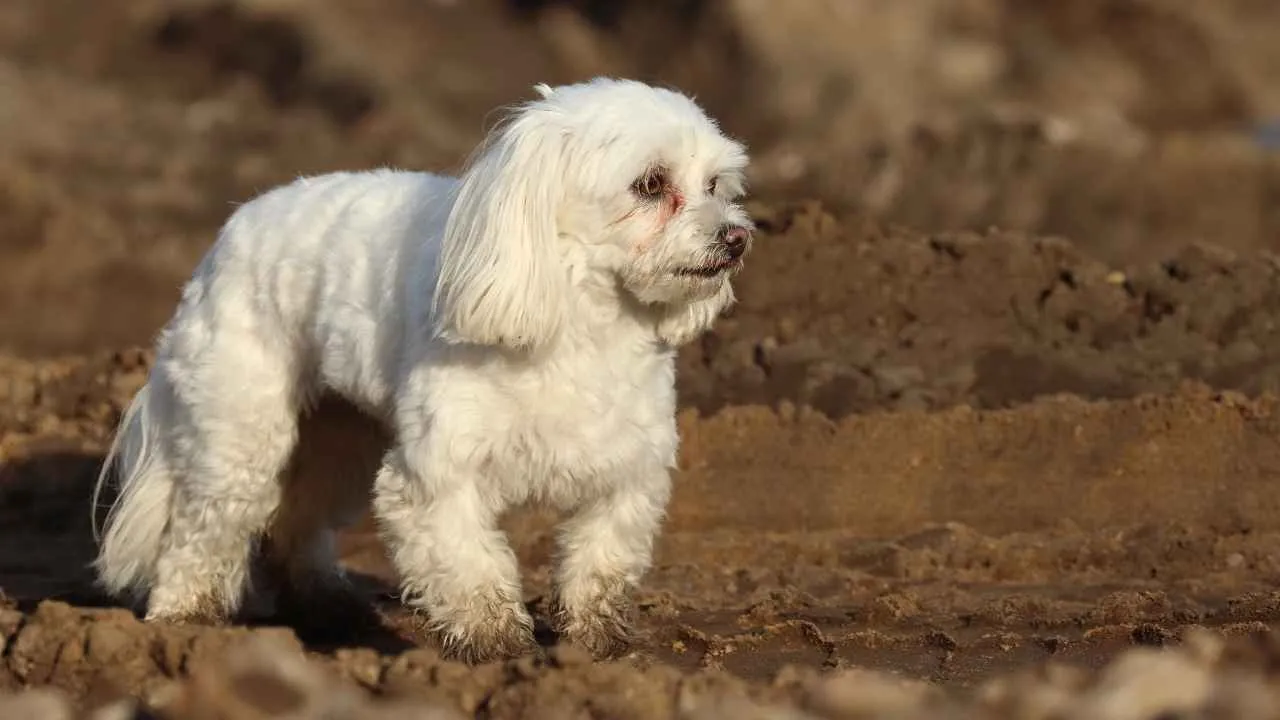
These beautiful small dogs usually have pure white coats, but they can also have touches of lemon and tan on the ears. The beautiful coat is highly prone to tangles and mats and needs frequent grooming to stay healthy.
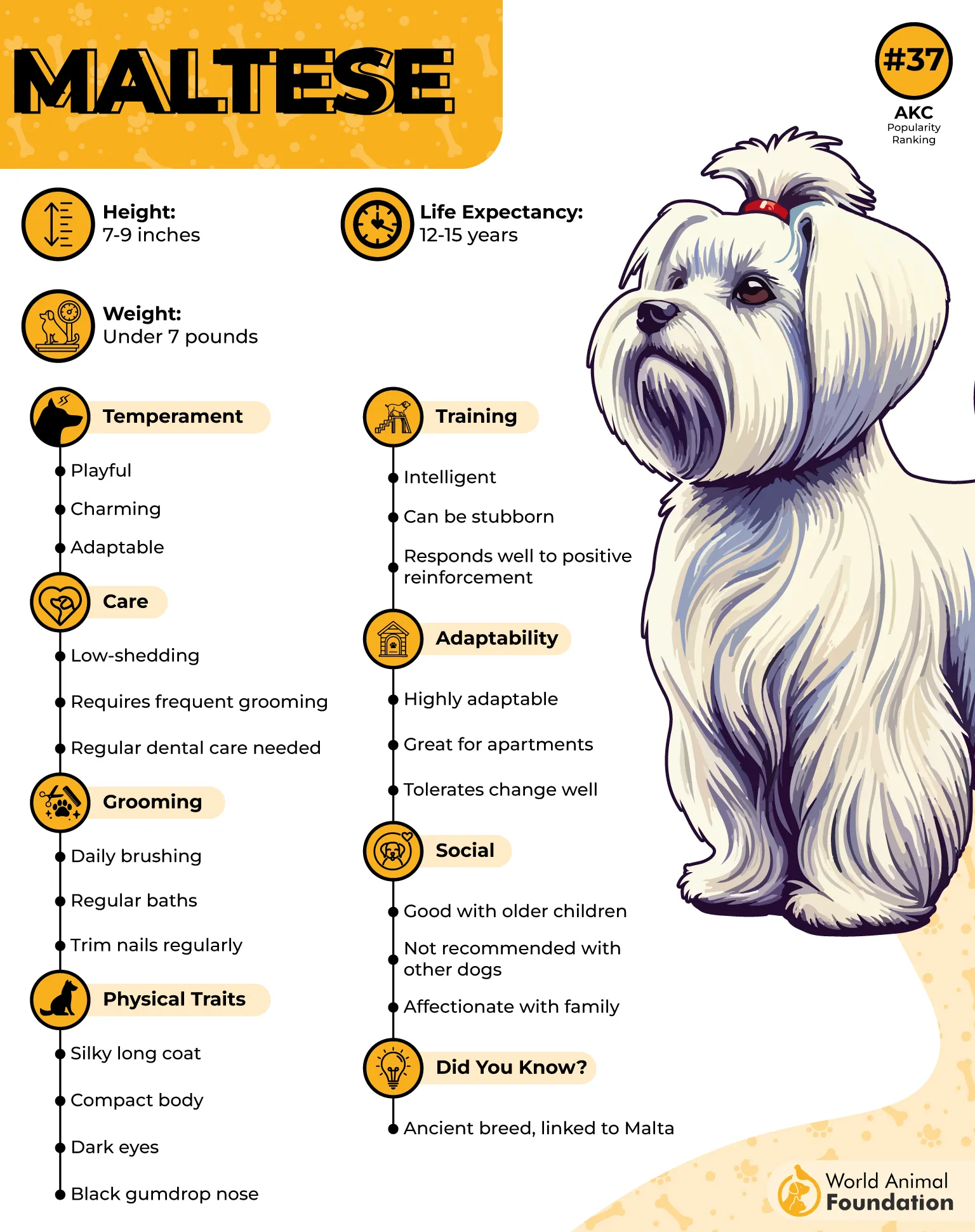
The eye-catching, single-layer of hair needs daily brushing and combing to look its best. If the coat is clipped short, it should be brushed once every three days. Maltese dogs need regular baths and coat conditioning to maintain their coats.
Nail trimming and ear cleaning should also be an important part of your furry friend’s grooming regimen. Maltese dogs are charming, playful, and low-shedding companions with a hypoallergenic coat. They are a perfect fit for apartment dwellers.
5. Yorkshire Terrier
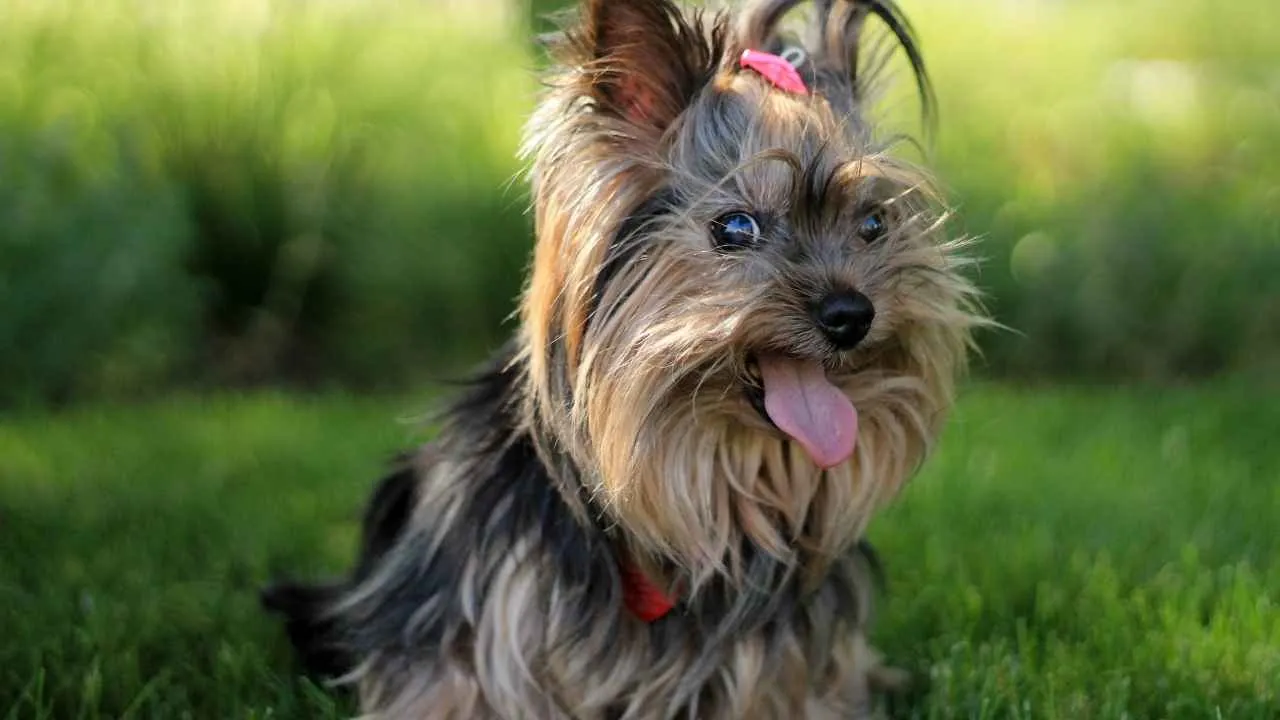
Yorkshire Terrier is a popular dog breed loved for its silky coat that resembles human hair. The coat needs lots of attention to stay free from tangles and mats. Regular brushing and more frequent grooming help to keep the coat in top-notch condition.
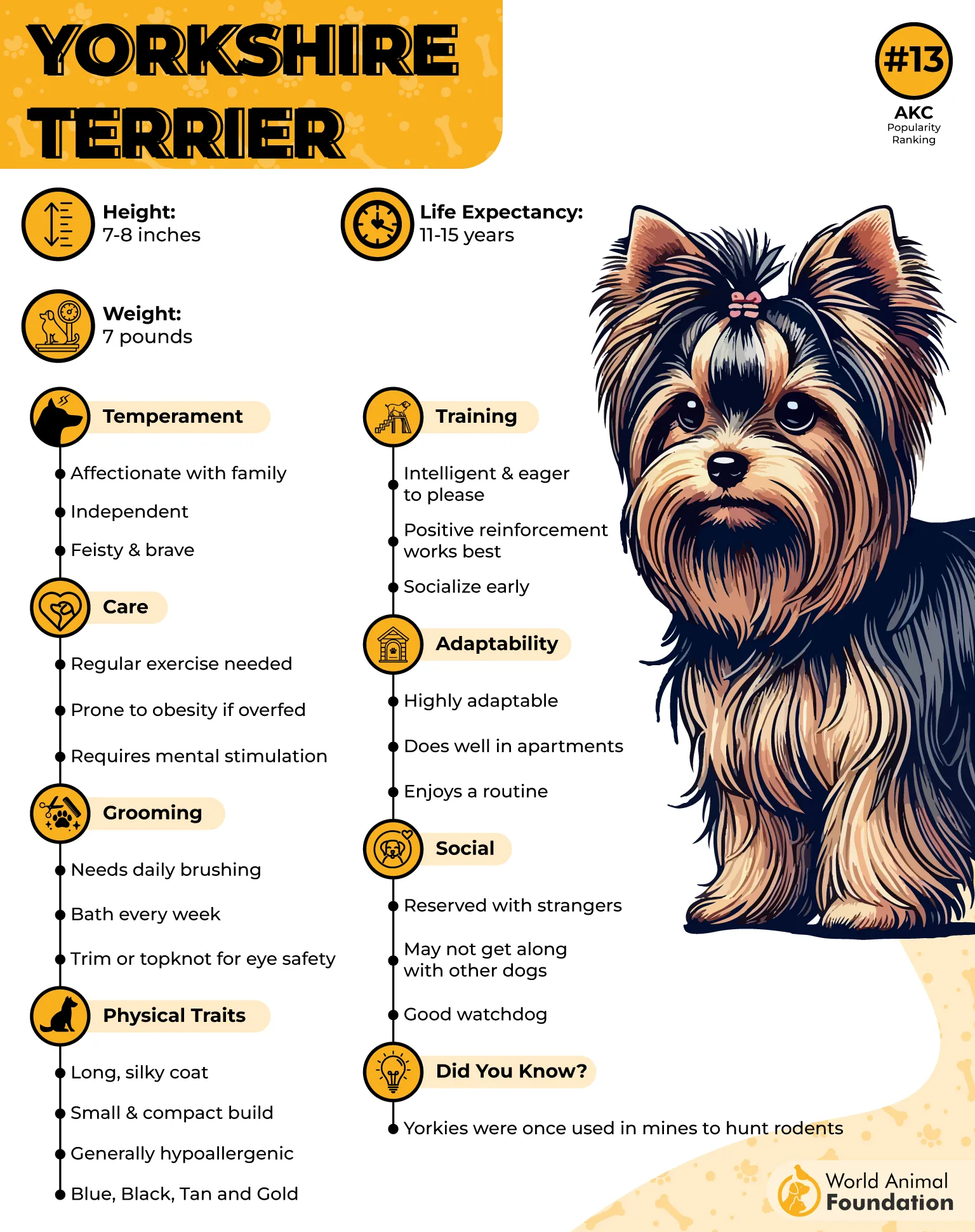
Royal Canin recommends brushing your Yorkie’s coat every day to maintain the coat. To avoid eye irritation, the hair on the upper part of the head should be trimmed short or tied into a topknot. Yorkshire Terriers also need to be bathed every week or so.
A unique aspect of this breed’s coat is that it lacks an undercoat, so the skin is more exposed to day-to-day elements such as heat, cold, and rain. Therefore, you need to keep a close check on their skin for reactions and wounds. Check your dog’s ears weekly for debris or any signs of infection.
6. Cocker Spaniel
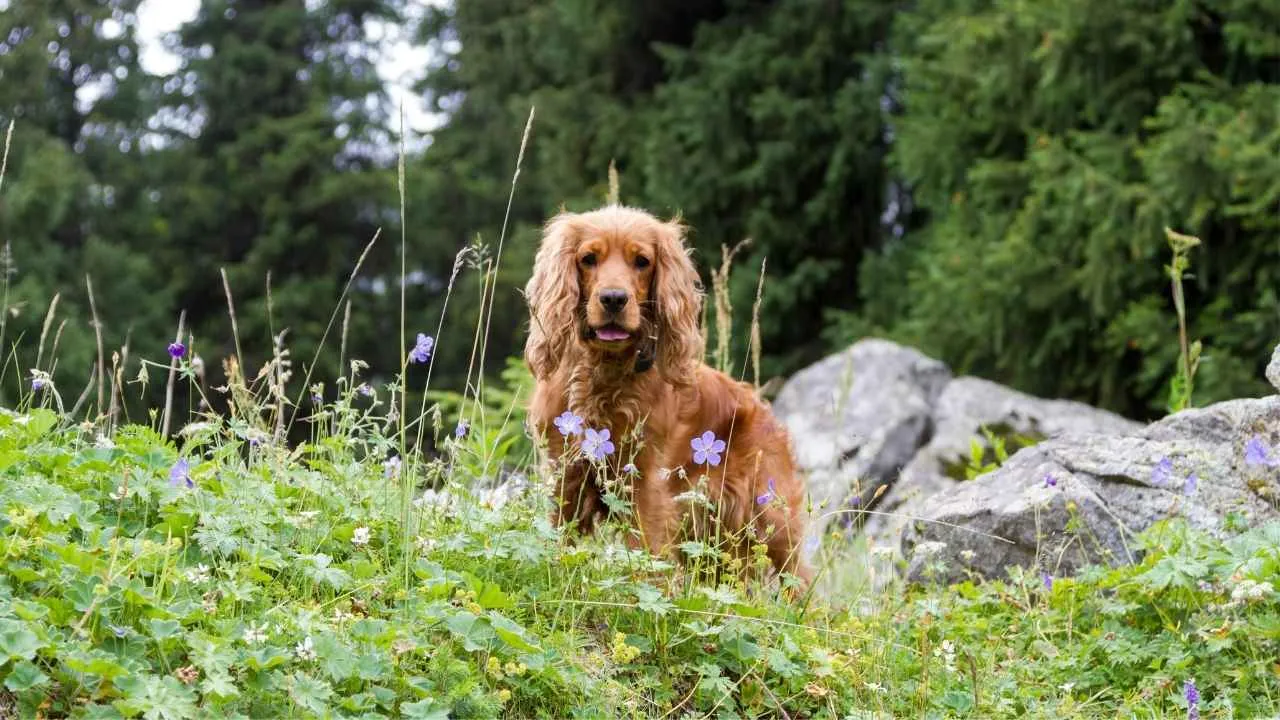
Cocker Spaniel is a smart and happy furry friend with big, dreamy eyes and an impish personality. Their long, stunning coats need regular grooming to prevent matting and tangles. Grooming sessions missed are not easily made up, so make sure to take time out every day for this purpose.
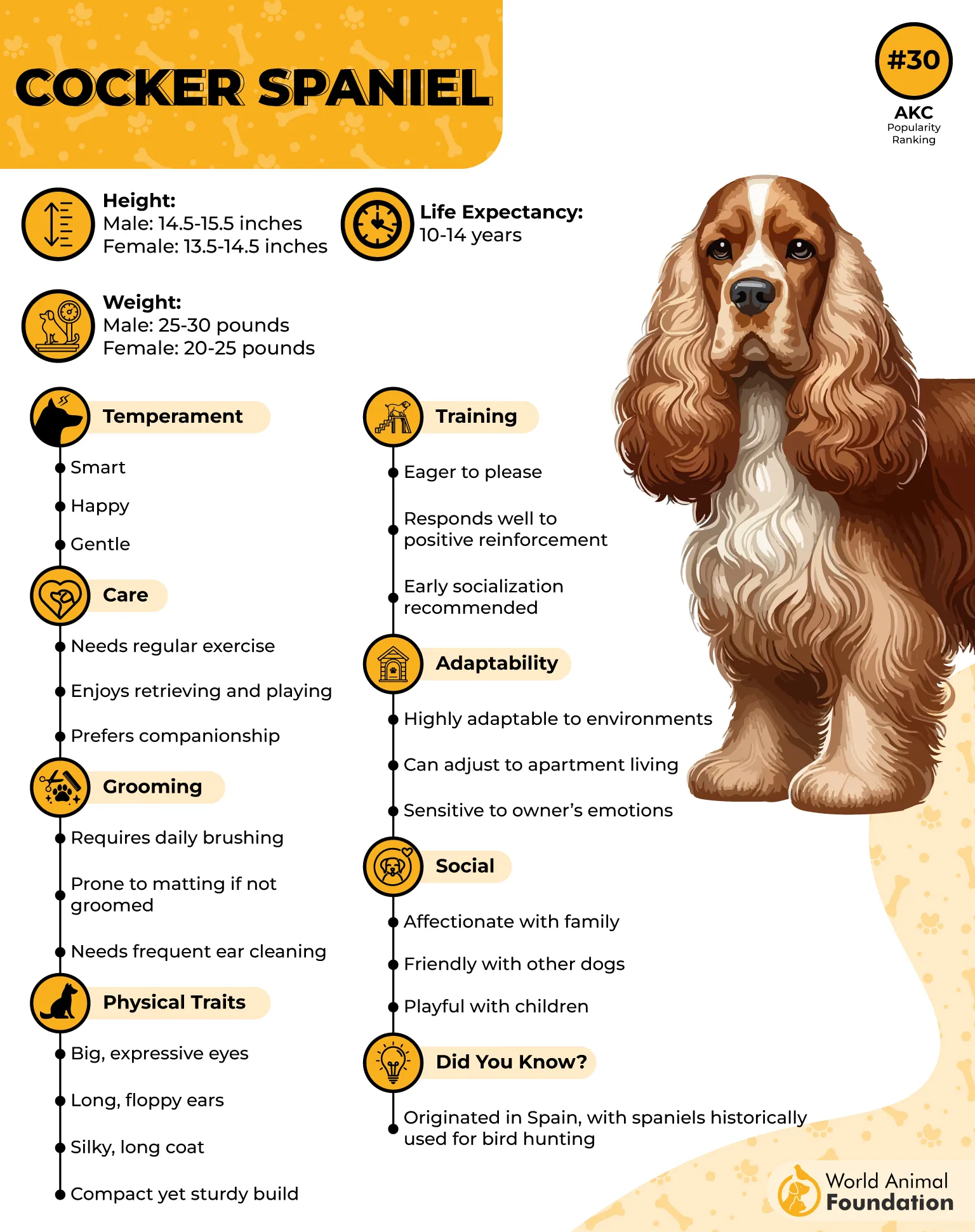
Use a metal comb to brush your dog’s coat, and while doing so, keep looking for snarls. Be extra cautious while brushing the ears. Thorough bathing using a good-quality dog shampoo helps keep the dog clean and tidy. Remove all soap residue to avoid itching, and blow-dry the fur later on.
You can also take your double-coated fellow for professional grooming services every six weeks. These energetic sporting dogs require daily exercise to stay physically and mentally fit. Having an eager-to-please nature, they respond best to positive training.
7. Bichon Frise
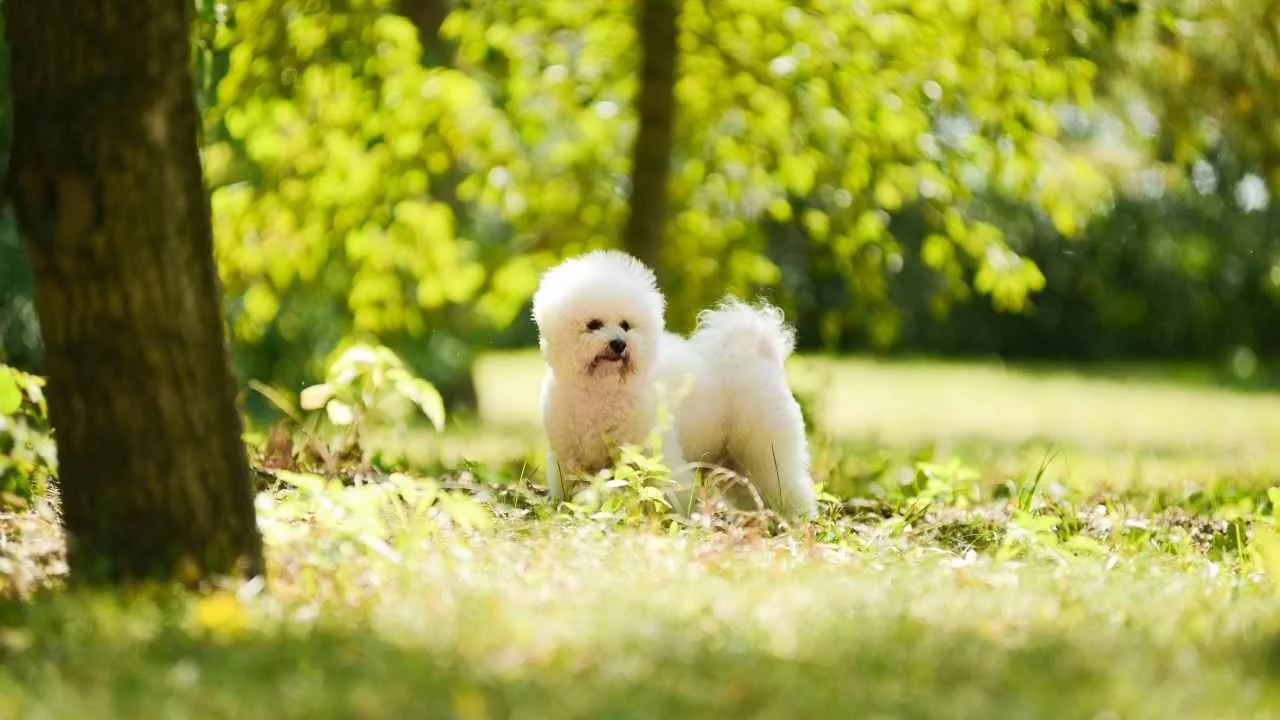
Bichon Frise is a high-maintenance breed when it comes to grooming. They need extensive grooming sessions, including regular brushing, to keep their coats healthy. Brushing not only helps avoid tangles and mats, but also helps distribute natural oils throughout.
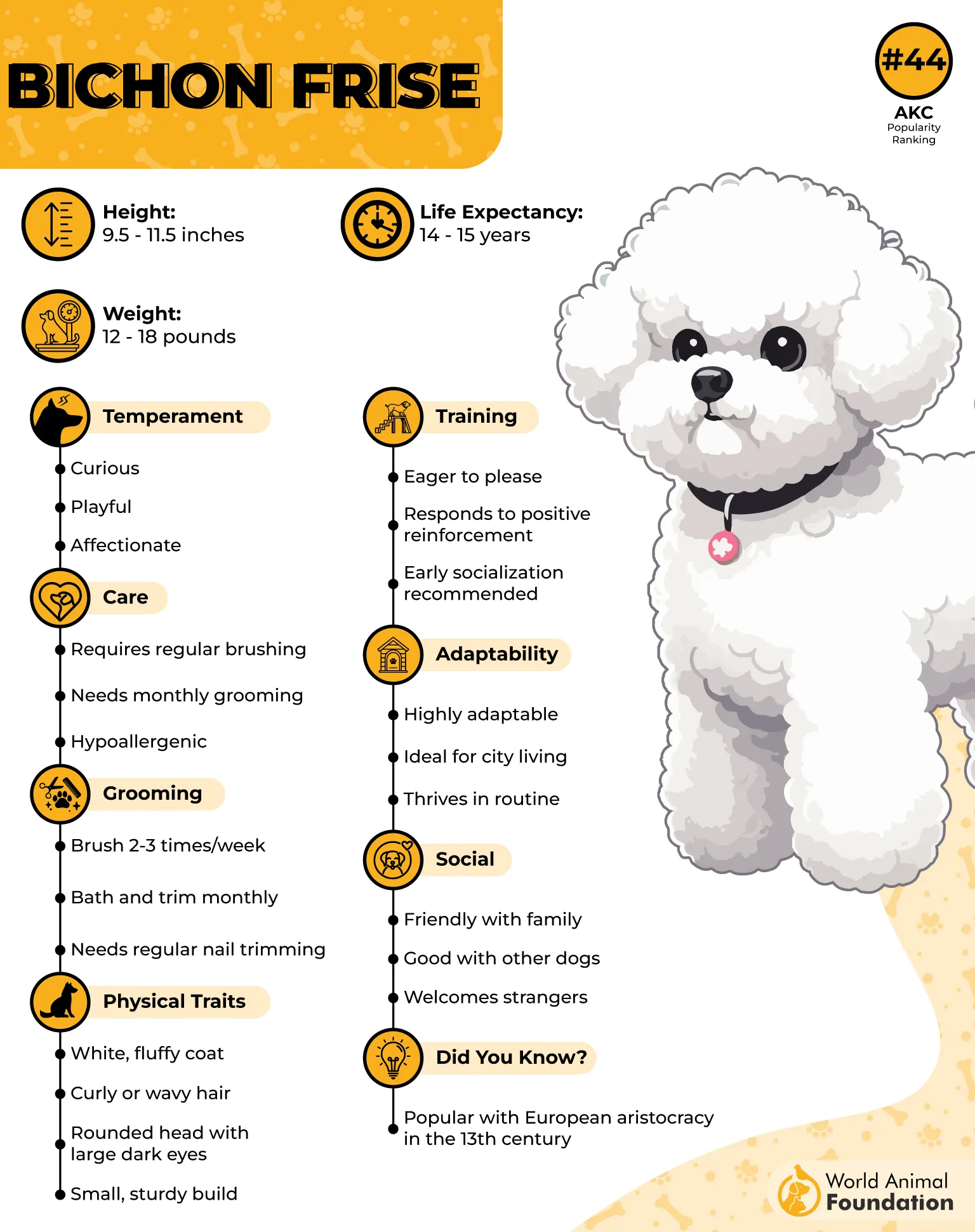
These double-coated fellows also need monthly baths. Bichon Frise are hypoallergenic dogs who shed minimally, so they make a good fit for allergy sufferers. Also, you need not worry about pet dander. Apart from brushing the coat two to three times a week, make sure to trim nails and clean ears.
When it comes to their personality, these toy dogs are full of love and affection. These peppy and curious dogs are quite adaptable and can adjust well in a variety of households. Their happy-go-lucky personality draws smiles wherever they go.
8. Afghan Hound
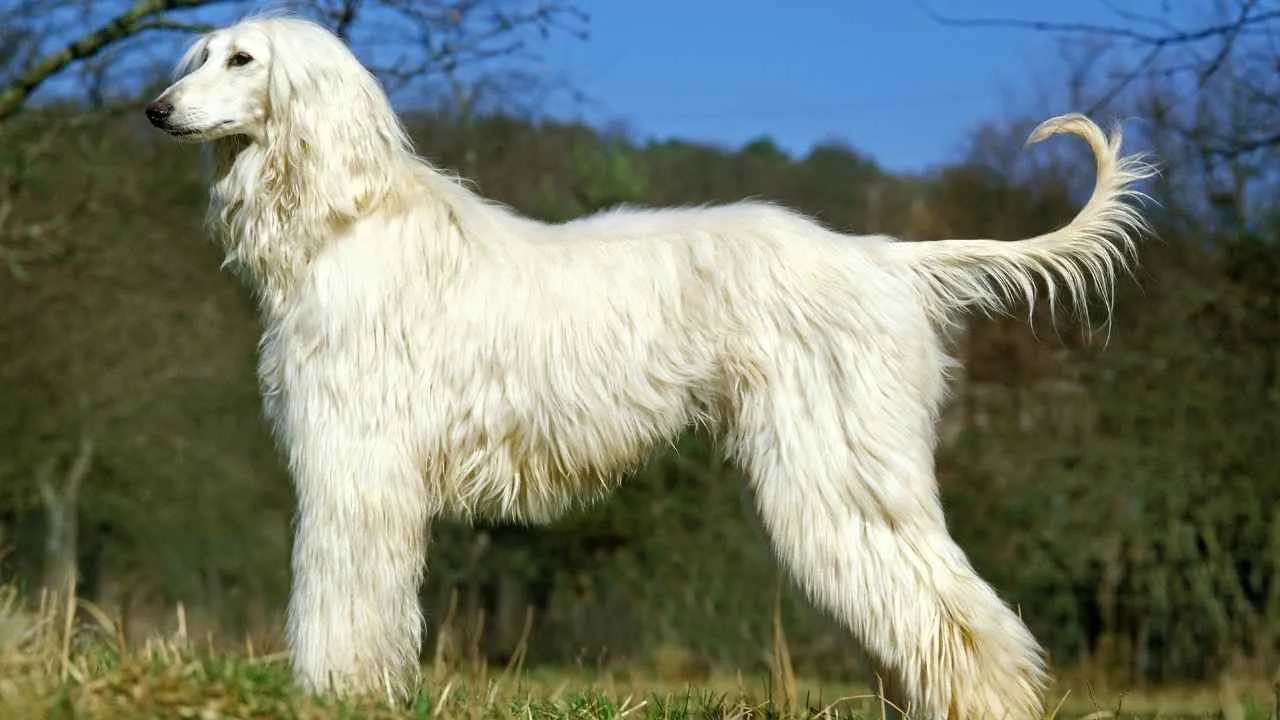
Originally bred to hunt game in the snowy mountains of Afghanistan, Afghan Hounds possess a thick double coat. Afghan puppies have short and fuzzy coats that do not require consistent grooming. However, adult dogs have long, silky coats.
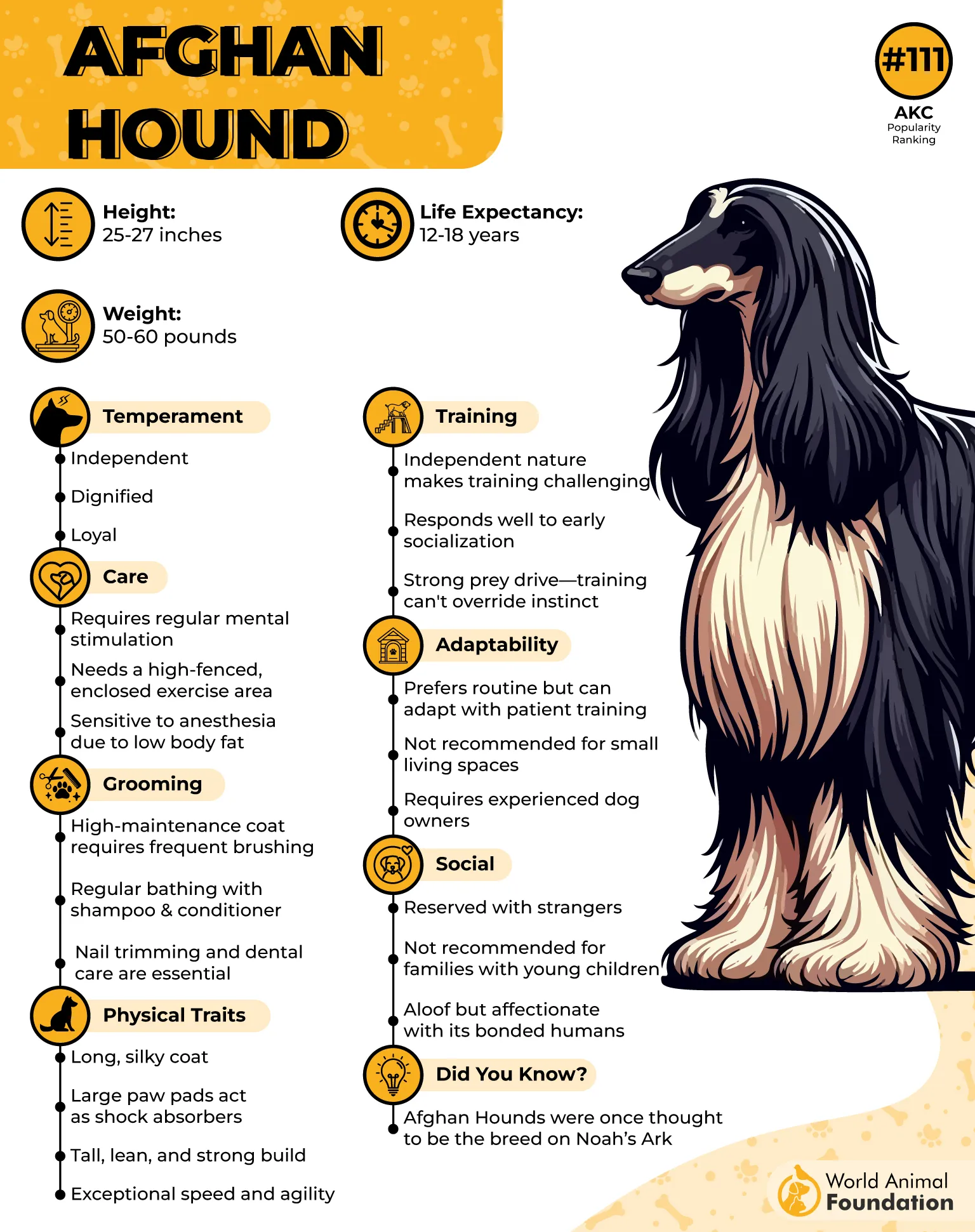
Brushing several times a week helps keep the coat free from tangles and mats. Grooming sessions also help get rid of any sort of debris that gets stuck in the fur. Regular bathing using a shampoo and conditioner is also a must.
Nail trimming and regular teeth brushing should also be a part of your Afghan Hound’s grooming schedule. Afghan Hounds are loyal companions, but tend to be reserved towards strangers. Their independent yet sweet personalities make them stand out from other breeds.
9. Komondor
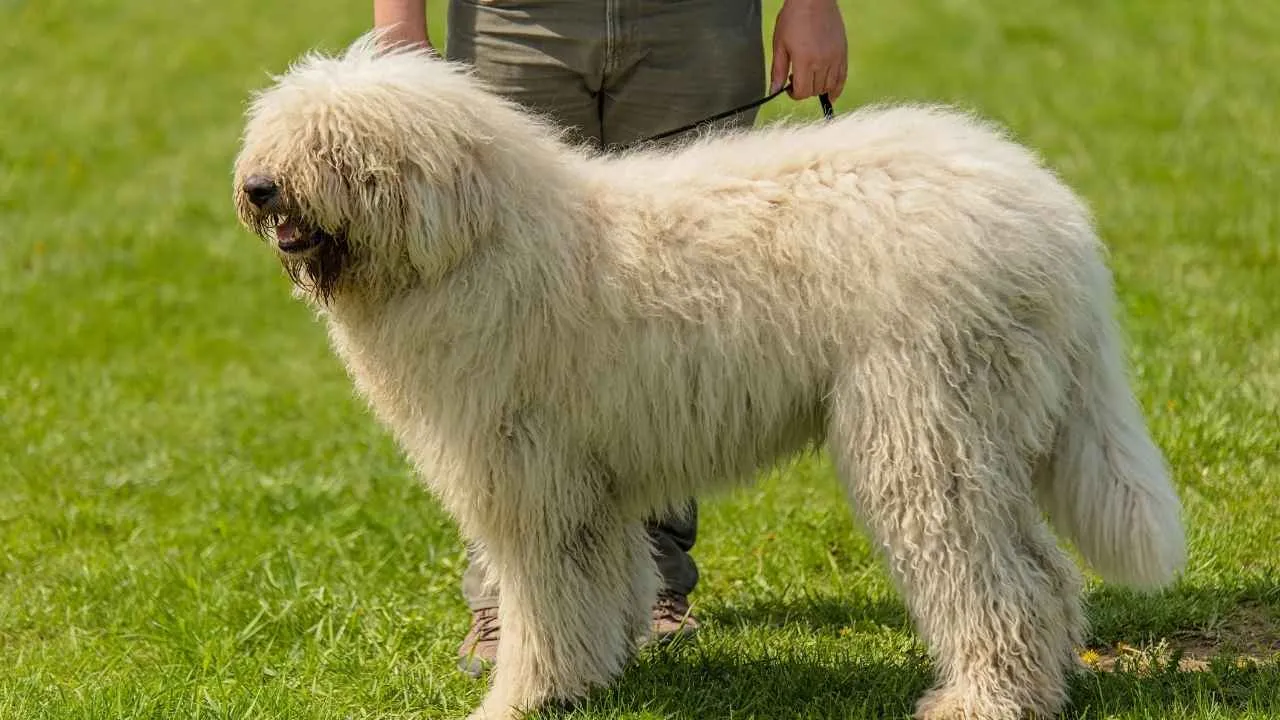
Komondor is a dignified, loyal, and brave dog recognized by its distinctive corded coat. Due to its unique appearance, the coat demands special attention. A Komondor’s coat does not need to be brushed or combed, as it would hinder the natural development of cords.
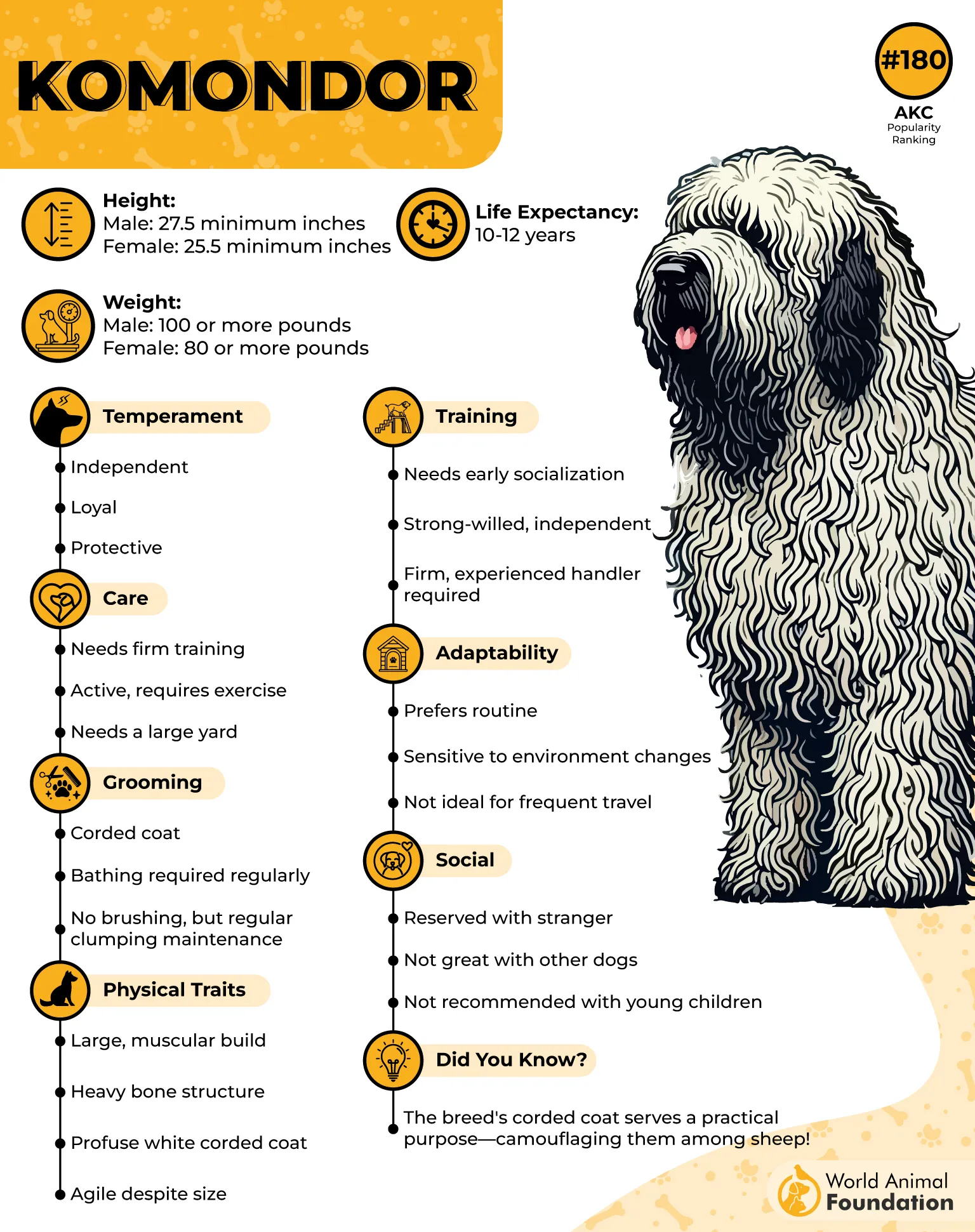
Instead, you can gently separate the cords using your fingers. Bathing helps remove dirt and debris from the coat. Clean the cords with a diluted shampoo every four to six weeks. Keeping the cords clean and preventing matting can be a time-consuming task.
These powerful and large dogs are affectionate to their owners but tend to be reserved towards strangers. These devoted companions have a protective streak for their family members. They need daily exercise and mental enrichment to stay healthy and content.
Conclusion
Each dog breed is unique in its own way in terms of grooming. Some breeds are quite high maintenance, while others need minimal coat care to look clean and tidy. For instance, long-haired breeds need regular grooming and frequent bathing to look beautiful.
Regular brushing helps prevent mats and tangles and distributes natural oils evenly through the skin. Bathing, on the other hand, helps remove dirt and debris. Apart from regular grooming, these dogs have regular exercise needs as well.
