




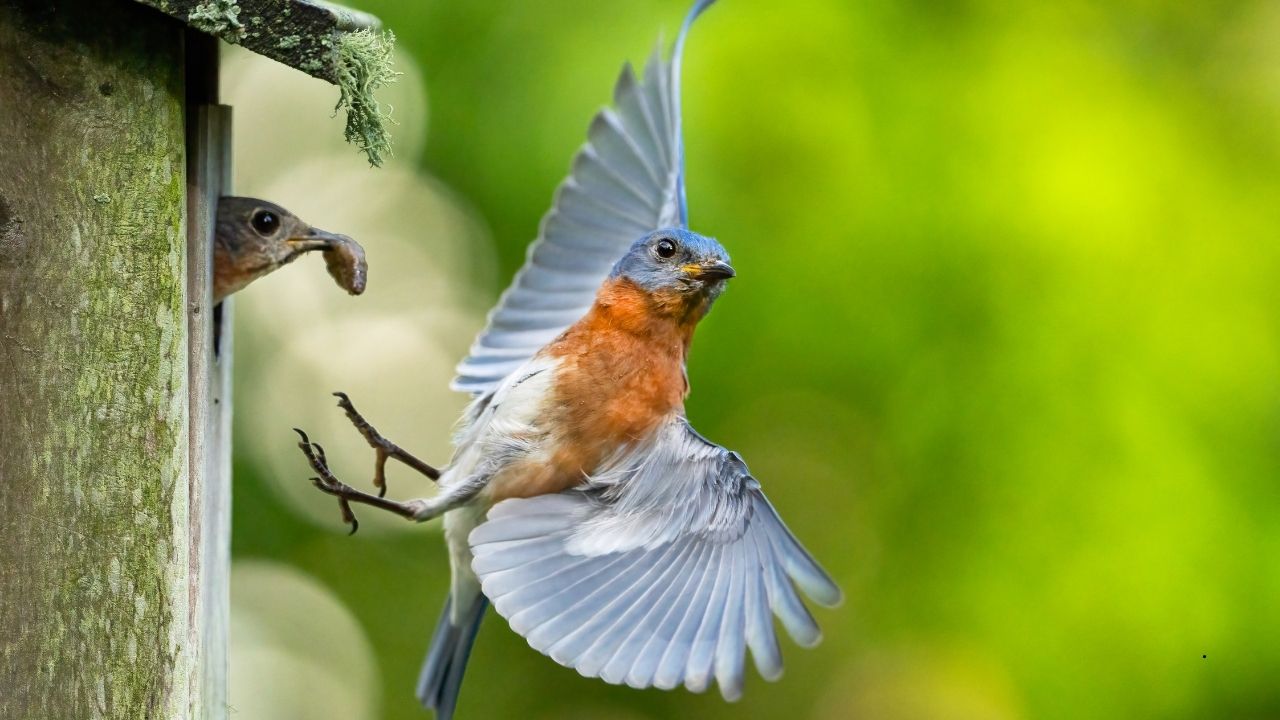
Birds see the world in a way that’s completely beyond human experience—they can actually detect ultraviolet (UV) light! Unlike us, whose eyes pick up only red, green, and blue, many birds have a special ability to perceive colors in the ultraviolet range. This means their colorful world is richer, brighter, and full of signals we can’t even imagine.
This surprising fact was first uncovered accidentally in the 1970s, when scientists realized pigeons could see UV light—a discovery that challenged the old assumption that birds’ vision is just like ours.
Birds’ eyes contain extra types of cells that capture UV rays, giving them a “tetrachromatic” view of the world—four color channels instead of our three.
This unique superpower means birds experience nature in a whole new light, literally revealing hidden patterns and colors that help them survive and communicate.
Key Takeaways
See how starlings, kestrels, and bluebirds reveal a hidden world through UV vision.
Find out how birds use UV light to hunt, attract mates, and communicate secretly.
Discover why budgerigars and pigeons glow in ways we can’t see.
Unlock the secret behind birds’ stunning colors and hidden signals.
Birds That Can See Ultraviolet Light
1. European Starling
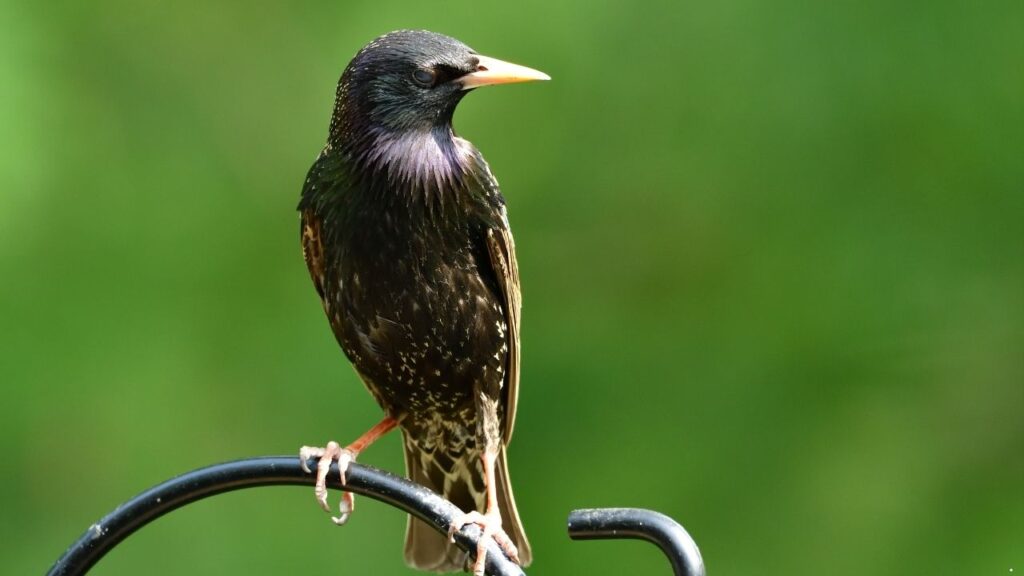
The European Starling is one of the most common birds in North America. Introduced in the late 1800s, it quickly spread across the continent. Though often seen as a nuisance because of its large flocks and aggressive behavior, this bird is actually quite fascinating.
Its plumage changes with the seasons—from white-spotted in winter to glossy, dark feathers in summer that shimmer with green and purple tones.
Starling Behavior and Adaptability
Often gathers in large, noisy flocks during fall and winter.
Males use impressive mimicry skills during the breeding season, copying other birds’ songs.
Sharp, pointed yellow bills and a chunky shape help identify them.
Known for their toughness, intelligence, and social nature.
Seeing the Invisible: UV Vision in Starlings
What makes European Starlings truly unique is their ability to see ultraviolet (UV) light. This special vision helps males stand out during courtship by showing off plumage that glows brightly under UV rays.
While humans miss these dazzling displays, starlings use their UV vision to communicate and attract mates in ways invisible to us. This hidden glow gives them a secret advantage in the bird world.
2. Blue Tit
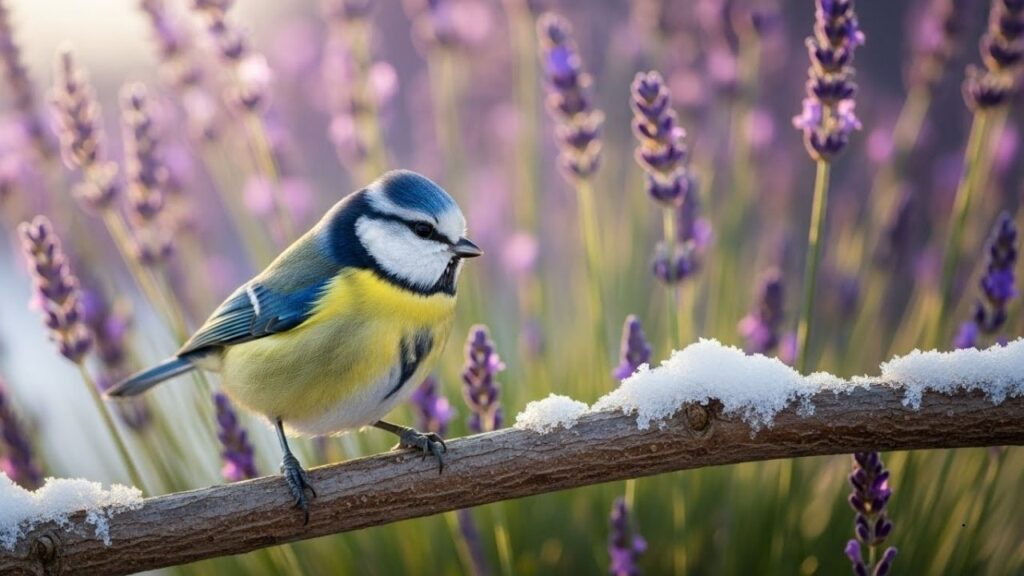
The Blue Tit is a small, lively bird commonly found across Europe and parts of western Asia. Often seen flitting through gardens, woodlands, and parks, it is well-loved for its bold colors and energetic behavior. Its bright blue and yellow plumage makes it easy to spot as it hops through branches searching for food.
Appearance and Everyday Life
Bright blue cap, wings, and tail with a yellow underside.
White face with a dark eye stripe, giving it a curious look.
Frequently visits gardens and nest boxes, especially during breeding season.
Active, agile, and rarely still for long.
Seeing UV Light: A Crown with a Hidden Message
Blue Tits can see ultraviolet (UV) light, and this ability plays a key role in mate choice. Their blue crown reflects UV light strongly, making it appear brighter to other Blue Tits than to humans.
Females prefer males with more intense UV reflection, as it signals good health and strong genetics. This hidden glow turns an already colorful bird into a standout performer in the world of UV vision.
3. Kestrel
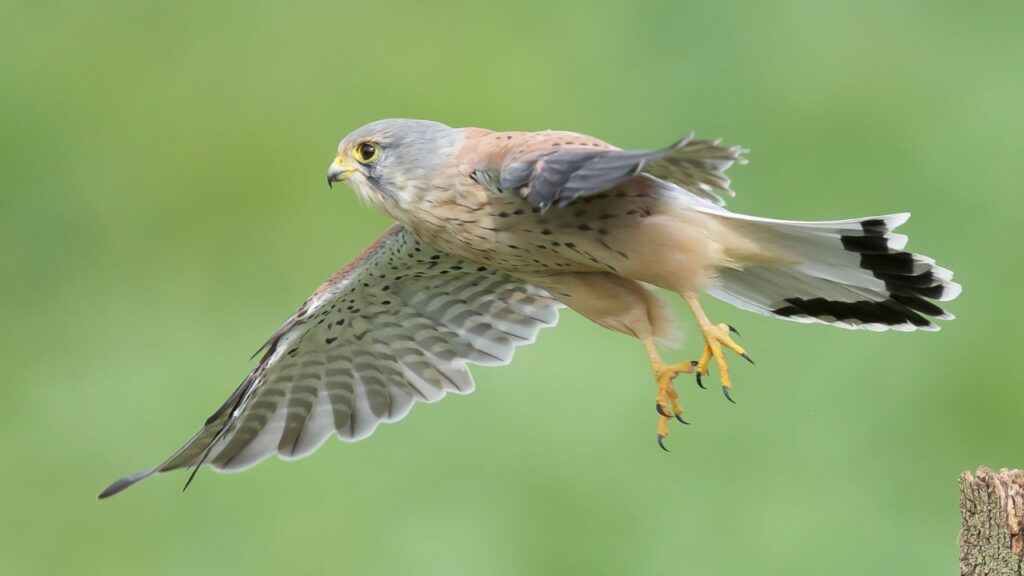
The Common Kestrel is a small falcon known for its skillful hunting and distinctive hovering flight. You’ll often spot it near roadsides or open fields, patiently scanning for prey.
Though kestrel numbers have dropped since the 1970s, mostly due to changes in farming, they’ve adapted well to urban areas and can even thrive in cities.
Habitat and Behavior
Prefers open spaces like grasslands, farmland, and heathlands.
Also found in towns and villages, showing great adaptability.
Known for hovering in mid-air while hunting.
Mainly feeds on small mammals such as field voles.
Seeing the Unseen: UV Vision Helps Hunt
One amazing fact about the Common Kestrel is its ability to see ultraviolet (UV) light. This helps it spot vole urine trails that glow under UV rays.
These glowing trails act like a treasure map, guiding the kestrel straight to its next meal. Thanks to this unique vision, hunting becomes much easier and more efficient, giving the kestrel a real advantage in finding food.
4. Zebra Finch
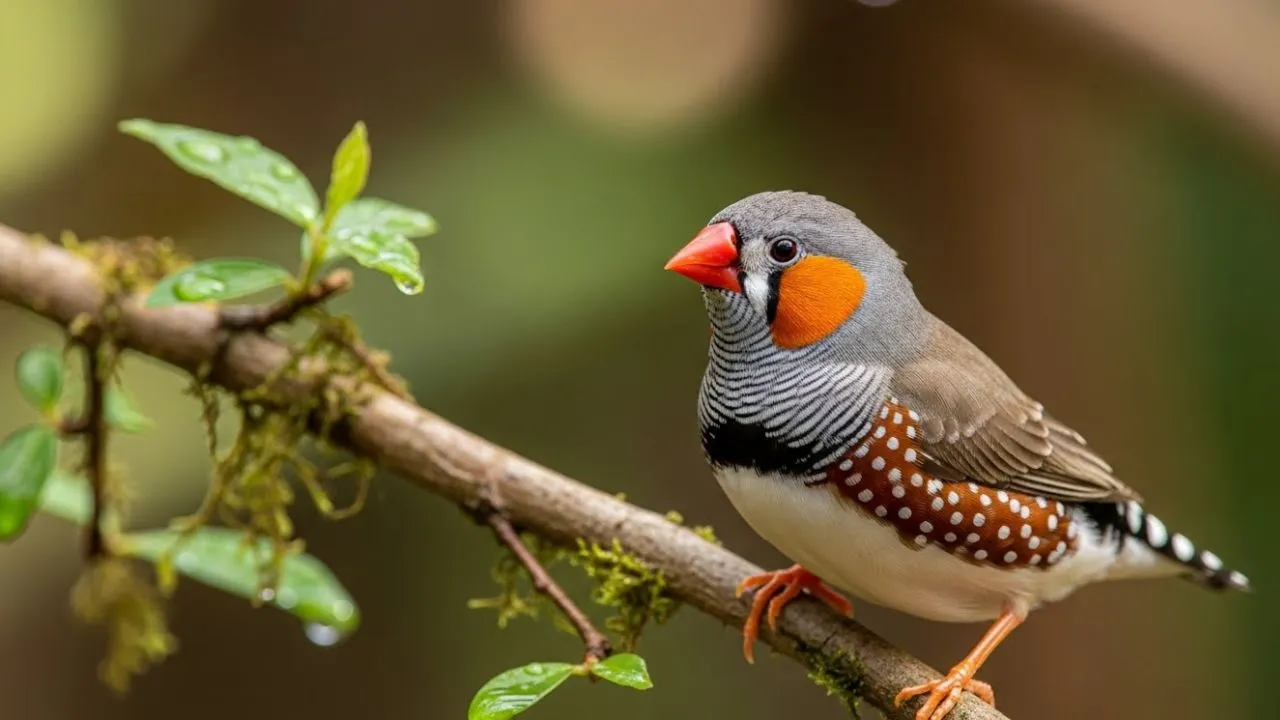
Zebra Finches are small, charming birds well known for their striking patterns and social nature. They have bright orange bills and distinctive black-and-white markings that make them easy to spot.
Native to arid parts of inland Australia, these finches often gather in large flocks. Popular as pets for over a century, they are hardy and easy to care for, making them a favorite among bird lovers.
Appearance and Behavior
Males have chestnut cheek patches, black-and-white “zebra-like” barring on the rump, and spotted flanks.
Females and juveniles are mostly gray with less distinct markings.
Both sexes have red eyes and orange-yellow legs and feet.
Known for living in large groups and socializing actively.
Seeing UV Light: Picking the Best Partners
Zebra Finches use their ultraviolet vision to choose mates with the brightest beaks and feathers. This UV glow signals health and vitality, helping them pick strong partners.
It’s like they’re art connoisseurs, appreciating the finest colors invisible to us. This special ability ensures only the healthiest birds get to pass on their genes, keeping the species strong and vibrant.
5. Rock Pigeon
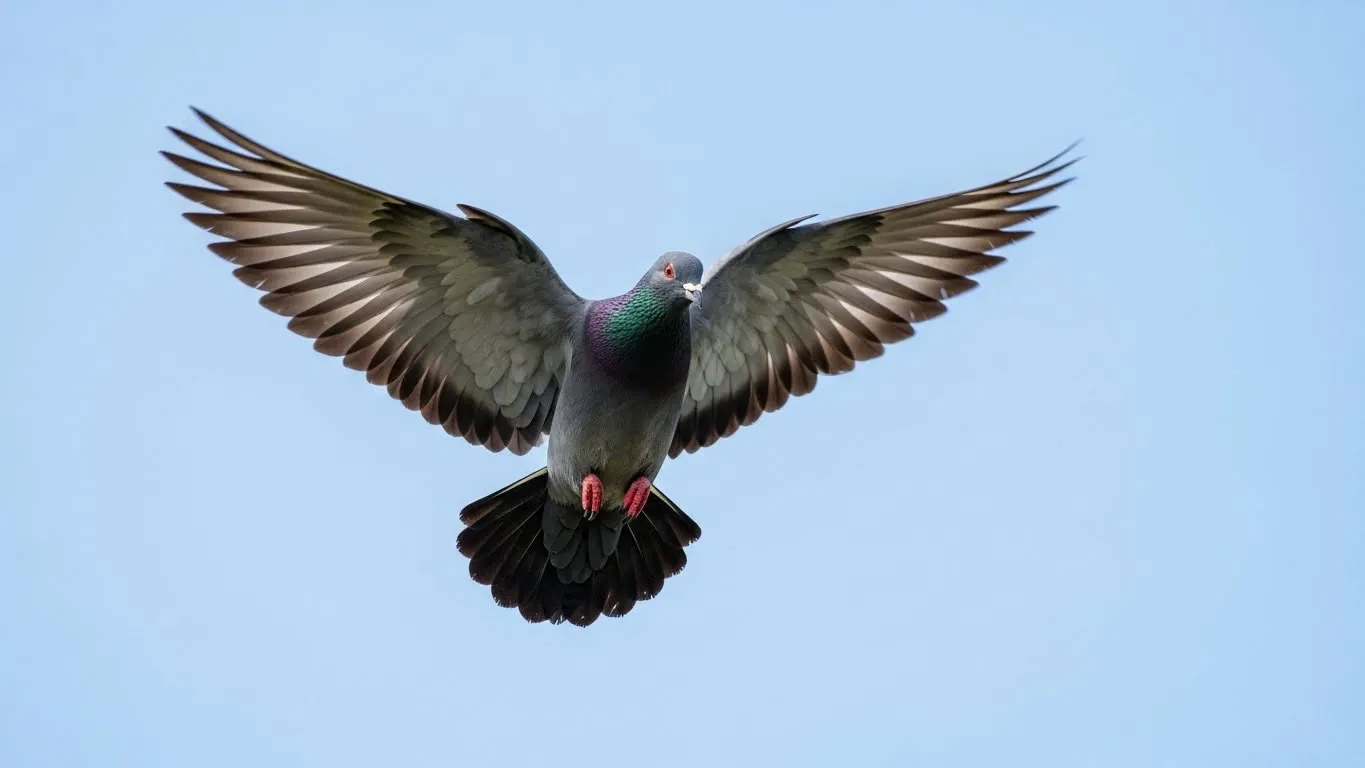
Rock Pigeons, also known as rock doves, are the familiar birds we see flocking in city parks, streets, and public squares worldwide.
Originally from Europe and Asia, they were introduced to North America in the early 1600s, as mentioned by the Cornell Lab. These adaptable birds live in cities, nesting on buildings, window ledges, and bridges, but they also thrive in the countryside on cliffs and barns.
Appearance and Habitat
Wild rock pigeons have pale gray bodies with two dark wing bars.
Their neck feathers shimmer with iridescent green and purple colors.
Feral pigeons come in many colors, including black, white, rusty red, and spotted.
They form large flocks and often feed on discarded food and birdseed.
UV Vision and Iridescence: More Than Just Pretty Feathers
Rock pigeons’ neck feathers sparkle with colors that become even more vivid under ultraviolet (UV) light. This dazzling display is not just for beauty—it helps pigeons communicate and signal to each other.
Their ability to see UV light adds an extra layer to their colorful world, making social interactions more vibrant and meaningful. So, these city birds aren’t just plain pigeons—they’re dazzling creatures with a hidden, colorful life.
6. Budgerigar

Budgerigars, or budgies, are small parrots native to Australia’s dry inland regions. Known for their bright green and yellow feathers with black barring, these lively birds travel in flocks across scrublands, grasslands, and open woods in search of food and water.
Budgies are well adapted to survive harsh, dry environments, and their vibrant plumage makes them easy to spot as they zip through the skies.
Appearance and Habitat
Bright green and yellow feathers with distinctive black barring.
Males have a dark blue cere; females show brownish or light blue cere, depending on breeding status.
Nomadic, moving in flocks to find food and water.
Found mainly in Australia’s arid and semi-arid interiors.
Seeing UV Light: Fluorescence and Mate Choice
Budgerigars have a fascinating ability to see ultraviolet (UV) light, which reveals hidden yellow fluorescence in their crown and cheek feathers. This glow comes from unique pigments called psittacofulvins.
According to Veterinary Practice News, female budgies prefer males with stronger fluorescent patterns, making UV vision key in mate selection. These secret signals help budgies communicate health and genetic quality, creating a private color code invisible to predators but clear to other budgies.
7. Eastern Bluebird
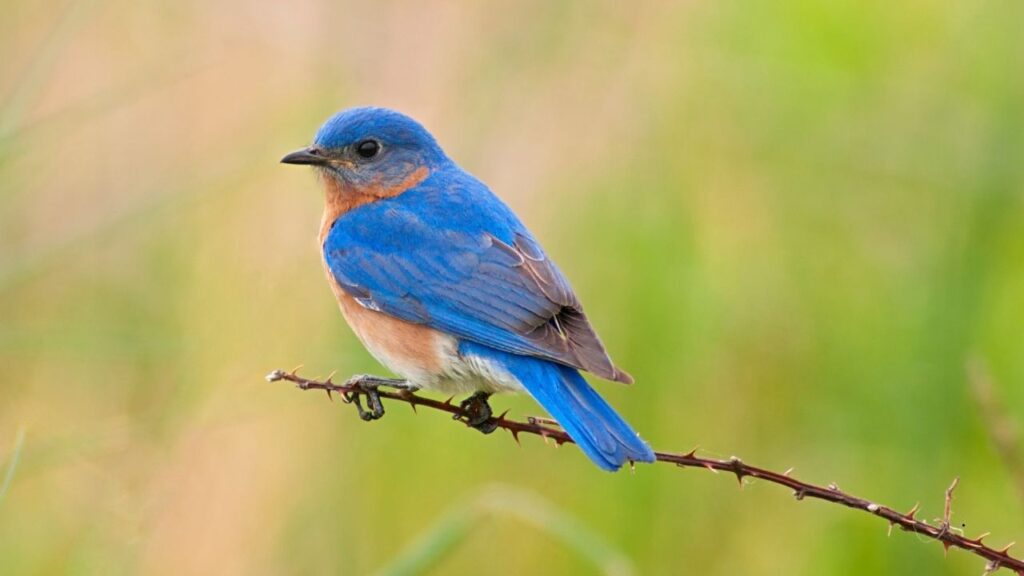
The Eastern Bluebird is a beloved bird found across much of eastern North America, and even as far south as Nicaragua.
Known for its bright blue feathers and warm reddish-brown breast, this bird often perches on telephone wires or nest boxes. Its soft, wavering call and approachable nature have made it a favorite among bird watchers and nature lovers alike.
Appearance and Behavior
Males have brilliant royal blue on the head and back, with rusty red on the breast.
Females display softer gray-blue wings and tail with paler underparts.
Frequently found in small flocks outside of nesting season.
Often nests in birdhouses along “bluebird trails” set up to support them.
Seeing UV Light: Making Colors Pop
Eastern Bluebirds use their ultraviolet (UV) vision to see their own bright feathers in a new light. The UV reflection makes their blue feathers even more vivid, helping males attract mates during the breeding season.
It’s like they’re wearing a special outfit designed to catch the eye, giving them an advantage in the natural fashion show of mate selection.
Conclusion
Bird species exhibit a wide range of UV reflectance, with many bird species, including migratory birds and night-flying birds, possessing UV-reflective forehead patches that play a crucial role in their communication and signaling.
Researchers suggest that UV color helps birds stand out, even in dim light conditions, making them active during dawn and dusk. UV-sensitive vision, found in most birds, allows them to detect UV signals that are invisible to human eyes, enabling them to identify mates and navigate their environment effectively.
Animals, particularly birds and insects, utilize UV reflection and UV color for various purposes, including mating, foraging, and predator avoidance. UV color and UV reflective properties are vital for survival, helping birds to communicate, find food, and avoid predators.
The study of UV color in birds and insects enhances our understanding of their behavior, interactions, and the evolutionary advantages of UV-sensitive vision.
