




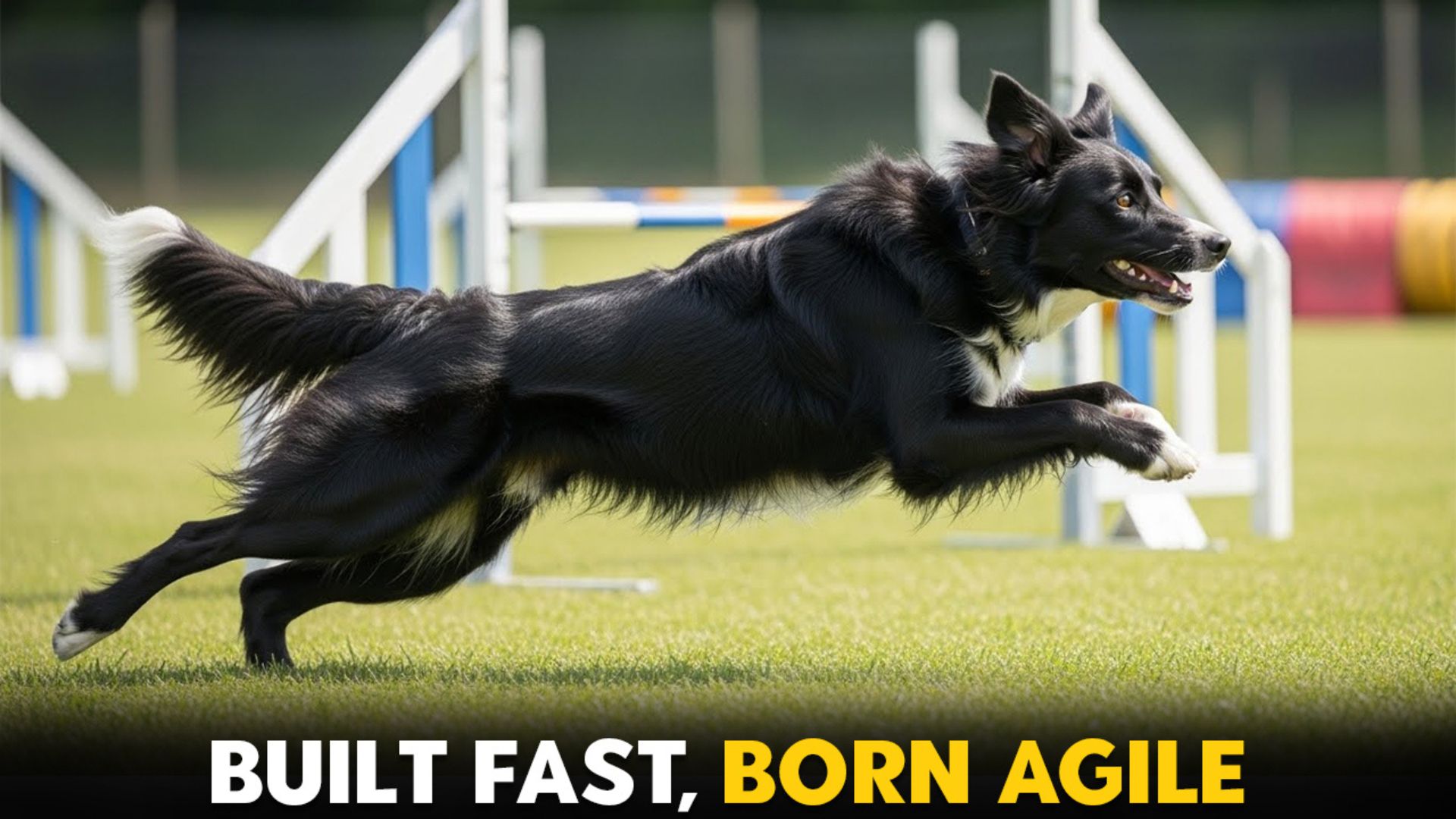
Agility and dynamic dog sports are more than fast runs and high jumps. They are a real partnership built on trust, timing, and clear communication. The right breed can make training smoother, safer, and far more fun, because natural traits matter.
Some dogs are born to think quickly, turn tightly, and stay locked in on their handler. Others bring power, stamina, and steady focus that shines in longer sessions.
This blog will break down seven breeds that often excel in agility-style work, from sharp herders to fearless terriers and lightning-fast sprinters.
You will learn what makes each breed special for sport life, what to watch for, and how to match their energy to your routine. Whether you are new to agility or ready to level up, this will help you choose with confidence and heart.
Now, let’s meet the stars of the course. And here’s the best part! Each one shines in a different way.
Ideal Dog Breeds for Agility and Dynamic Dog Sports
1. Border Collie
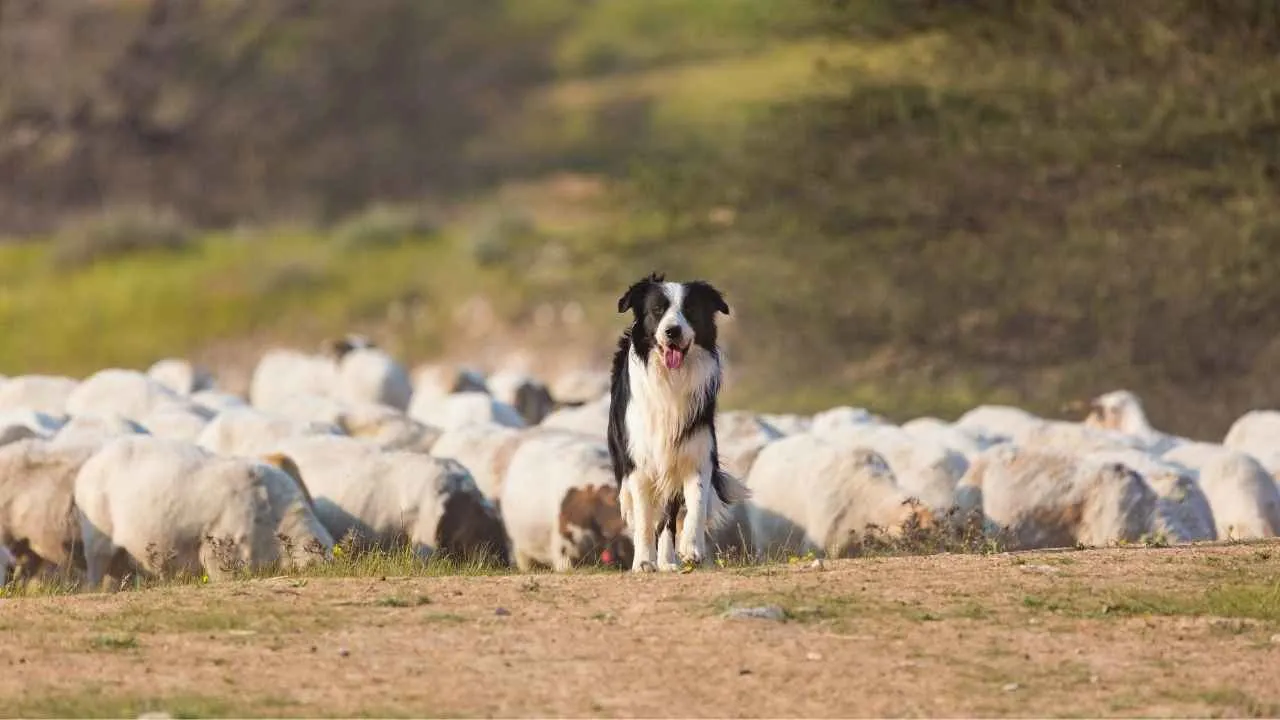
Border Collies are basically built for fast choices and sharp turns. They were bred to herd sheep, so they learned to sprint, stop, and change direction on a dime. That same background is why they often look like they can “read” the course before you finish walking it.
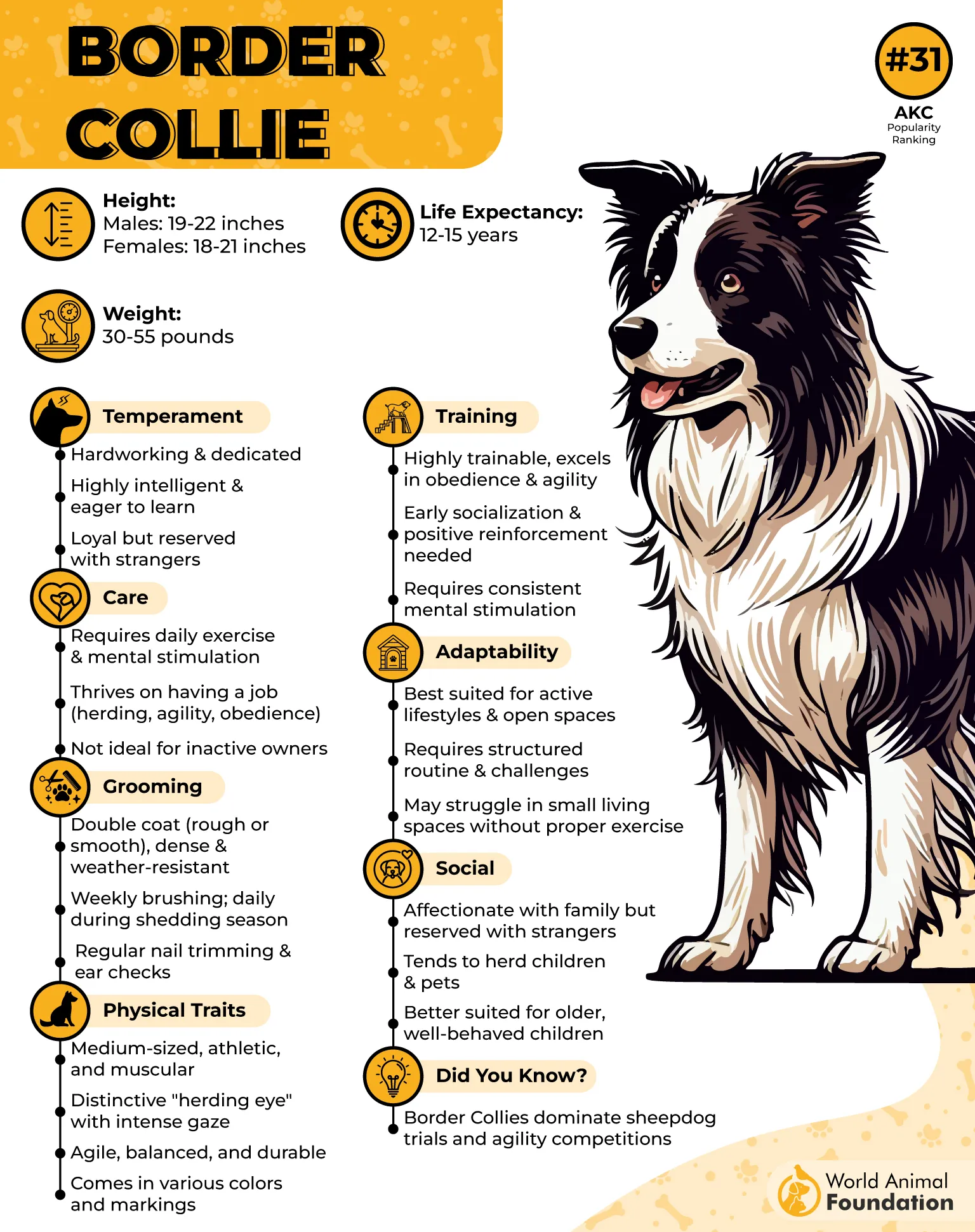
They are famous for quick learning. They love patterns, cues, and tight teamwork. Give them clear signals, and they will attack weave poles and tunnel exits like it’s their life mission. Sounds crazy, right? But it’s real.
But why bother with that mental side? Border Collies do not just need exercise. They need purpose. If they get bored, they will invent their own “sport” at home. Exactly. So, agility is often their happy place.
What makes them pop on course
Lightning-fast reflexes and clean lines on turns
Strong drive to work with a handler and follow cues
Great mix of stamina and speed for full runs, not just short bursts
2. German Shepherd
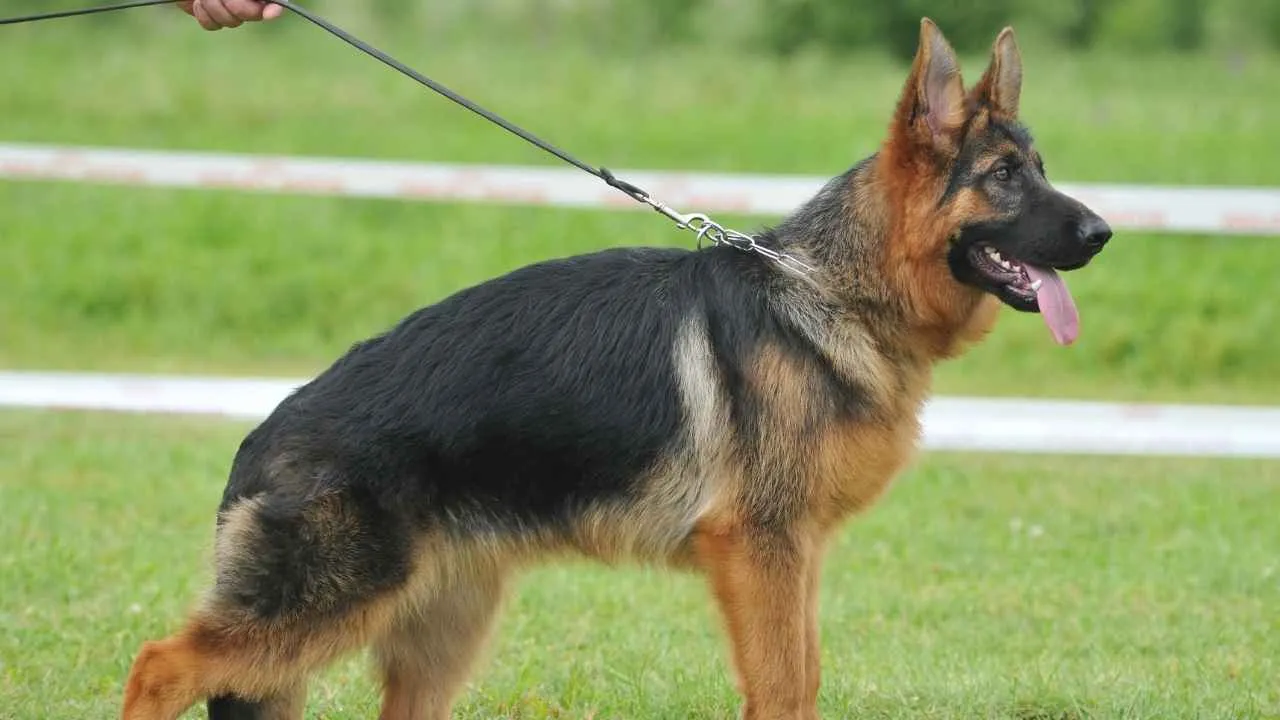
German Shepherds bring power with brains. They are known for strength, stamina, and a serious desire to do a job well. In dog sports, that can look like a steady, confident run where the dog commits to obstacles without second-guessing.
Now, they are bigger than most agility favorites. So no, they may not match a Border Collie’s raw speed. It gets even worse, though, if you try to rush their training or skip foundation work. Bigger dogs need clean form to stay safe and fast.
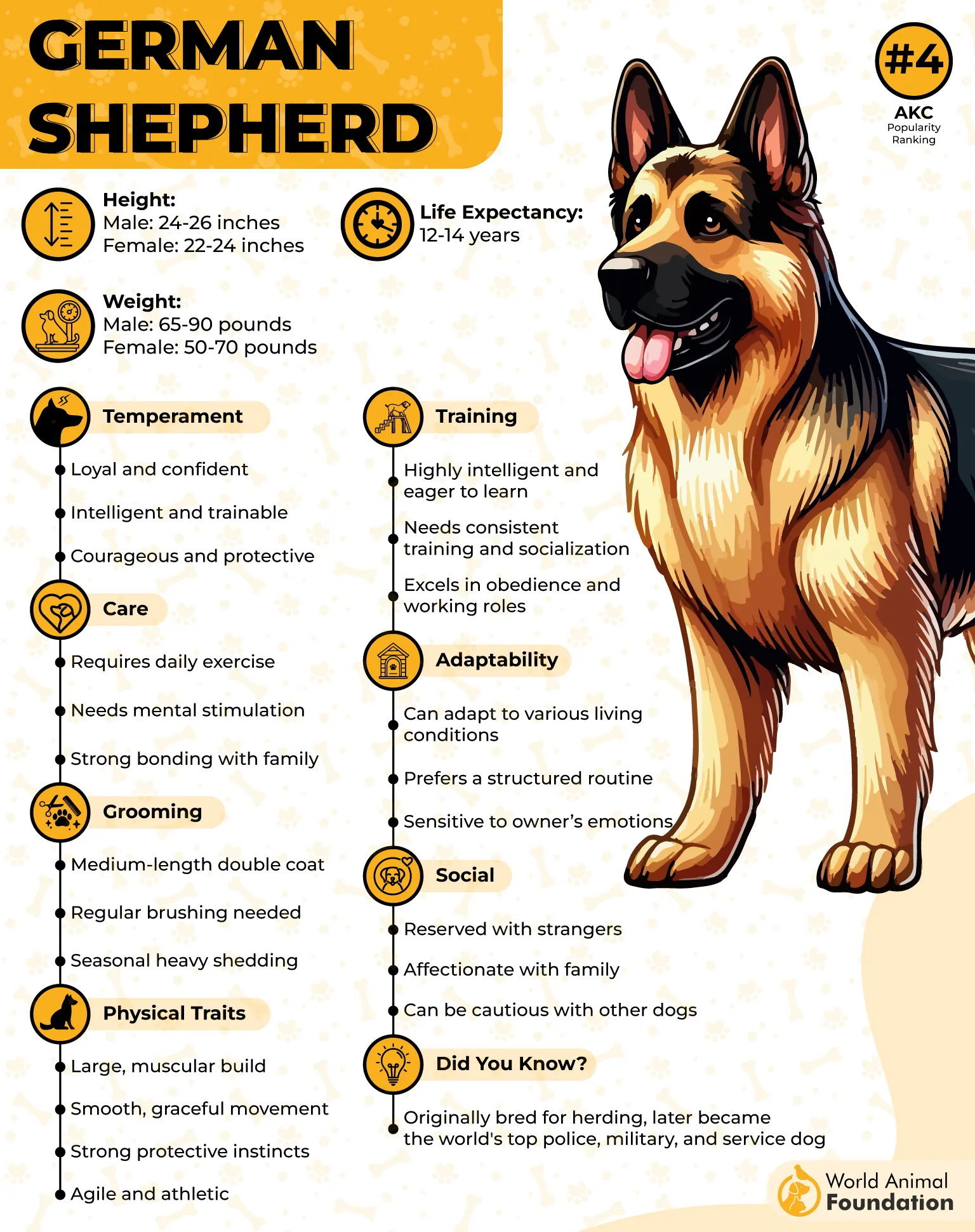
Here’s the good part. German Shepherds often love structure. They can thrive in obedience-style handling, clear routines, and repeatable skills.
According to AKC, if you enjoy training as much as competing, this breed can feel like a perfect teammate.
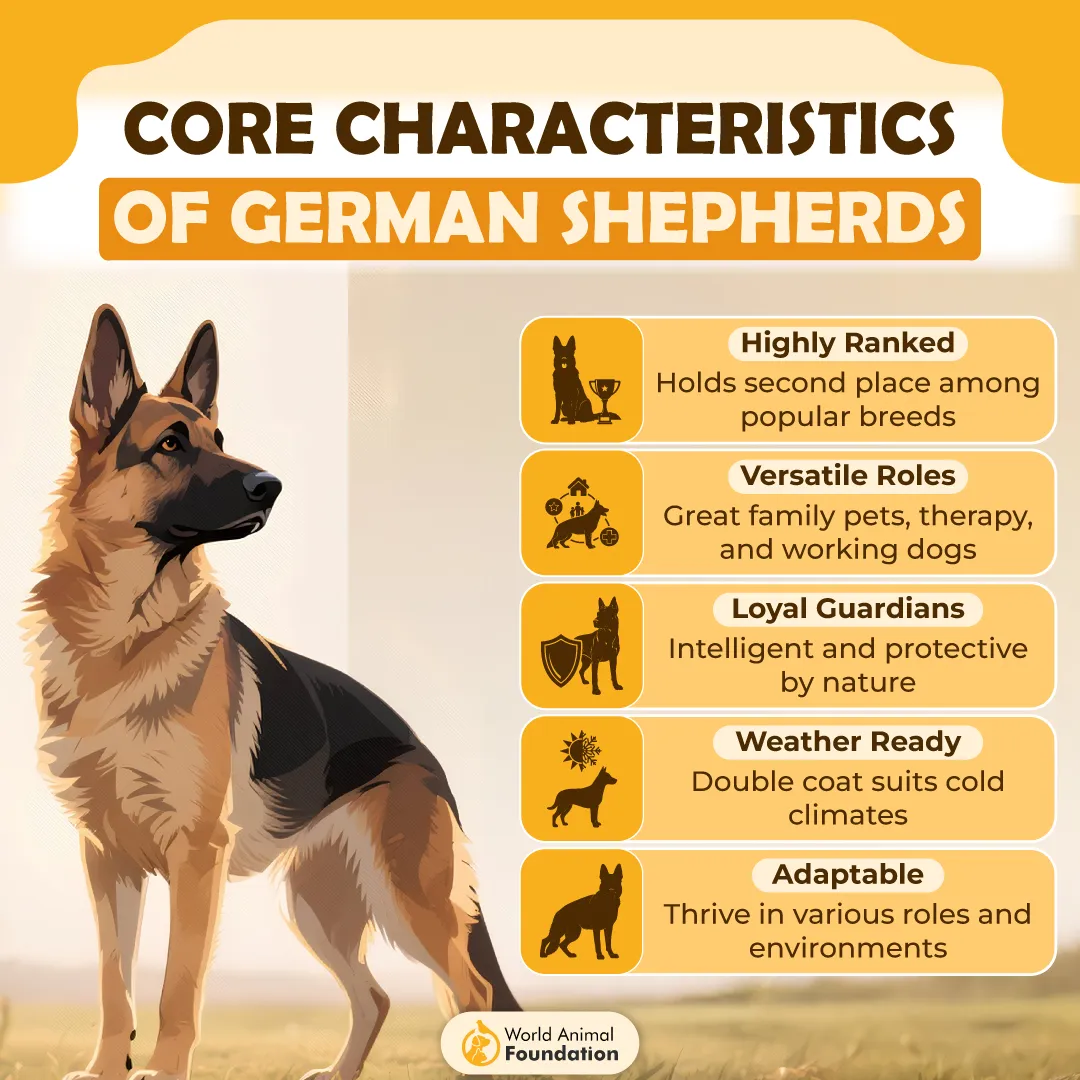
The best ways they shine in agility
Strong work drive and focus in busy environments
Solid endurance for long practice sessions and conditioning
Eager-to-please attitude that helps with consistent handling
3. Rat Terrier
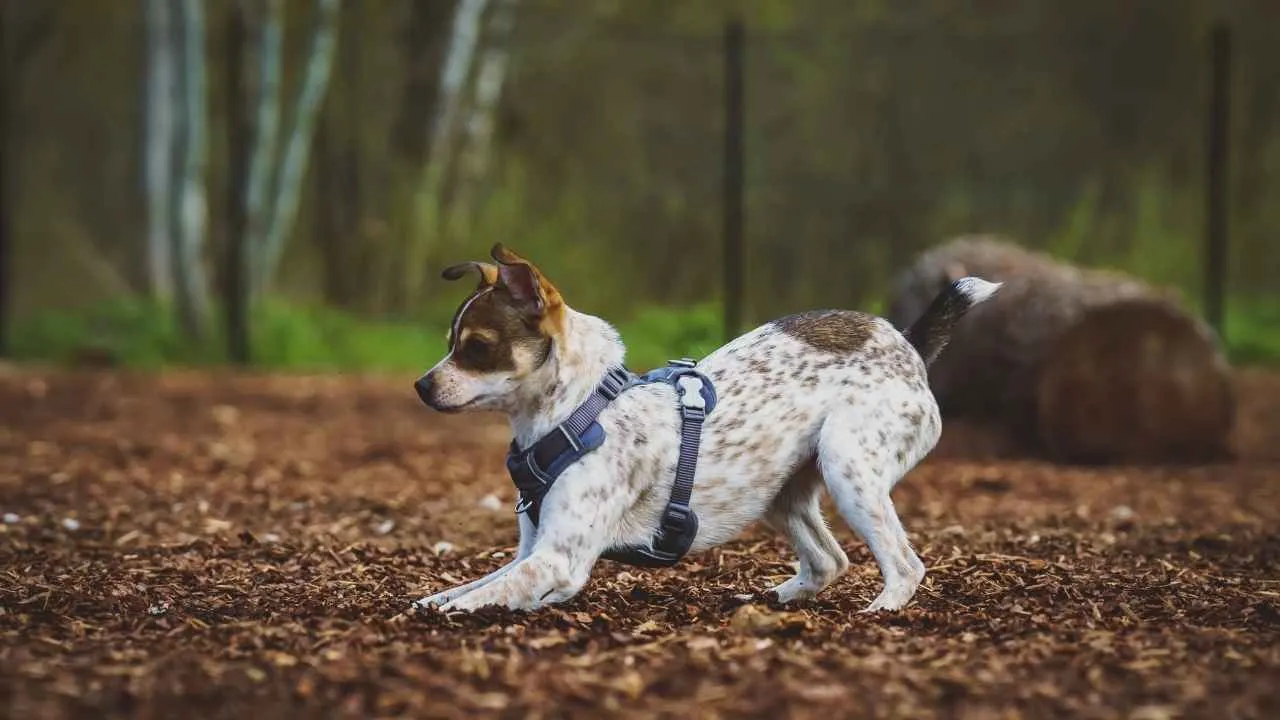
Rat Terriers are small, quick, and weirdly fearless for their size. Chewy notes that they were developed as efficient farm dogs and exterminators, which means speed, sharp senses, and fast reactions are kind of their whole thing.
In agility, that “nimble little hunter” vibe is a cheat code. They can hit tight angles, snap into jumps, and keep their feet moving without wasting steps.
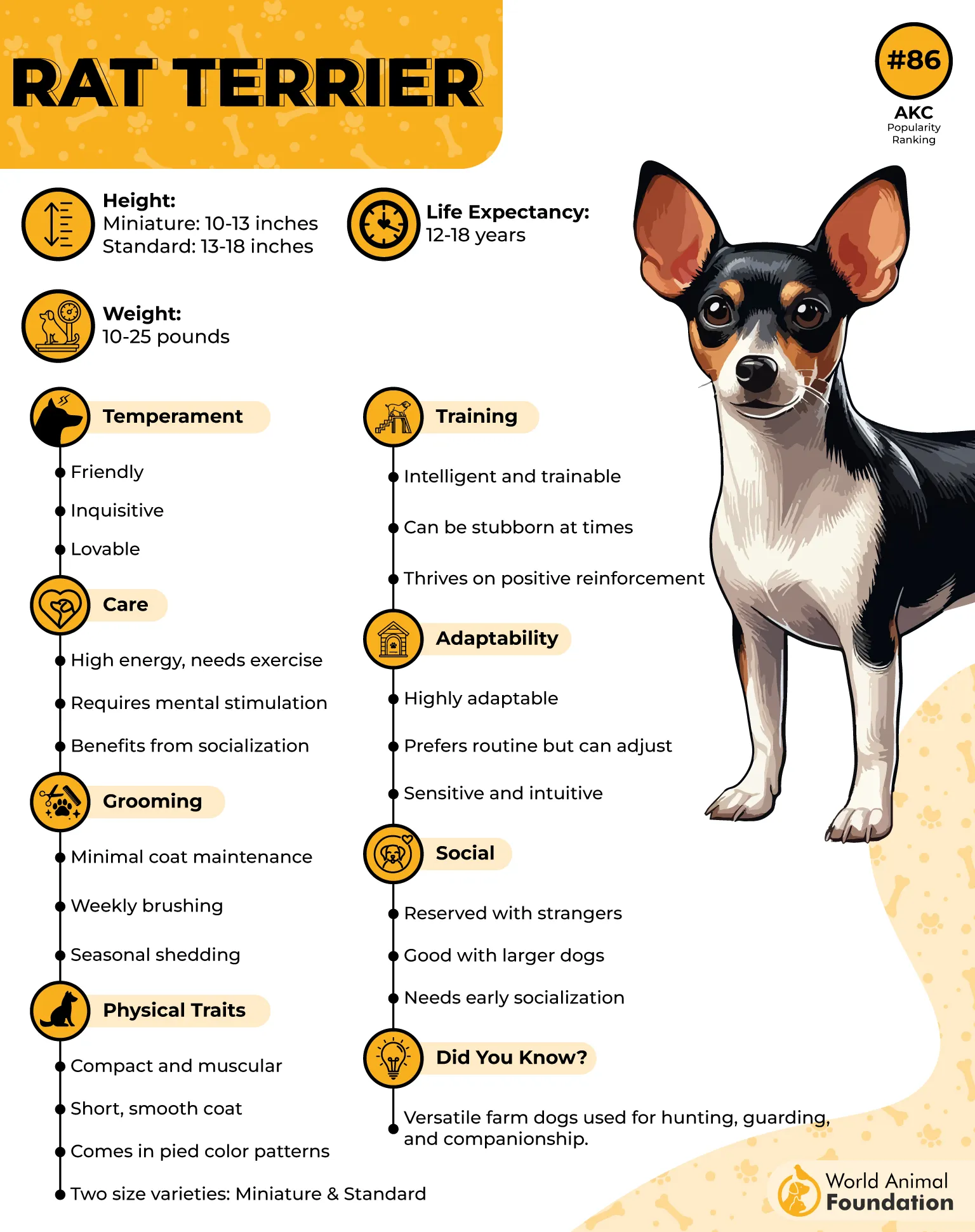
They are compact and tough, which helps on courses that demand quick turns and constant motion.
But wait, there’s more! Many Rat Terriers are also affectionate and loyal, so they bond hard with their people. That bond matters because agility is basically a moving conversation. If you love a dog with spark and personality, this one is a blast.
Quick notes for sport life
High energy and high chase drive, so warm-ups matter
Fast reflexes for weave poles and tunnel entries
Small body, big attitude. Keep training fun and clear
4. Australian Shepherd
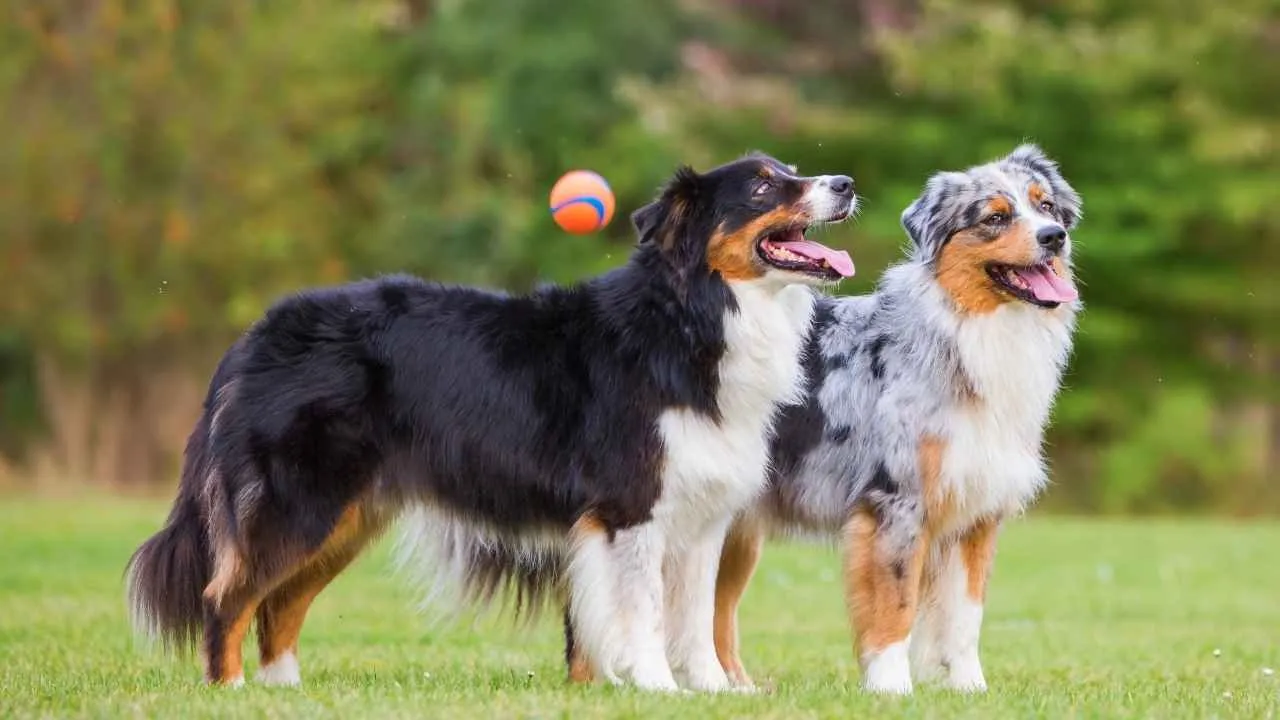
Australian Shepherds are agility superstars for a simple reason. They bring energy, brains, and that “tell me what to do” look. They were bred as herding dogs, so working all day and responding to cues is normal for them.
They often love complex routines. Jumps, tunnels, contact obstacles, direction changes, sequences, all of it. Their mental agility supports their physical agility, so they can learn tricky patterns and still move fast.
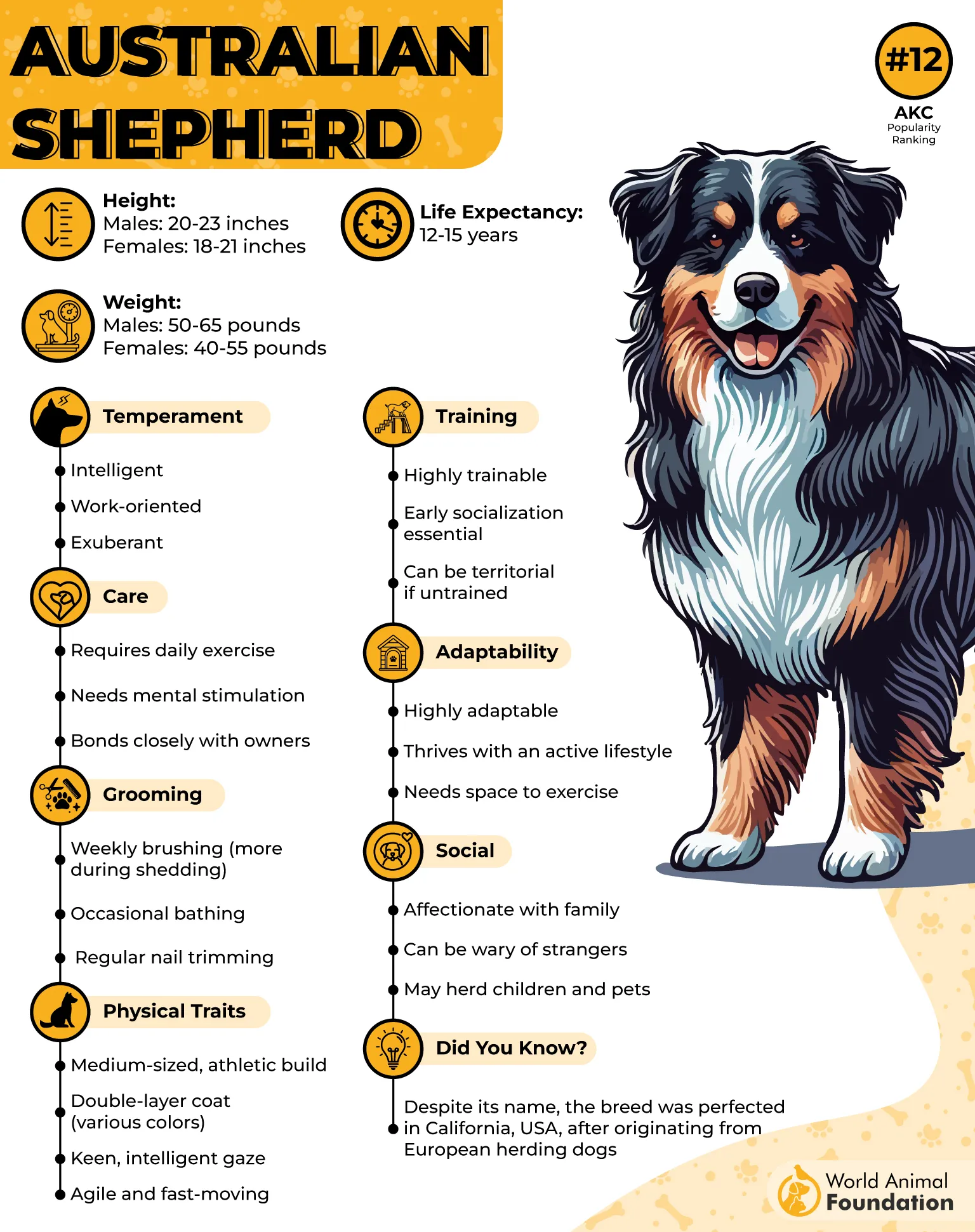
Now, a friendly warning. Aussies can be intense and clingy in the sweetest way. They may follow you like a fuzzy shadow and still ask for more work.
But why bother with a calmer breed if you want a sport partner? If you can give them daily outlets, they usually give you everything back on the course.
Aussie agility strengths
Big energy and endurance for repeated runs
Very smart and quick to learn full sequences
Natural teamwork mindset from herding roots
5. Whippet
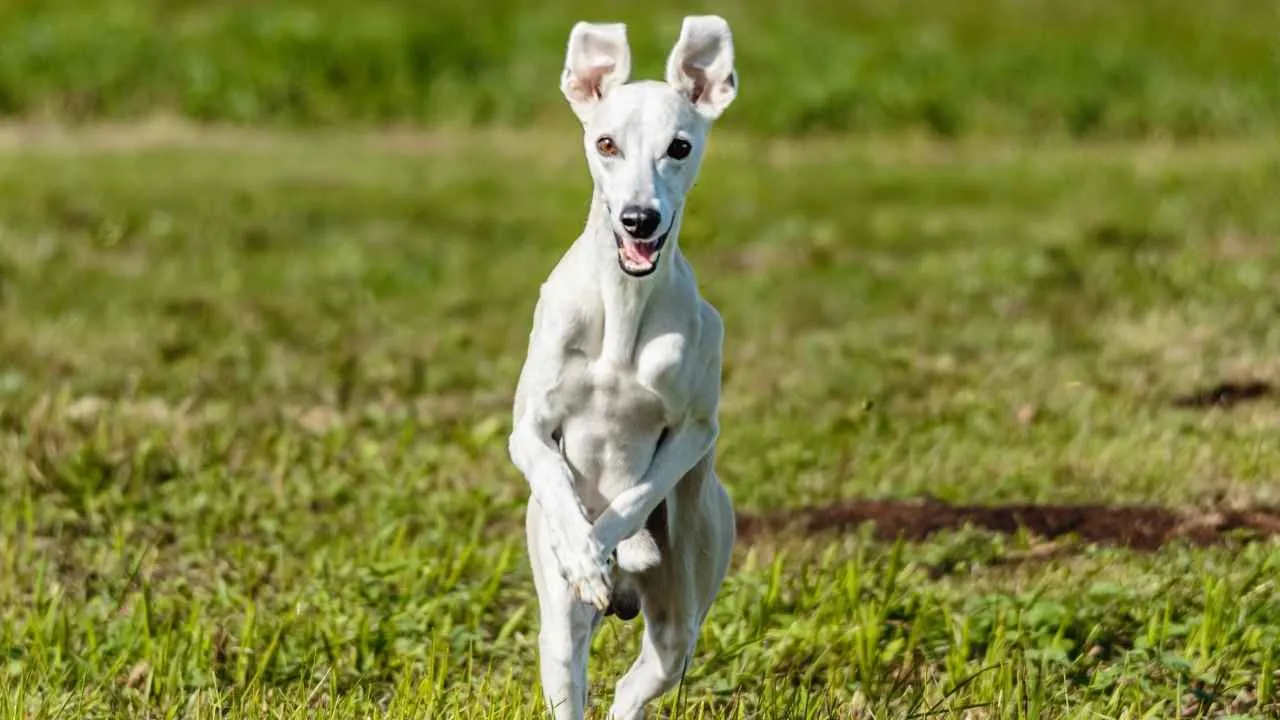
Whippets are built for speed, and it shows. They are sighthounds, similar to Greyhounds but smaller, and they can run extremely fast for their size. That explosive sprint can be amazing in agility when you need quick acceleration between obstacles.
Here’s the good part. Many Whippets are also quiet and not “barky,” and they can be gentle at home. So you may get a dog that goes full rocket mode in a run, then turns into a calm couch buddy after. Sounds like a dream, right? For some people, it totally is.
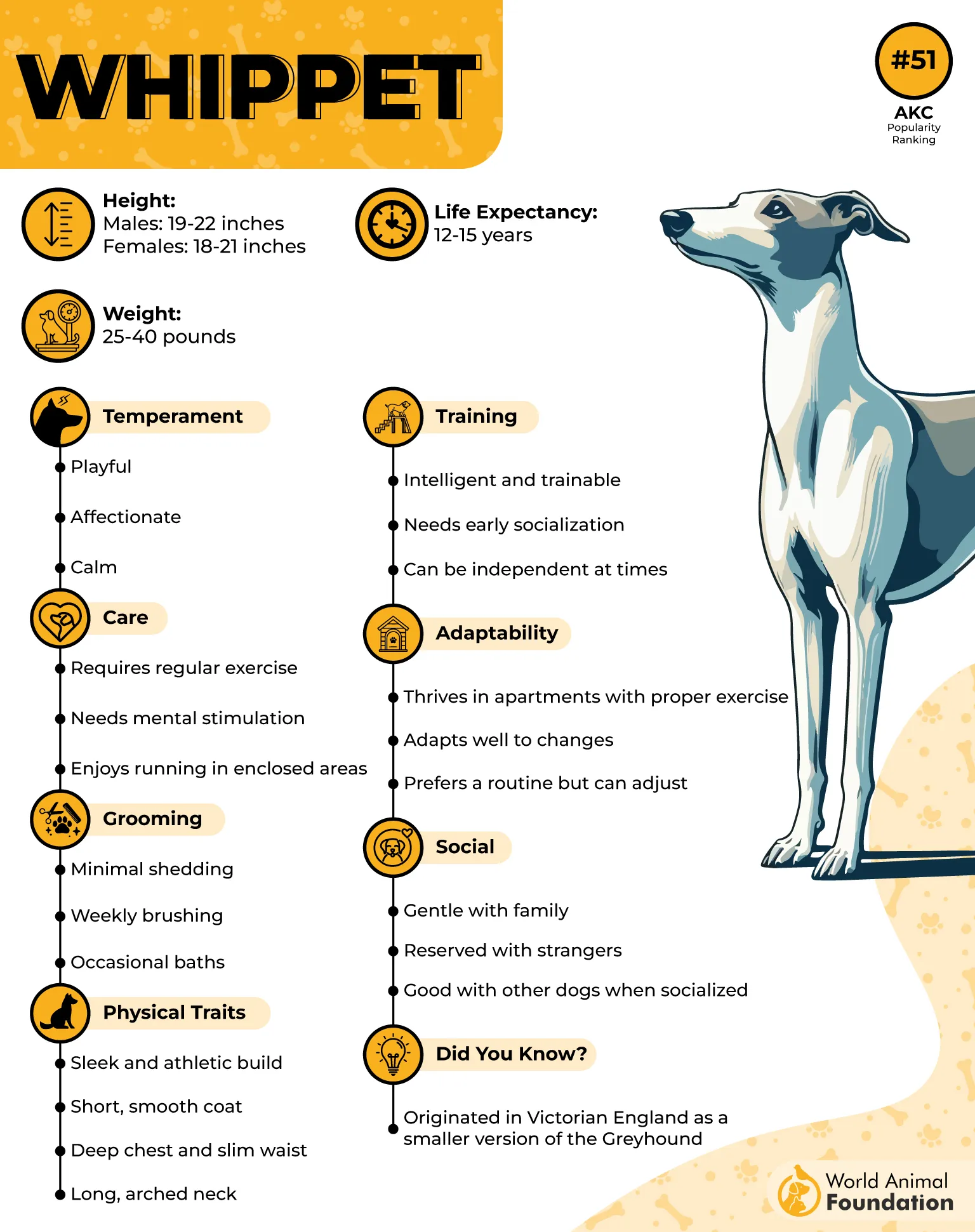
But wait, there’s more! Their chase instinct can kick in fast. As per PetMD, off-leash freedom is not a casual thing with many Whippets, because they may bolt after a squirrel as it owes them money. For sports life, secure spaces and smart handling matter a lot.
Whippet sport notes
Great for short, fast bursts and clean sprint lines
Often calm indoors, so recovery time can be easier
Needs safe fencing and smart recall work for any off-leash time
6. Shetland Sheepdog
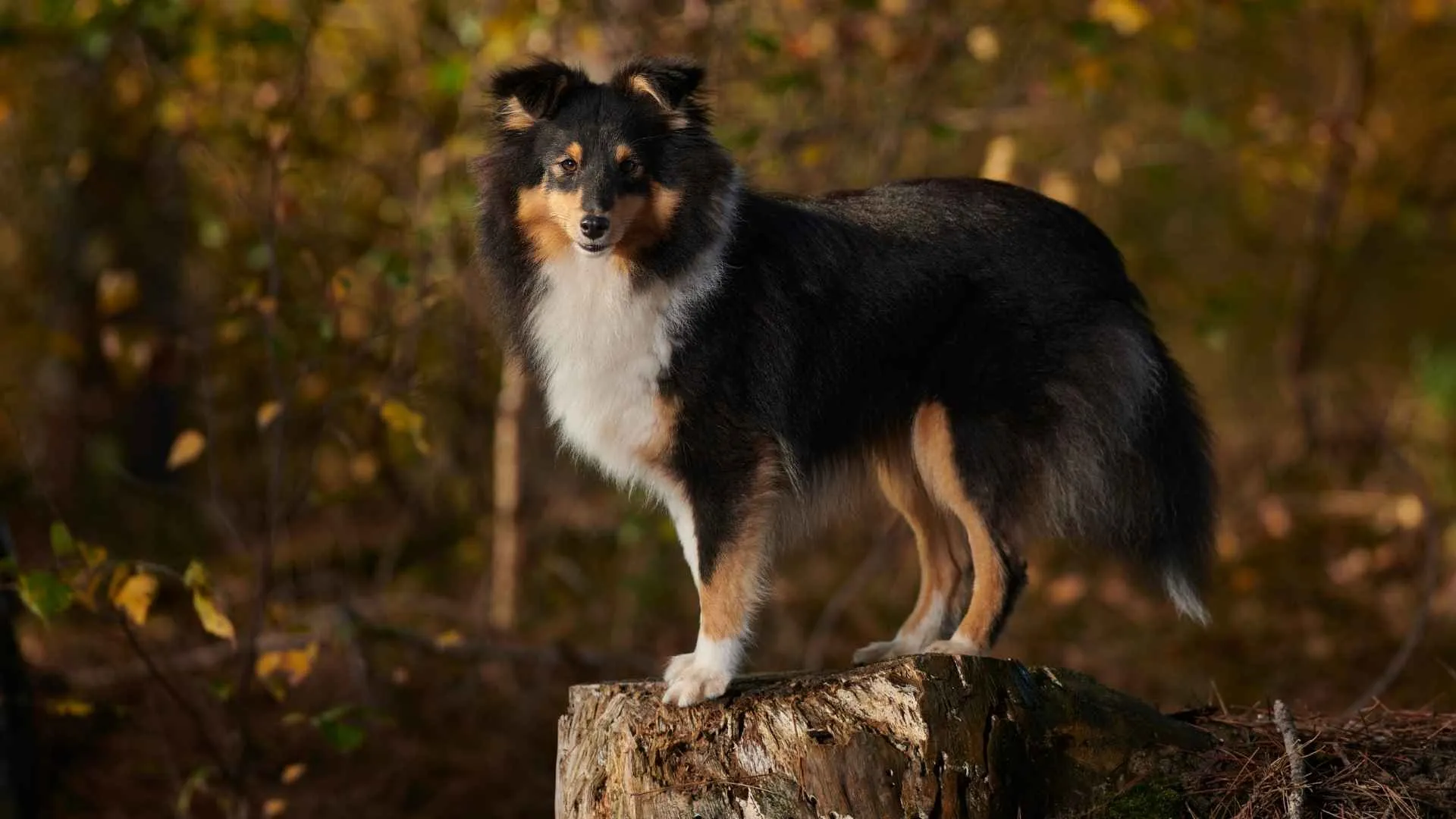
Shetland Sheepdogs, or Shelties, are small, quick, and very tuned in to their handler. They are often described as agile, intelligent, and obedient, which is basically the agility starter pack. Their size can also help them move through obstacles with ease.
They bring a fun kind of intensity. A Sheltie can look fluffy and cute, then suddenly fly through a course like it’s late for a meeting. And because they are smart, training can feel rewarding when you keep it upbeat and clear.
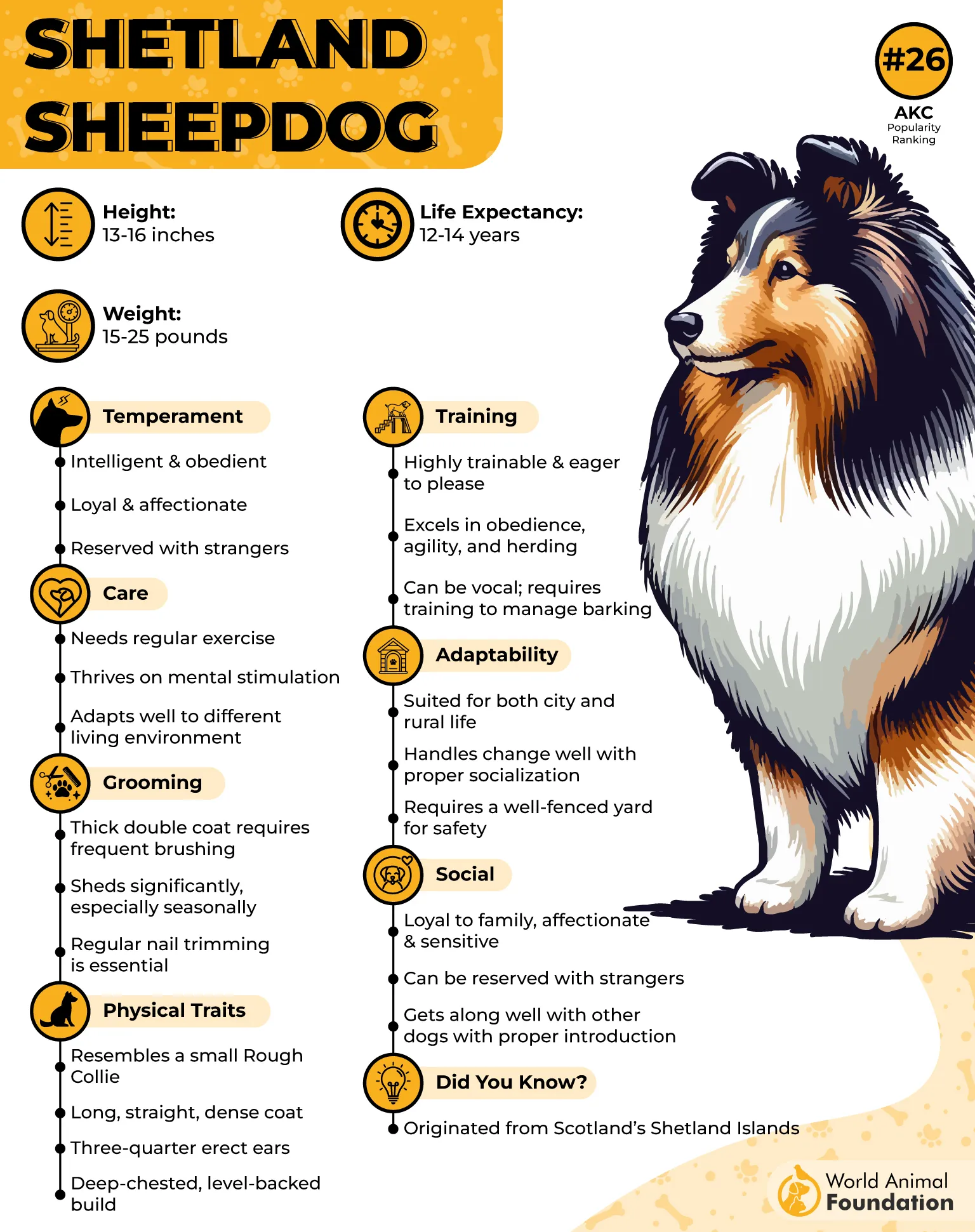
Now, real talk. Many Shelties can be barky or sensitive, especially if they feel underworked or overwhelmed.
But why bother with pressure when you can build confidence slowly? With patient exposure and positive sessions, their focus can become a huge advantage.
Sheltie agility sweet spots
Quick turns and fast footwork in smaller height classes
Strong handler focus and easy learning
Often excels across sports like agility, obedience, and herding
7. Jack Russell Terrier
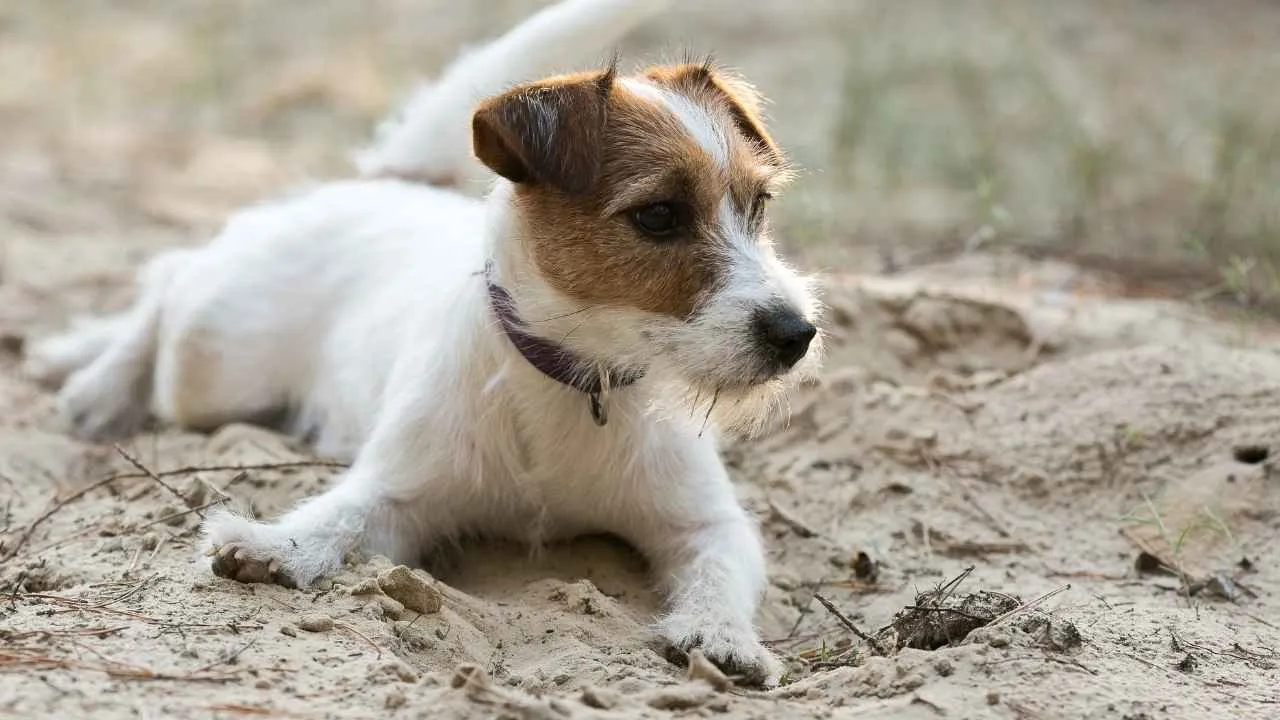
Jack Russells are tiny chaos rockets, in the best way. They were bred for hunting, and they still carry that fearless, never-quit energy. In agility, that often turns into fast, bold runs with tons of drive.
They are also athletic and surprisingly sturdy. Many are muscular, agile, and capable of a lot of exercise each day. If you like a dog that treats life like a game, a Jack Russell will keep you laughing and moving.
Here’s the part people forget. Jack Russells need mental work too, not just running. If they get bored, they can turn into little trouble artists.
It gets even worse, though, if you try to out-stubborn them. Consistent training, clear rules, and plenty of activity make them awesome sport partners.
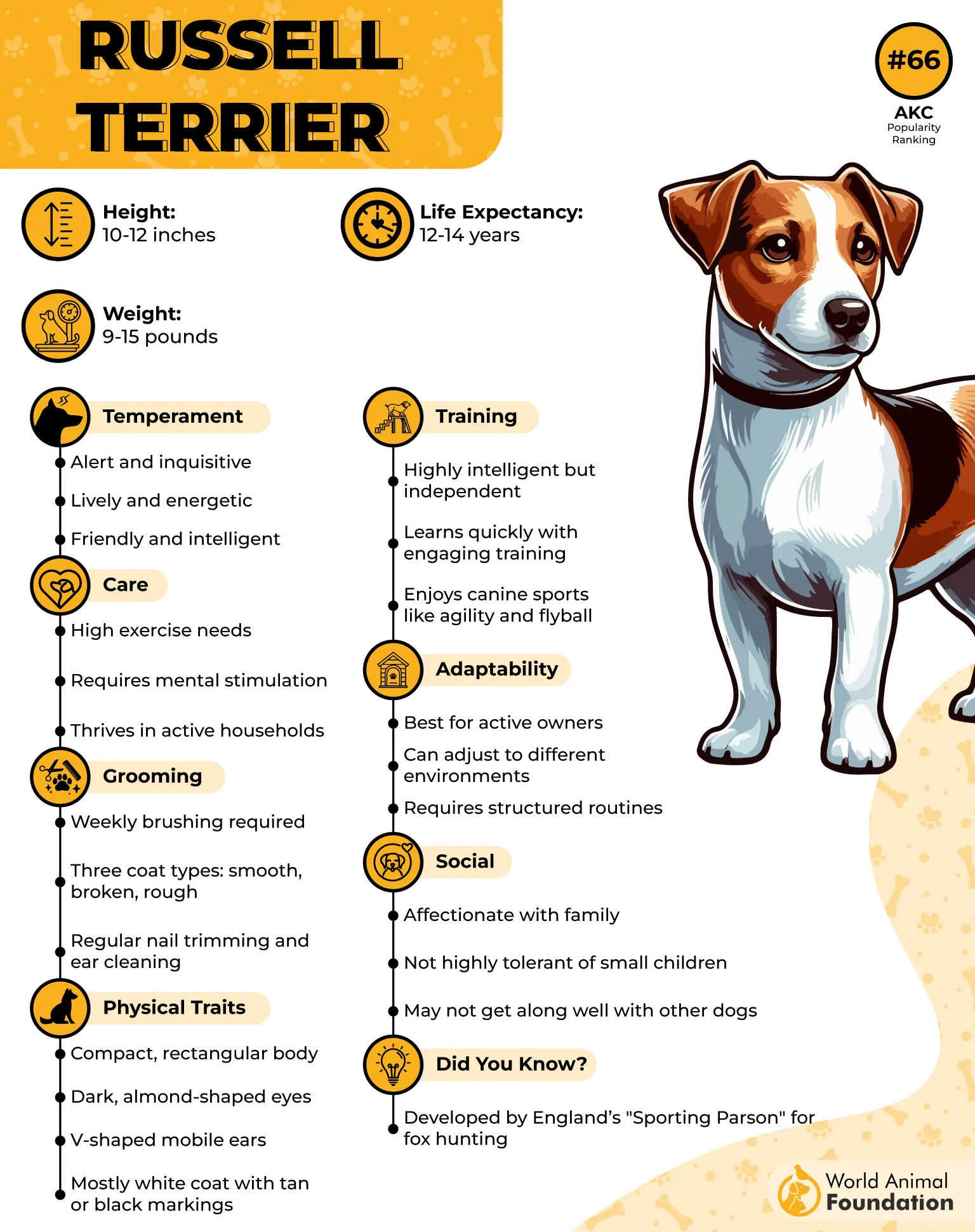
Jack Russell agility highlights
Huge stamina for their size and fearless obstacle commitment
Fast, tight movement for jumps, tunnels, and weaves
Needs daily exercise and brain games to stay easy to live with
Conclusion
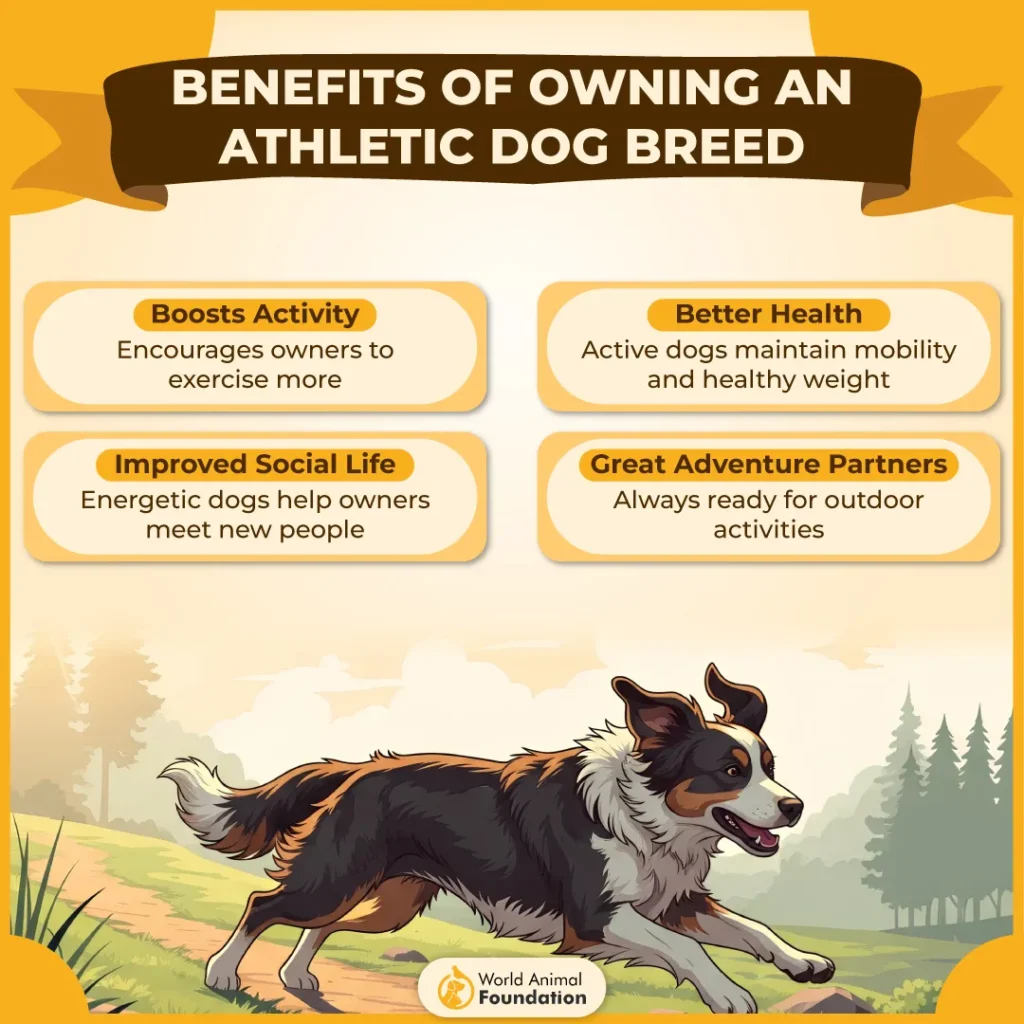
If you live in active households with active families, choosing the best breed can change your dog’s life and your daily life in the best way.
Many breeds are active breeds because they were originally bred for work, speed, or protection work, so their energy level is no joke.
These certain breeds often have an athletic build, strong ability, and boundless energy, making them natural stars on agility courses with jumps, frames, and tight turns.
From an athletic breed like standard poodles to a speedy Border Terrier, and even large breeds like the Labrador Retriever, some breeds excel because they are highly trainable and love working with human companions.
Now, here’s the good part for pet parents. With proper training and a real mental challenge, your furry companion can learn new skills and stay happier around other dogs, and even cats, too.
A balanced active lifestyle needs both physical stimulation and mental stimulation, like interactive play, long walks, and long hikes, plus safe outdoor sports that support overall health and great strength.
Keep it fun, keep it challenging, and you will watch your dog bring joy and become one of those excellent companions people never stop talking about, especially in active households with high energy levels and big hearts.
