





Let’s be real, between early alarms, endless emails, and “just one more meeting,” life can get hectic. But coming home to a wagging tail? That never gets old. If you’re a busy professional, the idea of owning a dog might feel unrealistic… until you meet the right breeds.
Some dogs don’t need fancy grooming, huge backyards, or your entire weekend to be happy. They’re chill with apartment living, quick walks, and cozy evenings on the couch while you answer a few last emails. Even better, they won’t drain your wallet.
These pocket-friendly dog breeds fit real life, your schedule, your space, and your budget. In this guide, we’ll explore dogs that work just as hard at being great companions as you do at your job. Because yes, you can have both.
Best Pocket-Friendly Dog Breeds for Busy Professionals
1. Shih Tzu
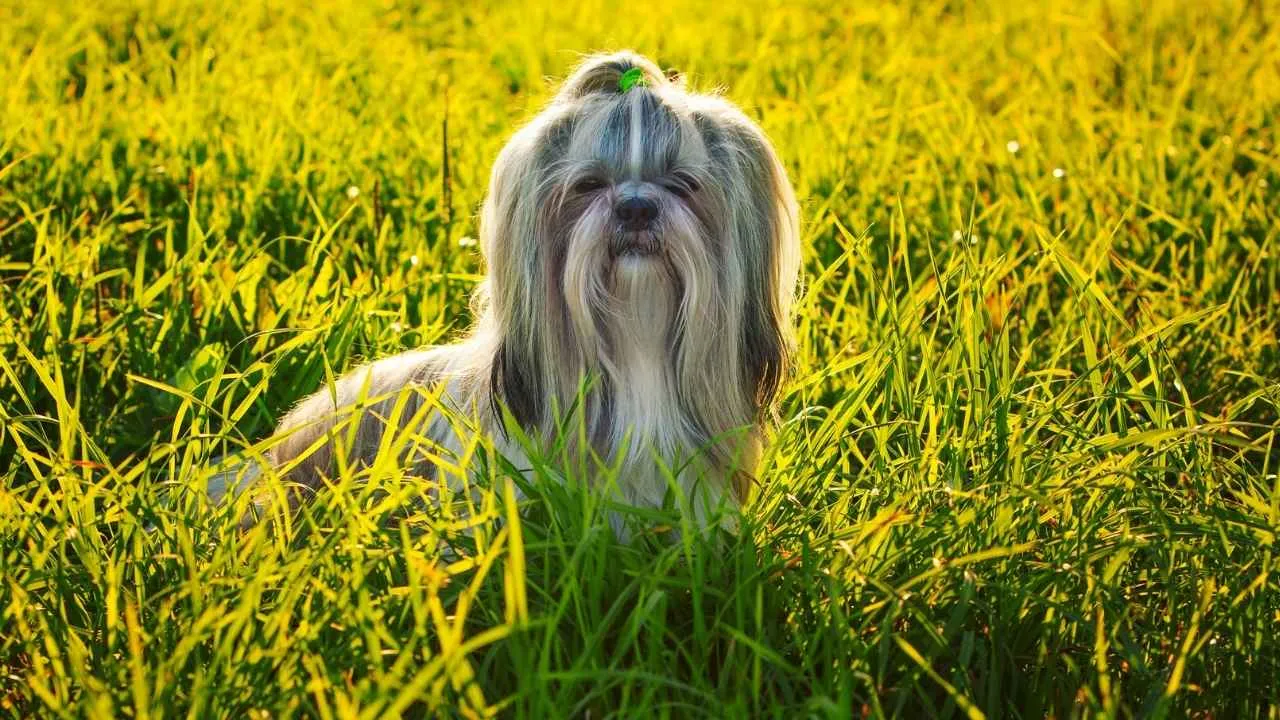
The Shih Tzu has mastered the art of doing absolutely nothing and making it look intentional. This is a dog that’s happiest when life is comfortable and predictable. Loud chaos, constant stimulation, or over-scheduling just isn’t their style.
According to the AKC, they were bred for companionship, not work, and it shows. Shih Tzus don’t pace the house waiting for “what’s next.” They settle in easily and stay there, which is why so many people describe them as grounding.
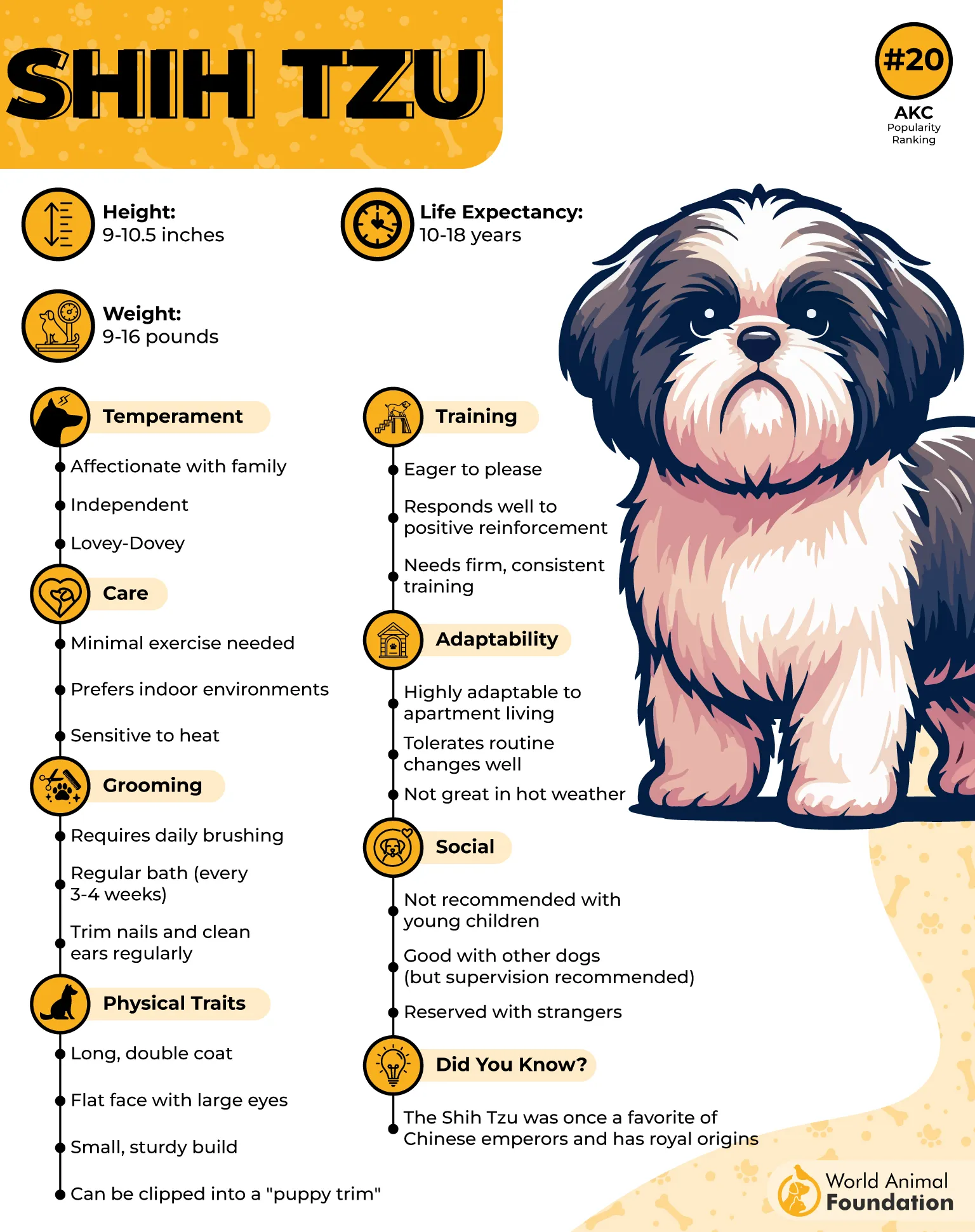
One underrated trait? Their tolerance for alone time. While they love people, they don’t unravel or develop separation anxiety if you step out for a few hours. That emotional steadiness is part of their quiet charm.
Their reputation for high grooming needs is mostly optional. A short “puppy cut” turns them into one of the more practical small breeds to maintain.

Fun Fact
Shih Tzus were kept inside Chinese palaces and rarely allowed outdoors, which shaped their calm, indoor-friendly nature.
2. Japanese Chin
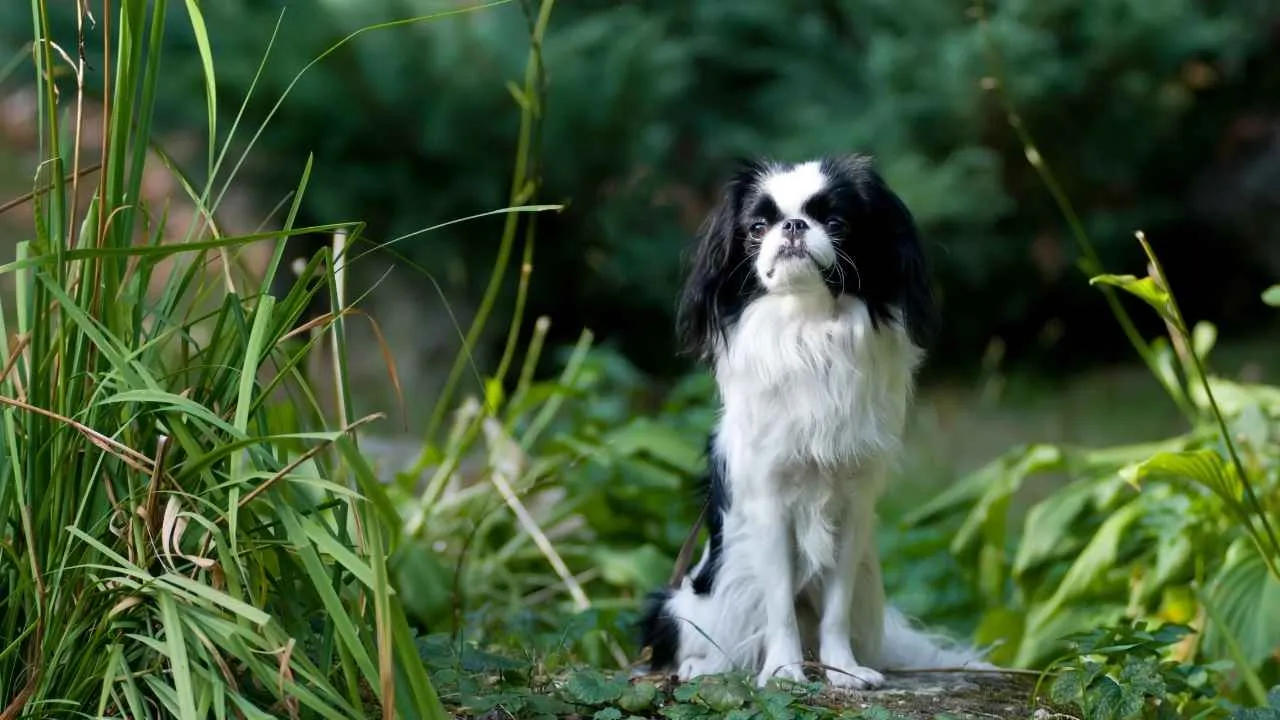
The Japanese Chin doesn’t chase attention; it assumes it will come naturally. These dogs move through a home as if they belong there, often choosing high vantage points to observe everything in silence.
They’re unusually expressive for such a quiet breed. A slight head tilt, a slow blink, a well-timed stare—Japanese Chins communicate more with body language than noise.
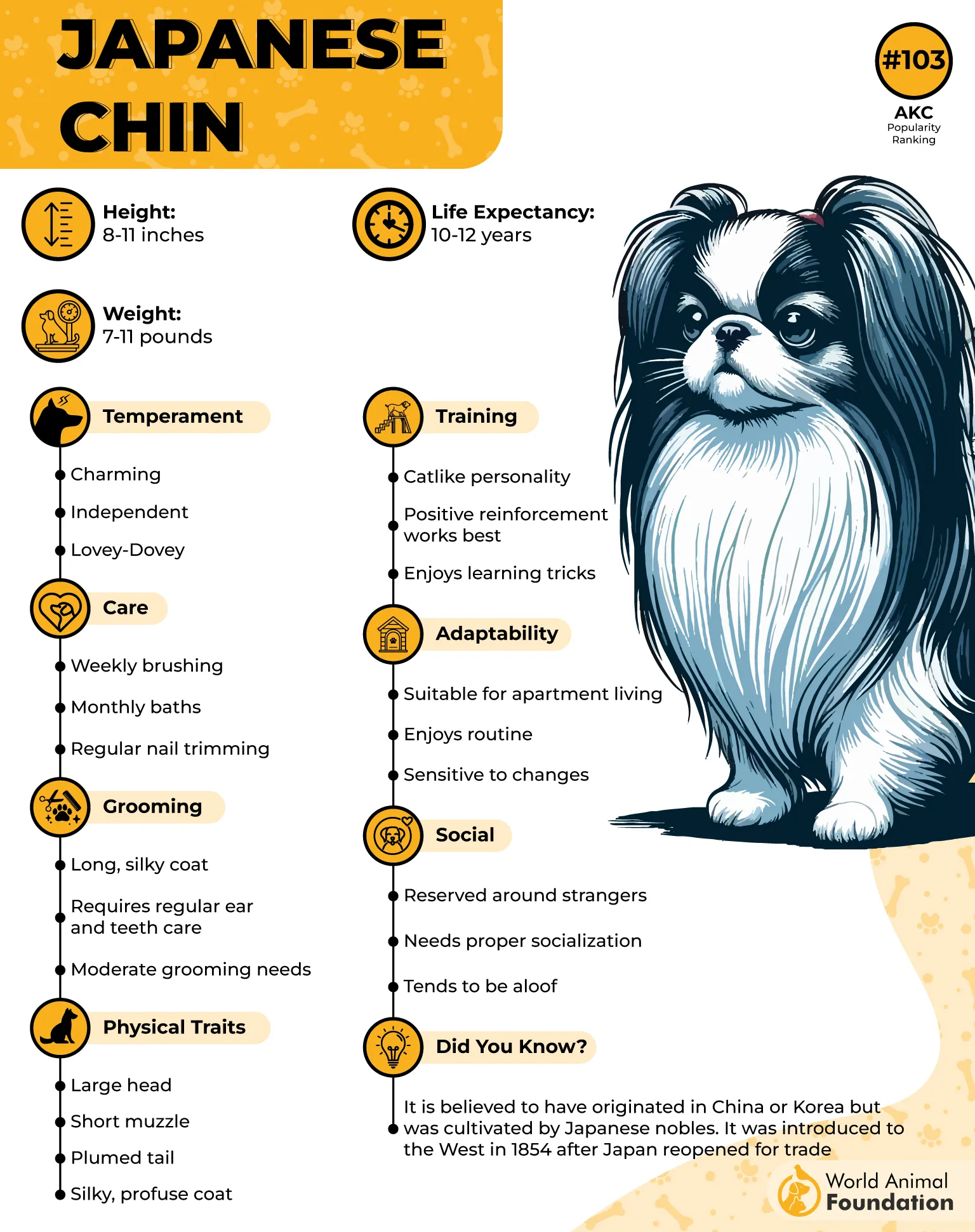
As per PetMD, they’re not overly excitable. Their energy comes in brief, playful bursts, followed by long stretches of rest. It’s a rhythm that feels easy to live with.
They also tend to be fastidious. Many owners notice their Chin avoiding dirty areas or stepping carefully around obstacles, almost like a cat navigating a shelf.
Fun Fact
Japanese Chins were historically carried inside the sleeves of royal robes due to their small size.
3. Havanese
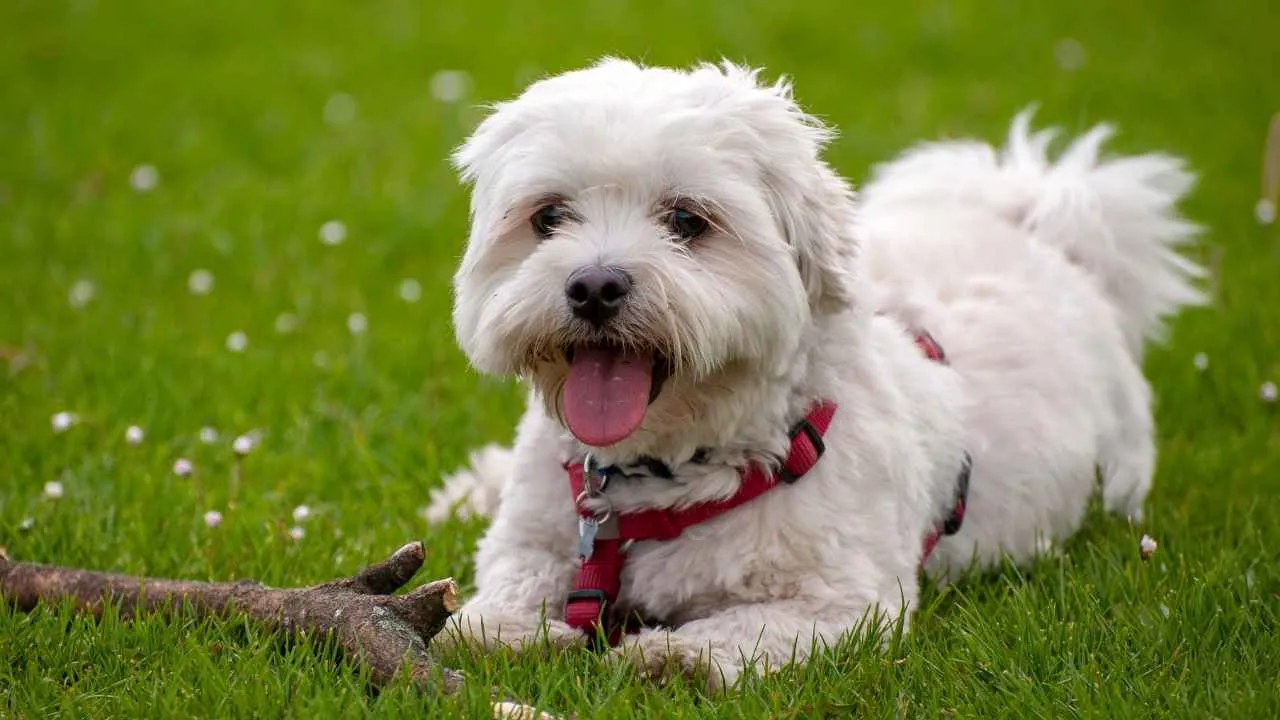
Life with a Havanese feels social. These dogs like being included, not as the center of attention, but as part of the flow. They’ll happily follow you from room to room without constantly demanding interaction.
They’re known for being emotionally resilient. Sudden changes in routine or environment usually don’t faze them much, which makes them adaptable in everyday life.
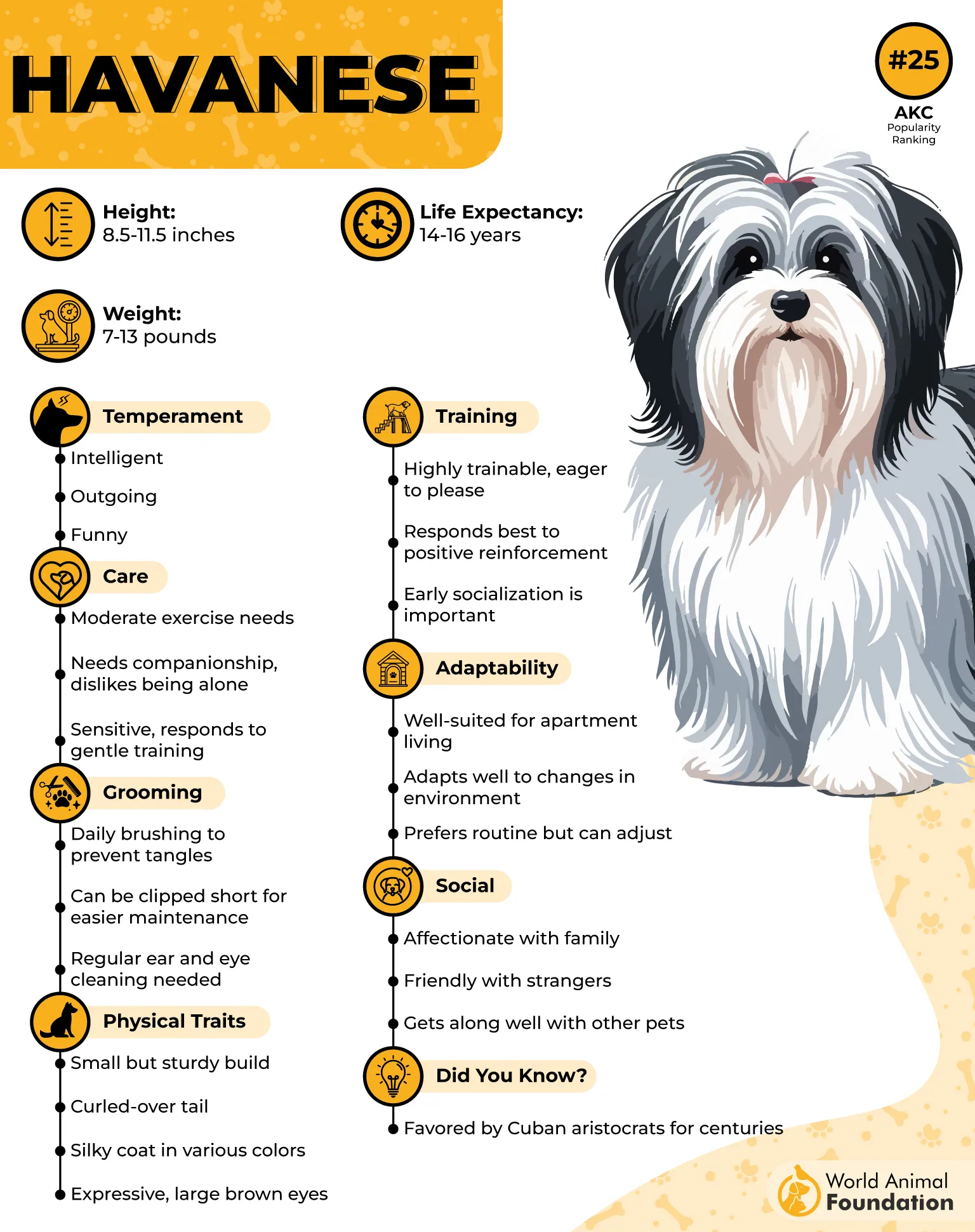
As per Purina, Havanese dogs are also surprisingly good at reading people. Many owners report them responding differently to stress, excitement, or fatigue, adjusting their behavior without being taught.
Their coat grows continuously, but it’s soft and lightweight rather than heavy. When kept trimmed, grooming becomes more about consistency than effort.
Fun Fact
The Havanese is one of the few dog breeds with a naturally insulating coat that helps protect it from tropical heat.
4. Papillon
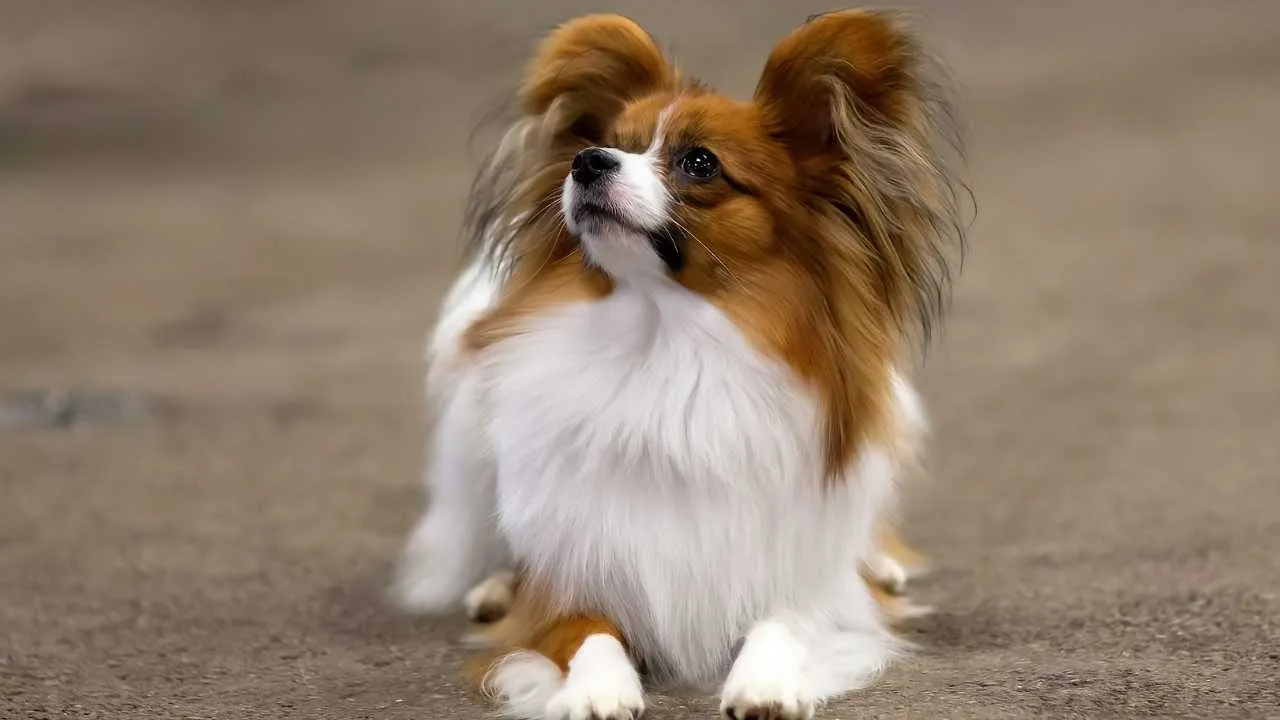
Papillons live life with their antennae up. They notice everything—sounds, patterns, routines—and they remember it. This is a dog that thrives on awareness rather than brute energy.
They’re often described as “thinkers” because of their remarkable intelligence. Give a Papillon a puzzle toy or a new routine, and you’ll see them pause, assess, and then act. That mental engagement matters more to them than long walks.
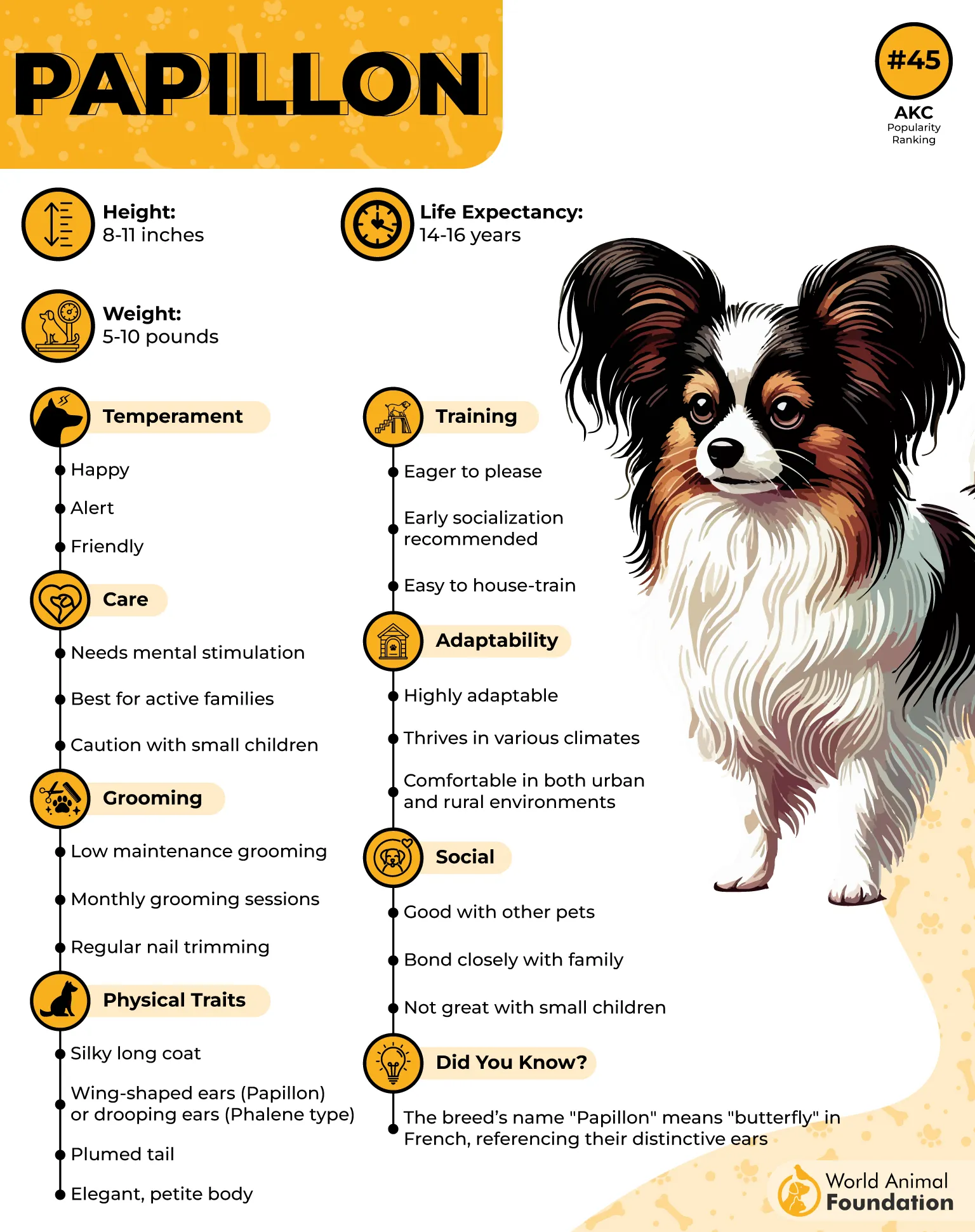
Papillons also tend to form strong one-on-one bonds. They’re affectionate, but selective, often choosing a favorite person rather than spreading attention evenly.
Their delicate look is misleading. These dogs are athletic, agile, and far more durable than they appear when properly cared for.
Fun Fact
Papillons were among the first toy breeds to compete successfully in agility sports.
5. Pug
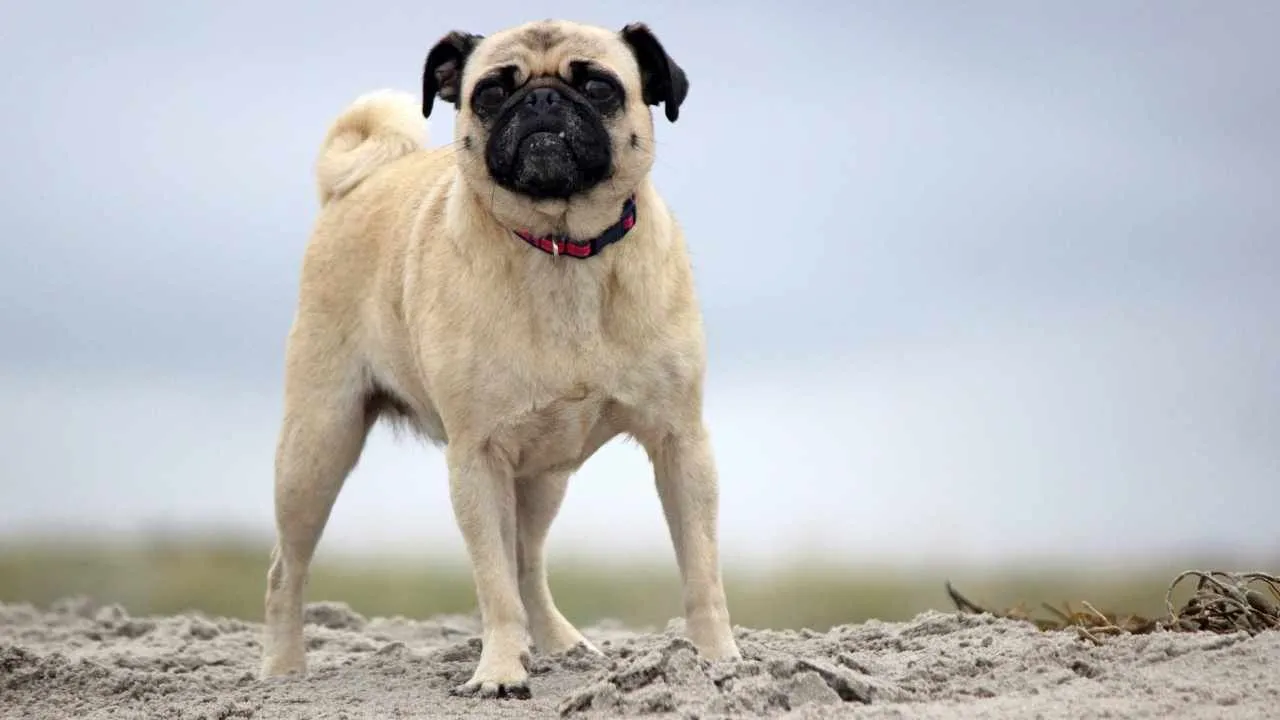
Pugs don’t pretend to be sophisticated. They snort, they snore, and they somehow make it all endearing. Living with one feels less like owning a dog and more like sharing space with a tiny couch potato who insists on being included in everything.
They fall firmly into the category of generally low-energy dogs, preferring comfort over adventure. A little movement is welcome, but they’re far more invested in naps than marathons.
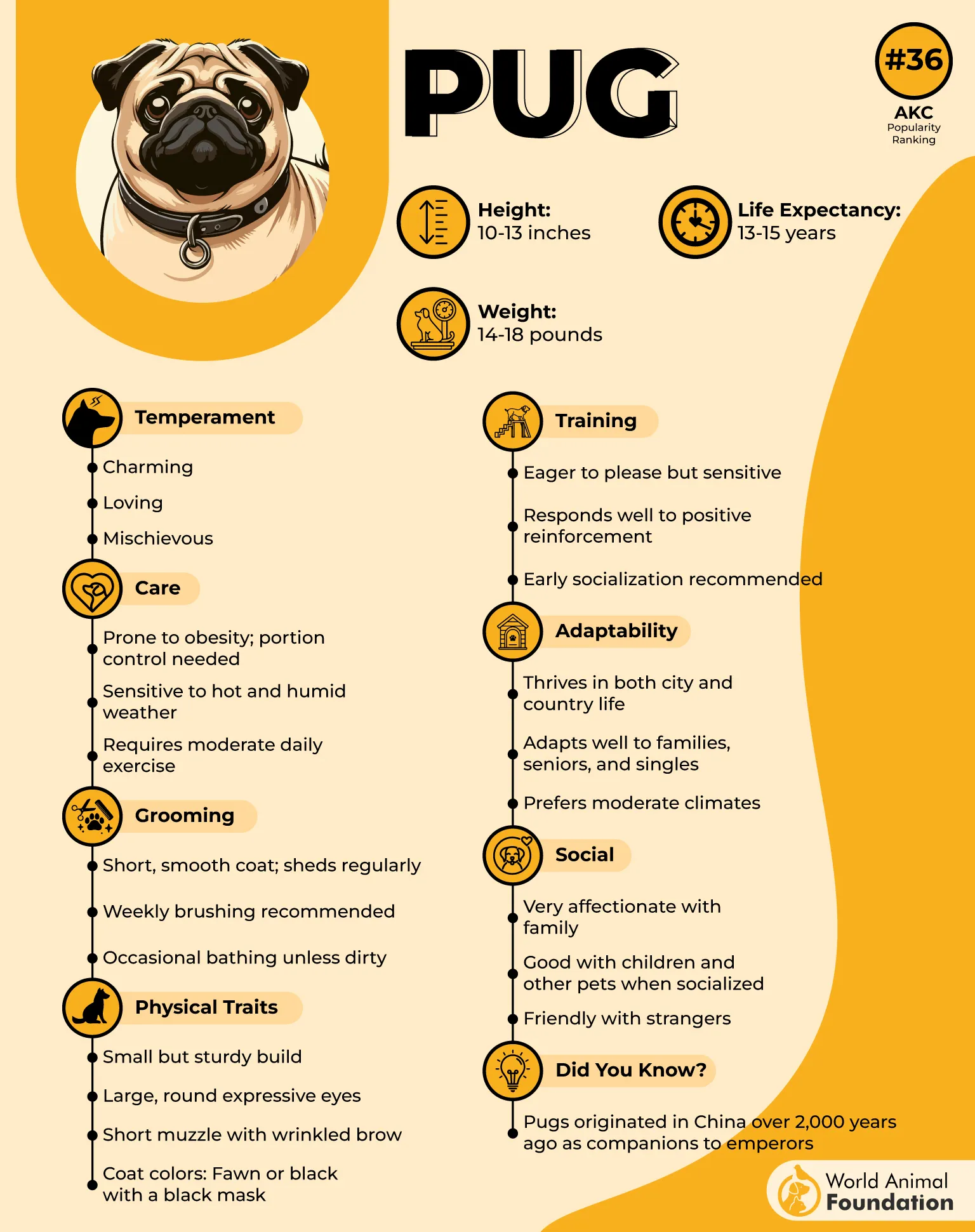
Most days, short walks and a bit of roaming around the house are enough to keep them content. Overexertion isn’t their thing, especially in warm weather.
What really defines the pug is its affectionate nature. They bond deeply, stick close, and seem genuinely happiest when curled up next to their favorite human.
Fun Fact
Pugs were bred to have wrinkles that resemble Chinese symbols believed to bring good luck.
6. Boston Terrier
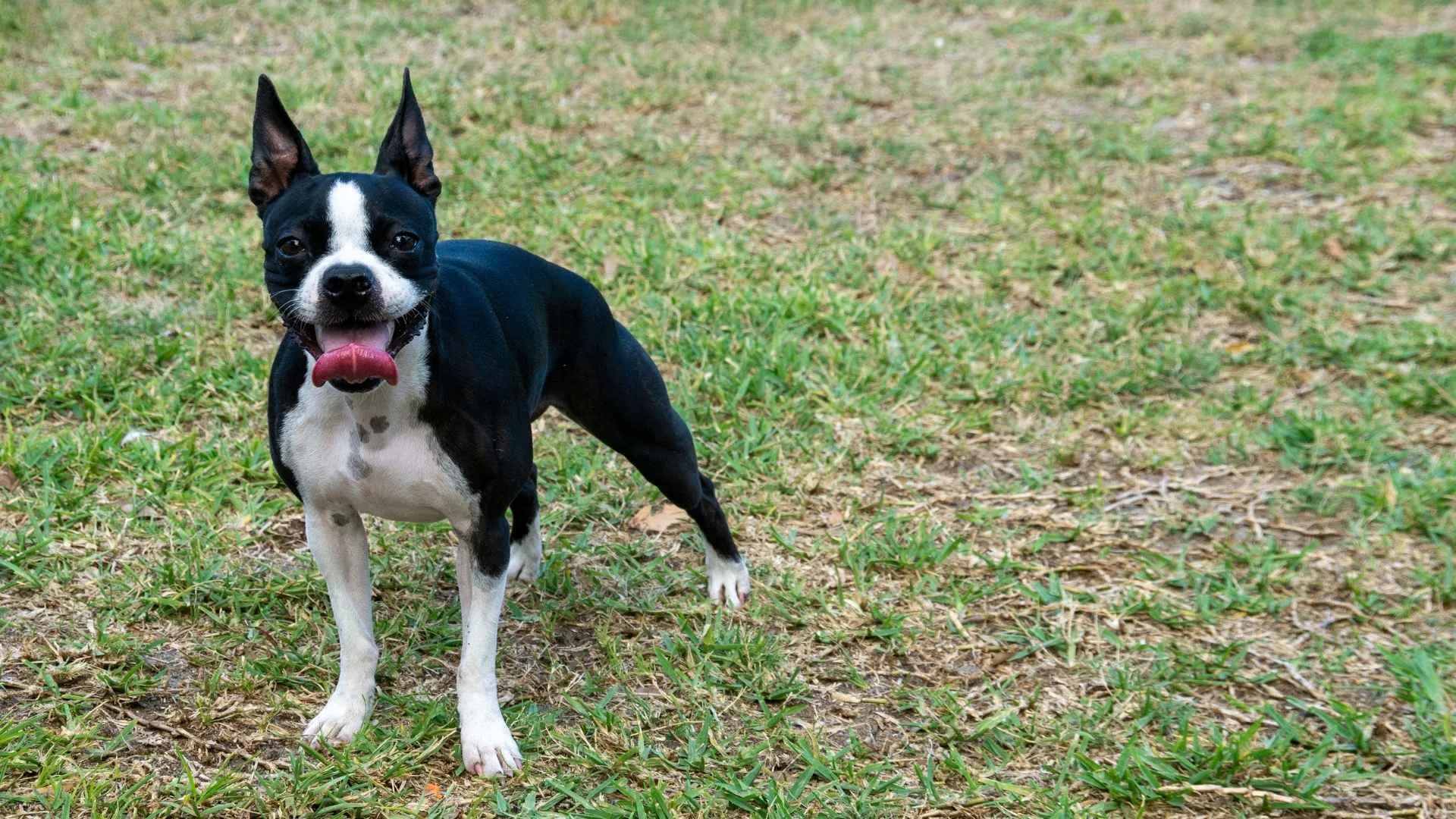
Boston Terriers carry themselves with confidence. They’re alert without being intense, playful without being chaotic, and social without demanding constant attention.
Their short coat requires minimal grooming and keeps upkeep refreshingly simple. These dogs benefit from just basic care and the occasional wipe-down after an enthusiastic play session.
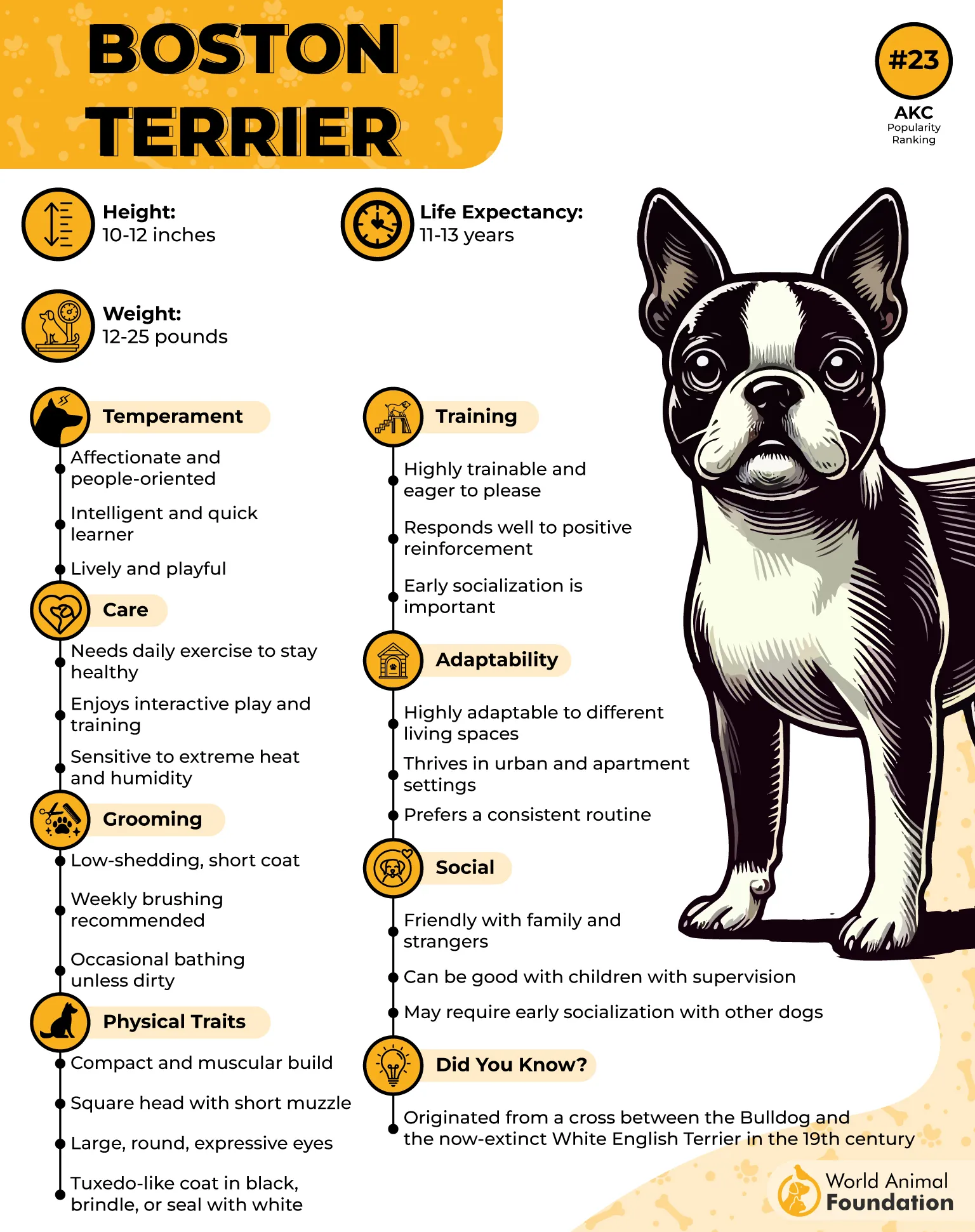
Training tends to be smooth because they’re eager to please. They enjoy learning, especially when it feels like a shared activity rather than a strict lesson.
Activity-wise, they land comfortably in the middle. Moderate exercise—a couple of walks and some play—usually hits the sweet spot.
Fun Fact
Boston Terriers were one of the first dog breeds developed entirely in the United States.
7. Pomeranian
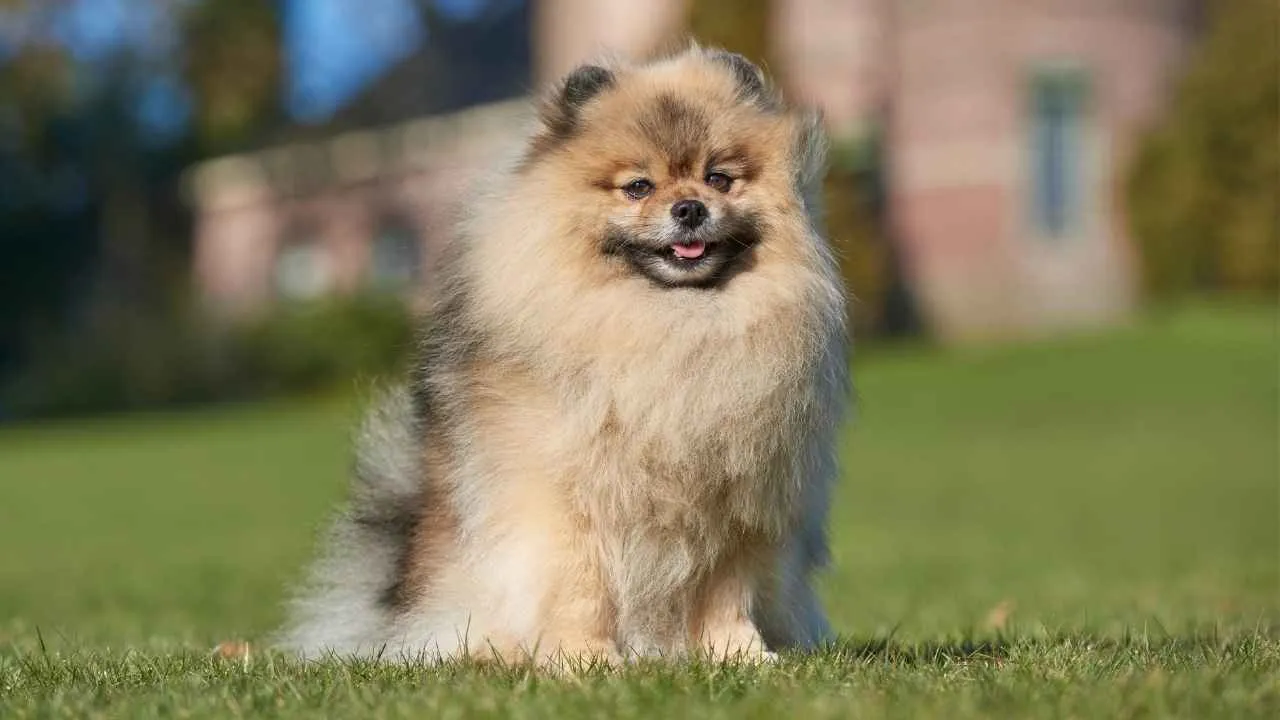
Pomeranians may look like decorative fluff, but there’s a lot going on behind those bright eyes. They’re alert, expressive, and surprisingly confident for such little dogs.
Their compact size makes them easy to carry, easy to travel with, and easy to accommodate just about anywhere. They take up very little physical space—but they will take up emotional space.
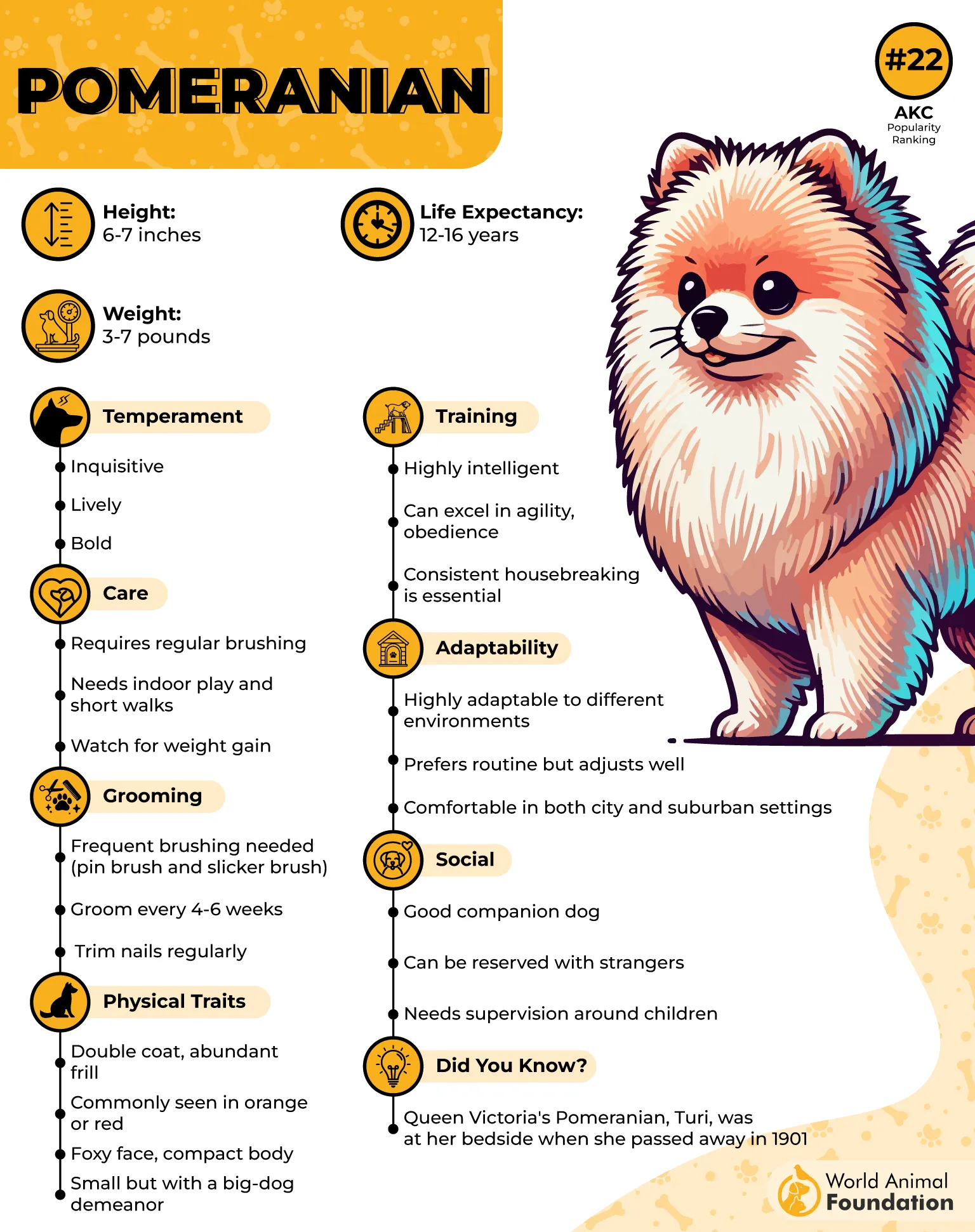
While they enjoy activity, much of it can happen indoors. Games, toys, and indoor playtime keep them mentally engaged without needing endless outings.
That iconic coat does need attention, but it’s more about consistency than effort. Regular brushing keeps tangles in check and helps manage loose hair.
Fun Fact
Despite their toy-dog status, Pomeranians are descended from large Arctic sled dogs.
Conclusion
Choosing the best low-maintenance dog breed is really about finding balance. They fit naturally into everyday routines, with minimal grooming needs, and personalities that adapt well to real life. Many small dogs thrive with daily exercise, indoor play, and only occasional brushing, making them a practical choice for busy owners.
While not all dogs are low maintenance, breeds with a calm demeanor, low energy levels, and coats that require minimal grooming often become excellent companions. Pet parents agree that these dogs tend to benefit from basic training, positive reinforcement, and regular exercise, regardless of size.
If you want a dog that complements a busy lifestyle, focusing on low-maintenance breeds can make all the difference. Other dogs, such as the Cavalier King Charles Spaniel, French Bulldog, Italian Greyhound, Chinese Crested, and Basset Hounds are also popular low-maintenance dogs worth exploring.
