




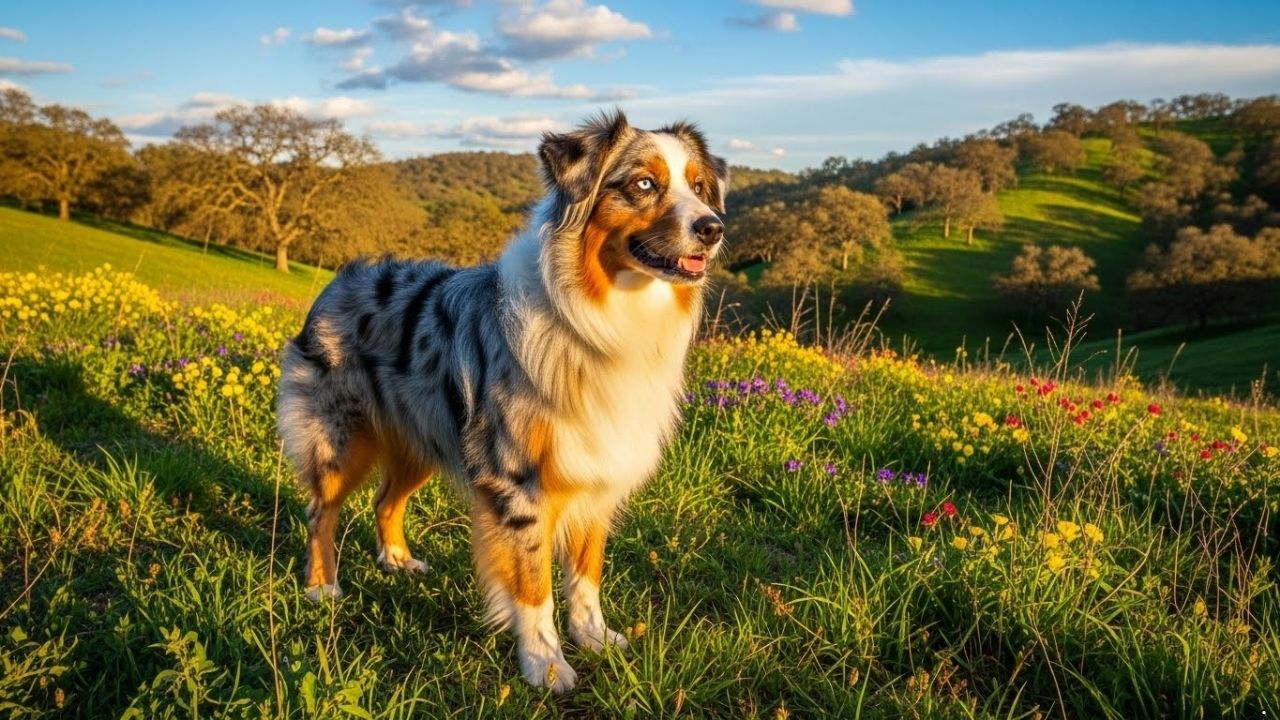
Ever wondered why some dogs seem to stick around forever, wagging happily year after year? Longevity in dogs is not just luck; it is a mix of energy, genetics, care, and a joyful approach to life. Smaller, active pups often age more slowly, staying playful and curious long after others slow down.
Proof that long life is possible came when a dog named Bobi from Portugal shocked the world. He officially broke the Guinness World Records by living over 30 years, rewriting everything we thought we knew about canine lifespan and proving that exceptional longevity truly exists.
This blog explored breeds known for impressive lifespans, highlighting what helps them thrive. From genetics to lifestyle and proper care, it shows how the right combination can add more happy years filled with love, play, and unforgettable companionship.
Dog Breeds Boasting the Longest Average Lifespan
1. Australian Cattle Dogs
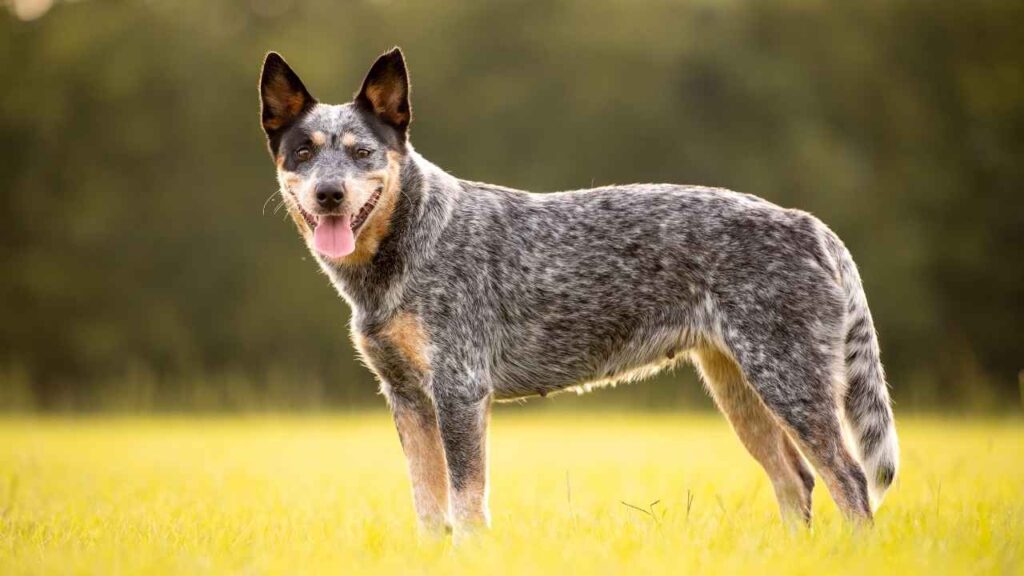
Australian Cattle Dogs are little powerhouses wrapped in a sleek coat, descended from dingoes and bred to herd livestock like pros. If you think your typical dog loves to run, wait until you meet a Blue Heeler or Red Heeler; they rarely sit still and are as sharp as they come.
Their intelligence isn’t just for show; these dogs love having a job to do and thrive on activity, keeping both their minds and bodies busy.
One of the coolest things about this dog breed is its lifespan. With an average of 12 to 16 years, they tend to stick around longer than many other breeds. That extra time comes from their hardy nature; they’re built tough and rugged, designed to handle demanding work without skipping a beat.
Add in their endless energy, and you’ve got a recipe for a dog that stays fit and healthy well into their senior years. They’re lively, loyal, and surprisingly resilient, always ready for the next adventure with a wagging tail and a sparkle in their eye.
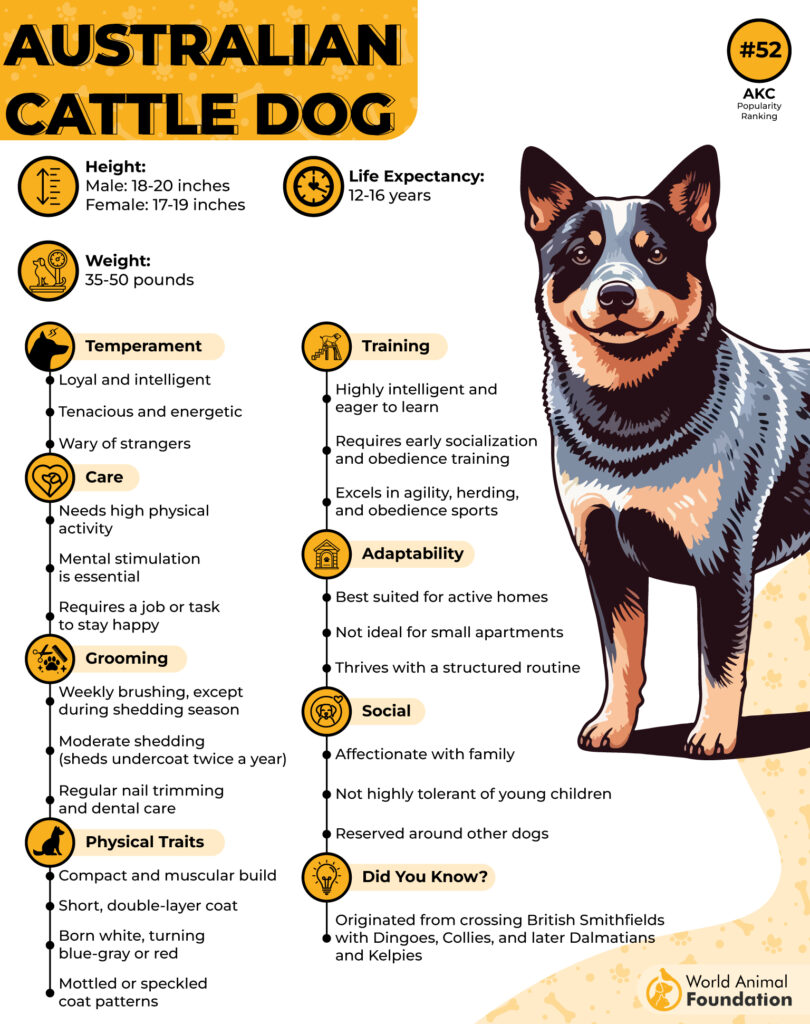
Caring Tip
Provide regular exercise
Give proper nutrition
Routine vet check-ups
2. Australian Shepherd
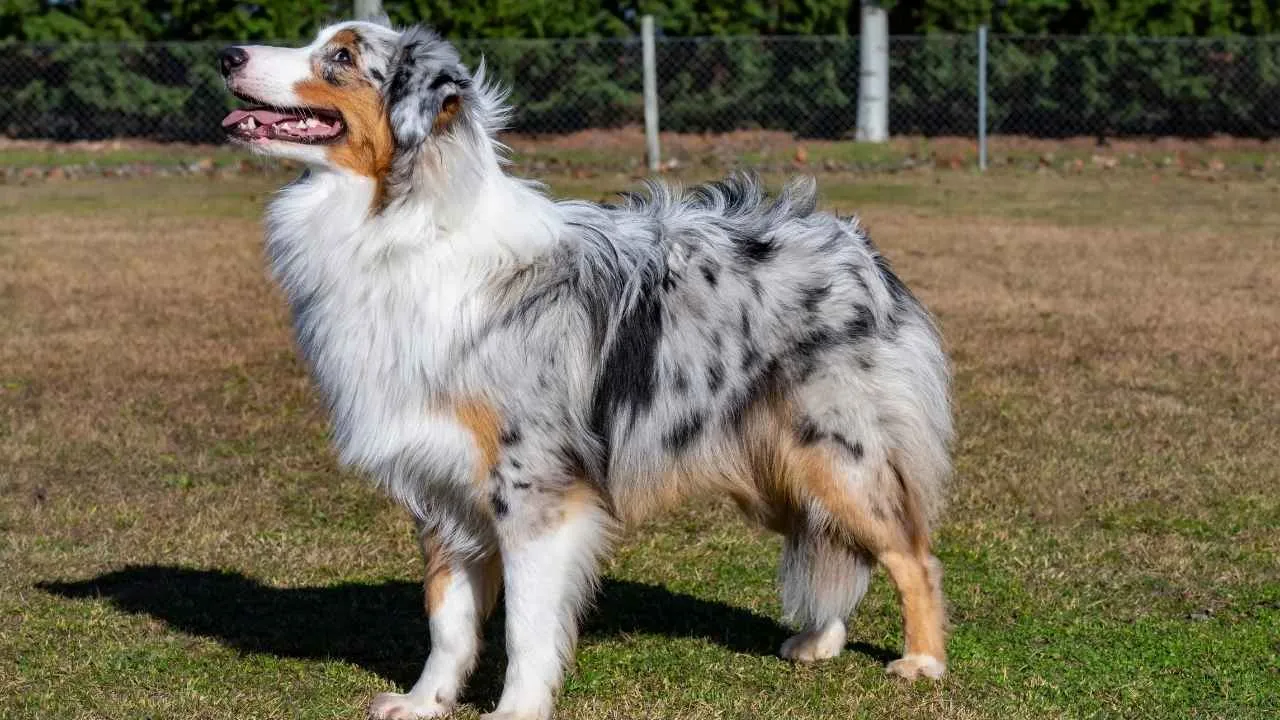
The Australian Shepherd is a lean, tough ranch dog perfected in California with roots tracing back through Australia. Cowboys favor them for herding, and their striking merle coats make them impossible to miss. Medium-sized and sturdy, they have piercing eyes that reflect intelligence and readiness for work.
These Aussies enjoy long lives with an average lifespan of 12 to 15 years, as mentioned by PetMD. Well, thanks to their playful, active nature. Running, playing, and staying busy keep their bodies strong and minds sharp.
Daily exercise and mental challenges fuel their energy and happiness, helping them live a happy life and preventing them from health issues.
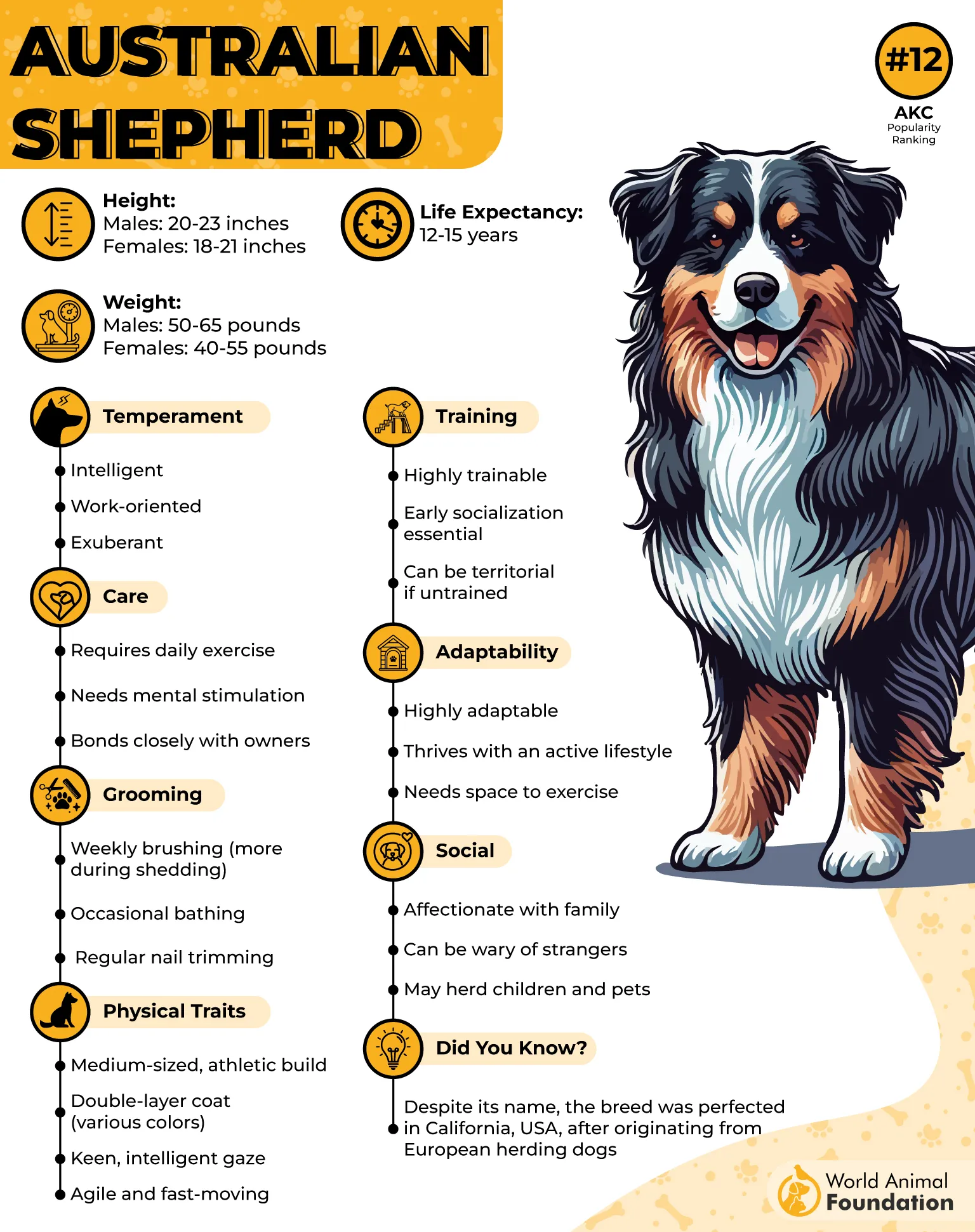
Their working heritage also supports longevity. Built for stamina and hard work, these furry friends handle challenges with ease. Paired with their curiosity and spirited personality, they stay healthy, energetic, and devoted companions well into their senior years.
Care Tip
Regular brushing to maintain skin health
Provide physical and mental stimulation
Feed a balanced diet to maintain overall health
3. Dachshund
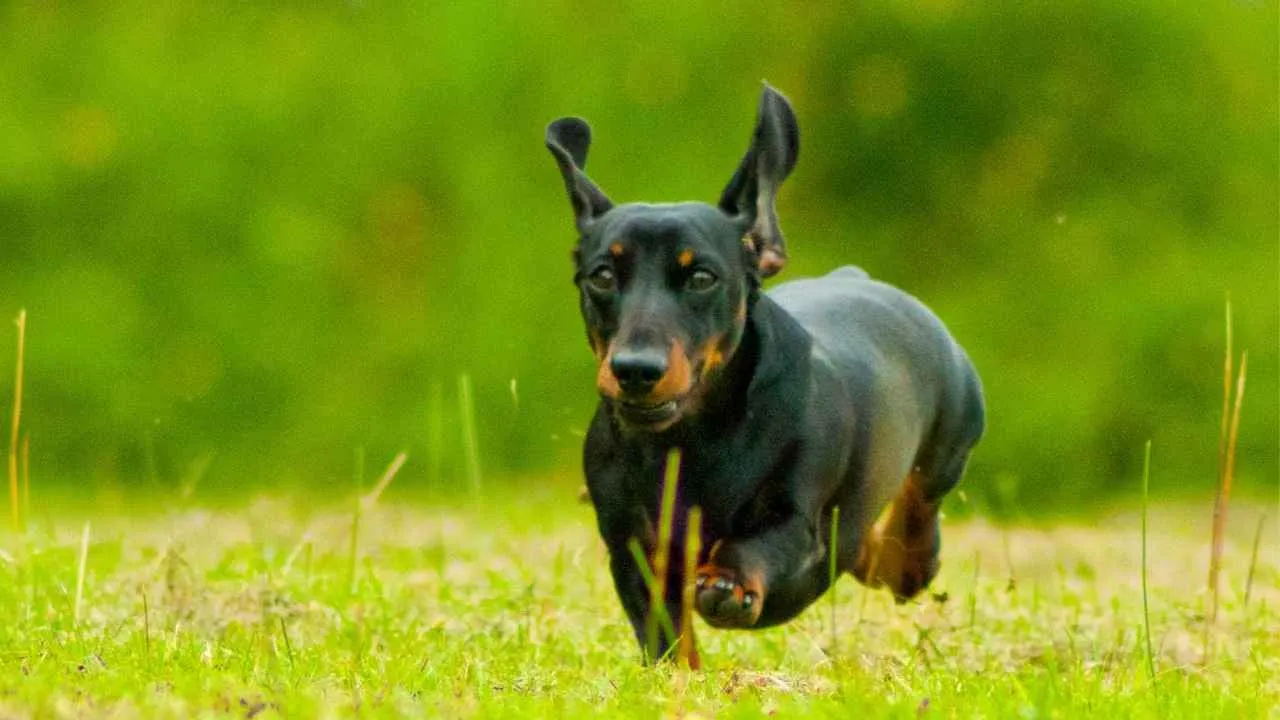
The Dachshund gets its name from the German words for badger (dachs) and dog (hund). Bred in 18th-century Germany, they were bred as hunting dogs. Their long, low bodies and floppy ears help them navigate tight burrows and protect their ears while racing through brush.
Dachshunds typically live 12 to 16 years, enjoying a surprisingly impressive lifespan for a dog. Their small size naturally contributes to longer life, keeping them active and agile for many years.

Lifestyle and a healthy diet also play a major role; well-fed, exercised Dachshunds stay healthy and energetic well into adulthood.
Genetics and preventive care further influence longevity. Regular checkups and an active lifestyle ensure these tiny hunters remain lively and resilient. However, they can suffer from dental diseases or heart diseases. It is better to take them for regular vet check-ups.
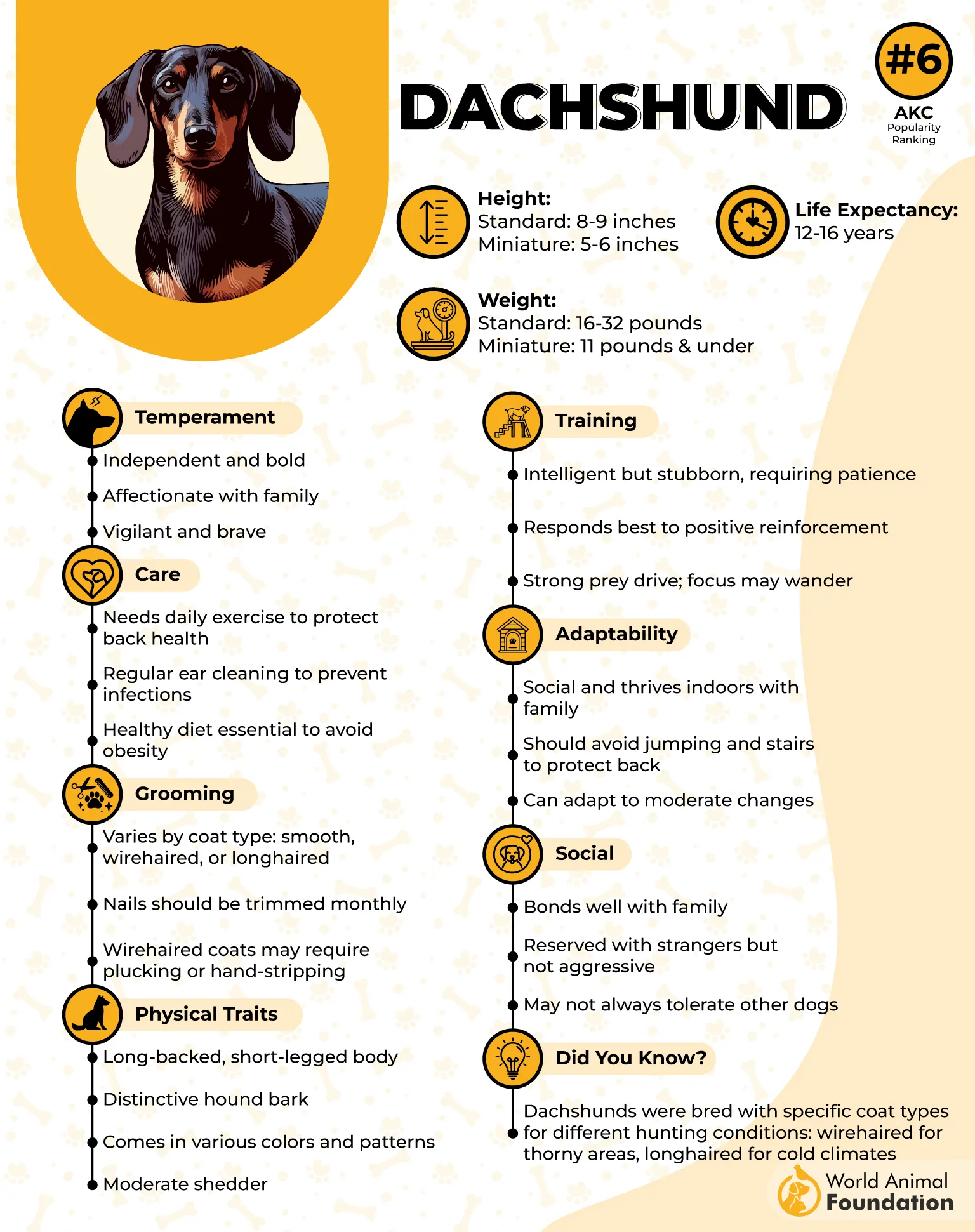
Care Tips
Weight management to prevent hip dysplasia
Focus on back health
Protect them from extreme heat
4. Poodles
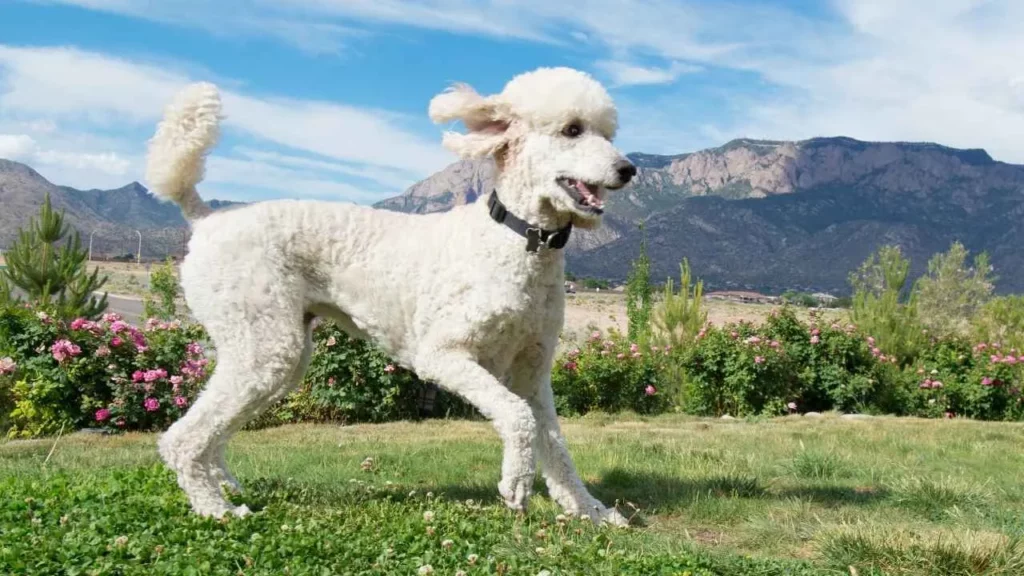
Whether Standard, Miniature, or Toy, and in black, white, or apricot, the Poodle is pure class. That curly coat isn’t just stylish; it hides an elegant athlete ready for games, walks, or just showing off.
Most importantly, this coat makes them a hypoallergenic breed. Poodles are the kind of dog that turns heads while keeping allergy sufferers happy.
Their long life isn’t just luck; it’s in the genes. Bred to retrieve waterfowl, Poodles became natural athletes and circus stars, giving them strong, healthy genetics. Those robust genes help them stay lively, active, and ready for fun adventures for many years, keeping owners smiling all the way.
Socializing early is key. Meeting people, pups, and new experiences keeps their minds sharp and bodies buzzing with energy. Happy, well-socialized Poodles grow into confident, playful companions who stay joyful, healthy, and full of charm well into their golden years.
Care Tips
Feed quality supplements
Provide enough physical activity for overall well-being
Let them drink fresh and clean water
5. Shih Tzus

The Shih Tzu is a tiny ball of fluff from Tibet, born from Pekingese and Lhasa Apso ancestors. Don’t be fooled by the name “little lion”; these pups are all cuddles and kisses.
Friendly, affectionate, and full of personality, they’ve been stealing laps and hearts for centuries. Small-sized dog but big charm, and endless love, what’s not to adore?
These little dynamos are one of the longest living dog breeds, and adaptability is their secret superpower. Shih Tzus handle different homes, climates, and routines like pros, keeping stress low and tails wagging. A relaxed, happy pup is a healthy pup, and with their flexibility, they thrive for many joyful years.
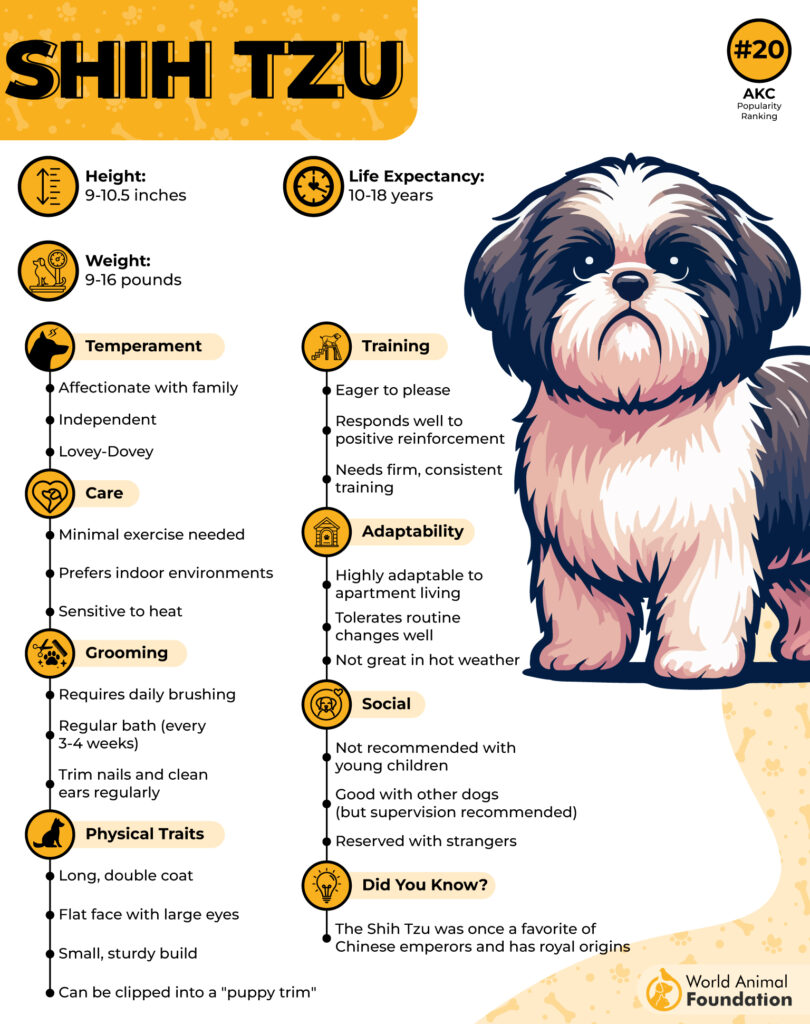
Their ancient lineage also supports a long lifespan. Before vets and modern medicine, only the toughest, healthiest pups survived and passed on strong genes. Today’s Shih Tzus inherit that resilience, making them long-lived, playful, loving companions who charm everyone they meet.
Care Tips
Try to use fish oil supplements
For digestive health, use a probiotic
Take them for annual vaccinations to ensure dog longevity
6. Papillon
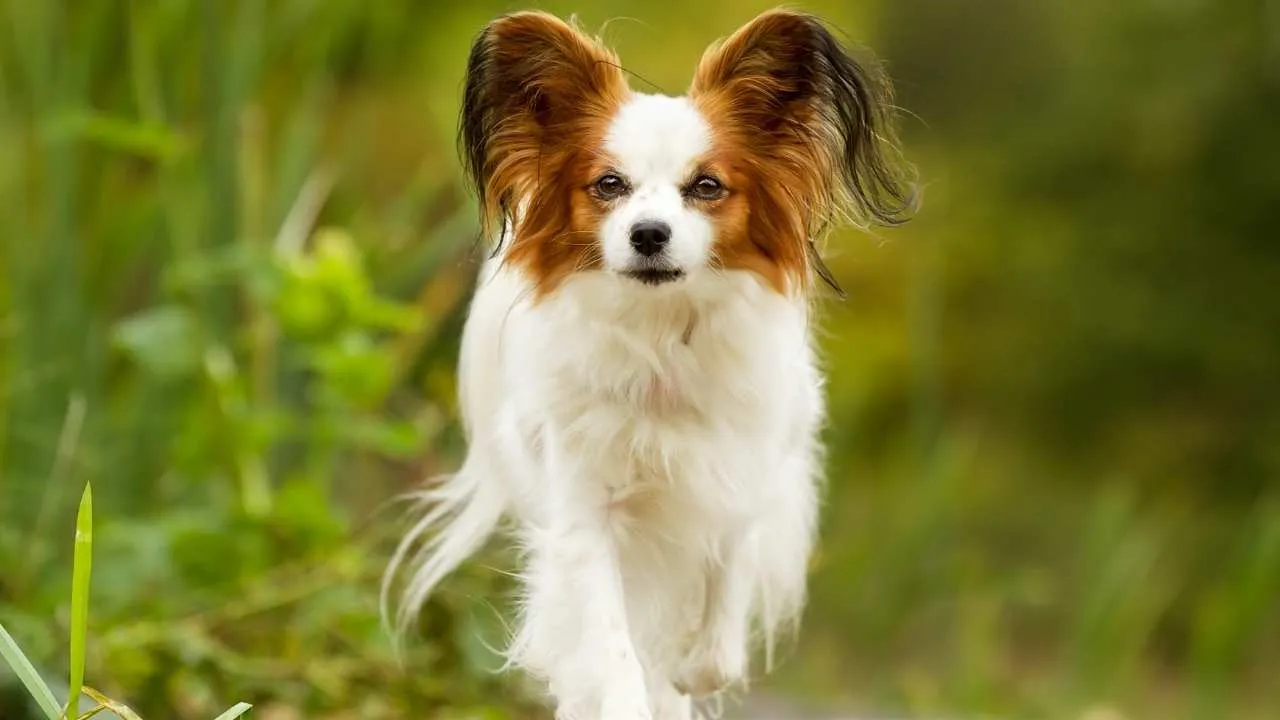
The Papillon is a toy dog from the 16th century, originally called a dwarf spaniel. Their butterfly or moth-shaped ears give them endless charm. Descended from toy Spaniels, they even appear in famous paintings. Papillons also shine in agility and sometimes work as therapy or service dogs.
Papillons live about 14 to 16 years, which is long for a dog. Small size slows aging, and royal companion history adds resilience. Combined with athletic Spaniel heritage, these traits create hardy, healthy dogs that enjoy many playful, joyful years.
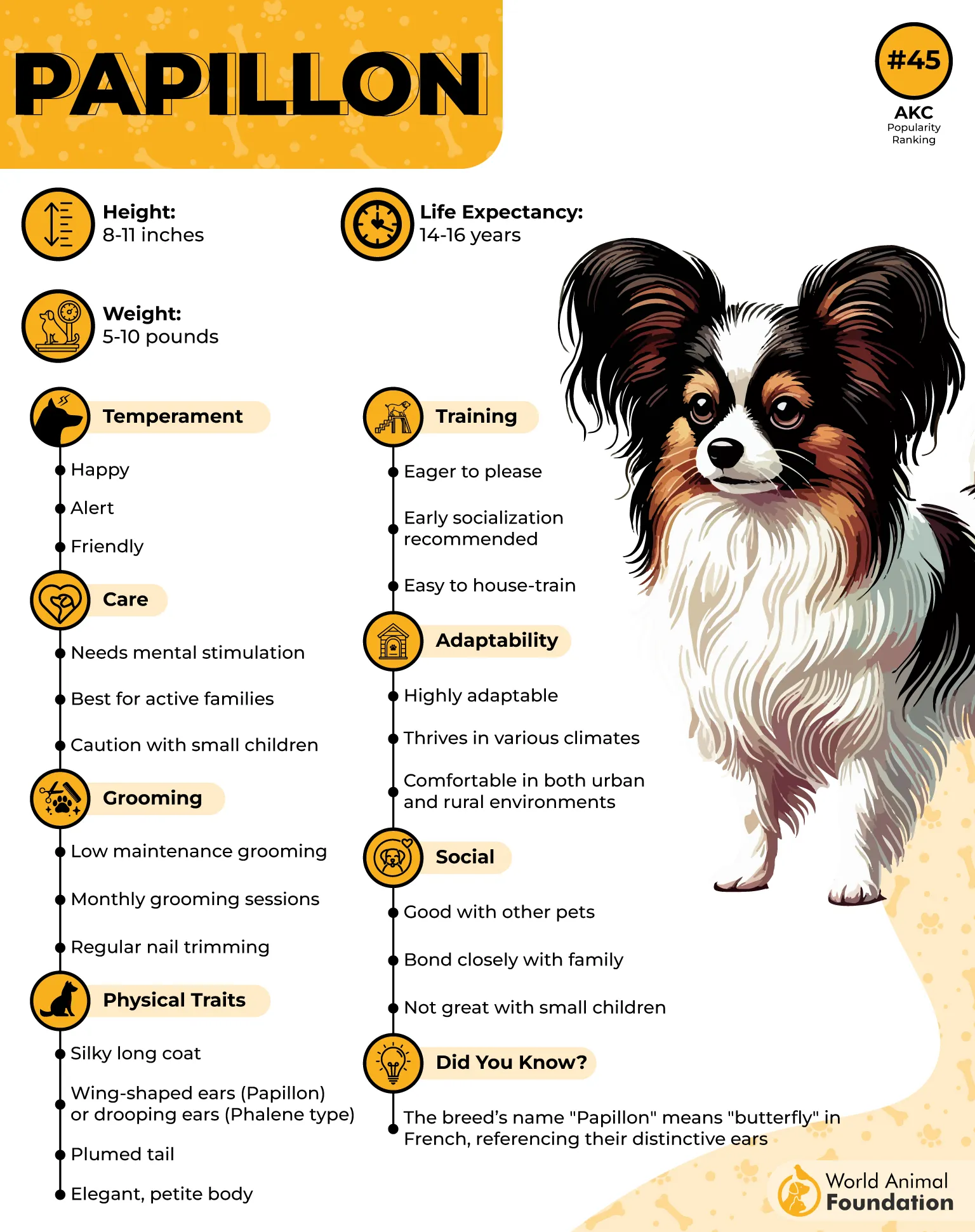
Energy is the secret to their happy, long life. More active than most toy breeds, Papillons love running, zooming, and agility games. Staying busy keeps their bodies fit, minds sharp, and tails wagging. Their lively, adventurous nature, paired with affection and curiosity, helps them thrive, bringing joy, fun, and companionship well into their teens.
Care Tips
Regular grooming
Give them mental exercise
Take care of dental hygiene
7. Chihuahua
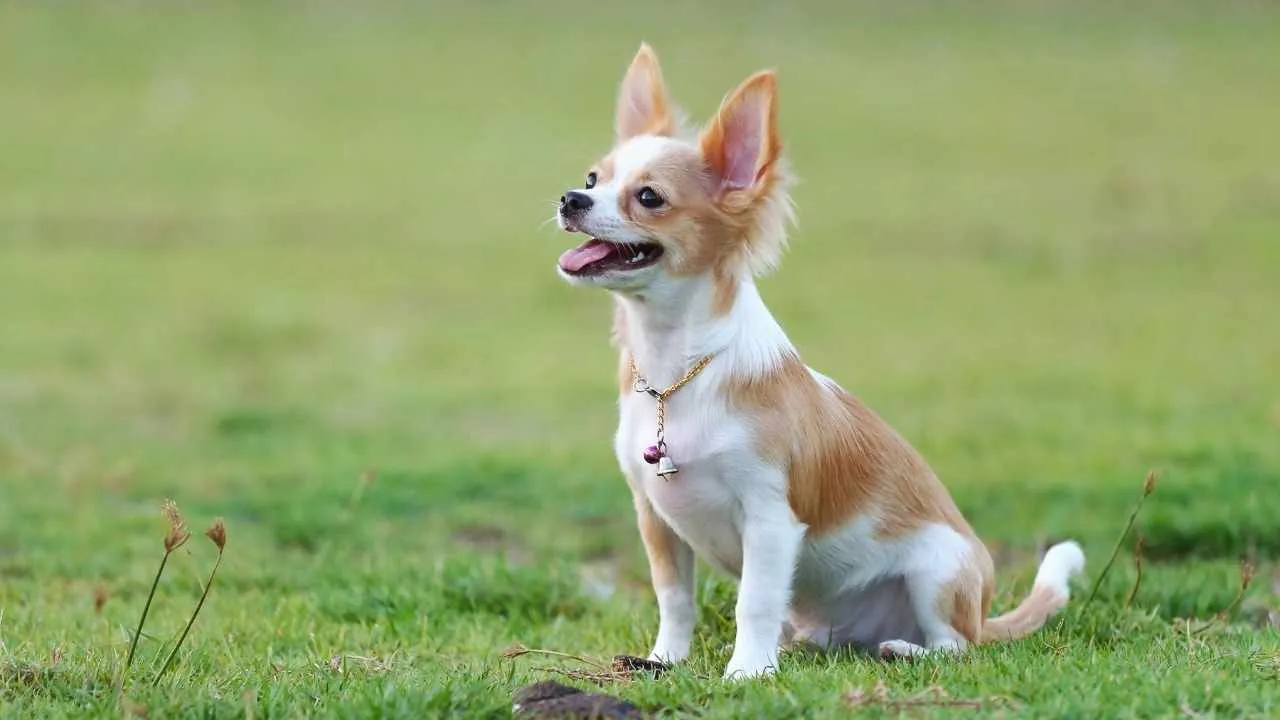
The Chihuahua is the smallest dog breed, named after Mexico’s Chihuahua state, where it first appeared in the mid-19th century.
Its rounded “apple” head, erect ears, and expressive eyes make it instantly recognizable. Coats come in countless colors and patterns, and can be either short or long, giving each pup a unique personality and style.
Chihuahuas are the longest-lived small breed. Purina states their life expectancy is 12 to 18 years. Their small size brings big advantages: less cellular stress and fewer size-related health problems. That’s why they are the healthiest dog breeds and wonderful family pets.
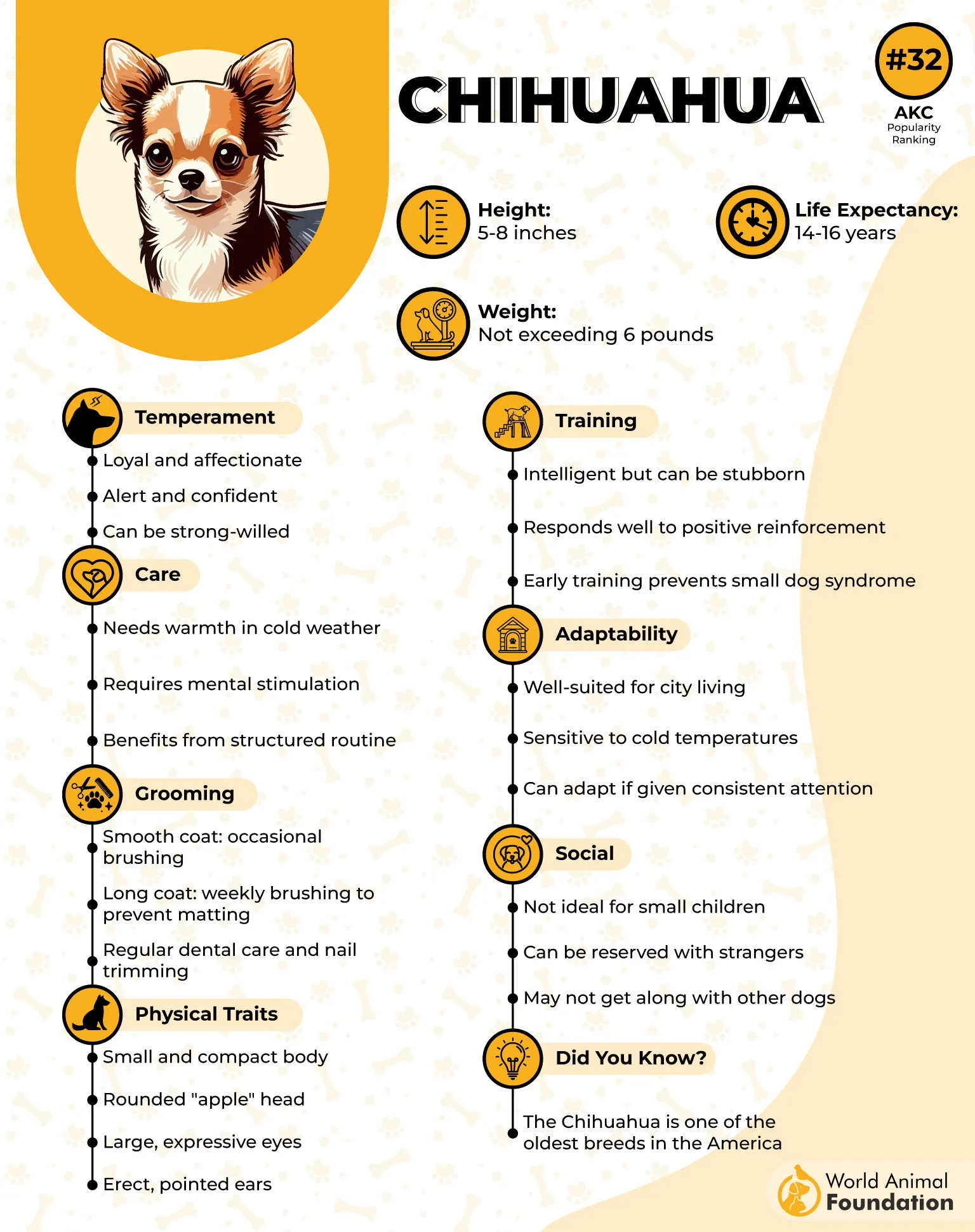
Efficient metabolism adds another edge. Their bodies process nutrients well and maintain energy levels, keeping them lively, playful, and alert. With these traits, these small dogs stay active, joyful, and affectionate companions well into their golden years.
Care Tips
Proper grooming for the coat
Feed small-breed dog food
Routine veterinary care
Conclusion
The longest living breeds prove that size isn’t everything when it comes to packing in years of love and adventure. Small or medium, energetic dogs tend to stay lively and playful, keeping both body and mind in tip-top shape.
Genetics and history play a big role, too. Dogs bred for hard work or royal companionship often inherit resilience, giving them a head start on living many joyful years. Combine that with regular exercise, good food, and mental stimulation, and you have a recipe for a long, happy life.
Most importantly, their zest for life is contagious. Whether chasing a ball, snuggling on laps, or exploring new adventures, these furry friends remind us that laughter, love, and wagging tails truly add years to life.
