




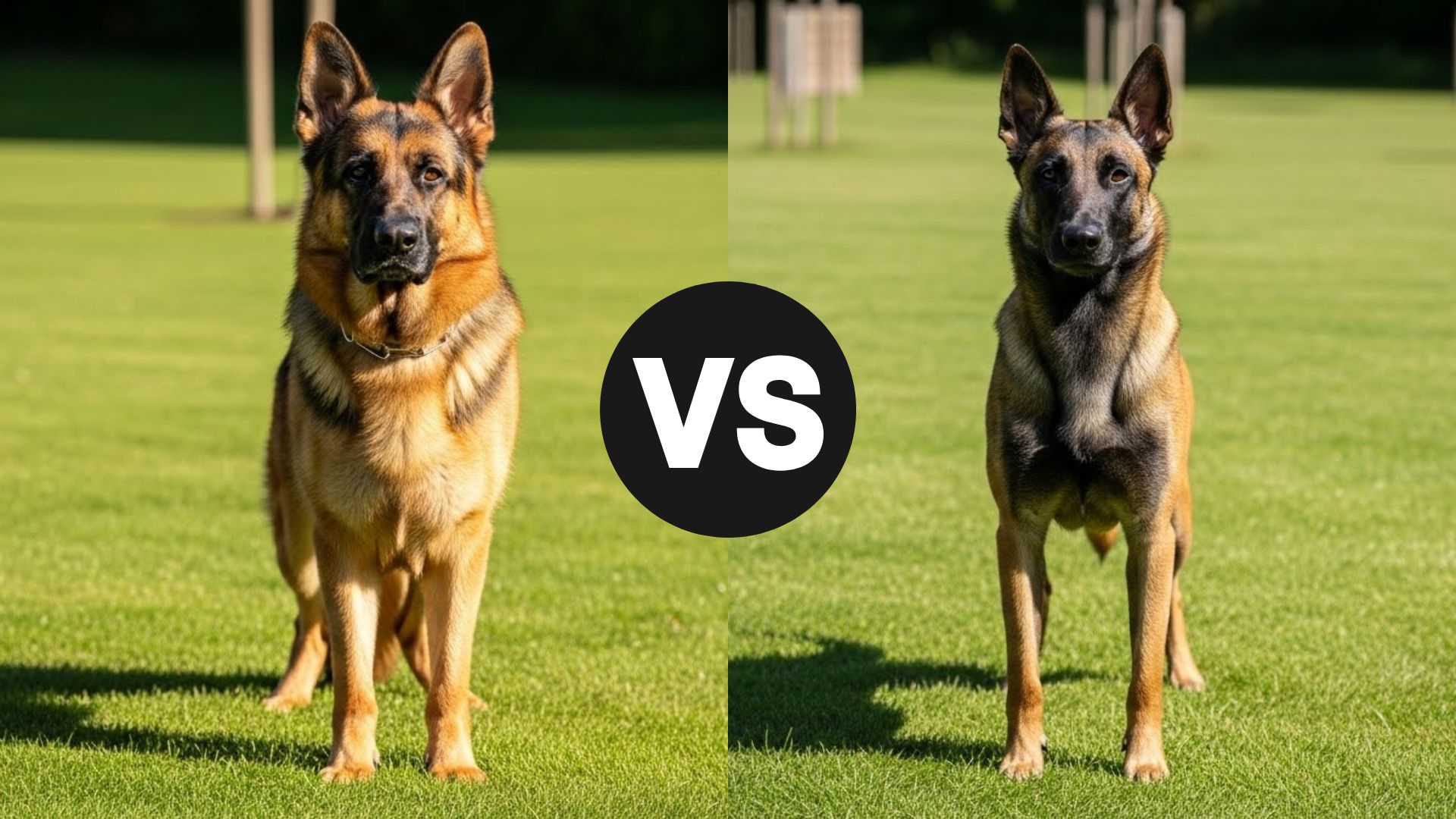
When choosing a working or family dog, understanding the differences between a German Shepherd and a Belgian Malinois is essential. Both breeds are highly intelligent, loyal, and energetic, but they have distinct traits that set them apart. Their origins, temperaments, and physical characteristics influence how they thrive in different environments.
German Shepherds are known for their versatility and balanced temperament. They often excel in family settings, police work, and service roles due to their adaptability and steady nature. Malinois, on the other hand, are highly driven and require intense mental and physical stimulation, making them better suited for active handlers or professional work scenarios.
By examining their energy levels, training needs, and social tendencies, prospective owners can make informed decisions. Understanding the differences between these two breeds ensures a strong bond and a well-suited lifestyle for both the dog and its owner.
German Shepherd vs Malinois: Understanding These Dog Breed Differences
German Shepherd vs. Belgian Malinois: Breed Overview
German Shepherd Overview
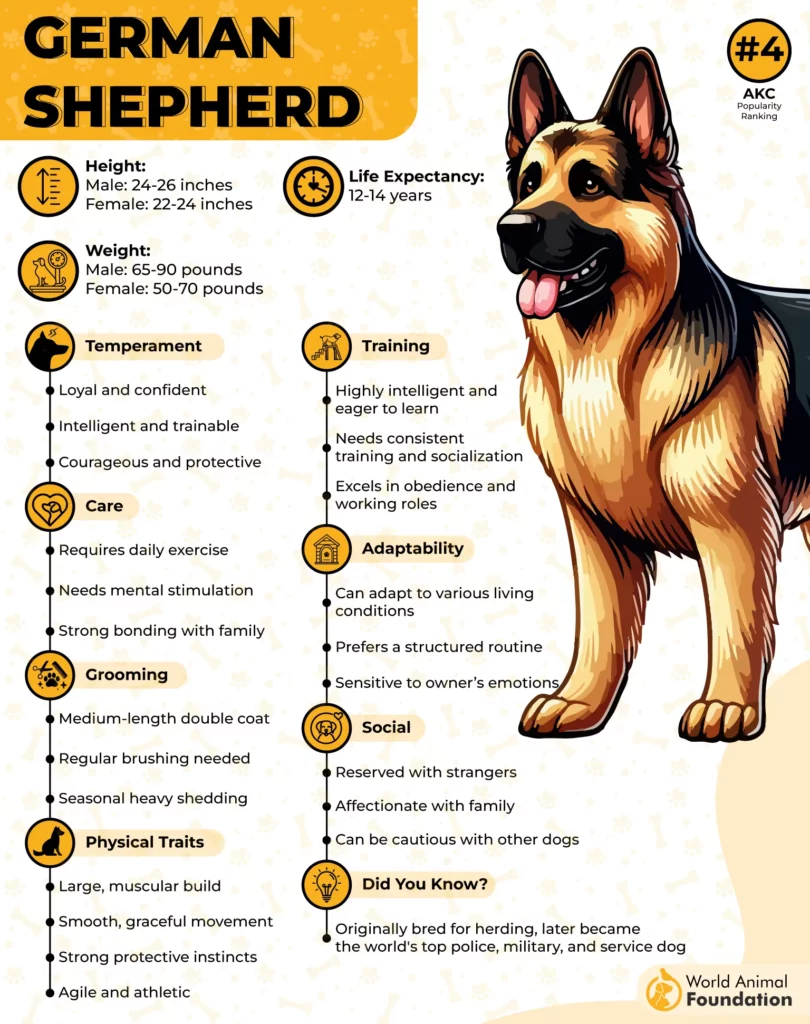
German Shepherds are large, agile, and herding dogs known for their intelligence and loyalty. Originally bred as herders in Germany, they combine courage, confidence, and a strong work ethic. Today, they thrive as family pets, guardians, and K-9 workers, excelling in police and military roles.
Belgian Malinois Overview
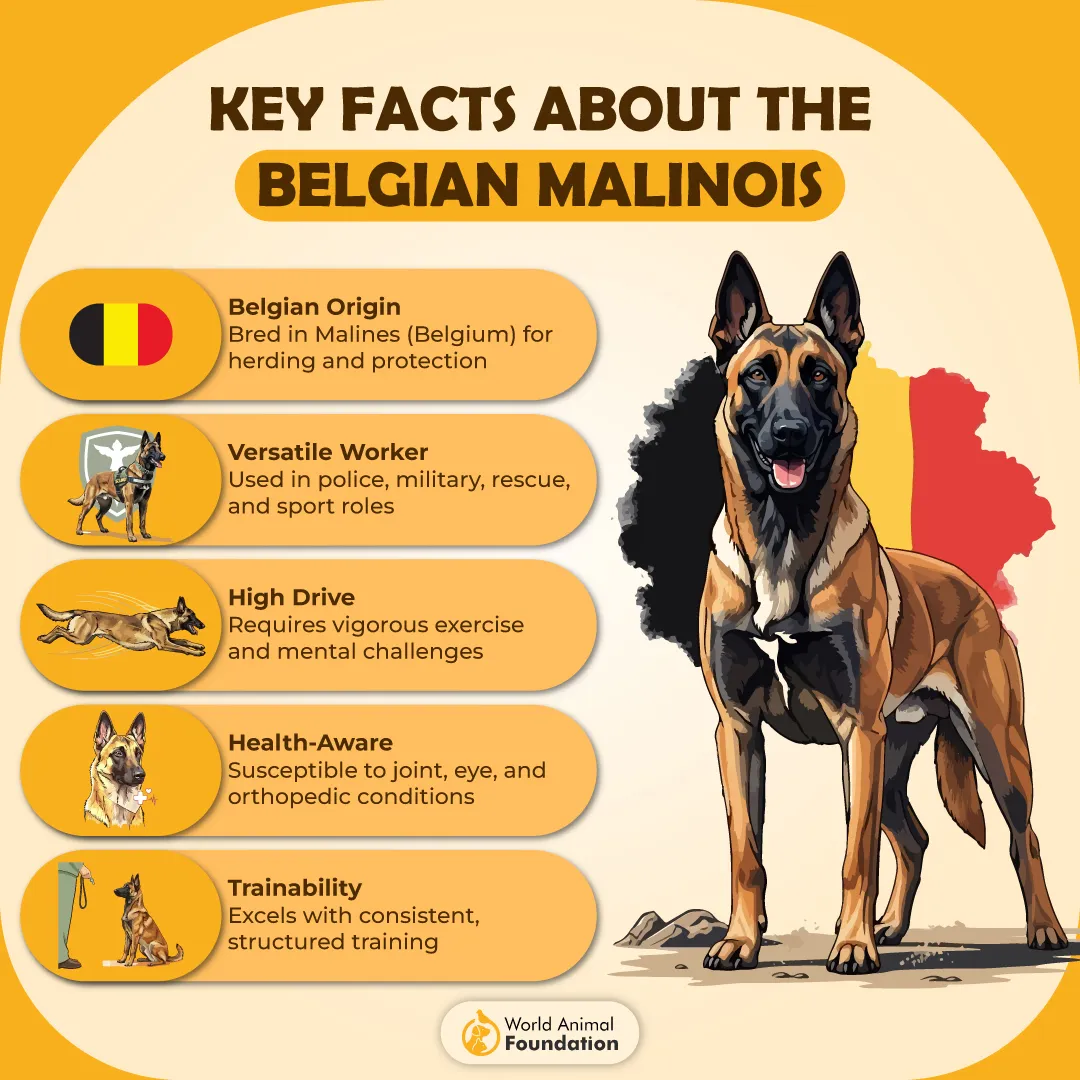
Belgian Malinois are smart, energetic, and highly driven dogs, bred to herd and work alongside humans. They are leaner and more elegant than German Shepherds, standing 22–26 inches with alert expressions and strong, athletic bodies, as per Britannica.
Comparing German Shepherd and Malinois
While both herding breeds are loyal and hardworking, Shepherds are generally steadier and family-friendly, whereas Malinois are intense and high-energy. Shepherds excel in versatility, while Malinois shine in specialized work like police or military tasks.
Choosing between them depends on lifestyle, training experience, and activity level.
Physical Structure: Size, Strength & Athletic Build Comparison
German Shepherd
German Shepherds are large, agile, and muscular dogs, originally bred for herding in Germany. They have a dense double coat, usually gray and black or black and tan, and stand 22–26 inches tall. Their strong, athletic build allows them to excel in police, military, and protection work.
Belgian Malinois
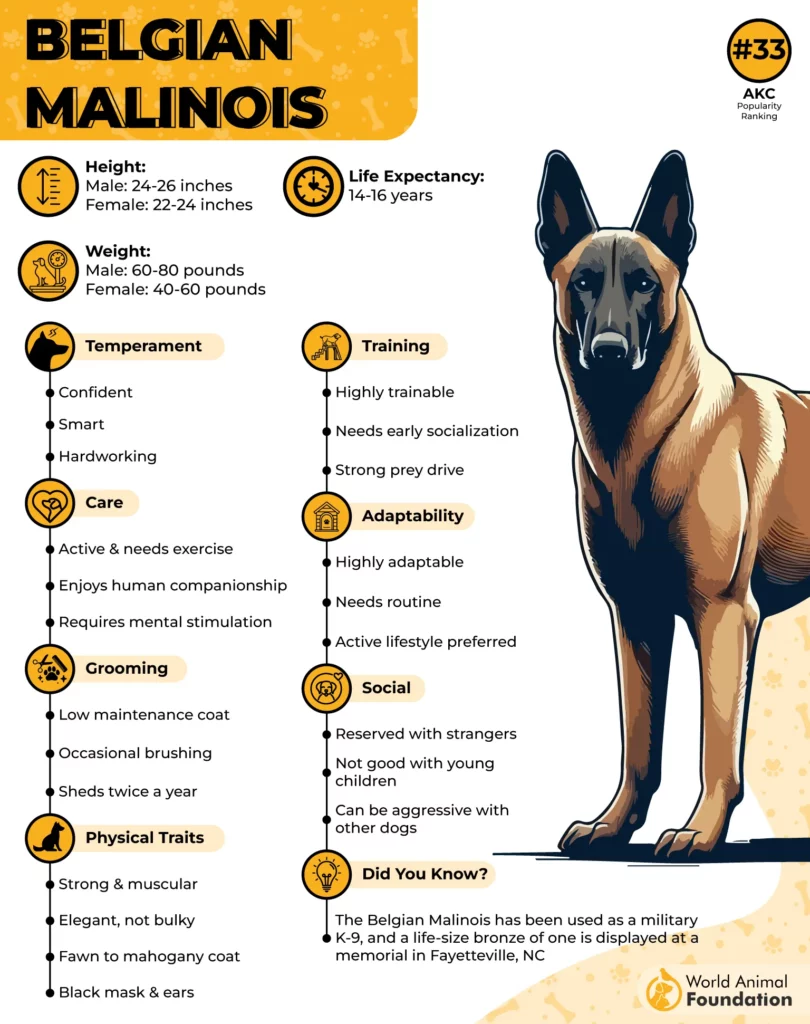
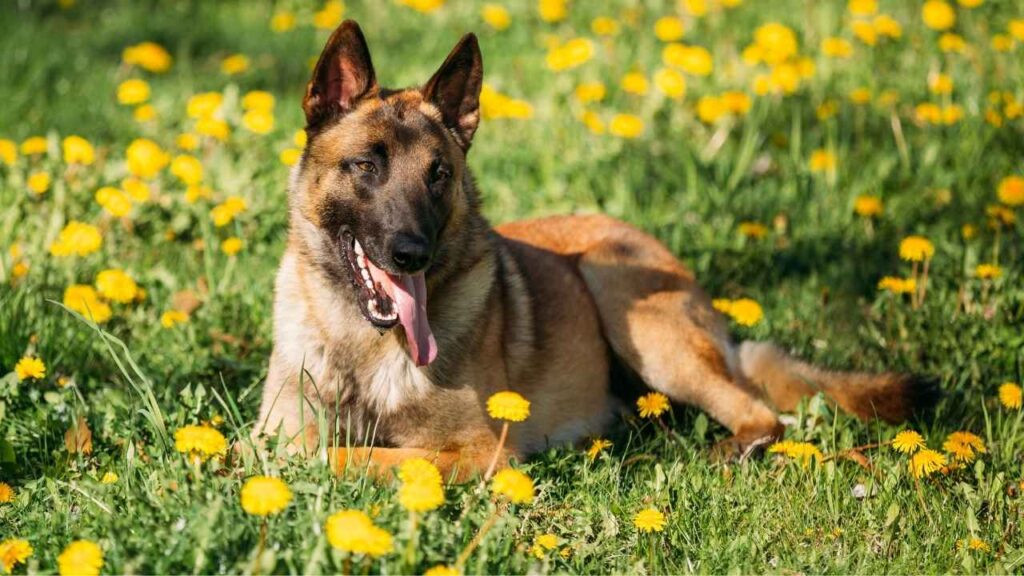
Belgian Malinois are medium-sized, square-built dogs with a well-muscled and agile frame. They have short, fawn to mahogany coats with black masks and ears, standing 22–26 inches tall. Built for stamina and dexterity, they thrive in herding, protection, and law enforcement roles.
German Shepherd vs Belgian Malinois Build Comparison
While both breeds are athletic and strong, Shepherds are larger and sturdier, suited for versatile work and family life. Malinois are leaner and more agile, requiring intense exercise and mental stimulation. Choosing the right breed depends on activity level, training experience, and lifestyle needs.
Temperament, Nature & Personality Traits
German Shepherd
German Shepherds are large, intelligent, and versatile dogs. Originally bred for herding sheep, they have become indispensable as police, military, and service dogs, as per PetMD. They thrive in active households and form strong bonds with their families while maintaining a reserved attitude toward strangers.

Belgian Malinois
Belgian Malinois are agile, medium-sized dogs bred for herding and protection. They excel in police, military, and service roles and require constant mental and physical stimulation. Their strong bond with a dedicated owner makes them loyal companions, but also demands an experienced and active handler.
Comparing German Shepherds and Belgian Malinois
While both breeds are intelligent, protective, and highly trainable, German Shepherds are generally more adaptable to an entire family life, with a calm and confident temperament. Belgian Malinois are leaner, faster, and more intense, thriving in structured, high-activity environments.
Activity Demands: Exercise Intensity & Energy Levels
German Shepherd
German Shepherds are large, athletic dogs with boundless energy, built for work and adventure. They thrive on activities that challenge both mind and body, including agility, tracking, and protection sports. Without enough exercise, they can become bored, restless, and may develop behavioral problems.
Belgian Malinois
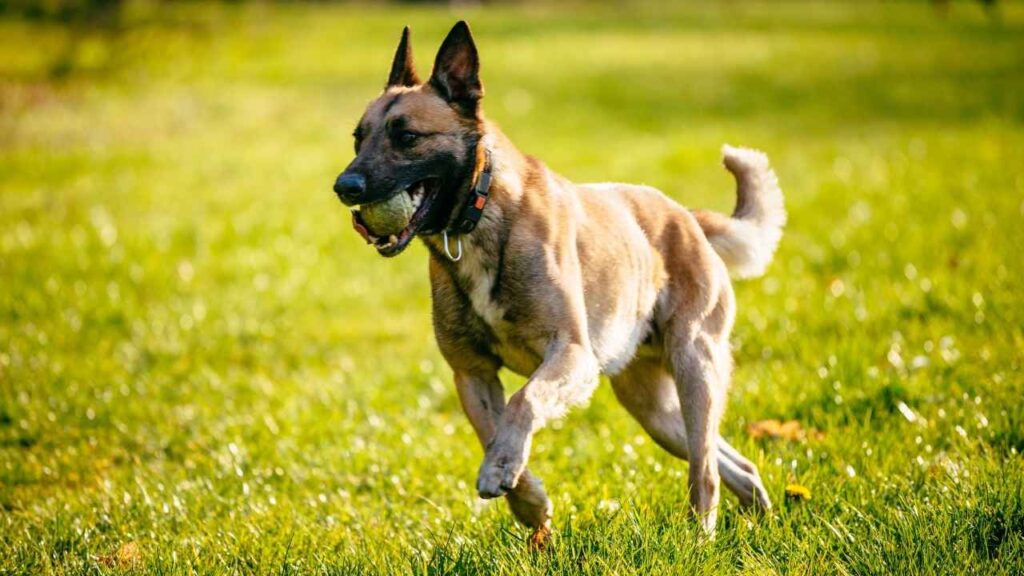
Belgian Malinois are high-energy, intelligent dogs that require constant physical and mental stimulation. Naturally driven to work, they excel in herding, obedience, and protection roles, forming tight bonds with their handlers. Under-stimulated Mals can become anxious, destructive, or overly intense, making daily activity essential.
Comparing Exercise Needs
Both breeds are hardworking and active. German Shepherds adapt more easily to varied family routines, whereas Belgian Malinois demand higher, structured activity levels. GSDs enjoy play and training alongside walks, but Mals need vigorous exercise to satisfy their drive.
Intelligence, Trainability & Working Drive
German Shepherd
German Shepherds are large, agile dogs known for their intelligence, loyalty, and versatility. Originally bred in Germany for herding, they now excel in police, military, and service work, as per the AKC. With consistent training, socialization, and at least two hours of daily exercise, they become devoted family pets.
Belgian Malinois
Belgian Malinois are medium-sized, high-energy dogs valued for their intelligence, agility, and strong work drive. Developed in Belgium as herders and guardians, they thrive in police, military, and competitive sports. This breed needs extensive daily physical and mental stimulation.
Comparing German Shepherd and Belgian Malinois
German Shepherds are often more adaptable to family life and slightly calmer at home. Malinois are more intense, requiring constant engagement and structured training to prevent destructive behavior. Choosing between them depends on the owner’s experience, activity level, and ability to meet each breed’s exercise and mental stimulation needs.
Vocal Tendencies, Alertness & Responsiveness
German Shepherd
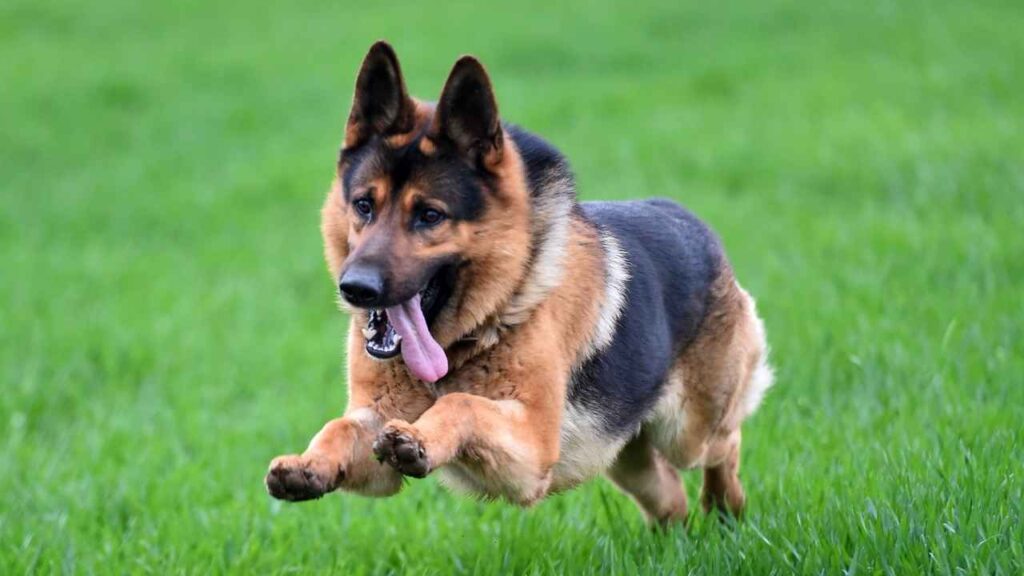
German Shepherds are naturally vocal and use barking as a clear way to communicate alerts, emotions, and potential threats. Highly responsive to sounds, commands, and movement, they react quickly and decisively when something demands attention.
Belgian Malinois
Belgian Malinois are highly vocal when stimulated, using sharp barks to signal excitement, concern, or perceived danger. Their intense alertness keeps them constantly aware of their environment, rarely missing sudden movements or unfamiliar sounds, as per Hill’s Pet.
Comparing German Shepherd and Belgian Malinois
German Shepherds tend to be more adaptable to family life, calmer indoors, and slightly easier to manage. Malinois are more intense, with a strong drive for work and high-energy play, and can be challenging for novice owners. Choosing between them depends on your experience, activity level, and ability to meet each breed’s physical and mental needs.
Coat Type, Shedding Patterns & Grooming Requirements
German Shepherd
German Shepherds are large dogs with medium-length double coats that can be coarse or slightly wiry. Their thick undercoat sheds heavily, especially during seasonal changes, so regular brushing is needed to manage loose hair.
Belgian Malinois
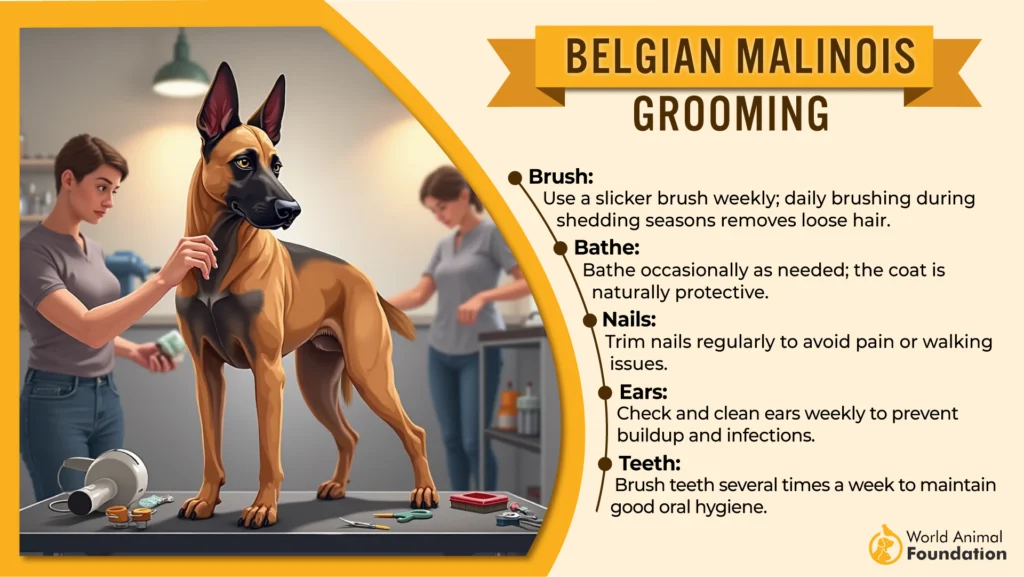
Belgian Malinois have short, dense coats that are easy to maintain and shed moderately throughout the year. Their fawn to mahogany coloring, often with a black mask and ears, highlights their sleek, athletic build. Daily brushing during heavy shedding periods and routine care keep their coat healthy while supporting their energetic, work-driven lifestyle.
Comparing German Shepherd and Belgian Malinois
Both breeds shed, but German Shepherds require more frequent grooming due to their longer undercoat, while Malinois are lower-maintenance in that regard. GSDs may tolerate a variety of climates due to their dense coat, whereas Malinois prefer cooler conditions but adapt well with proper care.
Health Concerns, Genetic Risks & Average Lifespan
German Shepherd
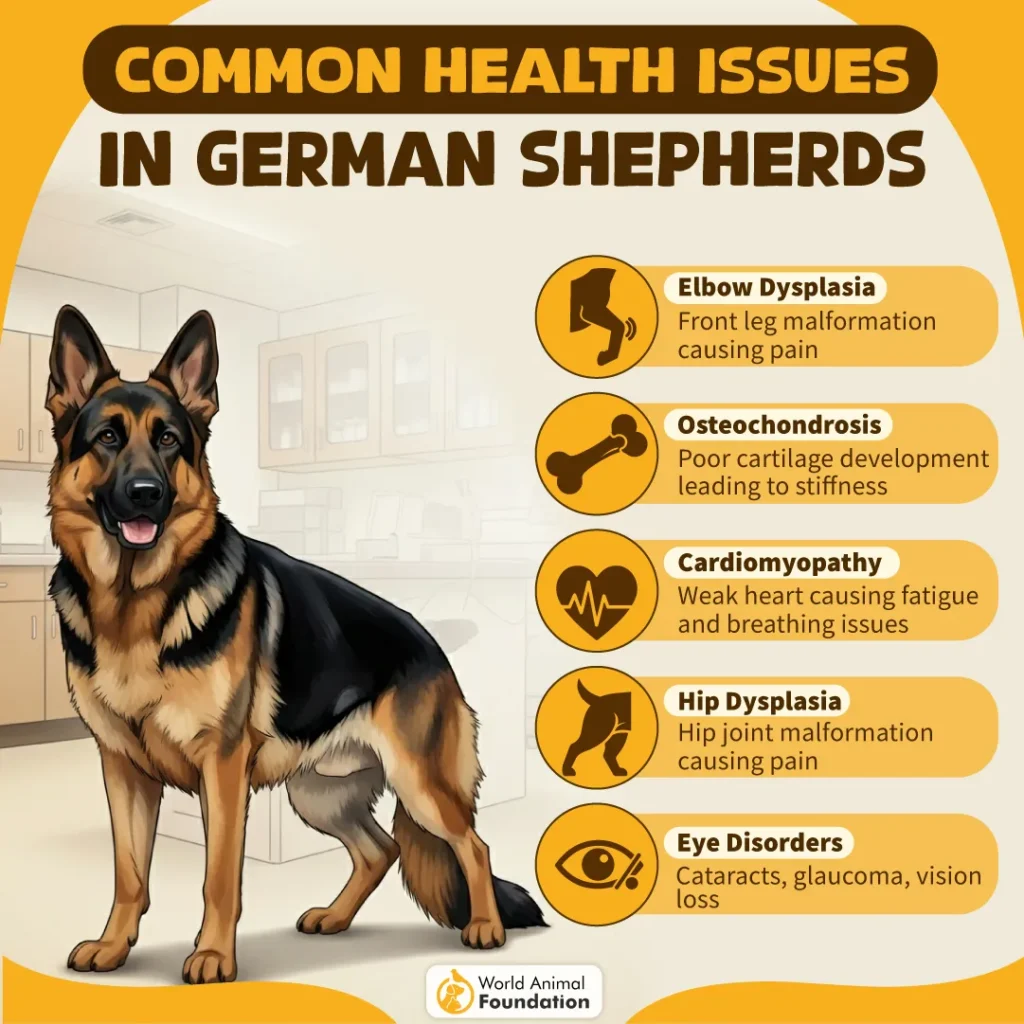
German Shepherds are generally strong dogs, but are prone to genetic health issues such as hip and elbow dysplasia, digestive disorders, and skin sensitivities. With responsible breeding, good nutrition, and regular vet care, German Shepherds typically live between 9 and 13 years.
Belgian Malinois
Belgian Malinois are considered a relatively healthy and resilient breed, though they can still face conditions like hip dysplasia and overheating due to their intense work drive. On average, Belgian Malinois enjoy a longer lifespan of about 12 to 15 years when properly cared for, as per Orvis.
Comparing German Shepherd and Belgian Malinois
Both breeds benefit greatly from health testing, balanced diets, and structured exercise to reduce genetic risks. German Shepherds tend to face more inherited joint and digestive issues, while Malinois are more vulnerable to overexertion injuries. Lifespan differences often reflect body structure and workload, with Malinois generally outliving German Shepherds.
Suitability Comparison: Professional Working Roles, Home Security & Family Environment
German Shepherd
German Shepherds are highly intelligent, loyal dogs known for their balanced temperament and adaptability across professional and family roles. In a family environment, they are overly protective yet gentle, thriving best with consistent training, structure, and daily mental engagement.
Belgian Malinois
Belgian Malinois are elite working dogs with intense drive, exceptional focus, and unmatched stamina. They excel in demanding professional roles such as law enforcement, military operations, and advanced protection sports, where precision and endurance are critical.
Comparing German Shepherd and Belgian Malinois
Both breeds are intelligent and highly trainable, but their suitability differs based on lifestyle and purpose. German Shepherds offer versatility, balancing professional work with family companionship and home security. Belgian Malinois are more specialized, excelling in high-performance roles but requiring constant engagement, firm leadership, and structured environments to truly thrive.
Conclusion
Choosing between German Shepherd vs Malinois, understanding these dog breed differences starts with recognizing why these are among the most beloved breeds.
At first glance, the physical characteristics, big ears, proud carriage, and athletic physique show many similarities, yet the key differences appear in temperament, personality, and intelligence.
In daily life, German Shepherds tend to be a balanced family pet, while Malinois thrive as working dogs in police work, the police force, and dog sports. Both herding dogs come from herding sheep, making them prey-driven, high-energy, and prone to destructive behavior without enough exercise and regular exercise.
Health, care, and ownership also define the differences and similarities across breeds. A double coat, waterproof coat, weekly brushing, frequent brushing, quick brushing, and managing loose hair matter, alongside risks like elbow dysplasia and degenerative myelopathy.
