




Work, obligations, and continuous to-do lists make life already feel full. For most people, a dog should provide comfort and not cause stress. Dogs bring joy and emotional benefits to their owners, but they also come with financial responsibilities, including high-quality food and vet visits.
This is where breeds with low-maintenance requirements come to the forefront. These dogs are composed, have a good emotional balance, and do not require much activity or attention constantly.
Choosing an easy-care pet does not necessarily mean having a boring or unapproachable one. On the contrary, it means having predictable routines, manageable care needs, and a pet that fits into your lifestyle.
Opting for a low-maintenance breed can make life easier for busy owners by simplifying daily routines and reducing stress. If you want a dog that will be loyal but not loud, then these breeds are your best bet.
In this article, we will explore the best dog breeds offering low-maintenance living.
Fun Fact
Moderately active and quiet dogs not only cause less daily stress but also increase the emotional state of their owners. The animals’ even temperament usually aligns with the calm house rhythm. A well-chosen dog can be like having a silent and steady support at home
Best Dog Breeds Offering Low-Maintenance Living
1. Shiba Inu
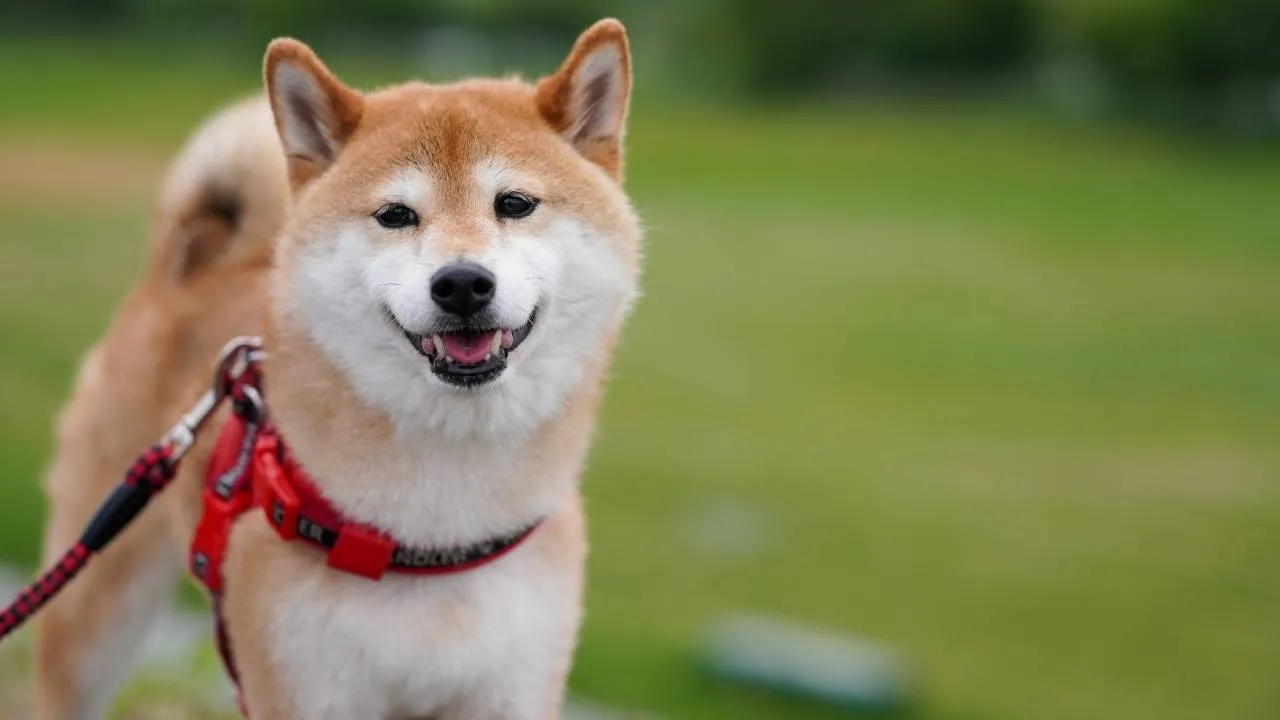
The Shiba Inu is an ancient Japanese breed originally developed to hunt birds and small game in rugged terrain. While their ancestors were skilled hunters, modern Shibas are just as happy relaxing indoors and enjoying a calm home environment.
One of their standout traits is cleanliness. Shiba Inus are famously fastidious and often groom themselves like cats, which means they need infrequent bathing; usually only every few months. This natural cleanliness also keeps doggy odors to a minimum and makes house training easier, as they strongly dislike soiling their living space.
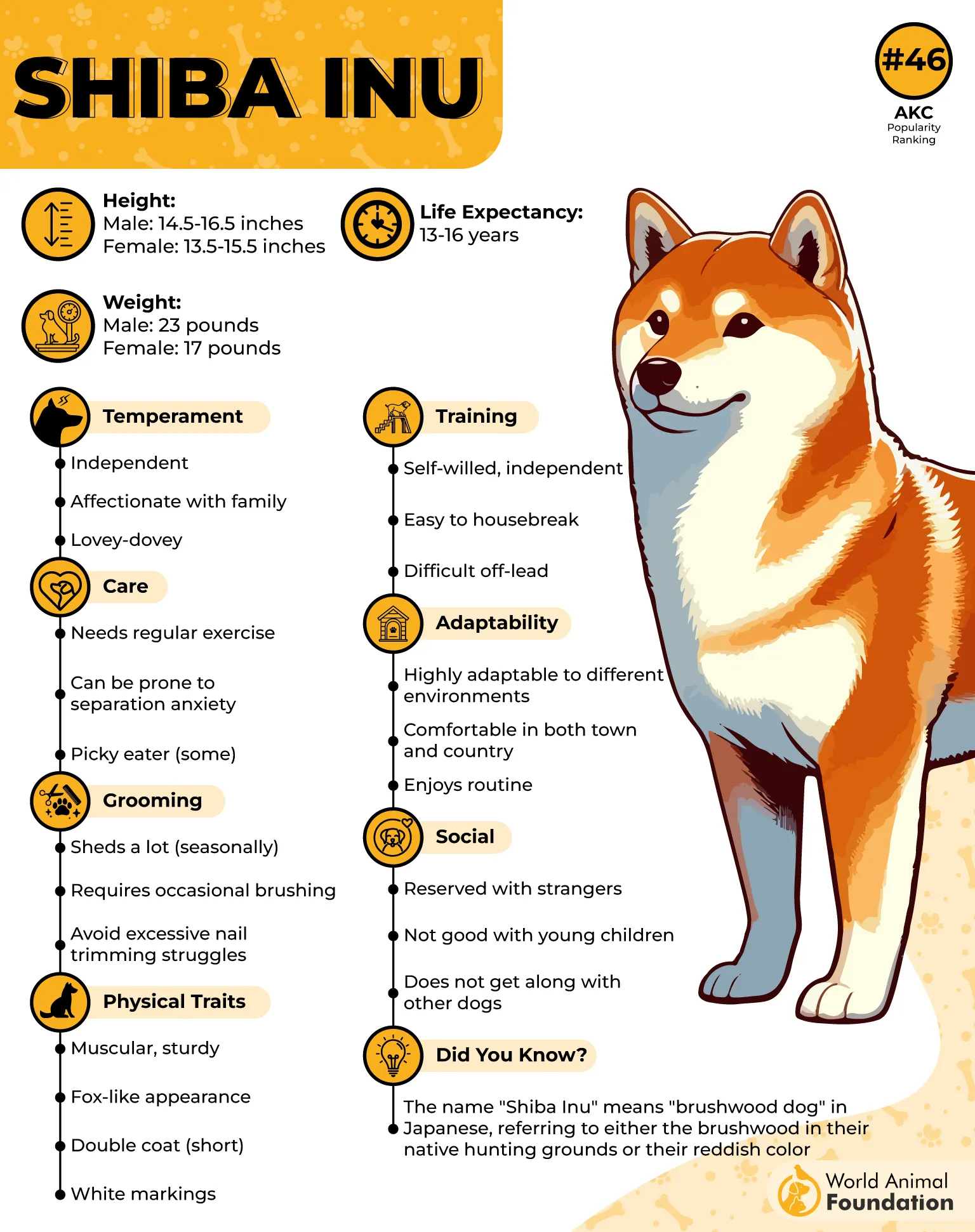
According to Greencross Vets, Shibas are known for their independence. They are not overly clingy or demanding of constant attention, and mature dogs can handle being alone for reasonable periods, as long as their exercise and mental needs are met beforehand.
Thanks to their compact size, Shiba Inus adapt well to apartment living and don’t require a large yard. They are also generally quiet and not prone to excessive barking, making them a good fit for urban homes with shared walls.
2. Great Dane
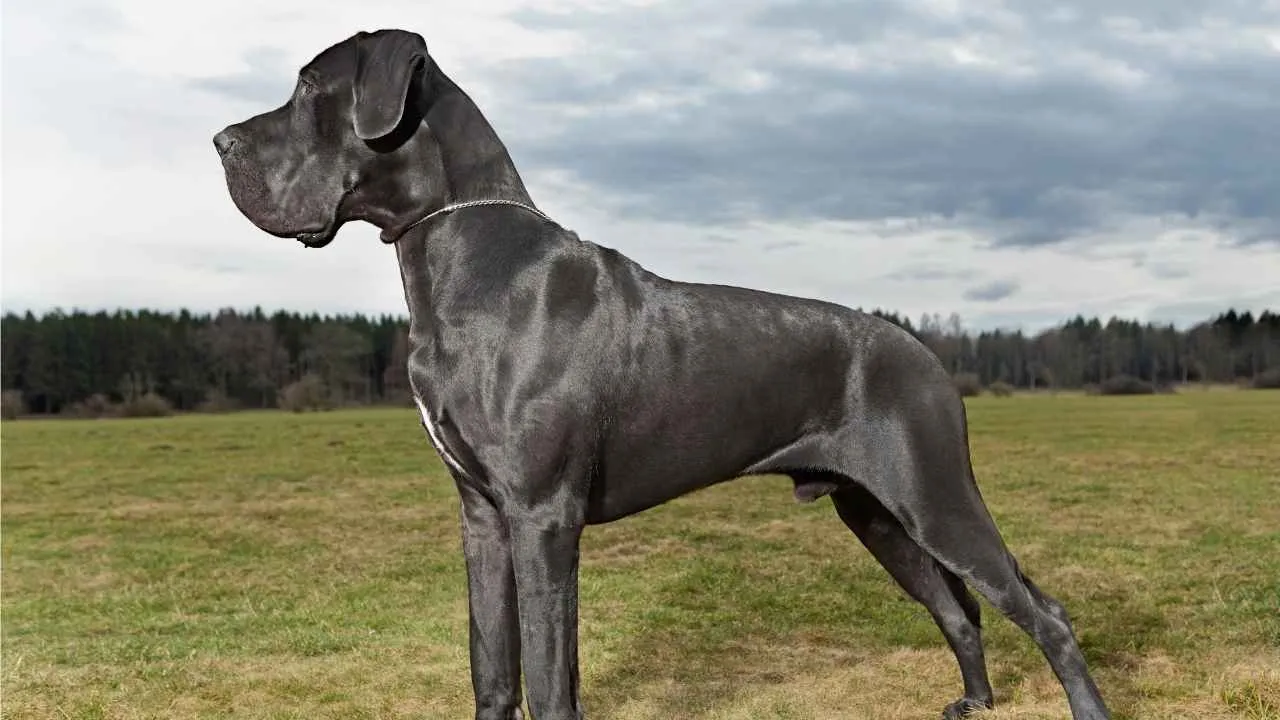
The Great Dane is frequently misinterpreted due to its gigantic height and weight. However, it is one of the largest breeds that is one of the most laid-back and peaceful to live with. A lot of owners compare them with big lap dogs that are very kind-hearted.
This breed doesn’t want a lot of excercises and it is very content to lie next to its family. It is calm, so the pet can be kept in the house where quiet companionship is preferred to constant action.
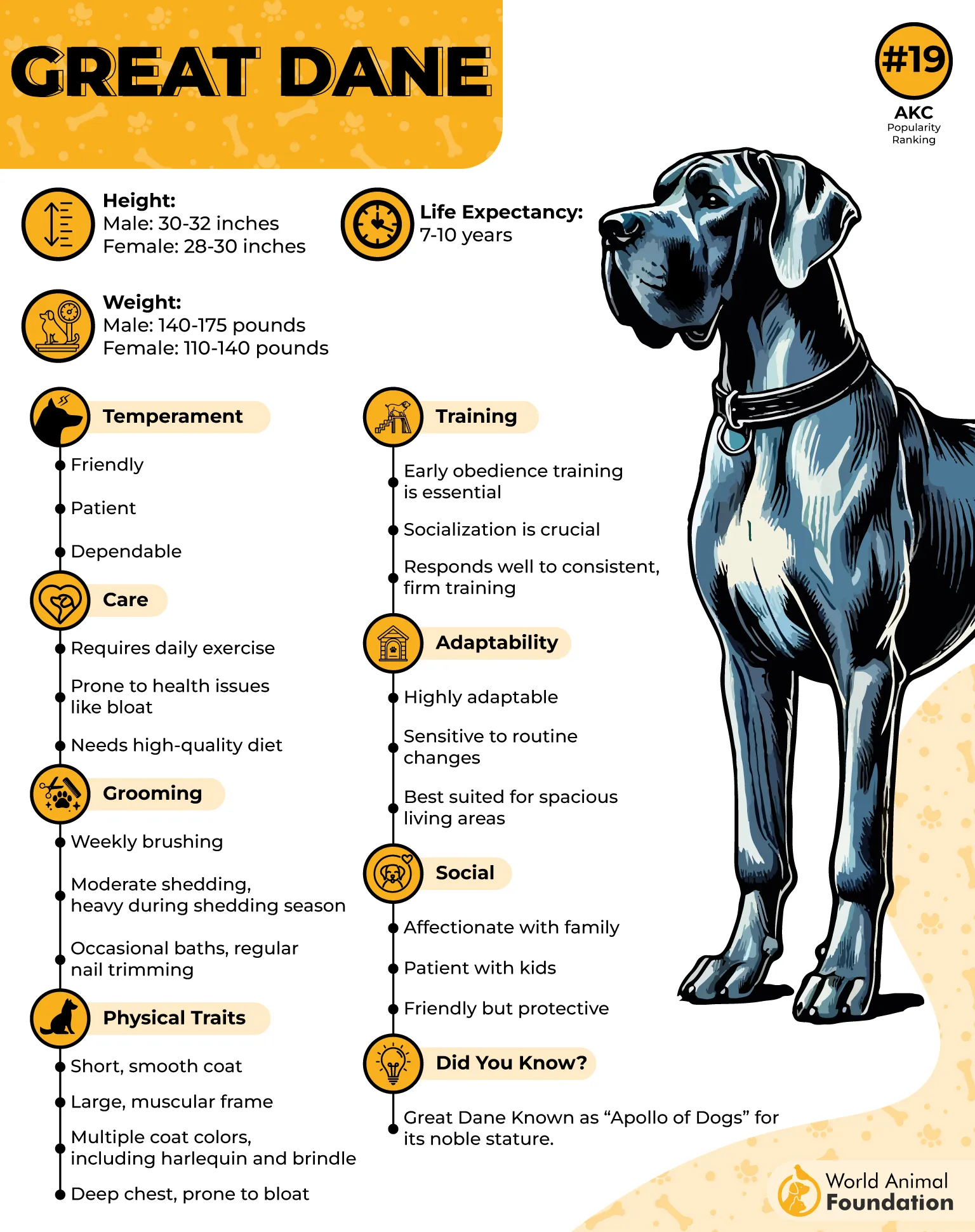
The Great Dane, also called the Apollo of Dogs, is full of grace in both looks and personality. Its size, which is quite a big one, gives the dog the power of a natural intruder deterrent, but very rarely do they show aggression as part of their personality.
According to the American Kennel Club, Great Danes very well adapt to indoor living conditions, provided they are given enough space to stretch and move around comfortably.
3. Whippet
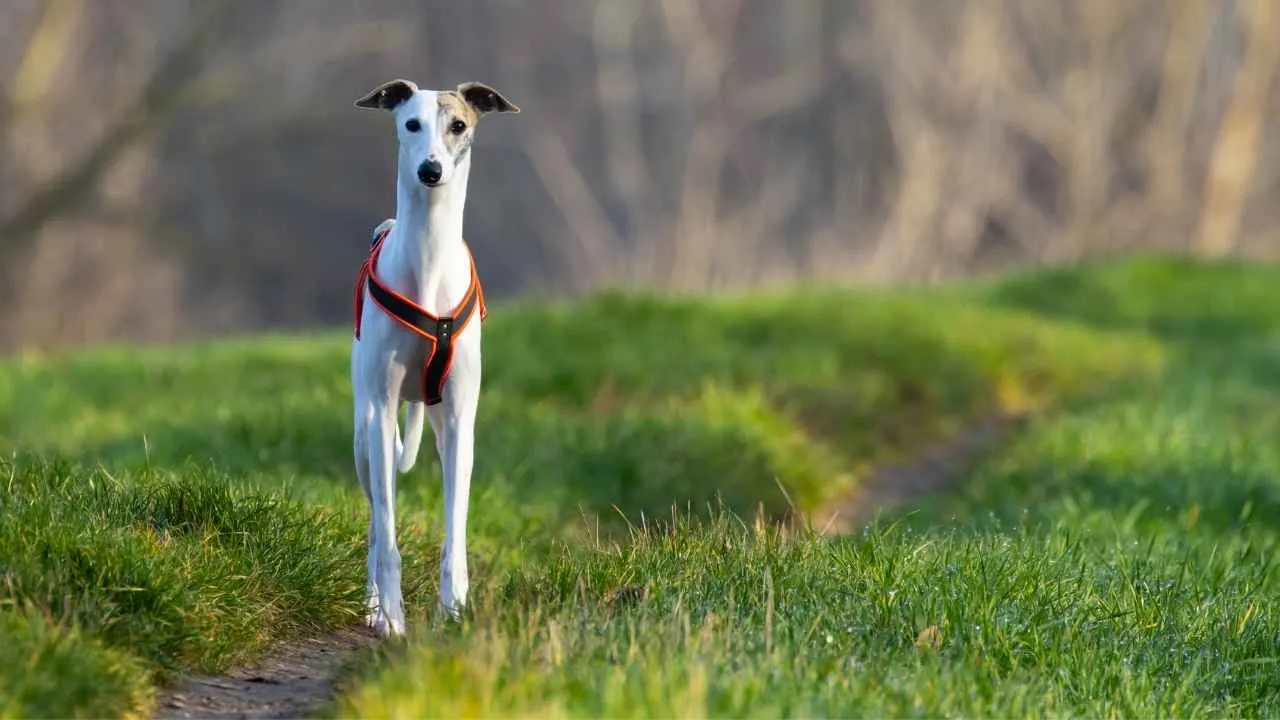
Despite being bred for incredible speed, able to reach up to 35 mph, Whippets are famously relaxed indoors and are often called “couch potatoes.” Inside the home, they are calm, quiet, and content to nap for long stretches, making them excellent companions for apartments and peaceful households.
Whippets are gentle, affectionate dogs who enjoy being close to their people. They love soft blankets, cozy furniture, and warm spots where they can lounge comfortably for hours. Their adaptable nature allows them to thrive in many living environments, from small apartments to spacious homes, as long as their basic needs are met.
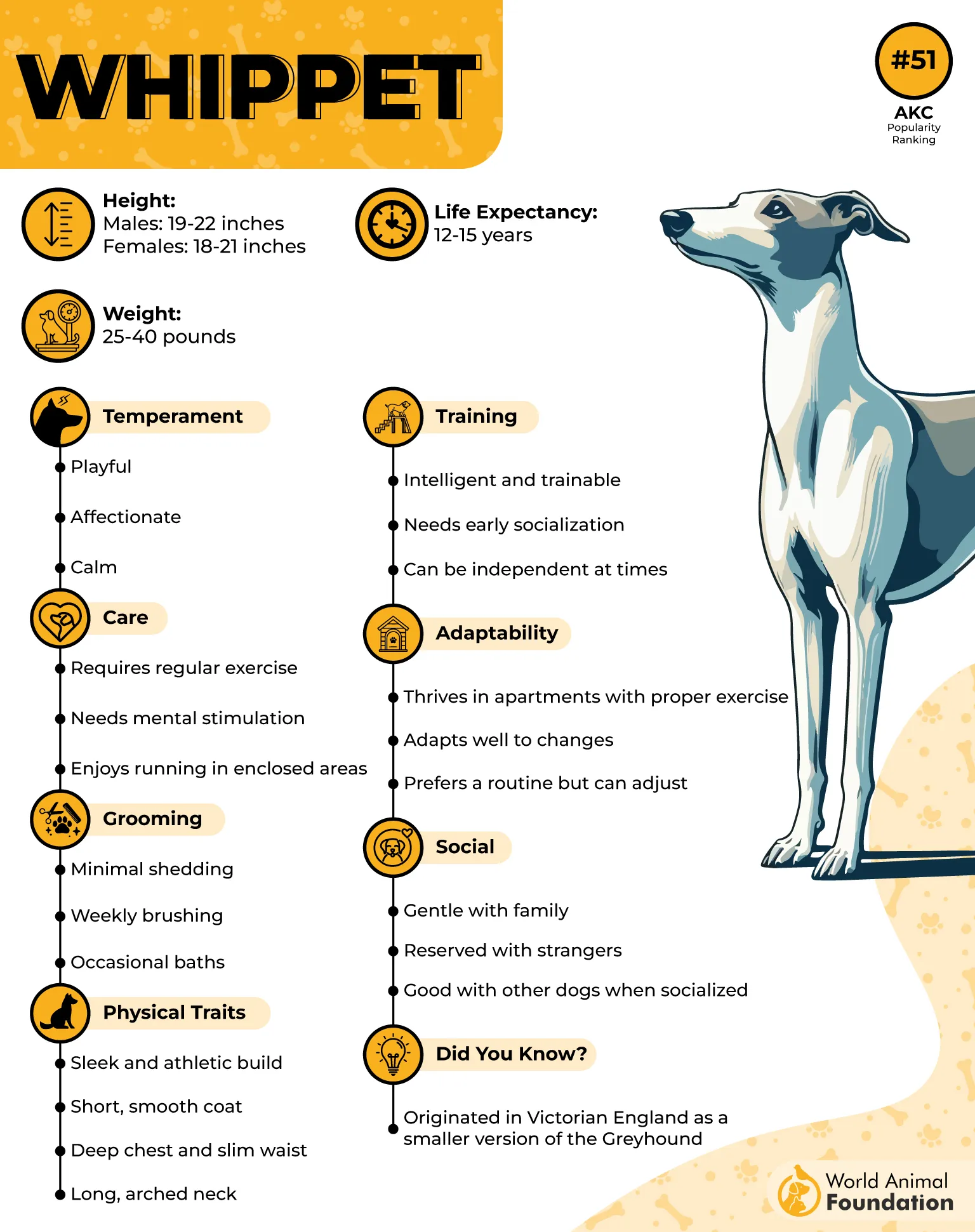
Their short, fine single coat sheds very little, which means minimal cleanup around the house. A quick weekly brush with a soft brush or grooming mitt is usually enough to remove loose hair and keep their coat looking sleek and healthy. Whippets are also naturally clean dogs with very little doggy odor and only need occasional baths when visibly dirty.
While relaxed indoors, Whippets do require daily exercise to stay healthy. Short bursts of running in a securely fenced area, along with one or two brisk walks totaling about an hour per day, are typically sufficient. Due to their strong prey drive, Whippets should always be kept on a leash when outside unsecured areas to prevent them from chasing small animals.
4. Basenji
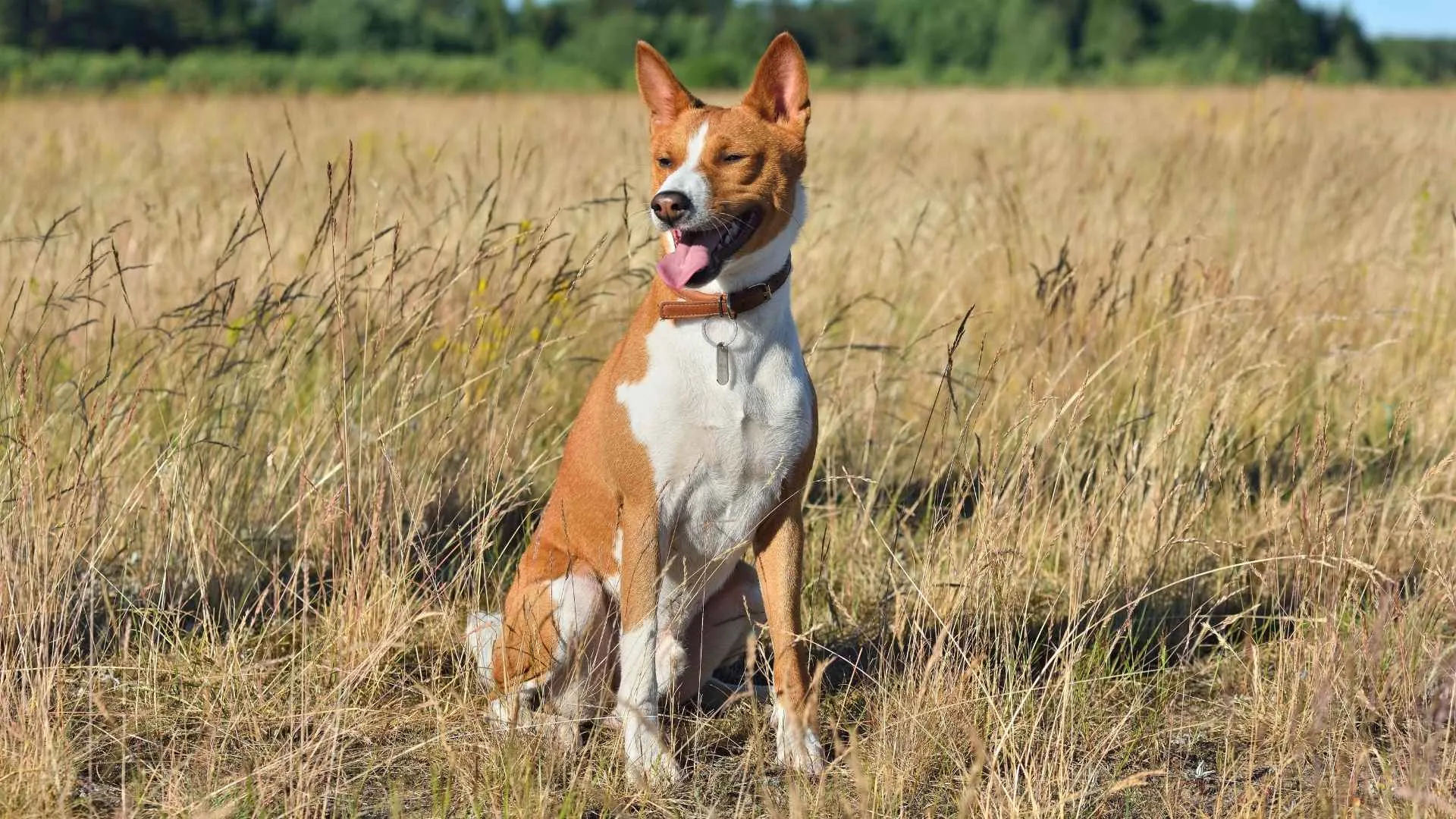
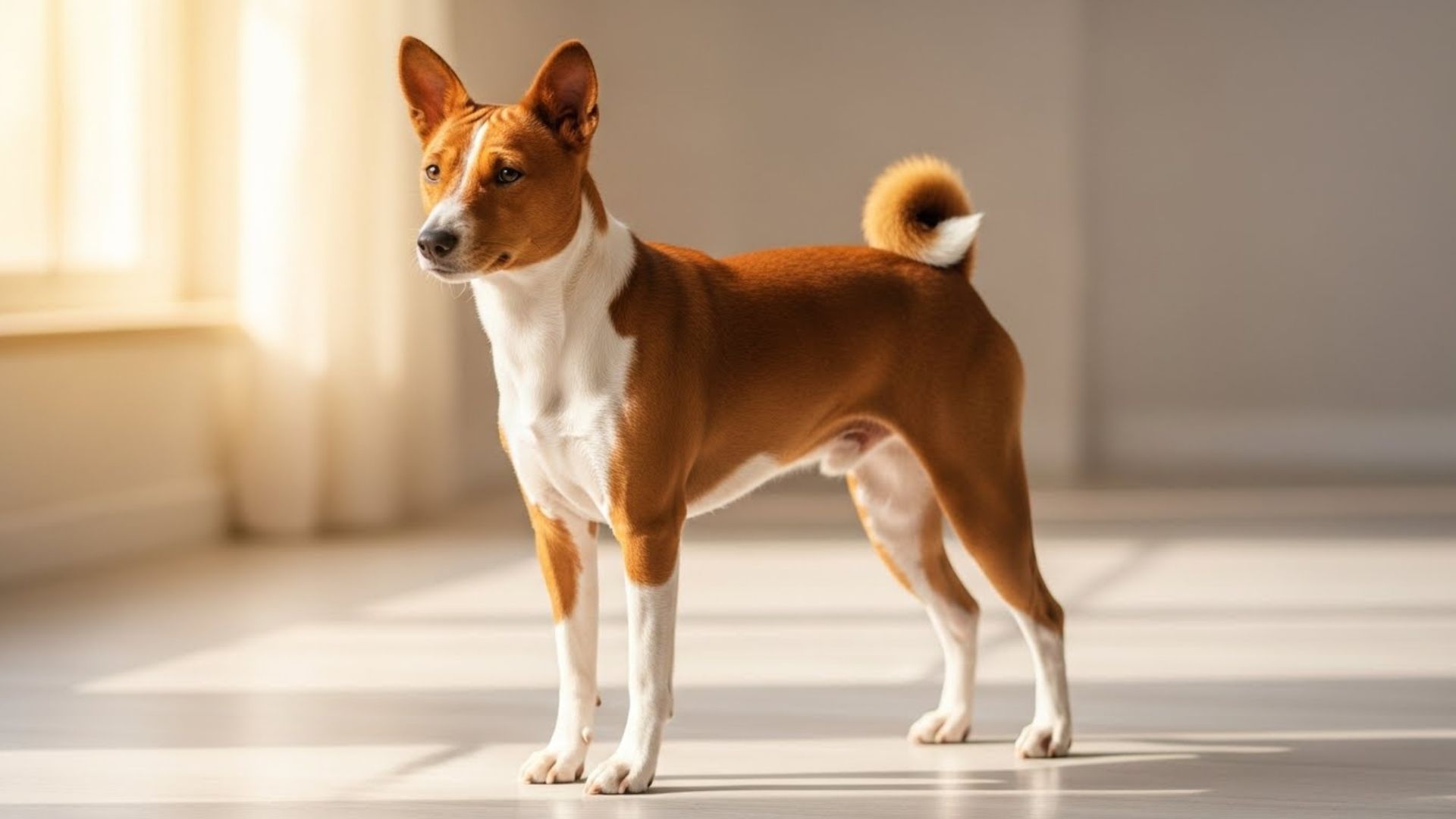
The Basenji is often called the “barkless dog,” making it an appealing choice for owners who prefer a quieter home. While they don’t bark in the traditional sense, they may express themselves with a unique yodel-like sound, which is far less disruptive than constant barking.
One of the biggest reasons Basenjis fit a low-maintenance lifestyle is their exceptional cleanliness. Frequently compared to cats, they groom themselves meticulously using their paws and tongue. This natural fastidiousness means they rarely need baths and typically have very little “doggy odor.”

Their short, fine coat is another advantage for easy care. Basenjis shed lightly and only require occasional brushing, usually once a week, to remove loose hair and keep their coat healthy. Grooming demands are minimal compared to many other breeds.
Personality-wise, Basenjis are independent and self-contained. They form strong bonds with their owners but are not overly needy or clingy, making them suitable for people who appreciate affection without constant attention. Adult Basenjis can be left alone for reasonable periods, as long as their exercise needs are met.
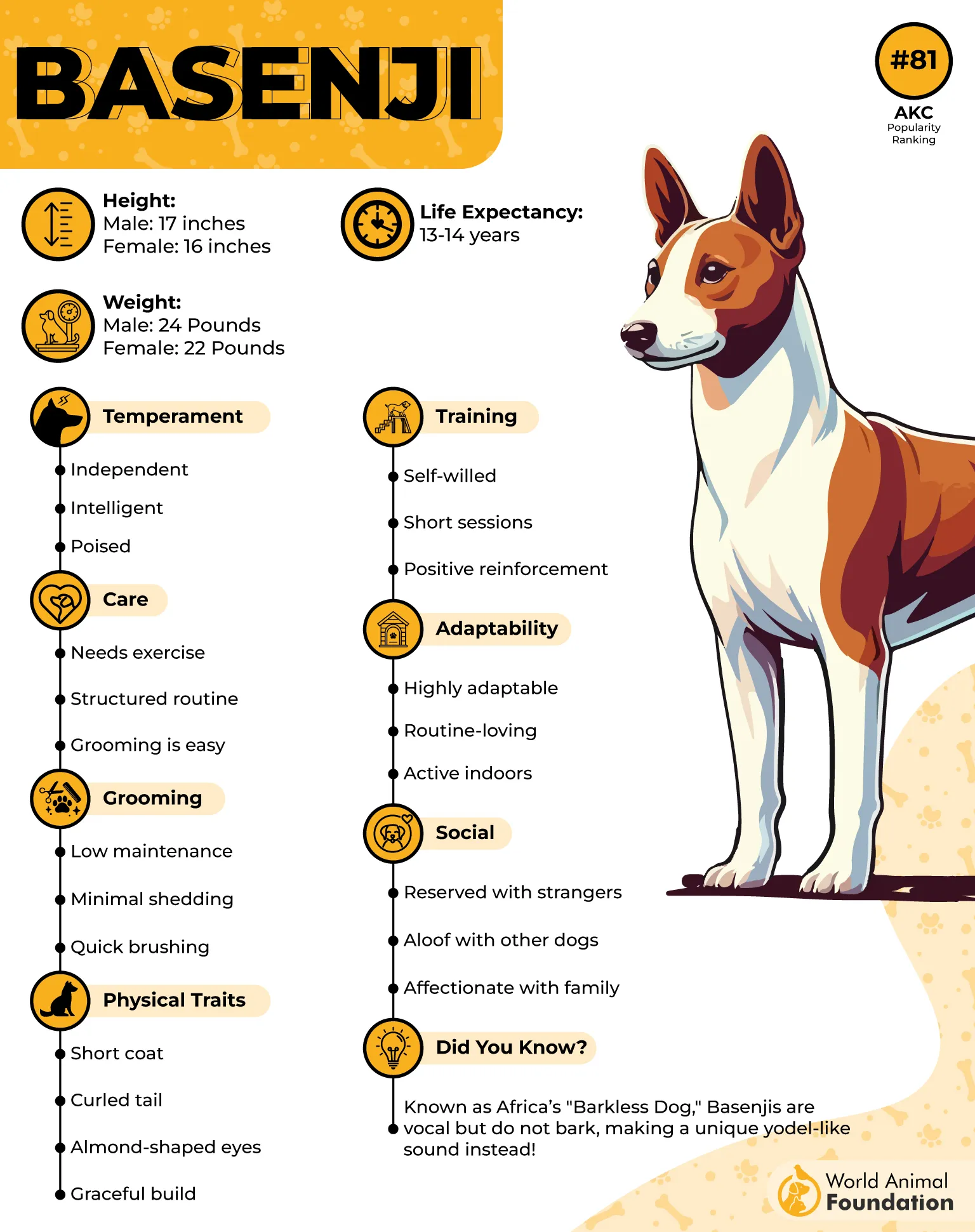
That said, Basenjis are energetic and intelligent dogs. They require daily physical activity and mental stimulation to stay content and avoid boredom-related behaviors. Due to their strong prey drive, they should always be kept on a leash or in a fenced area when outdoors.
5. Basset Hound
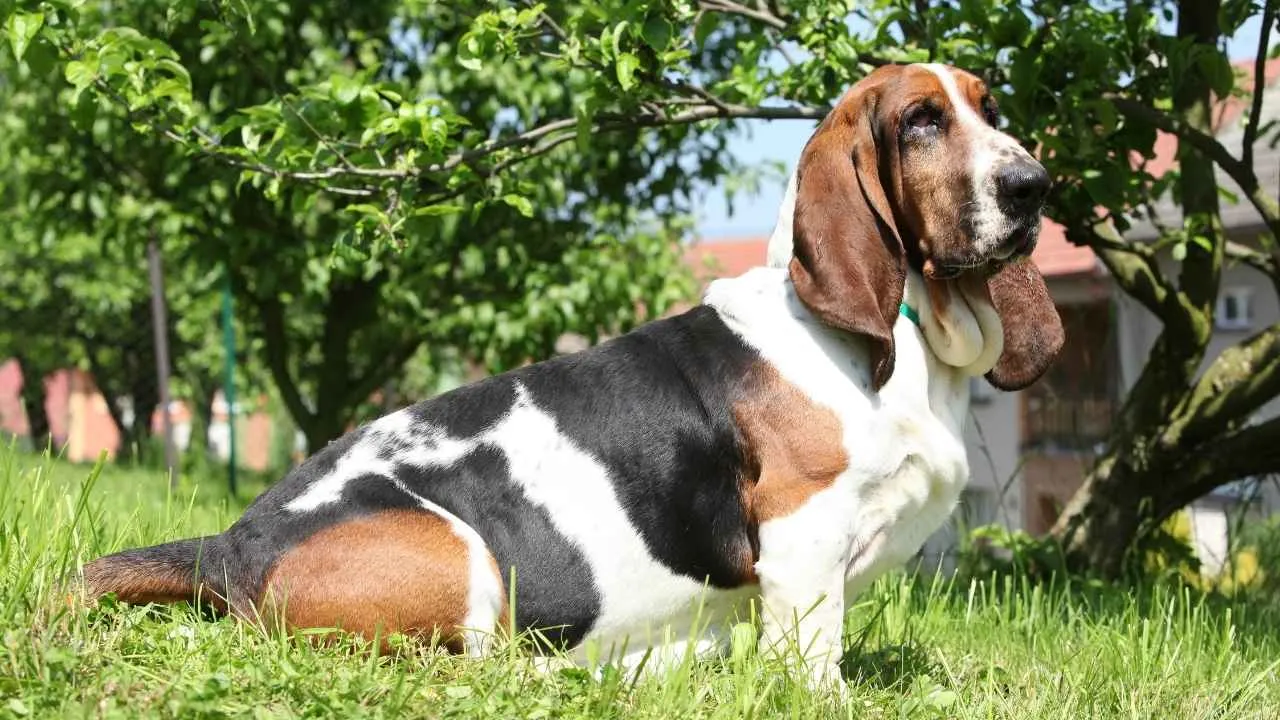
Basset Hounds are famously laid-back dogs who are happiest lounging around the house, making them ideal companions for individuals or families with a relaxed lifestyle. Indoors, they are calm and low-energy, which helps them adapt well to apartment living and quieter households.
Basset Hounds have a short, smooth coat that is easy to maintain. Weekly brushing is usually enough to manage their moderate shedding, and professional grooming is rarely needed. Their grooming routine is simple compared to many other breeds.
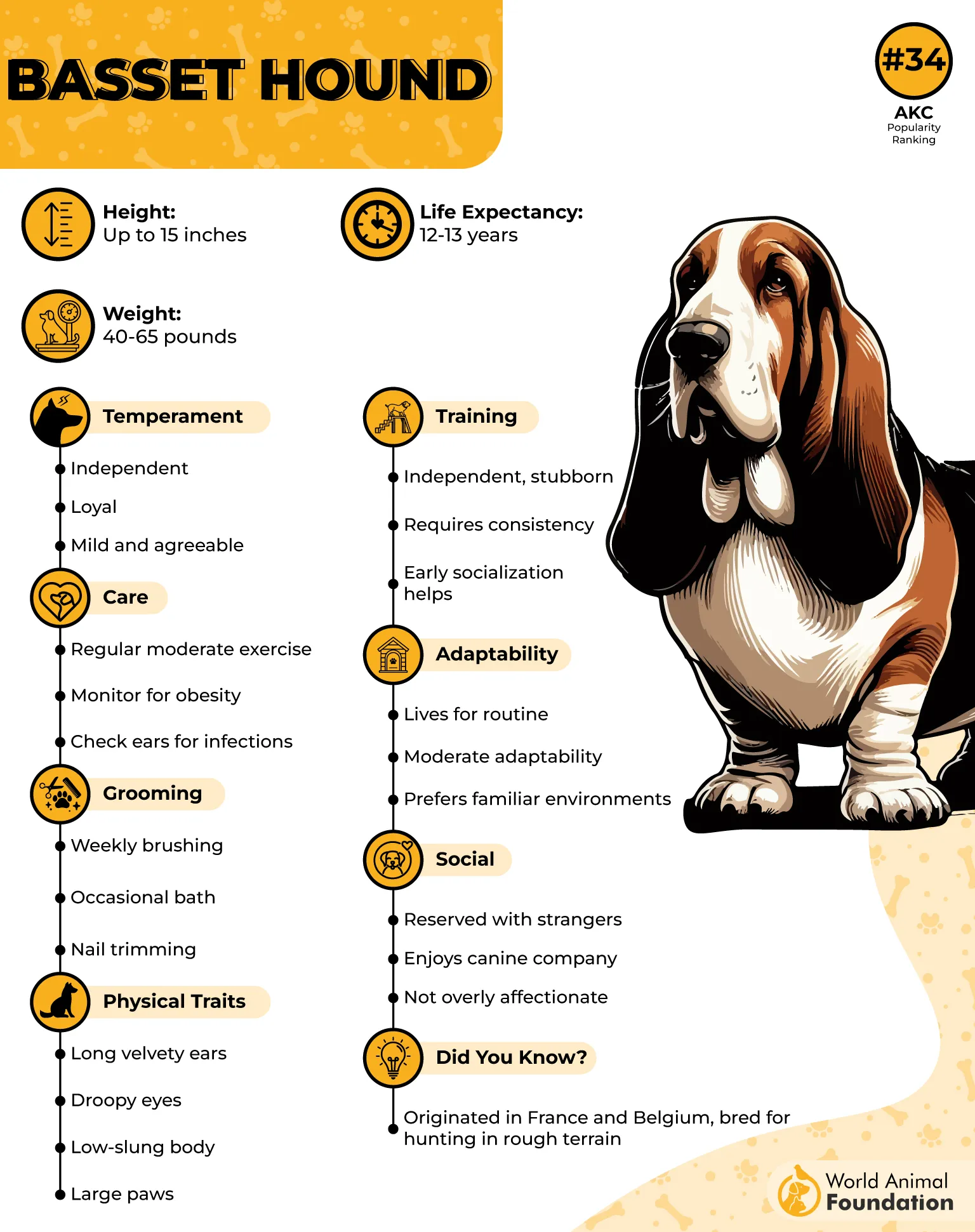
While they do require daily walks to stay healthy, Bassets don’t need intense exercise. A slow, sniff-heavy walk once a day typically satisfies their needs.
However, owners must pay attention to their specific care requirements. Their long, floppy ears and skin folds need regular cleaning to prevent infections, and strict portion control is essential, as they are prone to obesity and back issues.
As pack-oriented dogs, Basset Hounds dislike being left alone for long periods. Without companionship or stimulation, they may develop separation anxiety or boredom-related behaviors. With consistent care and company, they make wonderfully low-maintenance, loving housemates.
6. Great Pyrenees
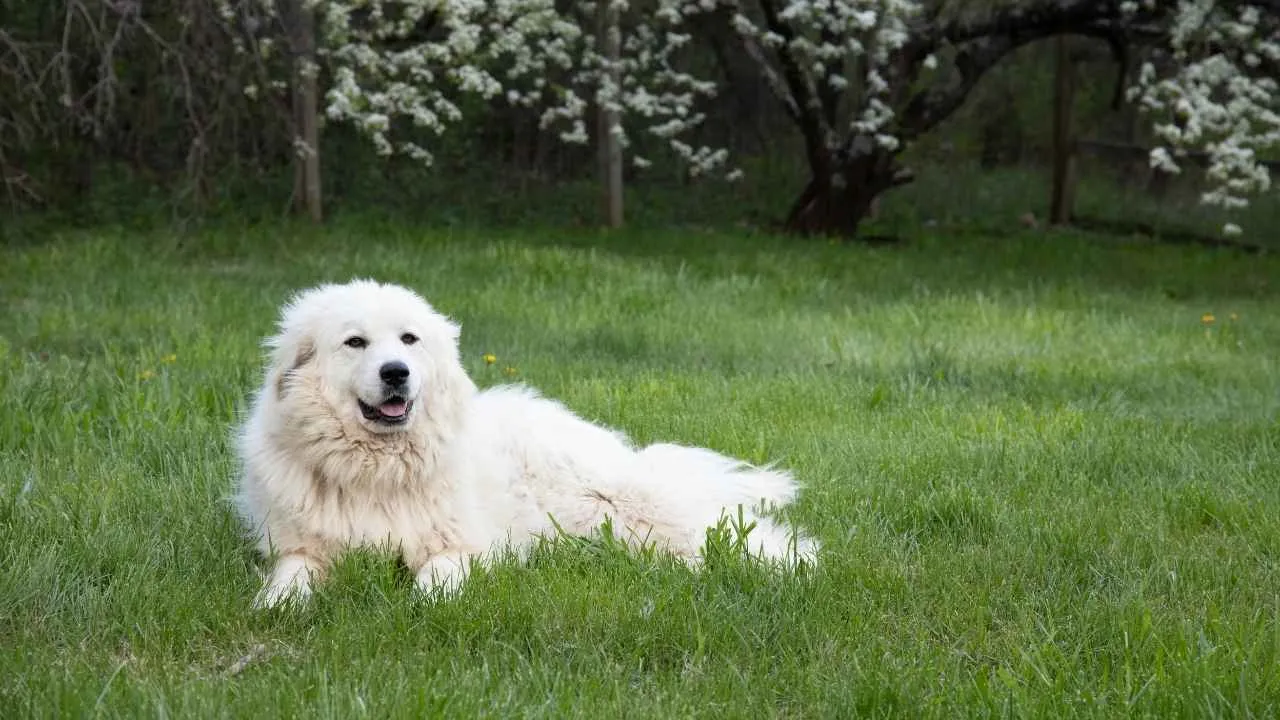
The Great Pyrenees is an example of silent confidence. Bred to guard livestock in harsh mountain regions, it learned to stay calm under pressure. This somehow prepares it to work in modern family settings.
While this breed is very loving to humans, it is also quite independent and self-sufficient. It does not want to be watched all the time or need any entertainment.
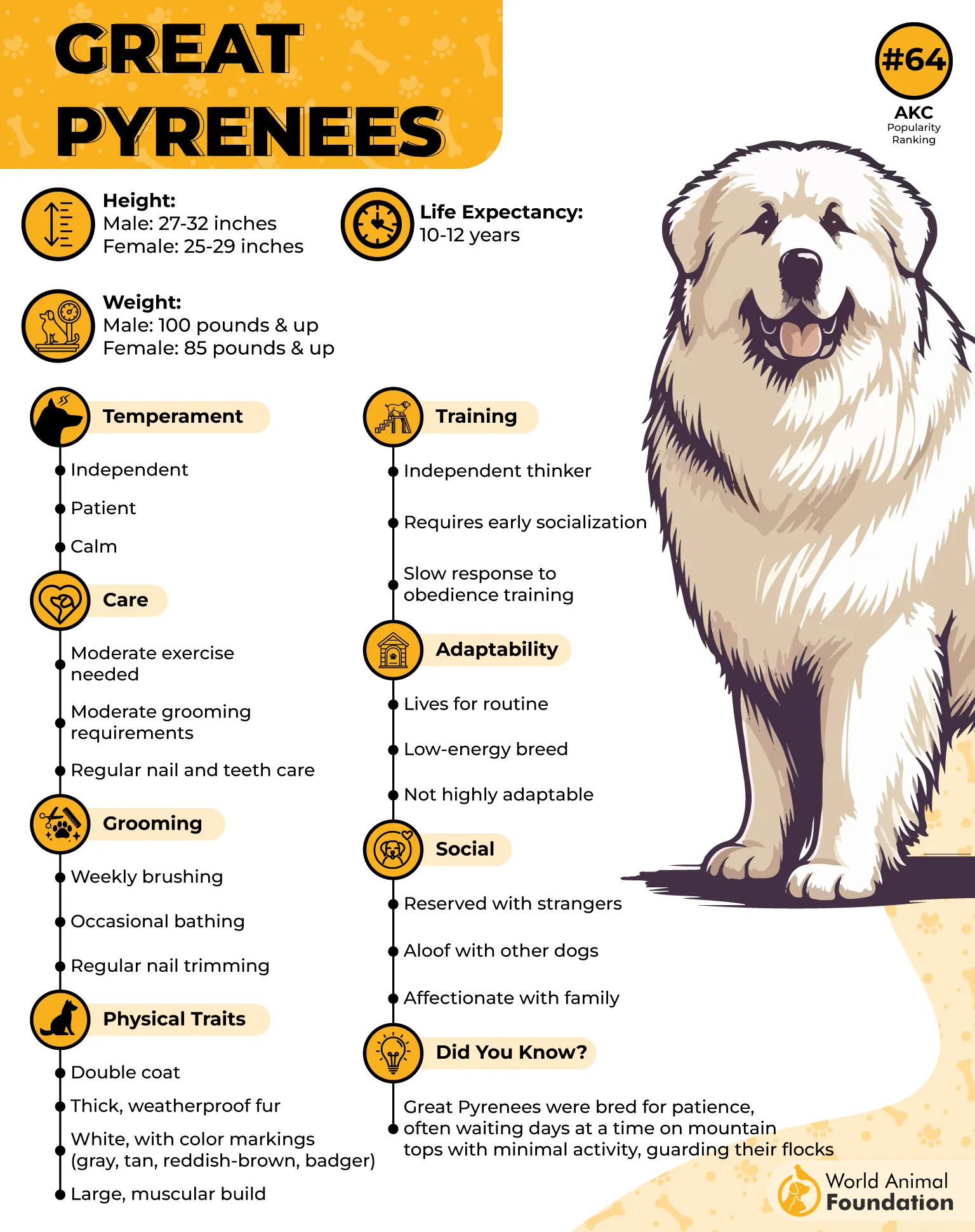
The Great Pyrenees is said to have a ZEN-like temperament and behavior according to veterinary behaviorists. The dog is very economical in energy and only reacts when it is necessary.
The dog’s dense coat requires care in the spring and fall only, but the day-to-day care is still low throughout the year. A calm walk and a regular routine are enough to keep the dog happy.
7. Bullmastiff
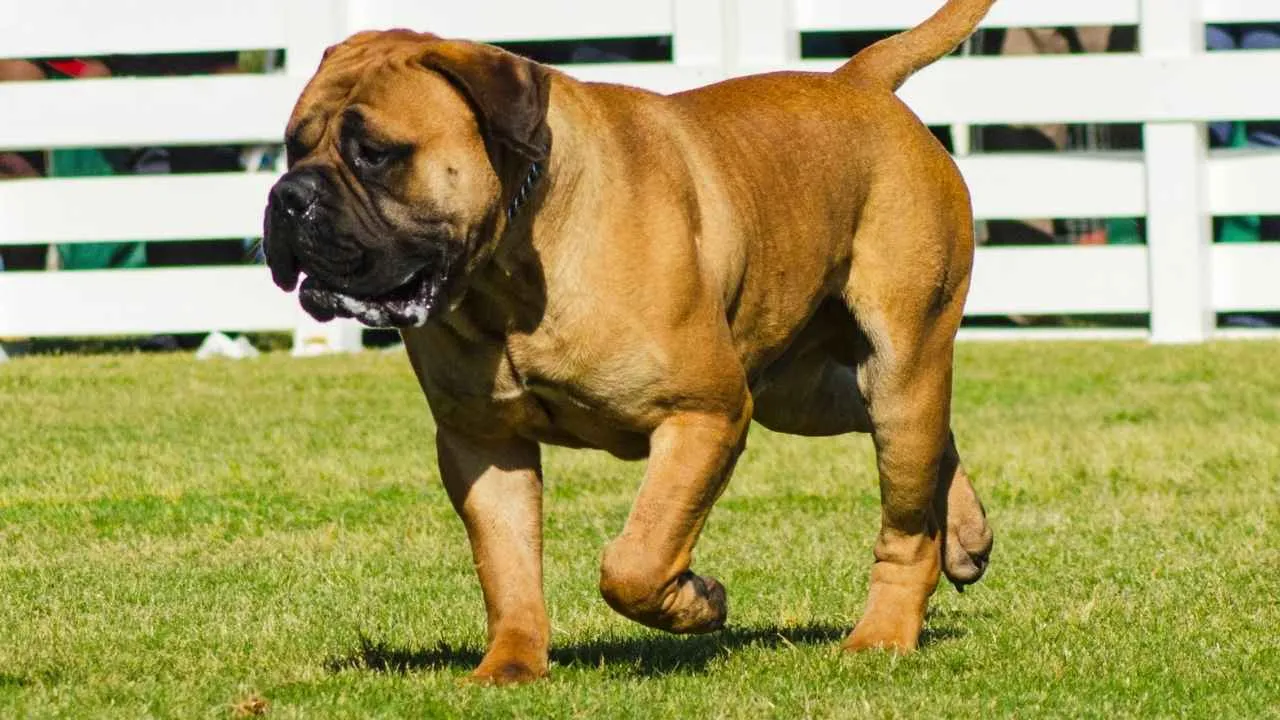
The Bullmastiff is a dog that is not only powerful but also very calm at the same time. It was kept as a guard dog in large estates in England, and being silent and efficient was part of its learning. In a home, this dog would be a placid and affectionate friend.
The dog likes to be active but only for a short time and then to rest for a long time. It makes a very close connection with the family and is always emotionally balanced.
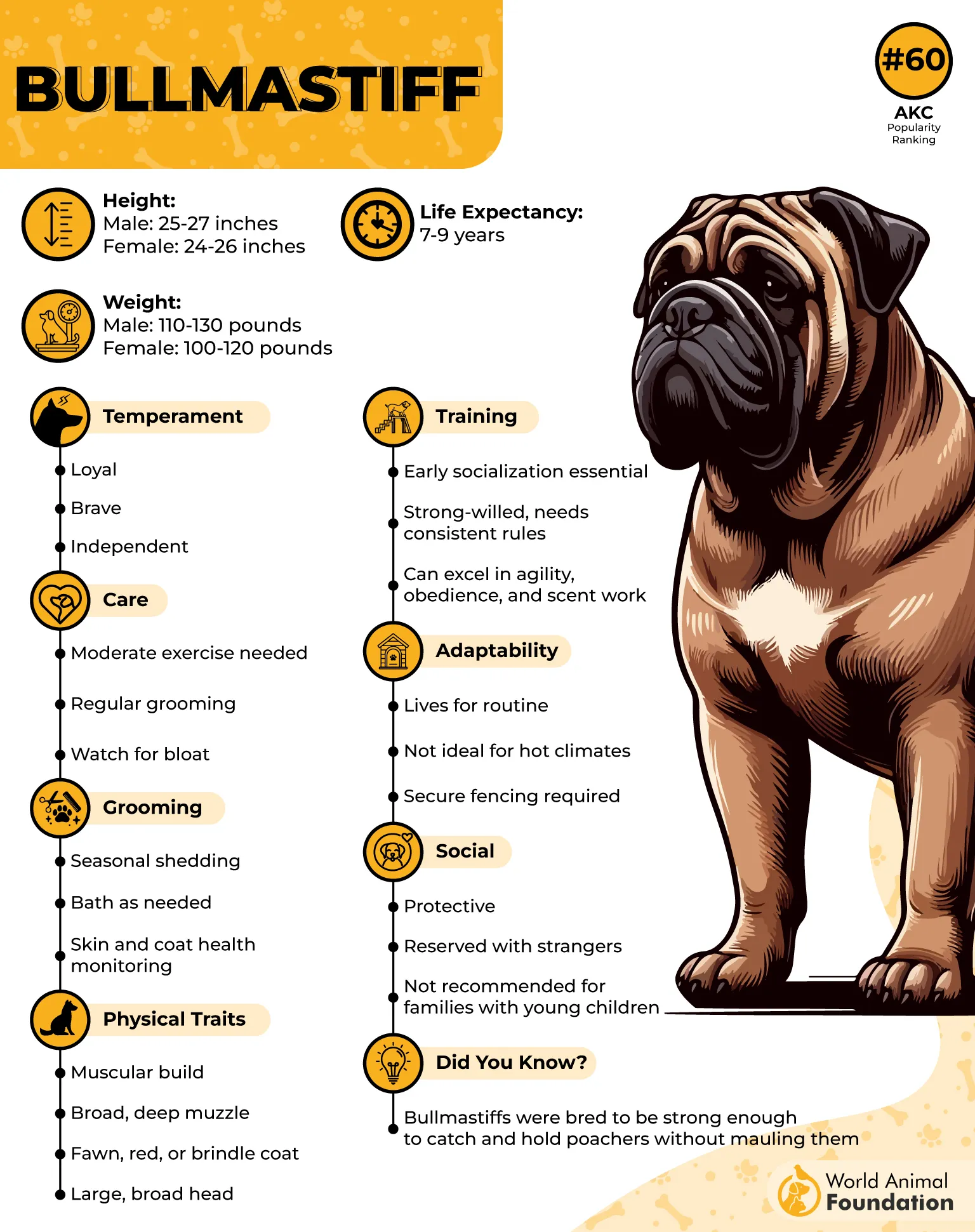
The Bullmastiff is easily recognized by the large head and self- assured look. According to Chewy, these dogs have a protective instinct but do not bark or react.
Daily care is a hassle-free routine due to low exercise requirements and short caots. Early training ensures relaxed and trustworthy adult companions.
Final Thoughts
The low-maintenance dog breeds give you one of the most precious things in the world: peace of mind. These adaptable dogs don’t demand constant motion, noise, or correction. Instead, they provide steady companionship, emotional grounding, and quiet loyalty.
Choosing the right breed simply requires you to be truthful about your lifestyle. When your dog’s nature fits with your daily rhythm, cohabitation is no longer a problem. Many of these breeds are especially suitable for first-time dog owners because they are manageable and easy to care for. With minimal grooming needs and proper training, you will get calm years of deeply fulfilling companionship with these breeds.
Even if you get a low-maintenance breed, all dogs require some time and attention. Remember, even within a breed, each dog is different, so always meet and interact with a potential pet before making a lifetime commitment.
